Have you ever wondered why do dogs have wet noses? This intriguing question not only sparks curiosity but also opens the door to understanding our furry friends better. A dog's nose is more than just a cute feature; it's a powerful tool that plays a crucial role in their health and behavior. The moisture on a dog's nose serves several important purposes, making it essential for their survival and well-being. But what exactly makes their noses so wet? Is it just a quirk of nature, or is there deeper science involved? In this article, we will explore the fascinating reasons behind this unique trait, uncovering how it helps dogs smell better, regulate their body temperature, and even communicate with other dogs. If you've ever thought, "Why is my dog’s nose always wet?" you’re in for a treat! Discover the secrets behind those adorable, moist noses and learn how they contribute to your pup's overall health. Stay tuned as we delve into the world of canine biology and behavior, revealing why wet noses are not just a cute characteristic but a vital aspect of being a dog!
\n\nUnveiling the Mystery: What Makes Dogs' Noses Wet?
\n\n \n\n
\n\nHave you ever wondered why do dogs have wet noses? It's a fascinating question that many pet owners and dog lovers ponder. Dogs’ noses are not just cute but also serve several important functions. Let's dive into the science and myths behind those moist, cold noses that often greet us with a friendly nuzzle.
\nThe Science Behind Wet Noses
\nFirstly, it’s important to understand that a dog’s nose is not just a sensory organ; it’s also a vital tool for regulating their body temperature. A dog’s nose tends to be wet due to a combination of factors. Here’s a breakdown:
\n- \n
- Nasal Mucus: Dogs secrete mucus from their nasal passages. This mucus helps to warm and humidify the air they breathe in, making it easier for them to smell scents effectively. \n
- Cooling Mechanism: Dogs do not sweat like humans do. Instead, they cool down through their noses. When the mucus on their noses evaporates, it cools the blood vessels and helps lower their body temperature. \n
- Increased Sensitivity: Wet noses can enhance a dog’s sense of smell. The moisture helps to capture scent particles from the air, making their sense of smell even sharper. \n
Historical Context of Dogs' Noses
\nDogs have been companions to humans for thousands of years. Historically, their noses have played a crucial role. Ancient civilizations relied on dogs for hunting, herding, and protection. Here’s how wet noses fit into that narrative:
\n- \n
- Hunting: Dogs with wet noses could track scents more accurately. Their ability to detect subtle smells was invaluable for hunting. \n
- Working Dogs: In roles like search and rescue, police work, or therapy, a dog’s wet nose can be a key advantage in identifying individuals or locating tasks. \n
- Social Interaction: Dogs use their noses to communicate with each other and humans. A wet nose can signify excitement or affection. \n
Why Do Dogs Have Wet Noses?
\nThe reasons why dogs have wet noses can be summed up as follows:
\n- \n
- Health Indicator: A wet nose is often seen as a sign of a healthy dog. However, it’s not a definitive measure. Some dogs may have dry noses due to specific health issues or environmental factors. \n
- Variety Among Breeds: It’s interesting to note that some dog breeds naturally tend to have drier noses than others. For example, Bulldogs and Pugs may have drier noses compared to a Greyhound or Beagle. \n
- Environmental Factors: A dog’s nose can change based on the weather. In humid conditions, noses may be wetter, while they can dry out in hot or dry climates. \n
Fun Facts About Dogs' Noses
\nHere are some intriguing tidbits about our furry friends' noses:
\n- \n
- Nose Print: Just like human fingerprints, each dog has a unique nose print. This could potentially be used for identification. \n
- Scent Detection: Dogs can detect certain scents at concentrations as low as one part per trillion. This incredible ability is partly due to their wet noses. \n
- Temperature Regulation: Dogs can lose heat through their noses, making it an essential part of their thermoregulation. \n
Comparisons to Other Animals
\nWhen comparing dogs' noses to those of other animals, it’s clear that dogs are unique in several ways:
\n| Animal | \nNose Type | \nFunctionality | \n
|---|---|---|
| Dogs | \nWet and sensitive | \nEnhanced scent detection | \n
| Cats | \nDry and less sensitive | \nPrimarily for basic scent identification | \n
| Bears | \nWet and highly developed | \nExcellent for tracking food sources | \n
| Elephants | \nTrunk and moist | \nMultifunctional, includes scent and touch | \n
Practical Examples of Nose Usage
\nHere’s a list of how dogs use their noses in daily life:
\n- \n
- Tracking: Search and rescue dogs use their noses to find missing persons. \n
- Detection: Drug and bomb detection dogs utilize their keen sense of smell to identify substances. \n
- Health Monitoring: Some dogs can even detect changes in human health conditions, like low blood sugar or even cancer, by smelling specific scents. \n
As you can see, the reasons dogs have wet noses are deeply rooted in both biology and history. Their moist noses play a vital role in their health, communication, and functioning in various roles. So, next time you see your dog with its wet nose, it’s not just an adorable feature; it’s a marvel of nature that serves many important purposes. Understanding this unique aspect of our canine companions can help deepen the bond between you and your pet, recognizing all the incredible traits they possess.
\n\n5 Fascinating Reasons Why Dogs Have Wet Noses You Didn't Know About
\n\n\n\nYou ever notice how your dog’s nose is always a little damp? It’s kinda weird, right? But there’s actually a lot of fascinating stuff goin on with those wet noses. In fact, they’re more than just cute little features. They help dogs in many ways, and some of these reasons might surprise you! Let’s dive into the wet-nosed world of our furry friends, and explore 5 reasons why dogs have wet noses that you probably didn’t know about.
\n1. Enhanced Sense of Smell
\nOne of the most interesting reasons why dogs have wet noses is because it helps them smell better. Dog noses are packed with scent receptors—around 300 million of ‘em! That’s way more than the mere 5 million humans have. The moisture on a dog’s nose captures scent particles from the environment, making it easier for them to identify different smells. This ability is why dogs are often used in search-and-rescue missions and detecting drugs or explosives.
\n- \n
- Dogs can smell things up to 100,000 times better than humans. \n
- The wetness of the nose also helps cool down the dog's body temperature. \n
- Dogs use their noses to communicate with each other, sniffing out information about other animals and humans. \n
2. Temperature Regulation
\nDid you know that a dog’s nose plays a role in regulating their temperature? When dogs pant, they lose moisture through their mouths and noses. A wet nose can help keep them cool, especially in hot weather. The moisture evaporates, which cools the blood vessels in the nose, helping the dog to stay comfortable.
\n- \n
- Dogs do not sweat like humans do; they rely on panting and their noses to regulate temperature. \n
- A dry nose might indicate that a dog is overheated or dehydrated, so it’s important to keep an eye on their hydration levels. \n
3. Health Indicator
\nThe state of a dog’s nose can often give hints about their health. A healthy dog usually has a slightly moist and cool nose. If you notice that your dog’s nose is persistently dry or cracked, it might be a sign they’re sick or dehydrated.
\nHere are some common nose conditions to look out for:
\n- \n
- Dryness: Could indicate dehydration or illness. \n
- Crusting: Might be a sign of an infection. \n
- Discoloration: Changes in color can signal health issues. \n
4. Communication Tool
\nDogs are social creatures, and their noses are key communication tools. When dogs meet each other, they often sniff each other’s noses as a greeting. This behavior helps them learn about the other dog’s identity, health status, and even mood. The wetness of their noses helps them gather more information through scent.
\n- \n
- Sniffing is how dogs say “hello” and learn about one another. \n
- Dogs may also sniff their owners or other animals to gather information about their emotions or state. \n
5. Evolutionary Trait
\nFinally, the wet nose is an evolutionary trait that has developed over time. It’s thought that ancestors of modern dogs had wet noses that helped them track prey and navigate their environments better. This trait has persisted through generations, making it an essential part of their survival.
\n- \n
- Wet noses may have given early dogs an advantage in hunting. \n
- It’s a characteristic shared among many canine species, not just domesticated dogs. \n
Fun Facts About Dogs and Their Noses
\n- \n
- The color of a dog’s nose can vary and doesn’t necessarily indicate anything about their health. \n
- Some breeds, like the Bloodhound, have an exceptional sense of smell thanks to their unique nose structure. \n
- Dogs’ noses can even change color based on the seasons or their environment. \n
When you think about it, a dog’s wet nose is a little miracle of nature. It’s not just a cute feature; it’s a tool for survival, communication, and health monitoring. So, next time you give your furry friend a scratch behind the ears, take a moment to appreciate that wet nose and everything it does. Understanding these fascinating reasons why dogs have wet noses can deepen your bond and knowledge of these amazing creatures. Always keep an eye on your dog’s nose, and if anything seems off, don’t hesitate to reach out to your vet. Those wet noses are not just adorable; they’re essential to your dog’s well-being.
\n\nThe Science Behind Wet Noses: How They Benefit Your Dog's Health
\n\n \n\n
\n\nDogs have been our companions for thousands of years, and one of their most endearing features is their wet noses. Ever wondered why do dogs have wet noses? It's more than just a cute quirk; it’s rooted in biology and serves some important health functions. The science behind wet noses reveals a lot about your dog's well-being!
\nThe Biology of a Dog's Nose
\nA dog's nose is a complex organ with a lot of functions. The surface of a dog's nose is covered in a thin layer of moisture. This moisture helps to enhance their sense of smell, which is far superior to that of humans. Wet noses contain numerous olfactory receptors that allow dogs to detect scents that we simply can't.
\n- \n
- Dogs have approximately 220 million scent receptors, while humans only have about 5 million. \n
- The wetness helps to capture scent particles in the air, making it easier for dogs to analyze their environment. \n
- This is why dogs may sniff around, and sometimes even lick their noses; they’re trying to gather more information about their surroundings. \n
Why Are Dog Noses Wet?
\nThe wetness of a dog's nose comes from a combination of saliva and mucus. Dogs lick their noses to keep them moist, which helps in scent detection. But there are more reasons why they have wet noses:
\n- \n
- \n
Temperature Regulation: Dogs don’t sweat like humans do. Their noses help in regulating body temperature. The moisture evaporating from their noses cools them down.
\n \n - \n
Health Indicator: A wet nose can be an indicator of a dog's health. Generally, a healthy dog’s nose is moist and cool. If it’s dry or warm, it could suggest an illness or fever.
\n \n - \n
Social Interaction: Dogs use their noses to communicate with each other. A wet nose can be a sign of a friendly dog, inviting interactions with other dogs and humans.
\n \n
Historical Context of Dog Noses
\nHistorically, dogs were bred for specific tasks, like hunting, herding, or guarding. Their noses evolved to suit their roles. For instance, hunting dogs were bred to have exceptionally keen senses of smell to track scents over long distances. This evolutionary process highlights how essential their wet noses are to their survival and effectiveness in their roles.
\nInteresting Facts About Dog Noses
\n- \n
- \n
Unique Patterns: Just like human fingerprints, every dog’s nose print is unique. This has led to some using it for identification purposes.
\n \n - \n
Temperature Sensitivity: The wetness of a dog's nose can change based on the temperature and humidity of the environment. In warmer weather, it tends to dry out more quickly.
\n \n - \n
Nasal Turbinates: Dogs have intricate structures in their noses called nasal turbinates. These help to warm, humidify, and filter the air they breathe, further enhancing their sense of smell.
\n \n
What Factors Can Affect a Dog's Nose?
\nSeveral factors can influence how wet or dry a dog's nose is. Here’s a quick list:
\n- \n
- \n
Weather conditions: Hot, dry weather can lead to drier noses.
\n \n - \n
Health issues: Conditions like allergies, fever, or dehydration can cause a dog's nose to become dry.
\n \n - \n
Age: Older dogs may have drier noses compared to younger ones.
\n \n - \n
Breed differences: Certain breeds may naturally have drier noses due to their genetics.
\n \n
Practical Tips for Keeping Your Dog's Nose Healthy
\nHere are some practical tips to ensure your dog’s nose stays in top condition:
\n- \n
- \n
Hydration: Make sure your dog has access to fresh water at all times. Staying hydrated can keep their noses moist.
\n \n - \n
Regular Vet Check-ups: Routine check-ups can help catch any potential health problems early. If you notice any sudden changes in your dog's nose, consult your vet.
\n \n - \n
Environmental Factors: Protect your dog from harsh weather conditions. Consider using a pet-safe moisturizer if their nose appears excessively dry.
\n \n - \n
Diet: A balanced diet can contribute to overall skin and nose health. Look for high-quality dog food that meets their nutritional needs.
\n \n
Final Thoughts
\nUnderstanding the science behind wet noses not only reveals fascinating aspects of canine biology but also helps us take better care of our furry friends. The next time you see your dog with that adorable wet nose, remember, it’s not just for show. It plays a crucial role in their health and well-being! By keeping an eye on your dog’s nose and overall health, you can ensure they stay happy and healthy for years to come.
\n\nIs Your Dog's Nose Too Wet? Understanding Canine Nose Health
\n\n \n\n
\n\nIs your dog’s nose too wet? This question might pop up in your mind if you notice your furry friend’s snout glistening or drippy. Understanding canine nose health can be kinda tricky, but don’t worry! Here, we’ll explore why dogs have wet noses and the reasons behind this fascinating phenomenon.
\nWhy Do Dogs Have Wet Noses?
\nDogs’ noses are wet for several reasons, most of which is related to their health and sensory abilities. Here’s a list of the main reasons why your dog’s snoot might be moist:
\n- \n
- \n
Cooling Mechanism: Dogs don’t sweat like humans do. Instead, they cool themselves through their noses and panting. A wet nose can help regulate their body temperature, keeping them comfortable during warm weather.
\n \n - \n
Enhanced Smell: Dogs have an incredible sense of smell, which is 10,000 to 100,000 times more sensitive than that of humans. A wet nose helps to capture scent particles more effectively. When the nose is wet, it can absorb scent chemicals, making it easier for dogs to detect different smells.
\n \n - \n
Health Indicator: A dog’s nose can sometimes be an indicator of their health. A consistently dry or cracked nose could signal dehydration or illness, while a wet nose is generally a sign of a healthy pup.
\n \n - \n
Behavioral Reasons: Dogs use their noses to explore their environment. A wet nose may result from sniffing around and interacting with various surfaces, which can transfer moisture onto their snout.
\n \n
The Myth of the Cold Nose
\nYou might have heard that a cold nose means a healthy dog. While there is some truth to this, it’s not the whole story. A dog’s nose temperature can vary based on several factors, including:
\n- \n
- \n
Environmental Temperature: If it’s cold outside, your dog’s nose might feel cooler. Conversely, a warm environment could make their nose feel warmer.
\n \n - \n
Activity Level: After playing or exercising, a dog’s nose may feel warm and dry, which is usually temporary.
\n \n - \n
Individual Variation: Just like humans, each dog is unique. Some dogs naturally have warmer or cooler noses regardless of their health.
\n \n
What’s Normal and What’s Not
\nKnowing what’s normal for your dog can help you identify potential health issues early. Here’s a quick reference table to help you understand what nose conditions to watch for:
\n| Condition | \nDescription | \nAction to Take | \n
|---|---|---|
| Wet and Cool | \nTypical, healthy nose condition | \nNo action needed | \n
| Warm and Dry | \nPossible dehydration or illness | \nOffer water, monitor closely | \n
| Cracked or Flaky | \nCould indicate allergies or skin issues | \nConsult your vet | \n
| Excessively Wet | \nCould be a sign of infection or illness | \nSeek veterinary advice | \n
When to Consult a Veterinarian
\nWhile a wet nose is typically nothing to worry about, there are times when you should reach out to your vet. Look out for these signs:
\n- \n
- If your dog’s nose suddenly becomes excessively dry or hot \n
- If they show signs of lethargy, excessive drooling, or loss of appetite \n
- If there are any unusual growths or discharge from the nose \n
Fun Facts About Dogs’ Noses
\n- \n
- Dogs have about 300 million scent receptors in their noses compared to humans' 5 million. \n
- The shape and size of a dog’s nose can influence its sense of smell. \n
- Dogs can identify different scents and even distinguish between identical twins! \n
The Bottom Line
\nSo, is your dog’s nose too wet? It’s usually a good thing! A wet nose signifies that your dog is likely healthy and functioning well. However, it’s important to keep an eye on any changes in their nose condition or overall behavior. If anything seems off, don’t hesitate to reach out to your veterinarian for guidance. Remember, your dog’s health is a priority, and being attentive to these details can help ensure they stay happy and healthy for years to come.
\nWith the right knowledge and awareness, you can better care for your four-legged friend and understand their unique needs!
\n\nWet Noses, Happy Dogs: How Your Pup's Nose Affects Their Mood
\n\n \n\n
\n\nWet noses and happy dogs, they go together like peanut butter and jelly! But have you ever wondered why do dogs have wet noses? It’s a common sight, yet it holds a lot more significance than you might think. In fact, a dog’s nose is not just for sniffing out treats; it can also reflect how they feel. Let’s dive into this fascinating topic and discover the reasons behind those wet noses.
\nThe Science Behind a Dog's Wet Nose
\nDogs noses are typically moist for a few reasons. One of the main reasons is that it helps them scent better. A wet nose can capture scent particles more effectively than a dry one. This is due to the fact that moisture helps to dissolve the scent compounds, making it easier for the olfactory receptors in a dog’s nose to detect them. Isn’t that amazing?
\n- \n
- Scent Detection: Dogs have about 220 million scent receptors compared to humans' 5 million. Their wet noses play a crucial role in enhancing their sense of smell. \n
- Cooling Mechanism: Just like humans sweat to cool down, dogs also use their noses. The moisture evaporates and helps regulate their body temperature. \n
- Health Indicator: A dog’s nose can also indicate their health. A sudden change in moisture level could be a sign of illness, dehydration, or other health issues. \n
Historical Context of Dog Noses
\nThroughout history, dogs have been companions to humans, and their noses have always fascinated us. Ancient cultures often regarded dogs as companions and protectors. For example, in Ancient Egypt, dogs were considered sacred animals. They believed that a dog’s ability to sense things beyond human perception was a gift.
\nIn various cultures, dogs have also been seen as symbols of loyalty and protection. Their noses, often wet and cold, were thought to possess magical qualities, allowing them to detect danger or illness.
\nWhy Do Dogs Have Wet Noses?
\nYou might be asking yourself, why do dogs have wet noses? Well, here’s a breakdown of the key reasons:
\n- \n
- Enhanced Sense of Smell: The moisture helps in trapping scent particles. \n
- Temperature Regulation: Dogs can’t sweat like humans, so their noses help keep them cool. \n
- Communication Tool: Dogs use their noses to gather information about their environment and other animals. \n
- Health Monitoring: Changes in the moisture level of a dog’s nose can indicate their health status. \n
Fun Facts About Dog Noses
\n- \n
- Dogs have a unique nose print, just like human fingerprints! Each dog’s nose pattern is different. \n
- The wetness of a dog’s nose can vary throughout the day depending on activity levels and environment. \n
- Certain breeds, like the Bloodhound, have even better scent capabilities due to the structure of their noses. \n
The Mood Connection: Wet Noses and Happy Dogs
\nNow, let’s talk about the mood! A dog’s wet nose can often signify a happy pup. When dogs are excited or content, their noses tend to be moist. This is because they are panting and their body is active, which leads to more moisture production.
\nOn the other hand, if a dog's nose is dry and cracked, it might indicate stress, anxiety, or even illness.
\nPractical Tips for Dog Owners
\nAs dog owners, it’s important to keep an eye on that wet nose! Here are some practical tips:
\n- \n
- Check Regularly: Observe your dog’s nose frequently. If there’s a noticeable change, consult your vet. \n
- Hydration: Ensure your dog stays hydrated, especially in hot weather. This helps maintain that wet nose! \n
- Healthy Environment: Keep your dog in a comfortable environment, as stress can affect their nose condition. \n
Comparing Wet Noses to Dry Noses
\nIt can be helpful to know the difference between a wet and dry nose. Here are some comparisons:
\n| Feature | \nWet Nose | \nDry Nose | \n
|---|---|---|
| Temperature | \nOften cool | \nUsually warm | \n
| Health Indicator | \nGenerally healthy | \nCould indicate illness | \n
| Emotional State | \nHappy, excited | \nStressed, anxious | \n
| Scent Detection | \nBetter | \nImpaired | \n
So, next time you notice your pup's wet nose, remember that it’s not just an adorable feature; it’s a crucial part of their health and well-being. Understanding why do dogs have wet noses can help you care for your furry friend even better. With all this info, you can appreciate the science of your dog’s nose and how it connects to their overall happiness!
\n\nCurious Canines: Why Do Dogs Lick Their Noses? The Truth Revealed!
\n\n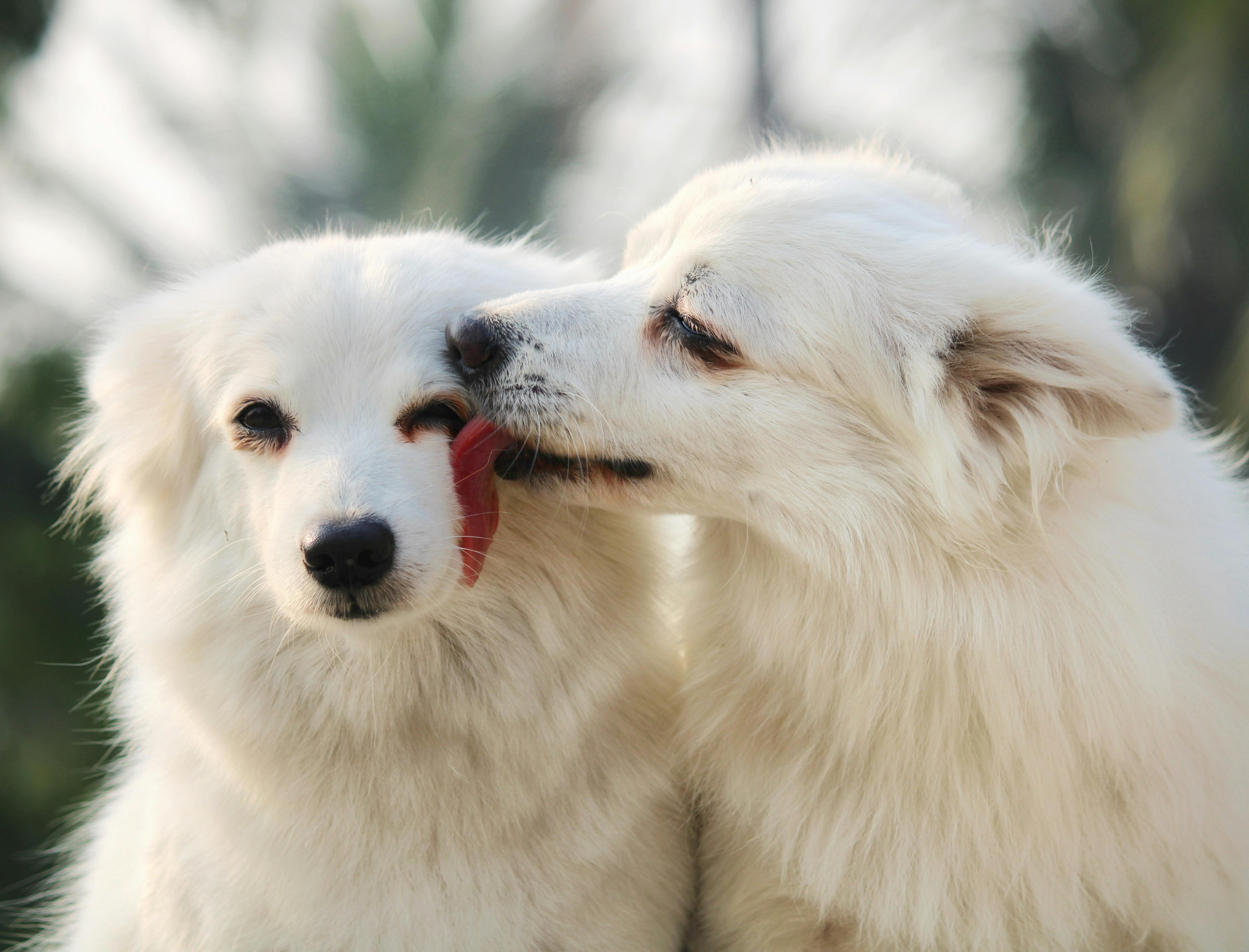 \n\n
\n\nCurious Canines: Why Do Dogs Lick Their Noses? The Truth Revealed!
\nIf you've ever watched a dog lick its nose, you might of wondered what the deal is. Are they just being cute or is there more to it? It turns out, there’s a lot of interesting science behind why dogs have wet noses and why they lick them so often. This curious behavior is linked to their health, communication, and even their sense of smell. So, let’s dive into the fascinating reasons behind this canine quirk.
\nThe Science Behind Wet Noses
\nDogs have wet noses for several reasons, and it’s not just for show. Here’s a breakdown of why dog noses are usually damp:
\n- \n
- Temperature Regulation: Just like humans sweat, dogs use their noses to help cool down. The moisture on their noses evaporates and helps to lower their body temperature. \n
- Enhanced Smell: A wet nose can enhance a dog's sense of smell. The moisture helps to capture scent particles from the air, allowing dogs to detect smells better than they would with a dry nose. \n
- Health Indicator: A wet nose can often indicate a healthy dog. However, a dry nose might not always mean something is wrong; it could just be the weather or the dog’s activity level. \n
Why Do Dogs Lick Their Noses?
\nNow, let’s talk about the act of licking. Dogs lick their noses for a variety of reasons:
\n- \n
- Cleaning: Just like we wash our hands, dogs lick their noses to keep them clean. Their noses gather dirt and other particles, and licking helps to remove these. \n
- Taste: Dogs are naturally curious creatures. Licking their noses allows them to taste the environment around them, gathering information about their surroundings. \n
- Nervous Habit: Sometimes, dogs lick their noses when they are anxious or stressed. This behavior can serve as a self-soothing mechanism during uncomfortable situations. \n
- Communication: Dogs can also use licking as a way to communicate with other dogs or even humans. A dog might lick its nose when it’s feeling submissive or trying to calm another dog. \n
Historical Context
\nThe behavior of dogs licking their noses has evolved over thousands of years. Domesticated dogs are descendants of wolves, and their behaviors often reflect their wild ancestors. Wolves, for instance, lick their noses to keep them clean while hunting or scavenging, and this instinct has carried over into our pet dogs today.
\nThe Connection Between Nose Wetness and Health
\nIt’s important to note that while a wet nose is often a sign of good health, it’s not the only measure. Here’s a quick rundown of what you should know:
\n- \n
- Normal Nose: A healthy dog will typically have a moist nose. It can vary based on the time of day, activity level, and overall health. \n
- Dry Nose Concerns: If your dog has a persistently dry nose, it might be worth consulting a vet. Possible causes could include dehydration, allergies, or even certain illnesses. \n
- Temperature Changes: Dogs noses can feel warm or dry after a long nap. This is usually normal, but be observant of other symptoms too. \n
Fun Facts About Dog Noses
\n- \n
- Unique Patterns: Just like human fingerprints, each dog has a unique nose print that can be used for identification. \n
- Scent Power: Dogs’ noses have up to 300 million scent receptors, whereas humans only have about 5 million. This is why dogs can detect scents that are undetectable to us. \n
- Heat Detection: Dogs can even use their noses to detect changes in body temperature, which can help them sense illness in humans. \n
Practical Examples
\nIf you’re a dog owner, you might’ve noticed some unique behaviors related to licking and nose wetness. Here’s how you can observe and respond:
\n- \n
- Monitor Behavior: Keep an eye on your dog’s licking habits. If it seems excessive, it might be time to consult your veterinarian. \n
- Hydration: Ensure your dog is drinking enough water, especially during hot weather, to maintain that healthy wet nose. \n
- Playtime: Engage your dog in activities that stimulate their sense of smell, like hide-and-seek with treats. This can reduce nervous licking while also providing mental stimulation. \n
In the end, understanding why dogs lick their noses and why they have wet noses can help us communicate better with our furry friends. Their behaviors often reflect their feelings and health, so being observant can foster a deeper bond between you and your canine companion. So next time you see your dog giving their nose a good lick, you’ll know it's not just a silly quirk but a fascinating aspect of their biology and behavior.
\n\nThe Role of Wet Noses in Canine Communication and Scent Detection
\n\n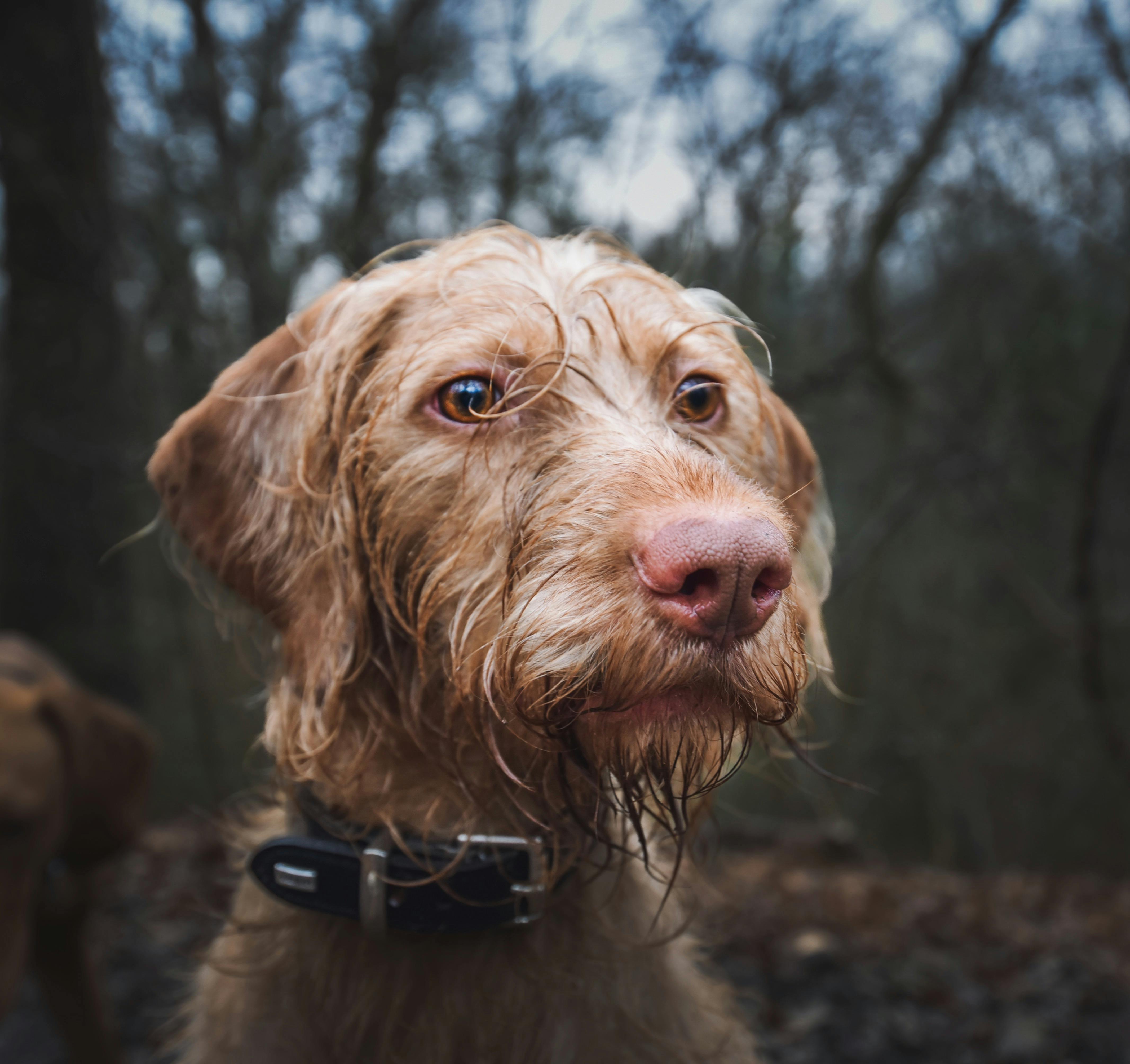 \n\n
\n\nDogs, those lovable furry companions, communicate in ways that often go unnoticed by their human friends. One of the most interesting aspects of canine communication is their wet noses. But, why do dogs have wet noses? This question leads us down a fascinating path of understanding how dogs perceive the world around them. Wet noses are not just an adorable feature; they play a crucial role in how dogs interact with their environment and each other.
\nThe Science Behind Wet Noses
\nA dog’s nose is remarkable, it’s not just for sniffing but also plays a role in temperature regulation. The moistness of a dog's nose helps to enhance its sense of smell. Here’s how it works:
\n- \n
- Scent Detection: A wet nose can capture scent particles more effectively than a dry one. When a dog sniffs, the moisture on their nose absorbs scent chemicals, which are then processed by the olfactory receptors located in their nasal passages. \n
- Cooling Mechanism: Dogs don’t sweat like humans do. Instead, they cool off through their noses and paw pads. The evaporation of moisture from their noses helps to regulate their body temperature. \n
- Health Indicator: A dog’s wet nose can also be a sign of its overall health. If a dog’s nose is excessively dry or warm, it could indicate illness or dehydration. \n
Historical Context of Canine Scent Detection
\nThe ability of dogs to detect scents has been exploited for centuries. In ancient times, humans began to recognize the usefulness of dogs in hunting and tracking. They were bred for their keen sense of smell, which is estimated to be anywhere from 10,000 to 100,000 times more sensitive than that of humans. Some key historical points include:
\n- \n
- Hunting Companions: Early civilizations utilized dogs to track down game animals due to their superior olfactory abilities. \n
- Search and Rescue: In the 19th century, bloodhounds were used by law enforcement to track down criminals through scent trails. \n
- Modern Applications: Today, dogs are trained for various roles including search and rescue missions, detecting drugs, bombs, and even identifying medical conditions such as diabetes or cancer. \n
Practical Examples of Scent Detection
\nDogs' scent detection abilities are not just for show; they have practical applications that benefit humans in numerous ways. Here are some examples of how dogs have been trained and utilized because of their impressive sense of smell:
\n- \n
- Drug Detection: Many police forces employ dogs trained to detect narcotics. These canines can sniff out even the smallest traces of drugs, making them invaluable in law enforcement. \n
- Bomb Detection: Specially trained dogs can identify explosives by scent, which is crucial for security in airports and public events. \n
- Medical Detection: Certain dogs are trained to identify diseases in humans, including cancer or low blood sugar levels in diabetics, showcasing their incredible capabilities. \n
The Role of Wet Noses in Canine Communication
\nAside from scent detection, wet noses also serve as a communication tool among dogs. Dogs often use their noses to greet each other, as sniffing is a way of gathering information. Here’s how that works:
\n- \n
- Social Interaction: A dog may approach another dog and sniff its nose, which is a polite greeting. The wetness adds to the sensory experience, making the interaction more informative. \n
- Emotional State: The temperature and moisture levels of a dog's nose can indicate its emotional state. A dog that is anxious or stressed might have a drier nose. \n
Fun Facts About Dog Noses
\n- \n
- Unique Patterns: Just like human fingerprints, each dog's nose print is unique. They can actually be used to identify them! \n
- Bark to Nose Ratio: Dogs have around 220 million scent receptors in their noses, compared to humans who only have about 5 million. \n
- Sniffing Speed: Dogs can take up to 300 sniffing breaths in a minute, which allows them to gather a plethora of information quickly. \n
The Importance of Nose Care
\nMaintaining a dog’s nose is important, especially in extreme weather conditions. Here are some tips for ensuring your dog's nose stays healthy:
\n- \n
- Hydration: Make sure your dog has access to fresh water at all times to keep their nose moist. \n
- Avoid Chemicals: Keep your dog away from harsh chemicals or cleaners that could irritate their nose. \n
- Check for Issues: Regularly inspect your dog’s nose for cracks, sores, or excessive dryness, which could indicate health problems. \n
In summary, the role of wet noses in canine communication and scent detection is both fascinating and essential. Dogs utilize their wet noses not only for smelling but also for interacting with their environment and other animals. So next time you see your dog’s wet nose, remember it’s a powerful tool, a sign of health, and a crucial part of canine communication. Keeping your dog's nose healthy is
\n\nWhat’s Normal? Exploring the Range of Wetness in Dog Noses
\n\n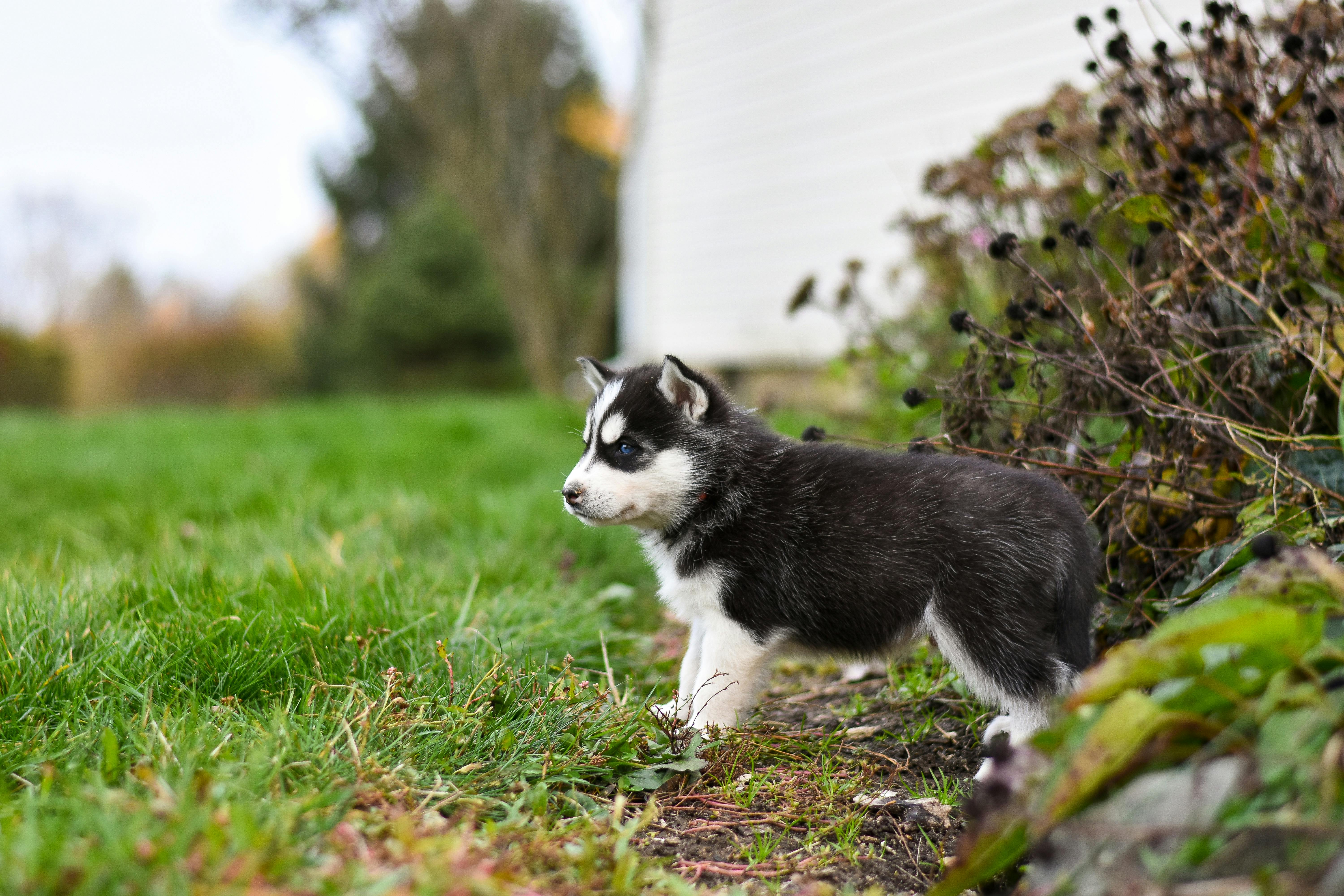 \n\n
\n\nDogs are one of the most beloved pets around the globe, and their noses have long been a topic of fascination. You might have ever wondered, "What’s normal? Exploring the range of wetness in dog noses." That’s a pretty good question! Understanding why do dogs have wet noses can give you insight into your furry friends and their health.
\nThe Science Behind Wet Noses
\nSo, why do dogs have wet noses? The answer lies in biology and their evolutionary traits. A dog's nose is wet for a couple of reasons. First, it helps them in smelling. Dogs have an incredible sense of smell, and moisture on their noses aids in capturing scent particles. When their noses are wet, it can absorb these scents better, which is essential for their survival instincts and communication.
\nThe Range of Wetness
\nNow, what's normal when it comes to the wetness of a dog’s nose? Wetness can vary significantly among different breeds, and also in different circumstances. Here’s a simple breakdown:
\n- \n
- Normal Wetness: A healthy dog usually has a nose that is cool and moist. This is typical after they've been sleeping or resting. \n
- Dry Nose: Sometimes, a dog may have a dry nose, which could be due to a variety of factors. It could be just because they are sleeping, or they could be dehydrated. \n
- Excessively Wet Nose: On the other hand, if your dog has a nose that is excessively wet, it may be a sign of a cold or some other health issue. \n
Factors Affecting Nose Wetness
\nMany factors can affect how wet or dry a dog's nose can be. These factors include:
\n- \n
- Weather Conditions: Hot weather can lead to a drier nose, while cooler, humid conditions may increase moisture. \n
- Activity Level: After vigorous play, a dog's nose might become drier due to physical exertion. \n
- Health Status: Illness, allergies, or dehydration can cause changes in a dog’s nose moisture. \n
Health Indicators
\nIt’s important to note that a dog’s nose wetness can sometimes indicate health issues. Here are some things to keep an eye on:
\n- \n
- Nose Cracking or Peeling: This could indicate dehydration or even a skin condition. \n
- Change in Color: A nose that has suddenly changed color could indicate a problem. \n
- Excessive Discharge: If there’s a lot of discharge or unusual odor, this could be a sign of infection. \n
Fascinating Facts About Dog Noses
\n- \n
- Scent Detection: Dogs can detect scents at concentrations nearly 100 million times lower than humans can. \n
- Unique Nose Prints: Just like human fingerprints, dogs have unique nose prints that can be used for identification. \n
- Temperature Regulation: A wet nose can help dogs cool down, much like sweating for humans. \n
Comparisons with Other Animals
\nWhen comparing dog noses to other animals, it’s clear that dogs have some unique features.
\n- \n
- Cats: Cat noses tend to be drier and less prone to variations in wetness. They also have a lesser sense of smell compared to dogs. \n
- Humans: Humans have a very limited sense of smell. Our noses are mostly dry and don't have the same abilities for scent detection as dogs. \n
Practical Examples
\nIf you ever notice your dog’s nose becoming drier than normal, consider these steps:
\n- \n
- Hydration: Ensure your dog has plenty of fresh water to drink. \n
- Check for Illness: If the dry nose persists, it’s beneficial to consult a veterinarian. \n
- Environmental Factors: Keep an eye on the weather and adjust your dog's environment accordingly. \n
Understanding Nose Behavior
\nSometimes, the behavior of a dog’s nose can indicate their mood. A wet and cool nose is often a sign of a relaxed and happy dog. On the other hand, a warm and dry nose might mean your pup is feeling a bit under the weather or is anxious.
\nBeing attentive to these changes can help you better understand your pet's health and emotional state.
\nIn summary, the wetness of a dog's nose is not just a quirky trait; it has significant implications for their health and well-being. By paying attention to this feature, you can ensure your furry friend stays happy and healthy. So next time you pet your dog, take a moment to appreciate that wet nose and what it means for their sense of smell and overall health.
\n\nThe Connection Between Wet Noses and Your Dog’s Sense of Smell
\n\n \n\n
\n\nDogs are often considered man's best friend, and one of the most intriguing features they have is their wet noses. But have you ever wondered why do dogs have wet noses? It’s not just for show; there’s a fascinating connection between wet noses and your dog’s exceptional sense of smell. Let’s explore this captivating topic together.
\nThe Science Behind Wet Noses
\nFirstly, the composition of a dog’s nose is quite unique. Dogs have a moist, cool surface on their noses, which serves several purposes. The wetness is primarily due to a thin layer of mucus that helps to enhance their olfactory abilities. This mucus captures scent particles from the air, making it easier for dogs to detect smells.
\n- \n
- Dogs have around 220 million scent receptors in their noses, compared to humans who have about 5 million. \n
- The moisture on their noses also helps to regulate their body temperature. When dogs pant, they cool off, but having a wet nose assists in maintaining a stable internal temperature. \n
How Wet Noses Help With Smell
\nThe connection between wet noses and a dog’s sense of smell is crucial. When a dog sniffs around, the moisture on their noses helps to absorb scent particles. This is how they gather more information about their environment. The more moisture, the more particles they can catch.
\nHere are some interesting facts about how wet noses function:
\n- \n
- The moisture on the nose also allows dogs to detect changes in scent more efficiently. \n
- Dogs can differentiate between various scents, which means they can track scents over long distances, an ability that is often used in search-and-rescue missions. \n
Historical Context of Dogs' Noses
\nLooking back in history, dogs were bred for specific purposes, and their noses played a significant role in that. For instance, hunting dogs were valued for their keen sense of smell, which was crucial in locating game. As time pass, this trait became ingrained in their genetics. Wild ancestors of dogs, like wolves, also had wet noses, primarily for the same reasons.
\nThe Role of Wet Noses in Communication
\nDogs also use their noses to communicate. A wet nose can be a sign of excitement or curiosity. When a dog greets you with a wet nose, it’s not just a sign of affection; it’s also their way of gathering information about you.
\n- \n
- Dogs often sniff humans to gather scents that tell them about mood, health, and more. \n
- A wet nose can also be a way of showing submission or seeking comfort. \n
Comparing Wet Noses to Dry Noses
\nYou might have notice that not all dogs have wet noses all the time. Some dogs have dry noses, and it can be a sign of various conditions. Here’s a simple comparison:
\nWet Nose:
\n- \n
- Indicates a healthy dog. \n
- Helps with scent detection. \n
- Regulates temperature. \n
Dry Nose:
\n- \n
- Can indicate dehydration or illness. \n
- May affect their ability to smell well. \n
- Sometimes, it’s just a normal part of their physiology. \n
Practical Implications for Dog Owners
\nAs a dog owner, understanding the significance of a wet nose can help you monitor your pet’s health. If your dog’s nose becomes persistently dry or cracked, it might be time to consult a veterinarian. Here are some things to keep an eye on:
\n- \n
- Check if the dry nose is accompanied by other symptoms like lethargy or lack of appetite. \n
- Ensure your dog is drinking enough water, as hydration can affect their nose's moisture. \n
- Look out for any unusual discharge from the nose, which might indicate an infection. \n
The Fascination with Dog Noses
\nThe fascination with dog noses extends beyond just their functionality. Many dog lovers enjoy observing their pets as they explore the world through scent. Dog nose art, for instance, has become a popular way to celebrate this unique feature. People create art using their dog's nose prints, which can serve as a sweet memory of their furry friends.
\nIn summary, the connection between wet noses and a dog’s sense of smell is a remarkable aspect of canine biology. The reasons why dogs have wet noses are not only functional but also tied to their communication and health. Understanding these factors can enhance your bond with your pet and help you care for them better. Next time you see your dog with that adorable wet nose, you'll appreciate the science behind it a little more!
\n\nCan Dogs Sweat Through Their Noses? Debunking Wet Nose Myths
\n\n \n\n
\n\nWhen it comes to our furry companions, many myths and misconceptions float around. One of the most curious questions is, "Can dogs sweat through their noses?" While it might seem plausible at first, the answer is a bit more complex. Let’s dive into the wet nose debate, uncover why dogs have wet noses, and explore the fascinating science behind it!
\nCan Dogs Sweat Through Their Noses?
\nFirst off, let’s clear things up: dogs do not sweat through their noses. Unlike humans, who have sweat glands all over their bodies, dogs primarily regulate their body temperature through panting and the pads of their feet. Their noses, although often moist, serve different purposes.
\nThe moisture on a dog’s nose is not sweat; it’s actually a result of a few other factors. Dogs may lick their noses, which adds moisture, or the environment can contribute too, especially in humid conditions. So, while they don’t sweat through their noses, the wetness can still be an indication of health and well-being.
\nWhy Do Dogs Have Wet Noses?
\nThe wetness of a dog’s nose has several fascinating reasons behind it, and each plays an important role in their health and behavior. Here’s a breakdown:
\n- \n
- \n
Improved Sense of Smell: A moist nose helps dogs detect scents better. When the nose is wet, it can trap olfactory particles more effectively, enhancing their sense of smell. That’s why you might see your dog sniffing around endlessly!
\n \n - \n
Temperature Regulation: While they don’t sweat, a wet nose helps to cool down dogs somewhat. When they breathe, moisture evaporates from the nose, which can help in regulating their body temperature.
\n \n - \n
Health Indicator: A dog’s nose can indicate their health. A healthy dog usually has a cool, moist nose. If it’s dry and warm, it might be a sign of fever or dehydration.
\n \n - \n
Communication Tool: Dogs use their noses to gather information about their environment and other animals, which includes understanding social cues. A wet nose may signal to other dogs that they are friendly and approachable.
\n \n
Fun Facts About Dog Noses
\n- \n
- Dogs have about 220 million smell receptors in their noses, compared to about 5 million in humans. \n
- The wetness of a dog’s nose can vary throughout the day. It can be drier in the morning and wetter after they've been active or excited. \n
- A dog’s nose print is unique, much like a human fingerprint. This uniqueness can actually be used for identification purposes! \n
Common Misconceptions About Dog Noses
\nThere’s plenty of myths surrounding dogs and their noses. Let’s bust some of these:
\n- \n
- \n
Myth: A Dry Nose Means a Dog is Sick
\n- \n
- While it can indicate illness, a dry nose alone is not a definitive sign. Other symptoms should be considered. \n
\n - \n
Myth: Dogs Only Sweat Through Their Noses
\n- \n
- As we discussed, dogs primarily cool down by panting and through their paws. \n
\n - \n
Myth: A Wet Nose Equals a Happy Dog
\n- \n
- While a wet nose can be a sign of a healthy dog, it doesn’t always mean they’re happy. Dogs can have varying moods just like us! \n
\n
Caring for Your Dog's Nose
\nTo ensure your dog’s nose stays healthy, consider the following tips:
\n- \n
- Regular Vet Check-Ups: Keep an eye on any changes in your dog’s nose. If it becomes excessively dry, cracked, or changes color, consult your veterinarian. \n
- Hydration: Make sure your dog always has access to fresh water. Hydration is key to maintaining a moist nose. \n
- Protect from Harsh Weather: Just like our skin, dog noses can get sunburned. Apply pet-safe sunscreen when necessary and keep them hydrated during hot days. \n
Comparing Dog Noses to Other Animals
\nLet’s take a quick look at how dog noses stack up against other animals:
\n- \n
- Cats: Similar to dogs, cats also use their noses to detect scents, but they have fewer olfactory receptors. \n
- Humans: As mentioned, humans have about 5 million smell receptors, which is significantly less than dogs. \n
- Bears: Bears have an incredible sense of smell, even better than dogs, with around 300 million smell receptors. \n
Understanding the science behind why dogs have wet noses can deepen our appreciation for these wonderful pets. It’s not just about the cute factor; it’s about biology, health, and their innate abilities. So, next time you see your dog’s wet nose, remember the fascinating reasons behind it!
\n\nConclusion
\n\nIn conclusion, the wet noses of dogs serve several essential purposes, from enhancing their sense of smell to regulating body temperature. The moisture on their noses aids in capturing scent particles, allowing dogs to detect scents much more effectively than humans. Additionally, a wet nose can indicate a healthy dog, as it helps keep them cool through evaporation. While it's not a definitive measure of health, the state of a dog’s nose can offer insights into their well-being. Understanding this unique biological feature can deepen our appreciation for our canine companions. So next time you enjoy your furry friend’s affectionate nuzzle, remember the science behind their wet noses. Consider sharing this newfound knowledge with fellow dog lovers or even exploring more about canine health and behavior. Engaging with your pet's biology can enhance your bond and ensure a happier, healthier life for both of you.
\n\n