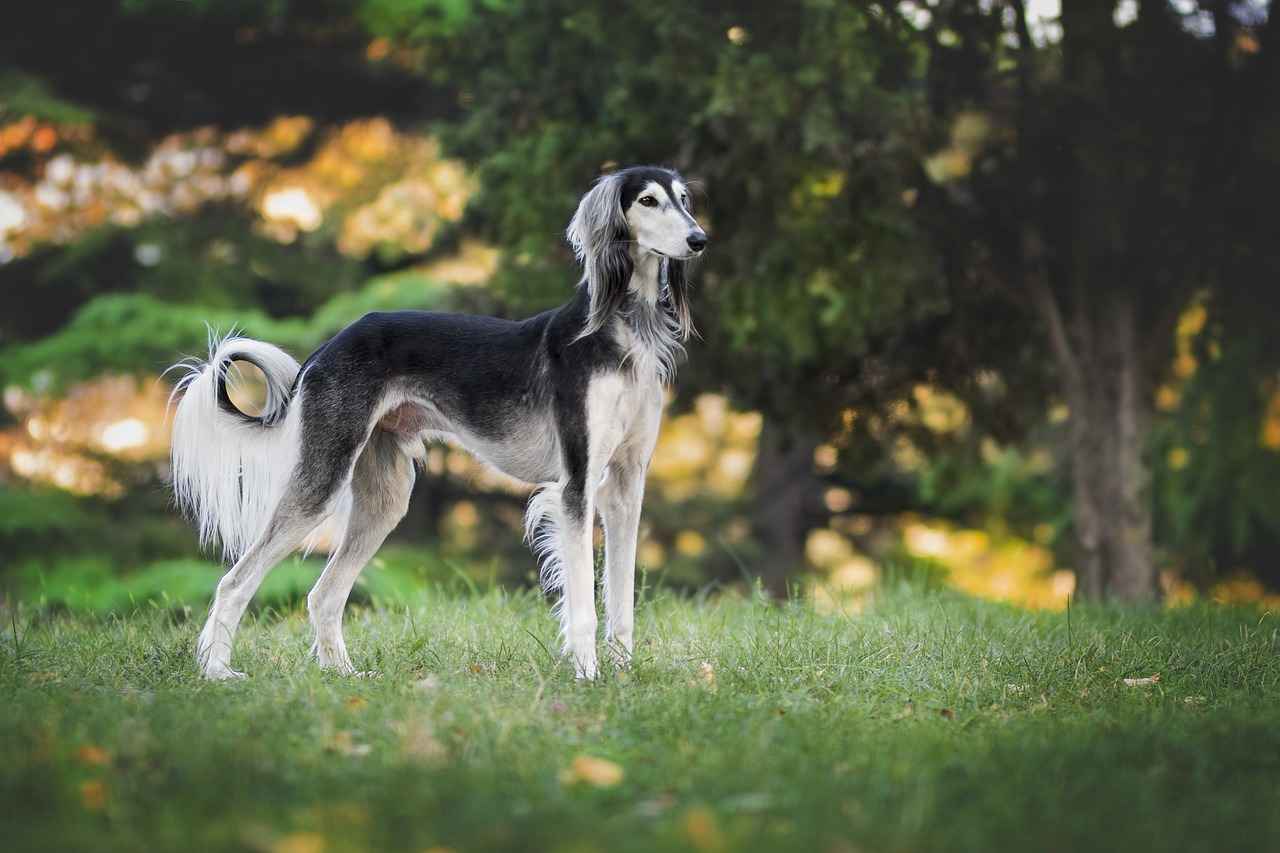
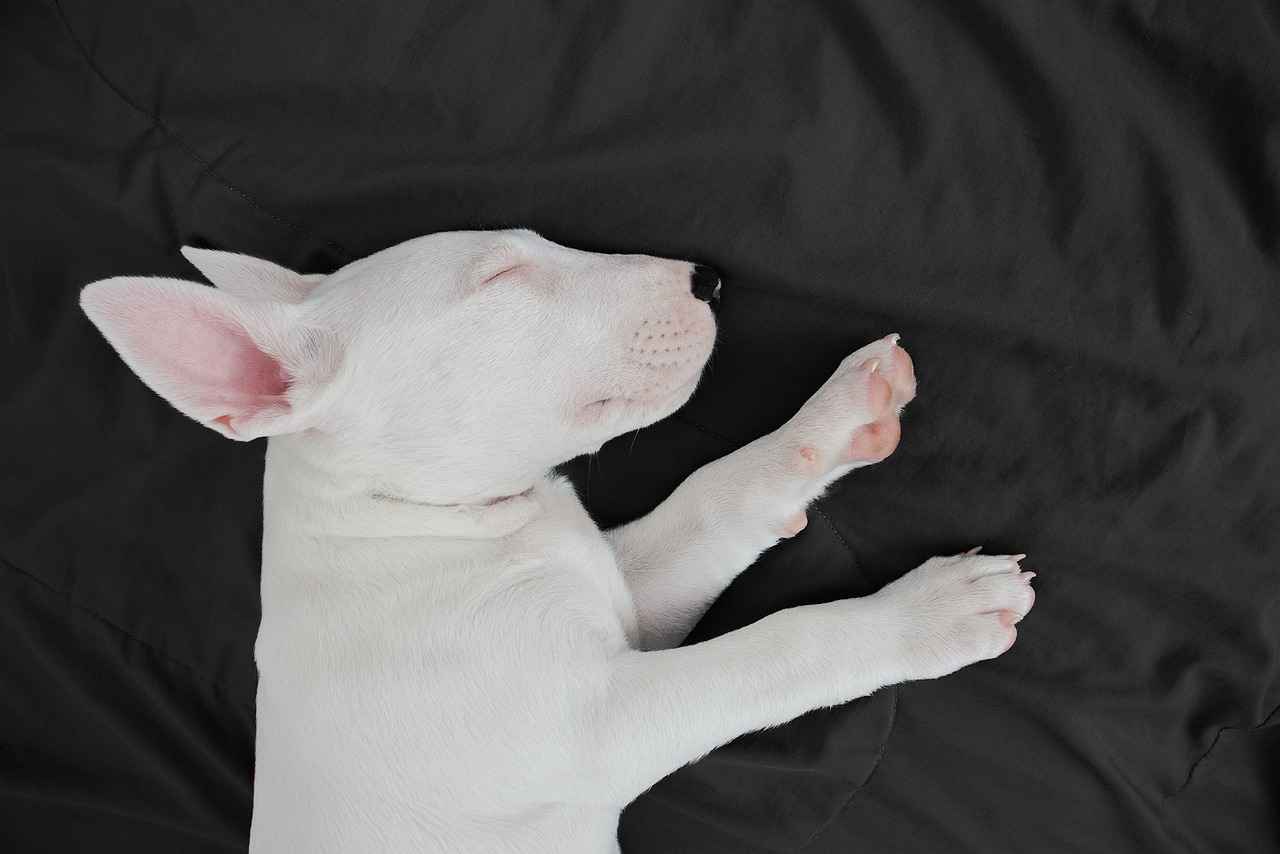
Have you ever wondered, why do dogs have wet noses? This intriguing question has captivated pet owners and animal lovers alike. Dogs’ noses are not just adorable; they're fascinating, playing a vital role in their health and behavior. A wet nose is more than just a cute feature; it can be an indicator of a dog’s well-being. But, what causes this wetness? Many people think it’s simply saliva, but the reasons are much deeper and more complex than that. In this article, we will explore the fascinating reasons behind those damp snouts, revealing how they enhance a dog's sense of smell and regulate their body temperature. You might be surprised to learn that wet noses are also linked to a dog’s emotional state! So, if you’re asking, why do dogs have wet noses and what it means for your furry friend’s health, you’re in the right place. Join us as we dive into the science and wonder behind this remarkable canine characteristic, and discover insights that every dog owner should know! Don't miss out on these amazing facts that could change the way you view your pet's nose forever!
\n\nThe Science Behind Why Dogs Have Wet Noses: Unveiling the Mystery
\n\n \n\n
\n\nHave you ever wondered why dogs have wet noses? It’s one of those quirks about our furry friends that leaves many people scratching their heads. The science behind this phenomenon is actually quite fascinating and it goes beyond just a quirky characteristic. Let’s dig into the reasons that make our canine companions’ noses so moist.
\nThe Purpose of a Wet Nose
\nFirst off, let's talk about the primary reason dogs have wet noses. It’s essential for their sense of smell. Dogs have an incredible olfactory system, and a wet nose helps them absorb scent molecules more effectively. When their noses are moist, it can capture scent particles better, making it easier for them to detect smells. That’s why your pup might sniff around a lot when you take him for a walk or explore new places; they’re gathering information about their environment!
\nHow Dogs Cool Themselves Down
\nAnother interesting point is that a wet nose also plays a role in thermoregulation. Dogs don’t sweat like humans do. Instead, they regulate their body temperature through panting and the moisture in their noses. When they’re hot, the moisture evaporates from their noses, which helps to cool them down. It’s a natural way for dogs to manage their body heat, especially during those hot summer days.
\nHistorical Context of Dogs' Noses
\nHistorically, the structure of a dog's nose has evolved significantly from their wild ancestors. Many breeds, especially those bred for hunting, have developed wet noses over generations. This adaptation has been vital for their survival, aiding them in tracking prey and detecting predators. Wet noses have been a part of canine evolution, making them one of the most efficient hunters in the animal kingdom.
\nWhat is the Composition of a Dog's Nose?
\nThe wetness of a dog’s nose is mainly due to a thin layer of mucus. This mucus is produced by glands in the nose and helps to keep it moist. Below are some interesting facts about the composition of a dog's nose:
\n- \n
- Mucous Membrane: The nose is lined with mucous membranes that produce moisture. \n
- Scent Glands: Specialized glands produce additional fluids that aid in scent detection. \n
- Temperature Regulation: The moisture also helps in maintaining a comfortable temperature for the sensitive nerve endings in the nose. \n
Why Do Some Dogs Have Dry Noses?
\nYou might have noticed that sometimes your dog’s nose is dry. While wet noses are typical, there are reasons for dryness. Here’s a quick list of possible causes:
\n- \n
- Dehydration: If your dog isn’t drinking enough water, their nose might dry out. \n
- Health Issues: Certain medical conditions can affect nose moisture. \n
- Environmental Factors: Hot weather or indoor heating can dry out the nose. \n
- Age: Older dogs may naturally have drier noses. \n
Comparisons: Dogs vs. Other Animals
\nIt’s also interesting to compare dogs with other animals regarding nose wetness. For instance, cats have somewhat moist noses, but they are usually less wet than dogs. Horses, on the other hand, tend to have dry noses most of the time. This difference in moisture can be attributed to the different ways these animals sense their environments and manage their body temperatures.
\nFun Facts About Dogs’ Noses
\n- \n
- Dogs have about 300 million scent receptors in their noses, compared to about 5 million in humans! \n
- The shape and size of a dog’s nose can affect its ability to smell; longer noses generally have more scent receptors. \n
- Every dog has a unique nose print, much like human fingerprints; it can even be used for identification! \n
The mystery of why dogs have wet noses is not just a quirky fact; it’s rooted in their biology and history. Their wet noses serve multiple purposes, from enhancing their sense of smell to helping them cool down. Understanding these aspects can deepen our appreciation for our canine companions. Next time you pet your dog and feel that cool, moist nose, you can think about all the fascinating science behind it! Whether it’s a hunting dog or a lap dog, their wet noses are a testament to their evolutionary journey and their incredible capabilities.
\n\n5 Fascinating Reasons Your Dog’s Nose is Always Wet
\n\n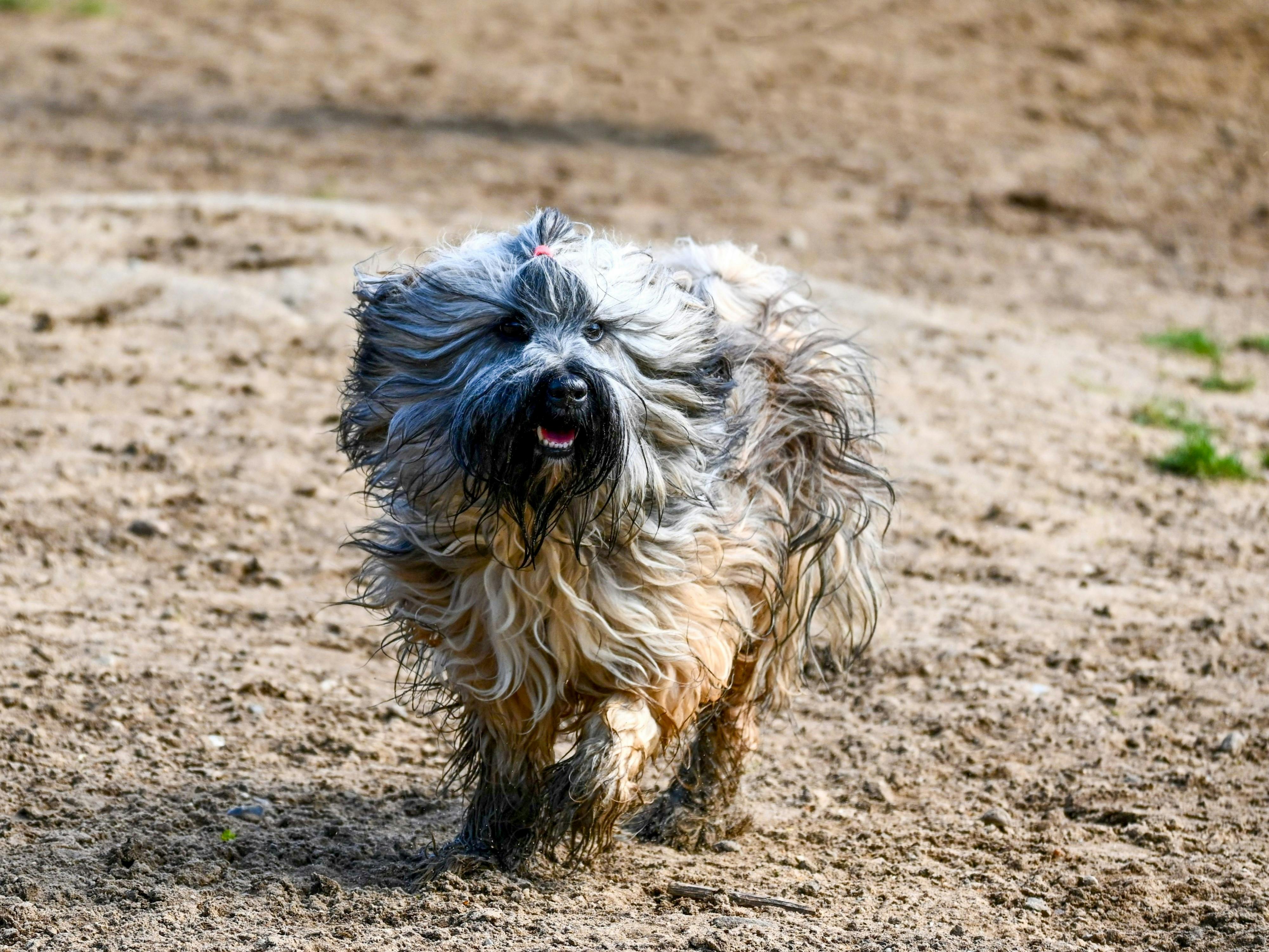 \n\n
\n\nDogs are some of the most beloved pets in the world, and their unique features often spark curiosity. One such feature is their wet noses. Ever wondered why do dogs have wet noses? Well, there are actually several fascinating reasons for this, and they go beyond just being cute! Let’s dive into five intriguing reasons your dog’s nose is always wet.
\n1. Natural Cooling Mechanism
\nDogs, unlike humans, don’t sweat through their skin. Instead, their bodies rely on other methods to regulate temperature. A wet nose plays a crucial role in this process. When a dog’s nose is moist, it helps to cool down their body temperature.
\n- \n
- Dogs can sweat a little through their paw pads, but it’s not enough. \n
- A wet nose absorbs heat from the air, allowing the dog to cool off. \n
- During hot days, you might notice your dog panting—this is another way they regulate body heat. \n
2. Enhanced Sense of Smell
\nHave you ever noticed how dogs seem to sniff out everything around them? Their wet noses are actually designed to help with their incredible sense of smell! The moisture on their noses helps to trap scent particles from the environment.
\n- \n
- The wetness enhances their olfactory capabilities. \n
- Dogs have up to 300 million smell receptors—compared to a human’s mere 5 million. \n
- This ability is why dogs are often used in search and rescue operations, and even in detecting diseases! \n
3. Health Indicator
\nA dog’s nose can actually be a health indicator. While it’s commonly thought that a warm or dry nose means a dog is sick, it’s not always that straightforward. The moisture level can indicate hydration and overall health.
\n- \n
- A healthy dog has a moist, cool nose. \n
- If the nose is excessively dry or cracked, it may signify dehydration or illness. \n
- However, changes in nose moisture can depend on factors like the environment, temperature, and activity level. \n
4. Communication Tool
\nDogs communicate in many ways, and their noses are part of that language! A wet nose can be a sign of a dog’s emotional state. For instance, when a dog is excited or happy, their nose tends to be more moist.
\n- \n
- Dogs may nuzzle you with their wet noses when they want attention. \n
- They use their noses to explore and interact with other dogs, which can help convey feelings. \n
- The moisture can also be a way for them to mark their territory by leaving their scent on objects. \n
5. Evolutionary Advantage
\nHistorically, dogs have evolved to have wet noses for survival. This feature helps them not only in hunting but also in social interactions with other animals.
\n- \n
- Wet noses can help with temperature regulation during active hunting. \n
- Many wild canines, like wolves and foxes, also have wet noses. \n
- This evolutionary trait has helped dogs adapt to various environments, ensuring their survival and effectiveness as hunters. \n
Additional Facts About Dog Noses
\n- \n
- Dogs’ noses are unique, much like human fingerprints. No two dog noses are alike! \n
- The color of a dog’s nose can vary widely, from black to pink, and can even change with age or health status. \n
- Some breeds, like the Bloodhound, have an especially moist nose to enhance their tracking abilities. \n
Quick Comparison: Dog Noses vs. Human Noses
\n| Feature | \nDog Nose | \nHuman Nose | \n
|---|---|---|
| Moisture Level | \nGenerally wet | \nGenerally dry | \n
| Smell Receptors | \nUp to 300 million | \nAbout 5 million | \n
| Temperature Regulation | \nKey for cooling | \nSweating through skin | \n
| Unique Patterns | \nUnique to each dog | \nUnique to each human | \n
So, next time you see your dog panting with a wet nose, remember that it’s not just an adorable trait. It’s a fascinating feature that serves multiple purposes, from cooling their bodies to enhancing their sense of smell. It's one of those little wonders of nature that remind us how perfectly dogs are built for their role as our companions. Whether they are sniffing out treats or just giving you a nudge with that cold nose, they sure know how to keep things interesting!
\n\nIs a Wet Nose Healthy? Exploring Canine Nose Conditions
\n\n \n\n
\n\nDogs are amazing creatures, and their wet noses have puzzled many people over the years. "Is a wet nose healthy?" is a common question that dog owners ask. Wet noses in dogs are often seen as a sign of good health, but what’s the real story? In this article, we will explore canine nose conditions, the reasons why dogs have wet noses, and the fascinating science behind it all.
\nWhy Do Dogs Have Wet Noses?
\nDogs’ noses are wet for several reasons, and it actually plays a important role in their overall health. Here’s a look at some of the reasons:
\n- \n
- \n
Cooling Mechanism: Dogs don’t sweat like humans do. Instead, they cool off through their noses. The moisture on their noses evaporates, helping to regulate body temperature.
\n \n - \n
Enhanced Sense of Smell: A wet nose helps to capture scent particles in the air. This allows dogs to smell better. It’s why they can sniff out things that humans can’t even imagine.
\n \n - \n
Hydration: Dogs lick their noses to keep them hydrated. A wet nose can be a sign that a dog is well-hydrated.
\n \n - \n
Hygiene: The moisture on a dog’s nose helps to trap dirt and dust, which can be a natural way to keep their noses cleaner.
\n \n
Canine Nose Conditions
\nWhile a wet nose is often a sign of health, it’s not always the case. Canine nose conditions can affect the moisture levels and overall health of a dog’s nose. Here are some common conditions:
\n- \n
- \n
Nasal Hyperkeratosis: This condition results in a dry, crusty nose. It can be caused by genetics or environmental factors. Dogs with this condition might need special care to keep their noses healthy.
\n \n - \n
Nasal Dermatitis: This can happen when dogs have an allergic reaction to something in their environment, leading to inflammation and dryness of the nose.
\n \n - \n
Fungal Infections: Fungal infections can cause changes in the nose’s appearance, including dryness and lesions. If you notice anything unusual, it's best to consult a vet.
\n \n - \n
Sunburn: Just like humans, dogs can get sunburned. Dogs with light-colored noses or thin fur are especially at risk. A sunburnt nose can become dry and painful.
\n \n
Signs of a Healthy Nose
\nA healthy dog nose should be moist and cool to the touch. Here’s what to look for:
\n- \n
- \n
Color: The nose should be a consistent color for your dog’s breed. If you notice sudden changes in color, it could indicate a health issue.
\n \n - \n
Moisture: A healthy nose is usually wet. If your dog’s nose is dry or cracked, it may need attention.
\n \n - \n
Temperature: A normal dog nose should feel cool. If it feels excessively warm, it could be a sign of fever.
\n \n - \n
No Crustiness: A healthy nose shouldn’t have crust or scabs. Any abnormalities could require a vet’s visit.
\n \n
Fun Facts About Dog Noses
\nHere are some intriguing facts about dog noses that might surprise you:
\n- \n
- \n
Unique Prints: Just like human fingerprints, every dog’s nose print is unique. This means they could be used for identification.
\n \n - \n
Scent Sensitivity: Dogs have up to 300 million scent receptors in their noses, compared to humans, who have about 5 million. This is why dogs are so good at tracking.
\n \n - \n
Temperature Regulation: A wet nose can help dogs cool down in hot weather. It’s essential for their comfort.
\n \n - \n
Emotional Indicators: A dog’s nose can change based on their emotions. For example, a relaxed dog may have a wetter nose, while a stressed dog may have a drier nose.
\n \n
What to Do If Your Dog’s Nose Seems Off
\nIf you notice changes in your dog’s nose, it’s important to take action. Here’s a simple checklist:
\n- \n
- Monitor Symptoms: Keep an eye on other symptoms like lethargy or loss of appetite. \n
- Consult a Vet: If the nose remains dry for more than a day, or if there are lesions, it’s best to consult a veterinarian. \n
- Keep It Clean: Gently clean your dog’s nose with a damp cloth if it appears dusty or dirty. \n
Understanding your dog’s health is crucial as a pet owner. A wet nose can signify a lot more than just being cute; it’s a window into your dog’s overall well-being. Recognizing the signs of healthy versus unhealthy nose can help you take better care of your furry friend. If you're ever in doubt about your dog’s health, reaching out to a veterinarian is always the best course of action.
\n\nHow a Wet Nose Helps Dogs Detect Scents: The Amazing Biology of Dogs
\n\n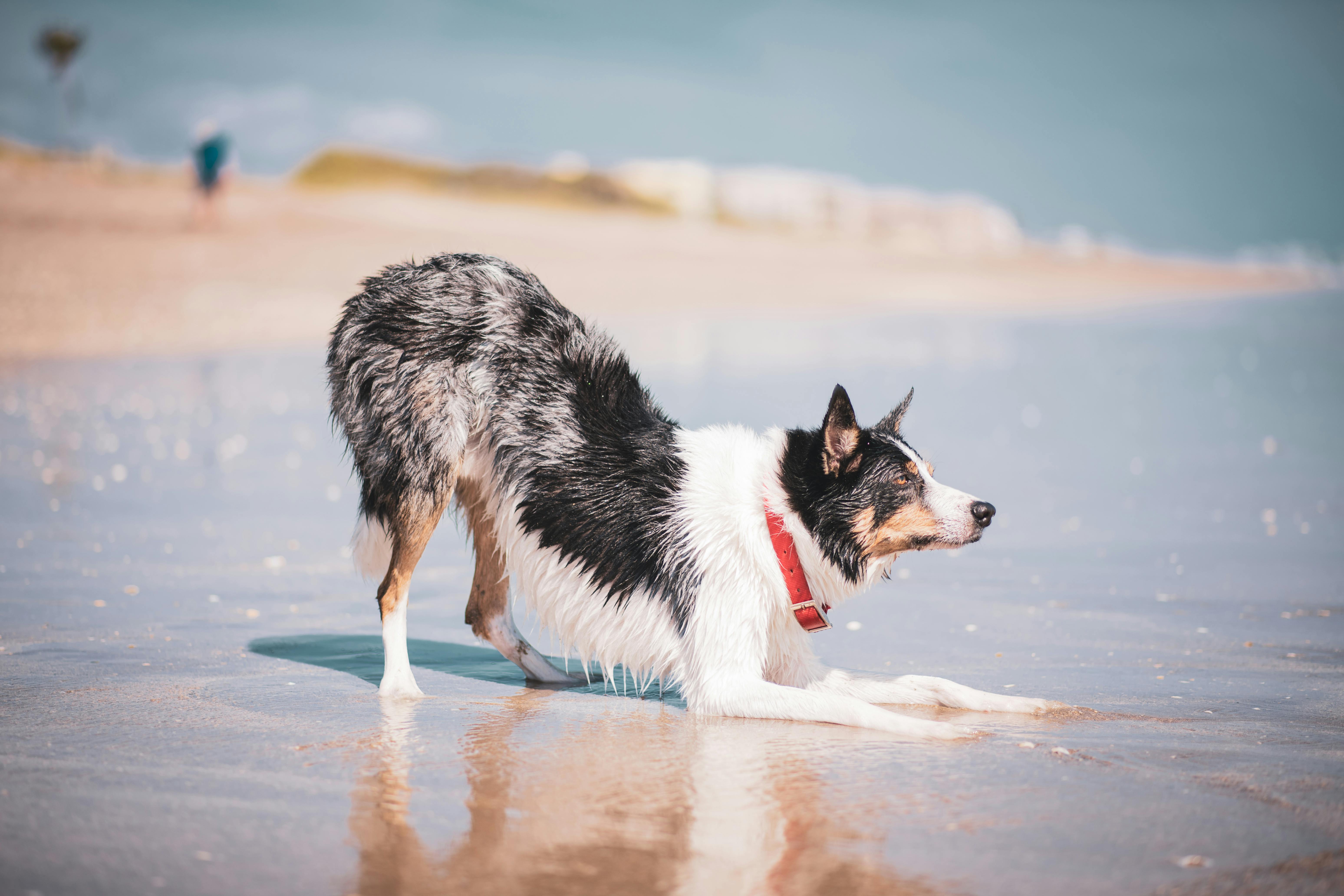 \n\n
\n\nDogs are known for their incredible sense of smell, and a big part of that is thanks to their wet noses. But why do dogs have wet noses? This question leads us down a fascinating path into the biology of dogs and how their noses work. Wet noses are not just cute; they play a significant role in how dogs detect scents, which is way more complicated than most people realize.
\nThe Biology of a Dog's Nose
\nDogs have around 220 million scent receptors in their noses, compared to a human's mere 5 million. This immense olfactory capability allows dogs to detect scents at incredibly low concentrations. But what role does a wet nose play in this?
\n- \n
- Moisture Enhances Smell: A wet nose helps to trap scent particles. When a dog inhales, the moisture on their nose binds with these particles, making it easier for the dog to identify different smells. \n
- Temperature Regulation: Wet noses also help regulate a dog’s body temperature. Just like humans sweat, dogs use the moisture in their noses to help cool themselves down. \n
- Health Indicator: A wet nose is often seen as a sign of a healthy dog. If a dog’s nose is dry, it may indicate dehydration or illness. \n
How Wet Noses Aid in Scent Detection
\nThe unique structure of a dog’s nose contributes to its remarkable scent detection abilities. The wet surface of the nose is a key factor in this process.
\n- \n
- Increased Surface Area: The inside of a dog’s nose contains turbinates, which are bony structures that increase the surface area for olfactory receptors. A wet nose amplifies this effect. \n
- Scent Memory: Dogs can remember scents for a long time. They use their wet noses not just for detecting scents but also for recognizing familiar smells, like those of their owners or favorite toys. \n
Fascinating Facts About Dogs and Their Noses
\n- \n
- Dogs have a Jacobsen's organ: This organ enhances their ability to detect pheromones, which are chemicals that convey social information. \n
- Dogs can smell diseases: Studies shown that dogs can detect certain types of cancer and diabetes through scent alone. \n
- Dogs' noses are unique: Just like human fingerprints, each dog has a unique nose print that can be used for identification. \n
- Dogs can differentiate emotions: They can sense human emotions through scents, such as fear or happiness, due to the changes in human body chemistry. \n
Interesting Comparisons: Dog Noses vs. Human Noses
\n| Feature | \nDog Nose | \nHuman Nose | \n
|---|---|---|
| Scent Receptors | \nAbout 220 million | \nAbout 5 million | \n
| Sensitivity | \nCan detect parts per trillion | \nLess sensitive | \n
| Functionality | \nDetects scents and pheromones | \nPrimarily for smell | \n
| Moisture Level | \nTypically wet | \nVaries, usually dry | \n
Why Do Dogs Have Wet Noses? Historical Context
\nHistorically, dogs have been bred for various purposes, including hunting and herding. The wet nose was not just a random trait but an adaptive feature that made them better at their jobs. In ancient times, humans relied on dogs for hunting. Their ability to follow scents was crucial for finding prey, so the wet nose helped to enhance this ability and solidified the bond between humans and dogs.
\nPractical Examples of Dogs Using Their Noses
\n- \n
- Search and Rescue: Dogs are employed in search and rescue missions because their noses can find people trapped under debris or lost in the wilderness. \n
- Detection Dogs: Police and military use dogs to sniff out drugs, explosives, and even human remains. \n
- Therapy Animals: Some therapy dogs can sense emotional distress in people and provide comfort, thanks to their keen sense of smell. \n
Understanding why dogs have wet noses reveals so much about their biology and their remarkable abilities. It's not just a cute feature; it's a vital part of how they interact with the world around them. So, the next time you see a dog with a wet nose, remember that it’s not just for show. It’s a key player in their ability to smell and understand their environment, which is truly amazing!
\n\nThe Connection Between Dog Emotions and Wet Noses: What You Need to Know
\n\n \n\n
\n\nDogs are often considered man's best friend, but have you ever wondered why they have wet noses? This seemingly simple characteristic actually connects to their emotions, health, and even their ability to interact with the world. Let's dive into the fascinating reasons behind why dogs have wet noses and how this ties into their emotional states.
\nThe Science Behind Wet Noses
\nOne of the main reasons dogs have wet noses is because of their unique physiology. Dog noses are covered in a thin layer of mucus which helps enhance their sense of smell. When their noses are moist, it helps trap scent particles and assists in their ability to detect different smells.
\n- \n
- Scent Detection: A dog's sense of smell is about 10,000 to 100,000 times more sensitive than humans. This means that a wet nose is not just for show; it's a vital tool for their survival and communication. \n
- Temperature Regulation: Wet noses also help dogs regulate their body temperature. Dogs do not sweat like humans do; instead, they release heat through their noses and paw pads. \n
Emotional Indicators
\nBelieve it or not, a dog's nose can tell you a lot about how they feel. Just like humans have different body language, dogs express their emotions through their noses as well.
\n- \n
- Excitement: When a dog is excited, their nose may feel particularly moist. This is often accompanied by wagging tails and playful barks. \n
- Stress or Anxiety: A dry nose can indicate stress or anxiety. If a dog's nose is dry and warm, it might be a sign that they are not feeling well or are under pressure. \n
- Comfort and Contentment: A cool, wet nose can indicate that a dog is relaxed and comfortable in their environment. \n
Common Misconceptions
\nThere are several myths surrounding the wetness of a dog's nose that are worth clearing up.
\n- \n
- \n
Wet Nose Equals Healthy Dog: While a wet nose is often a sign of health, it is not the only indicator. A dog can be sick and still have a wet nose.
\n \n - \n
Dry Nose Equals Sick Dog: A dry nose does not automatically mean a dog is ill. Factors like weather, activity level, and hydration can also affect a dog's nose moisture.
\n \n - \n
Dogs Sweat Through Their Noses: Dogs do not sweat through their noses at all. They primarily cool off by panting.
\n \n
Why Is This Important?
\nUnderstanding the connection between dog emotions and wet noses can help owners provide better care for their pets. Here are some practical tips for dog owners:
\n- \n
- Monitor Moisture Levels: Keep an eye on your dog's nose moisture, but don't obsess over it. If you notice persistent dryness or changes in temperature, consult your vet. \n
- Provide a Comfortable Environment: Dogs thrive in comfortable settings. If your dog seems stressed, try to identify the cause and address it, be it noise, unfamiliar people, or other animals. \n
- Engage in Activities: Regular playtime and exercise can help ensure your dog stays mentally and physically healthy, which can affect their emotional state and nose moisture. \n
Historical Context
\nHistorically, dogs have been companions to humans for thousands of years. Their wet noses have been a topic of interest in various cultures. Some ancient civilizations believed a wet nose could ward off evil spirits. Today, we understand that a wet nose is a biological trait that serves crucial purposes.
\nFun Facts About Dog Noses
\n- \n
- A dog's sense of smell is so powerful that they can detect certain diseases, like cancer. \n
- The unique patterns on a dog’s nose are as individual as human fingerprints. \n
- Dogs can remember scents for years, which is why they often recognize old friends by smell even after long separations. \n
When it comes to understanding our furry friends, the wetness of their noses is just one piece of the puzzle. It's a blend of science, emotions, and even a touch of historical lore that makes these creatures so fascinating. So, next time you pet your dog, take a moment to appreciate that wet nose. It’s not just a cute feature; it’s a door into their world of emotions and senses.
\n\nWhy Do Dogs Lick Their Noses? Understanding This Common Behavior
\n\n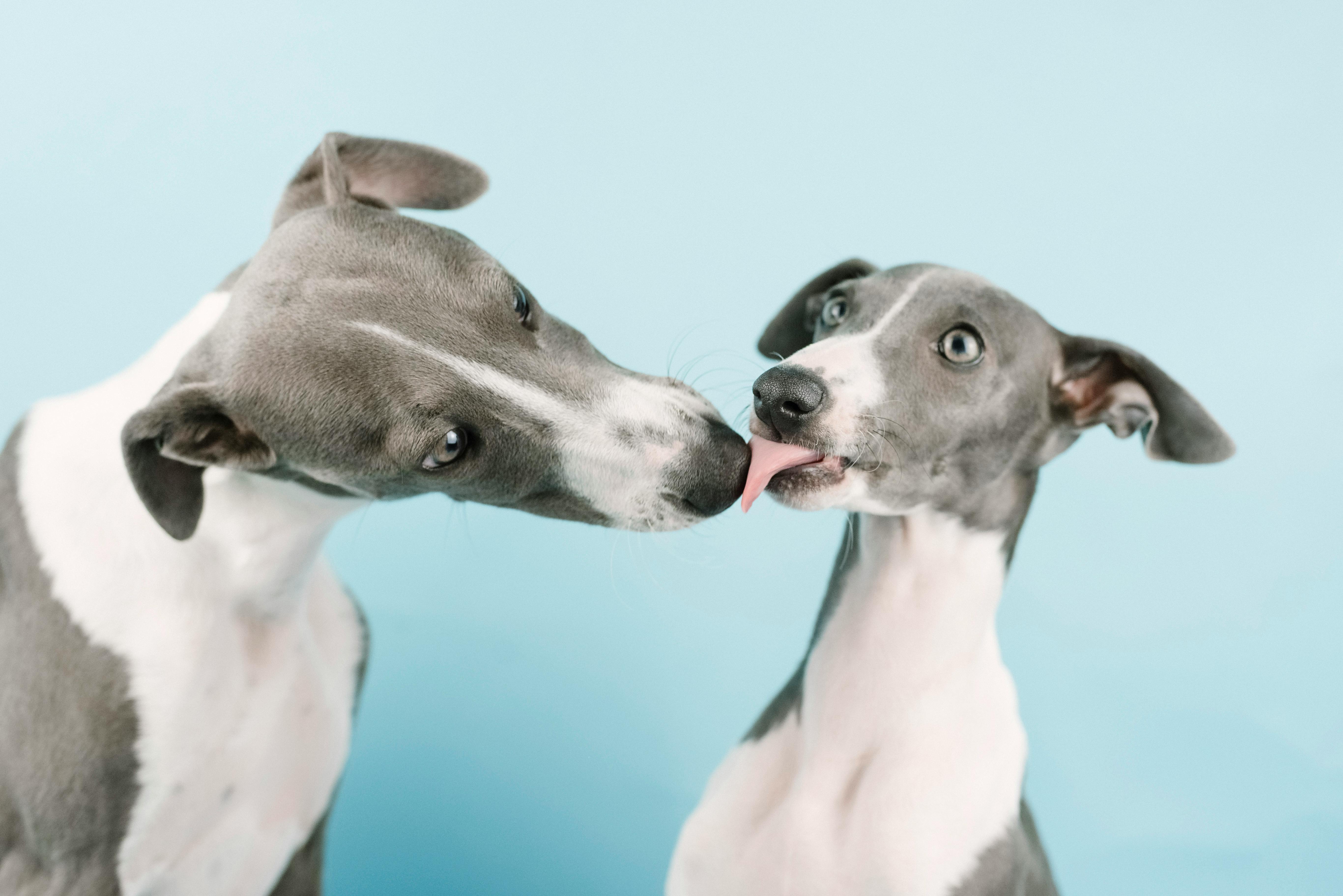 \n\n
\n\nDogs are often considered man's best friend, and their behavior can be fascinating to study. One common behavior that many dog owners observe is their dogs licking their noses. If you've ever wondered, "Why do dogs lick their noses?" you're not alone. This quirky habit raises questions about what it means for your furry friend. The act of licking their noses is not just a random action; it serves various important functions.
\nWhy Do Dogs Lick Their Noses?
\nThere are several reasons why dogs might lick their noses. Here are some of the most common explanations:
\n- \n
- \n
Sensory Exploration: Dogs have an incredible sense of smell, and licking their noses helps to enhance this ability. By moistening their noses, they can pick up more scent particles from the air and ground.
\n \n - \n
Taste and Curiosity: Dogs are naturally curious creatures. They might lick their noses after sampling something interesting, whether it be food, dirt, or even the air around them.
\n \n - \n
Grooming: Just like cats, dogs groom themselves too. Licking their noses is a part of their grooming routine, helping to keep their nose clean.
\n \n - \n
Communication: In dog language, licking can be a sign of submission or appeasement. A dog might lick its nose when it feels anxious or unsure in a social situation.
\n \n - \n
Hydration: Dogs may lick their noses to help maintain moisture. A wet nose helps regulate body temperature and can even assist in absorbing scents.
\n \n
Why Do Dogs Have Wet Noses?
\nAnother question that comes to mind is, "Why do dogs have wet noses?" The wetness of a dog's nose is more than just a characteristic feature; it plays a vital role in their health and senses.
\n- \n
- \n
Enhanced Smell: A wet nose can help to trap scent particles, making it easier for dogs to detect odors. This is why many dogs have such strong smelling abilities.
\n \n - \n
Temperature Regulation: Dogs do not sweat like humans. Instead, they rely on their noses to help cool down. A wet nose can help dissipate heat from their bodies.
\n \n - \n
Health Indicator: A dog's nose can be an indicator of their health. Typically, a healthy dog has a cool and moist nose. Conversely, a dry nose could signal dehydration or illness.
\n \n
Fun Facts About Dogs' Noses
\nDogs' noses are truly fascinating, and here are some fun facts to consider:
\n- \n
- \n
Unique Patterns: Just like human fingerprints, every dog has a unique nose print. It can actually be used for identification!
\n \n - \n
Nose Temperature: A dog's nose temperature can vary throughout the day. It tends to be cooler in the morning and warmer when they are active.
\n \n - \n
Scent Receptors: Dogs have up to 300 million scent receptors in their noses, compared to about 6 million in humans. This is why they are often used in search and rescue operations.
\n \n - \n
Licking Habits: Dogs may lick their noses more often when they are excited or anxious, which can be a behavioral response to their environment.
\n \n - \n
Breed Differences: Some breeds have wetter noses than others. For example, hounds tend to have particularly moist noses due to their heightened sense of smell.
\n \n
Comparison of Dog Nose Wetness by Breed
\nHere's a quick comparison of different dog breeds and their typical nose moisture levels:
\n| Breed | \nNose Wetness Level | \nScent Ability | \n
|---|---|---|
| Beagle | \nHigh | \nExcellent | \n
| Bulldog | \nModerate | \nGood | \n
| Poodle | \nLow | \nFair | \n
| Bloodhound | \nVery High | \nExceptional | \n
| Chihuahua | \nModerate | \nGood | \n
Practical Tips for Dog Owners
\nUnderstanding why dogs lick their noses and have wet noses can help you take better care of your furry friend. Here are some tips:
\n- \n
- \n
Monitor Nose Condition: Regularly check your dog's nose for dryness, cracks, or excessive peeling, as these could indicate health issues.
\n \n - \n
Stay Hydrated: Ensure your dog has access to fresh water at all times to maintain moisture in their nose and overall health.
\n \n - \n
Grooming Routine: Incorporate nose cleaning into your grooming routine to help keep their nose clean and healthy.
\n \n - \n
Behavior Observation: Pay attention to your dog's licking behavior. If it becomes excessive, it might be worth consulting a veterinarian to rule out anxiety or health problems.
\n \n
Dogs are truly remarkable animals, and their behaviors often come with fascinating reasons behind them. Understanding why dogs lick their noses and why they have wet noses can deepen your appreciation for your canine companion. When you observe these behaviors, remember the essential roles they play in your dog's life.
\n\nWet Noses and Dog Health: Signs Your Pup Needs Attention
\n\n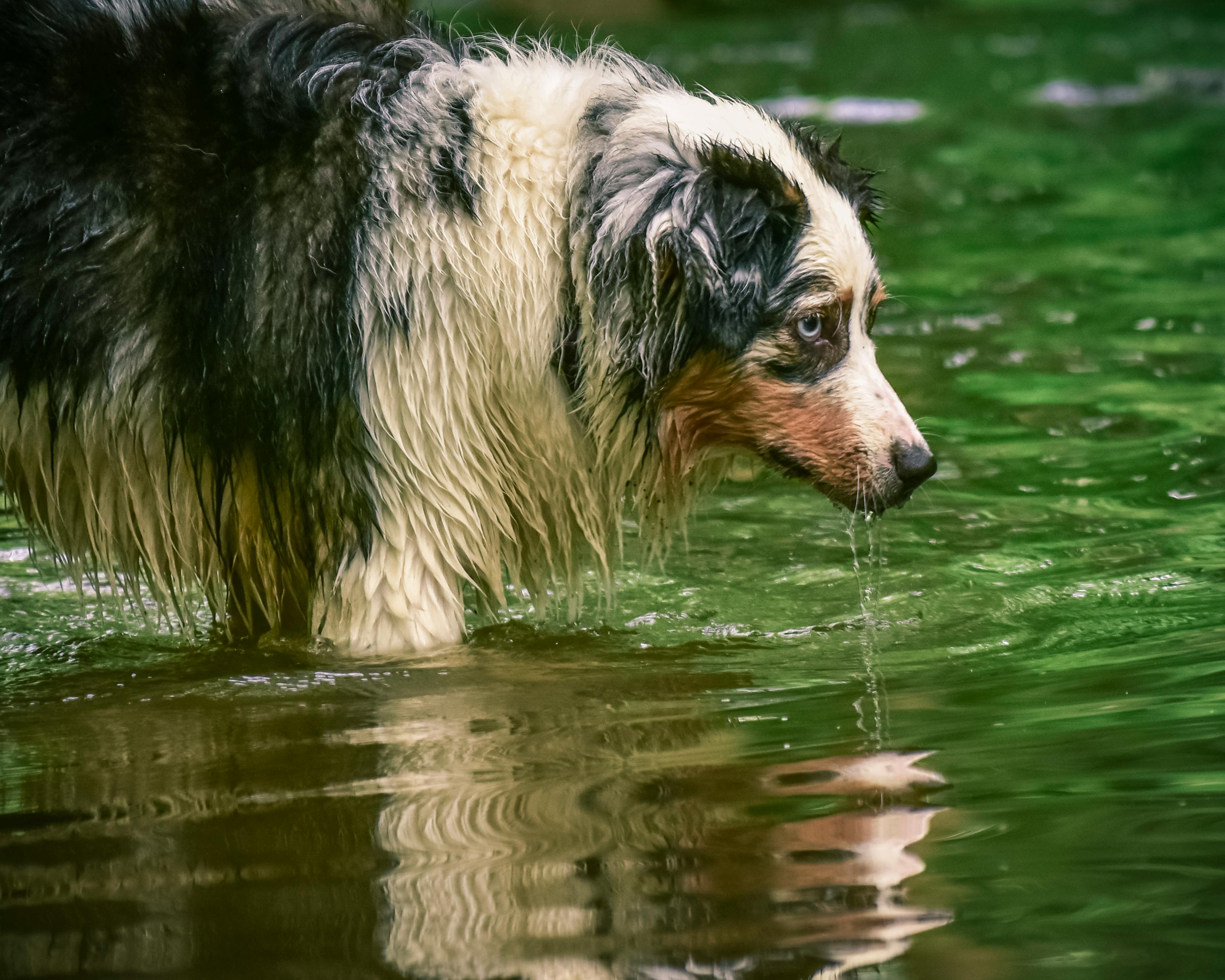 \n\n
\n\nDogs are often known for their playful nature, loyalty, and of course, those adorable wet noses. But why do dogs have wet noses anyway? And what can it mean for your pup's health? If you’re a pet owner, understanding these aspects can help you become more attuned to your dog's health needs.
\nThe Science Behind Wet Noses
\nSo, let’s start with the basics. Dogs noses are wet for a couple of reasons. First, a wet nose helps dogs to smell better. The moisture on their nose captures scent particles, making them more sensitive to odors. This is super important since dogs rely heavily on their sense of smell to interpret the world around them.
\nSecond, wet noses help regulate temperature. Dogs don’t sweat like humans do. Instead, they rely on panting and the moisture on their noses to cool down. You might notice that your dog’s nose can change in temperature, so it’s good to keep an eye on it.
\nSigns Your Pup Needs Attention
\nJust like humans, dogs can show signs that they are not feeling well. A wet nose is usually a sign of a healthy dog, but if you notice changes, it could be an indicator that something’s wrong. Here’s a list of signs to watch for:
\n- \n
- Dry Nose: If your dog’s nose is dry and warm, it could indicate fever or illness. \n
- Cracked Nose: A cracked or flaky nose might suggest dehydration or a skin condition. \n
- Discharge: Any unusual discharge from the nose can be a sign of infection or allergies. \n
- Excessive Licking: If your dog is licking its nose more than usual, it could be feeling nauseous or uncomfortable. \n
It’s good to pay attention to these signs. If you notice any of them, consulting a vet is always a wise choice.
\nWhy Do Dogs Have Wet Noses? Discover the Fascinating Reasons!
\nThe fascination with wet noses doesn’t stop at just enhancing their sense of smell. Through history, many cultures have placed significance on the wetness of a dog’s nose. In ancient times, a wet nose was often seen as a sign of vitality and health. The reasoning was that a wet nose indicated an active, alert dog.
\nHere’s a breakdown of some reasons why dogs have wet noses, and why it matters:
\n- \n
- Enhanced Olfactory Function: The moisture on a dog’s nose helps in trapping scent particles, improving their ability to detect smells. \n
- Cooling Mechanism: A wet nose helps in thermoregulation, allowing dogs to cool themselves when they get hot. \n
- Communication Tool: Dogs can use their noses to gather information about other animals and humans, which helps them understand their environment better. \n
Practical Examples of Nose Health
\nTaking care of your dog’s nose is an important part of their overall health. Here’s a simple checklist of things to keep in mind:
\n- \n
- Hydration: Make sure your dog has access to fresh water at all times. Dehydration can lead to a dry nose. \n
- Humidity Levels: Dry air can affect your dog’s nose. Consider using a humidifier during winter months. \n
- Allergy Awareness: Seasonal allergies can cause nasal issues. Monitor your dog’s environment for potential allergens. \n
Comparing Healthy vs. Unhealthy Noses
\nHere’s a straightforward comparison of what to look for in a healthy dog nose versus signs of potential health issues:
\n| Feature | \nHealthy Nose | \nUnhealthy Nose | \n
|---|---|---|
| Temperature | \nCool to the touch | \nWarm or hot | \n
| Moisture Level | \nWet and moist | \nDry or flaky | \n
| Color | \nDark and shiny | \nPale or discolored | \n
| Discharge | \nNone | \nMucus or blood | \n
Understanding Your Dog's Health
\nBeing a responsible pet owner means understanding your dog's health and well-being. Wet noses are just one aspect of your dog’s health. Always be observant of their behavior and physical condition. Regular vet check-ups are also essential to ensure your furry friend stays happy and healthy.
\nSo, next time you pet your dog and feel that wet nose, take a moment to appreciate the science behind it. That little wet nose is not just cute; it’s an essential part of who they are! And remember, when in doubt, always consult your veterinarian. Your pup’s health is worth it!
\n\nThe Role of Temperature Regulation: Why Wet Noses Keep Dogs Cool
\n\n \n\n
\n\nDogs are known for many things, but one of the most interesting characteristics is their wet noses. You may have wonder why do dogs have wet noses, and how does it help them regulate their body temperature. In the realm of canine physiology, the role of temperature regulation is crucial for their health and well-being. Let’s explore the fascinating reasons behind this unique feature of our furry friends.
\nThe Science Behind Wet Noses
\nDogs have wet noses primarily due to a combination of factors, including their biology and environment. Here are some key reasons that explain why do dogs have wet noses:
\n- \n
- Moisture Secretion: Dogs' noses contains glands that secrete moisture. This moisture helps to cool them down, similar to how sweating works for humans. \n
- Enhanced Smell: Wet noses increase the surface area for scent detection. The moisture captures scent particles in the air, making it easier for dogs to smell. \n
- Temperature Regulation: When a dog's nose is wet, it helps to dissipate heat. This is why you might notice your dog panting or licking their nose more on hot days. \n
Why Wet Noses Keep Dogs Cool
\nNow, let’s dive deeper into how wet noses actually help dogs to stay cool. Unlike humans, who sweat through their skin, dogs primarily rely on panting and their noses to regulate temperature.
\n- \n
- Evaporative Cooling: When the moisture on a dog's nose evaporates, it cools the blood vessels close to the surface. This process helps to lower the overall body temperature. \n
- Behavioral Adaptations: Dogs may often seek out cool surfaces or shade to lie on when they are hot. Their wet noses are an adaptation that complements these behaviors for effective temperature regulation. \n
- Health Indicators: A dog’s nose can also be an indicator of their health. A dry or cracked nose might suggest dehydration or illness, while a wet nose usually indicates a healthy pup. \n
Historical Context and Evolution
\nThe evolution of dogs has provided them with unique adaptations that enhance their survival. Dogs are descendants of wolves, and their noses have evolved to serve important survival functions, particularly in hunting and environmental awareness.
\n- \n
- Hunting: An enhanced sense of smell has always been essential for hunting. The ability to detect scents with precision has helped dogs and their ancestors locate food and avoid danger. \n
- Pack Dynamics: In a pack, communication through scent is critical. A wet nose can carry more scent, allowing dogs to communicate effectively with each other. \n
Fascinating Facts About Dog Noses
\nHere’s a quick list of interesting facts about dog noses:
\n- \n
- Dogs have up to 300 million scent receptors, compared to about 6 million in humans. \n
- The shape and size of a dog's nose can influence its sense of smell. Breeds like Bloodhounds have longer noses which enhance their olfactory abilities. \n
- Dogs can also detect certain diseases, like cancer, through their sense of smell, which is magnified by their wet noses. \n
Practical Tips for Dog Owners
\nAs a dog owner, understanding the significance of your dog’s wet nose can help you take better care of them. Here are some practical tips:
\n- \n
- Hydration: Ensure your dog has access to fresh water at all times, especially on hot days. A well-hydrated dog is more likely to have a healthy wet nose. \n
- Regular Check-ups: Keep an eye on your dog’s nose condition. If you notice it becoming dry or cracked, consult a veterinarian to rule out any underlying health issues. \n
- Temperature Awareness: Be mindful of temperature changes. If it's too hot outside, consider taking your dog for walks during cooler parts of the day. \n
The Connection Between Nose and Behavior
\nYou might also notice that your dog frequently licks their nose or the ground. This behavior is not just cute; it has a purpose. Here are some reasons for this behavior:
\n- \n
- Scent Gathering: Dogs lick surfaces to gather scents, which helps them understand their environment better. \n
- Cooling Mechanism: Licking helps to keep their noses moist, which in turn aids in temperature regulation. \n
- Stress Relief: Some dogs lick their noses when they are anxious. Observing this can help you identify if your dog is uncomfortable in certain situations. \n
Understanding why do dogs have wet noses and their role in temperature regulation is essential for any dog owner. These fascinating creatures rely on their wet noses not just for smelling but also for keeping cool and healthy. By keeping these insights in mind, you can ensure your furry friend remains happy and healthy, enjoying life to the fullest.
\n\nCurious Canine Facts: What Your Dog’s Nose Can Tell You About Their Health
\n\n \n\n
\n\nDogs are often called man's best friend, and they sure have a lot of quirks that make them fascinating companions. One of the most interesting features of a dog is its nose, especially since it’s always wet! You might've wondered, why do dogs have wet noses? What does that slimy surface mean for their health? Let’s dive into some curious canine facts and explore what your dog's nose can tell you about their well-being.
\nThe Science Behind Wet Noses
\nA dog's nose is not just for sniffing out treats. Dogs have a special adaptation that allows them to have wet noses. The moisture on their noses actually helps enhance their sense of smell. When the nose is wet, it can capture scent particles more effectively. It’s like a sponge soaking up all those interesting smells in the air.
\nHealth Indicators
\nThe condition of a dog's nose can provide important clues about their health. Here are some key points to consider:
\n- \n
- Temperature Regulation: A dog's nose helps regulate their body temperature. When they pant, moisture evaporates from the nose, cooling them down. \n
- Hydration Level: A dry nose can be a sign of dehydration or illness. If your dog’s nose is frequently dry, it’s worth checking their water intake. \n
- Infections or Illnesses: Certain conditions, like infections or allergies, might cause a dog’s nose to become excessively wet or crusty. Always keep an eye on changes. \n
Historical Context of Dog Noses
\nThroughout history, dogs have been valued for their sense of smell. The ancient Egyptians even revered dogs, believing they had protective powers. In the past, these animals were used for hunting and herding because of their ability to track scents. Today, those same instincts are still present in our household pets, and their wet noses are a testament to the evolution of their sniffing skills.
\nComparing Dog Noses to Other Animals
\nDogs aren’t the only animals with wet noses. Cats, for instance, also have moist noses, but it’s primarily for the same reason. However, here’s a quick comparison of the noses of a few different animals:
\n| Animal | \nNose Type | \nPurpose | \n
|---|---|---|
| Dogs | \nWet | \nEnhances sense of smell, regulates temp | \n
| Cats | \nWet | \nSimilar to dogs, with some differences | \n
| Pigs | \nWet | \nHelps in rooting around for food | \n
| Elephants | \nMoist | \nAssists in smelling and can cool their body | \n
Fascinating Nose Facts
\nDid you know that a dog’s sense of smell is about 10,000 to 100,000 times more sensitive than that of humans? That’s a huge difference! Here are some more interesting facts about dog noses:
\n- \n
- Unique Nose Prints: Just like human fingerprints, every dog’s nose print is unique. This means it could theoretically be used for identification. \n
- Scent Memory: Dogs can remember scents for years. This is why they can recognize their owner even after a long time apart. \n
- Nasal Turbinates: Dogs have intricate structures in their noses called turbinates that help filter and warm the air they breathe in. \n
Practical Tips for Nose Care
\nIt’s important to keep your dog’s nose healthy. Here are some practical tips to consider:
\n- \n
- Regular Check-ups: Always bring your dog to the vet for regular check-ups. A vet can assess your dog’s nose condition. \n
- Hydration: Ensure your dog has access to fresh water. Hydration can keep their nose moist and healthy. \n
- Environmental Factors: Be aware of environmental changes. Dry air in winter or excessive heat can affect your dog's nose. \n
The Wet Nose Mystery
\nSo, why do dogs have wet noses? The moisture is not just for show; it serves multiple functional purposes related to health and sensory perception. It’s one of the many amazing traits that make dogs unique companions. Their noses not only help them explore the world but also provide insights into their health.
\nAs a pet owner, understanding the significance of your dog's nose can enhance your bond with them. Next time you give your furry friend a scratch behind the ears, take a moment to appreciate that wet nose and all it signifies. It's more than just a cute feature; it’s a window into your dog's health and well-being!
\n\nHow to Keep Your Dog’s Nose Healthy: Tips for Pet Owners
\n\n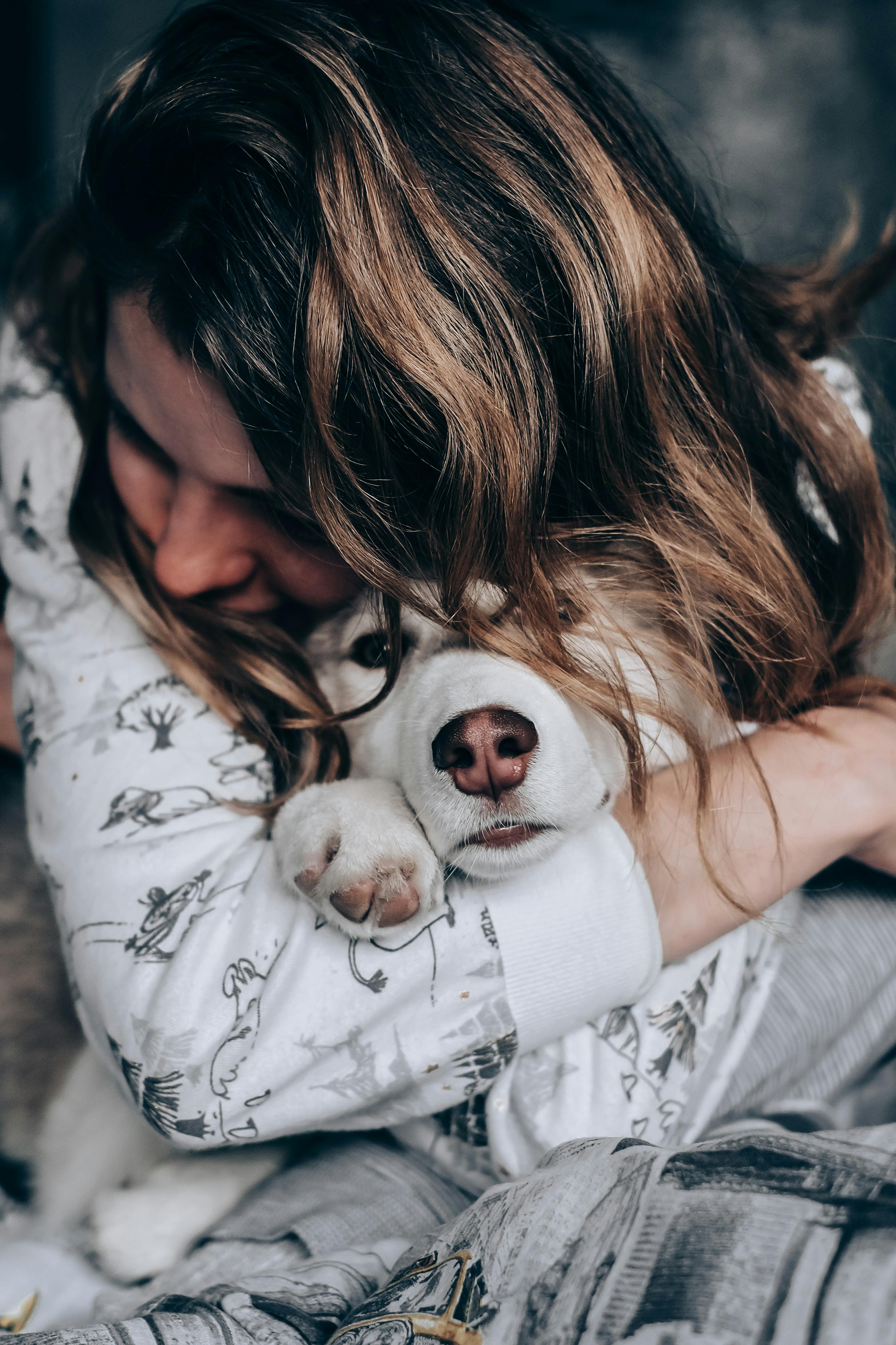 \n\n
\n\nDogs are often called man’s best friend, and part of what makes them so lovable is their unique features, like their wet noses. Many pet owners wonder why do dogs have wet noses and how to keep them healthy. A dog’s nose is not just an adorable feature; it actually serves important functions. Keeping your dog’s nose healthy is vital to their overall well-being. So, let's explore some tips and the fascinating reasons behind those wet noses!
\nWhy Do Dogs Have Wet Noses?
\nYou might’ve notice that your dog’s nose is often damp. But why is that? Here are some reasons:
\n- \n
- \n
Scent Enhancement: Dogs have an incredible sense of smell, which is up to 100,000 times better than humans. A wet nose helps capture scent particles better, making it easier for them to detect smells.
\n \n - \n
Temperature Regulation: Dogs can’t sweat like humans do. Their noses help regulate body temperature. When they breathe, the moisture on their nose evaporates, which cools them down.
\n \n - \n
Health Indicator: A dog’s nose can indicate its health. A healthy nose is usually moist and cool. If it becomes dry or hot, it could be a sign of illness or dehydration.
\n \n - \n
Communication Tool: Dogs use their noses to communicate. They sniff each other to gather information about other dogs, like their health, mood, and even diet.
\n \n
Tips for Keeping Your Dog’s Nose Healthy
\nMaintaining your dog’s nose is essential for their health. Here are some practical tips pet owners can follow:
\n- \n
- \n
Regular Moisturizing: Just like human skin, a dog’s nose can dry out. Use a dog-safe moisturizer or coconut oil to keep it hydrated. Avoid human lotions since they can contain harmful ingredients.
\n \n - \n
Hydration: Ensure that your dog has access to fresh water at all times. Dehydration can lead to a dry nose. Watch for signs of dehydration like lethargy or loss of appetite.
\n \n - \n
Protect from Weather: Extreme weather can affect your dog’s nose. In cold weather, consider using a dog nose balm to protect it from chapping. Conversely, in hot weather, ensure they are not exposed to direct sunlight for too long.
\n \n - \n
Regular Check-Ups: Just like any other part of their body, a dog’s nose should be checked regularly. Look for unusual changes in color, cracking, or excessive dryness, and consult a vet if you notice anything odd.
\n \n - \n
Healthy Diet: A balanced diet is crucial for overall skin and coat health, which includes the nose. Ensure your dog is eating high-quality food that provides essential nutrients.
\n \n
Common Nose Problems in Dogs
\nSometimes, despite your best efforts, dogs may face nose issues. Here are some common problems:
\n- \n
- \n
Nasal Hyperkeratosis: This condition results in the thickening of the nose, making it look crusty. It can be caused by genetics or certain health conditions.
\n \n - \n
Infections: Bacterial or fungal infections can lead to a runny or discolored nose. If your dog shows signs of swelling or discharge, seek veterinary advice.
\n \n - \n
Allergic Reactions: Dogs can be allergic to various things, from food to environmental factors. Allergies can manifest as nasal discharge or sneezing.
\n \n - \n
Tumors: Though rare, tumors can occur on a dog’s nose. If you notice any unusual growths, don’t wait—consult a veterinarian.
\n \n
Fun Facts About Dog Noses
\n- \n
- \n
Unique Patterns: Just like human fingerprints, every dog has a unique nose print that can be used for identification.
\n \n - \n
Color Variations: The color of a dog’s nose can change with age or health. Puppies often have pink noses that can darken as they mature.
\n \n - \n
Sniffing Speed: Dogs can sniff about 20 times per second, allowing them to gather a wealth of information in just a short amount of time.
\n \n - \n
Nose as a Thermometer: A dog's nose temperature can vary. A cool, moist nose is generally a sign of good health, while a hot, dry nose might need attention.
\n \n
Taking care of your dog’s nose is an important part of overall pet care. Understanding why do dogs have wet noses shows how essential these features are for their health and communication. By following these tips, you can help ensure your furry friend stays happy and healthy. Remember, if you have any concerns about your dog’s nose or health, consulting with a veterinarian is always a good idea. Your dog’s nose may be small, but it plays a big role in their life!
\n\nConclusion
\n\nIn conclusion, the wet noses of dogs serve multiple important functions that contribute to their overall health and well-being. The moisture on their noses helps enhance their sense of smell, allowing them to gather scent particles more effectively—a crucial survival skill for their ancestors. Additionally, a wet nose plays a role in thermoregulation, helping dogs cool down in warm weather. It's also worth noting that a dog's nose moisture can indicate health; while a wet nose is typically a sign of a healthy pup, changes in texture or moisture levels could signal illness. Understanding these aspects of your dog’s physiology not only deepens our appreciation for our furry companions but also empowers us to monitor their health closely. So, the next time you greet your canine friend, take a moment to appreciate that wet nose—it’s a fascinating feature that tells us a lot about their biology and well-being.
\n\n