Have you ever wondered why do dogs have wet noses? This intriguing question not only sparks curiosity but also reveals fascinating insights into our furry companions. A dog's wet nose isn’t just an adorable trait; it serves several important purposes. Many pet owners often ask, “Is there a reason behind this?” The truth is, the moisture on your dog’s nose plays a crucial role in their health and communication. In this article, we will explore the science behind those damp dog noses and why they are essential for your canine's well-being. Did you know that a wet nose helps enhance a dog’s sense of smell? That's right! A moist surface can capture scent particles more effectively, making your pup's sniffer even more powerful. Plus, it can reflect their emotional state – a happy dog often has a cool, moist nose. So, if you are curious about the benefits of a wet nose or how it relates to your dog's health, keep reading! Discover the amazing reasons behind this unique feature and learn how it affects your pet’s overall behavior and health. Uncover the secrets of your canine companion right here!
\n\nThe Science Behind Wet Noses: Why Do Dogs' Noses Stay Moist?
\n\n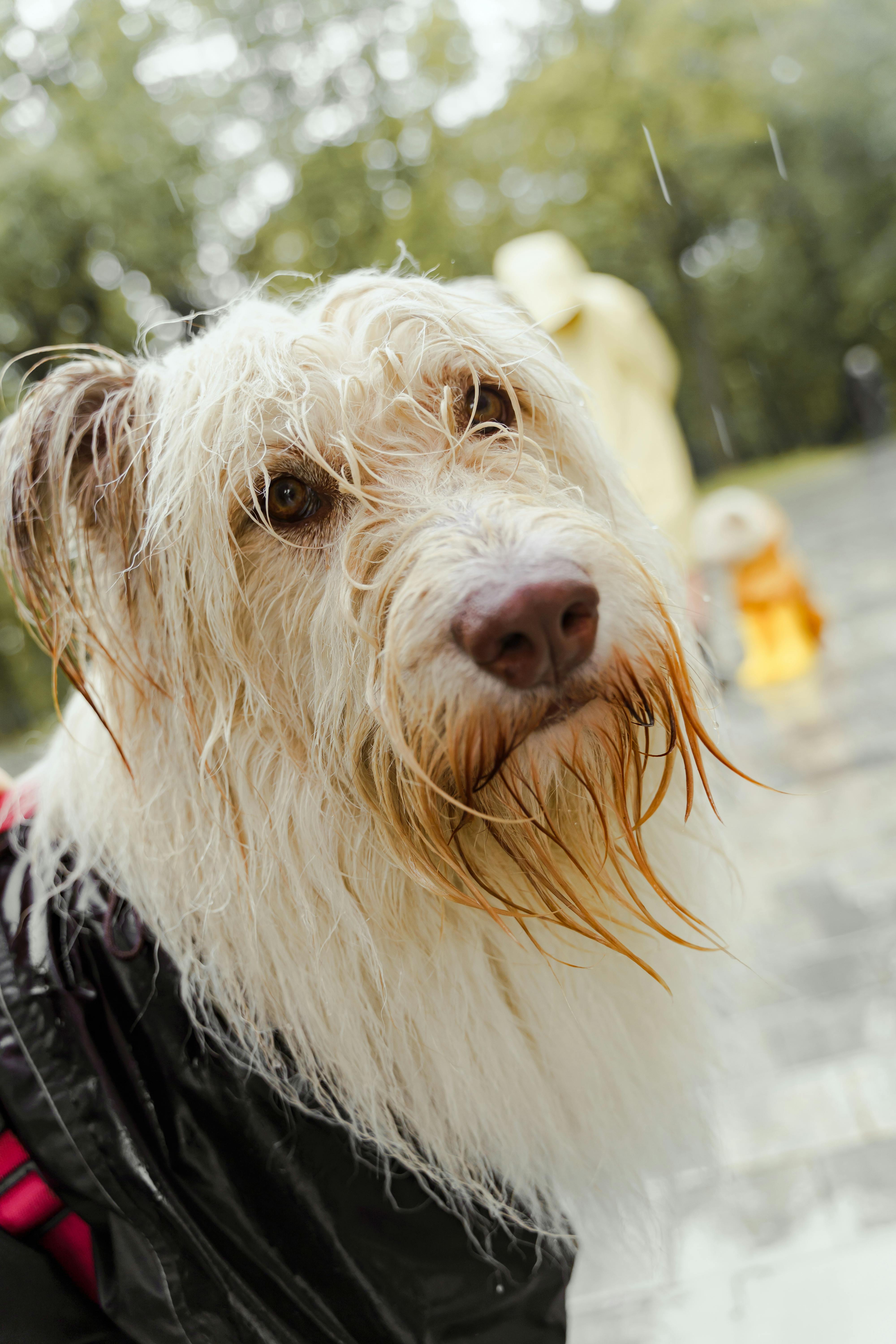 \n\n
\n\nDogs are often referred to as "man's best friend" for a good reason. Their loyalty, companionship, and playful nature make them beloved pets around the world. But have you ever wondered why dogs have wet noses? It's one of those quirky characteristics that dog owners know and love. The science behind wet noses is quite fascinating, and it reveals important information about canine health and behavior.
\nThe Anatomy of a Dog’s Nose
\nA dog's nose isn’t just cute, it’s also a highly sophisticated sensory organ. The surface of a dog's nose is covered in a thin layer of moisture. This moisture is crucial for several reasons:
\n- \n
- Thermoregulation: Dogs primarily cool themselves through panting, but their wet noses also help. The moisture evaporates, helping to lower the dog’s body temperature. \n
- Scent Detection: Dogs have an incredible sense of smell, which is about 10,000 to 100,000 times more sensitive than that of humans. The moisture on their noses helps to capture and hold scent particles, enhancing their ability to detect smells. \n
- Health Indicator: A dog’s nose can indicate its health. A dry, cracked nose might suggest dehydration or illness, while a moist nose is generally a sign of a healthy pup. \n
Why Are Dog Noses Wet?
\nSo, why do dogs’ noses stay moist? It's a combination of biology and behavior. Here’s a breakdown of the reasons:
\n- \n
- Mucous Production: Dogs secrete mucus from glands in their noses, which keeps the surface moist. This is a natural process that happens throughout the day. \n
- Licking: Dogs often lick their noses, which adds to the moisture. This behavior is instinctive and helps them gather scents from their environment. \n
- Environmental Factors: The humidity and temperature of their surroundings can affect how wet their noses get. For instance, a dog might have a drier nose in winter compared to summer. \n
- Hydration Levels: If a dog is well-hydrated, they are more likely to have a moist nose. Conversely, dehydration can lead to a dry nose. \n
Interesting Facts About Dog Noses
\nHere’s a list of intriguing facts about dog noses that you might not know:
\n- \n
- A dog’s nose print is unique, much like a human fingerprint. \n
- Some breeds, like Bloodhounds, have a more developed sense of smell and can track scents over long distances. \n
- Dogs can detect certain diseases through their sense of smell, including cancer and diabetes. \n
- The color of a dog’s nose does not affect its ability to smell. \n
The Role of Nose Moisture in Dog Behavior
\nWet noses also play a role in how dogs interact with their surroundings. Here’s how:
\n- \n
- Social Interactions: Dogs greet each other by sniffing, and a wet nose can be more inviting. It’s a way to gather information about other dogs. \n
- Exploration: Dogs explore the world around them using their noses. The moisture helps them analyze scents better, aiding in recognition of familiar environments or other animals. \n
- Communication: Dogs can communicate emotions through their noses. A wet nose can indicate excitement or happiness, while a dry nose may signal stress or discomfort. \n
Comparing Dog Noses to Other Animals
\nIt’s interesting to compare dog noses with those of other animals:
\n- \n
- Cats: Like dogs, cats have moist noses, but their sense of smell is not as acute as that of dogs. \n
- Humans: Human noses are dry and less sensitive. Our ability to detect scents is limited compared to dogs. \n
- Bears: Bears have an even more powerful sense of smell than dogs, making them exceptional at detecting food sources over long distances. \n
In summary, the science behind wet noses in dogs shows us just how remarkable these animals truly are. Their moist noses serve multiple purposes, from regulating body temperature to enhancing their sense of smell. Understanding this small yet significant feature can deepen our appreciation for our canine companions.
\nSo next time you give your dog a pat on the head and feel that wet nose, remember—it's not just a charming trait, but a vital part of what makes dogs so unique and special in the animal kingdom.
\n\n5 Fascinating Functions of a Dog's Wet Nose You Didn't Know About
\n\n \n\n
\n\nHave you ever wondered why dogs have wet noses? It’s one of those charming characteristics that make our furry friends even more special. But there's more to a dog's wet nose than just being cute – it serves several fascinating purposes that many dog owners don’t even know about. Let’s dive into five intriguing functions of a dog’s wet nose that could surprise you!
\n1. Temperature Regulation
\nDogs, unlike humans, don’t sweat in the same way. Instead of using sweat glands all over their body, they rely on their noses for a part of temperature regulation. When a dog’s nose is wet, it can help cool them down. The moisture evaporates, which can lower their body temperature. This is especially important during hot weather or after exercise. A dog’s wet nose is not just a cute feature; it’s a practical one too!
\n2. Enhanced Sense of Smell
\nThe primary reason dogs have wet noses is related to their incredible sense of smell. A dog’s nose contains specialized cells that detect scents, and when their nose is moist, it can capture more scent particles from the air. This moisture helps to dissolve the particles, making it easier for the nasal receptors to pick up various smells. Some studies suggest that dogs have up to 300 million olfactory receptors, compared to about 5 million in humans. So, the wetter the nose, the better the smell!
\n3. Communication Tool
\nDogs communicate in many ways, and their noses play a role in this too. When dogs greet each other, they often sniff each other’s noses and bodies. This behavior helps them gather information about the other dog, like their mood, health, and even diet. A wet nose can indicate a healthy, happy dog, while a dry nose might signal stress or illness. So, the next time your dog greets another dog with their nose, remember it’s more than just a friendly hello!
\n4. Health Indicator
\nA dog’s nose can also be an indicator of their health. While a wet nose is generally a good sign, it’s not the only thing to look out for. Here are some tips on how to read a dog’s nose:
\n- \n
- Wet and Cool: Likely happy and healthy. \n
- Dry and Warm: Possible signs of fever or illness. \n
- Cracked or Flaky: Could indicate dehydration or allergies. \n
Regularly checking the condition of your dog’s nose can provide valuable insights into their overall health. If you notice significant changes, it might be a good idea to consult with a veterinarian.
\n5. Sense of Taste
\nBelieve it or not, a dog’s wet nose also plays a role in their sense of taste. Dogs have taste buds, but they are not as well-developed as humans. A moist nose can help enhance their taste by capturing scent molecules, which are crucial for flavor perception. When dogs lick something, the moisture from their nose enhances their ability to taste it, helping them determine if it’s edible or not. This is why dogs often sniff their food or treats before eating!
\nFun Facts About Dog Noses
\n- \n
- Unique Patterns: Just like human fingerprints, each dog’s nose has a unique pattern that can be used for identification. \n
- Color Variations: The color of a dog’s nose can vary based on breed and genetics, ranging from black to pink or liver-colored. \n
- Nasal Cooling: Dogs can cool themselves through their noses by breathing through their mouths and letting moisture evaporate from their nasal passages. \n
Quick Comparison: Wet Noses vs. Dry Noses
\n| Wet Noses | \nDry Noses | \n
|---|---|
| Indicates hydration | \nMay indicate dehydration | \n
| Enhances scent detection | \nLess effective in scent detection | \n
| Often means a happy dog | \nMay suggest illness or stress | \n
The next time you see your furry friend with that adorable wet nose, you’ll know it’s doing much more than just looking cute. From regulating temperature to enhancing their sense of smell and even communicating their health, a dog’s wet nose is an important tool. Understanding these functions can deepen your bond with your dog and help you care for them better. So go ahead, give your pup a little nose boop and appreciate the wonderful quirks that make them who they are!
\n\nDo Dogs Have Wet Noses for a Reason? Uncovering the Surprising Truths
\n\n \n\n
\n\nDogs are often known for their loyalty, playfulness, and wet noses. You might have wondered, do dogs have wet noses for a reason? Uncovering the surprising truths behind this canine characteristic reveals a lot about why our furry friends are the way they are. So why do dogs have wet noses? Let’s dive into some fascinating reasons that explain this intriguing feature!
\nThe Science Behind Wet Noses
\nA dog’s nose is not just for show. It's a highly sensitive organ equipped with numerous olfactory receptors. The moisture on a dog’s nose serves several important functions:
\n- \n
- Enhanced Sense of Smell: A wet nose helps to trap scent particles in the air, making it easier for dogs to smell. This is super important for their communication and hunting instincts. \n
- Temperature Regulation: Dogs do not sweat like humans; they primarily cool themselves through panting and their noses. The moisture helps in regulating their body temperature. \n
- Health Indicator: A wet nose can indicate a dog's health. Generally, a healthy dog has a moist nose, while a dry nose can signal illness or dehydration. \n
Historical Perspective on Dog Noses
\nHistory shows that dogs have been companions to humans for thousands of years. Ancient texts mention the importance of a dog’s sense of smell. Some researchers believe that wet noses may have evolved as dogs adapted to their roles as hunters and guardians.
\n- \n
- Evolutionary Advantage: The development of a moist nose likely gave early dogs an advantage in hunting, allowing them to track prey effectively. \n
- Cultural Significance: In various cultures, dogs with wet noses have been seen as symbols of health and vitality, further cementing their importance in human society. \n
Why Are Some Dog Noses Dry?
\nNot every dog has a consistently wet nose. There are a variety of reasons why you might notice your dog's nose drying out. Here are some common factors:
\n- \n
- Weather Conditions: Hot or dry weather can lead to a dry nose. Just like humans, dogs can experience the effects of climate. \n
- Health Issues: Illnesses, allergies, or dehydration can cause a dog’s nose to become dry. If your dog’s nose is persistently dry, it may be worth consulting a veterinarian. \n
- Age: Older dogs may naturally experience changes in moisture levels on their noses. \n
Fascinating Facts About Dog Noses
\nDid you know that a dog’s nose print is unique, much like a human fingerprint? Here are more interesting facts:
\n- \n
- Olfactory Receptors: Dogs have around 300 million olfactory receptors, compared to humans’ 5 million. This makes their sense of smell incredibly precise. \n
- Temperature Sensitivity: A dog’s nose can detect temperature changes as minute as a few degrees. \n
- Scent Discrimination: Dogs can distinguish between different scents, which is why they are used in search-and-rescue operations. \n
Comparing Dog Noses to Other Animals
\nLet’s see how dog noses stack up against some other animals:
\n| Animal | \nNumber of Olfactory Receptors | \nUnique Nose Feature | \n
|---|---|---|
| Dogs | \n300 million | \nUnique nose prints | \n
| Cats | \n50 to 80 million | \nCan taste scents with their mouths | \n
| Elephants | \n2,000 receptors | \nHighly developed sense of smell | \n
| Mice | \n1,000 receptors | \nCan detect certain pheromones | \n
Practical Examples of Wet Nose Benefits
\nUnderstanding the benefits of a wet nose can help dog owners appreciate their pets more. Here are practical examples of how a wet nose can be advantageous:
\n- \n
- Tracking: Dogs can track scents over long distances, which is useful in search-and-rescue missions. \n
- Therapeutic Uses: Some therapy dogs use their sense of smell to detect changes in a person’s health, such as drops in blood sugar. \n
- Behavioral Insights: A wet nose can indicate excitement or anxiety, helping owners understand their dog's emotional state. \n
A dog’s wet nose is much more than just an adorable feature; it plays vital roles in their sensory perception, health, and communication. Next time you pet your dog, take a moment to appreciate the science and history behind that wet nose. It’s a small yet significant part of what makes dogs such fascinating companions.
\n\nThe Role of a Dog’s Wet Nose in Their Sense of Smell: How It Works
\n\n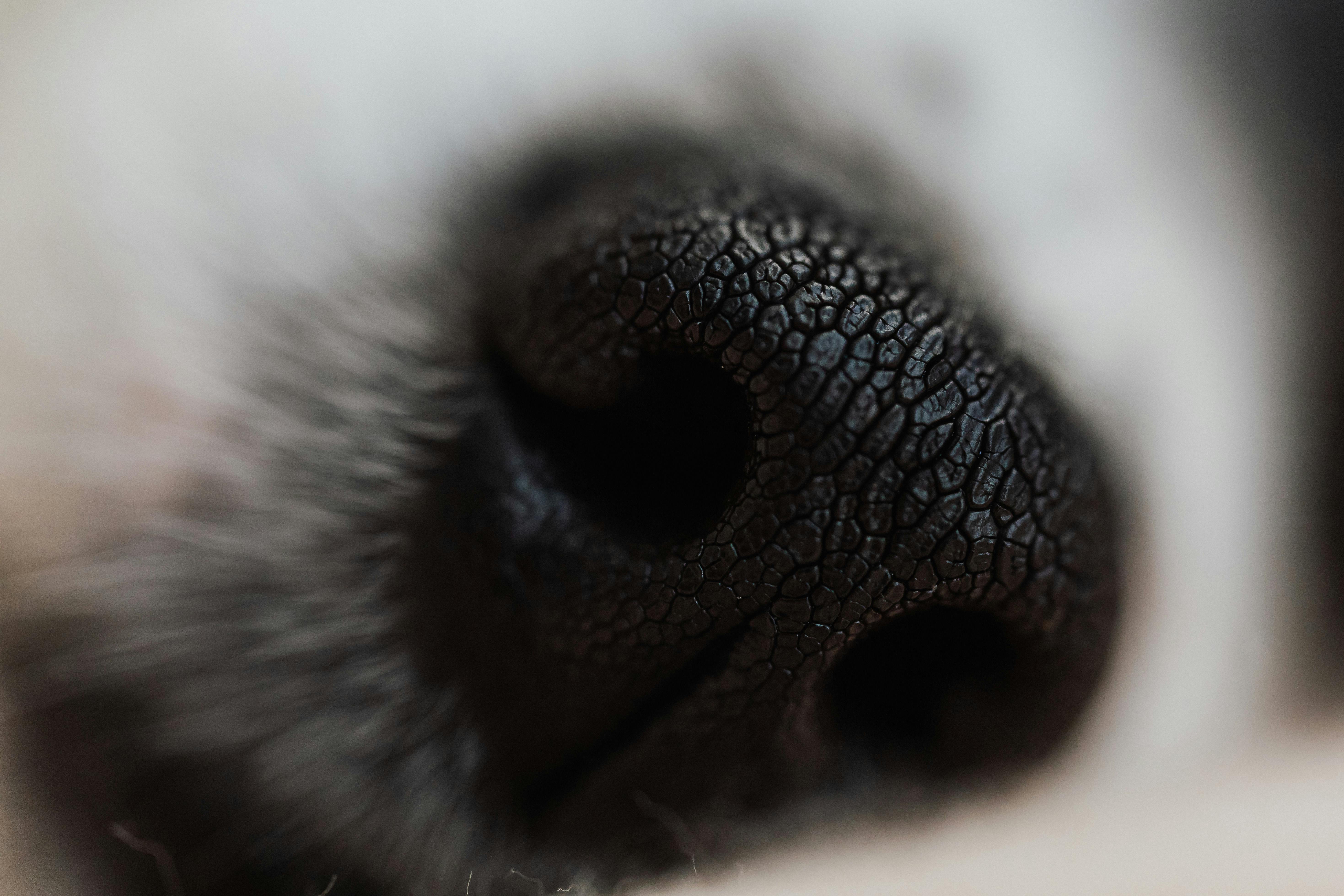 \n\n
\n\nDogs are truly amazing creatures, and one of their most fascinating features is their wet noses. Many people wonder why do dogs have wet noses and how does it all work? Let’s dive into the science behind a dog’s sense of smell, what that wet nose really does, and some interesting facts that you might not know.
\nThe Science of Smell in Dogs
\nDogs have a sense of smell that is incredibly powerful, significantly stronger than humans. While humans have about 5 million olfactory receptors, dogs can have up to 300 million! This difference is what allows dogs to sniff out things that we can’t even imagine. The anatomy of a dog’s nose plays a huge role in this.
\n- \n
- Olfactory Receptors: Dogs possess more types of olfactory receptors than humans. This allows them to detect a wider range of smells. \n
- Jacobsen's Organ: Also known as the vomeronasal organ, this is located in a dog’s nasal cavity and helps them identify pheromones and other chemical signals. \n
- Nasal Turbinates: Dogs have complex structures in their noses that help them to filter and analyze scents more efficiently. \n
Why Do Dogs Have Wet Noses?
\nSo, why do dogs have wet noses anyway? There’s actually a few reasons for this. The moisture on a dog’s nose serves several important functions:
\n- \n
- Enhanced Smell: A wet nose helps to capture scent particles. When the nose is moist, it can trap these particles more effectively, which allows dogs to pick up on scents more easily. \n
- Temperature Regulation: Just like humans sweat to cool down, dogs use their noses to help regulate body temperature. The moisture on their noses can help them cool off when they get too warm. \n
- Health Indicator: The condition of a dog’s nose can sometimes indicate their health. A dry nose might suggest dehydration or illness, while a wet nose is often seen as a sign of good health. \n
Fascinating Facts About Dog Noses
\nHere are some interesting tidbits about dog noses that you might not know:
\n- \n
- Unique Prints: Just like human fingerprints, each dog has a unique nose print. This could potentially be used for identification purposes. \n
- Scent Discrimination: Dogs can distinguish between different scents even when they are mixed together. This ability is what makes them great at search and rescue missions. \n
- Color Sensitivity: Dogs can’t see colors the way humans do, but their sense of smell compensates for this. They can detect certain scents that can go unnoticed by the human nose. \n
How Dogs Use Their Noses
\nDogs use their noses for various purposes. Here are a few ways dogs rely on their sense of smell:
\n- \n
- Tracking: Dogs can track scents over long distances, which is why they are often used in search and rescue operations or for hunting. \n
- Detection: Some dogs are specially trained to detect drugs, explosives, or even diseases like cancer through scent. \n
- Communication: Dogs use scent to communicate with each other. This is particularly important for social interactions among dogs. \n
Comparison of Dog Smell to Human Smell
\nHere's a simple comparison of how dogs and humans perceive smells:
\n| Feature | \nDogs | \nHumans | \n
|---|---|---|
| Olfactory Receptors | \nApproximately 300 million | \nApproximately 5 million | \n
| Scent Discrimination | \nExcellent, can distinguish a wide range of scents | \nLimited, struggle with mixed scents | \n
| Purpose of Smell | \nTracking, communication, detection | \nMostly for enjoyment and identification | \n
The Importance of a Wet Nose
\nThe wetness of a dog’s nose isn’t just an interesting feature; it plays a crucial role in their everyday lives. A dog’s nose can tell them a lot about their environment. For instance, when a dog sniffs the ground, they can gather information about other animals, food sources, and even the emotional state of other dogs based on pheromones.
\nThis ability to smell can also enhance their social interactions. Dogs often greet each other by sniffing noses, which is a way of gathering information about the other dog. This behavior is rooted in their instinctual needs and social structures.
\nAs you see, the wet nose of a dog is much more than just an adorable feature. It's a testament to their evolutionary development and serves practical purposes that benefit their survival and social interactions. Understanding why dogs have wet noses and how they use them can help us appreciate these wonderful animals even more. The next time you see your furry friend, take a moment to think about all the incredible things happening right under that wet nose!
\n\nWet Noses and Health: What Your Dog’s Nose Can Tell You About Their Well-Being
\n\n \n\n
\n\nWet noses are often considered one of the most endearing traits of our furry friends. But did you ever stop and wonder why do dogs have wet noses? This fascinating aspect of canine anatomy not only adds to their charm but also plays a significant role in their overall health. From temperature regulation to sensory enhancement, a dog’s wet nose can tell you a lot about their well-being. Let’s dive into this intriguing topic and explore what a wet nose really means for your pup.
\nThe Science Behind Wet Noses
\nDogs have wet noses for a bunch of reasons, and understanding these can help you get a better grasp of your pet’s health. Here’s why their noses are typically moist:
\n- \n
- \n
Temperature Regulation: Dogs don’t sweat like humans do, so they rely on their noses to help cool off. A wet nose helps in regulating body temperature, keeping them from overheating, especially during those hot summer days.
\n \n - \n
Enhanced Sense of Smell: The moisture on a dog’s nose helps capture scent particles in the air. It’s a crucial part of their olfactory system, which is way more sensitive than ours. A wet nose means they can pick up on smells much better, and that’s essential for their survival instincts.
\n \n - \n
Health Indicator: The condition of a dog’s nose can sometimes reflect its overall health. A wet, cool nose is often a sign of a healthy dog, while a dry or cracked nose might indicate dehydration, illness, or other health issues.
\n \n
Why Do Dogs Have Wet Noses?
\nThe evolutionary aspect of wet noses is fascinating. Dogs descended from wolves, which relied heavily on their sense of smell for hunting and survival. The wetness of a dog’s nose is a trait that has been passed down through generations, enhancing their ability to sniff out food and detect dangers. Here are some more reasons why a dog’s nose stays moist:
\n- \n
- \n
Mucus Production: Dogs have special glands that produce mucus, keeping their noses moist. This mucus is essential for trapping scents.
\n \n - \n
Licking Behavior: Dogs often lick their noses, which adds to the moisture. This natural behavior serves multiple purposes, including cleaning and further enhancing their sense of smell.
\n \n - \n
Environmental Response: The humidity or dryness in the environment can also affect the moisture level of a dog’s nose. Dogs that live in humid climates might have wetter noses compared to those in dry areas.
\n \n
What a Dog's Nose Can Tell You About Their Health
\nA dog’s nose can provide several clues about its health status. Here’s a quick guide to understanding what different nose conditions might mean:
\n- \n
- Wet and Cool: Generally indicates a healthy dog. \n
- Dry and Cracked: Could be a sign of dehydration or an illness. Consider offering more water or consulting a vet. \n
- Warm and Dry: Might indicate a fever. Pay attention to other symptoms like lethargy or lack of appetite. \n
- Discolored or Unusual Texture: This could be a sign of skin conditions, allergies, or infections. A vet visit is recommended. \n
Factors That Affect Nose Moisture
\nVarious factors can influence how wet or dry a dog’s nose becomes. Here are some common ones:
\n- \n
- Weather Conditions: Hot, dry weather can lead to a drier nose. Conversely, rain or humidity can keep it moist. \n
- Hydration Levels: Dogs that drink plenty of water will typically have a wetter nose. \n
- Health Status: Illness or stress can change the condition of a dog’s nose. \n
Practical Tips for Keeping Your Dog’s Nose Healthy
\nMaintaining your dog’s nose is important for their overall health. Here are some tips to keep it in good shape:
\n- \n
- Stay Hydrated: Always provide fresh water to your dog, especially during dry seasons. \n
- Regular Vet Check-ups: Routine check-ups can help catch any potential health issues early. \n
- Monitor Nose Conditions: Keep an eye on changes in your dog’s nose. A sudden shift in moisture can be a sign that something isn’t right. \n
Fascinating Fun Facts About Dog Noses
\n- \n
- Unique Patterns: Just like human fingerprints, every dog has a unique nose print, which can be used for identification. \n
- Scent Power: Dogs have about 220 million scent receptors, compared to humans who have only about 5 million. \n
- Temperature Sense: Dogs can detect temperature changes as small as 0.1 degrees Celsius. \n
In summary, understanding why do dogs have wet noses and what they signify can be beneficial for any dog owner. It not only helps in monitoring your pet’s health but also deepens the bond you share with your furry companion. So the next time you give your pup a pat on the head and their wet nose nudges you, remember, it’s doing more than just being cute — it’s also telling you a story about their health
\n\nHow Weather Affects Your Dog's Nose Moisture: What Every Pet Owner Should Know
\n\n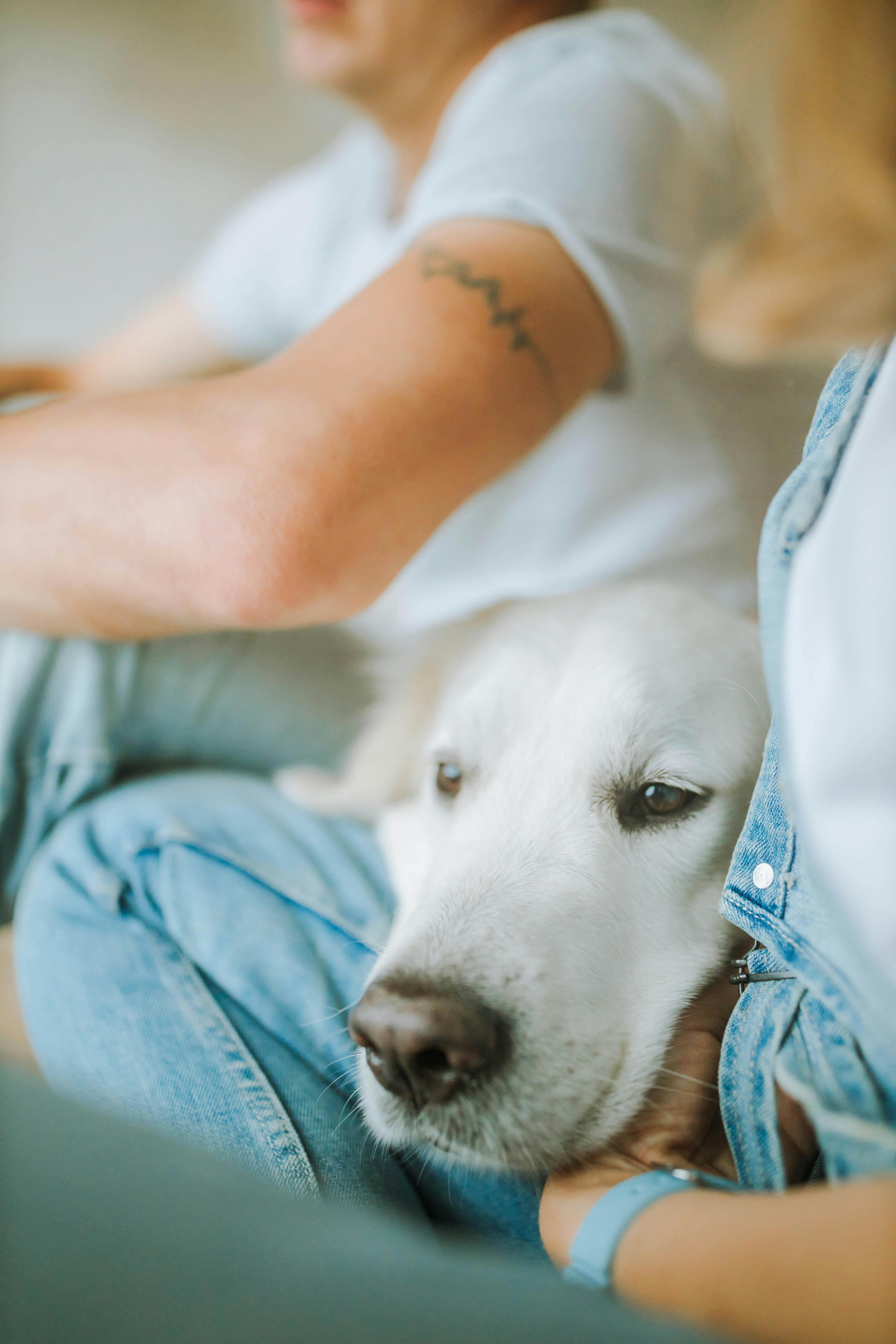 \n\n
\n\nEvery dog owner knows that their furry friend has a wet nose, but have you ever wondered why? Understanding the reasons behind your dog’s nose moisture, and how weather affects it, can help you care for your pet better. This is especially true in New York, where weather changes can be pretty dramatic. Let’s dive into the fascinating world of dog noses and their moisture.
\nWhy Do Dogs Have Wet Noses?
\nYou may think that a dog’s wet nose is just a cute quirk, but it serves several important functions. Here’s a list of reasons why dogs have wet noses:
\n- \n
- \n
Enhanced Smell: A wet nose helps to absorb scent particles in the air, which enhance their ability to smell. This is why dogs are known for their incredible olfactory senses.
\n \n - \n
Cooling Mechanism: Dogs don’t sweat like humans do. Instead, a wet nose helps regulate their body temperature. When it’s hot outside, moisture on the nose can evaporate, cooling them down.
\n \n - \n
Health Indicator: A dog’s nose moisture can indicate health status. A healthy dog typically has a moist nose, while an excessively dry or cracked nose may signal illness or dehydration.
\n \n - \n
Communication: Dogs also use their noses for social interactions. A wet nose is often a sign of a friendly dog, inviting you to pet them or play.
\n \n
How Weather Affects Nose Moisture
\nWeather can play a big role in how moist or dry your dog's nose is. Here’s how different conditions can impact it:
\n- \n
- \n
Humidity: High humidity levels can keep a dog’s nose moist. On the other hand, dry air can lead to a drier nose. In the summer, you might notice your dog’s nose is particularly wet.
\n \n - \n
Cold Weather: During winter months, the cold and dry air can make your dog's nose feel dry. Dogs may also spend more time indoors with heating, which can further dry out their nose.
\n \n - \n
Rainy Days: On rainy days, dogs might have a wetter nose due to the moisture in the air. Plus, they tend to play outside in the rain, which leads to a naturally moist nose.
\n \n - \n
Seasonal Allergies: Changes in weather can trigger seasonal allergies in dogs, which can cause a dry or irritated nose. If you notice your dog’s nose is unusually dry during certain times of the year, it might be worth consulting a vet.
\n \n
Signs of a Healthy Nose
\nHere are some signs that indicate your dog’s nose is healthy:
\n- \n
- Moist texture \n
- Cool to the touch \n
- No cracks or sores \n
- Normal color (usually pink or black, depending on breed) \n
What to Do If Your Dog's Nose Is Too Dry
\nIf you notice that your dog’s nose is dry, you can take several steps to help. Here’s a quick list of options:
\n- \n
- \n
Increase Hydration: Make sure your dog has access to fresh water at all times. Dehydration can lead to dryness.
\n \n - \n
Humidifier: If your home is dry, consider using a humidifier to increase moisture levels in the air, especially during winter.
\n \n - \n
Nasal Balms: There are various dog-safe balms available that can help keep your dog’s nose moisturized.
\n \n - \n
Consult a Vet: If the dryness persists or you notice other symptoms, it might be time for a vet visit to rule out any underlying health issues.
\n \n
Fun Facts About Dog Noses
\nDid you know that dog noses have unique patterns, just like human fingerprints? Here are some interesting facts about dog noses:
\n- \n
- Dogs have a remarkable sense of smell, up to 100,000 times better than humans. \n
- The moisture on their nose comes from the secretion of mucus, which helps in scent detection. \n
- Dogs can also detect certain diseases, like cancer, through their sense of smell. \n
As you can see, your dog’s wet nose is not just a cute feature; it’s an essential part of their health and well-being. Understanding how weather affects this aspect can help you take better care of your pet. Keeping an eye on your dog’s nose moisture can alert you to any potential health issues, so it’s something worth paying attention to. Enjoy the time with your furry friend, and remember that their wet nose is just one of the many fascinating things about them!
\n\nDebunking Myths: Do Wet Noses Mean a Dog is Sick?
\n\n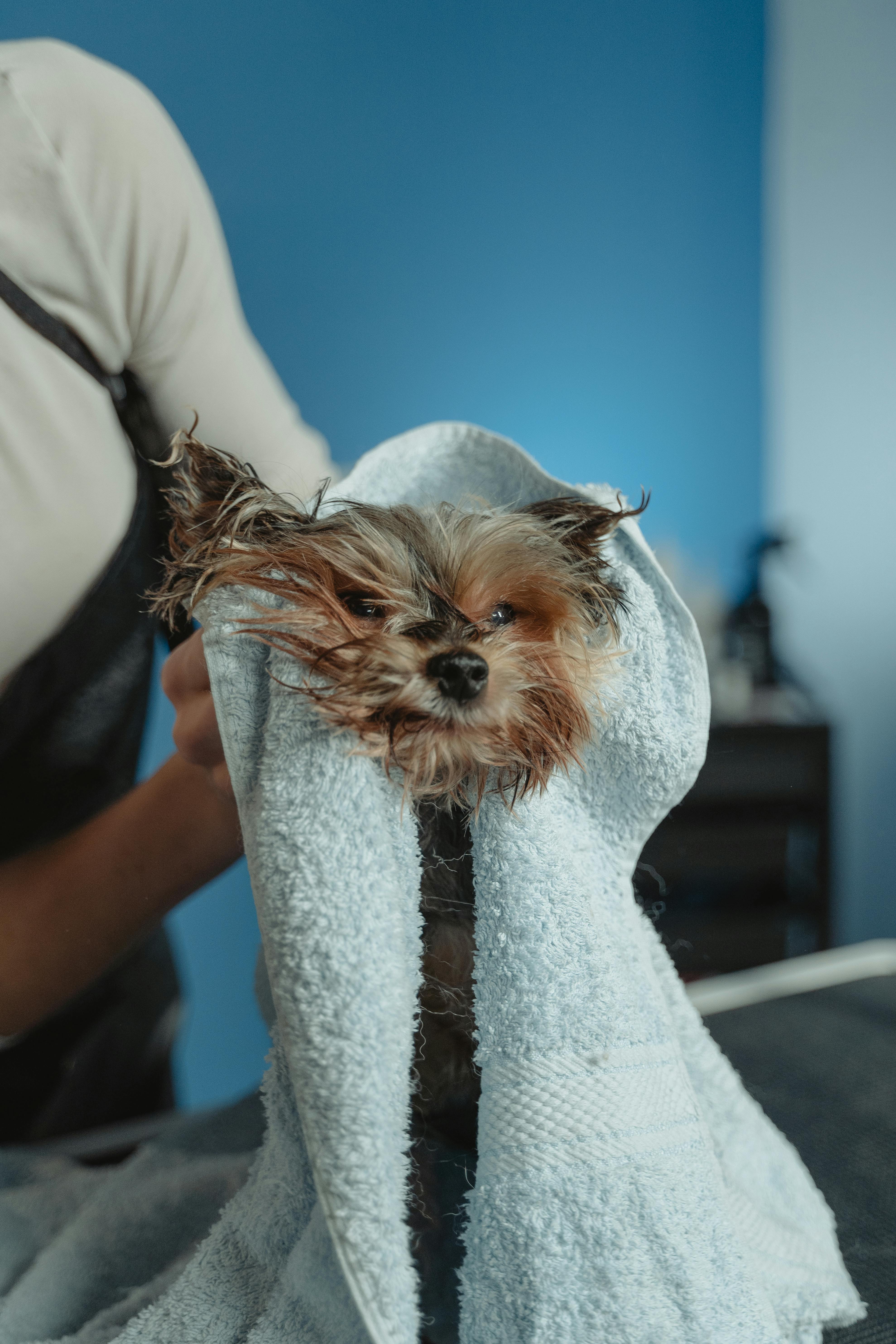 \n\n
\n\nDogs are often considered man's best friend, but there's a lot of misinformation out there about these furry companions. One common myth people believe is that a wet nose on a dog means they are sick. But is that true? In this article, we will debunk that myth and explore why dogs have wet noses in the first place. You might be surprised by the fascinating reasons behind this common canine characteristic!
\nThe Wet Nose Myth
\nMany pet owners see a wet nose and immediately jump to conclusions about their dog's health. The truth is, a wet nose does not necessarily mean your dog is sick. Here's a list of some common misconceptions regarding wet noses:
\n- \n
- Myth 1: A wet nose means illness. This is not always the case! Dogs can have wet noses for various reasons, even when they are perfectly healthy. \n
- Myth 2: Dry noses are always a sign of dehydration. While a dry nose can indicate dehydration, it can also be a normal state for some dogs, especially if they have been sleeping. \n
- Myth 3: All dogs have wet noses. Some breeds naturally have drier noses than others, and this is completely normal. \n
Why Do Dogs Have Wet Noses?
\nThe wetness of a dog's nose is not just a random quirk. There are several reasons why dog noses tend to be moist:
\n- \n
- \n
Cooling Mechanism: Dogs don’t sweat like humans do. Instead, they regulate their body temperature through their noses. A wet nose helps to cool them down, especially after exercise or on hot days.
\n \n - \n
Enhanced Sense of Smell: A moist nose helps to capture scent particles from the air, making it easier for dogs to detect smells. The moisture helps to dissolve these particles, enhancing their sense of smell, which is much stronger than that of humans.
\n \n - \n
Health Indicator: While a wet nose doesn't mean a dog is sick, changes in the moisture level can indicate health issues. For instance, a sudden change from wet to dry might suggest a fever or dehydration.
\n \n - \n
Nasal Secretion: Dogs secrete a thin layer of mucus on their noses. This secretion keeps their noses moist and is part of their natural grooming routine. When a dog licks its nose, it helps to spread this moisture evenly across the surface.
\n \n - \n
Behavioral Factors: Dogs often lick their noses when they are anxious or excited. This behavior can lead to a wet nose even if they are not sick.
\n \n
The Science Behind a Dog's Nose
\nUnderstanding the anatomy of a dog's nose can help us appreciate why it’s wet. Here’s how it works:
\n- \n
- Nasal Glands: Dogs have specialized glands that produce moisture. This moisture is crucial for their olfactory capabilities. \n
- Surface Area: The surface area of a dog's nose is much larger than that of a human, allowing for greater absorption of scent particles. \n
- Temperature Regulation: The moisture on the nose evaporates, helping to cool the dog’s blood flow and regulate its body temperature. \n
Fun Facts About Dog Noses
\n- \n
- Unique Patterns: Just like human fingerprints, every dog has a unique nose print that can be used for identification. \n
- Color Variations: A dog’s nose can come in various colors, from black to pink, and the color doesn’t necessarily indicate health. \n
- Nose and Mood: Some dog owners believe a dog’s nose can tell about its mood; a cold, wet nose can suggest a happy dog, while a warm, dry nose might indicate that they’re feeling under the weather. \n
Practical Tips for Dog Owners
\nIf you're a dog owner, here are some tips on how to monitor your dog's nose health:
\n- \n
- Regular Checks: Make it a habit to check your dog's nose daily. Look for changes in moisture, color, or texture. \n
- Hydration: Ensure your dog is drinking enough water, especially during hot weather or after vigorous exercise. \n
- Consult a Vet: If you notice drastic changes in your dog's nose or any other signs of illness, consult your veterinarian. \n
Wet noses are fascinating features of dogs that serve several purposes, from regulating temperature to enhancing their sense of smell. The idea that a wet nose is an indicator of sickness is a myth that needs debunking. Instead, wet noses are typically a sign of a healthy, happy dog, but understanding the nuances can help you take better care of your furry friend. Remember, every dog is unique, and understanding their individual needs is key to ensuring their well-being.
\n\n7 Interesting Facts About Dogs' Wet Noses That Will Amaze You
\n\n \n\n
\n\nDogs have always been man's best friend, right? But there is something particularly interesting about their wet noses that might surprise you. Wet noses are not just a cute feature; they serve some important purposes. Let’s uncover some fascinating facts about why dogs have wet noses and how they benefit from them.
\n1. The Science Behind the Wetness
\nSo, why do dogs have wet noses? The moisture on a dog's nose helps them to smell better. Dogs have an incredible sense of smell, and their noses are designed to absorb scent particles, which is more effective when they’re moist. When the surface is wet, it can catch more scent molecules. This is why you often see dogs sniffing the ground or anything they find interesting!
\n2. Temperature Regulation
\nDid you know that a dog's nose can also help regulate their body temperature? The wetness of the nose helps cool down their body when they are too hot. When a dog pants, moisture evaporates from its nose, which cools them down. This is particularly important in hot weather or after a good run at the park.
\n3. Communication Tool
\nDogs communicate in many ways, and their wet noses play a role in that too. A wet nose can signal a calm and friendly demeanor. When a dog greets you, they often nuzzle you with their nose, which is a way of saying “hello” or “I trust you.” Conversely, a dry nose can indicate stress or discomfort. So, next time you pet a dog, pay attention to that nose!
\n4. Health Indicator
\nA dog's nose can be a good indicator of their overall health. Generally, a healthy dog's nose is cool and moist. However, if a dog has a dry, cracked nose, it might be a sign of dehydration, fever, or other health issues. Keep an eye on your furry friend's nose, it could tell you a lot about how they are feeling.
\n5. Different Types of Noses
\nNot all dog noses are the same! There are several different types of noses among dog breeds. For example, brachycephalic breeds like Bulldogs or Pugs tend to have flatter noses. On the other hand, hounds like Bloodhounds have long, droopy noses, which enhance their ability to track scents. Each type has its advantages depending on the task at hand.
\n6. Dogs and Their Sense of Smell
\nHere’s a fun fact: dogs have about 220 million scent receptors in their noses, while humans only have about 5 million! This incredible difference is what makes dogs such amazing scent detectors. In fact, they can smell things at concentrations nearly 100 million times lower than what humans can detect! It’s no wonder dogs are used in search-and-rescue missions, detecting drugs, or even identifying medical conditions.
\n7. The Role of Nasal Mucus
\nNasal mucus is another interesting aspect of a dog’s wet nose. This mucus isn’t just there for moisture; it helps to trap odors and enhances the dog’s sense of smell even further. The mucus can also help to filter out dust and other particles from the air, keeping their respiratory system clear.
\nComparisons: Dog Noses vs. Human Noses
\n| Feature | \nDog Noses | \nHuman Noses | \n
|---|---|---|
| Scent Receptors | \n220 million | \n5 million | \n
| Moisture | \nHelps enhance smell | \nMostly dry | \n
| Temperature Regulation | \nCools body through evaporation | \nNot significant | \n
| Communication | \nSignals trust or stress | \nLimited communication | \n
Practical Examples of Nose Behavior
\n- \n
- Greeting: When a dog meets another dog, they often sniff each other's noses as a way to gather information. \n
- Tracking: Search and rescue dogs often follow scents by using their wet noses to pick up trails. \n
- Detecting Illness: Some dogs can even detect certain medical conditions in humans, such as diabetes or cancer, through their keen sense of smell. \n
So now you've learned some astonishing facts about dogs' wet noses! They are not just adorable; they serve crucial purposes that enhance a dog’s life and interaction with their world. The next time you see a dog with a wet nose, you can appreciate the science and biology behind it. This simple feature tells us a lot about how dogs perceive and interact with their environment, and it’s a reminder of just how special our canine companions really are.
\n\nThe Evolutionary Advantage of Wet Noses in Dogs: A Look Into Canine Biology
\n\n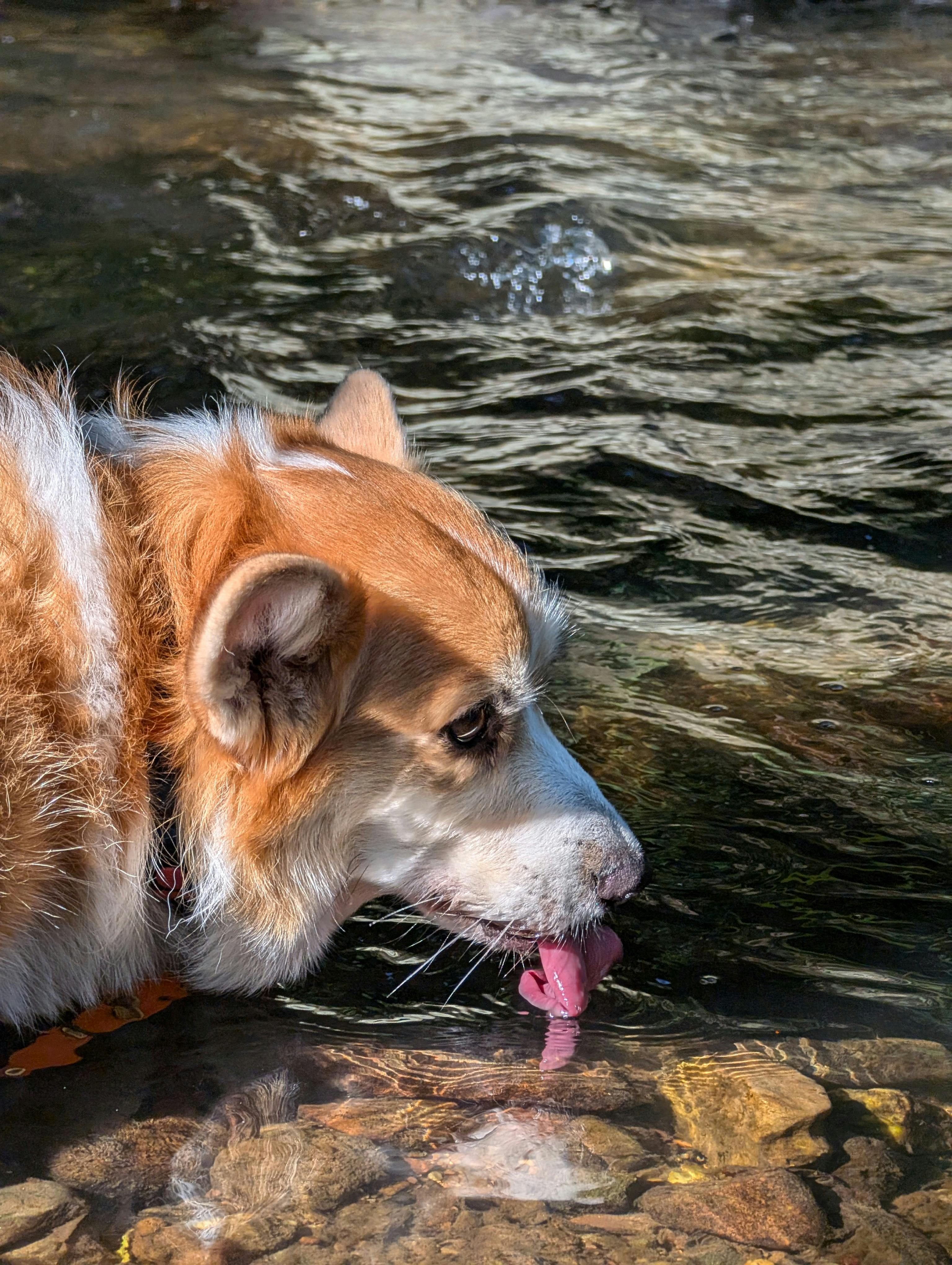 \n\n
\n\nDogs are known for their unique characteristics, and one of the most fascinating features is their wet noses. Have you ever wondered why do dogs have wet noses? It turns out there's a lot more to it than just a cute quirk. The evolutionary advantage of wet noses in dogs goes deep into their biology, highlighting the incredible adaptations that have helped them thrive alongside humans and in the wild.
\nThe Biology of Wet Noses
\nDogs’ noses are wet for several reasons, primarily related to their sense of smell. A dog’s sense of smell is estimated to be between 10,000 to 100,000 times more sensitive than that of humans. This heightened olfactory ability is crucial for their survival, hunting, and social interactions. Here’s how wet noses plays a huge role:
\n- \n
- Moisture Retention: The wetness helps in retaining moisture, which is vital for scent detection. Dry noses can impede their ability to pick up scents. \n
- Heat Regulation: A dog’s nose also helps to regulate their body temperature. When they are panting, the moisture on their nose evaporates, cooling them down. \n
- Scent Absorption: The wet surface of their noses captures scent particles in the air, enhancing their ability to detect different odors. \n
Evolutionary Perspective
\nFrom an evolutionary standpoint, wet noses provide several advantages that have helped dogs adapt over thousands of years. Research suggests that ancestors of dogs likely had wet noses that aided in hunting and foraging for food. Here are some interesting points on this topic:
\n- \n
- Hunting Skills: Early dogs relied on their sense of smell to locate prey. A wet nose would have been vital for tracking scents over long distances. \n
- Social Interactions: Scent also plays a significant role in communication among dogs. They use their noses to gather information about other dogs, their territory, and even their health. \n
- Survival Instincts: Dogs with wet noses may have had a better chance of survival because they could find food and avoid predators more effectively. \n
What Happens When Noses Dry Out?
\nSometimes you might notice your dog has a dry nose. This can be concerning, but it’s not always a sign of illness. Here are some common reasons for a dry nose:
\n- \n
- Dehydration: Lack of water can lead to dry noses. Ensuring your dog stays hydrated is crucial. \n
- Weather Conditions: Extremes in weather can affect nose moisture. Hot or dry environments can dry out a dog’s nose. \n
- Health Issues: In some cases, a dry nose can indicate underlying health problems, such as a fever or allergies. If it persists, consulting a veterinarian is a good idea. \n
Fun Facts About Dog Noses
\n- \n
- Did you know that just like human fingerprints, each dog’s nose print is unique? It’s true! This uniqueness can even be used for identification. \n
- The black color of the nose is due to melanin. Certain breeds have variations in nose color, which can be a trait of their breed. \n
- Dogs also have a special organ called the Jacobsen's organ, located in the roof of their mouth. This organ helps them process scents even more effectively. \n
Comparing Dog Noses to Other Animals
\nWhen it comes to olfactory capabilities, dogs are far from the only animals with impressive noses. Here’s a quick comparison with some other animals:
\n| Animal | \nSense of Smell (Compared to Humans) | \n
|---|---|
| Dogs | \n10,000 to 100,000 times more sensitive | \n
| Cats | \n5 to 10 times more sensitive | \n
| Rats | \n50 times more sensitive | \n
| Bloodhounds | \n300 times more sensitive | \n
| Sharks | \nCan detect blood in water from miles away | \n
Practical Implications for Dog Owners
\nUnderstanding the biology of wet noses can help dog owners take better care of their furry friends. Here are some tips:
\n- \n
- Hydration: Make sure your dog has access to fresh water at all times. \n
- Regular Vet Check-ups: Monitor changes in your dog’s nose texture and moisture levels. Regular vet visits can help spot potential health issues. \n
- Environmental Awareness: Be mindful of the weather conditions and provide shelter if it’s too hot or dry outside. \n
The wet nose of dogs is not just an adorable feature; it’s a crucial adaptation that has evolved to enhance their survival and interaction with their environment. From their remarkable sense of smell to the social cues they gather through scent, wet noses play a vital role in a dog's life. So, the next time you see your dog with a shiny, wet nose, remember there’s a whole lot of biology and evolution behind that little feature!
\n\nWhy Is My Dog's Nose Dry? Understanding the Changes and What They Mean
\n\n \n\n
\n\nHave you ever wondered why your dog's nose is sometimes dry? It can be a puzzling thing for many pet owners to figure out. One minute, your furry friend’s nose is as moist as a sponge, and the next, it’s dry like the desert. This fluctuation can lead to all sorts of questions and concerns. In this article, we’ll explore the reasons behind a dog’s dry nose and why they often have those wet noses that everyone loves.
\nWhy Do Dogs Have Wet Noses?
\nDogs are unique creatures, and their noses are specially designed for their health and well-being. A wet nose plays an important role in their lives. Here’s what you should know:
\n- \n
- Temperature Regulation: Dogs sweat very little, and their noses help to cool them down. The moisture on their noses evaporates, which helps to lower their body temperature. \n
- Enhanced Sense of Smell: A wet nose can help capture scent particles more effectively. This is why dogs are so good at tracking scents and finding hidden items. \n
- Sign of Health: A moist nose is often seen as a sign of a healthy dog. When your dog’s nose is wet, it can indicate proper hydration and overall well-being. \n
But not all dogs have moist noses all the time.
\nWhy Is My Dog's Nose Dry?
\nThere are several reasons why your dog might have a dry nose. Some of these reasons are completely normal, while others could indicate a potential health issue. Here’s a list of common factors:
\n- \n
- Environmental Changes: Hot weather or dry air can lead to a dry nose. If you live in an area with low humidity, your dog’s nose may dry out more quickly. \n
- Dehydration: If your pet isn’t drinking enough water, their nose may become dry. Always ensure you provide fresh water. \n
- Illness: Certain medical conditions like fever, allergies, or infections can lead to a dry nose. If your dog has other symptoms like lethargy or loss of appetite, consult a vet. \n
- Age: Senior dogs may have drier noses than younger ones. This can be part of the natural aging process. \n
- Nasal Folds: Some breeds, especially those with flat faces, can develop folds in their noses that can dry out. \n
Understanding the Changes in Your Dog's Nose
\nIt’s essential to pay attention to your dog’s nose changes. Here’s a quick guide to help you understand what those changes may mean:
\n| Nose Condition | \nPossible Cause | \nAction Needed | \n
|---|---|---|
| Dry Nose | \nDehydration, Heat, Environmental Changes | \nProvide water, humidify air | \n
| Cracked Nose | \nDehydration, Allergies | \nMoisturize, visit vet | \n
| Wet Nose | \nHealthy hydration, Excitement | \nNormal, no action needed | \n
| Warm Nose | \nFever, Illness | \nMonitor symptoms, vet visit | \n
Practical Tips for Caring for Your Dog's Nose
\nHere are some practical tips to ensure your dog’s nose stays healthy:
\n- \n
- Hydrate: Make sure your dog has access to clean, fresh water at all times. \n
- Moisturize: If your dog’s nose is often dry, consider using a vet-approved nose balm to keep it moisturized. \n
- Monitor Temperature: Keep an eye on the temperature and humidity levels in your home. Use a humidifier if needed, especially during winter. \n
- Regular Check-Ups: Regular vet visits can help catch potential health issues early, ensuring your dog’s nose stays in good shape. \n
- Observe Behavior: Keep track of any changes in your dog’s behavior, appetite, or energy level as these can be indicators of health problems. \n
Why Dogs' Noses Change Color
\nSometimes, you might notice that your dog’s nose changes color. This can be due to several reasons:
\n- \n
- Weather: Cold weather might cause a dog’s nose to lighten or darken. \n
- Health Issues: Certain illnesses can affect the pigmentation of a dog’s nose. \n
- Age: Just like with a dry nose, aging can lead to changes in color and texture. \n
Overall, understanding your dog's nose can help you keep them happy and healthy. A wet nose is often a sign of a well-hydrated dog, while a dry nose could indicate various environmental or health-related issues. Always trust your instincts as a pet owner, and don’t hesitate to reach out to a professional if you have concerns about your furry friend. Your dog's well-being is worth every bit of attention!
\n\nConclusion
\n\nIn conclusion, the wet noses of dogs serve several important functions that contribute to their health and sensory perception. The moisture on their noses enhances their sense of smell, allowing them to detect scents more effectively, which is vital for their communication and survival instincts. Additionally, the wetness helps regulate their body temperature, acting as a cooling mechanism. Understanding this unique characteristic not only deepens our appreciation for our furry companions but also highlights the intricate ways in which they interact with their environment. Next time you give your dog a friendly pat, take a moment to consider the fascinating biology behind their wet nose. Embrace your pet's natural traits, and ensure they stay healthy and hydrated, as a well-cared-for dog is a happy dog. Share this knowledge with fellow dog lovers to foster a greater understanding of our beloved companions!
\n\n