Have you ever wondered why do dogs have wet noses? It’s a question that sparks curiosity among dog lovers and pet parents alike! The answer is not just about dog health; it’s a fascinating exploration into the unique biology of our furry friends. A dog’s wet nose is more than just an adorable feature—it plays a crucial role in their sense of smell, which is far superior to ours. But what makes their noses so special? Did you know that the moisture on their noses helps them absorb scent particles, enhancing their ability to detect different smells? This intriguing characteristic is just one of the many reasons why dogs are such remarkable companions. Additionally, a wet nose can indicate a dog’s overall health and well-being. So, how does a dog’s nose stay wet, and what does it mean for their health? Join us as we dive into the science behind dogs’ wet noses and uncover the amazing reasons that keep these noses moist! Whether you're a seasoned dog owner or a curious pet enthusiast, this exploration will satisfy your curiosity and deepen your appreciation for your canine companion. Don't miss out on discovering these fascinating insights!
\n\nThe Science Behind Canine Noses: Why Are Dogs’ Noses Wet and What Does It Mean?
\n\n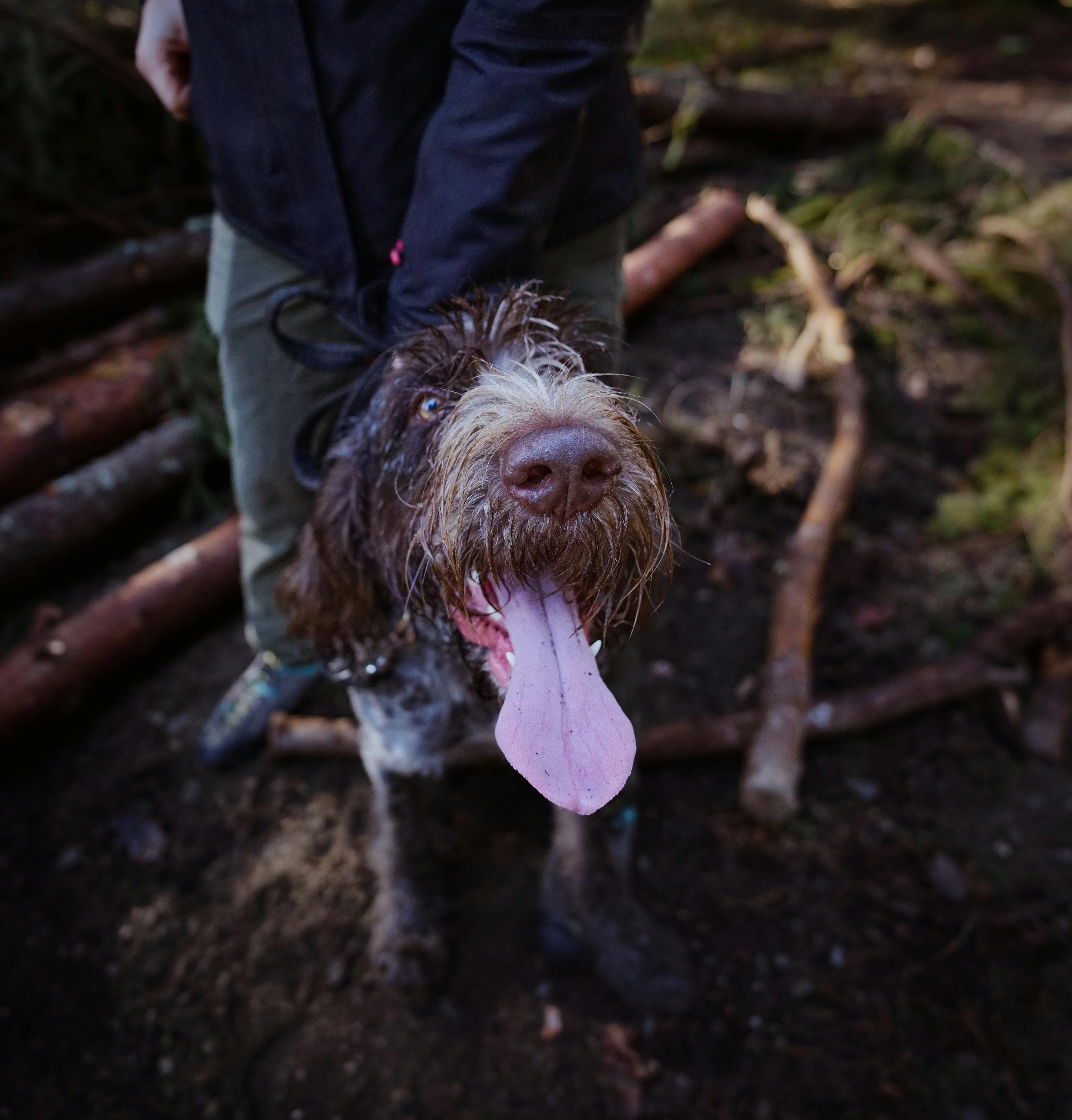 \n\n
\n\nDogs are amazing creatures, and their noses are one of the most fascinating parts of their anatomy. Ever wonder why dogs’ noses are wet? It’s not just for show, and there’s a lot more to it than meets the eye. Understanding the science behind canine noses can reveal why these loyal companions have developed such unique features. So, let’s dive into the wet nose mystery and explore the reasons behind it.
\nThe Anatomy of a Dog’s Nose
\nFirst off, a dog’s nose is an incredibly complex organ. It’s not just for smelling; it’s also plays vital roles in cooling off, social interactions, and even health assessments. The wetness of a dog’s nose is primarily due to a thin layer of mucus that helps enhance their sense of smell. Basically, the moisture traps scent particles, which makes it easier for dogs to detect and identify different smells.
\nThe Role of Moisture in Smelling
\nDogs have an extraordinary sense of smell, far superior to humans. Here are some key points about their smelling capabilities:
\n- \n
- Scent Receptors: Dogs have around 300 million scent receptors, compared to humans who have about 5 million. This makes their ability to detect odors incredibly acute. \n
- Vomeronasal Organ: This organ, sometimes called Jacobson’s organ, helps dogs detect pheromones, which are chemicals that convey social information. \n
- Mucus Layer: The wetness of the nose creates a mucus layer that captures scent particles, enhancing their olfactory abilities. \n
Why Do Dogs Have Wet Noses?
\nSo, back to the question – why do dogs have wet noses? Here’s a breakdown of the reasons:
\n- \n
- \n
Enhanced Smell: As mentioned, a wet nose helps in trapping scent particles. This is crucial for dogs when they are hunting or even just exploring their environment.
\n \n - \n
Temperature Regulation: Dogs don’t sweat like humans do. Instead, they regulate their body temperature through their noses and panting. A wet nose helps cool them down.
\n \n - \n
Health Indicator: Believe it or not, a dog’s nose can even indicate their health status. A healthy dog usually has a moist and cool nose. If the nose is excessively dry or warm, it might signal an underlying issue.
\n \n - \n
Communication Tool: Dogs often use their noses to communicate with other dogs. A wet nose can convey curiosity, playfulness, or even submission.
\n \n
Historical Context of Dog’s Noses
\nHistorically, dogs have been bred for various purposes, from herding to hunting. Each breed has developed unique characteristics, including the shape and size of their noses. For instance, hounds have long noses for tracking scents, while bulldogs have shorter noses. These evolutionary traits have allowed dogs to excel in their roles alongside humans.
\nFun Facts About Dog Noses
\n- \n
- Unique Patterns: Just like human fingerprints, every dog has a unique nose print. This can actually be used for identification. \n
- Color Variation: The color of a dog’s nose can vary, ranging from black to pink, depending on the breed and genetics. \n
- Nasal Turbinates: These are structures within a dog’s nose that help warm and moisten the air they breathe. \n
Practical Examples of Nose Functions
\nHere are some practical examples showing how important a dog’s nose is in different scenarios:
\n- \n
- Search and Rescue: Dogs are trained to locate missing persons using their incredible sense of smell, which can detect scents from miles away. \n
- Medical Detection: Some dogs are trained to sniff out medical conditions, such as diabetes or cancer, by detecting specific odors related to these conditions. \n
- Tracking: In hunting, dogs use their noses to track game, which is a skill that has been honed over generations. \n
In conclusion, the wet noses of dogs are not just an interesting feature but a critical aspect of their biology and behavior. The moisture aids their extraordinary sense of smell, serves as a temperature regulator, and even acts as a health indicator. By understanding the science behind canine noses, we can appreciate these remarkable animals even more. So next time you notice your dog’s wet nose, remember it’s doing important work!
\n\n5 Surprising Benefits of a Dog’s Wet Nose: More Than Just a Cute Feature!
\n\n \n\n
\n\nDogs are often called man's best friend, but what about their wet noses? You might think it’s just an adorable feature, but there’s way more to it than that. Wet noses are not only cute, they also serve several important functions for our furry companions. Let’s explore five surprising benefits of a dog’s wet nose and uncover the fascinating reasons behind this unique characteristic.
\n1. Enhanced Sense of Smell
\nDogs have an incredible sense of smell, and their wet noses play a crucial role in this. The moisture on their noses helps to capture scent particles from the air, making it easier for them to detect and identify various odors. Research shows that dogs can smell up to 100,000 times better than humans. When they sniff with a wet nose, they can pick up on scents that are almost undetectable to us.
\n- \n
- A dog’s nose has about 300 million olfactory receptors, compared to a human’s mere 5 million. \n
- The wetness helps to dissolve scent particles, which in turn improves their ability to smell. \n
2. Temperature Regulation
\nYou might not realize, but a dog’s nose also helps them to regulate their body temperature. Dogs don’t sweat like humans do, so they need other methods to cool down. When a dog breathes, moisture from their nose evaporates, which helps to cool their blood flow. This process is known as thermoregulation.
\n- \n
- Dogs might not be able to sweat, but they do have sweat glands in their paw pads. \n
- A wet nose can indicate a dog’s overall health. If a nose is excessively dry, it might be a sign of dehydration or illness. \n
3. It’s a Communication Tool
\nDogs are expressive creatures, and their wet noses can also be a means of communication. When a dog nudges you with their nose, it’s often a sign they want your attention. They could be seeking affection, wanting to play, or even indicating they need to go outside.
\n- \n
- Dogs use their noses to greet one another too. A quick nuzzle can convey friendliness or curiosity. \n
- The moisture on their nose can also help them pick up on pheromones from other dogs, aiding in social interactions. \n
4. A Health Indicator
\nBelieve it or not, a dog’s wet nose can serve as a health indicator. While it’s a common myth that a wet nose always means a dog is healthy, there’s some truth to it. A dog’s nose tends to be warm and dry when they’re ill. If your pup’s nose suddenly becomes dry or warm, it might be worth monitoring their health.
\n- \n
- A normal dog nose can be cool and wet, but changes can indicate issues. \n
- Other signs to watch for include lethargy, loss of appetite, or unusual behavior. \n
5. It’s a Natural Moisturizer
\nThe moisture on a dog’s nose serves as a natural barrier against the environment. It helps to keep their nose moist, which is essential for smelling. Additionally, the mucus secreted by the nose helps to trap dust, pollen, and other allergens, keeping their respiratory system cleaner.
\n- \n
- Dogs can suffer from dry noses, just like humans. Factors like weather, allergies, or certain health conditions can contribute to this. \n
- Pet owners can help maintain their dogs' nose health by ensuring they’re hydrated and using nose balms if necessary. \n
Why Do Dogs Have Wet Noses?
\nNow that we’ve explored the benefits, you might wonder why dogs evolved to have wet noses in the first place. The wetness likely developed over time as a survival mechanism, enhancing their olfactory capabilities and helping them communicate better.
\n- \n
- Wet noses may also help dogs detect prey and navigate their surroundings more effectively. \n
- It’s a characteristic seen in many canines, suggesting it’s a beneficial trait across various breeds. \n
The next time you pet your dog and feel that cool, wet nose against your hand, remember it’s not just an endearing trait. It’s a feature packed with purpose, enhancing their ability to smell, communicate, and stay healthy. Whether you’re a proud dog owner or simply an admirer of these furry friends, understanding the science behind their wet noses adds to the wonder of having them in our lives. So take a moment to appreciate that little wet nose; it’s doing a lot more than you might think!
\n\nExploring the Connection Between a Wet Nose and Your Dog’s Health: What Every Owner Should Know
\n\n \n\n
\n\nEvery dog owner knows that wet noses are a common sight. But have you ever thought about why do dogs have wet noses? This simple question leads us down a fascinating path of canine health and behavior. Understanding the reasons behind a dog's moist nose can help you become a better pet owner and could even alert you to certain health issues. So, let’s explore this intriguing connection between a wet nose and your dog’s well-being.
\nThe Science Behind a Dog's Wet Nose
\nOne of the primary reasons dogs have wet noses is due to the moisture that they naturally produce. Dogs' noses contain numerous glands that secrete a thin layer of mucus. This moisture helps to enhance their sense of smell. In fact, dogs have an extraordinary olfactory system, allowing them to detect scents at incredibly low concentrations.
\n- \n
- Olfactory Receptors: Dogs have around 220 million olfactory receptors, compared to only about 5 million in humans. This means their sense of smell is far superior to ours. \n
- Moisture and Smell: The wet surface of a dog's nose helps to capture scent particles, making it easier for them to detect various smells in their environment. \n
Historical Perspective on Dog Noses
\nThroughout history, dogs have been known for their keen sense of smell. Ancient cultures relied on dogs for hunting and tracking, and their wet noses played a crucial role in their ability to find prey. Some researchers believe that the moisture from a dog's nose also helps to cool them down, especially since dogs do not sweat like humans do.
\nWhat Does a Wet Nose Mean for Your Dog's Health?
\nWhile a wet nose is often a sign of a healthy dog, it’s not the only indicator. Here’s a basic overview of what you should know:
\n- \n
- Healthy Wet Nose: A normal wet nose is usually cool and moist. This can indicate proper hydration and good overall health. \n
- Dry Nose: A dry nose can sometimes signal dehydration, fever, or other health issues. If your dog’s nose becomes persistently dry or cracked, it might be worth consulting a veterinarian. \n
- Temperature Fluctuations: Dogs' noses can change temperature throughout the day. A warm nose doesn’t always mean your dog is sick, but if it’s combined with other symptoms like lethargy or loss of appetite, a vet visit is advisable. \n
Factors Affecting Nose Moisture
\nThere are several factors that can influence the moisture level of a dog's nose. Here are some common ones:
\n- \n
- Weather Conditions: Hot or dry weather can lead to a drier nose. \n
- Activity Level: After a vigorous play session, a dog might have a drier nose. \n
- Health Conditions: Certain illnesses, allergies, or medications can impact nose moisture. \n
Signs to Watch For
\nAs a responsible dog owner, it’s essential to monitor your pet's health. Here are some signs related to their nose you should keep an eye on:
\n- \n
- Persistent Dryness: If your dog’s nose stays dry for an extended period. \n
- Cracking or Bleeding: This could indicate a more serious problem. \n
- Changes in Color: A nose that changes color could signify health issues. \n
- Excessive Nasal Discharge: If your dog has a runny nose that isn’t due to allergies, it might be a sign of an infection. \n
Dog Nose Care Tips
\nKeeping your dog’s nose healthy is important. Here are some practical tips:
\n- \n
- Hydration: Ensure your dog has constant access to fresh water. \n
- Humidifier: Consider using a humidifier in dry environments. \n
- Regular Vet Visits: Routine check-ups can catch potential health issues early. \n
- Nose Balm: If your dog’s nose becomes cracked, consider using a dog-safe balm to keep it moisturized. \n
Fun Facts About Dog Noses
\nDid you know that a dog’s nose print is unique, just like a human fingerprint? This can be used for identification purposes. Also, dogs can even detect certain diseases, such as diabetes and cancer, by smelling changes in a person’s body chemistry.
\nThe connection between a wet nose and your dog’s health is fascinating and complex. While a moist nose is often associated with a healthy pup, it's essential to be aware of changes that could indicate health issues. By understanding the reasons behind your dog's wet nose, you can ensure they stay happy and healthy. Always keep an eye on their overall well-being and consult a veterinarian if you have any concerns. Remember, a happy nose often means a happy dog!
\n\nHow a Wet Nose Helps Dogs Interact with Their World: The Fascinating Role of Canine Smell
\n\n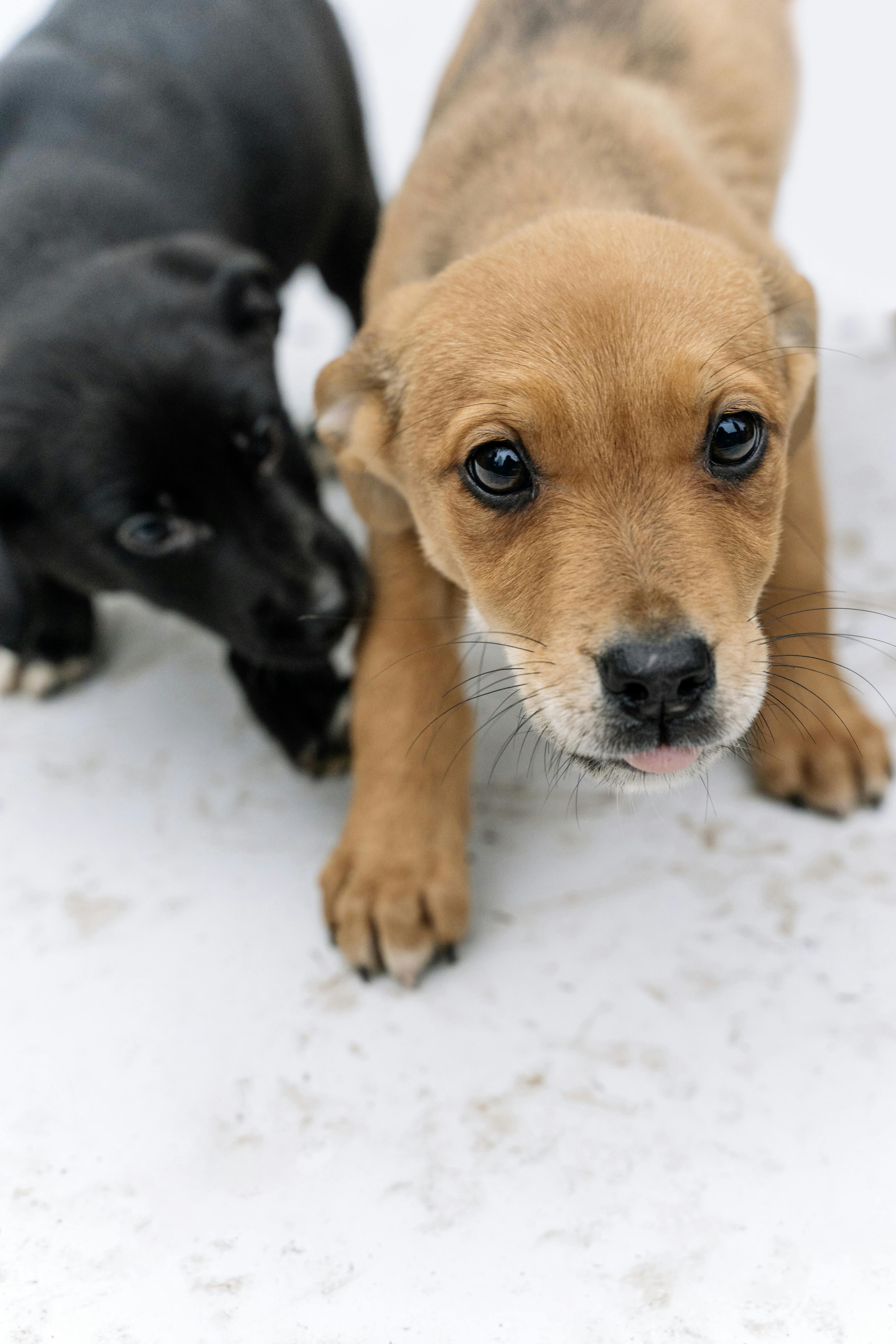 \n\n
\n\nDogs are remarkable creatures. Their ability to interact with their environment largely comes from their sense of smell, which is extraordinarily powerful. One of the most curious aspects of dogs is their wet noses. So, why do dogs have wet noses? This question has intrigued pet owners and animal lovers alike, prompting a deeper dive into the fascinating reasons behind this unique canine feature.
\nThe Science Behind a Wet Nose
\nA dog's nose is not just for show; it plays a crucial role in their sensory perception. The wetness of a dog's nose helps to enhance their ability to smell. Here's how it works:
\n- \n
- Moisture Capture: The wet surface of a dog’s nose captures scent particles in the air. When the nose is moist, it can more effectively absorb these particles, allowing dogs to detect scents at incredibly low concentrations. \n
- Temperature Regulation: Wet noses also help dogs regulate their body temperature. The moisture evaporates, which cools them down, much like sweat does for humans. \n
- Scent Discrimination: Dogs possess up to 300 million olfactory receptors, compared to about 5 million in humans. A wet nose amplifies this ability, helping them distinguish between various smells in their environment. \n
Historical Context and Evolution
\nDogs are descendants of wolves, which relied heavily on their sense of smell for hunting and survival. Over thousands of years, domestic dogs have maintained this incredible sense. The evolutionary advantages of having a wet nose are clear:
\n- \n
- Hunting: A wet nose helped early dogs track prey by following scent trails. \n
- Communication: Dogs also use their sense of smell to communicate with each other. A wet nose allows them to pick up on pheromones and other scent signals from other dogs. \n
- Survival: Being able to smell food, danger, and mates has been essential for the survival of dog species. \n
Why is a Wet Nose Important?
\nSeveral factors make a wet nose significant for dogs. Understanding these can deepen your appreciation for your furry friend:
\n- \n
- Enhanced Smell: As mentioned earlier, a wet nose increases the ability to smell, which is vital for a dog’s interaction with the world. \n
- Health Indicator: A dog’s nose can indicate its health. A healthy dog usually has a wet nose, while a dry nose may signify dehydration or illness, although this is not always the case. \n
- Social Cues: Dogs greet each other with their noses, and a wet nose can indicate a friendly disposition. This is because dogs often lick their noses, keeping them damp and ready for scent detection. \n
Fun Facts About Dog Noses
\n- \n
- Uniqueness: Just like human fingerprints, each dog has a unique nose print. \n
- Color: A dog’s nose color can vary widely, from pink to black, and this can change with age or health. \n
- Nasal Epithelial Cells: The lining of a dog’s nose contains special cells that help process the scents they encounter. \n
The Role of Wet Noses in Dog Behavior
\nDogs use their noses to explore their surroundings, and their behavior can be influenced by the state of their nose. Here are some common behaviors associated with wet noses:
\n- \n
- Sniffing: Dogs will often sniff the ground or objects to gather information about their environment. \n
- Licking: A dog may lick its nose frequently to keep it moist and enhance its sense of smell. \n
- Social Interaction: Dogs may sniff each other’s noses as a form of greeting, establishing social bonds. \n
How to Care for Your Dog’s Nose
\nMaintaining your dog’s health includes taking care of their nose. Here are some tips:
\n- \n
- Hydration: Ensure your dog drinks enough water to keep their nose moist. \n
- Check for Dryness: Monitor your dog’s nose for signs of excessive dryness or cracking, which could indicate health issues. \n
- Limit Sun Exposure: Just like humans, dogs can get sunburned. Apply pet-safe sunscreen on their nose if they spend a lot of time outdoors. \n
In understanding why dogs have wet noses and how they use them to interact with their world, we gain insight into their behavior, health, and history. A wet nose is more than a cute feature; it’s a vital tool for dogs, enhancing their incredible sense of smell and contributing to their overall well-being. Embrace the uniqueness of your furry companion and appreciate the fascinating ways they navigate their surroundings with that wonderfully wet nose!
\n\nThe Temperature Test: Why a Wet Nose Can Indicate Your Dog’s Well-Being
\n\n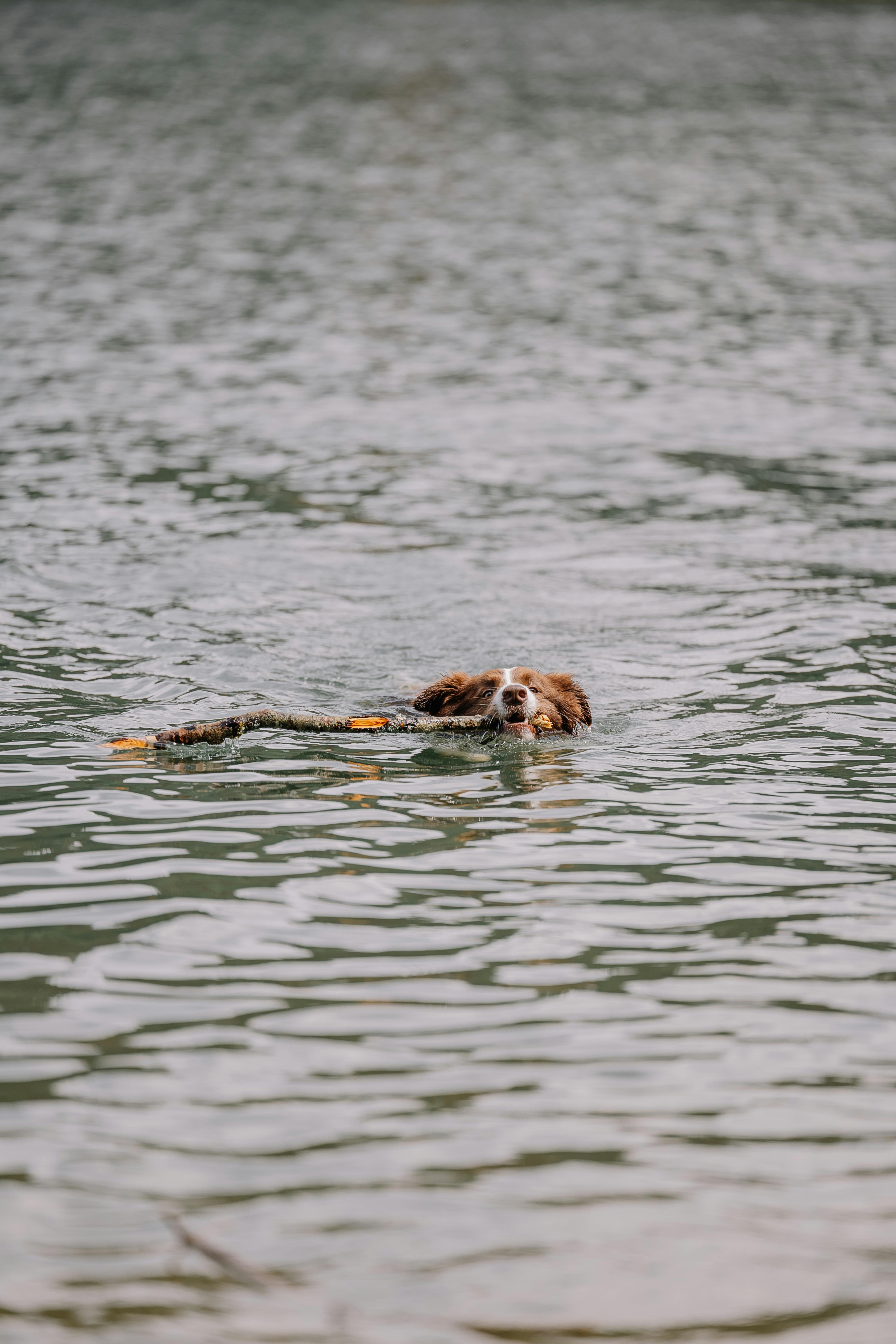 \n\n
\n\nEver wonder why your furry friend have a wet nose? It’s one of those things that just seems normal, right? But there’s actually a lot more to it then just being cute. The temperature test is not just a quirky fact; it can actually indicate your dog’s health and well-being. Let’s dive into the fascinating reasons behind why dogs have wet noses and what it means for them.
\nUnderstanding Dog Nose Temperature
\nDogs’ noses are naturally moist, and this moisture plays a big role in their sense of smell. A wet nose can help dogs absorb scent chemicals more effectively. Here’s how it works:
\n- \n
- Enhanced Smell: The moisture on a dog’s nose helps trap scent particles, making it easier for them to pick up on different smells. \n
- Cooling Mechanism: Dogs do not sweat like humans do. Instead, they rely on their noses to help regulate body temperature. A wet nose can cool down the dog’s body when it gets too warm. \n
- Health Indicator: A dog’s nose temperature can sometimes be an indicator of their health. Generally, a cool, moist nose is a sign of a healthy pooch. \n
Why Do Dogs Have Wet Noses?
\nSo, why are dog noses wet in the first place? Here are some interesting points:
\n- \n
- Nature’s Design: Dogs have evolved to have moist noses. It helps them to hunt and track scents. \n
- Saliva: Dogs lick their noses, which keeps it moist. This behavior is both instinctual and practical. \n
- Nasal Glands: Dogs have specialized glands in their noses that produce mucus, which contributes to the wetness. \n
The Temperature Test: What to Keep in Mind
\nThe temperature of your dog’s nose can give you some clues about their health. Here are some pointers:
\n- \n
- Normal Temperature: A normal dog’s nose should feel cool and slightly moist to the touch. \n
- Warm or Dry Nose: A warm or dry nose doesn’t always mean your dog is sick, but it can be a sign to pay attention. It could indicate fever or dehydration. \n
- Consistency Matters: If your dog’s nose changes from wet to dry frequently, it’s worth keeping an eye on. \n
Factors Affecting Nose Moisture
\nThere are several factors that can affect how wet or dry a dog’s nose is. Here are some common reasons:
\n- \n
- Weather: Hot or dry weather can lead to a drier nose. \n
- Activity Level: After running around, a dog’s nose may dry out; they often lick it to re-moisten it. \n
- Health Issues: Certain illnesses or conditions can cause changes in nose moisture. \n
Dog Nose Temperature Comparison Chart
\nYou might find this comparison helpful for assessing your dog’s nose temperature:
\n| Nose Condition | \nPossible Implications | \n
|---|---|
| Cool & Moist | \nHealthy & Hydrated | \n
| Warm & Moist | \nPossible Fever or Overheating | \n
| Cool & Dry | \nDehydration or Potential Illness | \n
| Warm & Dry | \nLikely Fever or Dehydration | \n
Practical Examples and Observations
\nWhen observing your dog, consider these examples:
\n- \n
- If your dog has been playing outside on a hot day and suddenly has a dry nose, it’s good time to offer some water. \n
- A dog that has a consistently warm and dry nose might need a vet’s check-up, especially if there are other symptoms, like lethargy or decreased appetite. \n
- Sometimes, a dog’s nose may change due to allergies or skin irritations. \n
The Myth of Cold Noses
\nThere’s a common belief that a dog’s nose should always be cold and wet. However, this isn’t completely accurate. Just like humans, dogs can have fluctuations in their body temperature. It’s essential to look at the bigger picture, including behavior, eating habits, and general health.
\nIn summary, the wetness of your dog’s nose is a fascinating topic that intertwines their health and natural instincts. Understanding the temperature test can help you as a dog owner to monitor your pet better. Always keep an eye on the changes in your dog’s nose and overall behavior. It’s just one more way to ensure your beloved companion stay healthy and happy.
\n\n7 Myths About Dogs’ Wet Noses Debunked: What Every Pet Parent Should Understand
\n\n \n\n
\n\nDogs are often considered man's best friend, and one of the most endearing characteristics of our furry companions is their wet noses. But why do dogs have wet noses? There are many beliefs and myths surrounding this topic. Today, we’ll debunk 7 common myths about dogs’ wet noses. Knowing the truth about this aspect of your pet could help you understand them better, and it might even surprise you!
\nMyth 1: A Wet Nose Means a Healthy Dog
\nMany people believe that a wet nose is a sign of good health in dogs. While it can indicate that your canine companion is hydrated and happy, it not always means your dog is healthy. Dogs can have wet noses for various reasons, including environmental factors or even being sick.
\nMyth 2: Dogs Lick Their Noses to Keep Them Wet
\nSure, dogs do lick their noses, but it’s not just to keep them moist. Dogs have natural oils in their bodies that helps maintain the moisture levels of their noses. They also lick their noses to collect scent particles from the environment, which helps them in their exploration of the world. This behavior is instinctual and serves multiple purposes.
\nMyth 3: The Wetter the Nose, The Better
\nWhile a wet nose can be a sign of a well-hydrated dog, it’s not a definitive measure of their well-being. Some dogs have drier noses and are perfectly healthy. Breeds like Bulldogs or Pugs tend to have drier noses, and that does not indicate any health issues. It’s more about the individual dog’s anatomy.
\nMyth 4: Dogs’ Noses Are Wet Because They Sweat
\nDogs do not sweat like humans. They have sweat glands primarily in their paw pads. The moisture on their noses comes from different sources, such as the saliva from licking or environmental humidity. So, don’t assume that a wet nose means your dog is sweating from exertion—it’s just their natural state!
\nMyth 5: All Dogs Have Wet Noses
\nNot all dogs have wet noses. Some breeds, like the Basenji, have drier noses. During certain conditions, like when a dog is stressed or sick, their nose may also become dry. It's important to know that every dog is unique, and their nose moisture can vary widely.
\nMyth 6: A Cold Nose Means a Sick Dog
\nThis is a common misconception. While a cold nose can sometimes be an indicator of illness, it is not a reliable sign. Dogs can have cold noses when they are relaxed or resting. Furthermore, a sick dog might have a warm nose, contradicting this myth. Always consult a veterinarian for accurate health assessments.
\nMyth 7: Dogs’ Noses Change Color Due to Illness
\nWhile it is true that a dog’s nose can change color due to various reasons, such as exposure to the sun or age, it’s not always indicative of illness. Some dogs have a naturally changing pigmentation as they mature. However, a sudden change in color, especially if accompanied by other symptoms, should be checked by a vet.
\nFascinating Reasons Why Dogs Have Wet Noses
\n- \n
- \n
Sense of Smell: Dogs’ noses are wet because it helps them absorb scent molecules. A damp surface can capture more odors, enhancing their sense of smell, which is thousands of times more sensitive than humans.
\n \n - \n
Temperature Regulation: While dogs primarily regulate their body temperature through panting, having a cool, wet nose helps in that process too. It can help cool off their body slightly and keep them comfortable.
\n \n - \n
Communication Tool: Dogs use their noses to communicate with other animals and humans. A wet nose can be inviting and friendly, creating a bond with their human companions.
\n \n - \n
Environmental Interaction: Wet noses assist dogs in interacting with their environment. They explore their surroundings through scent, and a moist nose helps them collect information from various surfaces.
\n \n - \n
Health Indicator: While not always reliable, changes in the moisture of a dog’s nose can signal other health issues. Keeping an eye on your dog’s nose can be part of regular health monitoring.
\n \n
In summary, understanding why dogs have wet noses and debunking these myths can help pet parents take better care of their beloved companions. Whether it’s exploring the great outdoors or snuggling on the couch, knowing the facts can enhance your bond with your furry friend and lead to a happier, healthier life together.
\n\nIs Your Dog’s Nose Too Dry? Signs and Symptoms to Watch For in Canine Health
\n\n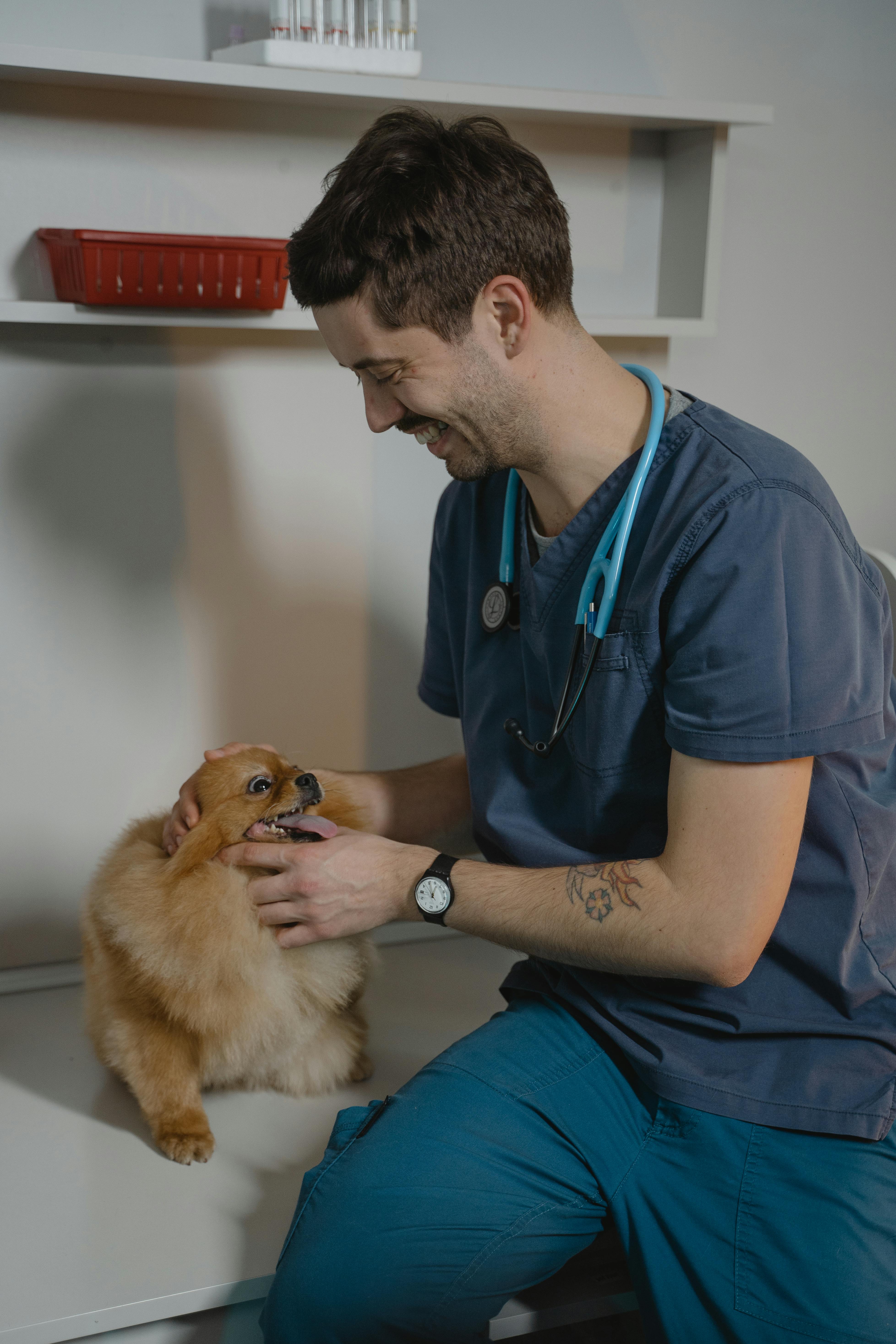 \n\n
\n\nIs your dog’s nose too dry? This question might seem simple, but it actually opens up a whole world of canine health. A dog's nose is often a point of concern for many pet owners. The moisture level of a dog’s nose can signal various health conditions or just be a normal part of your furry friend’s daily life. In this article, we will explore the signs and symptoms to watch for, the reasons why dogs have wet noses, and what it all means for your pet.
\nWhy Do Dogs Have Wet Noses?
\nDogs are fascinating creatures, and their noses are no exception. Wet noses serve several important functions. Here’s a quick list of reasons:
\n- \n
- Temperature Regulation: A wet nose helps to cool down your dog. When they pant, moisture evaporates from the nose, which cools the blood vessels right beneath the surface. \n
- Enhanced Sense of Smell: The moisture on dogs' noses helps to trap scent particles in the air, making it easier for them to smell. In fact, a dog’s sense of smell is about 10,000 to 100,000 times more sensitive than humans. \n
- Health Indicator: The moisture on a dog's nose can indicate their overall health. A warm, dry nose may signal illness or dehydration, while a cool, wet nose is often a sign of a healthy dog. \n
Is Your Dog’s Nose Too Dry?
\nNow that we understand the importance of a wet nose, let’s talk about the signs and symptoms of a dry nose. If you notice any of the following, it might be time to consult a vet:
\n- \n
- Cracked or Chapped Nose: If your dog’s nose is cracking, this can be a sign of dehydration or an underlying health issue. \n
- Change in Color: If the color of your dog’s nose changes dramatically, this could indicate an issue. For instance, a bright red or pale nose can be concerning. \n
- Excessive Licking: If your dog is licking their nose excessively, it could be due to irritation or discomfort. \n
- Swelling or Discharge: Any swelling or discharge from the nose should be addressed by a veterinarian immediately. \n
Reasons for a Dry Nose
\nThere are several reasons why your dog may have a dry nose. Understanding these can help you determine the best course of action. Here are some common causes:
\n- \n
- Weather Conditions: Hot, dry weather can dry out a dog’s nose. If you notice this during summer months, it could be normal. \n
- Dehydration: If your dog isn't drinking enough water, it can lead to a dry nose. Make sure your dog has access to fresh water at all times. \n
- Allergies: Dogs can suffer from allergies just like humans. Environmental allergens can cause irritation and dryness. \n
- Health Issues: Conditions such as fever, autoimmune diseases, or even skin infections can lead to dryness in a dog's nose. \n
What Should You Do?
\nIf you think your dog’s nose is too dry, here are steps you can take:
\n- \n
- Monitor Their Hydration: Ensure your dog is drinking enough water. \n
- Check for Other Symptoms: Look for any signs of illness, like lethargy or loss of appetite. \n
- Consult Your Vet: If dryness persists, it’s best to consult a veterinarian for professional advice. \n
- Use Dog-Safe Moisturizers: There are products designed specifically for dogs that can help keep their noses moisturized. \n
Summary of Key Points
\n- \n
- Dogs have wet noses for several reasons, including temperature regulation and enhanced sense of smell. \n
- A dry nose can indicate health issues or simply be a result of environmental factors. \n
- Signs of a concerning dry nose include cracking, color changes, and excessive licking. \n
- Keeping your dog hydrated and monitoring their health is crucial for maintaining their nose moisture. \n
Understanding the reasons behind a dog’s wet nose and the implications of dryness can help you take better care of your pet. It’s always good to keep an eye on these signs and consult a veterinarian when in doubt. After all, our furry friends rely on us to ensure their health and happiness.
\n\nThe Evolutionary Advantage of a Wet Nose: How It Helps Dogs Survive in the Wild
\n\n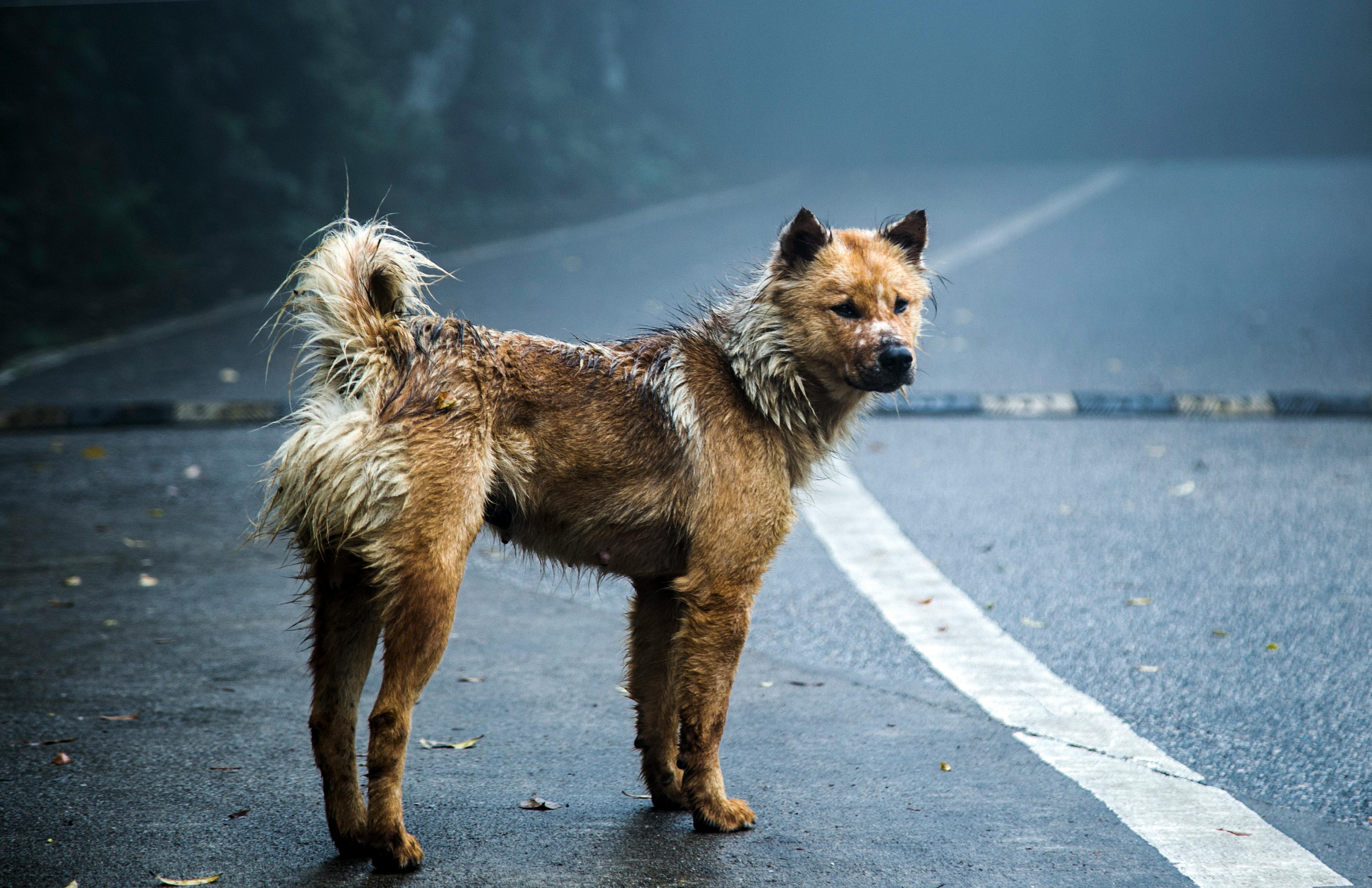 \n\n
\n\nDogs have long been our loyal companions, but have you ever thought about why they have wet noses? Its a question that many people ask, and the answer is more fascinating than you might think. The evolutionary advantage of a wet nose not only plays a role in helping dogs survive in the wild, but it also enhances their interaction with the world around them. Let’s dive into the reasons behind those moist noses and explore their significance for our furry friends.
\nWhat Makes a Dog's Nose Wet?
\nFirst, it is important to know that a dog’s nose is made up of a special kind of tissue that stays moist. This moisture comes from a combination of secretions from the nasal glands and saliva. A wet nose helps in several ways:
\n- \n
- Enhanced Smell: The moisture helps to capture scent particles from the air, improving a dog's ability to detect smells. \n
- Thermoregulation: Dogs do not sweat like humans do, so a wet nose can help cool their body temperature. \n
- Communication: Dogs often use their noses to explore their environment, and a moist nose can help them gather more information about other animals or humans. \n
The Science Behind a Wet Nose
\nResearch suggests that the wetness of a dog’s nose is no mere coincidence. The structure of a dog's nose is highly sophisticated. Here are some interesting facts about the anatomy of a dog’s nose:
\n- \n
- Dogs have more than 300 million olfactory receptors, compared to about 5 million in humans. \n
- The part of a dog’s brain that processes smells is 40 times larger than that of a human. \n
- The wet surface of a dog’s nose allows for better absorption of scent chemicals, which is essential for hunting and foraging. \n
Why Do Dogs Have Wet Noses? The Evolutionary Perspective
\nThe evolutionary advantage of a wet nose can be traced back to the early ancestors of dogs. In the wild, hunting and survival relied heavily on the ability to smell. A wet nose provided a significant advantage in tracking prey and avoiding predators. Here are some of the evolutionary benefits:
\n- \n
- Tracking Ability: Wet noses help capture and retain scent particles, which aids in tracking scents over long distances. \n
- Hunting Efficiency: As pack animals, dogs relied on their heightened sense of smell to coordinate hunts and find food. \n
- Survival Mechanism: A keen sense of smell also helps dogs detect danger, such as the presence of another predator. \n
Practical Examples of Nose Use in Dogs
\nTo illustrate how dogs use their noses in everyday life, consider these examples:
\n- \n
- Search and Rescue: Dogs trained in search and rescue operations rely on their wet noses to locate missing people during disasters. \n
- Detection Work: Police dogs often use their sense of smell to detect drugs, explosives, and other illegal substances. \n
- Hunting Companions: Many hunting breeds excel in tracking game, utilizing their wet noses to follow trails. \n
Comparing Dog Noses to Other Animals
\nIt might be interesting to compare the noses of dogs to those of other animals:
\n| Animal | \nNumber of Olfactory Receptors | \nNose Moisture Importance | \n
|---|---|---|
| Dogs | \n300 million | \nEssential for tracking and hunting | \n
| Cats | \n50-80 million | \nUseful for hunting but not as crucial | \n
| Elephants | \n2,000 million | \nExtremely important for social and environmental interactions | \n
Common Misconceptions About Dog Noses
\nThere are many myths surrounding the characteristics of dog noses. Here are a few:
\n- \n
- A Cold Nose Indicates Illness: Many people believe that a cold, wet nose means a dog is sick; however, this is not always true. Many healthy dogs can have varying temperatures on their noses. \n
- Nose Color Indicates Health: The color of a dog's nose can vary by breed; it does not necessarily indicate health. \n
Fun Facts About Dogs’ Noses
\n- \n
- Dogs can identify a scent in parts per trillion. \n
- A dog’s sense of smell can be over 10,000 to 100,000 times more sensitive than humans. \n
- Dogs often use their noses to greet other dogs, as it’s a significant part of their social behavior. \n
Understanding why dogs have wet noses gives insight into their behavior and needs. The evolutionary advantages of a wet nose have allowed dogs to thrive in wild environments, and those same traits make them exceptional companions in our homes today. So, the next time you see your furry friend with that adorable, moist nose, you can appreciate all the reasons behind it.
\n\n10 Interesting Facts About Dog Noses: Uncovering the Secrets of Your Furry Friend
\n\n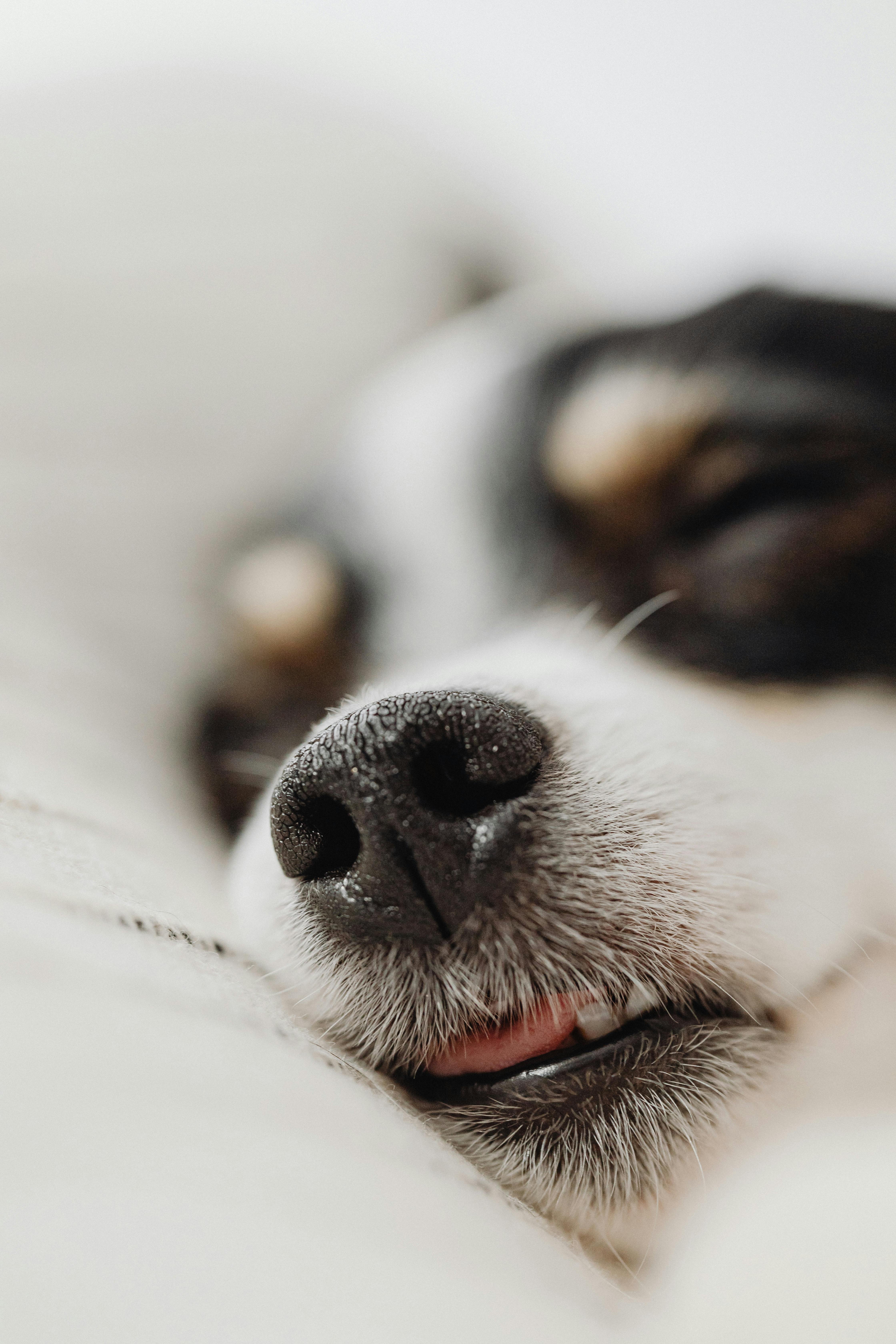 \n\n
\n\nDogs are some of the most beloved companions across the world, and part of their charm lies in their unique features. One of the most interesting aspects of dogs are their noses. You may had wondered, why do dogs have wet noses? Or what makes them so different from ours? Well, let’s dive into 10 fascinating facts about dog noses that uncover the secrets of our furry friends.
\n1. Wetness is Key for Scent Detection
\nYou ever notice how a dog's nose is often wet? This wetness helps dogs to detect scents better. A moist nose can trap scent particles more efficiently, allowing your pet to pick up on a wider range of smells. So, the next time your pup sniffs around your yard, remember that their nose is working hard to gather information.
\n2. Dogs Have a Super Sense of Smell
\nDid you know? Dogs' sense of smell is about 40 times better than that of humans. The olfactory receptors in a dog’s nose are around 300 million, compared to a human's mere 6 million. This is why dogs are often used in search and rescue missions, as well as in detecting drugs and explosives.
\n3. The Nose Print is Unique
\nJust like each human has a unique fingerprint, every dog has a unique nose print. The patterns and ridges on a dog’s nose can actually be used to identify them. So, if you ever lose your furry friend, it might just be possible to track them down using their nose!
\n4. Temperature Regulation
\nBeyond just smelling, wet noses also help regulate dogs' body temperatures. When dogs breathe, moisture evaporates from their noses, which cools them down. This is particularly important on hot days, when dogs may struggle to cool off through panting alone.
\n5. Dogs Can Smell Emotions
\nBelieve it or not, dogs can actually smell human emotions. They can detect pheromones released during stress, fear, or happiness. This is why your dog might seem to know when you’re feeling blue or anxious. Your furry friend just wants to help!
\n6. Different Breeds, Different Noses
\nNot all dog noses are created equal. Different breeds can have varying shapes, sizes, and textures of noses. For example, a Greyhound’s nose is long and narrow, while a Bulldog's is shorter and broader. These differences can influence how well each breed can pick up scents.
\n7. Dogs Use Their Noses to Communicate
\nDogs communicate with each other through scent, and their noses play a vital role in this process. When dogs greet each other, they often sniff each other's noses and behinds to gather information about each other's health, diet, and emotional state. It’s a social ritual that might seem odd to us, but it’s perfectly normal in the dog world.
\n8. Noses and Health Indicators
\nA dog’s nose can also be an indicator of their health. A warm, dry nose could suggest fever or illness, while a cool, wet nose typically indicates a healthy pup. However, it’s important to note that a dog’s nose can vary throughout the day, so it's best to observe other symptoms too.
\n9. The Science of Dog Noses
\nResearchers have been studying dog noses for years. They found out that dogs can even be trained to detect certain types of cancer in humans. Their acute sense of smell allows them to identify specific odors associated with tumors, showcasing just how powerful their noses truly are.
\n10. Nose Color and Temperature
\nThe color of a dog's nose can change based on temperature. For instance, during colder weather, a dog’s nose may become lighter in color. This is due to the contraction of the blood vessels. So, if you notice your dog’s nose changing color in different seasons, it’s a normal phenomenon!
\nDid You Know?
\n- \n
- Olfactory Bulb Size: The olfactory bulb in a dog's brain is proportionally larger than in humans, emphasizing its importance in their daily lives. \n
- Sniffing Techniques: Dogs even have unique sniffing techniques, such as the “double sniff,” where they take a quick sniff followed by a slow, deep inhale to gather more scent information. \n
The next time you see your dog with its wet nose, remember there's so much more happening than meets the eye. Their noses are not just cute; they are essential tools that enhance their quality of life and strengthen their bond with us. Understanding why do dogs have wet noses is just the beginning of appreciating the complexity of these incredible animals. So, cherish every sniff and wag, because it’s all part of what makes dogs such wonderful companions.
\n\nHow Weather Affects Your Dog’s Nose: Understanding Seasonal Changes and Their Impact on Health
\n\n \n\n
\n\nDogs are one of the most beloved pets worldwide, and their unique characteristics often leave us wondering about their health and behavior. One interesting topic is how weather affects your dog’s nose. Dogs have wet noses, which is a common feature that many pet owners notice. But ever thought about why their noses are wet and how seasonal changes play a role in their health? This article will delve into these questions, providing insights into the fascinating world of canine noses and the influence of weather.
\nWhy Do Dogs Have Wet Noses?
\nDogs typically have moist noses, and there are several reasons for this. Firstly, a wet nose helps dogs to smell better. Yes, their sense of smell is already exceptional, but the moisture on their noses enhances their ability to absorb scent particles. The wetness allows more scent molecules to stick to the surface, which is crucial for their communication and navigation.
\nAnother reason is that it helps regulate their body temperature. Dogs don’t sweat like humans do. Instead, they rely on panting and the evaporation of moisture from their noses to cool down. A wet nose can also be a sign of a healthy dog, as it indicates that the animal is well-hydrated and not suffering from dehydration.
\nHow Weather Impacts Your Dog’s Nose
\nWeather can have a significant effect on your dog's nose. Changes in temperature and humidity can alter its moisture levels. Here’s how different weather conditions affect your dog’s nose:
\n- \n
- \n
Cold Weather: In winter, dry air can lead to a dry nose. This may cause discomfort but isn’t usually a cause for concern. If a dog's nose is excessively dry or cracked, it’s important to monitor for other symptoms of illness.
\n \n - \n
Hot Weather: During summer, heat can lead to a wet nose, as dogs will pant more to cool off. However, excessive heat can also lead to dehydration, so it's crucial for dog owners to provide plenty of water and shade.
\n \n - \n
Rainy Weather: Rain can naturally keep a dog’s nose moist. However, it can also lead to other health issues like fungal infections if dogs spend too much time wet.
\n \n - \n
Humidity: High humidity can maintain moisture on a dog's nose, which is generally good. However, it can also lead to skin irritations or infections if not monitored.
\n \n
Understanding Seasonal Changes
\nSeasonal changes brings not just adjustments in climate but also changes in outdoor activities. Each season affects the dog's health in various ways:
\n- \n
- \n
Spring: Allergies become more common due to pollen. A dog with allergies may have a runny or dry nose, so monitoring for signs of irritation is vital.
\n \n - \n
Summer: As mentioned, the heat can impact hydration levels. Keep an eye out for symptoms of heatstroke as well.
\n \n - \n
Fall: With leaves falling and temperatures dropping, it’s good time to inspect for any skin irritations or dry noses caused by colder, drier air.
\n \n - \n
Winter: Cold air can lead to dryness. Consider applying a nose balm to keep their noses from cracking.
\n \n
Practical Tips for Dog Owners
\nHere are some practical tips to help maintain your dog’s nose health throughout the changing seasons:
\n- \n
- \n
Hydration: Always make sure your dog has access to fresh water, especially in hot weather.
\n \n - \n
Nose Balm: Use a dog-safe nose balm during winter months to prevent drying and cracking.
\n \n - \n
Regular Vet Visits: Schedule routine check-ups to discuss any concerns about your dog's nose health with your veterinarian.
\n \n - \n
Watch for Symptoms: Be alert for any signs of discomfort, such as excessive licking of the nose, bleeding, or change in color.
\n \n - \n
Limit Exposure: During extreme weather conditions, limit your dog’s outdoor time to prevent health issues.
\n \n
Conclusion
\nUnderstanding why dogs have wet noses and how weather affects them can help you take better care of your furry companions. Their health often reflects changes in the environment, and by being aware of these factors, you can ensure their nose stays moist and healthy. Regular monitoring and adjusting their care according to the seasons will go a long way in maintaining your dog's well-being. Keeping your pet's nose healthy is not just about aesthetics; it's about ensuring their overall health and happiness. So the next time you see your dog's wet nose, remember, it’s all part of what makes them, well, a dog!
\n\nConclusion
\n\nIn conclusion, the intriguing phenomenon of dogs having wet noses serves multiple important functions that contribute to their overall health and well-being. A wet nose not only enhances their sense of smell by trapping scent particles but also helps regulate their body temperature through evaporation. Moreover, moisture on a dog's nose can be an indicator of their health, signaling hydration and vitality. Understanding the reasons behind this unique characteristic deepens our appreciation for our canine companions and their remarkable adaptations. As dog owners, it’s essential to pay attention to the state of our pets' noses, as changes can sometimes indicate health issues. So, the next time you greet your furry friend, take a moment to appreciate that cold, wet nose—it’s a sign of their innate abilities and a reminder of the bond we share with them. Engage with your dog today, and cherish those little moments that strengthen your connection!
\n\n