Have you ever wondered, "Why do dogs have wet noses?" It's a question that sparks curiosity among dog lovers and pet owners alike. The fascinating reasons behind this unique trait not only reveal insights into a dog's health but also enhance their communication skills. Wet noses are more than just a quirky characteristic; they play a vital role in how dogs interact with the world. So, why is it that our furry friends possess such moist noses? It’s not just for show! From helping to regulate their body temperature to enhancing their sense of smell, the science behind a dog's wet nose is truly captivating. In this blog post, we will dive deep into the amazing reasons behind this phenomenon and explore how it contributes to a dog's overall well-being. Whether you’re a seasoned dog owner or just curious about dog behavior, understanding the purpose of a wet nose can strengthen your bond with your furry companion. Stay tuned as we uncover the mysteries of canine anatomy and discover why those adorable, wet noses are a key to your dog’s health and happiness!
\n\nThe Science Behind Wet Noses: Why Do Dogs’ Noses Feel So Cool and Damp?
\n\n \n\n
\n\nWhen you pet a dog, you might notice something interesting about their noses. They often feel wet and cool to the touch. But, have you ever wondered why do dogs have wet noses? This is not just a quirk of nature; there’s actual science behind it. Understanding the reasons can help dog owners appreciate their furry friends even more. So, let’s dive into the fascinating reasons behind those wet noses!
\nThe Science of a Dog’s Nose
\nDogs’ noses are not just for show. They are highly sensitive organs that play a vital role in a dog’s sense of smell. In fact, a dog’s sense of smell is estimated to be anywhere from 10,000 to 100,000 times more acute than that of humans. The wetness of their noses serves several purposes:
\n- \n
- Enhanced Olfactory Function: The moisture on a dog’s nose helps to capture scent particles in the air. When the nose is damp, it can better absorb these particles, making it easier for dogs to smell their surroundings. \n
- Temperature Regulation: Just like humans sweat to cool off, dogs’ noses help regulate their body temperature. The moisture evaporates, which cools the blood vessels in the nasal area, helping to keep the dog cooler overall. \n
- Health Indicator: A wet nose is often seen as a sign of a healthy dog. However, a dry or excessively warm nose could indicate potential health issues, such as fever or dehydration. \n
Why Do Dogs Have Wet Noses? A Historical Perspective
\nHistorically, the wet nose has evolved as a survival mechanism. Early canines relied heavily on their sense of smell for hunting and foraging. The moisture on their noses helped them detect food sources and identify potential dangers in their environment. This evolutionary trait has been passed down through generations, making it a fundamental characteristic of dogs today.
\nComparisons to Other Animals
\nWhen you compare dogs to other animals, the wet nose phenomenon isn’t unique. Cats, for example, also have moist noses. However, some other mammals, like pigs, have drier noses. Here’s a quick comparison:
\n- \n
- Dogs: Wet, cool noses enhance their sense of smell and help in thermoregulation. \n
- Cats: Also have wet noses, though they may not rely on their sense of smell as heavily as dogs do. \n
- Pigs: Their noses are dry, and they use touch more than smell to explore their environment. \n
Practical Examples of Nose Behavior
\nYou might notice different behaviors related to a dog’s nose:
\n- \n
- Sniffing Around: When dogs sniff, they are using their wet noses to take in scents. You may see them go wild when they discover something new; this is because their noses are eager to capture every tiny particle of smell. \n
- Wet Noses and Greeting: Dogs often greet their humans or other animals with their noses. A wet nose can feel comforting, and it’s their way of saying hello or showing affection. \n
- Licking Their Noses: You might catch your dog licking its nose frequently. This behavior can help keep their noses moist, but it also serves to gather scent particles to better understand their surroundings. \n
Fun Facts About Dogs’ Noses
\nHere’s a list of fun facts about dogs’ noses that you may find interesting:
\n- \n
- Unique Patterns: Just like human fingerprints, every dog has a unique nose print that can be used for identification. \n
- Temperature Detection: A dog’s nose can sense temperature changes, making them more aware of environmental conditions. \n
- Nasal Anatomy: The structure of a dog’s nose contains turbinates, which are complex bone structures that help filter and warm the air they breathe. \n
Summary of the Importance of Wet Noses
\nIn summary, the wet noses of dogs are much more than a cute feature—they are crucial for their health and survival. The science behind their dampness reveals a lot about how dogs interact with the world. From enhancing their olfactory capabilities to regulating body temperature, wet noses are an essential part of a dog’s anatomy.
\nUnderstanding why do dogs have wet noses can deepen the bond between you and your furry friend. So, the next time you cuddle your dog and feel that cool and damp nose, you can appreciate all the incredible science behind it!
\n\nTop 5 Fascinating Reasons Your Dog's Nose Is Always Wet
\n\n \n\n
\n\nHave you ever wondered why your dog's nose is always wet? It's kinda strange, right? You might think it's just something they have, but there’s actually some fascinating reasons behind this common canine characteristic. In this article, we’re gonna dive into the top 5 reasons why dogs have wet noses and why it matters for their health and behavior. Let's sniff out the truth!
\n1. Cooling Mechanism
\nFirst off, one of the main reasons why dogs have wet noses is because it helps them cool down. Dogs don’t sweat like humans do. Instead, they rely on panting and the moisture on their noses to regulate their body temperature. A wet nose can help lower their body heat, especially on hot days. It’s like their own little air conditioning system.
\n- \n
- Dogs have sweat glands only in their paw pads. \n
- Wet noses can evaporate moisture, which cools them down. \n
- This is especially important for breeds with thick coats or in warm climates. \n
2. Enhanced Sense of Smell
\nAnother fascinating reason is that a wet nose improves a dog’s sense of smell. Dogs have an incredible sense of smell, way better than humans. A wet nose helps to capture scent particles in the air, making it easier for them to detect different smells. When their noses are moist, they can pick up on more scents and that’s super important for their survival and understanding the world around them.
\n- \n
- Dogs have up to 300 million scent receptors, compared to a human’s 5 million. \n
- A wet nose can absorb scent molecules much better. \n
- This ability helps them in hunting, searching, and bonding with humans. \n
3. Health Indicator
\nDid you know that a dog’s wet nose can also be an indicator of their health? A normal, wet nose is usually a sign of a healthy dog. If a dog’s nose becomes dry and warm, it might indicate they are sick or dehydrated. However, that’s not always the case, since some dogs just have naturally dry noses. But monitoring the moisture level can give you clues about your furry friend’s health.
\n- \n
- A healthy dog’s nose is typically cool and moist. \n
- A dry nose could mean a fever or dehydration. \n
- It’s always best to consult a vet if you notice drastic changes. \n
4. Social Interaction
\nDogs communicate in many ways and their noses play a big role in that. A wet nose can also serve as a social tool. When dogs nuzzle or poke their noses at other dogs or humans, it’s often a sign of affection or curiosity. Their moist noses can convey comfort, trust, and even an invitation to play. So, when your dog nudges you with their wet nose, it might be their way of saying, "Hey, let’s bond!"
\n- \n
- Dogs use their noses to greet each other. \n
- Wet noses can transmit scent messages during interactions. \n
- It’s part of their social behavior and bonding. \n
5. Grooming and Maintenance
\nLastly, wet noses are a result of grooming behaviors. Dogs lick their noses as a part of their grooming routine. This licking not only keeps their noses clean but also maintains its moisture. When dogs groom themselves, they distribute natural oils that help keep their skin and nose healthy.
\n- \n
- Dogs lick their noses regularly throughout the day. \n
- This behavior helps in cleaning and hydration. \n
- It’s a natural and instinctive part of their hygiene routine. \n
Quick Facts About Dog Noses
\n- \n
- Dogs’ noses come in various shapes and sizes depending on the breed. \n
- Some breeds have naturally wetter noses than others. \n
- If you notice excessive drooling along with the wetness, it could be worth checking with a vet. \n
In summary, a dog's wet nose is more than just an adorable trait. It serves multiple purposes, from regulating temperature to enhancing their incredible sense of smell. It can also indicate their health status and is an important part of their social interactions. Next time you cuddle with your furry friend, take a moment to appreciate that wet nose and all the fascinating reasons behind it. Understanding these traits can help strengthen the bond between you and your dog, making your relationship even more special. So, enjoy those nose nudges—they’re packed with meaning!
\n\nIs a Wet Nose a Sign of Health? Unpacking the Myths and Facts
\n\n \n\n
\n\nWhen it comes to our furry friends, there's a lot of things we don’t know. One of the biggest questions pet owners often ask is whether a wet nose indicates a healthy dog. Some people think it’s a sure sign of wellness, while others are unsure. So, is a wet nose a sign of health? Let’s dive into the fascinating reasons behind why dogs have wet noses and unpack the myths and facts surrounding this common belief.
\nWhy Do Dogs Have Wet Noses?
\nDogs have wet noses for several reasons, and understanding these can help clarify why a wet nose does not always equal good health. Here are some of the main reasons:
\n- \n
- Cooling Mechanism: A dog’s nose helps regulate their body temperature. When they breathe, the moisture on their nose evaporates, which cools them down. \n
- Enhanced Sense of Smell: Wet noses can also enhance a dog’s sense of smell. The moisture helps capture scent particles from the air, making it easier for dogs to sniff out interesting smells. \n
- Health Indicator: While many people think a wet nose is a health indicator, it’s not the only sign. A dog can have a wet nose and still be sick. \n
The Myths and Facts About Wet Noses
\nThere’s a lot of myths floating around about dog noses. Let’s break down some common misconceptions and the facts behind them.
\n- \n
- \n
Myth 1: A wet nose means a dog is healthy.
\n- \n
- Fact: Although wet noses can indicate hydration, it doesn’t guarantee overall health. Dogs with dry noses can also be perfectly fine. \n
\n - \n
Myth 2: Dogs’ noses should always be wet.
\n- \n
- Fact: A dog’s nose can change moisture levels throughout the day. Factors like temperature, activity, and even the time of day can affect it. \n
\n - \n
Myth 3: Only sick dogs have dry noses.
\n- \n
- Fact: Dry noses can be caused by weather conditions, allergies, or even just sleeping. It’s not always a sign of illness. \n
\n
The Anatomy of a Dog's Nose
\nTo understand more about wet noses, it helps to know a bit about their anatomy. A dog’s nose is made up of several parts, including:
\n- \n
- Nasal Cavity: This is where the scent particles enter and get processed. \n
- Mucous Membrane: This is what keeps the nose moist and helps trap scents. \n
- Nasal Turbinates: These are bony structures that help warm and humidify the air. \n
How to Keep Your Dog's Nose Healthy
\nEnsuring your dog’s nose remains healthy is essential, though it does not solely rely on moisture levels. Here are some pointers:
\n- \n
- Hydration: Keep your dog well-hydrated. Water is crucial for overall health and will help maintain moisture in their nose. \n
- Regular Vet Check-ups: Routine vet visits can help catch any underlying issues that may affect your dog’s health. \n
- Observe Changes: If your dog’s nose changes color or texture suddenly, it could be a sign of a health issue. \n
Signs of a Potential Problem
\nWhile a wet nose can be normal, there are signs that could indicate something more serious. Look for these symptoms:
\n- \n
- Cracking or Bleeding: If your dog’s nose is dry and cracks, it could indicate dehydration or an underlying health issue. \n
- Discoloration: A change in color, such as a darkening or paleness, should prompt a visit to the vet. \n
- Unusual Odors: Foul smells coming from your dog’s nose may signal an infection or other issues. \n
Quick Tips for Dog Owners
\n- \n
- Keep a close eye on your dog’s nose and overall behavior. If there’s a drastic change, consult the vet. \n
- Avoid letting your dog outdoors during extreme weather conditions. This can affect their nose health. \n
- Provide a balanced diet rich in vitamins and minerals to support their immune system. \n
In conclusion, while a wet nose can be one of many indicators of your dog's wellbeing, it’s not the only factor to consider. Understanding the reasons behind why dogs have wet noses can help pet owners better care for their furry companions. Always observe your dog closely and consult with a veterinarian if you notice any unusual changes. After all, a healthy dog is a happy dog!
\n\nHow Dogs Use Their Wet Noses to Understand the World Around Them
\n\n \n\n
\n\nDogs, those lovable companions of ours, have a unique way of exploring their surroundings. One of their most intriguing features is their wet noses. So, why do dogs have wet noses? And how do they use them to understand the world around them? Let’s dive into the fascinating reasons behind this canine characteristic.
\nThe Science Behind the Wet Nose
\nA dog's nose is not just an adorable feature; it serves a purpose. The wetness of a dog's nose is primarily due to a thin layer of mucus that helps enhance their sense of smell. Interestingly, dogs have up to 300 million smell receptors in their noses, compared to a human's 5 million. This incredible olfactory system lets dog smell things that humans can’t even imagine.
\n- \n
- Mucus Production: The moisture on a dog's nose helps capture scent particles in the air. When these particles stick to the wet surface, dogs can then analyze them. \n
- Temperature Regulation: A wet nose may also help dogs cool down. Unlike humans who sweat to regulate body temperature, dogs do not sweat in the same way. The moisture on their noses allows for some heat dissipation. \n
Historical Context of Dog Noses
\nThroughout history, dogs have been bred for various purposes. Some breeds were specifically developed for their exceptional sense of smell. For example, Bloodhounds are renowned for their tracking abilities, which is largely due to their highly sensitive noses. In ancient times, dogs were used for hunting and tracking, relying heavily on their sense of smell to locate prey.
\n- \n
- Ancient Uses:
- \n
- Hunting companions \n
- Guarding property \n
- Search and rescue missions \n
\n
How Dogs Use Their Noses
\nDogs navigate the world through their noses, and they gather information in several ways:
\n- \n
- Identifying Other Animals: By smelling another dog's urine, they can learn about the other dog’s age, health, and even mood. \n
- Recognizing Humans: Dogs can identify their owners by scent alone. This is why they often get excited when their owner comes home. \n
- Detecting Danger: Some dogs are trained to detect drugs, explosives, or even medical conditions like low blood sugar or seizures. \n
Comparison: Dogs vs. Humans
\nLet’s look at how dogs’ noses compare to our own:
\n| Feature | \nDogs | \nHumans | \n
|---|---|---|
| Smell Receptors | \n300 million | \n5 million | \n
| Ability to Detect Scents | \nExtremely high | \nLimited | \n
| Sense of Smell Importance | \nPrimary | \nSecondary | \n
Fascinating Facts About Dog Noses
\nHere are some interesting tidbits about why dogs have wet noses:
\n- \n
- Temperature Sensitivity: Dogs can detect changes in temperature through their noses, helping them sense nearby creatures. \n
- Unique Patterns: Just like human fingerprints, no two dog noses are alike. The patterns of ridges and creases on a dog's nose are unique to each individual. \n
- Wet Noses and Health: A healthy dog's nose is usually moist. However, a dry nose can indicate illness or dehydration in some cases. \n
Why Do Dogs Have Wet Noses?
\nSo, to answer the question, why do dogs have wet noses? It’s a combination of biology and functionality. The moisture helps them to smell better, communicate with other animals, and even regulate their body temperature.
\n- \n
- Enhanced Smelling Abilities: The wetness of their noses allows for optimal scent detection. \n
- Social Interaction: It plays a role in how they perceive and interact with other dogs and humans. \n
- Health Indicator: Changes in the moisture level can indicate health issues. \n
The Bottom Line
\nDogs have wet noses for several reasons that contribute to their interaction with the world around them. From their remarkable sense of smell to their role in social communication, wet noses are just one of the many fascinating aspects of canine biology. Understanding how dogs perceive their environment can deepen our bond with them and help us care for them better. So next time you see your furry friend, take a moment to appreciate that wet nose and all the wonders it brings into their life and yours!
\n\nThe Role of a Dog’s Wet Nose in Temperature Regulation: What You Need to Know
\n\n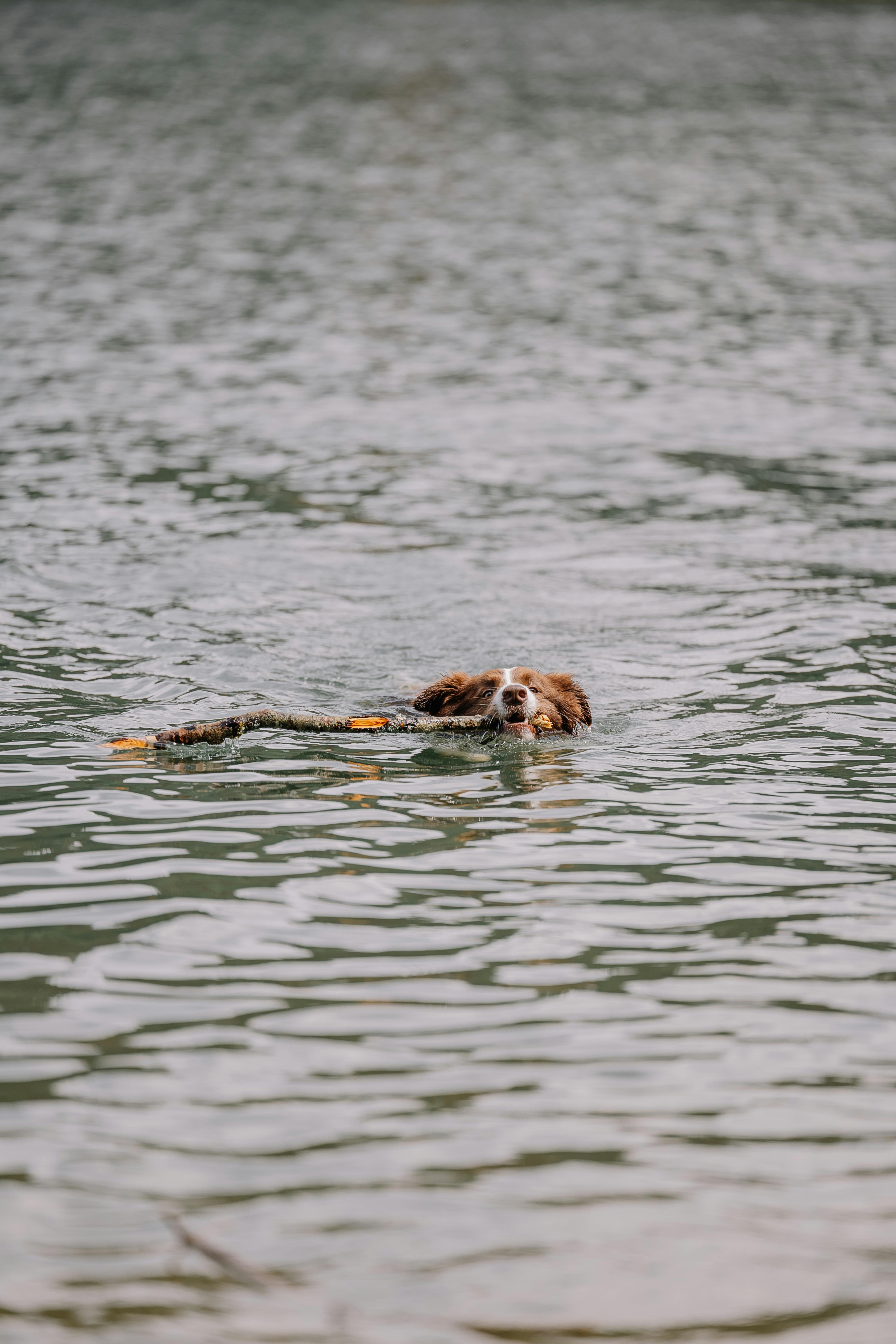 \n\n
\n\nHave you ever noticed your dog’s nose? It’s often wet, and it’s not just because they’ve been drinking water or playing in the rain. There’s a fascinating reason behind it, and it relates to how dogs regulate their body temperature. If you’re a dog owner or just a dog lover, understanding why your furry friend has a wet nose can help you learn more about their health and behavior. Let’s dive into the intriguing world of canine noses.
\nWhy Do Dogs Have Wet Noses?
\nDogs have wet noses for several reasons. First, their moist noses help them to smell better. A wet surface can trap scent particles, making it easier for dogs to detect different smells. This is crucial since dogs have a much stronger sense of smell than humans — estimated to be between 10,000 to 100,000 times more sensitive!
\n- \n
- Enhanced Smell: Wet noses help capture scent particles. \n
- Temperature Regulation: Moisture on the nose aids in cooling the body. \n
- Health Indicator: A wet nose can indicate a dog is healthy, while a dry nose might suggest illness. \n
The Science Behind Temperature Regulation
\nDogs can’t sweat like humans do. Instead, they primarily cool themselves through panting and the moisture on their noses. When a dog pants, moisture evaporates from their lungs and their tongue, which helps lower their body temperature. The wet nose plays a similar role. Here’s how it works:
\n- \n
- Evaporation: The moisture evaporates, which cools the blood vessels close to the surface of the nose. \n
- Cooling Effect: This cooling effect helps to regulate their overall body temperature. \n
- Airflow: When dogs breathe through their noses, the cooler air can also help cool their blood. \n
Historical Context of Dogs’ Wet Noses
\nHistorically, dogs have been bred for various purposes, including hunting, herding, and companionship. Their wet noses have been a trait that developed naturally over time. Interestingly, some breeds have drier noses than others, which can be attributed to their specific functions. For instance:
\n- \n
- Hound Breeds: Often have very wet noses to enhance their scenting ability. \n
- Toy Breeds: May have drier noses due to less need for scent detection. \n
Health Implications of a Dog’s Nose
\nA dog’s nose can tell you a lot about their health. While a wet nose is generally a sign of good health, there can be exceptions. Here are some things to consider:
\n- \n
- Normal Condition: A wet and cool nose is usually a sign that your dog is healthy and hydrated. \n
- Dry Nose: A dry nose may indicate dehydration, fever, or illness. However, it’s important to consider the context, as some dogs naturally have drier noses. \n
- Crusty or Cracked Nose: This could be a sign of skin conditions or allergies and should be checked by a vet. \n
Fun Facts About Dogs and Their Noses
\nHere are some intriguing tidbits about dogs and their noses that you might not know:
\n- \n
- Unique Patterns: Just like humans have unique fingerprints, each dog has a unique nose print. \n
- Scent Discrimination: Dogs can differentiate between scents and can even be trained to detect diseases like cancer through scent alone. \n
- Temperature Sensing: Dogs can sense changes in temperature and pressure, which can make them excellent companions for people with health issues. \n
Practical Tips for Dog Owners
\nAs a dog owner, there are a few steps you can take to ensure your pup stays healthy and happy, based on their nose condition:
\n- \n
- Monitor Hydration: Always make sure your dog has access to fresh water, especially in hot weather. \n
- Check Nose Regularly: Keep an eye on the condition of your dog’s nose. If it suddenly becomes dry or cracked, consult with a veterinarian. \n
- Avoid Overheating: On hot days, keep your dog cool and avoid strenuous exercise during peak temperatures. \n
Conclusion
\nUnderstanding the role of a dog’s wet nose in temperature regulation and health is important for any dog owner. A wet nose isn’t just a cute feature but serves several essential functions. From enhancing their sense of smell to helping regulate their body temperature, dogs’ noses are fascinating. So next time you give your dog a scratch, remember that their wet nose is a sign of their unique biology and a window into their health. Keeping an eye on their nose can help you care for your furry friend better.
\n\nCan a Dog’s Wet Nose Predict Illness? Exploring the Connection
\n\n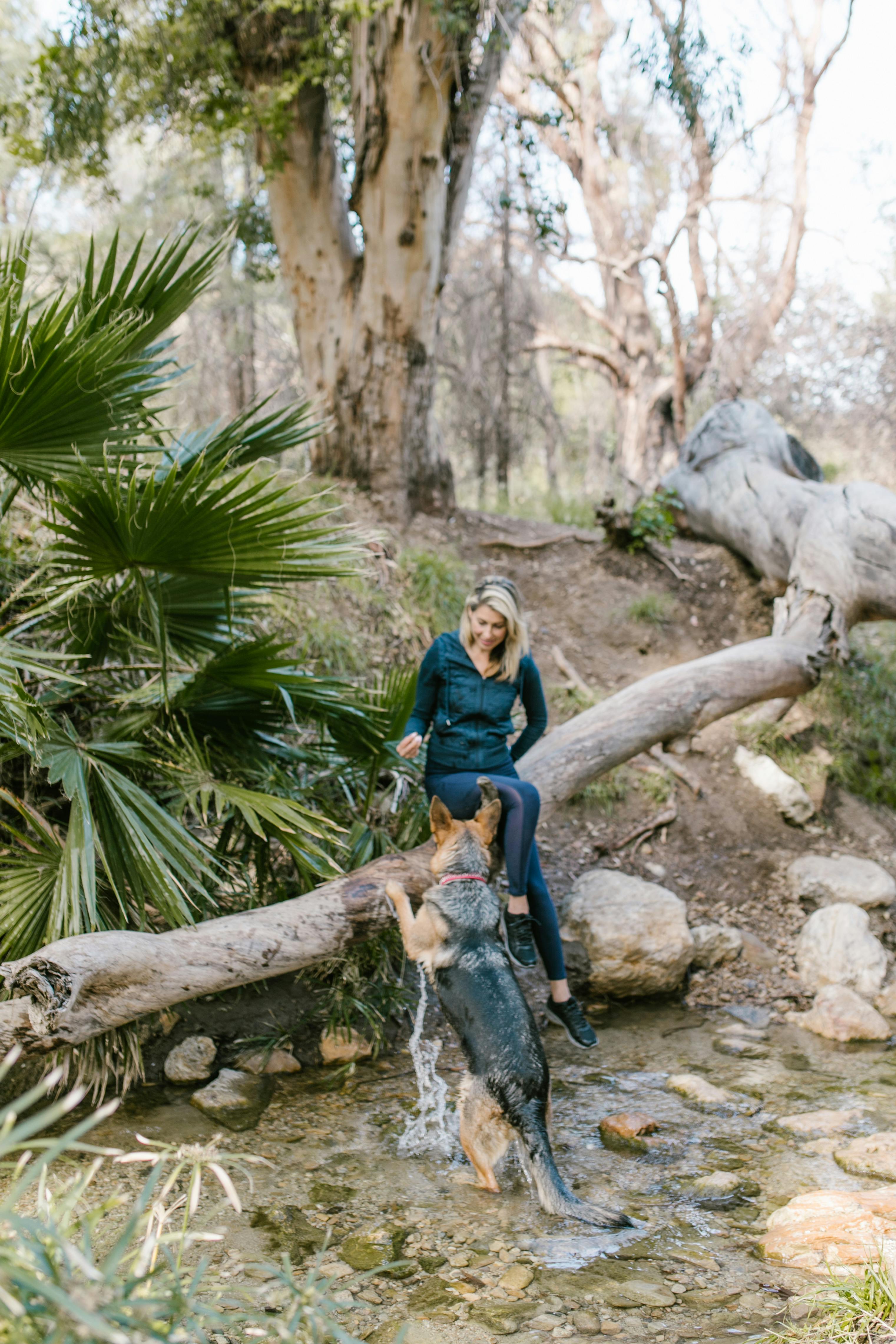 \n\n
\n\nDogs are often referred to as man's best friend for many reasons. One interesting aspect that many people ponder is whether a dog’s wet nose can predict illness. This intriguing question connects to the broader topic of why dogs have wet noses in the first place. Let's dive into the science and history behind this fascinating trait and explore the potential implications for canine health.
\nWhy Do Dogs Have Wet Noses?
\nFirst, let's explore why dog noses are typically wet. The moisture on a dog's nose serves multiple purposes. Here’s a breakdown:
\n- \n
- Sense of Smell: A wet nose enhances a dog’s ability to smell. It helps capture scent particles more effectively. The moisture allows those particles to dissolve, making it easier for dogs to detect different odors. \n
- Temperature Regulation: Dogs don’t sweat like humans. Instead, they use their noses to help regulate body temperature. The moisture evaporates, cooling them down. \n
- Health Indicator: A dog’s nose can also indicate health. A warm, dry nose might suggest illness, while a wet nose is often seen as a sign of a healthy pup. \n
These functions combined suggest that a wet nose is not just an adorable trait, but an essential part of a dog’s biology.
\nCan a Dog’s Wet Nose Predict Illness?
\nNow, let's tackle the big question: can a wet nose actually predict illness? The answer is complicated. While a wet nose is often associated with a healthy dog, it does not definitively indicate health or sickness. Here are some factors to consider:
\n- \n
- Variability Among Breeds: Different dog breeds may have different nose moisture levels. Some breeds naturally have drier noses. \n
- Environmental Factors: Weather conditions can affect nose moisture. Hot, dry weather can lead to a drier nose. Conversely, dogs can have a wetter nose after drinking water or being outside in humid conditions. \n
- Health Conditions: Certain health issues can cause changes in nose moisture. For instance, dehydration, fever, or other illnesses might lead to a dry nose. However, this isn't a reliable method for predicting illness. \n
Historical Context of Dog Noses
\nDogs have been domesticated for thousands of years. Historically, they’ve been used for hunting, herding, and companionship. In ancient times, people often observed animals for signs of health. The idea that a dog’s nose could indicate health dates back centuries, rooted in observations rather than scientific evidence.
\n- \n
- Cultural Beliefs: Many cultures believed that a dog’s nose could reveal truths about their health and even their personality. For example, a wet nose was often seen as a sign of loyalty and vitality. \n
- Veterinary Insights: Modern veterinary science has provided more accurate ways to assess a dog’s health, moving beyond just the moisture of their noses. \n
Practical Examples of Nose Health
\nObserving your dog’s nose can give you some clues about their health. Here are some examples of what to look for:
\n- \n
- Normal: A healthy dog's nose is often cool and moist. This is typical. \n
- Dry or Cracked: Can indicate dehydration, fever, or other health issues. It might be worth a vet visit. \n
- Consistently Warm: A warm nose, especially if accompanied by lethargy or loss of appetite, could signal illness. \n
Quick List of Dog Nose Facts
\n- \n
- Dogs have about 220 million scent receptors in their noses. \n
- A dog's sense of smell can be 10,000 to 100,000 times more acute than humans. \n
- The wetness of a dog’s nose can change throughout the day. \n
Comparison Chart: Healthy vs. Unhealthy Dog Nose
\n| Characteristic | \nHealthy Nose | \nUnhealthy Nose | \n
|---|---|---|
| Temperature | \nCool | \nWarm | \n
| Moisture Level | \nWet | \nDry or excessively wet | \n
| Texture | \nSmooth | \nCracked or rough | \n
| Behavior | \nNormal activity | \nLethargy or unusual behavior | \n
Understanding the mechanics of your dog's nose can help in recognizing their health status.
\nIt’s clear that while a dog’s wet nose is a charming and fascinating trait, it is not a foolproof predictor of illness. Observing a dog’s overall behavior and health is much more effective than solely relying on the condition of their nose. So, next time you pet your furry friend and feel that wet nose, remember that it’s just one piece of the puzzle in understanding your dog’s well-being.
\n\nWhy Does My Dog’s Nose Change from Wet to Dry? Causes and Solutions
\n\n \n\n
\n\nEvery dog owner has probably noticed their furry friend's nose changing from wet to dry and it can be a puzzling thing. You might’ve asked yourself, “Why does my dog’s nose change from wet to dry?” or “Why do dogs have wet noses?” Understanding this phenomenon is important for every pet parent, not just out of curiosity, but also for your dog's health. So let’s dive into this fascinating topic!
\nThe Science Behind Wet Noses
\nDogs are known to have wet noses, and there's a good reason for it. A wet nose helps them to pick up scents better. The moisture on their nose allows scent particles to adhere better, which makes their sense of smell more acute. Dogs have an impressive olfactory system, and a wet nose is like a tool that enhances that ability.
\n- \n
- Scent Detection: A wet surface captures scent molecules better. \n
- Temperature Regulation: Dogs also use their noses to help regulate their body temperature. \n
- Health Indicator: The state of a dog’s nose can indicate their health. \n
Why Does My Dog’s Nose Change from Wet to Dry?
\nSometimes, you might notice your dog's nose becomes dry. This can be caused by a variety of reasons, some normal and some requiring attention. Here’s a breakdown:
\n- \n
- \n
Environmental Factors
\n- \n
- Weather Conditions: Hot weather can dry out a dog's nose. \n
- Indoor Heating: Central heating can also contribute to a dry nose. \n
\n - \n
Health Issues
\n- \n
- Dehydration: If your dog isn’t drinking enough water, their nose may dry out. \n
- Fever: A hot, dry nose can be a sign of illness. \n
- Skin Conditions: Conditions like dermatitis can cause changes in moisture. \n
\n - \n
Age
\n- \n
- Older dogs might experience drier noses due to age-related skin changes. \n
\n - \n
Diet
\n- \n
- A poor diet lacking in essential nutrients can affect skin and nose moisture. \n
\n - \n
Breed Differences
\n- \n
- Some breeds naturally have drier noses, for example, Bulldogs or Pugs. \n
\n
Common Reasons for Dry Noses
\nHere’s a quick list of common causes for a dog’s dry nose:
\n- \n
- Lack of Hydration \n
- Illness or Fever \n
- Environmental Stressors \n
- Skin Allergies \n
- Age-Related Changes \n
What To Do If Your Dog’s Nose Is Dry
\nIf you notice your dog’s nose is dry, don’t panic! There’re several solutions you can try to help restore moisture:
\n- \n
- Increase Water Intake: Make sure your dog is drinking enough water. \n
- Humidifier: Using a humidifier in your home can help add moisture to the air. \n
- Nasal Balms or Oils: There are products specifically designed to moisturize a dog’s nose. \n
- Regular Vet Check-Ups: Routine visits can help catch any underlying health issues. \n
Why Do Dogs Have Wet Noses? Discover the Fascinating Reasons!
\nThe wetness of a dog's nose is not just for show. It plays a significant role in their health and abilities.
\n- \n
- Natural Cooling System: Just like sweating, a wet nose helps cool down a dog’s temperature. \n
- Enhanced Scenting Ability: As mentioned before, the wetness helps trap scents, making dogs excellent hunters and trackers. \n
- Social Signals: Dogs also communicate with each other using their noses; a wet nose signals a friendly dog. \n
Fun Facts About Dog Noses
\n- \n
- Dogs have up to 300 million scent receptors in their noses, compared to a human’s 5 million! \n
- The shape and size of a dog's nose can vary greatly among breeds, influencing their ability to smell. \n
- A dog's nose print is as unique as a human fingerprint! \n
Final Thoughts
\nUnderstanding why your dog's nose changes from wet to dry can help you take better care of your pet. It’s a blend of science, health, and even a bit of environment. Always keep an eye on your dog’s behaviors and physical traits. If you ever feel concerned, don’t hesitate to reach out to a veterinarian. Keeping your furry friend healthy and happy is the ultimate goal!
\n\nThe Evolutionary Advantage of Wet Noses in Dogs: A Deep Dive
\n\n \n\n
\n\nDogs are one of the most beloved companions worldwide, and their noses often fascinates us. You might have wondered: why do dogs have wet noses? This question leads us to explore the evolutionary advantages that these moist appendages provide. Let’s take a deep dive into the fascinating reasons behind the wet noses of our furry friends and how it benefits them in the wild and at home.
\nThe Science Behind Wet Noses
\nFirst off, the wetness of a dog’s nose isn’t just for show. It’s actually an important feature for many reasons. The moisture on a dog’s nose helps them to better sense the world around them.
\n- \n
- Enhanced Smell: Dogs have a highly developed sense of smell, estimated to be between 10,000 to 100,000 times more sensitive than humans. A wet nose helps to capture scent particles more effectively. \n
- Temperature Regulation: Just like sweating in humans, a dog’s wet nose can help keep them cool, especially when they’re panting. \n
- Health Indicator: The condition of a dog’s nose can also indicate their overall health. A dry, cracked nose might suggest dehydration or illness. \n
Historical Context of Dog Noses
\nTo understand why dogs have wet noses, it’s important to look back at their ancestors. Dogs evolved from wolves, who relied on their sense of smell for hunting and survival. Wolves, and later domesticated dogs, developed wet noses as an evolutionary advantage.
\n- \n
- Survival Skills: In the wild, a keen sense of smell is essential for finding food and avoiding predators. Wet noses help in detecting scents over long distances. \n
- Social Communication: Dogs also use their noses to communicate with each other. A wet nose might convey a friendly greeting or an invitation to play. \n
The Benefits of Wet Noses
\nHere’s a quick list of the benefits that wet noses bring to dogs:
\n- \n
- Improved Scent Detection: Wet surfaces capture scent particles better, allowing dogs to detect smells from afar. \n
- Cooling Mechanism: A wet nose helps dogs regulate their body temperature, especially during hot weather. \n
- Health Monitoring: The state of a dog’s nose can be a quick way to assess their health. \n
- Social Interaction: Dogs use their noses to gather information about other animals and humans, which fosters communication. \n
Comparisons: Dogs vs. Other Animals
\nLet’s compare dogs’ noses to those of other animals, such as cats or humans, to further understand their uniqueness:
\n- \n
- Dogs: Wet, sensitive noses that enhance their olfactory capabilities. \n
- Cats: While cats also have good noses, they’re typically drier. Their sense of smell is less developed than dogs, making them less adept at tracking scents. \n
- Humans: Our noses are relatively dry and not as sensitive as a dog’s. We rely more on vision than smell, unlike our canine companions. \n
Practical Examples of Nose Functionality
\nYou might see your dog sniffing around a park or your house. That’s them using their wet noses to gather information. Here are some specific examples:
\n- \n
- Hunting Dogs: Breeds like bloodhounds are renowned for their sense of smell. Their wet noses are crucial for tracking scents over long distances when hunting. \n
- Therapy Dogs: Dogs that work in therapy or service roles often use their noses to gauge the emotional state of the people they’re helping. A wet nose can provide comfort. \n
- Search and Rescue: Dogs trained for search and rescue rely heavily on their wet noses to locate missing persons, showcasing their evolutionary advantage in real-world scenarios. \n
The Cultural Significance of Dog Noses
\nIn many cultures, a dog’s wet nose is considered a sign of affection. When a dog nudges you with their nose, it’s often interpreted as a loving gesture. This behavior enhances the bond between humans and dogs, leading to a deeper emotional connection.
\n- \n
- Dog Training: Trainers often utilize the dog’s nose in training exercises. Whether it’s scent detection or tracking, their wet noses play a vital role in many activities. \n
- Dog Shows: In competitions, judges may assess a dog's physical attributes, including the condition of their nose, as part of their overall health and grooming. \n
The evolutionary advantage of wet noses in dogs is not just a fascinating topic but an essential aspect of their biology. It showcases how nature equips animals with unique features that help them thrive. So next time you see that wet nose, remember the incredible functions it serves—beyond just being cute!
\n\nHow to Keep Your Dog’s Nose Healthy and Moist: Expert Tips
\n\n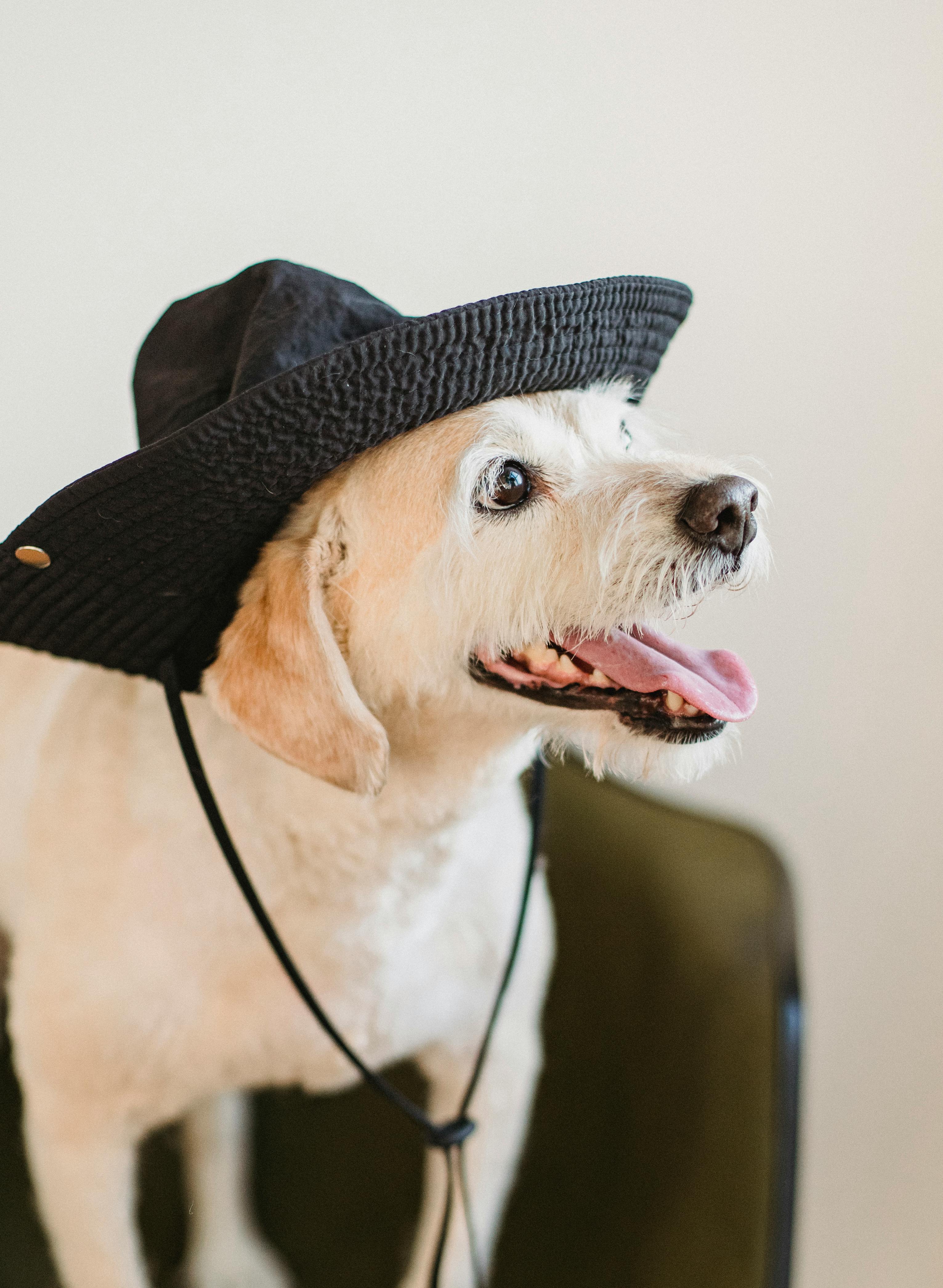 \n\n
\n\nEvery dog owner knows that their furry friend’s nose is a key part of their charm. But have you ever wondered why do dogs have wet noses? Or how to keep your dog’s nose healthy and moist? There are actually lots of fascinating reasons behind the moisture of a dog’s nose, and keeping it in tip-top shape is important for their overall health. Let’s explore these intriguing topics and provide some expert tips for ensuring your pup’s nose stays moist and healthy.
\nThe Science Behind Wet Noses
\nDogs have wet noses for several reasons, and it’s not just for show. Here are some of the main reasons:
\n- \n
- \n
Temperature Regulation: Dogs don’t sweat like humans do. Instead, they rely on their noses to help regulate their body temperature. The moisture on a dog’s nose helps cool them down when they get too hot, acting like a natural air conditioner.
\n \n - \n
Enhanced Smell: A wet nose can pick up scents better than a dry one. When the mucus on the nose is moist, it can trap scent particles, making it easier for dogs to smell and identify different odors. This is why dogs are such great trackers.
\n \n - \n
Health Indicator: The moisture level of a dog’s nose can often indicate their health. A healthy dog usually has a moist nose, while a dry nose might signal dehydration or illness. However, this isn’t a definitive rule, as various factors can affect the moisture level.
\n \n
How to Keep Your Dog’s Nose Healthy and Moist
\nKeeping your dog’s nose in good shape isn’t all that hard. Here’s some expert advice on how to ensure their nose remains healthy and hydrated:
\n- \n
- \n
Hydration is Key: Make sure your dog drinks plenty of water. Dehydration can lead to a dry nose, so always have fresh water available.
\n \n - \n
Regular Vet Check-ups: Regular visits to the vet can help address any underlying health issues that might affect your dog’s nose. Your vet can provide tailored advice based on your dog’s specific needs.
\n \n - \n
Use Nose Balm: If your dog’s nose appears to be dry or cracked, consider using a pet-safe nose balm. These balms are designed to moisturize and protect your dog’s nose, especially in harsh weather conditions.
\n \n - \n
Avoid Allergens: Just like humans, dogs can also have allergies. If you notice your dog’s nose becoming excessively dry or irritated, it may be due to environmental allergens. Keep an eye on what might be bothering them.
\n \n - \n
Limit Sun Exposure: Just like human skin, dogs can get sunburned, including their noses. If your dog spends a lot of time outdoors, consider applying a pet-safe sunscreen on their nose.
\n \n - \n
Monitor for Changes: Keep an eye on your dog’s nose. If it suddenly becomes excessively dry or changes color, it might be time to consult a vet.
\n \n
Common Nose Issues in Dogs
\nSometimes, dogs can face specific nose issues. Here are some of the most common problems:
\n- \n
- \n
Nasal Dermatitis: This condition can cause inflammation, leading to redness and dryness. It may be due to allergies or irritants.
\n \n - \n
Cracked Nose: A cracked or fissured nose can be painful for your dog and is often a sign of dehydration or too much sun exposure.
\n \n - \n
Nasal Tumors: Though rare, tumors can develop in a dog’s nasal passage, potentially causing issues with moisture and overall health.
\n \n
Quick Tips for a Healthy Nose
\nHere’s a quick reference list for maintaining your dog’s nose health:
\n- \n
- Always provide fresh water. \n
- Check for signs of dehydration. \n
- Use a protective nose balm in dry conditions. \n
- Limit exposure to allergens and irritants. \n
- Regular vet visits for preventive care. \n
- Watch for any unusual changes in the nose. \n
By understanding the reasons why dogs have wet noses and following these expert tips, you can help ensure that your furry friend stays comfortable and healthy. A moist nose isn’t just a cute feature; it plays a significant role in their overall well-being. So next time you give your pup a scratch behind the ears, take a moment to appreciate that delightful wet nose and all the functions it serves. With a little care and attention, you can keep your dog’s nose moist and healthy for years to come.
\n\nWet Noses and Bonding: How Your Dog’s Nose Affects Your Relationship
\n\n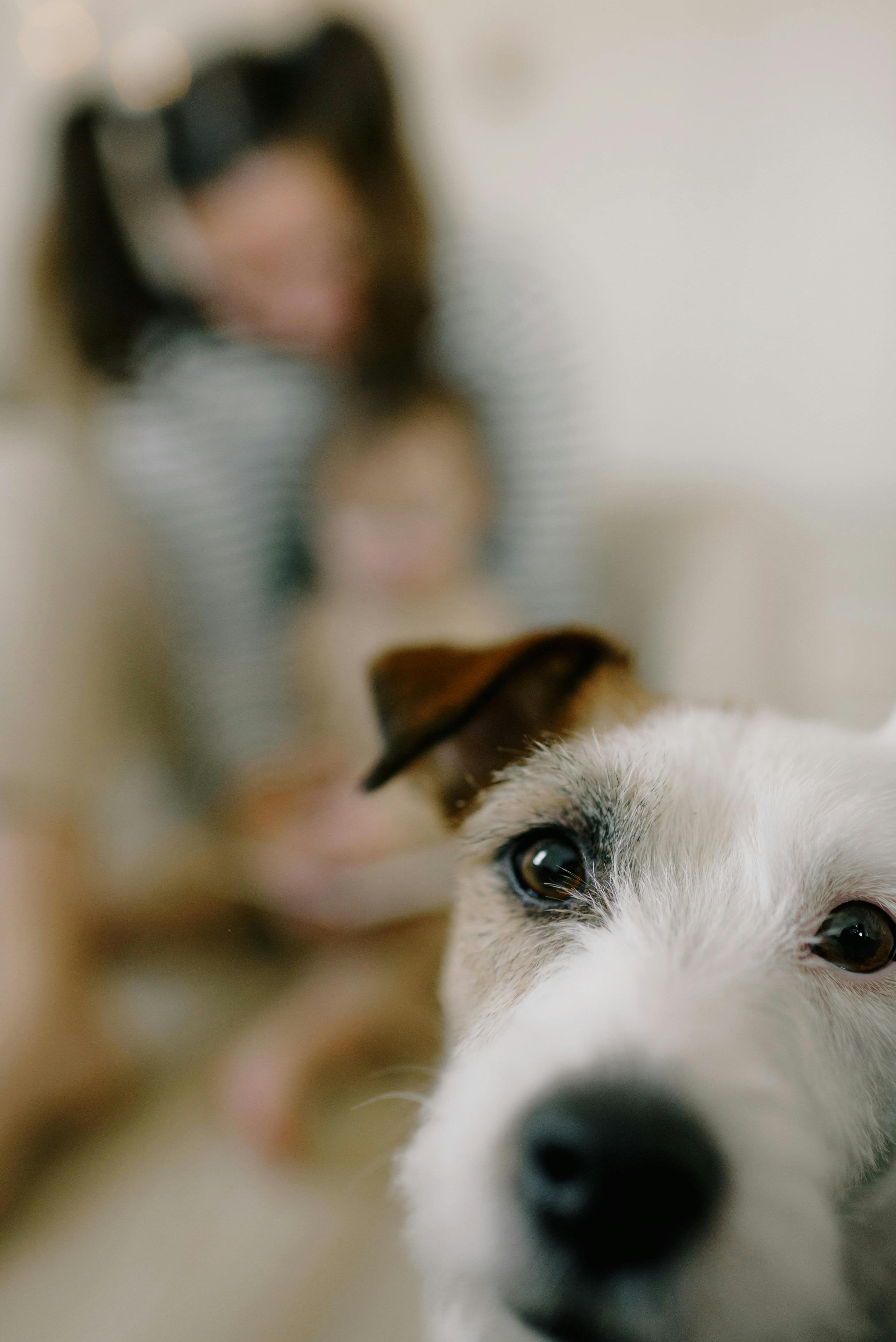 \n\n
\n\nEver wonder why your dog’s nose always seems to be wet? You might think it's just a quirky trait, but there's actually a lot more to it. The wetness of a dog's nose plays a big part in their health and even your relationship with them. In this article, we’ll explore the fascinating reasons behind why dogs have wet noses and how it affects the bond you share with your furry friend.
\nWhat Makes Dog Noses Wet?
\nDogs’ noses are typically moist for several important reasons. Here's a breakdown:
\n- \n
- Temperature Regulation: Dogs don’t sweat like humans do. They lose heat through their noses. A wet nose helps cool them down. \n
- Enhanced Sense of Smell: A wet nose helps to capture scent particles from the air, enhancing a dog’s ability to smell. This is crucial for their survival and communication. \n
- Health Indicator: A wet nose is often a sign of a healthy dog. However, if it becomes dry or cracked, it might signal a health issue. \n
The Science Behind the Wetness
\nThe wetness of a dog’s nose is mainly due to a thin layer of mucus. Dogs lick their noses to keep it moist, which aids in their smelling abilities. When dogs inhale, the moisture in their nose helps to absorb scent particles. This is why they are so good at sniffing out things from miles away!
\nWhy Dogs Have Wet Noses: A Closer Look
\nYou might ask, "Why do dogs have wet noses?" Here’s a deeper dive into the reasons:
\n- \n
- \n
Biological Functions:
\n- \n
- Dogs have special glands in their noses that secrete mucus. This is what keeps their noses wet. \n
- This mucus also traps dirt and allergens, helping to keep their respiratory system healthy. \n
\n - \n
Emotional Bonding:
\n- \n
- A wet nose can also be a sign of affection. When dogs nuzzle against you with their wet noses, it’s their way of showing love. \n
- The act of licking, often associated with a wet nose, releases oxytocin in both the dog and the owner, enhancing the emotional bond. \n
\n - \n
Health Monitoring:
\n- \n
- Regularly checking your dog’s nose can help you stay informed about their health. A sudden change in moisture can indicate illness. \n
\n
Fun Facts About Dog Noses
\n- \n
- Unique Prints: Just like human fingerprints, every dog has a unique nose print that can be used for identification. \n
- Scent Detection: Dogs have up to 300 million smell receptors in their noses, compared to about 5 million in humans. This is why they can detect certain diseases in people. \n
- Nose Color: The color of a dog’s nose can vary from pink to black, and it can change depending on their health. \n
How a Wet Nose Affects Your Relationship
\nUnderstanding the significance of your dog’s wet nose can strengthen your bond. When you see your dog’s wet nose, it’s a reminder of their love and loyalty. Here’s how it plays into your relationship:
\n- \n
- Trust Building: When your dog is comfortable enough to come close and nuzzle you, it builds trust. \n
- Communication: Dogs communicate through their noses. A wet nose can signal their mood or needs. \n
- Shared Experiences: Engaging in activities like playing fetch or going for walks can enhance the emotional connection as you both enjoy time together. \n
Practical Tips for Dog Owners
\nKeeping your dog’s nose healthy is essential. Here are some tips:
\n- \n
- Regular Checks: Monitor your dog’s nose for any changes in texture or temperature. \n
- Hydration: Ensure your dog is well-hydrated, especially on hot days, as it can affect their nose moisture. \n
- Vet Visits: Regular vet check-ups can help catch any health issues early. \n
Summary
\nIn summary, a dog’s wet nose is not just a cute feature but plays a significant role in their health and your relationship. Understanding why dogs have wet noses can help you appreciate your pet even more. It's a fascinating aspect of canine biology that contributes to their unique charm. Next time you feel your dog’s wet nose against your hand, remember the science and love that’s behind it.
\n\nConclusion
\n\nIn conclusion, the wet noses of dogs serve several important functions that contribute to their overall health and well-being. Primarily, a moist nose enhances their sense of smell, allowing them to detect scents more effectively, which is vital for their communication and interaction with the world around them. Additionally, the moisture helps regulate their body temperature and keep their nasal passages hydrated. While a wet nose is often a sign of a healthy dog, it’s essential for pet owners to be aware of any changes in moisture levels, as this could indicate health issues. Ultimately, understanding the reasons behind your dog's wet nose can deepen your bond with them and improve your caregiving. If you notice anything unusual, don’t hesitate to consult your veterinarian. Stay informed and ensure your furry companion remains happy and healthy!
\n\n