Have you ever wondered why do dogs have wet noses? This intriguing question opens the door to a world of fascinating insights about our furry friends. Dogs' noses are not just adorable; they serve a vital purpose! Wet noses are often seen as a sign of health and alertness in dogs, leading many pet owners to question their significance. But what makes a dog's nose so special? Could it be that their wet noses help them smell better, or perhaps they play a role in regulating their body temperature? Join us as we explore the science behind this curious phenomenon and uncover the reasons why dogs' noses are always moist. You might be surprised to learn about the connection between a wet nose and your dog's overall well-being! From their incredible olfactory abilities to the reasons behind their unique physiology, this article will satisfy your curiosity and provide insights that every dog lover should know. Ready to dive into the world of canine anatomy? Let’s uncover the mysteries of why do dogs have wet noses and what it means for your beloved pet’s health!
\n\nThe Science Behind Canine Noses: Why Are Dogs' Noses Wet?
\n\n \n\n
\n\nDogs are some of the most beloved pets in the world. Their loyalty and companionship is unmatched, but have you ever wondered why do dogs have wet noses? It’s a question that many pet owners ask, and the answer is as fascinating as it is scientific.
\nThe Unique Anatomy of a Dog's Nose
\nFirst of all, a dog’s nose is not just a cute feature; it’s a highly specialized organ. Dogs have an amazing sense of smell, which is about 10,000 to 100,000 times more acute than humans. Their noses are made up of complex structures that help them detect scents. The wetness of a dog’s nose plays a crucial role in this process.
\nHere are some key points about the anatomy of a dog’s nose:
\n- \n
- Moisture: The wetness of a dog’s nose comes from a thin layer of mucus that helps to capture scent particles in the air. \n
- Scent Receptors: Dogs have around 300 million scent receptors in their noses. In contrast, humans only have about 5 million. \n
- Vomeronasal Organ: This organ helps dogs pick up pheromones, which are chemical signals that can convey information about another dog’s feelings or health. \n
Why Are Dog Noses Wet?
\nSo, why do dogs have wet noses? There are several reasons for this fascinating phenomenon.
\n- \n
- Enhanced Smell: A wet nose can absorb scent chemicals better than a dry nose. When a dog sniffs around, the moisture helps to trap more scent particles, allowing them to identify scents more effectively. \n
- Temperature Regulation: Dogs don’t sweat in the same way humans do. Instead, their noses help to regulate their body temperature. The moisture evaporates, cooling them down. \n
- Health Indicator: A wet nose can also be a sign of a dog’s health. A healthy dog typically has a moist nose, while a dry nose could mean they’re sick or dehydrated. However, not all dry noses mean something is wrong. \n
Historical Context
\nThe relationship between humans and dogs goes back thousands of years. It’s believed that dogs were domesticated around 20,000 to 40,000 years ago. Early humans likely noticed the keen sense of smell dogs had, which made them valuable companions for hunting and protection. Over time, their wet noses became a symbol of their health and vitality.
\nComparison: Dog Noses vs. Human Noses
\nTo understand just how incredible dog noses are, let’s compare them to human noses:
\n| Feature | \nDog Nose | \nHuman Nose | \n
|---|---|---|
| Number of Scent Receptors | \n~300 million | \n~5 million | \n
| Moisture Function | \nEnhances smell and cooling | \nPrimarily for smell | \n
| Temperature Regulation | \nHelps cool body | \nSweating is primary method | \n
| Ability to Detect Scents | \n10,000 - 100,000 times better | \nMuch less sensitive | \n
Fun Facts About Dog Noses
\n- \n
- Each dog’s nose print is unique, just like a human fingerprint. \n
- Dogs can even detect certain diseases, like cancer, through smell. \n
- The wetness of a dog’s nose can vary based on the breed, weather, and their activity level. \n
Practical Examples
\nIf you’re a dog owner, here’s how you can use this knowledge:
\n- \n
- Monitor Health: Keep an eye on your dog’s nose. A sudden change in moisture may indicate a health issue. \n
- Temperature Checks: If your dog’s nose is dry and warm, it might be time for a vet visit. \n
- Scent Games: Engage your dog’s sense of smell with games that involve finding hidden treats. This can enhance their natural abilities and provide mental stimulation. \n
Dog noses are more than just a cute feature; they are vital tools for communication, hunting, and understanding their environment. The wetness of a dog’s nose serves multiple purposes, from enhancing their incredible sense of smell to regulating their temperature.
\nNext time you look at your furry companion, remember the science behind their wet noses. They aren’t just adorable; they’re equipped with amazing abilities that enhance their lives and ours. Understanding why do dogs have wet noses can deepen the bond between you and your pet, and perhaps even inspire you to learn more about their unique biology.
\n\n5 Fascinating Reasons Dogs Have Wet Noses You Didn't Know About
\n\n \n\n
\n\nHave you ever wondered why your furry friend’s nose is so often wet? It's not just some random quirk of nature. There’s actually a bunch of reasons why dogs have wet noses, and some of them might surprise you. You might even find yourself saying, "Wow, I didn't know that!" So, let's dive into the fascinating world of canine noses and discover the reasons behind that moist little feature.
\n1. Enhanced Sense of Smell
\nFirst off, one of the primary reasons dogs have wet noses is to enhance their sense of smell. A dog’s nose has around 300 million olfactory receptors, compared to humans' mere 6 million. The wetness of a dog's nose helps to capture and hold scent particles, making it easier for them to detect smells in the environment. When the nose is moist, it can absorb more scent molecules, which is vital for their survival instincts.
\n- \n
- Dogs can smell things up to 100,000 times better than humans. \n
- A wet nose helps them differentiate between different scents. \n
- It’s like having a super-powerful sniffing tool! \n
2. Temperature Regulation
\nAnother fascinating reason why dogs have wet noses is temperature regulation. Just like humans sweat to cool down, dogs use their noses to help regulate their body temperature. The moisture on their nose can evaporate, which cools them off. This is especially important on hot days or after rigorous play sessions.
\n- \n
- Dogs don’t sweat the same way people do. \n
- Their main cooling methods are panting and having a wet nose. \n
- Keeping their nose moist helps maintain a lower body temperature. \n
3. Communication Tool
\nDid you know that a dog’s nose is also a form of communication? When dogs meet, they often sniff each other’s noses and behinds. This behavior is not just a greeting; it’s a way to gather information about each other. A wet nose can indicate excitement and receptiveness.
\n- \n
- Sniffing is how dogs learn about other dogs’ identities. \n
- The moisture signals that the dog is healthy and alert. \n
- Dogs can communicate their mood through the condition of their nose. \n
4. Health Indicator
\nA wet nose can also serve as a health indicator. Generally, a dog with a healthy, moist nose is considered to be in good health. However, if a dog’s nose is dry, cracked, or excessively warm, it might be a sign of illness or dehydration. This is why many pet owners keep an eye on their pups’ noses as part of their overall health monitoring.
\n- \n
- Signs of a healthy nose include:
- \n
- Moisture \n
- Cool temperature \n
- No cracks or sores \n
\n - A dry nose might not always mean illness, but it’s worth investigating if it persists. \n
5. Genetic Factors
\nLastly, the wetness of a dog’s nose can also depend on its breed. Some breeds are more prone to having wetter noses due to their genetic makeup. For instance, hounds often have noticeably wetter noses than terriers. This can be attributed to the specific traits that have been bred into them over generations.
\n- \n
- Breeds like Bloodhounds, Beagles, and Labrador Retrievers have wet noses. \n
- On the flip side, some smaller breeds may have drier noses. \n
- Genetics plays a huge role in a dog's physical features. \n
Quick Recap of the 5 Reasons
\n- \n
- Enhanced Sense of Smell: Wet noses capture more scent particles. \n
- Temperature Regulation: Helps keep dogs cool through evaporation. \n
- Communication Tool: Indicates excitement and receptiveness. \n
- Health Indicator: Moisture can signal good health. \n
- Genetic Factors: Breed influences the wetness of a dog's nose. \n
In summary, understanding why dogs have wet noses can deepen your appreciation for these wonderful companions. It’s not just a cute feature but a vital part of their biology and behavior. Next time you give your pup a pat, take a moment to admire that moist little nose and consider all the amazing things it does. Dogs truly are remarkable creatures, and their wet noses are just one of the many reasons we love them!
\n\nHow a Dog's Wet Nose Contributes to Their Sense of Smell
\n\n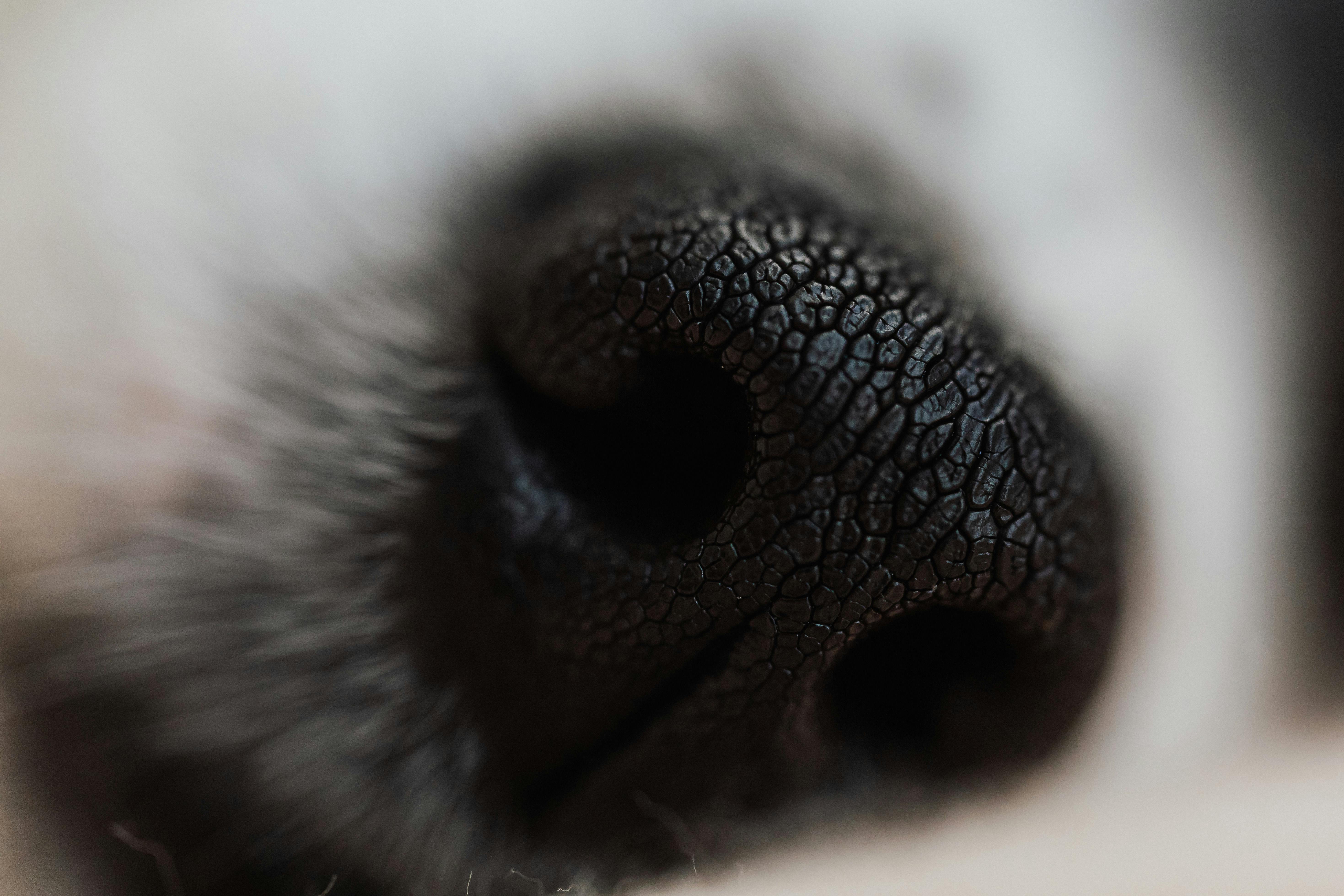 \n\n
\n\nDogs are some of the most beloved pets around the world, but have you ever wondered why do dogs have wet noses? It’s one of those little quirks that makes dogs so interesting. Their noses are not just cute, they play a crucial role in their incredible sense of smell. In fact, a dog's sense of smell is believed to be up to 100,000 times more sensitive than that of humans. So, how does their wet nose fit into all of this?
\nThe Science Behind Wet Noses
\nFirst off, dogs’ noses are wet for several important reasons. One major function of a wet nose is it helps to enhance their olfactory abilities. When a dog's nose is moist, it can capture more scent particles from the environment. This moisture helps to dissolve these particles, making it easier for the scent receptors in their noses to detect them.
\nThink about it this way: when your nose is dry, it doesn’t work as well, right? Same with dogs. A wet nose helps them sniff out things from far away.
\nWhy Do Dogs Have Wet Noses?
\nLet’s dive into the fascinating reasons that explain why do dogs have wet noses:
\n- \n
- \n
Increased Scent Detection: As mentioned earlier, wet noses trap scent particles better. This is vital for dogs as they rely heavily on their sense of smell to understand the world around them.
\n \n - \n
Temperature Regulation: Dogs don’t sweat like humans do. Instead, they use their noses to help regulate their body temperature. The moisture evaporating from their noses can help cool them down, especially on hot days.
\n \n - \n
Health Indicator: A dog’s nose can also be a health indicator. Generally, a healthy dog has a cool and moist nose. If a dog’s nose is excessively dry or warm, it may signal illness or dehydration.
\n \n - \n
Communication: Dogs use their noses to communicate. A wet nose can be a sign of excitement or anxiety, and dogs often touch their noses to other dogs or humans as a way to greet or bond.
\n \n
Historical Context of Dogs’ Noses
\nDogs have been companions to humans for thousands of years. Historically, they were bred for various purposes, including hunting and herding. Their keen sense of smell made them invaluable to early humans as they helped track game. Over time, our canine companions have become more than just helpers; they are family members.
\nFun Facts About Dog Noses
\nHere are some fun and interesting facts about dog noses that you may not know:
\n- \n
- \n
Unique Patterns: Just like human fingerprints, each dog’s nose print is unique. This means it could be used to identify them.
\n \n - \n
Scent Memory: Dogs have an impressive scent memory. They can remember scents for years, which is why they can find their way back home or recognize their owners even after a long time apart.
\n \n - \n
Sniffing Method: Dogs have a special way of sniffing that helps them gather more information. They can sniff with one nostril and exhale through the other, which helps them identify scents more accurately.
\n \n
Comparing Dog and Human Noses
\nLet’s take a look at some comparison points between dog noses and human noses:
\n| Feature | \nDog Nose | \nHuman Nose | \n
|---|---|---|
| Number of Olfactory Receptors | \nApproximately 300 million | \nAbout 6 million | \n
| Sense of Smell Sensitivity | \n10,000 to 100,000 times more sensitive | \nLess sensitive | \n
| Moisture | \nTypically wet | \nUsually dry | \n
| Temperature Regulation | \nHelps cool body | \nSweating is primary method | \n
Practical Implications
\nUnderstanding why do dogs have wet noses can help pet owners take better care of their furry friends. Here are a few tips for ensuring your dog's nose stays healthy:
\n- \n
- \n
Hydration: Always provide fresh water. A well-hydrated dog is more likely to have a moist nose.
\n \n - \n
Regular Check-ups: Keep an eye on changes in your dog’s nose. If it becomes excessively dry or cracked, consult your vet.
\n \n - \n
Environment Awareness: Be mindful of the weather; hot and dry conditions can affect your dog's nose.
\n \n
In summary, the wet nose of a dog is not merely a quirky feature; it’s a vital aspect of their biology that enhances their life and interaction with the world. The moisture helps with scent detection, temperature regulation, and even communication. So, next time you see a dog with a wet nose, remember, it's not just cute; it's a fascinating part of how they experience life!
\n\nThe Role of a Dog's Wet Nose in Temperature Regulation: What You Need to Know
\n\n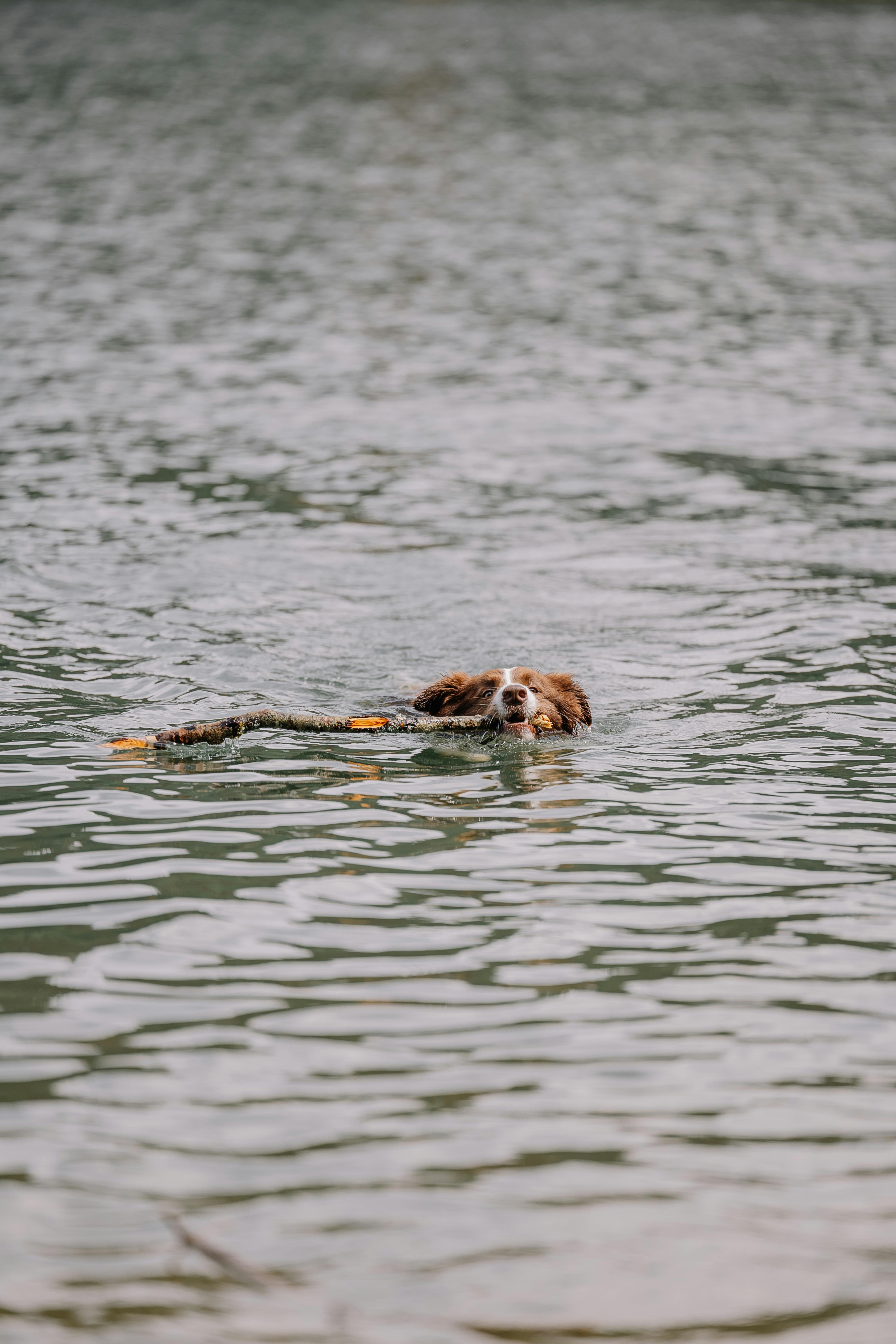 \n\n\n\n
Unraveling the Myth: Is a Wet Nose a Sign of a Healthy Dog?
\n\n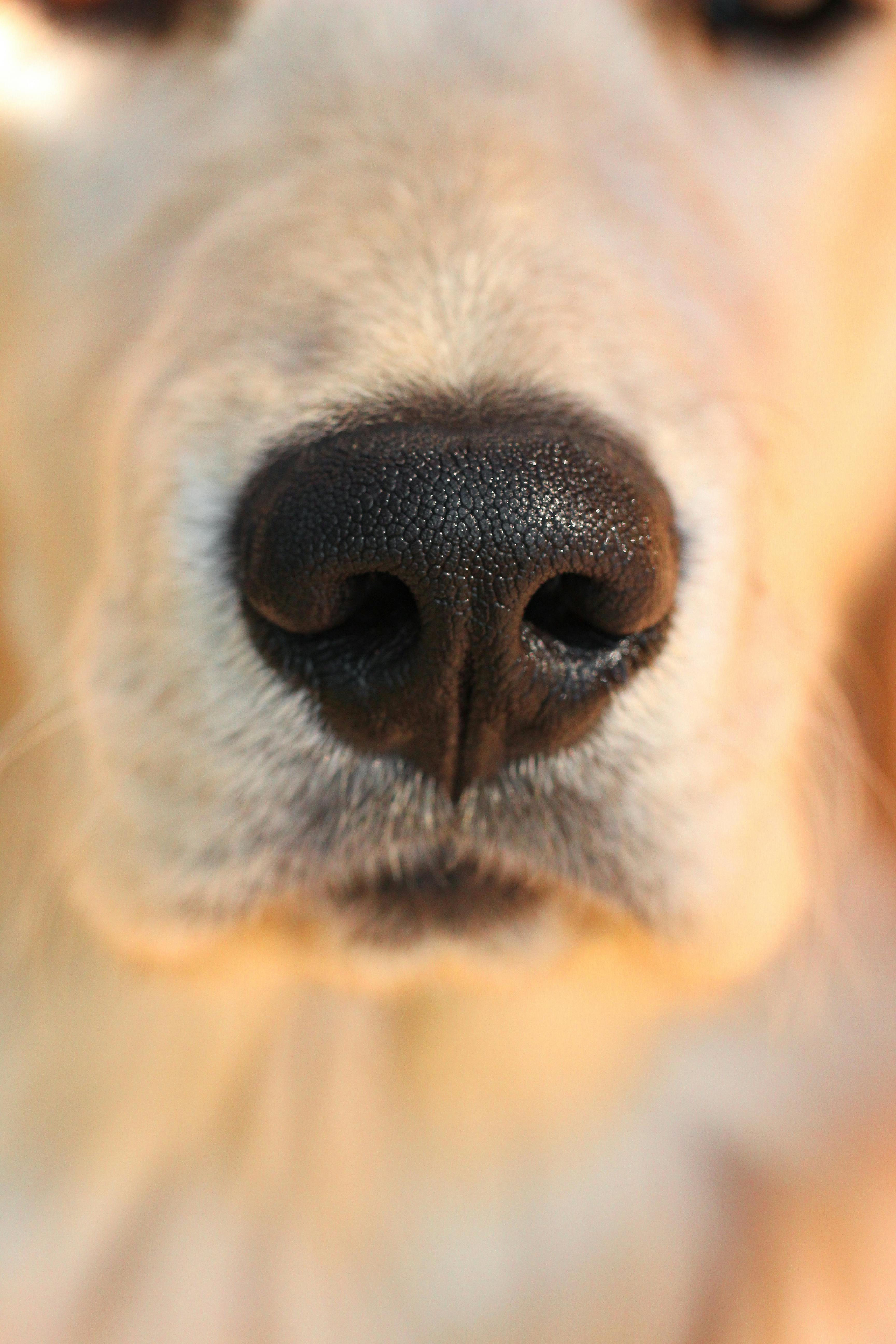 \n\n
\n\nWhen we think about dogs, many people imagine them with those cute, wet noses. But is a wet nose really a sign that your pup is healthy? This question has perplexed dog owners for ages, and its time to unravel this myth. Today, we gonna explore why do dogs have wet noses and what that actually means for their health.
\nThe Science Behind Wet Noses
\nFirst, its important to understand why dog noses are wet in the first place. The moisture that covers a dog’s nose plays a significant role in their sensory abilities. Dogs have an incredible sense of smell, estimated to be thousands to even millions of times more sensitive than humans. Wet noses help enhance their olfactory capabilities by capturing scent particles from the air. Here some key points:
\n- \n
- Moisture Retention: The wetness helps trap scents, making it easier for dogs to detect smells. \n
- Temperature Regulation: A wet nose can also help to cool down a dog, much like how sweating works for humans. \n
- Health Indicator: While a wet nose is often associated with good health, it’s not a definitive sign. \n
Historical Context of Wet Noses
\nGoing back in history, the notion that a wet nose indicates health might have originated from how dogs were treated in various cultures. Ancient civilizations, like Egyptians, revered dogs and observed their behaviors closely. They noticed that sick dogs often had dry noses, thus leading to the belief that a wet nose was a sign of vitality.
\n- \n
- Cultural Beliefs: Different cultures have their own beliefs about dog health based on nose wetness. \n
- Myths and Facts: Over time, myths got tangled with facts, creating confusion for dog owners. \n
Reasons for Wet Noses
\nNow let’s dive deeper into the fascinating reasons why do dogs have wet noses. Here’s a list of some reasons:
\n- \n
- Nasal Mucus: Dogs secrete mucus from their nasal passages, which keeps their noses moist. This is normal and necessary. \n
- Licking: Dogs often lick their noses, adding moisture. This behavior can also be observed during stressful situations or when they try to collect scents. \n
- Environmental Factors: Humidity and temperature can affect how wet a dog’s nose is. For instance, a dog might have a wetter nose after playing outside in the rain. \n
- Health Conditions: Some health issues might cause a dog’s nose to become excessively dry or wet. \n
Common Misconceptions
\nLet’s break down some common misconceptions regarding wet noses and dog health:
\n- \n
- \n
Myth 1: A wet nose means a dog is healthy.
\n- \n
- Reality: While many healthy dogs have wet noses, a dry nose doesn’t always indicate illness. Many factors can contribute to dryness. \n
\n - \n
Myth 2: All dogs have wet noses.
\n- \n
- Reality: Some breeds may naturally have drier noses than others, and it’s perfectly normal. \n
\n - \n
Myth 3: Dogs with wet noses are always hydrated.
\n- \n
- Reality: Hydration comes from drinking water, not just from having a wet nose. \n
\n
Practical Examples
\nTo provide a clearer understanding, let’s look at some examples of what a dog owner should observe:
\n- \n
- Normal Behavior: A dog playing outside on a sunny day will likely have a wet nose due to licking and moisture in the air. \n
- Signs of Illness: If a dog has a dry nose, along with symptoms like lethargy, loss of appetite, or excessive coughing, it might be time to visit the vet. \n
- Variation Among Breeds: Greyhounds might have different nose moisture levels compared to Bulldogs, due to their unique physiology. \n
When to Be Concerned
\nWhile a wet nose can be a sign of a healthy dog, other factors should be taken into account. Here’s when you should consider consulting a veterinarian:
\n- \n
- Persistent Dryness: If the dryness is constant and accompanied by other health issues. \n
- Excessive Wetness: If your dog’s nose is excessively wet or oozing discharge, that could indicate an infection. \n
- Behavioral Changes: Any noticeable changes in behavior, such as reluctance to play or eat, should be monitored closely. \n
Understanding the reasons behind a dog's wet nose can help owners make more informed decisions about their pets' health. It's essential to look beyond just the moisture level and evaluate overall behavior and well-being. So next time you see your furry friend with a wet nose, remember there’s more to the story than just a sign of health. Regular vet check-ups and attentive care are the best ways to ensure your dog's health, regardless of whether they have a wet or dry nose.
\n\nWhy Do Dogs Lick Their Noses? Exploring the Connection to Wetness
\n\n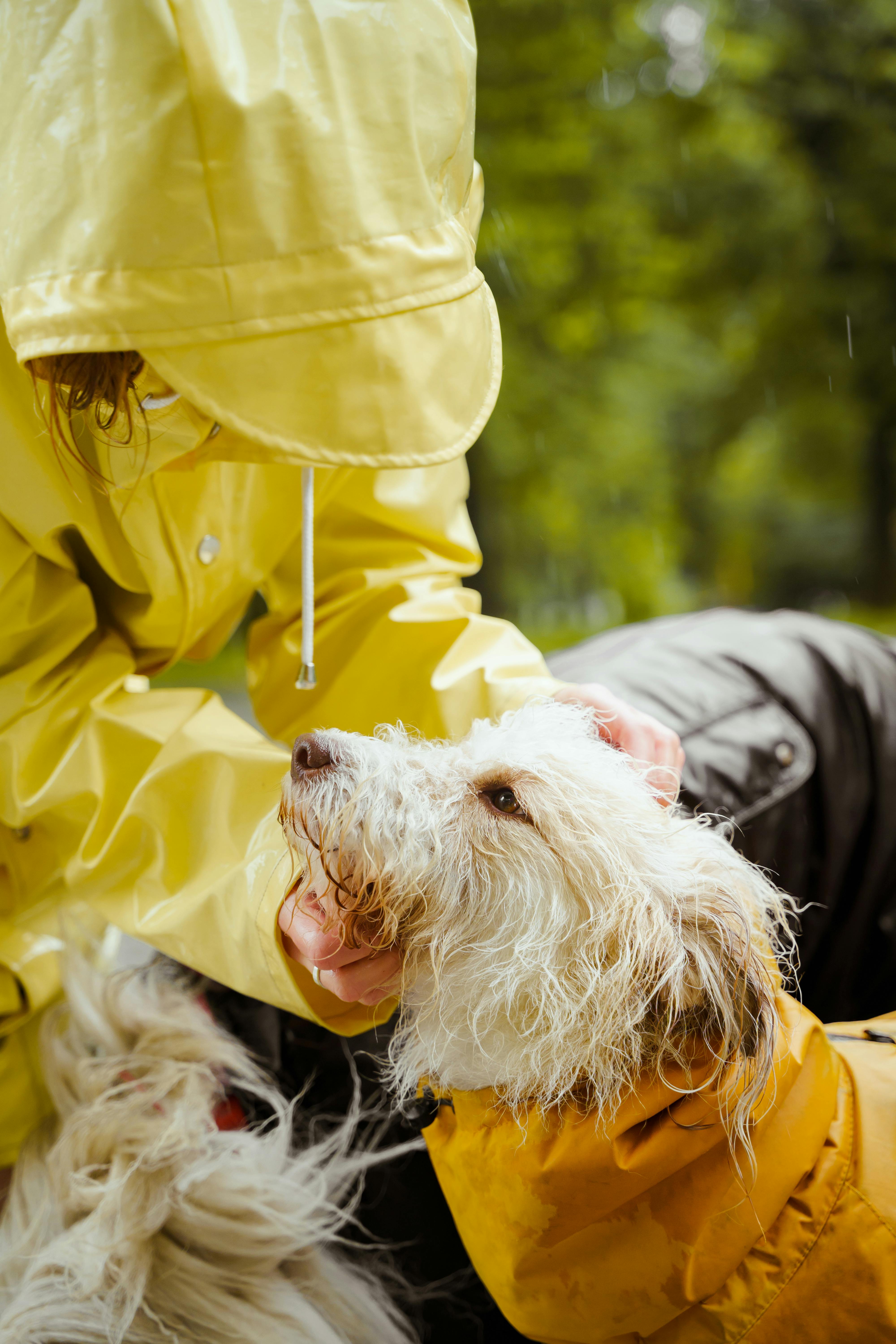 \n\n
\n\nHave you ever watched your dog lick its nose and wondered why they do that? It’s a common sight, but not everyone knows what it really means. This behavior, while often cute, has deeper reasons behind it. In this article, we explore the connection between wetness and the fascinating reasons why do dogs have wet noses. Understanding these behaviors can enhance our bond with our furry friends and give us insight into their health and well-being.
\nThe Science Behind a Dog's Wet Nose
\nFirst thing, a dog’s nose is usually wet. This wetness is not just for show. In fact, it serves important purposes. The moisture on a dog’s nose helps them to collect scent particles better. Dogs have an extraordinary sense of smell, estimated to be between 10,000 to 100,000 times more acute than humans. Wet noses plays a role in this by trapping scent molecules, allowing dogs to sniff out smells more effectively.
\n- \n
- Scent Detection: The moisture helps enhance their sense of smell. \n
- Cooling Mechanism: Dogs don’t sweat like we do. Wet noses help regulate their body temperature. \n
- Health Indicator: A sudden change in nose moisture can sometimes indicate illness. \n
Why Do Dogs Lick Their Noses?
\nLicking their noses is a common behavior for dogs. It’s more than just a quirk. There are several reasons why they engage in this behavior, and understanding it can give us a glimpse into their world.
\n- \n
- \n
Taste and Smell: Dogs often lick their noses to taste the air around them. They have scent glands in their noses that can pick up on various smells, and licking helps them to analyze these scents better.
\n \n - \n
Comforting Behavior: Just like humans might bite their nails when anxious, dogs lick their noses when they feel nervous or stressed. It can be a self-soothing mechanism.
\n \n - \n
Communication: Dogs may lick their noses to signal to other dogs or humans. It can express submission or calmness in a potentially tense situation.
\n \n - \n
Hygiene: Dogs are naturally inclined to keep their noses clean. Licking helps remove dirt or debris that may have collected on their noses.
\n \n - \n
Health Issues: Sometimes excessive licking could indicate health problems. If your dog is licking its nose more than usual, it might be worth consulting a vet.
\n \n
Wet Nose vs. Dry Nose: What’s Normal?
\nIt’s crucial to know that not all dogs have the same nose moisture. Some dogs might have a wetter nose than others. Here’s a quick guide on what to consider when evaluating your dog’s nose condition:
\n- \n
- Normal Wet Nose: A moist, cool nose is often a sign of good health. \n
- Dry Nose: A dry nose can be normal, especially if your dog has just woken up or is sleeping. However, if it’s persistently dry and cracked, it may signal dehydration or illness. \n
- Warm Nose: If the nose feels warm, it might indicate fever or illness. Keep an eye on other symptoms. \n
Fun Facts About Dog Noses
\n- \n
- Dogs have about 300 million smell receptors in their noses, while humans have approximately 5 million. \n
- The texture of a dog's nose is unique, similar to a human fingerprint. Each nose print can be used to identify a dog. \n
- The color of a dog's nose can vary based on breed and genetics, with some having black, brown, or even pink noses. \n
Practical Tips for Dog Owners
\nTo keep your dog's nose healthy and functioning properly, consider these tips:
\n- \n
- Stay Hydrated: Always ensure your dog has access to clean water. \n
- Regular Vet Check-ups: Regular visits help catch any health issues early. \n
- Observe Behavior: Keep an eye on how often your dog licks its nose. Changes in behavior might indicate stress or health problems. \n
Common Myths About Dog Noses
\nThere are a few misconceptions that are worth mentioning:
\n- \n
- Cold Nose Means Healthy: A cold nose doesn’t always mean a dog is healthy. It’s just one of many indicators. \n
- Wet Noses Are Always Good: While a wet nose is usually a sign of health, it’s not definitive. Always pay attention to other symptoms, too. \n
Understanding why dogs lick their noses and why they have wet noses can enrich your relationship with your pet. Whether it's due to curiosity, communication, or health, these behaviors are fascinating and integral to a dog's life. So the next time you see your dog licking its nose, you can appreciate this quirky habit a little more!
\n\nThe Importance of Hydration: How Wet Noses Affect Your Dog's Health
\n\n \n\n
\n\nWhen you see a dog, one of the first things you might notice is its wet nose. It's often a cute and playful sight, but have you ever wondered why do dogs have wet noses? Understanding this can help us appreciate our furry companions even more, especially when it come to their health and hydration needs. So, let's dive into the fascinating reasons behind those moist noses and what it means for your dog's overall well-being.
\nThe Science Behind Wet Noses
\nDogs have wet noses primarily for a reasons related to their health and sensory capabilities. The moisture on a dog’s nose helps them smell better. Yes, you heard that right! The wet surface can capture scent particles from the air, enhancing a dog’s ability to detect smells. This is super important for their survival and communication.
\nHere is what you need to know about why dogs have wet noses:
\n- \n
- Enhanced Smell: A wet nose can pick up more scent molecules. \n
- Temperature Regulation: Dogs do not sweat like humans do. Their noses help them cool off. \n
- Health Indicator: A healthy dog usually has a moist nose. A dry or cracked nose could indicate dehydration or an illness. \n
Hydration and Health
\nHydration is key to keeping your dog healthy. Just like humans, dogs need adequate water to function properly. A dog's wet nose signals that they are likely getting enough fluids. If the nose becomes dry or hot, it might be a sign that your pup is not hydrated enough. Here are some hydration facts for dogs:
\n- \n
- Water Needs: Dogs typically need about one ounce of water per pound of body weight each day. \n
- Signs of Dehydration: Look for dry gums, loss of skin elasticity, and lethargy. \n
- Hydration Tips:
- \n
- Always provide fresh water. \n
- Consider adding wet food to their diet. \n
- Monitor water intake, especially in hot weather. \n
\n
Historical Context of Dog Noses
\nThe concept of dogs having wet noses isn't just a modern understanding. Historically, dogs were bred for various purposes, including hunting and herding, where a keen sense of smell was crucial. Wet noses helped them navigate their environments and communicate with humans and other animals.
\nIn ancient civilizations, dogs were valued for their hunting skills, and their wet noses were seen as a traits that made them superior trackers. Over time, this characteristic has been passed down through generations, making wet noses a staple of dog health and behavior.
\nDogs’ Unique Physiological Traits
\nDogs' noses are packed with special cells that detect different smells. Did you know that dogs have up to 300 million olfactory receptors in their noses? For comparison, humans have about 5 million. This extraordinary trait means dogs can smell things at incredibly low concentrations.
\nHere’s a little comparison:
\n- \n
- Dogs: 300 million olfactory receptors. \n
- Humans: 5 million olfactory receptors. \n
This difference illustrates why dogs are often trained for tasks like search-and-rescue or detecting diseases. Their wet noses play a vital role in enhancing their extraordinary sense of smell.
\nPractical Examples of Nose Health
\nMaintaining a dog's nose health is important, and here’s some practical advice for dog owners:
\n- \n
- Regular Check-Ups: Make sure to include your dog’s nose in regular veterinarian check-ups. \n
- Watch for Changes: If you notice excessive dryness, cracking, or bleeding, it’s time to consult a vet. \n
- Hydration: Keep your dog hydrated, especially during warm weather or after exercise. \n
When to Be Concerned About Your Dog’s Nose
\nIt’s important to know when a wet nose is a good sign and when it might be a cause for concern. Here are some scenarios where you should consider seeking veterinary advice:
\n- \n
- Dry Nose: If your dog’s nose is persistently dry, it might be a sign of illness. \n
- Cracks or Bleeding: These symptoms can indicate a serious underlying issue. \n
- Change in Temperature: A hot nose could signal fever or dehydration. \n
Dogs with wet noses are not just adorable; they are also a sign of a dog that is likely healthy and well-hydrated. Understanding what a wet nose means can help you take better care of your furry friend. Dogs are great companions, and by ensuring they have the right hydration and care, we can keep them happy and healthy for many years to come. So, next time you see that moist nose, give your dog a pat and remember the special reasons behind it!
\n\n7 Surprising Facts About Dog Noses That Will Change Your Perspective
\n\n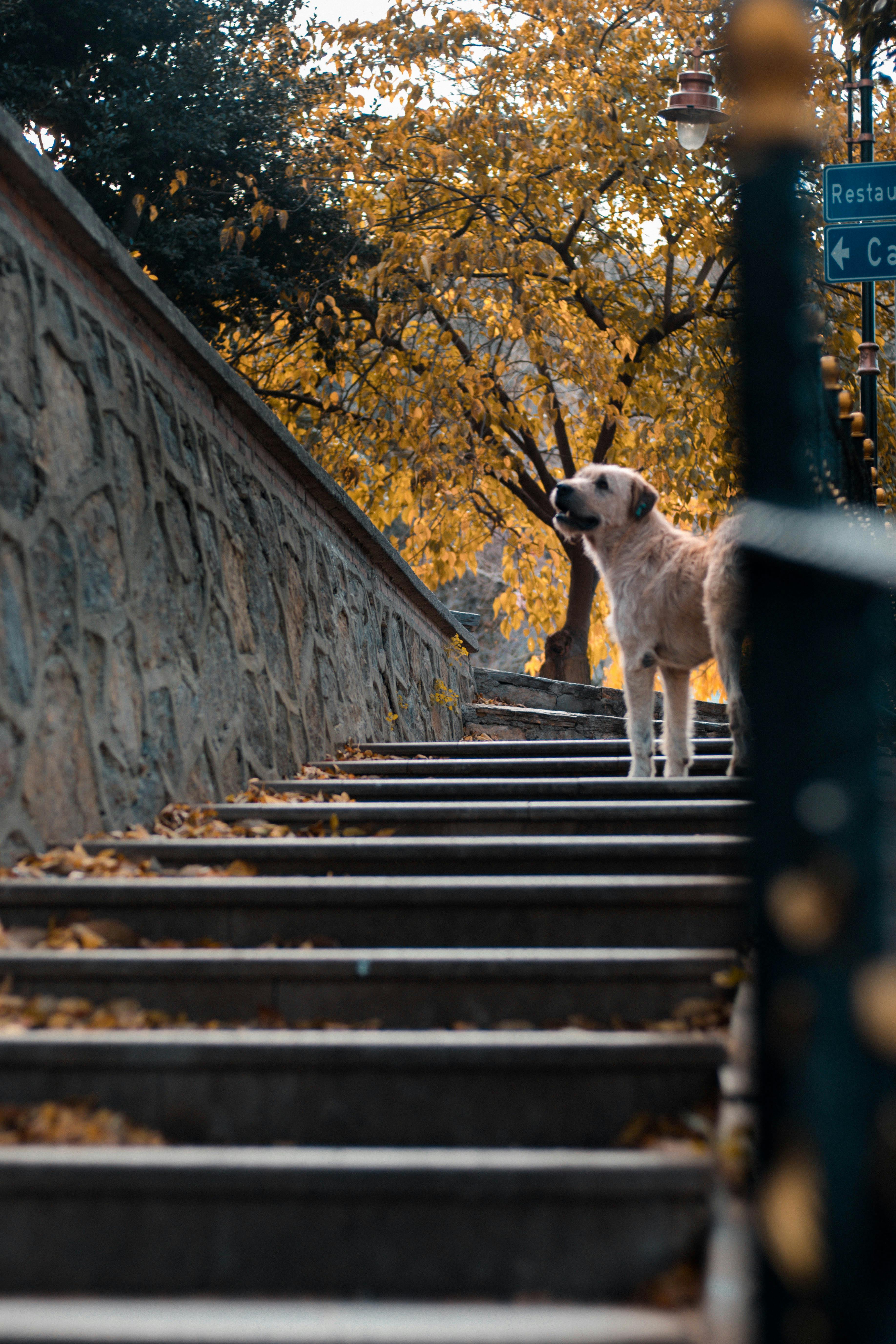 \n\n
\n\nDogs are often regarded as man’s best friend, but have you ever wondered about the fascinating characteristics that make them so special? One of the most intriguing features of dogs is their noses. Ever notice how a dog's nose is wet? You might think it's just a quirky trait, but there’s so much more to it. Let’s explore seven surprising facts about dog noses that will change your perspective and answer the burning question: Why do dogs have wet noses?
\n1. The Wetness is Functional
\nMost dog owners notice that their furry companions have wet noses, but why is this? A dog's nose is like a high-tech sensory device. The moisture on their noses helps to enhance their sense of smell. When the nose is wet, it can capture scent particles more effectively, which helps dogs to detect smells much better than humans can.
\n2. Temperature Regulation
\nDid you know that a wet nose helps dogs regulate their body temperature? Unlike humans, who sweat to cool down, dogs primarily rely on panting and the moisture on their noses. When a dog licks its nose, it helps to evaporate moisture, cooling them down. So next time you see your pup giving their nose a good lick, they might just be trying to stay cool!
\n3. Unique Nose Patterns
\nJust like human fingerprints, each dog has a unique nose print. The patterns of ridges and creases on a dog’s nose can be used for identification. Some animal shelters have even started using nose prints for tracking lost dogs. This means that your dog’s nose is not just cute, it could also be a means of ensuring their safety!
\n4. Dogs Have a Superior Sense of Smell
\nHere’s a mind-blowing fact: Dogs have up to 300 million smell receptors in their noses. In comparison, humans have only about 6 million. This incredible sense of smell is why dogs are often used in search-and-rescue missions, sniffing out drugs, or even detecting diseases like cancer. The wetness of their noses plays a huge role in this sensory power.
\n5. Sniffing is a Complex Process
\nWhen a dog sniffs something, it’s actually a complex process that involves both inhalation and exhalation. The wetness of their nose helps collect scent particles, and when they exhale, the moist air can carry those scent particles back to the ground. Dogs have a unique ability to analyze smells, which is why they can distinguish between different scents even in crowded places.
\n6. Health Indicator
\nA dog’s nose can also be a good indicator of their health. A dry or cracked nose could indicate dehydration, illness, or even fever. While a wet nose is generally a sign of a healthy dog, it’s essential to pay attention to any changes in your dog’s nose and overall behavior. Regular vet check-ups can help ensure that your canine companion stays in top shape.
\n7. Cultural Significance
\nThroughout history, dogs have been revered in various cultures for their keen sense of smell. Ancient Egyptians considered dogs to be sacred animals, while in some cultures, they were used in hunting and guarding. Today, dogs continue to play crucial roles in various fields thanks to their incredible noses.
\nKey Takeaways
\n- \n
- Wet dog noses enhance the ability to smell. \n
- They help dogs regulate their body temperature. \n
- Each dog has a unique nose print, just like humans have fingerprints. \n
- Dogs possess 300 million smell receptors, far more than humans. \n
- Sniffing involves both inhaling and exhaling, making nose wetness important. \n
- A dog’s nose can indicate health issues. \n
- Dogs have cultural significance due to their remarkable olfactory abilities. \n
Dogs have wet noses for several fascinating reasons that go beyond mere appearance. Their unique noses provide them with essential sensory capabilities, help them regulate their body temperature, and even serve as a health indicator. So the next time you pet your dog and feel that familiar wetness, remember that it’s not just cute, but a critical part of what makes dogs such incredible animals. Embrace your dog’s uniqueness and appreciate the science behind their lovable, wet noses!
\n\nUnderstanding the Functionality: Wet Noses and Canine Communication
\n\n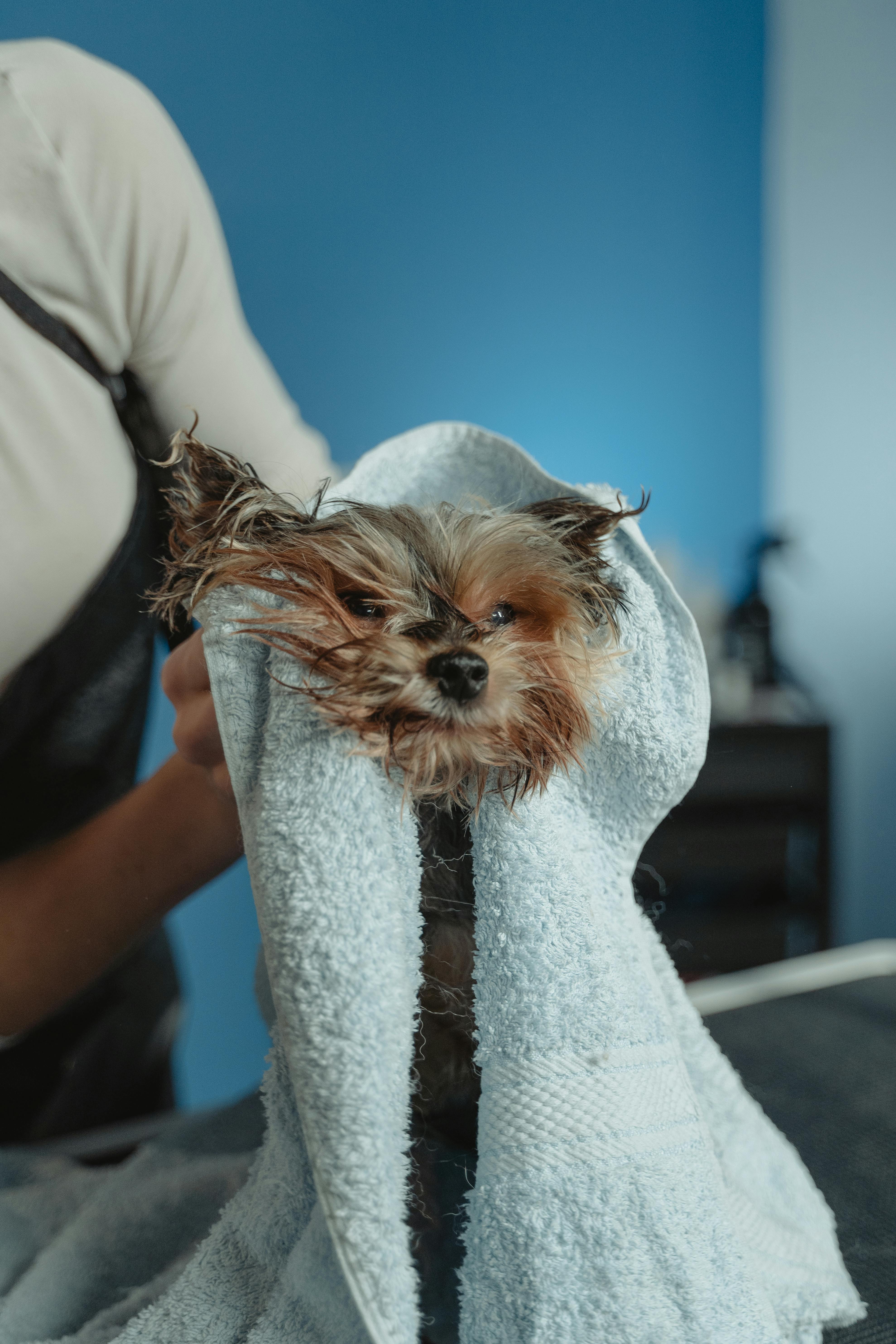 \n\n
\n\nThere's something truly captivating about dogs, isn't there? From their wagging tails to their playful barks, these furry companions have a way of communicating that’s both delightful and perplexing. Among the many fascinating aspects of a dog, their wet noses stand out. Have you ever wondered why do dogs have wet noses? The answer is more than just a quirky trait; it reveals a lot about how dogs interact with their environment and each other.
\nThe Science Behind Wet Noses
\nDogs, like many other animals, have wet noses for several reasons, most of which relate to their health and sensory functions. A wet nose is not just a characteristic feature; it plays a vital role in a dog's ability to smell and cool down.
\n- \n
- \n
Enhanced Olfactory Function: The moisture on a dog’s nose helps to capture scent particles, which makes it easier for them to identify different smells. Dogs has an extraordinary sense of smell, estimated to be anywhere from 10,000 to 100,000 times more sensitive than humans. By keeping their noses moist, they optimize their ability to detect these scents.
\n \n - \n
Temperature Regulation: Dogs don’t sweat like humans do. Instead, they rely on panting and the moisture on their noses to help regulate body temperature. A wet nose can assist in cooling them down, especially on hot days.
\n \n - \n
Health Indicator: A dog's nose can sometimes indicate their health. A healthy dog typically has a cool and moist nose, while a dry or excessively warm nose could signal a health issue, although it isn’t always a definitive sign.
\n \n
Historical Context of Dog Noses
\nThroughout history, dogs have been prized for their acute sense of smell and their ability to communicate in various ways. Early humans relied on dogs for hunting and protection, and their keen noses played a crucial role in these activities. It’s believed that domestication of dogs began over 15,000 years ago, with their sense of smell being one of the reasons they became such valuable companions.
\n- \n
- \n
Tracking and Hunting: Ancient civilizations used dogs to track game animals due to their ability to pick up on scents. The wet nose was essential in this process, enhancing their tracking capabilities.
\n \n - \n
Working Dogs: In modern times, dogs continue to serve in various roles such as search and rescue, police work, and therapy, all thanks to their incredible olfactory abilities.
\n \n
Fun Facts About Dog Noses
\nHere’s a list of interesting tidbits about dog noses to ponder:
\n- \n
- \n
Dogs have a unique nose print, much like human fingerprints. Each dog’s nose is different and can be used for identification.
\n \n - \n
The color of a dog's nose can vary widely, from pink to black, and it's primarily determined by genetics.
\n \n - \n
Some breeds, such as Bloodhounds, are specifically bred for their sense of smell and can follow a scent trail more than 300 hours old.
\n \n - \n
Dogs have a special structure in their noses called the Jacobsen’s organ which helps them process smells more effectively.
\n \n
Canine Communication Through Noses
\nIt’s not just their sense of smell that makes dog noses fascinating. Dogs also communicate through their noses. Here’s how:
\n- \n
- \n
Sniffing: When dogs meet each other, they often sniff each other's noses as a form of greeting. It's their way of gathering information about other dogs, like age, health, and mood.
\n \n - \n
Scent Marking: Dogs have scent glands in their noses and other parts of their bodies. They often leave their scent on objects to mark their territory or communicate other messages to other dogs.
\n \n - \n
Emotional State: A dog’s nose can also reflect their emotional state. A cool and moist nose often indicates a relaxed or happy dog, while a dry or warm nose can suggest stress or anxiety.
\n \n
The Importance of Nose Care
\nJust like any other part of a dog’s body, their noses need care and attention. Here are some tips for maintaining a healthy nose:
\n- \n
- \n
Regular Checks: Keep an eye on your dog's nose for dryness, cracks, or sores. These could indicate health issues that may need veterinary attention.
\n \n - \n
Hydration: Ensure your dog stays hydrated, as proper hydration helps maintain a healthy nose.
\n \n - \n
Avoid Sunburn: Dogs with light-colored noses are more prone to sunburn. Consider using dog-safe sunscreen on their noses if they spend a lot of time outdoors.
\n \n
Understanding why dogs have wet noses is just the tip of the iceberg when it comes to comprehending their complex communication methods. Their wet noses are vital tools that help them interact with the world and those around them. The next time you see your dog with that adorable, glistening nose, remember it’s not just cute — it’s a fascinating part of who they are!
\n\nCan a Dry Nose Mean Trouble? What Your Dog’s Nose Is Telling You
\n\n \n\n
\n\nIf you have a dog, you probably noticed they have wet noses most of the time. But have you ever wondered why do dogs have wet noses? Or even, can a dry nose mean trouble? These questions are more than just a curiosity for dog owners; they can also be essential for understanding your pet's health.
\nThe Science Behind a Dog's Wet Nose
\nA dog's nose is not just for sniffing; it serves many critical functions. The moisture on a dog's nose helps enhance its sense of smell. Dogs have an incredible olfactory system that enables them to detect scents at much higher levels than humans. The wetness of their noses helps capture scent particles in the air. When these particles stick to the moist surface, it sends signals to the brain, allowing your furry friend to understand their environment better.
\nWhy Do Dogs Have Wet Noses?
\n- \n
- \n
Temperature Regulation: Dogs can't sweat like humans do. Instead, they cool themselves primarily through panting. The moisture on their noses works to regulate their temperature, helping them stay cool when they get hot.
\n \n - \n
Sense of Smell: As mentioned, the wet surface is crucial for capturing scents. The more moisture, the more effective they are at picking up smells.
\n \n - \n
Health Indicator: A wet nose is often seen as a sign of good health. However, this is not always the case. A dry nose can sometimes indicate illness or dehydration, but it can also simply be a result of environmental factors.
\n \n - \n
Behavioral Signaling: Dogs may also use their noses to communicate with each other. A wet nose can signal friendliness and openness, while a dry nose might not carry the same message.
\n \n
Can a Dry Nose Mean Trouble?
\nA dry nose doesn’t automatically spell trouble, but it can be a symptom worth monitoring. Here are some potential reasons a dog might have a dry nose:
\n- \n
- Dehydration: Similar to humans, if dogs aren't drinking enough water, their noses may dry out. \n
- Fever: A dog with a higher body temperature might also have a dry nose, which could signify an underlying health issue. \n
- Allergies: Just like people, dogs can have allergies that affect their skin and noses. \n
- Skin Conditions: Certain skin diseases can cause dry patches on a dog’s nose, which may require veterinary attention. \n
What to Watch For
\nIf you're concerned about your dog's nose, consider keeping an eye on these signs:
\n- \n
- Changes in Behavior: Is your dog more lethargic than usual? Changes in energy levels can indicate health issues. \n
- Loss of Appetite: If your dog isn’t eating, it could be more than just a dry nose. \n
- Excessive Thirst: If your dog is drinking an unusual amount of water, it might indicate dehydration or other health problems. \n
Tips for Keeping Your Dog's Nose Healthy
\n- \n
- Hydrate: Ensure your dog has constant access to fresh water. Dehydration can lead to a dry nose or other health problems. \n
- Check for Allergens: If your dog has allergies, try to identify and eliminate their sources, such as certain foods or environmental triggers. \n
- Regular Vet Check-ups: Regular visits to the vet can help catch any underlying health issues before they become serious. \n
Fun Facts About Dogs' Noses
\n- \n
- Did you know a dog's sense of smell is 40 times better than a human's? That's why they are often used in search and rescue missions. \n
- The unique patterns on a dog's nose are as distinctive as human fingerprints. No two dogs have the same nose print! \n
The Bottom Line
\nUnderstanding why do dogs have wet noses and the potential implications of a dry nose can help you keep your furry companion healthy and happy. While a wet nose is generally a good sign, it's important to monitor your dog's health and behavior closely. Look out for changes, and don't hesitate to seek veterinary advice if you notice anything unusual. A dry nose might be just that — dry — or it could be your dog's way of signaling that something isn’t quite right. By staying informed, you can better protect your beloved pet and ensure they live a long, healthy life.
\n\nConclusion
\n\nIn conclusion, the wet noses of dogs serve several important functions that contribute to their overall health and sensory perception. Throughout this article, we explored how a wet nose helps enhance a dog's sense of smell, aids in temperature regulation, and acts as a natural moisturizer that keeps nasal passages functioning optimally. Additionally, the moisture on a dog's nose can provide valuable health indicators, as changes in its wetness can signal potential health issues. Understanding why dogs have wet noses not only deepens our appreciation for these beloved pets but also encourages us to monitor their health closely. As a dog owner, take the time to observe your dog's nose and overall well-being, and consult a veterinarian if you notice any significant changes. Celebrating the unique characteristics of our furry companions can lead to a stronger bond and a healthier, happier life for both you and your dog.
\n\n