Have you ever wondered why do dogs have wet noses? This curious trait has puzzled pet owners and animal lovers alike for ages! Dogs' noses are not just adorable features; they serve fascinating purposes that go beyond mere cuteness. A wet nose can indicate a healthy pup, but what exactly is going on beneath the surface? In this post, we will explore the intriguing reasons behind this phenomenon. Could it be that a wet nose helps dogs detect scents better? Or maybe it’s linked to their thermoregulation? As we dig deeper, you’ll discover how this simple characteristic is tied to your dog's overall well-being and behavior. You'll also learn fun facts about dog noses that might surprise you! Whether you're a dog owner or just a curious reader, understanding the science and significance of your furry friend's nose can strengthen your bond and improve their care. So, let’s dive into the wet world of dog noses and uncover the secrets behind this fascinating trait! Don’t miss out on uncovering the truth about your dog’s health and happiness!
The Science Behind a Dog’s Wet Nose: What Makes It So Unique?

Dogs have long been a beloved part of many families, but many people often wonder about the little things that make them so unique. One of the most noticeable features is their wet noses. Why do dogs have wet noses? This question might seem simple, but it leads to a fascinating exploration of canine biology and behavior. So let’s dive into the science behind this intriguing trait.
The Anatomy of a Dog's Nose
First things first, a dog’s nose is not just a cute feature. It’s highly complex and serve multiple functions. A dog's nose is covered with special skin that is sensitive and can detect smells far better than humans can. Here's what makes a dog’s nose so special:
- Olfactory Receptors: Dogs have about 300 million olfactory receptors in their noses, compared to about 5 million in humans. This means they can smell things we can’t even begin to imagine.
- Moisture: The wetness of a dog’s nose is crucial. It helps to absorb scent particles, making it easier for dogs to detect smells. A dry nose can mean less ability to smell effectively.
- Temperature Regulation: Dogs don’t sweat like humans do. Instead, they pant and utilize their noses to help regulate body temperature. The moisture on the nose can help cool them down.
Why Are Dog Noses Wet?
So, why do dogs have wet noses? The answer is multi-faceted, and science backs it up. Here are some key reasons:
Enhanced Smell: The moisture on a dog’s nose attracts scent particles. When the nose is wet, it can pick up more smells, leading to better detection of food, threats, or even other animals.
Health Indicator: A wet nose is often a sign of a healthy dog. It’s a common belief that if a dog’s nose is dry, it may be sick, although this isn’t always the case. Various factors like weather can influence the moisture level.
Cooling Mechanism: The wetness of dog noses can help cool them down. When a dog pants, they release moisture from their body. The wet nose can help with this process, making it a critical component of their thermoregulation.
Communication Tool: Dogs also use their noses to communicate with each other. The wetness can carry scents that are essential for social interactions among dogs.
A Quick Look at Nose Types
Not all dog noses are created equal. They can vary significantly between breeds. Here’s a simple breakdown:
- Short Snouts: Breeds like Bulldogs and Pugs have shorter noses, which can limit their sense of smell compared to longer-nosed breeds.
- Long Snouts: Breeds such as Bloodhounds and German Shepherds are known for their long noses, which enhance their smelling capabilities.
- Wet vs. Dry: Some breeds naturally have drier noses due to their skin type, while others have persistently wet noses.
Fun Facts About Dog Noses
- Unique Prints: Just like human fingerprints, every dog has a unique nose print. This can actually be used for identification purposes.
- Temperature Tolerance: Dogs can tolerate a wide range of temperatures, and a wet nose might help them adapt better to hot weather.
- Nasal Folds: The folds and grooves in a dog’s nose increase its surface area, which helps with scent recognition.
What Affects Nose Wetness?
A variety of factors can impact how wet a dog’s nose is at any given time. Here are some common influences:
- Weather Conditions: Humidity and temperature can change the moisture levels. Hot, dry conditions might lead to a drier nose.
- Health Issues: Certain illnesses or conditions can cause a dog's nose to become excessively dry or irritated.
- Hydration: Just like humans, dogs need to stay hydrated. A dog that isn’t drinking enough water may have a drier nose.
In Summary
Understanding why do dogs have wet noses opens up a whole world of canine biology and behavior that many pet owners might never consider. Their wet noses are not just an adorable feature but are essential for their health, communication, and survival. Next time you pet your furry friend, take a moment to appreciate that wet nose and all the science behind it.
Whether you’re a lifelong dog owner or just beginning your journey with a new pup, knowing the reasons behind a dog’s wet nose is just one of the many ways to appreciate these wonderful companions. Keep exploring the fascinating world of dogs, and you might find even more things that make them the beloved pets they are.
5 Fascinating Reasons Why Dogs Have Wet Noses: More Than Just an Adorable Trait
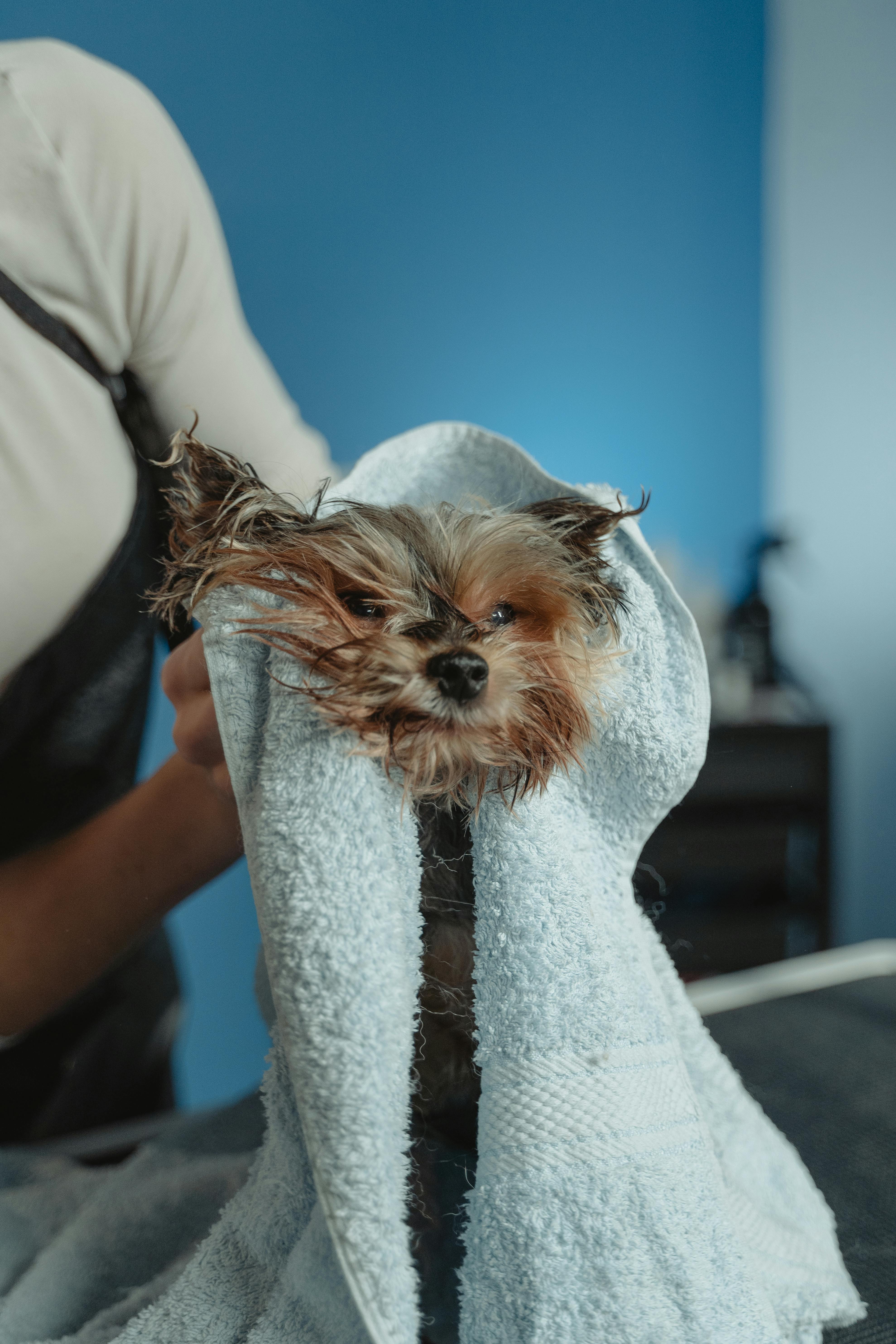
Have you ever wondered why dogs have wet noses? You might think its just one of those cute traits that make them even more lovable. But there’s actually a lot more going on under the surface! Wet noses are not just adorable; they serve big purposes in a dog’s life. Let’s explore five fascinating reasons why dogs have wet noses, and trust me, you’ll be surprised by what you learn!
1. Temperature Regulation
One of the primary reasons why dogs have wet noses is related to their ability to regulate temperature. Dogs, unlike humans, don’t sweat through their skin. Instead, they rely heavily on their noses to help cool themselves down. The moisture on a dog’s nose evaporates, and this process can help lower their body temperature.
- Dogs pant to cool down, but a wet nose also plays a part.
- A cooler nose can indicate a cooler body temperature.
- This is especially important during hot weather or after exercise.
2. Enhanced Sense of Smell
Dogs have an incredible sense of smell—up to 100,000 times better than humans! Wet noses actually contribute to their olfactory abilities. When a dog’s nose is moist, it can trap more scent particles in the air. This makes it easier for them to detect smells.
- The wetness helps capture scent particles.
- Dogs often lick their noses to keep them damp.
- A wet nose means a better sniffing experience for your furry friend.
3. Communication Tool
Did you know that a dog’s nose can also be a way of communication? Dogs use their noses to gather information about their environment and other animals. A wet nose can signify a happy and healthy dog.
- Dogs often greet each other with nose nudges.
- A wet nose can indicate curiosity or excitement.
- A dry nose, on the other hand, might signal stress or illness.
4. Health Indicator
The state of a dog’s nose can also be a health indicator. A healthy dog generally has a moist and cool nose. However, an excessively dry or hot nose can sometimes indicate a problem.
Here’s a quick checklist of what to look for:
- Normal: Moist and cool.
- Dry: Could indicate dehydration or illness.
- Hot: May show fever or overheating.
This can be a good way to monitor your furry friend’s health.
5. Social Interactions
Lastly, a wet nose plays a role in social interactions among dogs. Dogs communicate through scents, and their noses help them learn about their surroundings and other dogs. A wet nose can signify friendliness and openness.
- Dogs use their noses to greet and identify each other.
- A wet nose signals that a dog is approachable.
- Wet noses can also help them pick up on pheromones, which convey emotions and information.
Fun Facts About Dog Noses
- Dogs have unique nose prints, much like human fingerprints.
- Some research suggests that a dog’s sense of smell is so powerful, they can even detect diseases like cancer.
- The color of a dog’s nose can vary by breed and can change with age.
Quick Comparison: Dog Noses vs. Human Noses
| Feature | Dog Nose | Human Nose |
|---|---|---|
| Sense of Smell | 100,000 times better | Limited |
| Temperature Control | Evaporates moisture for cooling | Sweating through skin |
| Communication | Uses scents for social cues | Primarily verbal communication |
So, why do dogs have wet noses? It's more than just a cute trait. They play an essential role in temperature regulation, enhancing their sense of smell, communicating, indicating health, and facilitating social interactions. Next time you catch a glimpse of that adorable wet nose, remember that it’s doing a lot more than just looking cute!
As a dog owner, understanding these traits not only helps you appreciate your furry friend more but also allows you to ensure they are happy and healthy. Wet noses are just one of the many reasons we love our dogs, and knowing the science behind it can deepen the bond you share with them.
How Do Wet Noses Affect a Dog’s Sense of Smell? Understanding the Connection

Dogs are fascinating creatures, and one of the most interesting things about them is their noses. When you wonder about "why do dogs have wet noses?" you might find yourself amazed by the connection between a wet nose and a dog’s incredible sense of smell. In this article, we explore how wet noses affect a dog’s ability to smell and delve into the reasons dogs have wet noses in the first place.
The Importance of a Dog's Sense of Smell
Dogs are known for their excellent sense of smell, which is way more powerful than humans. While humans have about 5 million scent receptors, dogs have anywhere from 220 million to 300 million! This means they can detect odors at incredibly low concentrations. The wetness of a dog's nose plays a crucial role in enhancing this ability.
- Enhanced Scent Detection: The moisture on a dog’s nose helps to dissolve scent particles, which makes it easier for the receptors in the nose to recognize and identify different smells.
- Temperature Regulation: A wet nose also helps keep a dog cool, as it can evaporate moisture and help regulate body temperature.
Why Do Dogs Have Wet Noses?
So, why do dogs have wet noses? It has to do with several factors, both evolutionary and physiological. Here are some reasons:
- Scent Absorption: The wetness of a dog's nose allows for better absorption of scent particles. When a dog sniffs something, moisture traps the scent particles, which enhances their ability to identify what they're smelling.
- Health Indicator: A wet nose is often seen as a sign of a healthy dog. If a dog’s nose is dry or cracked, it could indicate dehydration or illness. However, this isn't a strict rule; some dogs have naturally drier noses.
- Cooling Mechanism: Just like how humans sweat to cool down, dogs use their wet noses to help regulate their body temperature. The evaporation of moisture from their noses cools them down effectively.
How Do Wet Noses Affect Smell?
Wet noses not only help dogs smell better, but they also play a part in how they interact with their environment. Here's how:
- Scent Tracking: Dogs can track scents over great distances due to their wet noses. When they pick up a scent, the moisture helps carry that scent back to their brain for processing.
- Social Interactions: Dogs often use their noses to communicate with other dogs. A wet nose can help them gather information about other dogs in the area, including their health, mood, and reproductive status.
Fascinating Facts About Dog Noses
- Unique Patterns: Just like human fingerprints, each dog’s nose print is unique. This means you could use it as a form of identification.
- Scent Memory: Dogs have an impressive scent memory; they can remember odors for years. This is why they can find their way back home or locate a specific item.
- Breeds and Smell: Different breeds have different levels of olfactory capabilities. Bloodhounds, for example, have some of the best noses in the dog world, making them excellent at tracking scents.
Practical Examples of Dogs Using Their Noses
- Search and Rescue: Dogs are often used in search and rescue operations due to their ability to detect human scent even under rubble.
- Medical Detection: Some dogs are trained to sniff out diseases like cancer or diabetes by detecting specific scents emitted by the body.
- Therapy and Service: Dogs provide comfort and support to people with disabilities, and their wet noses play a role in their interactions.
Comparison: Dog Noses vs. Human Noses
| Feature | Dog Noses | Human Noses |
|---|---|---|
| Scent Receptors | 220 - 300 million | About 5 million |
| Scent Memory | Years | Short-term |
| Wetness Importance | Essential for scent detection | Not applicable |
| Unique Identification | Yes (nose prints) | No |
A dog’s wet nose is not just an adorable feature; it serves multiple purposes, primarily enhancing their already remarkable sense of smell. Whether they are sniffing out a treat or tracking scents across a field, their wet noses are essential tools that contribute to their survival and well-being.
Understanding the biology behind why do dogs have wet noses and how this affects their sense of smell can deepen the bond between you and your furry friend. Next time you see your pup with that familiar wet nose, remember all the fascinating science behind it!
Is Your Dog’s Wet Nose a Sign of Health? 3 Key Insights Every Pet Owner Should Know
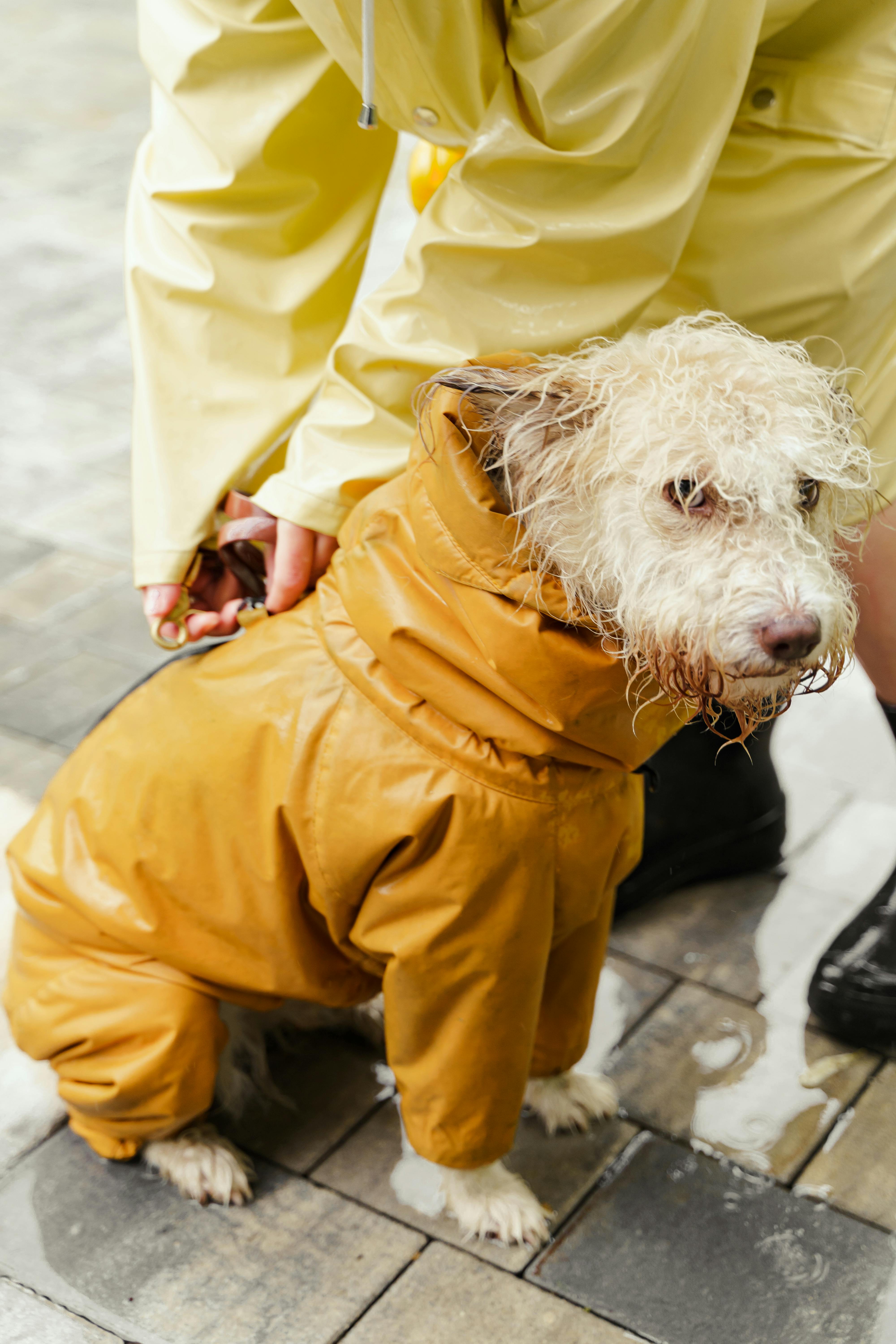
Is your dog’s wet nose a sign of health? If you’re a pet owner, you might’ve pondered this question. Wet noses are often assumed to be a good indicator of a dog’s well-being. But what’s the real story behind our furry friends’ moist snouts? Let’s dive into three key insights every pet owner should know about why dogs have wet noses and what it means for their health.
What Makes a Dog's Nose Wet?
Dogs have wet noses due to a combination of physiological and behavioral factors. When a dog licks its nose, saliva mixes with the oils on the surface, creating that signature wet feeling. But there’s more to it!
- Nasal Glands: Dogs have specialized glands in their noses that produce moisture. This moisture helps enhance their sense of smell, which is vital for their survival and communication.
- Evaporation: The moisture on a dog’s nose can evaporate quickly, especially in dry environments. This evaporation helps cool down the dog, similar to how sweating works in humans.
- Scent Detection: Wet noses help trap scent particles in the air, making it easier for dogs to detect smells. This is why their noses are often cold and damp, as it enhances their olfactory abilities.
3 Key Insights About Your Dog's Wet Nose
Health Indicator or Just Normal?Many pet owners think a wet nose is a sign of good health. While it can indicate hydration and normal function, it’s not a foolproof health marker. A dog’s nose can be dry for various reasons, including weather, activity level, and even breed characteristics. However, if a dog’s nose is persistently dry or cracked, it may be worth consulting a vet.
Temperature RegulationDogs don’t sweat like humans do. Instead, they regulate their body temperature through panting and the moisture on their noses. When a dog is hot, they may lick their nose more often to help cool themselves down. So if your pup’s nose is particularly wet after a romp in the park, it could just be a sign they’re managing their temperature.
Behavioral AspectsDogs are curious creatures. They often explore their environment using their noses. If a dog is sniffing around a lot, it might lead to a wetter nose. In contrast, if your dog is feeling under the weather, they may be less inclined to investigate. Changes in nose moisture can sometimes reflect shifts in behavior. So it’s good to keep an eye on your dog’s overall demeanor.
Why Do Dogs Have Wet Noses? Discover The Fascinating Reasons!
The reasons for a dog’s wet nose go beyond just health indicators. Here are some interesting facts:
- Evolutionary Trait: Wet noses may have developed as an evolutionary advantage. Dogs descended from wolves, which relied heavily on their sense of smell for hunting and survival. A moist nose can help pick up scents more effectively.
- Species Variation: Not all dogs have the same nose moisture. Some breeds naturally have drier noses. For example, breeds like Bulldogs and Pugs may have less moisture compared to Retrievers or Spaniels.
- Seasonal Changes: During hot summer days, you might notice your dog’s nose being wetter compared to the colder months. This is due to environmental factors affecting moisture levels.
Quick Tips for Pet Owners
Here’s a quick list of tips to help you monitor your dog’s nose health:
- Regular Checks: Make it a habit to check your dog’s nose regularly. Look for changes in texture, color, and moisture.
- Stay Hydrated: Ensure your dog has access to fresh water, especially during hot weather.
- Consult a Vet: If you notice unusual changes, such as persistent dryness or cracking, don’t hesitate to consult a veterinarian.
Common Misconceptions About Wet Noses
Myth: A warm, dry nose means my dog is sick.
Fact: Dogs can have warm, dry noses due to many factors unrelated to illness. Always assess the overall health, not just the nose.
Myth: Wet noses mean my dog is happy.
Fact: While a wet nose can indicate hydration, a dog’s happiness is more about their behavior and body language than the moisture level on their nose.
In summary, your dog’s wet nose can be a fascinating aspect of their health and behavior. It’s not just a simple sign of well-being but a mix of biology, environment, and individual characteristics. As a pet owner, understanding these nuances can help you better care for your furry friend. So, the next time you give your dog a scratch behind the ears, take a moment to appreciate that delightful wet nose and all the science behind it!
The Role of Wet Noses in Dog Communication: What Your Pup is Trying to Tell You
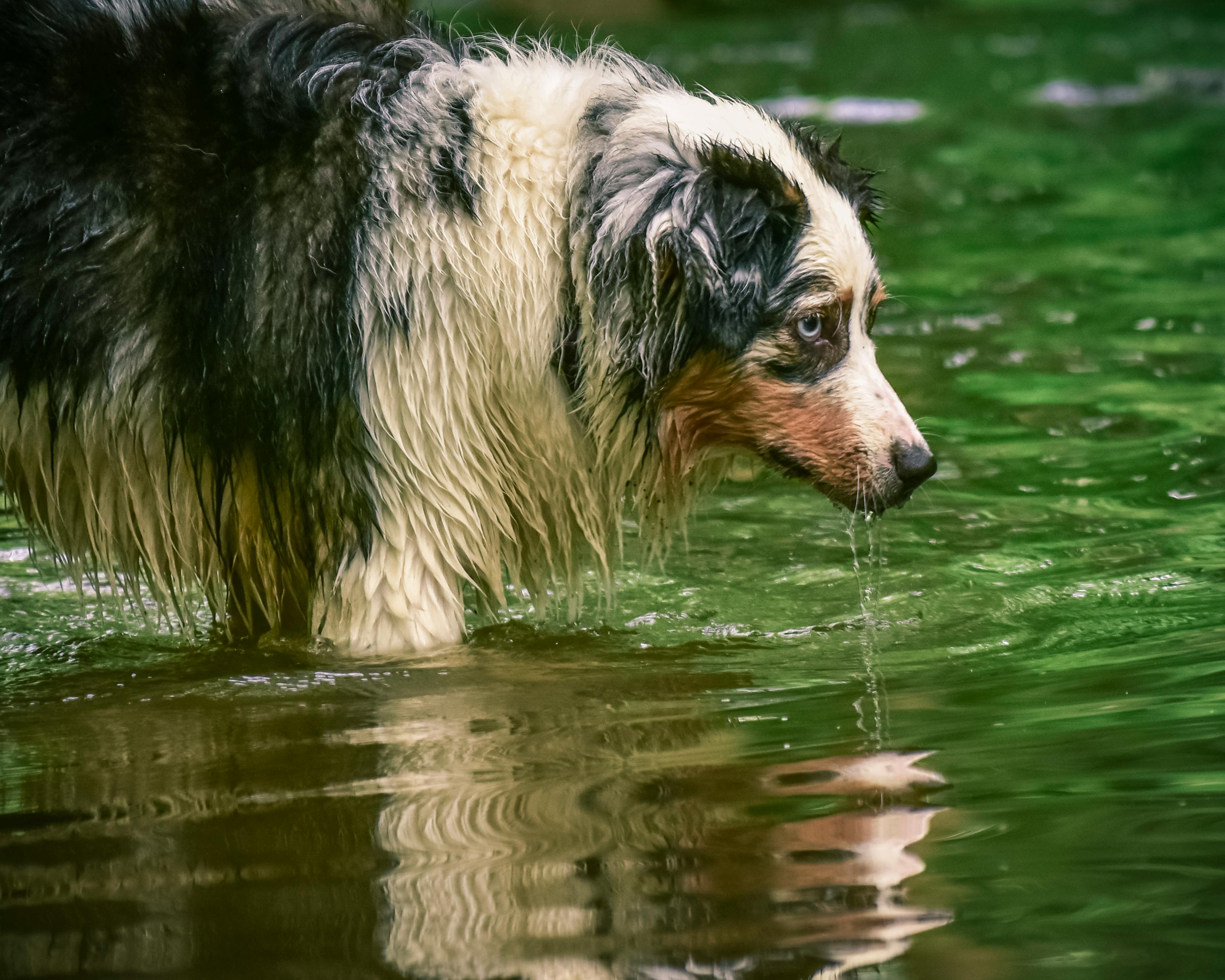
When you think about dogs, you probably think about wagging tails, playful barks, and of course, their charming wet noses. Have you ever wonder why do dogs have wet noses? It’s more than just an adorable trait; it’s a critical aspect of how your pup communicate with you and other dogs. The fascinating role of a dog’s wet nose can tell you a lot about their feelings, health, and even environment. Let’s dig into this topic and discover the various reasons behind those damp snouts.
Why Do Dogs Have Wet Noses?
Dogs have wet noses for several reasons, and it’s not just for show. Here are some of the main reasons:
Temperature Regulation: Just like humans sweat, dogs use their noses to help regulate their body temperature. A wet nose helps cool them down, especially during hot days. This is why you might see your dog panting when their nose is particularly damp.
Enhanced Sense of Smell: A wet nose helps to absorb scent chemicals from the air, making it easier for dogs to smell. This is important for their communication and hunting instincts. The moisture on the nose acts as a kind of receptor for scents, enhancing their olfactory capabilities.
Health Indicator: The condition of a dog’s nose can give clues about their overall health. A healthy nose is usually moist and cool, while a dry or cracked nose could indicate dehydration or illness.
The Science Behind Wet Noses
Dogs' noses are covered in a thin layer of mucus, which helps to trap scent particles. When these particles are trapped, the sensory receptors in the dog’s nose can pick them up more effectively. Here’s a simple breakdown:
Nasal Mucus: The moisture found on a dog's nose comes from mucous glands. This mucus not only helps in smelling but also keeps the nose from cracking.
Keratinocytes: These are skin cells that produce keratin, contributing to the texture of the nose. A dog’s nose is unique, much like a human fingerprint!
Temperature Sensors: Dogs have specialized sensors in their noses that can detect temperature changes, helping them navigate their environment better.
How Dogs Communicate Through Their Noses
Dogs use their noses to communicate with each other and with humans. Here are some ways your pup might be trying to tell you something through their wet nose:
Affection: A gentle nudge from a wet nose can be a sign of affection. Dogs often use their noses to initiate contact with their owners or other dogs.
Inquiry: When your dog sniffs you or another dog, they’re gathering information. They might be trying to learn about another dog’s health or mood.
Exploration: Dogs explore the world primarily through their sense of smell. A wet nose means they’re actively investigating their environment.
Seeking Attention: If your dog nudges you with their wet nose, it can mean they’re looking for attention or wanting to play.
Interesting Facts About Dog Noses
Unique Patterns: Just like human fingerprints, each dog’s nose print is unique. This means that no two dogs have the same nose pattern!
Scent Discrimination: Dogs can detect certain scents at concentrations as low as one part per trillion. That’s why they have been used in search and rescue operations!
Nose Temperature: A dog’s nose can change temperature based on their health. A very hot nose might suggest a fever, while a cool, moist nose is typically a sign of good health.
Practical Tips for Nose Care
Maintaining your dog’s nose health is important. Here are some tips:
Keep it Moist: If your dog’s nose seems dry, consider applying a small amount of coconut oil to help soothe it.
Hydration: Ensure your dog is drinking enough water, especially during hot days.
Check Regularly: Keep an eye on any changes in your dog’s nose, like cracking or excessive dryness. Consult your vet if you notice abnormalities.
Environmental Factors: Be mindful of the weather. Cold air can dry out your dog’s nose, and hot weather can lead to overheating.
Understanding the role of wet noses in dog communication can strengthen your bond with your furry friend. By paying attention to what their noses are telling you, you can better respond to their needs and emotions. Dogs are incredible creatures, and their wet noses are just one of the many fascinating aspects of their biology and behavior. So next time your pup gives you a gentle nudge with that damp, cold nose, remember that they might just be trying to say something important!
Exploring the Myths: Why Some People Believe Dry Noses Mean Illness in Dogs

When it comes to our furry companions, many myths and beliefs surround them. One popular myth is that a dry nose on a dog means they're sick. This leads many pet owners to worry when they notice their dog's nose is less moist than usual. But, is there any truth to this belief? Also, have you ever wondered why do dogs have wet noses in the first place? Let's dive into these fascinating topics and explore the myths and facts behind them.
The Myth of Dry Noses and Illness in Dogs
A lot of people think that a dry nose is a sure sign of illness in dogs. However, that's not always the case. While a dry nose can sometimes indicate a health issue, it doesn't mean that it's the absolute truth. Here are some common reasons why a dog's nose might be dry:
- Weather Conditions: Hot, dry weather can cause a dog's nose to dry out just like our skin does.
- Dehydration: If a dog isn't drinking enough water, it may show up in their nose.
- Sleep: Dogs' noses can dry out while they sleep, just like humans’ can.
- Age: Older dogs might experience changes in their nose moisture.
It's important to remember that dog's noses can vary from breed to breed and even from dog to dog. A wet nose is common in many dogs, but it should not be the sole indicator of health.
Why Do Dogs Have Wet Noses?
So, why do dogs have wet noses? This is actually a fascinating aspect of dog biology. Wet noses serve several important purposes:
Enhanced Sense of Smell: A dog's nose is their primary tool for exploring the world. The moisture on their noses helps to capture scent particles, making it easier for them to detect and identify different smells.
Temperature Regulation: Dogs don't sweat like humans do. They primarily regulate their body temperature through panting and the moisture on their noses. A wet nose can help keep them cool.
Communication: Dogs often use their noses to interact with other dogs and humans. A wet nose can be a sign of a friendly dog, while a dry nose might not be as inviting.
Comparing Wet and Dry Noses in Dogs
Here’s a quick comparison of the characteristics and implications of wet and dry noses in dogs:
| Characteristic | Wet Nose | Dry Nose |
|---|---|---|
| Health Indicator | Generally indicates health | Not always a sign of illness |
| Sensation | Enhances smell | May reduce scent detection |
| Temperature | Helps cool the body | Can signify dehydration |
| Behavior | Playful and engaged | May be tired or unwell |
Practical Tips for Dog Owners
As a responsible dog owner, you should keep an eye on your furry friend's nose among other health indicators. Here are some practical tips:
- Hydration: Make sure your dog has access to fresh water at all times. Dehydration can lead to a dry nose and other health issues.
- Environment: If you live in a dry climate, consider using a humidifier to help keep your dog's nose moist.
- Regular Vet Check-ups: Regular visits to the veterinarian can help catch any potential health issues early on.
- Observe Behavior Changes: If your dog’s nose is dry but they’re still active and eating well, it might not be a concern. However, if you see changes in behavior, like loss of appetite or lethargy, consult a vet.
Debunking More Myths About Dogs' Noses
There are more myths around dogs' noses that need addressing. Here are some common ones:
Myth: A cold, wet nose means a dog is healthy.
- Fact: While many healthy dogs have cold, wet noses, it’s not an absolute measure of health.
Myth: A warm, dry nose means illness.
- Fact: A dog's nose temperature can vary throughout the day due to various factors like activity level and environment.
Myth: Dogs can only sense smells through their noses.
- Fact: Dogs also use their mouth and tongue to help identify scents.
Understanding these facts can help ensure you’re not misled by common misconceptions.
As a dog owner in New York, it’s essential to know how to care for your pet properly. Rather than worrying about the moisture of their nose, focus on their overall health and behavior. If you ever notice any significant changes or have concerns about your dog’s nose or health, don’t hesitate to reach out to a veterinary professional for guidance. Your furry friend relies on you to keep them happy and healthy.
7 Surprising Facts About Dog Noses: Why Their Moisture Matters More Than You Think
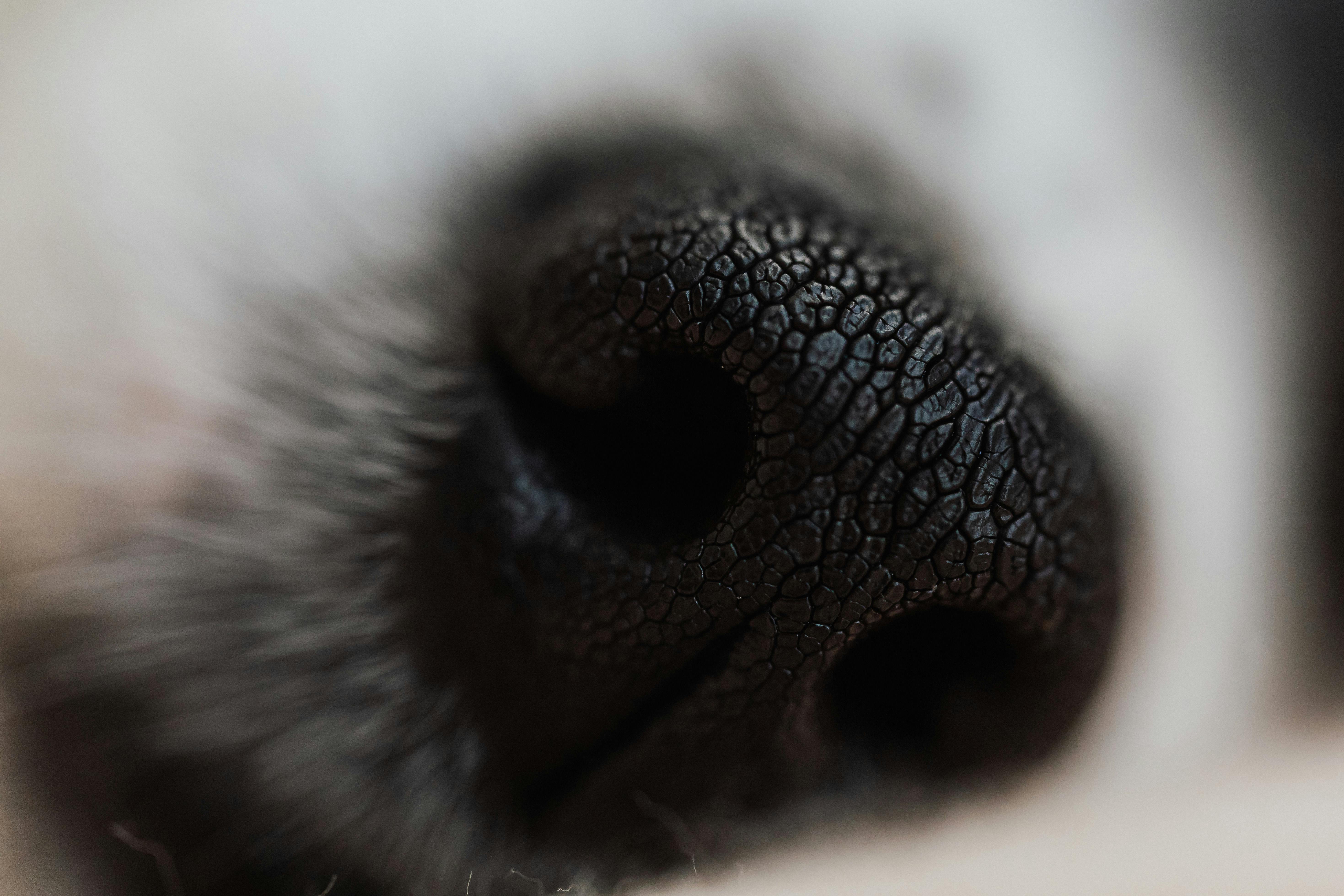
When you think about dogs, one of the first things that might come to mind is their adorable wet noses. But have you ever wondered why do dogs have wet noses? It turns out, their moisture is not just for cuteness. It serves some important biological functions. Here are seven surprising facts about dog noses that will make you appreciate your furry friend even more.
1. Natural Temperature Regulators
Dog noses are moist for a reason! The moisture helps cool down their bodies. When a dog pants, the evaporation of moisture from their nose and tongue helps regulate their body temperature. This is especially crucial during hot weather, preventing overheating.
2. Enhanced Sense of Smell
Dogs have an extraordinary sense of smell, which is about 10,000 to 100,000 times more acute than humans. The wetness of their noses helps to capture scent particles from the air. When their nose is moist, it can absorb more scent molecules, enhancing their ability to detect smells. This is why dogs can sniff out drugs, explosives, or even health issues in humans.
3. Communication Tool
Did you know that a dog’s nose can also communicate? The moisture level and temperature of a dog’s nose can indicate their emotional state. For instance, a warm, dry nose may signal that a dog is sick or stressed. In contrast, a cool, wet nose usually indicates a healthy and happy pooch. Dog owners should pay attention to these subtle signs as they can provide clues about their pet's wellbeing.
4. Unique Nose Prints
Just like humans have unique fingerprints, dogs have unique nose prints! Each dog’s nose has a distinct pattern of ridges and creases, making it possible to identify them. This uniqueness has led to some discussions about using nose prints for identification, similar to how we use fingerprints for humans.
5. Historical Significance
Historically, dogs have been valued for their sense of smell. In ancient times, they were used for hunting and tracking due to their olfactory abilities. The role of their wet noses in enhancing these abilities cannot be overstated. As societies evolved, so did the roles of dogs, but their noses remained a vital tool throughout history.
6. Health Indicators
A dog’s nose can tell a lot about their health. A sudden change in moisture or temperature can indicate illness. Common conditions like fever, dehydration, or even certain infections can be detected by checking a dog's nose. Regularly monitoring your dog's nose could help you catch health issues early.
7. The Role of Mucus
The mucus on a dog’s nose plays a crucial role. It not only helps with scent detection but also protects the nose from irritants like dust and pollen. This mucus can trap harmful particles, preventing them from entering a dog’s airways. So, a moist nose is not just a sign of a happy dog, but also of a healthy one!
Quick Facts About Dog Noses
- Moisture Levels: A healthy dog nose is usually moist, cool, and dark.
- Temperature Changes: A warm, dry nose can indicate fever, but it's not a definitive sign of illness.
- Scent Detection: Dogs have 300 million scent receptors, compared to about 6 million in humans.
- Nose Prints: Each dog’s nose is unique, similar to human fingerprints.
- History: Dogs have been companions to humans for thousands of years, with noses playing a crucial role in their utility.
Fun Comparisons
| Dog Nose Trait | Human Nose Trait |
|---|---|
| Wet and cool | Generally dry and warm |
| 10,000-100,000 more sensitive to smells | Limited sensitivity to scents |
| Unique prints | Unique fingerprints |
Dogs are amazing creatures, and their wet noses are just one of the many things that make them special. Next time you pet your furry friend, take a moment to appreciate that nose and everything it does! Understanding why dogs have wet noses can deepen your connection with them, making you more aware of their health and wellbeing. The moisture in their noses is not just a quirk; it plays vital roles in their lives. So, keep an eye on that nose — it might just tell you a lot more than you think.
Can Weather Changes Affect Your Dog’s Nose Moisture? Discover the Link Here!

Have you ever noticed how your furry friend’s nose feels different depending on the weather? You might be asking yourself, "Can weather changes affect your dog’s nose moisture?" Well, there’s actually a fascinating link between the two. Dogs' noses are unique, and they play a crucial role in their health and behavior. In this article, we’ll dive into why dogs have wet noses, how weather can change them, and what it all means for your pet's wellbeing.
Why Do Dogs Have Wet Noses?
Dogs have wet noses for several reasons, and it's not just because they’ve been drinking water. Here are some key points to consider:
- Enhanced Smell: A moist nose actually helps dogs smell better. The moisture captures scent particles, so they can detect different smells more effectively.
- Temperature Regulation: Dogs can’t sweat like humans do, so they rely on their noses to help cool off. When the nose is moist, it helps to regulate their body temperature.
- Health Indicator: A wet nose is often a sign of a healthy dog. If your dog’s nose is dry or cracked, it could indicate dehydration or illness.
Let’s break it down further into the reasons why a dog’s nose might be wet or dry.
Factors Affecting Nose Moisture
- Humidity: When the air is humid, dogs' noses tend to be wetter. The moisture in the air helps keep their noses hydrated.
- Temperature: Extreme heat can dry out a dog’s nose. Likewise, cooler temperatures can help keep it moist.
- Health Issues: Certain health conditions can lead to changes in nose moisture. For example, a dry nose might indicate fever or a skin condition.
Can Weather Changes Affect Your Dog’s Nose Moisture?
Yes, weather changes can have a significant impact on your dog’s nose moisture. Here’s how:
- Cold Weather: When it's cold outside, the air is often drier. This can lead to a drier nose. If you notice your dog’s nose is dry during winter, it’s not uncommon.
- Hot Weather: High temperatures can cause dehydration, leading to a dry nose. Always ensure your dog has enough water during summer months.
- Rainy and Humid Days: On rainy days, the increased humidity usually keeps your dog's nose moist. This can be a relief for the pups with naturally drier noses.
Understanding The Science Behind It
Dogs have a special set of glands in their noses that produce moisture. The moisture is not just for smell; it also serves other purposes. Here’s a quick overview:
- Nasal Glands: These glands produce mucus that helps capture odors.
- Temperature Control: The moisture evaporates, cooling the dog as they breathe it out.
- Hydration: A wet nose helps keep the nasal passages moist, which is important for overall respiratory health.
Practical Tips for Dog Owners
Keeping your dog's nose healthy is important. Here are a few practical tips:
- Hydration: Always make sure your dog has access to fresh water, especially in warm weather.
- Nose Care: If your dog’s nose is dry, consider using a natural nose balm to keep it moisturized.
- Regular Vet Check-ups: If you notice persistent changes in your dog’s nose moisture, consult with a veterinarian.
Summary of Key Points
- Dogs’ noses are usually wet because it helps them smell better and regulate their body temperature.
- Weather can affect the moisture level of a dog’s nose, with dry conditions leading to drier noses.
- A healthy nose can be a sign of a healthy dog, while changes can indicate an underlying issue.
When it comes to your furry friend's health, being observant is key. Monitoring changes in their nose moisture can provide insights into their hydration and overall wellbeing. Whether rain or shine, understanding how weather affects your dog’s nose can help you take better care of your beloved companion. So next time you see your dog's wet or dry nose, remember the fascinating reasons behind it and keep an eye on those weather changes!
How to Care for Your Dog’s Nose: Tips for Keeping It Healthy and Moist

Dogs are truly fascinating creatures with their unique behaviors and characteristics. One of the most interesting features about dogs is their noses. You ever wonder why do dogs have wet noses? There’s actually a lot to unpack here.
Why Do Dogs Have Wet Noses?
Dogs have wet noses for several reasons, and it’s a subject that many pet owners find intriguing. Here’s a breakdown of the main reasons:
Temperature Regulation: Dogs don’t sweat like humans do. Instead, they regulate their body temperature through their noses. The moisture on their noses helps cool them down. Just like a wet cloth can feel cooler than a dry one, a dog’s wet nose helps in keeping them comfortable, especially in warm weather.
Sense of Smell: A wet nose is more effective at picking up scents. The moisture in the nose helps to trap scent molecules. This is why dogs are often used in search and rescue missions, tracking, and hunting. Their sense of smell is significantly stronger than humans, and having a moist nose enhances that capability.
Health Indicator: A dog’s nose can be a health indicator. A healthy dog usually has a cool, moist nose. If a dog’s nose is dry and warm, it might be a sign that they are sick or dehydrated. However, it’s important to know that not all dry noses means illness; dogs can have dry noses for various reasons too.
How to Care for Your Dog’s Nose: Tips for Keeping It Healthy and Moist
Taking care of your dog’s nose is essential for their overall health. Here are some practical tips you can follow:
Hydration: Always make sure your dog is drinking enough water. Dehydration can lead to a dry nose. Make sure their water bowl is filled with fresh water daily.
Moisturizing: If you notice your dog has a persistently dry nose, consider using dog-safe nose balms. These can help keep the nose moisturized, especially in cold or dry weather.
Diet: A balanced diet that is rich in omega fatty acids can promote healthy skin and fur, including the nose. Foods like fish oil or flaxseed can be beneficial.
Avoid Irritants: Keep your dog away from harsh chemicals or allergens. Things like strong perfumes, cleaning products, or smoke can irritate their noses.
Regular Vet Check-Ups: Regular vet visits can help catch any underlying health issues that might affect your dog’s nose.
Common Nose Problems and What They Mean
Just like humans, dogs can also face nose problems. It’s important to recognize when something might be wrong. Here’s a list of common issues:
Cracking: A cracked nose can be caused by dryness or allergies. If it’s severe, it’s best to consult with a veterinarian.
Discoloration: If your dog’s nose suddenly changes color, it could be a sign of a health issue. Keep an eye on it and consult your vet if it persists.
Nasal Discharge: A runny nose can indicate allergies or infections. Watch for excessive discharge and consult your vet.
Lesions or Growths: If you see bumps or lesions on your dog’s nose, these should be evaluated by a veterinarian.
Fun Facts About Dog Noses
Here are some fun tidbits about dog noses that you might not know:
Unique Patterns: Just like human fingerprints, each dog’s nose has a unique pattern. This can be used for identification.
Temperature Check: When dogs sniff something, they can pick up on temperature changes. A cooler object might get their attention more than a warmer one.
Sense of Direction: Dogs have a special organ in their noses, called the Jacobsen's organ, which helps them determine where smells are coming from. This is why they can track scents so well.
In summary, keeping your dog’s nose healthy is pretty essential. A wet nose isn’t just a cute feature; it plays a significant role in their health and well-being. If you’re attentive and proactive, you can help ensure that your furry friend has a happy and moist nose. Remember, a dog’s wet nose is not just a quirk but a vital part of their health and happiness!
The Evolutionary Purpose of a Wet Nose: What Science Reveals About Our Furry Friends
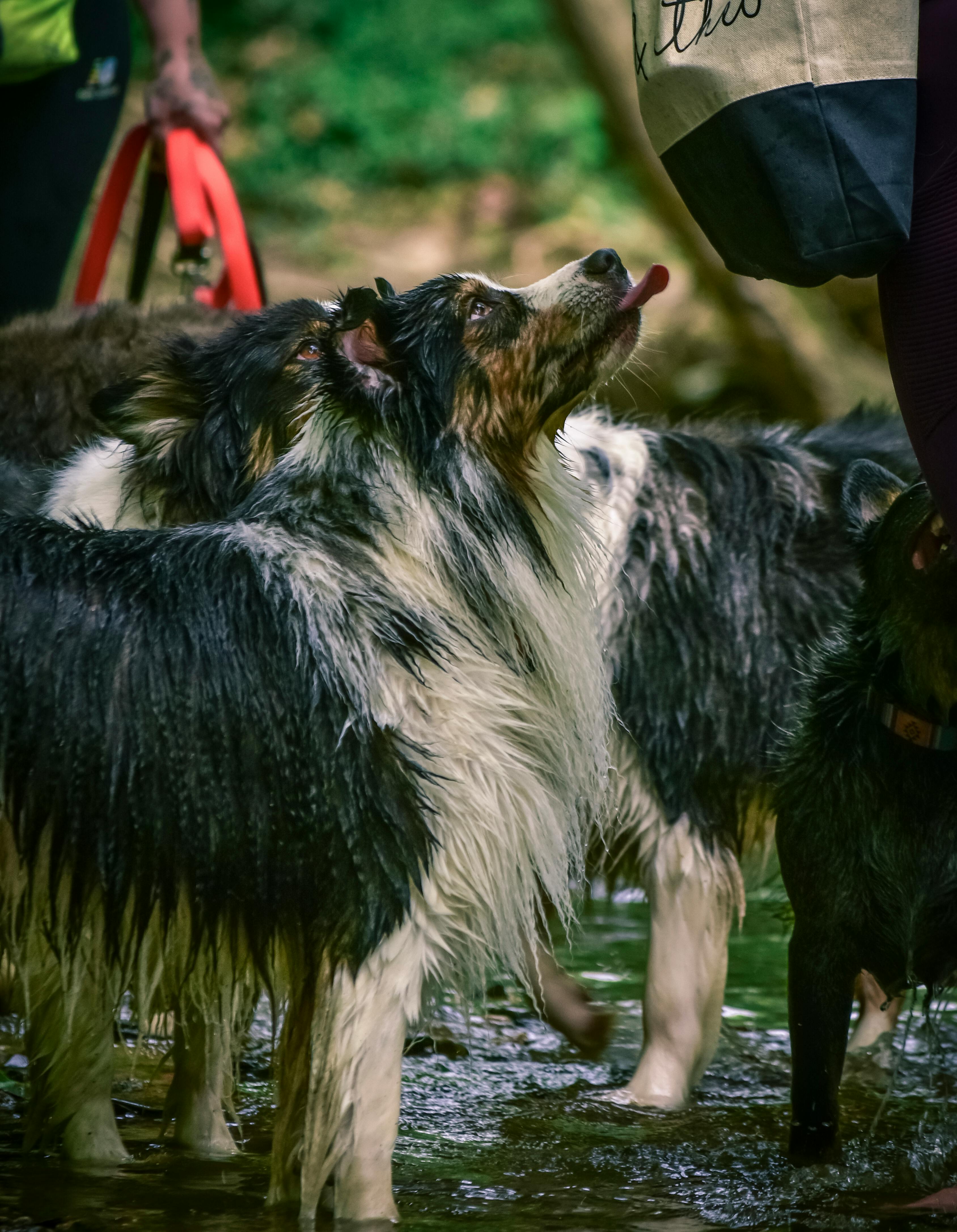
Dogs have always been known as man's best friend, but have you ever stop to wonder why their noses are wet? The evolutionary purpose of a wet nose in dogs is not just a quirky trait; it’s rooted in science and serves multiple functions. Let’s dive deeper and discover why do dogs have wet noses and explore the fascinating reasons behind this unique characteristic.
The Science Behind Wet Noses
A dog's nose is covered in a thin layer of moisture which plays an important role in their health and sensory abilities. This wetness helps to enhance their sense of smell, which is significantly stronger than that of humans. Here’s some interesting fact:
- Dogs have up to 300 million olfactory receptors in their noses compared to about 6 million in humans.
- The moisture on their noses absorbs scent particles, making it easier for them to analyze smells and gather information about their environment.
Evolutionary Advantages
The wetness of a dog's nose is not just for show; it's an evolutionary adaptation that has helped dogs survive and thrive alongside humans. Some key evolutionary advantages include:
- Enhanced Smell: As mentioned above, the wetness helps in capturing scent particles, which is crucial for hunting and tracking.
- Temperature Regulation: Dogs also use their noses to regulate their body temperature. When they breathe through their noses, the moisture evaporates, which helps to cool them down.
- Communication Tool: Wet noses can be used for social interactions. Dogs often greet each other and humans with their noses, and the moisture can convey information about their health and emotional state.
Historical Context
Dogs have been companions to humans for thousands of years, dating back to ancient times when they were used for hunting, herding, and protection. Over time, certain traits, like a wet nose, became more pronounced through selective breeding.
- The first domesticated dogs were likely wolves that adapted to living with humans.
- Breeders selected dogs with desirable traits, including a good sense of smell, which favored those with wet noses.
What Happens When a Dog’s Nose is Dry?
A dry nose in dogs can sometimes be a sign of health issues, but it’s not always a cause for concern. Here are some reasons why a dog’s nose might be dry:
- Dehydration: Just like humans, dogs need water to stay hydrated. A dry nose might indicate they need more fluids.
- Illness: In some cases, a dry nose can signal an underlying health problem, such as fever or allergies.
- Environmental Factors: Hot weather, air conditioning, or heating can dry out a dog’s nose.
Fun Facts About Dog Noses
Here are some more tidbits about our furry friends and their noses that you might find fascinating:
- Unique Patterns: Just like human fingerprints, each dog has a unique nose print that can be used for identification.
- Color Matters: The color of a dog’s nose can vary widely, from black to pink, and can even change with age.
- Sniffing Speed: A dog can sniff up to 40 times per second, enabling them to detect scents from a great distance.
Practical Tips for Nose Care
To maintain a healthy nose for your dog, consider these practical tips:
- Hydration: Make sure your dog has access to fresh water at all times.
- Humidifier: In dry environments, using a humidifier can help keep your dog’s nose moist.
- Regular Vet Check-ups: If you notice persistent dryness or cracking, consult your veterinarian for advice.
Comparison of Dog Breeds and Nose Types
Different dog breeds can exhibit various nose types, which can influence their sense of smell. Here’s a simple comparison:
- Hounds: Breeds like Bloodhounds and Beagles have long, droopy noses that are excellent for tracking scents.
- Terriers: These breeds often have shorter noses but can still be very effective in hunting small animals.
- Toy Breeds: Smaller breeds like Chihuahuas may have wet noses, but their sense of smell isn’t as developed compared to larger breeds.
Every dog has its unique traits, and their wet noses are just one small part of what makes them special. The evolutionary purpose of a wet nose is a beautiful blend of science, history, and biology, reflecting the bond we share with these amazing creatures. So next time you pet your dog and feel that wet nose, remember the fascinating journey behind it!
Conclusion
In conclusion, the wet noses of dogs serve several vital functions, contributing to their overall health and sensory abilities. The moisture helps enhance their sense of smell by trapping scent particles, allowing them to gather more information about their environment. Additionally, the wetness aids in thermoregulation, helping dogs cool down more effectively. Factors such as breed, health, and activity level can influence the degree of moisture in a dog’s nose, making it a unique trait among individual pets. Understanding why dogs have wet noses deepens our appreciation for these beloved companions and their remarkable biological adaptations. As a pet owner, it's essential to monitor your dog's nose condition as changes could indicate health issues. So next time you give your furry friend a pat, remember that their wet nose is not just an endearing feature but a fascinating aspect of their biology. Embrace the quirks of your dog and ensure they stay happy and healthy!