Have you ever wondered why do dogs have wet noses? This intriguing question not only sparks curiosity but also opens up a window into the fascinating world of canine biology. Wet noses are a hallmark of our furry friends, but have you ever thought about the reasons behind this unique trait? In this blog post, we will delve into the science of dog noses, uncovering the secrets behind their moisture and how it relates to their health and behavior. Is it just for keeping cool, or does it have other important functions? You might be surprised to learn that a dog's wet nose plays a crucial role in their ability to smell and interact with their environment. Moreover, understanding why dogs have wet noses can deepen your appreciation for these loyal companions. So, if you’re curious about the fascinating reasons behind this common canine characteristic, stick around! We promise you'll gain valuable insights into your pet's health and well-being, making your bond even stronger. Don’t miss out on these amazing facts about your dog’s most adorable feature!
The Science Behind Dogs' Wet Noses: What Makes Them Moist?
Have you ever wondered why dogs' noses are wet? It's one of those quirky traits that often leave people curious. The wetness of a dog's nose isn't just a happenstance; it’s a fascinating result of several scientific and biological factors. So, let’s dive into the science behind dogs' wet noses, exploring why they are moist and what it means for your furry friend.
The Biology of a Wet Nose
Dogs' noses are made up of a special type of skin that is different from the rest of their body. This skin has a lot of moisture glands, which produce a thin layer of mucus. This mucus is important for a few reasons:
Scent Detection: A wet nose helps dogs smell better. The moisture captures scent particles, allowing dogs to pick up on smells much more effectively. Their sense of smell is estimated to be thousands to millions of times more sensitive than a humans'.
Temperature Regulation: Dogs don’t sweat like humans do. Instead, they regulate their body temperature through panting and through their noses. A wet nose can help them cool down, which is crucial especially during hot weather.
Health Indicator: A dog's nose can indicate their health. Generally, a moist nose is a sign of a healthy dog, while a dry or excessively warm nose can hint at illness or dehydration.
The Evolutionary Perspective
Dogs are descendants of wolves, and their wet noses have evolutionary advantages. Historically, a moist nose helped early canines hunt more effectively. By being able to smell better, they could locate prey, avoid predators, and communicate with other dogs through scent. Over time, this trait has persisted among domesticated dogs, making it a significant part of their biology.
Why Do Dogs Have Wet Noses?
There are a few main reasons for the moisture found on a dog's nose. Here’s a breakdown:
Nasal Glands: Dogs have specialized glands in their noses that produce mucus. This mucus keeps the nose moist and helps with scent detection.
Licking: Dogs often lick their noses. This behavior not only helps keep their noses wet but also spreads their own scent and collects additional scent particles from their environment.
Humidity in the Air: The moisture in the air can also contribute to the wetness of a dog's nose. On humid days, you might notice that your dog’s nose feels particularly moist.
Health Factors: The health of a dog can also impact the moisture level of their nose. Dogs that are sick, stressed, or dehydrated may have drier noses, so changes in wetness can be a useful health indicator.
Interesting Facts About Dogs' Noses
Unique Patterns: Just like human fingerprints, every dog has a unique nose print. This means that each dog’s nose is as unique as they are!
Color Matters: The color of a dog’s nose can vary widely. Some dogs have black noses, while others may have brown or pink noses. The color doesn't affect the moisture level but can be a factor in their overall health.
Temperature Sensitivity: Dogs' noses are also sensitive to temperature changes. A cooler nose may indicate that a dog is healthy, while a warm nose might suggest fever or illness.
Comparison with Other Animals
When we look at other animals, dogs' noses have some unique features. For example:
Cats: Similar to dogs, cats have moist noses, but they generally do not rely on their sense of smell as much as dogs do.
Humans: Humans have much drier noses and do not rely on scent in the same way dogs do. Our sense of smell is less developed, which is why we sometimes can’t understand what our dogs are sniffing out!
Practical Tips for Dog Owners
Here are some tips to ensure your dog's nose stays healthy:
Hydration: Make sure your dog drinks plenty of water. Hydration is key for maintaining a moist nose.
Regular Vet Check-ups: Regular visits to the vet can help ensure that your dog is healthy. If you notice a significant change in the moisture of their nose, it’s worth mentioning to your vet.
Watch for Changes: Keep an eye on your dog’s nose. If it suddenly becomes dry or warm, it could be a sign of illness, and you should consult a veterinarian.
The wet nose of a dog is more than just an adorable quirk; it’s a marvel of nature that plays a crucial role in their health and survival. Understanding why dogs have wet noses not only strengthens the bond between you and your pet but also helps in ensuring their wellbeing. If you ever notice changes in your dog’s nose, don't hesitate to reach out to a vet. They can offer insights and help keep your furry friend healthy and happy.
5 Fascinating Reasons Why Dogs Have Wet Noses: Discover the Truth!
Dogs are often known as man's best friend, but have you ever wondered why they have those famously wet noses? It’s a curious aspect of our furry companions that many people don’t fully understand. Well, let’s explore some fascinating reasons why dogs have wet noses, and why it’s more than just a cute trait.
The Science Behind Wet Noses
Dogs' noses are wet for several reasons, and it’s not just for show. Here’s what you need to know:
Enhanced Sense of Smell: A wet nose helps dogs smell better. It’s like when humans put on a little perfume — the scent sticks better. The moisture on a dog’s nose helps capture scent particles from the air, which allows them to take in more information about their environment. This is especially important in hunting and tracking.
Temperature Regulation: Just like humans sweat, dogs use their noses to help regulate their body temperature. When a dog pants, moisture evaporates from the surface of their nose, helping to cool them down. So, when you see a dog with a wet nose, they may just be staying cool!
Health Indicator: A wet nose can be a sign of good health in dogs. Generally, a moist nose indicates that a dog is hydrated and in good shape. Conversely, a dry nose can signal illness or dehydration, so keeping an eye on your dog’s nose is important.
Communication Tool: Dogs use their noses to communicate with one another. The moisture can carry pheromones and other scents that convey information to other dogs. A wet nose can signal to other dogs that they are friendly and approachable, which is crucial in social interactions.
Natural Cleaning Mechanism: Dogs often lick their noses as a way to clean them. This behavior not only keeps their noses moist but also helps them gather scents better. It’s a natural instinct that serves multiple purposes.
Fun Facts About Dogs' Noses
- Dogs have up to 300 million scent glands in their noses, compared to about 5 million in humans.
- The shape and size of a dog’s nose can influence their sense of smell. For example, hounds are known for their exceptional olfactory abilities.
- A dog’s sense of smell is so acute that they can detect certain medical conditions, like diabetes or cancer, just through scent.
The Role of Nose Moisture in Dog Behavior
Moist noses can also play a role in how dogs behave. Here are some examples:
- Curiosity: A dog with a wet nose is likely to be more curious and engaged with their surroundings. They’ll sniff around and explore more, which is part of their natural behavior.
- Playfulness: Dogs are often more playful when they’re hydrated. A wet nose indicates they’re feeling good, which can lead to more playful behavior.
- Bonding: When a dog nudges you with their wet nose, they’re often seeking affection or attention. This gesture can be a way of bonding with their human.
Quick Comparison: Wet Noses vs. Dry Noses
| Wet Nose | Dry Nose |
|---|---|
| Indicates hydration | May indicate dehydration or illness |
| Enhances sense of smell | Can diminish scent ability |
| Signals good health | Can be a sign of sickness |
| Playful and curious | Less engagement |
Practical Examples of Nose Care
While a wet nose is usually a sign of health, it’s important to keep an eye on your dog’s overall well-being. Here are some practical tips:
- Hydration: Always ensure your dog has access to clean water, especially during hot weather.
- Regular Vet Checkups: Regular visits to the vet can help you monitor your dog’s health, including their nose condition.
- Grooming: Sometimes, dirt or allergens can affect a dog’s nose. Regular grooming can help keep their nose clean.
Understanding why dogs have wet noses can give you a better insight into their health and behavior. It’s a fascinating aspect of canine physiology that highlights the unique bond between dogs and humans. So, next time your furry friend greets you with a cold, wet nose, you’ll know there’s more to it than just cuteness! Whether it’s for their keen sense of smell, temperature regulation, or simply a way to communicate, those wet noses are a vital part of what makes dogs so special.
Do Wet Noses Mean a Healthy Dog? Understanding Your Pup’s Health Indicators
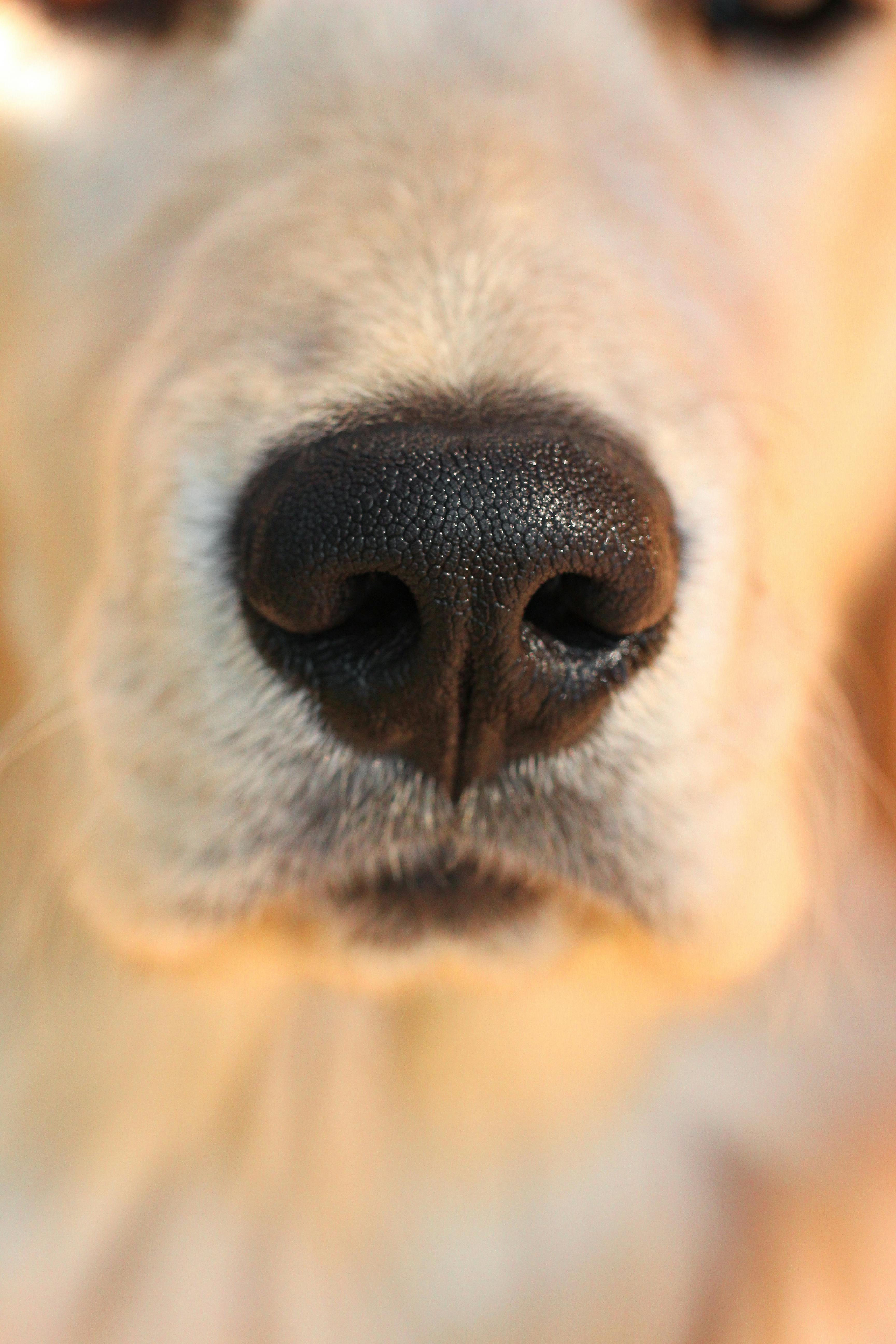
When it comes to our furry friends, many of us often wonder about the signs of a healthy pup. One of the most noticeable features of dogs is their wet noses. But what does it really mean? Do wet noses mean a healthy dog? It's a question that many dog owners and enthusiasts ask, and it’s important to look deeper into the reasons behind those moist snouts.
Why Do Dogs Have Wet Noses?
Dogs have wet noses for several fascinating reasons, and it’s not just because they enjoy splashing in puddles or licking their own faces. Here’s some key points:
Sense of Smell: A wet nose helps dogs smell better. The moisture on their nose captures scent particles from the air, making it easier for them to pick up on different smells. This is essential for their hunting instincts and daily explorations.
Temperature Regulation: Dogs don't sweat like humans do. Instead, they pant to cool down, but their wet noses also play a role in regulating their body temperature. The moisture evaporates, which helps to keep them cool.
Health Indicator: While a wet nose can be a sign of a healthy dog, it's not the only one. A dog's overall health is reflected in various ways, including their energy level, appetite, and behavior.
Do Wet Noses Mean a Healthy Dog?
While many people believe that a wet nose indicates a healthy dog, it’s not a definitive sign. Here’s why:
Variability: Not all dogs have wet noses all the time. Some breeds, like Bulldogs or Pugs, may have drier noses due to their facial structure.
Health Conditions: If a dog's nose is dry and cracked, it could indicate dehydration, illness, or allergies. In contrast, a consistently wet nose can also be a sign of certain health issues if it’s accompanied by other symptoms.
Environmental Factors: Weather conditions can affect nose moisture. A humid day might result in a wet nose, while cold and dry air can make it drier.
Common Myths About Dog Noses
There are several myths surrounding the health implications of a dog's nose moisture. Here are some of the most common ones:
Myth: A Wet Nose Always Means Good Health
- Reality: While often true, it’s not a guarantee. Other health factors need to be considered.
Myth: A Warm Nose Indicates Fever
- Reality: A dog’s nose temperature can vary throughout the day. It’s better to check their overall behavior and temperature with a thermometer.
Myth: Dogs Lick Their Noses to Keep Them Wet
- Reality: While dogs do lick their noses, it’s actually a natural occurrence, and they don’t do it solely for moisture.
Practical Tips for Monitoring Your Dog’s Nose Health
Here’s a list of simple tips to help you keep track of your dog’s nose health:
Regular Checkups: Take your pup for regular vet visits. A professional can spot potential health issues early on.
Monitor Behaviors: Watch for changes in your dog’s behavior like loss of appetite or lethargy. These can indicate health problems, regardless of nose wetness.
Hydration: Ensure that your dog has access to fresh water at all times. Hydration is key for overall health.
Environmental Awareness: Be mindful of the weather conditions. Dry winters or hot summers can affect your dog's nose moisture.
When to Seek Veterinary Advice
If you notice any of the following signs in your dog, it’s best to consult your veterinarian:
- Persistent dry or cracked nose
- Excessive licking of the nose or face
- Changes in appetite or energy levels
- Nasal discharge or bleeding
In summary, while wet noses can be an indicator of a healthy dog, they are not the sole indicator. Understanding the reasons behind why dogs have wet noses and what those wet noses mean can help you keep an eye on your pup’s health. Remember that a healthy dog exhibits a combination of factors, including a shiny coat, playful demeanor, and a lively spirit. Monitoring all these signs together will give you the best picture of your dog's well-being. Keeping a close watch on your furry friend will ensure they stay healthy and happy for many years to come.
Why Dogs' Noses Are Wet: Exploring the Importance of Canine Sensory Perception
Dogs are one of the most beloved pets in the world, and their wet noses are often a topic of curiosity among pet owners. Have you ever wondered, why do dogs have wet noses? This question leads us into a fascinating exploration of canine sensory perception and the physiological reasons behind those moist noses. Wet noses are not just a quirky feature of dogs; they play several important roles in their health and communication.
The Science Behind Wet Noses
A dog's nose is made up of many different types of tissue, and it's covered in a thin layer of mucus. This mucus helps to enhance their sense of smell, which is one of the most powerful senses in dogs. When dogs sniff around, the moisture on their noses captures scent particles more effectively. It’s like having a super-powered olfactory system! Here’s how it works:
- Moisture absorption: The wetness on a dog's nose helps absorb scent particles from the air.
- Temperature regulation: A wet nose can help cool down a dog, especially during hot weather.
- Health indicator: A wet nose is often a sign of good health, as it indicates hydration and proper bodily function.
Why Do Dogs Have Wet Noses? The Various Reasons
Understanding why dogs have wet noses involves looking at several factors. Below are some fascinating reasons:
Enhanced Sense of Smell
- Dogs have up to 300 million olfactory receptors in their noses, compared to about 6 million in humans. This allows them to detect scents at incredibly low concentrations.
- The moisture on their noses helps to trap those scents, allowing dogs to identify smells more effectively.
Communication Tool
- Dogs use their noses to communicate with each other and with humans. A wet nose can signify a friendly greeting or an invitation to play.
- When dogs are excited or anxious, their noses might become wetter due to increased mucus production.
Self-Cooling Mechanism
- Dogs don’t sweat like humans do; they primarily cool off through panting. However, having a wet nose helps them regulate their body temperature, especially on hot days.
- The evaporation of moisture from their noses can help cool them down.
Health and Wellness Indicator
- While a wet nose is often associated with good health, it’s not the only indicator. A dry nose can happen for various reasons, including dehydration or environmental factors.
- Regular checks can help pet owners monitor their dog's health.
The Role of Nose Shape and Breed Differences
Different dog breeds have various nose shapes, which can also impact how wet their noses are. For example:
- Long-nosed breeds: Such as Greyhounds or Dachshunds tend to have wetter noses because their longer snouts allow for more effective moisture distribution.
- Short-nosed breeds: Like Bulldogs or Pugs may have less moisture, but that doesn’t mean they can't smell well. Their noses are adapted to their facial structure.
Interesting Facts about Dogs’ Noses
- Dogs can sniff out diseases like cancer and diabetes due to their exceptional sense of smell.
- The wetness of a dog's nose can fluctuate throughout the day, depending on their activities or environmental conditions.
- Dogs can identify scents that are days or even weeks old, which is why they are often used in search and rescue operations.
Practical Tips for Dog Owners
Keeping your dog's nose healthy is important. Here are some tips:
- Regular hydration: Ensure your dog has access to fresh water at all times. Hydration is key to maintaining that wet nose!
- Check for dryness: If your dog's nose is persistently dry or cracked, it could be a sign of health issues. Consulting a veterinarian is recommended.
- Watch for changes: Monitor for any significant changes in your dog's nose moisture, as it can be a health indicator.
Final Thoughts
So, why do dogs have wet noses? The answer involves a combination of biology, communication, and health. Wet noses enhance a dog’s sense of smell, help regulate their body temperature, and can be a sign of their overall well-being. As a dog owner, understanding these aspects of your furry friend's nose can help you appreciate the complexity of canine sensory perception. Remember to keep an eye on your dog’s health, and make sure that nose stays nice and moist!
The Role of a Wet Nose in Your Dog’s Well-Being: Insights from Veterinarians
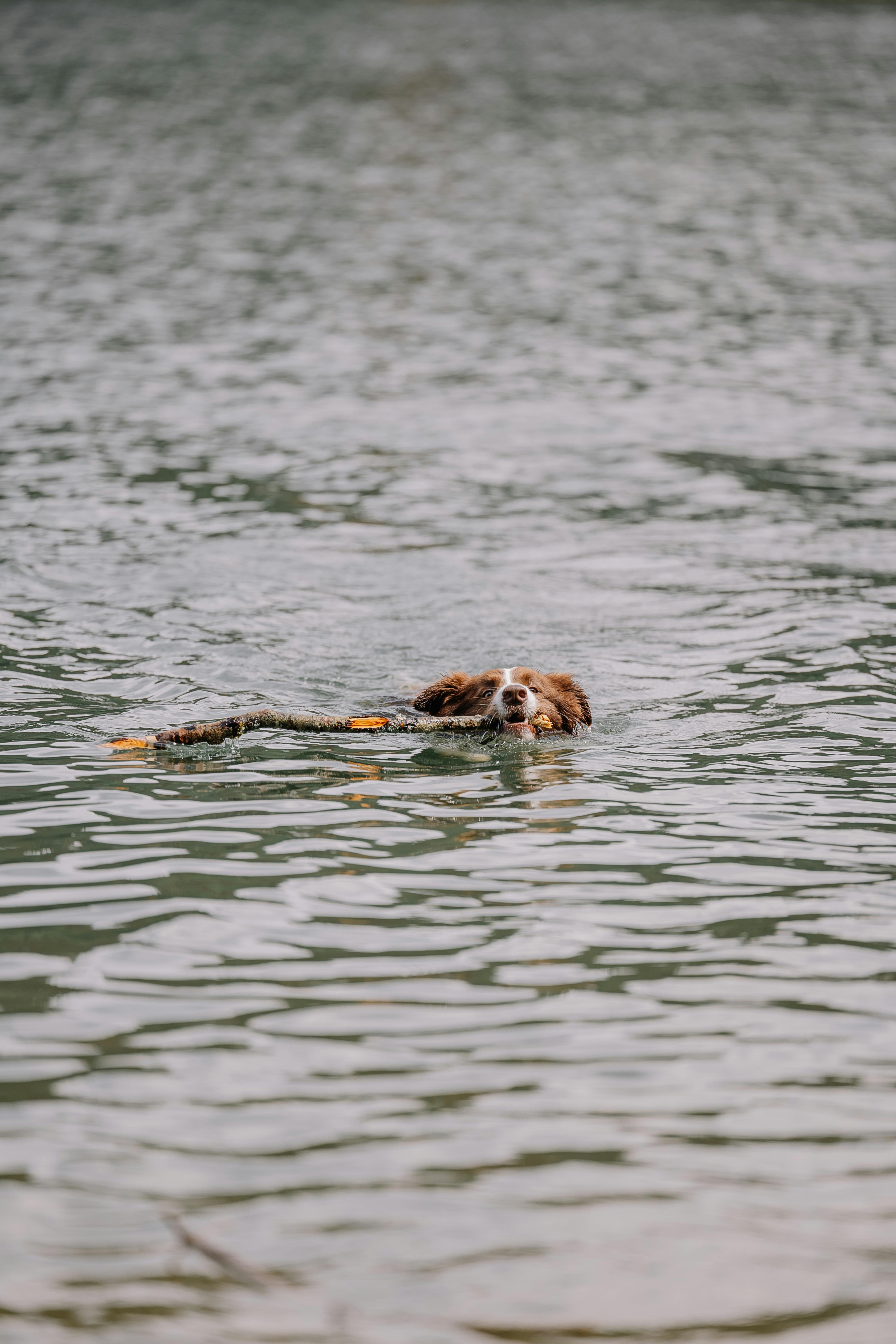
Dogs are often referred to as “man’s best friend,” and their wet noses play a surprisingly significant role in their well-being. Many dog owners, however, might not fully understand why their furry companions have such unique noses. In this article, we will explore the fascinating reasons behind why do dogs have wet noses, along with insights from veterinarians on the implications for your dog’s health.
The Science Behind Wet Noses
Dogs have wet noses primarily due to the secretion of mucus and other fluids. This moisture serves several important purposes. Here are some key points to consider:
Temperature Regulation: Dogs do not sweat like humans. Instead, they rely on their noses to help regulate their body temperature. The moisture evaporates from the surface of the nose, thus cooling their bodies.
Enhanced Sense of Smell: A wet nose can improve a dog’s ability to detect scents. The moisture helps to trap scent particles, allowing the olfactory receptors in the nasal cavity to absorb more smells. This is crucial for dogs that use their sense of smell to navigate their world.
Health Indicator: A dog’s nose can be an indicator of their health. A healthy dog often has a moist, cool nose, while a dry or warm nose could signal illness or dehydration. However, it’s worth noting that this isn't a definitive rule; other factors can influence nose temperature and moisture.
Historical Context of Dog Noses
It's interesting to note that the structure of a dog's nose has evolved over thousands of years. Ancient breeds, like the Greyhound and the Bloodhound, were bred for specific purposes, including hunting and tracking. Their noses evolved to be more efficient at detecting scents, which was essential for their survival and the roles they played in human society.
Hunting Dogs: Breeds that were used for hunting had an even more developed sense of smell. Their wet noses were crucial for tracking scents over long distances.
Companion Dogs: While the primary role of companion breeds may not involve hunting, their wet noses still contribute to their ability to bond with humans and understand their surroundings.
Why Is a Wet Nose Important?
The moisture on a dog’s nose has multiple benefits. Here’s a breakdown of why it matters:
Scent Detection: As mentioned earlier, a wet nose helps with scent absorption. This is vital for dogs, as they rely on their sense of smell to interact with the world.
Communication: Dogs use their noses to communicate with each other and humans. A wet nose can convey friendliness and openness, while a dry or cold nose might indicate stress or illness.
Health Monitoring: Regularly checking your dog's nose can be a good practice. If you notice significant changes, such as persistent dryness or unusual temperature, it may be time to consult with a veterinarian.
Play and Interaction: Dogs often use their noses to explore their environment. A wet nose can enhance their play experience, making interactions with toys and other animals more engaging.
Practical Examples of Nose Care
Taking care of your dog’s nose is important, just like any other part of their body. Here are some tips from veterinarians on how to do this:
Hydration: Always ensure your dog has access to fresh water. Dehydration can lead to a dry nose.
Moisturizing: If your dog’s nose appears excessively dry, consider using a vet-recommended nose balm to keep it hydrated.
Regular Vet Check-ups: Regular visits to the veterinarian can help identify any underlying health issues that might affect your dog’s nose and overall well-being.
Fun Facts About Dog Noses
The average dog has about 220 million scent receptors in their noses, compared to just 5 million in humans!
Dogs can detect certain diseases, including cancer and diabetes, through their sense of smell, which is significantly enhanced by their wet noses.
A dog’s nose print is as unique as a human fingerprint, and it can be used for identification.
Understanding the role of a wet nose in your dog’s health provides valuable insight into their well-being. While we may take our furry friends’ noses for granted, they serve essential functions that impact their lives. It’s fascinating how such a simple feature can have profound implications for a dog’s health and behavior. So, next time you give your dog a pat on the head and notice their wet nose, remember that it’s more than just a cute trait; it’s a vital part of what makes your dog, well, a dog.
Can You Trust a Dog's Wet Nose? Debunking Common Myths and Misconceptions

Can You Trust a Dog's Wet Nose? Debunking Common Myths and Misconceptions, Why Do Dogs Have Wet Noses? Discover The Fascinating Reasons!
When we think about dogs, their wet noses often come to mind. But have you ever wondered why is that? Is it true that a wet nose means a healthy dog? Or can you trust a dog’s wet nose? Let's dive into the fascinating world of canine anatomy and debunk some common myths and misconceptions surrounding this unique feature.
The Science Behind Dog's Wet Noses
First off, dogs have wet noses for a few reasons. One of the main reasons is that it helps them to smell better! The moisture on their noses help the scent particles stick better, making it easier for them to catch different smells in the air. This is essential for dogs because they rely heavily on their sense of smell to understand the world around them.
- Dogs have around 220 million scent receptors in their noses.
- A dog's sense of smell is about 40 times better than that of humans.
- The wet surface of a dog's nose enhances their olfactory abilities.
Myths About Wet Noses
Now, let's talk about some myths. A common belief is that a cold and wet nose indicates a healthy dog. But that's not entirely true! While many healthy dogs do have wet noses, it doesn’t mean that a dry nose always indicates illness. There can be many reasons for a dry nose, such as the weather, dehydration, or simply sleeping.
Some myths include:
Myth 1: A wet nose means a dog is happy.
- Reality: Dogs can have wet noses regardless of their emotional state.
Myth 2: A dry nose means the dog is sick.
- Reality: Many factors affect nose moisture, and a dry nose isn't a definitive sign of illness.
Why Do Dogs Have Wet Noses?
So, why do dogs have wet noses? Well, besides aiding their sense of smell, there are other reasons:
Temperature Regulation: Dogs don’t sweat like humans. Instead, they regulate their body temperature through their noses. The moisture helps cool them down.
Sensory Function: A wet nose can also help dogs gather more information about their environment. They might lick their noses to gather scent particles and get a better understanding of what's around them.
Health Indicator: While it’s not a guaranteed sign of health, changes in nose moisture can sometimes indicate other health issues. For instance, a dog that suddenly develops a consistently dry nose might need to be checked by a vet.
Practical Examples of Nose Conditions
Here are some conditions that can affect a dog's nose:
Allergies: Just like humans, dogs can also have allergies that may cause nasal dryness or irritation.
Dehydration: If a dog doesn’t drink enough water, their nose may become dry.
Infections or Illnesses: Certain illnesses can change the moisture level of a dog's nose.
The Importance of Regular Vet Check-ups
The best way to ensure your dog’s health is to have regular veterinary check-ups. If you notice any significant changes in your dog's nose or overall behavior, it's always wise to consult a veterinarian. Keeping track of your dog's health can help catch potential problems early.
Conclusion
In summary, a dog's wet nose serves many purposes, and while it can be a good indicator of health, it shouldn't be the only thing you rely on. Understanding the facts behind why dogs have wet noses helps pet owners make informed decisions about their furry friends. So next time you pet your dog and feel that cool, wet nose, remember all the science behind it! Always stay observant and caring, and you and your canine companion will thrive together.
How Dogs Use Their Wet Noses to Communicate: Unraveling Fido's Language
Dogs are amazing creatures, and one of the most fascinating aspects of them is their wet noses. But have you ever wondered why do dogs have wet noses? It's not just for show or because they forgot to dry off after a drink! The truth is, a dog's nose plays an important role in how they communicate and interact with the world around them. Let's dive into the ways dogs use their wet noses to convey messages, and the science behind it.
The Science Behind Wet Noses
First off, the moisture on a dog's nose serves several purposes. The wetness helps to enhance their sense of smell, which is already incredibly powerful. A dog's nose has around 300 million scent receptors, compared to a human’s mere 5 million. When a dog's nose is moist, it can trap scent particles better, allowing them to detect smells more effectively. This is crucial for their communication with other dogs, humans, and their environment.
- Smell Enhancement: The moisture locks in scent particles, which helps the dog interpret various smells.
- Temperature Regulation: A wet nose can help dogs cool off. Unlike humans, who sweat, dogs rely on their noses to manage body temperature.
- Health Indicator: A dog's nose can also indicate health. While not always the case, a warm, dry nose could signal illness.
How Dogs Communicate Using Their Noses
Dogs communicate through a variety of methods, and their noses play a key role in this. When dogs greet each other, they often sniff each other’s noses. This behavior is not just a polite hello; it’s a detailed conversation in dog language. Here are some ways dogs communicate using their noses:
- Scent Marking: Dogs have scent glands in their noses and they often leave their scent on objects. This tells other dogs about their presence, age, reproductive status, and even health.
- Emotional State: A wet nose can signal a dog’s emotional state. For example, a dog that is excited or curious may have a wetter nose compared to one that is stressed or anxious.
- Exploration: Dogs use their noses to explore their surroundings. Whether it's a new park or a friend's house, their noses help gather information about what’s nearby.
Why Do Dogs Have Wet Noses?
Now, let's get to the heart of the question: why do dogs have wet noses? This is a combination of evolutionary traits and biological functions. Here are some key reasons:
- Evolution: Historically, dogs with moist noses were better at hunting and finding food. Over time, this trait became more prominent in domestic dogs.
- Health and Well-being: The moisture helps keep a dog’s nose healthy. It can fight off bacteria and other pathogens, reducing the risk of infections.
- Social Interaction: Dogs are social animals, and their wet noses facilitate bonding with humans and other dogs. They often use their noses to greet and comfort, creating a sense of connection.
Fun Facts About Dog Noses
- Dogs have unique nose prints, just like human fingerprints!
- The wetness of a dog's nose can change throughout the day. A dog may have a drier nose in the morning and a wetter one in the evening.
- Dogs can detect scents up to 40 feet away, thanks to their incredible olfactory abilities.
Comparison: Dogs vs. Humans
When comparing dogs to humans, their sense of smell is vastly superior. Here’s a quick comparison:
| Feature | Dogs | Humans |
|---|---|---|
| Scent Receptors | ~300 million | ~5 million |
| Smell Sensitivity | Extremely sensitive | Much less sensitive |
| Communication Method | Through scent and touch | Primarily through verbal communication |
Practical Examples of Dog Nose Communication
- Greeting Other Dogs: When dogs meet, they sniff each other's noses as a way of introduction.
- Finding Lost Items: Dogs can be trained to find lost items by using their sense of smell. They can often locate missing persons or even detect certain substances.
- Detecting Illness: Some dogs are trained to detect diseases like cancer through scent, showcasing their incredible olfactory capabilities.
Understanding how dogs use their wet noses to communicate is not just interesting; it also enriches our bond with them. Their noses tell us much about their mood, health, and emotions. So, the next time you see Fido with a wet nose, remember, it’s not just cute—it's a vital part of their unique language. Embracing this knowledge can improve your relationship with your furry friend and help you communicate better!
10 Surprising Facts About Dogs’ Wet Noses That Will Amaze You
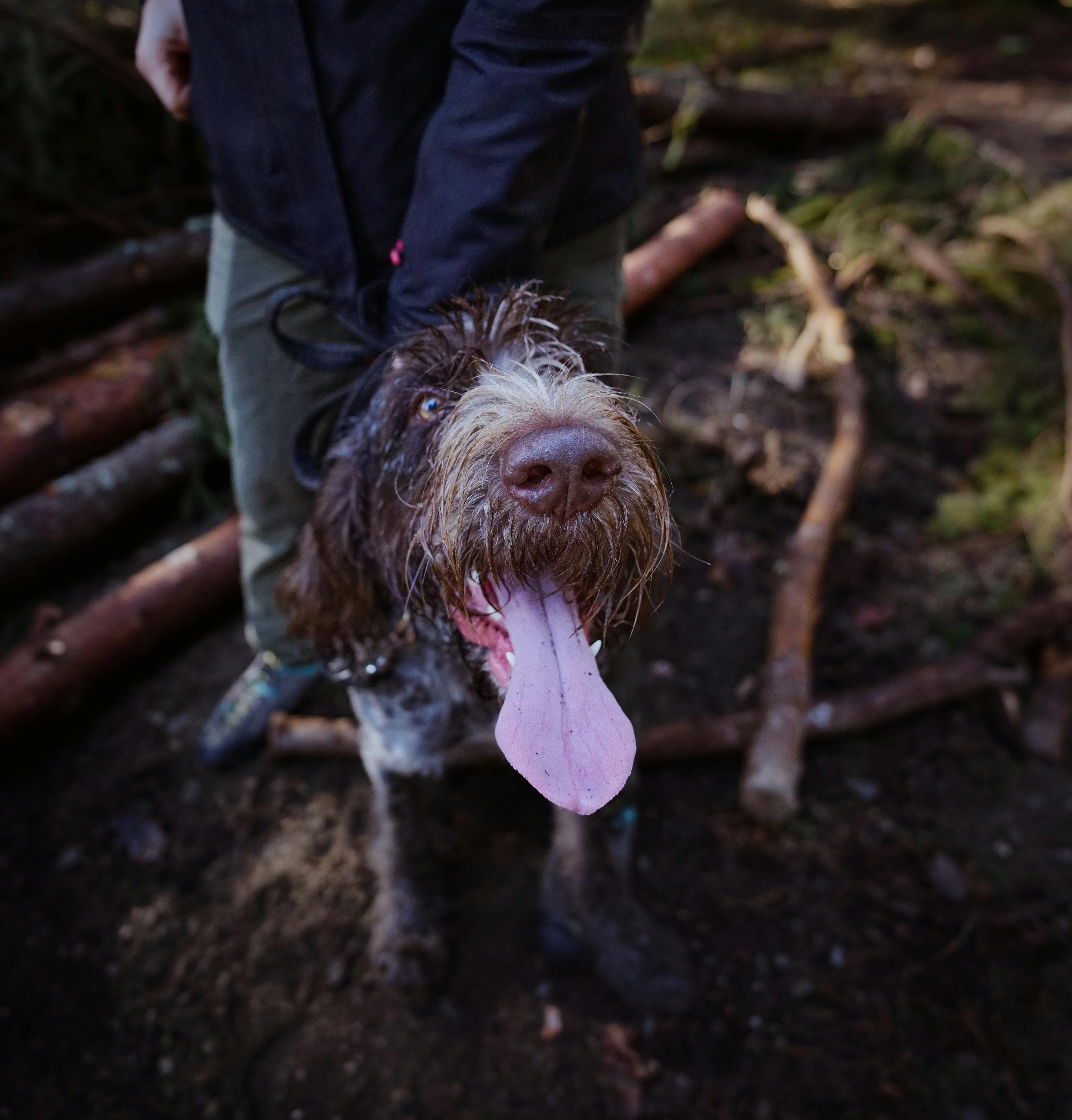
Ever wondered why dogs have them wet noses? It’s more than just a quirky trait; it’s a fascinating aspect of their biology. Let’s explore 10 surprising facts about dogs' wet noses that will surely amaze you. Understanding your furry friend better can strengthen your bond and help you provide better care for them.
1. Nature’s Thermometer
Dogs have wet noses because it helps them regulate their body temperature. When a dog licks its nose, the moisture evaporates, which cools them down. This is especially important for breeds that don’t sweat like humans. Instead of panting, they rely on their wet noses to help with temperature control.
2. Enhanced Sense of Smell
The moisture on a dog’s nose enhances its sense of smell. Wet noses can trap scent particles better than dry ones, making it easier for dogs to pick up on different odors. This is why they have an incredible sense of smell, estimated to be anywhere from 10,000 to 100,000 times more sensitive than humans!
3. Communication Tool
Dogs communicate through their sense of smell. A wet nose can help convey information to other dogs and animals. For example, when a dog approaches another dog, it often sniffs the other’s nose. This is like a handshake in the canine world. The moisture on their noses allows for better scent detection, facilitating communication between them.
4. Sign of Health
A wet nose is often seen as a sign of a healthy dog. While it’s not a foolproof way to determine health, many dog owners believe that a cool, moist nose indicates a well-hydrated and happy pet. However, it’s important to note that a dry nose does not always mean a dog is sick.
5. Breed Variations
Not all dogs have the same type of nose. Some breeds have more pronounced wet noses than others. For instance, breeds like the Bloodhound or Beagle, known for their incredible sense of smell, often have extra moisture. On the other hand, dogs like the Bulldog might not have as wet of a nose but are still perfectly healthy.
6. Historical Context
Historically, dogs have developed wet noses as part of their evolutionary journey. The ancestors of modern dogs relied on their sense of smell for hunting and survival. A wet nose increased their chances of tracking prey, which was crucial for their survival in the wild.
7. Not Just Water
The moisture on a dog's nose isn’t just water. It’s a combination of saliva, mucus, and sometimes, even a bit of snot! This mixture makes it more effective in capturing scents. So, the next time your dog gives you a big wet kiss, just remember, it’s a complex biological function at play!
8. Temperature Sensitivity
Dogs can sense temperature changes through their wet noses. If there’s a sudden shift in temperature or humidity, dogs might react differently. For instance, they might become restless or uneasy if it’s too hot or cold. This sensitivity helps them adapt to their environment.
9. Wet Nose and Hydration
While wet noses are often associated with hydration, it’s not the only indicator of a dog’s health. Dogs can have varying levels of nose moisture depending on their activity level and environment. A dog that’s been playing outside may have a much wetter nose than one that’s been lounging indoors.
10. The Myth of the Nose Temperature
A common myth is that a dog’s nose temperature can indicate its health. While a cool, moist nose might be a sign of a healthy dog, it’s not a definitive measure. Many factors, including external temperature and activity level, can affect nose moisture. Always consult a vet if you have health concerns about your dog.
Practical Tips for Dog Owners
- Regular Vet Check-ups: Always keep your dog’s health in check with regular veterinary visits.
- Monitor Hydration: Ensure that your dog is drinking enough water, especially during hot weather.
- Observe Nose Changes: Pay attention to any sudden changes in your dog's nose moisture. If it becomes persistently dry or cracked, consult a veterinarian.
- Keep Their Environment Comfortable: Make sure your dog has a comfortable living environment to help them maintain a healthy temperature.
Understanding why dogs have wet noses can be both enlightening and beneficial. The next time you pet your dog, notice that adorable wet nose and think about all the incredible functions it serves. Your furry friend is full of surprises, and their wet nose is just one of many!
The Connection Between Wet Noses and Your Dog's Sense of Smell: A Deep Dive

Have you ever noticed how your dog's nose is always wet? It's kinda fascinating, right? Many pet owners ponder about this wetness and what it means for their furry friends. The connection between wet noses and a dog's sense of smell is a topic that’s both interesting and full of scientific insights. So, let’s dive deep into why do dogs have wet noses and explore the reasons behind this unique characteristic.
The Science Behind Wet Noses
First off, a dog's nose is not just for show. It plays a major role in their ability to smell. The wetness of a dog's nose helps enhance its sense of smell. When the nose is moist, it can capture scent particles more effectively. This is because the moisture allows the particles to stick, which makes it easier for the sensory receptors in the nose to pick them up.
- Dogs have around 300 million smell receptors, compared to humans who have about 5 million.
- Their sense of smell is estimated to be 10,000 to 100,000 times more sensitive than ours!
Evolutionary Perspective
Historically, dogs have evolved as hunting and tracking animals, and their wet noses are a part of that evolutionary journey. The ancestors of domestic dogs needed to track prey and find food, and having a wet nose was a crucial adaptation to improve their hunting skills. In the wild, a wet nose can also help dogs regulate their body temperature.
- Wet noses cool down quicker than dry ones, helping dogs to stay cool during strenuous activities.
- This ability to regulate temperature is especially important for breeds that have thick fur.
The Role of Mucus
Let’s talk about mucus for a moment. The moisture on a dog's nose comes from mucus, which is produced by glands in the nasal cavity. This mucus serves several purposes:
- Capturing Scent Particles: As we mentioned earlier, moisture helps to trap scent particles, enhancing their sense of smell.
- Temperature Regulation: It aids in cooling the dog down, which is vital during hot weather or after exercise.
Why Do Dogs Lick Their Noses?
You might’ve seen your dog licking its nose quite often. This behavior is not random; it's a way for dogs to keep their noses moist. When a dog licks its nose, it’s actually refreshing the moisture, which helps improve their sense of smell. Additionally, it can also be a sign of curiosity or excitement.
Health Implications
While a wet nose is generally a sign of a healthy dog, it’s important to note that a dog’s nose can change in moisture level due to health conditions. For instance, if a dog has a dry nose, it could indicate dehydration or illness. Here are some signs to watch for:
- Dryness: A persistently dry nose can be a symptom of dehydration.
- Cracks or sores: This could indicate a skin condition or allergies.
- Discoloration: Changes in the color of the nose can be a sign of underlying health issues.
Fun Facts About Dog Noses
- Unique Patterns: Just like human fingerprints, every dog has a unique nose print that can be used for identification.
- Temperature Sensors: Dogs can sense temperature changes in the environment through their noses, which helps them detect potential threats or changes in their surroundings.
- Scent Discrimination: Dogs can differentiate between different smells, which is why they are often used in search-and-rescue missions and detection work.
Comparison with Other Animals
While dogs have an outstanding sense of smell, they are not the only animals with wet noses. Other animals, like cats and certain mammals, also have moist noses. However, the level of sensitivity varies widely. Here’s a quick comparison:
| Animal | Number of Smell Receptors |
|---|---|
| Dogs | About 300 million |
| Cats | About 50 to 80 million |
| Humans | About 5 million |
| Bears | About 2,000,000,000 (yes, that's billion!) |
As you can see, dogs are at the top of the list, making them one of the best sniffers in the animal kingdom.
Understanding the connection between wet noses and your dog’s sense of smell not only highlights the remarkable abilities of dogs but also helps us appreciate their unique biology. So, the next time you see your dog's wet nose, remember it's not just an adorable feature; it plays a vital role in their life, aiding in everything from communication to survival. Isn’t nature just incredible?
Why Do Some Dogs Have Drier Noses? Understanding Variations in Canine Health
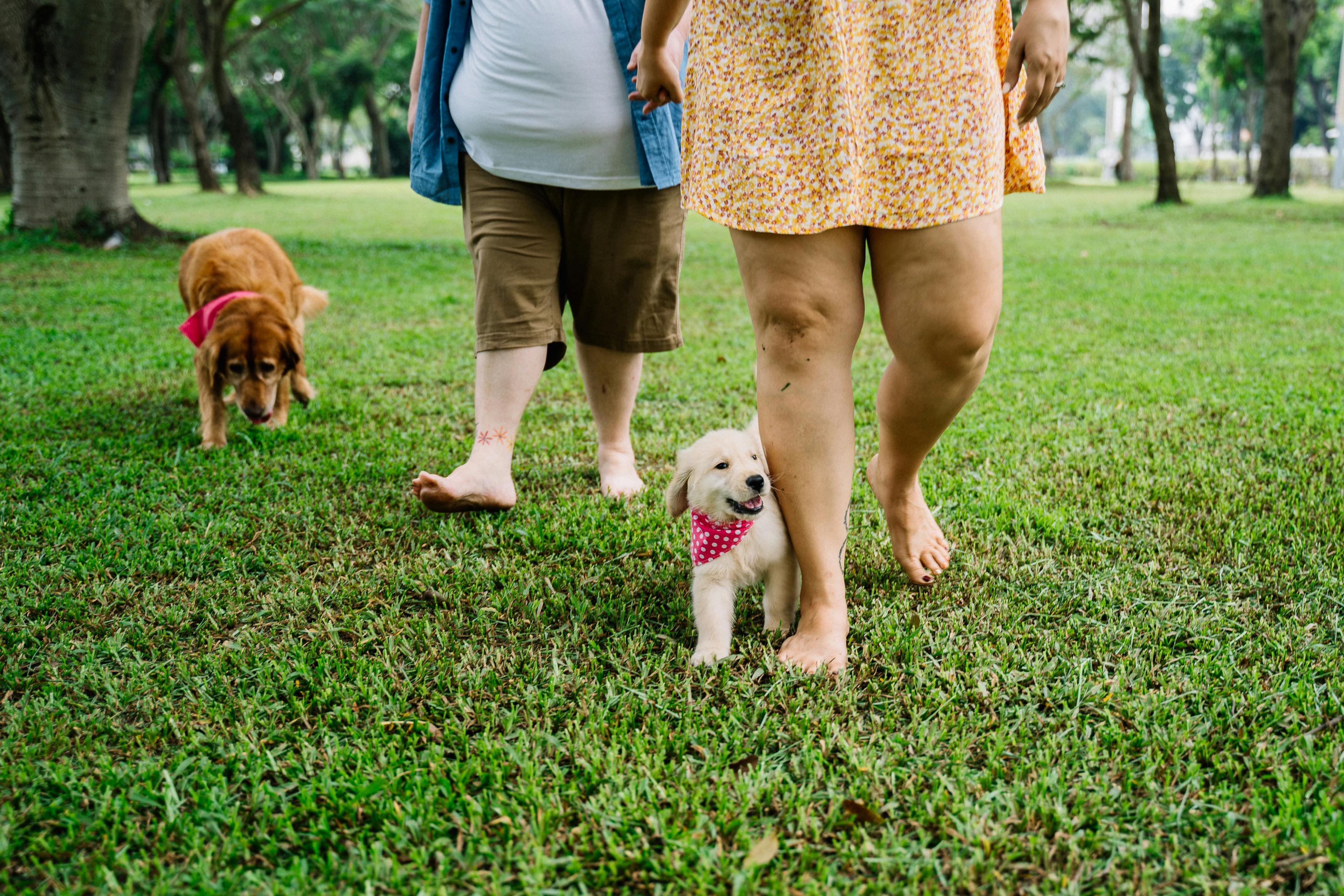
When you look at your dog's face, you might notice that their nose can be pretty wet, or sometimes it’s dry. You might wonder why do some dogs have drier noses? Understanding variations in canine health can be a little tricky, but it’s important for any dog owner. Wet noses are often seen as a sign of a happy and healthy dog, while a dry nose might raise some flags. But hold on, it's not always so clear cut.
Why Do Dogs Have Wet Noses?
Dogs have wet noses for several reasons, and each one plays a role in their overall health and well-being. Here are some fascinating facts about why dog noses are wet:
Cooling Mechanism: Dogs don't sweat like humans do. Instead, they cool down through their noses. The moisture on their nose evaporates and helps to lower their body temperature. This is especially important on hot days or after exercise.
Enhanced Sense of Smell: A wet nose helps to trap scent particles. Dogs have an incredible sense of smell, and a moist nose improves their ability to detect odors. This is why you'll often see dogs sniffing around with their noses wet.
Health Indicator: A wet nose is often associated with good health. It can indicate that a dog is hydrated and not suffering from fever or illness. However, this isn’t a foolproof method to determine a dog’s health.
Behavioral Aspect: Dogs also use their noses to interact with their environment. A wet nose can signal that a dog is relaxed and engaged with its surroundings.
Why Do Some Dogs Have Drier Noses?
Now, when you see a dry nose on a dog, it can sometimes cause concern. But, not all dry noses are signs of a problem. Here’s a list of reasons why some dogs may have drier noses:
Weather Conditions: Just like humans, dogs can feel the effects of weather. Cold or dry air can lead to a dry nose.
Dehydration: If a dog is not drinking enough water, it might show signs of dehydration, including a dry nose. Always make sure your furry friend has access to fresh water.
Health Issues: Sometimes, a dry nose can indicate an underlying health condition, like a fever or allergies. If you notice other symptoms, such as lethargy or loss of appetite, a vet visit is necessary.
Age Factors: Older dogs may have drier noses than younger ones. With age, changes in skin and moisture production can lead to dryness.
Breed Variations: Certain breeds are more prone to having drier noses. For instance, some brachycephalic breeds (like Bulldogs) may have naturally drier noses compared to others.
Common Misconceptions About Dog Noses
There are many myths surrounding dog noses, and it’s vital to separate fact from fiction. Here are a few misconceptions:
Wet Nose Means Healthy: While a wet nose can indicate health, a dry nose doesn’t automatically mean illness.
All Dogs Have Wet Noses: Not all dogs will have wet noses all the time. Factors like temperature and activity can change this.
You Should Worry If It’s Dry: A dry nose occasionally is normal and may not warrant concern unless accompanied by other symptoms.
Tips for Dog Owners
To ensure your dog remains healthy, here are some practical tips:
Hydration: Always provide plenty of fresh water. Monitor your dog's drinking habits, especially in hot weather.
Regular Vet Check-ups: Keep up with regular veterinary visits. Routine check-ups can catch potential health issues early.
Observe Behavior: Keep an eye on your dog's overall behavior. If there are changes in their eating, drinking, or energy levels, consult a veterinarian.
Provide Moisture: If your dog's nose seems consistently dry, consider using dog-safe moisturizers or consult your vet for recommendations.
Adjust to the Environment: Make sure your dog is comfortable with weather changes. If it’s cold and dry outside, limit outdoor time to prevent nose dryness.
Understanding why do dogs have wet noses and why some have drier noses can aid in recognizing the health of your pet. While a wet nose can be a sign of a healthy pup, a dry nose doesn’t necessarily spell trouble. Always pay attention to the behavior of your dog and consult with a vet if you have concerns. After all, your dog’s health is your priority, and being informed can help you make the best decisions for your furry friend.
Conclusion
In conclusion, the wet noses of dogs serve several important functions that contribute to their overall health and well-being. The moisture on their noses helps enhance their sense of smell by capturing scent particles, while also playing a role in thermoregulation, keeping them cool in warmer conditions. Additionally, a dog's wet nose can indicate hydration and overall vitality, making it a useful indicator for pet owners. Understanding these aspects not only deepens our appreciation for our canine companions but also encourages us to monitor their health more closely. So, the next time you greet your furry friend and feel that wet nose, remember the fascinating biology behind it. Embrace the joy of pet ownership by ensuring your dog stays healthy, hydrated, and happy, and don't hesitate to consult your veterinarian if you notice any changes in your dog's nose or overall health.