
Have you ever wondered, why do dogs have wet noses? This intriguing question has puzzled many dog lovers and pet owners alike. A dog’s nose is not just an adorable feature; it plays a crucial role in their health and communication. In fact, the wetness of a dog’s nose is more than just a cute characteristic—it’s a fascinating phenomenon that serves multiple purposes. From enhancing their sense of smell to regulating temperature, the reasons behind a dog’s wet nose are both interesting and essential. But what makes it wet in the first place? Is it instinctual or simply a quirk of nature? In this article, we will uncover the secrets behind why dogs have wet noses, delving into the science and biology of these beloved pets. You’ll discover how a moist nose contributes to a dog’s overall well-being and why it might even indicate their emotional state. So, if you’re curious about your furry friend’s unique features, keep reading to learn more about this enchanting aspect of canine life and explore the amazing benefits of a wet nose!
The Science Behind Dog Noses: Why Are They Always Wet and What Does It Mean?
Ever wonder why dogs have such wet noses? There’s actually a lot of science behind it, and it’s more than just a quirky trait. Dog noses are wet for a variety of reasons that can be fascinating when you start to dig into it. Let’s explore the science behind dog noses, and uncover why they are always moist, and what it means for your furry friend.
The Anatomy of a Dog Nose
Dog noses have unique anatomical features that help them smell so well. The surface of a dog’s nose is covered in mucous membranes. This moisture is key for several reasons:
- Enhanced Smell: Wet noses help trap scent particles, making it easier for dogs to detect odors.
- Cooling Mechanism: The moisture helps regulate their body temperature. Dogs don’t sweat like humans do, so they rely on their noses to help cool down.
- Health Indicator: A wet nose can indicate good health. If a dog’s nose is dry, it might suggest dehydration or illness.
Why Do Dogs Have Wet Noses?
There are few scientific and evolutionary reasons for dogs having wet noses.
Scent Detection: Dogs have about 220 million scent receptors in their noses compared to a human’s 5 million. The wetness of their noses captures scent particles more effectively, which is critical for hunting and foraging.
Thermoregulation: Dogs don’t sweat through their skin. Instead, they pant and use their noses to help cool down. The moisture evaporates, similar to how sweat works for humans.
Communication: Dogs can communicate with one another through scent. A wet nose can help them pick up on pheromones and other scents left by other dogs, which can be important for social interactions.
Historical Context
Dogs have evolved from wolves, who also had wet noses. Historically, a wet nose was an advantageous trait for survival. The ability to detect prey or predators was crucial, and as dogs were domesticated, this trait remained.
- Ancient Breeds: Breeds like the Basenji are known for their unique nose shapes, but they still maintain that wetness.
- Evolutionary Advantage: The wet nose helped early dogs thrive in various environments, from forests to deserts.
Common Myths About Wet Noses
Many people have misconceptions about why dog noses are wet. Here are some common myths debunked:
Myth 1: A wet nose means a dog is sick.
- Truth: While a dry nose can indicate illness, a wet nose is typically a sign of health.
Myth 2: Dogs lick their noses to keep them wet.
- Truth: Dogs have naturally wet noses due to their physiology, though they may lick them occasionally to enhance their sense of smell.
What a Wet Nose Means for Your Dog
The condition of your dog’s nose can reveal a lot about its health. Here’s a simple breakdown:
- Wet and Cool: Usually indicates a healthy dog.
- Dry and Warm: Could suggest dehydration or illness.
- Excessively Wet: May indicate allergies or other health concerns.
Practical Tips for Dog Owners
Understanding your dog’s nose can help you take better care of your pet. Here are some tips:
- Regular Check-ups: Make sure to regularly check your dog’s nose. If it becomes persistently dry or changes color, consult your vet.
- Hydration: Always keep fresh water available for your dog to drink, helping maintain that healthy wet nose.
- Observe Behavior: If your dog’s behavior changes along with their nose condition, it might be a sign to visit the vet.
Table of Nose Conditions and Symptoms
Here’s a quick reference table for nose conditions, what they might mean, and actions to take:
| Nose Condition | Possible Meaning | Action to Take |
|---|---|---|
| Wet and Cool | Healthy Dog | None needed |
| Dry and Warm | Dehydration/Illness | Increase water intake, consult vet |
| Excessively Wet | Allergies/Health Concern | Consult vet |
In the world of dogs, those wet noses serve a multitude of purposes, from tracking scents to regulating temperature. Understanding these functions not only enhances our bond with our pets but also helps us keep them healthy and happy. So next time you give your furry friend a pat on the head, remember that wet nose is more than just cute – it’s a vital part of what makes them such amazing companions.
5 Fascinating Reasons Why Dogs Have Wet Noses – Uncover the Truth!
Ever wonder why dogs have wet noses? It’s one of those things that just makes you go “huh!” when you see a pup with a shiny, damp snout. There’s actually some pretty cool science behind it, and it ain’t just about keeping things fresh. Let’s dive into five fascinating reasons why dogs have wet noses and uncover the truth about this curious canine feature!
1. Enhanced Sense of Smell
Dogs have some of the best noses in the animal kingdom, and a wet nose helps them smell better. That’s right, when a dog’s nose is moist, it can trap scent particles more effectively. The wetness acts like a sort of glue, holding onto those tiny molecules floating around in the air. When a dog licks its nose, it helps them pick up more scents, which is super important for their exploration and understanding of the world.
- Dogs have around 220 million scent receptors.
- Human noses only have about 5 million.
- A moist nose can help detect scents up to 100,000 times better than humans.
2. Temperature Regulation
Just like humans sweat to cool off, dogs use their noses to regulate their body temperature. A dog’s wet nose can help them stay cool, especially on hot days. When they pant, it helps to evaporate moisture from their noses which cools down their body. This is particularly important since dogs don’t sweat like we do. They primarily rely on panting and their noses for temperature control.
- Dogs sweat through their paw pads.
- Wet noses can lower body temperature by a few degrees.
- This is crucial for breeds that struggle with heat, like Bulldogs and Pugs.
3. Health Indicator
A dog’s nose can also be a window into their health. A wet nose is often a sign of a happy, healthy dog. If a dog’s nose suddenly becomes dry, it could indicate illness or dehydration. However, it’s important to remember that a dry nose doesn’t always mean something’s wrong. Dogs can have variations in nose moisture based on activity, weather, and even the time of day.
- Normal nose moisture levels can change throughout the day.
- A consistently dry or cracked nose could indicate health issues.
- Regular check-ups can help monitor your dog’s overall health.
4. Increased Social Interaction
Dogs are social animals, and a wet nose plays a role in their communication. When dogs greet each other, they often sniff each other’s noses. The moisture in their noses can help them gather information about the other dog, such as its health, diet, and mood. This nose-to-nose greeting is a way for dogs to bond and establish social connections.
- Dogs have a unique way of “saying hello” through scent.
- A wet nose can make a dog more approachable to others.
- This behavior is rooted in their instinctual communication methods.
5. Evolutionary Advantage
Historically, dogs evolved from wolves, and their wet noses provided them with significant advantages in the wild. A moist nose helped ancestral canines hunt more effectively, as it allowed them to pick up on scents of prey or predators more efficiently. Over time, this characteristic has been passed down through generations, solidifying the importance of a wet nose in dog survival and behavior.
- Evolution shaped the physical traits of dogs for better survival.
- Wet noses were crucial for hunting and foraging.
- This trait continues to be relevant for many dog breeds today.
In summary, the wet nose of a dog isn’t just an adorable quirk; it serves multiple important purposes. From enhancing their sense of smell to helping them regulate body temperature, a dog’s nose is a key feature that contributes to their overall well-being and social interactions. So next time you’re giving your furry friend a pat, take a moment to appreciate that wet, cool nose. It’s a small but mighty part of what makes dogs such unique companions!
Is Your Dog’s Wet Nose Healthy? Explore the Myths and Facts!
Is your dog’s wet nose healthy? If you ever pondered this question, you not alone. Many pet owners wonder about the health implications of their furry friends’ moist snouts. So let’s dive into the myths and facts surrounding this topic, as well as explore why dogs have wet noses in the first place.
Why Do Dogs Have Wet Noses?
Dogs have wet noses for several interesting reasons. Here’s a breakdown of the main factors:
- Temperature Regulation: A wet nose helps dogs regulate their body temperature. When they pant, moisture evaporates from their nose, helping cool them down.
- Enhanced Sense of Smell: The moisture on a dog’s nose helps to capture scent particles from the air. This makes their sense of smell even sharper, which is one of the reasons dogs are used in search and rescue missions, as well as in law enforcement.
- Health Indicator: A wet nose is often seen as a sign of health. However, it’s essential to note that it’s not a definitive health indicator. A dry nose could also mean a dog is dehydrated or unwell, but not always.
Common Myths About Wet Noses
There are many myths that surround the idea of wet noses, and it’s crucial to differentiate fact from fiction. Here are some common myths:
Myth 1: A wet nose means a dog is sick.
- Fact: While a wet nose can indicate a healthy dog, a dry nose doesn’t necessarily mean your dog is sick. Dogs can have a dry nose for various reasons, such as weather conditions or just waking up.
Myth 2: All dogs have wet noses.
- Fact: Not all dogs have the same degree of moisture on their noses. Some breeds might have drier noses due to their genetics or other factors.
Myth 3: A wet nose always means a dog is happy.
- Fact: While a wet nose can indicate a relaxed state, it’s not a clear-cut sign of happiness. Dogs express emotions in various ways, and nose wetness is just one factor.
Factors Affecting Nose Moisture
Understanding why your dog’s nose might be wet or dry can help you monitor their health. Here are some factors that might affect the moisture level:
- Environmental Conditions: Hot weather, low humidity, or air conditioning can cause a dog’s nose to dry out.
- Health Status: Illness or allergies can lead to changes in nose moisture. If you notice persistent changes, consult your veterinarian.
- Hydration Levels: Dehydration can lead to a dry nose. Ensure your dog has access to fresh water daily.
What does a Wet Nose Mean for Your Dog’s Health?
So, is your dog’s wet nose healthy? It can be an indication of various things. Here’s a simple list of possible interpretations:
- Healthy & Hydrated: A moist nose typically indicates that your dog is well-hydrated and healthy.
- Slightly Warm: If the nose is warm but still wet, it may mean your dog is simply a little overheated from play.
- Dry & Cracked: This might indicate dehydration, allergies, or other potential health issues.
Monitoring Your Dog’s Nose Condition
You may want to keep an eye on your dog’s nose condition. Here are some tips on how to monitor it:
- Check Regularly: Make it a habit to check your dog’s nose every day for changes in moisture and temperature.
- Look for Other Symptoms: If your dog’s nose is dry, also look for other symptoms like lethargy, loss of appetite, or coughing.
- Consult a Vet: If you notice any persistent changes or have concerns, don’t hesitate to reach out to your veterinarian for advice. They can provide guidance and treatment options.
Practical Examples
Consider these scenarios regarding dog noses:
- After a long walk in the summer heat, your dog’s nose feels warm but wet. This is usually normal as they try to cool down.
- You wake up one morning, and your dog’s nose is dry and cracked. If it persists, it’s advisable to check with a vet.
- During a rainy day, your dog’s nose stays wet. This is expected since they tend to become more moist in humid conditions.
In summary, the wetness of a dog’s nose can provide some insights into their health, but it should not be the only marker you rely upon. Understanding the myths and facts can help you take better care of your furry friend. If you are ever in doubt, it’s always best to consult a veterinarian for professional advice. Your pet’s health is worth the extra attention!
How Dog Noses Help with Scent Detection: The Amazing Role of Moisture
Dogs have long been known as man’s best friend, but did you ever stop to think about those wet noses? Why do dogs have wet noses, and how does it help them detect scents? There’s actually some pretty fascinating science behind it. Understanding how dog noses work can give us insight into their incredible ability to smell and even why they often seem to get a little too friendly with your leg or the mailbox.
The Science of a Dog’s Nose
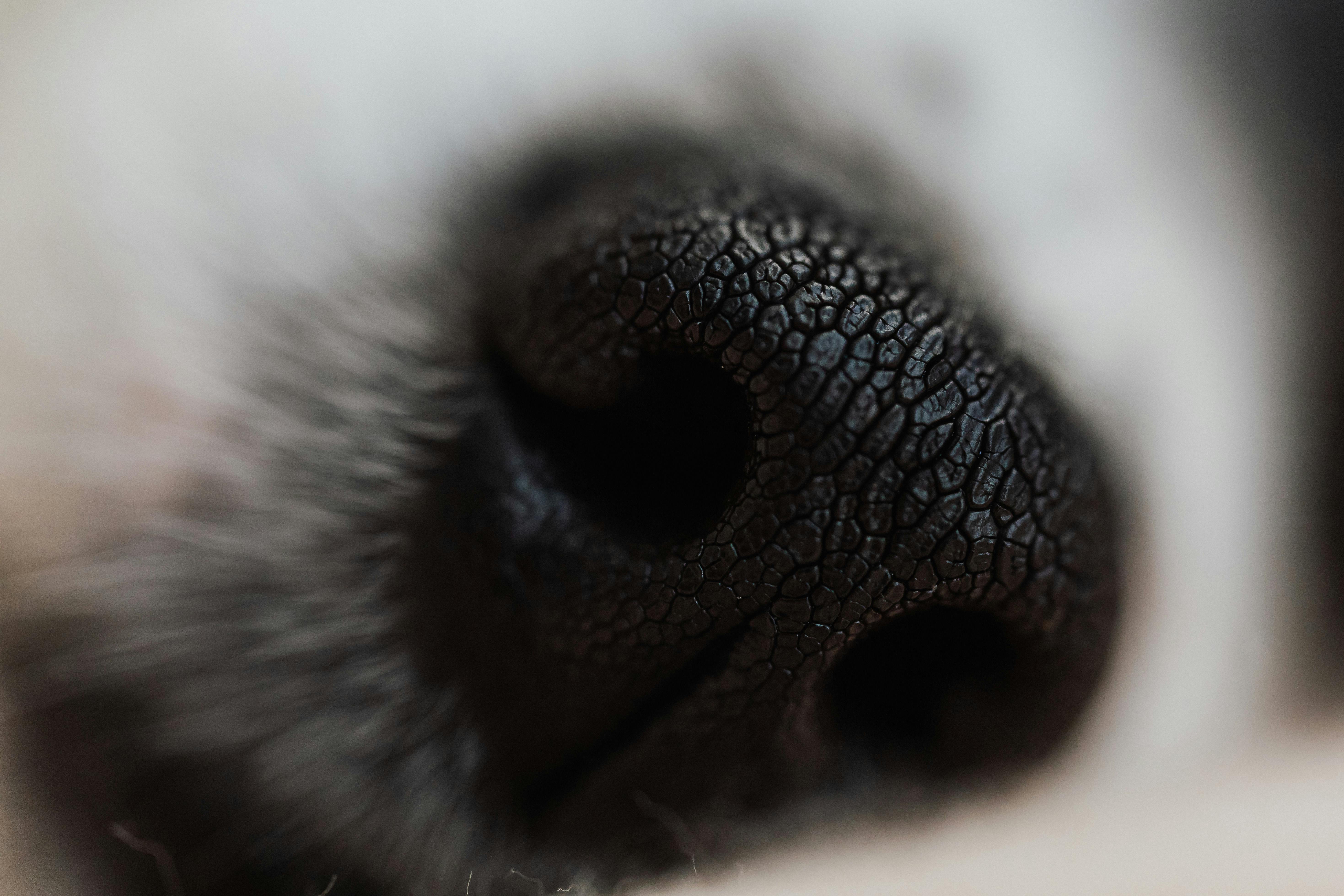
A dog’s nose is not just for show. It’s a complex organ designed for detecting odors, with about 300 million scent receptors compared to a human’s meager 5 million. This extraordinary olfactory system allows dogs to perceive scents at incredibly low concentrations. But moisture plays a crucial part in this process.
- Dogs have moist noses because moisture helps capture scent particles from the air.
- When dogs lick their noses, they keep it wet, maximizing their ability to pick up scents.
- The wetness enhances the dog’s sense of smell, allowing for better absorption of those scent molecules.
Why Is Moisture Important?
Moisture on a dog’s nose isn’t just a random quirk of nature. It serves a specific purpose. Here are a few reasons why dog noses are wet:
- Scent Absorption: Moisture acts like a sponge, absorbing various scent particles and allowing them to enter the olfactory receptors more effectively.
- Temperature Regulation: A wet nose can help dogs cool down, especially on warm days.
- Health Indicator: A dog’s nose can sometimes indicate its health. A consistently dry nose could signal dehydration or illness.
The Anatomy of a Dog’s Nose
Understanding the anatomy of a dog’s nose is key to grasping how it contributes to their scent detection.
- Nasal Cavity: Dogs have a highly complex nasal cavity with folds that increase the surface area for scent detection.
- Jacobsen’s Organ: This organ, also known as the vomeronasal organ, helps dogs detect pheromones and other chemical signals.
- Sniffing Mechanism: When dogs sniff, they create turbulence in the air, allowing them to capture more scent molecules.
How Dogs Use Their Noses
Dogs use their noses not just to find food or locate their favorite toy but for various reasons:
- Tracking: Dogs can follow a scent trail left by an individual or animal. This is why they are often used in search and rescue missions.
- Detecting Illness: There are even trained dogs that can detect certain types of cancer or other illnesses through scent.
- Emotional Recognition: Dogs can pick up on human emotions by smelling pheromones released through sweat or skin.
Fun Facts About Dog Noses
- Unique Patterns: Just like human fingerprints, every dog’s nose print is unique.
- Temperature Sensitivity: Dogs can detect temperature changes through their noses, helping them sense their environment better.
- Scent Memory: Dogs have an incredible memory for scents, allowing them to remember familiar smells for years.
Comparison: Dog Noses vs. Human Noses
Let’s break it down with a quick comparison:
| Feature | Dog Noses | Human Noses |
|---|---|---|
| Scent Receptors | ~300 million | ~5 million |
| Temperature Regulation | Yes (via moisture) | Limited |
| Scent Memory | Excellent | Moderate |
| Unique Patterns | Yes | No |
Practical Examples of Scent Detection
- Search and Rescue: Dogs are trained to locate missing persons using their sense of smell.
- Medical Detection: Some dogs are trained to sniff out certain diseases, including diabetes or even COVID-19.
- Law Enforcement: K9 units use dogs to detect drugs or explosives.
The amazing role of moisture in a dog’s nose is just one aspect of their remarkable ability to detect scents. Understanding why do dogs have wet noses is not just a matter of curiosity; it’s a window into the incredible world of canine capabilities. Their noses are not only essential for survival but also play a significant role in their interaction with humans and their environment.
In essence, the next time you see your dog sniffing around or you feel that cool, wet nose nudge against you, remember it’s not just affection. It’s a powerful tool designed by nature to help them understand the world better.
Wet Noses and Canine Communication: What Your Dog is Trying to Tell You
Dogs are remarkable creatures, and their ability to communicate with humans is one of the most fascinating aspects of their nature. One of the first things people notice about their furry companions is their wet noses. Have you ever wondered, “Why do dogs have wet noses?” or “What are they trying to tell me with their behavior?” Understanding your dog’s wet nose can give you insight into their health and emotions.
Why Do Dogs Have Wet Noses?
Dogs have wet noses for several reasons, which are both biological and behavioral. Here are some key points to consider:
- Moisture Regulation: Dogs’ noses are moist, which help them to regulate their body temperature. The moisture evaporates, cooling down their body.
- Enhanced Smell: A wet nose can help capture scent particles more effectively. This is crucial because dogs rely heavily on their sense of smell to understand their environment.
- Health Indicator: A wet nose can often indicate a healthy dog. If a dog’s nose is dry or cracked, it could be a sign of dehydration or illness. But this isn’t always the case, as other factors can affect nose moisture.
Historical Context of Dog Noses
Dogs have been companions to humans for thousands of years. Their noses have evolved to be highly sensitive. In fact, a dog’s sense of smell is estimated to be between 10,000 to 100,000 times more acute than humans. This incredible sensory ability has been utilized for hunting, tracking, and even search-and-rescue missions.
What Your Dog is Trying to Tell You
Dogs can’t speak verbally, but they communicate through body language and other behaviors. The wetness of their noses serves as a subtle cue. Here’s what you might infer from your dog’s wet nose:
- Curiosity: If your dog’s nose is particularly wet, it may mean they have been exploring and sniffing around.
- Excitement: Dogs often have wetter noses when they’re excited. When they see you after a long day, a wet nose can signal joy and affection.
- Stress or Anxiety: Sometimes, a dog’s nose might become dry or lose moisture due to stress. If you notice this, it may be worthwhile to observe their behavior for signs of anxiety.
Factors Influencing Nose Moisture
Several factors can cause variations in your dog’s nose moisture level:
- Weather Conditions: Hot, dry weather can lead to a dry nose, while humidity may promote a wetter nose.
- Health Conditions: Certain illnesses can cause changes in nose moisture. If your dog’s nose suddenly changes, it’s often a good idea to consult with a veterinarian.
- Age: Older dogs may have drier noses, which is normal and often not a cause for concern.
Reasons for a Dry Nose
A dry nose isn’t always a bad sign, but it’s important to monitor it. Here are some common reasons why a dog might have a dry nose:
- Dehydration: Dogs need to drink plenty of water. A dry nose could indicate they need hydration.
- Allergies: Allergies can cause nasal dryness. Watch for other symptoms like itching or sneezing.
- Infections: Nasal infections could lead to changes in moisture levels. If you suspect an infection, you should consult a vet.
Practical Tips for Dog Owners
Here are some practical tips for monitoring and caring for your dog’s nose:
- Hydration: Ensure your dog always has access to fresh water.
- Regular Vet Check-ups: Regular visits to the vet can help catch potential health issues early.
- Observe Behavior: Pay attention to changes in your dog’s behavior, as these can provide insights into their health.
- Nose Balm: If your dog suffers from a consistently dry nose, you might consider using a pet-safe nose balm.
Final Thoughts
Understanding your dog’s wet nose is a small part of the larger puzzle of canine communication. By paying attention to these details, pet owners can foster a deeper bond with their furry friends. A wet nose often signifies a happy and healthy dog, but don’t ignore changes. Always be observant, and don’t hesitate to seek help from a veterinarian if you have concerns. The connection you share with your dog is built on understanding, so take the time to learn what your pup is trying to tell you!
The Evolutionary Advantage: Why Wet Noses are Essential for Dogs
Dogs, man’s best friend, are known for their loyalty, playful nature, and of course, those adorable wet noses. But have you ever wondered why do dogs have wet noses? It’s not just an endearing characteristic but also serves many essential functions. In this article, we gonna explore the evolutionary advantage of wet noses in dogs and discover the fascinating reasons behind this unique feature.
What Makes a Dog’s Nose Wet?
The wetness of a dog’s nose is primarily caused by a thin layer of moisture that is produced by glands located in the nasal tissue. This moisture serves several important purposes:
- Enhanced Sense of Smell: Dogs are known to have an exceptional sense of smell, which is estimated to be 10,000 to 100,000 times more sensitive than humans. A wet nose helps to capture scent particles more effectively, allowing them to better analyze the smells in their environment.
- Thermoregulation: Dogs do not sweat like humans do. They primarily cool themselves down through panting and also by the moisture on their noses. The evaporation of this moisture helps to lower their body temperature.
- Health Indicator: A dog’s nose can be a good indicator of their health. A healthy dog typically has a moist, cool nose, while a dry or warm nose could suggest illness or dehydration.
Historical Context of Dog Noses
Dogs have evolved over thousands of years from wolves, and their noses have adapted to meet various needs. Early domesticated dogs needed to track scents for hunting, and a wet nose would have provided an evolutionary advantage. As dogs became companions to humans, their noses continued to play a crucial role in communication and interaction.
The Fascinating Science Behind Dog Noses
The anatomy of a dog’s nose is complex and fascinating. Here are some scientific insights:
- Olfactory Receptors: Dogs have about 220 million olfactory receptors in their noses, compared to around 5 million in humans. This vast array of receptors allows them to detect a wide range of scents.
- Jacobsen’s Organ: This is a special organ located in the nasal cavity that helps dogs process scents. It allows them to “taste” smells, enhancing their ability to identify different odors.
- Moisture Production: The moisture on a dog’s nose comes from the mucous glands. This mucus not only helps in scent detection but also keeps the nasal passages moist, facilitating better airflow and olfactory function.
Practical Examples of Wet Noses in Action
Ever noticed how your dog sniffs around when you take them for a walk? Here’s how wet noses help in daily activities:
- Tracking: When dogs are trained for search and rescue, their ability to track scents can be crucial. A wet nose enhances their tracking skills, helping them locate missing persons or detect substances.
- Social Interactions: Dogs often greet each other by sniffing noses. A wet nose can be more inviting and comforting, promoting social bonding among dogs.
- Search Dogs: In law enforcement, dogs are trained to detect drugs or explosives. Their wet noses help them discern specific scents amidst various odors in their environment.
Comparison: Dogs vs. Cats
While both dogs and cats have impressive olfactory senses, their noses serve different purposes:
- Dogs:
- Wet noses enhance their ability to smell.
- They use scent for social interactions and tracking.
- Cats:
- Have dry noses which can also detect scents but not as effectively as dogs.
- Use their sense of smell primarily for hunting.
Fun Facts About Dog Noses
- Dogs’ noses come in various shapes and sizes, depending on the breed.
- A dog’s nose print is unique, much like a human fingerprint, and could potentially be used for identification.
- Some breeds are known for having particularly wet noses, like Retrievers and Beagles.
Wet noses are more than just a cute feature of dogs. They serve vital functions that enhance a dog’s ability to interact with their environment and communicate with others. Understanding why dogs have wet noses gives us a deeper appreciation for our furry companions and their evolutionary advantages. The next time you cuddle with your dog and feel that cool, wet nose against your skin, remember that it’s not just a sign of affection but a remarkable tool that enhances their world.
How Weather Affects Your Dog’s Nose: What Every Pet Owner Should Know

Weather can have a big impact on your dog’s nose, and it’s more important than you might think for every pet owner. Many people wonder why do dogs have wet noses? The answer lies in several fascinating reasons that relate not just to biology but also to behavior and environmental factors.
The Importance of a Wet Nose
Did you know that a wet nose is actually a sign of a healthy dog? It’s true! A dog’s nose secretes moisture that helps them sense the world around them. Here’s a few reasons why having a wet nose is essential:
- Enhanced Smell: Dogs have an incredible sense of smell, and a wet nose helps in trapping scent particles from the air, making it easier for them to identify smells.
- Cooling Mechanism: Just like humans sweat, dogs can’t sweat in the same way. Their wet noses help to cool them down.
- Health Indicator: A sudden change in the moisture of your dog’s nose can indicate health issues. For example, a dry, cracked nose may signal dehydration or illness.
How Weather Plays a Role
The weather significantly affects the moisture levels of your dog’s nose. In different seasons, you might notice changes in the wetness of your dog’s nose. Here’s how:
- Humidity: On hot and humid days, your dog’s nose is likely to be much wetter. The moisture in the air allows for better scent trapping.
- Cold Weather: In winter, the cold air can dry out your dog’s nose, meaning it might feel more dry. This doesn’t necessarily mean something is wrong, but you should keep an eye on it.
- Rainy Days: Rain can keep your dog’s nose moist. However, be careful about letting them stay out too long in wet conditions, as this can also lead to other health issues like ear infections.
Fascinating Facts About Dog Noses
- Unique Patterns: Just like human fingerprints, every dog’s nose print is unique.
- Temperature Regulation: Dogs’ noses help regulate their body temperature. A wet nose can cool them down during hot weather.
- Scent Discrimination: Dogs can detect certain smells in concentrations as low as one part per trillion, thanks to their wet noses!
What to Watch For
As a pet owner, it’s crucial to monitor the condition of your dog’s nose, especially during weather changes. Here’s a list of things to keep an eye on:
- Change in Moisture: If your dog’s nose suddenly becomes dry, it could be a sign of health issues.
- Cracking or Bleeding: This can indicate dehydration or an allergy.
- Discharge: A runny nose can be normal, but if it’s excessive or has a bad odor, consult a vet.
Tips for Keeping Your Dog’s Nose Healthy
- Stay Hydrated: Always ensure your dog has access to fresh, clean water.
- Regular Vet Checkups: Routine visits can help catch any potential issues early on.
- Limit Exposure in Extreme Weather: Protect your dog during extremely hot or cold weather.
- Use Nose Balm: There are products specifically designed to help keep your dog’s nose moisturized.
The Science Behind Dog Noses
Dogs possess around 200 million scent receptors in their noses, compared to about 5 million in humans. This difference shows why dogs rely on their sense of smell so much. A wet nose enhances this ability, allowing them to process smells more effectively.
| Weather Condition | Effect on Nose | Tips |
|---|---|---|
| Hot & Humid | Increased moisture | Keep hydrated |
| Cold & Dry | Decreased moisture | Use a nose balm |
| Rainy | Maintains moisture | Limit exposure to rain |
This table helps to visualize how different weather conditions impact your dog’s nose and what you can do to help maintain its health.
Understanding how weather affects your dog’s nose is important. Not only does it allow you to be a more attentive pet owner, but it also helps ensure your furry friend stays happy and healthy. So next time you notice your dog’s nose, remember the fascinating reasons behind its wetness and the weather’s role in it! Keeping track of these changes helps you to keep your pet in the best shape possible.
7 Surprising Benefits of a Wet Nose in Dogs: More Than Just Cute!
Dogs are often thought of as man’s best friend, but did you ever wonder about the science behind their wet noses? It’s more than just a cute quirk! Let’s dive into the fascinating reasons why dogs have wet noses, and explore seven surprising benefits of having a wet nose in dogs.
Why Do Dogs Have Wet Noses?
First off, why do dogs have wet noses? The answer is pretty interesting. Dogs’ noses are moist for several reasons. One major reason is to help them smell better. The moisture helps to capture scent particles in the air, which makes it easier for dogs to identify different smells. This is crucial for a dog’s survival, as they rely heavily on their sense of smell to navigate the world.
Another reason is thermoregulation. Dogs don’t sweat like humans do, so their wet noses can help cool them down. When they breathe, moisture evaporates and helps keep their body temperature in check. Also, wet noses can enhance a dog’s ability to detect pheromones, which are important for communication with other dogs.
7 Surprising Benefits of a Wet Nose in Dogs
Enhanced Smell Detection
Dogs’ noses are packed with olfactory receptors. The wetness helps to trap scent molecules, making it easier for dogs to process smells. This is why dogs excel in search and rescue missions or sniffing out contraband.Temperature Regulation
A wet nose plays a critical role in cooling dogs down. When they pant, the moisture on their noses evaporates, which can lower their body temperature. This is especially important during hot summer days.Health Indicator
A dog’s nose can be a good indicator of its health. A wet and cold nose is often seen as a sign of a healthy dog. Conversely, a dry and warm nose might suggest illness or dehydration, although this isn’t a definitive measure of health.Social Interaction
Dogs use their noses to communicate. A wet nose is often associated with a dog that’s friendly and eager to interact. When dogs greet each other, they often sniff noses, and a wet nose is usually more inviting.Scent Discrimination
Dogs can differentiate between various scents thanks to their wet noses. This ability is what makes them excellent working animals, whether they’re guiding the blind or detecting drugs. Their noses allow them to follow trails and find missing persons.Cognitive Functioning
Engaging their sense of smell can stimulate a dog’s mind. Playing scent games or going for walks where they can explore different smells can keep them mentally sharp and reduce anxiety.Bonding with Humans
A dog’s wet nose can be a way of showing affection towards their owners. When a dog nudges you with their nose, it’s often a sign of love and trust. This physical interaction can strengthen the bond between dogs and their humans.
Fun Facts about Dog Noses
- Unique Patterns: Just like human fingerprints, every dog’s nose print is unique. This could be used as identification.
- Color Change: A dog’s nose can change color due to the weather, health, or even as they age.
- Nose and Temperature: Generally, a dog’s nose temperature can be lower than other parts of their body, indicating their cooling mechanism is at work.
Nose Care Tips for Dog Owners
- Keep it Clean: Regularly wipe your dog’s nose with a damp cloth to keep it clean and healthy.
- Watch for Cracks: If you notice any cracks or excessive dryness, it might be time to consult a vet.
- Hydration is Key: Make sure your dog has access to fresh water to keep their nose moisturized.
Dog noses are more than just adorable; they serve important functions that keep our furry friends healthy and happy. The next time your dog nudges you with their wet nose, remember that it’s doing so much more than just being cute! With their incredible sense of smell and their unique physical traits, dogs truly are remarkable creatures. Knowing these benefits can help you appreciate your dog even more and be better equipped to care for them.
Dog Breeds with Unique Nose Characteristics: Do They All Have Wet Noses?
Dog lovers often marvel at their furry friends, but one of the most fascinating aspects of dogs is their noses. You might’ve heard that dogs have wet noses, but why is that? And do all dog breeds share this characteristic? Let’s dive into the unique nose characteristics of different dog breeds and explore the reasons behind those wet noses.
Dog Breeds with Unique Nose Characteristics
Dogs noses come in all sort of shapes and sizes, but wetness is a common trait among many breeds. Here is a list of some dog breeds that have unique nose characteristics:
Bloodhound: Known for their remarkable sense of smell, Bloodhounds have very long and droopy noses. Their wet noses help to enhance their scent-tracking abilities.
Boxer: Boxers have a short snout, but their noses are typically moist. This moisture aids in their ability to detect scents, which is vital for their active and playful nature.
Siberian Husky: The Siberian Husky’s nose can vary in color, but it’s usually wet. They use their noses to navigate the cold, snowy environments they were bred for.
Bulldog: Bulldogs have flat noses, yet they still maintain that wetness. This helps with their breathing and overall health.
Dachshund: With their long bodies and short legs, Dachshunds also have wet noses that help them sniff out small critters.
These breeds not only have unique appearances, but their noses also serve important functions in their daily life.
Why Do Dogs Have Wet Noses?
The moisture on a dog’s nose may seem trivial, but it actually serves several important purposes. Here are some reasons why dogs have wet noses:
Enhanced Sense of Smell: The wetness on a dog’s nose helps to capture scent particles in the air, making it easier for them to smell. That’s why dogs are so good at tracking scents.
Temperature Regulation: Dogs can’t sweat like humans. Wet noses help to cool them down. When a dog licks its nose, it also helps to evaporate moisture, which aids in cooling.
Communication: Dogs communicate using their sense of smell, and wet noses can convey information to other dogs about where they’ve been and what they’ve encountered.
Health Indicator: A wet nose is often seen as a sign of health in dogs. However, if a dog’s nose is too dry or warm, it might indicate illness or dehydration.
Dogs and Their Noses: Fun Facts
Nose Prints: Just like human fingerprints, a dog’s nose print is unique. Veterinarians can use nose prints to identify dogs.
Color of the Nose: The color of a dog’s nose can vary widely. It can range from black to brown, pink, or even spotted. The color doesn’t affect their olfactory abilities.
Temperature Sensitivity: Dogs have a special organ called the Jacobsen’s organ located in their nasal cavity, which helps them detect pheromones and other chemical signals.
Comparison: Wet Noses vs. Dry Noses
It’s also interesting to compare wet noses with dry noses. Here’s a quick table showing the differences:
| Characteristic | Wet Nose | Dry Nose |
|---|---|---|
| Smell Sensitivity | Higher | Lower |
| Temperature Regulation | Effective | Less effective |
| Health Indicator | Generally healthy | May indicate issues |
| Moisture Level | Always moist | Can be dry |
Practical Examples of Nose Characteristics
To understand how these nose characteristics affect dogs’ lives, consider the following examples:
Tracking: Bloodhounds, with their wet and droopy noses, are often used in search and rescue operations because of their incredible ability to follow scents over long distances.
Hunting: Breeds like Beagles rely on their wet noses to track game. Their noses help lead hunters to their quarry.
Service Dogs: Many service dogs, including those trained to detect medical conditions, utilize their wet noses to identify changes in their handler’s scent.
The wetness of a dog’s nose is not just a quirk; it’s essential for their overall function and health. Whether your dog has a flat, short nose or a long, droopy one, all noses serve a purpose. The next time you pet your furry friend, take a moment to appreciate that wet nose and all the fascinating roles it plays in their life.
What to Do if Your Dog’s Nose is Dry: Understanding Nose Health in Pets
Are you worried about your dog’s nose being dry? You’re not alone! Many pet owners wonder about their furry friend’s nose health. In fact, dog noses are often a topic of discussion among veterinarians and pet lovers alike. You probably noticed that dogs commonly have wet noses, but what does it all mean? Let’s dive into the fascinating world of canine nose health and uncover why your dog’s nose may be dry and what to do about it.
Understanding Dog Nose Health
First off, a dog’s nose is not just for show! It’s an important part of their body that plays several roles. A wet nose can be a sign of good health, but a dry nose doesn’t always mean something is wrong. Dogs’ noses can change for a variety of reasons, and understanding these changes can help you keep your pet healthy.
Why Do Dogs Have Wet Noses?
Ever wondered why dogs’ noses are often wet? There are a few cool reasons for this phenomenon:
- Cooling Mechanism: Dogs do not sweat like humans. Their primary way of cooling down is through panting and having a moist nose that helps with temperature regulation.
- Enhanced Smell: The moisture on a dog’s nose helps to capture scent particles in the air. The more damp the nose, the better their sense of smell is.
- Health Indicator: A wet nose is typically associated with good health. It can be a sign that your dog is well-hydrated and feeling good.
What to Do if Your Dog’s Nose is Dry
If you find your dog’s nose dry, don’t panic. There are several reasons this could be happening, and many of them are completely harmless. Here’s a quick list of factors that might cause a dry nose:
- Weather Conditions: Hot or windy weather can dry out a dog’s nose.
- Allergies: Just like humans, dogs can suffer from allergies that may dry their noses.
- Dehydration: If your dog isn’t drinking enough water, it can lead to a dry nose.
- Illness: Certain medical conditions may also cause a dry nose.
Tips for Maintaining Nose Health in Dogs
Keeping your dog’s nose healthy and hydrated is essential. Here are some practical tips:
- Hydration: Ensure your dog has access to fresh water at all times. If they seem to be drinking less, encourage them to hydrate.
- Regular Vet Check-Ups: Routine visits to the veterinarian can help catch any potential health issues early.
- Humidifiers: If you live in a dry area, consider using a humidifier in your home to keep the air moist.
- Allergy Management: If you suspect allergies, consult your vet for appropriate treatments or dietary changes.
When to Consult a Veterinarian
While a dry nose can be normal for your dog, there are signs that indicate you should reach out to a vet. Look out for:
- Cracks or sores on the nose
- Excessive dryness lasting for an extended period
- Other symptoms such as lethargy, vomiting, or diarrhea
- Changes in behavior or eating habits
Comparing Wet and Dry Noses
| Characteristic | Wet Nose | Dry Nose |
|---|---|---|
| Health Indicator | Often a sign of good health | Can indicate dehydration or illness |
| Temperature Regulation | Helps cool the dog | May indicate overheating |
| Hydration Level | Typically well-hydrated | May need more water |
As you can see, both wet and dry noses have their own characteristics and implications for your dog’s health. Understanding these can help you make informed decisions about your pet’s well-being.
Fun Fact About Dogs’ Noses
Did you know that every dog’s nose print is unique? Just like human fingerprints, no two dogs have the same nose pattern. This uniqueness has even led to some discussions about using nose prints for identification purposes!
In sum, while a dog’s wet nose can be a comforting sign of health, a dry nose doesn’t always spell trouble. Keeping an eye on changes in your pet’s nose, understanding the reasons behind these changes, and knowing when to seek veterinary help can help ensure your dog stays happy and healthy. So next time you check your pup’s nose, you’ll feel more informed about what you are looking at!
Conclusion
In conclusion, the wet noses of dogs serve several important functions that contribute to their overall health and well-being. From enhancing their sense of smell to regulating body temperature, the moisture on a dog’s nose plays a crucial role in their daily lives. A wet nose is often a sign of a healthy dog, indicating proper hydration and normal physiological function. Additionally, the act of sniffing, which is made more effective by a moist surface, allows dogs to gather essential information about their environment. While a dry nose can sometimes indicate health issues, it’s important to consider the overall context of your pet’s condition. If you notice any significant changes in your dog’s nose or behavior, don’t hesitate to consult a veterinarian. Understanding these aspects of your dog’s health not only strengthens your bond but also ensures they live a happy and healthy life.
