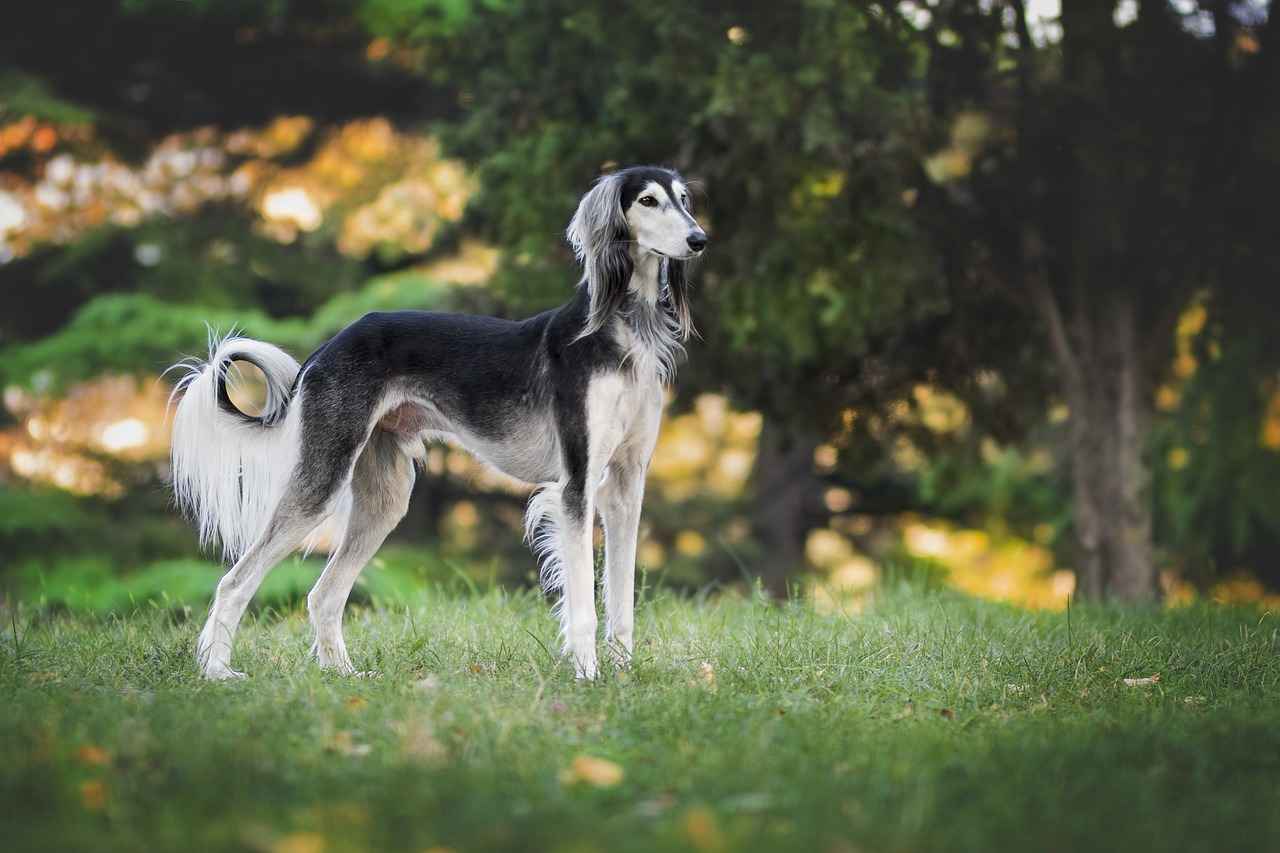
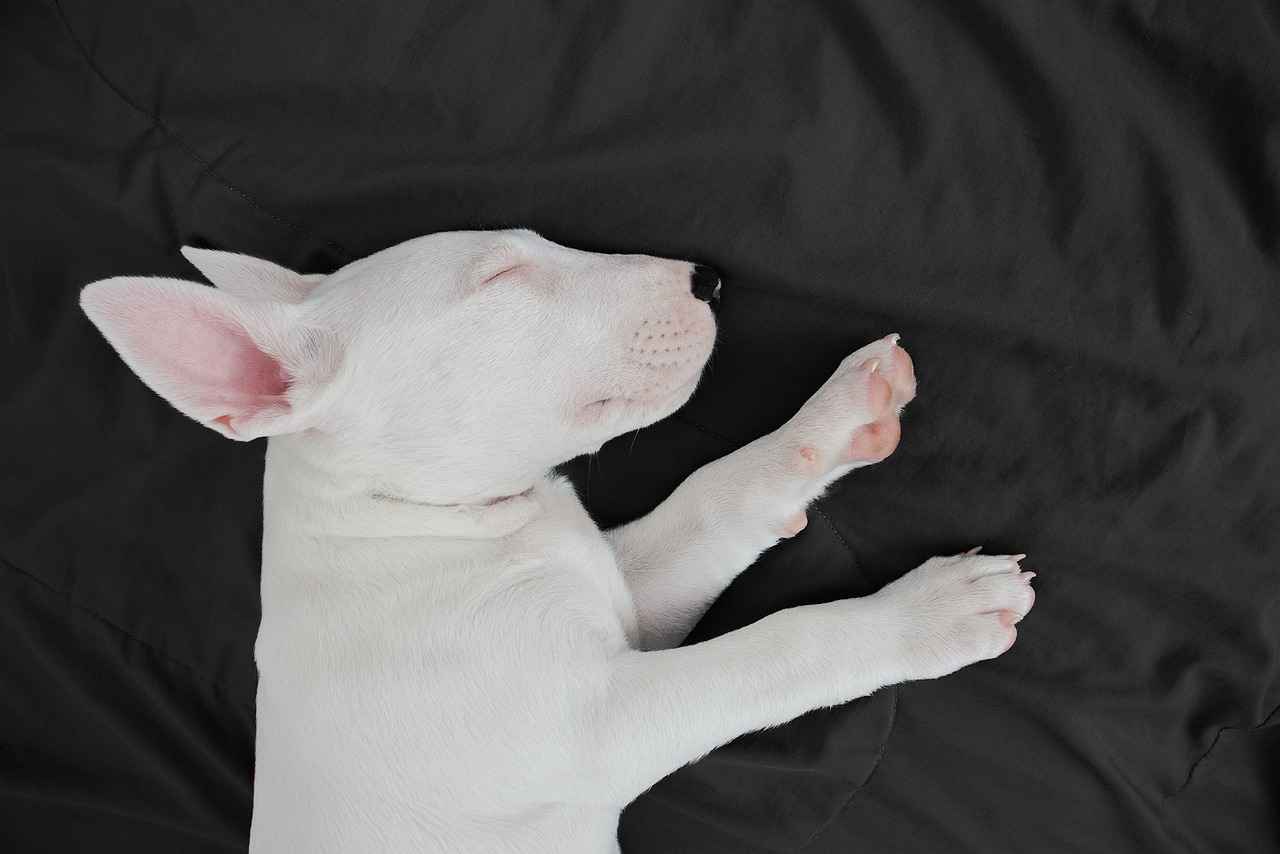
Have you ever wondered, why do dogs have wet noses? This intriguing question has captured the curiosity of pet owners and animal lovers alike. The answer isn't just about cute canine quirks; it's a fascinating blend of biology and behavior! Dogs' noses are not just for sniffing out treats or tracking scents; their moistness actually serves important functions. Did you know that a dog's wet nose helps them regulate their body temperature? Plus, it enhances their sense of smell, making them the ultimate sniffing machines! In this article, we'll uncover the scientific reasons behind wet noses and explore how this unique feature contributes to a dog's overall health and communication. Are you ready to dive into the world of canine anatomy and discover the secrets behind those adorable, wet snouts? Join us as we unravel the mystery of why dogs have wet noses and learn why this characteristic is more than just a cute trait. Whether you're a seasoned dog owner or a curious newbie, these insights will surely deepen your appreciation for your furry friend! Don’t miss out on the incredible facts that make our dogs even more lovable.
\n\nUnveiling the Science: What Causes a Dog’s Nose to be Wet?
\n\n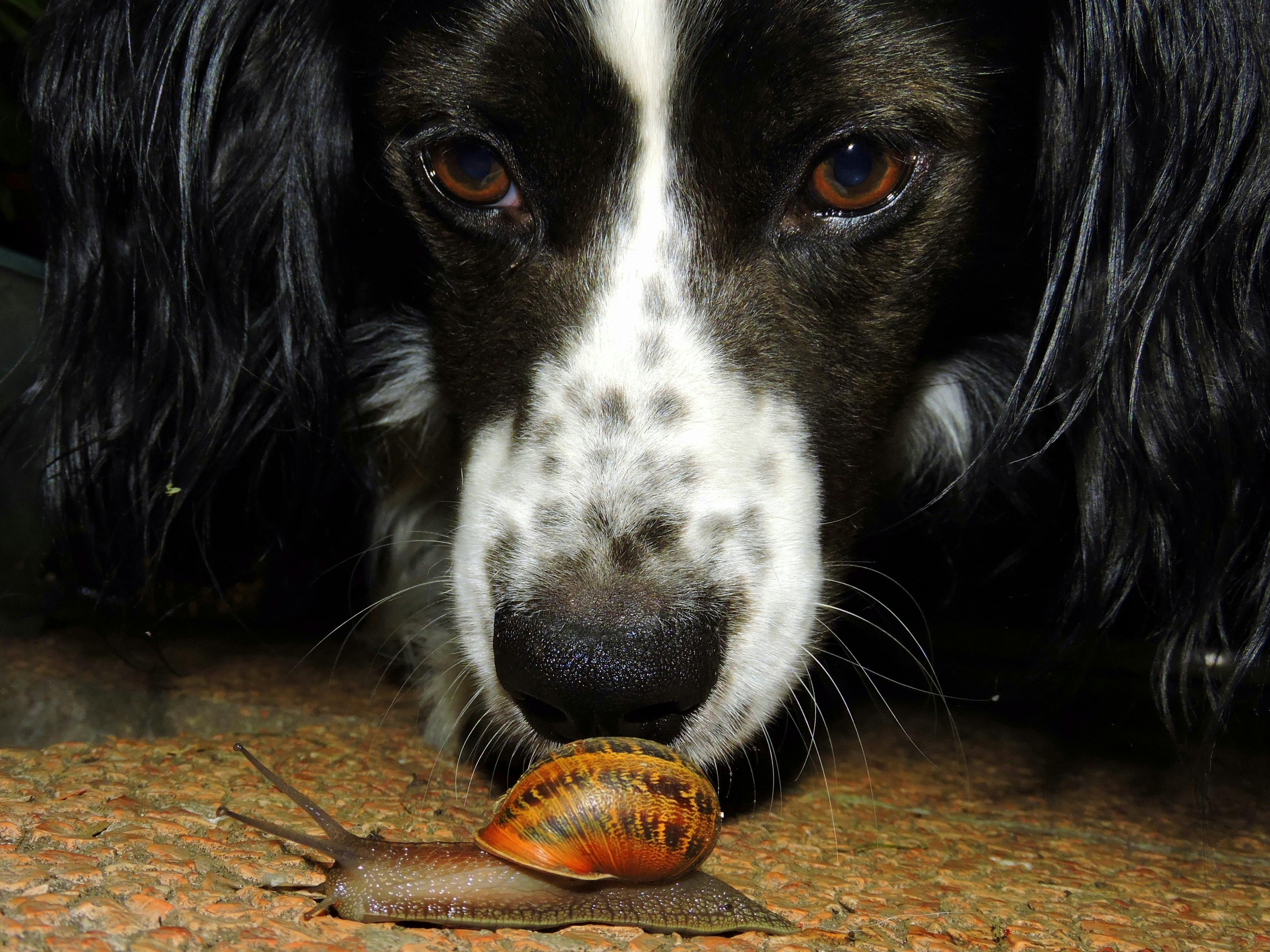 \n\n
\n\nEver wonder why dogs have wet noses? It’s a question that many dog owners ask, and it turns out there’s a whole lot of fascinating science behind it. Dogs, those loyal companions, have some unique traits, and their noses are certainly one of them. Getting to the bottom of this curiosity not only helps us understand our furry friends better but also gives us insight into their health and behavior.
\nThe Anatomy of a Dog's Nose
\nFirst, let’s explore what make a dog’s nose so special. The dog’s nose is covered with a layer of moist skin, which is called the rhinarium. This area is rich in scent receptors and is vital for a dog's sense of smell. In fact, dogs have up to 300 million olfactory receptors in their noses, compared to a human’s mere 5 million. This incredible olfactory capability helps them detect scents from far away.
\nWhy Do They Keep It Wet?
\nSo, what causes a dog’s nose to be wet? There’s several reasons for this phenomenon:
\n- \n
- \n
Temperature Regulation: Dogs can’t sweat like humans do. Instead, they cool off by panting and through their noses. A wet nose can help them regulate their body temperature, especially during hot weather.
\n \n - \n
Scent Detection: A moist nose can enhance a dog's ability to smell. The moisture helps to capture scent particles in the air, making it easier for them to pick up on various smells. This is why you often see dogs sniffing around with their wet noses.
\n \n - \n
Health Indicators: A wet nose is often a sign of good health. However, if a dog’s nose is excessively dry or cracked, it could indicate dehydration, illness, or other health issues. Regularly checking your dog’s nose can be a good practice.
\n \n
Historical Context
\nInterestingly, the observation of wet noses in dogs isn't new. Ancient civilizations recognized that a dog’s nose was essential for its survival, especially for hunting and tracking. Many cultures believed that a dog with a wet nose was more trustworthy and healthy. Over the years, this belief has evolved into a common understanding that a wet nose is generally a sign of a happy and healthy dog.
\nFun Facts About Dog Noses
\n- \n
- \n
Unique Nose Prints: Just like human fingerprints, every dog has a unique nose print. This can actually be used for identification.
\n \n - \n
Cooling Mechanism: Dogs don’t sweat like humans. They only sweat a little through their paw pads, making nose moisture essential for temperature control.
\n \n - \n
Scent Memory: Dogs can remember scents for years. A wet nose helps them retain and recognize these scents.
\n \n - \n
Nose Shape: The shape and size of a dog’s nose can also influence its smelling ability. Breeds with flat noses, like Bulldogs, might not smell as well as those with longer noses, like Bloodhounds.
\n \n
The Science Behind Wet Noses
\nHere’s a little breakdown of the science of dog noses that might help you understand better:
\n- \n
- \n
Nasal Glands: Dogs have specialized glands in their noses that produce mucus. This mucus helps to keep the nose moist.
\n \n - \n
Humidity Levels: A dog’s nose is more likely to be wet in humid environments. Conversely, in dry weather, their noses might be drier.
\n \n - \n
Health Check: Vets often check dogs’ noses as a part of health assessments. A nose that is too dry or too wet can indicate underlying health problems.
\n \n
Comparing Dog Noses to Human Noses
\nHere’s a quick comparison of dog noses and human noses:
\n| Feature | \nDog Nose | \nHuman Nose | \n
|---|---|---|
| Smell receptors | \nUp to 300 million | \nAbout 5 million | \n
| Moisture level | \nUsually wet | \nUsually dry | \n
| Role in cooling | \nImportant | \nNot involved | \n
| Unique identification | \nYes, nose prints | \nNo | \n
Practical Examples of Nose Care
\nHere are some tips to keep your dog's nose healthy:
\n- \n
- \n
Hydration: Make sure your dog is drinking enough water, especially in hot weather.
\n \n - \n
Moisturizing: If the nose is excessively dry, you might consider applying a dog-safe moisturizer.
\n \n - \n
Regular Vet Visits: Regular check-ups can help catch any potential issues related to nose health early.
\n \n - \n
Observe Changes: Keep an eye on any significant changes in your dog’s nose. If it becomes dry or cracked suddenly, it might be time to see a vet.
\n \n
Understanding why dogs have wet noses not only enriches our knowledge about our furry friends but also reminds us to pay attention to their health. So next time you see that adorable wet nose, you’ll know there’s more than meets the eye—and a lot of science behind it!
\n\nTop 5 Reasons Your Dog’s Nose is Always Moist: A Deep Dive
\n\n \n\n
\n\nHave you ever wondered why your dog’s nose is always moist? It’s a common question among pet owners, and there are actually some fascinating reasons behind it. The wetness of a dog's nose is not just for show; it serves important purposes. Let’s dive into the top five reasons your furry friend’s nose stays dewy.
\n1. Temperature Regulation
\nOne of the primary reasons dogs have wet noses is for temperature regulation. Just like humans sweat, dogs cool themselves down through their noses. When they pant, moisture evaporates from their noses, helping to lower body temperature. If a dog's nose is dry, it could mean they are overheated or stressed. Keeping their nose moist helps maintain a comfortable body temperature.
\n2. Enhanced Sense of Smell
\nDogs possess an extraordinary sense of smell, which is far superior to that of humans. A wet nose actually enhances this ability. The moisture on their nose captures scent particles from the air, allowing them to absorb and analyze smells better. This is why you might notice your dog sniffing around with great intensity; they are gathering information about their environment!
\n- \n
- Dogs have more than 300 million smell receptors. \n
- Their sense of smell is 40 times better than humans. \n
- A wet nose can improve their olfactory perception. \n
3. Natural Cooling Mechanism
\nBesides regulating temperature, a wet nose acts as a natural cooling mechanism. When dogs are active or excited, their noses may become wetter due to increased saliva production and the evaporation of moisture. This process helps them cool down faster. If your dog is panting heavily and their nose is moist, it’s likely they are just trying to cool off after a good run.
\n4. Health Indicator
\nA moist nose can also serve as an important health indicator. Generally, a dog with a healthy, moist nose is considered to be well-hydrated and in good health. However, if the nose becomes excessively dry, cracked, or hot, it could be a sign of dehydration or illness. Here are some signs to watch for:
\n- \n
- Dry or cracked nose \n
- Nose is warm to the touch \n
- Excessive discharge or bleeding \n
If you notice these symptoms, it might be wise to consult with a veterinarian.
\n5. Social Communication
\nDogs communicate in many ways, and their noses play a significant role in that. A moist nose can help them interact with other dogs and animals. When they meet other dogs, they often sniff each other’s noses, which is a way of gathering scent information. The moisture in their noses helps them collect and exchange smells, which can indicate various things, such as mood, health, and territory.
\nFun Facts About Dog Noses
\n- \n
- The texture of a dog’s nose is unique, much like a human fingerprint. \n
- Some breeds have wetter noses than others. For example, breeds like Labrador Retrievers tend to have moist noses, while others may not. \n
- Dogs can also sweat through their paw pads, but their noses are the main way they regulate temperature. \n
Common Misconceptions
\nMany people think that a cold, wet nose means a dog is healthy and a warm, dry nose means they are sick. This is not always true! While a moist nose can be a good sign, it’s not the only indicator of health. Always keep an eye on your dog's overall behavior, energy levels, and appetite.
\nSummary of Reasons Why Dogs Have Wet Noses
\n- \n
- Temperature regulation \n
- Enhanced sense of smell \n
- Natural cooling mechanism \n
- Health indicator \n
- Social communication \n
In summary, there’s more to a dog’s wet nose than meets the eye. From helping them cool down to improving their sense of smell, the moisture on their noses serves multiple purposes. It’s fascinating to understand how such a simple characteristic plays such a vital role in a dog’s life. So next time you notice your dog’s nose, remember all the reasons behind that wetness—it’s not just an adorable feature, but part of what makes dogs, well, dogs!
\n\nThe Amazing Role of a Dog’s Wet Nose in Smell and Detection
\n\n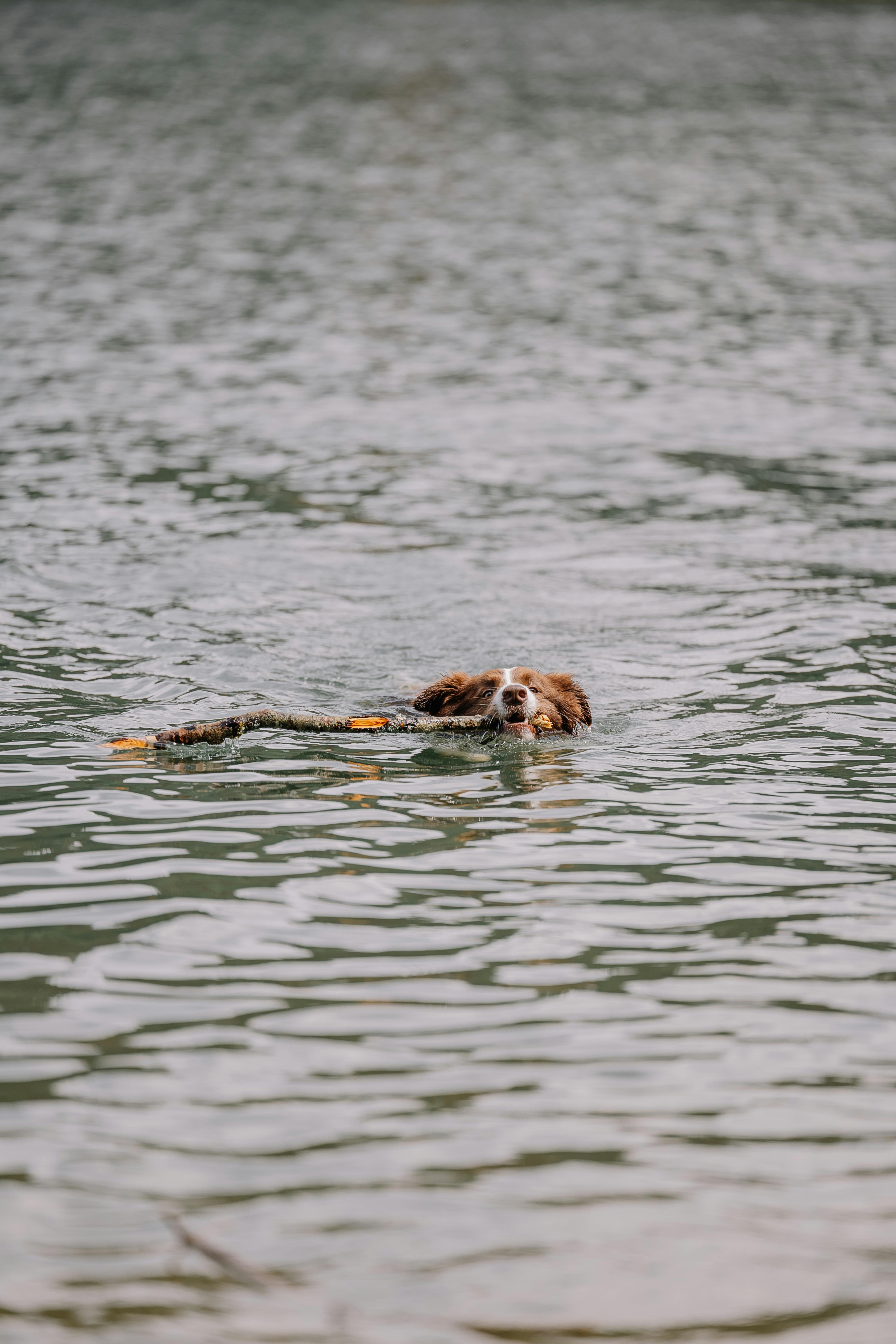 \n\n
\n\nDogs, man's best friend, are known for many things, but one of the most fascinating aspects of them is their wet noses. You ever wonder why do dogs have wet noses? There’s actually some amazing science behind this, and it plays a crucial role in their smell and detection abilities. Let’s dive into the incredible reasons why those noses are not just cute but also super functional!
\nThe Science Behind a Wet Nose
\nFirst off, a dog’s nose is not just a simple feature; it’s a highly developed organ. Dogs have around 220 million scent receptors in their noses compared to humans, who only have about 5 million. This means dogs can detect smells at incredibly low concentrations. But why is it wet? Well, a wet nose helps with the smell process.
\n- \n
- Enhanced Scent Detection: A wet surface can trap and absorb scent particles better than a dry one. The moisture on the nose helps to catch odor molecules in the air, making it easier for dogs to identify scents. \n
- Cooling Mechanism: Just like how humans sweat to cool down, dogs also use their noses to regulate body temperature. A wet nose can help keep them cool, especially when they are panting. \n
- Health Indicator: Interestingly, a dog’s nose can also indicate its health. A healthy dog usually has a moist, cool nose, while a dry, warm nose might signal illness. \n
Why Are Dog Noses Wet?
\nThere are a few reasons why a dog’s nose is wet. Here’s a bullet-point list of the main reasons:
\n- \n
- Mucus Production: Dogs produce a thin layer of mucus on their noses. This mucus aids in scent detection and keeps the nose moist. \n
- Environmental Factors: Dogs often lick their noses to keep them wet. This behavior is instinctive and helps them smell better. \n
- Humidity Levels: The environment can also affect the moisture level. On a humid day, dogs may have wetter noses compared to dry weather. \n
Historical Context of Dogs’ Noses
\nDogs have been companions to humans for thousands of years. Historically, their sense of smell played a crucial role in hunting and tracking. Ancient civilizations recognized the importance of a dog’s nose, and they would often use dogs for finding food or even tracking down lost individuals.
\n- \n
- Tracking: In ancient Rome, dogs were used for tracking criminals. Their acute sense of smell made them invaluable to law enforcement. \n
- Hunting: In the Middle Ages, hunting dogs were bred specifically for their scenting abilities, helping hunters locate game. \n
Comparison of Dog Noses to Human Noses
\nLet’s take a look at how dog noses compare to human noses in a simple table format:
\n| Feature | \nDog Nose | \nHuman Nose | \n
|---|---|---|
| Scent Receptors | \n220 million | \n5 million | \n
| Scent Detection Ability | \nExtremely sensitive | \nLess sensitive | \n
| Moisture Level | \nTypically wet | \nUsually dry | \n
| Temperature Regulation | \nYes | \nNo | \n
As you can see, dogs have a significant advantage in the smell department. Their wet noses play a critical role in how they interact with the world.
\nPractical Examples of Dog Noses in Action
\nDogs are not just pets; they can be trained for various jobs that utilize their incredible sense of smell. Here are some practical examples:
\n- \n
- Search and Rescue: Dogs are trained to locate missing persons using their sense of smell. They can track scents over long distances and through difficult terrain. \n
- Medical Detection: Some dogs can detect diseases like cancer or diabetes by smelling changes in a person's body. This ability is being studied and used in medical settings. \n
- Detecting Drugs and Explosives: Law enforcement agencies use specially trained dogs to sniff out illegal substances or explosives. Their wet noses help them detect even the faintest traces of these substances. \n
Dogs’ wet noses are not just a quirky trait; they serve essential functions that enhance their ability to smell and detect. From historical roles in hunting to modern applications in search and rescue, the wet nose is a remarkable feature that showcases the extraordinary capabilities of our canine companions. Next time you see a dog, remember that their wet noses are a vital part of how they experience the world!
\n\nHow a Wet Nose Can Indicate Your Dog's Health: Key Signs to Watch
\n\n \n\n
\n\nHave you ever noticed that your dog’s nose is often wet? It’s one of those quirks that pet owners find endearing, but did you know that a wet nose can actually say a lot about your dog’s health? Understanding the reasons behind this can help you be more aware of your furry friend’s well-being. So, let’s dive into what the wetness means for your pup and some signs to keep an eye on.
\nWhy Do Dogs Have Wet Noses?
\nDogs have wet noses for several reasons, and it’s more than just a cute trait. Here’s a breakdown:
\n- \n
- \n
Regulation of Temperature: A dog’s nose helps regulate their body temperature. When a dog licks their nose, it cools down due to evaporation. This helps them stay cool, especially in warmer weather.
\n \n - \n
Enhanced Smell: Dogs have an extraordinary sense of smell, and a wet nose helps to absorb scent molecules. This is why you may notice your dog sniffing everything; they’re gathering information about their environment.
\n \n - \n
Natural Moisture: A dog’s nose is usually moist due to the secretions from the nasal glands. This moisture can help with the smelling process, making it easier for them to identify scents.
\n \n - \n
Behavioral Aspects: Sometimes, dogs will wet their noses with their tongues when they are excited or anxious. This behavior can indicate their current emotional state.
\n \n
Key Signs to Watch for in Your Dog’s Health
\nWhile a wet nose can be a normal aspect of a dog’s biology, changes in its condition can indicate health issues. Here are some signs to look out for:
\n- \n
- \n
Dry Nose: A dry nose can be a sign of dehydration or fever. If your dog’s nose becomes unusually dry, it’s wise to check their water intake and overall health.
\n \n - \n
Cracked or Chapped Nose: If your dog’s nose looks cracked or chapped, it might indicate that they are lacking in hydration or that they have a skin condition.
\n \n - \n
Excessive Moisture: If the nose is excessively wet, it could mean your dog is experiencing allergies or an infection.
\n \n - \n
Color Changes: A change in color from the typical black or brown to a lighter shade might be a cause for concern.
\n \n - \n
Foul Odor: If your dog’s nose has a strong, unpleasant smell, it could be a sign of an infection or other health issues.
\n \n
Conditions That Can Affect Your Dog's Nose
\nKnowing the potential health issues can help you stay proactive about your dog's health. Here’s a list of conditions to consider:
\n- \n
- \n
Allergies: Environmental allergies can cause nasal discharge and make a nose seem unusually wet.
\n \n - \n
Infections: Bacterial or fungal infections may lead to increased moisture and discharge.
\n \n - \n
Autoimmune Disorders: Some autoimmune diseases can affect your dog’s nose and cause symptoms like dryness or lesions.
\n \n - \n
Nasal Tumors: Though less common, growths in the nasal cavity can lead to changes in moisture levels.
\n \n
Practical Tips for Monitoring Your Dog’s Nose
\nKeeping an eye on your dog’s nose can help you catch potential issues early. Here are some practical tips:
\n- \n
- \n
Daily Check: Make it a habit to check your dog's nose every day. Look for changes in texture, color, and moisture levels.
\n \n - \n
Hydration: Ensure your dog always has access to fresh water. Dehydration can lead to a dry nose.
\n \n - \n
Consult Your Vet: If you notice any significant changes, don’t hesitate to consult your veterinarian. They can provide a thorough examination and recommend treatments if needed.
\n \n - \n
Observe Behavior: Pay attention to your dog’s behavior. If they seem lethargic or show signs of discomfort, it could be related to their health.
\n \n
The Fascinating Reasons Behind Wet Noses
\nThe wetness of a dog's nose is not just a charming characteristic; it serves essential functions. It’s a biological adaptation that aids in thermoregulation and olfactory abilities. The moisture on the nose enhances their sense of smell, which is vital for their survival in the wild.
\nIn addition, dogs communicate through their sense of smell; a wet nose can help them gather information about their surroundings, other animals, and even humans. Understanding these fascinating reasons can deepen the bond between you and your furry companion.
\nSo next time you lean down to give your dog a pat, take a moment to appreciate that wet nose and what it represents. It’s a window into your dog’s health and well-being, a little indicator of how they are feeling today. Keep watching for those signs, and your loyal friend will thank you for it!
\n\nDo All Dogs Have Wet Noses? Exploring Variations Across Breeds
\n\n \n\n
\n\nDogs have been beloved companions for centuries, and they come in all shapes, sizes, and even nose types. One common question among dog lovers is, "Do all dogs have wet noses?" And the answer isn’t as simple as you might think. While many dogs do indeed have wet noses, there are variations across breeds and individuals. Let's dive deep into the fascinating world of dog noses and uncover why they are wet in the first place.
\nDo All Dogs Have Wet Noses?
\nFirstly, most dogs do have wet noses, but not every single one. Some breeds, like Bulldogs or Pugs, can have drier noses due to their unique skin texture or health issues. Also, environmental factors play a role too. A dog might have a dry nose if it’s been spending time in a hot climate or has been sick.
\nHere are some breeds that may have drier noses:
\n- \n
- Bulldogs \n
- Pugs \n
- Dachshunds \n
- Greyhounds \n
On the other hand, breeds like Retrievers and Setters often have those classic wet noses. But, it’s not only about the breed. Age, health, and even the time of day can affect whether a dog’s nose is wet or dry.
\nWhy Do Dogs Have Wet Noses?
\nNow, let's tackle the main question: Why do dogs have wet noses? There are several reasons that contribute to this interesting phenomenon.
\n- \n
- \n
Scent Detection: A wet nose helps dogs to better detect scents. The moisture on their nose captures scent particles more effectively, allowing dogs to process smells more accurately. This is crucial for their survival and interaction with their environment.
\n \n - \n
Temperature Regulation: Dogs have sweat glands, but they’re mostly located in their paw pads. A wet nose helps them cool off since dogs don’t sweat like humans do. When a dog pants, the moisture on their nose evaporates, helping to lower their body temperature.
\n \n - \n
Health Indicator: A wet nose is often seen as a sign of health. Many dog owners believe that if a dog’s nose is dry, it might be sick. While this isn’t always true, a sudden change in a dog's nose moisture can indicate health issues, and owners should observe other symptoms as well.
\n \n - \n
Communication Tool: Dogs also use their noses in social interactions with other dogs. A wet nose can be more inviting and comforting, acting as a way to communicate their friendly intentions.
\n \n
Fascinating Facts About Dog Noses
\n- \n
- Dogs have approximately 220 million scent receptors in their noses, compared to about 5 million in humans. \n
- The wetness of a dog’s nose can vary throughout the day, being more moist after drinking water or playing. \n
- Some dogs can actually "smell" diseases, like cancer, due to their incredible olfactory abilities. \n
Variations in Nose Moisture Across Breeds
\nLet’s look at how different breeds can present variations in nose moisture.
\n| Breed | \nAverage Nose Moisture | \nNotes | \n
|---|---|---|
| Labrador | \nHigh | \nKnown for their friendly dispositions | \n
| Beagle | \nModerate | \nExcellent scent hounds | \n
| Pug | \nLow | \nProne to respiratory issues | \n
| Shih Tzu | \nVariable | \nMay have dry noses due to short snouts | \n
Practical Examples
\nWhen you see a dog with a wet nose, it’s usually a good sign. But if you notice a dog with a dry nose, it’s important to check for other symptoms like lethargy, loss of appetite, or any signs of illness.
\nHere’s a quick checklist for dog owners:
\n- \n
- Is the nose consistently dry? \n
- Are there any changes in behavior? \n
- Is there a change in appetite? \n
- Is the dog drinking enough water? \n
- Are there any other signs of illness? \n
If you answer yes to several of these questions, it might be time to visit a vet.
\nIn the end, understanding why dogs have wet noses goes beyond just the science. It’s about appreciating the unique traits of our furry friends and their remarkable adaptations. A wet nose signifies not only their health but also their incredible sensory capabilities. So next time you pet your dog, remember that wet nose is much more than just a cute feature; it’s a fascinating aspect of canine biology!
\n\nThe Fascinating Connection Between Wet Noses and Dog Behavior
\n\n \n\n
\n\nDogs are more than just our furry companions; they are also fascinating creatures with unique behaviors. One of the most intriguing features of dogs is their wet noses. Ever wonder why do dogs have wet noses? It’s a question that many pet owners has pondered. Wet noses aren’t just cute; they serve important purposes in a dog’s life and behavior. Let’s dive into this captivating subject and explore the reasons behind those moist little noses.
\nThe Science Behind Wet Noses
\nA dog’s nose is moist primarily due to the presence of mucus. This wetness helps dogs in various ways, including:
\n- \n
- \n
Enhanced Smell: Dogs has a sense of smell that is thousands of times more sensitive than humans. The moisture on their nose helps to capture scent particles, making it easier for them to detect odors. When the nose is wet, it can absorb these scent molecules better.
\n \n - \n
Thermoregulation: Dogs don’t sweat like humans do. Instead, they regulate their body temperature through panting and the moisture on their noses. A wet nose can help cool the dog’s body down by evaporation.
\n \n - \n
Communication: Dogs uses their noses to communicate with one another. A wet nose can signal excitement, anxiety, or even submission to other dogs. A dog may sniff another dog’s nose as part of their social interactions.
\n \n
Historical Context of Dog Noses
\nThe evolutionary journey of dogs has shaped their physical traits, including their noses. Long ago, ancestors of modern dogs became adept hunters. Their wet noses helped them in tracking prey, which was crucial for survival. In fact, certain breeds, known as scent hounds, have even more moisture in their noses to aid in their hunting abilities.
\nFun Facts About Dog Noses
\n- \n
- \n
A dog’s nose print is unique, much like human fingerprints. Some organizations even have programs that register dog nose prints for identification purposes.
\n \n - \n
The color of a dog’s nose can vary. Black, brown, and pink are common, and some breeds have distinctive patterns. The color has nothing to do with the functionality of the nose.
\n \n - \n
Dogs can detect certain diseases, such as cancer, due to their highly developed sense of smell. Their wet noses plays a role in this remarkable ability.
\n \n
How Wet Noses Affect Dog Behavior
\nWet noses can influence a dog’s behavior significantly. Here are some ways:
\n- \n
- \n
Curiosity: Dogs with wet noses are often more curious. They tend to explore their environment through smell, which is vital for understanding their surroundings.
\n \n - \n
Social Interactions: As mentioned, a wet nose can signal various emotions. A dog may approach another dog or a human with a wet nose to initiate play or show affection.
\n \n - \n
Anxiety and Stress: A dog’s nose may dry out due to stress or illness. If you notice your dog’s nose becoming dry, it might be a sign that they’re feeling unwell or anxious.
\n \n
Dogs and Their Nose Health
\nKeeping a dog’s nose healthy is important for their overall well-being. Here are some tips to ensure your canine friend has a happy, moist nose:
\n- \n
- \n
Hydration: Make sure your dog stays hydrated. Water is essential for keeping their nose moist and maintaining overall health.
\n \n - \n
Humid Environment: If you live in a dry climate, consider using a humidifier in your home. This can help keep your dog’s nose from drying out.
\n \n - \n
Regular Vet Check-ups: Regular visits to the vet can help identify any underlying issues that might affect your dog’s nose health.
\n \n
Comparison of Dog Nose Types
\nHere is a simple comparison of different types of dog noses:
\n| Dog Breed | \nNose Type | \nScent Sensitivity | \n
|---|---|---|
| Bloodhound | \nMoist, large | \nExtremely high | \n
| Beagle | \nWet, medium | \nVery high | \n
| Bulldog | \nShort, moist | \nModerate | \n
| Chihuahua | \nSmall, warm | \nLow | \n
The Bottom Line
\nSo, why do dogs have wet noses? The answer lies in a blend of science, evolution, and behavior. Those adorable wet noses are not just a charming feature but serve essential functions in a dog’s life. Whether they’re sniffing out a treat, cooling down, or communicating with other dogs, wet noses are a fascinating aspect of canine biology. Next time you give your furry friend a scratch behind the ears, take a moment to appreciate that moist little nose and all the wonders it brings into their life and yours.
\n\nWhy Wet Noses Are Essential for Your Dog's Communication Skills
\n\n \n\n
\n\nDogs are more than just pets; they’re companions who express their feelings and thoughts in various ways. One of the most fascinating aspects of canine communication is their wet noses. You may wonder, why do dogs have wet noses? And how do these moist little features play a role in their social interactions? Here, we’ll explore the reasons behind those wet noses and how they are essential for your dog’s communication skills.
\nThe Science Behind Wet Noses
\nDogs noses are unique, and they are wet for a reason. The wetness helps them to absorb scent molecules more effectively. When a dog’s nose is moist, it can pick up smells better than a dry nose. This is crucial for their ability to communicate not just with humans but also with other dogs.
\n- \n
- Dogs have around 220 million scent receptors in their noses, compared to only about 5 million in humans. \n
- The moisture on their noses also helps to cool them down. Since dogs can’t sweat like humans, their noses play a role in thermoregulation. \n
- The wetness is often due to a thin layer of mucus that aids in scent detection. \n
How Wet Noses Aid Communication
\nEver notice how your dog seems to sniff everything? This is not just curiosity; it’s a major way they communicate with each other and their environment. Here’s how a wet nose plays into this:
\n- \n
- Scent Communication: Dogs communicate through scent trails left on objects, other dogs, and even humans. A wet nose helps them gather more information about their surroundings. \n
- Emotional Detection: Dogs can detect changes in human emotions through smell. The chemicals that our bodies release can indicate stress, happiness, or fear, and a wet nose helps dogs pick up on these subtle changes. \n
Historical Context of Dog Noses
\nHistorically, dogs were domesticated from wolves thousands of years ago, and their sense of smell has been vital for survival. Ancient societies relied on dogs for hunting, herding, and protection. Their ability to communicate through scent has roots in these early roles:
\n- \n
- Tracking Game: Early hunters used dogs to follow scents of animals. A wet nose was essential for tracking. \n
- Guarding and Protection: Dogs with heightened senses could detect intruders or danger before humans could. \n
Interesting Facts About Dog Noses
\nHere are some fun and interesting facts about dog noses that you might not know:
\n- \n
- Dogs’ noses are like human fingerprints; each one is unique. \n
- The temperature of a dog’s nose can indicate health; if it’s unusually dry or hot, it might signal illness. \n
- A dog can sniff out specific diseases like cancer or diabetes due to their exceptional sense of smell. \n
Why Wet Noses Matter for Your Dog’s Health
\nWhile a wet nose is typically a sign of a healthy dog, there are exceptions. Here’s what to keep in mind:
\n- \n
- Normal Wetness: A healthy dog usually has a wet nose. If it’s dry, it might not be a cause for alarm, but monitoring for other symptoms is important. \n
- Allergies and Illness: Sometimes, a dry nose can indicate allergies or a more serious health issue. Changes in nose moisture can signal that a trip to the vet is needed. \n
- Hydration: Ensure your dog has constant access to fresh water. Hydration plays a crucial role in keeping their nose moist. \n
Practical Examples of Nose Communication
\nObserve your dog during play or social interactions. You might see the following behaviors:
\n- \n
- Sniffing Other Dogs: When two dogs meet, they often sniff each other’s noses and rear ends. This behavior is how they gather information about each other. \n
- Tracking and Finding: Dogs will sniff the ground or air to locate items or other animals, showcasing their natural instincts. \n
- Seeking Attention: Sometimes, a dog will nuzzle you with their wet nose to initiate interaction or seek affection. This behavior is a way of saying “pay attention to me!” \n
Understanding the role of wet noses in your dog’s communication can enhance your relationship with your furry friend. By recognizing how they use their sense of smell, you can better respond to their needs and emotions. So, next time you see that wet nose, remember it’s not just adorable; it’s a vital tool in your dog’s communication arsenal. Celebrate your dog’s unique ability to connect through scent, and enjoy the special bond you share!
\n\nCurious About Your Dog’s Wet Nose? Here’s What Every Dog Owner Should Know
\n\n \n\n
\n\nCurious About Your Dog’s Wet Nose? Here’s What Every Dog Owner Should Know
\nIf you’re a dog owner, you probably noticed your furry friend’s wet nose. But why do dogs have wet noses? It's more than just an endearing trait; there are fascinating reasons behind this characteristic that you ought to know. Understanding your dog's nose can help you appreciate their unique biology and enhance your bond with them.
\nThe Science Behind a Wet Nose
\nDogs' noses are typically moist, and this wetness plays a crucial role. The moisture on their noses helps with their sense of smell. Here's how it works:
\n- \n
- Enhanced Olfactory Function: A damp nose helps to capture scent particles in the air, making it easier for dogs to smell. \n
- Temperature Regulation: Dogs sweat through their noses, which helps keep their body temperature stable. \n
- Health Indicator: The state of a dog's nose can sometimes indicate health issues. A dry or cracked nose could suggest dehydration or illness. \n
Why Are Dogs’ Noses Wet?
\nSeveral factors contribute to the wetness of a dog's nose:
\n- \n
- Nasal Glands: Dogs have specialized glands in their noses that produce mucus. This mucus is what keeps their noses moist. \n
- Licking: Dogs often lick their noses, which adds to the moisture. It's a natural behavior that serves multiple purposes, like cleaning and refreshing their scent receptors. \n
- Environmental Factors: Weather conditions can also affect your dog’s nose. Humidity and temperature can cause a dog's nose to be wetter or drier at different times. \n
Historical Context of Dogs' Noses
\nDid you know that dogs have been companions to humans for thousands of years? The relationship between humans and dogs dates back to ancient civilizations. In those times, people began to recognize the keen senses of dogs, including their exceptional sense of smell. It was noticed that a wet nose played a significant role in a dog’s ability to track scents.
\nFun Facts About Dogs' Noses
\n- \n
- Unique Prints: Just like human fingerprints, every dog's nose print is unique. This can actually be used for identification! \n
- Color Variation: The color of a dog’s nose can vary depending on the breed, such as black, brown, or even pink. \n
- Nose Temperature: A dog's nose can be cooler than their body temperature, which is normal and a sign of a healthy dog. \n
What to Watch For
\nWhile a wet nose is typically a sign of health, there are exceptions. Here’s a quick list of indicators that something may be wrong:
\n- \n
- Dryness or Cracking: If your dog’s nose is dry or cracked, it might indicate dehydration or health issues. \n
- Discharge: If you notice excessive discharge, this could be a sign of allergies or an infection. \n
- Change in Texture: If your dog's nose changes from wet to dry suddenly, or if it looks rough or scabby, it’s worth consulting a veterinarian. \n
How to Care for Your Dog's Nose
\nTaking care of your dog's nose is vital for their overall health. Here are a few tips:
\n- \n
- Hydration: Always ensure your dog has access to fresh water. \n
- Moisturizing: If your dog has a dry nose, consider using veterinarian-recommended balms. \n
- Regular Check-ups: Regular vet visits can help catch any nose-related issues early. \n
Comparison of Dog Noses to Human Noses
\nLet’s look at how dog noses and human noses differ:
\n| Aspect | \nDog Nose | \nHuman Nose | \n
|---|---|---|
| Moisture | \nUsually wet | \nTypically dry | \n
| Smell Sensitivity | \n10,000 to 100,000 times better | \nRelatively less sensitive | \n
| Unique Prints | \nUnique to each dog | \nNot applicable | \n
| Temperature | \nCooler than body temp | \nUsually warmer than body temp | \n
Practical Examples of Nose Use
\nDogs use their noses for various purposes, such as:
\n- \n
- Tracking: Search and rescue dogs use their noses to find missing persons. \n
- Detection: Police dogs are trained to detect drugs or explosives through scent. \n
- Social Interactions: Dogs sniff each other to gather information about one another. \n
The wetness of a dog’s nose is not just a cute feature but plays a vital role in their health, communication, and overall functioning. Dogs rely heavily on their sense of smell, and their wet noses are a key aspect of this ability. Knowing why dogs have wet noses can help you better understand your pet's needs and well-being. So, the next time you see your dog’s moist nose, remember the fascinating reasons behind it!
\n\nWet Noses vs. Dry Noses: What’s Normal for Your Canine Companion?
\n\n \n\n
\n\nWhen we think about our beloved dogs, one of those things that often stands out is their nose. You might have noticed that some dogs have wet noses while others have dry ones. So, what's the deal with this? Wet noses vs. dry noses, what’s normal for your canine companion? And why do dogs have wet noses anyways? Let’s dig into these questions and uncover some fascinating facts!
\nThe Science Behind Dog Noses
\nDogs are known for their incredible sense of smell, which is way stronger than humans. But the moisture on their noses is not just for show. The wetness helps enhance their sense of smell by trapping scent particles. It’s like how a wet sponge can absorb more water than a dry one. So, when a dog snuffles around, having that wet nose gives them a little extra edge in sniffing out things.
\nWhy Do Dogs Have Wet Noses?
\n- \n
- \n
Scent Detection: A wet nose is more effective at capturing scents. The moisture helps to bind scent particles, which makes it easier for dogs to pick up smells in the environment. This is crucial for their survival instincts, helping them to find food or even detect danger.
\n \n - \n
Temperature Regulation: Dogs don’t sweat like humans do. Instead, they rely on their noses to help cool themselves down. The moisture evaporating from the nose can help regulate a dog’s body temperature, especially during warm weather.
\n \n - \n
Health Indicator: A wet nose can often be a sign of a healthy dog. If your dog’s nose is dry, it might not always mean something is wrong, but a persistently dry nose could indicate dehydration or illness.
\n \n - \n
Communication: Dogs use their noses to interact with the world around them. A wet nose can be seen as a friendly gesture when they greet other dogs or humans.
\n \n
Factors Influencing Nose Moisture
\nJust because your dog has a dry nose, doesn’t mean they are unhealthy. There are various factors that can influence the moisture level of a dog’s nose:
\n- \n
- Weather Conditions: Hot, dry weather can lead to a drier nose. Conversely, a humid environment might keep a dog’s nose wetter. \n
- Activity Level: After a long walk or playtime, a dog’s nose might appear drier. \n
- Health Status: Illness, fever, or dehydration can impact the moisture level of a dog’s nose. \n
Wet Noses vs. Dry Noses: What’s Normal?
\nIt's important to note that there’s no one-size-fits-all answer. Some dogs naturally have wetter noses than others. Here's a quick comparison of common situations:
\n| Type of Nose | \nPossible Causes | \nWhen to be Concerned | \n
|---|---|---|
| Wet Nose | \nHealthy hydration, active metabolism | \nIf accompanied by other symptoms like lethargy or coughing | \n
| Dry Nose | \nWeather, activity, aging | \nPersistent dryness with other signs like vomiting or diarrhea | \n
| Warm Nose | \nPossible fever or illness | \nAlways consult a vet if warm for more than a day | \n
When Should You Be Concerned?
\nWhile a wet nose is often a sign of good health, there are times when you should keep an eye on it. Here are a few signs that you might need to see a vet:
\n- \n
- Persistent Dryness: If your dog’s nose remains dry for a long period, it could be a sign of dehydration or illness. \n
- Cracking or Bleeding: This could indicate a more serious health issue that needs immediate attention. \n
- Fever Symptoms: If your dog’s nose is warm and dry, and they show other signs of illness, it may be important to consult a vet. \n
Fun Facts About Dog Noses
\n- \n
- Dogs have about 300 million smell receptors in their noses, compared to a human’s 5 million. \n
- The texture of a dog’s nose can be as unique as a fingerprint. \n
- Dogs can even smell changes in human emotions, thanks to their keen sense of smell. \n
Understanding your dog's nose can help you better care for them and recognize signs of their health. Whether it's wet or dry, a dog’s nose is a window into their overall wellbeing. If you're ever in doubt about your dog's health, don't hesitate to reach out to a veterinarian. After all, our furry friends rely on us to keep them happy and healthy!
\n\nHow Weather and Environment Impact Your Dog’s Nose Moisture Levels
\n\n \n\n
\n\nIf you ever wondered about your dog's wet nose, you ain’t alone! Many pet owners notice that their furry friends' noses are often damp, and they might be curious about why that is. In this article, we’ll delve into the fascinating reasons behind why do dogs have wet noses, and we will explore how weather and environment can affect their moisture levels. So buckle up, because this is gonna be a wild ride through doggy anatomy and environmental factors!
\nThe Science Behind a Wet Nose
\nFirst off, let’s talk about why dog’s noses are wet. It turns out, it’s not just for show! A dog's nose is wet because it helps them smell better. The moisture on their noses captures scent particles in the air, which helps them to detect smells more effectively. It’s like having a super-powered nose!
\n- \n
- Dogs have an extraordinary sense of smell, estimated to be between 10,000 to 100,000 times more sensitive than humans. \n
- Wet noses also help regulate their body temperature. \n
- When dogs lick their noses, it keeps them cool by evaporating moisture, much like sweating in humans. \n
The Role of Weather in Nose Moisture
\nWeather plays a significant role in the moisture levels of a dog's nose. Let’s break this down a little bit.
\n- \n
- Humidity: When the air is humid, your dog’s nose tends to stay wetter. This is because the moisture in the air helps to keep the nose hydrated. \n
- Dry Weather: On the flip side, during dry or cold conditions, a dog’s nose might become drier. Low humidity and cold winds can lead to a parched nose, which might not be as effective for smelling. \n
- Rain: Rainy days can be a boon for dogs and their noses. The rain makes the environment moist, keeping their noses nice and wet. \n
Environmental Factors That Affect Nose Moisture
\nSeveral environmental factors can influence how moist a dog's nose can be. Here’s a quick list of some of them:
\n- \n
- Temperature: Hot weather can dry out a dog’s nose, while cooler temperatures may help keep it moist. \n
- Altitude: At higher altitudes, the air tends to be drier, which can lead to a dry nose. \n
- Indoor vs. Outdoor: Indoor heating or air conditioning can also affect moisture levels. Dry air from heating can make your dog's nose drier. \n
- Health Conditions: Sometimes, if a dog has a health issue, it can also affect their nose moisture. For example, dehydration might lead to a drier nose. \n
Comparing Dog Nose Moisture with Other Animals
\nIt's interesting to see how dogs compare to other animals regarding nose moisture. Here’s a little comparison chart:
\n| Animal | \nNose Moisture Level | \nFunction of Moisture | \n
|---|---|---|
| Dogs | \nHigh | \nEnhances sense of smell | \n
| Cats | \nModerate | \nHelps with temperature regulation | \n
| Rabbits | \nLow | \nLess reliance on smell | \n
| Pigs | \nVery High | \nEssential for foraging and rooting | \n
Practical Examples of Nose Care
\nAs a dog owner, you might want to ensure your dog’s nose stays healthy and adequately moist. Here are some practical tips to consider:
\n- \n
- Hydration: Always provide fresh water. Dehydration can lead to a dry nose, so keep your dog hydrated! \n
- Nasal Balms: There are special balms available that can help keep your dog's nose moist during dry weather. Look for natural options! \n
- Humidifiers: If you live in a dry climate, consider using a humidifier indoors to help maintain moisture levels. \n
Fun Facts About Dog Noses
\n- \n
- Did you know that dogs have a unique nose print? Just like human fingerprints, no two dog nose prints are alike. \n
- Dogs have up to 300 million olfactory receptors in their noses compared to about 5 million in humans. \n
- The wetness of a dog's nose can vary throughout the day depending on activities and weather conditions. \n
Understanding why dogs have wet noses and how environmental factors influence this is just so fascinating! So the next time you give your pup a belly rub and notice their damp nose, you can appreciate the science behind it. Keep an eye on the weather, and make sure your furry friend is staying happy and healthy!
\n\nConclusion
\n\nIn conclusion, the wet noses of dogs serve multiple important functions that contribute to their overall health and ability to interact with the world around them. The moisture found on a dog’s nose enhances their sense of smell, allowing them to detect scents more effectively, which is crucial for their survival and communication. Additionally, a wet nose helps regulate their body temperature and signifies health; a dog with a dry nose may indicate illness or dehydration. Understanding this fascinating aspect of canine biology not only deepens our appreciation for our furry companions but also encourages pet owners to monitor their health closely. Next time you pet your dog, take a moment to appreciate their wet nose and what it signifies. If you have any concerns about your dog's health, don’t hesitate to consult your veterinarian for guidance and reassurance.
\n\n