
Have you ever wondered why do dogs have wet noses? This common canine characteristic isn’t just for show; it holds a wealth of fascinating reasons that can leave you scratching your head in curiosity. Dogs’ noses are not only adorable but also play a crucial role in their overall health and well-being. A wet nose helps with their sense of smell, making them the extraordinary sniffers that we adore. But, what exactly causes this moisture? Is it simply a product of their environment, or does it serve a deeper purpose? In this article, we’ll dive into the science behind dog nose moisture and explore how it relates to dog health and communication. You’ll discover surprising facts that might just change the way you view your furry friend. Plus, we’ll discuss how wet noses can indicate health issues and what you should watch for as a responsible pet owner. So, if you’re curious and eager to learn more about this intriguing aspect of dog behavior, keep reading and uncover the secrets behind those lovable, wet noses!
The Science Behind Why Dogs Have Wet Noses: Unveiling Nature’s Design

Dogs have long been considered man’s best friend, but have you ever wondered about their wet noses? The question of “why do dogs have wet noses” is not just a casual inquiry, it is actually a topic that delves deep into the fascinating world of canine biology and behavior. So let’s explore the science behind it, and uncover the reasons that nature designed dogs with such unique features.
The Biological Purpose of a Wet Nose
First off, a dog’s nose plays a crucial role in their sense of smell. In fact, dogs have up to 300 million smell receptors compared to humans, who only have about 5 million. This makes their noses not just wet, but powerful tools for survival and communication. The moisture on a dog’s nose is not just for decoration, it serves multiple purposes:
Enhanced Smell: The wetness helps to trap scent particles in the air, allowing dogs to smell things more effectively. Imagine being in a crowded room full of people; if you have a cold, you may miss out on some fascinating conversations. Similarly, a dry nose could mean missed smells for dogs.
Temperature Regulation: Dogs do not sweat like humans do. They primarily regulate their body temperature through panting and the moisture on their noses. A wet nose can help cool them down, especially on warm days.
Health Indicators: A dog’s nose can also serve as an indicator of their health. A healthy dog typically has a cool and moist nose, while a dry or warm nose could signal illness or dehydration. But, this isn’t always the case and can vary by individual.
How Do Dogs Keep Their Noses Moist?
You might be curious about how dogs manage to keep their noses so moist. The answer lies in the saliva. Dogs often lick their noses, which keeps the surface hydrated. It’s a natural behavior that not just helps with smell, but also benefits their overall sensory experience.
Historical Context and Evolution
Historically, dogs have evolved from wolves, which had different survival tactics. The wet nose trait is believed to have been advantageous for tracking prey and communicating with pack members. Over time, domestic dogs have retained this characteristic, which still serves many functions today.
Fun Facts About Dog Noses
Nose Prints: Just like human fingerprints, every dog has a unique nose print. This can actually be used for identification purposes.
Temperature Sensitivity: Dogs can detect changes in temperature through their noses, which can alert them to nearby dangers or changes in their environment.
Moisture from the Environment: Sometimes, a dog’s nose can absorb moisture from the environment, which can also help with their sense of smell.
Comparison of Dog Noses to Human Noses
Here’s a quick comparison of dog noses and human noses:
| Feature | Dog Nose | Human Nose |
|---|---|---|
| Smell Receptors | 300 million | 5 million |
| Moisture Function | Traps scent particles | Minimal effect on smell |
| Temperature Regulation | Helps cool body | Sweats to cool body |
| Unique Identification | Yes (nose print) | No unique print |
Practical Examples of Nose Behavior
Licking: You might notice your dog frequently licking their nose. This isn’t just a quirk; it serves the purpose of keeping their sense of smell sharp.
Sniffing: When a dog sniffs around, they’re using their wet noses to gather information about their environment. It’s like reading a book full of smells!
Condition Changes: If your dog’s nose suddenly becomes dry or cracked, it might be a signal to check for health issues or dehydration. Always better to be cautious.
The Science Behind the Scent
Dogs have a special part of their brain dedicated to analyzing smells. This means that not only do they smell things, but they can differentiate between various scents. The wetness of their noses plays a crucial role in this process. When the nose is wet, it can capture scent particles more effectively, allowing dogs to detect even the faintest smells.
Dogs are remarkable creatures, and their wet noses are just one of the many fascinating traits that make them special. Understanding the reasons behind this feature can deepen your appreciation for your furry friend. Whether it’s for enhancing their sense of smell, regulating temperature, or signaling health, the wet nose is a vital aspect of a dog’s biology. So the next time you’re greeted by a wet nose, remember it’s not just a cute feature, it’s a testament to nature’s brilliant design.
5 Fascinating Reasons Your Dog’s Nose is Always Moist: What You Need to Know
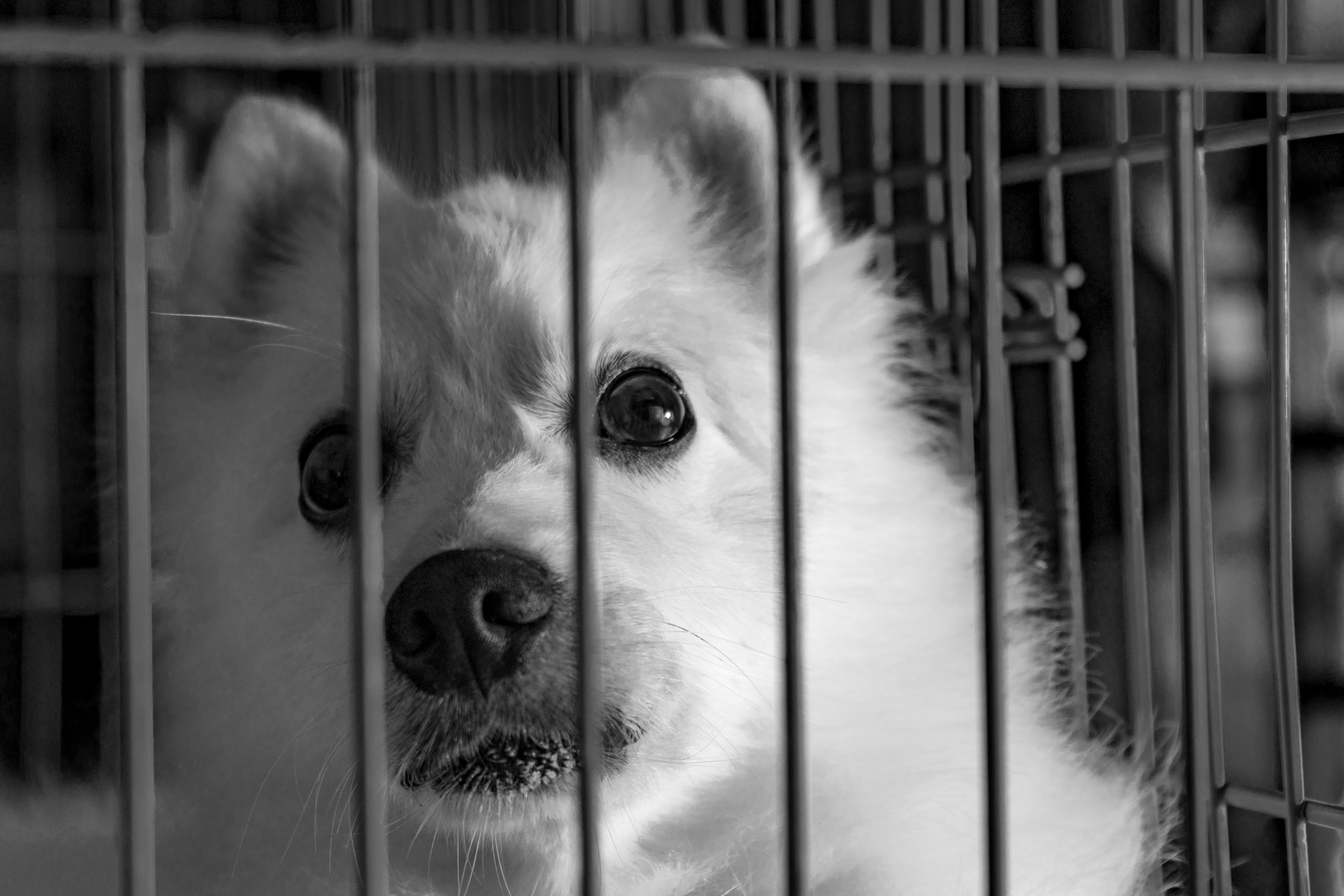
Dogs are one of the most beloved pets around the globe, and their wet noses are often a topic of curiosity for many dog owners. Ever wonder why do dogs have wet noses? It’s a question that has fascinated pet lovers for years. In this article, we’re going to explore five fascinating reasons why your dog’s nose is always moist and what that means for your furry friend’s health and behavior.
Dogs’ Noses and Sensory Function
First things first, one of the main reasons why dogs have wet noses is their incredible sense of smell. Dogs have an olfactory system that is far superior to humans. A moist nose helps to trap scent particles, making it easier for dogs to pick up various smells in their environment. This can be especially important when they are tracking scents or identifying other animals.
- Dogs have about 220 million scent receptors.
- Humans have only around 5 million scent receptors.
- A dog’s sense of smell is estimated to be 10,000 to 100,000 times more acute than that of humans.
Temperature Regulation
Another interesting reason dogs have wet noses is related to temperature regulation. Just like how humans sweat to cool down, dogs can’t sweat in the same way. Instead, they use their noses as a way to help cool down their bodies. The moisture on their noses evaporates, which helps to regulate their body temperature. This is especially important during hot weather or after exercise.
- Dogs can pant to cool off, but their nose moisture plays a role too.
- A wet nose can indicate that your dog is feeling comfortable and relaxed.
Health Indicator
Did you know that a dog’s nose can also be an indicator of their health? A consistently wet nose is typically a sign of a healthy dog. Conversely, if a dog’s nose becomes dry and cracked, it might indicate dehydration or illness. It’s important to monitor your dog’s nose condition as part of their overall health check-up.
- A healthy dog nose is moist and cool to the touch.
- A dry nose may signal dehydration, fever, or other health issues.
Behavioral Significance
Moreover, dogs often use their noses in their communication and behavior. When a dog greets another dog, they often sniff each other’s noses and behinds as a way of gathering information. This behavior is not only normal but essential for their social interactions. A wet nose is often perceived as a friendly gesture.
- Dogs will often nudge you with their wet noses to get your attention.
- A wet nose can indicate excitement, curiosity, or playfulness.
Environmental Factors
Finally, environmental factors also play a role in how moist your dog’s nose is. The weather, humidity, and even the dog’s activity level can influence the moisture of their nose. For instance, a dog might have a wetter nose after being outside in the rain or after drinking water.
- Humidity can lead to a wetter nose, while dry air can cause it to dry out.
- Dogs tend to have drier noses in winter months due to lower humidity levels.
In Summary
In summary, the reasons why your dog has a wet nose are numerous and fascinating. From enhancing their sense of smell to regulating their body temperature, a moist nose is an essential part of canine biology. It can serve as a health indicator and even play a role in their social behaviors and interactions. Understanding these aspects can not only help you appreciate your furry friend more but also keep tabs on their well-being.
So next time you cuddle with your four-legged companion and feel that wet nose nuzzle against you, remember that it’s more than just an adorable quirk. It’s a sign of a healthy, happy dog, engaged with the world around them! Keep an eye on those wet noses, and ensure your pup stays hydrated and healthy. Your dog’s nose might just be a window into their health and happiness.
Do Wet Noses Mean a Healthy Dog? Exploring the Connection Between Nose Moisture and Canine Health
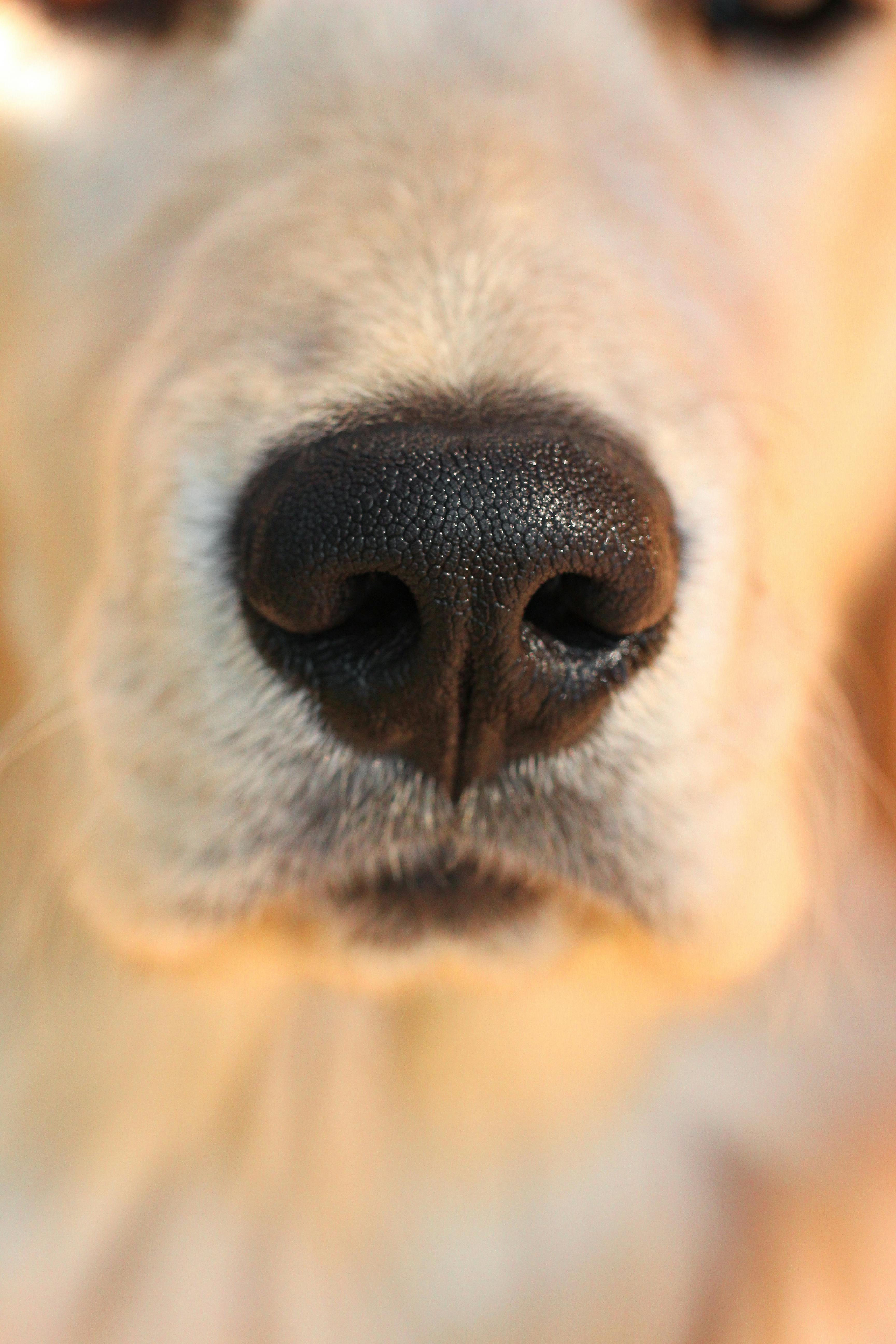
When it comes to our furry friends, one of the most interesting things is their noses. Many dog owners often wonder, “Do wet noses mean a healthy dog?” This question leads to a deeper exploration of the connection between nose moisture and canine health. So let’s dive into the fascinating reasons behind why dogs have wet noses and what it might mean for their well-being.
The Science Behind Wet Noses
Dogs have wet noses for a few reasons, and understanding these can help us see the bigger picture of dog health. A wet nose is primarily due to moisture from the environment, but it also has some interesting biological functions.
Scent Enhancement: A wet nose helps dogs to smell better. The moisture captures scent particles, making it easier for dogs to detect smells. This is why they often appear to sniff around, their noses working overtime to gather information.
Cooling Mechanism: Dogs do not sweat like humans do. Instead, they cool down through their noses and paw pads. A wet nose helps in regulating their body temperature, especially on hot days.
Health Indicator: While a wet nose can indicate a healthy dog, it’s not the only factor to consider. A dog’s overall behavior, appetite, and energy levels are also crucial components of health.
Why Dogs Have Wet Noses?
There are several reasons why dogs have those famously wet noses. Here are some key points:
Natural Design: Dogs are naturally designed to have moist noses. Their noses contain mucous glands that keep the surface moist, which aids in scent detection.
Behavioral Traits: Dogs often lick their noses to keep them moist. This behavior is instinctual and helps them gather scents from their surroundings.
Environmental Factors: Dogs noses can get wet due to humidity or after drinking water. The weather also plays a role; a damp day might give them a wetter nose than normal.
Health and Nose Moisture: What You Should Know
While a wet nose can be a sign of good health, it’s important to note that this is not a definitive measure. Sometimes, a dog can be perfectly healthy with a dry nose. Here are some health aspects related to nose moisture:
Temperature Check: If a dog’s nose is excessively dry or cracked, it may indicate dehydration or fever. However, this is not always the case, and other symptoms should be monitored.
Nasal Discharge: If the nose is wet but has discharge, it could be a sign of allergies or infections. Observing the color and consistency of the discharge can provide important clues.
General Well-Being: A wet nose is just one aspect of health. Observing changes in your dog’s behavior, eating habits, and energy levels are more significant indicators.
Common Misconceptions About Dog Noses
People often have a few misconceptions when it comes to dog noses. Here are some common myths:
Myth 1: A wet nose means a dog is sick.
Reality: Many factors can cause nose moisture, and it doesn’t always relate to health.Myth 2: Dogs only need water when their noses are dry.
Reality: Hydration is important at all times, regardless of nose moisture.Myth 3: A warm nose means a dog has a fever.
Reality: Nose temperature can vary throughout the day; other symptoms should be considered.
Practical Tips for Dog Owners
To ensure your dog stays healthy, here are some practical tips:
Hydration: Always provide fresh water. Dehydration can lead to a dry nose.
Regular Vet Check-ups: Routine veterinary visits can help catch any health issues early.
Observe Behavior: Keep an eye on any changes in your dog’s behavior or appetite.
Grooming: Regular grooming can help with skin and coat health, which also affects nose moisture.
Final Thoughts
So, do wet noses mean a healthy dog? It’s complicated. While a moist nose can be a positive sign, it’s essential to look at the whole picture when assessing your dog’s health. Understanding why dogs have wet noses involves a mix of biology, behavior, and environmental factors. The best approach to ensuring your furry friend’s well-being is to remain attentive to their needs and behaviors. Remember, a dog’s health is about much more than just their nose!
How a Dog’s Wet Nose Enhances Their Sense of Smell: The Amazing Facts
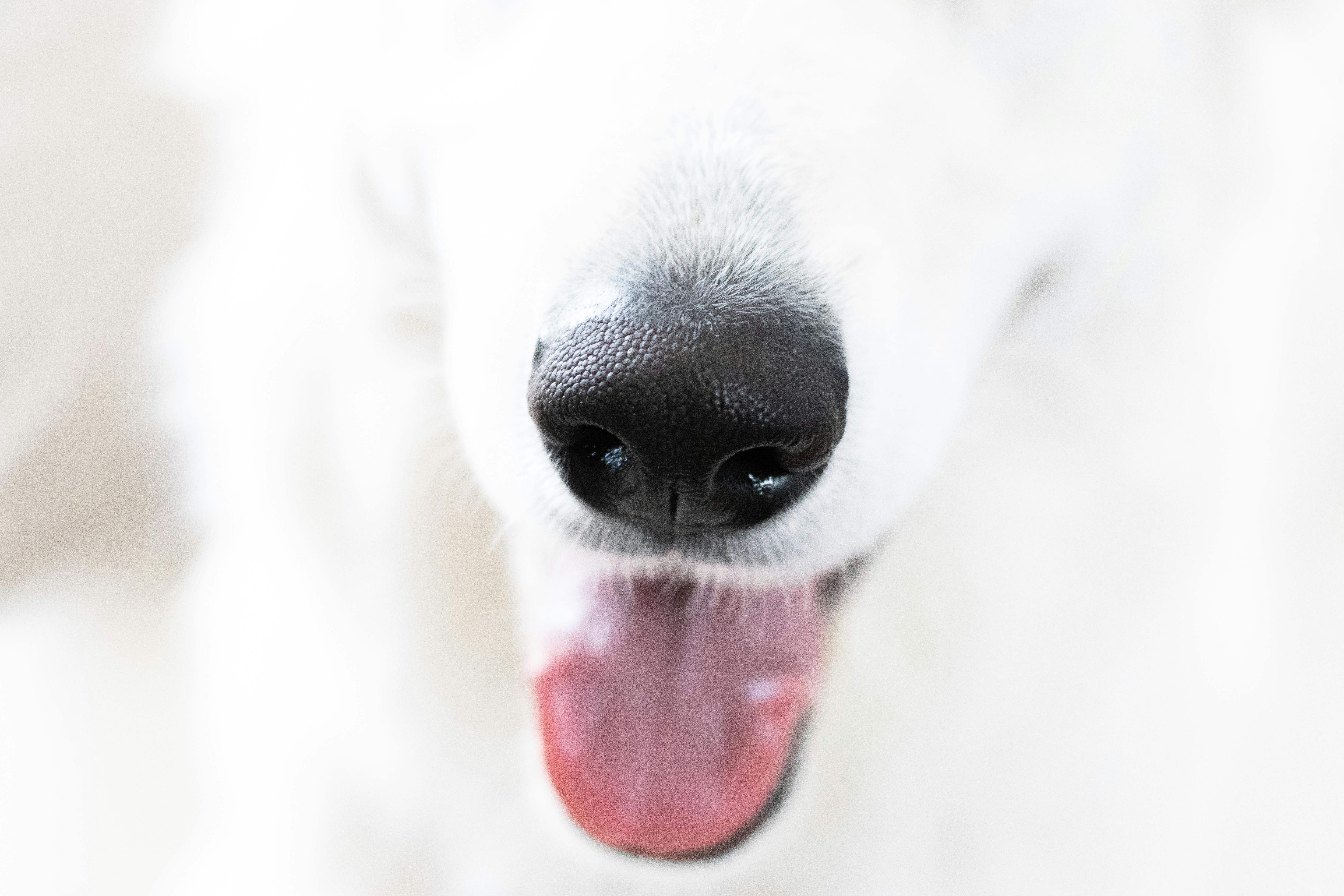
Dogs are truly amazing creatures, and one of the most fascinating aspects of them is their nose. Have you ever wondered why do dogs have wet noses? The simple answer is that it plays a significant role in their exceptional sense of smell. But there’s a lot more to it than just moisture. Let’s dive into the captivating world of canine olfaction and discover the facts behind a dog’s wet nose.
The Science of Smell in Dogs
Dogs possess an extraordinary sense of smell, which is estimated to be anywhere from 10,000 to 100,000 times more sensitive than that of humans. Their noses are packed with olfactory receptors, which are specialized cells that detect scents. In fact, dogs have around 300 million olfactory receptors, compared to a human’s mere 5 million. This incredible difference is one reason why dogs are often used in search and rescue missions, detection of drugs, and even identifying diseases.
Why Are Dog Noses Wet?
The wetness of a dog’s nose is more than just a cute feature. It serves several practical functions. Here’s a list of reasons why a dog’s nose is moist:
Enhanced Scent Detection: The moisture on the nose helps to capture scent particles from the air, making it easier for their highly sensitive receptors to detect different smells.
Temperature Regulation: A wet nose is also helpful in regulating body temperature. Just like how sweating cools humans down, a dog’s wet nose helps in dissipating heat.
Health Indicator: A wet nose is often seen as a sign that a dog is healthy. Conversely, a dry or excessively warm nose can indicate illness or dehydration.
The Fascinating Facts About Dog Noses
Unique Nose Prints: Just like human fingerprints, every dog has a unique nose print. This means that no two dogs have the same pattern of ridges and creases on their noses.
Scent Memory: Dogs have a remarkable scent memory, allowing them to remember different smells for years. They can recognize their owners by scent even after long periods of separation.
Dogs Can Smell Emotions: Research has shown that dogs can pick up on human emotions through scent. They can differentiate between smells associated with different emotional states, like fear or happiness.
Nasal Turbinates: Inside a dog’s nose, there are structures called nasal turbinates that help to filter and warm the air before it reaches their lungs, while also aiding in scent detection.
Historical Context of Dogs and Their Noses
Throughout history, dogs have been known for their keen sense of smell. In ancient times, dogs were used for hunting, tracking, and even herding livestock. They relied heavily on their sense of smell to perform these tasks effectively. Over time, humans began to recognize the potential of dogs in various fields, leading to the development of specialized breeds for tracking, scent detection, and search and rescue.
Comparison: Dogs vs. Other Animals
When comparing dogs to other animals, their sense of smell stands out remarkably. Here’s a quick comparison:
Dogs: 300 million olfactory receptors, can detect scents at extremely low concentrations.
Cats: Approximately 80 million olfactory receptors, not as strong as dogs but still impressive.
Humans: About 5 million olfactory receptors, which is why we can’t compete with dogs when it comes to scent detection.
Bears: Some species, like the grizzly bear, have an even better sense of smell than dogs, with around 300 million receptors, but they are not trained to use it for specific tasks like dogs.
Practical Examples of Dogs Using Their Smell
Search and Rescue: Dogs trained for search and rescue can locate missing persons in rubble or wilderness areas by scent alone. Their wet noses help them to pick up on the faintest of scent trails.
Detection Work: Many law enforcement agencies utilize dogs for detecting drugs, explosives, and even certain diseases like cancer. The moisture on their noses aids in their ability to identify these scents quickly and accurately.
Companionship: Dogs can sense emotional changes in their owners, providing comfort when they detect stress or sadness. This unique ability is often due to their highly developed sense of smell combined with their bond with humans.
Understanding why do dogs have wet noses can enrich our appreciation for these loyal companions. Their wet noses are not just cute features; they play a critical role in their ability to navigate the world through scent. So next time you see your furry friend, remember that their wet nose is a window into how they experience life.
The Role of a Wet Nose in Dog Communication: Understanding Fido’s Feelings
Dogs are often considered man’s best friend, but did you know that their wet noses play a significant part in how they communicate their feelings? Understanding Fido’s emotions through his nose may seem strange, but there’s science behind it. So, why do dogs have wet noses? In this article, we’ll explore the fascinating reasons and the role of a wet nose in canine communication.
The Science Behind Wet Noses
Dogs have wet noses for multiple reasons, and it ain’t just for show. A dog’s nose contains scent receptors, which are vital for their ability to smell. Did you know that dogs have up to 300 million smell receptors, compared to a human’s 5 million? This incredible sense of smell is enhanced by the moisture on their noses.
- Moisture Helps Smell: The wetness traps scent particles, allowing dogs to better analyze their environment.
- Temperature Regulation: Dogs can also regulate their body temperature through their noses. When they pant, the moisture on their nose evaporates, cooling them down.
- Health Indicator: A wet nose often indicates good health. If a dog’s nose is dry or excessively warm, it may be a sign that something is wrong.
How Dogs Use Their Noses to Communicate
Dogs express their feelings and intentions in various ways, and their noses play a crucial role. A wet nose can communicate a range of emotions:
- Curiosity: When dogs explore their surroundings, they frequently sniff things out. A wet nose indicates an active investigation.
- Affection: Dogs often nuzzle or touch their noses to their humans as a sign of love and trust.
- Anxiety: If a dog is feeling stressed or anxious, they may lick their noses more frequently. This behavior can be a soothing mechanism.
Historical Context of Dog Communication
The relationship between humans and dogs dates back thousands of years. Archaeological evidence suggests that dogs were domesticated around 20,000 to 40,000 years ago. Over time, dogs became not just companions but also helpers in hunting, herding, and guarding. This long history has led to the development of sophisticated methods of communication between species.
- Early Domestication: The ancestors of modern dogs were wolves, and their communication methods were much more primitive.
- Evolution of Behavior: As dogs became more integrated into human life, they adapted their communication to better express their needs and emotions to us.
Fascinating Facts About Dog Noses
- Unique Patterns: Just like human fingerprints, no two dog noses are alike. Each pattern is unique to the individual dog.
- Scent Discrimination: Dogs can detect certain substances at incredibly low concentrations, which is why they’re used in search and rescue operations, as well as in detecting drugs or even diseases.
- Heat Sensors: Dogs also have heat sensors in their noses that help them detect the warmth of other animals, which can be especially useful in hunting scenarios.
Practical Tips for Dog Owners
Understanding your dog’s nose can help you interpret their feelings better. Here are some tips for dog owners:
- Observe Behavior: Pay attention to how your dog uses their nose. Frequent sniffing may indicate curiosity or excitement.
- Check Health: Regularly check your dog’s nose. A sudden change in moisture can be a sign of health issues.
- Social Interactions: Encourage your dog to engage with other dogs through sniffing. It’s their way of saying hello!
Comparing Dog Noses to Other Animals
While dogs have unique noses adapted for their needs, they’re not alone in the animal kingdom. Here’s a quick comparison:
- Cats: Similar to dogs, cats have moist noses, but they rely more on sight and hearing than smell.
- Bears: Bears have an even more powerful sense of smell than dogs, which they use for foraging.
- Rats: Rats also have a keen sense of smell and use it to communicate with each other.
Understanding why dogs have wet noses and their role in communication can enrich the bond between you and your furry friend. With insight into how Fido expresses himself, you can respond more effectively to his needs and feelings. Embracing the quirks of canine behavior not only enhances your relationship but also provides a deeper understanding of the fascinating world of dog communication.
Can Your Dog’s Wet Nose Indicate Illness? Signs to Watch For

When it comes to our furry friends, many pet owners often wonder about the meaning behind their dog’s wet nose. It’s a common sight, but few realize how much this seemingly simple characteristic can indicate. Can your dog’s wet nose indicate illness? What signs should you watch for? Let’s dive into this fascinating topic, exploring not only the health implications but also the reasons why dogs have wet noses in the first place.
Why Do Dogs Have Wet Noses?
Dogs noses are wet for a few reasons, and it’s not just because they like to sniff around. Here’s a quick rundown of some explanations:
- Cooling Mechanism: Dogs don’t sweat like humans do. Their primary way to cool off is through panting and using their noses. A wet nose helps them stay cool by evaporating moisture.
- Enhanced Smell: Wet noses can trap scent particles better than dry noses. The moisture helps to absorb and hold scent molecules, making it easier for dogs to detect smells.
- Health Indicator: A dog’s nose can change with their health status. A wet nose is usually a sign of a healthy dog, while a dry or warm nose might indicate something’s off.
Can a Wet Nose Indicate Illness?
While a wet nose is often a sign of a healthy dog, sometimes it can indicate illness. It’s important to observe other signs and symptoms that could signal trouble. Here are some indicators to keep an eye on:
- Temperature Changes: If your dog’s nose is unusually warm and dry, it might suggest a fever.
- Behavioral Changes: If your pooch is lethargic, not eating, or showing signs of discomfort, this may point to health issues.
- Nasal Discharge: Any abnormal discharge from the nose, whether it’s clear, yellow, or green, can be a sign of an infection or other illness.
- Frequent Sneezing or Coughing: These could indicate respiratory problems or allergies.
Signs of Illness to Watch For
If you’re concerned that your dog’s wet nose might be signaling a problem, here’s a checklist of symptoms to observe:
- Loss of appetite
- Excessive thirst or urination
- Vomiting or diarrhea
- Coughing or wheezing
- Swelling in the face or around the nose
- Unusual behavior, like hiding or aggression
Not All Wet Noses Are Equal
It’s crucial to note that not all wet noses are the same. They can vary due to several factors:
- Breed Differences: Some breeds naturally have wetter noses. For instance, breeds like Retrievers tend to have more moisture compared to others.
- Environmental Factors: Weather conditions can affect nose moisture. Hot or dry weather may lead to a drier nose.
- Age: Puppies often have different nose moisture levels compared to older dogs.
Practical Tips for Dog Owners
To maintain your dog’s health, consider these practical tips:
- Regular Vet Check-ups: Regular visits to the vet can catch issues early.
- Watch Their Diet: A balanced diet can improve overall health, including the nose.
- Hydration: Always ensure your dog has access to fresh water.
- Observe Behavior: Keeping an eye on changes in behavior can help you notice problems sooner.
Fun Facts About Dogs’ Noses
- Dogs have up to 300 million smell receptors in their noses, compared to a human’s 6 million!
- A dog’s sense of smell is so powerful that they can detect certain diseases in humans, such as cancer or diabetes.
- The wetness of their nose can change throughout the day, depending on activity levels and temperature.
Conclusion
In summary, a dog’s wet nose can tell you a lot about their health and well-being. While a moist nose is often a sign of good health, it’s essential to watch for other symptoms that may indicate an underlying issue. By staying observant and proactive, you can help ensure a long, happy life for your furry friend. If you ever have doubts about your dog’s health, it’s always best to consult with a veterinarian to get professional advice.
Why Is Your Dog’s Nose Wet After Playtime? Discovering the Science of Dog Behavior
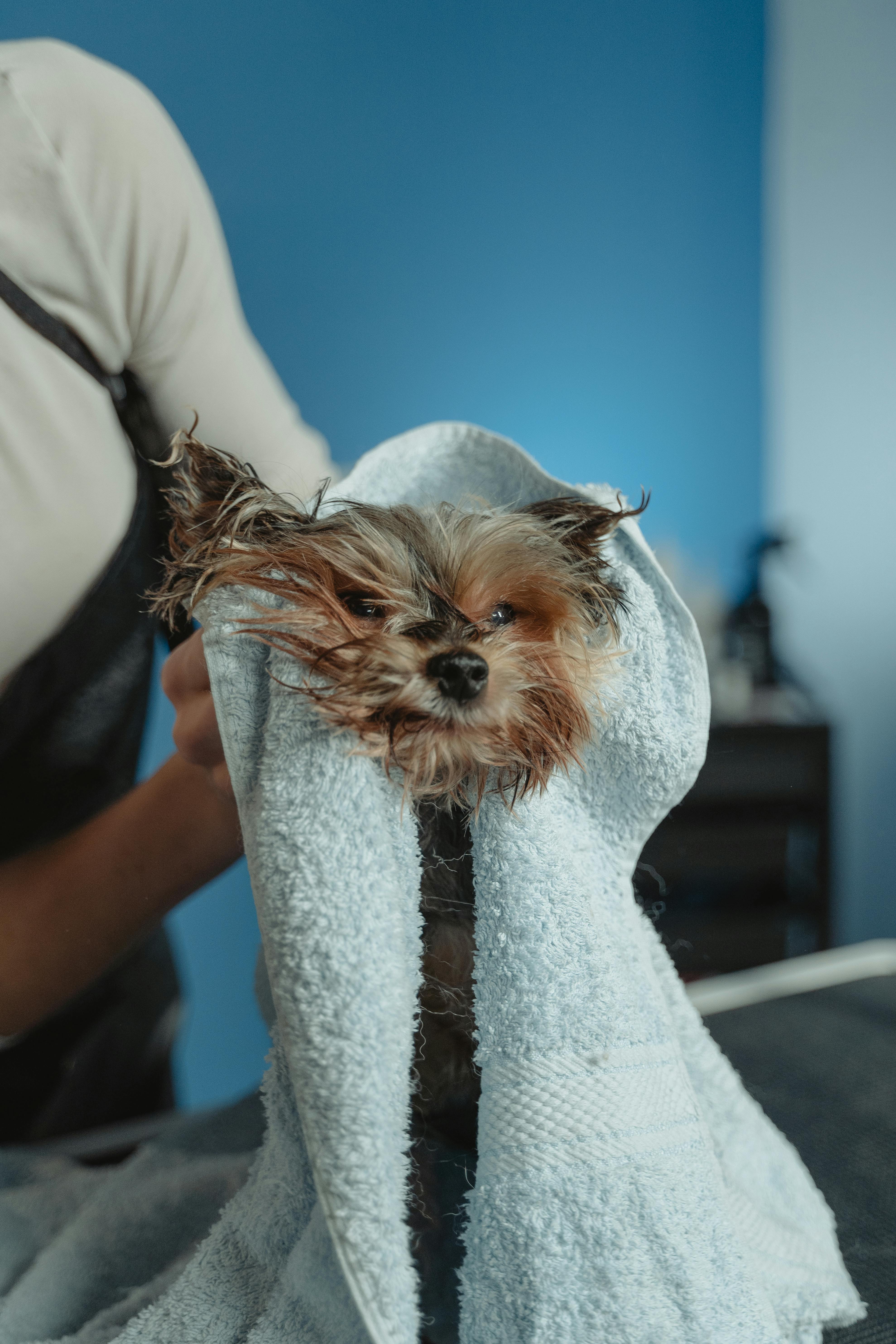
Have you ever noticed how your dog’s nose is always wet after playtime? This quirky characteristic of our furry friends often leaves pet owners scratching their heads and wondering why it is like that. Understanding the science behind a dog’s wet nose can not only satisfy your curiosity but also helps you appreciate the unique traits of dogs. So, let’s dive into the fascinating world of dog behavior and discover why do dogs have wet noses.
The Basics of a Dog’s Nose
Dog noses are moist for a variety of reasons. Primarily, it has to do with their biology and how they interact with the world. Dogs have a highly developed sense of smell, estimated to be anywhere from 10,000 to 100,000 times more sensitive than humans. To function properly, their noses must remain moist, which helps in trapping scent particles.
Key functions of a wet nose:
- Enhances the ability to detect scents.
- Helps regulate body temperature.
- Acts as a natural cooling mechanism.
Why Dogs Have Wet Noses
So, why do dogs have wet noses? Here are some fascinating reasons that explain this phenomenon:
Scent Detection: A wet nose absorbs odor molecules better. The moisture on a dog’s nose helps capture scents from the air, enhancing their ability to track and identify smells.
Temperature Regulation: Dogs don’t sweat like humans do. Instead, they cool off through panting and the moisture on their nose. A wet nose can help lower their body temperature, especially after vigorous play.
Health Indicator: Often, a wet nose is a sign of a healthy dog. Vets usually examine a dog’s nose as part of a health checkup. A dry or cracked nose could indicate dehydration or illness.
Playtime Factor: After an active session of play, dogs often lick their noses or the moisture from the environment can make them wet. This is simply a part of their behavior when they’re excited or engaged in physical activities.
Historical Context of Dogs and Their Noses
Dogs have been human companions for thousands of years. Ancient civilizations recognized their keen sense of smell. For instance, the Egyptians used dogs as hunting companions, valuing their ability to track scents. This historical bond has shaped not just our relationship with dogs but also their evolution.
Fun Facts About Dog Noses
Unique Print: Just like human fingerprints, every dog has a unique nose print. This can be used for identification, much like a fingerprint.
Thermal Sensors: A dog’s nose has thermal sensors that help them detect temperature changes. This is useful for finding food or sensing potential danger.
Size Matters: The size and shape of a dog’s nose can affect their olfactory abilities. Breeds like Bloodhounds have larger noses, which enhances their scent-tracking capabilities.
Tips for Keeping Your Dog’s Nose Healthy
Keeping your dog’s nose in good condition is important. Here are some tips:
Hydration: Always ensure your dog has access to fresh water to prevent dehydration, which can lead to a dry nose.
Humidity: If you live in a dry climate, consider using a humidifier to maintain moisture in the air.
Regular Vet Checkups: Regular visits to the vet can help catch any potential health issues early.
Common Myths About Dog Noses
Let’s debunk some myths surrounding dog noses:
Myth: A warm nose means a sick dog.
Fact: Nose temperature can vary based on activity and environment.Myth: A wet nose equals a happy dog.
Fact: While many happy dogs have wet noses, it’s not a definitive indicator of mood.
In Summary
The moisture on your dog’s nose serves multiple purposes, from enhancing their sense of smell to aiding in temperature regulation. Understanding why dogs have wet noses can bring you closer to comprehending their behavior and needs. Whether it’s after a fun day at the park or a rainy walk, the wetness of your dog’s nose is a fascinating aspect of their biology that underscores their unique nature as companions. So, next time you wipe your pup’s nose, remember, it’s not just a cute quirk but an essential part of what makes dogs, well, dogs!
The Evolutionary Benefits of Wet Noses in Dogs: A Look into Nature’s Wisdom

Dogs are often considered man’s best friend, but have you ever wondered why do dogs have wet noses? It’s not just an endearing feature; it’s actually a fascinating aspect of their biology that comes with evolutionary benefits. Wet noses are not just a cute quirk — they serve several important functions that enhance a dog’s ability to interact with the world around them. Let’s dive into the evolutionary wisdom behind this unique trait.
The Science Behind Wet Noses
A dog’s nose is wet mainly because of mucus. This mucus plays a crucial role in their sense of smell. Dogs have an incredible olfactory system, which is way more sensitive than humans. It’s said that a dog’s sense of smell can be anywhere from 10,000 to 100,000 times more acute than ours. When their noses are moist, it helps to capture scent particles more effectively, allowing them to detect smells much better.
- Dogs have around 220 million scent receptors in their noses.
- Humans have only about 5 million scent receptors.
- Wet noses can absorb scent molecules, enhancing their olfactory capabilities.
Evolutionary Benefits of a Wet Nose
The evolutionary advantages of having wet noses can be seen in multiple ways. For instance, wet noses help dogs to better navigate their environment, find food, and even communicate with other dogs. Here are some key benefits:
Improved Scent Detection: As mentioned above, wet noses capture scent molecules more efficiently. This ability is crucial for hunting and tracking prey, which were essential skills for their ancestors.
Temperature Regulation: Dogs don’t sweat like humans do. Instead, they regulate their body temperature mainly through panting and by having a wet nose. The moisture evaporates, helping to cool them down, especially in warmer climates.
Social Interaction: Wet noses play a role in communication among dogs. When they greet each other, they often sniff noses. The moisture can help transmit pheromones and other scents that convey important information about each other.
Historical Context of Dog Noses
The evolution of the dog nose can be traced back to their ancestors, the wolves. Wolves rely heavily on their sense of smell for hunting and survival. As dogs began to be domesticated, they retained this trait, which has been refined over thousands of years.
- Early domesticated dogs were bred for specific tasks, such as herding, hunting, or guarding, all of which required a keen sense of smell.
- The genetic diversity among dog breeds also affects the shape and function of their noses. For example, breeds like Bloodhounds have long, droopy noses that enhance scent detection, while breeds like Pugs have shorter noses, which might limit their olfactory capabilities.
Comparing Wet and Dry Noses
There are differences in how wet and dry noses function for dogs. Each has its advantages and limitations:
| Feature | Wet Nose | Dry Nose |
|---|---|---|
| Scent Detection | Better at capturing scents | Less effective |
| Temperature Control | Helps cool down | Less effective |
| Health Indicator | Often a sign of hydration | Can indicate dehydration |
Practical Implications for Dog Owners
Understanding why do dogs have wet noses can help dog owners better care for their pets. Here are some practical tips:
Hydration is Key: Make sure your dog has access to fresh water. A well-hydrated dog is more likely to maintain a healthy, wet nose.
Regular Vet Checkups: A sudden change from wet to dry could indicate a health issue. Keep an eye on your dog’s nose and consult a vet if you notice any significant changes.
Play and Exercise: Engage your dog in activities that stimulate their sense of smell, like scent games or tracking exercises. This not only benefits their mental health but also strengthens your bond.
Temperature Awareness: Be mindful of your dog’s environment, especially during hot days, as they rely on their wet noses for cooling down.
The next time you lean down to pet your furry friend and feel that cool, wet nose against your hand, remember that it’s more than just a cute feature. It’s a testament to the incredible evolutionary journey that dogs have embarked upon alongside humans. Understanding the multifaceted roles of wet noses not only deepens our appreciation for dogs but also enhances the way we care for them.
Wet vs. Dry Nose: What Your Dog’s Nose Says About Their Health and Emotions

When you look at your dog, one of the first things you might notice is their nose. It’s often wet and cold, which leads many to wonder, “What does that mean?” The truth is, a dog’s nose can say a lot about their health and emotions. In this article, we explore the fascinating reasons behind why do dogs have wet noses and what the difference between a wet and dry nose might indicate.
Why Do Dogs Have Wet Noses?
Dogs have wet noses for a variety of reasons. Firstly, it’s important to know that a dog’s nose is moist because it helps them to smell better. A wet surface can capture scent particles more efficiently than a dry one. This is crucial for their survival and communication—dogs rely heavily on their sense of smell to explore the world around them.
Here are some key reasons why a dog’s nose is wet:
- Enhanced Smell: The moisture helps to trap scent particles. This is why dogs have such an incredible sense of smell.
- Cooling Mechanism: Dogs do not sweat like humans do. Instead, they cool themselves through their noses, which helps regulate their body temperature.
- Health Indicator: A wet nose can signify a healthy dog, while a dry nose can sometimes indicate illness, dehydration, or other health issues.
Wet vs. Dry Nose: What It Means for Your Dog
Understanding the difference between a wet and dry nose can be helpful for dog owners. A wet nose is generally a sign of a healthy pup, while a dry nose could point to various issues.
Characteristics of Wet Noses
- Temperature: Typically cool to the touch.
- Moisture: You can feel the wetness when you touch it.
- Behavior: Dogs with wet noses often appear more energetic and playful.
Characteristics of Dry Noses
- Temperature: Often warm or hot to the touch.
- Texture: May feel cracked or flaky.
- Behavior: Dogs might be less active or show signs of discomfort.
Common Misconceptions About Nose Conditions
There are several myths that circulate among dog owners regarding nose conditions. Here are a few of the most common misconceptions:
- A dry nose always means illness: This isn’t true! Sometimes a dog’s nose can be dry due to weather conditions, like cold or hot days.
- A wet nose means your dog is healthy: While a wet nose is usually a good sign, it doesn’t guarantee health. Other symptoms should be monitored.
- Dogs with dry noses need immediate vet care: Not all dry noses are emergencies. If your dog shows other symptoms like lethargy or loss of appetite, then it’s time to consult your vet.
Factors Affecting Your Dog’s Nose Condition
Several factors can influence whether a dog’s nose is wet or dry. Some of them include:
- Weather: Hot, dry climates can lead to dry noses.
- Age: Older dogs may have different nose moisture levels.
- Health: Certain health issues can affect nose moisture.
What to Do If Your Dog Has a Dry Nose
If you notice that your dog’s nose is dry, here are some steps you might consider:
- Hydration: Ensure your dog is drinking enough water.
- Humidifier: Use a humidifier in your home during dry seasons.
- Check for Other Symptoms: Look for signs of illness such as coughing, lethargy, or changes in appetite.
- Consult Your Vet: If the dryness persists or is accompanied by other concerning symptoms, it is best to consult a veterinarian.
Emotional Indicators of a Dog’s Nose Condition
Dogs also communicate their feelings through their noses. A wet nose can suggest a dog is feeling relaxed and happy. On the other hand, if a dog’s nose is dry and they seem withdrawn, it could indicate stress or anxiety.
- Excitement: Wet and cold nose, wagging tail.
- Stress: Dry nose, panting, hiding behavior.
- Relaxation: Wet nose, lying down comfortably.
Understanding your dog’s nose condition can give you insights into their overall health and emotional state. Regularly observing your dog’s nose and behavior can help you notice any changes that may require attention.
So next time you get close to your furry friend and notice their nose, remember it’s more than just a cute feature. It’s a window into their health and emotions, providing you with essential clues to ensure their well-being.
Tips for Keeping Your Dog’s Nose Moist and Healthy: Essential Care Practices

When you think about dogs, one of the first things that probably comes to mind is their wet noses. But have you ever wondered why do dogs have wet noses? It’s not just for looks! A dog’s nose plays a crucial role in their health and well-being. Keeping your dog’s nose moist and healthy can be simple, but it requires understanding the reasons behind that wetness. In this article, we will explore some essential care practices and the fascinating science behind our furry friends’ noses.
Why Do Dogs Have Wet Noses?
Dogs have wet noses for several interesting reasons. Firstly, their noses are packed with scent receptors — way more than humans have. The moisture on a dog’s nose helps to enhance their sense of smell. Here’s a breakdown of some key points:
- Scent Detection: The moisture on the nose captures scent particles, making it easier for dogs to detect smells. This is why they often sniff around everything!
- Temperature Regulation: Dogs, unlike humans, don’t sweat through their skin. Their noses help regulate body temperature by evaporating moisture.
- Health Indicator: A wet nose can indicate that a dog is healthy and hydrated. Conversely, a dry nose might suggest dehydration or illness, but not always.
Tips for Keeping Your Dog’s Nose Moist and Healthy
Maintaining your dog’s nose health is pretty important. Here are some essential care practices to keep it moist:
Regular Hydration: Always provide fresh water for your dog. Hydration is key to a moist nose.
Humid Environment: If you live in a dry climate, consider using humidifier in your home. It can help keep your dog’s nose moist.
Regular Check-Ups: Frequent veterinary visits can help catch any potential health issues early on that may affect nose moisture.
Nose Balm: Applying pet-safe nose balms can help. Look for products that are natural and specifically designed for dogs.
Balanced Diet: Ensure your dog gets a well-rounded diet. Omega fatty acids can improve skin and nose health.
Avoid Overheating: Keep your dog cool during hot weather. Dogs can suffer from heatstroke, which affects their nose health.
Recognizing Problems
It’s important to know the signs that something might be wrong with your dog’s nose. Keep an eye out for:
- Cracks or Dryness: This could indicate dehydration or other health issues.
- Discoloration: Any unusual changes in color could be a sign of underlying problems.
- Excessive Moisture: While a wet nose is normal, if it’s excessively wet, it might be worth consulting with a vet.
Fun Facts About Dog Noses
Did you know dog noses have unique patterns, similar to human fingerprints? Each dog has a unique nose print which can be used to identify them. Plus, dogs can smell up to 100,000 times better than humans! Here’s a nifty table showing some comparisons:
| Feature | Dogs | Humans |
|---|---|---|
| Scent Receptors | About 300 million | About 5 million |
| Temperature Control | Mainly through nose | Mainly through skin |
| Nose Print Uniqueness | Yes | No |
Common Myths Debunked
There are many myths surrounding dog noses. Here are a few you might have heard:
Myth: A warm, dry nose means a dog is sick.
- Truth: A dog’s nose temperature can vary throughout the day, and a dry nose doesn’t always mean illness.
Myth: Dogs can’t feel pain in their noses.
- Truth: Their noses are sensitive and can feel pain, just like any other part of their body.
Myth: Only certain breeds have wet noses.
- Truth: All dogs should have moist noses, but some may dry out more easily than others.
Caring for Older Dogs
As dogs age, their nose health might change. Older dogs might have drier noses. Here are some tips for keeping senior dogs comfortable:
- Frequent Moistening: Apply nose balm more often.
- Check for Issues: Older dogs might face health issues that can affect their nose. Regular vet visits are essential.
- Comfortable Environment: Ensure they have a cozy, humid space to relax.
Keeping your dog’s nose moist and healthy is not just about appearances; it’s essential for their overall health. By understanding the fascinating reasons behind why dogs have wet noses, you can take proactive steps to ensure they remain healthy and happy. Regular check-ups, a good diet, and hydration are the cornerstones of nose care. Don’t forget, a wet nose is a happy nose!
Conclusion
In conclusion, the wet noses of dogs serve several important purposes that contribute to their overall health and well-being. The moisture on their noses enhances their sense of smell, allowing them to detect a wider range of scents, which is crucial for their communication and interaction with the environment. Additionally, the wetness helps to regulate their body temperature through evaporation, much like sweating does for humans. Understanding this fascinating aspect of canine biology not only deepens our appreciation for our furry companions but also highlights the importance of regular health check-ups to ensure their nostrils and overall health remain optimal. So, the next time you feel your dog’s cool, wet nose, remember it’s not just a quirky trait; it’s a vital part of their sensory toolkit. Embrace these moments and consider sharing your newfound knowledge with fellow dog lovers to help them appreciate this unique characteristic even more!
