Have you ever wondered why do dogs have wet noses? It’s a question that sparks curiosity among dog lovers and pet owners alike! A dog's nose is not just a cute feature; it serves several fascinating purposes that are crucial for their health and communication. The reasons behind this unique trait are more than just a quirk of nature. Did you know that a wet nose helps dogs to sense smells better? This is because moisture enhances their olfactory capabilities, making them excellent at detecting scents. Also, the wetness of a dog’s nose can indicate their overall health and well-being. But that’s not all! Have you considered how a dog’s wet nose plays a role in their temperature regulation? As we explore the intriguing world of canine anatomy, we’ll uncover the science behind those adorable, moist noses. Join us on this journey as we delve into the fascinating reasons why your furry friend’s nose is always a little damp. Whether you're a seasoned dog owner or just curious about these lovable creatures, this post will satisfy your thirst for knowledge! So, let’s sniff out the answers together!
The Science Behind Canine Noses: Why Are Dogs’ Noses So Wet?
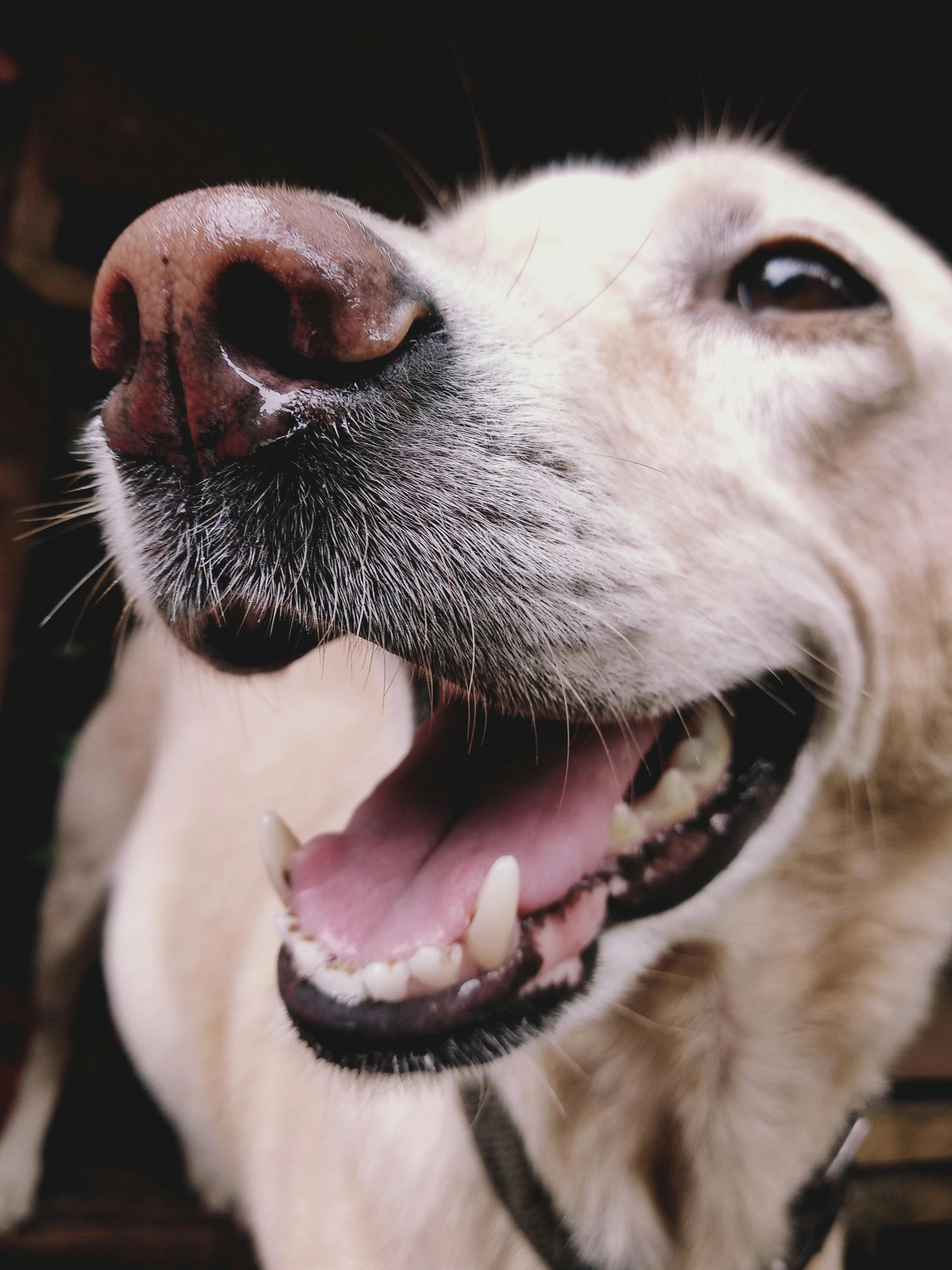
Have you ever noticed how your dog's nose is always a bit wet? It’s a common sight, and many dog owners often wonder why. The science behind canine noses is more fascinating than you might think, and understanding it can shed light on the amazing abilities of our furry friends. So, let’s dive into the reasons why dogs’ noses are wet and what that means for their health and senses.
The Anatomy of a Dog’s Nose
Dog noses are complex structures, equipped with a vast network of olfactory receptors. In fact, dogs have up to 300 million smell receptors in their noses, compared to a human's meager 5 million. This incredible olfactory ability is what makes a dog’s sense of smell so powerful. But what’s the deal with the wetness?
Why Do Dogs Have Wet Noses?
Enhanced Smelling: The moisture on a dog’s nose helps to capture scent particles. When a dog's nose is wet, it can absorb scents better, making it easier for them to detect smells. This is particularly important for hunting breeds, who rely on their sense of smell to locate prey.
Temperature Regulation: Dogs don’t sweat like humans do. Instead, they cool down through panting and, to a lesser extent, through their noses. The wetness helps to regulate temperature by evaporating and cooling the blood vessels in the nasal passages.
Health Indicator: A wet nose is often a sign of a healthy dog. It can indicate that a dog is well-hydrated and in good condition. Conversely, a dry, cracked nose may suggest dehydration or an underlying health issue, although it doesn't always mean something serious.
Behavioral Aspects: Dogs often lick their noses as a way to keep them moist or to gather scents. You may notice your dog licking its nose after sniffing around. It's a natural behavior that helps them stay connected to their environment.
Historical Context of Dog Noses
Dogs have been around for thousands of years, and their noses have evolved alongside them. Historically, certain breeds were developed for specific tasks, like hunting and herding, which required keen olfactory skills. Breeds like Bloodhounds and Beagles have been particularly prized for their exceptional sense of smell.
Fun Facts About Dog Noses
- Unique Prints: Just like human fingerprints, each dog's nose has a unique pattern. This can actually be used for identification.
- Color Variation: The color of a dog's nose can vary widely, influenced by genetics and breed. Black, brown, and pink are common, but some dogs even have spotted noses!
- Cold vs. Warm Noses: A cold nose is often associated with a healthy dog, but dogs can have warm noses too, especially after they’ve been sleeping or in a warm environment.
Comparisons to Other Animals
When looking at the wet noses of dogs, it’s interesting to compare them to other animals.
- Cats: Cats also have wet noses, but their olfactory senses are not as developed as dogs. They rely more on sight and sound.
- Rabbits: Rabbits have moist noses, but they primarily use their sense of smell to detect food and predators.
- Human Beings: Humans sweat to cool down, while dogs rely on their noses. A dog's nose is like a built-in air conditioner!
Practical Examples of Nose Use
- Tracking and Search: Search and rescue dogs use their noses to find missing persons. Their ability to distinguish between different scents is crucial for this work.
- Medical Detection: Some dogs are trained to detect diseases, such as cancer or diabetes, through scent. Their noses can pick up changes in body chemistry that humans cannot detect.
- Therapeutic Roles: Dogs are increasingly used in therapy settings where their calming presence and ability to connect with humans can help reduce stress and anxiety.
In summary, the wetness of a dog’s nose is not just a cute feature; it serves several important functions that contribute to their health, behavior, and extraordinary sense of smell. Understanding these aspects can enhance our appreciation for dogs and deepen our bond with them. So the next time you see your dog with a wet nose, remember all the amazing science behind it!
Top 5 Fascinating Facts About Dog Noses That Will Surprise You

Dogs are often known as man's best friend, but did you ever stop to think about the fascinating features that make them so special? One of these features is their nose. You might have noticed how wet their noses always seems to be. But why is that? Let’s dive into the top 5 fascinating facts about dog noses. You might be surprise what you learn!
1. Wet Noses Help with Smell
You probably heard that dogs have an incredible sense of smell, but did you know that their wet noses plays a big role in that? The moisture on a dog’s nose helps to trap scent particles, making it easier for them to detect odors. When those particles stick to the wet surface, it enhances their ability to analyze smells. In fact, dogs have up to 300 million scent receptors, compared to about 6 million in humans. It’s like having a superpower!
2. Nose Prints Are Unique
Just like human fingerprints, every dog has a unique nose print. The patterns of ridges and creases on a dog’s nose can be used to identify them, kinda like a personal ID. This uniqueness has been used in some cases for pet identification purposes. If you ever need to prove that a dog is yours, a nose print might just be the way to go!
3. Temperature Regulation
Did you know that dogs also use their noses to help regulate their body temperature? Dogs don’t sweat like humans do. Instead, they cool off through panting and also through their noses. A wet nose can help to cool the air that they breathe in. This is especially important on hot summer days. So next time you see your furry friend with a wet nose, remember it’s not just for show!
4. A Dog's Nose Can Detect Health Issues
Another fascinating fact is that a dog's nose can actually detect health issues in humans. Some dogs are trained to identify certain medical conditions by scent, like low blood sugar for diabetics or even some types of cancer. This incredible ability comes from their highly developed olfactory senses. Imagine having a personal medical assistant who can sniff out problems!
5. Dogs Can Smell Emotions
Dogs are also known to be great at reading human emotions, and their noses play a key role in this. They can pick up on various scents that correlate with different emotions. For example, when you’re anxious or scared, your body produces certain chemicals that can be detected by a dog’s nose. This is one reason why dogs are often used in therapy settings. They can sense when someone is feeling down and provide comfort.
Fun Facts About Dog Noses
- A dog’s sense of smell is about 40 times better than ours.
- Dogs have a special organ in their noses called the Jacobsen's organ, which helps them process scents.
- The texture of a dog’s nose can change with their health; a dry nose could indicate a fever.
- Dogs can even smell certain diseases from several meters away!
Comparison Chart: Dog Nose vs. Human Nose
| Feature | Dog Nose | Human Nose |
|---|---|---|
| Scent Receptors | ~300 million | ~6 million |
| Unique Prints | Yes | No |
| Detects Emotions | Yes | Limited |
| Temperature Regulation | Yes | No |
| Used for ID | Yes | No |
Dogs are such interesting creatures, and their noses are just the tip of the iceberg when it comes to their fascinating biology. Whether it’s for identifying scents, regulating body temperature, or even detecting health problems, a dog’s wet nose serves many important functions.
So next time you see your dog with its wet nose pressed against your leg, remember the incredible science behind it. Their noses are not just adorable, they are an essential part of what makes them the amazing companions that they are. Isn’t it incredible how much we can learn from our furry friends?
How a Wet Nose Benefits Your Dog: The Hidden Health Advantages

Dogs are more than just pets; they are loving companions that bring joy to our lives. One of the most interesting features of a dog is its wet nose. You might have wondered, “Why do dogs have wet noses?” The truth is, there are several fascinating reasons behind this common canine trait, and many of them relate to your dog's health. Wet noses aren’t just cute; they have real benefits!
The Science Behind Wet Noses
First off, a dog’s nose is a marvel of nature. It's covered in a moisture-secreting membrane. This moisture helps to enhance their sense of smell. Dogs have about 220 million scent receptors compared to humans' 5 million. When the nose is wet, it can trap more scent particles, allowing dogs to smell even better. This is why your pup can find that hidden toy or sniff out where you’ve been!
Health Benefits of a Wet Nose
A wet nose does more than just improve a dog's olfactory abilities. It also plays a role in their overall health. Here some key health advantages of having a wet nose:
- Temperature Regulation: Dogs don’t sweat like humans do. Instead, they cool down through their nose. The moisture evaporates, which helps lower their body temperature.
- Hygiene Indicator: A wet nose can indicate good health. If your dog’s nose is dry or cracked, it might signal dehydration or illness.
- Sensory Enhancement: A moist nose can improve a dog’s ability to detect changes in their environment, including potential threats or changes in their owner’s emotional state.
Fun Facts About Dog Noses
Did you know that dogs' noses come in different shapes and sizes? Here are some fun facts about dog noses that you might not know:
- Unique Patterns: Just like human fingerprints, each dog’s nose print is unique. Some people even register their dog’s nose print!
- Color Matters: The color of a dog's nose can change based on their breed and genetics. Some breeds have black noses, while others have pink ones. It's all part of their charm!
- Cold vs. Warm: A dog’s nose can be warm and dry, especially if they’ve been sleeping. This doesn't always mean they are sick. It's important to monitor other health signs.
Why Do Dogs Lick Their Noses?
You might see your dog frequently licking its nose. This behavior is not only adorable but serves a couple purposes:
- Sense Enhancement: Licking wet the nose helps to capture scent particles, so they can smell better.
- Stress Relief: Just like humans might chew their nails when anxious, dogs may lick their noses to calm themselves.
Historical Perspective on Dog Noses
Going back in history, dogs have been companions to humans for thousands of years. The evolution of their wet noses is believed to have served as a critical survival trait. In the past, dogs used their keen sense of smell to help humans hunt and gather food. Their wet noses made them proficient trackers, which was essential for survival.
How to Keep Your Dog's Nose Healthy
Just like any part of your dog, their nose requires care. Here are some tips for keeping that nose healthy:
- Hydration: Ensure your dog is drinking enough water. Dehydration can lead to a dry nose.
- Moisturizing: If your dog has a particularly dry nose, consider using a vet-approved nose balm.
- Regular Check-Ups: Keep an eye on the condition of your dog's nose during routine vet visits. It can provide clues about their overall health.
Differences Between Dog Breeds
Different breeds have different nose types, which can affect their wetness. For example:
- Brachycephalic Breeds: Breeds like Bulldogs and Pugs may have flatter noses, which can lead to breathing issues. Their noses might not stay as moist.
- Long-Nosed Breeds: Breeds like Greyhounds and Bloodhounds have long noses that can stay wetter, aiding in their exceptional smelling abilities.
Summary of Benefits of Wet Noses
- Enhances sense of smell
- Aids in temperature regulation
- Serves as an indicator of health
- Provides sensory feedback
In summary, the wet nose of your dog is more than just an endearing feature; it's a testament to their health and evolutionary history. It plays crucial roles in their sensory perception, temperature regulation, and even their emotional well-being. So next time you get a wet-nosed kiss from your furry friend, remember there's more to it than meets the eye! Embrace the wetness, because it's all part of what makes dogs such fascinating companions.
Is Your Dog’s Nose Wet or Dry? What It Means for Their Well-being

When you look at your furry friend, one of the first things you might notice is their nose. Is it wet or is it dry? You might be wondering what that means for their health and well-being. Many people think that a wet nose means a dog is healthy, while a dry nose could indicate illness. But, the reality is a bit more complex than that. Let’s dive into what it means when your dog’s nose is wet or dry, plus discover the fascinating reasons why dogs have those wet noses in the first place.
Why Do Dogs Have Wet Noses?
Dogs’ noses are naturally wet for several reasons. Here’s a list of the most common ones:
Temperature Regulation: Dogs don’t sweat like humans do, so they use their noses to help cool down. When they pant, moisture evaporates from their noses, which helps them stay cool.
Enhanced Scent Detection: A wet nose can help capture scent particles in the air. This is why dogs are such great sniffers! The moisture helps to absorb scents better, making it easier for them to identify things.
Health Indicator: A dog’s nose can reflect their health status. A wet nose might suggest hydration, while a dry nose might raise some flags about their well-being. However, it’s not always a sure sign of illness.
Social Communication: Dogs often use their noses to communicate with other dogs and humans. A wet nose can be a sign of excitement or affection, while a dry nose may mean they are feeling a bit off.
What Does a Wet Nose Mean?
A wet nose is often seen as a sign of good health in dogs. But it’s not a definitive indicator. Here’s what you should know:
Hydration: A wet nose usually means your dog is hydrated. Dogs that drink enough water often have moist noses.
Active and Alert: Typically, dogs with wet noses are more alert and active. They are usually feeling good and ready to play.
Normal Variations: Some breeds may naturally have drier noses than others. For instance, breeds like bulldogs or pugs might have less moisture due to their facial structure.
What About a Dry Nose?
Now, if your pup’s nose is dry, this could signal a few different things:
Dehydration: One of the most common reasons for a dry nose is dehydration. Make sure your dog has access to fresh water.
Health Issues: A persistently dry nose could indicate health problems like fever or allergies. If it’s dry and cracked, it’s worth consulting a vet.
Environmental Factors: Sometimes, dry weather or air conditioning can lead to a dry nose. In such cases, it’s not a cause for alarm.
Comparing Wet and Dry Noses
Here’s a simple comparison to clarify the differences between wet and dry noses:
| Wet Nose | Dry Nose |
|---|---|
| Indicates hydration | May indicate dehydration |
| Usually a sign of good health | Could signal health issues |
| Helps in scent detection | May reduce scent detection |
| Common in active dogs | Can occur in resting or ill dogs |
Things to Watch For
It’s important to monitor your dog’s nose along with other signs of health. Here’s a quick checklist of symptoms that might indicate a need for a vet visit:
- Persistent dry nose
- Cracking or peeling skin
- Nose bleeding
- Excessive licking of the nose
- Changes in behavior, such as lethargy or loss of appetite
Final Thoughts
Understanding your dog’s nose can tell you a lot about their well-being. While a wet nose is often a good sign, it’s not the only factor to consider when assessing your dog’s health. Always pay attention to other symptoms and consult with a veterinarian if you notice anything unusual. After all, our furry friends rely on us to keep them happy and healthy! So, next time you give your pup a scratch behind the ears, take a moment to check that little nose and appreciate the fascinating biology behind it.
The Unique Anatomy of Dog Noses: Why Moisture Matters
Dogs are more than just man's best friend; they are fascinating creatures, especially when it comes to their noses. You may have noticed how wet and cold a dog's nose can be, which leads many to ask, why do dogs have wet noses? The unique anatomy of dog noses not only plays a role in their health but also in their ability to interact with the world. Let's dive into the science behind those moist noses and what it means for our furry companions.
The Anatomy of a Dog's Nose
A dog's nose is an incredible organ, made up of different structures that serve various functions. The outer layer is covered in a moist surface called the rhinarium, which is the portion of the nose that’s wet and cold to the touch. This wetness is essential — it helps dogs to better absorb scent molecules. Here's a breakdown of the key components:
- Nasal Turbinates: These are complex bony structures inside the nose that help warm and humidify the air.
- Olfactory Receptors: Dogs have about 220 million olfactory receptors compared to a human's 5 million. This makes their sense of smell far superior.
- Jacobsen’s Organ: This is an additional sensory organ that allows dogs to detect pheromones, which are chemicals that can convey information about other animals.
Why Moisture Matters
So, why is moisture so important? The wetness of a dog's nose plays a critical role for several reasons:
Enhanced Smell: Moisture helps to trap scent particles, making it easier for dogs to identify smells. This is why dogs are often seen sniffing the ground or other objects; they are gathering information about their environment.
Temperature Regulation: A wet nose can help regulate a dog’s body temperature. Dogs don’t sweat like humans; instead, they rely on panting and the moisture in their noses to cool down.
Health Indicator: A dog's nose can give insights into their health. For example, a dry or cracked nose may indicate dehydration or illness, while a moist and cool nose is generally a sign of a healthy dog.
The Fascinating Reasons Behind Wet Noses
The reasons for a dog’s wet nose go beyond just biology. There’s a historical context to consider too. Dogs are descendants of wolves, and their noses adapted over time to enhance hunting and survival. Here are some fascinating points to think about:
- Hunting Adaptation: Wolves and wild dogs rely on their sense of smell for hunting prey. A moist nose allows for better scent detection, which was essential for survival.
- Social Interaction: Dogs use their noses to communicate with other dogs. A moist nose can signify interest or a friendly demeanor, making it easier for them to bond with each other.
Interesting Facts About Dog Noses
- Color Variations: Not all dog noses are black or dark brown. Some breeds, like Dalmatians, have spotted noses, which is a genetic trait.
- Temperature Sensitivity: A dog's nose can detect changes in temperature. This ability allows them to sense their owner's emotions or changes in their environment.
- Unique Patterns: Just like human fingerprints, every dog has a unique nose print. This can be used as a form of identification, although it’s not as commonly used as microchipping.
Comparing Dog Noses to Human Noses
| Feature | Dog Nose | Human Nose |
|---|---|---|
| Olfactory Receptors | About 220 million | About 5 million |
| Moisture Level | Generally wet and cold | Generally dry |
| Functionality | Excellent for tracking scents | Primarily for breathing |
| Temperature Regulation | Helps cool body down | Limited temperature regulation |
Practical Examples of Nose Functions
Search and Rescue: Dogs trained for search and rescue missions use their noses to locate missing persons in various environments, from rubble to forests.
Medical Detection: Some dogs are trained to detect diseases such as cancer or diabetes through smelling changes in body odor.
Therapeutic Uses: Dogs can also sense emotional shifts in humans, providing comfort and support through their keen sense of smell.
The unique anatomy of dog noses is not just a quirky characteristic; it's a crucial aspect of their biology and interaction with the world. Understanding why do dogs have wet noses and the significance of that moisture opens up a whole new appreciation for our canine companions. They rely on their noses for survival, communication, and even emotional bonds with humans. So, the next time you pet your dog and feel that cool, wet nose, remember the incredible science behind it!
Why Do Dogs Have Wet Noses? The Role of Scent in Their World
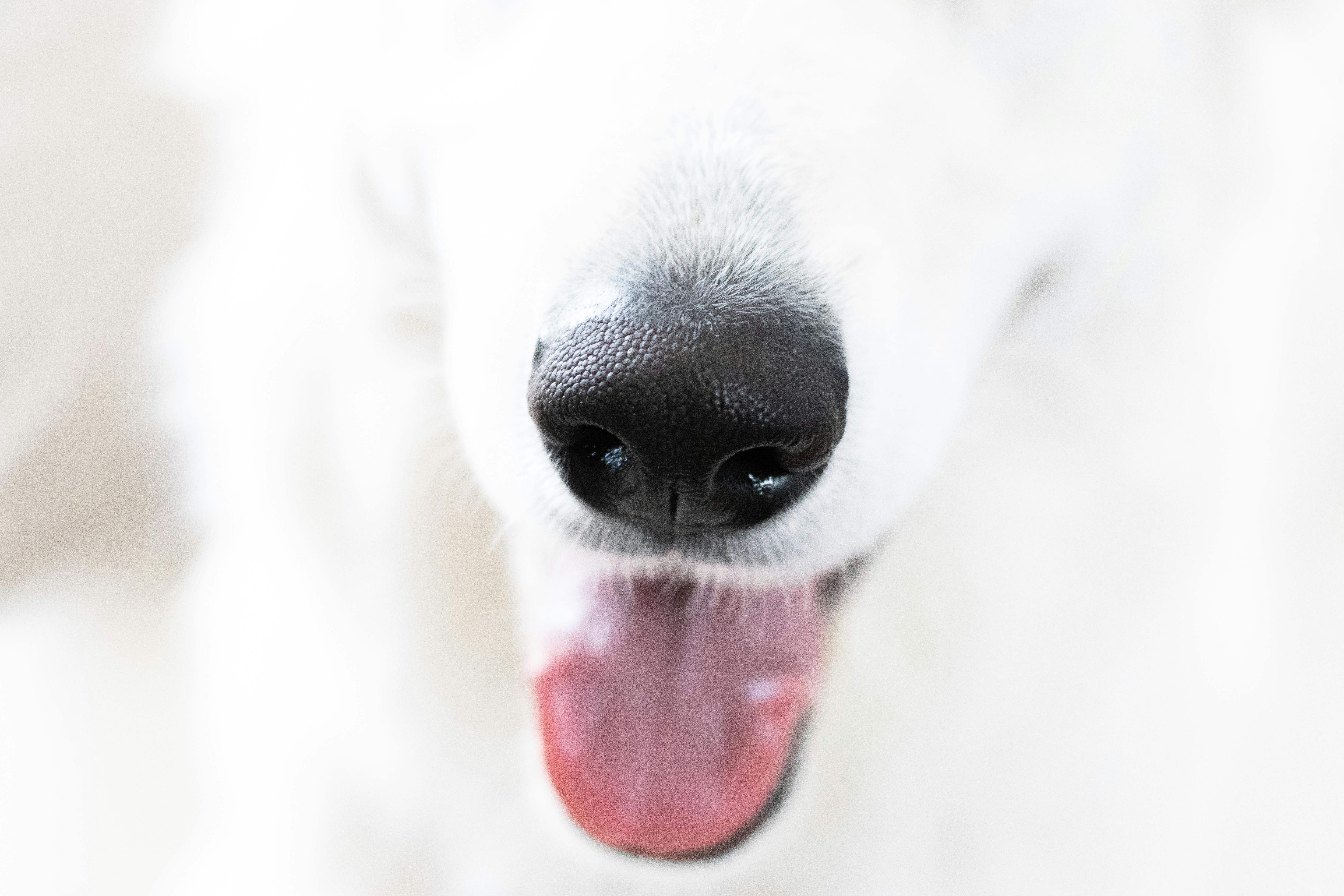
Dogs have always been fascinating creatures, and their wet noses is one of the many things that make them unique. Have you ever wondered why do dogs have wet noses? Is it just a random quirk of nature or does it serve a purpose? In this article, we will dive into the reasons behind this intriguing aspect of canine biology and explore the important role scent plays in a dog's world.
The Science Behind Wet Noses
A dog's nose is moist for a few reasons, and it plays a crucial role in their ability to smell. The wetness helps to enhance their sense of smell. When a dog's nose is moist, it can capture and hold scent particles more effectively. This moisture acts like a sponge, soaking up the scents in the air, which allows dogs to process these odors in a way that humans can't.
Here are some key facts about why dog noses are wet:
Increased Surface Area: Dogs have a large number of olfactory receptors in their noses—estimates say around 220 million compared to about 5 million in humans. This makes their sense of smell incredibly powerful.
Cooling Mechanism: A wet nose helps to regulate a dog's body temperature. Dogs don’t sweat like humans do; instead, they cool off through their paws and noses. This moisture evaporates and cools them down.
Health Indicator: A dog’s nose can indicate their health status. A dry nose could be a sign of dehydration, fever, or illness, while a wet nose usually indicates a happy and healthy pup.
The Role of Scent in a Dog’s Life
Scent is a vital part of how dogs interact with their environment. Dogs rely heavily on their sense of smell for various activities including:
Communication: Dogs use scent to communicate with each other. They can identify other dogs by their unique scent and can even determine their gender, age, and health status through smell.
Hunting and Foraging: In the wild, dogs use their keen sense of smell to locate food. This ability is still evident in domesticated dogs who often sniff around the house or at parks.
Emotional Detection: Dogs can sniff out emotional changes in humans. They can detect pheromones released during stress or excitement, which is why many therapy dogs are trained to respond to human emotions.
Interesting Comparisons
Let’s take a look at how dog noses compare to human noses. The differences are striking!
| Feature | Dogs | Humans |
|---|---|---|
| Number of Olfactory Receptors | ~220 million | ~5 million |
| Ability to Detect Scents | Extremely sensitive | Less sensitive |
| Purpose of Nose Wetness | Enhances smell, cools body | No specific purpose |
Practical Everyday Examples
You might have noticed your dog sniffing everything they come across. Here are some typical scenarios where a dog’s wet nose plays a critical role:
Walking in the Park: When your dog is out for a stroll, they might sniff at various markers and scents left by other animals. Their wet noses help them gather information about what other creatures have been in the area.
Meeting New Friends: When a dog meets another dog, they often greet each other with a nose touch. This is their way of gathering information about each other's identity and health.
Detecting Illness: Some dogs are trained to detect illnesses like cancer or diabetes in humans. Their sense of smell is so precise that they can pick up on subtle changes in scent caused by disease.
Fun Facts About Dog Noses
The texture of a dog’s nose is unique, much like human fingerprints. No two dogs have the same pattern on their noses.
Dogs can differentiate between various smells, which is why they can be trained to find specific substances like drugs or explosives.
The wetness of a dog’s nose can vary depending on the weather, activity level, and even the dog’s emotional state.
In conclusion, the wet nose of a dog is not just an adorable feature but a vital tool that enhances their ability to interact with their world. From gathering scents that inform their social interactions to regulating their body temperature, their wet noses play a key role in their overall health and behavior. Understanding these fascinating reasons can help dog owners appreciate their pets even more. The next time you pet your furry friend, take a moment to marvel at that moist nose and all the wonders it brings to their lives!
Understanding the Connection: Wet Noses and Dog Emotions

Dogs are one of the most beloved pets in the world, and there’s a lot to explore about their behavior, especially when it comes to their wet noses. Have you ever wondered why do dogs have wet noses? Well, the reasons behind this fascinating characteristic goes beyond just a quirky trait. Understanding the connection between wet noses and dog emotions can give us insights into how our furry friends experience the world.
The Science Behind Wet Noses
First off, it’s important to know why dogs' noses are wet in the first place. The wetness of a dog's nose actually serves several purposes. Here are some key facts:
Temperature Regulation: Dogs don’t sweat like humans do. Instead, they cool down through their noses. The moisture on their noses helps to evaporate and cool their body down.
Enhanced Sense of Smell: A wet nose helps to capture scent molecules in the air. The moisture allows these molecules to cling better, which is why dogs have such an amazing sense of smell.
Health Indicator: A wet nose can often indicate that a dog is healthy. If a dog’s nose becomes dry and cracked, it might be a sign of dehydration or illness.
Historical Context of Dog Noses
Dogs have been companions to humans for thousands of years. Their evolution from wild wolves to loyal pets has led to many changes, including their noses. Historically, dogs with wet noses were often seen as more approachable and friendly. In various cultures, a dog’s wet nose was associated with its ability to track scents, which made them valuable hunting partners.
Dogs’ Emotions and Their Noses
Now, let’s talk about how a dog's wet nose relates to its emotions. Dogs express emotions in various ways, and their nose can be a key indicator. Here are some emotional states reflected in their noses:
Excitement: When a dog is excited, its nose may be even wetter than usual. This can happen when they see their owner after being apart or when they are preparing for playtime.
Anxiety: A dog that feels anxious may have a drier nose. Stress can lead to dehydration, affecting the moisture levels of their nose.
Affection: Dogs often nuzzle their noses against their owners as a sign of affection. A wet nose in this context can be a comforting reminder of their bond.
Fun Facts About Dog Noses
Here are some interesting tidbits about dog noses that you may not know:
Unique Patterns: Just like human fingerprints, every dog has a unique nose print. This can actually be used to identify them!
Nasal Turbinates: Dogs have complex nasal structures called turbinates, which help them to filter and warm the air they inhale.
Nose Temperature: The temperature of a dog’s nose can fluctuate throughout the day. It's not always a reliable indicator of their health.
Practical Tips for Dog Owners
As a dog owner, it’s important to pay attention to your dog’s nose and what it can tell you about their health and emotions. Here are some practical tips:
Regular Check-ups: Make sure to have regular vet check-ups to ensure your dog is healthy and hydrated. This will help keep their nose moist.
Hydration: Always provide fresh water for your dog, especially during hot weather. A well-hydrated dog is more likely to have a wet nose.
Observe Behavior: Take note of your dog’s behavior and how it correlates with the condition of their nose. Changes can signal emotional or health issues.
Comparing Wet and Dry Noses
It can be useful to compare wet and dry noses to understand what they might indicate about a dog’s health and mood.
| Condition | Wet Nose | Dry Nose |
|---|---|---|
| Health Status | Generally healthy | Possible dehydration or illness |
| Emotional State | Excited, happy | Anxious, stressed |
| Temperature | Cooler | Warmer |
Understanding the connection between wet noses and dog emotions gives us a deeper appreciation for our canine companions. By recognizing the significance of a dog’s wet nose, we can better care for them and respond to their needs. So next time you notice your dog’s moist snout, remember there’s a whole world of emotions and health indicators wrapped up in that little feature!
Can Your Dog’s Wet Nose Indicate Health Issues? What to Watch For

Have you ever wondered why dogs have wet noses? Many dog owners notice their pet's nose is often damp, and it can lead to questions about their health. It’s not just a quirky trait, but it has some interesting purposes and meanings. In this article, we will explore the reasons behind a dog’s wet nose, what it might indicate about their health, and some crucial signs to watch for.
Why Do Dogs Have Wet Noses?
Dogs have wet noses for a lot of reasons, and understanding them can shed light on your canine companion’s overall health and wellbeing. Wet noses help dogs in several ways:
- Scent Detection: A wet nose helps increase the scent detection capabilities. The moisture captures scent particles better, allowing dogs to smell more effectively.
- Temperature Regulation: Dogs don't sweat like humans do. Their wet noses help in regulating body temperature. By panting and having a moist nose, they can cool down when they get overheated.
- Health Indicator: The condition of a dog’s nose can be an indicator of its health. Generally, a healthy dog’s nose is cool and moist, while certain changes might indicate underlying health issues.
Can Your Dog’s Wet Nose Indicate Health Issues?
While a wet nose is usually a sign of a healthy dog, there are exceptions. It’s important to know what changes in your dog’s nose might mean:
- Dry Nose: A dry nose can sometimes indicate dehydration or a fever. If your dog’s nose feels hot and dry, consider checking their temperature or consulting a vet.
- Cracked or Bleeding Nose: This could be a sign of allergies, infections, or even autoimmune conditions. If you see cracks or blood, it’s best to seek professional help.
- Excessive Moisture: If your dog's nose is excessively wet, it could be a sign of a respiratory infection or a condition called "nasal discharge." Be on the lookout for other symptoms like coughing or lethargy.
What to Watch For
Being attentive to your dog’s nose and overall behavior is key in spotting potential health issues. Here’s a list of symptoms to monitor:
- Changes in Nose Temperature: Hot or cold to the touch.
- Texture Changes: Rough, cracked, or peeling skin.
- Discoloration: Unusual color changes like redness or swelling.
- Excessive Discharge: Mucus or other fluids should be minimal; too much could signify a problem.
- Lethargy or Behavioral Changes: If your dog seems tired or less active than usual, it may be time to investigate further.
Fascinating Facts About Dog Noses
Dogs have some of the most sensitive noses in the animal kingdom. Here are some fun facts:
- Scent Receptors: Dogs have up to 300 million scent receptors in their noses, compared to about 6 million in humans.
- Unique Patterns: Just like human fingerprints, every dog has a unique nose print.
- Wet Noses and Emotions: Dogs may wet their noses when they are excited or anxious. It’s a way of self-soothing.
When to See a Vet
If you notice any troubling changes in your dog's nose along with other symptoms, it might be time to see a veterinarian. Some of the conditions that could require professional intervention include:
- Persistent Fever
- Severe Allergic Reactions
- Signs of Infection (redness, swelling, or heat)
- Changes in Appetite or Thirst
Keeping Your Dog Healthy
To ensure your dog stays healthy, regular check-ups are important. Here are some tips to maintain your dog’s health:
- Regular Vet Visits: Schedule annual check-ups, and don’t hesitate to consult your vet if you notice changes.
- Hydration: Ensure your dog has constant access to fresh water to prevent dehydration.
- Balanced Diet: Feed your dog a nutritious diet suitable for their breed, age, and health conditions.
- Exercise: Regular physical activity helps keep your dog’s body and mind healthy.
Understanding your dog’s health can be a bit complex, but paying attention to details like their nose can provide valuable insights. A dog’s wet nose is generally a sign of good health, but it’s essential to be vigilant for any changes. Staying informed and proactive can help ensure your furry friend leads a long and healthy life. Remember, if in doubt, always consult a vet for professional advice.
7 Reasons Your Dog's Nose is Wet: From Cooling to Scent Tracking
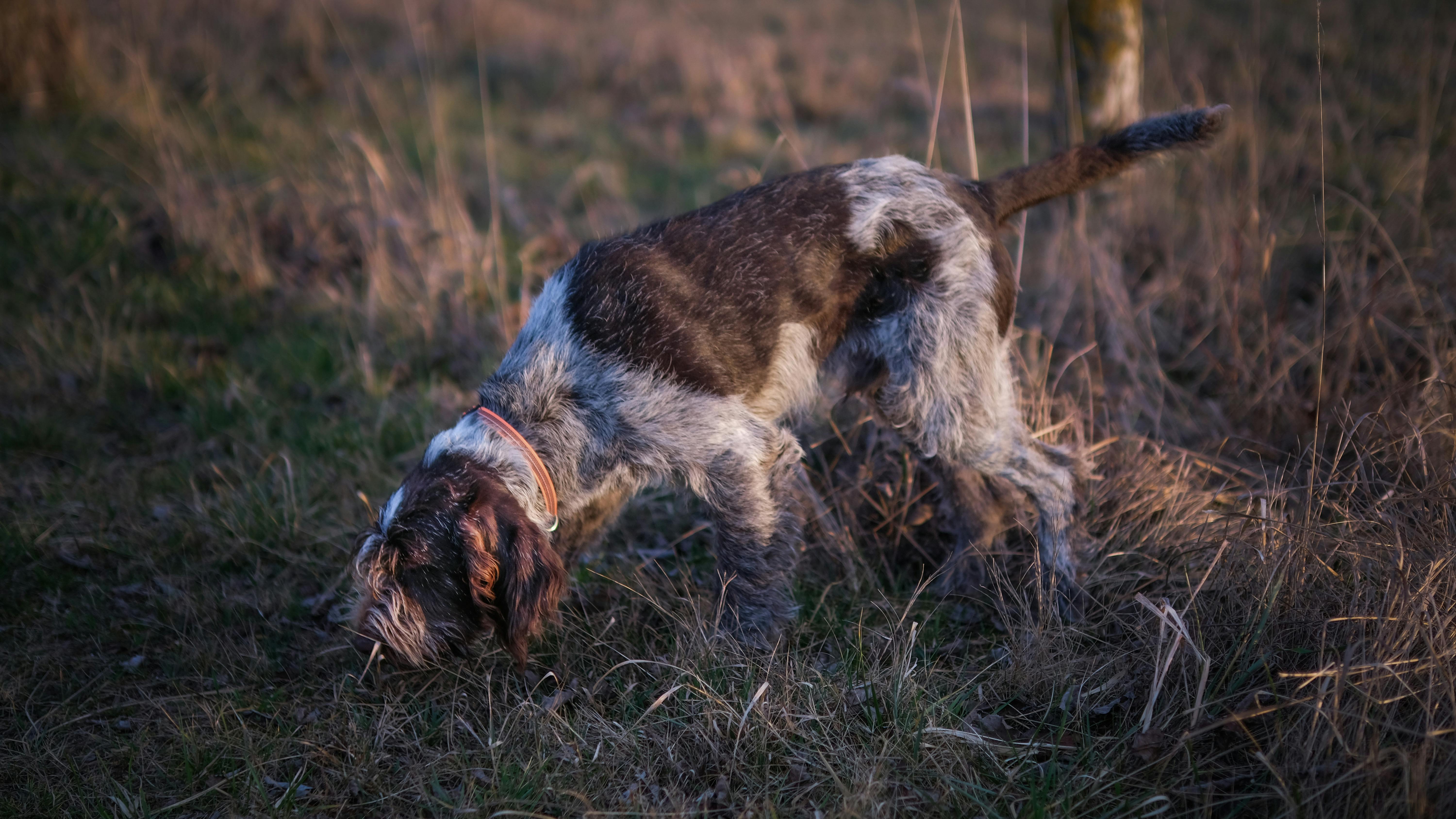
Ever look at your dog and wonder why their nose is always wet? You’re not alone. Many dog owners have pondered this curious trait. It seems like a small detail, but there's actually a lot going on with those moist snouts. Here’s a look at 7 reasons why dogs have wet noses, from cooling their bodies to tracking scents, and why this fascinating feature is so important for your furry friend.
1. Cooling Mechanism
Did you know that dogs don’t sweat like humans do? They mainly rely on panting and their noses to regulate temperature. A wet nose helps cool down their body when they’re feeling hot. The moisture evaporates, which helps to lower their body temperature. So when your dog has a wet nose, it could just be them trying to stay comfortable!
2. Scent Tracking
Dogs have an incredible sense of smell. Their noses contain a special mucus, which makes it easier for them to pick up scents. The wetness increases the surface area of the nose, allowing more scent particles to stick. This is crucial for dogs, especially those that work as service animals or in search and rescue. Imagine a bloodhound sniffing out a trail; their wet nose is a key tool in their scent-tracking arsenal.
3. Health Indicator
A dog’s nose can tell you a lot about their health. While a wet nose is generally a sign of a healthy dog, an excessively dry or cracked nose might indicate dehydration or illness. It’s important to pay attention to changes in your dog’s nose. If it’s dry for an extended period, it may be worthwhile to consult a veterinarian.
4. Sensory Enhancement
Dogs have about 220 million scent receptors in their noses compared to about 5 million in humans. This is why they can detect things we can’t even imagine. The wetness of their nose helps enhance their sensory perception. It allows them to better analyze scents, which is vital for communication and exploration. So when your dog is sniffing around, they’re doing a whole lot more than just checking things out!
5. Emotional Connection
Have you ever noticed how your dog’s nose seems to get wetter when they're excited or happy? This is partly due to increased nasal secretions during emotional moments. A wet nose is often a sign of a dog’s affection and excitement when they’re around their favorite humans. So, if you notice a particularly wet nose when you come home, it might be their way of showing you just how much they missed you!
6. Natural Behavior
Dogs naturally lick their noses. This behavior, while adorable, also serves a practical purpose. Licking helps keep their noses clean and moist. A clean nose means better scent detection and overall health for your dog. It’s just one of those instinctive behaviors that have developed over time, showing how dogs have adapted to their environments.
7. Environmental Factors
Weather and humidity also play a role in how wet a dog’s nose is. On hot, humid days, dogs tend to have moister noses, while cold, dry conditions may lead to a drier nose. This is just a natural response to their surroundings. So next time you’re out for a walk and notice your dog’s nose, consider the weather!
Quick Tips for Dog Owners
- Observe Changes: Keep an eye on your dog’s nose. If it’s unusually dry or cracked, check in with your vet.
- Hydration: Always ensure your dog has access to fresh water. Proper hydration is key for a healthy nose.
- Grooming: Regular grooming can help maintain your dog’s overall health, including their nose.
- Limit Exposure: Protect your dog from extreme weather conditions, which can affect their nose health.
Fun Facts About Dog Noses
- Dogs can detect certain diseases, like cancer, through their sense of smell.
- The moisture in a dog’s nose can actually help them detect changes in the environment, such as the presence of other animals.
- Each dog’s nose print is unique, similar to a human fingerprint!
Understanding why dogs have wet noses is just one piece of the puzzle in fully appreciating our canine companions. Their moist noses are not just cute; they serve essential functions that help our pets thrive. So, the next time you give your dog a scratch behind the ears and feel that wet nose, remember there’s a lot more beneath the surface!
Exploring Dog Behavior: What a Wet Nose Reveals About Your Pup's Mood
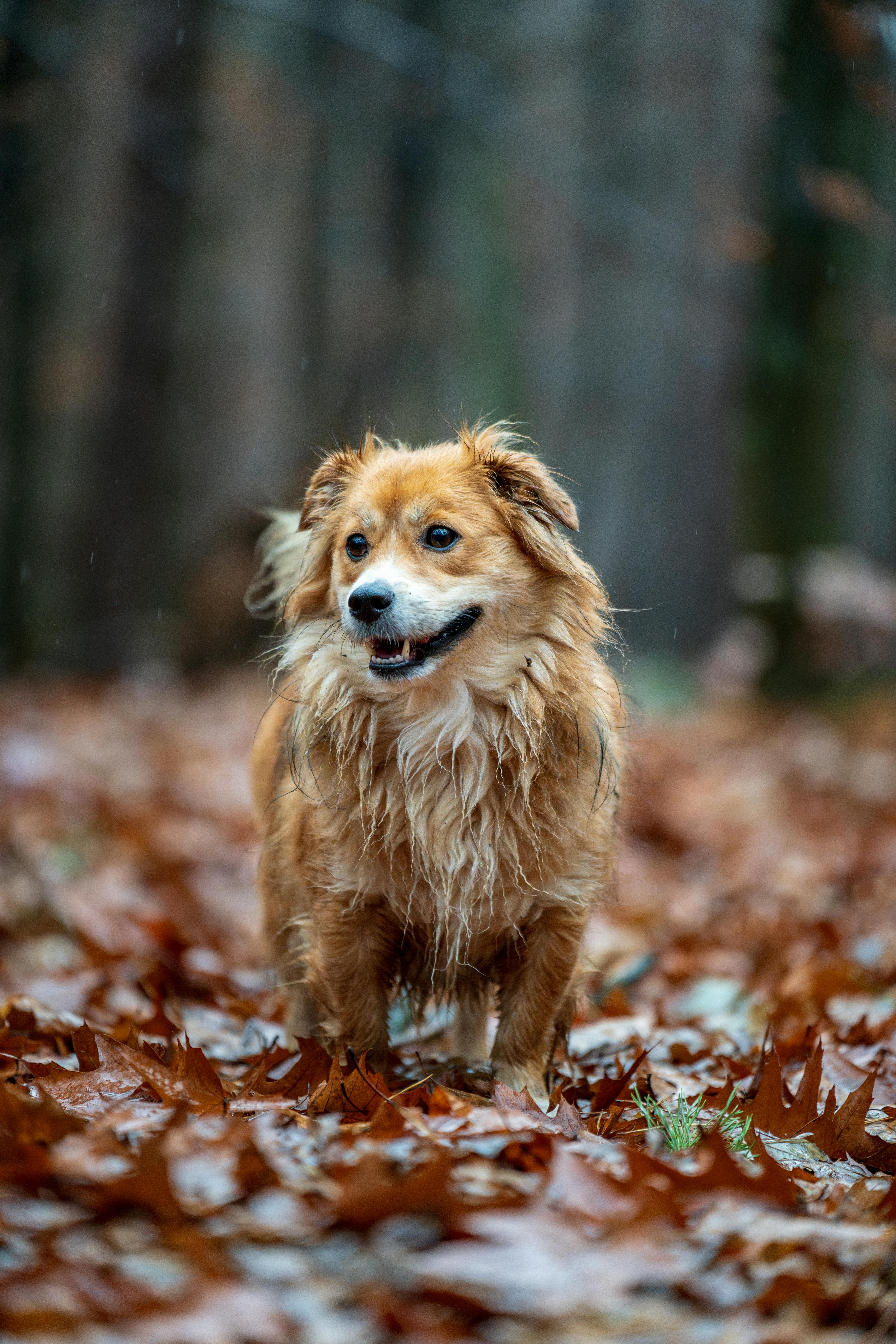
Dogs are often known as man's best friend, and their behavior can tell us a lot about their feelings and needs. One of the most fascinating aspects of a dog’s anatomy is its nose, particularly when it’s wet. Many pet owners often wonder, "why do dogs have wet noses?" and what does that really mean for their pup's mood. Let’s dive into the intriguing world of dog behavior and explore what a wet nose reveals about your furry companion.
The Science Behind Wet Noses
Dogs noses are famously known to be wet, but it’s not just for show. The moisture on a dog’s nose plays an important role in their sense of smell. Here’s why:
- Enhanced Olfactory Sensation: A wet nose helps to absorb scent molecules, making it easier for dogs to detect and identify various smells.
- Temperature Regulation: Wet noses can also help dogs regulate their body temperature. When dogs breathe out, the moisture evaporates, which cools them down.
- Health Indicator: A wet nose is typically a sign of a healthy dog. Changes in the moisture level can indicate illness or stress.
Why Do Dogs Have Wet Noses?
So, why do dogs have wet noses? There's several reasons behind this fascinating trait:
- Evolutionary Adaptation: Dogs have evolved from wolves, and a wet nose was advantageous for survival. It helped them hunt and navigate their environment effectively.
- Scent Tracking: Wet noses help dogs track scents better. They can pick up on pheromones and other chemicals in the air more efficiently when their nose is moist.
- Behavioral Indicator: A dog’s nose can reflect their mood. For instance, a wet and cool nose often indicates a relaxed and happy dog, whereas a dry and warm nose might suggest stress or discomfort.
Understanding Your Dog’s Mood Through Their Nose
The state of a dog’s nose is just one factor in understanding their mood. However, it’s an important signal. Here’s a breakdown of what different nose conditions might mean:
- Wet and Cool: Happy and relaxed, possibly enjoying playtime or cuddles.
- Dry and Warm: Might be sick, stressed, or overheated. Keep an eye on other symptoms.
- Sticky or Slimy: Can indicate anxiety or excitement, especially if it’s accompanied by other signs like panting or pacing.
Other Signs of Dog Behavior
While a wet nose is a good clue, it’s important to consider the whole picture when assessing your pup's mood. Here are other behaviors to watch for:
- Tail Position: A wagging tail usually means joy, while a low or tucked tail might suggest fear or submission.
- Ears: Erect ears can indicate alertness or happiness, while flattened ears often mean anxiety or aggression.
- Body Language: A relaxed body posture indicates comfort, while tense muscles may indicate stress or fear.
Fun Facts About Dog Noses
Did you know that a dog’s sense of smell can be thousands to millions of times more sensitive than humans? Here are some fun facts about dog noses:
- Unique Prints: Just like human fingerprints, each dog has a unique nose print.
- Sweat Glands: Dogs don't sweat like humans. Instead, they have sweat glands only in their paw pads.
- Scent Memory: Dogs can remember scents for years, making their sense of smell crucial for their emotional and physical wellbeing.
Practical Tips for Dog Owners
Understanding your dog’s wet nose and overall behavior can help strengthen your bond. Here are some practical tips to ensure your pup stays happy and healthy:
- Regular Vet Visits: Keep up with routine check-ups to ensure your dog’s health.
- Hydration: Make sure your dog has access to fresh water, especially on hot days, as dehydration can affect their nose.
- Comfort Zone: Create a safe and comfortable environment where your dog can relax and feel secure.
Final Thoughts
Exploring dog behavior through the lens of their wet noses reveals so much about their physical and emotional states. Understanding why dogs have wet noses and what it means can deepen the bond you share with your furry friend. Pay attention to those little signs, and you’ll find that your dog communicates through more than just barks and whines. Whether it’s a wet nose or a wagging tail, every little detail counts in the incredible world of dog companionship.
Conclusion
In conclusion, the wet noses of dogs serve several important functions, from enhancing their sense of smell to regulating body temperature. The moisture on their noses helps to capture scent particles, making their already keen sense of smell even more effective. Additionally, a wet nose can indicate a dog’s overall health, as hydration and temperature regulation are crucial for their well-being. While the moisture can vary from dog to dog, understanding the reasons behind this unique feature can deepen our appreciation for these loyal companions. As pet owners, it’s essential to keep an eye on your dog’s nose; any significant changes in moisture or texture could signal health issues. So, the next time you greet your furry friend, remember that their wet nose is not just an adorable trait, but a vital part of what makes them extraordinary. Embrace every moment with your dog and prioritize their health and happiness!