Have you ever wondered, "Why do dogs have wet noses?" It's a curious question that many pet owners ask but few know the answer to. The truth is, there are fascinating reasons behind this unique trait. Dogs' noses are not just moist for show; they play a crucial role in their sense of smell and overall health. A wet nose can help dogs detect scents more efficiently, making it an essential tool for their survival. But that's not all! A wet nose can also indicate whether your furry friend is happy or unwell. Isn't that interesting? This small feature contributes to their communication and emotional expression. Moreover, understanding the science behind why your dog's nose is wet can enhance your bond with your beloved pet. Are you ready to dive into the world of canine anatomy and behavior? Join us as we uncover the truth about these mysterious wet noses and explore the amazing ways they impact your dog's life. From health indicators to sensory advantages, there's so much more to learn about why dogs have wet noses. Keep reading to discover the surprising insights behind this adorable canine characteristic!
The Science Behind Canine Noses: Why Are Dogs’ Noses Wet and Cold?
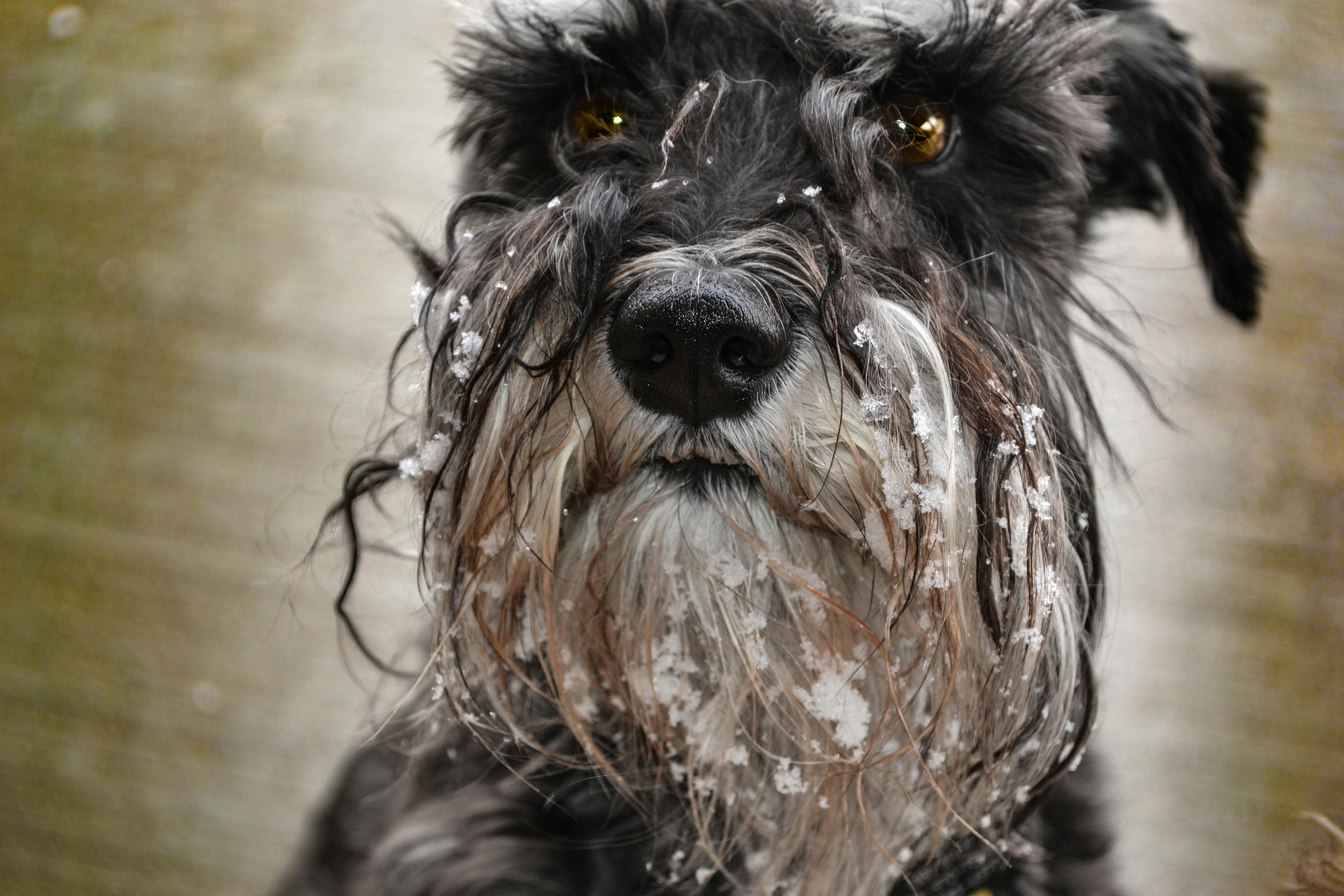
If you ever wondered why dogs’ noses are often wet and cold, you’re not alone. This fascinating aspect of our furry friends leads to many questions about their health, behavior, and biology. Many people think a wet nose is a sign of a healthy dog, but there’s a lot more to it than that. Let’s dive into the science behind canine noses and discover why they are wet, cold, and so important for dogs.
The Function of Wet Noses
Dogs have wet noses mostly because of a few reasons that are linked to their health and senses. Here’s some key points to consider:
Cooling Mechanism: Just like humans sweat to cool off, dogs’ noses help regulate their body temperature. The moisture evaporating from their noses helps them stay cool especially on hot days.
Enhanced Sense of Smell: A wet nose helps to trap scent particles in the air. Dogs have an incredible sense of smell, and the moisture helps them to absorb more scents. This is why a dog's nose might seem to be constantly wet; it’s working hard to take in all those smells!
Health Indicator: Many people believe that a dry nose could indicate illness. While it's not a definitive sign, a change in the moisture levels of a dog’s nose can sometimes signal health issues.
Why Are Dogs’ Noses Cold?
A cold nose is another trait that many dog owners notice. This might seem odd, but there’s actually a reason behind it. Here’s why dogs’ noses tend to be on the chilly side:
Blood Flow: The nasal passages of dogs are lined with a rich supply of blood vessels. When blood flows through these vessels, it cools down before it reaches the brain, making the nose feel colder.
Environmental Factors: If a dog has been outside in cooler weather, their nose can feel cold due to the surrounding temperature. This is normal and usually nothing to worry about.
Body Temperature Regulation: Just like the wetness of the nose, its temperature plays a role in thermoregulation. A cooler nose helps dogs maintain a stable internal temperature.
Historical Context of Dogs’ Noses
Understanding a bit about how dogs evolved can shine a light on why their noses are so unique. Dogs descended from wolves, which are known for their keen sense of smell. Over thousands of years, this trait has been honed for hunting and tracking.
Wolves and Pack Hunting: The ability to smell well was crucial for wolves when hunting in packs. A wet nose helped them to track prey over long distances.
Domestication and Breeding: As humans began to domesticate dogs, breeders often selected for traits that included olfactory capabilities. Today, many dog breeds are known for their exceptional sense of smell, which continues to be essential for various tasks, from search and rescue to detecting drugs.
Common Myths About Dog Noses
There are plenty of myths surrounding dog noses that need to be cleared up. Here’s a list of some common misconceptions:
Myth: A Warm Nose Means a Dog is Sick
Truth: Nose temperature varies and can change throughout the day. It’s not a reliable health indicator.Myth: Dogs’ Noses Should Always Be Wet
Truth: It’s normal for a dog’s nose to dry out occasionally. However, persistent dryness may require a vet’s attention.Myth: Dogs Can’t Smell When Their Nose is Dry
Truth: Dogs can still smell with a dry nose; it just may not be as effective as when it's wet.
Practical Examples of Nose Functionality
Dogs use their noses for various tasks in everyday life. Here are some ways their noses are utilized:
Tracking: Search and rescue dogs can locate missing persons thanks to their amazing sense of smell.
Detection: Many service dogs are trained to detect medical conditions, like diabetes or seizures, through scent.
Hunting: Certain breeds, like bloodhounds, are specifically bred for their tracking abilities, making them invaluable in hunting situations.
In Conclusion
Dogs’ noses are not just cute features; they play a vital role in their lives. The combination of being wet and cold serves multiple purposes, from regulating body temperature to enhancing their sense of smell. By understanding the science behind canine noses, we can appreciate the remarkable abilities of our furry companions even more. So next time you give your dog a pat and feel that cold, wet nose, remember that it’s a sign of their unique biology working hard!
5 Fascinating Facts About Why Dogs Have Wet Noses That You Didn’t Know
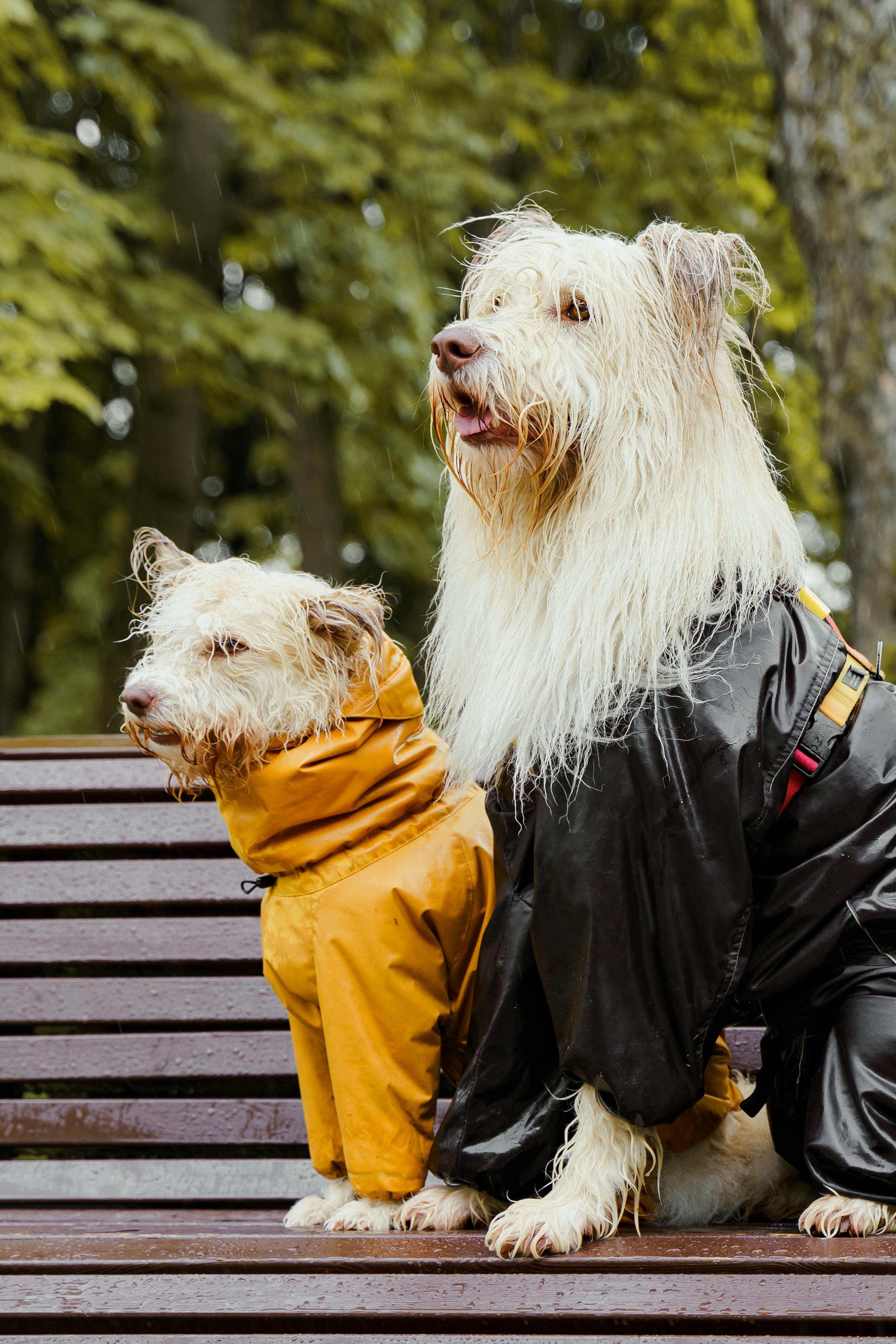
Have you ever wonder why dogs have those wet noses? It’s one of those quirky things about our furry friends that always seems to spark curiosity. Dogs have wet noses for a bunch of reasons, many of which might surprise you. Let’s dive into five fascinating facts that explain why dogs have wet noses and why it matters.
1. A Wet Nose Helps with Smelling
Dogs have an incredible sense of smell, way better than humans. A wet nose plays a crucial role in this. The moisture on a dog’s nose helps to capture scent particles in the air, making it easier for them to detect smells. This means that the more moisture, the better they can sniff out all sorts of things, from treats to trouble!
- Dogs have up to 300 million smell receptors in their noses.
- Humans only have about 5 million.
- Wet noses help absorb scent particles, enhancing their olfactory abilities.
2. Cooling Mechanism
Just like humans sweat to cool down, dogs rely on their noses, among other body parts, to regulate temperature. The moisture on a dog’s nose evaporates, helping to cool them down. This is especially important during hot weather or after vigorous play. So, if you see your dog’s nose is extra wet, it could mean they are trying to cool off!
- Dogs don’t sweat like humans do.
- They primarily regulate temperature through panting and their noses.
- Wet noses can indicate a dog is feeling warm.
3. Sign of Health
A wet nose is often a sign of a healthy dog. While it’s not the only indicator, a moist nose generally suggests that your pup is hydrated and in good health. If a dog’s nose is dry or cracked, it could be a warning sign of dehydration or other health issues. However, it’s important to note that some dogs naturally have drier noses, and that can be normal for them.
- Healthy dogs typically have moist noses.
- A dry nose can indicate dehydration or illness.
- Always consult a vet if you notice significant changes in your dog’s nose.
4. Communication Tool
Dogs also use their noses as a way to communicate. When a dog meets another dog or even a human, they often sniff each other's noses. This behavior is part of their social interaction and helps them gather information about the other animal or person. It’s like their version of a handshake or greeting!
- Nose sniffing is a social behavior in dogs.
- Dogs can learn a lot about each other through scent.
- It’s a way of gathering information and establishing social bonds.
5. Evolutionary Factor
The structure of a dog’s nose is a result of evolution. Over thousands of years, dogs have developed features that aid in survival, and a wet nose is just one of those features. Early domesticated dogs needed to track prey and navigate their environment, and a wet nose was a beneficial trait. This evolutionary adaptation continues to serve dogs well today.
- Dogs were bred for specific traits, including their sense of smell.
- A wet nose is an inherited trait from their ancestors.
- Modern dogs retain these beneficial features from their evolutionary past.
Quick Comparison: Wet vs. Dry Nose
| Wet Nose | Dry Nose |
|---|---|
| Helps in smelling | May indicate illness |
| Cooling mechanism | Can be normal for some breeds |
| Signs of hydration | Needs monitoring for changes |
Practical Tips for Dog Owners
- Monitor Your Dog’s Nose: Keep an eye on the moisture level of your dog’s nose. If you notice it becoming excessively dry, consider consulting a veterinarian.
- Hydration: Ensure your dog has access to fresh water at all times. Hydration is vital for maintaining a healthy nose and overall well-being.
- Grooming: Regular grooming can help keep your dog’s skin and nose healthy. Check for any signs of irritation or injury.
In summary, dogs have wet noses for a variety of fascinating reasons, from enhancing their sense of smell to serving as a communication tool. The next time you pet your furry friend, remember that their wet nose is not just cute but a remarkable feature that plays a significant role in their health and behavior. So, embrace those wet-nosed kisses—they’re part of what makes dogs so special!
Understanding Your Dog’s Health: What a Wet Nose Really Means

Dogs have been humans’ best friends for centuries. One of the most interesting traits about dogs is their wet noses. You probably have seen your furry friend with a cold, damp nose and wondered, why do dogs have wet noses? Understanding your dog’s health includes looking at this unique feature. Here, we dive into the fascinating reasons behind this common canine characteristic.
Why Do Dogs Have Wet Noses?
Wet noses are not just an endearing quality; they do serve important purposes. Here is a list of reasons why dogs have wet noses:
- Temperature Regulation: Dogs don't sweat like humans do. Their noses help them regulate their body temperature. When a dog’s nose is wet, it can cool down more efficiently.
- Enhanced Sense of Smell: The moisture on a dog’s nose helps to capture scent particles. This is crucial as dogs rely heavily on their sense of smell to understand their environment.
- Health Indicator: A wet nose is often a sign of a healthy dog. A dry nose could indicate dehydration, fever, or illness, although it’s not an absolute rule.
The Science Behind It
The science behind a dog's wet nose is pretty fascinating. The moisture comes from various sources, including secretions from the nasal glands and saliva. When a dog licks its nose, the saliva evaporates, enhancing their ability to smell. Dogs have a highly developed vomeronasal organ, which helps them interpret scents more accurately.
Historical Perspective
Historically, dogs evolved from wolves, and wet noses played a role in their survival. Wolves, who had wet noses, could follow scents over long distances, which was crucial for hunting. This characteristic was passed down to domesticated dogs, making them excellent companions and workers.
What Affects a Dog's Nose Moisture?
Several factors can cause a dog's nose to fluctuate between wet and dry. Understanding these can help you gauge your dog's overall health:
- Weather Conditions: Heat and humidity can affect how wet a dog's nose is. During hot days, you might find it dryer as they pant to cool down.
- Activity Level: After playtime or exercise, a dog might have a dryer nose due to increased panting.
- Health Issues: Conditions such as allergies, infections, or autoimmune diseases can lead to a persistently dry nose.
Signs of Concern
While a wet nose is typically a sign of good health, there are some scenarios where you should keep an eye on it. Consider these signs:
- Persistent Dryness: If your dog’s nose stays dry for an extended period, it might be a sign of dehydration or illness.
- Cracking or Bleeding: If the nose develops cracks or starts to bleed, it could indicate a more serious issue.
- Temperature Changes: A wet nose that suddenly becomes hot may signal a health problem.
How to Care for Your Dog's Nose
Taking care of your dog’s nose is essential for its overall health. Here are some tips to ensure your dog’s nose stays healthy:
- Hydration: Always provide fresh water. Dehydration can lead to a dry nose.
- Regular Vet Check-ups: Schedule routine check-ups to monitor your dog’s health.
- Moisturizing: For very dry noses, consider using a vet-approved nose balm to keep it moisturized.
Fun Facts About Dogs’ Noses
- Dogs have about 300 million smell receptors, compared to humans’ 5 million.
- The shape of a dog’s nose can also play a role in their ability to smell; brachycephalic breeds may have a harder time smelling compared to longer-nosed breeds.
- A dog’s nose print is unique, much like a human fingerprint. This means it could be used to identify them!
Understanding your dog’s health goes beyond just the obvious signs. Paying attention to their wet noses can give you insights into their well-being. So, the next time you notice your dog’s cold, wet nose, remember the fascinating reasons behind it. Whether it’s regulating temperature or enhancing their sense of smell, this small feature plays a significant role in your furry friend’s life. Keeping an eye on it can help ensure they stay happy and healthy.
Does a Wet Nose Indicate a Healthy Dog? Exploring Common Myths
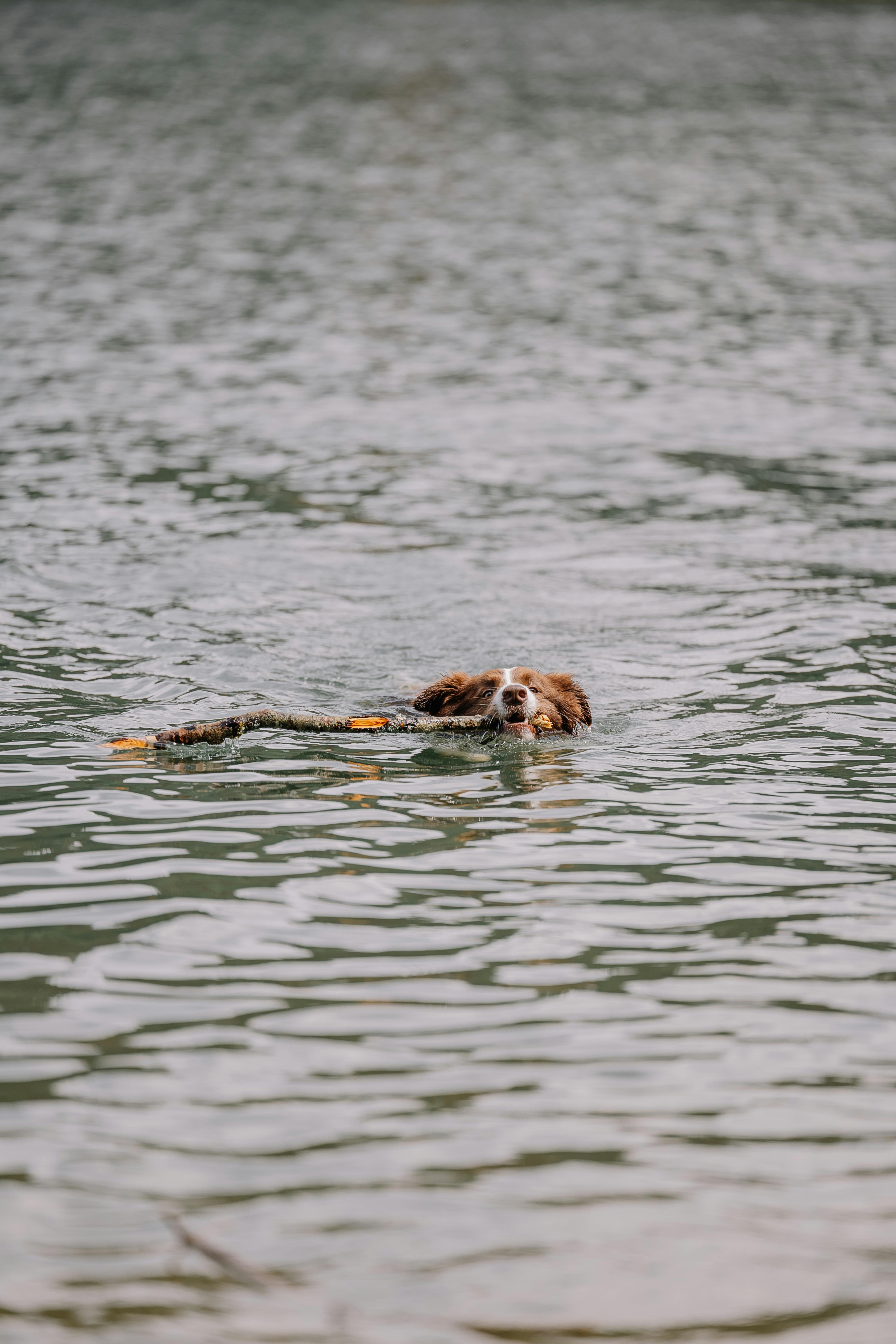
Does a wet nose mean your dog is healthy? This question has been debated among dog owners and veterinarians alike for years. Many people think that a wet nose is a sign of a healthy pup, but is that really the case? Let's dive into the facts and explore the common myths surrounding this topic. You might be surprised by what you learn about your furry friend's moist little nose!
What Causes Dogs to Have Wet Noses?
First of all, it's important to understand why dogs have wet noses in the first place. There are several reasons for that moisture, and they all serve a purpose. Here are some key factors:
- Cooling Mechanism: Dogs don’t sweat like humans do. Instead, they rely on panting and their noses to help regulate their body temperature. A wet nose helps them cool down effectively.
- Sense of Smell: The moisture on a dog's nose assists in their incredible sense of smell. The wetness helps to capture scent particles in the air, making it easier for them to detect various odors.
- Health Indicator: While a wet nose can be a sign of good health, it’s not a definitive indicator. Other factors come into play, such as the dog's overall behavior and physical condition.
Common Myths About Wet Noses
There are lots of myths surrounding wet noses and dog health. Let's bust some of these misconceptions!
Myth: A Wet Nose Equals a Healthy Dog
Reality: While many healthy dogs have wet noses, a dry nose doesn't automatically signal illness. Some breeds naturally have drier noses, and environmental factors like heat or allergies can influence moisture levels.Myth: Dogs Only Get Wet Noses from Licking
Reality: Dogs can get wet noses from other sources too! Rain, humidity, and even the water from drinking can cause a wet nose.Myth: A Wet Nose Means Your Dog is Happy
Reality: Dogs express happiness through body language and behavior. A wet nose doesn’t necessarily indicate that your dog is feeling joyful.
What Does a Dry Nose Mean?
A dry nose can be concerning for some dog owners. However, it’s not always a sign of something wrong. Here are a few reasons why your dog’s nose may be dry:
- Dehydration: If your dog isn’t drinking enough water, this might lead to a dry nose.
- Weather Conditions: Hot or windy weather can cause a dog's nose to dry out temporarily.
- Health Issues: Certain illnesses or skin conditions can lead to a persistently dry nose. If you notice other symptoms like lethargy or loss of appetite, it might be time for a vet visit.
When Should You Be Concerned?
While a dry nose isn't always alarming, there are situations when you should keep an eye on it. Here are some signs that may warrant a trip to the veterinarian:
- Cracked or Bleeding Nose: If your dog’s nose is cracked or bleeding, it’s essential to get it checked out.
- Persistent Dryness: If the dryness lasts for several days and is accompanied by other symptoms, it's best to consult a professional.
- Behavioral Changes: If your dog is acting differently—like being more lethargic or avoiding food—it’s worth looking into.
Conclusion
In the end, while a wet nose can be an indicator of a healthy dog, it’s not the only sign you should rely on. Factors such as behavior, appetite, and overall physical condition are much more important in assessing your dog's health. Understanding the reasons behind your dog's wet nose can help you appreciate them even more, but remember that every dog is unique. Just like us, they have their quirks that make them special. So, keep an eye on your furry friend, and don’t forget to give them some love, whether their nose is wet or dry!
The Role of Moisture: How Wet Noses Enhance Your Dog’s Sense of Smell
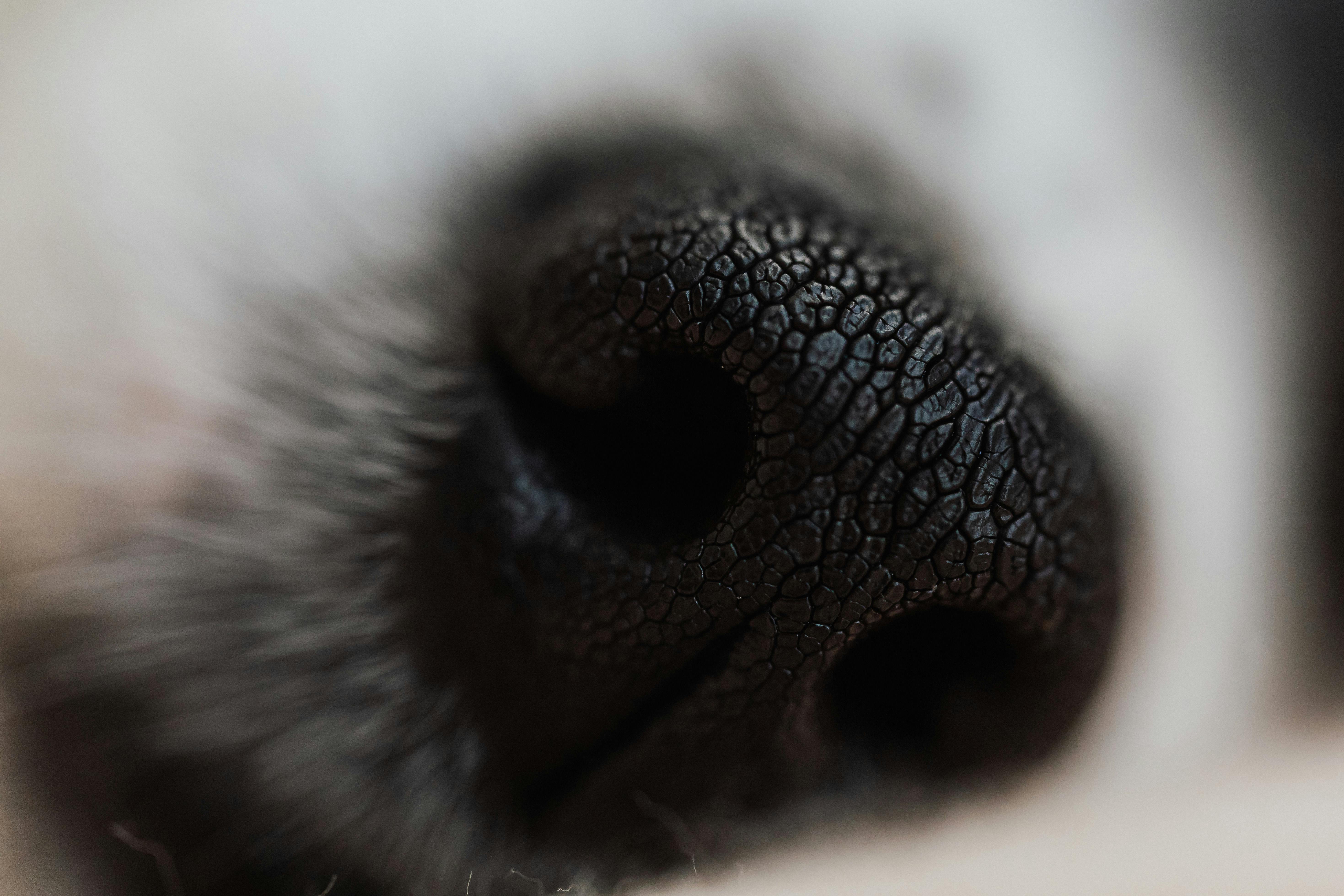
Dogs are known for their incredible sense of smell, which is far superior to that of humans. But, have you ever wondered why do dogs have wet noses? It’s not just an endearing trait; it serves several important functions. Understanding the role of moisture in your dog’s nose can give you a deeper appreciation for your furry friend and their impressive olfactory abilities.
The Science Behind Wet Noses
One of the main reasons dogs have wet noses is to enhance their ability to smell. The moisture on a dog's nose helps to capture scent particles in the air. When these particles stick to the wet surface, it allows the dog to process the smells more efficiently. This is crucial because a dog's sense of smell is estimated to be between 10,000 to 100,000 times more sensitive than that of humans.
- Scent Absorption: The moisture helps absorb scent molecules, making it easier for dogs to detect smells.
- Temperature Regulation: A wet nose also helps regulate temperature. When dogs pant, their noses can cool down, helping to keep their body temperature in check.
- Health Indicator: The condition of a dog’s nose can signal health issues. A dry or cracked nose might indicate dehydration or illness.
How Wet Noses Work
The anatomy of a dog’s nose plays a significant role in its functionality. Dogs have a unique nasal structure that includes:
- Olfactory Receptors: Dogs possess up to 300 million olfactory receptors in their noses, compared to about 5 million in humans.
- Jacobsen’s Organ: This is a special organ located in a dog's nasal cavity that helps them detect pheromones and other scent signals.
- Moisture Production: Dogs secrete a thin layer of mucus from their noses that keeps it moist, aiding in scent detection.
Historical Context of Dog Smelling Abilities
Historically, dogs have been bred for their sense of smell. For centuries, humans relied on dogs for hunting, tracking, and even search and rescue operations. Here are some interesting points about the development of a dog's olfactory skills:
- Hunting Companions: Ancient civilizations trained dogs to track game, showcasing their superior sense of smell.
- Service Dogs: In modern times, dogs are used in various service roles, including detecting drugs, explosives, and even medical conditions like diabetes or cancer.
- Research Studies: Scientific studies have confirmed that dogs can be trained to detect certain diseases through scent, highlighting their unique abilities.
The Benefits of a Wet Nose
Having a wet nose is not just about smell; it also comes with several other benefits that contribute to a dog’s overall well-being. Here are some key advantages:
- Improved Health: A hydrated nose can indicate good health. If your dog's nose is often dry, it might mean they need more water or medical attention.
- Enhanced Communication: Dogs communicate a lot through scent. Their wet noses help them pick up pheromones, which convey information about other animals or even humans.
- Increased Bonding: When you interact with your dog, their wet nose can serve as a comforting and familiar presence, fostering a stronger bond between you.
Fun Facts About Dog Noses
Here are some fun and fascinating facts about dog noses that you might not know:
- Unique Patterns: Just like human fingerprints, every dog has a unique nose print that can be used for identification.
- Nasal Turbinates: Dogs have a complex structure of nasal turbinates that increase the surface area for scent detection.
- Smell Memory: Dogs can remember smells for years, which is why they often recognize people who haven’t seen in a long time just by their scent.
Caring for Your Dog's Nose
Maintaining your dog’s nose is important for their health. Here’s how you can care for it:
- Hydration: Always ensure your dog has access to fresh water to keep their nose moist.
- Check for Cracks: Regularly inspect your dog’s nose for any signs of cracking or dryness.
- Avoid Irritants: Keep your dog away from harsh chemicals or environments that might irritate their nose.
Understanding why do dogs have wet noses and the role of moisture in their sense of smell can deepen your connection with your pet. The next time you see your dog’s wet nose, remember it’s not just cute but also a vital part of their unique biology. Embrace the quirks and wonder of your furry friend’s amazing abilities!
Why Do Dogs Have Wet Noses? The Evolutionary Advantage Explained
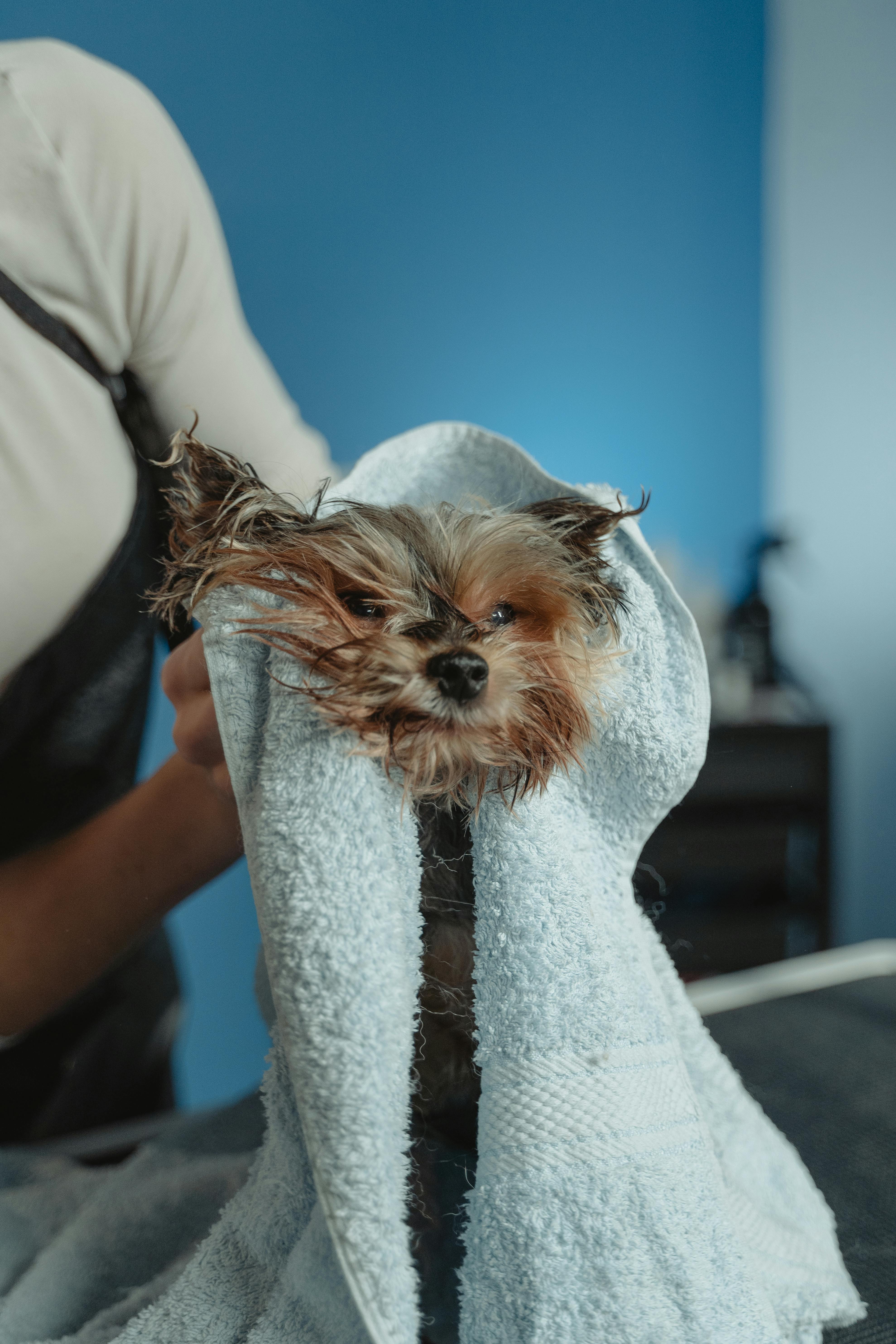
Why do dogs have wet noses? This question pops up in many pet owners' minds, leading to some fascinating insights about our furry companions. The wetness of a dog's nose isn't just an interesting quirk; it's tied to their evolution and biology. Understanding why dogs have wet noses can help us appreciate the unique features that dogs possess.
The Biological Purpose of Wet Noses
Dogs' noses are naturally moist, and this wetness serves several important functions. First, it helps in enhancing their sense of smell. The moisture on a dog's nose captures scent particles from the air, allowing them to detect odors more efficiently. This ability is crucial, especially for breeds that were developed for hunting or tracking. The wetness also aids in cooling down their body temperature, serving as a form of thermoregulation.
Here’s a quick list of reasons why a dog's nose is wet:
- Enhanced Smell: Moisture traps scent particles.
- Thermoregulation: Helps cool down the body.
- Health Indicator: Changes in moisture can signal health issues.
- Environmental Awareness: Helps them gather information about their surroundings.
Historical Context: The Evolution of Dogs
To understand why dogs have wet noses, it's helpful to look back at their evolutionary history. Dogs are descendants of wolves, which are known to have wet noses as well. This shared characteristic suggests that the trait provided some evolutionary advantage. In the wild, wolves rely on their keen sense of smell for hunting and foraging, making a wet nose beneficial for survival.
As dogs evolved from their wild ancestors, those with better olfactory capabilities likely thrived, passing on the trait to their offspring. This evolutionary pressure favored dogs with wet noses, solidifying this characteristic in the canine gene pool.
Comparing Dogs to Other Animals
When considering wet noses, it's interesting to compare dogs to other animals. For example, many mammals have moist noses, but the degree of wetness varies. Cats, another common pet, have drier noses. This difference may stem from their hunting styles—cats tend to rely more on vision and stealth, while dogs rely heavily on their sense of smell.
The Role of Nose Texture
Not all dog noses are created equal. The texture and shape of a dog's nose can vary significantly among different breeds. Some breeds have flat noses, like Bulldogs, while others have long, narrow noses, like Greyhounds. The moisture and texture can affect how effectively they can pick up scents.
Here's a simple comparison:
Short-Nosed Breeds (Brachycephalic):
- Examples: Bulldogs, Pugs
- Tend to have less effective scenting abilities due to the shorter nasal passages.
Long-Nosed Breeds (Dolichocephalic):
- Examples: Bloodhounds, German Shepherds
- Have superior scenting abilities due to longer nasal passages and larger surface area.
Health Indicators
A dog's nose can also serve as a health indicator. Owners often check their dog's nose to determine if they are feeling well. A dry or cracked nose may indicate dehydration or illness, while a wet, cool nose is usually a sign that a dog is healthy. However, it's essential to remember that variations exist, and a dry nose doesn't always mean something is wrong.
Practical Tips for Dog Owners
As a dog owner, knowing the significance of a wet nose can help you better care for your pet. Here are some practical tips:
- Regular Checks: Keep an eye on the moisture level of your dog’s nose. If it suddenly becomes dry and stays that way, consult a veterinarian.
- Hydration: Ensure your dog is well-hydrated, especially in hot weather. This can keep their nose moist.
- Healthy Diet: A balanced diet can promote overall health, including the condition of your dog’s nose.
Understanding why dogs have wet noses is not only fascinating, but it also highlights the complex biology and evolutionary history of our pets. The wet nose is much more than just an adorable feature; it plays a significant role in their health, behavior, and how they interact with the world around them. So the next time you notice your dog's wet nose, remember it's a sign of their remarkable capabilities and a testament to their evolutionary journey.
Curious Canines: Discover the Surprising Reasons for Dogs’ Wet Noses
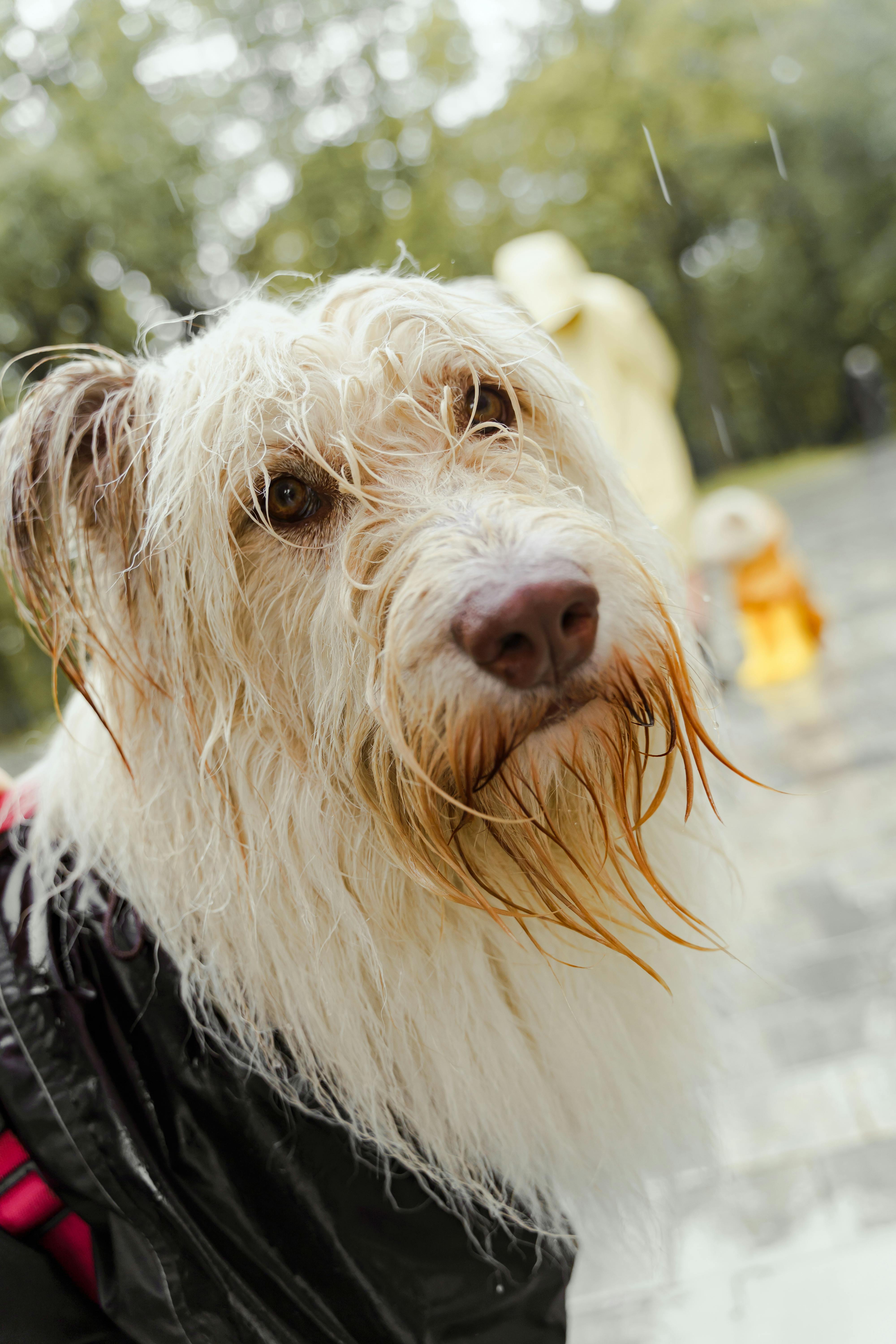
Dogs have long been our loyal companions, but there's one quirky feature that often leaves us wondering: why do dogs have wet noses? Many pet owners have probably noticed that their furry friends’ noses are usually cool and damp. But why is that? Let’s dive into the fascinating reasons behind this curious canine characteristic!
The Science Behind Wet Noses
First off, the moisture on a dog’s nose isn’t just for show. It serves several important functions. Here are some key reasons:
Sense of Smell: Dogs have an incredible sense of smell, and their wet noses help enhance this. The moisture traps scent particles, which allow dogs to pick up on smells more easily. This is why dogs often sniff things—it’s how they gather information about their environment!
Temperature Regulation: Just like humans sweat to cool off, dogs use their noses too. When a dog pants or their nose gets wet, it aids in maintaining their body temperature. This is especially important during hot weather when overheating can be a real concern.
Health Indicator: A dog’s nose can actually tell you something about their health. A wet nose is often a sign of a happy and healthy pup. Conversely, a dry or cracked nose might indicate dehydration or illness. It’s important for pet owners to monitor their dog’s nose condition regularly.
Historical Context
Interestingly, the wet nose has been part of a dog’s anatomy for thousands of years. Domesticated dogs have evolved from wolves, who also possess wet noses. In ancient times, this adaptation was crucial for survival, helping them hunt and navigate their environments effectively. The wet nose is not just a feature; it’s part of what makes dogs the incredible creatures they are today!
Fun Facts About Dog Noses
Here are some surprising facts about dog noses that you might not know:
- Dogs have up to 300 million smell receptors in their noses, compared to humans' mere 5 million.
- The texture of a dog’s nose can be unique just like human fingerprints.
- A wet nose can also help dogs cool off by increasing evaporative cooling.
- Dogs can smell diseases like cancer or diabetes in humans, thanks to their incredible olfactory senses.
Comparison: Dog Noses vs. Human Noses
It’s interesting to compare how dogs and humans use their noses. Here’s a simple table to highlight the differences:
| Feature | Dogs | Humans |
|---|---|---|
| Smell Receptors | Up to 300 million | About 5 million |
| Moisture | Usually wet, helps with scent | Generally dry |
| Primary Use | Smelling, cooling | Breathing, smelling |
| Health Indicator | Wet is healthy, dry could mean illness | Dry can indicate dehydration |
Practical Examples of Nose Behavior
Dogs display various behaviors related to their noses. Here are some examples:
- Sniffing: When a dog is sniffing around, they are gathering information about their surroundings, which is a vital instinct inherited from their ancestors.
- Licking Their Noses: Dogs often lick their noses when they are excited or when they want to explore a new scent. This behavior helps keep their noses moist and aids in scent detection.
- Nose-to-Nose Greeting: When dogs greet each other, they often sniff each other’s noses. This is a social behavior and helps them learn about each other.
Common Myths about Dog Noses
There are many myths surrounding dog noses. Here are a few that are not true:
- A cold nose means a sick dog: A dog’s nose temperature can vary greatly, and it does not necessarily indicate their health.
- Dogs can only smell wet things: Dogs can smell both wet and dry items. Their keen sense of smell is not limited to moisture.
- All dogs have wet noses: Some dogs may have naturally drier noses, and that can be normal.
So, next time you give your dog a scratch behind the ears and notice their wet nose, remember all the fascinating reasons behind it! This unique feature is just one of the many characteristics that make dogs such incredible companions. Whether they’re sniffing out treats or just giving you a nudge for attention, their wet noses certainly add to their charm. Understanding why dogs have wet noses not only deepens our appreciation for our furry friends but also helps us care for them better. Embrace the wet nose mystery, and celebrate the curious canines in your life!
7 Reasons Your Dog’s Wet Nose Is More Important Than You Think
Every dog owner knows that their furry friends have a unique way of communicating, and one of the most fascinating aspects of this is their wet noses. You might think it’s just a cute quirk, but there's actually a lot more behind it. Let's dive into why dogs have wet noses and explore seven reasons they are more important than you think.
1. Enhanced Sense of Smell
Dogs have an incredible sense of smell, estimated to be 10,000 to 100,000 times more sensitive than humans. The moisture on their noses plays a crucial role in this. A wet nose helps capture scent particles from the air, allowing dogs to analyze their surroundings better. The wetness increases the surface area, making it easier for them to absorb these smells. Is that not amazing?
2. Temperature Regulation
Just like humans sweat, dogs also need to regulate their body temperature, and their wet noses help with that. When a dog’s nose is wet, it can help cool down their body through evaporation. This is especially important during hot summer days. If your dog’s nose feels warm, it might be a sign they are overheating. Keep an eye on them!
3. Health Indicator
A dog’s nose can tell you a lot about their health. While it’s a myth that a cold, wet nose always means a dog is healthy, changes in the moisture level can indicate certain health issues. For example, a dry, cracked nose may suggest dehydration or illness. Regularly checking your dog's nose can help you catch potential health problems early on.
4. Social Interaction
Dogs use their noses to communicate with each other and with humans. A wet nose is often a sign of a friendly dog wanting to greet you or another canine. When dogs meet, they tend to sniff each other’s noses as part of their social ritual. This behavior helps them learn about each other's mood and health. It’s like their version of a handshake!
5. Natural Antibacterial Properties
Did you know that the moisture on a dog’s nose has some natural antibacterial properties? The mucous membrane on a dog’s nose can help fight off bacteria and keep their noses healthy. This is one reason why they can put their noses in places we wouldn’t dare to, and still stay relatively healthy. Fascinating, right?
6. Enhanced Sensory Perception
The wetness of a dog’s nose not only helps with smelling but also with feeling. Dogs have a large number of sensory receptors located in their noses. The moisture allows them to better detect vibrations and textures in their environment. This can help them navigate different terrains and even find hidden objects. Imagine how much they miss when we can't rely on just our eyes!
7. Breed Differences
Just like humans, dogs come in all shapes and sizes, and this affects their noses too. Some breeds have wetter noses than others. For instance, hounds typically have very wet noses, while certain toy breeds may have drier noses. Understanding these differences can give you insight into your dog's health and needs.
Quick Facts About Dog Noses
- Dogs' noses have up to 300 million scent glands.
- The unique pattern of each dog’s nose is like a human fingerprint.
- A dog's sense of smell can detect certain diseases, including cancer, in humans.
- Dogs can even distinguish between different odors, like food vs. non-food.
Table of Dog Nose Facts
| Fact | Explanation |
|---|---|
| Number of Scent Glands | 300 million |
| Sensitivity | 10,000 to 100,000 times more than humans |
| Unique Nose Patterns | Each dog has a different nose print |
| Health Indicator | Changes can signal dehydration or illness |
Understanding your dog’s wet nose is more than just an interesting fact; it’s a window into their health and senses. It reflects their unique biology and helps them interact with the world around them. So next time you give your dog a pat and feel that cool, damp nose, remember how much it does for them.
In the end, your dog’s wet nose is a remarkable feature that serves multiple important functions. Whether it's helping them smell better, cooling them down, or even indicating their health status, it certainly deserves more appreciation than it often gets! So, take a moment to admire that little marvel the next time your furry friend gives you a wet nose nudge.
How Weather Affects Your Dog’s Nose: What Every Pet Owner Should Know

When you think about dogs, you might notice that one of their most distinct features is their wet nose. But have you ever wondered, how weather affects your dog’s nose? What every pet owner should know is essential, especially when understanding why do dogs have wet noses. This article dives into the fascinating world of canine noses, exploring the reasons behind their moisture, and how various weather conditions impact them.
Why Do Dogs Have Wet Noses?
Dogs have wet noses for several reasons, and it's not just because they love to stick them in water. Here are some key points to consider:
Cooling Mechanism: Dogs don’t sweat like humans do. Their primary means of regulating body temperature is through panting and the moisture on their noses. A wet nose helps cool their body down as the moisture evaporates.
Enhanced Sense of Smell: A dog's sense of smell is already incredible, but a wet nose helps improve it even more. The moisture collects scent particles from the air, making it easier for dogs to identify different scents. This is why when dogs sniff around, their noses are often damp.
Health Indicator: A dog's nose can indicate their health. Generally, a warm, dry nose could signal illness, while a cold, wet nose is usually a sign of good health. However, there are exceptions, and it’s always best to consult a vet if you notice any changes.
Behavioral Factors: Dogs often lick their noses, which keeps them moist. This behavior might also be a way of showing curiosity or exploring their environment.
How Weather Affects Your Dog's Nose
The weather can greatly influence the condition of your dog’s nose. Here’s a look at how different weather conditions might affect your furry friend:
Cold Weather: In winter, the cold and dry air can lead to chapped or dry noses. Dogs may develop cracks, and some might even suffer from nosebleeds. It's important to monitor your dog during these months and consider applying a pet-safe moisturizer if needed.
Hot Weather: High temperatures can cause dogs to pant more frequently, which in turn can keep their noses moist. However, excessive heat can lead to dehydration, making their noses dry. Always ensure your pet has access to fresh water, and avoid walking them during peak heat hours.
Rainy Weather: Rain might seem like a good thing for keeping a dog’s nose wet, but too much moisture can also cause issues. Prolonged dampness can lead to conditions like fungal infections or irritations. If your dog loves to play in the rain, make sure to dry them off afterward.
Humidity Levels: In high humidity, dogs may not need to pant as much to cool off. This could result in a wetter nose, but it’s vital to be cautious as high humidity can also lead to overheating if they don’t get enough air circulation.
Practical Tips for Pet Owners
To ensure your dog's nose stays healthy regardless of the weather, consider these practical tips:
Regular Checkups: Regular vet visits helps to catch any potential health issues early. Your vet can provide specific advice for your dog’s needs based on their breed, age, and health status.
Hydration: Make sure your dog always has access to clean, fresh water. Hydration is key to maintaining a wet nose.
Nose Balm: If your dog has a tendency to develop a dry nose, consider using a specially formulated nose balm to protect it from the elements.
Monitor Outdoor Time: Be mindful of the time your dog spends outdoors during extreme weather. Limit exposure when it’s too hot or too cold.
Grooming: Regular grooming helps to keep your dog’s skin and nose healthy. Brush them often to remove dirt and debris.
Fun Facts About Dog Noses
Dogs have about 220 million scent receptors, while humans have a mere 5 million. This makes their sense of smell 40 times better than ours!
The wetness of a dog’s nose can change throughout the day. It’s normal for it to dry out slightly after sleep or during very active play.
Each dog’s nose print is unique, similar to a human fingerprint.
Understanding how weather affects your dog’s nose and why dogs have wet noses is crucial for any pet owner. Keeping your pup healthy and happy means being aware of these factors. Remember, a wet nose can be a sign of a healthy dog, but if you see changes, it’s always best to consult with a veterinarian. Your furry friend depends on you for their well-being, and being informed is a huge part of that responsibility.
Dogs and Their Dynamic Noses: What a Wet Nose Reveals About Your Pet’s Emotions
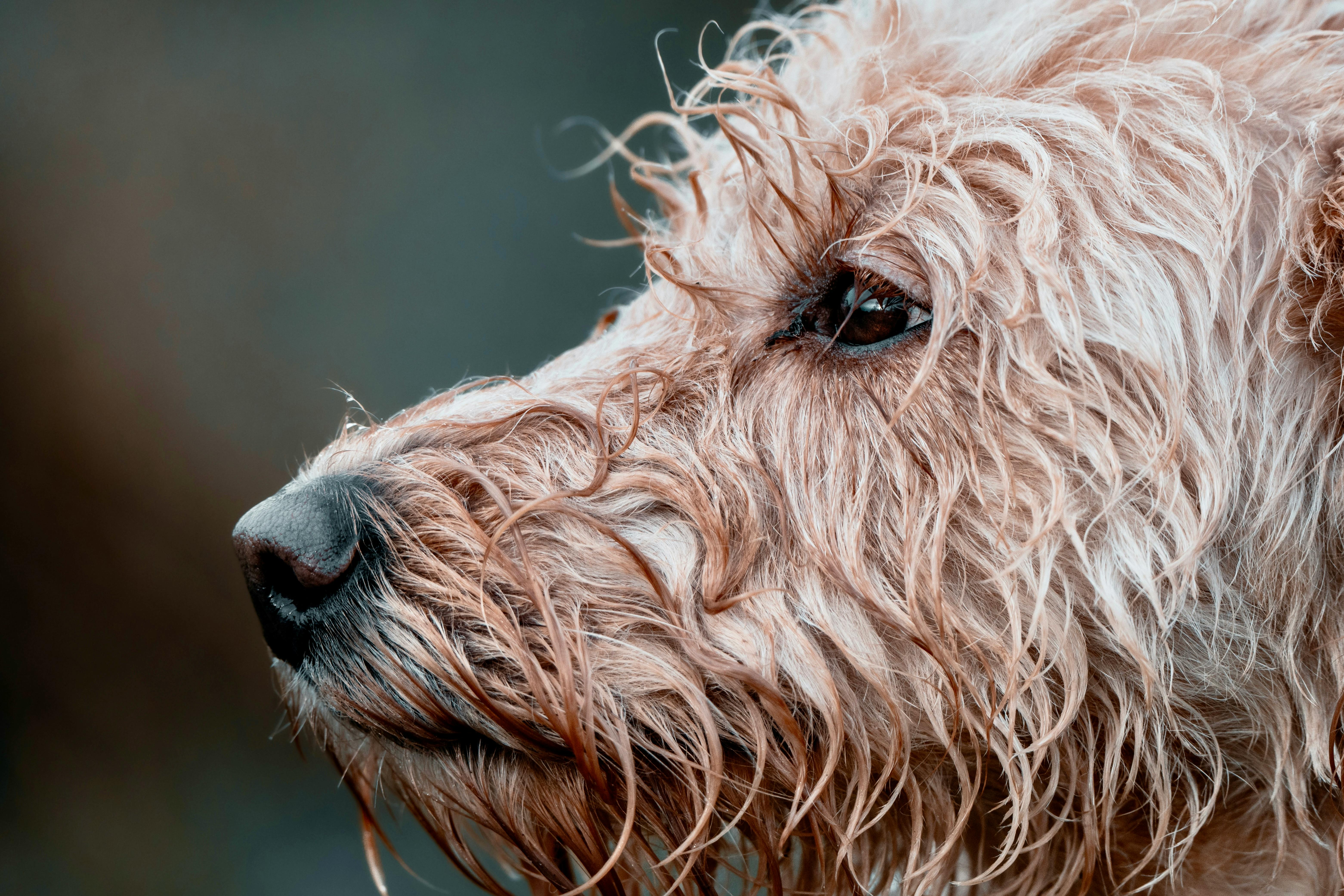
Dogs and their dynamic noses are truly fascinating. Many dog owners often found themselves wondering why their furry companions’ noses are always wet. This question can lead down a rabbit hole of interesting facts about canine biology, emotions, and the unique way dogs interact with the world. Wet noses aren’t just an adorable trait; they serves a purpose that’s deeply rooted in a dog’s biology and emotional state.
The Biological Purpose of a Wet Nose
First off, let’s look at why do dogs have wet noses in the first place. The moisture on a dog's nose plays a significant role in their ability to smell. Dogs have an extraordinary sense of smell, much stronger than humans, and their wet noses help with this. Here’s how it works:
Olfactory Receptors: Dogs have up to 300 million olfactory receptors. Wetness helps to capture scent particles better, enhancing their ability to identify smells.
Temperature Regulation: Just like humans sweat to cool down, dogs use their noses to regulate body temperature. A wet nose can help them stay cool, especially during warm days.
Scent Dissipation: The moisture on a dog’s nose helps in dissolving scent particles, which makes it easier for them to detect odors in the environment.
Emotional Indicators of a Dog’s Wet Nose
Now, let’s consider what a wet nose might reveal about a dog's emotions. A dog's nose can serves as a barometer for their feelings. Here’s a list of emotions often associated with a dog’s wet nose:
Happiness: A dog that’s feeling joyful or playful is likely to have a moist nose. When they are excited, their body produces more mucus, keeping their nose wet.
Curiosity: When dogs are investigating their environment, their noses tend to be wet. This is because they are constantly sniffing and exploring.
Comfort and Relaxation: A calm dog may also exhibit a wet nose. This shows contentment and relaxation, especially after a good play session or a nice walk.
Anxiety or Stress: While a wet nose is usually a sign of happiness, it can also become dry when a dog feels anxious or stressed. In this case, the moisture may decrease as they become less engaged with their surroundings.
Fun Facts About Dog Noses
Did you know that dogs’ noses have unique patterns, much like human fingerprints? Each dog’s nose print is distinct and can actually be used to identify them. Here are some other interesting facts:
Dogs Can Smell Diseases: Trained dogs can detect certain illnesses, including cancer and diabetes, just by sniffing. Their noses are that powerful!
Nose Coloration: The color of a dog’s nose can change due to various factors like temperature and health. A cold nose is often a sign of a healthy dog, while a warm, dry nose can indicate illness.
Different Breeds, Different Noses: Some breeds have more pronounced wet noses than others. For instance, hounds often have wetter noses than terriers.
Signs of a Healthy Nose
As a pet owner, it’s important to know what constitutes a healthy nose. Here’s a quick checklist:
Moistness: A healthy dog nose should be moist, but not dripping wet.
Temperature: A dog’s nose can be warm or cool depending on the environment, but an excessively hot nose could signal a problem.
Color: The nose should be a consistent color with no cracks or discoloration.
What If Your Dog’s Nose Is Dry?
A dry nose can be concerning for pet owners. However, it’s not always a sign of illness. Here are some common reasons a dog might have a dry nose:
Weather Conditions: Hot or dry weather can lead to dryness in dogs’ noses.
Dehydration: If a pet isn’t drinking enough water, their nose may dry out.
Health Issues: In some cases, a dry nose can indicate a health issue. If you notice other symptoms like lethargy or loss of appetite, it’s best to visit a vet.
Understanding your dog’s wet nose can open a new window into their emotional world. A wet nose is not just an adorable feature but a window into their health and feelings. By observing these small details, you can better care for your furry friend and ensure their happiness and well-being. So next time you lean down to give your pup a scratch, take a moment to appreciate that wet nose—it tells you a lot more than you might think!
Conclusion
In conclusion, the wet noses of dogs serve several essential purposes that enhance their overall health and well-being. The moisture helps to improve their sense of smell, as the damp surface captures scent particles more effectively. Additionally, a wet nose plays a vital role in thermoregulation, helping dogs to cool down and maintain their body temperature. It’s also an indicator of health; while a wet nose is generally a sign of a happy, healthy dog, changes in moisture can signal potential health issues. Understanding these functions can deepen our appreciation for our canine companions. Next time you greet your furry friend, take a moment to notice that wet nose and consider the remarkable biology behind it. Share this knowledge with fellow dog lovers to promote awareness and celebrate the unique traits that make dogs such special companions.