Have you ever wondered, why do dogs have wet noses? This intriguing question is not just a quirky characteristic; it reveals a lot about our furry friends! Dogs, with their moist noses, have captivated pet lovers and curious minds alike. But what’s the science behind this phenomenon? Wet noses play a crucial role in a dog's sense of smell, making them exceptional at detecting scents. Plus, there are fascinating health indicators linked to their nose moisture levels! Is it true that a wet nose means a healthy dog? Or can a dry nose signal problems? By delving into the reasons for this unique trait, we can uncover everything from dog behavior to their health needs. Understanding why do dogs have wet noses helps us connect better with our pets, ensuring they stay happy and healthy. So, if you’re curious about the secrets behind your dog’s wet nose, stay tuned as we explore the captivating reasons and fascinating facts that make this topic one of the most discussed among dog lovers. Get ready to discover why your pup’s nose is not just cute but also a vital part of their overall well-being!
Unveiling the Mystery: Why Do Dogs Have Wet Noses? The Science Behind It Explained

Dogs are often known for their wagging tails and playful barks, but have you ever wonder why they have those wet noses? It’s one of those curious traits that many dog lovers notice but may not think too much about. The truth is, there’s a science behind it, and understanding it can deepen your appreciation for these furry companions.
The Anatomy of a Dog’s Nose
A dog’s nose is more than just a cute feature; it’s a highly sophisticated sensory organ. The surface of a dog’s nose is covered with a thin layer of mucous, which helps to keep it moist. This moisture plays a crucial role in enhancing their sense of smell, which is much more advanced than humans. Some facts about dog noses include:
- Dogs have up to 300 million smell receptors, while humans only have about 6 million.
- The wetness of a dog’s nose helps to trap scent particles, allowing for better detection.
- The structure of a dog’s nose also includes a large olfactory bulb, which processes smells.
Why Are Dog Noses Wet?
There are several reasons why dog noses tend to be wet. Let’s discuss some of the fascinating scientific explanations behind this phenomenon:
Enhanced Olfactory Function: The wetness increases the ability of the nose to capture scent particles. When a dog sniffs, the moisture helps dissolve the odors, making it easier for the olfactory receptors to detect them.
Thermoregulation: Dogs don't sweat like humans do. Instead, they rely on their noses and paw pads to help regulate their body temperature. A wet nose can assist in cooling down their body as it evaporates.
Health Indicator: A dog’s nose temperature and moisture levels can provide clues about their health. A healthy dog's nose is usually moist, while a dry nose might indicate dehydration or illness, though it's not a definitive measure.
Historical Context of Dog Noses
The unique characteristic of a dog’s nose has been recognized for centuries. In ancient cultures, dogs were revered for their keen senses. For example, the Egyptians trained dogs for hunting, relying on their ability to sniff out game. Moreover, in various folklore, a wet nose was often associated with a dog’s loyalty and ability to sense danger, making them invaluable companions.
Fascinating Facts About Dog Noses
Here’s a list of interesting tidbits regarding dog noses that you may not know:
- Dogs can identify scents in parts per trillion, which makes them exceptional at tasks like search and rescue or detecting diseases.
- The color of a dog’s nose can change with seasons; some may darken in the summer and lighten in the winter.
- Each dog’s nose print is unique, much like a human fingerprint. This has even led to the idea of using nose prints for identification.
Comparing Dog Noses to Human Noses
To comprehend how special a dog’s nose truly is, let’s compare it to our own:
| Feature | Human Nose | Dog Nose |
|---|---|---|
| Number of Receptors | ~6 million | ~300 million |
| Purpose | Smell, breathing | Smell, cooling, communication |
| Moisture | Typically dry | Often wet |
| Sensitivity | Less sensitive | Highly sensitive |
Practical Examples of Dog Nose Use
Dogs use their noses in various ways, showcasing their amazing skills. Here’s how they do it:
- Search and Rescue: Teams use dogs to find missing persons because of their ability to detect human scents over long distances.
- Medical Detection: Some dogs are trained to sniff out illnesses such as cancer or diabetes, alerting their owners to potential health issues.
- Detection Work: In law enforcement, dogs are utilized to locate drugs or explosives due to their strong sense of smell.
Understanding why dogs have wet noses is not just fun trivia; it’s a glimpse into the incredible biology and history of our canine friends. Their noses are not merely adorable features but also vital tools that contribute to their well-being and ability to interact with the world around them. Next time you pet a dog, take a moment to appreciate that wet nose and all the fascinating reasons behind it. It’s a small wonder of nature that deserves recognition.
5 Fascinating Reasons Your Dog’s Nose is Always Wet: What Every Pet Owner Should Know
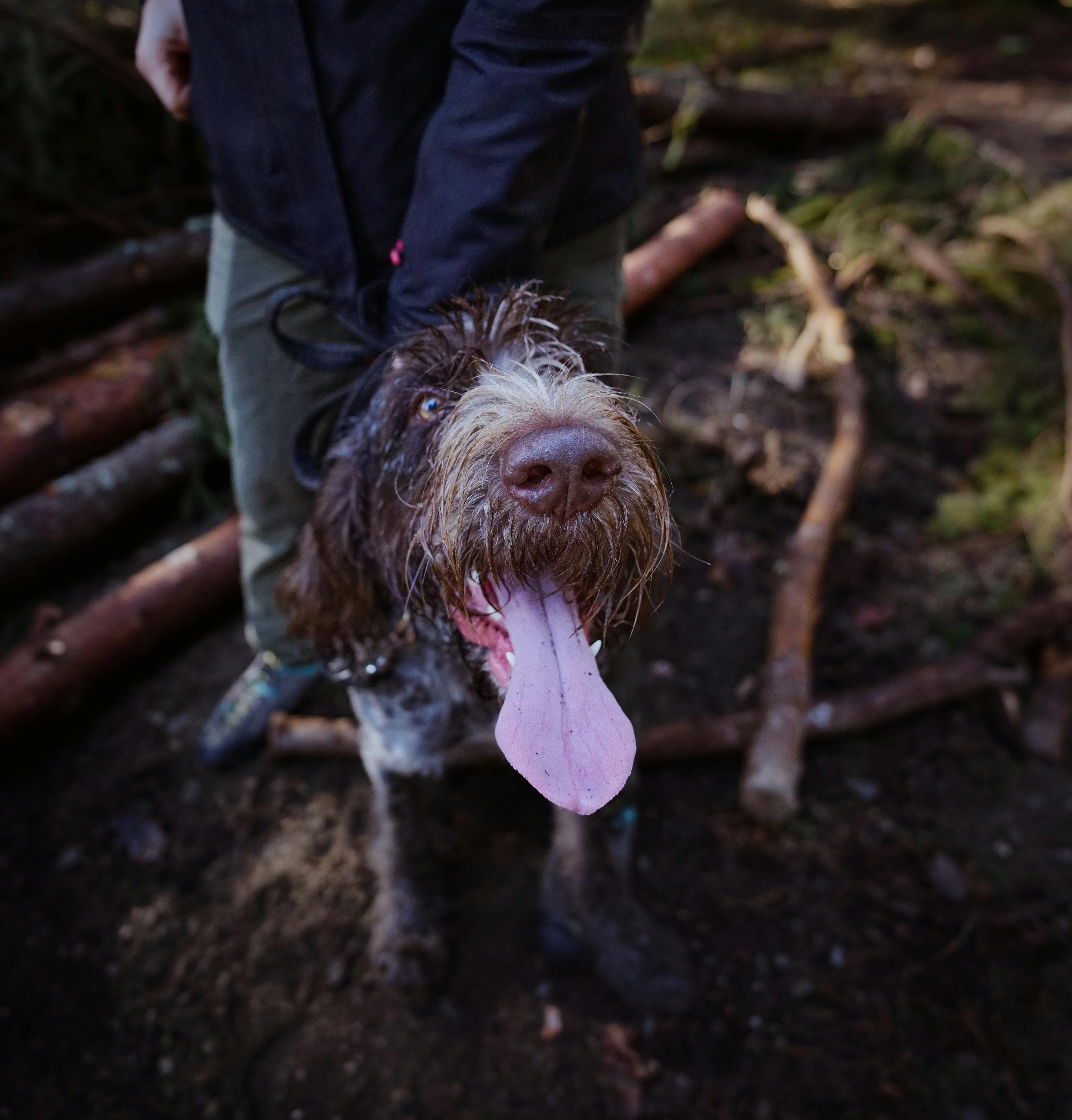
When you own a dog, you might have noticed that their nose is frequently wet. It's sorta weird, right? You may wonder why do dogs have wet noses? This question has puzzled many pet owners over the years. But don't worry, we got you covered! In this article, we explore 5 fascinating reasons why your dog's nose is always wet. Understanding this can not only enhance your relationship with your furry friend but also help you keep them healthy.
1. Natural Cooling System
Dogs can't sweat like humans do. Instead, they rely on their noses to help regulate their body temperature. The wetness of their noses helps to cool them down. When a dog pants, moisture evaporates from its nose, which creates a cooling effect. This is especially important during hot summer days. Imagine being out on a hot day and having no way to cool off. It's similar for dogs, and their wet noses play a crucial role in thermoregulation.
- Dogs might lick their noses to keep them moist.
- A dry nose could indicate overheating or dehydration.
- Keeping your dog hydrated is essential, especially in warm weather.
2. Enhanced Sense of Smell
Another interesting reason for a dog’s wet nose is its role in enhancing their sense of smell. Dogs have an extraordinary sense of smell, and their wet noses help to capture scent particles from the air. The moisture on a dog’s nose acts like a sponge, soaking up these particles, which allows their olfactory receptors to process smells more effectively.
- Dogs have up to 300 million scent receptors compared to humans who only have about 6 million.
- The wet surface allows odors to stick better, improving their ability to detect scents.
- This is why dogs are often used in search and rescue operations; their noses are powerful tools!
3. Communication Tool
Did you know that a dog’s nose can also serve as a form of communication? Dogs often use their noses to greet each other. When they sniff one another, it’s like a handshake but with a lot more information. The wetness of a dog's nose can signal different emotions, such as excitement or curiosity.
- A wet nose can mean a dog is excited or happy.
- Dogs may also use their noses to interact with their human companions.
- You might notice your dog nudging you with their nose, which is a sign of affection and trust.
4. Health Indicator
A wet nose is often considered a sign of a healthy dog. Most pet owners believe that dogs with wet noses are sick. However, this isn’t entirely true. A dog's nose can change from wet to dry throughout the day, depending on various factors.
Here’s a quick health checklist for dog owners:
- Normal Wetness: A slightly moist nose is usually a good sign.
- Excessively Dry Nose: This could indicate dehydration or illness.
- Changes in Temperature: A hot or dry nose may be a sign of fever.
5. Environmental Factors
Lastly, the environment plays a significant role in whether a dog’s nose is wet. Factors such as humidity, temperature, and activity level can affect nose moisture. For instance, if your dog has been playing outside on a sunny day, their nose might be wetter from licking or cooling off.
- High humidity can keep a dog's nose moist.
- Dry, cold weather can lead to a drier nose.
- Dogs that are more active will often have wetter noses due to increased panting and licking.
Here’s a summary table of the factors affecting a dog's nose moisture:
| Factor | Effect on Nose Wetness |
|---|---|
| Temperature | Hot days can lead to more moisture |
| Humidity | High humidity keeps noses moist |
| Activity Level | More activity = wetter noses |
| Health Status | Illness may cause dryness |
Understanding why your dog's nose is often wet can help you be a better pet owner. It’s a sign of their health, a tool for communication, and an important part of their ability to smell. So, the next time you see your dog with a wet nose, you can feel reassured that it’s just one of the many things that makes them unique and wonderful. Keeping these facts in mind can deepen your bond with your furry friend and ensure they lead a happy, healthy life.
The Benefits of a Wet Nose: How It Enhances Your Dog’s Sense of Smell
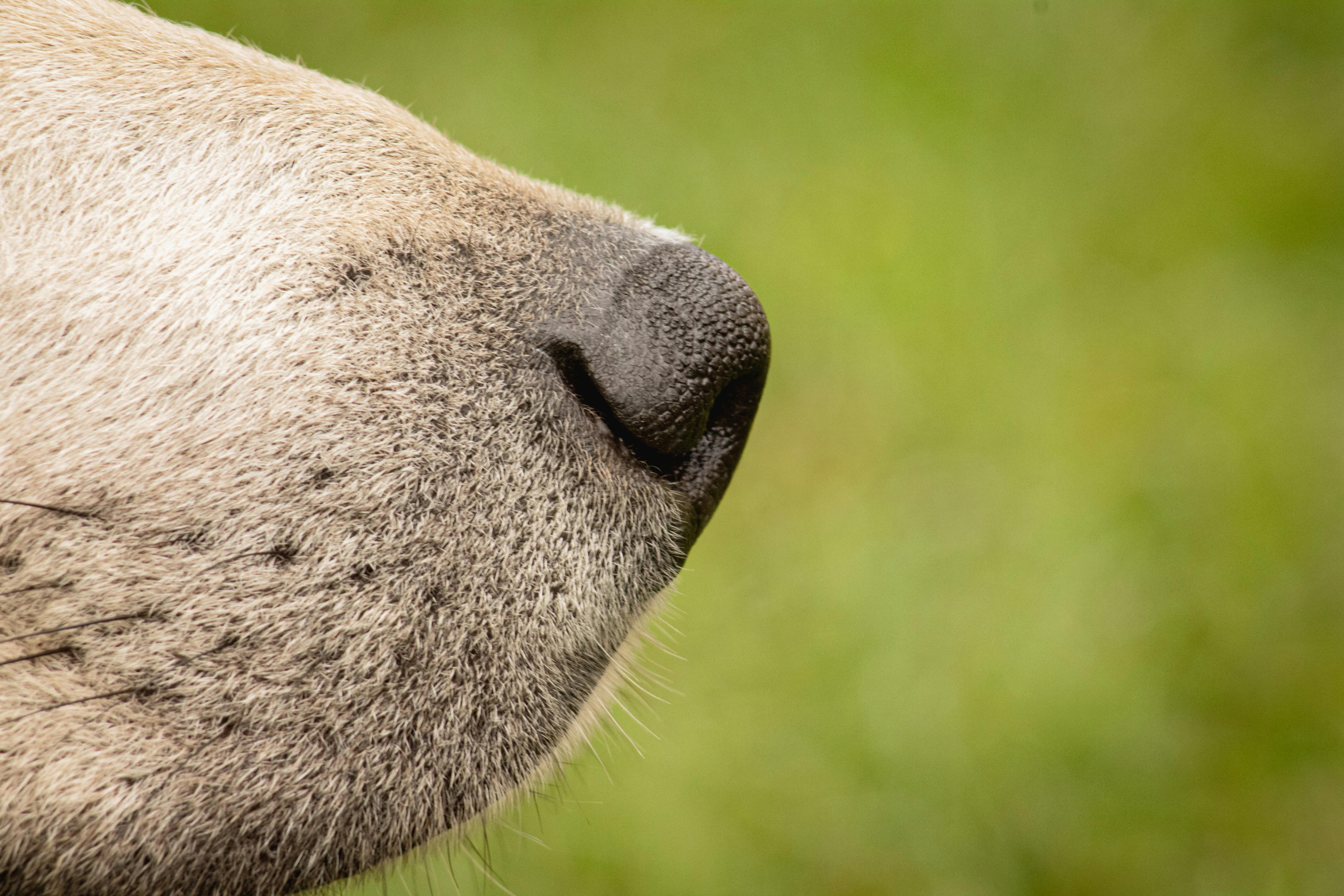
Dogs are fascinating creatures, and one of the most intriguing aspects about them is their wet noses. Ever wonder why do dogs have wet noses? It's not just for show or to be cute — there's a whole science behind it. Understanding the reasons can not only deepen your appreciation for your furry friend but also help you better care for them. Let’s dive into the benefits of a wet nose and how it enhances your dog’s sense of smell.
What Makes a Dog's Nose Wet?
A dog’s nose is wet due to mucus secretions, which help in enhancing their sense of smell. The moisture on their nose helps to capture scent particles in the air. When these particles stick to the wet surface, it allows dogs to analyze and interpret smells much more effectively than we humans could ever do. Isn’t that amazing?
The Benefits of a Wet Nose
Enhanced Olfactory Function:
- Dogs have up to 300 million olfactory receptors in their noses, compared to a mere 6 million in humans.
- The wetness of their nose helps to trap scent molecules, allowing dogs to smell things more accurately.
- This is why dogs can find missing persons, detect diseases, or identify specific scents with incredible precision.
Temperature Regulation:
- Dogs do not sweat like humans do. Instead, they regulate their body temperature through panting and by keeping their noses moist.
- A wet nose can help dissipate heat, which is vital during hot weather.
Health Indicator:
- A wet, cool nose is often seen as a sign of a healthy dog.
- Conversely, if a dog’s nose is dry or cracked, it might indicate dehydration or illness.
- Regularly checking your dog’s nose can help you catch health issues early.
Emotional Connection:
- Dogs often use their noses to explore their environment and communicate.
- A wet nose can be a sign of excitement or affection when they nuzzle against you.
Fascinating Facts About Dog Noses
- Unique Patterns: Just like human fingerprints, every dog has a unique nose print. This could be used for identification purposes!
- Color Variation: The color of a dog's nose can change with the seasons and even their overall health.
- Sense of Smell: A dog's sense of smell is 40 times better than that of a human. This means they can detect scents from a greater distance and with more detail.
Why Do Dogs Have Wet Noses? The Science Explained
The wetness of a dog's nose is primarily due to the glands located inside. These glands secrete a thin layer of mucus that keeps the nose moist. This isn’t just for functionality; it also helps with thermoregulation, as previously mentioned. When dogs breathe through their noses, the moisture evaporates, which cools them down.
Comparing Dog Noses to Other Animals
| Animal | Number of Olfactory Receptors | Nose Wetness |
|---|---|---|
| Dogs | 300 million | Yes |
| Cats | 50-80 million | Yes |
| Humans | 6 million | No |
| Bears | 1,000 times stronger than dogs | Yes |
Practical Examples of Nose Functionality
- Search and Rescue: Dogs trained for search and rescue use their noses to find victims trapped under rubble or lost in the wilderness.
- Medical Detection: Certain dogs are trained to detect diseases such as cancer or diabetes by smelling specific chemical changes in a person’s body.
- Law Enforcement: Dogs are used in police work to sniff out drugs and explosives, showcasing their incredible sense of smell.
Dogs are truly remarkable animals with their wet noses serving multiple functions. The next time you pet your dog and feel that damp nose, remember all the science behind it. It's not just cute; it’s a powerful tool that enhances their perception of the world. So, why do dogs have wet noses? It’s a combination of biology, necessity, and a little bit of magic.
Understanding the benefits of a wet nose can allow dog owners to appreciate their pets even more. Keep an eye on that wet nose — it tells you more than you think! Whether your dog is a companion, a working dog, or both, their wet nose is a key part of their identity and functionality.
Is Your Dog’s Nose Wet? Discover What It Means for Their Health and Well-Being

Is your dog's nose wet? You might be wonderin' if that’s a sign of good health or somethin' else. Many dog owners have seen their furry friends with moist snouts and have questions about what it all means for their overall well-being. So, let's dig into the reasons why dogs have wet noses and what that might indicate about their health.
Why Do Dogs Have Wet Noses?
Dogs noses are wet for several reasons, and it ain't just for show. It’s actually tied to their biology and how they interact with the world. Here are some fascinating points:
Enhanced Sense of Smell: Dogs have an incredible sense of smell, which is about 10,000 to 100,000 times more sensitive than humans. A wet nose helps to trap scent particles, makin' it easier for them to detect different smells.
Cooling Mechanism: Just like humans sweat to cool off, dogs also use their noses to regulate their body temperature. The moisture on their noses evaporates, which helps keep 'em cool.
Communication Tool: Dogs communicate through scent. A wet nose can be a sign of excitement or interest, and it can also help them gather more information about their environment.
Health Indicator: A wet nose is often considered a sign of a healthy dog. However, it’s not the only indicator of health, and a dry nose can sometimes be normal too.
The Health Connection of a Wet Nose
So, if your dog’s nose is wet, that’s great! But what happens if it’s dry? Here are some health-related factors that might explain changes in your pup’s nose moisture:
Dehydration: If your pup's nose is dry and cracked, it could be a sign they’re not gettin' enough water. Make sure they have access to fresh water at all times.
Fever: A dry nose can indicate that your dog may have a fever. If other symptoms, like lethargy or loss of appetite, are present, it’s time to consult a vet.
Allergies: Just like humans, dogs can suffer from allergies. A dry or irritated nose could be a sign of an allergic reaction to food, pollen, or other allergens.
Skin Conditions: Certain skin infections or conditions, like dermatitis, can affect the moisture of your dog's nose.
What to Do If Your Dog's Nose is Dry
If you notice your dog's nose is dry, here’s a quick checklist of actions to consider:
Increase Water Intake: Make sure your dog drinks enough water. You can add wet food or ice cubes to their diet to promote hydration.
Check for Other Symptoms: Look out for other signs of illness, such as coughing, sneezing, or unusual behavior.
Consult Your Veterinarian: If the dryness persists, it’s best to seek professional advice. They’ll help diagnose any underlying issues.
Keep the Environment Comfortable: If you live in a dry climate, consider using a humidifier to keep the air moist, which could help your dog.
Fun Facts About Dog Noses
Unique Nose Print: Just like human fingerprints, every dog has a unique nose print that can be used for identification.
Temperature Regulation: Dogs sweat through their paw pads, but their noses play a role in temperature regulation too.
Scent Memory: Dogs can remember scents for years! A wet nose helps them retain scent memory better.
Comparing Dog Noses to Human Noses
| Feature | Dog Nose | Human Nose |
|---|---|---|
| Moisture Level | Typically wet | Usually dry |
| Sense of Smell | Highly developed, sensitive | Less sensitive |
| Cooling Mechanism | Evaporative cooling | Sweating |
| Identification | Unique nose prints | Fingerprints |
Dogs’ noses are not only fascinating, but they also play significant roles in their health and behavior. If you see your dog’s nose is wet, it usually means they’re healthy and happy. A dry nose, while sometimes concerning, can be a simple fix or an indicator of something more, so always keep an eye on those little details.
Understanding your dog's nose and its functions can deepen your bond with your furry friend and help you stay on top of their health. Remember, a happy dog is a wet-nosed dog!
The Connection Between Wet Noses and Dog Behavior: Insights for Every Dog Lover
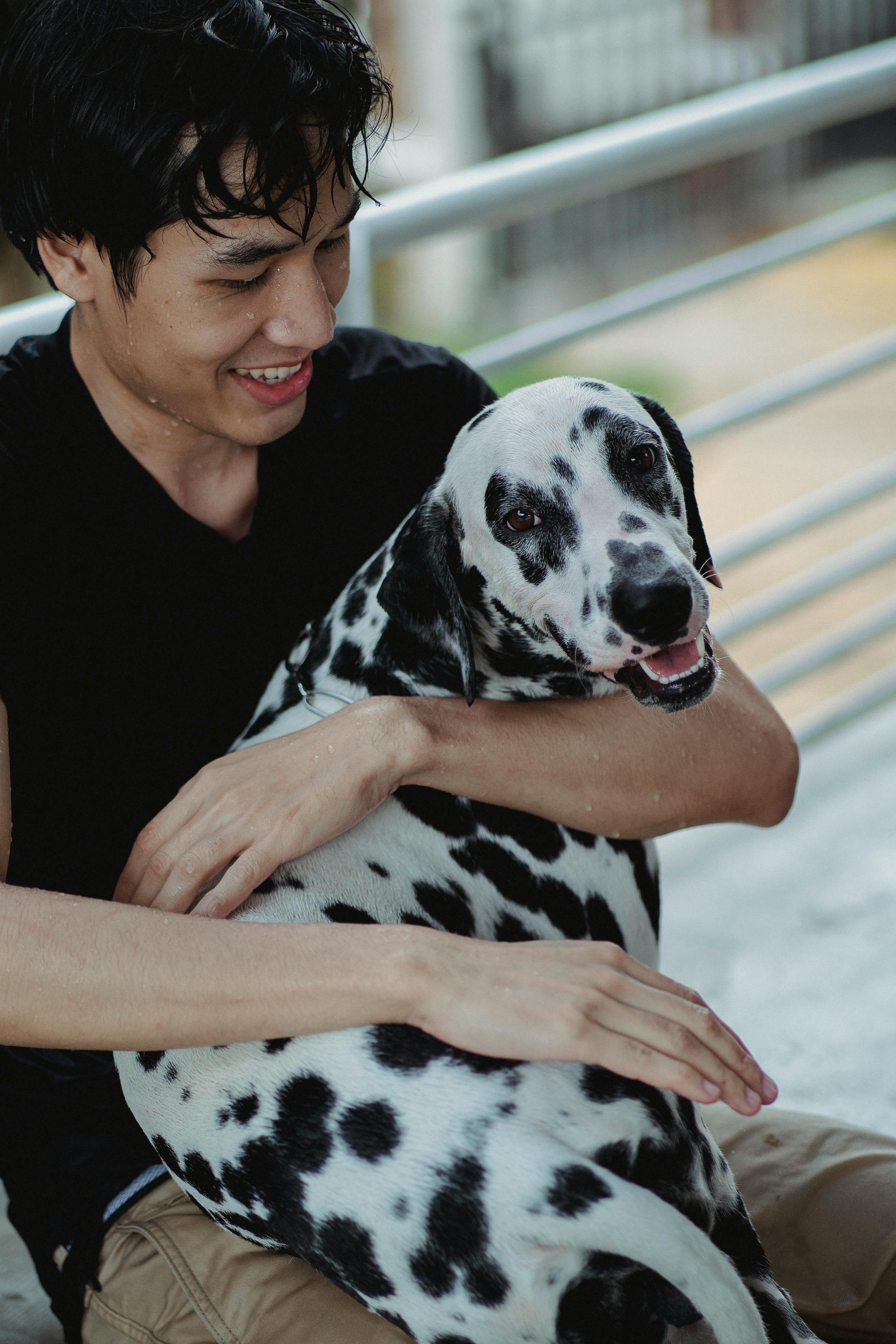
Every dog lover has probably noticed that their furry friends have wet noses. But why do dogs have wet noses anyway? It’s a question that might seem simple, but the answer is deeply fascinating and has implications for understanding dog behavior. Wet noses are not just a quirky characteristic; they play an important role in the health and well-being of our four-legged companions.
The Science Behind Wet Noses
Dogs’ noses are wet for several reasons, and one of the primary factors is their ability to regulate their body temperature. Dogs don’t sweat like humans do. Instead, they rely on panting and the moisture on their noses to keep cool. When a dog’s nose is moist, it helps to cool down their body temperature more effectively, especially during hot weather.
Another reason for their wet noses is the presence of special glands that secrete a thin layer of mucus. This mucus helps to trap scent particles, which is critical for a dog’s sense of smell. As you might know, dogs have an extraordinary sense of smell, estimated to be 10,000 to 100,000 times better than humans. A wet nose enhances their ability to pick up scents, which is why dogs often sniff around to gather information about their environment.
Historical Context: Why Wet Noses Matter
Historically, dogs have been humans’ companions for thousands of years. Their hunting, herding, and guarding roles have relied heavily on their sense of smell. Wet noses have played a key role in this. Ancient breeds were selected for their keen olfactory senses, and the moisture on their noses was an evolutionary advantage in tracking prey.
- Wet Noses and Hunting: Dogs with moist noses could detect scents from greater distances, making them more effective hunters.
- Social Interaction: Dogs use their noses to gather information about other animals and humans. A wet nose signals to other dogs that they are friendly and open to interaction.
The Connection to Dog Behavior
Wet noses can also provide insights into a dog’s emotional state. For example, a dog that is feeling anxious or excited may have a wetter nose due to increased panting. Conversely, if a dog is sick or dehydrated, their nose might be dry. Here’s a list of common behaviors and what they might indicate:
- Wet and Cold Nose: Generally indicates a healthy dog that is relaxed.
- Warm Nose: Could suggest a fever or illness.
- Dry Nose: Might indicate dehydration or stress.
- Excessively Wet Nose: Can be a sign of excitement or nervousness.
Practical Examples of Nose Nuances
Understanding the nuances of a dog’s wet nose can help owners better interpret their pet’s health and emotions. Here are some practical examples:
- During Vet Visits: If a dog arrives at the vet with a warm, dry nose, the vet might check for signs of illness.
- When Meeting New Dogs: A dog with a wet nose may be more approachable and eager to greet another dog.
- In Hot Weather: Dog owners should pay attention to their pets’ noses. A dry nose could signal that the dog is overheating.
Fun Facts About Dog Noses
- Dogs have about 300 million scent receptors, while humans have only about 5 million.
- The moisture on a dog’s nose can help them sense changes in the environment, such as humidity and temperature.
- Different breeds have different nose shapes, which can affect their sense of smell.
Comparing Dog Noses Across Breeds
Dogs come in all shapes and sizes, and their noses reflect that diversity. Here’s a simple comparison of how different breeds utilize their noses:
| Breed | Nose Type | Scenting Ability |
|---|---|---|
| Bloodhound | Long and Droopy | Exceptional, used in tracking |
| Pug | Short and Flat | Good for companionship, less scenting |
| German Shepherd | Medium Length | Highly skilled in scent detection |
| Beagle | Long and Wide | Excellent for hunting and tracking |
The Importance of Nose Care
As a dog lover, it’s also important to know how to take care of your pet’s nose. Keep an eye on any changes in texture or moisture, as these can signal health issues. Regular vet check-ups can help ensure your dog stays healthy.
In summary, the connection between wet noses and dog behavior is more than just a curious trait. It’s a gateway into understanding how our furry friends communicate and interact with the world. Recognizing the significance of a dog’s wet nose can enhance the bond between you and your pet, making every moment together even more special. So, the next time you see that wet nose, remember it’s not just cute; it’s a crucial part of what makes your dog, well, a dog!
Wet Nose Wonders: How Dogs Use Their Moist Noses to Navigate Their World

Dogs are much more than just pets; they are companions, protectors, and often, our best friends. One of the most intriguing aspects of dogs, which many people might not think about, is their wet noses. You might wonder, why do dogs have wet noses? This question leads us into a fascinating world of canine physiology and behavior.
The Science Behind Wet Noses
Dogs have moist noses for several reasons, and each one plays a significant role in how they interact with their environment. The wetness of a dog's nose is primarily due to a thin layer of mucus. This mucus has important functions.
- Enhanced Smell: Dogs have an incredible sense of smell, which is said to be up to 100,000 times more sensitive than that of humans. The moisture on their noses helps to trap scent particles, which makes it easier for them to detect different smells.
- Temperature Regulation: Just like humans sweat to cool down, dogs use their noses to help regulate their body temperature. When they breathe in and out, moisture evaporates from their noses, helping to cool them down.
- Health Indicator: A dog's nose can indicate health status. A wet, cool nose is often a sign of a healthy dog, while a dry nose can be a signal of dehydration or illness.
Historical Context of Dog Noses
The evolution of a dog's nose is a story of survival and adaptation. Historically, dogs are descended from wolves, who relied on their keen sense of smell for hunting. Over thousands of years, as dogs became domesticated, their noses adapted to different roles, from hunting companions to house pets.
How Dogs Use Their Noses in Everyday Life
Dogs rely heavily on their sense of smell to navigate their world. Here’s how they do it:
- Identifying Familiar People and Places: Dogs can recognize their owners by scent alone, even in a crowd. They can also remember the scents associated with their favorite places, which helps them navigate.
- Social Interactions: Dogs communicate through scent. When they sniff each other, they are gathering information about the other dog's health, mood, and even what they had for dinner!
- Detecting Danger: Some dogs are trained to detect dangerous substances like drugs or explosives. Their ability to smell can also alert them to impending danger, like a fire or gas leak.
Fun Facts About Dog Noses
- Unique Nose Prints: Just like human fingerprints, each dog has a unique nose print. This means that you could identify a dog by its nose alone!
- Nose Temperature: The temperature of a dog's nose can vary. It's often cooler than the rest of their body, but a warm nose doesn’t always mean a dog is sick.
- Breed Variations: Different dog breeds have different nose shapes and sizes, which can affect their smelling abilities. For example, Bloodhounds are known for their incredible sense of smell, while some brachycephalic breeds (like Bulldogs) have shorter noses, limiting their olfactory capabilities.
Caring for Your Dog's Nose
Maintaining your dog's nose is important for their overall health. Here are some tips:
- Hydration: Ensure your dog has access to fresh water at all times to keep their nose moist.
- Regular Check-Ups: A vet can provide insight into your dog’s health by examining their nose. Look out for any changes in color, texture, or temperature.
- Protect from Harsh Weather: In cold weather, a dog’s nose can become chapped. You can use a pet-safe balm to protect it.
Comparison: Dog Noses vs. Human Noses
| Feature | Dog Noses | Human Noses |
|---|---|---|
| Sensitivity | Extremely sensitive | Limited sensitivity |
| Moisture | Naturally moist | Generally dry |
| Function | Primary sense of smell | Aids in breathing and taste |
| Unique Prints | Each dog has a unique print | No unique prints |
Understanding why do dogs have wet noses gives us a deeper appreciation of our furry friends. Dogs navigate their world through scent, and their moist noses are vital tools in that process. Every sniff they take is a new adventure, filled with information and exploration. By nurturing their noses and recognizing the signs of health through them, we ensure our dogs lead happy, healthy lives.
Can a Wet Nose Indicate Illness? Key Signs Every Dog Owner Should Watch For
Every dog owner knows that dogs have these cute wet noses that can make you smile. But have you ever wondered, can a wet nose indicate illness? Is it just a sign of a happy pup or something more serious? Understanding your dog's health can be tricky, and knowing the signs to look out for is important. In this article, we’re going to dive into the reasons why dogs have wet noses, what it means for their health, and key signs every dog owner should keep an eye on.
Why Do Dogs Have Wet Noses?
First off, let’s explore the fascinating reasons behind those wet noses. Dogs have moist noses for several reasons, some of which are quite interesting:
Scent Enhancement: Dogs have an incredible sense of smell, and moisture helps them capture scent particles in the air. A wet nose can help them sniff out things better, its kinda like a natural scent amplifier.
Temperature Regulation: Dogs don’t sweat like humans do. Instead, they cool down through their noses and paw pads. The moisture on their noses helps regulate their body temperature.
Health Indicator: A dog’s nose can indicate its health. For example, a healthy dog’s nose is usually cool and moist, while a dry or excessively warm nose might signal some issues.
Can a Wet Nose Indicate Illness?
So, can a wet nose indicate illness? Well, not exactly, but it can be a sign of something else going on. Here’s a breakdown of what you should know:
Normal Variations: It’s normal for a dog’s nose to vary from moist to dry throughout the day. Factors like weather, activity level, and hydration can all play a part.
Signs of Dehydration: If your dog’s nose is consistently dry and warm, it might be a sign of dehydration. This can be serious, especially in hot weather. Make sure your pup has access to fresh water at all times.
Illness Indicators: A persistent dry nose, especially if accompanied by other symptoms, can indicate illness. Look for signs such as lethargy, loss of appetite, or unusual behavior.
Key Signs Every Dog Owner Should Watch For
As a responsible dog owner, it’s essential to be aware of changes in your pet's health. Here are some signs to keep an eye on:
Changes in Appetite: If your dog isn’t eating or drinking like usual, take note. This could be a sign of illness.
Behavior Changes: If your dog is less active than normal, hiding, or seems more irritable, it could indicate something’s wrong.
Vomiting or Diarrhea: These are clear signs that something is off with your dog’s health and should be addressed quickly.
Coughing or Sneezing: Persistent coughing or sneezing, especially if it’s accompanied by nasal discharge or a change in nose moisture, could indicate a respiratory issue.
Fever: Check your dog's nose in conjunction with other symptoms. A consistently warm or dry nose can be a sign of fever.
A Quick Comparison: Healthy vs. Unhealthy Dog Nose
Here’s a simple table to help you know what to look for in your dog’s nose condition:
| Condition | Healthy Nose | Unhealthy Nose |
|---|---|---|
| Temperature | Cool to touch | Warm or hot |
| Moisture Level | Moist and slightly cool | Dry or excessively wet |
| Color | Pink or black (depending on breed) | Red, cracked, or discolored |
| Behavior | Normal activity levels | Lethargy or unusual behavior |
Practical Examples of Nose Care
Taking care of your dog’s nose is important. Here are some practical tips:
Hydration: Always provide fresh water. Dehydration can lead to a dry nose.
Humidity: If your home is dry, consider using a humidifier, especially in winter months. This can help maintain moisture in the air.
Regular Vet Visits: Regular check-ups can help catch any health issues early. Your vet can assess your dog’s overall health, including the condition of their nose.
Watch for Allergies: Pollen, dust, and other allergens can affect your dog’s nose. If you notice excessive sneezing or a runny nose, consult your vet.
It’s vital for every dog owner to understand the nuances of their pet’s health. A wet nose is usually a good sign, but being alert to any changes is crucial. Knowing what to look for will help you ensure your furry friend stays happy and healthy. Always remember, if you’re ever in doubt, consulting a veterinarian is the best course of action to keep your dog safe.
Why Do Different Breeds Have Varying Nose Moisture Levels? A Deep Dive into Dog Diversity
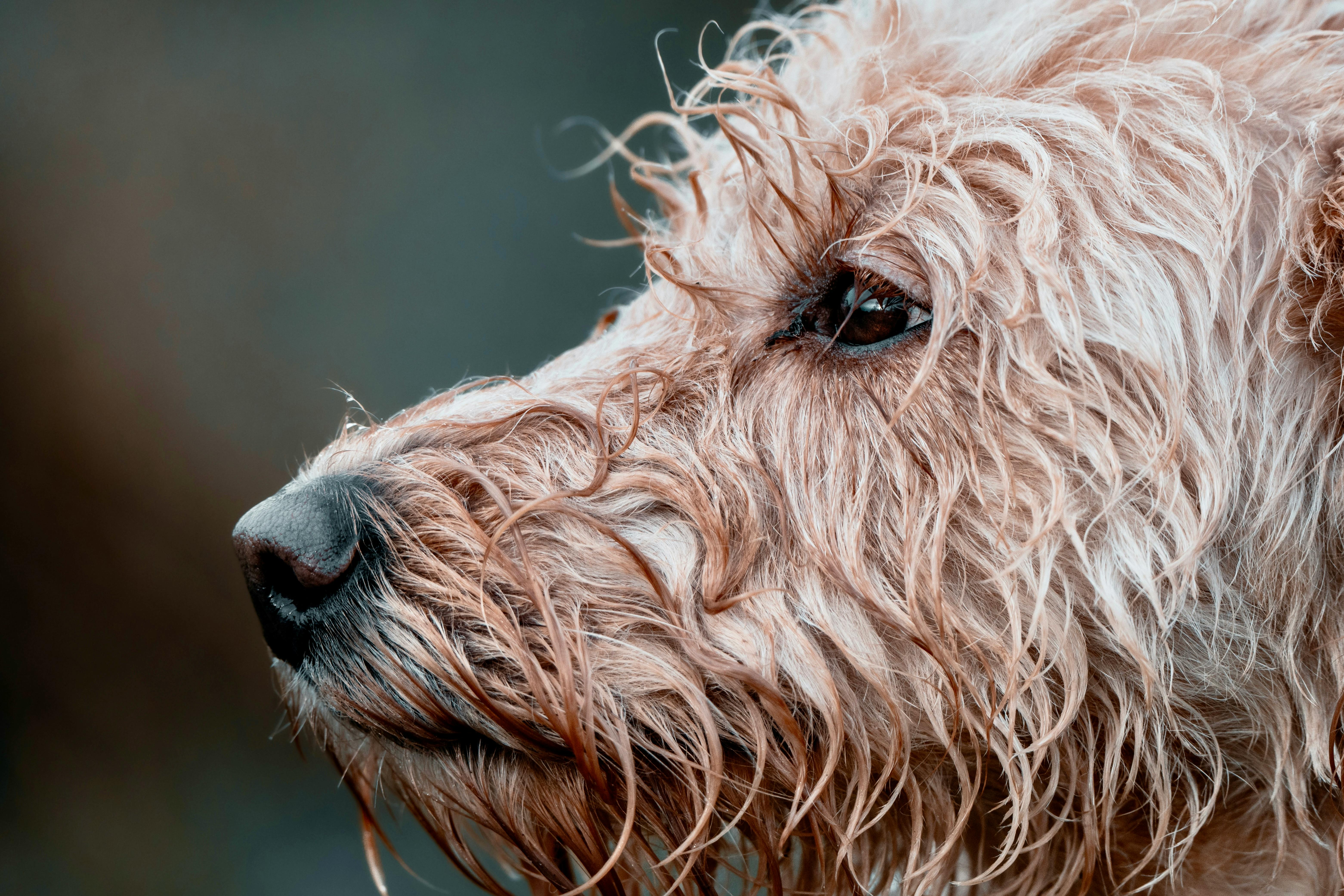
Dogs are fascinating creatures, and one of the most interesting aspects of their biology is their noses. You may have noticed that some dogs have wetter noses than others, and this raises a big question: why do different breeds have varying nose moisture levels? The answer to this question is a mix of biology, behavior, and even a bit of history.
Understanding Dog Nose Anatomy
First, let's take a look at what makes a dog's nose so special. The surface of a dog's nose is covered in a layer of mucous, which helps with the sense of smell. In fact, the moistness of a dog's nose plays a crucial role in their olfactory abilities.
- Nasal Structure: Dog noses have a complex structure with many folds and receptors.
- Sense of Smell: Dogs have up to 300 million smell receptors, compared to humans, who only have about 6 million.
- Mucous Role: The moisture helps capture scent particles, enhancing their ability to detect various odors.
Breed-Specific Differences
Not all breeds have the same nose moisture levels. Various factors contribute to these differences, including genetics, climate, and even health. For example, some breeds like Bulldogs and Pugs have shorter snouts, which can affect how wet their noses get.
- Short-Nosed Breeds (Brachycephalic):
- Bulldogs
- Pugs
- Boxers
- Long-Nosed Breeds (Dolichocephalic):
- Greyhounds
- Whippets
- Collies
Brachycephalic breeds often have more difficulty in regulating their body temperature, leading to less moisture on their noses. In contrast, long-nosed breeds may have a more efficient cooling system, which can allow for a wetter nose.
The Role of Environment
The environment also plays a crucial part in how dry or wet a dog's nose is. If a dog is living in a dry climate, for instance, their nose might be drier than a dog living in a humid area.
- Humidity Levels:
- More humidity often means a wetter nose.
- Dry air can lead to a dry nose.
- Temperature:
- Hot weather may cause dogs to pant more, which can dry out their noses.
- Cold weather can lead to frostbite, causing the nose to dry out.
Health Factors
A dog's nose can also be an indicator of their health. While a wet nose is often considered a sign of a healthy dog, this isn’t always the case.
- Signs of Illness:
- A dry, cracked nose can indicate dehydration.
- Excessively wet noses may point to allergies or infections.
- Normal Variability:
- Some dogs naturally have drier noses than others; it doesn't always mean something is wrong.
Why Do Dogs Have Wet Noses?
Dogs have wet noses for several fascinating reasons. The moisture helps them smell better, keeps their noses cool, and even regulates their body temperature.
- Cooling Mechanism: A wet nose helps dogs cool down, much like how sweating works for humans.
- Enhanced Smelling: The moisture captures scent particles, making it easier for dogs to detect various aromas.
- Communication Tool: Dogs can also express emotions through their noses; a wet nose can be a sign of excitement or affection.
Observations and Comparisons
Here’s a simple table to summarize the differences between short-nosed and long-nosed breeds regarding their nose moisture levels:
| Breed Type | Nose Moisture Level | Reasons |
|---|---|---|
| Short-Nosed Breeds | Often drier | Short snouts lead to less moisture retention |
| Long-Nosed Breeds | Generally wetter | Better cooling efficiency and moisture retention |
Additionally, even within the same breed, individuals can show varying moisture levels due to their unique genetics and health conditions.
Dogs are truly remarkable animals, and their noses are just one of the many features that make them special. Whether your dog has a wet or dry nose, it's important to observe their overall health and behavior. Remember, a wet nose doesn't always mean a happy dog, and a dry nose doesn't always mean sickness. Just like humans, every dog is different, and understanding these differences can enrich the bond you have with your furry friend. So, next time you pet your dog, take a moment to appreciate their unique nose—it's more than just an adorable feature; it's a window into their health and well-being!
The Role of Temperature and Environment: How Weather Affects Your Dog’s Nose

Have you ever wondered why your furry friend’s nose is often wet? Or how temperature and environment plays a role in that? It’s a curious topic, and it’s not just about cuteness. Dogs have wet noses for several reasons, and these reasons can also vary with the weather and their surroundings. Let’s dive into this fascinating subject and explore how weather affects your dog’s nose and the science behind that signature wetness.
The Science of a Dog's Nose
Dogs have some of the most incredible noses in the animal kingdom. The anatomy of a dog’s nose is uniquely designed to help them detect scents. Here’s a breakdown of what makes their noses so special:
- Moisture: A wet nose helps to capture scent particles. When the nose is moist, it can absorb scents more effectively.
- Temperature Regulation: Dogs sweat through their noses and paws. A wet nose helps keep them cool, especially in warmer climates.
- Enhanced Smell: The dampness on a dog’s nose allows for better olfactory reception. A dog’s sense of smell is estimated to be 10,000 to 100,000 times more sensitive than humans’.
Why Are Dogs’ Noses Wet?
There are multiple reasons dogs have wet noses. Here’s a list of some fascinating reasons:
- Natural Moisture: Dogs’ noses naturally produce a mucus that keeps it moist. This helps in scent detection.
- Licking: Dogs often lick their noses, which adds to the wetness. It's a behavior that helps them clean their noses and enhance their ability to smell.
- Environmental Factors: Humidity, temperature, and even the surface they are on can affect the moisture of their nose.
- Health Indicators: Sometimes, a dog’s nose can be a sign of their health status. A dry nose might indicate dehydration or illness, while a wet nose is usually a sign of a healthy dog.
How Weather Affects a Dog’s Nose
The weather can have a significant impact on the moisture level of your dog’s nose. Here’s how different weather conditions can affect it:
Hot Weather: In hot temperatures, dogs tend to pant more. This can lead to an increase in nose moisture as they regulate their body temperature. However, extreme heat can sometimes lead to dehydration, which could cause a dry nose.
Cold Weather: Cold air can dry out a dog’s nose. It’s important to keep an eye on their nose during winter months. If it appears dry and cracked, it might be a good idea to consult a vet.
Humid Conditions: High humidity generally keeps a dog’s nose moist. You may notice your dog’s nose is particularly wet during summer or in tropical climates.
Rainy Days: Of course, after a good rain, you might find your dog's nose is extra wet. The moisture in the air allows for better scent absorption.
Fun Facts About Dog Noses
- Dogs have around 300 million smell receptors in their noses, compared to about 5 million in humans.
- The unique patterns on a dog’s nose are like a human fingerprint; no two dogs have the same nose print.
- A dog’s sense of smell can help them detect diseases like cancer or diabetes.
Practical Tips for Nose Care
Taking care of your dog’s nose is crucial, especially in changing weather conditions. Here are some tips:
- Hydration: Ensure your dog is always hydrated, as this can affect their nose moisture.
- Check for Cracks: Regularly check for dryness or cracks, especially in cold weather.
- Use Nose Balms: There are pet-safe balms available that you can apply to keep their noses moisturized.
- Regular Vet Visits: Make sure to have routine check-ups to catch any potential health issues early.
Comparing Dog Noses to Human Noses
Here’s a simple comparison table to see how dog noses differ from human noses:
| Feature | Dog Nose | Human Nose |
|---|---|---|
| Smell Receptors | 300 million | 5 million |
| Moisture Function | Helps absorb scents | Less significant |
| Temperature Regulation | Sweating through nose | Sweating primarily through skin |
| Unique Patterns | Unique prints for each dog | No unique patterns |
Understanding the role of temperature and environment in the health of your dog's nose is essential for any dog owner. The wetness of a dog’s nose is more than just an adorable trait; it's a vital part of their biology that aids in their survival and interaction with the world. So next time you see your dog with that shiny, wet nose, remember the science and care that go into keeping them healthy and happy!
Fun Facts About Dog Noses: 7 Reasons Why They Are More Than Just Wet!
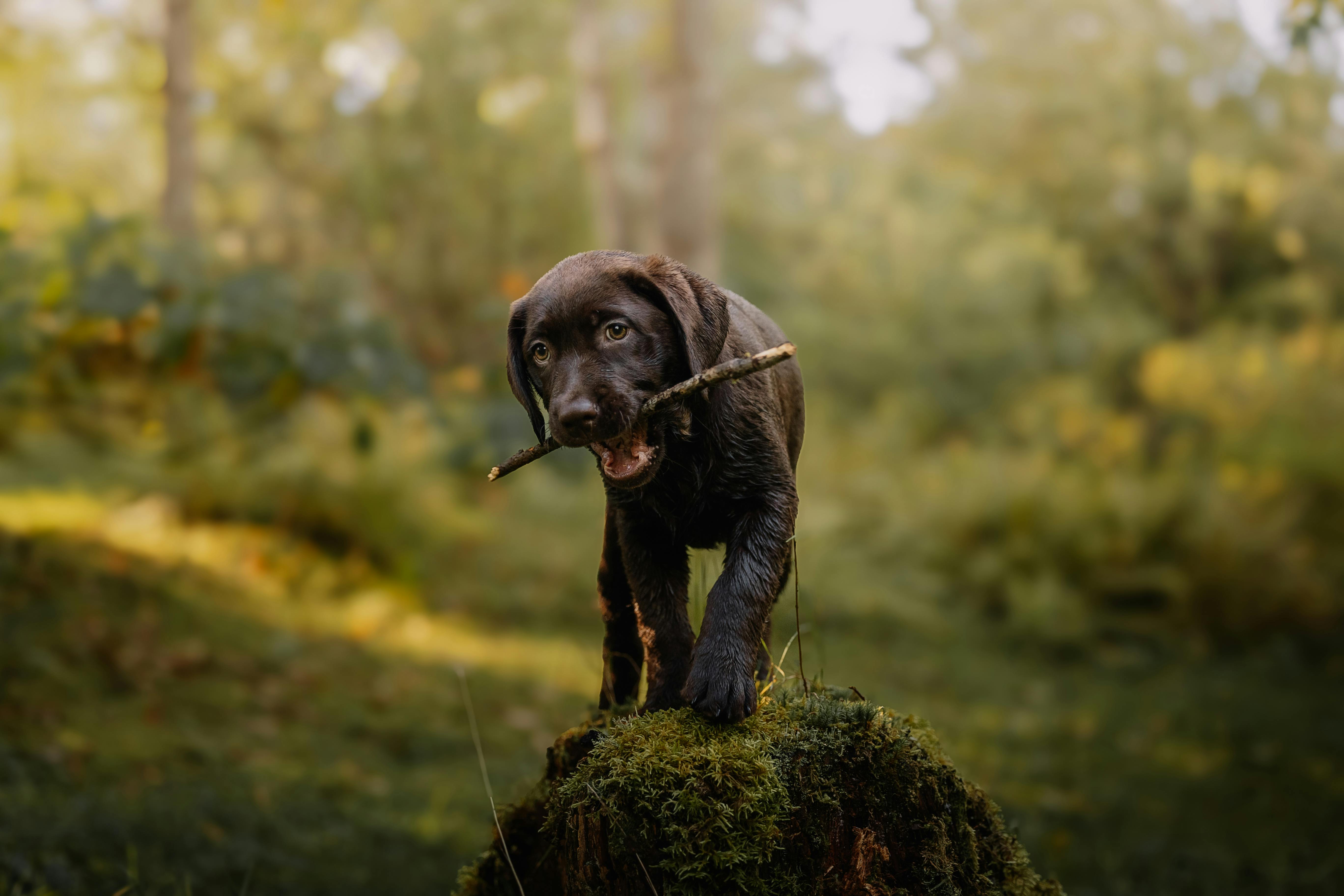
When you think about dogs, you probably picture their wagging tails and slobbery kisses. But have you ever noticed that their noses are always damp? It's not just a quirky trait; there's a whole lot of fascinating science behind why do dogs have wet noses. In this article, we explore seven captivating reasons that show dog noses are way more than just a simple body part.
1. Enhanced Sense of Smell
Dog noses are not just wet; they are incredibly specialized. In fact, a dog’s sense of smell is estimated to be anywhere from 10,000 to 100,000 times more acute than a human's. This is because dogs have more olfactory receptors — around 220 million compared to our 5 million. The moisture on their noses helps to capture scent particles in the air, which makes it easier for them to detect different smells. So, when your dog sniffs around, they are taking in a whole world of scents that we can’t even imagine!
2. Body Temperature Regulation
You might notice that your dog’s nose is coolest to the touch. This isn’t just for show. A wet nose actually helps to regulate their body temperature. Dogs don’t sweat like humans do. Instead, they pant to cool off, and their moist noses play a role in evaporative cooling as well. When a dog licks its nose, the moisture helps to cool their body down. It’s a natural mechanism that keeps them comfortable, especially during hot summer days.
3. Communication Tool
Believe it or not, a dog’s nose can also communicate their emotions. Dogs often use their noses to express feelings. For example, when a dog is excited or playful, they may have a wetter nose. Conversely, if a dog is feeling anxious or unwell, their nose may be drier. So, if you’re ever in doubt about how your furry friend is feeling, take a moment to observe their nose!
4. Health Indicator
Interestingly, the condition of a dog’s nose can also be an indicator of their health. A healthy dog typically has a moist and cool nose. If your dog’s nose becomes excessively dry, cracked, or warm, it could be a sign of illness or dehydration. Here’s a quick checklist:
- Moist and cool: Generally healthy
- Warm and dry: Potential fever or dehydration
- Cracked or flaky: Possible allergies or health issues
If you ever notice any of these changes, it might be wise to consult a vet.
5. Unique Patterns
Just like human fingerprints, every dog’s nose has a unique pattern of ridges and creases. This can be used for identification purposes. Some pet owners even register their dog's nose print with various organizations, similar to how we use DNA. While this isn’t common, it’s a neat fact that showcases the individuality of our pets!
6. Scent Marking
Dogs have a natural instinct to mark their territory, and their noses play a role in this too. When a dog sniffs around a new area, they are gathering information about other animals that have been there before. They’ll often leave their scent behind by rubbing their noses against objects. This behavior helps them communicate with other dogs, letting them know who’s been around and what their intentions might be.
7. Evolutionary Advantage
Dogs evolved from wolves, and their noses have adapted over millennia to help them survive. A dog’s sense of smell was crucial for hunting, finding food, and avoiding danger. The wetness of their noses is not just for show; it’s an evolutionary trait that enhances their ability to track scents. This remarkable adaptation has allowed dogs to become some of the best scent-tracking animals in the world, making them invaluable in roles such as search and rescue, detection of drugs, and even medical conditions in humans.
In summary, dog noses are way more than just a cute feature. They are essential tools that help dogs communicate, regulate their body temperature, and enhance their extraordinary sense of smell. Next time you see your dog sniffing everything in sight, remember that there’s a lot going on with that wet nose. Whether you’re a dog owner or just an admirer of these furry companions, understanding the science behind their noses can deepen your appreciation for them. So, keep an eye on those delightful wet noses — they’re doing a lot more than you think!
Conclusion
In conclusion, the wet noses of dogs serve several important purposes that contribute to their overall health and well-being. The moisture helps enhance their sense of smell, allowing them to detect scents more effectively, which is vital for their communication and interaction with the environment. Additionally, a wet nose plays a role in thermoregulation, helping dogs cool down through evaporation. It's also a sign of hydration and can indicate their general health status. Understanding these functions not only deepens our appreciation for our canine companions but also emphasizes the importance of regular veterinary check-ups to ensure their noses—and overall health—remain in optimal condition. So, the next time you greet your furry friend, take a moment to appreciate their unique wet nose. Consider sharing this knowledge with fellow dog lovers to help them recognize the fascinating biology behind our beloved pets.