Have you ever wondered why do dogs have wet noses? This intriguing question has sparked curiosity among dog lovers and pet owners alike. A dog's nose is not just a cute feature; it serves several fascinating purposes that can leave you amazed! Did you know that a wet nose can actually help dogs sense their environment? That's right! The moisture on their nose enhances their sense of smell, making it easier for them to detect scents. But that's not all – a wet nose can also regulate their body temperature, acting as a natural air conditioner! Many people ask, is a dog's nose wet because they are healthy? While a moist nose is often a sign of a happy dog, it’s not the only indicator of health. Exploring the reasons behind a dog's wet nose can unlock secrets about their well-being and behavior. So, if you're curious about the science behind this canine characteristic and want to learn more about dog health and care, keep reading! You’ll discover the fascinating reasons that make our furry friends even more special. Don't miss out on this engaging journey into the world of dogs!
The Science Behind Wet Noses: Why Do Dogs’ Noses Stay Damp?
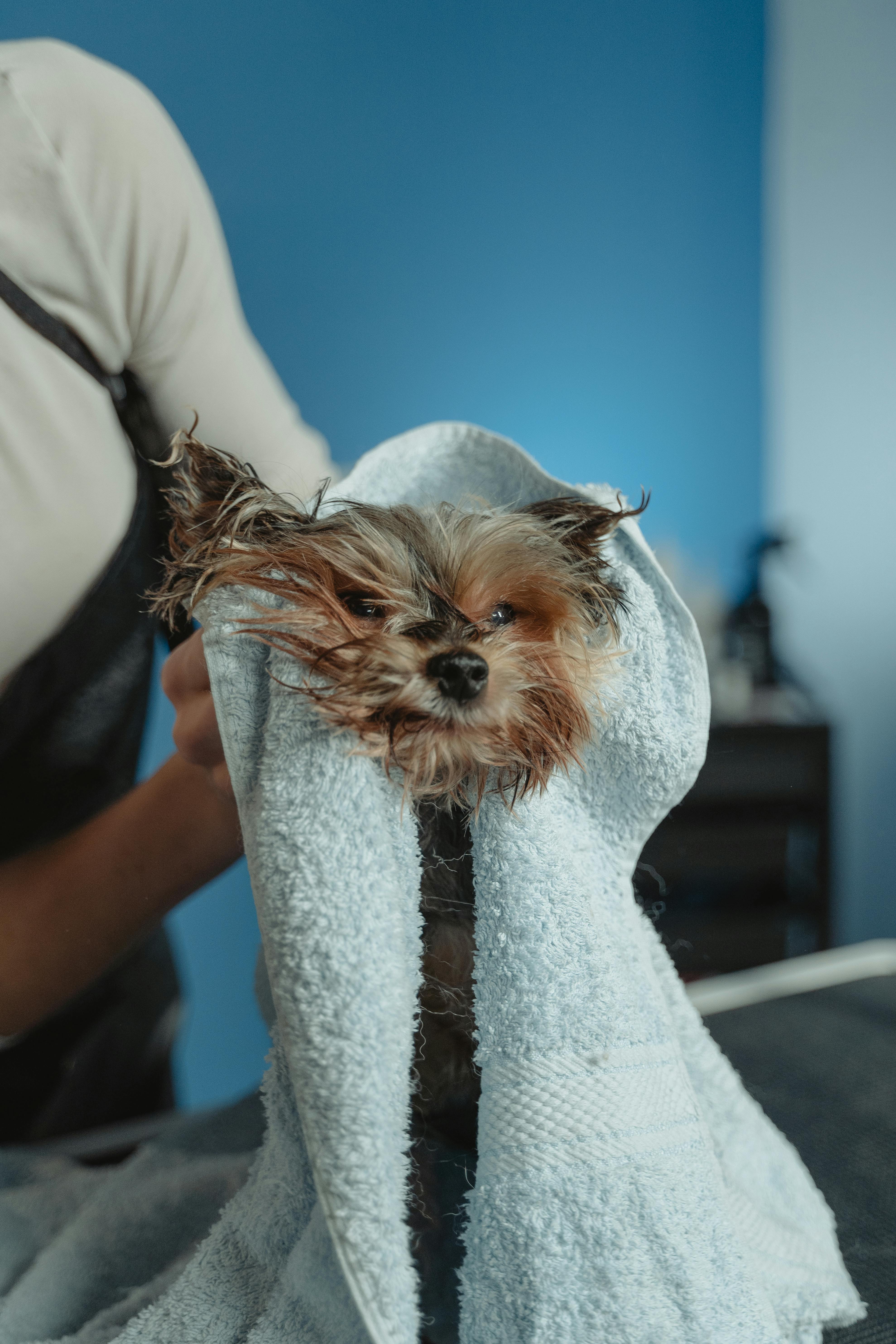
Ever wondered why your beloved dog has that perpetually damp nose? It’s one of those quirks that makes dogs so lovable and unique. But the truth is, there's actually some fascinating science behind it. A wet nose isn’t just a cute trait; it serves several important functions that help our furry friends navigate their world. Let’s dig into the reasons behind those wet noses and uncover the science that keeps them moist.
The Basics of a Dog’s Nose
Firstly, dog noses are quite different from human noses. Did you know that dogs have about 220 million scent receptors in their noses? In comparison, humans only have around 5 million. The moisture on a dog’s nose plays a crucial role in enhancing their sense of smell. When a dog’s nose is wet, it captures scent particles from the air more effectively, allowing them to identify various smells more accurately.
Why Do Dogs Have Wet Noses?
Enhanced Smell: As mentioned earlier, the moisture helps absorb scent particles. When a dog licks its nose, it helps to keep it damp, making it easier for them to pick up scents. This is super important for their survival instincts and communication with other dogs.
Temperature Regulation: Dogs don’t sweat like humans do. Instead, they cool off through panting and by having a wet nose. The evaporation of moisture from their nose can help lower their body temperature, which is essential especially on hot days.
Health Indicator: A dog’s nose can also be a good indicator of their health. A healthy nose is typically cool and moist. However, if a dog has a dry or excessively warm nose, it might be a sign of dehydration or illness. Monitoring your dog’s nose can provide valuable insights into their wellbeing.
Historical Perspective
The science of why dogs have wet noses is rooted in their evolution. Dogs are descendants of wolves, who rely heavily on their sense of smell to hunt and survive. Over time, the anatomy of the dog’s nose evolved to maximize scent detection. The wetness helps keep their sense of smell sharp, which was crucial for their ancestors.
Fun Facts About Dog Noses
Unique Nose Prints: Just like human fingerprints, each dog has a unique nose print. This means no two dogs have the same pattern of ridges and bumps on their nose.
Color Changes: A dog’s nose can change color due to various factors, including age, health, and even the season. For example, some dogs develop a “winter nose” where their nose lightens in color during colder months.
Temperature Sensitivity: Dogs are able to detect changes in temperature through their noses. This can help them sense environmental changes and even predict weather patterns.
Factors Affecting Nose Moisture
Several factors can influence how wet or dry a dog’s nose may be:
Weather Conditions: Hot, dry weather can result in a drier nose, while humid conditions may keep it more moist.
Health Issues: Certain health conditions can lead to changes in nose moisture. For example, nasal infections can cause excessive dryness or discharge.
Age: Older dogs may experience changes in their nose moisture due to age-related factors.
Comparison: Dog Noses vs. Human Noses
Here’s a quick comparison of some key differences between dog noses and human noses:
| Feature | Dog Nose | Human Nose |
|---|---|---|
| Scent Receptors | 220 million | 5 million |
| Moisture Function | Enhances scent detection | Not applicable |
| Temperature Regulation | Helps cool down | Sweating is primary method |
| Unique Prints | Yes, unique to each dog | No, similar patterns |
By understanding these differences, you can appreciate just how special a dog’s nose really is.
Practical Tips for Nose Care
Hydration: Make sure your dog stays hydrated, especially during hot days. A well-hydrated dog is more likely to have a moist nose.
Regular Checks: Keep an eye on your dog’s nose. If you notice it becoming persistently dry or cracked, consult a vet for advice.
Avoid Irritants: Keep your dog away from strong chemicals and irritants that could dry out their nose.
In short, the science behind why dogs have wet noses is a fascinating blend of biology, evolution, and health indicators. It’s not just another cute feature; it's an essential part of how dogs interact with their environment and communicate with each other. So, the next time you give your furry friend a pat on the head and feel that damp nose, remember it's doing a whole lot more than just looking adorable!
5 Incredible Reasons Dogs Have Wet Noses That Will Surprise You
When you look at your dog, one of the most noticeable things is their wet nose. You might have wonder why this is the case. Is it just a quirky thing or does it serve a more significant purpose? Dogs' noses are more than just adorable; they play a crucial role in their health and behavior. Here we dive into the five incredible reasons dogs have wet noses that will surprise you, and you'll discover the fascinating reasons behind this unique trait.
1. Sense of Smell Enhancement
One of the primary reasons dogs have wet noses is to enhance their sense of smell. The moisture on a dog's nose helps to dissolve scent particles, which makes it easier for them to detect odors. Their noses are packed with scent receptors—about 300 million, compared to a human's 5 million. This means dogs can smell things that are completely undetectable to us. When their noses are wet, it captures even more scent particles, allowing them to sniff out everything from your neighbor's lunch to a lost toy in the backyard.
2. Temperature Regulation
Have you ever seen your dog panting on a hot day? Well, a dog's wet nose also plays a role in regulating their body temperature. Just like humans sweat to cool down, dogs use their noses. The moisture evaporates from their nose, which helps to cool their body. This is particularly important for breeds that may struggle with heat, like Bulldogs. So next time you see your pup’s wet nose, remember it’s not just a cute feature; it's also a cooling mechanism!
3. Communication Tool
Dogs are social animals, and wet noses can serve as a form of communication. When dogs greet each other, they often sniff each other's noses. A wet nose can indicate a friendly and approachable demeanor. It’s like a handshake in the dog world! This behavior is important for their social interactions, helping them establish trust and familiarity with other dogs. So, if your dog is often sniffing other dogs’ noses, it’s just them trying to be friendly!
4. Health Indicator
The state of a dog's nose can also be an indicator of their health. A healthy dog typically has a moist, cool nose. However, if a dog’s nose is excessively dry, cracked, or hot, it may signal underlying health issues. For instance, dehydration, fever, or even allergies can change the texture of their nose. Regularly checking your dog's nose can help you catch potential health problems early. If you notice any suspicious changes, it’s always best to consult your veterinarian to rule out any serious conditions.
5. The Evolutionary Perspective
From an evolutionary standpoint, wet noses have served dogs well throughout history. Ancestors of modern dogs likely had wet noses to help them hunt more effectively. The ability to detect scents in the environment would have been key to hunting prey and avoiding danger. Over generations, this trait has been retained, making it a vital part of a dog’s biology. In fact, some studies suggest that dogs with wetter noses may have been favored in breeding, as they displayed more effective hunting skills.
Fun Facts About Dog Noses
- Unique Patterns: Just like fingerprints in humans, each dog has a unique nose print. This means you could potentially identify your dog by their nose!
- Color Variations: The color of a dog's nose can vary widely, from black to pink and even spotted. This is often linked to the dog's breed.
- Size Matters: Larger breeds often have larger noses, which can enhance their ability to pick up scents even more.
Quick Comparison: Dogs vs. Other Animals
| Animal | Nose Type | Smell Receptors |
|---|---|---|
| Dogs | Wet | ~300 million |
| Cats | Dry | ~80 million |
| Humans | Dry | ~5 million |
| Elephants | Trunk | ~2,000 different |
Dogs' noses are not just a cute characteristic but are vital for their health and social behavior. The wetness of a dog's nose enhances their ability to smell, helps them regulate body temperature, communicates friendliness, indicates health status, and reflects their evolutionary history. So, next time you see your furry friend with a wet nose, appreciate the fascinating reasons behind this unique feature!
Wet Noses and Canine Health: What Your Dog’s Nose Tells You
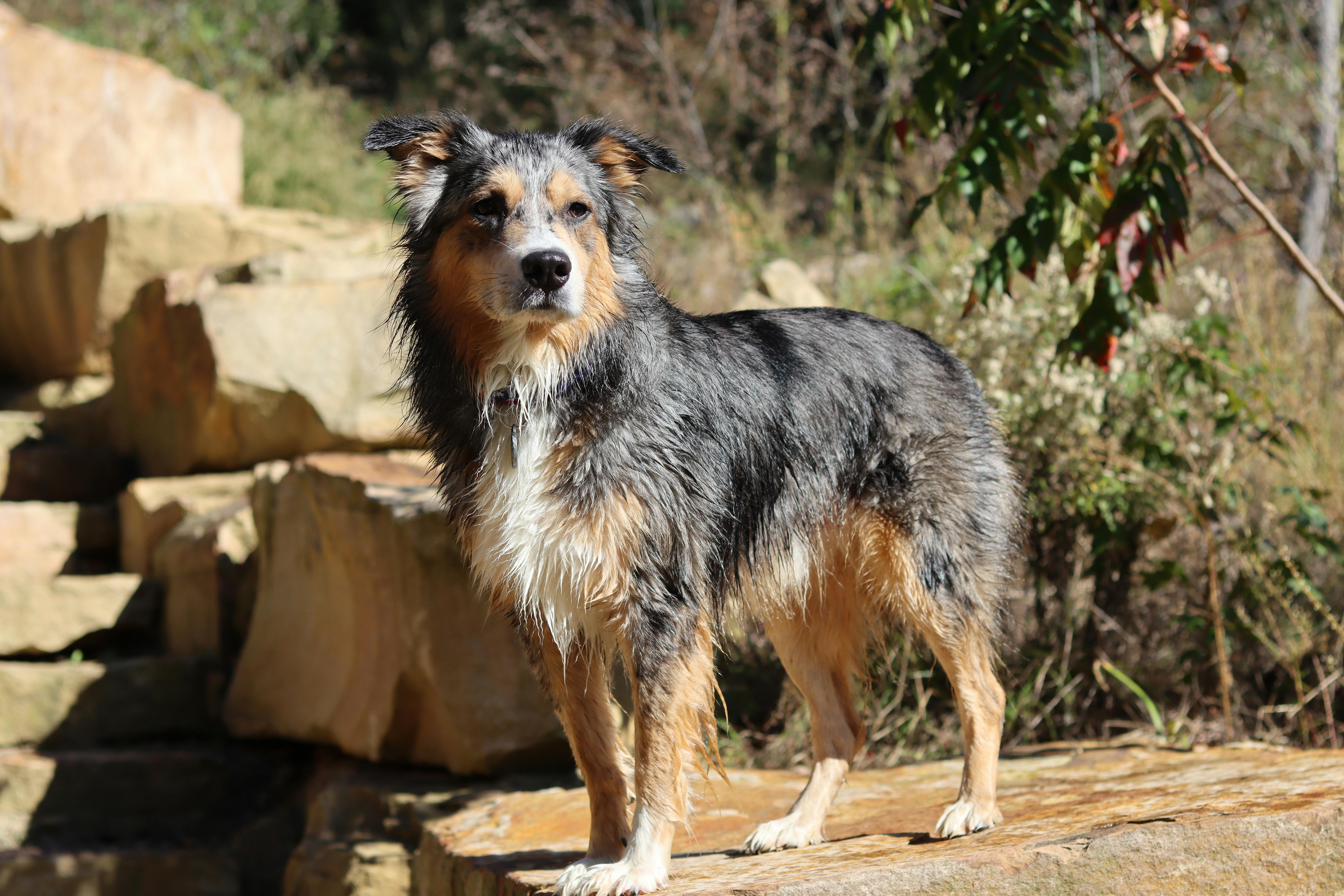
When you see your furry friend wagging their tail, have you ever noticed how their nose is often wet? It’s one of those adorable features that makes us love our dogs even more. But why do dogs have wet noses anyway? What does it means for their health? Let’s dive into the fascinating world of canine noses and discover what those wet noses are tellin' us!
The Science Behind A Dog’s Wet Nose
Dogs have wet noses for a couple of reasons. First off, moisture on the nose helps them smell better. When a dog’s nose is wet, it traps scent particles in the air much better than a dry nose would. This heightened sense of smell is essential for dogs, who rely on their noses to understand the world around them.
You might be wonderin’, "But why is it so important?" Well, dogs have up to 300 million smell receptors in their noses, compared to humans, who have a measly 5 million. With all that sniffin', it makes sense that their noses need to be primed and ready for action!
What Makes a Dog's Nose Wet?
A dog’s nose can become wet from several sources. Here are some of the most common reasons:
- Saliva: Dogs often lick their noses, which adds moisture. This is a natural habit that helps them keep their sense of smell sharp.
- Humidity: Weather plays a role too! In humid conditions, noses can become damp just from the air.
- Nasal Secretions: Dogs’ noses produce mucus which can help keep their noses moist and assist in trapping scents.
The Connection Between Nose Wetness and Health
Most of the time, a wet nose is a sign of a healthy dog. However, changes in the moisture level or texture of the nose can signal health issues. Here’s a quick list of what to look for:
- Dry and Cracked Nose: This could indicate dehydration or an underlying health issue.
- Excessively Wet Nose: If your dog’s nose is dripping or always excessively wet, it could indicate illness or allergies.
- Warm Nose: A warm nose might mean your dog is sick, but it’s not always a definitive sign.
Historical Context of Dogs' Noses
Dogs are one of the oldest domesticated animals, with evidence suggesting they’ve been our companions for over 14,000 years. Historically, humans have relied on dogs for hunting, herding, and protection. The development of their sensitive noses played a crucial role in these tasks. In fact, some breeds were specifically bred for their olfactory skills, such as Bloodhounds and German Shepherds.
Fun Facts About Canine Noses
- Unique Patterns: Just like human fingerprints, every dog has a unique nose print that can be used for identification.
- Color Changes: A dog’s nose can change color with the seasons, often darkening in summer and lightening in winter.
- Temperature Regulation: Dogs also use their noses to help regulate their body temperature. A wet nose can help cool them down!
Understanding Your Dog’s Health Through Their Nose
Monitoring your dog's nose can be an essential part of keeping track of their health. Here are some signs to pay attention to:
| Nose Condition | Possible Health Issue |
|---|---|
| Dry and Cracked | Dehydration, allergies, or illness |
| Constantly Wet | Allergies, infections, or illness |
| Cold and Dry | Possible hypothermia or shock |
| Warm and Dry | Fever or illness |
Practical Tips for Keeping Your Dog's Nose Healthy
- Hydration: Ensure your dog is drinking enough water throughout the day.
- Regular Vet Check-ups: Keep up with vet visits to spot any potential health problems early.
- Observe Changes: Take note of any changes in your dog’s nose texture or moisture levels and consult your vet if you’re concerned.
So, why do dogs have wet noses? It’s more than just an adorable quirk; it’s a crucial part of their biology that helps them navigate the world. Keeping an eye on your dog’s nose can also give you valuable insights into their overall health. Remember, a happy nose often means a happy dog!
Do All Dogs Have Wet Noses? Exploring Variations Across Breeds

Do all dogs have wet noses? It’s a question that many pet owners and dog lovers often wonder about. You might notice that when you pet your furry friend, their nose feels cool and damp. But is this true for every breed? And why do dogs have wet noses in the first place? Let’s dive into this intriguing topic and explore the reasons behind this fascinating canine characteristic.
Variations Across Breeds: Wet Noses or Not?
Not all dogs have the same kind of noses, and that goes for wetness too. While most dogs have a moist snout, there are variations you wouldn’t expect based on their breed or individual health. Here’s a quick look at some breed differences:
- Short-nosed breeds like Bulldogs or Pugs may have less moisture because of their facial structure that can impede airflow.
- Long-nosed breeds like Greyhounds or Huskies usually have wetter noses, which can help with their keen sense of smell.
- Mixed breeds can show a blend of these traits, so it's hard to predict their nose condition.
So, if you own a short-nosed dog, don’t be alarmed if their nose is not as moist as a Labrador’s. It’s all about genetics and breed characteristics.
Why Do Dogs Have Wet Noses? The Fascinating Reasons!
Dogs’ noses are not just for show. They serve a variety of important functions, and the moisture is not just a random occurrence. Here are some reasons why dogs have wet noses:
Sense of Smell: A wet nose helps to enhance a dog’s sense of smell. The moisture traps scent particles, making it easier for them to detect smells in their environment. This is crucial for hunting or even just finding their favorite toy.
Temperature Regulation: Dogs sweat through their paw pads, but the nose also plays a role in cooling them down. The moisture evaporates, helping to lower their body temperature, especially on hot days.
Health Indicator: The condition of a dog’s nose can sometimes indicate their health. A dry or cracked nose might suggest dehydration or illness, while a cool, wet nose usually means they’re healthy and hydrated.
Communication: Dogs use their noses to communicate with each other and with humans. A wet nose can be a sign of excitement or affection, making it a key part of their social interactions.
Fun Facts About Dog Noses
Unique Patterns: Just like human fingerprints, each dog’s nose print is unique. This means it could potentially be used for identification!
Color Changes: The color of a dog's nose can change with seasons or even over time, depending on factors like sun exposure or temperature.
Nasal Folds: Some breeds have more prominent nasal folds, which can retain moisture, leading to a wetter nose. Bulldogs and Shar Peis are great examples of this.
Comparing Wet and Dry Noses
Here’s a simple comparison of the characteristics of wet and dry noses in dogs:
| Wet Nose | Dry Nose |
|---|---|
| Cool to touch | Warmer temperature |
| Usually healthy | Can indicate dehydration |
| Enhances sense of smell | May impair scent tracking |
| Often associated with excitement | Can suggest stress or illness |
Practical Examples of Nose Care
Keeping your dog’s nose healthy is important. Here are some practical tips:
- Hydration: Ensure your dog drinks enough water. A hydrated dog is more likely to have a wet nose.
- Humidity: During dry seasons, consider using a humidifier at home to maintain moisture levels in the air.
- Regular Vet Visits: A vet can help determine if changes in your dog’s nose are a cause for concern.
When you think about it, the moisture on a dog’s nose is more than just a quirky trait. It plays a crucial role in their health and well-being. Whether you have a playful pup with a wet snout or a distinguished dog with a dryer one, knowing why these variations exist can enhance your understanding of your furry friend.
So, next time you give your dog a scratch behind the ears, take a moment to appreciate that wet nose and all the fascinating reasons behind it.
The Role of a Wet Nose in Dog Scent Detection: How It Works
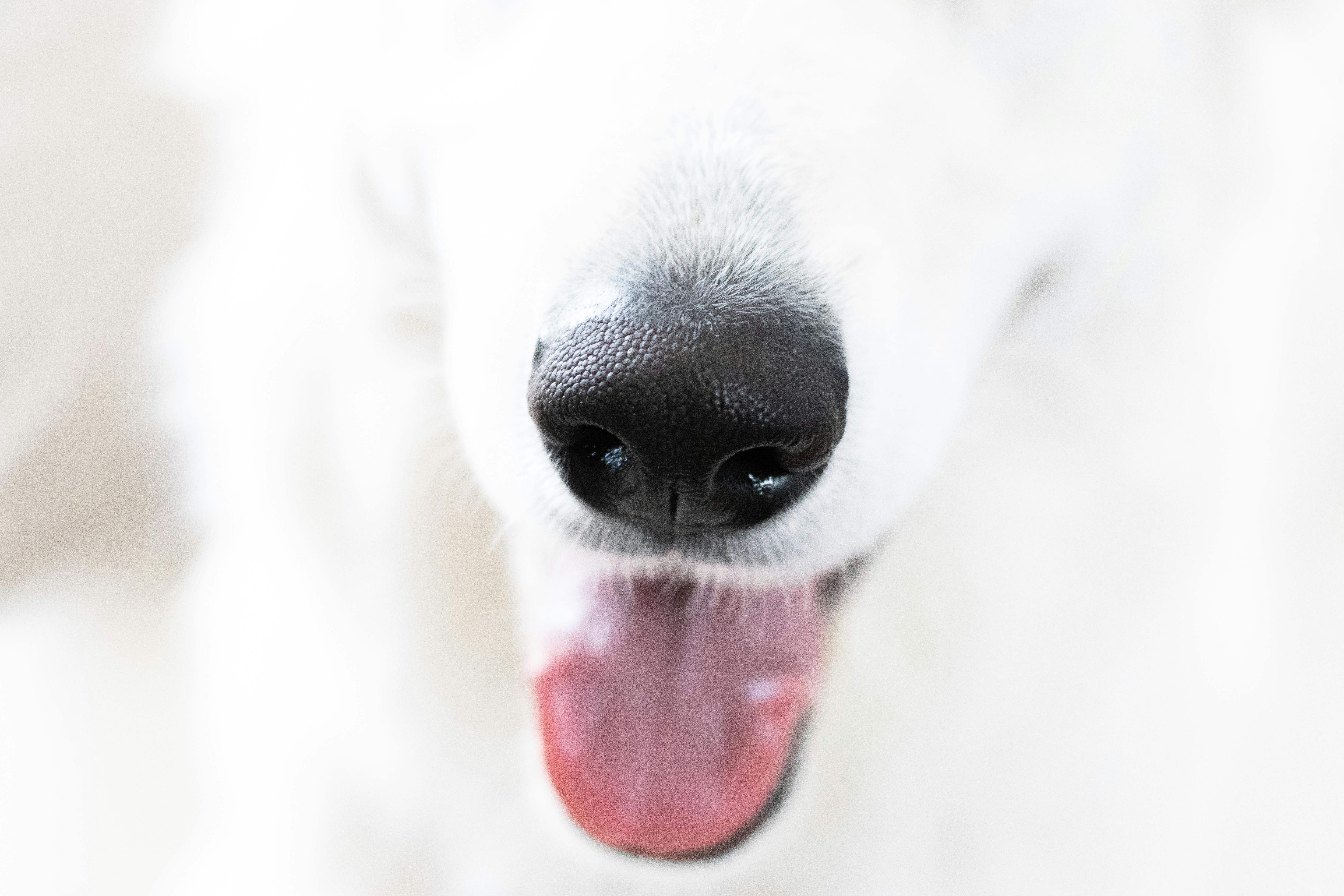
Dogs have been our loyal companions for thousands of years. One of the most fascinating features of dogs is their wet noses. Many people often wonder, why do dogs have wet noses? It turns out, there are several intriguing reasons for this, and they play a vital role in how dogs use their sense of smell. Let's dive into the science behind those adorable wet noses and explore their importance in dog scent detection.
The Science Behind a Dog's Scent Detection
Dogs are known for their extraordinary smelling abilities. In fact, their sense of smell is estimated to be between 10,000 to 100,000 times more sensitive than humans. This impressive capability is largely due to their wet noses. But how does it all work?
- Moisture and Scent Particles: A wet nose helps to trap scent particles from the air. When a dog sniffs, the moisture on their nose captures these particles, allowing them to be analyzed by the olfactory receptors in the nasal cavity.
- Enhanced Reception: The wetness of their nose also helps to enhance the scent detection process. The moisture allows the scent molecules to dissolve, making it easier for the dog to detect and identify different smells.
How Does a Dog's Nose Work?
The anatomy of a dog's nose is designed specifically for scent detection. Here’s how it functions:
- Nasal Structure: A dog's nose contains a unique structure called the olfactory bulb. This part of the brain is responsible for processing smells.
- Scent Detection: When a dog inhales, scent particles travel to the olfactory receptors. There are about 300 million olfactory receptors in a dog's nose, compared to a human's mere 5 million.
- Breathing Technique: Dogs have a special breathing technique that allows them to inhale and exhale simultaneously. This means they can continuously gather scent information without having to stop.
Why Do Dogs Have Wet Noses?
Now, let’s go into detail about the reasons why dogs have wet noses. Here are some key points:
- Thermoregulation: A wet nose helps dogs to regulate their body temperature. It allows for moisture to evaporate, which cools their blood vessels and helps maintain a stable body temperature.
- Communication: Dogs use their noses to communicate with each other. A wet nose can indicate excitement or friendliness. When dogs greet each other, they often sniff each other's noses to gather information about each other.
- Health Indicator: A wet nose is often seen as a sign of a healthy dog. If a dog’s nose becomes dry or cracked, it may be a sign of dehydration or illness.
The Fascinating Role of Wet Noses in Dog Scent Detection
Wet noses are not just cute; they play a crucial role in how dogs interact with their environment. Here’s a closer look at how their noses help with scent detection during various activities:
- Tracking: Dogs can use their sense of smell to track scents over long distances. This is why they are often used in search and rescue missions.
- Detection Work: Dogs are trained to detect drugs, explosives, and even diseases like cancer due to their exceptional olfactory abilities.
- Hunting: Many hunting breeds rely on their noses to locate game. A wet nose is essential for tracking scents through various terrains.
Fun Facts About Dog Noses
Did you know that a dog’s nose print is unique, just like a human fingerprint? Here are more interesting facts you might not know:
- Color Variations: A dog’s nose can come in various colors, including black, brown, and even pink, depending on the breed.
- Nasal Folds: Certain breeds, such as Bloodhounds, have more nasal folds which increase their scent-detecting abilities.
- Nose Work: Nose work is a popular sport for dogs, where they are trained to find specific scents in various environments.
Practical Examples of Dogs Using Their Noses
- Search and Rescue: Dogs are trained to find missing persons in natural disasters.
- Medical Detection: Some dogs can detect diseases such as diabetes or certain types of cancer through scent.
- Detection in Law Enforcement: Dogs are often used to sniff out illegal substances in airports and borders.
Dogs with their wet noses are truly remarkable creatures. Their ability to detect scents not only makes them beneficial companions but also invaluable partners in various fields. Understanding the science behind their wet noses helps us appreciate these loyal animals even more. So, next time you see a dog with a wet nose, remember, it’s not just for show—it’s a vital tool for their incredible sense of smell!
Top 7 Myths About Dogs’ Wet Noses Busted: What Every Pet Owner Should Know
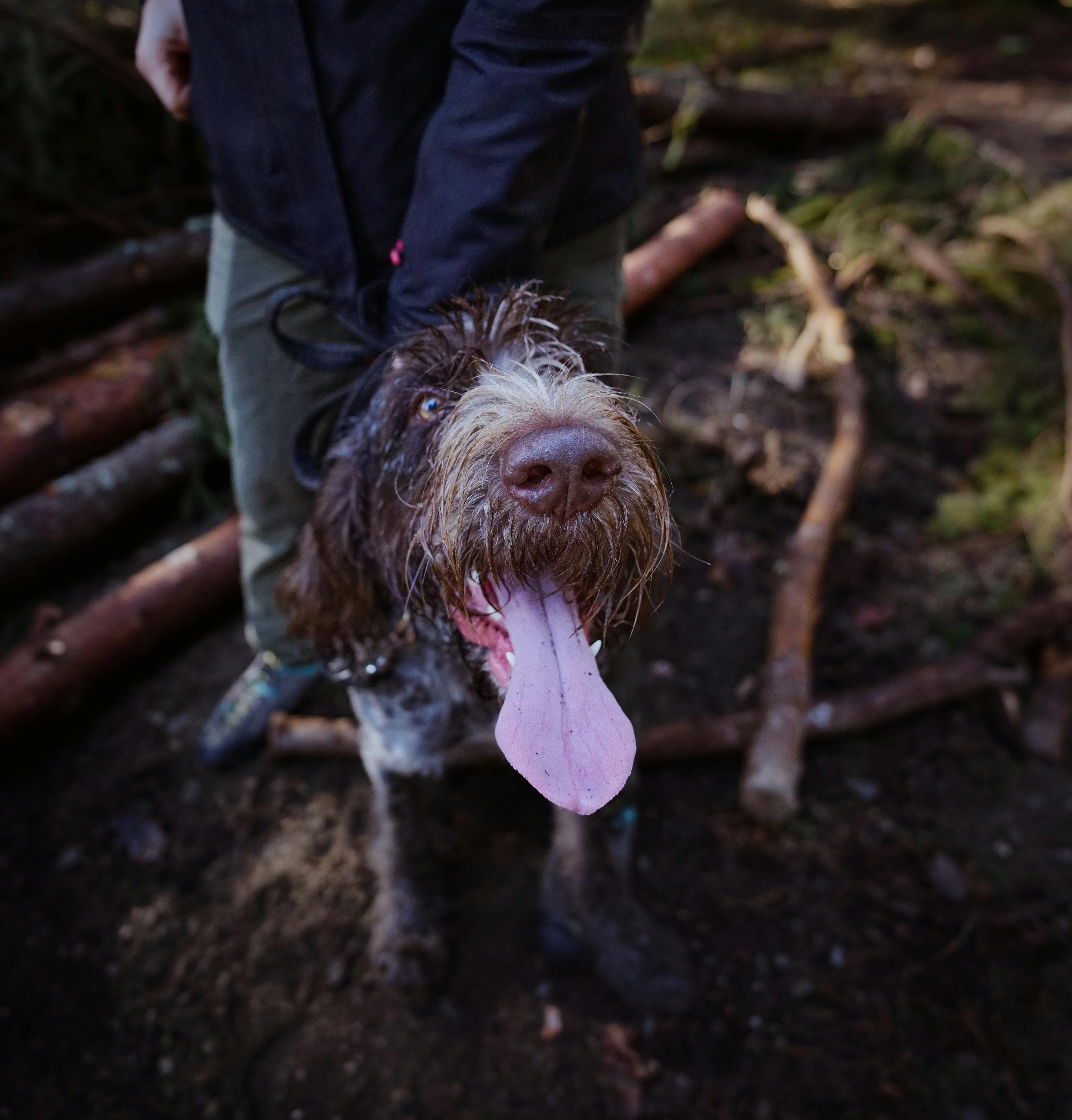
Dogs are one of the most beloved pets around the world, and their unique traits often spark curiosity among pet owners. One such trait is their wet noses. But why do dogs have wet noses? Many myths exist about this phenomenon, and it’s time to bust some of them. Let’s dive into the top seven myths about dogs’ wet noses and uncover the fascinating reasons behind this characteristic.
Myth 1: Wet Noses Mean Dogs Are Healthy
Many people believe that a wet nose is an indicator of a dog’s health. While a wet nose can be a sign of good hydration and normal body temperature, it’s not a definitive health marker. Dogs can have wet noses even when sick, and conversely, a dry nose doesn’t always indicate illness. Regular check-ups with a veterinarian are the best way to ensure your pet is healthy.
Myth 2: Dogs' Noses Are Wet Because They Lick Them
Another common myth is that dogs have wet noses because they constantly lick them. While dogs do lick their noses, this isn't the primary reason for their moistness. The real reason goes deeper. A dog’s nose secretes mucus, which helps them smell better. This mucus helps to trap scent particles, enhancing their incredible sense of smell.
Myth 3: All Dogs Have Wet Noses
Not all dogs have wet noses! Different breeds can have varying nose moisture levels. For instance, brachycephalic breeds like Bulldogs or Pugs may have drier noses compared to other breeds. Environmental factors, like humidity and temperature, can also influence a dog’s nose wetness. So, don’t be alarmed if your dog’s nose is not always wet.
Myth 4: Wet Noses Are Only Found in Dogs
It’s a common misconception that wet noses are exclusive to dogs. Many animals, including cats and certain wild animals, also have wet noses. The moisture in these animals’ noses serves similar purposes, like enhancing their sense of smell. So, keep in mind that wet noses aren’t just a dog thing!
Myth 5: Wet Noses Help Dogs Cool Down
A lot of people think that dogs’ wet noses help them cool off, but that’s not entirely accurate. Dogs primarily cool down through panting. However, having a moist nose can contribute slightly to thermoregulation. The moisture evaporating from their noses can help in a very minor way, but it’s not a primary cooling method.
Myth 6: Dogs’ Noses Change Colors Due to Illness
It is often thought that a change in the color of a dog’s nose signifies illness. While changes in color can sometimes indicate health issues, such as a lack of oxygen or certain diseases, many dogs naturally experience color variations throughout their lives. Factors like age, sunlight exposure, and even genetics can influence a dog’s nose color.
Myth 7: Dogs’ Noses Are Sensitive and Fragile
While dogs' noses are sensitive, they are not as fragile as some may think. In fact, a dog’s nose is designed to endure various environments. Their noses are covered in a layer of skin that protects them from injuries. However, it’s important to keep an eye out for any signs of injury or irritation, as these can lead to infections or other health issues.
Why Do Dogs Have Wet Noses? The Fascinating Reasons
So, let’s summarize why dogs have wet noses. Here are some key reasons:
- Enhanced Smelling: Moisture helps to trap scent particles, allowing dogs to detect smells more effectively.
- Temperature Regulation: While not the primary method, a wet nose can slightly help with cooling.
- Communication Tool: Dogs use their noses to gather information from their environment and communicate with other dogs.
Additional Fun Facts About Dogs’ Noses
- Dogs have up to 300 million smell receptors, compared to humans’ 5 million.
- The pattern on a dog’s nose is as unique as a human fingerprint.
- Puppies are born with pink noses that may darken as they age.
Understanding why dogs have wet noses and debunking these myths can help pet owners appreciate their furry companions even more. So, the next time you pet your dog or give them a scratch behind the ears, remember the fascinating science behind their wet noses. It’s just one of the many reasons why our canine friends are so special!
Can a Dog’s Wet Nose Indicate Illness? Understanding the Signs
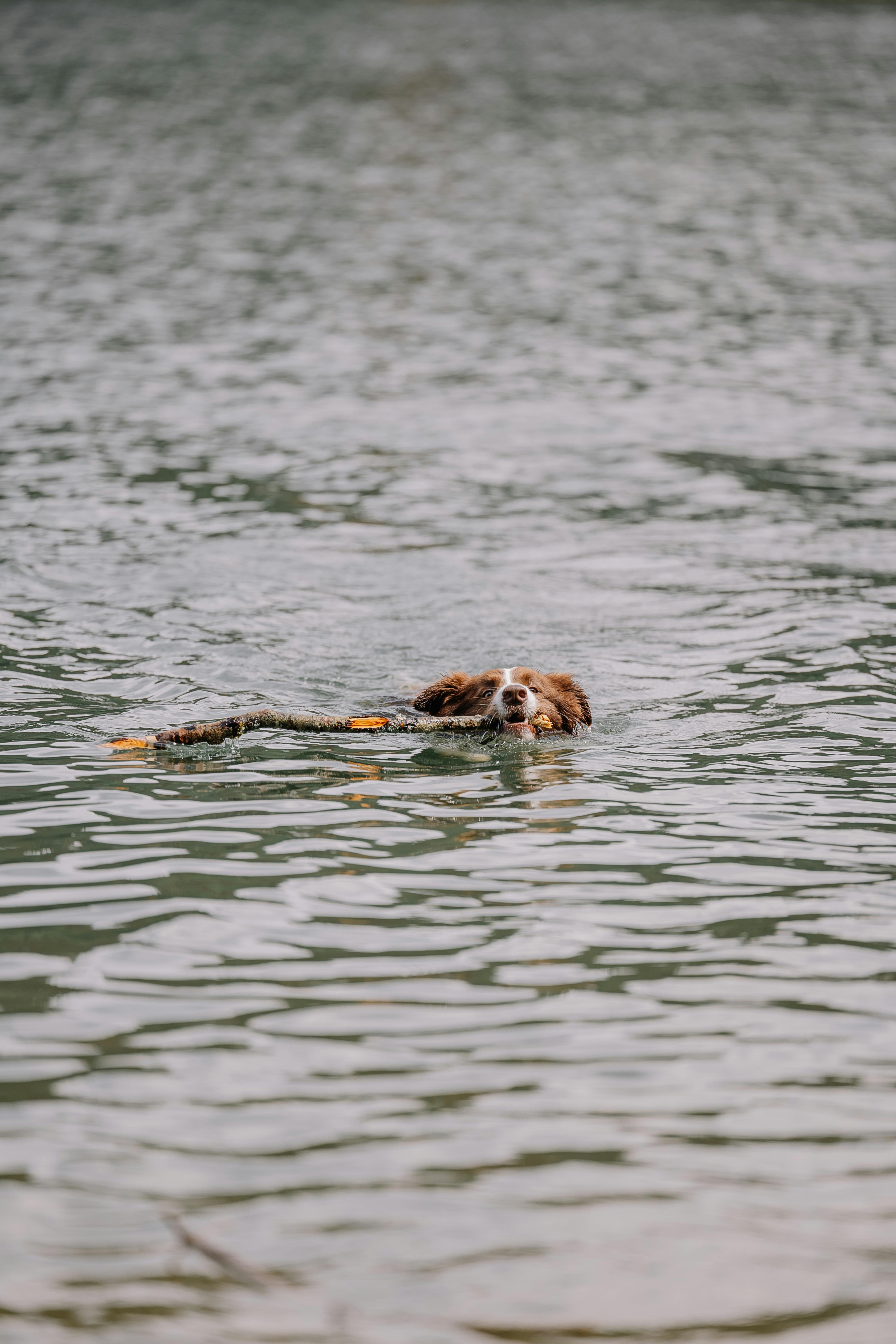
The sight of a dog with a wet nose is often a source of comfort for pet owners. But have you ever wonder if that wetness might mean something else? Can a dog's wet nose indicate illness? In this article, we will explore the signs of illness in dogs, delve into why their noses are wet, and uncover some fascinating facts about our canine companions.
Why Do Dogs Have Wet Noses?
Dogs have wet noses for several reasons, and it’s not just a random trait. Here’s a breakdown of why it’s important:
Temperature Regulation: A dog’s wet nose helps them to cool down. Dogs don’t sweat like humans do. Instead, they rely on their noses to help regulate their body temperature.
Enhanced Sense of Smell: The moisture on a dog’s nose helps to trap scent particles, enhancing their sense of smell. This is crucial for their survival and understanding the world around them.
Health Indicator: A healthy dog typically has a moist nose, as it indicates proper hydration and overall well-being. However, a change in this can signal health issues.
Now, what about those moments when a dog’s nose feels unusually dry or hot? Let's dig into that.
Can a Dog’s Wet Nose Indicate Illness?
While a wet nose is generally a sign of a healthy dog, there are exceptions. Here’s some signs that might indicate illness:
Dryness or Cracking: A dry or cracked nose can suggest dehydration, fever, or even a respiratory infection.
Excessive Moisture: On the flip side, if your dog’s nose is excessively wet and accompanied by other symptoms, it could indicate a respiratory issue.
Color Changes: If the nose changes color—like turning pale or bluish—it’s often a sign of serious health problems.
Behavioral Changes: If your dog is less active, not eating, or seems lethargic along with a wet nose, it’s time to visit the vet.
Signs of Illness in Dogs
It’s important to know what signs to look for in addition to the nose condition. Here are some common indicators:
Changes in Appetite: If they suddenly stop eating or drinking, it could be a sign of illness.
Lethargy: Dogs are usually playful and active. If your pup seems unusually tired, it might be time to investigate.
Vomiting or Diarrhea: Gastrointestinal issues can be serious and require immediate attention.
Coughing or Sneezing: Persistent coughs or sneezes could indicate respiratory infections or other health concerns.
Fascinating Facts About Dog Noses
Let’s take a moment to appreciate the amazing anatomy of a dog’s nose:
Unique Prints: Just like human fingerprints, every dog has a unique nose print. This could potentially be used for identification.
Sense of Smell: Dogs have up to 300 million scent receptors in their noses, compared to humans who have about 6 million. This makes their sense of smell incredibly powerful.
Scent Discrimination: Dogs can be trained to detect various substances using their keen sense of smell, including drugs, explosives, and even diseases like cancer.
Nose Temperature: A dog’s nose can be cooler than the rest of its body. However, the temperature alone isn’t a definitive indicator of health.
Practical Tips for Dog Owners
Keeping an eye on your dog's nose and overall health is vital. Here are some practical tips:
Regular Vet Check-ups: Schedule routine visits with a veterinarian to ensure your dog’s health is monitored.
Hydration is Key: Make sure your dog has access to fresh water at all times. Dehydration can lead to a dry nose.
Observe Behavior Changes: Keep an eye on any changes in your dog’s behavior, including changes in their nose, and report these to your vet if needed.
Maintain Hygiene: Regularly clean your dog’s nose and face to prevent any build-up of dirt or allergens.
In summary, a dog’s wet nose can be an indicator of their health, but it’s not the only sign to pay attention to. If you ever notice changes in your dog’s nose or overall behavior, don’t hesitate to seek advice from a veterinarian. Understanding your furry friend's health is vital to ensuring they live a long and happy life.
How to Keep Your Dog’s Nose Healthy and Moist: Essential Tips

Keeping your dog’s nose healthy and moist is essential for their overall well-being. You might have noticed that dogs often have wet noses, but do you know why? Let’s dive into the fascinating reasons behind this phenomenon and explore some tips on how to maintain that important feature of your furry friend.
Why Do Dogs Have Wet Noses?
Dogs noses are cool and moist for several reasons. First, it helps them to smell better. Dogs have an amazing sense of smell, and a wet nose aids in trapping scent particles from the air. This wetness improves their ability to detect various smells, which is crucial for their interaction with the environment.
Another reason is temperature regulation. Just like humans sweat, dogs use their noses to help cool down. When a dog pants, the moisture on their nose evaporates, which helps lowers their body temperature.
Here are some interesting facts about dog noses:
- A dog’s sense of smell is at least 40 times better than humans.
- The moisture in a dog’s nose comes from the mucus glands, which produce secretions that help keep it wet.
- Each dog’s nose has a unique pattern, much like a human fingerprint.
Tips for Keeping Your Dog’s Nose Healthy
A healthy nose is important for your dog’s health. Here are some essential tips on how to keep your dog's nose moist and healthy:
Hydration: Make sure your dog is drinking enough water. Dehydration can lead to a dry nose. Always provide fresh water, especially during hot weather or after exercise.
Humidity Control: Keep your home’s humidity at a comfortable level. Dry air can cause a dog's nose to dry out. If you live in a dry climate, consider using a humidifier.
Regular Check-ups: Schedule regular vet visits. A veterinarian can help identify any underlying health issues that might affect your dog’s nose.
Avoid Irritants: Keep your dog away from strong chemicals, smoke, and other irritants that can dry out their nose.
Moisturize Safely: If your dog's nose appears cracked or dry, you can use dog-friendly moisturizers. Always consult with your vet before applying anything to ensure it is safe.
Diet Matters: Provide a balanced diet rich in omega fatty acids, which can help maintain skin and nose health. Foods like fish oil or supplements could be beneficial.
Common Nose Issues in Dogs
Sometimes, dogs experience nose conditions that require attention. Here are some common issues to look out for:
Nasal Hyperkeratosis: This occurs when the skin on a dog’s nose becomes thick and crusty. It can be uncomfortable and may need treatment.
Nasal Tumors: Although rare, tumors can form in a dog’s nasal cavity and affect their nose's moisture and health.
Infections: Bacterial or fungal infections can also lead to changes in a dog’s nose. Look for signs of redness, swelling, or discharge.
What to Do If Your Dog Has a Dry Nose
If you notice your dog has a persistently dry nose, it’s important to take action. Here’s a quick checklist:
- Assess the Environment: Is it dry or hot? Check your home humidity levels.
- Hydrate Your Dog: Ensure they're drinking enough water.
- Consult Your Vet: If the dry nose persists for more than a few days, it’s time to see a veterinarian.
- Keep the Nose Clean: Wipe the nose gently with a damp cloth to remove any dirt or irritants.
Conclusion
Understanding why dogs have wet noses and how to keep them healthy is essential for every pet owner. By following these tips and being aware of common nose issues, you can help ensure your furry companion stays comfortable and healthy. Remember, a moist nose might not just be a cute trait – it plays a vital role in your dog’s sensory world! So, keep an eye on their nose, and don’t hesitate to reach out to a vet if you notice anything unusual. Healthy noses make for happy dogs!
Is a Dry Nose Normal? Comparing Wet and Dry Noses in Dogs
When it comes to our furry friends, one of the most common question that pet owners ask is, "Is a dry nose normal?" Dogs have a wide variety of physical traits that can sometimes confuse their humans. A wet nose is often considered a sign of health, but what about when your pup's nose feels like the Sahara Desert? Do you worry? Is it serious? Let's take a deep dive into the fascinating world of dog noses and discover why they might be wet or dry.
Why Do Dogs Have Wet Noses?
The reasons behind a dog’s wet nose is pretty interesting. A wet nose helps dogs to sense the world around them. When a dog’s nose is moist, it can absorb scent chemicals better, which makes them more effective at smelling. Here are few reasons for the wetness:
- Cooling Mechanism: Dogs don't sweat like humans, so they have to cool down differently. A wet nose helps with thermoregulation.
- Scent Enhancement: Moisture on the nose helps dogs to trap scent particles, which enhances their ability to smell. This is why they are so good at tracking scents!
- Health Indicator: A healthy dog usually has a moist nose. If their nose is dry, it could indicate dehydration or illness.
Comparing Wet and Dry Noses in Dogs
Now, let’s look at the differences between wet and dry noses in dogs. Not all dogs have the same type of nose, and these differences can signify various health issues. Here’s a comparison:
Wet Nose vs. Dry Nose:
| Feature | Wet Nose | Dry Nose |
|---|---|---|
| Temperature | Usually cool | Can be warm |
| Health Indicator | Generally healthy | May signal dehydration or illness |
| Function | Better scent detection | Less effective at scent detection |
| Behavior | Often associated with excitement | Can indicate stress or discomfort |
Is a Dry Nose Normal?
So, is a dry nose normal for dogs? Sometimes, yes! It's not always a sign of a problem. Just like humans can have variations in skin moisture, dogs can have different nose conditions too. Factors like weather, activity level, and health status play a role in determining whether a dog's nose is wet or dry.
- Weather Conditions: In hot, dry climates, a dog's nose may become dry. Similarly, during winter or in high humidity, a dog’s nose might be wetter.
- Activity Level: After a long walk or playtime, dogs can have a dry nose due to panting and increased air exposure.
- Age: Older dogs may have naturally drier noses, which is generally not a cause for concern.
When to Be Concerned
While a dry nose can be normal, there are certain signs to look out for. If your dog's nose is dry, cracked, or accompanied by other symptoms, it could be time to consult a veterinarian. Here are some red flags:
- Cracking or Bleeding: This might be a sign of underlying health issues.
- Persistent Dryness: If dryness lasts for several days and doesn’t change with hydration.
- Behavioral Changes: If your dog is lethargic, refuses to eat, or shows signs of distress.
Practical Tips for Dog Owners
If you notice that your dog has a dry nose, there are several simple measures you can take to help. Here’s a quick list of what you can do:
- Hydration: Ensure your dog has constant access to fresh water.
- Humidifier: Use a humidifier in your home, especially during dry seasons.
- Consult a Vet: If symptoms persist, always check with a professional.
A Quick Recap
Dog noses come in all shapes and moisture levels, and understanding what is normal can help you care better for your pet. A wet nose is often a sign of a healthy, happy dog. However, dry noses can be normal too, depending on various factors. But always keep an eye on your furry friend’s overall behavior and health.
So next time you ask yourself, "Why do dogs have wet noses?" remember that it's not just for show; it’s a critical part of their sensory world. And if you ever find yourself worrying about your dog's nose, just remember that being attentive and informed is the best way to ensure your pet stays happy and healthy!
Fascinating Facts About Dog Noses: Why Wetness Matters for Canines
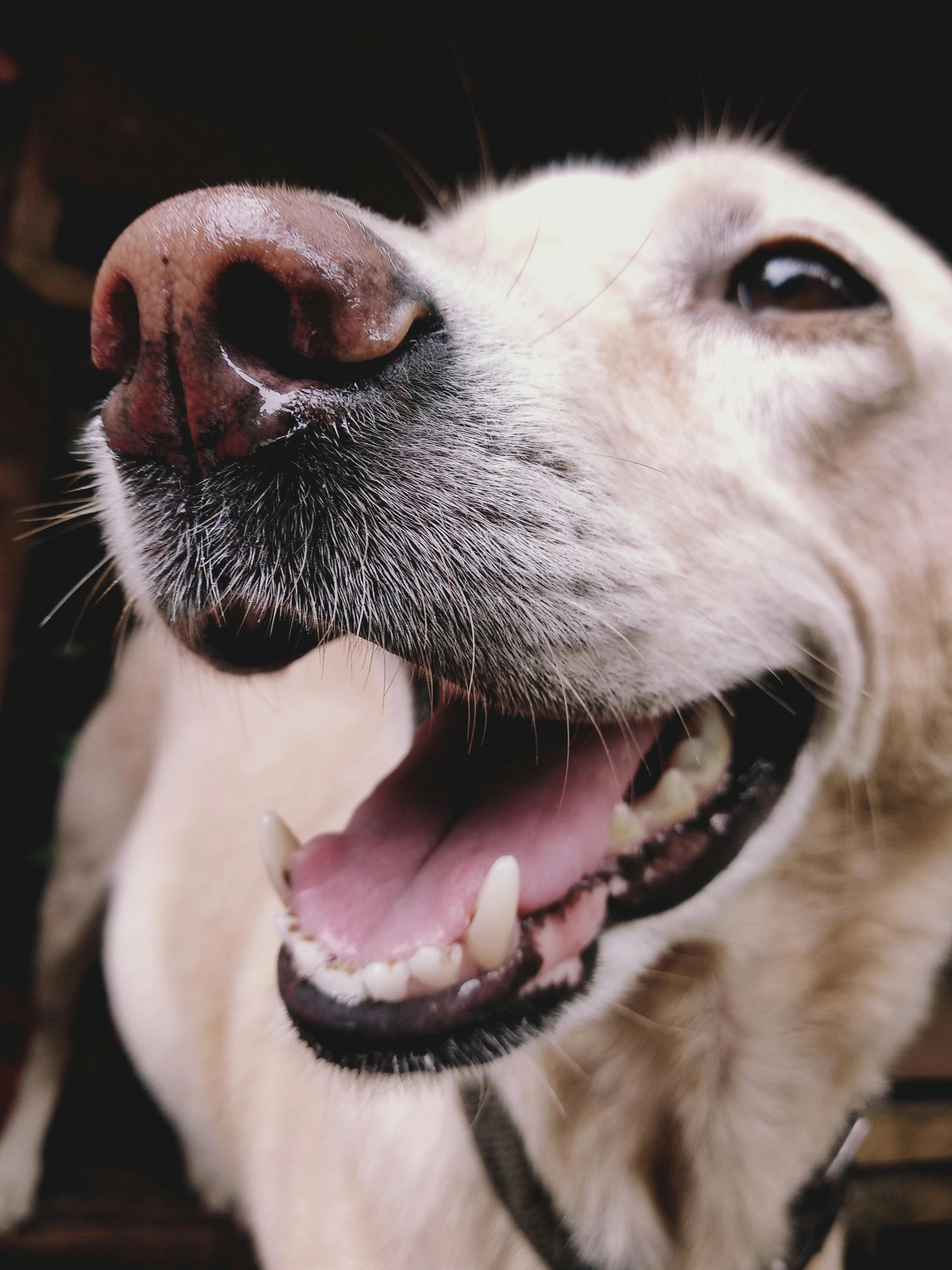
Dogs are truly fascinating creatures, and one of the most intriguing things about them is their noses. Yes, those wet, cold noses that greet you when you walk through the door serve a purpose that goes beyond mere cuteness. So, why do dogs have wet noses? Let’s dive into the science and history behind these remarkable features and discover why wetness matters for canines.
The Anatomy of a Dog's Nose
A dog's nose is not just for show; it's a complex organ that serves many function. The surface of a dog's nose is covered with a special skin that is sensitive and helps them detect scents. Here are some key anatomical features of a dog's nose:
- Olfactory Receptors: Dogs have up to 300 million olfactory receptors in their noses, compared to about 6 million in humans. This incredible sense of smell allows them to detect scents at extremely low concentrations.
- Vomeronasal Organ: Also known as Jacobson's organ, this plays a role in a dog's ability to sense pheromones, which are chemicals that convey information about other animals.
- Moisture from Nasal Glands: The wetness of a dog’s nose comes from specialized nasal glands that produce mucus, which helps to trap scent particles.
Why Is a Wet Nose Important?
The wetness of a dog's nose is more than just a quirk; it serves several important purposes. Here’s a list of reasons why dogs have wet noses:
- Enhanced Smell: The moisture on a dog’s nose helps to capture scent particles better. This means when a dog sniffs around, they can pick up more information about their environment.
- Thermoregulation: Dogs don’t sweat like humans do. A wet nose can help regulate their body temperature. When the moisture evaporates, it cools them down a bit.
- Health Indicator: A dog's nose can indicate their health. A dry or cracked nose may signal illness, while a cool, wet nose is typically a sign of a healthy, happy dog.
Historical Context of Dog Noses
Dogs have been companions to humans for thousands of years, and their noses have played a significant role in their domestication. Historically, dogs were bred for specific tasks that relied heavily on their sense of smell. For example:
- Hunting Dogs: Breeds like Beagles and Bloodhounds were developed to track game using their acute sense of smell.
- Working Dogs: Dogs like German Shepherds and Belgian Malinois are used in police work and search-and-rescue due to their incredible olfactory capabilities.
- Companionship: Even in our modern world, dogs' noses continue to help them bond with humans through their ability to read scents associated with emotions and health.
Fascinating Facts About Dog Noses
Here are some more interesting things to know about our furry friends' noses:
- Unique Patterns: Just like human fingerprints, every dog's nose print is unique. This has even been used for identification purposes.
- Temperature Regulation: A dog’s nose can help cool them down, and studies suggests that a wet nose is cooler than the rest of their body, which aids in heat control.
- Nose Work: Many dog owners engage their pets in nose work activities, which are games that stimulate their scenting abilities, keeping them mentally and physically active.
Practical Examples of Nose Use
Dogs use their noses in various practical ways, showcasing their remarkable abilities:
- Search and Rescue: Dogs trained for search and rescue missions can locate missing people by scent, even under rubble or in dense forests.
- Medical Detection: Some dogs are trained to detect diseases such as cancer or diabetes by sensing changes in a person's body odor.
- Detection Work: In law enforcement, dogs are used to sniff out drugs or explosives due to their sensitive noses.
In many ways, the science of a dog’s nose illustrates how special these animals are. Their wet noses not only play a critical role in their health but also enhance their ability to interact with the world around them. As you can see, the next time your dog greets you with that familiar wet nose, you can appreciate the fascinating biology behind it.
Understanding the reasons why dogs have wet noses enriches our relationship with them. Their noses are more than just adorable features; they are a vital part of what makes dogs such incredible companions. So, next time you pet your dog, don’t just admire their wagging tail and playful demeanor—appreciate that amazing, wet nose that helps them experience life in a way that we can barely comprehend!
Conclusion
In conclusion, the wet noses of dogs serve several vital functions that contribute to their overall health and behavior. We explored how a moist nose helps enhance their sense of smell, regulates body temperature, and keeps them cool. Additionally, the wetness acts as a natural barrier against bacteria and aids in the process of communication with other dogs and humans. Understanding these benefits sheds light on the fascinating biology of our canine companions and underscores the importance of their unique characteristics. As a dog owner, it's essential to appreciate these traits and monitor your dog's nose for any changes, as they can indicate health issues. So, the next time you notice your furry friend’s wet nose, remember that it’s not just an adorable feature but also an essential aspect of their well-being. Embrace the quirks of your dog and ensure they lead a happy and healthy life!