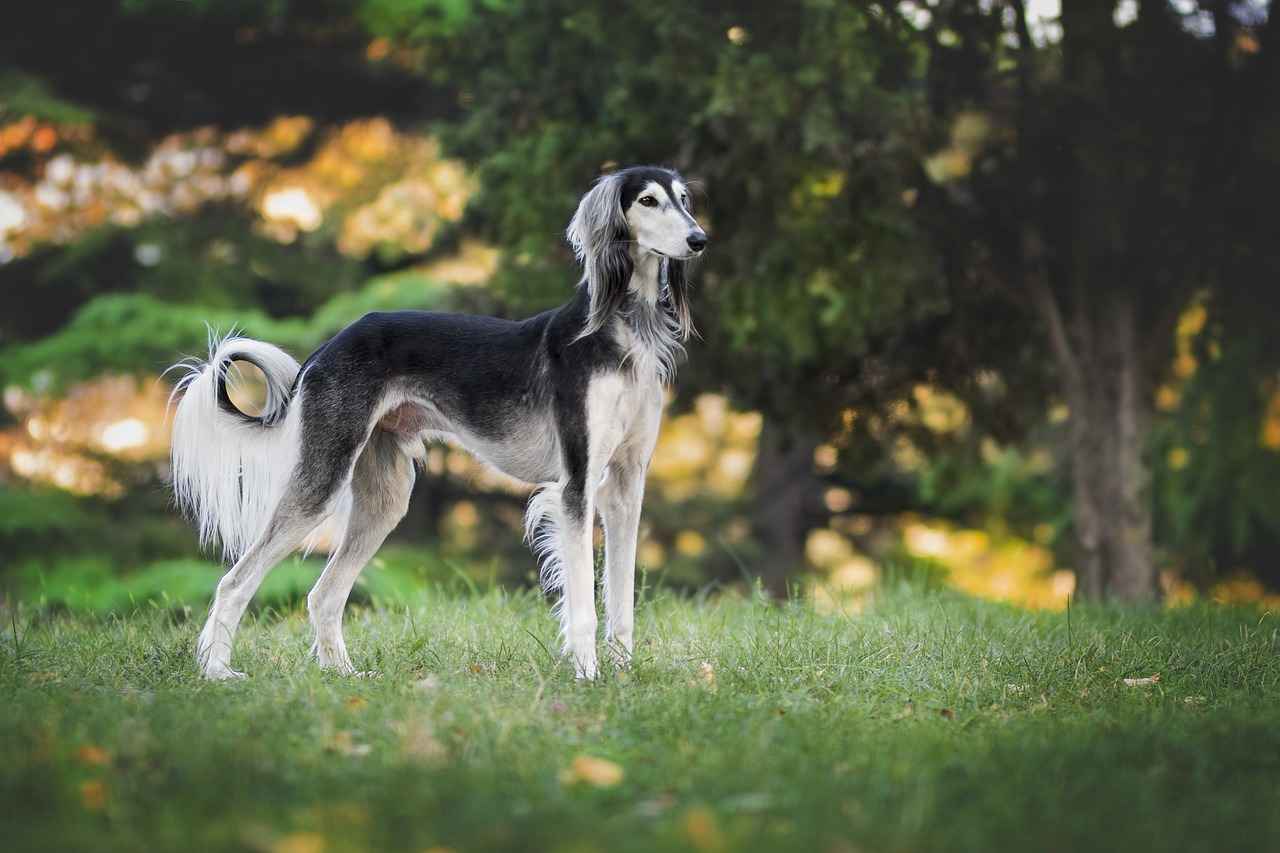
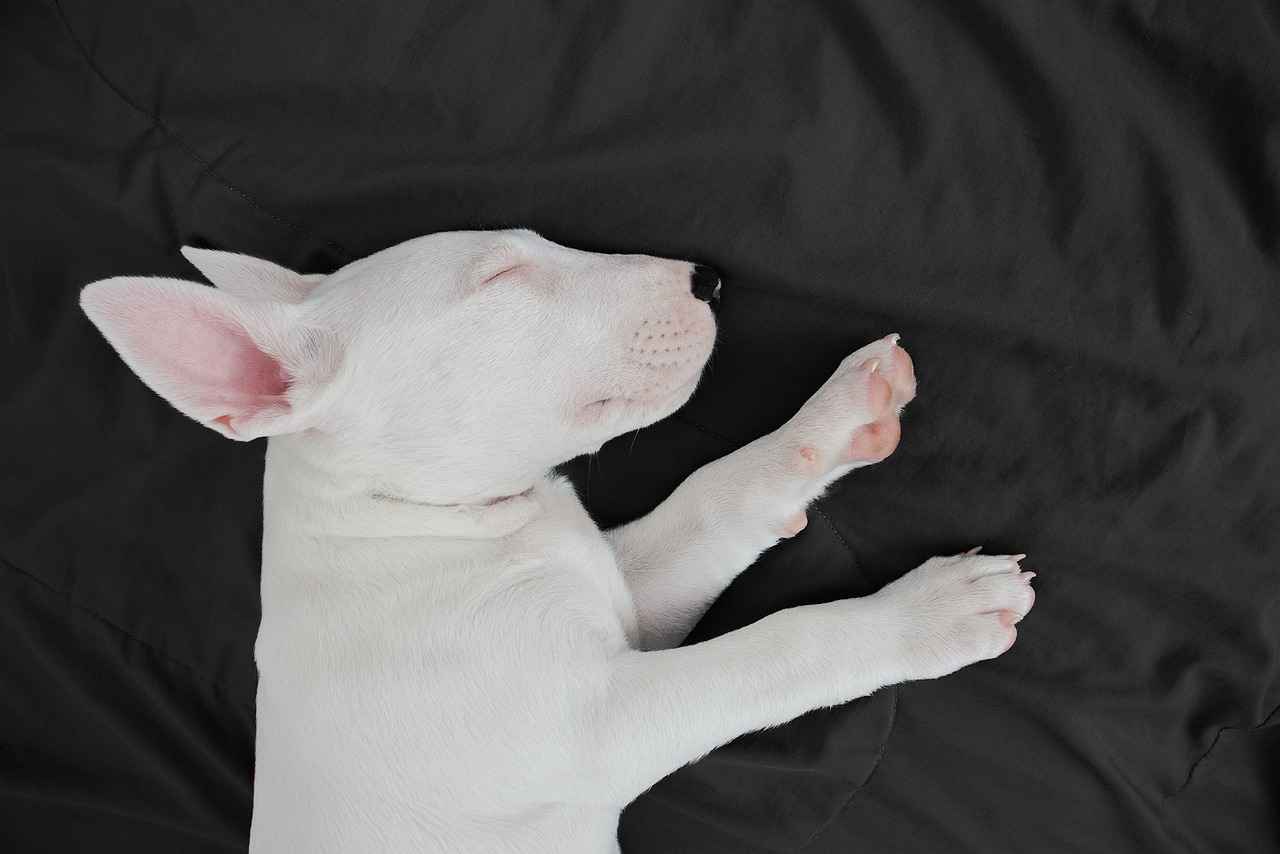
Have you ever wonder why do dogs have wet noses? This common trait of our furry friends is not just an adorable quirk but a fascinating phenomenon that holds many secrets. Wet noses in dogs are more than just a cute feature; they play significant roles in canine health and communication. But what make them so moist? Is it true that a dog’s nose can indicate their overall wellbeing? In this article, we will uncover the truth behind wet noses and explore the science that explain this intriguing characteristic. Curious pet owners often ask questions like, “Does a wet nose mean my dog is sick?” or “How does a dog’s nose help them smell better?” By diving into these queries, we aim to satisfy your curiosity and provide you with valuable insights. Whether you're a seasoned dog owner or a new puppy parent, understanding the reasons behind wet noses can deepen your bond with your beloved pet. So, let’s embark on this journey together and discover why do dogs have wet noses and what it means for their health and happiness!
\n\nThe Science Behind Canine Noses: Why Are Dogs' Noses Always Wet?
\n\n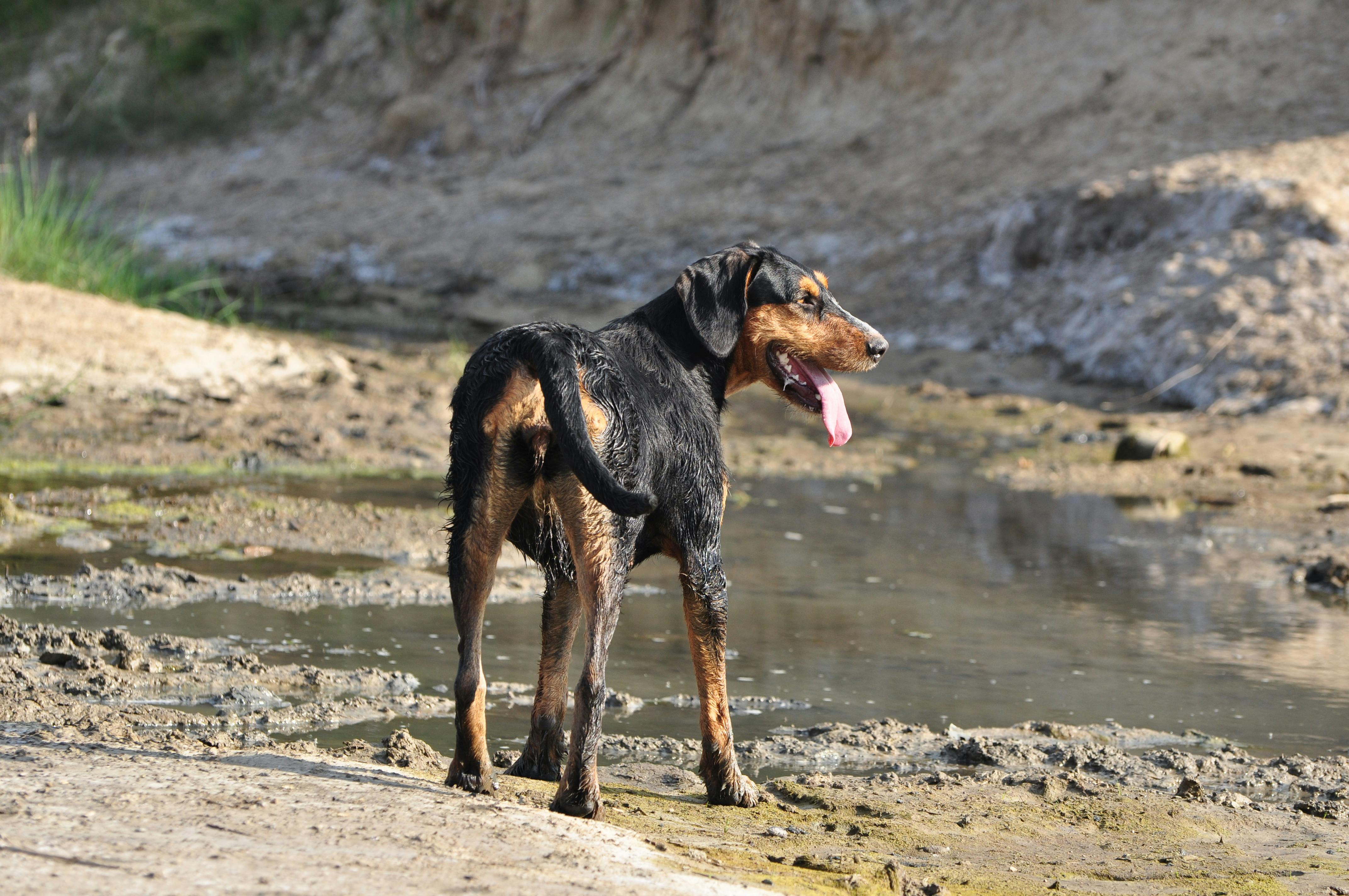 \n\n
\n\nWhen you think about dogs, one of the first things that probably comes to mind is their adorable, wet noses. But have you ever wondered why do dogs have wet noses? What is the science behind these unique features? Well, the truth is, canine noses serve several important functions that are crucial for their health and daily lives.
\nThe Biology of a Dog's Nose
\nDog noses are not just cute; they are highly specialized organs. The wetness of a dog's nose comes from a layer of mucous that helps to enhance their sense of smell. Dogs have a remarkable ability to detect scents — it’s estimated that dogs can smell anywhere from 10,000 to 100,000 times better than humans. This is due to the structure of their olfactory system.
\n- \n
- Olfactory Receptors: Dogs have about 300 million olfactory receptors in their noses, compared to a human's 5 million. \n
- Jacobsen’s Organ: This is a special organ that allows dogs to analyze smells in a way that humans cannot, helping them to detect pheromones and other chemical signals. \n
- Moisture: The moisture on a dog’s nose helps to capture scent particles, making it easier for them to identify and analyze different smells. \n
Why Are Dogs' Noses Always Wet?
\nSo, why do dogs have wet noses? The primary reasons have to do with both scent detection and temperature regulation. When a dog's nose is wet, it can pick up more scent particles, making their sense of smell even sharper. This is particularly important for hunting and tracking. Also, the moisture helps cool down the dog, similar to how sweating works for humans.
\n- \n
- Enhanced Scent Detection: Wet noses capture more scent particles. \n
- Temperature Regulation: Dogs can cool themselves down through their noses. \n
- Health Indicator: A dog’s nose can indicate their health; a dry nose may signal illness or dehydration. \n
Historical Context of Dog Noses
\nDogs have been domesticated for thousands of years, and their noses have evolved alongside humanity. In ancient times, dogs were primarily used for hunting, herding, and guarding, and their highly sensitive noses were essential for these roles. Over the years, breeds were developed with enhanced olfactory abilities for specific tasks, like tracking drugs or even detecting certain medical conditions in humans.
\nFun Facts About Dog Noses
\n- \n
- Unique Patterns: Just like human fingerprints, every dog has a unique nose print that can be used for identification. \n
- Color Variations: The color of a dog's nose can vary widely, from black to brown to pink, but it doesn't affect their olfactory capabilities. \n
- Temperature Changes: A dog's nose can change temperature; a cool, moist nose is generally a sign of good health, while a warm, dry nose may indicate illness. \n
Practical Examples of Dog Nose Use
\nDogs are not just pets; they are also invaluable tools for many industries and services. Here are some examples of how dogs use their noses in real-life scenarios:
\n- \n
- Search and Rescue: Dogs are trained to locate missing persons using their sense of smell. \n
- Detection Work: Police dogs use their noses to find drugs, explosives, and even cash. \n
- Medical Alerts: Certain dogs can smell changes in their owner's body chemistry, alerting them to conditions like diabetes or seizures. \n
Comparisons to Human Senses
\nWhen we compare dogs' noses to human noses, the differences are astounding. While humans rely mainly on sight and hearing, dogs rely heavily on their sense of smell. Here’s a simple comparison:
\n| Feature | \nDogs | \nHumans | \n
|---|---|---|
| Olfactory Receptors | \n~300 million | \n~5 million | \n
| Scent Detection | \n10,000 to 100,000 times better | \nMuch less sensitive | \n
| Nose Structure | \nMoist, specialized for smell | \nLess adapted for scent | \n
The differences in sensory capabilities highlight why dogs are often used in roles that require extraordinary olfactory skills.
\nWhy Do Dogs Have Wet Noses?
\nIn summary, the wetness of a dog's nose is not just a quirky characteristic; it's a vital part of their biology that enhances their ability to interact with the world. From scent detection to regulating body temperature, a dog's nose plays an essential role in their everyday life. Understanding this can deepen our appreciation for these furry companions and their incredible abilities.
\nAs you ponder why do dogs have wet noses, remember it's all part of what makes them so special — their noses are not only cute but also crucial for their survival and well-being. Next time you see a dog with a wet nose, you’ll know there’s much more than meets the eye!
\n\n7 Surprising Reasons Your Dog’s Wet Nose Is More Than Just Adorable
\n\n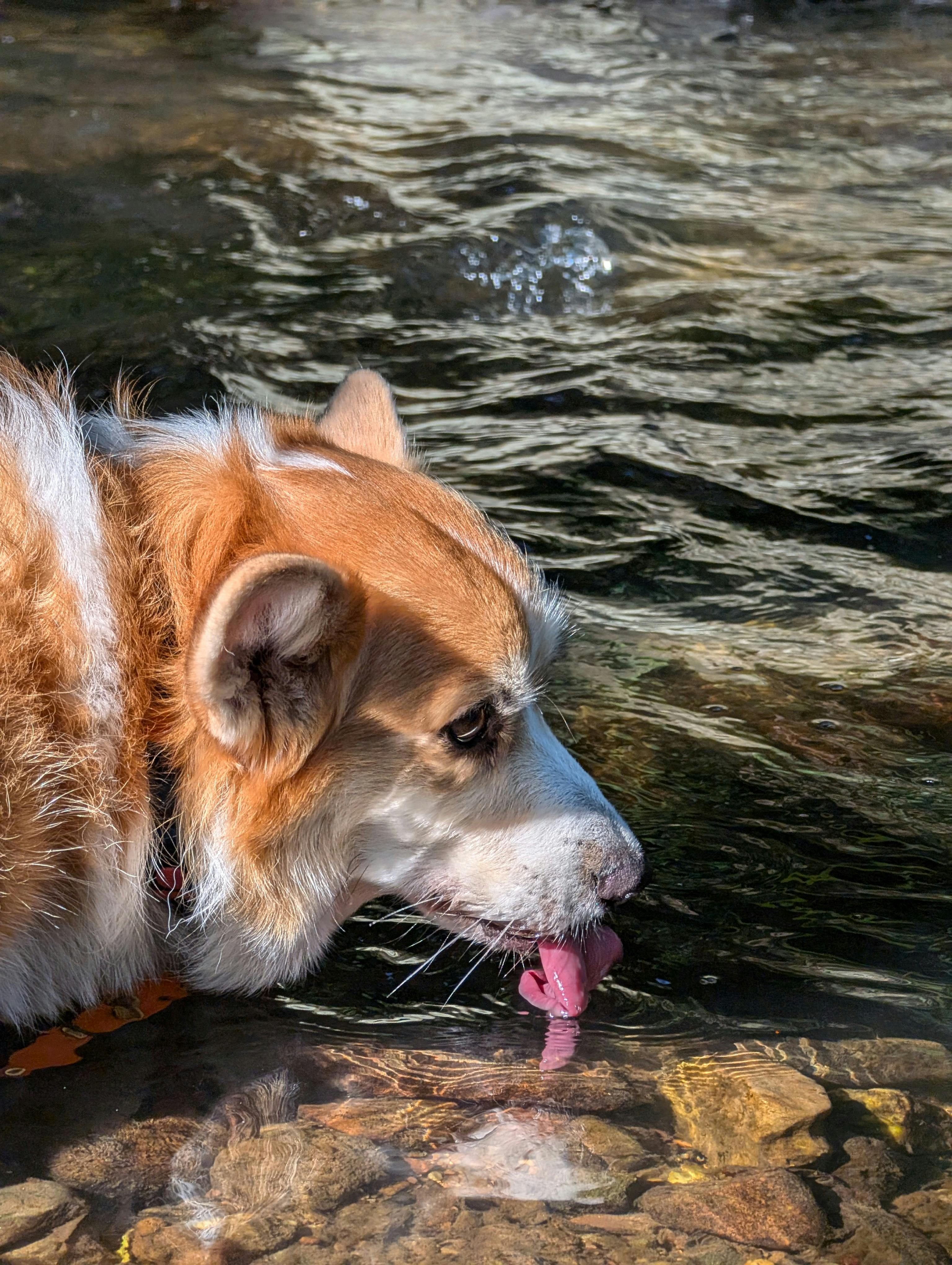 \n\n
\n\nHave you ever wondered why dogs have such wet noses? It’s not just for show or because they are adorable, even though they are. There’s actually a lot more going on under that shiny surface. Let’s dive into the fascinating truth about those moist noses and explore seven surprising reasons why they are more than just cute.
\n1. Sense of Smell
\nOne of the primary reasons dogs have wet noses is to enhance their sense of smell. Dogs have an incredible olfactory system, which is way more powerful than humans. A wet nose helps to capture scent particles in the air, making it easier for dogs to smell things. The moisture on their nose helps absorb those scents, giving their brains more information about their environment.
\n2. Temperature Regulation
\nDid you know that dogs don't sweat like humans do? Instead, they rely on their noses to help regulate body temperature. When a dog pants, moisture from the nose can evaporate, helping to cool down their body. So, next time you see your pup with a wet nose, it might be working hard to keep them cool, especially on hot days!
\n3. Communication Tool
\nDogs use their noses not just for smelling but also for communicating. When dogs greet each other, they often sniff each other's noses. This is a form of social interaction and helps them gather information about one another, like their mood, health, and even what they’ve eaten recently. So, a wet nose can be a way for dogs to connect with one another.
\n4. Health Indicator
\nA dog's nose can also serve as a health barometer. While a cold, wet nose is often seen as a sign of good health, a dry or warm nose might indicate that something is off. For example, if your dog’s nose suddenly becomes dry and cracked, it could be a sign of dehydration or illness. Keeping an eye on your dog's nose can help you catch potential health issues early.
\n5. Sensory Organ
\nThe nose of dogs is not just wet; it’s highly sensitive and serves as a sensory organ. Dogs have scent receptors that are designed to identify different smells. The wetness of the nose helps to enhance this sensitivity. You could say that a dog’s nose is like a finely tuned instrument that picks up on even the faintest of scents.
\n6. Evolutionary Advantage
\nHistorically, dogs evolved from wolves, who relied heavily on their sense of smell for hunting and survival. The wet nose is thought to be an evolutionary trait that has been passed down through generations. It helps dogs track prey and find their way in the wild. Wet noses are not just a cute feature; they are essential for survival in nature.
\n7. Breed Differences
\nNot all dogs have the same type of nose. Different breeds can have varying nose shapes and sizes, which can affect how wet their noses get. For instance, breeds like Bloodhounds have more moisture on their noses due to their heightened sense of smell. On the other hand, some breeds might have drier noses, which is perfectly normal for them. Understanding these differences can help dog owners appreciate their pets' unique traits.
\nQuick Facts About Dog Noses
\n- \n
- A dog's sense of smell is between 10,000 to 100,000 times more sensitive than humans. \n
- The wetness of a dog's nose can vary throughout the day depending on activity levels and environmental conditions. \n
- Dogs have about 220 million scent receptors in their noses, compared to a human's 5 million. \n
- The shape of a dog’s nose can influence how they smell. Longer noses may have better air circulation and scent capture. \n
Comparison Table: Wet Nose vs. Dry Nose
\n| Feature | \nWet Nose | \nDry Nose | \n
|---|---|---|
| Temperature | \nUsually cool | \nOften warmer | \n
| Health Indicator | \nIndicates hydration | \nMay signal dehydration or illness | \n
| Scent Sensitivity | \nBetter for smelling | \nLess effective | \n
| Social Behavior | \nMore interactive | \nLess engaged | \n
Understanding these aspects of your dog’s wet nose is not only interesting but can also help you take better care of your furry friend. Next time you give your pup a scratch behind the ears, take a moment to appreciate the science behind that adorable wet nose. It’s a tool for communication, a health indicator, and a vital part of their unique biology. So, when someone says, "Why do dogs have wet noses?" you can share some of these surprising insights and impress them with your newfound knowledge!
\n\nIs Your Dog’s Wet Nose a Sign of Health? Uncover the Truth!
\n\n \n\n
\n\nIs Your Dog’s Wet Nose a Sign of Health? Uncover the Truth!
\nYou ever wonder why dogs noses are always wet? It's one of those things that many pet owners often ask but not everyone knows the answer to. The truth is, a dog’s wet nose can be a sign of health, but it’s not the only factor to consider. Let’s dive into this fascinating topic and uncover the secrets behind those adorable, damp noses!
\nWhy Do Dogs Have Wet Noses?
\nDogs have wet noses for a few reasons. The main one is that the moisture helps them smell better. Dogs have an incredible sense of smell, around 40 times better than humans, and the moisture on their nose helps to capture scent particles. It's like their own little perfume for sniffing out everything from food to friends!
\nSome other reasons why dogs have wet noses include:
\n- \n
- Cooling Mechanism: A dog’s wet nose can help regulate body temperature. Just like humans sweat, dogs can lose heat through their noses. \n
- Health Indicator: While a wet nose is often a sign of a healthy dog, a dry nose isn’t always a bad sign. It can fluctuate depending on the environment or the dog's activity level. \n
- Communication Tool: Dogs can use their noses to communicate with other dogs or animals. A wet nose can indicate curiosity or excitement. \n
The Science Behind the Wet Nose
\nA dog’s nose contains many glands that produce mucus. This mucus helps to keep the nose moist, enhancing the sense of smell. The moisture evaporates when the dog is breathing, and they lick their nose to keep it moist again. Isn't that interesting?
\nHistorical Context: The Evolution of Dog Noses
\nDogs have been companions to humans for thousands of years. It is believed that their wet noses are part of their evolution. Early dogs likely had wet noses to help them hunt and survive. The ability to smell better helped them find food and avoid dangers.
\nCommon Misconceptions About Dog Noses
\nThere are lots of myths surrounding dog noses. Here are some misconceptions that many dog owners have:
\n- \n
- \n
Myth 1: A cold, wet nose always means a healthy dog.
\n- \n
- Reality: Dogs can have varying nose temperatures due to factors like the weather or their activity level. \n
\n - \n
Myth 2: A dry nose always means illness.
\n- \n
- Reality: Dogs can have dry noses for many reasons, including dehydration, but it doesn’t always indicate a health issue. \n
\n - \n
Myth 3: All dogs have wet noses.
\n- \n
- Reality: Some breeds have drier noses than others. For example, bulldogs might have a drier nose compared to beagles. \n
\n
What Should You Look For?
\nWhile a wet nose can be a sign of good health, it’s important to pay attention to other symptoms. Here’s a quick list of things to keep an eye on:
\n- \n
- Nose Color: Is it a healthy pink or has it turned darker? \n
- Cracks or Sores: Any cracks or sores on the nose can be a sign of an issue. \n
- Changes in Wetness: If your dog’s nose changes from wet to dry frequently, it might be worth consulting a vet. \n
- Behavior Changes: If your dog’s behavior changes, like decreased appetite or lethargy, it's best to get a check-up. \n
Table of Dog Nose Characteristics
\nHere’s a simple table to summarize some characteristics of dog noses:
\n| Characteristic | \nDescription | \n
|---|---|
| Wet Nose | \nGenerally a sign of health | \n
| Dry Nose | \nCan be normal or indicate issues | \n
| Color | \nHealthy dogs usually have pink noses | \n
| Temperature | \nCan vary with environment | \n
Practical Examples of Nose Care
\nTaking care of your dog's nose is important, too! Here’s some tips to keep it in top shape:
\n- \n
- Hydration: Make sure your dog drinks plenty of water, especially in hot weather. \n
- Moisturizers: If you notice your dog's nose is consistently dry, consult with a vet about dog-safe moisturizers. \n
- Avoid Irritants: Keep your dog away from harsh chemicals or allergens that may irritate their nose. \n
To sum it up, a dog's wet nose can indicate health, but it's not the only sign to rely on. Understanding your dog’s body language and behavior is just as important as knowing about their nose. If you're ever uncertain about your dog's health, don't hesitate to reach out to a veterinarian.
\n\nHow Temperature Affects Your Dog’s Nose: What Every Owner Should Know
\n\n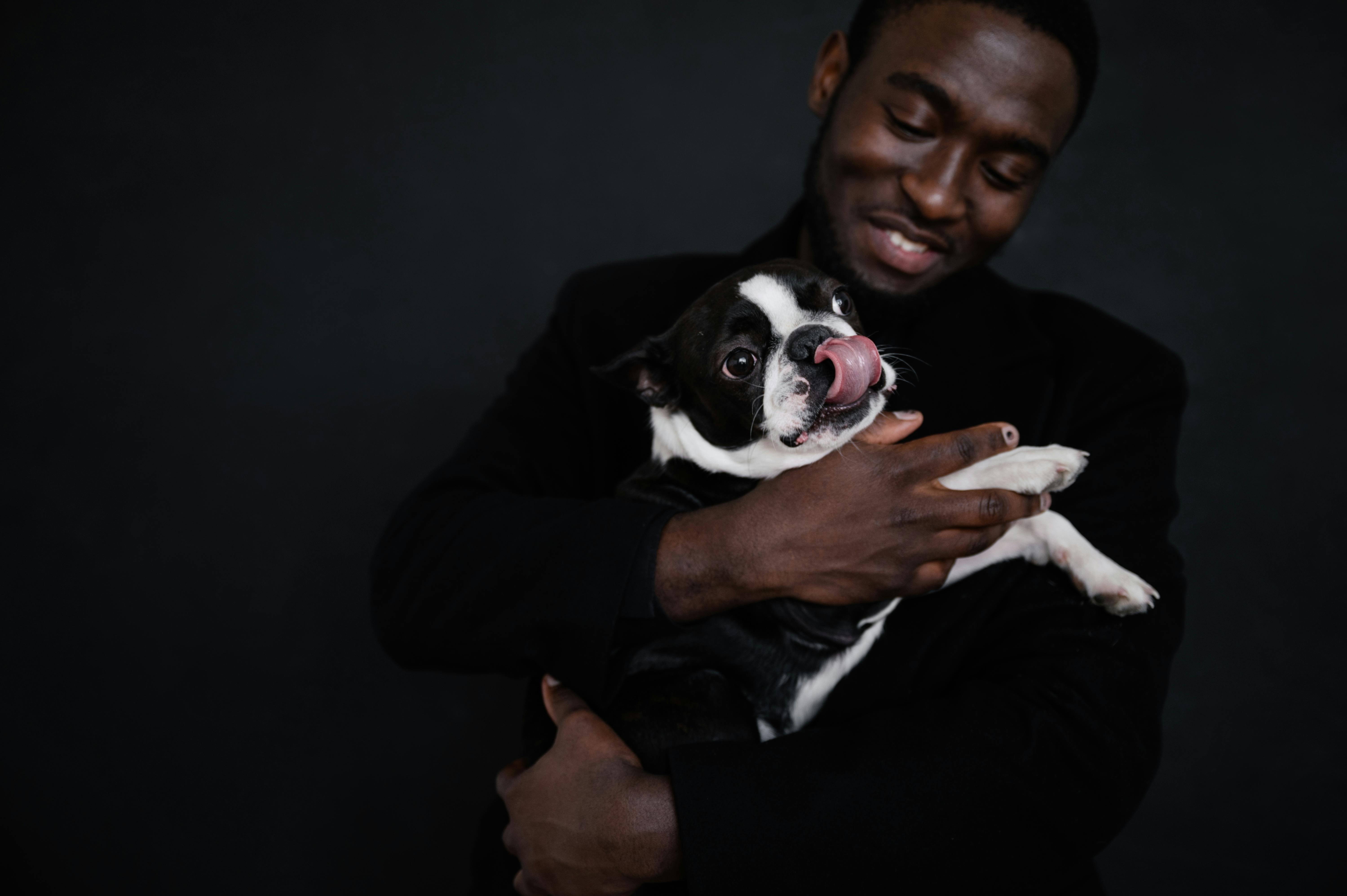 \n\n
\n\nEvery dog owner has noticed their furry friend has a wet nose and wondered why. It’s a common question among pet lovers, and understanding it can help you take better care of your pup. One thing that’s essential to know is how temperature affects your dog’s nose. So let’s dig into the fascinating truth behind those wet noses and how weather can influence them.
\nWhy Do Dogs Have Wet Noses?
\nThe wetness of a dog’s nose isn’t just a cute feature. It serves many practical purposes. Here’s a list of reasons why dog noses are usually moist:
\n- \n
- \n
Enhanced Scenting Ability: A wet nose helps dogs smell better. The moisture traps scent particles, making it easier for dogs to pick up different smells. This is crucial since dogs rely heavily on their sense of smell.
\n \n - \n
Temperature Regulation: Dogs don’t sweat like humans do. Instead, they use their noses to help regulate body temperature. A wet nose can cool them down, especially on hot days.
\n \n - \n
Health Indicator: A dog's nose can indicate health. A healthy dog usually has a moist nose, while a dry or cracked nose can signal dehydration or illness.
\n \n
How Temperature Affects Your Dog’s Nose
\nTemperature can have a significant impact on your dog’s nose. Here are some key points to consider:
\n- \n
- \n
Cold Weather: In colder temperatures, dogs noses may get dry or chapped. Just like humans, dogs can suffer from dry skin in winter. If you notice your dog’s nose getting flaky, it might be time to apply some dog-safe moisturizer.
\n \n - \n
Hot Weather: Conversely, in hot weather, dogs’ noses may appear wetter due to increased moisture. Dogs often pant and may lick their noses to stay cool. This is a normal behavior but keep an eye on them to make sure they don’t overheat.
\n \n - \n
Humidity Levels: High humidity often results in wetter noses. If you live in a humid climate, your dog’s nose might always seem moist, which is perfectly normal.
\n \n
Historical Context of Dog Noses
\nDogs have evolved over thousands of years, and their noses have adapted for survival. Early domesticated dogs relied on their noses for hunting and finding food. Over time, this ability has been refined. Today, breeds with particularly wet noses, like Bloodhounds or Beagles, are often used in search and rescue operations due to their powerful sense of smell.
\nCommon Misconceptions About Dog Noses
\nThere are several myths about dog noses that many people believe. Here are a few:
\n- \n
- \n
Wet Nose Means Healthy: While a wet nose is often a sign of good health, it’s not a definitive indicator. Always pay attention to other signs of your dog’s health.
\n \n - \n
Dogs Only Sweat Through Their Noses: Dogs sweat through their paw pads, not through their noses. Their panting helps regulate their body temperature, while wet noses assist in scent detection.
\n \n - \n
Nose Color Indicates Temperature: Many think that a dog’s nose color changes with temperature. However, nose color is mostly determined by genetics.
\n \n
Tips for Caring for Your Dog’s Nose
\nCaring for your dog’s nose is essential, especially when temperatures rise or fall. Here are some helpful tips:
\n- \n
- \n
Monitor Moisture Levels: Regularly check your dog’s nose. If it becomes excessively dry or cracked, consult your veterinarian.
\n \n - \n
Hydration is Key: Always keep fresh water available. Hydration helps maintain a healthy nose and overall well-being.
\n \n - \n
Limit Exposure: In extreme temperatures, limit your dog’s time outside. If it’s very cold or hot, consider shorter walks or playtime indoors.
\n \n - \n
Use Nose Balm: If your dog’s nose tends to get dry, consider applying a dog-safe balm to keep it hydrated.
\n \n
Fun Facts About Dog Noses
\n- \n
- \n
Dogs have as many as 300 million smell receptors, compared to about 5 million in humans.
\n \n - \n
The shape and size of a dog's nose can affect its sense of smell. Breeds with longer noses tend to have a better sense of smell than those with shorter snouts.
\n \n - \n
Each dog’s nose print is unique, similar to a human fingerprint.
\n \n
Understanding the reasons why dogs have wet noses and how temperature affects them can help owners provide better care. By keeping tabs on your dog’s nose and being aware of environmental factors, you can ensure your furry friend stays healthy and happy throughout the year. Dogs are not just pets; they are family members who rely on us for their well-being. So, take a moment to appreciate that wet nose and all the amazing things it can do!
\n\nWet Noses and Dog Behavior: What Does Your Pup’s Nose Really Say?
\n\n \n\n
\n\nWet noses and dog behavior is a topic that many dog owners curious about. We often wonder, why do dogs have wet noses? This question can lead to a fascinating exploration of both canine biology and behavior. So let’s dive into the wet and wonderful world of our furry friends and uncover some truth behind that moist little feature.
\nThe Science Behind Wet Noses
\nDogs have wet noses primarily due to their unique physiology. The moisture on a dog's nose serves several important functions:
\n- \n
- Enhanced Sense of Smell: Dogs have an extraordinary sense of smell, significantly better than humans. The wetness helps to capture scent particles in the air, making it easier for them to detect odors. \n
- Cooling Mechanism: Just like humans sweat to regulate body temperature, dogs use their noses to cool down. The moisture evaporates, which can help to lower their body temperature. \n
- Health Indicator: A wet nose is often seen as a sign of a healthy dog. However, it’s not always the case. A dry nose can indicate illness, so it's important to monitor changes in your pup's nose condition. \n
Why Are Dog Noses Wet?
\nSo, why do dogs have wet noses? Well, it’s all about evolution and adaptation. The ancestors of modern dogs, wolves, relied heavily on their sense of smell for hunting and survival. Over time, dogs have developed a moist nose which aids in this instinctual behavior.
\nA Closer Look at Dog Behavior
\nDog behavior often ties back to their physical features, including their noses. Here’s how their wet noses connect to what they do:
\n- \n
- Sniffing: Dogs use their noses to gather information about their environment. A wet nose allows them to pick up more scents, which is why they often spend a lot of time sniffing the ground or other animals. \n
- Social Interactions: Dogs may greet each other by sniffing each other's noses. This behavior is part of their social communication, and a wet nose helps facilitate this interaction. \n
- Exploration: Wet noses indicate curiosity. Dogs often engage with new smells and can determine what's around them. A wet nose is an essential tool for exploring their world. \n
Dog Nose Variations
\nNot all dogs have the same type of nose. There are variations based on breed, size, and age. Here’s a quick comparison:
\n| Breed Type | \nNose Characteristics | \nCommon Behaviors | \n
|---|---|---|
| Small Breeds | \nOften wetter, smaller noses | \nMore likely to be lap dogs | \n
| Large Breeds | \nBigger, often drier noses | \nMore active and exploratory | \n
| Puppies | \nVery wet noses | \nHighly curious and playful | \n
| Senior Dogs | \nCan be drier, less moisture | \nMay be less active but still curious | \n
The Importance of Monitoring Nose Health
\nIt's important to keep an eye on your dog's nose condition. Here are some signs to look out for:
\n- \n
- Excessive Dryness: If your dog's nose is consistently dry, it might be a sign of dehydration or illness. \n
- Cracking: A cracked nose can be painful and may indicate that your dog needs more hydration or veterinary attention. \n
- Discoloration: Any changes in color, like turning pale or very dark, should prompt a visit to the vet. \n
Fun Facts About Dog Noses
\n- \n
- Unique Patterns: Just like human fingerprints, each dog has a unique nose print. \n
- Temperature Regulation: Dogs can regulate their body temperature through their noses, primarily when panting. \n
- Scent Memory: Dogs can remember scents for a long time. They can recognize a familiar smell even after years. \n
Conclusion
\nSo there you have it! The wetness of your dog's nose is more than just a cute feature; it plays a crucial role in their behavior and health. Understanding the importance of a wet nose helps us appreciate our dogs even more. Next time you give your pup a pat or a scratch behind the ears, take a moment to consider what their wet nose says about them. Whether it’s their way of gathering information, socializing, or simply being a happy dog, that little wet nose holds a lot of fascinating truths!
\n\nThe Evolutionary Advantage of Wet Noses in Dogs: Nature’s Design at Work
\n\n \n\n
\n\nHave you ever wondered why do dogs have wet noses? It’s a question that many people ask, and the answer is quite fascinating. The evolutionary advantage of wet noses in dogs is not just a whimsical trait; it’s a crucial aspect of their biology and behavior, shaped by millennia of evolution. Let’s explore this intriguing feature and uncover the reasons that make wet noses so essential for our canine companions.
\nThe Science Behind Wet Noses
\nDogs’ noses are not just wet for show. The moisture on their noses serves several important functions that are vital for their survival. Here’s a breakdown of what makes wet noses so significant:
\n- \n
- \n
Enhanced Smell: Dogs have an incredible sense of smell, estimated to be between 10,000 to 100,000 times more sensitive than humans. A wet nose helps to trap scent particles in the air, allowing dogs to detect odors more effectively. The moisture acts like a sponge, catching scents that would otherwise float away.
\n \n - \n
Thermoregulation: Just like humans sweat to cool down, dogs use their noses to help regulate their body temperature. The evaporation of moisture from their wet noses can help to cool them down, especially when they are feeling hot or after physical activities.
\n \n - \n
Communication: Dogs are social animals, and their noses play a role in communication. A wet nose can indicate excitement or curiosity, and it also allows them to gather more information about their environment, including the presence of other animals or humans.
\n \n
The Evolutionary Perspective
\nThe evolutionary advantage of wet noses can be traced back to the ancestors of modern dogs. Early canines relied heavily on their sense of smell for hunting and survival. As they evolved, those with better-smelling capabilities likely had higher chances of finding food and avoiding predators. The wet nose is an adaptation that has persisted through generations.
\n- \n
- Historical Context: Ancient breeds of dogs, such as the Greyhound and the Bloodhound, were known for their hunting prowess. Their wet noses were crucial for tracking scents over long distances. This characteristic has been preserved in many of today’s breeds, which still exhibit strong olfactory abilities. \n
Fascinating Facts About Dogs’ Noses
\nTo understand why do dogs have wet noses better, here’s a list of some interesting facts about them:
\n- \n
- \n
Nasal Structure: Dogs have a complex nasal structure that includes turbinates, which are bony structures that increase the surface area inside the nose. This allows them to process scents more efficiently.
\n \n - \n
Scent Discrimination: Dogs can differentiate between various scents, even in a complex environment. This ability is vital for roles like search and rescue, drug detection, and even medical alert tasks.
\n \n - \n
Temperature Sensitivity: A dog’s nose can change temperature, and this can indicate their emotional state. A cold, wet nose typically means a dog is healthy and well.
\n \n - \n
Unique Nose Prints: Just like human fingerprints, each dog’s nose print is unique. This feature can even be used for identification purposes in certain situations.
\n \n
How Wet Noses Affect Dog Behavior
\nIt’s not just about biology; wet noses also influence how dogs interact with their surroundings. For example:
\n- \n
- \n
Greeting Behavior: When dogs meet each other, they often sniff each other’s noses as a way of gathering information. A wet nose can make this process more effective and engaging.
\n \n - \n
Playfulness: Dogs with wet noses may exhibit more playful and curious behavior, as the moisture signals to other dogs that they are ready for interaction.
\n \n - \n
Health Indicators: A change in the moisture level of a dog’s nose can sometimes indicate health issues. For instance, a dry nose may suggest dehydration or illness, alerting owners to seek veterinary advice.
\n \n
The Bottom Line
\nSo, why do dogs have wet noses? The answer lies in a combination of biological necessity and evolutionary advantage. Wet noses enhance their sense of smell, help regulate body temperature, and facilitate communication. These fascinating traits highlight how nature has designed dogs to thrive in their environments. As we continue to learn about our furry friends, it’s clear that the science behind their wet noses is just one of many wonders in the world of canine biology. Understanding this can deepen our appreciation for these loyal companions and their incredible abilities. So, next time you see your dog’s wet nose, remember the remarkable evolution that brought it to life.
\n\nCan a Dry Nose Indicate Illness in Dogs? Here’s What You Need to Know
\n\n \n\n
\n\nIf you ever noticed your dog having a dry nose, you might wonder if it indicates some sort of illness. Many dog owners question the significance of their pet’s nose condition, often believing wet noses are a sign of health. But is it true? Can a dry nose indicate illness in dogs? Let’s dive into this curious topic and unravel the fascinating truth behind why dogs have wet noses.
\nThe Basics of Dog Noses
\nDogs’ noses are more than just cute features; they play an important role in their overall health. Typically, a dog’s nose is wet and cool, and this has a purpose. The moisture on a dog’s nose helps to enhance their sense of smell. When the nose is wet, it can trap scent particles better, allowing dogs to detect odors more effectively.
\nWhy Do Dogs Have Wet Noses?
\nThere are several reasons for why dogs have wet noses, and understanding these can help you assess your pet’s health. Here’s some of the key points:
\n- \n
- Cooling Mechanism: Just like humans sweat, dogs can cool down through their noses. When they are feeling heat, the moisture can evaporate, helping to lower their body temperature. \n
- Enhanced Smell: A wet nose can absorb scent particles from the environment better than a dry one. This is why dogs often sniff around before they decide to investigate something. \n
- Health Indicator: A wet nose can often indicate that a dog is healthy, but it’s not the only sign. Various factors can influence a dog’s nose moisture, including environment and activity level. \n
Can a Dry Nose Indicate Illness?
\nSo, can a dry nose actually mean anything serious? Well, it’s not as simple as a yes or no answer. A dog’s nose can become dry for a variety of reasons, and while it can sometimes indicate illness, it doesn’t always mean there’s a problem. Here’s a few common causes of a dry nose:
\n- \n
- Dehydration: If a dog isn’t drinking enough water, their nose may dry out. Look for other signs of dehydration like lethargy or dry gums. \n
- Environmental Factors: Hot weather, low humidity, and even indoor heating can dry out your dog’s nose. If your dog has just been outside on a hot day, a dry nose might not be a concern. \n
- Allergies: Just like humans, dogs can suffer from allergies. Allergies can cause inflammation or irritation that might lead to a dry nose. \n
- Infections or Illness: In some cases, a dry nose can indicate a health issue. Conditions such as autoimmune diseases or infections may lead to changes in the moisture of the nose. \n
Important Signs to Look For
\nIf you notice your dog’s nose is dry, it’s important to consider other symptoms. Here’s a quick checklist:
\n- \n
- Is your dog drinking enough water? \n
- Are they eating their food normally? \n
- Have you noticed any changes in behavior, like lethargy or excessive scratching? \n
- Are there any visible lesions or cracks on their nose? \n
If your dog shows several of these signs, it may be a good idea to consult a veterinarian.
\nThe Fascinating Science Behind Dog Noses
\nDid you know that dogs have an incredible sense of smell? Their noses contain up to 300 million olfactory receptors, compared to only about 5 million in humans. This remarkable anatomy allows them to detect scents at incredibly low concentrations. Here’s a simple comparison:
\n- \n
- Humans: 5 million receptors \n
- Dogs: 300 million receptors \n
- Bloodhounds: 300 million (with a particularly keen sense) \n
The Role of Nose Colors
\nA dog’s nose can come in different colors, and it’s not just for looks. For example:
\n- \n
- Black Noses: Typically seen in many breeds, black noses are often associated with health and are less prone to sunburn. \n
- Pink Noses: More common in breeds like Bulldogs, a pink nose can be more susceptible to sun damage and may need protection. \n
Final Thoughts
\nIn the world of dog care, understanding the condition of your pet’s nose can provide valuable insight. While a dry nose can sometimes be a signal for concern, it is important to consider the whole picture. Factors such as hydration, environment, and any additional symptoms can help you determine whether a trip to the vet is necessary. Remember, each dog is unique, and knowing your dog’s typical behaviors and characteristics is key in keeping your furry friend healthy and happy. Always trust your instincts and seek professional advice if you have any worries.
\n\n5 Fun Facts About Dog Noses That Will Leave You Fascinated
\n\n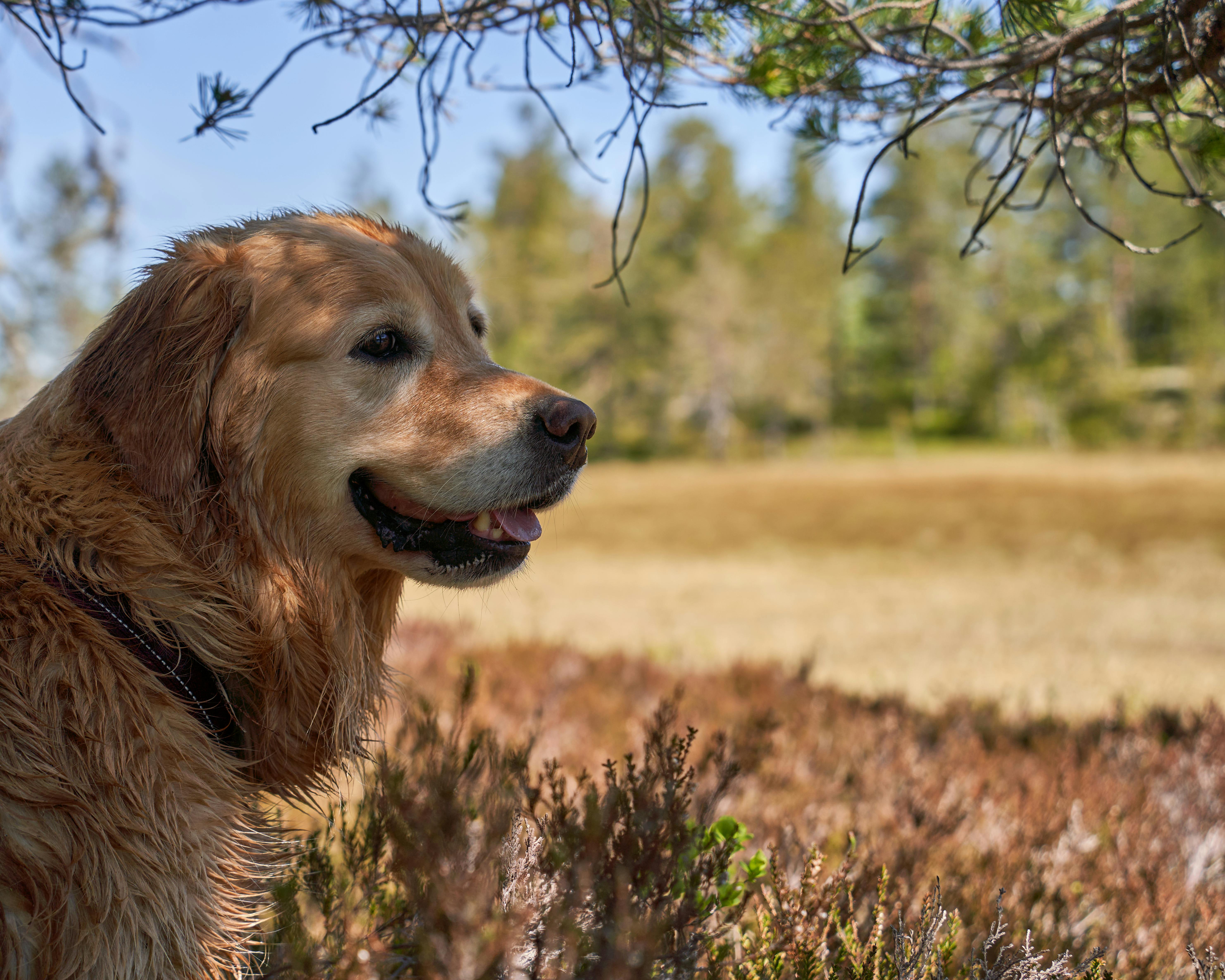 \n\n
\n\nHave you ever wonder why dogs have wet noses? It's one of those quirky things about our furry friends that often leave folks puzzled. Dogs' noses are not just cute — they actually serve important functions. Here, we delve into five fun facts about dog noses that will absolutely fascinate you. From their unique anatomy to their incredible sensory abilities, let’s explore the wet and wonderful world of canine noses.
\n1. Wet Noses Help with Smell
\nEver notice how your dog's nose always seem moist? This wetness is not just for show! A wet nose helps to enhance a dog’s sense of smell because moisture captures scent particles. When a dog sniffs around, the moisture on their nose allows them to take in more scents, making their sense of smell far superior than ours. In fact, dogs can detect certain scents at concentrations nearly 100 million times lower than humans can! Isn’t that crazy?
\n2. Temperature Regulation
\nYou might think that a dog's wet nose is only for smelling, but it also plays a role in regulating their body temperature. Dogs don’t sweat like humans do. Instead, they cool themselves through panting and by letting moisture evaporate from their noses. This can be particularly important during hot summer days when overheating is a concern for pet owners.
\n3. Unique Nose Prints
\nJust like human fingerprints, every dog has a unique nose print. The ridges and patterns on a dog’s nose are as distinctive as a thumbprint — no two dogs' nose prints are alike! This fact is so fascinating that some organizations have even suggested using nose prints for identification purposes, similar to how we use fingerprints. Imagine if your dog had its own ID card based on its nose print!
\n4. An Indicator of Health
\nA dog's nose can actually be an indicator of their health. Many pet owners often wonder why their dog’s nose can change from wet to dry. A wet nose is usually a sign of good health, while a dry or cracked nose might indicate dehydration or illness. However, it’s important to note that not all dry noses mean serious issues. Factors like weather or time of day can affect a dog's nose moisture, too.
\n5. The Science Behind Nose Color
\nDid you know that a dog’s nose color can change with age? Puppies usually have pink noses, but as they grow, the nose may darken to black or brown. Interestingly, some breeds, like the Siberian Husky, may have a genetic predisposition to a lighter nose, while others like the Labrador Retriever often have darker noses. The color of a dog's nose isn’t just for looks; it can also play a role in their overall health and breed characteristics.
\nFun Facts Recap
\n- \n
- Dogs' noses are wet to enhance their sense of smell. \n
- They help with temperature regulation. \n
- Each dog has a unique nose print, like a fingerprint. \n
- A dog's nose can indicate their health status. \n
- Nose color can change as dogs age and varies by breed. \n
Comparisons with Human Noses
\nWhen comparing dog noses to human noses, the differences are stark. Humans have about 5 million olfactory receptors while dogs boast around 300 million. The area of the brain responsible for processing smells is also larger in dogs than in humans. This means dogs can detect and differentiate scents much better than we ever could, which is why they excel in roles like search-and-rescue missions or detecting drugs.
\nPractical Examples of Dog Nose Uses
\n- \n
- Search and Rescue: Dogs are trained to find missing persons using their incredible sense of smell. \n
- Health Detection: Some dogs can even detect illnesses like cancer or diabetes in humans. \n
- Tracking: Law enforcement use dogs to track down suspects or find lost items. \n
The next time you play with your pup, pay attention to their wet nose. It’s not just a cute feature — it’s a multifunctional tool that plays a vital role in their lives. From helping them smell the world around them to serving as a health indicator, dog noses are genuinely fascinating. So, why do dogs have wet noses? Now you know; they are much more than just an adorable trait!
\n\nDo All Dogs Have Wet Noses? Exploring Variations Across Breeds
\n\n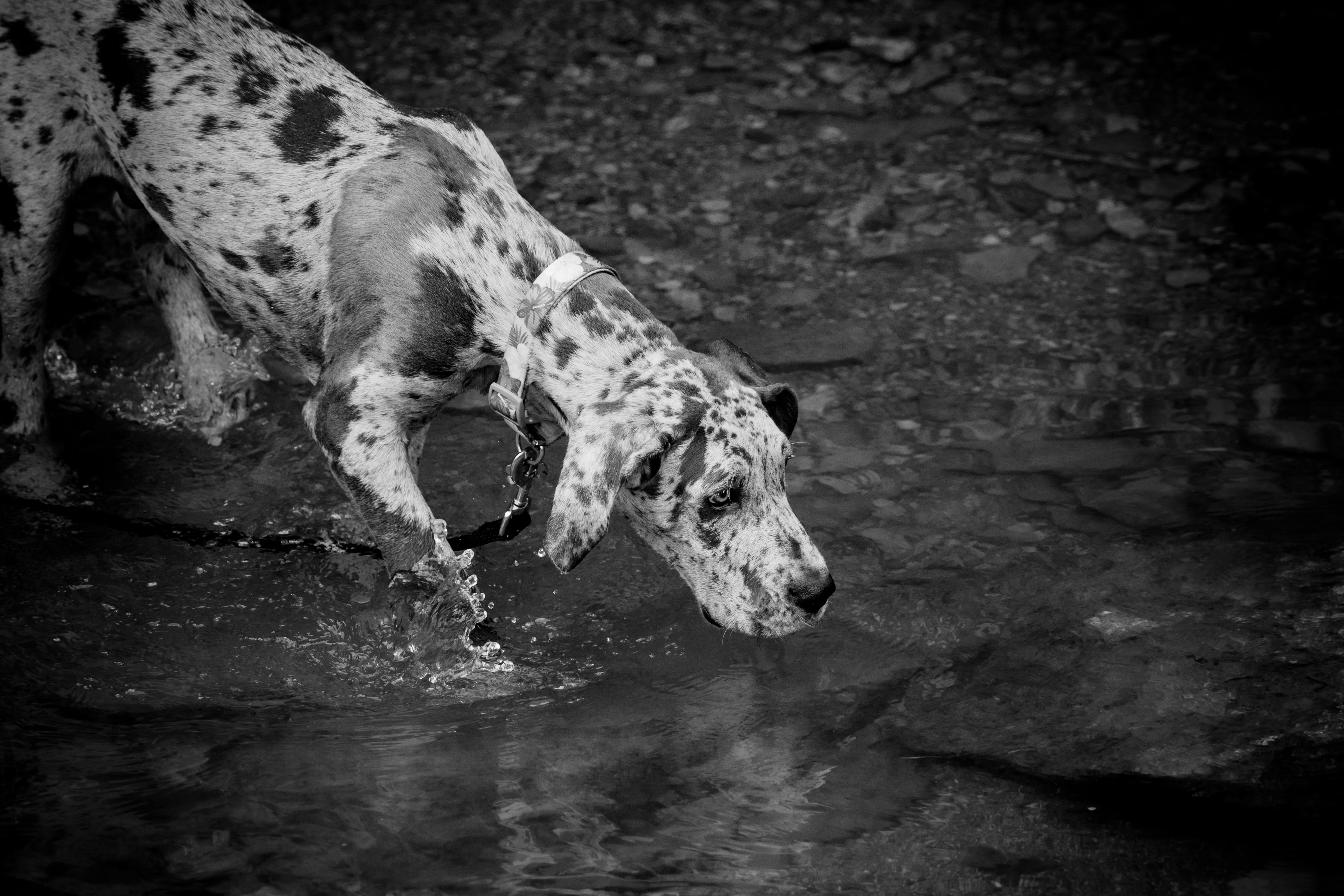 \n\n
\n\nDogs are often known for their wet noses, but do all dogs actually have them? This is a question that sparks curiosity among dog lovers and pet owners alike. Wet noses are one of those classic traits that many people associate with our furry friends, but there are variations across breeds and individual dogs. Let’s dive into the fascinating truth behind why dogs have wet noses and explore the differences that exist among various breeds.
\nThe Science Behind Wet Noses
\nDogs have wet noses primarily due to their unique anatomy and physiology. The moisture on a dog's nose serves multiple important functions. For one, it helps with their sense of smell. Dogs have an incredible olfactory system, and their wet noses help to capture scent particles from the air. When a dog breathes in, the moisture on their nose traps these particles, enhancing their ability to identify different scents.
\nMoreover, the wetness of a dog’s nose can also play a role in regulating their body temperature. Dogs don’t sweat like humans do; instead, they cool off through panting and their noses. A cool, wet nose can help to dissipate heat, which is especially important on hot days.
\nDo All Breeds Have Wet Noses?
\nNot every dog has the same level of moisture on their noses. While most dogs do have wet noses, there are exceptions depending on the breed and individual characteristics. Here’s a quick look at some breed variations:
\n- \n
- \n
Breeds with Generally Wet Noses:
\n- \n
- Labrador Retrievers \n
- Golden Retrievers \n
- Beagles \n
\n - \n
Breeds with Less Moisture:
\n- \n
- Bulldogs \n
- Pugs \n
- Shar Peis \n
\n
So, it’s not that all dogs have wet noses, but most do. It can vary significantly based on genetics, environment, and health conditions.
\nWhy Do Dogs Have Wet Noses?
\nThe reasons behind wet noses can be broken down into several key points:
\n- \n
- \n
Enhanced Smell:
\n- \n
- As mentioned, moisture helps in capturing scent particles and amplifying a dog’s sense of smell. Dogs have up to 300 million scent receptors, compared to about 5 million in humans. A wet nose helps them do their job better. \n
\n - \n
Thermoregulation:
\n- \n
- Wet noses contribute to cooling down. During hot weather, the moisture evaporates, helping to lower their body temperature. \n
\n - \n
Health Indicators:
\n- \n
- A dog’s nose can be an indicator of their health. A wet, cold nose is often seen as a sign of a healthy dog, while a dry or warm nose could signal a potential issue, though this is not always the case. \n
\n
Factors That Influence Nose Wetness
\nVarious factors can influence how wet or dry a dog’s nose is. Here are some of them:
\n- \n
- \n
Weather Conditions:
\n- \n
- Humidity and temperature can affect the moisture level. On hot, dry days, a dog’s nose may dry out more quickly. \n
\n - \n
Health Status:
\n- \n
- Illness, dehydration, or fever can lead to a change in nose moisture. If a nose goes from wet to dry suddenly, it may be worth consulting a veterinarian. \n
\n - \n
Age:
\n- \n
- Puppies often have wetter noses than older dogs, as they are generally more active and healthy. As dogs age, their noses may become less moist. \n
\n
Fun Facts About Dog Noses
\n- \n
- Dogs have a unique fingerprint, just like humans. The pattern of ridges on their noses can be used to identify them. \n
- The average dog’s nose temperature is around 33 to 34 degrees Celsius, which is cooler than their body temperature. \n
- Some breeds, like the Bloodhound, have such an incredible sense of smell that they can track scents days old. \n
Conclusion
\nIn summary, while most dogs have wet noses, not all do, and the degree of moisture can vary across breeds and individual dogs. The reasons behind why dogs have wet noses are fascinating and multifaceted, ranging from their enhanced sense of smell to their ability to regulate body temperature. Understanding these variations and the science behind them adds depth to our appreciation of these beloved companions. So the next time you pet a dog and feel that cool, damp nose, you’ll know there’s a lot more going on than just a cute feature!
\n\nHow to Keep Your Dog’s Nose Healthy: Tips for Pet Owners
\n\n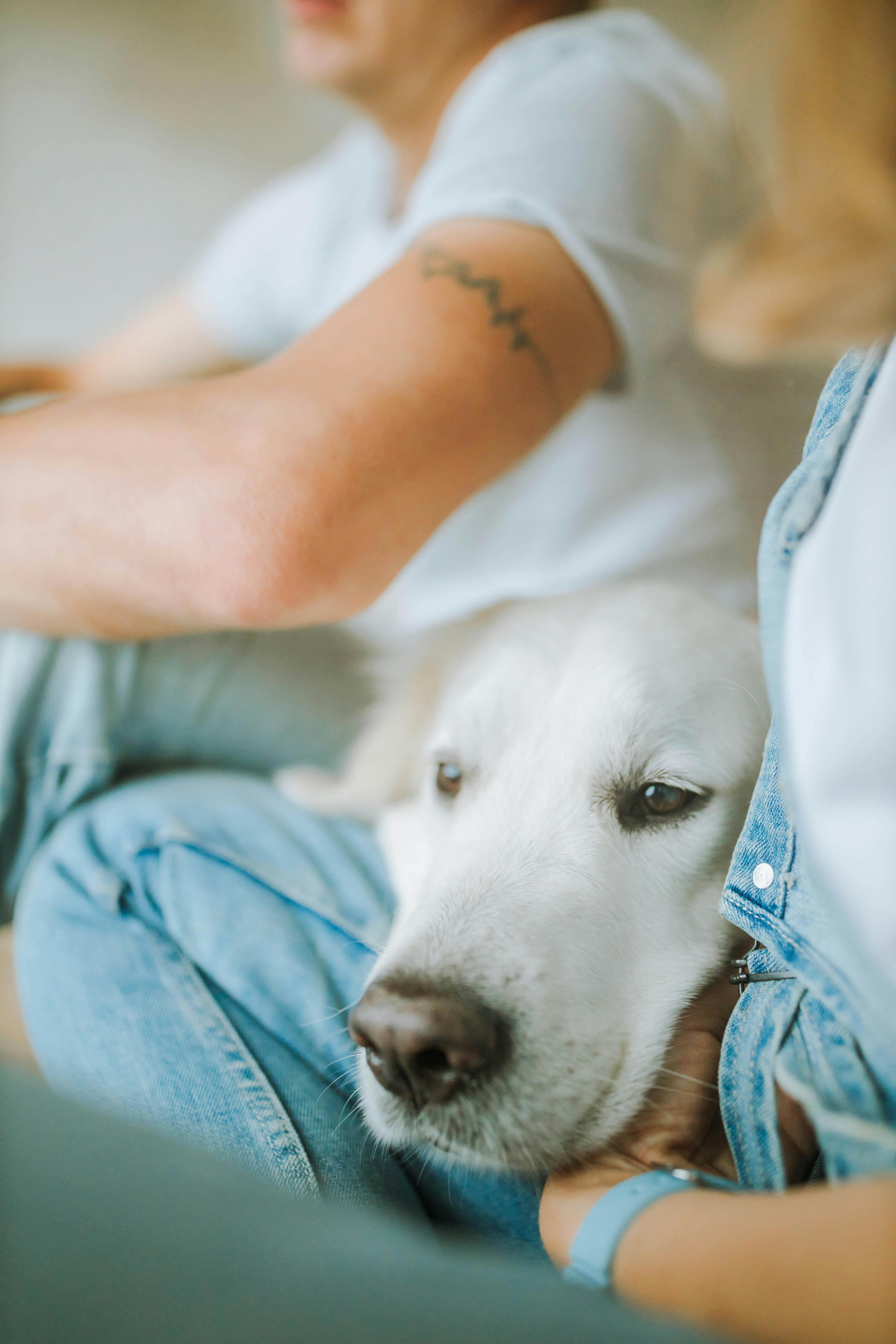 \n\n
\n\nHave you ever noticed your dog's wet nose and wondered why it’s always like that? Or maybe you’ve spotted some dry patches or cracks on it, raising concern about their health? Keeping your dog’s nose healthy is super important, and understanding the reasons behind that wetness can be fascinating. So, let’s dive into the world of canine noses and learn how to care for that adorable snout!
\nWhy Do Dogs Have Wet Noses?
\nDogs have wet noses for a few reasons, and it’s not just because they licked them! Here are some key points about why those noses stay moist:
\n- \n
- \n
Temperature Regulation: Dogs don’t sweat like humans. Instead, they use their noses to help regulate their body temperature. A cool, wet nose helps to keep them cool during hot days.
\n \n - \n
Scent Detection: A wet nose helps enhance their sense of smell. The moisture on a dog’s nose captures scent particles from the air, allowing them to sniff out all kinds of interesting smells. This is why dogs are such great trackers!
\n \n - \n
Health Indicator: A dog’s nose can tell you a lot about their health. A wet, cool nose is generally a sign of a healthy dog, while a dry or cracked nose might indicate dehydration or illness.
\n \n - \n
Communication: Dogs often use their noses to communicate with other dogs. A wet nose can be inviting and friendly, while a dry nose might signal something's off.
\n \n
How to Keep Your Dog’s Nose Healthy
\nThere are many ways you can help keep your dog’s nose in tip-top shape. Here are some practical tips you might want to consider:
\n- \n
- \n
Hydration is Key: Ensure your dog has access to fresh water at all times. Dehydration can lead to a dry nose, so keeping them hydrated is essential.
\n \n - \n
Avoid Irritants: Keep your dog away from strong chemicals, perfumes, and cleaning supplies that can irritate their nose.
\n \n - \n
Regular Vet Checkups: Schedule regular veterinary check-ups. Your vet can help detect any underlying health issues that might affect your dog's nose.
\n \n - \n
Moisturize if Needed: If your dog’s nose becomes dry or cracked, you can apply a pet-safe moisturizer. Avoid human lotions or balms, as they can be harmful.
\n \n - \n
Watch for Changes: Keep an eye on your dog's nose. If it becomes excessively dry, starts to peel, or has any unusual discharge, consult your veterinarian.
\n \n - \n
Healthy Diet: A balanced diet is important for overall health, including skin and nose health. Ensure your dog is getting the right nutrients!
\n \n - \n
Limit Sun Exposure: Just like humans, dogs can get sunburnt. If your dog has a light-colored nose, consider using a pet-safe sunscreen.
\n \n
Common Nose Issues in Dogs
\nSometimes, despite our best efforts, dogs can face nose-related issues. Here’s a list of common problems you might see:
\n- \n
- \n
Nasal Dermatitis: This can lead to redness, swelling, and irritation. It’s often caused by allergies or irritants.
\n \n - \n
Cracked Nose: This can be a sign of dehydration or can occur in dry climates.
\n \n - \n
Nasal Discharge: If your dog’s nose is producing a lot of discharge, it may indicate an infection.
\n \n - \n
Fungal Infections: Rarely, dogs can develop fungal infections on their noses, especially if they spend a lot of time outdoors.
\n \n - \n
Cancer: Though it's rare, growths can develop on a dog’s nose. If you see any unusual lumps or changes, consult a vet immediately.
\n \n
Quick Tips for Nose Care
\n- \n
- Always keep water available. \n
- Avoid harsh chemicals around your pet. \n
- Regularly observe your dog's behavior and physical changes. \n
- Consult your vet if any issues arise. \n
Fun Fact About Dog Noses
\nDid you know that every dog’s nose print is unique? It’s like a fingerprint but for dogs! Just like humans, each dog has a distinct pattern of ridges and creases on their nose. This uniqueness can even be used to identify pets!
\nIn conclusion, understanding the importance of your dog’s nose is crucial for their overall health. With proper care and attention, you can help ensure that your furry friend continues to have a wet, healthy nose. Remember, a happy dog is a healthy dog, and that nose plays a big part in their happiness!
\n\nConclusion
\n\nIn conclusion, the wet noses of dogs serve several important functions that contribute to their overall health and well-being. A moist nose helps enhance their sense of smell, as it captures scent particles more effectively, making them exceptional at tracking and detecting. Additionally, the moisture on their noses plays a role in thermoregulation, helping to keep them cool, especially in warmer weather. The wetness can also indicate a dog’s hydration level and overall health, as changes in this condition may warrant attention from a veterinarian. Ultimately, understanding the reasons behind a dog's wet nose not only enriches our knowledge of these beloved companions but also emphasizes the importance of regular health check-ups. So, the next time you give your furry friend a pat and feel that cool, damp nose, remember the fascinating biology behind it and be sure to care for their health with regular vet visits and proper hydration.
\n\n