Have you ever wondered why do dogs have wet noses? This intriguing question has left many pet owners scratching their heads. The truth is, there’s more to a dog’s wet nose than meets the eye! It's not just a cute feature; it's actually a fascinating aspect of canine biology that serves several important functions. From cooling off to enhancing their sense of smell, the reasons behind those damp, cold noses are truly captivating.
\nIn this article, we will explore the science behind dog noses, uncovering the secrets that make them so special. Did you know that a dog’s nose can be a window into its health? Understanding the benefits of a wet nose can help you become a more informed and attentive pet owner. Plus, we’ll share some surprising facts that you probably didn't know about your furry friend! So, are you ready to dive into the world of your dog’s sense of smell and discover why these beloved companions have wet noses? Join us as we unravel the mysteries of canine noses and learn how it impacts your dog’s life and well-being!
\n\nThe Science Behind Dog Noses: Why Are They Always Wet?
\n\n \n\n
\n\nThe fascination surrounding dog noses has long captivated pet owners and animal lovers alike. Ever wondered why do dogs have wet noses? It’s not just a quirky characteristic; there’s a science behind it. Dog noses are often moist, and this unique feature serves multiple purposes that are quite interesting. Let’s uncover the truth behind this phenomenon and explore why those adorable snouts are perpetually damp.
\nThe Anatomy of a Dog's Nose
\nDog noses are complex organs, equipped with a high concentration of scent receptors, which can be as many as 300 million, compared to a human's mere 5 million. This anatomical difference means dogs are incredible at smelling things. However, the wetness of their noses plays a significant role in enhancing their sense of smell.
\n- \n
- Moisture Retention: The wet surface helps to retain scent particles, making it easier for dogs to capture and identify odors. \n
- Temperature Regulation: Dogs do not sweat like humans do. Their noses help them regulate body temperature through evaporation. \n
- Health Indicator: A healthy dog generally has a moist nose. A dry nose can sometimes indicate illness or dehydration, although it's not always a clear sign. \n
Why Are Dog Noses Wet?
\nSo, why do dogs have wet noses anyway? It’s a combination of biology and behavior. The moisture found on their noses comes from a few different sources:
\n- \n
- Mucus Secretion: Dogs' nasal passages secrete mucus, which keeps their noses moist. \n
- Licking: Dogs often lick their noses; this behavior not only keeps them wet but also helps them gather more scent molecules. \n
Interestingly, the wetness can vary throughout the day. Dogs’ noses may be wetter after they’ve been active or excited.
\nThe Benefits of a Wet Nose
\nA wet nose is not just a cute feature but also offers several important benefits for dogs. Here’s a breakdown of some of them:
\n- \n
- \n
Enhanced Scent Detection: A wet nose can pick up scents more efficiently. The moisture helps to absorb the scent molecules, amplifying their ability to identify various smells.
\n \n - \n
Cooling Mechanism: Since dogs don't sweat through their skin, the moist surface of their noses helps cool them down. During hot days, a wet nose can help them maintain a comfortable body temperature.
\n \n - \n
Communication: Dogs use their noses to "greet" other dogs and even people. A wet nose can signal friendliness and a willingness to engage.
\n \n
The Myth of the "Cold Nose"
\nMany people believe that a dog’s nose should always feel cold to be healthy. However, this is not true! A dog’s nose temperature can fluctuate based on various factors like activity levels, weather conditions, and even time of day.
\n- \n
- Normal Range: A dog's nose can feel warm at times, especially after they’ve been sleeping or resting. \n
- Health Assessment: While a cold, wet nose is often associated with good health, it’s not the only indicator. Owners should pay attention to other signs of health too, such as appetite and energy levels. \n
Fun Facts About Dog Noses
\n- \n
- Dogs have a unique nose print, similar to human fingerprints, which can be used for identification. \n
- The shape and size of a dog's nose can affect its ability to smell. Breeds like Bloodhounds have larger, more droopy noses, which allows them to collect scents more effectively. \n
- Certain dog breeds, like Basenjis, have dry noses due to their unique anatomy. \n
How to Care for Your Dog's Nose
\nWhile dog noses are generally self-sufficient, it’s essential to keep an eye on their health. Here are some tips to ensure your furry friend’s nose stays in top shape:
\n- \n
- Hydration: Ensure your dog has access to fresh water all day. \n
- Avoid Irritants: Keep your dog away from smoke or strong chemical odors that could irritate their nose. \n
- Regular Checks: Observe for any changes in texture or color. If you notice cracks or excessive dryness, consult a vet. \n
In summary, the wet nose of a dog is a fascinating feature, deeply rooted in their biology and behavior. It’s not only crucial for their extraordinary sense of smell but also plays an essential role in their overall health and communication. Next time you give your pup a pat and feel that wet nose, remember the hidden science behind it – it’s just one of the many wonders of our canine companions!
\n\n5 Surprising Benefits of Wet Noses in Dogs You Didn’t Know About
\n\n \n\n
\n\nWhen you think about dogs, their wagging tails and playful barks often come to mind. But have you ever considered their wet noses? Most people just think it’s a cute trait, but there actually some surprising benefits of wet noses in dogs. Let’s dive into why dogs have wet noses and discover the fascinating truth behind this unique characteristic.
\nThe Science Behind Wet Noses
\nFirst off, the primary reason dogs have wet noses is for a simple biological reason. Their noses are moist because it helps them smell better. Dogs have an incredible sense of smell—estimated to be 10,000 to 100,000 times more acute than humans! A wet nose allows them to absorb scent molecules more effectively. When their noses are wet, it helps trap those molecules, enhancing their ability to sniff out things.
\nHere’s how it works:
\n- \n
- Moisture helps capture scent particles. \n
- Dogs have a special organ called the Jacobsen's organ that processes smells. \n
- The wetness keeps their noses cool, which also helps their smelling ability. \n
5 Surprising Benefits of Wet Noses in Dogs
\n- \n
- \n
Enhanced Sense of Smell
\n- \n
- Dogs can detect scents that humans can’t even fathom. Their wet noses allow for a better absorption of scent particles, making them excellent at tracking scents. This is why they are often used in police and search-and-rescue work! \n
\n - \n
Temperature Regulation
\n- \n
- Dogs don’t sweat like humans do. Instead, they cool down through panting and their noses. A wet nose helps regulate their body temperature. When the moisture on their nose evaporates, it cools them down, much like sweat cools a human. \n
\n - \n
Health Indicators
\n- \n
- A dog’s nose can also be an indicator of its overall health. A healthy dog usually has a cool, moist nose. If a dog’s nose becomes dry or warm, it might signify an illness or dehydration. So, paying attention to your furry friend’s nose can be quite beneficial! \n
\n - \n
Social Interaction
\n- \n
- Dogs use their noses to communicate! When they meet other dogs, they often sniff each other’s noses. This behavior helps them gather information about the other dog, such as its emotional state, health, and even diet. Wet noses play a crucial role in their social lives! \n
\n - \n
Detecting Emotions
\n- \n
- Dogs can sense human emotions through smell. Their wet noses help them pick up on pheromones and other scent signals that humans emit when they feel certain emotions. This is why your dog might seem to know when you’re feeling sad or stressed—they can literally smell it! \n
\n
Historical Context of Dog Noses
\nThe evolution of dogs has led to their unique nose characteristics. Early domesticated dogs, descended from wolves, had to rely heavily on their sense of smell for survival. Hunting, finding food, and avoiding danger all depended on their olfactory capabilities. Over time, this trait became more pronounced, leading to the wet noses we find in our canine companions today.
\nFun Facts About Dog Noses
\n- \n
- Dogs have about 300 million smell receptors, compared to humans, who only have about 5 million. \n
- Every dog has a unique nose print, just like human fingerprints! \n
- Wet noses can be a sign of excitement—when dogs are excited, their noses tend to get wetter. \n
How to Care for Your Dog's Nose
\nWhile wet noses are usually a sign of health, sometimes they can get dry or cracked. Here’s a few tips on how to keep your dog’s nose healthy:
\n- \n
- Keep them hydrated—Make sure your dog always has access to fresh water. \n
- Limit sun exposure—Just like human skin, dog noses can get sunburned. Consider using pet-safe sunscreen if your dog will be outside for long periods. \n
- Regular vet checkups—If you notice persistent dryness or cracking, consult your veterinarian. \n
Comparing Dog Noses to Other Animals
\nInterestingly, various animals have different types of noses and methods of smelling. Here’s a quick comparison:
\n| Animal | \nSmell Receptors | \nNotable Feature | \n
|---|---|---|
| Dogs | \n300 million | \nWet noses enhance smell | \n
| Cats | \n50-80 million | \nMore focused on hunting than social | \n
| Elephants | \n2,000-3,000 | \nCan detect water from miles away | \n
| Rats | \n1,000,000 | \nExcellent at detecting food sources | \n
Understanding why dogs have wet noses opens up a whole new world of appreciation for these furry friends. From enhancing their sense of smell to being social butterflies, wet noses play a vital role in their lives. So next time you give your dog a pat on the head, take a moment to appreciate that delightful wet nose!
\n\nHow Your Dog’s Wet Nose Can Indicate Their Health Status
\n\n \n\n
\n\nWhen you see your dog with a wet nose, you might think it’s just one of those cute things dogs do. But, oh, it’s way more than just adorable! The moisture on a dog’s nose can actually be a window into their health status, giving pet owners clues about what’s going on inside their furry friends. So why do dogs have wet noses, and what could it mean for their well-being? Let’s dive into this fascinating topic!
\nThe Science Behind Dogs’ Wet Noses
\nFirst, let’s talk about the biology of a dog’s nose. Dogs have special glands in their noses that helps keep them moist. This moisture is important for a couple reasons. It helps them smell better, because scent particles stick to the wet surface. Also, wet noses helps cool down their body temperature. It’s like a built-in air conditioning for them!
\n- \n
- \n
Enhanced Sense of Smell: Dogs have an incredible sense of smell, and a wet nose enhances this ability. The moisture captures scent particles, making it easier for dogs to detect different smells.
\n \n - \n
Temperature Regulation: Dogs primarily regulate their body temperature through their noses, as they don’t sweat like humans do. A wet nose can indicate that your dog is cooling off.
\n \n - \n
Health Indicator: A nose that is consistently dry, warm, or cracked can sometimes be a sign of health issues.
\n \n
What Can a Dog’s Nose Tell You?
\nJust like how we can tell if we’re sick by various symptoms, a dog’s nose can tell us a lot too! Here are some key indicators to keep an eye on:
\n- \n
- \n
Wet and Cool: This is a sign of a healthy dog! A moist nose usually means they are well-hydrated and feeling good.
\n \n - \n
Dry and Warm: This could mean your dog is sick or dehydrated. It’s important to monitor other symptoms, like lethargy or appetite changes.
\n \n - \n
Cracked or Chapped: A nose that is cracking or chapping may indicate a lack of moisture or even allergies.
\n \n - \n
Discharge: If there’s unusual discharge from the nose, it might mean an infection or other health issues.
\n \n
How to Monitor Your Dog’s Nose Health
\nKeeping an eye on your pet’s nose is just one part of responsible pet ownership. Here’s a quick list to help you monitor your dog’s nose health:
\n- \n
- \n
Check daily: Look at your dog’s nose every day to notice any changes in moisture or texture.
\n \n - \n
Hydration: Make sure your dog is drinking enough water, especially in hot weather.
\n \n - \n
Watch for other symptoms: Pair nose observations with other signs of health issues, such as changes in behavior, appetite, or energy level.
\n \n - \n
Consult a vet: If you notice persistent changes in your dog’s nose or other health indicators, don’t hesitate to consult your veterinarian.
\n \n
Historical Context of Dogs’ Noses
\nDogs have been man’s best friend for thousands of years. Historical evidence shows that dogs were domesticated around 15,000 years ago, and their noses have been a subject of interest ever since. Ancient cultures recognized the importance of a dog’s sense of smell for hunting and protection, but they also noted how a healthy nose was a sign of a well-cared-for animal.
\nIn fact, many canine breeds have been developed specifically for their olfactory capabilities, like Bloodhounds! Bloodhounds are famous for their incredible sense of smell and have been used in search and rescue operations for centuries.
\nFun Facts About Dogs’ Noses
\n- \n
- Dogs have about 300 million scent receptors in their noses, compared to about 5 million in humans. \n
- The texture of a dog’s nose is unique, much like a human fingerprint. \n
- Dogs can smell certain diseases, including cancer and diabetes, due to their superior olfactory abilities. \n
Practical Examples of Nose Health
\nIf you notice your dog’s nose feels different, here are some potential causes:
\n| Condition | \nDescription | \nSuggested Action | \n
|---|---|---|
| Dehydration | \nNose is dry and warm | \nIncrease water intake | \n
| Allergies | \nItchy, red, or inflamed nose | \nConsult a vet for treatment | \n
| Infection | \nUnusual discharge or pus | \nImmediate veterinary visit | \n
| Autoimmune Issues | \nCracking or scaling of the nose | \nSeek a veterinarian’s advice | \n
Keeping an eye out for the changes in your dog’s nose is a helpful way to monitor their health. Dogs’ noses not only serve functional purposes but can also signal when something might be off. So next time you give your pup a pet, take a moment to check that adorable, wet nose! It's not just cute—it could be an indicator of how they feel.
\n\nThe Fascinating Evolution of Dogs’ Wet Noses Explained
\n\n \n\n
\n\nHave you ever noticed your dog's nose and wondered why its always wet? There's actually a lot more to it than meets the eye. The fascinating evolution of dogs’ wet noses is not just a mere coincidence but a result of their biology and behavior. So, let’s dive into why do dogs have wet noses and uncover the intriguing truth behind this feature.
\nThe Biology of a Dog's Nose
\nA dog's nose is a remarkable organ. It’s designed for a lot more than just the sense of smell. Here’s some cool stuff about dog noses:
\n- \n
- Moisture: A wet nose helps dogs to absorb scents better. The moisture captures scent particles from the air, allowing dogs to smell better than humans. \n
- Temperature Regulation: Dogs can’t sweat like humans do. Their noses help regulate body temperature. When a dog pants, the moisture on its nose evaporates, helping cool them down. \n
- Health Indicator: A wet nose is often a sign of good health. If a dog's nose is dry or hot, it might be a signal of illness or dehydration. \n
Historical Context
\nIn the past, dogs were used for hunting and herding. Their ability to smell was imperative. Their noses evolved to be wet, helping them track scents over long distances.
\n- \n
- Ancient Breeds: Breeds like the Bloodhound and Basset Hound have especially wet noses. They were bred specifically for tracking scents. \n
- Domestication: As humans domesticated dogs, those with more effective sniffers (and wet noses) were preferred for various tasks, leading to the evolution of the modern dog. \n
Why Are Dogs' Noses Wet?
\nSo, why do dogs have wet noses? Here are some key reasons:
\n- \n
- Scent Absorption: The moisture on their noses helps them to pick up more scent particles. They can detect smells up to 100,000 times better than humans, and a wet nose enhances this ability. \n
- Cooling Mechanism: On hot days, the wetness of a dog’s nose plays a role in their ability to cool down. When the moisture evaporates, it helps keep their body temperature in check. \n
- Health Monitoring: A dog's wet nose can indicate overall health. Vets often check a dog’s nose as part of a general health assessment. \n
Fun Facts About Dog Noses
\n- \n
- Unique Patterns: Just like human fingerprints, every dog has a unique nose print. \n
- Temperature Sensitivity: A dog’s nose can detect temperature changes, which helps them sense their environment better. \n
- Breed Variations: Some breeds, like Bulldogs, may have drier noses due to their skin type and structure. \n
The Role of Environment
\nWeather can also affect a dog’s nose moisture. For instance:
\n- \n
- Humidity: In humid conditions, dogs’ noses may stay wetter longer. \n
- Cold Weather: In winter, dogs might have dry noses due to the cold air and indoor heating. \n
- Health Factors: Dehydration or illness can lead to a dog’s nose being dry. If you notice this, it’s good to consult a vet. \n
Comparing Dogs to Other Animals
\nDogs aren't alone in having wet noses; many animals have similar features. Here’s how they compare:
\n| Animal | \nNose Type | \nFunctionality | \n
|---|---|---|
| Dogs | \nWet Nose | \nEnhanced smell, cooling mechanism | \n
| Cats | \nDry Nose | \nLess sensitive, but still good at scent | \n
| Pigs | \nWet Nose | \nExcellent smell for foraging | \n
| Horses | \nDry Nose | \nGood for breathing, less for scent | \n
Dogs’ noses are not just there for show. They're functional and essential for their well-being. It’s fascinating to think about how evolution shaped this particular feature in dogs, making them better companions and helpers to humans.
\nPractical Examples
\nIf you've ever seen your dog sniffing around, it’s not just being curious. Here’s what’s happening:
\n- \n
- Tracking Scents: When a dog finds a trail, it’s utilizing its wet nose to absorb scents from the surrounding area. \n
- Detecting Illness: Dogs have been trained to detect certain diseases like cancer due to their exceptional sense of smell, which is enhanced by their wet noses. \n
- Search and Rescue: Dogs are used in search and rescue missions, relying on their wet noses to track missing persons. \n
Understanding why do dogs have wet noses helps us appreciate these furry friends even more. Their noses are a key component of their biology, evolutionary history, and everyday lives. Next time you give your dog a pat, take a moment to admire that wet nose and all the wonderful things it does.
\n\nWhy Do Some Dogs Have Drier Noses? Discover the Reasons!
\n\n \n\n
\n\nWhen we think of our furry friends, one of the things that often catches our attention is their noses. Some dogs have drier noses, while others seem to always be a bit moist. It’s a curious thing! So, why do some dogs have drier noses? And why do dogs have wet noses? Let’s dive into the fascinating world of canine noses to uncover the truth behind this strange phenomenon.
\nThe Basics of Dog Noses
\nFirst off, it is important to understand what a dog's nose does. A dog’s nose is not just cute; it serve multiple purposes. For one, it helps them smell the world around them. Did you know that dogs have up to 300 million smell receptors? That’s a lot more than humans, who only have about 5 million. Wet noses are thought to enhance this ability. The moisture helps to capture scent particles from the air, making it easier for dogs to identify smells.
\nWhy Do Some Dogs Have Drier Noses?
\nThere can be various reasons why some dogs have drier noses. Here are a few common causes:
\n- \n
- \n
Weather Conditions: Just like humans, dogs can be affected by the weather. Hot, dry conditions can lead to a dryer nose. Conversely, humidity can keep their noses moist.
\n \n - \n
Health Issues: Drier noses may indicate certain health problems. For instance, conditions like allergies, infections, or autoimmune diseases can affect moisture levels.
\n \n - \n
Dehydration: If a dog is not getting enough water, it might result in a dry nose. Always make sure your dog has access to fresh water.
\n \n - \n
Age: As dogs age, their bodies change, and this can include the moisture levels in their noses. Older dogs might have drier noses than younger pups.
\n \n - \n
Breed Differences: Some dog breeds naturally have drier noses due to their genetics. For example, brachycephalic breeds like Bulldogs often have less moisture in their noses.
\n \n
Why Do Dogs Have Wet Noses?
\nNow, let’s talk about the other side of the coin. Why do dogs have wet noses? Here’s some reasons for that:
\n- \n
- \n
Scent Detection: The moisture on a dog’s nose helps absorb more scents. This is why dogs are often seen sniffing around; they are gathering information about their environment.
\n \n - \n
Cooling Mechanism: Dogs don’t sweat like humans do; instead, they use their noses to help regulate their body temperature. A moist nose can help them cool down.
\n \n - \n
Healthy Body Function: A wet nose is often a sign of a healthy dog. If their nose is moist and cool, it usually indicates that they are well-hydrated and not sick.
\n \n
Comparing Wet and Dry Noses
\nTo better understand the differences, here’s a quick comparison:
\n| Wet Nose | \nDry Nose | \n
|---|---|
| Usually signifies hydration and health | \nMay indicate dehydration or health issues | \n
| Helps with scent detection | \nMay limit the ability to smell | \n
| Can cool down the dog | \nLess effective in temperature regulation | \n
| Common in healthy dogs | \nCan be a sign of underlying issues | \n
Practical Examples of Nose Care
\nTaking care of your dog's nose is crucial for their overall health. Here are some tips:
\n- \n
- \n
Regular Vet Check-Ups: Keep an eye on your dog’s nose during vet visits. Changes in moisture levels can be significant.
\n \n - \n
Hydration: Ensure your dog drinks enough water, especially during hot weather.
\n \n - \n
Moisturizing Balms: Some pet owners use nose balms made specifically for dogs to keep their noses from drying out.
\n \n - \n
Watch for Symptoms: Keep an eye out for signs of illness, such as a persistent dry nose that is accompanied by other symptoms like lethargy or changes in appetite.
\n \n
Historical Context
\nHistorically, dog noses have been a topic of fascination. Ancient cultures believed that a dog’s nose could indicate its health and behavior. For example, Greeks and Romans had various myths surrounding dogs, often linking their noses to their ability to sense danger or locate hidden treasures.
\nIn modern times, veterinarians and pet owners alike have researched the significance of a dog’s nose. The understanding of wet vs. dry noses has evolved, but the mystery still captivates dog lovers everywhere.
\nIn conclusion, understanding why some dogs have drier noses while others have wet ones is not just about curiosity; it's about ensuring the health and well-being of our canine companions. Whether wet or dry, being attentive to changes in your dog's nose can help you spot health issues early and take the necessary steps to keep them happy and healthy.
\n\nCan a Dog’s Wet Nose Really Predict Weather Changes? Find Out!
\n\n \n\n
\n\nCan a dog’s wet nose really predict weather changes? Many people wonder about this, and it’s an interesting question. Dogs have been known to show unusual behavior when the weather starts to shift. But is their wet nose a factor in this? Let's dive into the fascinating truth about dogs’ wet noses and whether they can help in forecasting weather changes.
\nWhy Do Dogs Have Wet Noses?
\nMost of us have noticed that our furry companions have moist noses, but have you ever thought about why that is? A dog’s nose is wet for several reasons, and it plays a significant role in their health and communication. Here’s a breakdown of the main reasons:
\n- \n
- \n
Sense of Smell: Dogs have an incredible sense of smell, and a wet nose helps them absorb scent molecules from the air. The moisture on their noses helps to capture these scents better, making it easier for them to identify different smells.
\n \n - \n
Temperature Regulation: Just like humans sweat to cool down, dogs can regulate their body temperature through their noses. The moisture evaporates, which can help in cooling them down.
\n \n - \n
Health Indicator: A wet nose is often a sign of a healthy dog. When a dog is sick or dehydrated, their nose may become dry and warm, which can indicate health issues.
\n \n
How Does a Dog’s Nose Relate to Weather Predictions?
\nSo, can a dog’s wet nose actually predict weather changes? While there isn’t any scientific proof that a dog’s nose can predict the weather, there are some interesting observations about how dogs react to environmental changes. Here’s what you might notice:
\n- \n
- \n
Changes in Air Pressure: Dogs, like many animals, can detect changes in air pressure. A drop in pressure often indicates an approaching storm. Many dog owners report that their pets become restless or anxious before bad weather hits.
\n \n - \n
Humidity Sensitivity: Dogs are sensitive to humidity levels. Before rain, the air often becomes more humid, and this change can trigger certain behavior in dogs. They might start barking or pacing around.
\n \n - \n
Static Electricity: During dry weather, static electricity increases. Some dogs might react to this by acting more energetic or anxious. This could happen before a thunderstorm.
\n \n
Fascinating Facts About Dogs’ Noses
\nLet’s look at some fun and fascinating facts about dog noses:
\n- \n
- \n
Unique Nose Prints: Just like human fingerprints, every dog has a unique nose print. It can actually be used to identify them.
\n \n - \n
Scent Receptors: Dogs have up to 300 million scent receptors in their noses, compared to about 6 million in humans. This gives them an extraordinary sense of smell.
\n \n - \n
Nasal Turbinates: Inside a dog’s nose, there are structures called nasal turbinates that help to warm and moisten the air they breathe in. This is crucial for their respiratory health.
\n \n - \n
Temperature Regulation: Dogs also use their noses to help cool off. When they breathe out, the moisture evaporates, helping to keep their body temperature down.
\n \n - \n
Communication Tool: Dogs use their noses to communicate with other dogs. The scents they pick up can tell them about other animals and their environment.
\n \n
Observing Your Dog’s Behavior
\nIf you want to test your dog’s weather predicting abilities, pay attention to their behavior during different weather conditions. Here’s a quick checklist:
\n- \n
- Before a Storm: Do they seem restless or hide? \n
- During Rain: Do they react differently, like barking or wanting to go outside more often? \n
- After a Weather Change: Are they more energetic or do they seem to relax? \n
Final Thoughts
\nIn conclusion, while there is no concrete evidence that a dog’s wet nose can predict the weather, their behavior certainly can give hints about upcoming changes. The reasons behind why dogs have wet noses are fascinating and complex, contributing to their exceptional abilities. Understanding your dog’s signals can improve your relationship with them and help you prepare for weather changes. So, next time you see your dog’s nose glistening, remember the amazing roles it plays in their lives!
\n\nThe Role of a Wet Nose in a Dog’s Sense of Smell: What You Need to Know
\n\n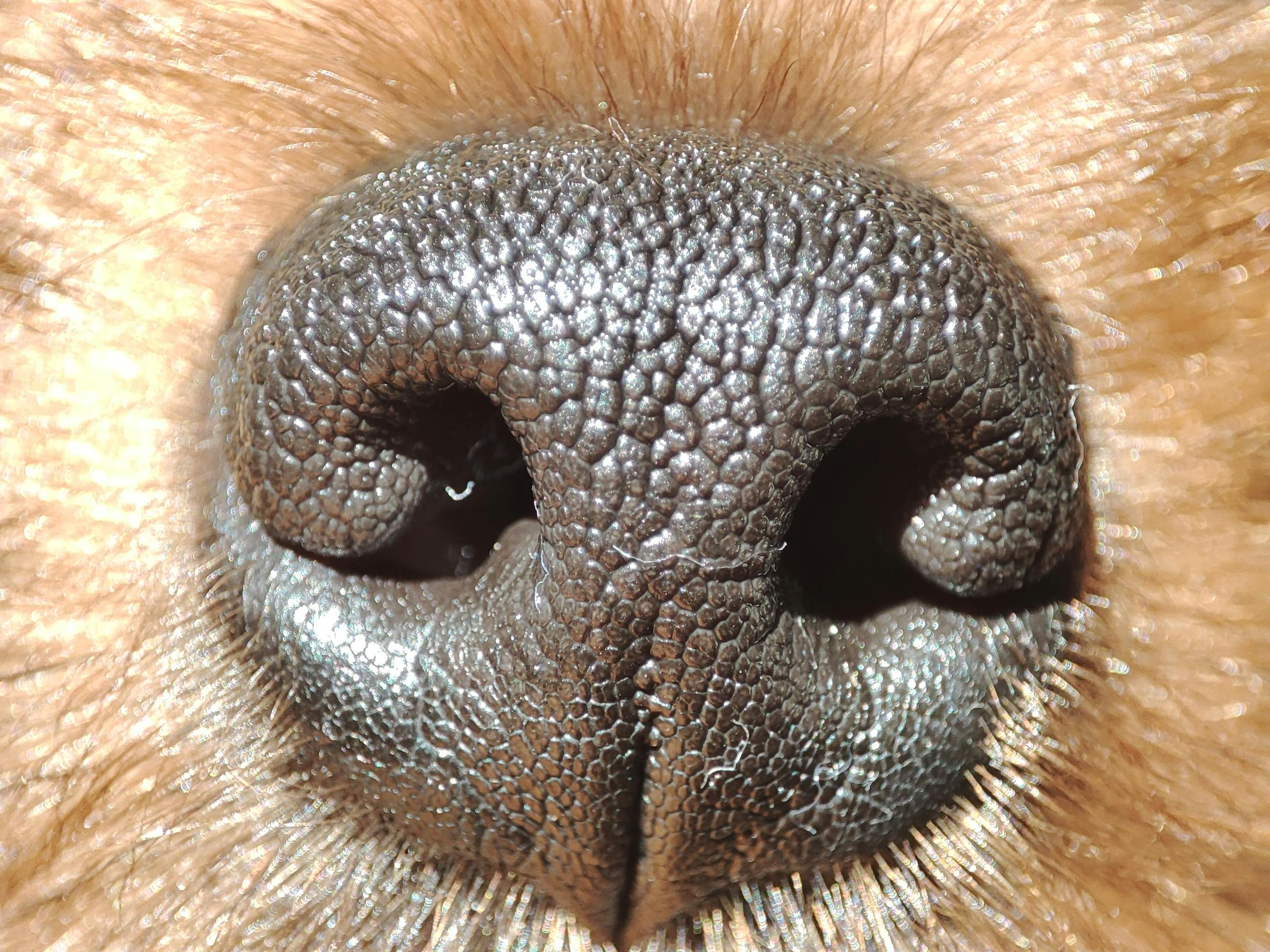 \n\n
\n\nDogs are incredible creatures, and one of the most fascinating aspects of them is their sense of smell. But did you ever wonder why do dogs have wet noses? This seemingly simple question leads to a deeper understanding of how our furry friends interact with the world around them. The role of a wet nose in a dog’s sense of smell is more than just a quirky trait; it has significant implications for their health and behavior. Let's dive into the fascinating truth behind it!
\nThe Science Behind Wet Noses
\nA dog’s nose serves as a complex organ that is designed to detect scents. The wetness of a dog’s nose is crucial for several reasons:
\n- \n
- \n
Enhanced Scent Detection: The moisture on a dog’s nose helps to capture scent particles from the air, making it easier for them to process smells. When the nose is wet, it can absorb more odors, which allows dogs to identify scents more accurately.
\n \n - \n
Cooling Mechanism: Just like humans sweat to cool down, dogs use their noses as a way to regulate their body temperature. The moisture evaporates, which helps to cool them down.
\n \n - \n
Health Indicator: A wet nose is often seen as a sign of a healthy dog. If a dog’s nose becomes dry or excessively warm, it could indicate a health issue that requires attention.
\n \n
Why Do Dogs Have Wet Noses?
\nSo, why do dogs have wet noses in the first place? This feature is an evolutionary trait that has developed over thousands of years. Canines are descendants of wolves, and the wet nose has been advantageous for survival. Here’s a closer look:
\n- \n
- \n
Hunting and Foraging: In the wild, wolves needed to track down prey. A wet nose allows them to pick up on scents left behind by animals, which is vital for hunting.
\n \n - \n
Communication: Dogs also rely on their sense of smell to communicate with each other. They can detect pheromones and other chemical signals that convey important information about their environment and fellow canines.
\n \n
Fascinating Facts About Dog Noses
\nUnderstanding why dogs have wet noses can lead to some interesting facts about their olfactory abilities. Here are some amazing tidbits:
\n- \n
- \n
Olfactory Receptors: Dogs have around 220 million olfactory receptors compared to humans, who have only about 5 million. This difference makes their sense of smell incredibly powerful.
\n \n - \n
Scent Memory: Dogs can remember smells for a long time, sometimes even years. This ability helps them recognize familiar scents and find their way back home.
\n \n - \n
Scent Discrimination: Dogs can differentiate between different scents even in a mixture. For example, they can identify a specific person’s scent in a crowded area.
\n \n
The Wet Nose and Dog Health
\nWhile a wet nose is usually a sign of good health in dogs, there are exceptions. It’s important to be aware of changes in your dog’s nose condition. Here’s a quick list of what to watch for:
\n- \n
- Dry Nose: A persistently dry nose could indicate dehydration or illness. \n
- Cracked Nose: Cracking or bleeding might suggest skin issues or allergies. \n
- Warm Nose: A warm nose can sometimes be a sign of fever, though it’s not always a reliable indicator. \n
Comparison: Dog Noses vs. Human Noses
\nIt’s interesting to compare how dogs and humans use their noses. Here’s a simple comparison:
\n| Feature | \nDogs | \nHumans | \n
|---|---|---|
| Olfactory Receptors | \n220 million | \n5 million | \n
| Scent Memory | \nLong-lasting | \nShorter duration | \n
| Sensitivity | \nCan detect parts per trillion | \nLimited sensitivity | \n
| Purpose | \nHunting, communication | \nBasic identification | \n
Practical Examples of Nose Functionality
\nDogs utilize their noses in a variety of practical ways that highlight their unique abilities:
\n- \n
- \n
Search and Rescue: Dogs are trained to find missing persons by scent, often successfully locating individuals in disaster zones.
\n \n - \n
Detection Work: Many breeds are used in law enforcement for detecting drugs, explosives, or even diseases like cancer.
\n \n - \n
Service Dogs: Some dogs are trained to detect changes in their owner's body chemistry, helping to alert them to medical issues such as seizures or blood sugar changes.
\n \n
In conclusion, the role of a wet nose in a dog’s sense of smell is not just a quirky characteristic but an essential aspect of their biology and behavior. Understanding the reasons why dogs have wet noses can deepen our appreciation for these loyal companions. So next time you give your dog a scratch behind the ears, take a moment to marvel at their extraordinary sense of smell and the fascinating world they navigate with those wet noses.
\n\n7 Myths About Dogs’ Wet Noses Debunked: What’s the Truth?
\n\n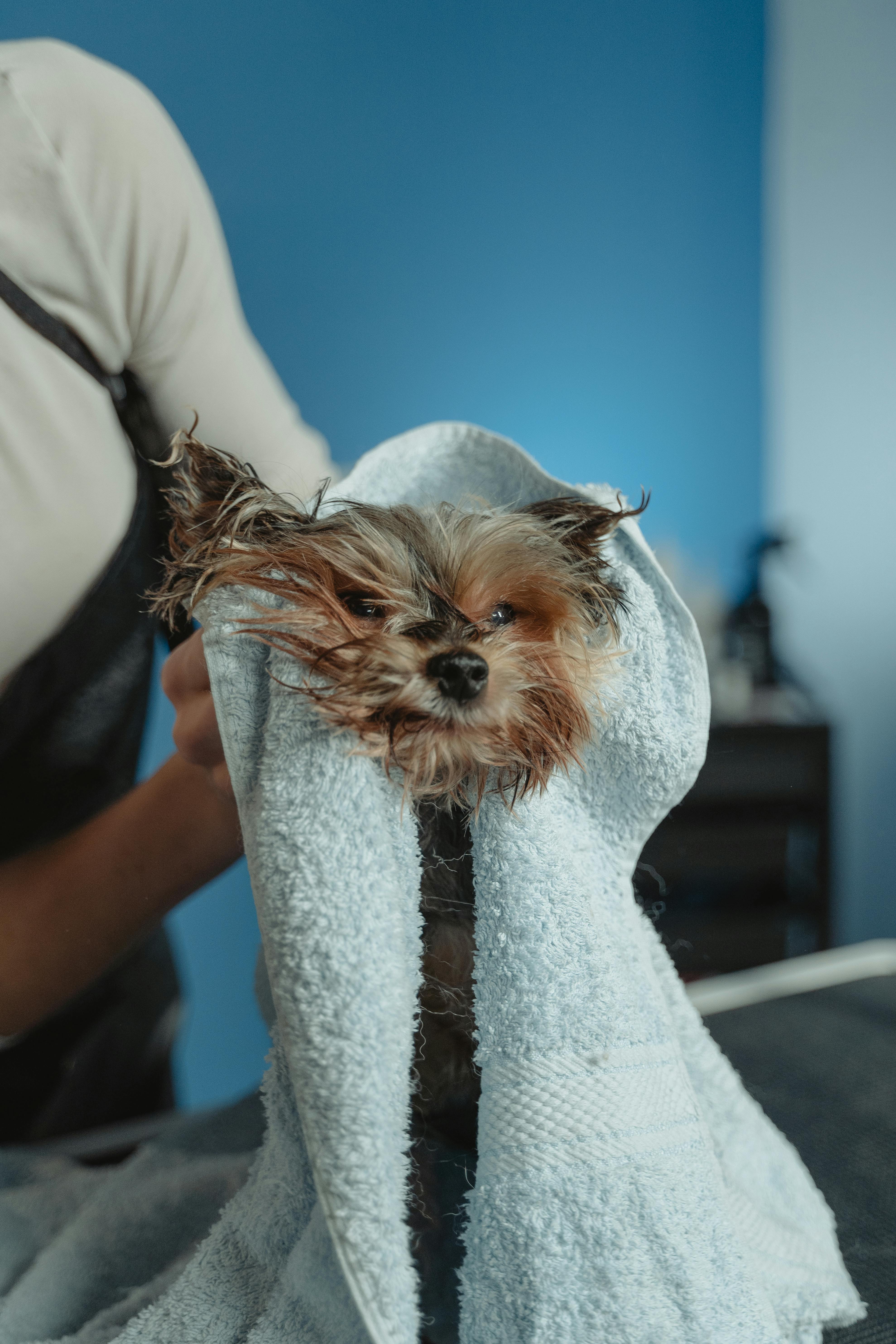 \n\n
\n\nDogs are truly amazing creatures, and one of their most fascinating features is their wet noses. Many people have all kinds of ideas about why dog noses are wet. Some of these ideas are based on myths and misconceptions. So, let's dive into the seven most common myths surrounding dogs’ wet noses and uncover the truth behind them. Why do dogs have wet noses? Discover the fascinating truth!
\nMyth 1: Wet Noses Mean a Dog is Healthy
\nOne of the most popular beliefs is that a wet nose indicates a healthy dog. While it’s true that many healthy dogs have moist noses, it isn't a definitive health marker. A dog’s nose can be dry for many reasons, like weather conditions or just waking up from a nap. It’s best to look at other health signs instead of solely relying on the nose's moisture.
\nMyth 2: Dogs Lick Their Noses to Keep Them Wet
\nPeople often think dogs lick their noses to keep them moist. While licking does help, it’s not the primary reason for their wet noses. Dogs have sweat glands in their noses, and they secrete moisture to help cool themselves down and enhance their sense of smell. So, licking is just a part of the process, not the main cause.
\nMyth 3: A Wet Nose Means a Dog is Nervous or Anxious
\nAnother common myth is that a wet nose can indicate anxiety or nervousness in dogs. This is incorrect. A dog’s nose may become wet as a natural response to various stimuli, like excitement, play, or just breathing. Anxiety can manifest in different ways, such as pacing or whining, but a wet nose isn’t a reliable indicator of stress.
\nMyth 4: Dogs With Dry Noses Are Sick
\nMany dog owners worry when they see their pet’s nose is dry. However, a dry nose does not automatically mean that a dog is sick. Dogs can have dry noses due to environmental factors, like hot weather or low humidity. If a dog shows other signs of illness, like lethargy or loss of appetite, then it’s time to consult a veterinarian.
\nMyth 5: All Dogs Have Wet Noses
\nWhile most dogs do have wet noses, not every breed shares this trait. Certain breeds, like Bulldogs and Pugs, may have drier noses due to their unique skin composition. It’s essential to understand that there’s a wide variety of dog breeds, and their noses can differ significantly.
\nMyth 6: Dogs' Noses Are Wet for Smelling Better
\nMany people believe that a wet nose is important for a dog’s sense of smell. While that’s partially true, it’s not the only factor. The moisture on a dog’s nose helps to capture scent particles, enhancing their olfactory capabilities. However, their incredible sense of smell also relies on the structure of their nasal cavity and the number of scent receptors they have.
\nMyth 7: Dogs' Noses Change Color When Sick
\nSome folks think a dog’s nose color change signals illness. However, nose color can change due to various factors, such as temperature or sunlight exposure. Again, if a dog’s overall behavior changes, it’s more critical to observe those signs rather than focusing entirely on the nose.
\nWhat’s The Truth About Wet Noses?
\nNow that we have debunked these myths, let’s look at some fascinating facts about dogs’ wet noses:
\n- \n
- Sensory Organ: A wet nose is a powerful sensory organ that helps dogs interact with their environment. \n
- Body Temperature Regulation: Wet noses also play a role in thermoregulation, helping dogs cool down. \n
- Unique Nose Prints: Just like fingerprints in humans, every dog has a unique nose print that can be used for identification. \n
- Health Indicators: While a wet nose isn't a definitive health indicator, monitoring changes in nose conditions alongside other symptoms can be helpful. \n
Practical Tips for Dog Owners
\n- \n
- Regular Check-Ups: Keep up with your dog’s veterinary visits to monitor their health. \n
- Hydration: Make sure your pet stays hydrated, especially in hot weather, to maintain a healthy nose. \n
- Observe Behavior: Watch for changes in your dog's behavior or eating habits, as these can be more telling than nose moisture. \n
Understanding the truth behind dogs’ wet noses helps pet owners take better care of their furry friends. Rather than relying on myths, it’s essential to observe the whole dog and consult with a veterinarian when necessary. Dogs are complex, and their wet noses are just one of many remarkable traits that make them special companions.
\n\nUnderstanding the Connection Between a Dog’s Wet Nose and Emotions
\n\n \n\n
\n\nDogs are often called man's best friends, and their behavior can tell us a lot about their emotions. One of the most curious features of dogs is their wet noses. Have you ever wondered why do dogs have wet noses? It might seem like a simple question, but the answer is both fascinating and complex. The connection between a dog’s wet nose and their emotions is worth exploring, as it offers insights into how our furry companions perceive the world around them.
\nThe Science Behind Wet Noses
\nTo understand why dogs have wet noses, we first need to look at the anatomy of a dog. A dog’s nose is packed with scent receptors—up to 300 million, compared to a human's measly 5 million. This makes their sense of smell incredibly strong. The moisture on their noses plays a crucial role in this. It allows scent particles to adhere better, enhancing their olfactory capabilities.
\n- \n
- Nasal Mucus: Dogs naturally produce mucus that keeps their noses moist. This mucus is essential for trapping scents. \n
- Temperature Regulation: Dogs also use their noses to help regulate body temperature. When they are panting, the wetness on their noses helps cool them down. \n
- Emotional Indicator: Just like humans can express emotions through body language, a dog’s wet nose can signal their feelings. A cold, wet nose might indicate a relaxed, happy dog, while a dry nose could mean they’re anxious or unwell. \n
Historical Context of Dogs’ Noses
\nHistorically, dogs have been recognized for their exceptional sense of smell. In ancient times, dogs were used for hunting and tracking, where their noses played a vital role. The Romans even had a saying: "A dog’s nose is its best friend." This reflects the deep-rooted belief in the importance of a dog's sense of smell throughout history.
\n- \n
- Tracking Animals: Dogs were bred for specific purposes, including tracking game. Wet noses were part of their hunting toolkit. \n
- Search and Rescue: In modern times, dogs are used in search and rescue missions, showcasing the enduring significance of their noses. \n
Emotional Connections: What a Wet Nose Means
\nSo, what does it mean when your dog’s nose is wet? Here are some emotional states that a dog might express through their nose:
\n- \n
- Happiness: A dog with a wet, cool nose is often content and relaxed. They might be wagging their tails and seeking affection. \n
- Anxiety: If their nose feels warmer or drier, it could indicate stress or discomfort. Situations like thunderstorms or unfamiliar environments can lead to this. \n
- Health Issues: Sometimes, a dry nose can be a sign of dehydration or illness. It’s crucial to monitor other signs of health problems like lethargy or changes in eating habits. \n
Fun Facts About Dog Noses
\nHere are some interesting tidbits about dog noses that might surprise you:
\n- \n
- Unique Patterns: Just like human fingerprints, each dog’s nose has a unique pattern of ridges and creases. \n
- Sense of Taste: Dogs have a less developed sense of taste compared to humans. They rely heavily on their noses to enjoy their food. \n
- Wetness and Temperature: A dog’s nose can fluctuate in temperature. A nose that’s cool and moist is usually a good sign, while one that’s warm might need a vet's attention. \n
Why a Wet Nose Matters
\nThe wetness of a dog's nose is more than just a quirk of nature. It plays a crucial role in their daily lives. Here’s a brief overview of why a wet nose matters:
\n- \n
- For Scent Detection: The moisture helps capture scent particles, aiding in smell. \n
- For Communication: Dogs use their noses to communicate with each other and with humans. \n
- For Health Monitoring: Changes in the wetness or temperature of a dog’s nose can be an important health indicator. \n
Quick Comparison: Dog Noses vs. Human Noses
\n| Feature | \nDog Nose | \nHuman Nose | \n
|---|---|---|
| Sense of Smell | \nExceptional (300 million receptors) | \nLimited (5 million receptors) | \n
| Wetness | \nNaturally moist | \nCan be dry or moist | \n
| Temperature Regulation | \nYes | \nLimited | \n
Understanding the connection between a dog's wet nose and their emotions can deepen the bond between you and your pet. By paying attention to this simple yet fascinating aspect of their anatomy, you can gain insights into their feelings and overall well-being. Whether you’re cuddling on the couch or playing fetch in the park, your dog’s wet nose is a window into their heart. So next time you notice your dog’s nose, remember it’s not just a cute feature; it’s part of what makes them unique companions.
\n\nHow to Care for Your Dog’s Nose: Ensuring Optimal Moisture Levels
\n\n\n\nDogs are amazing companions, and their moist noses is one of their most charming features. Have you ever wondered, why do dogs have wet noses? Or how to care for your dog’s nose? These questions not only showcase the fascinating biology of our furry friends but also highlight the importance of keeping their noses healthy and hydrated. Let’s dive into this intriguing subject!
\nThe Science Behind a Wet Nose
\nSo, why is a dog’s nose wet? The moisture levels on a dog’s nose serve several purposes. It is believed that the wetness helps with their sense of smell. Dogs has an extraordinary sense of smell, and the moisture on their noses helps to trap scent particles. When the nose is wet, they can detect different scents more efficiently.
\nAlso, a wet nose can help regulate temperature. Just like humans sweat to cool down, dogs can also use their noses to help manage their body temperature. If you see your dog’s nose getting drier, it could mean they are overheating or dehydrated.
\nHow to Care for Your Dog’s Nose
\nProper care for your dog’s nose is crucial in ensuring optimal moisture levels. Here’s some tips that might help you maintain your dog’s nose health:
\n- \n
- Hydration: Always make sure your dog has access to fresh, clean water. Dehydration can lead to dry noses. \n
- Regular Check-ups: Visits to the vet can help identify any underlying health issues that might affect your dog’s nose. \n
- Limit Sun Exposure: Just like humans, dogs can get sunburned. If your dog spends a lot of time outdoors, consider using pet-safe sunscreen for their nose. \n
- Moisturize When Necessary: If your dog's nose appears dry or cracked, you can use a vet-approved moisturizer to help soothe it. \n
Signs of a Health Issue
\nSometimes, a dry nose can indicate health problems. It’s important to recognize the signs that something might be wrong:
\n- \n
- Cracked or Bleeding Nose: This can indicate dehydration or other health problems. \n
- Discoloration: A sudden change in color could indicate allergies or infections. \n
- Excessive Dryness: If it’s consistently dry for a long period, you should consult your veterinarian. \n
- Nasal Discharge: Any unusual discharge could point to a respiratory issue. \n
Comparison: Wet Nose vs. Dry Nose
\nUnderstanding the difference between a healthy wet nose and a dry one can be helpful. Here’s a quick comparison:
\n| Feature | \nWet Nose | \nDry Nose | \n
|---|---|---|
| Temperature | \nCool to the touch | \nWarm or hot | \n
| Texture | \nSmooth and moist | \nRough or cracked | \n
| Health Indicator | \nGenerally healthy | \nMay indicate health issues | \n
| Smell Sensitivity | \nHigh | \nLow due to less moisture | \n
The Fascinating Truth About Dog Noses
\nDogs noses are not just wet for functional reasons. They are also unique to each dog, much like human fingerprints. Each dog has its own distinctive nose print that can be used for identification. Isn’t that fascinating?
\nMoreover, dogs have around 300 million scent receptors in their noses compared to about 5 million in humans. This is why they can detect certain diseases, locate missing persons, or even sniff out drugs. Their wet noses play a vital role in enhancing their olfactory capabilities, allowing them to engage with the world in ways we can hardly imagine.
\nCommon Myths About Dog Noses
\nThere are several myths surrounding dog noses that may lead to confusion. Here are some common misconceptions:
\n- \n
- “A dry nose means a dog is sick.”: Not necessarily! Dogs can have dry noses for various reasons, including weather changes. \n
- “Dogs only sweat through their noses.”: Dogs primarily sweat through their paw pads and regulate their temperature through panting. \n
- “All dogs have wet noses.”: Some breeds naturally have drier noses, and this is normal for them. \n
Keeping Your Dog Happy and Healthy
\nIn the end, caring for your dog’s nose is an important part of their overall health. A well-hydrated nose is just one of many aspects that contribute to your dog's well-being. Regular vet check-ups, a balanced diet, and hydration will all help keep that nose wet and healthy.
\nSo next time you see your furry friend with a shiny, moist nose, you can appreciate the science behind it and the steps you can take to ensure they stay healthy and happy for years to come!
\n\nConclusion
\n\nIn conclusion, the wet noses of dogs serve several important purposes that contribute to their overall health and well-being. The moisture helps enhance their sense of smell, allowing them to detect scents more effectively, which is vital for their communication and navigation. Additionally, a wet nose plays a crucial role in thermoregulation, helping dogs cool down in warm weather. While a healthy dog typically has a moist nose, variations can occur, and changes in moisture levels can indicate potential health issues. It’s essential for pet owners to monitor their dog's nose and overall health, ensuring they receive regular vet check-ups. By understanding this fascinating aspect of canine biology, we can better care for our furry companions. If you're a dog owner, take a moment to appreciate the unique traits of your pet and consider scheduling a vet visit to discuss any concerns—your dog’s health is worth it!
\n\n