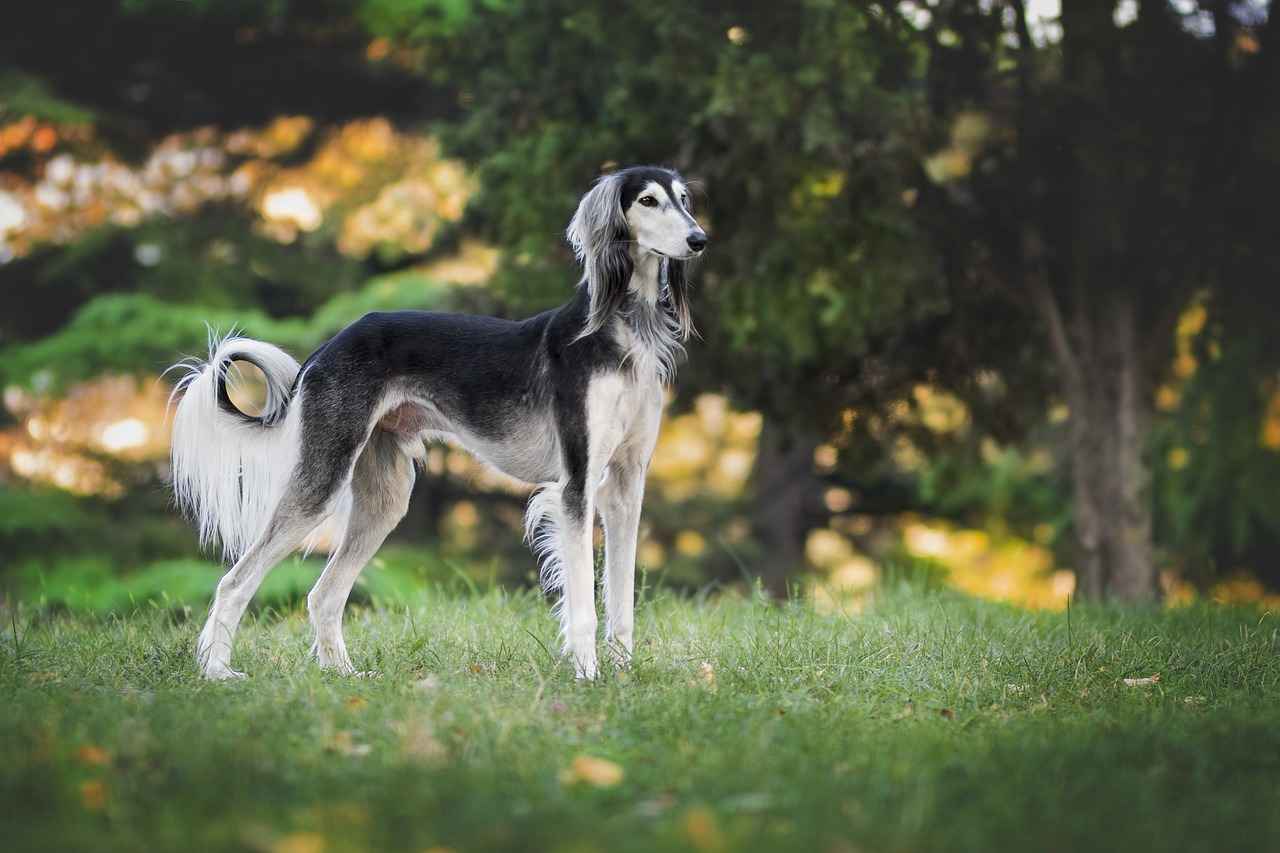
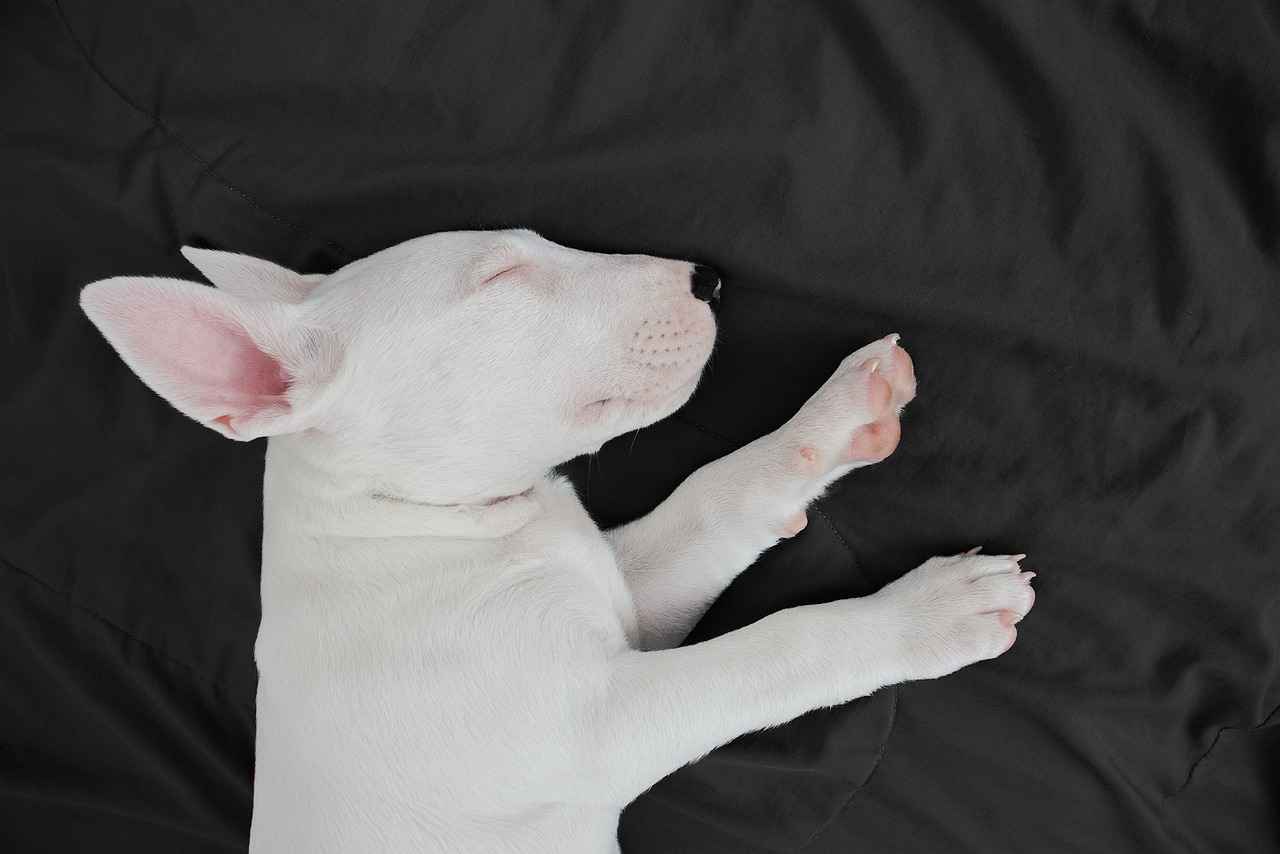
Have you ever wondered, why do dogs have wet noses? This intriguing question not only sparks curiosity but also reveals a fascinating truth about our furry friends. A dog’s nose is not just a cute feature; it's a vital part of their health and communication. But what makes their noses so moist? The answer lies in their incredible sense of smell and the unique anatomy of their snouts. Wet noses help dogs to detect scents better, enhancing their ability to explore the world around them. Did you know that a dog's sense of smell is up to 100,000 times more sensitive than ours? This astounding fact is just one of the many reasons why understanding why dogs have wet noses can deepen our appreciation for these loyal companions. Moreover, a wet nose can also indicate a healthy pup, while a dry nose might raise some concerns. So, if you've been asking yourself, "Is my dog's nose wet enough?" or "What does a wet nose mean for my dog’s health?" you're not alone. Join us as we dive deeper into this captivating topic and uncover the secrets behind those adorable, wet noses of dogs!
\n\nThe Science Behind Why Dogs Have Wet Noses: Unveiling the Mystery
\n\n \n\n
\n\nHave you ever wondered why dogs have wet noses? It’s one of those things that we just kind of accept, like how cats purr or why fish swim. But the truth is, there’s fascinating science behind it! Wet noses are not just a quirky dog trait; they serve important functions for our furry friends. So let’s dive into the science behind why dogs have wet noses and uncover the mystery!
\nThe Physiology of a Dog's Nose
\nDogs have an incredible sense of smell, way more advanced than humans. Their noses are designed for maximum scent detection. Here’s some interesting facts about dog noses:
\n- \n
- Olfactory Receptors: A dog has about 220 million olfactory receptors in their noses. In comparison, humans only have around 5 million. \n
- Moisture: The moisture on a dog’s nose helps to capture scent particles from the environment, making it easier for them to detect smells. \n
- Temperature Regulation: A wet nose can help regulate a dog’s body temperature. Just like sweat cools humans, the moisture in a dog’s nose can help cool them down. \n
Why Are Dog Noses Wet?
\nNow, let’s look closer at why dogs’ noses are wet. The main reasons include:
\n- \n
- Scent Detection: Wetness helps in trapping scent particles. This means that a dog can smell better when their nose is moist. \n
- Health Indicator: A wet nose is often a sign of good health. It shows that the dog is hydrated and not overheating. \n
- Behavioral Aspects: Dogs often lick their noses. This behavior keeps their noses moist and may also be a way to taste the scents they pick up. \n
Historical Context of Dog Noses
\nDogs have been companions to humans for thousands of years. Historically, they were bred for specific tasks like hunting, herding, or guarding. The qualities of a dog’s nose were crucial to their roles. For example:
\n- \n
- Hunting Dogs: Wet noses helped them track down prey by sniffing out scent trails. \n
- Herding Dogs: Their ability to detect scents aided in managing livestock. \n
As dogs became more domesticated, the importance of their noses remained, even if their roles changed.
\nFun Facts About Dog Noses
\nHere are some quick, fun facts that may surprise you:
\n- \n
- Dogs’ noses are as unique as human fingerprints! Each dog has a distinct nose print. \n
- The color of a dog’s nose can change based on the weather or their health. \n
- Some breeds, like Bloodhounds, have even better scent detection abilities than others. \n
Comparison Between Dog and Human Noses
\nWhen we compare dog noses to human noses, the differences are quite striking. Here’s a quick comparison:
\n| Feature | \nDog Nose | \nHuman Nose | \n
|---|---|---|
| Number of Receptors | \n220 million | \n5 million | \n
| Moisture Role | \nEnhances scent detection | \nNo significant role | \n
| Temperature Control | \nHelps cool the body | \nRegulates breathing | \n
| Unique Prints | \nYes, unique to each dog | \nNo unique feature | \n
Practical Implications of a Dog's Wet Nose
\nUnderstanding why dogs have wet noses can help dog owners take better care of their pets. Here are some practical tips:
\n- \n
- Hydration: Ensure your dog is well-hydrated. A dry nose can indicate dehydration. \n
- Health Monitoring: Keep an eye on your dog’s nose. Sudden changes in moisture or color could signal health issues. \n
- Behavior Insight: If your dog is frequently licking their nose, they might be trying to taste or analyze their environment. \n
What Happens When a Dog's Nose is Dry?
\nNot all dry noses are concerning, but sometimes, they can indicate health problems. Here’s what to look out for:
\n- \n
- Dehydration: Make sure your dog is drinking enough water. \n
- Fever: If your dog has a dry nose and seems lethargic, it could have a fever. \n
- Allergies: Allergies can also cause dryness or irritation. \n
In conclusion, the wet nose of a dog is not just an adorable feature; it has significant implications for their health and well-being. Knowing the science behind it can help you take better care of your four-legged friend. So next time you give your dog a scratch behind the ears, take a moment to appreciate that wet nose and all the incredible functions it serves!
\n\n5 Fascinating Reasons Your Dog’s Nose is Always Damp
\n\n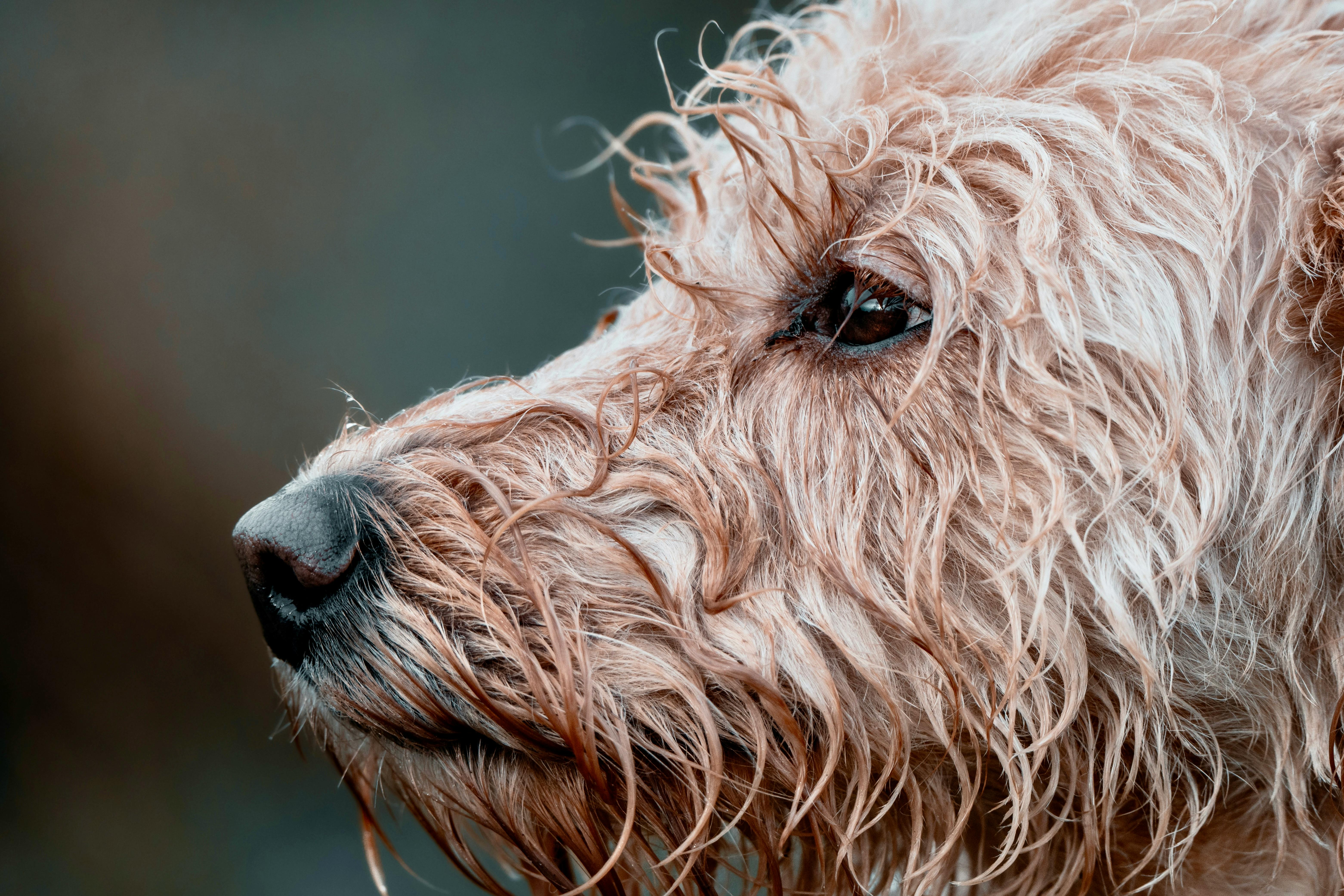 \n\n
\n\nIf you've ever wondered why your dog's nose is always damp, you're not alone. Many dog owners notice this peculiar characteristic and often find it fascinating. There’s something about that cool, wet nose that seems to intrigue us. So, let’s explore five captivating reasons why dogs have wet noses and what this means for their health and behavior.
\n1. Temperature Regulation
\nOne of the main reasons for a dog’s wet nose is temperature regulation. Dogs don't sweat like humans do. Instead, they rely on panting and the moisture on their noses to cool down. When a dog’s nose is damp, it helps to evaporate the moisture, which in turn cools their body.
\n- \n
- Dogs can’t sweat through the skin. \n
- Wet noses act like a natural air conditioner. \n
- Helps to prevent overheating, especially during play or exercise. \n
2. Enhanced Sense of Smell
\nDogs have an incredible sense of smell, which is far superior to that of humans. The dampness of their noses plays a role in this extraordinary ability. When a dog’s nose is wet, it helps to capture scent particles more effectively. This is because moisture in the air can bind to these particles, making them easier for their olfactory receptors to detect.
\n- \n
- Dogs have up to 300 million smell receptors, compared to a human's 5 million. \n
- A wet nose increases the odds of detecting scents. \n
- Helps in tracking, hunting, and even service tasks like search-and-rescue. \n
3. Communication Tool
\nDogs communicate with each other and with humans in various ways, and their noses play a significant role in this interaction. A damp nose can signify many things, including excitement, affection, or even anxiety. When they greet you with a wet nose, they might be trying to express affection or request attention.
\n- \n
- Wet noses can be a sign of a happy, healthy dog. \n
- Dogs often use their noses to greet each other. \n
- Can indicate a dog’s mood or emotional state. \n
4. Natural Moisture Barrier
\nA wet nose also serves as a natural barrier against pathogens and irritants. The moisture helps to trap dust, pollen, and other particles that could cause irritation or allergic reactions. This means that a damp nose can actually help keep your dog healthier by filtering out potential allergens and irritants.
\n- \n
- Helps protect against environmental allergens. \n
- Can reduce the risk of respiratory issues. \n
- A healthy nose is often a sign of a healthy dog. \n
5. Hydration Indicator
\nFinally, a damp nose can be a good indicator of hydration. Dogs with dry noses may be dehydrated or unwell. It’s important to keep an eye on your dog’s nose. If it’s too dry or cracked, it could be time to consult a veterinarian. A wet nose often reflects a dog’s overall health, so maintaining good hydration is essential.
\n- \n
- A wet nose typically indicates good hydration. \n
- Dryness can be a sign of health issues. \n
- Regular check-ups are important for monitoring your dog’s health. \n
FAQs About Dogs’ Wet Noses
\n- \n
- \n
Is a dry nose always a bad sign?\nNot necessarily. While a dry nose can be a sign of dehydration or illness, it can also be normal for certain dogs, especially if they’ve just woken up.
\n \n - \n
How can I keep my dog’s nose healthy?\nEnsure your dog stays hydrated, maintain a balanced diet, and provide regular veterinary check-ups.
\n \n - \n
Are all dogs’ noses wet?\nMost dogs have wet noses, but some breeds may have drier noses, which can be completely normal.
\n \n - \n
What should I do if my dog’s nose is excessively dry or cracked?\nIt’s best to consult a veterinarian to rule out any medical issues.
\n \n
Understanding why dogs have wet noses not only satisfies our curiosity but also helps us care for our furry friends better. Their noses, wet or dry, are vital indicators of their health and emotional state. So, the next time you give your pup a scratch behind the ears, take a moment to appreciate that damp little nose and what it tells you about their well-being. Keep these fascinating facts in mind as you continue your journey as a dog owner.
\n\nIs a Wet Nose a Sign of a Healthy Dog? Discover the Truth!
\n\n \n\n
\n\nIs a Wet Nose a Sign of a Healthy Dog? Discover the Truth!
\nIf you ever had a dog, you probably notice that their noses are often wet. Many people wonder, "Is a wet nose a sign of a healthy dog?" or "Why do dogs have wet noses?" It's a fascinating topic that blends biology, behavior, and even a little history. Let’s dive into this and uncover the truth behind those moist little snouts.
\nThe Science Behind a Wet Nose
\nDogs have wet noses for several reasons, and it ain't just about being cute or cuddly. Here’s a look at the science:
\n- \n
- \n
Thermoregulation: Dogs can’t sweat like humans do. Instead, they rely on their noses to help cool themselves down. When a dog licks its nose, it helps to keep it moist, which allows for better heat exchange. So, a wet nose can suggest your furry friend is attempting to regulate body temperature.
\n \n - \n
Scent Detection: A wet nose enhances a dog’s sense of smell. The moisture helps capture scent particles, making it easier for them to detect odors. According to some studies, dogs have up to 300 million smell receptors, compared to a human’s 5 million. Those wet noses play an important role in their ability to sniff out everything from food to potential dangers.
\n \n - \n
Health Indicator: While a wet nose can indicate a healthy dog, it’s not the only sign. Dogs can have dry noses and still be perfectly healthy. Factors like weather, activity level, and even breed can influence nose moisture.
\n \n
Historical Context of Dog Noses
\nDid you know that the wet-nosed dog has been a part of human history for thousands of years? Ancient civilizations, like Egyptians, often depicted dogs in their art and writings. They recognized dogs as companions and workers, but they also observed their unique features.
\n- \n
- Egyptians had dogs as pets and even mummified them for the afterlife. \n
- In Ancient Rome, dogs were used in hunting and guarding, and their noses were seen as tools of their trade. \n
Why Do Dogs Have Wet Noses?
\nThis question can be answered in several ways. Most importantly, wet noses are a natural trait of dogs, but here are some factors that contribute to why they remain wet:
\n- \n
- \n
Licking: Dogs often lick their noses, keeping them moist. This behavior is instinctive and helps with scent detection.
\n \n - \n
Environment: A dog's environment—humidity, temperature, and even their level of activity—can affect nose moisture. A dog that just came in from the rain will have a wetter nose than one lying in the sun.
\n \n - \n
Health Condition: Sometimes, a dry nose can indicate illness, but not always. If a dog’s nose is excessively dry, cracked, or showing signs of discomfort, it may be worth checking with a vet.
\n \n
Common Misconceptions
\nThere are many myths surrounding dog noses. Here’s a rundown of some common misconceptions:
\n- \n
- \n
Myth 1: A dry nose means a dog is sick.
\n- \n
- Truth: While certain illnesses can lead to a dry nose, many dogs naturally have dry noses without any health issues. \n
\n - \n
Myth 2: A warm nose is a sign of fever.
\n- \n
- Truth: A dog’s nose temperature doesn't always correlate with its overall health. \n
\n - \n
Myth 3: All dogs have wet noses.
\n- \n
- Truth: Some breeds naturally have drier noses, and that's perfectly normal. \n
\n
What to Observe
\nWhile a wet nose can be a sign of health, it’s essential to look at other indicators too. Here’s a quick list of things to observe:
\n- \n
- Energy Level: Is your dog active and playful? \n
- Appetite: Is your dog eating and drinking normally? \n
- Behavior Changes: Any sudden changes in behavior might be a cause for concern. \n
- Additional Symptoms: Coughing, lethargy, or vomiting should be looked at carefully. \n
In Summary
\nSo, is a wet nose a sign of a healthy dog? Not necessarily. It is one of many factors that contribute to your dog's overall health. Understanding why dogs have wet noses goes beyond just looking at the surface. It involves recognizing their unique biology, history, and behavior.
\nNext time you give your pup a scratch behind the ears, take a moment to appreciate that wet nose for all it does! Whether it's for cooling, smelling, or just being adorable, those noses sure are interesting.
\n\nHow a Wet Nose Enhances Your Dog's Sense of Smell: The Surprising Facts
\n\n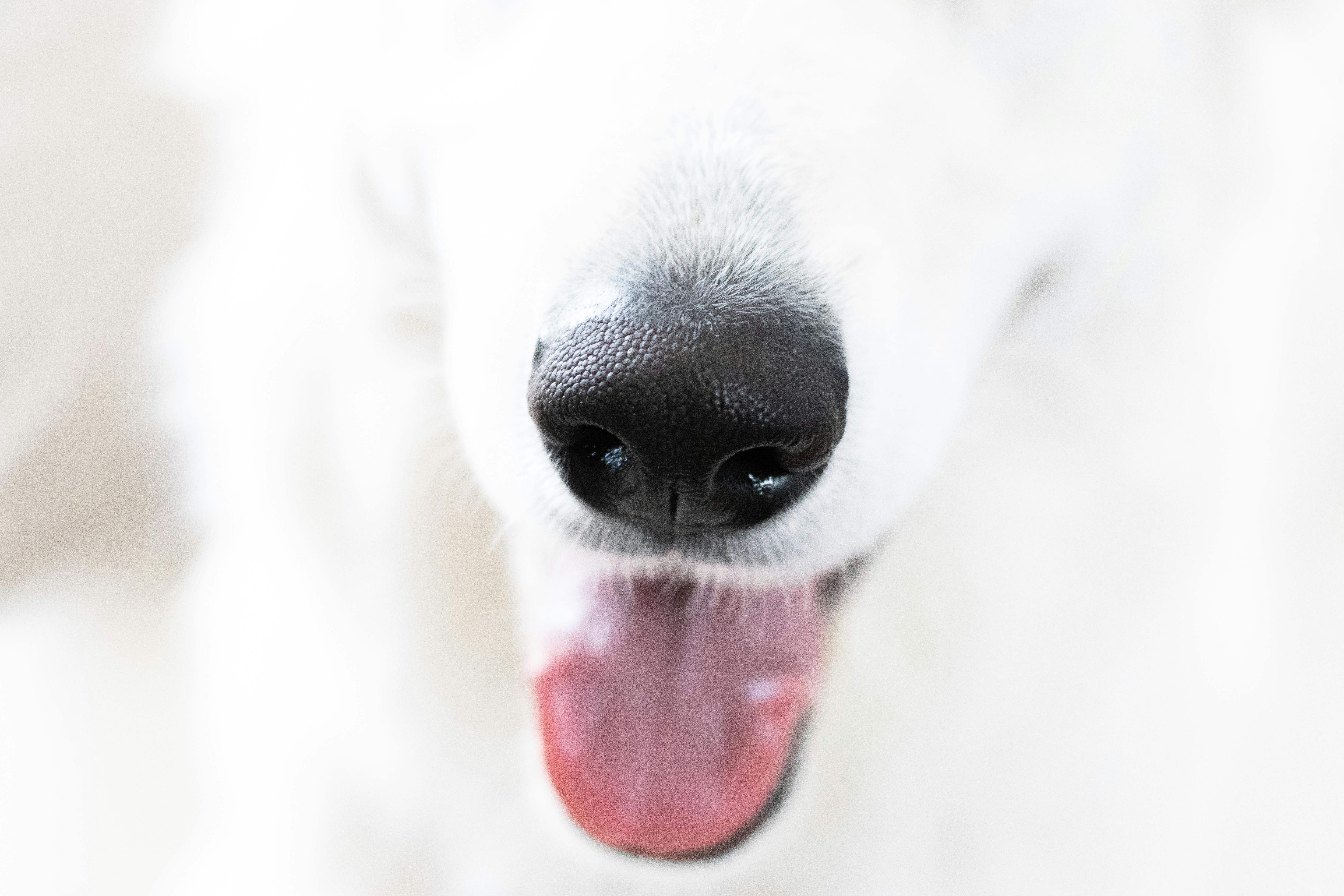 \n\n
\n\nDogs are often known for their incredible sense of smell, but many people don’t realize that their wet noses play a big role in sharpening that sense. You may be wondering, why do dogs have wet noses? The answer to this question isn’t just a simple one. There’s a fascinating truth behind it, and understanding it can really enhance our appreciation for these furry companions.
\nThe Science of a Dog's Nose
\nA dog's nose is packed with olfactory receptors, which are special cells that detect scents. In fact, dogs have up to 300 million of these receptors, compared to a human's mere 5 million. But what makes a dog’s nose even more amazing is how the wetness of it helps.
\n- \n
- Moisture Enhances Scent Detection: The wet surface of a dog's nose captures scent particles in the air, which helps them identify and differentiate between various smells. When a dog's nose is wet, they can absorb these scent molecules more effectively, improving their ability to smell. \n
- Temperature Regulation: Dogs also use their noses to help regulate their body temperature. The moisture evaporating from the nose cools them down, similar to sweating in humans. \n
Why Are Dog Noses Wet?
\nThere are several reasons a dog’s nose is wet. Here are some surprising facts that explain this phenomenon:
\n- \n
- Mucous Glands: Dogs have mucous glands located in their noses. The mucus helps to trap scent particles, making it easier for the olfactory receptors to do their job. \n
- Natural Cleaning Mechanism: A wet nose can also help clean itself. The moisture keeps the nose clean from dirt and debris, which could interfere with their sense of smell. \n
- Emotional State Indicator: A dog’s nose can indicate its emotional state. A wet nose is often a sign of a happy, healthy dog, while a dry nose can indicate stress or illness. \n
Historical Context of Dog Noses
\nThroughout history, dogs have been bred for specific tasks which often rely on their incredible sense of smell. From hunting to search and rescue, dogs have served as reliable companions thanks to their keen olfactory abilities.
\n- \n
- Hunting Dogs: Breeds like Bloodhounds and Beagles have been trained for tracking scents. Their wet noses help them follow trails that are days old. \n
- Service Dogs: Many service dogs are trained to detect medical conditions like low blood sugar or seizures, where their sense of smell is key. \n
- Search and Rescue: Dogs are often used in rescue missions after disasters. Their ability to smell survivors under rubble is unmatched. \n
Fun Facts About Dog Noses
\nHere are some fun and interesting facts about dog noses that you might not know:
\n- \n
- Unique Patterns: Just like human fingerprints, every dog’s nose print is unique. This means that it can be used for identification. \n
- Color Matters: The color of a dog's nose can vary between breeds. Some believe that darker noses may enhance a dog's sense of smell, but research on this is still ongoing. \n
- Temperature Sensitivity: Dogs can detect changes in temperature through their noses, which contributes to their hunting abilities. \n
Comparing Dog Noses to Human Noses
\nLet’s take a moment to compare the olfactory abilities of dogs and humans:
\n| Feature | \nHumans | \nDogs | \n
|---|---|---|
| Olfactory Receptors | \n5 million | \nUp to 300 million | \n
| Sensitivity | \nLess than 1% of dog's | \nHighly sensitive, can detect 1 part per trillion | \n
| Smell Capacity | \nLimited, specific odors | \nExtensive, can differentiate between thousands of scents | \n
Practical Examples of Dog Nose Usage
\n- \n
- Tracking Scents: Dogs are employed in law enforcement to track down drugs or explosives. Their noses can detect these substances with amazing accuracy. \n
- Medical Detection: Some dogs are trained to detect diseases like cancer through smell. They can identify specific compounds released by cancerous cells. \n
- Everyday Use: In your home, your dog uses their nose to navigate the world, finding food, other animals, and even recognizing members of the family. \n
In summary, the wet nose of a dog does much more than just look cute. It plays a vital role in their ability to smell the world around them. Understanding why dogs have wet noses not only gives us insight into their biology but also deepens our bond with these remarkable animals. So next time you see your furry friend with a wet nose, remember it’s not just a charming feature—it’s a powerful tool that enhances their life and ours.
\n\nWhy Do Some Dogs Have Drier Noses? Understanding the Variations
\n\n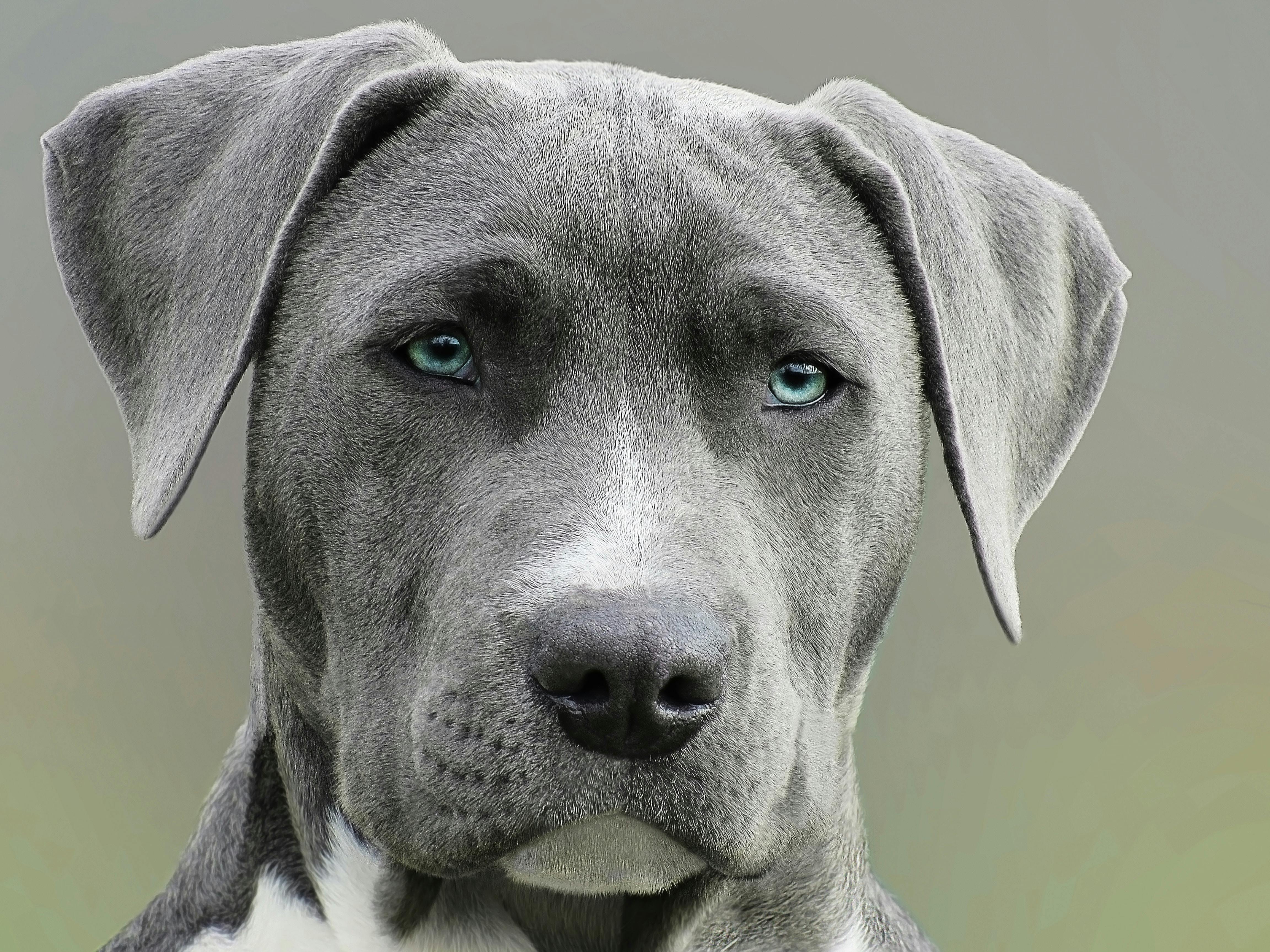 \n\n
\n\nDogs are often described as man's best friend, but have you ever noticed the differences in their noses? Some dogs have drier noses while others have wet ones. This raises the question: why do some dogs have drier noses? Understanding these variations can help us learn more about our furry companions.
\nThe Basics of Dog Nose Moisture
\nDogs' noses are not just cute features; they serve important functions. A wet nose is often seen as a sign of health and vitality. But what happens when a dog has a dry nose? Here are some interesting facts about dog noses:
\n- \n
- Temperature Regulation: Dogs use their noses to help regulate their body temperature. A wet nose cools them down when they pant. \n
- Scent Detection: Wet noses can enhance a dog's ability to detect scents. The moisture helps trap scent particles, making it easier for dogs to smell. \n
- Health Indicators: A sudden change from wet to dry can indicate health issues. If a dog's nose is consistently dry, it may be a sign of dehydration or illness. \n
Why Do Some Dogs Have Drier Noses?
\nThe reasons behind a dry nose can be various. Here are some common causes:
\n- \n
- Environmental Factors: Weather can greatly affect a dog's nose. Hot, dry climates can lead to dehydration, while cold, windy weather might cause dryness. \n
- Health Issues: Certain medical conditions, such as autoimmune disorders, can impact a dog’s nose moisture. If a dog experiences a persistently dry nose, it may signal an underlying health issue. \n
- Age: Older dogs tend to have drier noses. As they age, their skin loses moisture, which can lead to a drier nose. \n
- Breed Characteristics: Some breeds are more prone to dry noses than others. For example, brachycephalic breeds like bulldogs might have drier noses due to their facial structure. \n
Why Do Dogs Have Wet Noses? Discover The Fascinating Truth!
\nWet noses are often associated with healthy dogs. The moisture helps them with various functions. Here are some reasons why dogs have wet noses:
\n- \n
- Enhanced Smelling Ability: A wet nose can pick up more scent particles, greatly increasing a dog's ability to detect smells. \n
- Cooling Mechanism: The wetness of a dog's nose helps to cool them down, acting as a natural air conditioning system. \n
- Social Interactions: Dogs often greet each other by sniffing, and a wet nose can signal playfulness and friendliness. \n
The Variations in Nose Moisture
\nDifferent dogs, different noses. Depending on their breed, health, and environment, dogs can have vastly different nose moisture levels. Here’s a quick comparison:
\n| Dog Breed | \nCommon Nose Condition | \n
|---|---|
| Labrador Retriever | \nGenerally wet, healthy nose | \n
| Bulldog | \nTends to have a drier nose | \n
| Poodle | \nWet nose, but may dry out in winter | \n
| Dachshund | \nUsually wet, but can be dry with age | \n
What to Do If Your Dog Has a Dry Nose
\nIf you notice your dog's nose is drier than usual, there are steps you can take. Here’s a handy checklist:
\n- \n
- Hydration: Make sure your dog is drinking enough water. Dehydration can cause a dry nose. \n
- Humidity: Use a humidifier in the home to maintain moisture levels, especially in winter. \n
- Regular Vet Check-ups: Keep up with regular vet visits to monitor your dog's health and address any potential issues. \n
- Nasal Balms: There are products available specifically designed to moisturize a dog's nose. Consult your vet for recommendations. \n
Observing Changes in Your Dog's Nose
\nIt’s important to monitor your dog’s nose condition. If you see a sudden change from wet to dry or notice other symptoms like lethargy, loss of appetite, or excessive scratching, it’s best to consult a veterinarian. These changes can be signs of allergies, infections, or other health problems.
\nUnderstanding why do dogs have wet noses and why some have drier ones gives us a fascinating insight into canine health. It's a reminder that our furry friends communicate through their noses as much as they do through their barks. So keep an eye on those noses — they're more than just adorable!
\n\nThe Role of a Wet Nose in Canine Communication: What You Need to Know
\n\n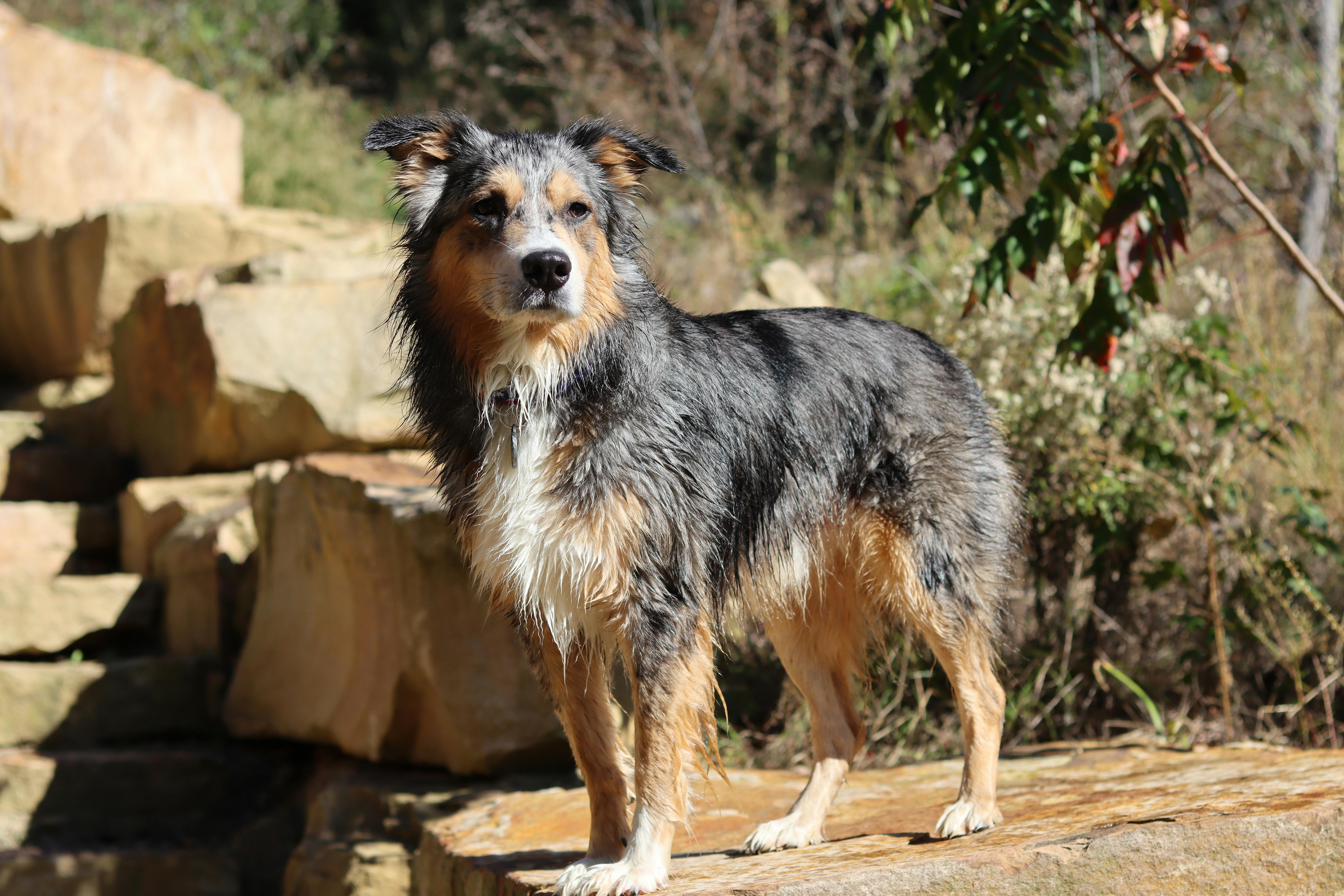 \n\n
\n\nWhen you think about dogs, you probably think about their wagging tails, playful barks, and yes, their wet noses. But what is the deal with these moist little appendages? The role of a wet nose in canine communication is more significant than most people realize. These fascinating features are not just for show; they serve an important purpose in how dogs interact with each other and with humans. So, let’s explore why do dogs have wet noses, and what it means for their communication skills.
\nThe Science Behind Wet Noses
\nDogs have wet noses for several scientific reasons, which help them in their daily lives. The moisture on their noses actually serves a variety of functions:
\n- \n
- Enhanced Smell: A wet nose helps to capture scent particles more effectively. This is crucial for dogs, as they rely heavily on their sense of smell to understand their environment. \n
- Thermoregulation: Dogs don’t sweat like humans do. Instead, they can cool themselves off through their noses. When their noses are moist, it helps to regulate their body temperature. \n
- Health Indicator: The condition of a dog’s nose can sometimes indicate its health. A dry, cracked nose might suggest dehydration or illness, while a moist nose usually signifies a healthy pup. \n
Historical Context of Canine Noses
\nDogs have been companions to humans for thousands of years. The evolution of their noses has been shaped by their environment and the roles they have played alongside us. Historically, dogs were bred for specific purposes—such as hunting, herding, or guarding—each requiring different olfactory skills. Over time, the wet nose developed as a necessary tool for survival.
\nHow Dogs Communicate with Their Noses
\nDogs communicate in many ways, and their noses play a crucial role in this process. Here’s how:
\n- \n
- Scent Marking: Dogs use their noses to sniff out and identify scents left by other animals. This helps them learn about their surroundings and other creatures that have passed by. \n
- Social Interactions: Dogs greet each other nose-to-nose. This sniffing ritual is a form of communication that helps them gather information about one another, such as their age, health, and even mood. \n
- Understanding Humans: Dogs also use their noses to understand human emotions. They can smell chemicals in our sweat and release hormones, helping them gauge our feelings. \n
Wet Noses and Dog Behavior
\nThe behavior of dogs can often be linked back to the condition of their noses. Here are some ways in which a dog’s wet nose impacts its behavior:
\n- \n
- Curiosity: Dogs with wet noses are often more curious. Their sense of smell is one of the primary ways they explore their environment. \n
- Anxiety: A dry nose might indicate stress or anxiety. If your dog’s nose is not as moist as usual, it could be a sign that they are feeling uneasy. \n
- Playfulness: Wet noses are often associated with a happy dog. When a dog is excited or playful, its nose tends to be wetter. \n
Fun Facts About Dog Noses
\nHere are some interesting tidbits about dog noses that you might not have known:
\n- \n
- Dogs have about 300 million scent receptors in their noses, compared to about 5 million in humans. \n
- The shape and size of a dog's nose can influence its smelling ability. Breeds like Bloodhounds have particularly large noses that enhance their scenting skills. \n
- Just like human fingerprints, a dog’s nose print is unique. This means you could use it for identification purposes! \n
Caring for Your Dog's Nose
\nMaintaining your dog's nose health is essential. Here are some practical tips:
\n- \n
- Hydration: Ensure your dog always has access to fresh water to keep their nose hydrated. \n
- Check for Cracks: Regularly inspect your dog's nose for any signs of cracking or dryness, which could indicate a health issue. \n
- Veterinarian Visits: Regular check-ups will help to monitor your dog’s overall health, including their nose condition. \n
In summary, the wet nose of a dog is a fascinating aspect of their biology and communication. It plays an essential role in how they interact with the world, both with other dogs and with humans. Understanding this can deepen the bond you have with your canine companion, making every wag of that tail even more meaningful. So next time you see that wet nose, remember: it's not just cute—it's a vital part of what makes dogs, well, dogs!
\n\nCan a Dog’s Wet Nose Indicate Illness? Signs Every Pet Owner Should Recognize
\n\n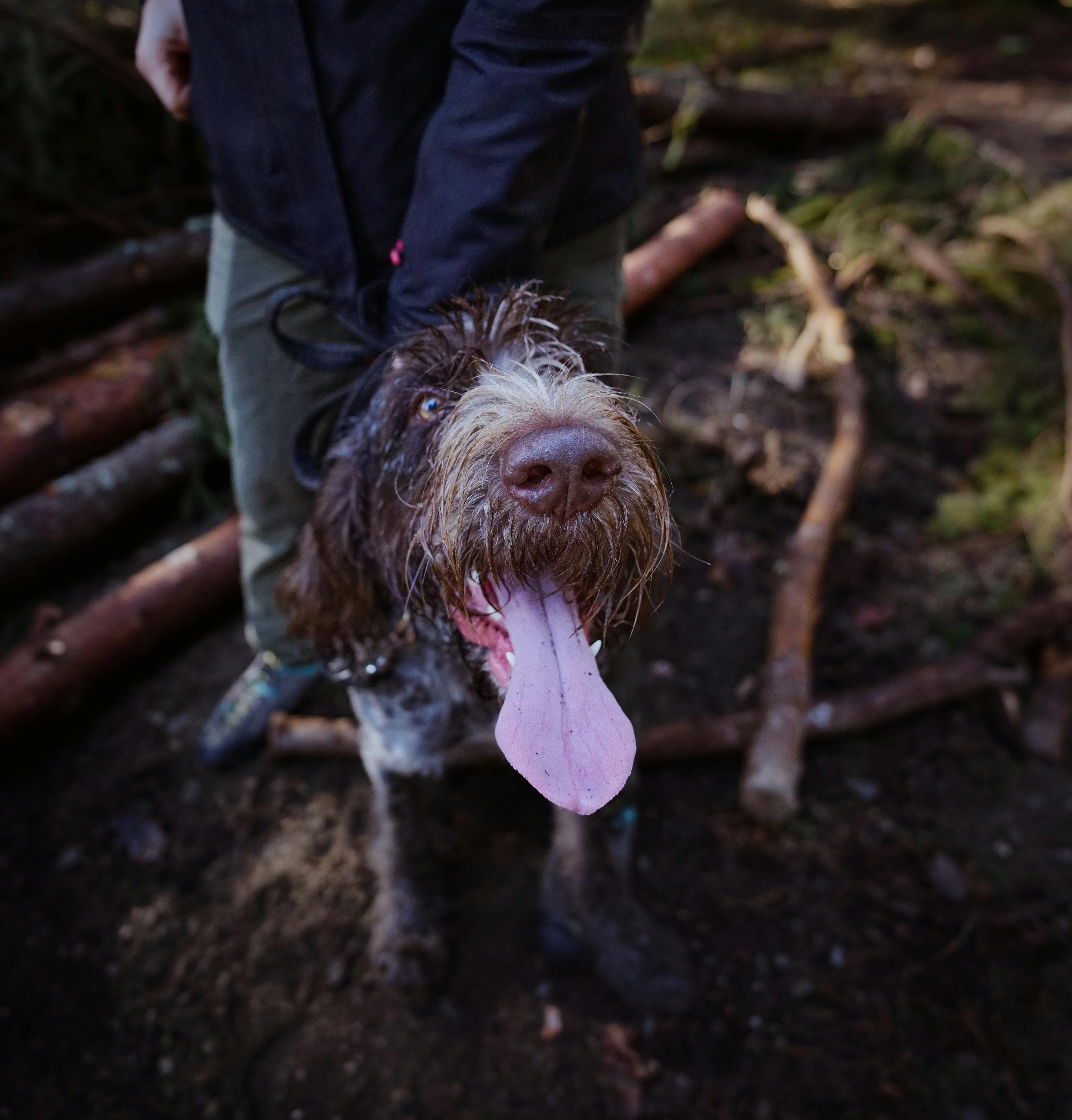 \n\n
\n\nCan a Dog’s Wet Nose Indicate Illness? Signs Every Pet Owner Should Recognize, Why Do Dogs Have Wet Noses? Discover The Fascinating Truth!
\nHave you ever wondered why dogs have wet noses? It's one of those things that make you go, "Hmm," right? A wet nose is often associated with a healthy pup, but it’s not always the case. Pet owners should pay attention to the condition of their dog’s nose, since it can sometimes indicate illness. This article dives into the reasons behind those wet noses and what pet owners should look out for regarding their furry friends' health.
\nWhy Do Dogs Have Wet Noses?
\nFirst off, let's explore the science behind those moist noses. Dogs have wet noses primarily for a few reasons:
\n- \n
- \n
Temperature Regulation: Dogs don't sweat like humans. Their main way of cooling down is through panting and having a wet nose helps them maintain body temperature.
\n \n - \n
Enhanced Sense of Smell: A wet nose helps to absorb scent particles from the air. This makes a dog's sense of smell more effective. Dogs have around 220 million scent receptors, compared to humans' 5 million, so it's no wonder they depend on their noses for information about the world.
\n \n - \n
Health Indicator: A moist nose can be a sign of good health. Conversely, a dry or excessively warm nose can indicate that something might be wrong.
\n \n
Signs of Illness in Dogs: Is the Nose a Reliable Indicator?
\nWhile a wet nose is often a sign of a healthy dog, it’s not the only thing to consider. Here are some signs that could indicate your dog might be unwell:
\n- \n
- \n
Dry or Cracked Nose: If your dog’s nose is dry and cracked, it could indicate dehydration, a possible infection, or other health issues.
\n \n - \n
Nasal Discharge: If there’s mucus or blood coming from your dog's nose, that's definitely a cause for concern.
\n \n - \n
Change in Temperature: A nose that feels hot to the touch can signal fever.
\n \n - \n
Behavioral Changes: Is your dog more lethargic than usual? Not eating? These changes can accompany physical symptoms.
\n \n
What Other Symptoms Should You Look For?
\nMonitoring your dog’s overall health involves keeping an eye on various symptoms. Here’s a quick list of things to look out for:
\n- \n
- Loss of Appetite: Not eating can be a sign of many different health issues. \n
- Excessive Thirst: If your dog is drinking more water than usual, it may be worth a vet visit. \n
- Coughing or Sneezing: This could signal respiratory issues or allergies. \n
- Vomiting or Diarrhea: These symptoms can indicate a range of problems, from dietary mishaps to serious illnesses. \n
Common Dog Illnesses Related to Nose Conditions
\nHere’s a brief overview of a few common illnesses that may manifest through nose symptoms:
\n- \n
- Kennel Cough: A contagious respiratory disease that can cause coughing and nasal discharge. \n
- Allergies: Dogs can have allergies just like humans, and their noses can show signs of irritation. \n
- Nasal Tumors: Though less common, growths in the nasal cavity can lead to discharge and other symptoms. \n
The Role of Breed in Nose Conditions
\nDifferent breeds can also exhibit varying nose conditions. For example:
\n- \n
- Brachycephalic breeds (like Bulldogs or Pugs) may have more difficulty with respiratory issues, making them more prone to nasal problems. \n
- Hound breeds (like Beagles) are known for their keen sense of smell and may have wet noses more often than other breeds. \n
When to Consult a Veterinarian
\nIf you notice any signs that your dog is unwell, it’s always better to be safe and consult your veterinarian. Early intervention can make a huge difference in treatment outcomes. Here’s a quick checklist for when to seek professional help:
\n- \n
- Persistent dry nose lasting more than a day or two \n
- Noticeable nasal discharge that lasts \n
- Changes in appetite or drinking habits \n
- Any signs of pain or discomfort \n
In conclusion, a dog’s wet nose is more than just an adorable feature; it serves important functions in terms of health and communication. While a wet nose can indicate a healthy pup, pet owners should be vigilant for any changes in the nose's condition and overall behavior. Keeping an eye out for signs of illness can help ensure your furry friend stays happy and healthy. Always remember that when in doubt, it’s best to reach out to a veterinarian for guidance. They can provide the necessary care to keep your dog in tip-top shape.
\n\n7 Interesting Facts About Dog Noses That Will Blow Your Mind!
\n\n \n\n
\n\nDogs are more than just pets; they are beloved family members. One of the most fascinating aspects of dogs is their noses. Ever wonder why do dogs have wet noses? It’s a question that many dog owners ponder, and the answer is both intriguing and essential to understanding canine biology. Here, we’ll explore 7 interesting facts about dog noses that will blow your mind!
\n1. Dogs' Noses Are Super Sensitive
\nDid you know that a dog's sense of smell is up to 100,000 times more acute than that of humans? That's right! This incredible sensitivity comes from the structure of their noses. Dogs have about 220 million scent receptors, while humans only have around 5 million. This means dogs can detect scents in parts per trillion, helping them to sniff out food, locate missing persons, and even detect medical conditions.
\n2. Why Do Dogs Have Wet Noses?
\nSo, why do dogs have wet noses? The moisture on a dog’s nose serves multiple purposes. First, it helps to enhance their sense of smell. When a dog’s nose is wet, it can capture scent particles better, which makes them better at sniffing out what's around them. Second, the moisture helps to cool them down since dogs don’t sweat like humans do. Instead, they regulate their body temperature through panting and their wet noses.
\n3. Unique Nose Prints
\nJust like human fingerprints, every dog has a unique nose print! The patterns of ridges and creases on a dog's nose are as individual as a fingerprint. Some organizations even use these nose prints as a method of identification for lost dogs. Isn’t that wild?
\n4. The Role of Nose Color
\nYou might notice that some dogs have black noses, while others have pink or brown ones. The color of a dog’s nose can actually be an indicator of their health. A healthy dog typically has a moist, cool nose, regardless of color. If you notice that your dog’s nose is overly dry or cracked, it might be a sign of dehydration or other health issues, and a vet visit is in order.
\n5. Dogs Can Smell Emotions
\nDogs have an extraordinary ability to sense human emotions through smell. They can detect pheromones, which are chemical signals that indicate how a person feels. For instance, when a person is anxious or fearful, they emit different scents than when they are calm or happy. This is why dogs can often sense when their owners are upset or stressed out.
\n6. Dogs and Their Breeds
\nThe shape and size of a dog's nose can vary dramatically between breeds. For example, bloodhounds have long, droopy noses that help them pick up scents from the ground, while pugs have short noses that limit their olfactory capabilities. Here’s a quick comparison of how different breeds use their noses:
\n- \n
- Bloodhounds: Excellent for tracking due to their long, droopy noses. \n
- German Shepherds: Used often in police work thanks to their keen sense of smell. \n
- Pugs: Their short noses make them less adept at tracking scents. \n
7. Evolutionary Purpose
\nDogs’ noses have evolved over thousands of years, adapting to their roles as hunters and companions. Their ancestors, wolves, relied heavily on their sense of smell for hunting and survival. As dogs became domesticated, they retained this olfactory prowess, making them effective helpers in various tasks.
\nQuick Facts About Dog Noses
\n- \n
- Dogs’ noses are typically cooler than their body temperature. \n
- A dog's sense of smell can help detect certain medical conditions, like cancer or diabetes. \n
- Some breeds are more prone to nose-related health issues, such as brachycephalic breeds (like bulldogs). \n
Understanding why do dogs have wet noses and the functions they perform can help dog owners better appreciate their furry friends. Their noses are not just cute; they’re vital tools that influence how dogs interact with the world around them. Whether it's tracking down a favorite toy or sensing your mood, a dog’s nose plays a central role in their daily lives.
\nNext time you give your pup a pat, take a moment to marvel at the remarkable abilities packed into that wet nose. It’s a symbol of the bond between humans and dogs, rooted in history and biology. Remember, when it comes to your dog’s health, always keep an eye on that nose!
\n\nDo Breeds Matter? Exploring Wet Nose Characteristics Across Different Dog Breeds
\n\n\n\nDogs have been our companions for thousands of years, and one of the quirkiest things about them is their wet noses. But do breeds matter when it comes to this characteristic? And why do dogs have wet noses in the first place? Let’s explore the fascinating truth about these lovable creatures and their notable traits.
\nThe Science Behind Wet Noses
\nFirst off, a dog's nose is naturally moist. But why? Wet noses help dogs in many ways. It helps them to cool down and enhances their sense of smell. When dogs sniff, the moisture on their noses captures scent particles, making it easier for them to identify smells. Isn’t that cool?
\nHere's a quick rundown on why dogs have wet noses:
\n- \n
- Enhanced Smell: Wetness helps trap scent molecules. \n
- Temperature Regulation: A moist nose can help cool a dog down. \n
- Health Indicator: A dog's nose can indicate its health. A dry nose might suggest dehydration or illness. \n
Do Breeds Matter?
\nNow, you might be wondering if certain breeds have wetter noses than others. The answer is yes, breeds can matter. Some dogs, like the Bloodhound and German Shepherd, are known for having particularly wet noses, while others may not show this trait as prominently.
\nHere’s a comparison of wet nose characteristics across different dog breeds:
\n| Breed | \nWet Nose Type | \nReason for Moisture | \n
|---|---|---|
| Bloodhound | \nVery wet | \nExcellent smell ability | \n
| Labrador Retriever | \nModerately wet | \nFriendly and social nature | \n
| Bulldog | \nLess wet | \nShorter snouts, less moisture | \n
| Dachshund | \nModerately wet | \nSniffing ground-level scents | \n
| Poodle | \nVery wet | \nActive and playful, needs cooling | \n
Different breeds exhibit variations in their nose wetness, influenced by their genetics and environment. Breeds developed for hunting often have a more pronounced wet nose compared to companion breeds.
\nHistorical Context of Dog Noses
\nDogs have evolved alongside humans for many years. The wet nose trait may have roots in their ancestral behaviors. Historically, dogs were used for various functions, from hunting to herding. A wet nose helped them track scents in the wild, thus playing a crucial role in their survival.
\nIn ancient times, dogs were bred for specific tasks. Their noses were adapted to fulfill those tasks:
\n- \n
- Hunting: Breeds like Beagles were bred for their sense of smell. \n
- Herding: Breeds such as Collies required a keen nose to manage livestock. \n
- Guarding: Rottweilers and Dobermans often had strong sense of smell for protection. \n
Why Wet Noses Matter for Dog Owners
\nAs a dog owner, you probably notice your dog's nose frequently. A wet nose is usually a sign of a happy and healthy dog. If your dog’s nose becomes dry or cracked, it might indicate something is off. Here are some tips for ensuring your dog’s nose stays healthy:
\n- \n
- Hydration: Always provide fresh water. \n
- Balanced Diet: Good nutrition helps maintain moisture. \n
- Regular Vet Check-ups: Regular veterinary visits can catch issues early. \n
Fun Facts About Dog Noses
\nDid you know that a dog's nose print is unique, much like human fingerprints? Just like snowflakes, no two dog noses are alike. Here are some other interesting tidbits:
\n- \n
- Dogs have about 220 million scent receptors, compared to a human's 5 million. \n
- A dog's sense of smell can be up to 100,000 times better than a human's. \n
- The moisture on a dog’s nose can change throughout the day based on their activity and environment. \n
Conclusion
\nIn the end, while breeds do play a role in the characteristics of wet noses, the reasons behind this fascinating trait are rooted in biology and history. Understanding why dogs have wet noses gives us a greater appreciation for our furry friends. It reflects their unique adaptations and provides insight into their health and well-being. So next time you snuggle with your pup, take a moment to appreciate that delightful wet nose!
\n\nHow Weather Affects Your Dog’s Nose: Seasonal Changes Explained!
\n\n \n\n
\n\nDogs. They are adorable creatures, and one of the many things that stand out about them is their noses. You ever wonder why dogs have wet noses? It's not just for show, you know? There are actually some fascinating facts behind this. And did you know that the weather can change how your dog's nose feels? Yup! Seasonal changes really do affect them in various ways. Let’s dive into this interesting topic!
\nWhy Do Dogs Have Wet Noses?
\nFirstly, the reason dog's noses are wet is related to their health and sense of smell. A wet nose helps them sniff out scents much better. The moisture on their noses captures scent particles from the air, making it easier for them to detect smells. Pretty neat, huh? Here’s a breakdown of why that wetness is important:
\n- \n
- Enhanced Scent Detection: The moisture helps in trapping scent particles. \n
- Temperature Regulation: Dogs can’t sweat like humans do. Their wet nose helps them to cool down. \n
- Health Indicator: A wet nose is often a sign of a healthy dog, while a dry nose could indicate dehydration or illness. \n
How Weather Affects Your Dog’s Nose
\nNow, let’s talk about how different weather conditions can influence your dog's nose. Seasonal changes brings some interesting effects. For instance, in the summer, the heat can dry out a dog’s nose, while in winter, the cold can cause it to become chapped. Here’s how weather can play a role:
\nSummer Effects:
\n- \n
- Increased heat can lead to dry noses. \n
- Dogs might lick their noses more often to keep them moist. \n
Winter Effects:
\n- \n
- Cold air can cause noses to crack or become dry, just like our skin. \n
- Dogs may need extra moisturizer, just like people do! \n
Spring and Fall Effects:
\n- \n
- Allergens in the air can cause irritation, leading to a runnier nose. \n
- Seasonal changes can lead to fluctuations in nose texture and moisture. \n
Seasonal Changes Explained
\nEach season brings its own unique challenges and changes for your dog. Understanding these can help you take better care of your furry friend.
\nSpring:
\n- \n
- Pollen is everywhere, which can lead to allergies. \n
- Wet noses may become a bit runny due to allergies. \n
Summer:
\n- \n
- Heatwaves can be tough. Hydration is key! \n
- Dogs might have drier noses due to the heat. Always offer fresh water. \n
Fall:
\n- \n
- Leaves and mold can cause more allergies. \n
- A dog’s nose may be more moist due to increased sniffing around fallen foliage. \n
Winter:
\n- \n
- Cold weather can lead to cracked noses. \n
- Consider using nose balm or moisturizer to keep it healthy. \n
Practical Tips for Nose Care
\nTaking care of your dog's nose is important. Here are some practical tips to help you out:
\n- \n
- Hydrate: Ensure your dog drinks plenty of water, especially in hot weather. \n
- Check for Cracks: Regularly inspect your dog’s nose for any signs of cracking or dryness. \n
- Use Moisturizers: Dog-safe moisturizers can be helpful during winter. \n
- Watch for Changes: If your dog’s nose changes from wet to dry suddenly, consult a vet. \n
Fun Facts About Dog Noses
\n- \n
- Dogs have up to 300 million olfactory receptors in their noses compared to humans who only have about 6 million. \n
- A dog’s sense of smell is 10,000 to 100,000 times more acute than that of a human. \n
- Dogs can even smell emotions. They can detect stress and fear! \n
Understanding Your Dog’s Health Through Their Nose
\nIt's important to pay attention to your dog's nose as it can indicate their overall health. A wet, cold nose is usually a sign of a happy, healthy dog. On the flip side, a dry or warm nose can signal health issues:
\n- \n
- Possible Illness: If your dog’s nose suddenly becomes dry and they seem lethargic, it might be time for a vet visit. \n
- Dehydration: A dry nose could be a sign of dehydration. Ensure your dog is drinking enough water. \n
Keeping an eye on your dog's nose can be an essential part of responsible pet ownership. Always be proactive about their health, especially as the seasons change. So, when you notice your dog's nose changing with the weather, you now know why. It’s a fascinating world out there for our furry friends, and understanding these little details ensures they lead healthy, happy lives.
\n\nConclusion
\n\nIn conclusion, the wet noses of dogs serve several important functions that contribute to their overall health and well-being. We explored how moisture on a dog's nose enhances their sense of smell, allowing them to detect scents more effectively, which is vital for their communication and hunting instincts. Additionally, a wet nose helps regulate body temperature and keeps them cool, showcasing the remarkable adaptations of these animals. While a wet nose is often seen as a sign of a healthy dog, it's essential for pet owners to monitor their dog's overall health, as excessive dryness or discharge can indicate health issues. Ultimately, understanding why dogs have wet noses deepens our appreciation for these loyal companions. So, the next time you greet your furry friend, take a moment to appreciate that cool, moist nose – it’s a window into their fascinating biology and a reminder of the bond we share with them.
\n\n