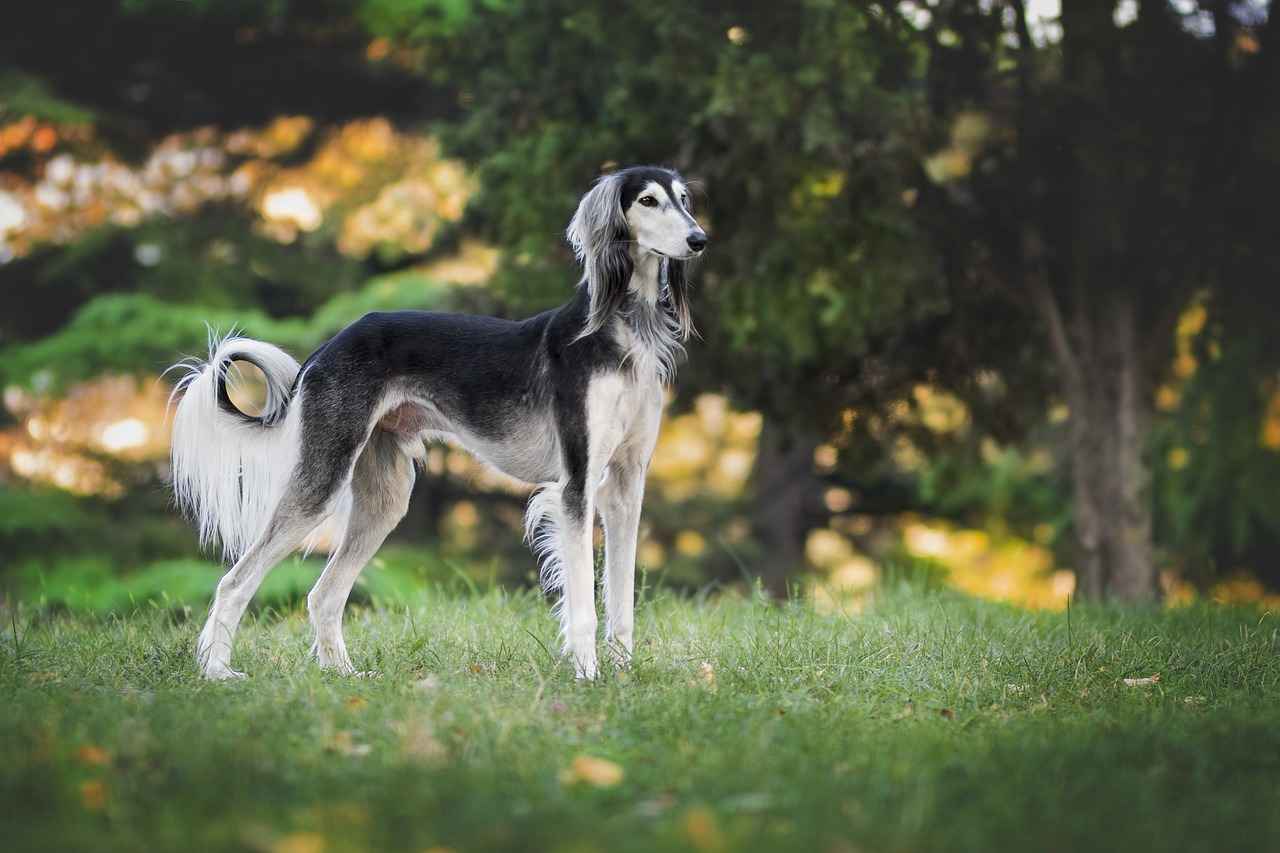
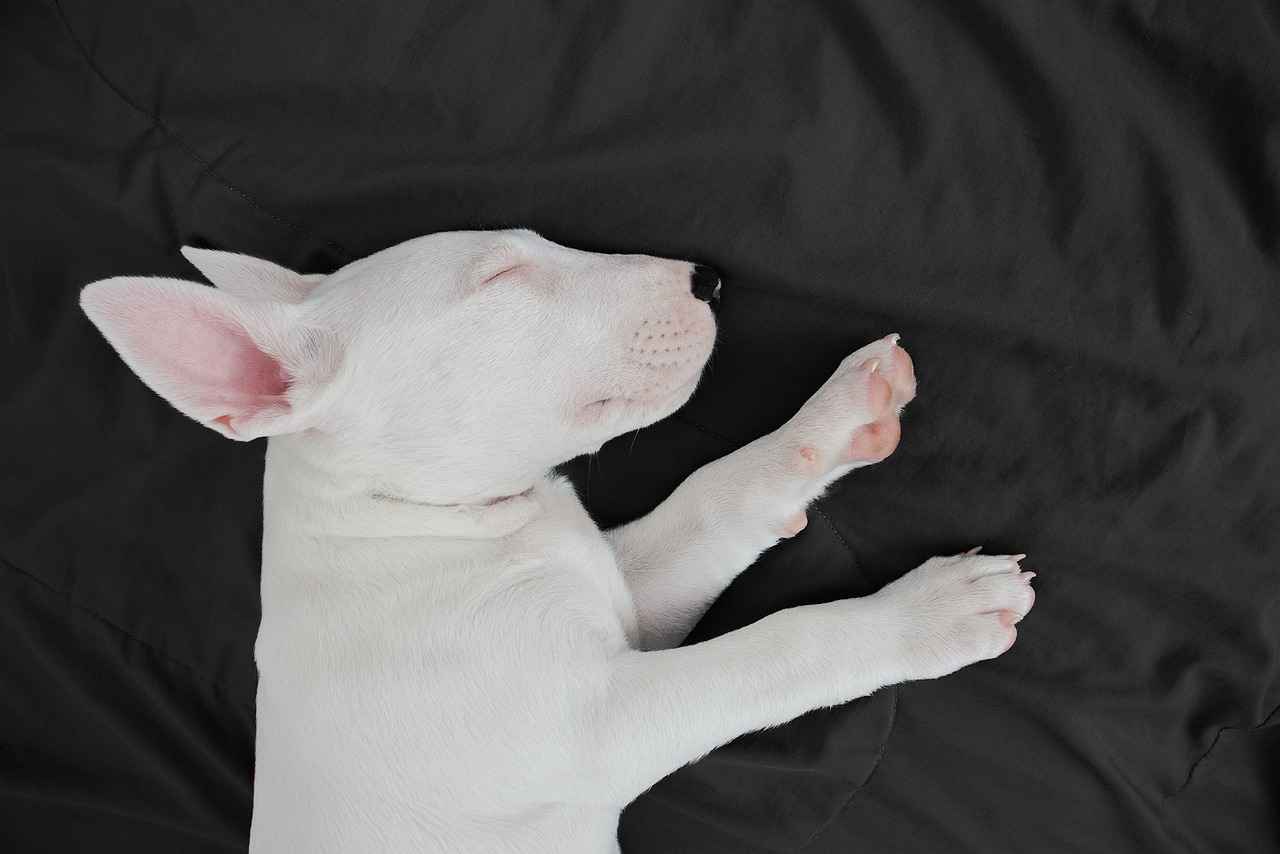
Have you ever wondered, why do dogs have wet noses? This captivating question holds the key to understanding our furry friends better! Dogs are known for their wet noses, but have you ever thought about the fascinating truth behind this unique trait? It's not just a quirky characteristic—there's a scientific reason that can pique your curiosity! The moisture on a dog's nose helps them to smell better, enhancing their incredible sense of smell. But wait, there’s more! A wet nose may also indicate a dog’s health, providing insights into their well-being. So, what exactly causes this moistness? In this blog post, we will explore the intriguing reasons behind why your canine companion's nose is often wet, and how it relates to their behavior and instincts. From the role of temperature regulation to the science of dog’s sense of smell, we’ll uncover it all. Are you ready to dive into the world of dogs and discover the secrets of their wet noses? Join us as we unravel the mystery and celebrate the amazing traits that make dogs so special!
\n\nThe Science Behind Canine Nasal Moisture: Why Do Dogs Have Wet Noses?
\n\n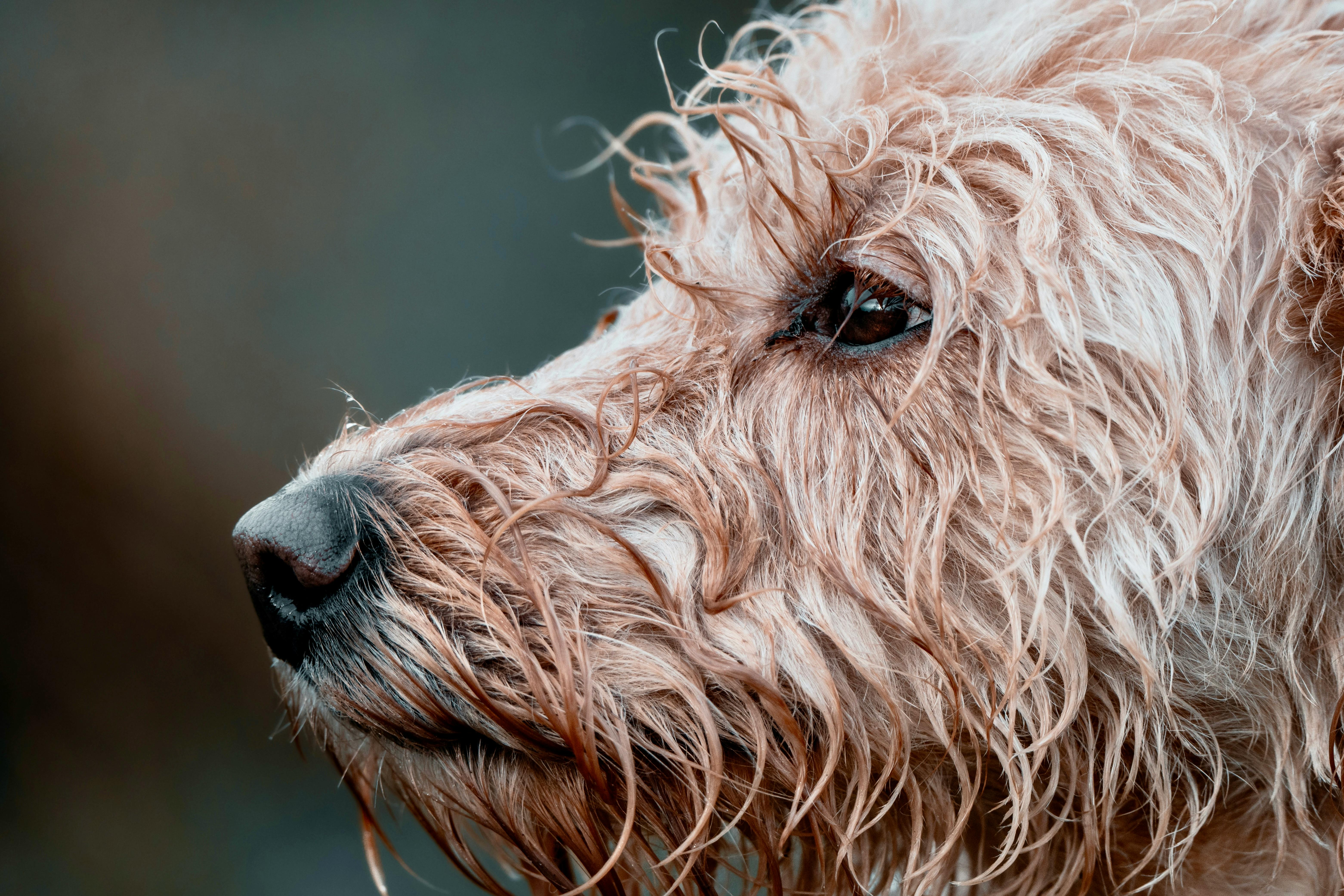 \n\n
\n\nEver wondered why dogs have wet noses? This question has puzzled pet owners and animal lovers alike. The sight of a dog with a shiny, moist nose is familiar, but the reasons behind this characteristic are not so obvious. Let’s dive into the science behind canine nasal moisture and discover the fascinating truth about why dogs have wet noses.
\nThe Function of a Dog's Nose
\nA dog's nose is more than just an adorable feature; it plays a crucial role in their overall health and ability to interact with the world around them. Here are some key functions of a dog’s nose:
\n- \n
- Sense of Smell: Dogs have an extraordinary sense of smell, which is about 10,000 to 100,000 times more sensitive than humans. Their wet noses help absorb scent chemicals from the air, enhancing their olfactory capabilities. \n
- Temperature Regulation: The moisture on a dog's nose aids in regulating their body temperature. When the moisture evaporates, it cools the dog down, similar to how sweating works for humans. \n
- Health Indicator: A dog’s nose can indicate their health status. A warm, dry nose might signal illness, while a cool, moist nose is often a sign of good health. \n
Why Do Dogs Have Wet Noses?
\nThe moisture on a dog’s nose comes from several sources and serves multiple purposes. Here’s a breakdown of why dogs’ noses are generally wet:
\n- \n
- \n
Mucus Production: Dogs produce a thin layer of mucus on their noses, which captures scent particles. This mucus also keeps the nose moist, enhancing their ability to smell.
\n \n - \n
Saliva: Dogs often lick their noses, which adds to the moisture. Licking helps them gather more scents, as they can taste what they smell. This behavior is instinctual and serves both a practical and sensory purpose.
\n \n - \n
Environmental Factors: Dogs can also get moisture from their environment. For instance, when it’s humid or rainy, the air contains more water, which can add to the wetness of a dog’s nose.
\n \n - \n
Hydration: Just like humans, dogs need to stay hydrated. A well-hydrated dog is more likely to have a moist nose. Dehydration can lead to a dry nose, which could indicate a need for more water.
\n \n
The Evolutionary Aspect
\nThe evolution of dogs has played a role in the development of their wet noses. Early canines relied on their sense of smell for hunting and survival. Wet noses were advantageous for several reasons:
\n- \n
- Enhanced Tracking: A moist nose can pick up scents better, which was crucial for hunting prey. \n
- Survival Mechanism: Dogs with wet noses were likely more successful in finding food, and thus had a better chance of survival and reproduction. \n
Fun Facts About Dog Noses
\n- \n
- A dog’s nose print is unique, similar to a human fingerprint. This uniqueness can be used for identification. \n
- Dogs have around 220 million scent receptors, compared to a human’s 5 million. \n
- The wetness of a dog's nose can change throughout the day and is influenced by activity, sleep, and environmental conditions. \n
Common Myths Debunked
\nThere's a lot of misinformation about why dogs have wet noses. Here are some common myths and the truths that debunk them:
\n- \n
- \n
Myth: A dry nose means a dog is sick.
\n
\nTruth: While a dry nose can sometimes indicate illness, it’s not a definitive sign. Other factors like temperature and hydration play a role. \n - \n
Myth: All dog noses are always wet.
\n
\nTruth: Noses can dry out for various reasons, including weather conditions, age, or health issues. \n - \n
Myth: Dogs lick their noses only for hydration.
\n
\nTruth: Licking is also a way for dogs to gather information about their environment. \n
Practical Tips for Dog Owners
\nTo ensure your dog's nose remains healthy and moist, consider the following tips:
\n- \n
- Hydration: Always provide fresh water. Dehydration can lead to a dry nose. \n
- Regular Vet Visits: Keep up with vet check-ups to monitor your dog’s overall health, including nasal moisture. \n
- Environment: If you live in a dry climate, consider using a humidifier to maintain moisture levels in your home. \n
Understanding the science behind why dogs have wet noses can enhance your appreciation for these wonderful companions. Their noses are not just cute; they’re essential tools for survival, communication, and health. So next time you see your furry friend with that shiny, wet nose, you’ll know just how fascinating and functional it really is!
\n\n5 Surprising Benefits of Your Dog's Wet Nose That Every Pet Owner Should Know
\n\n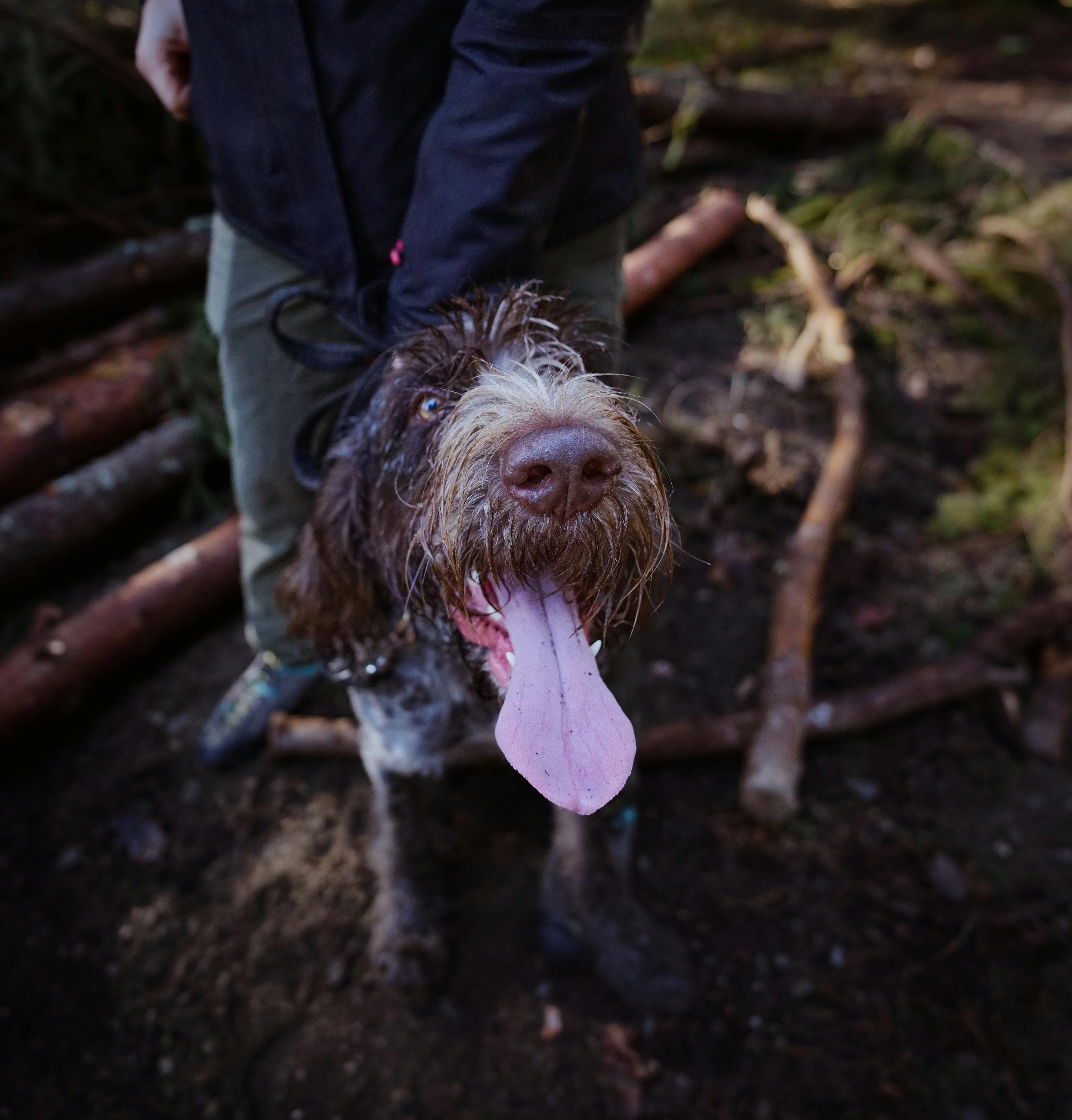 \n\n
\n\nEvery dog owner has noticed that their furry friend’s nose is often wet—it's kind of a cute quirk, right? But why do dogs have wet noses in the first place? Well, there's more to this phenomenon than meets the eye. Let's dive into the fascinating truth behind those moist snouts and uncover five surprising benefits that every pet owner should be aware of.
\nWhat’s Up With Dog Noses?
\nDogs noses are wet for several reasons. Firstly, it helps them to smell better! A dog’s sense of smell is incredibly powerful, estimated to be anywhere from 10,000 to 100,000 times more sensitive than humans. A wet nose helps to capture scent particles more effectively. This means that when your dog is sniffing around, it’s actually working hard to gather information about their surroundings.
\nThe moisture on their nose comes from a combination of sweat glands and mucus. Dogs sweat through their paw pads, but also produce a thin layer of mucus to keep their noses moist. This moisture serves a purpose, enhancing their olfactory abilities. Now, let's get into the surprising benefits of that wet nose!
\n5 Surprising Benefits of Your Dog’s Wet Nose
\n- \n
- \n
Enhanced Smell Detection
\n
\nA wet nose can actually improve a dog’s ability to detect scents. When the nose is moist, it traps scent particles, allowing the dog to analyze them better. So, if your dog seems extra curious about that new smell in the park, it’s their wet nose that’s helping them investigate! \n - \n
Temperature Regulation
\n
\nDogs don't sweat like we do. Instead, they cool off through panting and the moisture of their noses. When a dog’s nose is wet, it can help regulate their body temperature. This is especially important during hot summer months, when overheating is a concern. Keeping their nose moist is one way they maintain comfort and health. \n - \n
Health Indicator
\n
\nThe state of your dog’s nose can actually tell you a lot about their health. A healthy dog usually has a moist and cool nose. If you notice it’s dry or cracked, it could be a sign of dehydration or illness. Regularly checking your dog’s nose can help you catch potential health issues early. \n - \n
Social Interaction
\n
\nDogs use their noses to communicate. When they meet other dogs, they often sniff each other’s noses as a form of greeting. This behavior is part of how they gather information about other dogs, such as their age, health, and even mood. So that wet nose is not just for show—it’s a key part of canine communication! \n - \n
Increased Bonding
\n
\nWhen you pet your dog and feel their wet nose, it can create a sense of bonding. Dogs often nuzzle their noses against their owners as a sign of affection. This wet nose can be a way for your dog to show love and seek attention. Engaging in nose-to-nose contact can strengthen your relationship. \n
Quick Facts About Dog Noses
\n- \n
- Dogs have around 300 million scent receptors. Humans have about 5 million. \n
- The average dog’s sense of smell is 10,000 to 100,000 times more accurate than ours. \n
- Nose prints are unique to each dog, much like human fingerprints. \n
- Dogs can smell emotions. They can detect changes in human smell that indicate stress or fear. \n
Common Misconceptions About Dog Noses
\n- \n
- A dry nose always means illness. Not necessarily! Dogs can have dry noses for various reasons, including temperature or activity level. \n
- All dogs have wet noses. Some breeds may naturally have drier noses, and that’s okay. It's important to know your dog’s normal state. \n
- You should always keep your dog’s nose wet. While moisture is good, over-wetting can lead to other issues. A balance is key. \n
Final Thoughts
\nUnderstanding your dog’s wet nose is more than just a fun fact—it opens a window to their world. From enhancing their sense of smell to regulating temperature, the benefits are surprisingly significant. So next time you give your pup a scratch behind the ears, take a moment to appreciate that wet nose. It's not just adorable; it's a vital part of their health and happiness!
\n\nWet Noses and Dog Health: What Your Pup's Snout Can Tell You About Their Well-Being
\n\n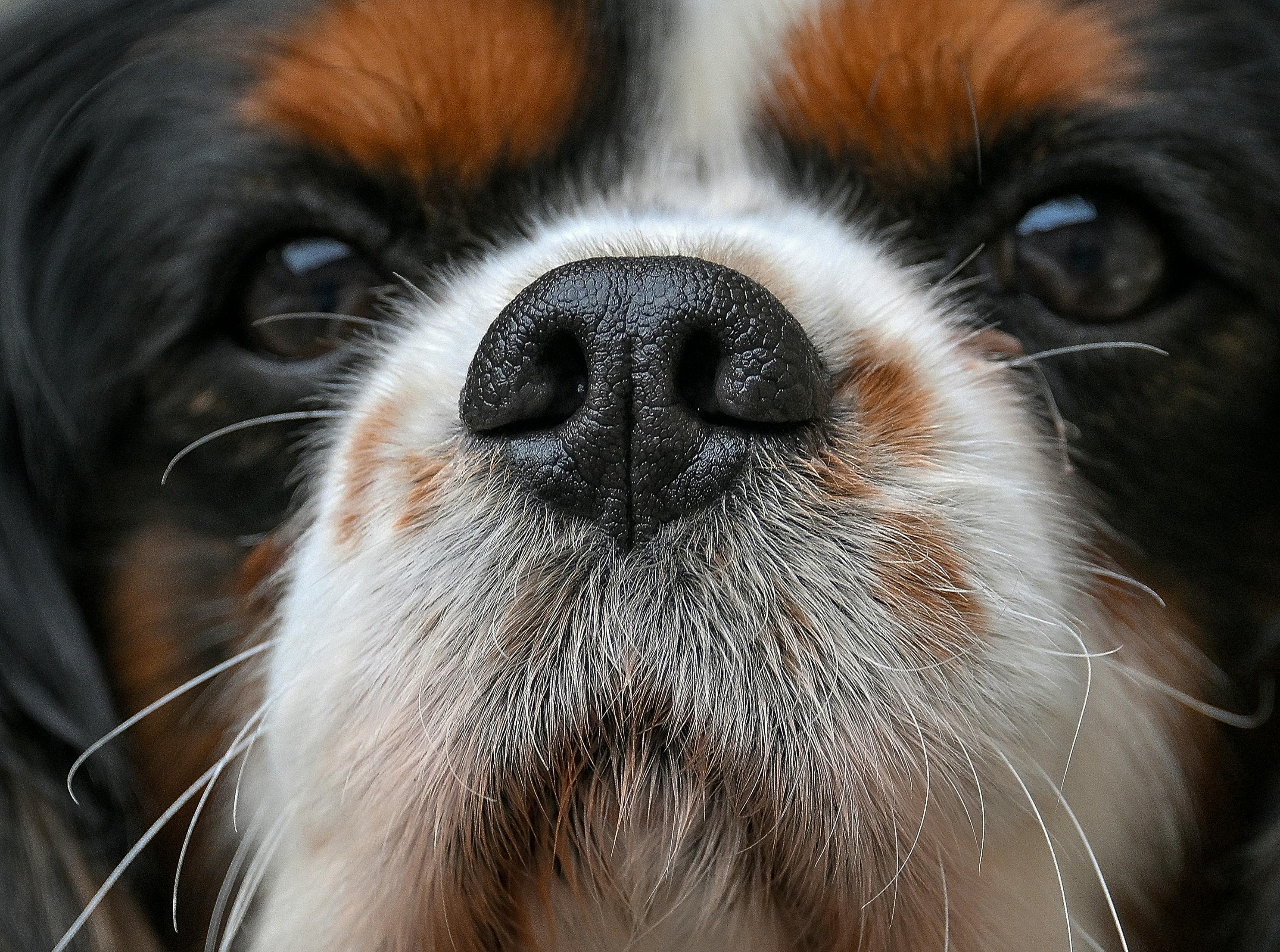 \n\n
\n\nWet noses are often seen as a hallmark of a healthy dog. But why do dogs have wet noses anyway? This question has intrigued pet owners and veterinarians alike for ages. Let’s dive into the fascinating world of dog health, particularly what your pup's snout can reveal about their overall well-being.
\nThe Science Behind Wet Noses
\nDogs’ noses are moist for several reasons. The primary reason is that the mucus on the nose helps to enhance their sense of smell. A wet nose is better at capturing scent particles in the air, providing dogs with an incredible olfactory ability. It’s estimated that dogs have up to 300 million smell receptors in their noses, compared to a human's mere 5 million. This is a big deal for dogs, as they rely heavily on their sense of smell to understand the world around them.
\nWhy Are Dogs' Noses Wet?
\n- \n
- \n
Thermoregulation: Dogs do not sweat like humans do. Instead, they cool themselves off through panting and the moisture on their noses. A wet nose can help regulate their body temperature.
\n \n - \n
Scent Detection: As mentioned before, a moist nose can trap scent particles, making it easier for dogs to sniff out interesting smells. The wetness creates a better surface for scent absorption.
\n \n - \n
Health Indicator: A dog’s nose can be an indicator of their health. For example, a dry or cracked nose may signal dehydration or illness, while a cold, wet nose is often a sign of a happy and healthy pup.
\n \n
Historical Perspective
\nThe belief that a dog’s nose can indicate its health has been around for centuries. Ancient civilizations, including the Egyptians and Greeks, observed that a moist nose correlated with vitality and alertness. However, this wasn't based on scientific understanding, just keen observations of behaviors and conditions.
\nCommon Myths About Dog Noses
\n- \n
- \n
Myth 1: A warm nose always means a dog is sick.
\n- \n
- Truth: A dog’s nose temperature can fluctuate throughout the day based on their activity levels and environment. \n
\n - \n
Myth 2: A wet nose guarantees good health.
\n- \n
- Truth: While a wet nose is generally a good sign, it’s not the only indicator of health. Always monitor other symptoms. \n
\n
What to Look For
\nWhen you’re checking your dog’s nose, consider the following:
\n- \n
- Moisture Level: Is it consistently wet, or does it sometimes feel dry? \n
- Color: A healthy nose can be black, brown, or pink depending on the breed. Any sudden changes in color might warrant a vet visit. \n
- Texture: Cracks, bumps, or lesions can be signs of issues that need attention. \n
Signs of Potential Health Issues
\nIf you notice any of the following alongside changes in your dog’s nose, it may be time to consult your veterinarian:
\n- \n
- Excessive dryness or cracking \n
- Discoloration \n
- Nasal discharge that is green or yellow \n
- Persistent sneezing or nasal congestion \n
- Changes in behavior, like lethargy or loss of appetite \n
Comparison of Dog Nose Conditions
\n| Condition | \nDescription | \nRecommended Action | \n
|---|---|---|
| Dry Nose | \nCould indicate dehydration or illness | \nIncrease water intake | \n
| Wet & Runny Nose | \nPossible allergies or infection | \nVet checkup needed | \n
| Cracked Nose | \nPotentially due to environmental factors | \nApply soothing ointment | \n
| Cold, Wet Nose | \nTypically a sign of good health | \nMonitor for other signs | \n
Practical Tips for Nose Care
\n- \n
- Hydration: Keep your dog hydrated to maintain a healthy nose. \n
- Regular Vet Visits: Annual check-ups can help catch potential health issues early. \n
- Observe Behavior: Changes in mood or activity can often accompany physical signs. \n
Fun Facts About Dog Noses
\n- \n
- Dogs have a unique nose print, just like human fingerprints. \n
- Some breeds, like Bloodhounds, have an extraordinary sense of smell, making them excellent tracking dogs. \n
- The wetness of a dog's nose can change due to various activities, like playing outside or resting. \n
Understanding why dogs have wet noses not only enriches your knowledge but also helps you assess your dog’s health. Their nose is a window into their well-being, so keeping an eye on it can be beneficial. Always remember, if in doubt about your pup's health, it's best to consult with a veterinarian. After all, our furry friends depend on us to keep them happy and healthy!
\n\nCurious Canines: The Connection Between Dog Behavior and Wet Noses Explained
\n\n \n\n
\n\nDogs are often called “man's best friend,” but have you ever thought about what makes them so unique? One of the most curious aspects of our furry friends is their noses. Why do dogs have wet noses? It’s a question that many dog owners ponder, and the answer is both fascinating and complex. Wet noses are not just cute; they serve important functions that enhance a dog's ability to interact with the world around them.
\nThe Physiology of a Dog's Nose
\nFirst, let’s take a moment to understand what makes a dog’s nose so special. A dog's sense of smell is vastly superior to ours — actually, they’ve got as many as 300 million olfactory receptors, compared to a human’s mere 5 million. This incredible sense of smell is linked to why their noses are often damp.
\n- \n
- \n
Moisture helps capture scent particles. Wet noses trap scents more effectively than dry ones do. This moisture helps to absorb scent chemicals from the air, making it easier for dogs to identify odors.
\n \n - \n
Temperature regulation. Dogs don’t sweat like humans, instead, they regulate their body temperature through panting and the moisture on their noses. A wet nose can help cool them down.
\n \n - \n
Health indicators. The condition of a dog’s nose can sometimes indicate its health. A healthy nose is usually moist and cool while a dry or cracked nose might suggest dehydration or illness.
\n \n
Why Do Dogs Have Wet Noses?
\nSo, why do dogs have wet noses? Let’s break it down into some key reasons:
\n- \n
- \n
Enhanced Sense of Smell: A wet nose can detect scents better. The moisture on their nose helps to absorb scent particles more effectively, allowing them to process smells more efficiently.
\n \n - \n
Communication Tool: Dogs use their noses to gather information about their environment. Wet noses help them to detect pheromones, which are chemicals used for communication among animals.
\n \n - \n
Health Monitoring: Owners often check their dog's noses as an informal health check. A sudden change from wet to dry could indicate a health issue.
\n \n - \n
Cooling Mechanism: Just like how we sweat, dogs use their noses to help regulate body temperature, although it's not their primary cooling method.
\n \n
Historical Perspective
\nDogs have been domesticated for thousands of years, and their noses have evolved alongside them. Ancient civilizations recognized the importance of a dog’s sense of smell. For example, in ancient Egypt, dogs were often used for hunting and protection, and their keen sense of smell was highly valued. Fast forward to today, and we see dogs employed in search and rescue, detection work, and even therapy. Their wet noses continue to be a vital part of their capability.
\nFun Facts About Dogs' Noses
\n- \n
- \n
Unique Patterns: Just like human fingerprints, every dog’s nose print is unique. This means that you could potentially identify dogs by their noses!
\n \n - \n
Color Differences: Not all dog noses are the same color. A dog’s nose color can vary according to breed and even individual characteristics.
\n \n - \n
Nasal Turbinates: Inside a dog’s nose, there are structures called turbinates that help in filtering and warming the air they breathe. This is important for their overall health.
\n \n
Caring for Your Dog's Nose
\nMaintaining your dog’s nose health is essential. Here are some tips:
\n- \n
- \n
Stay Hydrated: Ensure your dog always has access to fresh water. Dehydration can lead to a dry nose.
\n \n - \n
Regular Vet Checkups: Regular checkups can help monitor the health of your dog, including their nose.
\n \n - \n
Protect from Elements: In extreme weather, protect your dog’s nose from sunburn or frostbite. You can use dog-safe sunscreen or nose balms specially designed for canines.
\n \n
Comparison: Dog Nose vs. Human Nose
\n| Feature | \nDog Nose | \nHuman Nose | \n
|---|---|---|
| Number of Receptors | \n300 million | \n5 million | \n
| Functionality | \nSuperior sense of smell | \nPrimarily for breathing | \n
| Moisture Levels | \nUsually wet | \nUsually dry | \n
| Health Indicators | \nChanges indicate health issues | \nLess reliable for health checks | \n
Dogs' noses are truly remarkable. Their wet noses not only enhance their sense of smell but also play crucial roles in communication and health. Understanding why dogs have wet noses can deepen the bond between you and your pet, giving you insight into their behavior and needs. Next time you give your dog a pat, take a moment to appreciate that moist nose and what it represents in the world of curious canines.
\n\nIs Your Dog's Nose Too Wet? Understanding the Normal Range of Canine Nasal Moisture
\n\n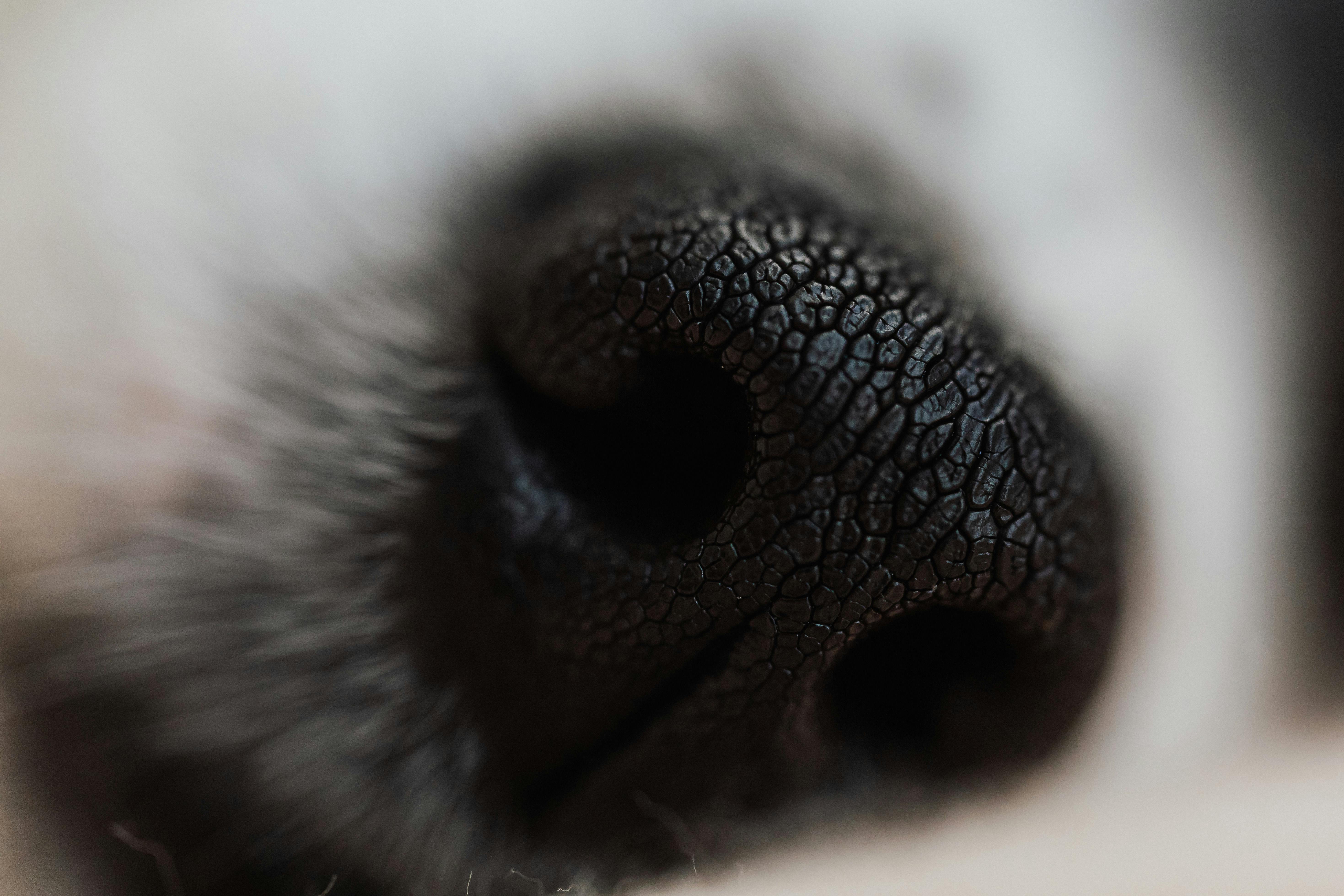 \n\n
\n\nEver wonder why your dog’s nose is often wet? It’s a common sight and, let’s be honest, it can be a little strange if you think about it. But, is your dog's nose too wet? Or is it within the normal range of what’s typical for our furry friends? Understanding the normal range of canine nasal moisture can provide insights into your dog’s health and wellbeing. So let's explore this topic further and discover the fascinating truth about why do dogs have wet noses!
\nThe Normal Range of Canine Nasal Moisture
\nFirst, it’s important to know that dog noses can vary greatly in moisture levels. A healthy dog generally has a moist nose, but what does "moist" really mean? According to veterinarians, a normal wet dog nose should feel slightly damp to the touch, but not dripping wet.
\nHere’s a quick overview of the moisture levels you might find:
\n- \n
- Normal: Slightly damp, not sticky or running \n
- Too Wet: Excessively dripping, might indicate a health issue \n
- Too Dry: Rough, cracked, or warm could signal dehydration or illness \n
Why Do Dogs Have Wet Noses?
\nNow, let’s dive into the reasons behind those wet noses. Dogs have evolved to have moist noses for several functional reasons. Here’s a list of why your dog’s nose might be wet:
\n- \n
- Temperature Regulation: Dogs actually don't sweat like humans do. Instead, they rely on their noses to help cool down. The moisture evaporates, helping to regulate body temperature. \n
- Enhanced Sense of Smell: A wet nose can trap scent particles better than a dry one. This means that a moist surface allows dogs to smell things more acutely — they can pick up scents in the air better when their noses are wet. \n
- Communication: Dogs also communicate through scent. A wet nose can be a sign of excitement or curiosity, helping them interact with their environment and other dogs. \n
The Science Behind Dog Nose Moisture
\nIt’s fascinating how the anatomy of a dog’s nose plays a role in its moisture levels. The nose is lined with specialized cells that produce mucus, and this mucus keeps the nose moist. When a dog breathes in, those moisture particles can help to dilute the scents they’re detecting.
\nHere’s what happens in a bit more detail:
\n- \n
- Mucous Production: Dogs have mucous glands that continuously produce moisture. This helps keep their noses wet. \n
- Airflow: When a dog breathes, the airflow over the moist surface helps to keep it cool and enhances their sense of smell. \n
What Affects Nose Moisture Levels?
\nSeveral factors can affect your dog's nasal moisture levels. Here’s a short list of what might cause changes:
\n- \n
- Weather Conditions: Hot, dry weather can lead to drier noses, while humidity can keep them moist. \n
- Health Issues: Certain illnesses can cause a change in moisture levels, such as fever, dehydration, or allergies. \n
- Age: Older dogs might experience changes in their ability to keep their noses moist. \n
When to Be Concerned
\nWhile a wet nose is generally a good sign, there are instances when you might want to keep an eye on your pup's health.
\nHere’s a list of symptoms that may indicate a problem:
\n- \n
- Excessive Dryness: If your dog’s nose is persistently dry and cracked. \n
- Discharge: Any unusual discharge or bleeding from the nose could be a sign of issues. \n
- Behavior Changes: If your dog is lethargic, not eating, or showing signs of distress. \n
Practical Tips for Monitoring Nose Health
\nKeeping track of your dog's nose moisture can be a simple part of their overall health check. Here’s a few tips:
\n- \n
- Daily Observation: Take a moment each day to check if your dog’s nose feels moist and cool. \n
- Hydration: Ensure your dog has access to fresh water throughout the day to help maintain hydration. \n
- Visit the Vet: Regular check-ups can help catch any potential health issues early. \n
In the end, your dog’s wet nose is more than just a cute feature; it’s a vital part of their anatomy that serves important functions. Understanding the normal range of canine nasal moisture helps pet owners to ensure their dogs are healthy and happy. So the next time you see your dog’s nose glistening, you can appreciate the fascinating truth behind it!
\n\nThe Evolutionary Advantage: Why Dogs Developed Wet Noses Over Time
\n\n \n\n
\n\nDogs are some of the most beloved companions in human history. But have you ever stopped to wonder why do dogs have wet noses? The answer to this question is not just a simple one. It’s a fascinating exploration of evolutionary biology, canine behavior, and even the unique characteristics that make dogs such great friends to us.
\nThe Science Behind Wet Noses
\nFirstly, the wetness of a dog's nose serves several important functions. Primarily, a wet nose helps enhance a dog’s sense of smell. Dogs have an extraordinary olfactory system, with up to 300 million olfactory receptors in their noses compared to a mere six million in humans. A wet surface allows scent molecules to dissolve more effectively, which ultimately helps dogs detect smells better.
\n- \n
- Understanding the Moisture:
- \n
- Dogs' noses are moist due to a thin layer of mucus. \n
- This mucus helps trap scent particles, making it easier for dogs to pick up on smells. \n
- The moisture also prevents the nose from becoming too dry, which can hinder its sensitivity. \n
\n
Evolutionary Advantage
\nYou might be asking yourself, why did dogs evolve to have wet noses in the first place? Well, it all comes down to survival. Dogs, descending from wolves, needed an acute sense of smell to hunt, navigate, and avoid dangers. The wet nose provided an evolutionary advantage by improving their ability to detect prey and stay alert to their surroundings.
\n- \n
- Key Evolutionary Points:
- \n
- Wolves relied heavily on their sense of smell for hunting and social interactions. \n
- Over time, domesticated dogs retained this wet-nose characteristic. \n
- Enhanced olfactory capabilities helped dogs adapt to a variety of roles, from hunting companions to service animals. \n
\n
Health Indicators
\nInterestingly, a dog’s nose can also be an indicator of its health. While a wet nose is generally a sign of a healthy dog, it’s not the only factor to consider. Here’s a quick rundown:
\n- \n
- \n
Healthy Nose:
\n- \n
- Cool and moist to the touch. \n
- Free of cracks or sores. \n
\n - \n
Signs of Illness:
\n- \n
- Dry or excessively warm nose. \n
- Crustiness or discharge may indicate a health issue. \n
\n - \n
Important to Note:
\n- \n
- A change in nose texture or temperature should prompt a visit to the vet. \n
- It's essential to monitor other behaviors in conjunction with changes in nose condition. \n
\n
The Cultural Significance of Noses
\nThroughout history, dogs have been companions, workers, and protectors. Their wet noses have even found a place in various cultures and folklore. For instance, in some cultures, a wet nose is seen as a sign of a friendly dog.
\n- \n
- Cultural Perspectives:
- \n
- In ancient societies, dogs’ ability to smell was revered, aligning them with spiritual beliefs. \n
- Many dog-training techniques utilize a dog’s keen sense of smell, showing their importance in both history and modern practices. \n
\n
Practical Examples of Smell Usage
\nDogs are often used in various professional fields due to their superior sense of smell and wet noses. Here's a look at some of the fascinating roles dogs play:
\n- \n
- \n
Search and Rescue:
\n- \n
- Dogs are trained to find missing persons or disaster victims. \n
- Their wet noses help them smell human scents even in difficult conditions. \n
\n - \n
Medical Detection:
\n- \n
- Certain dogs can detect diseases like cancer or diabetes. \n
- They can sense chemical changes in the body through their olfactory capabilities. \n
\n - \n
Law Enforcement:
\n- \n
- K9 units use dogs for detecting drugs and explosives. \n
- Their wet noses and strong sense of smell make them invaluable in security scenarios. \n
\n
Comparison: Dogs vs. Other Animals
\nWhen considering why do dogs have wet noses, it’s interesting to compare them to other animals. For example, cats have dry noses, but they also have a strong sense of smell. However, dogs outshine them with a greater number of olfactory receptors.
\n| Animal Type | \nOlfactory Receptors | \nNose Type | \n
|---|---|---|
| Dogs | \n~300 million | \nWet | \n
| Cats | \n~20-30 million | \nDry | \n
| Humans | \n~6 million | \nDry | \n
This table illustrates just how remarkable dogs really are.
\nThe evolution of a dog’s wet nose is more than just an interesting fact; it’s a testament to their adaptability and the bond they share with humans. Understanding this can deepen our appreciation for these furry friends. Next time you give your dog a pat on the head and feel that wet nose, remember it’s not just cute — it’s a symbol of their evolutionary journey and a vital tool in their role as man's best friend.
\n\nCan Weather Affect Your Dog's Nose? Discover the Impact of Climate on Canine Health
\n\n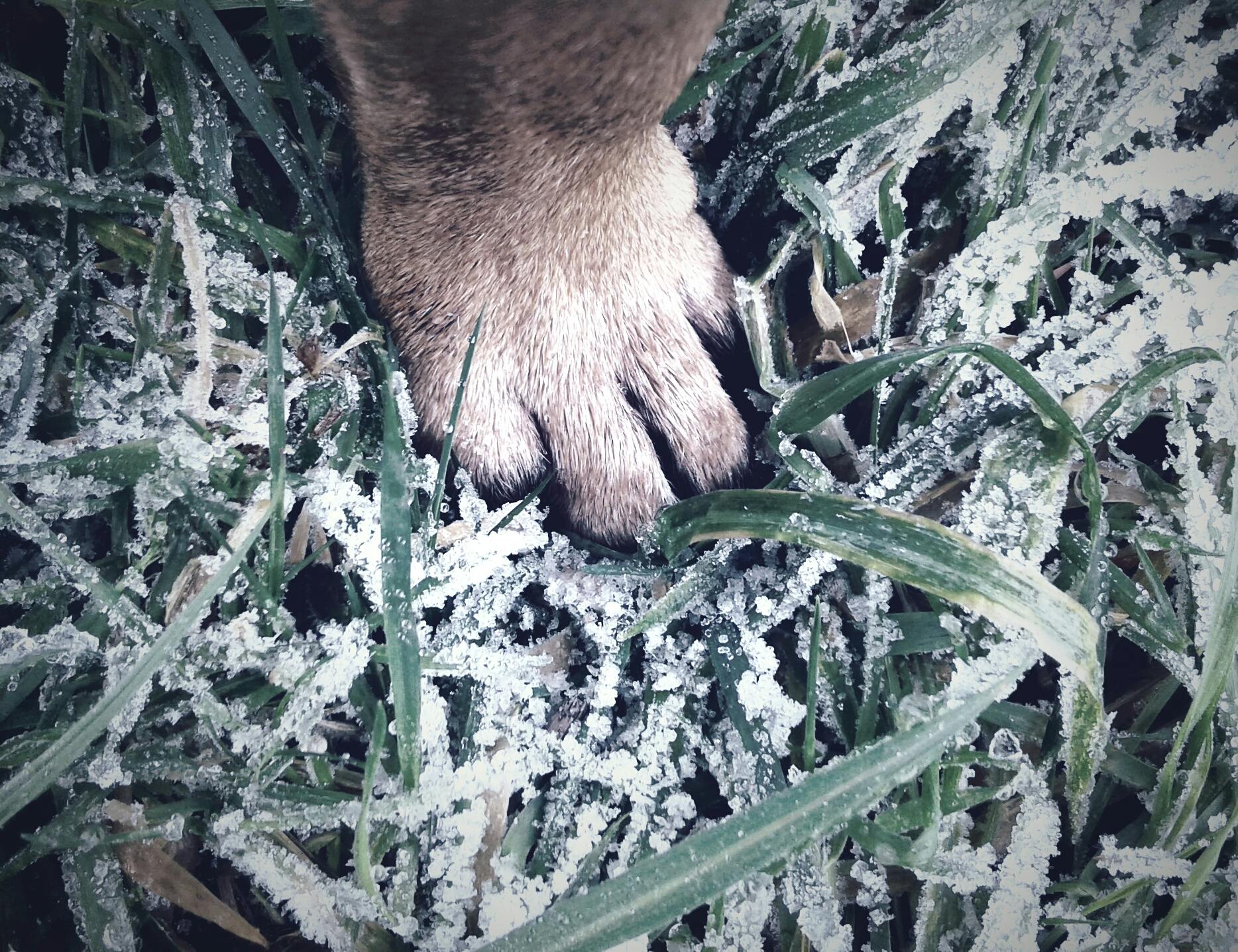 \n\n
\n\nCan weather affect your dog's nose? It's a question that many dog owners ponder, especially when they notice changes in their furry friend's snout. Dogs' noses are not just adorable; they're also an essential part of their health and well-being. In this article, we will explore how climate can impact canine health, specifically focusing on the fascinating world of wet noses and why they play a vital role in a dog’s life.
\nThe Science Behind Wet Noses
\nFirst, let’s dive into why do dogs have wet noses? This question leads us into the biology of canines. Dogs' noses serve several crucial purposes, and their moisture levels are key to these functions. A wet nose helps in the following ways:
\n- \n
- \n
Scent Detection: Dogs have an extraordinary sense of smell, and the moisture on their nose enhances their ability to absorb scent particles. The wetness allows the scent molecules to stick better, which is why dogs can track and identify smells much better than humans.
\n \n - \n
Temperature Regulation: A dog's nose also helps in regulating their body temperature. When a dog pants, the moisture on their nose evaporates, cooling them down. This is particularly important during hot weather.
\n \n - \n
Health Indicator: While a dry nose doesn’t always mean something is wrong, a consistently dry or cracked nose can signal dehydration or illness.
\n \n
How Weather Influences Your Dog's Nose
\nThe weather can significantly affect your dog’s nose, both positively and negatively. Here are some factors to consider:
\n- \n
- \n
Humidity Levels: In humid conditions, dogs often have wetter noses. This is because the moisture in the air makes it easier for dogs to maintain that important level of wetness. A wetter nose can lead to better scent tracking and overall canine happiness.
\n \n - \n
Cold Weather: In colder climates, a dog’s nose can become dry and cracked due to low humidity levels. This might lead to discomfort and even nosebleeds in some dogs. Pet owners should be cautious during winter months and consider applying a pet-safe moisturizer if needed.
\n \n - \n
Heat and Sun Exposure: Extreme heat can also dry out a dog’s nose. Be wary of prolonged sun exposure, as it could lead to sunburn, especially in dogs with lighter-colored noses.
\n \n
Signs of Nose Health Issues
\nKnowing how to recognize the signs of potential nose problems is essential. Here’s a quick list of symptoms that could indicate your dog’s nose is in trouble:
\n- \n
- Persistent dryness or cracking \n
- Bleeding from the nose \n
- Discharge that is not clear \n
- Changes in color or texture of the nose \n
- Excessive licking of the nose \n
Tips for Keeping Your Dog's Nose Healthy
\nKeeping your dog's nose healthy is vital, especially with changing weather conditions. Here are some practical tips:
\n- \n
- \n
Regular Hydration: Ensure your dog drinks enough water, particularly in hot weather. Dehydration can lead to a dry nose.
\n \n - \n
Moisturize When Necessary: Use a dog-safe moisturizer if you notice your dog’s nose is becoming dry.
\n \n - \n
Limit Sun Exposure: During hot summer days, try to keep your dog indoors or provide shade when they are outside.
\n \n - \n
Monitor Changes: Keep an eye on any changes in your dog's nose, and consult a vet if you're concerned about health issues.
\n \n
The Fascinating World of Dogs' Noses
\nIt might be surprising, but dogs have an incredible number of scent receptors. Humans have about 5 million scent receptors, while dogs can have up to 300 million! This vast difference highlights why dogs are often used in search and rescue operations.
\nMoreover, the shape and size of a dog's nose can also affect its smell sensitivity. Breeds like Bloodhounds, with their long and droopy noses, have a distinct advantage in tracking scents compared to breeds with shorter snouts, like Bulldogs.
\nFun Facts About Dogs' Noses
\n- \n
- Dogs' noses are as unique as human fingerprints, with each dog's nose print being different. \n
- The color of a dog's nose can change with seasons, often becoming darker in summer and lighter in winter. \n
- Dogs can even detect certain medical conditions in humans, such as diabetes or cancer, just by smelling. \n
It's fascinating to think about how much a dog's nose contributes to their health and overall well-being. Understanding the factors that can affect it, from weather to hydration, can help owners ensure their furry friends live happy, healthy lives. So, keep an eye on that wet nose, and don't hesitate to consult a vet if you notice any unusual changes!
\n\nDebunking Myths: Common Misconceptions About Why Dogs Have Wet Noses
\n\n \n\n
\n\nDogs, our furry companions, has captivated humans for centuries with their playful antics and unwavering loyalty. One common feature that often sparks curiosity is their wet noses. Many people has their own theories about why dogs have wet noses, but some of these ideas are rooted in misconceptions. Let’s dive into this fascinating topic and debunk some of the myths surrounding this intriguing aspect of our canine friends.
\nThe Science Behind Wet Noses
\nFirst off, the wetness of a dog’s nose is not just for show. It's actually plays a crucial role in their health and well-being. A dog’s nose contains a moist layer of epithelial cells that helps them absorb scent chemicals from the air. The moisture enhances their sense of smell, which is significantly stronger than that of humans—up to 100,000 times more sensitive!
\n- \n
- Enhanced Smell: The moisture on a dog’s nose helps capture scent particles, making it easier for them to identify different odors. \n
- Thermoregulation: Dogs don’t sweat like humans. Instead, their noses help to cool down their bodies. When they’re panting, the moisture evaporates, cooling them down. \n
- Health Indicator: A wet nose can indicate a healthy dog, while a dry nose might signal dehydration or illness. \n
Common Myths About Dog Noses
\nThere are several misconceptions about why dogs have wet noses. Here are some of the most common myths debunked:
\n- \n
- \n
Myth: Dogs Have Wet Noses Because They Lick Them
\n
\nTruth: While dogs do lick their noses, the moisture is primarily generated by the dog’s own body. The nasal glands produce secretions that keep it moist. \n - \n
Myth: A Wet Nose Means a Healthy Dog
\n
\nTruth: Although a wet nose is often a sign of health, it isn’t a definitive indicator. A dog can be unhealthy with a wet nose or healthy with a dry nose. It’s best to observe other health signs too. \n - \n
Myth: Dogs’ Noses Are Wet to Detect Sickness in Humans
\n
\nTruth: While dogs have an extraordinary sense of smell and can detect certain diseases in humans, their wet noses are not specifically designed for this purpose. It’s a byproduct of their olfactory system. \n - \n
Myth: All Dogs Have Wet Noses
\n
\nTruth: Not all dogs have the same level of nose moisture. Breeds can vary significantly, and some may naturally have drier noses than others. \n
Historical Context of Dog Noses
\nHistorically, dogs have been bred for various purposes, and their noses have played a vital role in their functionality. From hunting to herding, a dog’s sniffer is essential for many tasks. Here’s a quick look at how different breeds utilize their noses:
\n- \n
- Bloodhounds: Renowned for their tracking abilities, their noses are especially moist, enhancing their scent detection. \n
- Terriers: Originally bred for hunting vermin, they also rely on their keen sense of smell. \n
- Retrievers: Bred for hunting game, they use their noses to locate birds or small animals. \n
Fascinating Facts About Dog Noses
\nHere are some additional interesting tidbits about dog noses that you might not know:
\n- \n
- Unique Patterns: Just like human fingerprints, every dog has a unique nose print which can be used for identification. \n
- Nasal Turbinates: Dogs have complex structures in their noses called turbinates that help filter and warm the air they breathe. \n
- Cold Nose, Warm Heart?: The common belief that a dog’s cold nose means they are sick is false. Dogs can have cold noses when they are relaxed or just waking up. \n
Practical Tips for Dog Owners
\nIf you’re a dog owner, it’s important to monitor your pet's nose health. Here’s a quick checklist to ensure your dog’s nose stays in good condition:
\n- \n
- Hydration: Always provide fresh water to keep your dog hydrated. \n
- Environment: Be mindful of the weather; extreme temperatures can affect nose moisture. \n
- Veterinary Checkups: Regular vet visits can help catch any underlying issues related to nose health. \n
Understanding why dogs have wet noses not only clears up misconceptions but also enhances our appreciation for these remarkable animals. From their keen sense of smell to their unique physiological traits, dogs continue to amaze us every day. So next time you see a wet nose, remember it’s not just a cute feature, but a fascinating aspect of what makes dogs so special.
\n\nHow to Keep Your Dog’s Nose Healthy: Tips for Maintaining Optimal Moisture Levels
\n\n\n\nDogs are more than just pets; they’re part of the family. And just like any family member, keeping your dog healthy is a priority. One of the often overlooked aspects of dog health is their nose. You might've noticed that a dog’s nose is moist, but have you ever wondered why that is? And how can you ensure it stays healthy? Let’s dive in!
\nWhy Do Dogs Have Wet Noses?
\nDogs have wet noses for several important reasons. First, a wet nose helps to enhance their sense of smell. Dogs have an incredible olfactory system, and moisture on their noses helps to capture scent particles in the air. This is why dogs are so good at sniffing out things, from food to people.
\nAlso, a wet nose can help regulate a dog’s body temperature. When they pant or breathe through their noses, moisture evaporates and cools down their body. This is especially important during hot weather or after exercise.
\nHere are some interesting facts about dog noses:
\n- \n
- Scent Detection: Dogs have up to 300 million scent receptors compared to humans' 5 million. Their wet noses aid in this incredible ability. \n
- Temperature Regulation: The moisture on a dog’s nose helps them cool down, functioning like sweat for humans. \n
- Health Indicator: A dog's nose can indicate health. If it’s dry or cracked, it might mean something is wrong. \n
How to Keep Your Dog’s Nose Healthy
\nMaintaining optimal moisture levels in your dog’s nose is important. Here some tips to help you:
\n- \n
- \n
Hydration: Make sure your dog is always drinking enough water. Dehydration can lead to a dry nose, which may indicate health issues.
\n \n - \n
Humidifier: If you live in a dry climate or use heating systems in winter, consider using a humidifier in your home. This helps maintain moisture in the air and can keep your dog’s nose healthy.
\n \n - \n
Regular Vet Check-Ups: Regular veterinary visits can help catch any potential issues early, including those affecting your dog’s nose.
\n \n - \n
Limit Sun Exposure: Just like human skin, a dog’s nose can get sunburned. Limit their sun exposure during peak hours, and consider using dog-safe sunscreen if they’re out for long periods.
\n \n - \n
Diet: A balanced diet rich in omega fatty acids can improve your dog’s skin and coat health, which includes their nose. Look for quality dog food that lists whole food ingredients.
\n \n - \n
Grooming: Regular grooming can help remove dirt and debris from around the nose area. Make sure to clean around their nose gently.
\n \n
The Importance of Nose Moisture Levels
\nNot all dogs have the same nose moisture levels. Factors such as breed, age, and overall health can affect this. For instance, certain breeds like Bulldogs or Pugs tend to have drier noses due to their unique facial structures. Here’s a simple comparison:
\n| Breed | \nCommon Nose Condition | \n
|---|---|
| Labrador Retriever | \nGenerally moist and healthy | \n
| Bulldog | \nOften dry, needs extra care | \n
| Beagle | \nUsually moist, less maintenance | \n
| Pug | \nProne to dryness, watch closely | \n
Signs of a Problematic Nose
\nWhile a wet nose is usually a sign of health, there are times when you should be concerned. Keep an eye out for these signs:
\n- \n
- Cracking or Bleeding: A cracked nose can be painful and may require veterinary attention. \n
- Discoloration: Any sudden change in color can be a red flag. \n
- Foul Odor: A smelly nose can indicate an infection or other health issues. \n
- Excessively Dry: If your dog’s nose is persistently dry, it could signal dehydration or illness. \n
Fun Facts About Dogs and Their Noses
\n- \n
- Did you know that dogs can smell some diseases? Their noses can detect certain cancers and diabetes in humans! \n
- A dog’s nose print is unique, much like a human's fingerprint. It can be used to identify them! \n
- The texture of a dog's nose can vary. Some may have a smooth nose while others have more bumps. \n
Taking care of your dog's nose is crucial for their overall well-being. By understanding why their noses are wet and how to maintain that moisture, you're contributing to a happier and healthier life for your furry friend. Always pay close attention to changes in their nose, and don’t hesitate to consult with your vet if something seems off. Keeping your dog’s nose healthy is just another way to show you care!
\n\nFascinating Facts About Dog Noses: What Makes Them Unique Beyond Just Being Wet?
\n\n \n\n
\n\nWhen it comes to our furry friends, their noses are one of the most intriguing features. Ever wondered why dogs have wet noses? Well, there’s a lot more going on than just moisture. Dog noses are uniquely designed, and they serve several important functions that extend beyond just being a little damp. Let’s dive into some fascinating facts about dog noses and discover what makes them special.
\nWhy Do Dogs Have Wet Noses?
\nThe answer to the question “why do dogs have wet noses” is tied to their health and sensory abilities. Dogs have a wet nose for a variety of reasons:
\n- \n
- Temperature Regulation: A wet nose helps dogs regulate their body temperature. When the moisture evaporates, it cools their body down. \n
- Enhanced Sense of Smell: The wetness helps to capture scent particles from the air, making it easier for dogs to pick up smells. This is why dogs can sniff out things we can’t even imagine. \n
- Health Indicator: The condition of a dog’s nose can indicate their overall health. A healthy dog typically has a moist nose, while a dry or cracked nose might suggest dehydration or illness. \n
Dog Nose Anatomy: What Makes It Unique?
\nA dog’s nose is not just wet; it’s also packed with unique anatomy that makes it a powerful tool. Here’s what you need to know:
\n- \n
- Olfactory Receptors: Dogs have about 300 million olfactory receptors in their noses compared to a human’s 5 million. This means they can smell things at incredibly low concentrations. \n
- Jacobsen’s Organ: This is an additional organ that helps dogs detect pheromones, which are chemical signals used for communication. It’s located on the roof of a dog’s mouth. \n
- Nasal Turbinates: These are complex structures within the nose that help increase the surface area for scent detection. They also help warm and humidify the air a dog breathes in. \n
Historical Context: The Evolution of Dog Noses
\nDogs have evolved alongside humans for thousands of years. Their noses have become more refined through selective breeding. Some breeds, like bloodhounds, have been specifically bred for their extraordinary sense of smell, which makes them excellent at tracking scents.
\n- \n
- Ancient Companions: Early humans relied on dogs for hunting and protection. Dogs with superior scent abilities were favored, leading to the development of breeds with exceptional noses. \n
- Modern Day Uses: Today, dogs are used in various fields such as search and rescue, drug detection, and even medical diagnoses, thanks to their incredible olfactory skills. \n
Fun Facts About Dog Noses
\nHere are some quirky and interesting facts about dog noses that you might not know:
\n- \n
- Nose Prints: Just like human fingerprints, each dog’s nose print is unique. This can actually be used to identify them! \n
- Color Variations: The color of a dog’s nose can change based on their breed. Some breeds have black noses, while others may have pink or liver-colored noses. \n
- Temperature Sensitivity: Dogs’ noses can detect changes in temperature, which is why they can sense when someone is feeling unwell or stressed. \n
Comparing Dog Noses to Human Noses
\nIt’s fascinating to compare dog noses to human noses. Here’s a quick breakdown of the key differences:
\n| Feature | \nDog Nose | \nHuman Nose | \n
|---|---|---|
| Olfactory Receptors | \n~300 million | \n~5 million | \n
| Purpose | \nScent detection, temperature regulation | \nPrimarily for breathing, limited scent detection | \n
| Moisture | \nGenerally wet | \nUsually dry | \n
| Unique Identification | \nNose prints are unique | \nFingerprints are unique | \n
Practical Tips for Caring for Your Dog’s Nose
\nMaintaining your dog’s nose is important for their health. Here are some tips:
\n- \n
- Hydration: Ensure your dog stays hydrated, especially in hot weather, to keep their nose moist. \n
- Regular Vet Check-ups: If you notice any changes in your dog’s nose, like excessive dryness or cracks, consult a veterinarian. \n
- Protect in Harsh Weather: In extremely cold or hot weather, consider using a pet-safe balm to protect their nose from the elements. \n
The next time you notice your dog’s wet nose, remember, it’s not just an adorable feature; it's a vital part of their health and sensory perception. Understanding why dogs have wet noses can deepen your appreciation for these remarkable creatures and their unique biology. So go ahead, give your furry friend a little extra love and attention today!
\n\nConclusion
\n\nIn conclusion, the wet noses of dogs serve several important purposes that contribute to their overall health and well-being. The moisture helps enhance their sense of smell, allowing them to detect scents more effectively, which is crucial for their communication and interaction with the environment. Additionally, a wet nose plays a vital role in thermoregulation, helping dogs regulate their body temperature. While a wet nose is typically a sign of a healthy pet, it's essential to monitor any significant changes, as they could indicate health issues. Understanding the reasons behind this unique characteristic can deepen our appreciation for our canine companions. So, the next time you greet your furry friend, take a moment to consider the fascinating biology behind that wet nose. Embrace the bond you share and ensure your dog's health by scheduling regular vet check-ups and keeping them active and engaged.
\n\n