
Have you ever wonderd why dogs have wet noses? This intriguing feature of our furry friends isn’t just for show—it serves several fascinating purposes! In this article, we’ll explore the science behind wet noses in dogs and unveil the secrets that make them so unique. Did you know that a dog’s wet nose can help them smell better? Yes, that’s right! The moisture enhances their olfactory senses, allowing them to detect scents from far away. But that’s not all; a wet nose might also indicate a dog’s health status. Are you curious about how this simple trait contributes to their overall well-being? Moreover, understanding the importance of a dog’s nose moisture can strengthen your bond with your pet while keeping you informed about what’s normal and what’s not. Join us as we dive deeper into the captivating world of dogs and their noses! If you’re a dog owner or simply a canine enthusiast, you won’t want to miss these insights. So, why do dogs have wet noses? Let’s uncover the truth together and satisfy your curiosity about these lovable companions!
The Science Behind Canine Noses: Why Are Dogs’ Noses Wet?
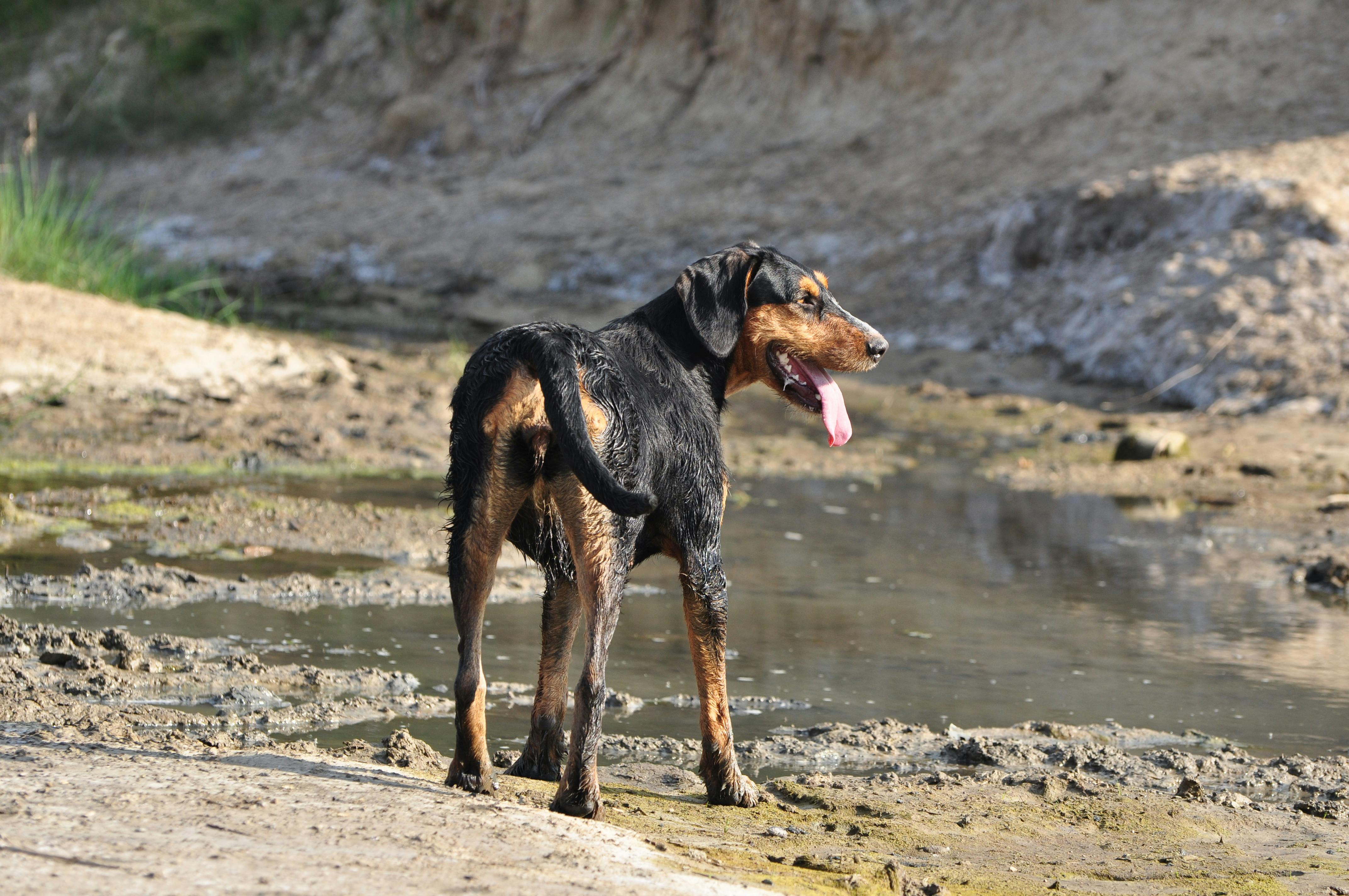
Have you ever wonder why dogs have wet noses? It’s one of those quirks that make our furry friends so fascinating. The truth about canine noses is deeply rooted in science and biology. Understanding the reasons behind the moisture can not only deepen your appreciation for dogs but also inform you about their health and behavior.
The Nature of a Dog’s Nose
Dogs have a very unique anatomy when it comes to their noses. Unlike humans, who have a mere 5 million scent receptors, dogs possess between 220 to 300 million! This incredible olfactory system is why dogs are often used in search and rescue, drug detection, and even medical diagnosis. The wetness of their noses plays a crucial role in this remarkable sense of smell.
Why Are Dogs’ Noses Wet?
You might be asking yourself, why do dogs have wet noses? There are several reasons for this phenomenon:
Enhanced Scent Detection: The moisture on a dog’s nose helps capture scent particles. This is important for how they interpret the world around them. A wet nose can pick up more smells than a dry one.
Temperature Regulation: Dogs don’t sweat like humans do. Instead, they cool down through their noses and paw pads. The moisture evaporates from their noses, helping to regulate body temperature.
Health Indicator: A dog’s nose can often tell you a lot about their health. A warm, dry nose may indicate illness, while a cool, wet nose is generally a sign of a healthy pup. However, it’s not a definitive rule—other factors can happen too.
Behavioral Signaling: Dogs also use their noses to communicate with each other. A wet nose can signal excitement, curiosity, or even submission.
The Science Behind the Moisture
So, how does a dog maintain that moisture? The lining of their nose contains mucous glands that secretes a thin layer of moisture. This fluid is constantly replenished, ensuring the nose stays wet. The moisture evaporates quickly, which is why you may notice your dog’s nose drying out after a while.
Historical Context of Canine Noses
Dogs have been companions to humans for thousands of years. Historically, various breeds have been developed for specific tasks, including hunting and herding, where their keen sense of smell was essential. The evolution of the dog nose is a testament to their adaptability and usefulness to humans.
Comparisons to Other Animals
Dogs are not the only animals with wet noses. Other species, like cats and certain mammals, also have moist nasal surfaces, but dogs’ noses are particularly specialized. Here’s a quick comparison:
| Animal | Scent Receptors | Nose Moisture Function |
|---|---|---|
| Dogs | 220-300 million | Enhanced scent detection |
| Cats | 50-80 million | Basic scent detection |
| Elephants | 2,000 million | Complex scent and moisture |
| Pigs | 1,000 million | Ground scent detection |
Practical Examples of Nose Moisture in Dogs
Here are some examples of how nose moisture impacts the lives of dogs:
Tracking and Searching: Dogs in search and rescue missions rely heavily on their noses. The wetness allows them to track scents over long distances.
Assistance Dogs: Service dogs that help people with disabilities utilize their sense of smell to detect changes in blood sugar or alert to seizures.
Everyday Behavior: Even your pet at home uses their nose to explore their environment. A wet nose can mean they’re excited and ready to play!
Common Misconceptions
Some people think that a wet nose is an absolute indicator of health. While it often is, other factors need consideration too. For instance, hot weather can dry out a dog’s nose, and some breeds naturally have drier noses.
Taking Care of Your Dog’s Nose
To ensure your dog’s nose stays healthy and functional, consider these tips:
Hydration: Ensure your dog stays hydrated, especially during hot weather.
Regular Vet Check-ups: Keeping up with vet appointments can help catch any potential issues early.
Observe Changes: If you notice any drastic changes in your dog’s nose, like excessive dryness or cracking, consult a veterinarian.
Understanding why dogs have wet noses opens a window into their fascinating biology and behavior. Every time you pet your furry friend and feel that cool, moist nose, remember it’s not just a cute trait—it’s a vital part of who they are!
5 Compelling Reasons Your Dog’s Wet Nose Is More Than Just Cute
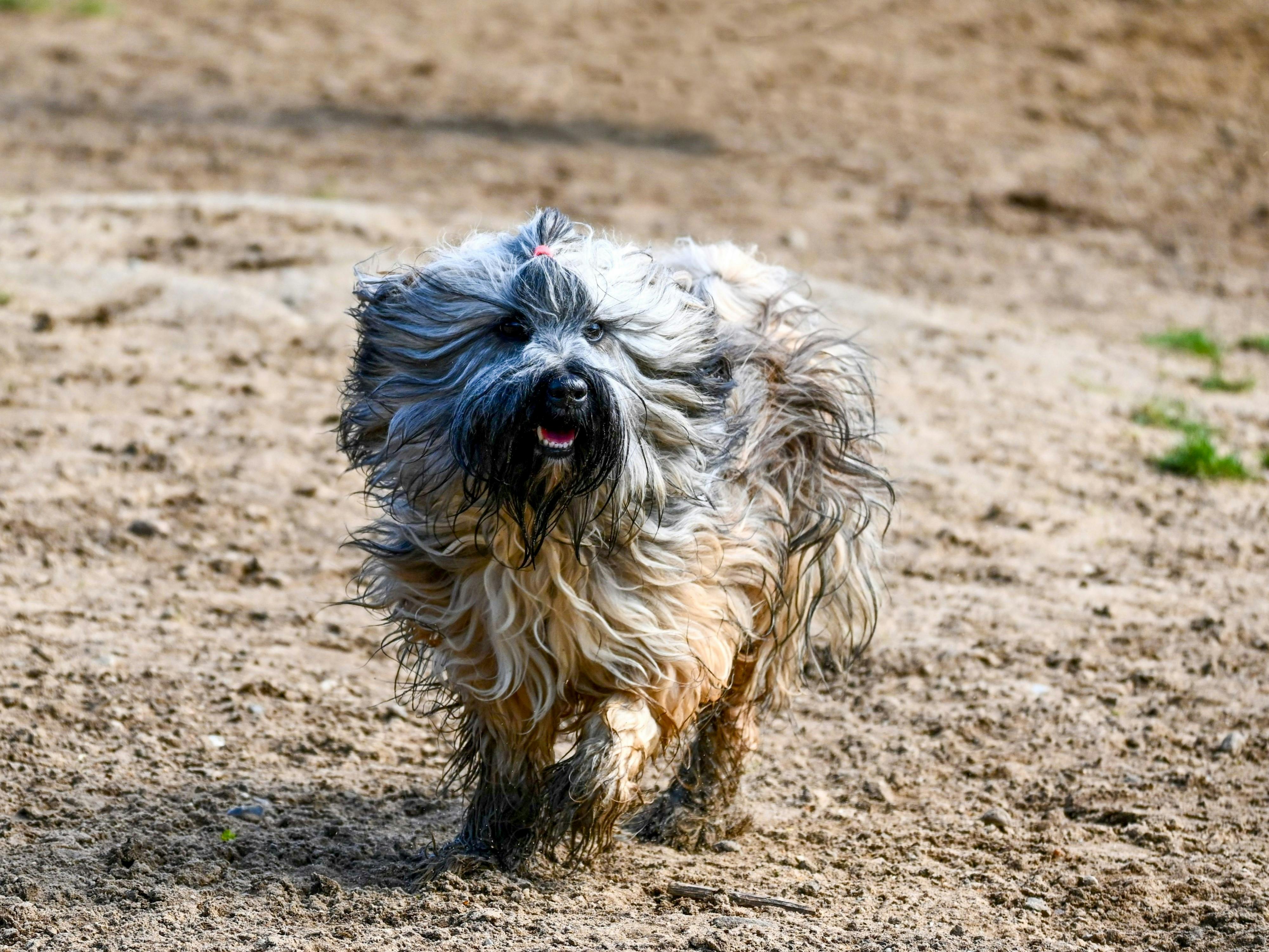
Ever notice how your dog’s nose is always kinda wet? It’s more than just an adorable trait. There is some fascinating science behind why do dogs have wet noses, and it ain’t just for show. Here are 5 compelling reasons why your dog’s wet nose is really more than just cute.
1. Temperature Regulation
Dogs don’t have sweat glands like humans do. Instead, they regulate their body temperature through their noses. The moisture on their noses helps cool down their body. When a dog breathes, the moisture evaporates, which helps to lower their temperature. Isn’t that interesting?
- Dogs can’t sweat, so:
- They pant to cool down.
- Their wet noses help too.
- This is especially important in hot weather.
2. Enhanced Sense of Smell
Dogs have an incredible sense of smell, and their wet noses play a key role in this. The surface of a dog’s nose collects scent particles from the air. When the nose is wet, it captures more scents, helping dogs identify their surroundings. This is why your pup might sniff everything during a walk!
- Some facts about a dog’s sense of smell:
- Dogs have up to 300 million smell receptors (humans have about 5 million).
- Wet noses help in trapping scent molecules.
- It is believed that their sense of smell is 40 times better than humans.
3. Communication Tool
Dogs use their noses to communicate with each other. A wet nose can be a sign of excitement or curiosity. When dogs greet each other, they often use their noses to gather information about the other dog. This is part of their social behavior.
- Here’s how dogs communicate with their noses:
- Sniffing: It shows interest.
- Licking: This can signal affection or submission.
- Nosing: It’s a way to get attention.
4. Health Indicator
A dog’s nose can also be an indicator of their health. While a wet nose is generally considered a sign of good health, there are exceptions. If a dog’s nose suddenly becomes dry, it could indicate a health issue or dehydration. Monitoring your dog’s nose can be a simple way to keep tabs on their well-being.
- Here’s what to look for:
- Wet and cool: Usually healthy.
- Dry and cracked: Possible dehydration or illness.
- Excessively runny: Could indicate allergies or infections.
5. Natural Moisturizer
Dogs produce a natural lubricant on their noses, which keeps them moist. This mucus helps in scent detection and protects the nose from environmental factors. It’s kinda like nature’s way of ensuring that their sense of smell stays sharp!
- Benefits of the natural moisture:
- Keeps the nose functional.
- Protects against irritants like dust.
- Helps in detecting pheromones.
Fun Facts About Dog Noses
- Each dog has a unique nose print, similar to human fingerprints.
- Nose color can vary by breed; some breeds have black noses, while others may be pink.
- Dogs can even detect certain diseases, like diabetes or cancer, through their sense of smell.
Why Do Dogs Have Wet Noses? The Fascinating Truth!
So, if you ever wonder why do dogs have wet noses, just remember it’s not just for cuteness. It’s a multi-functional tool that aids their health, enhances their sense of smell, and even helps them communicate with other dogs. It’s amazing how something that seems so simple can have such complex functions.
Next time your furry friend leans in for a sniff or nudges you with their wet nose, you’ll know it’s not just a sweet gesture. It’s a combination of instinct, biology, and communication. Dogs are truly remarkable creatures, and their wet noses are just one of the many reasons we love them so much.
Understanding why your dog has a wet nose can deepen your bond with them. It’s fascinating how nature has equipped our pets with such incredible features, making them not just companions but also an integral part of our lives. So, whenever you see that adorable little nose, remember all the reasons behind it!
Is a Wet Nose a Sign of Health? Understanding Your Dog’s Unique Physiology

When you see a dog with a wet nose, you might think, “Oh, that dog must be healthy!” But is that really true? The answer is a bit more complicated than just yes or no. Dogs’ noses are not just cute and cold; they serve important functions in their overall health and well-being. In this article, we will explore the reasons behind why do dogs have wet noses, what it can signify about their health, and how their unique physiology plays a role in this fascinating feature.
Why Do Dogs Have Wet Noses?
Dogs have wet noses for several reasons, many of which are tied to their ability to interact with the world. Let’s break it down:
Temperature Regulation: A dog’s nose helps regulate their body temperature. When they pant or breathe heavily, moisture from their noses evaporates, which cools them down, sorta like sweating in humans.
Sense of Smell: A wet nose enhances a dog’s sense of smell. The moisture helps trap scent particles, making it easier for dogs to detect different smells in their environment. Dogs can smell up to 100,000 times better than humans, and a wet nose is a big help in that department.
Health Indicator: While a wet nose is often viewed as a sign of a healthy dog, it ain’t always the case. Factors like breed, environment, and individual health can affect whether a dog’s nose is wet or dry.
The Science Behind Wet Noses
Dogs possess special glands in their noses that produce moisture. This moisture not only helps them smell better but also plays a role in their overall health. Here’s how it works:
Glandular Activity: The nasal glands produce mucus that keeps the nose moist. This mucus traps dust, allergens, and other particles, helping to keep the airways clear.
Sensory Reception: The wetness of the nose allows for better chemical reception. The moisture dissolves the scent particles, helping the olfactory receptors in the nose detect various odors more effectively.
Hydration Levels: A dog’s wet nose can also reflect its hydration levels. A dehydrated dog may have a dry nose, which can be a sign that they need more water.
Common Misconceptions About Wet Noses
There are many myths surrounding the wetness of a dog’s nose. Some of these include:
A wet nose means a dog is healthy: While a wet nose is often a good sign, it isn’t a definitive indicator of health. Dogs can have other underlying issues even with a wet nose.
All dogs have wet noses: Some breeds, like Bulldogs or Pugs, often have drier noses due to their facial structure. So, it’s not accurate to assume every dog’s health based on nose moisture alone.
A dry nose always means illness: Not necessarily! Dogs can have dry noses for many reasons, including the weather or just waking up from a nap.
What Does a Change in Nose Wetness Mean?
If you notice a change in your dog’s nose moisture, it could be worth investigating further. Here are some potential causes:
Allergies: Seasonal allergies can lead to a dry nose. If your dog is sneezing or itching, it might be time to consult your vet.
Fever: A sudden change to a warm, dry nose could indicate fever. If your dog seems lethargic or shows other signs of illness, a vet visit is a good idea.
Dehydration: If your dog isn’t drinking enough water, a dry nose can be a sign. Make sure your furry friend has access to fresh water at all times.
Environmental Factors: Hot weather can lead to a dry nose just like cold weather can cause it to be wet.
Tips for Monitoring Your Dog’s Nose Health
Here are some practical tips to keep an eye on your dog’s nose and overall health:
Check Regularly: Make it a habit to check your dog’s nose every day. Notice any changes in temperature or moisture levels.
Watch for Other Symptoms: Keep an eye out for other signs of illness, such as changes in appetite, energy levels, or bathroom habits.
Consult a Vet: If you notice persistent dryness or other concerning symptoms, don’t hesitate to reach out to your veterinarian.
Hydrate: Always ensure your dog has access to clean, fresh water. Proper hydration is key for their overall well-being.
In summary, while a wet nose can often be a sign of a healthy dog, it’s not the only indicator. Understanding your dog’s unique physiology can help you better care for your furry friend. So, next time you see that wet nose, remember the fascinating truth behind it!
How Dogs Use Their Wet Noses: The Secret to Their Incredible Sense of Smell
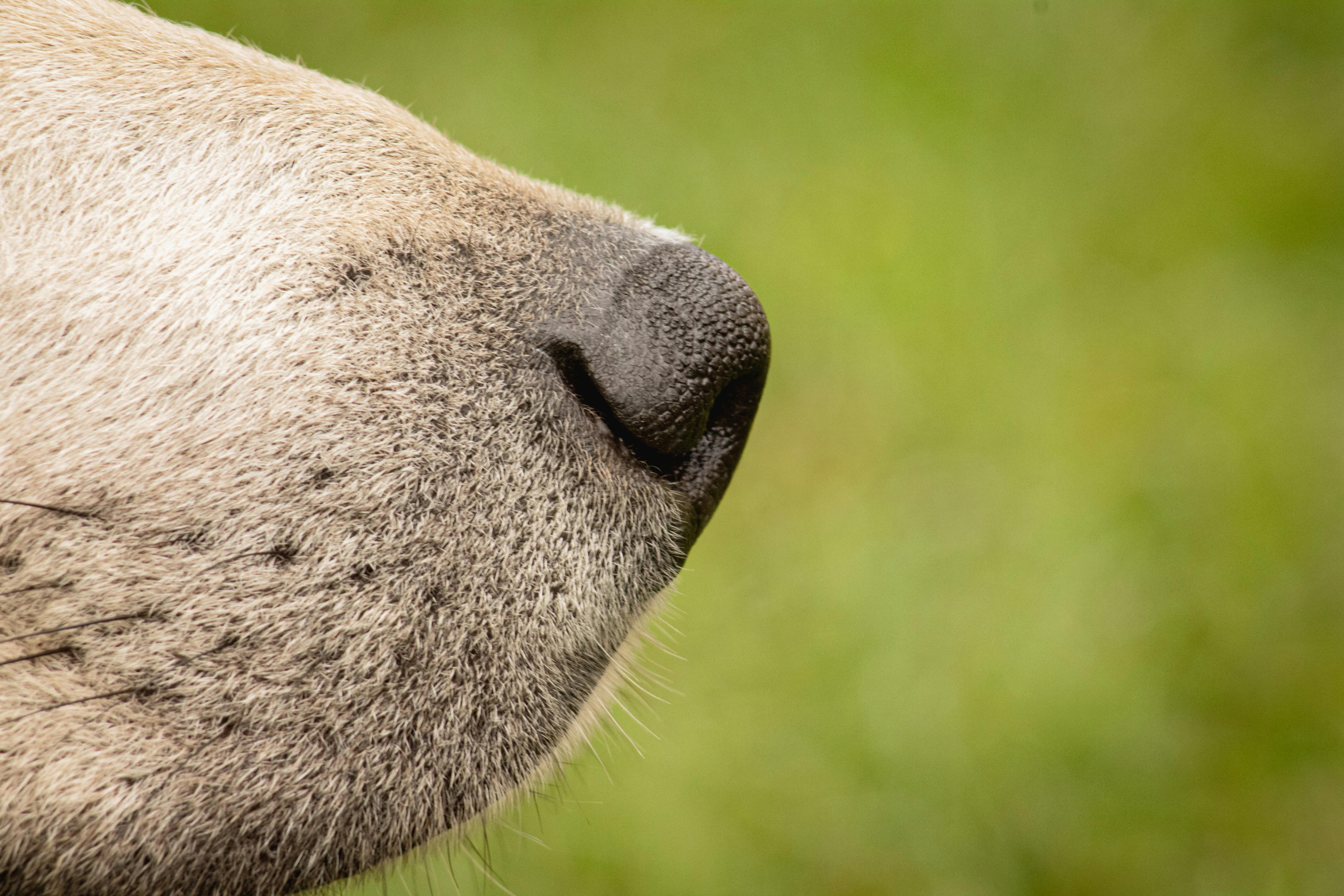
Dogs are often called man’s best friend, and one of the most fascinating things about them is their incredible sense of smell. Ever thought about why dogs have wet noses? It’s not just a quirky feature; it plays a crucial role in how they interact with the world around them. This article explores the science behind dogs’ wet noses and why they are essential for their remarkable olfactory abilities.
Why Do Dogs Have Wet Noses?
The wetness of a dog’s nose serves multiple purposes. The main reason is that moisture enhances their sense of smell. When a dog’s nose is wet, it can better capture and absorb scent particles floating in the air. Here’s a breakdown of how this works:
- Moisture Capture: A wet nose helps to trap scent molecules. When the nose is dry, it’s less effective at picking up smells.
- Cool Temperature: A moist nose helps to regulate temperature and keeps the olfactory receptors cool, which is crucial for detecting odors.
- Health Indicator: A wet nose can also indicate good health. Dogs with dry noses may be sick or dehydrated, although this is not always the case.
The Science Behind Their Sense of Smell
Dogs have an extraordinary sense of smell that is far superior to humans. While humans have about 5 million olfactory receptors, dogs have between 220 to 300 million. This significant difference allows them to detect scents at incredibly low concentrations.
Here are some interesting facts about dog smell capabilities:
- Scent Discrimination: Dogs can distinguish between different scents even when they are mixed together.
- Olfactory Brain: The part of a dog’s brain that is responsible for analyzing smells is proportionally much larger than that of humans.
- Scent Memory: Dogs can remember scents for years. They associate smells with experiences and emotions.
How Dogs Use Their Wet Noses
Dogs use their wet noses in various ways to communicate and navigate their environment. They don’t just sniff for food; their noses are like supercomputers processing a ton of information.
Some Uses Include:
- Identifying Other Animals: Dogs can recognize other dogs through their unique scents, which can tell them about another dog’s health, mood, and even diet.
- Tracking: Many working dogs, like search and rescue or police dogs, use their nose to track scents over long distances.
- Emotional Detection: Dogs can sense human emotions and stress levels through the smells we emit when we’re anxious or happy.
Interesting Comparisons
Let’s compare the sense of smell in dogs to that of humans:
| Feature | Humans | Dogs |
|---|---|---|
| Olfactory Receptors | ~5 million | 220 to 300 million |
| Scent Discrimination | Limited | Exceptional |
| Scent Memory | Short-term | Long-term |
| Use of Smell | Basic (food, danger) | Complex (emotion, tracking) |
Historical Context
Dogs have been companions to humans for thousands of years, and their sense of smell has been honed through selective breeding. In ancient times, certain breeds were developed specifically for hunting, herding, and tracking. These roles relied heavily on their keen sense of smell. For example, Bloodhounds are legendary for their tracking abilities, often used in search and rescue operations.
Furthermore, in recent years, dogs have also been trained to detect diseases like cancer or diabetes through scent, showcasing their incredible olfactory prowess.
Fun Facts About Dogs’ Noses
- A dog’s nose print is unique, much like a human fingerprint.
- The wetness of their nose can change in response to their surroundings; for instance, it may dry out in hot weather.
- Dogs have a special organ, the vomeronasal organ, which helps them detect pheromones and other chemical signals.
So the next time you see a dog with a wet nose, remember it’s not just a cute trait — it’s a vital part of what makes dogs such amazing creatures. Their ability to smell the world around them is a fundamental aspect of their existence, influencing their behavior, emotions, and interactions with both humans and other animals.
Understanding why dogs have wet noses and how they utilize their extraordinary sense of smell not only deepens our appreciation for them but also highlights the bond we share with these incredible animals.
What Your Dog’s Wet Nose Reveals About Their Emotions and Behavior

Dogs are often seen with their noses wet, and many people wonder why this is the case. What if I told you that your dog’s wet nose can actually reveal a lot about their emotions and behavior? It’s true! Here, we dive into the fascinating truth behind why do dogs have wet noses and what it might mean for their feelings and interactions.
The Science Behind Wet Noses
First off, let’s talk about the biology of a dog’s nose. A dog’s nose is moist for a few important reasons. The wetness helps to enhance their sense of smell, which is already way better than ours. Dogs have about 220 million scent receptors, compared to a human’s mere 5 million. So, a wet nose helps them capture scent molecules better. This moisture also aids in cooling their body temperature, since dogs don’t sweat like humans do.
Here’s a quick list of why dogs have wet noses:
- Enhanced Smell: Moisture helps trap scent particles.
- Thermoregulation: Helps them cool off.
- Health Indicator: Changes in moisture can signify health issues.
Emotional Indicators
Just like humans express emotions through facial expressions, dogs communicate their feelings through their noses too. A wet nose can indicate a happy, healthy dog, but it can also hint at other emotions. For instance, when a dog is excited or playful, their nose tends to be wetter.
So, what does a wet nose really mean? Here are some possibilities:
- Happy Excitement: When your furry friend is wagging their tail and bouncing around, a wet nose often goes hand-in-hand.
- Nervousness: A dog that is anxious might also have a wet nose, but it could also be accompanied by other signs like panting or pacing.
- Illness: If a dog’s nose is unusually dry or excessively wet, it might be a sign of health issues.
Historical Context
Historically, dogs have been known for their keen sense of smell, which has been utilized in various roles. From hunting companions to search and rescue animals, dogs have always relied on their noses. Ancient cultures recognized the importance of dogs’ sense of smell. In fact, some believe that wet noses were a sign of a healthy hunting dog, capable of tracking scents effectively.
Fun Facts About Dog Noses
Did you know that a dog’s nose print is unique, much like a human fingerprint? Here are some more interesting tidbits:
- Temperature Regulation: A dog’s nose can help in regulating their body temperature.
- Health Monitoring: Vets often check a dog’s nose as part of a health assessment.
- Scent Discrimination: Dogs can differentiate between similar scents and can even be trained to detect certain diseases.
The Importance of Nose Care
Taking care of your dog’s nose is crucial. If you notice any changes, it might be worth consulting a veterinarian. Here are some tips for keeping your dog’s nose healthy:
- Hydration: Make sure your dog drinks enough water.
- Avoid Irritants: Keep your dog away from harsh chemicals or substances that may irritate their noses.
- Regular Checks: Keep an eye on the moisture level and look for any signs of cracking or dryness.
Comparing Wet and Dry Noses
Here’s a quick comparison of what wet and dry noses might indicate:
| Nose Condition | Possible Meaning | Follow-Up Action |
|---|---|---|
| Wet Nose | Healthy, Happy Dog | Normal observation |
| Dry Nose | Possible Dehydration | Ensure hydration, consult vet if persistent |
| Excessively Wet | Could Indicate Illness | Vet check recommended |
Practical Examples of Nose Behavior
Think about your own dog. When you come home after a long day, do they greet you with a wet nose? This is likely a sign of affection and excitement. On the other hand, if your dog is at the vet and has a dry nose, it may indicate stress or anxiety.
Dogs are incredibly intuitive and their noses are a great tool for expressing what they’re feeling. The next time you notice your dog’s wet nose, think about what might be going on in their world.
As you can see, your dog’s wet nose does much more than just look cute. It’s a fascinating aspect of canine behavior that can reveal a lot about their emotions and overall health. Understanding these signs can help you bond better with your furry friend, ensuring that they stay happy and healthy. Remember, paying attention to your dog’s nose is just one way to decode their unique language!
Wet Noses and Canine Communication: What Your Dog Is Trying to Tell You
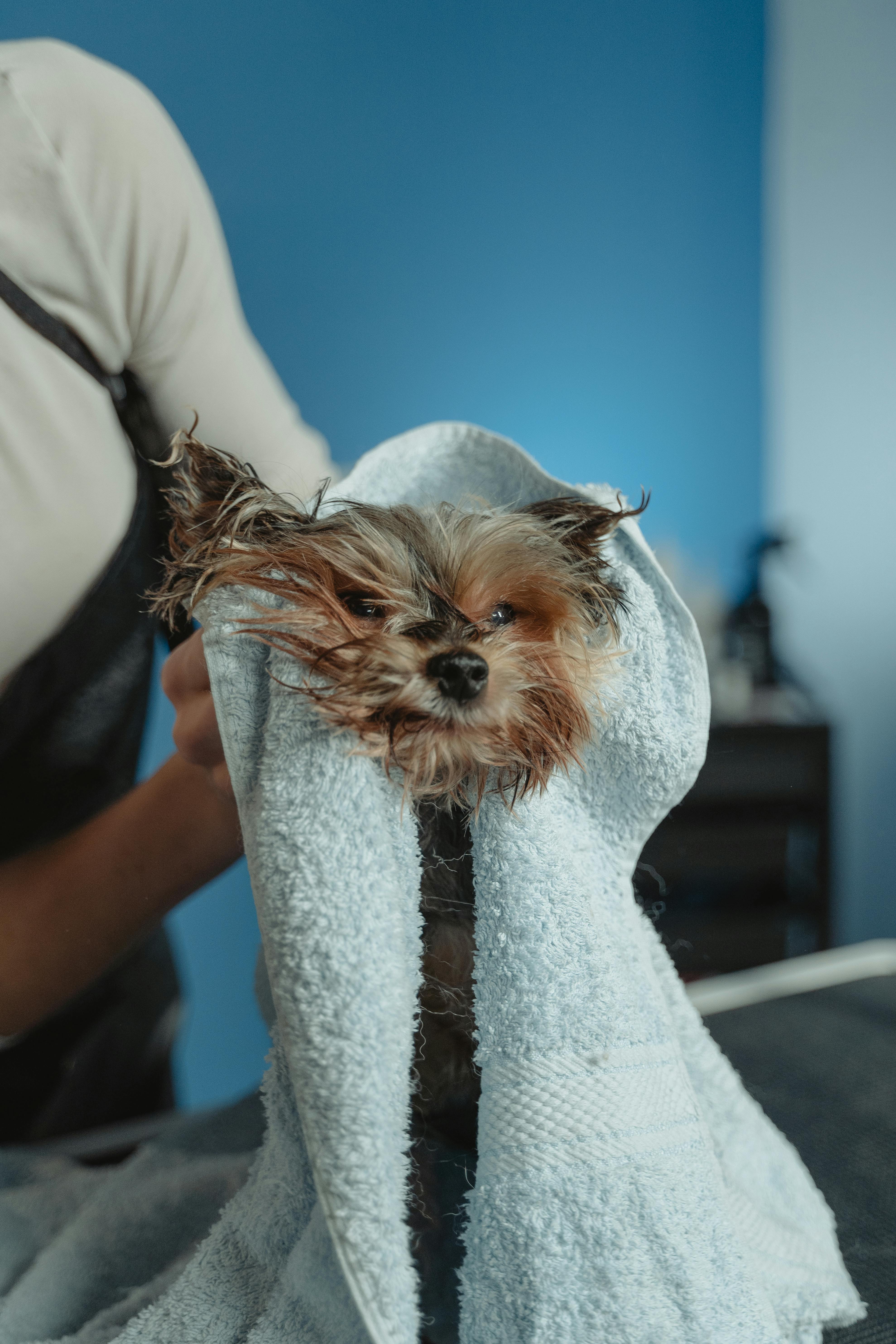
Dogs has been our companions for thousands of years, and their behaviors often leave us scratching our heads. One of the most curious features of dogs is their wet noses. You might asks yourself, why do dogs have wet noses? And what are they trying to communicate with those adorable snouts? Let’s look into the fascinating truth behind wet noses and canine communication.
The Science Behind Wet Noses
Dogs have wet noses for several reasons. First, moisture on a dog’s nose help them to sense the world around them better. Here are some key points:
- Enhanced Olfactory Function: A wet nose helps to trap scent particles in the air. This is why dogs are so good at sniffing things out.
- Temperature Regulation: Dogs don’t sweat like humans do. Instead, they use their noses to help regulate body temperature. A cool, wet nose can help them stay cool.
- Health Indicator: A wet nose is often seen as a sign of a healthy dog. If a dog’s nose is dry or cracked, it might indicate dehydration or illness.
What Your Dog Is Trying to Tell You
Dogs are incredibly expressive creatures. Their body language, vocalizations, and even their noses can communicate a lot. Here’s how to interpret some signals:
- Sniffing Excessively: If your dog is sniffing around, they are gathering information about their environment. It’s like reading a newspaper for them.
- Nose Nudge: A gentle nudge with their nose could mean they want attention or are asking for something. Pay close attention to their needs.
- Licking: If your dog licks you, it could be a sign of affection or submission. However, if they licking excessively, it might be a sign of anxiety or stress.
Historical Context of Canine Communication
Historically, dogs has been seen as man’s best friend and their communication styles has evolved alongside humans. In ancient times, dogs was bred for specific tasks, such as hunting or herding, and their communication methods reflect these roles.
- Hunting Dogs: These dogs often use subtle signals to alert hunters of their findings.
- Herding Dogs: They might rely more on vocalizations to guide sheep or cattle, showing that communication methods can vary by breed and purpose.
Fun Facts About Dogs’ Noses
Here’s some interesting trivia about dog noses that might surprise you:
- Unique Prints: Just like human fingerprints, every dog’s nose print is unique. This could potentially be used to identify them!
- Color Differences: The color of a dog’s nose can vary based on breed. Some dogs have black noses, while others may have pink or spotted noses.
- Temperature Sensitivity: A dog’s nose is also sensitive to temperature. They can detect changes in the environment and respond accordingly.
Understanding Your Dog Better
To strengthen the bond with your furry friend, understanding their communication is key. Here are some practical tips:
- Observe Body Language: Look for changes in tail position, ear orientation, and overall posture. These can provide clues to their mood.
- Respond Consistently: Dogs thrive on routine. When you respond to their signals, it helps them understand you better.
- Engage in Play: Playing games like fetch or hide and seek can enhance your dog’s communication skills. It also keeps them mentally stimulated.
The Importance of Veterinary Care
It’s essential to keep an eye on your dog’s health, and their nose can be a window to their wellbeing. If you notice significant changes in their nose, it’s always good to consult a veterinarian. Here’s a quick checklist for nose health:
- Check for Cracks: Dryness or cracks could suggest dehydration or skin issues.
- Look for Discoloration: Unusual color changes might indicate health problems.
- Monitor Temperature: A significantly warm nose could mean your dog is unwell.
Understanding why do dogs have wet noses and what they are trying to tell us is crucial for any dog owner. Their wet noses are not just cute; they serve vital functions that help dogs interact with the world. By being attentive to their signals and caring for their health, you can build a lasting and fulfilling relationship with your canine companion. So, next time your dog nudges you with their wet nose, take a moment to appreciate the fascinating communication happening right before your eyes.
The Role of Moisture in Dog Noses: How It Affects Temperature Regulation
Have you ever wondered why dogs have wet noses? It’s a question that many pet owners ask, and the answer is more fascinating than you might think. Dog noses, being moist, play a crucial role in temperature regulation and provide insight into a dog’s health. Let’s dive deep into the science behind those wet noses, and uncover the mysteries that lie within.
The Science Behind Wet Noses
Dog noses are covered in a thin layer of moisture, which is essential for several reasons. This moisture helps to cool down their body, especially when they are hot. Unlike humans, dogs do not sweat in the same way. Instead, they rely on their noses and panting to regulate their temperature.
When a dog is feeling warm, the moisture on their noses evaporates, which helps to cool their blood and, in turn, their body temperature. This cooling method is highly effective, especially in breeds that are more prone to overheating.
Temperature Regulation: How Does It Work?
Dogs have a unique mechanism for temperature regulation that is different from humans. While we sweat to cool ourselves down, dogs primarily cool themselves through their noses and by panting. Here’s how it works:
- Evaporation: The moisture on a dog’s nose evaporates, which cools the blood vessels in their nasal passages. The cooled blood then circulates throughout their body.
- Panting: Dogs also pant to release heat, which helps them to cool down. When they breathe quickly, moisture from their lungs evaporates, also contributing to temperature regulation.
- Surface Area: The large surface area of a dog’s nose allows for greater evaporation, enhancing their ability to cool down.
Why Do Dogs Have Wet Noses?
There are multiple reasons why dogs have wet noses, and it’s not just for temperature regulation. Let’s look at some additional factors:
- Scent Detection: A wet nose helps in capturing scent molecules in the air, enhancing a dog’s sense of smell. The moisture helps to dissolve these molecules, making it easier for them to detect scents.
- Health Indicator: The moisture level of a dog’s nose can also be an indicator of their health. A dry nose might suggest dehydration or illness, while a consistently moist nose is generally a sign of a healthy dog.
- Communication: Dogs use their noses to explore the environment and communicate with other dogs. The wetness can also be enticing to other dogs, making social interactions more engaging.
Historical Context of Dog Noses
Throughout history, dogs have been bred for specific traits, many of which include the characteristics of their noses. For instance, hunting breeds have developed a keen sense of smell, largely attributed to their moist noses.
- Hounds: Breeds like Bloodhounds and Beagles are known for their exceptional tracking abilities, and their wet noses play a significant role in scent detection.
- Working Dogs: Dogs used in search and rescue or detection work rely on their moist noses to pick up scents that humans can’t detect.
Fun Facts About Dog Noses
Did you know that a dog’s nose print is as unique as a human fingerprint? Here are some more interesting facts:
- Temperature Differences: A dog’s nose can be cooler than the rest of their body, which is why it feels cold to the touch.
- Color Variations: Dog noses come in various colors, from black to pink. The color does not affect their functionality but is often breed-specific.
- Nasal Turbinates: Dogs have complex structures within their noses called nasal turbinates, which help in filtering and humidifying the air they breathe.
Practical Examples of Nose Health
- Check for Moisture: Regularly check your dog’s nose. If it’s dry and cracked, it might be time to visit the vet.
- Hydration: Ensure your dog stays hydrated, especially in hot weather, as a moist nose is often linked to good hydration levels.
- Watch for Changes: Sudden changes in the moisture level of a dog’s nose can indicate health issues, so it’s good to keep an eye on it.
The role of moisture in dog noses is not just a quirky fact; it’s an essential aspect of canine health and behavior. By understanding why dogs have wet noses, pet owners can better appreciate their furry companions and provide them with the care they need. The next time you give your dog a pat, consider the science behind that moist nose—it’s a small but fascinating part of what makes dogs so special.
Are Some Dog Breeds More Likely to Have Wet Noses? Exploring Genetic Factors

When it comes to our furry friends, many of us can’t help but wonder about their unique traits. One of the most interesting things about dogs is their wet noses. But, why do dogs have wet noses? And are some breeds more likely to have wetter noses than others? Let’s dig into the fascinating world of canine anatomy and genetics to uncover the truth behind these questions.
The Science Behind Wet Noses
Dogs have wet noses for several reasons, and it’s not just a quirky trait. One of the main functions of a dog’s nose is to help them smell. A wet nose can enhance a dog’s sense of smell. When the nose is moist, it helps to capture scent particles from the air, allowing dogs to sniff out even the faintest odors. This is why dogs are often used in search and rescue operations, as well as in tracking down scents in various fields.
Genetic Factors That Influence Nose Moisture
Not all dogs are created equal when it comes to nose moisture. Some breeds naturally have wetter noses than others. This can be due to genetic factors that influence the structure and function of their nasal tissues. For example, breeds such as Bloodhounds and Beagles are known for their exceptional sense of smell, and they usually have quite moist noses. On the other hand, breeds like Bulldogs or Pugs, with their distinct facial structures, might not have noses that seem as wet.
Breeds with wetter noses:
- Bloodhound
- Beagle
- Labrador Retriever
- German Shepherd
Breeds with drier noses:
- Bulldog
- Pug
- Shih Tzu
- Boston Terrier
Why Do Dogs Have Wet Noses?
Apart from enhancing their ability to smell, a wet nose serves other purposes too. One of the reasons could be temperature regulation. Dogs don’t sweat like humans do; instead, they cool themselves down through panting. When dogs lick their noses, it keeps their nasal passages moist, which can help with thermoregulation. A wet nose can also be a sign of good health, indicating that a dog is properly hydrated.
Historical Context
The evolution of the wet nose can be traced back to the ancestors of modern dogs. Early canines were hunters, and a keen sense of smell was crucial for their survival. Over time, breeds that developed a more effective way of smelling would have been more successful in hunting and thus more likely to reproduce. This led to the genetic traits we see in dogs today, including their wet noses.
Factors Affecting Nose Moisture
Several factors can affect how wet or dry a dog’s nose is on a day-to-day basis. These include:
- Weather Conditions: Hot, dry weather can lead to drier noses, while cooler, damp conditions can keep them moist.
- Health Status: A dog’s health can impact nose moisture. Illness, dehydration, or even the presence of a fever can make a dog’s nose feel warmer and drier.
- Hydration: Proper hydration is essential for maintaining a moist nose. Dogs that drink enough water are likely to have wet noses.
Comparing Wet Noses Across Breeds
Here’s a quick comparison of how different breeds tend to fare when it comes to nose moisture:
| Breed | Nose Moisture | Smell Ability |
|---|---|---|
| Bloodhound | Very Wet | Exceptional |
| Beagle | Wet | High |
| Labrador Retriever | Wet | High |
| Bulldog | Often Dry | Moderate |
| Pug | Often Dry | Moderate |
Practical Examples of Wet Noses in Action
Consider a scenario where you take your Beagle for a walk. As it sniffs around, its wet nose helps it pick up scents from the ground, allowing it to track down other animals or even food that may have been left behind. In contrast, a Bulldog may not have the same level of success due to its genetic makeup and the structure of its nose.
Conclusion
Understanding why dogs have wet noses and how genetics play a role can help dog owners appreciate their pets even more. While some breeds naturally have wetter noses, others may not, and that’s perfectly normal. Observing your dog’s behavior and nose moisture can give you insights into their health and well-being. Dogs are amazing creatures, and their wet noses are just one of the many fascinating aspects that make them so special. So, next time you see that glistening nose, remember the science and history behind it!
7 Myths About Dogs’ Wet Noses: Debunking Common Misconceptions
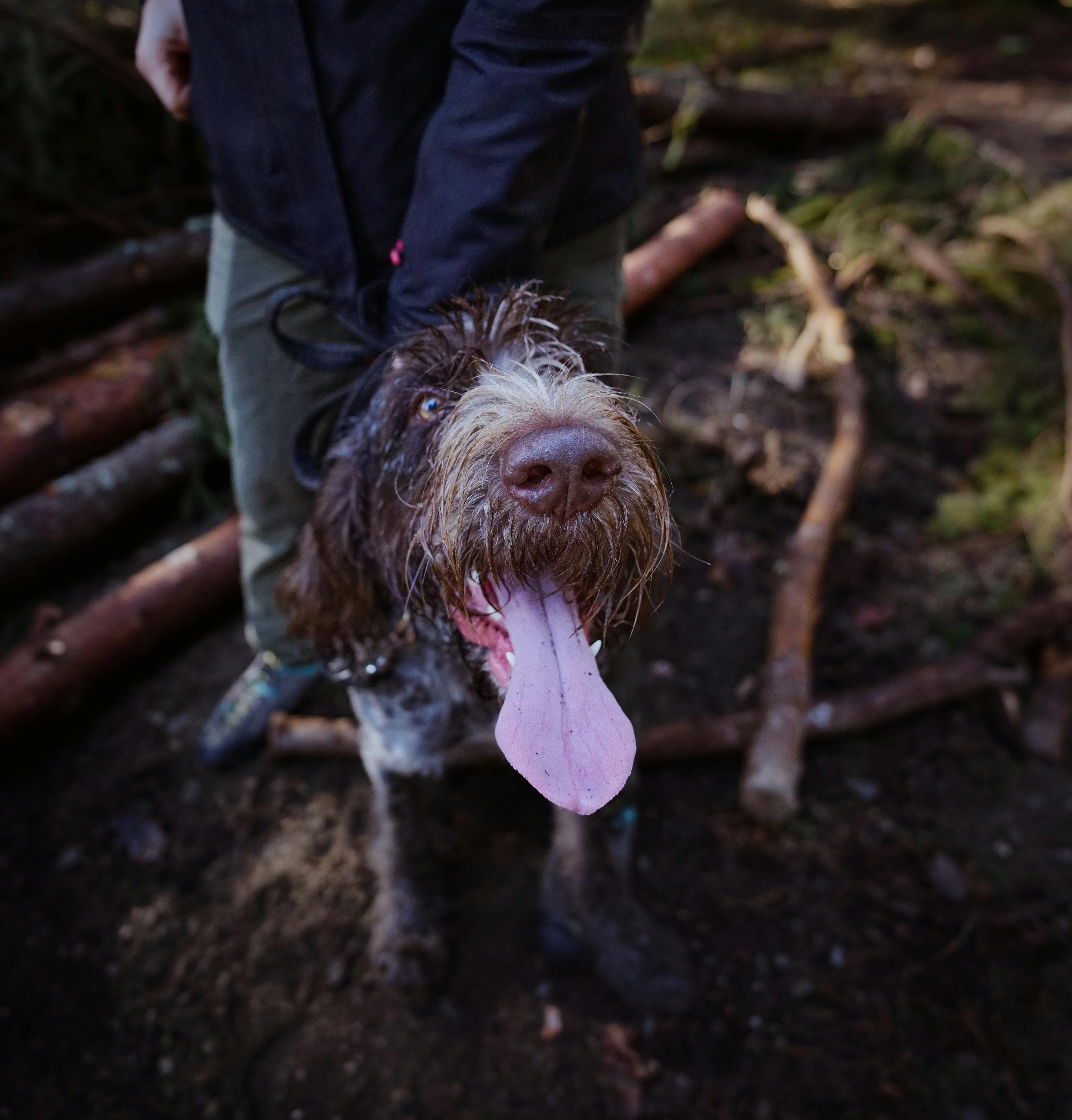
Dogs are often known for their wet noses, and many people wonder why that is. There’s a lot of misconceptions floating around about this curious canine feature. Today, we’re gonna debunk some of the most common myths about dogs’ wet noses and explore the fascinating truth behind it.
Myth 1: Wet Noses Mean a Dog is Healthy
Many folks believe that a wet nose is a sure sign of a healthy dog. While it’s often true that dogs with wet noses are generally well-hydrated, a wet nose doesn’t always indicate good health. Dogs can have wet noses even when they are sick due to allergies or infections. So, it’s important to look at the bigger picture when assessing your dog’s health.
Myth 2: Dogs’ Noses are Wet Because They Lick Them
Another common belief is that dogs keep their noses wet by licking them. This is partly true, but it’s not the whole story. Dogs do lick their noses, but the moisture on their snouts primarily comes from the environment and their own saliva. They can also produce mucus, which keeps their noses moist.
Myth 3: All Dogs Have Wet Noses
Ever heard someone say that all dogs have wet noses? This is not accurate. Some breeds are known to have drier noses than others, like the Shar Pei or certain bulldogs. Environmental factors play a role too! In some cases, a dog’s nose might dry out due to weather or health issues.
Myth 4: A Dog’s Nose Color is Related to Its Health
You might hear that the color of a dog’s nose can indicate its health status. While a change in color can signal health issues, it’s not a definitive rule. A healthy dog can have a black, brown, or even pink nose. If you notice any sudden change in color, it’s best to consult a veterinarian.
Myth 5: Dogs’ Noses are Wet to Cool Them Down
It’s a common belief that dogs’ wet noses help to cool them down, similar to how humans sweat. While dogs do regulate their temperature through panting, their moist noses play a role in their sense of smell rather than thermoregulation. Dogs are unable to sweat like humans do, so they rely on panting and other methods to keep cool.
Myth 6: Wet Noses are Unhygienic
Some people think that a wet nose is a sign of poor hygiene, which is simply not true. Dogs are naturally clean animals, and their noses are designed to be moist. The moisture helps them to absorb scent particles, enhancing their sense of smell. So, a wet nose is actually a part of their natural design, not a hygiene issue.
Myth 7: Dogs Have Wet Noses to Sense the Environment
While it’s true that dogs have an incredible sense of smell, the wetness of their noses actually helps with this. The moisture creates a better surface for scent particles to adhere to, which allows dogs to detect smells more effectively. It’s like having their own built-in scent enhancer!
Why Do Dogs Have Wet Noses?
Let’s dive a bit deeper into the science behind those noses. Here’s a breakdown of the reasons:
- Scent Absorption: Wet noses help absorb scent particles more effectively, enhancing a dog’s sense of smell.
- Temperature Regulation: While not their primary function, a moist nose can help slightly in thermoregulation.
- Health Indicator: While not a definitive sign, a wet nose can sometimes indicate hydration levels.
Fun Facts About Dogs’ Noses
- Dogs have up to 300 million scent receptors in their noses, compared to about 5 million in humans.
- The texture of a dog’s nose can be unique to each dog, much like a human fingerprint.
- Puppies are born with pink noses that darken as they grow older.
Dogs’ wet noses are a subject of intrigue and sometimes confusion. It’s important to separate myths from facts when it comes to understanding our furry friends. Whether it’s for health reasons or just a natural characteristic, wet noses are an essential part of what makes dogs so unique and lovable. Next time you see a dog with a wet nose, you’ll have some fascinating insights to share!
Tips for Keeping Your Dog’s Nose Healthy: What Every Pet Owner Should Know
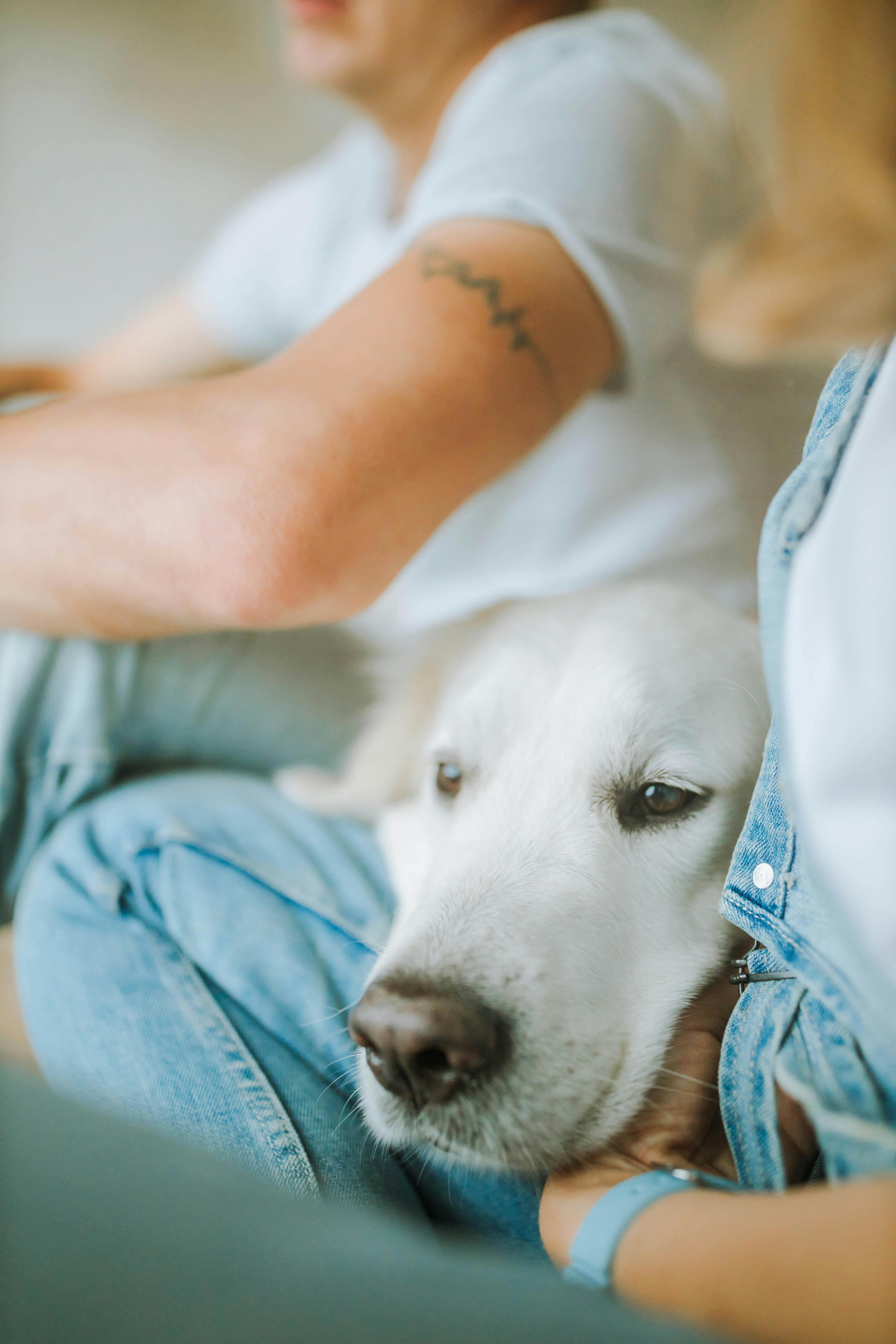
Dogs are often called “man’s best friend,” and like any good friend, they require care and attention. One of the most distinctive features of dogs is their noses, which are frequently wet and cold. But have you ever wondered why do dogs have wet noses? Understanding this can help you take better care of your furry companion, especially when it comes to keeping their nose healthy. Here’re some tips for keeping your dog’s nose healthy that every pet owner should know!
Why Do Dogs Have Wet Noses?
Dogs’ wet noses are not just cute; they serve important functions. A wet nose helps dogs to smell better. The moisture enhances their sense of smell by trapping scent particles. Have you ever noticed how dogs sniff everything? That’s because their noses are packed with scent receptors—around 220 million of them! In comparison, humans have only about 5 million. This makes their wet noses vital for their survival and enjoyment.
Here are some fascinating facts about dog noses:
- Temperature Regulation: Dogs can regulate their body temperature through their noses.
- Scent Detection: The wetness helps absorb scent particles.
- Health Indicator: A dog’s nose can indicate its health; a dry or cracked nose may be a sign of dehydration or illness.
Keeping Your Dog’s Nose Healthy
Just like any part of your dog’s body, their nose needs care. Here’s how you can ensure it stays healthy:
- Hydration is Key: Make sure your dog drinks plenty of water. Dehydration can lead to a dry nose, which isn’t healthy. Offer fresh, clean water daily.
- Regular Vet Visits: Schedule regular check-ups with the vet. They can spot potential issues before they turn serious.
- Watch for Changes: Keep an eye on your dog’s nose. If it becomes excessively dry, cracked, or changes color, consult your vet.
- Avoid Sunburn: Dogs can get sunburned too! If your dog spends a lot of time outdoors, consider using pet-safe sunscreen on their nose.
Common Nose Problems in Dogs
It’s important to recognize potential problems with your dog’s nose. Here are some issues to look out for:
- Dry Nose: Can indicate dehydration or illness.
- Nasal Discharge: A runny nose could be a sign of allergies or infection.
- Cracked Skin: This can be painful for your pet and may require treatment.
- Bleeding: If you notice blood, it could be serious; seek veterinary help immediately.
Tips to Promote Healthy Noses
Here are some practical tips to keep your dog’s nose in tip-top shape:
- Use Humidifiers: If you live in a dry climate, using a humidifier can help keep your dog’s nose moist.
- Gentle Cleaning: Occasionally, use a damp cloth to gently wipe your dog’s nose to remove dirt and debris.
- Healthy Diet: Feed your dog nutritious food. Omega-3 fatty acids found in fish can help keep their skin and nose healthy.
- Hydration Treats: Consider giving your dog water-rich fruits like watermelon as treats.
Understanding the Science Behind Wet Noses
It’s quite fascinating how nature equips dogs with such unique features. The wetness of a dog’s nose is due to a combination of mucus and moisture from the environment. Dogs lick their noses to keep them moist, and that helps them to absorb scents better.
Here’s a simple table to summarize the reasons behind wet noses:
| Function | Description |
|---|---|
| Smell Enhancement | Traps scent particles for better detection |
| Temperature Control | Helps regulate body temperature |
| Health Indicator | Changes in moisture can signal health issues |
Fun Facts About Dog Noses
- Dogs have unique nose prints, much like human fingerprints!
- The color of a dog’s nose can vary by breed and can change with age.
- Some breeds, like the Bloodhound, are known for their exceptional sense of smell.
Taking care of your dog’s nose is an essential part of being a responsible pet owner. By recognizing the importance of their wet noses and the factors that contribute to their health, you can ensure your furry friend stays happy and healthy. Remember, a little attention goes a long way in keeping your canine companion feeling their best! So next time you pet your dog, take a moment to check that adorable nose too!
Conclusion
In conclusion, the wet noses of dogs serve several important functions that contribute to their overall health and behavior. The moisture on a dog’s nose helps enhance their sense of smell, allowing them to better interpret their environment and communicate with other animals. Additionally, a wet nose can reflect a dog’s emotional state, indicating their level of excitement or curiosity. It’s also a natural mechanism for regulating body temperature, much like sweating in humans. Understanding these aspects can deepen our appreciation for our furry companions. Next time you cuddle with your dog, take a moment to observe their wet nose and consider the fascinating biology behind it. Engaging with your pet’s unique characteristics can strengthen your bond and improve their well-being. So, embrace the quirks of your canine friend and enjoy the special moments you share together!
