Have you ever wondered why do dogs have wet noses? This intriguing question has puzzled pet owners and animal lovers alike! A dog's nose is not just a cute feature; it plays a crucial role in their sense of smell and overall health. But what makes their noses so moist? In this article, we will uncover the fascinating truth behind those wet noses and explore the science of canine physiology. Did you know that a dog's wet nose helps them regulate their body temperature? It's true! Plus, it enhances their ability to detect scents, making them exceptional hunters and companions. Whether you're a dog owner or simply curious about our furry friends, understanding the importance of a wet nose can deepen your appreciation for these amazing animals. So, are you ready to dive into the world of dog anatomy and discover why this characteristic is more than just adorable? Join us as we explore the secrets behind dog nose wetness and what it means for your beloved pet's health and happiness! Don't miss out on this chance to enhance your knowledge about your canine companions!
The Science Behind Canine Noses: Why Are Dogs’ Noses Always Wet?
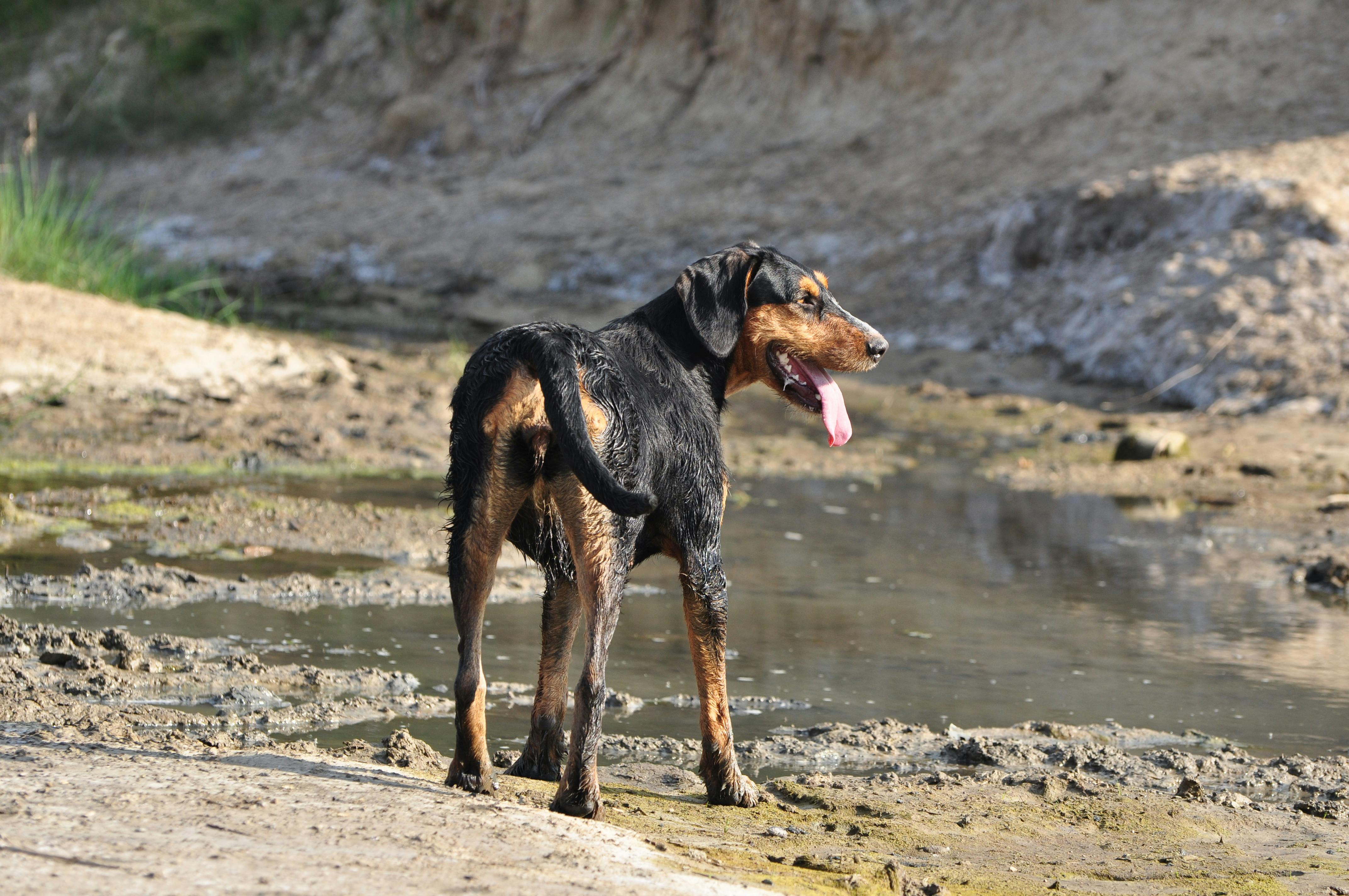
Have you ever wondered why dogs have wet noses? This peculiar characteristic of our furry friends has baffled many pet owners and dog enthusiasts alike. It's not just for show or a quirk of nature; there's actually a science behind it! Understanding the reasons why dogs’ noses are often wet can not only enhance our appreciation for them but also help us take better care of our beloved pets.
The Functionality of Wet Noses
The wetness of a dog's nose serves multiple important purposes. Firstly, it plays a significant role in their sense of smell. Dogs have an extraordinary olfactory system, and their noses are vital tools in detecting scents. Here’s how a wet nose enhances this ability:
- Scent Molecule Capture: A moist surface can trap scent particles more effectively. When the nose is wet, it can absorb and retain these molecules, making it easier for dogs to pick up on various smells.
- Cooling Mechanism: Dogs do not sweat like humans do. Instead, the moisture on their noses helps to cool them down. When they breathe out, the moisture evaporates and helps regulate their body temperature.
- Health Indicator: A wet nose is often seen as a sign of a healthy dog. While it's not always a definitive measure, a dry or cracked nose can sometimes indicate dehydration or illness.
The Evolutionary Perspective
Historically, dogs have evolved from wolves, and their noses have adapted over thousands of years. Unlike humans, who primarily rely on sight, dogs navigate their world largely through their sense of smell. The wetness of their noses can be traced back to survival instincts, as scent is critical for hunting, finding food, and even identifying potential dangers.
Reasons Behind The Wetness
So, what exactly causes a dog's nose to be wet? There are several factors:
Mucous Production: Dogs produce mucus in their noses which helps to keep them moist. This mucus is secreted by glands located within the nasal passages.
Environmental Factors: Exposure to humidity and temperature can affect the moisture level of a dog's nose. A dog might have a wetter nose after being outside on a rainy day or after playing in the snow.
Licking: Dogs often lick their noses, and this action helps to keep them moist. They may do this instinctively to enhance their ability to smell.
Common Misconceptions
Despite the common belief that a wet nose signifies a healthy dog, it’s not always the case. Here are some misconceptions:
Myth: A wet nose means a dog is healthy.
- Reality: While a wet nose can indicate good health, some healthy dogs may have dry noses. It varies from breed to breed and also depends on the individual dog.
Myth: Dogs only have wet noses when they’re sick.
- Reality: Dogs can have wet noses for various reasons, including weather conditions, activity levels, and natural variations.
Fun Facts About Dog Noses
- Dogs have up to 300 million smell receptors, compared to about 6 million in humans.
- The shape and size of a dog’s nose can influence its sense of smell. Breeds like Bloodhounds have particularly large and wet noses, which enhances their tracking abilities.
- A dog's sense of smell is believed to be 40 times more acute than that of humans.
Practical Tips for Dog Owners
Understanding the significance of a dog’s nose can help pet owners take better care of their companions. Here are some tips:
- Monitor Nose Health: Regularly check your dog’s nose for any unusual dryness, cracking, or discharge.
- Hydration: Ensure your dog is adequately hydrated, especially in hotter weather, as it affects their nose condition.
- Consult the Vet: If you notice significant changes in your dog’s nose or behavior, consult with a veterinarian to rule out health issues.
In summary, the wet nose of a dog is not just an adorable trait but plays a crucial role in their sensory experience and overall health. Understanding this fascinating aspect of canine biology can deepen your bond with your pet and enhance your ability to care for them. The next time you see your dog with that familiar wet nose, you can appreciate the science and nature behind it!
7 Fascinating Functions of a Dog's Wet Nose You Didn't Know About
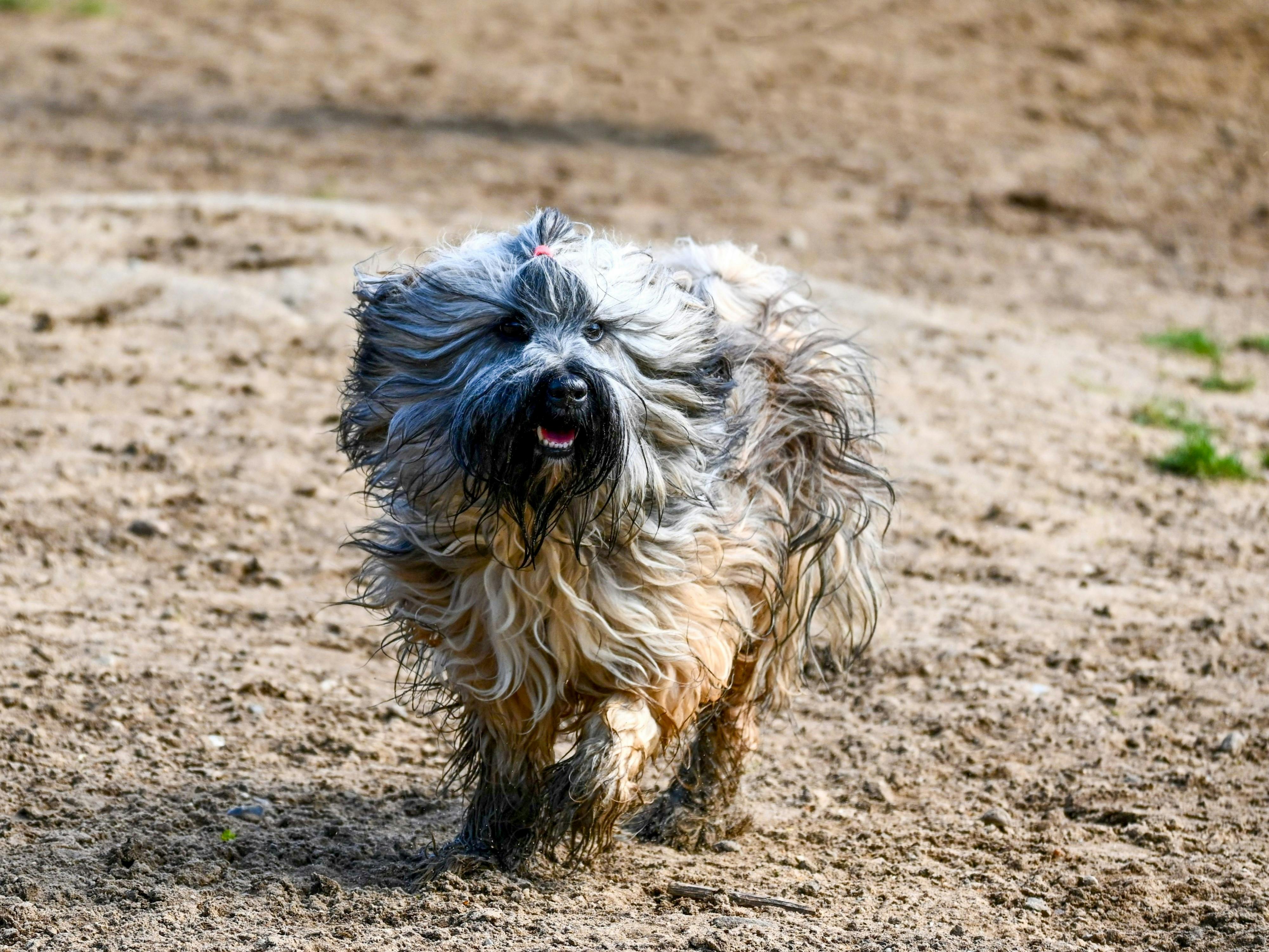
Dogs, our loyal companions, have always been a source of mystery and fascination. One such enigma is their wet noses. Have you ever wondered why do dogs have wet noses? The truth behind this common feature is both fascinating and a little surprising! Here are 7 functions of a dog's wet nose that you probably didn’t know about.
1. Enhanced Sense of Smell
One of the most significant reasons for a dog’s wet nose is its role in enhancing their sense of smell. Dogs have around 300 million smell receptors in their noses, compared to about 5 million in humans. A wet nose helps to capture scent particles more effectively, increasing the surface area to absorb scents. This is why dogs can sniff out drugs, explosives, and even diseases!
2. Temperature Regulation
Just like humans sweat to cool down, dogs use their noses for a similar purpose. A wet nose can help to cool down a dog’s body temperature. When a dog licks their nose, the moisture evaporates, creating a cooling effect. This is especially important during hot days when dogs can easily overheat, as they do not sweat the same way we do.
3. Communication Tool
Dogs also use their noses as a form of communication. When dogs greet each other, they often sniff each other's noses. This behavior is a way to gather information about the other dog, such as their health, mood, and even their diet. A wet nose can signal to other dogs that they are friendly and open to social interaction.
4. Health Indicator
A dog’s nose can be an indicator of their health. Generally, a healthy dog has a cool and wet nose, while a dry or warm nose may suggest illness. However, it’s not a definitive measure; other symptoms should also be considered. Dog owners should observe changes in their pet’s nose and consult a veterinarian if they notice anything unusual.
5. Sensory Organ
Dogs' noses are not just for smelling; they are also complex sensory organs. The moisture on a dog’s nose helps to absorb scent particles and enhances their ability to detect different smells. This is why dogs can differentiate between various scents, such as identifying their owner’s scent among many.
6. Evolutionary Advantage
Historically, a wet nose gave dogs an evolutionary advantage. Ancient dogs, reliant on their olfactory senses for hunting, benefited from a wet nose that could detect prey from a distance. This feature has been carried down through generations, aiding dogs in their natural instincts even today.
7. Keeping Noses Clean
A dog’s wet nose also serves a practical purpose of keeping it clean. The moisture helps to trap dirt and debris, which is then licked away. This natural cleaning process helps maintain overall hygiene and can prevent issues such as infections.
The Science Behind the Wet Nose
- Moisture Production: Dogs produce mucus in their noses, keeping them moist. This mucus is secreted by glands within the nasal cavity.
- Temperature Sensitivity: The wetness helps to regulate temperature and provides a better sense of smell, making hunting and foraging more efficient.
- Health Monitoring: Dog owners should keep an eye on their pet’s nose; changes can indicate health issues.
Fun Facts About Dog Noses
- Dogs can detect certain scents at incredibly low concentrations, making them excellent for search-and-rescue missions.
- The shape of a dog's nose can influence their olfactory abilities; breeds like Bloodhounds have a unique nose structure that enhances smell.
- Dogs can even identify human emotions through scent, picking up on chemical changes in our bodies when we are happy or stressed.
So, why do dogs have wet noses? Their wet noses are multifunctional, providing benefits that range from enhancing their sense of smell to playing a role in their health and communication. Understanding these functions not only deepens our appreciation for our furry friends but also allows us to care for them better.
Next time your dog greets you with a wet nose, now you know there’s a lot more to it than just cuteness!
Is a Wet Nose a Sign of Good Health? Understanding Your Dog's Physical Signals

When you see your furry friend with a wet nose, you might wonder if it’s a sign of good health or if it’s just normal. Many dog owners think that a wet nose means their pet is healthy, but is that really true? Let’s explore this idea and dive into why dogs have wet noses, what it means, and how it relates to their overall well-being.
Why Do Dogs Have Wet Noses?
Dogs have wet noses for several reasons. It’s not just about keeping cool or looking cute. Here’s a quick breakdown of some key points:
- Cooling Mechanism: Dogs don’t sweat like humans do. Their noses help them regulate body temperature by evaporating moisture, which cools them down.
- Enhanced Sense of Smell: A wet nose can help trap scent particles better. This enhances a dog’s ability to smell. Dogs have an incredible sense of smell, and the moisture on their noses helps them detect odors.
- Health Indicator: While a wet nose can indicate hydration and health, it’s not the only indicator. A dog’s overall behavior and energy levels should also be taken into consideration.
The Science Behind Dog Noses
Dog noses are fascinating. They have a unique structure that allows them to smell things humans can’t even imagine. Here’s a few interesting facts about dog noses:
- Olfactory Receptors: Dogs have up to 300 million olfactory receptors in their noses. Humans have only about 5 million. This means dogs can smell things at incredibly low concentrations.
- Nasal Turbinates: These are complex structures in a dog’s nose that help process smells. They can filter and analyze different scents, which is why dogs can be trained to detect drugs, explosives, and even diseases.
What Does a Wet Nose Indicate?
A wet nose can be a sign of good health, but it’s not a guarantee. Here’s what to consider:
- Normal Temperature: Typically, a healthy dog’s nose is moist and cool. But if the nose is dry and hot, it could indicate fever or illness.
- Hydration Levels: Dogs with access to water and who drink regularly tend to have moist noses, so hydration is key.
- Environmental Factors: Weather can affect a dog’s nose. For example, in cold weather, a dog’s nose may dry out, while warm, humid weather can keep it moist.
Signs of Potential Issues
While a wet nose usually points to good health, here are some signs that may indicate a problem:
- Excessive Dryness: If your dog’s nose is persistently dry and cracked, it’s worth consulting a vet.
- Discharge: If there's unusual discharge from the nose, it could mean allergies, infections, or even something more serious.
- Behavior Changes: If your dog is acting lethargic, not eating or drinking, or shows other signs of distress, it’s better to seek professional help.
Practical Tips for Dog Owners
To keep your dog healthy and its nose in good shape, consider these tips:
- Regular Vet Check-Ups: Routine visits can help catch health issues early.
- Hydration: Ensure your dog has access to fresh water at all times.
- Balanced Diet: Proper nutrition is essential for overall health.
- Monitoring Behavior: Keep an eye on your dog's activity levels and eating habits.
Comparison: Wet Nose vs. Dry Nose
Here’s a quick comparison to help understand what a wet or dry nose might mean:
| Condition | Wet Nose | Dry Nose |
|---|---|---|
| Temperature | Typically cool | May be warm or hot |
| Hydration | Usually well-hydrated | May indicate dehydration |
| Health Indicator | Generally healthy | Could suggest illness |
| Environmental Impact | Affected by humidity | Affected by dryness |
Fun Fact About Dogs and Their Noses
Did you know that dogs can also tell time using their noses? Yes! It’s been observed that dogs can recognize their owner’s scent and know when it’s time for walks or meals based on the smell of their owner’s routine. Amazing, right?
Understanding your dog’s physical signals, including the state of their nose, can help you keep them healthy and happy. So, the next time you check your dog’s nose, remember it’s just one piece of the puzzle regarding their health. Wet or dry, being attentive to their overall behavior and well-being is what really counts.
The Surprising Reasons Why Dogs Have Wet Noses and What It Means for Their Behavior
Have you ever wonder why your dog’s nose is always wet? It’s a common sight for dog owners, but the reasons behind this wetness is more complex than you might think. The moisture on your dog’s nose can be connected to their health, behavior, and even their ability to smell! Let’s dive into the surprising reasons why dogs have wet noses and what it means for their behavior.
The Science Behind a Wet Nose
Dogs noses are designed to be moist for a reason. This wetness helps enhance their sense of smell, which is already incredibly powerful. Here’s how it works:
- Scent Detection: The moisture on a dog’s nose helps to trap scent particles. When a dog breathes in, these particles stick to the wet surface, allowing them to gather more information about their environment.
- Temperature Regulation: A wet nose may also help dogs regulate their body temperature. Just like sweating helps humans cool down, the moisture on a dog’s nose helps to dissipate heat.
- Health Indicator: A wet nose can often indicate good health. If a dog’s nose is dry, it doesn’t always mean they are sick, but changes in nose moisture can be a sign of dehydration or illness.
Why Do Dogs Have Wet Noses?
There are several theories on why dog noses are wet, and while some might sound surprising, they all connect back to a dog’s natural instincts and biology. Here’s a list of interesting facts:
- Evolutionary Trait: Dogs have evolved over thousands of years to have wet noses. Their ancestors relied on their keen sense of smell for hunting and tracking.
- Behavioral Significance: A dog’s nose can communicate a lot. A wet nose may indicate that a dog is feeling friendly and approachable. On the other hand, a dry nose could mean they’re feeling stressed or unwell.
- Health Monitoring: Many veterinarians will check a dog’s nose as part of a routine health check. Changes in moisture can give insight into a dog's overall health.
The Role of Environment
The environment where your dog lives can affect the moisture of their nose. For instance:
- Humidity Levels: In humid weather, a dog's nose might be more moist, while in dry climates, it could be drier.
- Temperature Changes: Cold weather can lead to a dry nose, while heat can keep it moist.
What Does the Wetness Mean for Behavior?
You might notice that your dog’s nose gets wetter when they are excited or curious. Here are some behaviors linked to a wet nose:
- Excitement: When dogs are happy or excited, they may lick their noses more, resulting in a wetter surface.
- Curiosity: If your dog is sniffing around or investigating something new, their nose may become wet due to increased activity.
- Calmness: Dogs often have a moist nose when they are relaxed, signaling that they feel safe and secure.
The Myths Surrounding Wet Noses
There are many myths about dog noses that don’t hold water. Here’s a few that may surprise you:
- A Wet Nose Means a Healthy Dog: While a wet nose can be a good sign, it’s not the only indicator of health. A dog can be healthy with a dry nose and vice versa.
- Dogs Lick Their Noses to Keep Them Wet: While dogs do lick their noses, it’s not just for moisture. They do this as part of their natural behavior to gather scents and taste the environment.
Practical Examples and Observations
When observing your dog, note how their nose changes in different situations. Here are some scenarios:
- Playtime: A dog playing fetch might have a very wet nose, showing their excitement and engagement.
- Vet Visits: After a visit to the vet, a dog might show a dry nose due to stress or anxiety.
- Seasonal Changes: In winter, you might notice your dog’s nose getting drier, while in summer, it may be more moist.
Wet noses are a fascinating and complex aspect of dog behavior. Understanding why dogs have wet noses can help you appreciate your furry friend even more. So next time you see your dog’s wet nose, remember it’s not just an adorable feature; it's a multifunctional tool that plays a crucial role in their daily life. Embracing these little quirks can deepen your bond with your canine companion and make you more attuned to their needs and feelings.
How Environmental Factors Make Your Dog's Nose Wet: Insights from Animal Experts
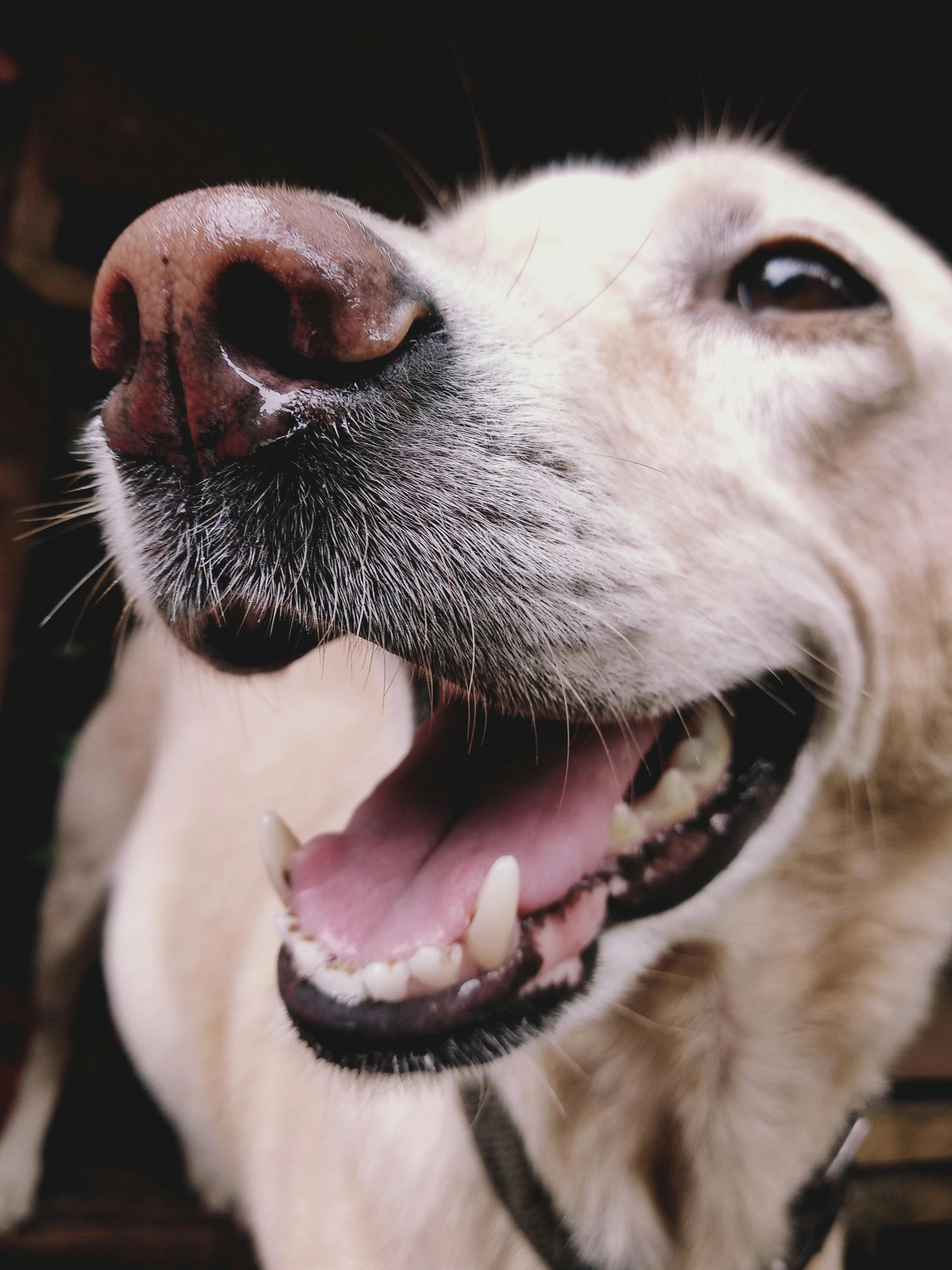
Ever notice how your dog's nose is always wet? It’s one of those quirky traits that make us love them even more. But have you ever wondered, why do dogs have wet noses? Well, let’s dive deep into this fascinating topic and explore insights from animal experts.
The Science Behind Wet Noses
Dog noses are wet for a reason, and it’s not just because they love to sniff things. The moisture on their noses actually helps them in many ways. One of the main reasons is that it helps in their sense of smell. A wet nose can trap scent particles better than a dry one. This is because moisture increases the ability of the olfactory receptors in their nose to detect scents.
- Enhanced Scent Detection: Moisture helps capture scent particles.
- Temperature Regulation: It cools down their body when they pant.
- Health Indicator: A wet nose usually means a healthy dog.
Historical Insight into Dog Noses
Throughout history, people have noticed that dogs with wet noses are generally healthier. Ancient civilizations believed that a dog’s nose could predict the weather; they thought a cold, wet nose meant rain was coming. While there’s no scientific proof to that, it’s interesting how humans have always connected dog behavior with their environment.
Fun Fact: The skin on a dog’s nose is made up of special glands that produce mucus, which contributes to the wetness. This mucus helps in capturing scents.
Environmental Factors Affecting Wetness
Various environmental factors can influence how wet your dog's nose is. Here’s a list of some common ones:
- Humidity Levels: In high humidity, noses may stay wetter longer.
- Temperature: Hot weather can dry out a nose faster.
- Health Condition: If a dog is sick, their nose can be dryer than usual.
Comparing Dog Noses to Other Animals
Dogs aren’t the only animals with wet noses. Cats, for example, also have them, but they may not be as noticeably wet. Let’s look at how different animals compare:
| Animal | Nose Wetness | Function of Wetness |
|---|---|---|
| Dog | Very Wet | Enhanced scent detection |
| Cat | Moderately Wet | Similar to dogs but lesser function |
| Pig | Very Wet | Helps with ground sniffing |
| Horse | Dry | Relies more on vision and hearing |
Practical Tips for Nose Care
Taking care of your dog’s nose is essential, especially in extreme weather conditions. Here’s a few tips to keep in mind:
- Keep Hydrated: Make sure your dog has access to clean water all the time.
- Use Nose Balm: In winter, apply a pet-safe nose balm to prevent cracking.
- Monitor Health: A significant change in nose wetness can indicate health issues. If your dog’s nose becomes excessively dry or cracked, it’s best to consult a vet.
Common Myths About Dog Noses
There are many myths surrounding why dogs have wet noses. Here’s a few to debunk:
- Myth 1: A warm nose means your dog is sick. (Truth: Nose temperature varies and isn't a sole health indicator.)
- Myth 2: Only purebred dogs have wet noses. (Truth: All dogs can have wet noses, regardless of breed.)
- Myth 3: A dry nose means dehydration. (Truth: Many factors contribute to nose dryness.)
By understanding these factors, you can help ensure your furry friend stays healthy and happy.
The Fascinating Truth About Dog Noses
So, why do dogs have wet noses? The answer is complex but fascinating. It’s a combination of biology, environmental influences, and health indicators. Their wet noses play a crucial role in their sense of smell, which is vital for their survival and interaction with the world.
Next time you see your dog with that adorably wet nose, remember all the science and history behind it. It's more than just a cute trait; it’s a window into their health and a tool for their incredible sense of smell. Understanding these aspects makes us appreciate our pets even more!
The Role of a Wet Nose in Dog Communication: What Your Pup Is Trying to Tell You
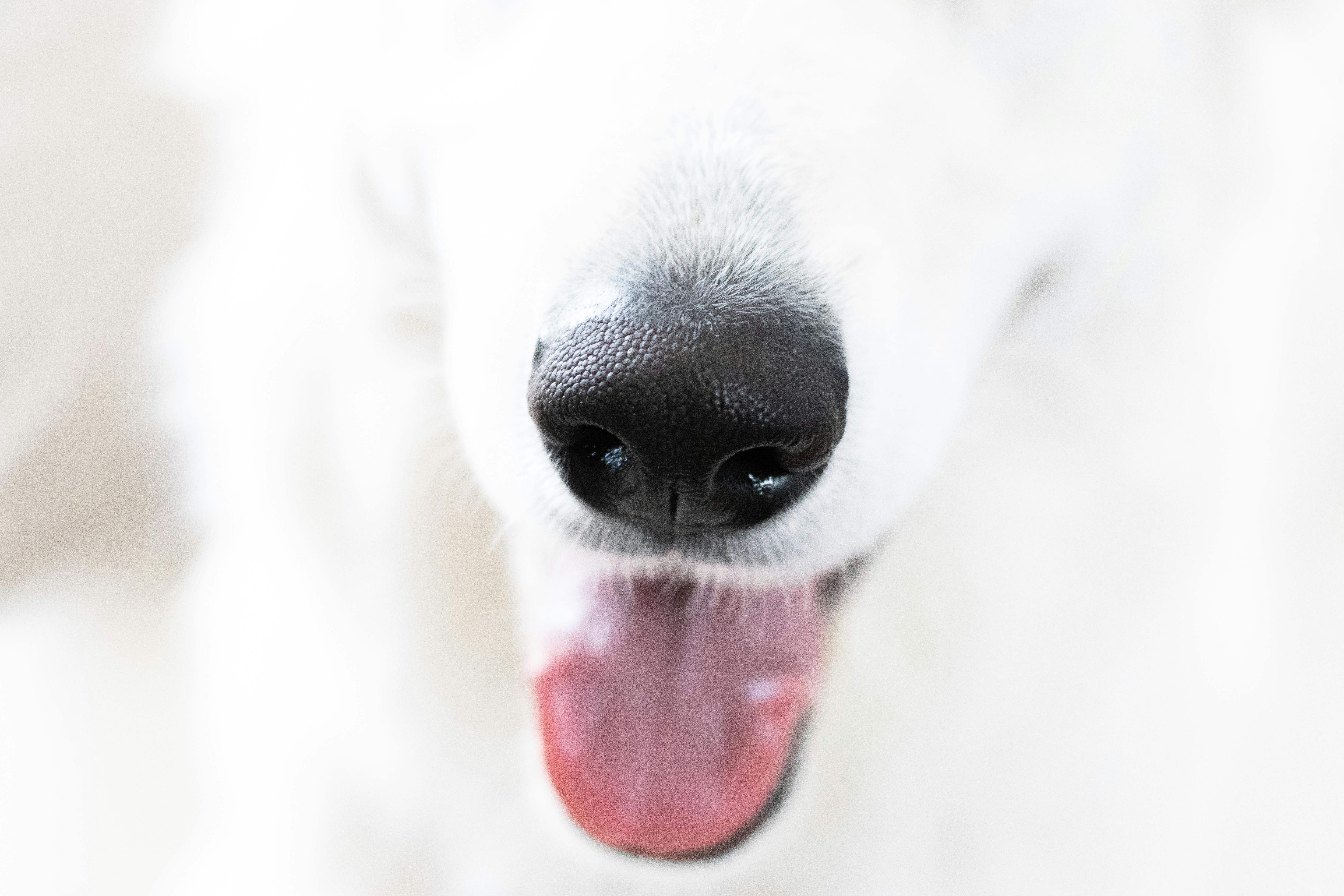
The wet nose of your dog is more than just a cute feature; it plays a critical role in how your pup communicates and interacts with the world. Many dog owners often wonder, "Why do dogs have wet noses?" The answer, it turns out, is fascinating and multi-layered. Understanding this unique aspect of canine anatomy can give you deeper insights into your dog's behavior and needs.
Why Do Dogs Have Wet Noses?
Dogs have wet noses mainly for two reasons: to enhance their sense of smell and to help regulate their body temperature. Here’s how it all works:
Enhanced Olfactory Function: A dog’s sense of smell is incredibly powerful—estimated to be 10,000 to 100,000 times more sensitive than humans. The wetness of a dog’s nose helps to capture scent particles. When a dog sniffs, moisture on their nose traps these particles, making it easier for the olfactory receptors to pick up the scents. This is why your dog might seem so interested in everything around them, from the ground to the air.
Temperature Regulation: Dogs can't sweat like humans do. Instead, they rely on their noses to cool down. The moisture evaporates from their noses, which helps keep their body temperature in check, especially on hot days. When you see your dog panting, it’s often a sign they’re trying to cool off, but their wet nose is also playing a part in that process.
The Role of a Wet Nose in Dog Communication
Dogs communicate many things through their noses. Here are some ways your pup’s wet nose can reveal what they’re trying to say:
Affection: When your dog nudges you with their wet nose, it can be a sign of affection. They might be seeking your attention, wanting a pet, or just expressing love. This is their way of saying "Hey, I’m here! Let’s bond!"
Curiosity: If your dog is sniffing around everything, their wet nose is actively gathering information. They’re trying to understand their environment, and they might be picking up on scents that indicate other animals or food nearby.
Anxiety or Distress: A dog that frequently licks or excessively wet their nose may be experiencing stress or anxiety. This behavior might be a self-soothing mechanism or a sign that they’re uncomfortable in their surroundings.
Health Indicators: Changes in the moisture of a dog's nose can sometimes indicate health issues. A dry, cracked nose might suggest dehydration or illness, while excessive wetness can indicate allergies or infection. Always be attentive to your dog’s overall behavior and nose condition.
Fun Facts About Dog Noses
Unique Patterns: Just like human fingerprints, each dog has a unique nose print. This can be used for identification in some cases!
Color Variation: The color of a dog's nose can vary greatly. Some breeds have black noses, while others may have pink or spotted noses. The color can sometimes be an indicator of breed or health.
Temperature Sensitivity: Dogs can detect changes in temperature through their noses. This sensitivity allows them to sense heat or cold in their environment, which is why they’re often good at finding warm places.
Understanding Your Dog’s Behavior
To better understand what your dog’s wet nose is telling you, consider these common behaviors:
Sniffing Everything: Exploring with their noses is a natural dog behavior. It’s their way of learning about their surroundings.
Nudging or Bumping: If your dog nudges you with their nose, they might be initiating play or asking for attention. Responding to this behavior can strengthen your bond.
Licking: While licking can be a sign of affection, it might also indicate stress or anxiety. Pay attention to the context and your dog's overall demeanor.
Laying Down with a Wet Nose: If your dog lays down and rests their head on your lap with their nose wet, it likely means they feel safe and comfortable with you.
Conclusion
Understanding the role of a wet nose in dog communication reveals so much about how dogs express themselves. Whether they are using it to gather information or as a tool for affection, your dog’s nose is indeed a fascinating part of their anatomy. So next time you see your pup with their wet nose, remember, they could be trying to tell you something important! Embrace the nuances of your furry friend’s communication, and you’ll deepen your relationship in ways you never imagined.
Do All Dogs Have Wet Noses? Exploring Variations Across Breeds and Conditions
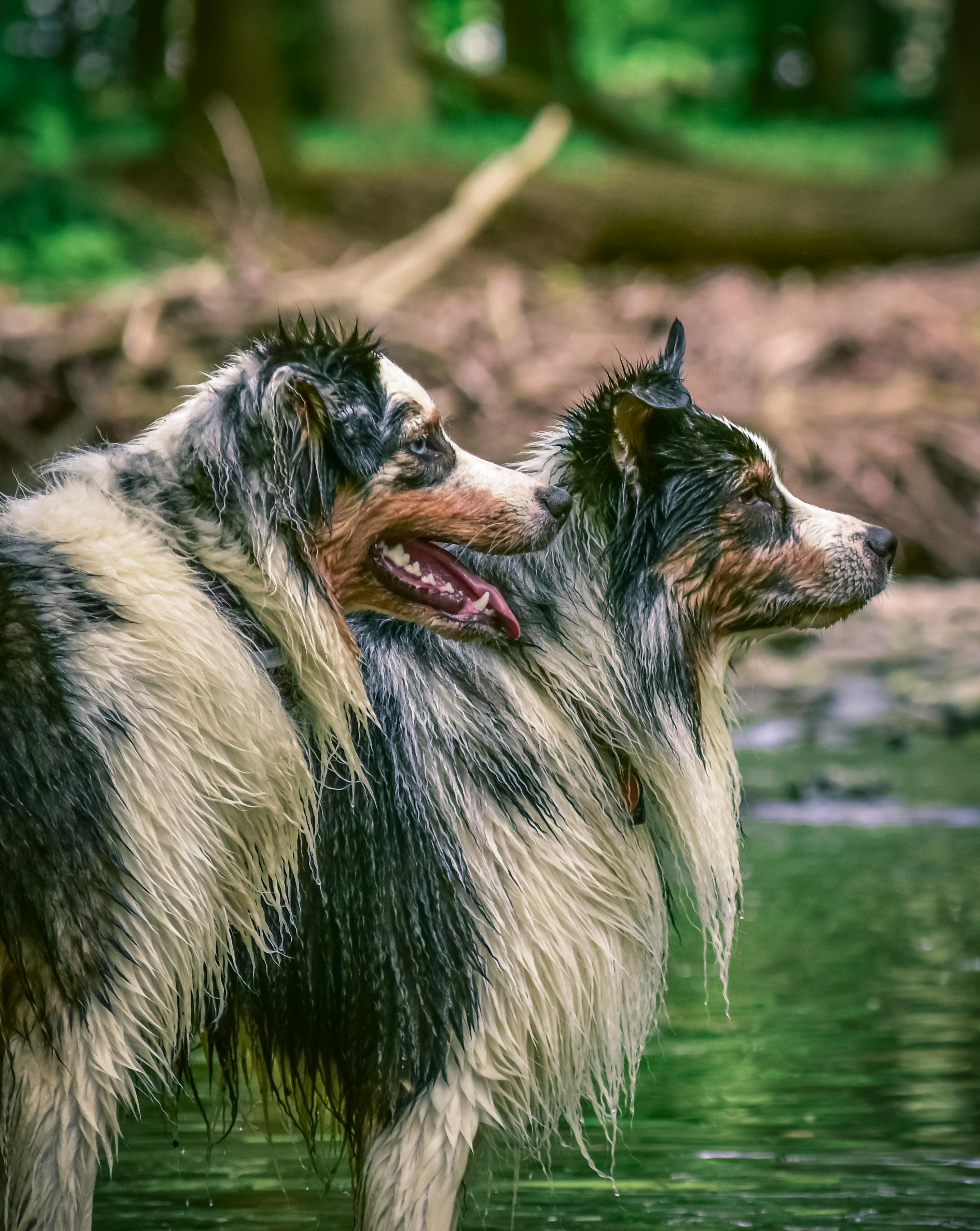
Dogs are often considered man's best friend, and one distinguishing feature that many people notice is their wet noses. But do all dogs have wet noses? It’s a common question that many pet owners ask, and it opens a fascinating discussion about the variations across breeds and the reasons behind this characteristic.
Why Do Dogs Have Wet Noses?
The wetness of a dog’s nose is not just a quirky trait. It's actually serves several important purposes. Here’s a look at some key reasons:
- Sense of Smell: A wet nose helps enhance a dog’s sense of smell. The moisture traps scent particles, which makes it easier for dogs to detect different smells in their environment.
- Temperature Regulation: Dogs don't sweat like humans do. Instead, a wet nose helps them stay cool by aiding in thermoregulation. When a dog pants, moisture from their nose evaporates, which can help cool them down.
- Health Indicator: The condition of a dog’s nose can be an indicator of its health. A healthy dog typically has a moist, cool nose. Conversely, a dry, warm nose might suggest illness or dehydration, although this isn’t always the case.
Do All Dogs Have Wet Noses?
Not all dogs have wet noses, and there are several factors that contribute to this variation. Breeds, age, and health conditions can all play a role in whether a dog has a wet or dry nose.
Breed Variations
Different dog breeds have different characteristics, and their noses can reflect that. Some breeds are more prone to having drier noses. For instance:
- Bulldogs: Often have a slightly more dry nose due to their facial structure.
- Pugs: Similar to bulldogs, their short snouts can affect nose moisture.
- Siberian Huskies: Generally, they have well-hydrated noses due to their active nature in colder climates.
Age and Health Factors
Age can also affect the moisture of a dog’s nose. Puppies usually have wet noses, but as they age, it might become drier. Health conditions can also cause changes in nose moisture. Some common conditions include:
- Dehydration: Lack of water can lead to a dry nose.
- Allergies: Allergic reactions can lead to changes in the moisture of the nose.
- Infections: Nasal infections can cause abnormal dryness.
Fun Facts About Dogs' Noses
- A dog’s nose print is as unique as a human fingerprint. No two dogs have the same nose pattern!
- Dogs have up to 300 million scent glands in their noses, compared to a human’s 5 million.
- The wetness of a dog’s nose can change throughout the day, depending on activity and environment.
Understanding Your Dog's Nose
If you're a dog owner, it's important to pay attention to your furry friend's nose. Here are some tips on how to monitor nose health:
- Check regularly: A healthy nose should be moist and cool.
- Watch for changes: If your dog suddenly has a dry nose or shows other symptoms like lethargy or loss of appetite, it might be time to consult a vet.
- Hydration matters: Ensure your dog has access to fresh water at all times, especially during hot weather.
Common Misconceptions
There are a few myths surrounding dog noses that are worth mentioning.
- Myth: A wet nose means a dog is sick.
- Truth: While a dry nose can indicate certain health issues, a wet nose alone doesn’t mean illness.
- Myth: All dogs need to have a wet nose.
- Truth: Some dogs naturally have drier noses, and it can be completely normal for them.
By knowing these variations and characteristics, dog owners can better understand their pets and keep them healthy.
In the end, the wet nose of a dog is a fascinating aspect of their anatomy that serves multiple purposes. From enhancing their sense of smell to regulating their body temperature, these wet noses play a crucial role in a dog's life. So, whether your dog has a perpetually wet nose or a dry one, it’s important to appreciate the uniqueness of each breed and individual dog.
Wet Noses and Temperature Regulation: How Dogs Keep Cool with Their Unique Physiology

Dogs are truly fascinating creatures, and one of their most interesting features is their wet noses. Many people wonder, "Why do dogs have wet noses?" and the answer is quite complex, involving both biology and behavior. Wet noses not only serve important functions in a dog's life but also play a role in how they regulate their temperature. It’s pretty amazing, right? Let’s dive into the unique physiology of dogs and explore how their wet noses help them keep cool.
The Biology of a Dog’s Nose
Dogs have a unique structure in their noses that is different from humans. Their sense of smell is thousands of times more sensitive than ours, which is partly due to the moistness of their noses. Here are some key points about a dog’s nose:
- Moisture Production: Dogs’ noses are constantly producing moisture. The mucus helps capture scent particles, allowing them to identify smells better.
- Temperature Regulation: Wet noses also play a role in thermoregulation. When a dog pants, moisture evaporates from their noses and helps to cool their body down.
- Health Indicator: A dog's nose can often indicate their health. A dry nose can mean dehydration or illness, while a wet nose is usually a sign of a healthy dog.
Why Are Dog Noses Wet?
There are several reasons why dogs have wet noses. Here’s a list of some of the most important factors:
- Enhanced Smell: The wetness helps to trap scent molecules, making it easier for them to detect smells.
- Cooling Mechanism: As mentioned, wet noses assist in keeping dogs cool, especially during hot weather or after exercise.
- Communication Tool: Dogs also use their noses to communicate with each other and with humans. A wet nose can indicate a friendly disposition.
The Science Behind Temperature Regulation
Dogs don’t sweat like humans do. They primarily cool off through panting and their noses. This is how it works:
- Evaporation: When the moisture evaporates from a dog’s nose, it cools down their blood vessels located just beneath the surface.
- Panting: While panting, dogs release moisture from their mouths and tongues, which also aids in cooling.
- Body Temperature: A normal dog’s body temperature ranges from 101 to 102.5 degrees Fahrenheit. Keeping their temperature down is crucial for their comfort and health.
Fun Facts About Dogs and Their Noses
- Different Shapes: Not all dog noses are alike. Some breeds, like Bulldogs, have shorter noses, which can affect their cooling ability.
- Color Change: A dog’s nose can change color with the seasons. Many dogs have darker noses in summer and lighter ones in winter.
- Sense of Smell: Dogs have up to 300 million smell receptors in their noses compared to about 5 million in humans.
Comparing Dog Noses to Human Noses
Here's a simple comparison of how dog noses and human noses function differently:
| Feature | Dog Noses | Human Noses |
|---|---|---|
| Number of Receptors | 300 million | 5 million |
| Moisture | Constantly wet | Dry, but can produce moisture |
| Primary Cooling Method | Panting and nose evaporation | Sweating |
| Scent Detection | Superior | Limited |
Practical Implications for Dog Owners
As a dog owner, it’s important to understand how your dog’s nose works and how to care for it. Here are some tips:
- Stay Hydrated: Ensure your dog has plenty of fresh water, especially in warm conditions.
- Regular Vet Check-Ups: Monitor your dog’s nose for any changes in moisture or color, as these can indicate health issues.
- Limit Exercise in Heat: Avoid walking your dog during the hottest parts of the day to prevent overheating.
Why Do Dogs Have Wet Noses?
So, why do dogs have wet noses? Their unique physiology enables them to have enhanced olfactory capabilities, regulate their body temperature effectively, and communicate better with other dogs and humans. The wetness of their noses is not just an interesting fact; it plays a vital role in their everyday lives.
Understanding why your dog has a wet nose can enhance your relationship with them. It gives insight into their health and well-being, making you a better pet owner. Embrace the quirks of your furry friend, and remember that their wet noses are just one of the many amazing traits that make dogs such wonderful companions!
Can a Dog's Wet Nose Indicate Illness? Key Signs Every Pet Owner Should Know
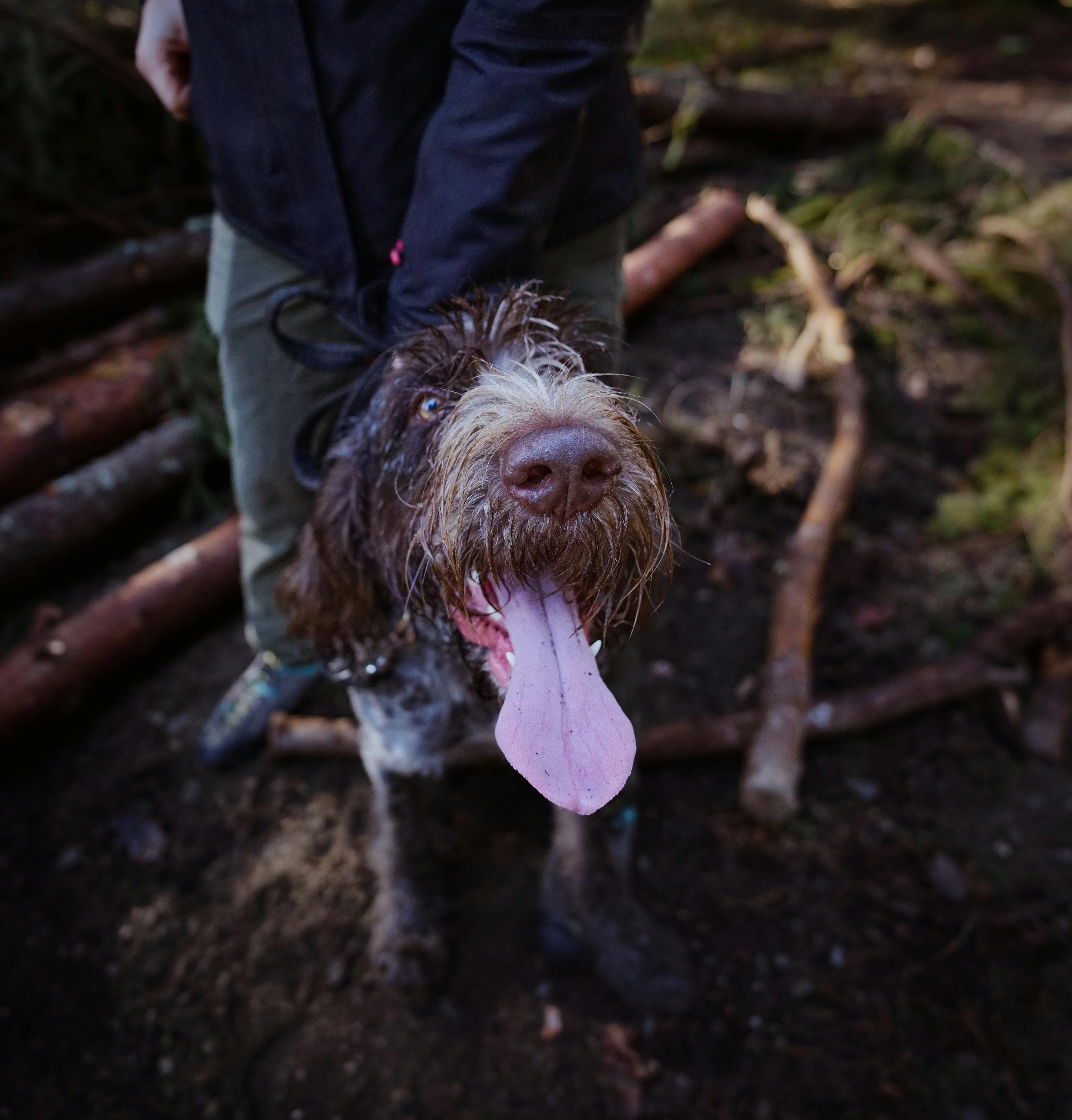
When you think about your furry friend, you probably notice their wet noses often. But have you ever wondered, can a dog's wet nose indicate illness? The truth is, while a wet nose is generally a sign of a healthy pup, there are multiple factors that can affect its moisture levels. Let’s explore why dogs have wet noses, the signs of potential health issues, and the fascinating truth behind this canine characteristic.
Why Do Dogs Have Wet Noses?
Dogs have wet noses for several reasons, and it’s more than just a quirky feature. Here are some key points regarding this phenomenon:
Cooling Mechanism: A dog’s nose helps them regulate their body temperature. When the nose is wet, it can cool the air that enters the lungs, which helps to lower their body temperature.
Enhanced Sense of Smell: The moisture on a dog’s nose helps to trap scent particles. This improves their sense of smell, which is crucial for their hunting instincts and everyday exploration.
Health Indicator: A healthy dog typically has a moist nose. This wetness can fluctuate throughout the day due to various reasons, including activity level, weather, and even hydration status.
Key Signs Every Pet Owner Should Know
While a wet nose is usually normal, changes in your dog's nose can sometimes signal health issues. Here’s a rundown of signs to keep an eye on:
Dry or Cracked Nose: If you notice that your dog's nose is excessively dry or has cracks, it could indicate dehydration or a possible skin condition.
Discoloration: A sudden change in color, like from pink to brown, might suggest a medical issue or an allergic reaction.
Nasal Discharge: If there’s a noticeable discharge, whether it’s clear, yellow, or green, this could mean an infection or other health problems.
Swelling or Bumps: Any unusual swelling or lumps on the nose should be examined by a vet, as it can indicate tumors or infections.
Behavior Changes: If your dog is not as playful, is lethargic, or shows signs of pain (like whining when you touch their nose), this could be a sign of illness.
Can a Dog's Wet Nose Indicate Illness?
Now, let’s get back to the main question: can a dog's wet nose indicate illness? In most cases, it does not. However, there are exceptions, especially if the nose’s wetness is accompanied by other symptoms. Here’s a table that summarizes the conditions:
| Condition | Wet Nose | Other Symptoms | Possible Diagnosis |
|---|---|---|---|
| Dehydration | Rarely | Lethargy, dry mouth | Need for hydration |
| Allergies | Sometimes | Itching, sneezing | Allergy reaction |
| Infections | Sometimes | Discharge, swelling | Bacterial or viral infection |
| Autoimmune Diseases | Rarely | Lethargy, skin lesions | Autoimmune condition |
Historical Context
The wet nose in dogs is not just a modern marvel. Historically, wet noses were seen as a sign of good health in many cultures. Ancient texts often referred to the condition of a dog’s nose as a way to assess its overall well-being. This belief has been passed down through generations, and today many pet owners still use it as a baseline for their dog's health.
Practical Examples
Consider a scenario where your dog comes home from the park with a moist nose. This is normal, especially after exercising. However, if days later you notice their nose has dried out and they seem off, it could be a signal to see a vet. Regular check-ups are key.
Keeping an eye on your dog’s nose and related behaviors can help catch potential problems early. It’s important to understand other aspects of your dog’s health too, like their diet, exercise, and behavior.
Final Thoughts
A dog’s wet nose often indicates good health, but variations can sometimes signal underlying issues. Pet owners should observe their dog's overall behavior and other symptoms for a better understanding of their health. If you ever have concerns about your dog's nose or overall health, don’t hesitate to reach out to a veterinarian. Keeping your furry friend happy and healthy is the ultimate goal, and staying informed is a big part of that commitment.
From Evolution to Evolution: Why Dogs Have Wet Noses and Their Impact on Survival

Dogs are often seen as man's best friend. But have you ever wondered why do dogs have wet noses? It's a question that many people ask and it leads to some fascinating insights into the evolution and survival of our furry companions. Wet noses are not just a quirky characteristic; they play a significant role in how dogs interact with the world around them.
The Evolutionary Perspective
Dogs, descended from wolves, have evolved over thousands of years. Their wet noses is a trait that has been passed down through generations. But, what’s the purpose of this feature? One major reason is that wet noses help dogs to smell better. According to research, a dog’s sense of smell is significantly more sensitive than that of humans, estimated to be between 10,000 to 100,000 times better. This is important for hunting, finding food and even for social interactions with other dogs and humans.
- Wet noses help in the evaporation of moisture which enhances their olfactory receptors.
- The wetness of a dog’s nose can also help them to cool down, as dogs do not sweat like humans do.
- Dogs use their noses to gather information about their environment, which is crucial for their survival.
The Science Behind Wet Noses
So, why do dogs have wet noses? It’s not just for show. The moisture on a dog’s nose is actually a combination of mucus and other secretions. This helps with a process called “olfactory reception.” When a dog sniffs something, the wetness helps to trap scent particles.
Here are some interesting facts about dog noses:
- Dogs have about 300 million olfactory receptors in their noses, compared to a human’s 5 million.
- The surface area of a dog’s nose is much larger than that of a human, allowing them to take in more scents.
- A dog’s sense of smell is so precise that they can detect certain diseases, like cancer, in humans.
Historical Context of Canine Noses
Historically, dogs have been used for various purposes, from hunting to herding livestock. The need for a keen sense of smell was vital in these roles. As domestication progressed, dogs were bred for specific tasks, which often emphasized their olfactory capabilities.
- In ancient times, dogs were essential for hunting, sniffing out game.
- In more recent history, police and rescue dogs rely on their noses for detecting drugs or finding missing persons.
- Today, dogs are even trained to detect diseases, showcasing their incredible abilities.
The Role of a Wet Nose in Dog Communication
Interestingly, a dog’s wet nose also plays a role in communication. Dogs often greet each other by sniffing, and a wet nose signals friendliness and openness. This behavior is rooted in canine etiquette, where a wet nose is perceived as a welcoming gesture.
- When a dog approaches another dog or a person with a wet nose, it indicates they are curious and non-threatening.
- The moisture can carry pheromones, which provide additional information about their mood or reproductive status.
Practical Implications for Dog Owners
Understanding why do dogs have wet noses can help pet owners better care for their furry friends. Here are a few tips:
- Keep your dog hydrated, as dehydration can lead to a dry nose, which might indicate health issues.
- Regularly check your dog’s nose for any signs of unusual dryness or cracking, as it can be a sign of illness.
- Engage your dog in scent-related activities, like hide-and-seek games with treats, to encourage their natural instincts.
Fun Comparisons: Dogs vs. Other Animals
When you look at other animals, the differences in nose structures can be quite stark. For instance:
| Animal | Nose Type | Purpose |
|---|---|---|
| Dogs | Wet and cold | Enhanced smell, cooling |
| Cats | Dry and warm | Less reliance on smell |
| Elephants | Trunk with wet | Smell, touch, and grasping |
| Snakes | Forked tongue | Sense of smell via pheromones |
Each species has adapted its nose for survival in its environment. Dogs, with their unique wet noses, have shown remarkable adaptability through evolution, maintaining their valuable role in human society.
The wet noses of dogs are not just a cute characteristic; they are a significant evolutionary trait that aids in their survival. From enhancing their sense of smell to communicating with other animals, these moist noses are truly fascinating. Understanding these details can deepen our appreciation for dogs and their unique capabilities, making us better companions to these wonderful creatures.
Conclusion
In conclusion, the wet noses of dogs serve multiple essential functions, contributing to their overall health and well-being. The moisture in a dog's nose enhances their sense of smell, allowing them to detect scents more effectively—a trait that is crucial for their communication and survival. Additionally, a wet nose helps regulate their body temperature and plays a role in the dog’s ability to stay cool. While some may wonder if a dry nose indicates illness, it's important to remember that various factors can influence nose moisture. Regular veterinary check-ups are vital for monitoring your dog’s health. As a loving pet owner, take a moment to appreciate the unique features of your furry friend, including their wet noses, which are just one of the many ways dogs connect with the world around them. If you found this information helpful, consider sharing it with fellow dog lovers to spread awareness about our canine companions!