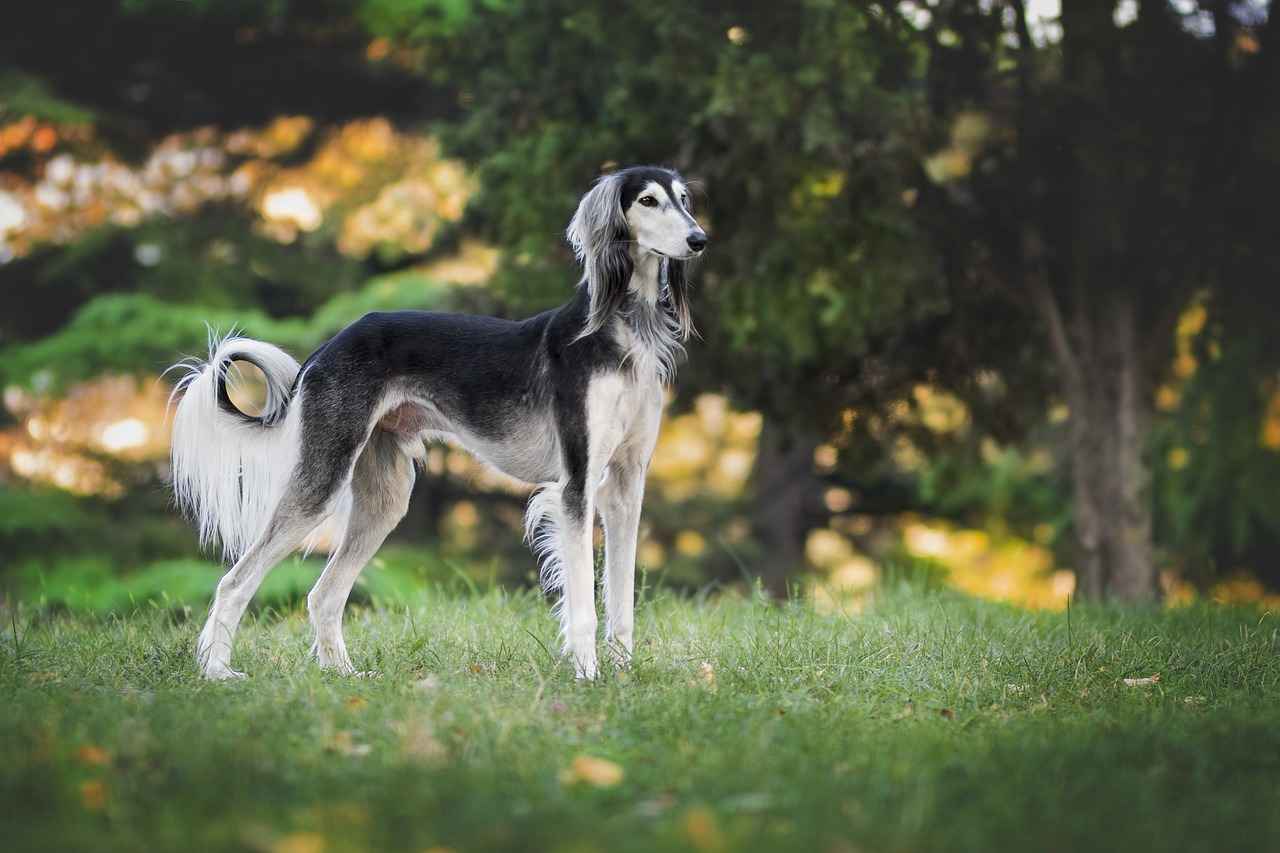
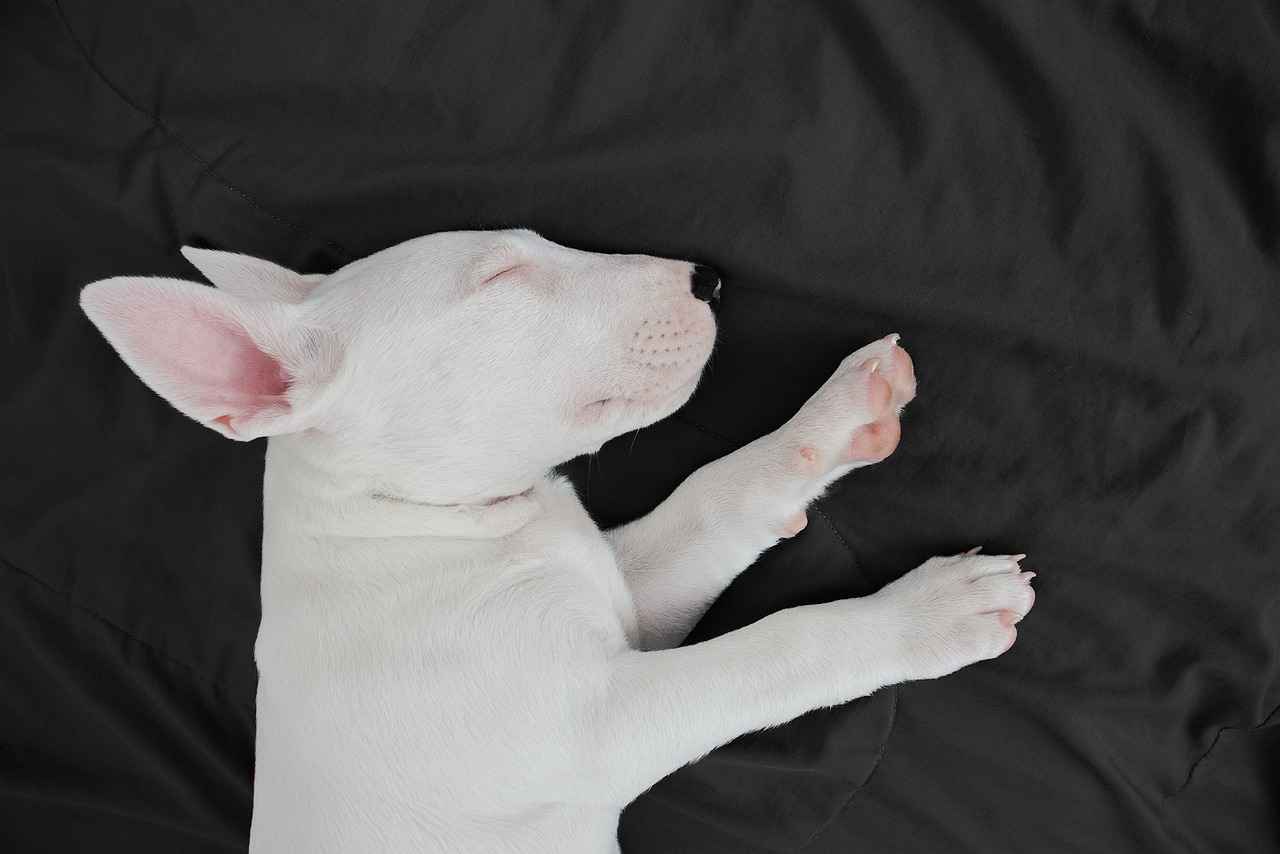
Have you ever wondered why do dogs have wet noses? This intriguing question sparks curiosity among dog lovers and pet owners alike. Dogs’ wet noses are not just an adorable feature; they serve several important purposes that contribute to their health and well-being. But is there a scientific reason behind this phenomenon? In this article, we will explore the fascinating truth about dog noses, uncovering the secrets of their moisture and how it affects their sense of smell.
\nDid you know that a dog's sense of smell is up to 100,000 times more sensitive than humans? This incredible ability is closely linked to the wetness of their nose. A moist nose helps to enhance scent detection, making dogs extraordinary hunters and companions. But is a wet nose a sign of a healthy dog? Many pet owners often ask, "Should I be worried if my dog's nose is dry?" In the coming sections, we will answer these questions and more, diving into the remarkable world of canine physiology. So, stick around to discover why do dogs have wet noses and the essential role they play in your furry friend’s life!
\n\nThe Science Behind a Dog's Wet Nose: Why Is It Essential for Their Health?
\n\n \n\n
\n\nEvery dog owner has probably noticed that their furry friends often have wet noses. But have you ever wondered why? It turns out, the science behind a dog’s wet nose is not just a quirky aspect of their anatomy; it’s essential for their health. In this article, we explore why do dogs have wet noses and the fascinating truth behind it.
\nThe Anatomy of a Dog's Nose
\nDogs have a unique nose structure compared to humans. Their noses are filled with receptors that help them smell things better than we could ever imagine. A dog's sense of smell is about 10,000 to 100,000 times more acute than that of a human. This incredible ability is partly due to the moisture on their noses. Here’s how it works:
\n- \n
- Moisture helps absorb scent molecules: When a dog's nose is wet, it can more effectively trap scent particles in the air. This is why they often sniff around with such enthusiasm. \n
- Temperature regulation: A wet nose can also help dogs maintain a comfortable body temperature. Just like how sweating helps humans cool down, the moisture on a dog’s nose can aid in regulating their body heat. \n
Why Is a Wet Nose Important for Dogs?
\nThe wetness of a dog's nose is not just for show. It serves several vital functions that are crucial for their overall health and well-being. Here are some of the key reasons why having a wet nose is important:
\n- \n
- \n
Enhanced Smell: As mentioned before, the moisture helps dogs smell better. This ability is crucial for their survival instincts and plays a significant role in their interactions with the world.
\n \n - \n
Health Indicator: A wet nose is often a sign of a healthy dog. If a dog's nose becomes dry or excessively warm, it might indicate a health issue. However, it’s not always a definitive sign of illness, as various factors like the temperature and humidity can influence nose moisture.
\n \n - \n
Sense of Taste: Dogs also rely on their noses to help them taste their food. The moisture on their noses helps dissolve scent particles, allowing them to better enjoy their meals.
\n \n
Historical Context of Dog Noses
\nThe relationship between dogs and humans goes back thousands of years. Early humans relied on dogs for hunting and companionship. Over time, dogs developed their keen sense of smell, which was advantageous for both them and their human counterparts. The wet nose was likely a trait that evolved to enhance this sense, making them better hunters and companions.
\nWhat Affects a Dog's Nose Moisture?
\nSeveral factors can influence the wetness of a dog's nose, including:
\n- \n
- \n
Weather Conditions: Hot or dry weather can lead to a drier nose. In cold or humid conditions, dogs might have a wetter nose.
\n \n - \n
Health Status: As mentioned, changes in a dog’s nose moisture can indicate health problems. Look out for these signs:
\n- \n
- Dry, Cracked Nose: Could indicate dehydration or illness. \n
- Excessively Wet Nose: Sometimes can be a sign of allergies or infections. \n
\n - \n
Hydration Levels: Just like humans, dogs need to stay hydrated. A well-hydrated dog is likely to have a moist nose.
\n \n
Fun Facts About Dog Noses
\nHere are some interesting tidbits about dog noses that you might not know:
\n- \n
- Unique Prints: Just like human fingerprints, each dog has a unique nose print. It can even be used for identification. \n
- Scent Discrimination: Dogs can differentiate between different scents. For instance, they can smell a specific person in a crowded area based on their scent trail. \n
- Temperature Regulation: Dogs also use their noses to help cool down. When they breathe through their noses, moisture evaporates and cools their body. \n
Practical Tips for Dog Owners
\nMaintaining a healthy nose for your dog is essential. Here’s a quick checklist:
\n- \n
- Check Hydration: Make sure your dog has access to fresh water at all times. \n
- Regular Vet Visits: Keep up with vet check-ups to monitor your dog's overall health. \n
- Watch for Changes: Pay attention to changes in your dog’s nose moisture and seek veterinary advice if you notice anything unusual. \n
In summary, understanding why dogs have wet noses enhances our appreciation for them. Their wet noses are not just adorable; they play a pivotal role in their health and well-being. By knowing more about this aspect of your dog's anatomy, you can ensure they remain happy and healthy companions for years to come.
\n\n7 Surprising Benefits of Your Dog's Wet Nose You Didn't Know About
\n\n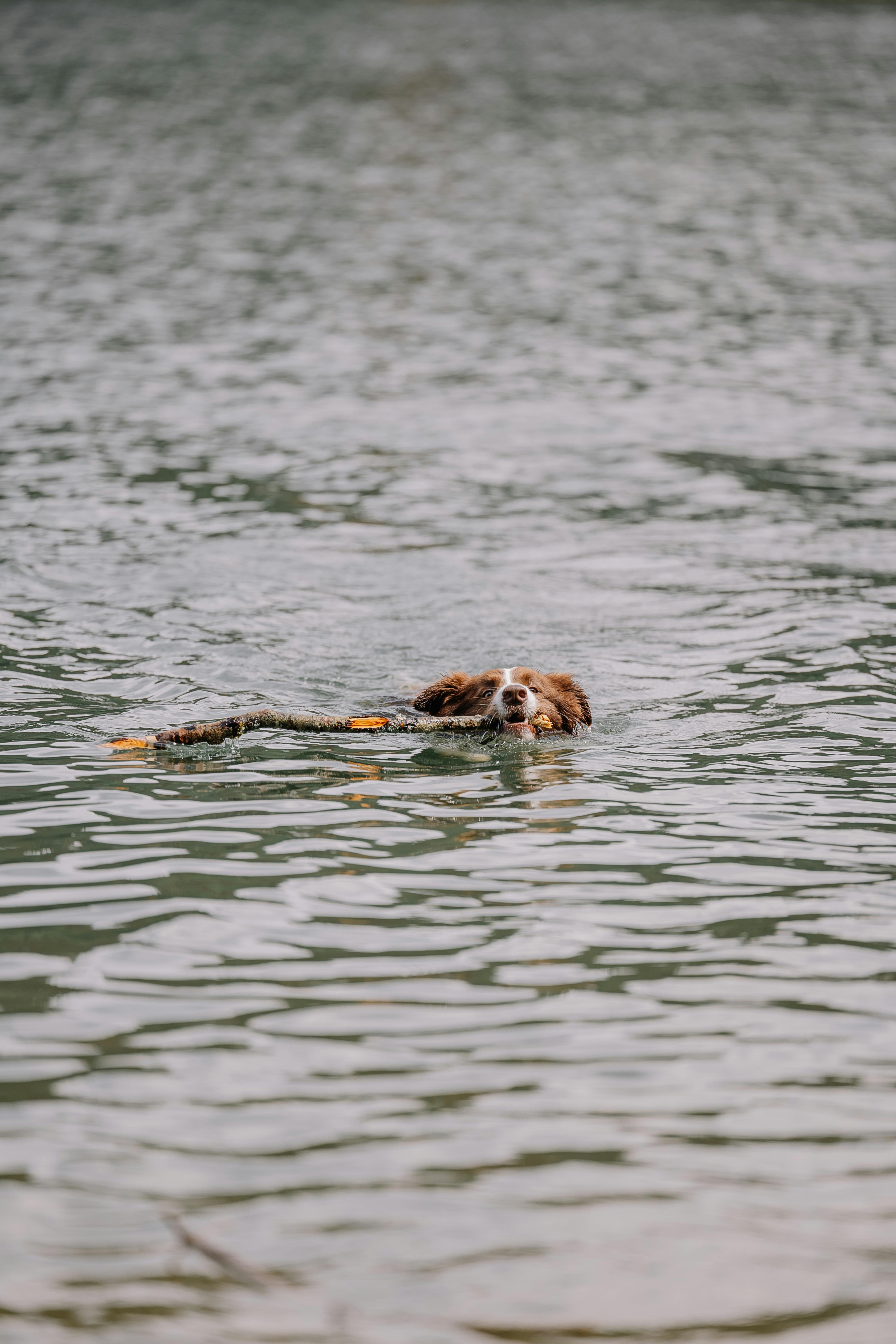 \n\n
\n\nWhen you think about dogs, you might imagine their wagging tails, playful barks, or even their fluffy fur. But one thing that often stands out is their wet noses. Ever wondered why do dogs have wet noses? There are some surprising benefits to that moist, cold feature that many dog owners might not know about. Let's explore the fascinating truth behind those adorable snouts and uncover seven benefits of your dog's wet nose that could amaze you!
\n1. Natural Thermoregulation
\nDogs can't sweat like humans do. Instead, they rely on their noses to help regulate their body temperature. The moisture on a dog’s nose evaporates, which helps cool them down. When it's hot out, a wet nose can be a sign your dog is managing its temperature effectively. So, if you notice your dog's nose getting extra damp in the summer, that’s actually a good thing!
\n2. Enhanced Sense of Smell
\nYou might not realize this, but a dog's sense of smell is thousands of times more powerful than humans. A wet nose plays a crucial role in that. The moisture helps capture scent particles, which makes it easier for dogs to detect different smells. This is why dogs are often used in search and rescue missions, or even in detecting certain diseases. Isn’t it amazing how their wet noses help them do such incredible things?
\n3. Communication Tool
\nDogs communicate in a variety of ways, and their noses are part of that language. When dogs meet, they often sniff each other’s noses and behinds. The moisture on their noses helps them pick up on pheromones and other scent markers left by other dogs. So, a wet nose is not just for show; it’s a way for your furry friend to gather important information about their canine companions.
\n4. Health Indicator
\nA dog’s wet nose can be an indicator of their health. A healthy dog typically has a moist nose, while a dry nose can sometimes signal an issue. However, it’s not always a straightforward case. Some dogs have naturally dry noses, and a change in moisture alone isn't enough to determine if your pet is sick. It’s important to look for other signs, such as changes in appetite or energy levels, too.
\n5. Cooling Mechanism
\nAs mentioned earlier, wet noses help with thermoregulation, but they also serve as a cooling mechanism during physical activity. When dogs run or play, their bodies heat up. A wet nose helps them cool down faster, allowing them to enjoy their playtime without overheating. If your dog comes inside after a long romp and their nose is still wet, it likely means they managed to keep their cool.
\n6. Hydration Sign
\nA wet nose can also indicate that your dog is well-hydrated. Dogs lose moisture through their noses, so a consistently wet nose usually means they're drinking enough water. On the flip side, if your dog’s nose is excessively dry, it might be time to encourage more hydration. Always ensure fresh water is available for your furry friend!
\n7. Unique to Each Dog
\nThe moisture of a dog’s nose isn't just a random trait; it actually varies by breed and individual dog. Some breeds naturally have wetter noses than others. For example, Bulldogs often have drier noses compared to a Beagle. This uniqueness can be part of what makes each dog special. So next time you give your dog a little pat on the head, remember their wet nose is as individual as they are!
\nQuick Facts About Dog Noses
\n- \n
- Dogs have around 300 million scent receptors, compared to a human's 5 million. \n
- The wetness of a dog's nose can change throughout the day. \n
- Certain breeds, like the Bloodhound, have exceptional olfactory abilities due to their nose structure. \n
- Dogs can even detect certain diseases, like cancer, through their sense of smell. \n
Final Thoughts
\nNow that you know some of the benefits of your dog’s wet nose, it’s easy to see how important this little feature is! From helping them stay cool to acting as a communication tool, their wet noses play a vital role in their health and behavior. So, the next time you marvel at your dog’s adorable face, remember their wet nose is not just cute; it’s also a window into their well-being and abilities. Embrace those wet, cold kisses, because they come with a whole lot of benefits!
\n\nDo Wet Noses Mean a Healthy Dog? Understanding the Connection to Canine Wellness
\n\n \n\n
\n\nWhen we think about our furry friends, many of us wonder one thing: do wet noses mean a healthy dog? It’s a question that often pops up during vet visits or casual chats with other dog owners. Wet noses have long been associated with canine wellness, but what’s the truth behind this? Let’s dive deep into understanding why do dogs have wet noses and how it connects to their overall health.
\nThe Science Behind Wet Noses
\nDogs have wet noses mostly because of their unique physiology. A dog's nose is covered in a thin layer of mucous, which helps them detect scents. The moisture on their noses enhances their sense of smell, allowing them to pick up more scent particles in the air. It’s an evolutionary trait, as dogs are descendants of wolves, who relied heavily on their sense of smell for survival.
\n- \n
- Scent Detection: Wet noses help trap scent particles. \n
- Cooling Mechanism: Dogs do not sweat like humans, so a wet nose can help cool them down. \n
- Health Indicator: Some believe that a wet nose can indicate a dog’s overall health, although this isn’t always accurate. \n
Why Do Dogs Have Wet Noses?
\nThere’s fascinating reasons why dogs’ noses are often wet. Let’s take a look at some key points:
\n- \n
- \n
Temperature Regulation: Dogs can’t sweat through their skin. Instead, they rely on their noses and panting to cool down. The moisture helps regulate their body temp.
\n \n - \n
Health Monitoring: A wet nose is often seen as a sign of good health, but this isn’t always the case. Some dogs can be perfectly healthy with a dry nose, while others with a wet nose might be unwell.
\n \n - \n
Nasal Mucus: The mucous in their noses is essential for trapping scents. This is crucial for their survival instincts.
\n \n
The Myths and Realities of Wet Noses
\nDespite the common belief, wet noses don’t always equal health. Here are some myths that need debunking:
\n- \n
- \n
Myth: A wet nose always means a healthy dog.
\n- \n
- Reality: A dog can have a wet nose and still be sick. Illness can cause changes in nose moisture. \n
\n - \n
Myth: Dogs’ noses should always be cool and wet.
\n- \n
- Reality: The temperature and moisture of a dog’s nose can change throughout the day based on activity, environment, and health. \n
\n - \n
Myth: Only certain breeds have wet noses.
\n- \n
- Reality: All dogs are capable of having wet noses, regardless of breed. \n
\n
When to Worry About Your Dog’s Nose
\nIf you noticed changes in your dog's nose, it might be time to pay attention. Here’s when you should consult a veterinarian:
\n- \n
- Persistent dryness: If your dog’s nose is consistently dry and cracked, it could be a sign of dehydration or health issues. \n
- Unusual discharge: Any unusual discharge or color from the nose might indicate an infection or allergy. \n
- Behavior changes: If your dog’s behavior changes—like lethargy or loss of appetite—coupled with nose changes, it’s best to get them checked. \n
Fun Facts About Dogs’ Noses
\nTo highlight the uniqueness of our canine companions, let’s explore some fun facts about their noses:
\n- \n
- Dogs have up to 300 million scent receptors in their noses, while humans have only about 5 million. \n
- A dog's sense of smell is 40 times better than ours, making them excellent trackers and searchers. \n
- Just like fingerprints, every dog has a unique nose print! \n
Tips for Keeping Your Dog’s Nose Healthy
\nKeeping your dog’s nose healthy can be simple. Here are some tips:
\n- \n
- Hydration: Make sure your dog has access to fresh water. \n
- Humidifier: In dry environments, consider using a humidifier to keep the air moist. \n
- Check for Allergies: Monitor your dog for any signs of allergies or irritants that could affect their nose. \n
So, do wet noses mean a healthy dog? While there are connections between the moisture of a dog’s nose and their well-being, it’s not a definitive indicator. Understanding the reasons behind wet noses and the myths surrounding them can help dog owners take better care of their furry friends. Remember, if you have concerns about your dog’s health, always consult with a qualified veterinarian. Your dog relies on you to keep them happy and healthy!
\n\nWhy Are Dogs’ Noses Wet? Uncovering the Fascinating Biology of Canine Senses
\n\n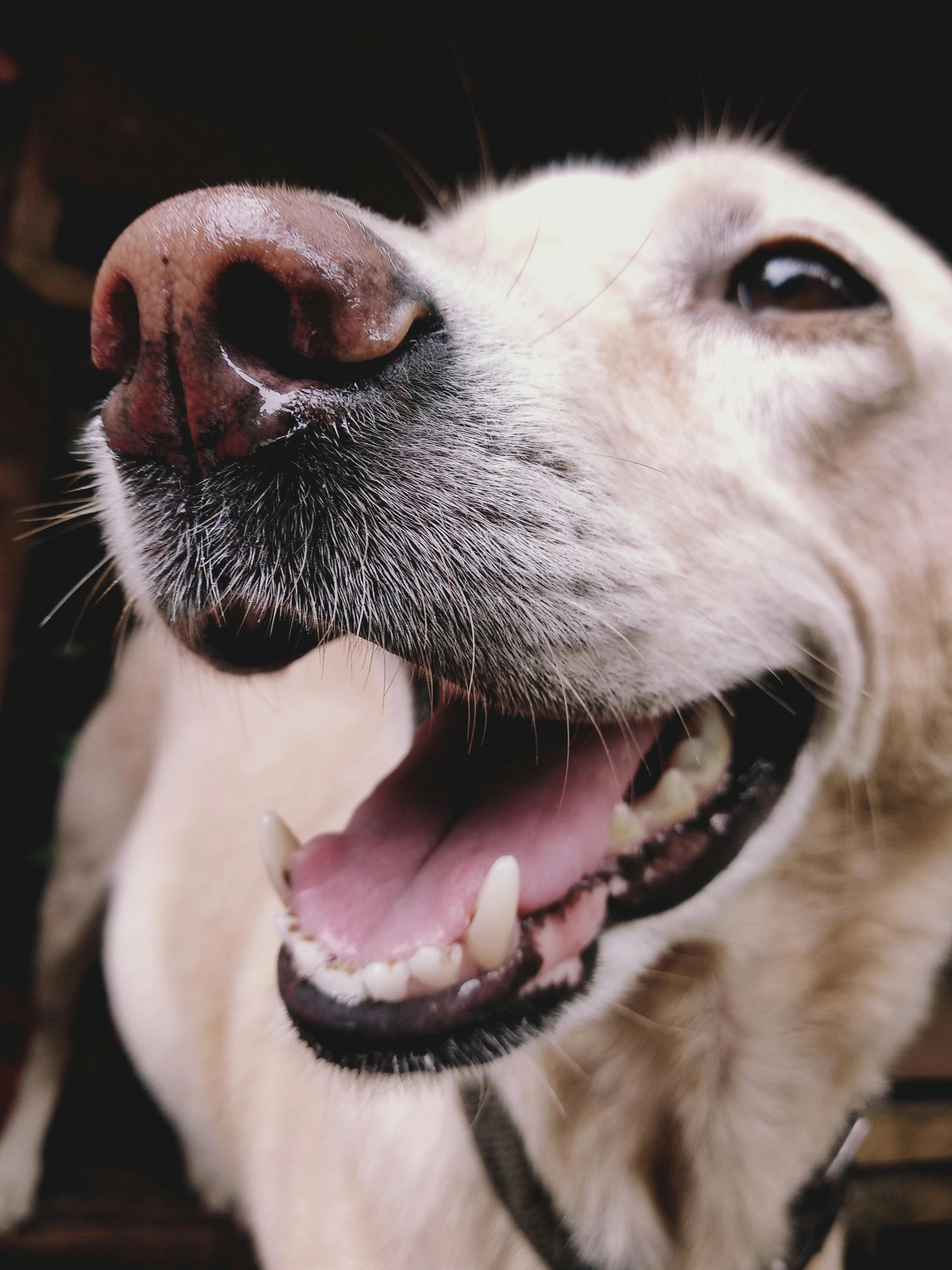 \n\n
\n\nHave you ever wondered why are dogs' noses wet? It’s one of those quirky features that make dogs so interesting. Most dog owners probably notice this wetness, but not everyone knows the reasons behind it. The truth about a dog's nose is not just a fun fact, but it actually reveals a lot about their biology and senses. Let’s dive into the fascinating world of canine senses and uncover the mystery of those wet noses.
\nThe Science Behind Wet Noses
\nDogs' noses are moist for several reasons, and each reason is tied to their amazing sense of smell. Here are few key points about why their noses are wet:
\n- \n
- Enhanced Smell: A wet nose helps to capture scent particles in the air. When a dog's nose is wet, it can absorb more smells, which is crucial since dogs have a sense of smell that’s somewhere between 10,000 to 100,000 times more sensitive than humans. \n
- Cooling Mechanism: The moisture on a dog's nose also helps in regulating their body temperature. Since dogs do not sweat like humans, they rely on their noses to help cool down. \n
- Health Indicator: A wet nose can indicate a healthy dog. If a dog’s nose is dry, it might not mean they are sick, but it can be a sign that they need more hydration or that something else might be off. \n
Historical Context of Canine Senses
\nDogs have been companions to humans for thousands of years. From hunting partners to beloved pets, dogs have evolved to have some very unique traits. Historically, dogs were bred for specific purposes, and their noses played pivotal roles in those functions.
\n- \n
- Hunting: Breeds like Bloodhounds and Beagles were developed for tracking scents, relying heavily on their highly developed noses. \n
- Guarding: Dogs that served as guardians also used their noses to detect intruders or potential dangers. \n
This reliance on scent has shaped not only their biology but also their behavior and roles in human society.
\nHow Wet Is A Dog's Nose?
\nWhile many dog owners might notice that their pets have wet noses, the degree of wetness can vary. Here's a simple breakdown:
\n- \n
- Normal Wetness: Most dogs will have a nose that feels cool and damp. \n
- Dry Nose: A dry nose could indicate dehydration, illness, or even just a change in environment. \n
- Excessively Wet Nose: Sometimes a dog may have an overly wet nose, which can be due to allergies or infections. \n
Fun Facts About Dog Noses
\nDid you know that a dog’s nose print is unique, much like a human fingerprint? This uniqueness can also be used to identify them. Here are some more interesting facts about dog noses:
\n- \n
- Scent Discrimination: Dogs can distinguish between different odors, allowing them to identify specific scents even in a crowded area. \n
- Temperature Regulation: Dogs can also cool off through their noses by panting, which helps to evaporate the moisture and cool down their bodies. \n
- Communication: Dogs also use their noses to communicate with each other. Sniffing is a way for them to gather information about other dogs, including their health and mood. \n
The Importance of a Healthy Nose
\nJust like humans need to take care of their health, dogs also require attention to their noses. Here are a few tips for keeping your dog's nose healthy:
\n- \n
- Hydration: Ensure your dog has access to fresh water at all times. \n
- Regular Vet Check-ups: Routine vet visits can help identify any abnormalities in your dog’s nose. \n
- Observe Changes: Be mindful of any changes in your dog’s nose, such as excessive dryness, cracking, or unusual discharge. \n
Comparing Dog Noses to Human Noses
\nIt's fascinating to compare the differences between human and dog noses. Here’s a simple table to illustrate:
\n| Feature | \nDog Nose | \nHuman Nose | \n
|---|---|---|
| Sensitivity | \n10,000 to 100,000 times more sensitive | \nRelatively less sensitive | \n
| Moisture | \nTypically wet | \nUsually dry | \n
| Purpose | \nScent detection | \nBreathing and smelling | \n
| Unique Prints | \nUnique nose prints | \nNo unique prints | \n
Understanding why dogs have wet noses adds to our appreciation of them. It's a blend of biology, evolution, and the unique bond they share with humans. The next time you pet your furry friend and feel that moist nose, remember it's not just a cute trait; it's a testament to the incredible nature of dogs.
\nFrom improving their sense of smell to helping them cool down, those wet noses play a vital role in a dog’s life. So, next time you hear someone ask, “Why do dogs have wet noses?” you can confidently share your newfound knowledge.
\n\nIs a Wet Nose Always a Good Sign? Exploring Common Myths About Dog Health
\n\n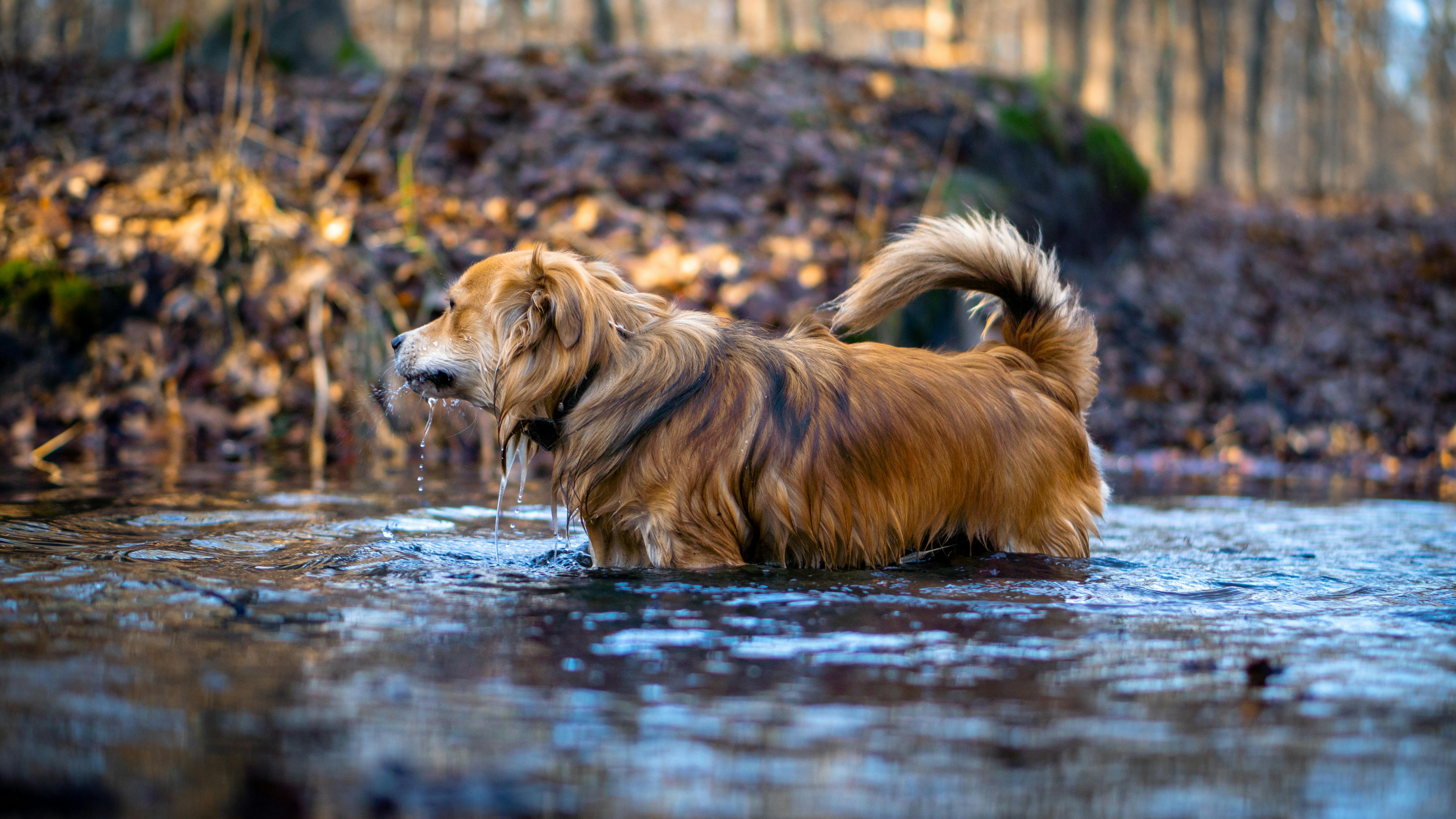 \n\n
\n\nWhen it comes to our furry friends, we often think a wet nose is a sign of health and happiness. But is it really true? Many dog owners wonder, “Is a wet nose always a good sign?” While it's common belief that a moist nose indicates a healthy pup, there's more to the story. In this article, we’re gonna explore common myths about dog health, why do dogs have wet noses, and uncover the fascinating truth behind this canine characteristic.
\nWhy Do Dogs Have Wet Noses?
\nDogs have wet noses for several reasons that are not just about their health. The moisture on a dog’s nose comes from a combination of factors, including:
\n- \n
- Cooling Mechanism: Dogs don’t sweat like humans do. Instead, they regulate body temperature through their noses. The wetness helps cool them down. \n
- Scent Detection: A wet nose helps dogs smell better. The moisture captures scent particles in the air, making it easier for them to detect different smells. \n
- Natural Behavior: Dogs often lick their noses, which keeps them moist. This is a normal behavior that aids in their sensory perception. \n
Common Myths About Wet Noses
\nThere's a couple of myths that circulate about wet noses and dog health. Let’s break them down:
\n- \n
- \n
Myth: A Wet Nose Equals Good Health
\n- \n
- Reality: While a wet nose can indicate that a dog is well-hydrated, it’s not the only indicator of health. Some dogs might have dry noses and still be perfectly healthy. \n
\n - \n
Myth: A Warm Nose Means a Dog is Sick
\n- \n
- Reality: A warm nose doesn’t always mean illness. Dogs' noses can vary in temperature due to factors like environmental conditions or even how much they’ve been playing. \n
\n - \n
Myth: Dogs Can’t Get Allergies if Their Nose is Wet
\n- \n
- Reality: Even with a moist nose, dogs can suffer from allergies. Symptoms may not always be visible on their noses. \n
\n
The Evolutionary Perspective
\nWet noses are believed to have an evolutionary advantage. Historically, dogs’ ancestors relied heavily on their sense of smell for hunting and survival. The moisture on the nose helped to enhance their olfactory abilities, allowing them to detect prey more effectively. This trait has stuck with them through generations, proving to be crucial for their survival.
\nComparing Wet and Dry Noses
\nLet’s look at the differences between wet and dry noses in dogs:
\n| Feature | \nWet Nose | \nDry Nose | \n
|---|---|---|
| Temperature | \nUsually cooler | \nCan be warm | \n
| Health Indicator | \nMay indicate hydration | \nNot necessarily a sign of illness | \n
| Scent Detection | \nBetter at capturing scent | \nLess effective at detecting smells | \n
| Common Reasons | \nLicking, environmental moisture | \nDehydration, certain health issues | \n
Practical Tips for Dog Owners
\nHere are some tips for dog owners to keep in mind regarding their pet’s nose:
\n- \n
- Monitor Hydration: Ensure your dog has access to fresh water daily. A hydrated dog often has a wet nose. \n
- Regular Vet Check-ups: Don’t rely solely on your dog’s nose to assess health. Regular veterinary visits can catch health issues early. \n
- Observe Behavior: If your dog’s nose changes from wet to dry suddenly or if they show signs of discomfort, consult your vet. \n
- Watch for Other Symptoms: Keep an eye out for any additional symptoms like lethargy, loss of appetite, or changes in behavior. \n
What Changes in Nose Moisture Could Mean
\nA change in nose moisture can sometimes indicate health changes. Here are some examples:
\n- \n
- Dry Nose with Cracks: This can be a sign of dehydration or skin issues. \n
- Consistently Wet Nose: If a nose is excessively wet, it could indicate allergies or infections. \n
- Color Changes: A nose that changes from black to pink or vice versa should be checked by a vet. \n
Understanding your dog’s nose can provide insights into their overall health. However, it’s essential to remember that a moist nose isn’t a foolproof measure of well-being.
\nWhile a wet nose often brings comfort to dog owners, it’s just one piece of the puzzle. Always pay attention to your dog’s overall behavior and health. A wet nose might be an interesting topic of discussion, but it’s the love and care we give our dogs that truly keeps them healthy and happy.
\n\nThe Role of Wet Noses in a Dog's Sense of Smell: How It Enhances Their World
\n\n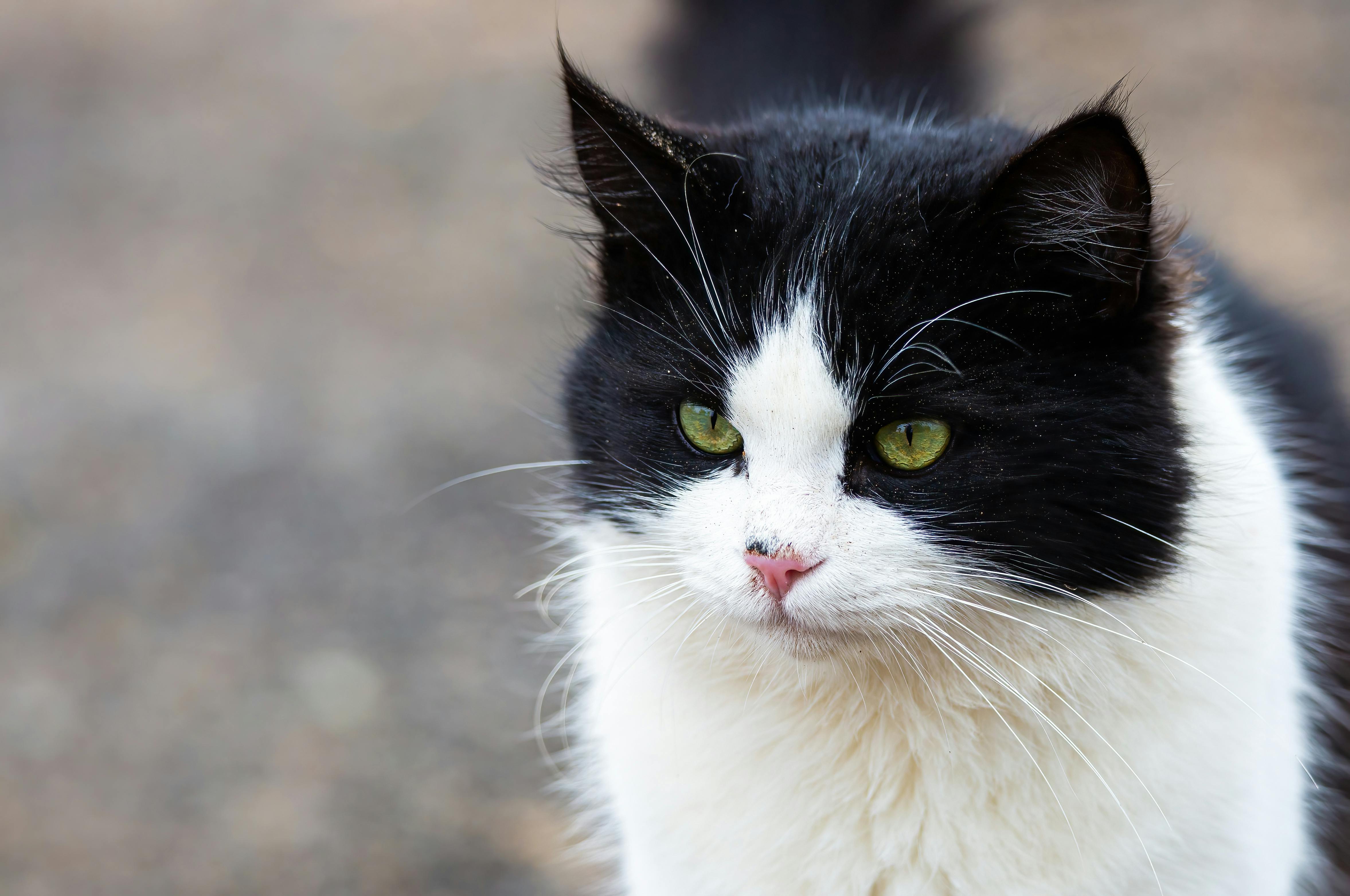 \n\n
\n\nDogs are often seen as man's best friend, and that bond goes beyond just companionship. One of the most fascinating aspects of dogs is their incredible sense of smell, which is significantly enhanced by their wet noses. But have you ever wondered why do dogs have wet noses? The answer to this question dives into the biology of dogs and the role of their sense of smell in their daily lives. In this article, we will explore the scientific explanations behind wet noses, how they enhance a dog's olfactory capabilities, and what this means for our furry friends.
\nThe Science Behind a Dog's Nose
\nDogs possess a remarkable sense of smell that is estimated to be anywhere from 10,000 to 100,000 times more sensitive than humans. This extraordinary ability is largely due to several factors, including the structure of their noses. Here’s what makes their sense of smell so special:
\n- \n
- Nasal Structure: A dog's nasal cavity is much larger than ours. They have more olfactory receptors—around 300 million compared to a human’s 5-6 million. \n
- Jacobsen's Organ: This is a special sensory organ that detects pheromones, which are chemical signals that can convey information about other animals. \n
- Moisture: The moisture on a dog's nose helps to trap scent particles, making it easier for them to analyze smells. \n
Why Are Dog Noses Wet?
\nSo, why do dogs have wet noses? The moisture serves several important functions:
\n- \n
- \n
Enhanced Smelling Ability: The wetness helps dissolve scent particles, allowing dogs to smell better. When a dog sniffs, the moisture captures these particles, which are then processed by the olfactory receptors.
\n \n - \n
Temperature Regulation: A wet nose can help with thermoregulation. Dogs do not sweat like humans; instead, they rely on their noses to help cool down.
\n \n - \n
Health Indicator: A dog's nose can indicate its health status. A normal, moist nose can be a sign of a healthy dog, while a dry or cracked nose might suggest dehydration or illness.
\n \n - \n
Behavioral Signals: Dogs often use their noses to explore their environment and communicate with other dogs. A wet nose can be a friendly gesture, encouraging interaction.
\n \n
Fun Facts About Dog Noses
\n- \n
- Unique Prints: Just like human fingerprints, every dog has a unique nose print. They can be used for identification purposes. \n
- Scent Discrimination: Dogs can distinguish between different odors and even recognize familiar scents over time. \n
- Scent Memory: Dogs have an impressive memory for scents. They can remember a smell for years, which is why they often react strongly to familiar scents. \n
Comparisons: Dog Noses vs. Human Noses
\nHere’s a quick comparison between dog and human noses that highlights their differences:
\n| Feature | \nDogs | \nHumans | \n
|---|---|---|
| Olfactory Receptors | \nAbout 300 million | \nAbout 5-6 million | \n
| Sensitivity | \n10,000 to 100,000 times better | \nStandard | \n
| Nose Moisture | \nYes | \nNo | \n
| Ability to Identify Scents | \nHighly developed | \nLimited | \n
The Role of Wet Noses in Daily Life
\nDogs use their sense of smell in various ways, and it plays a crucial role in their day-to-day activities:
\n- \n
- Hunting and Tracking: Many working dogs, like police or search-and-rescue dogs, rely on their sense of smell for tracking scents to find missing persons or detect drugs. \n
- Social Interactions: Dogs greet each other by sniffing each other’s noses and behinds. This behavior allows them to gather information about other dogs, including their identity, sexual status, and health. \n
- Detection of Illness: Some studies have shown that dogs can detect certain types of cancer or other diseases in humans by smelling their breath or skin. \n
Understanding the importance of wet noses in dogs helps us appreciate the complexity of their world. The moist texture plays a vital role in their ability to smell, which is essential for their well-being and interaction with the environment.
\nIn conclusion, the wetness of a dog's nose is not just an adorable trait but a vital component of their sensory perception. The next time you see a dog with a gleaming, wet nose, remember the fascinating truth behind why dogs have wet noses and how it enhances their ability to experience the world. Dogs rely on this unique adaptation to communicate, explore, and even detect health issues, making their noses an essential part of their biology.
\n\nCurious Canines: Why Do Dogs Have Wet Noses? The Truth Behind This Quirky Trait
\n\n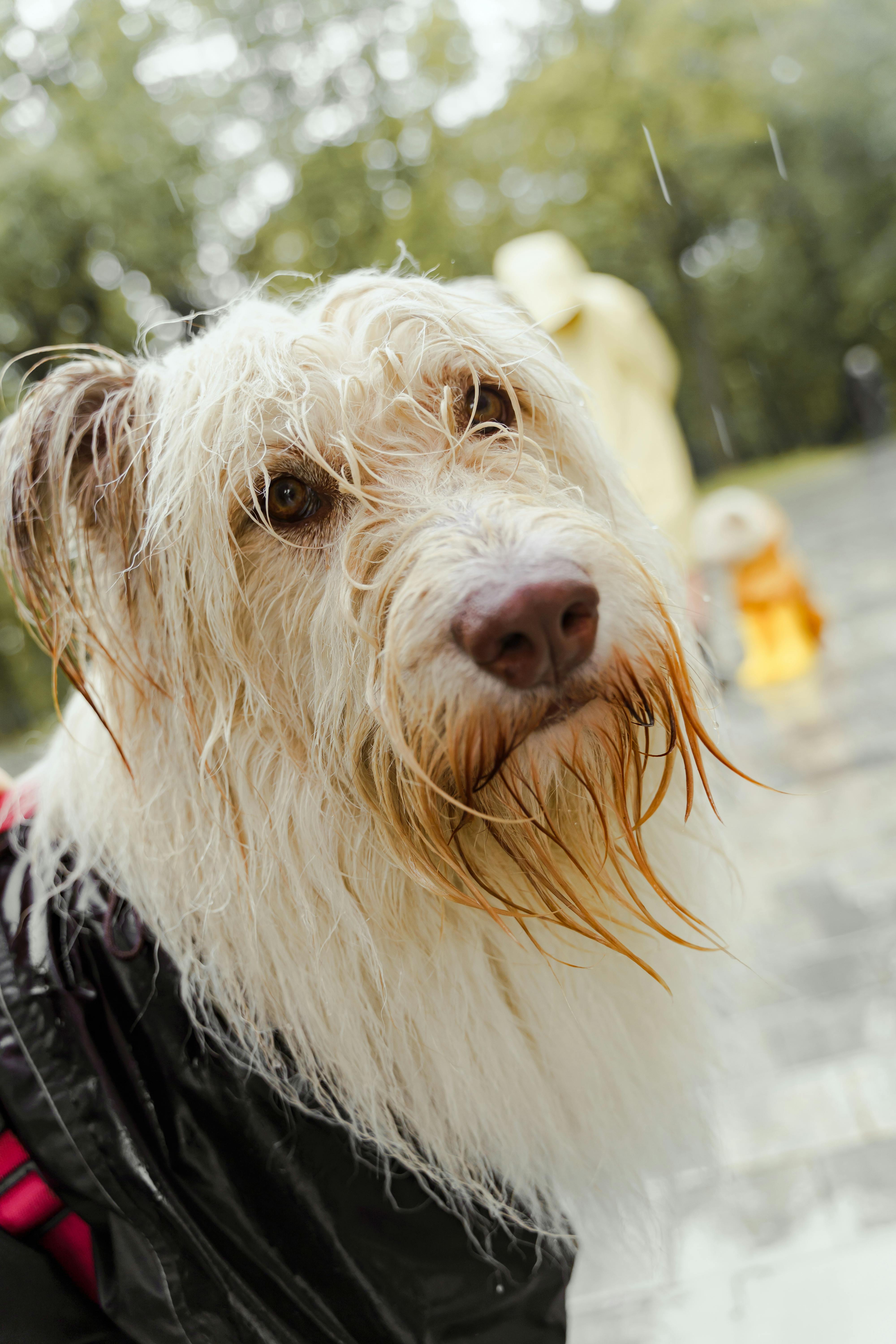 \n\n
\n\nEver wondered why do dogs have wet noses? This quirky trait has puzzled many pet owners and animal lovers alike. Wet noses are one of the most delightful features of dogs, but their purpose goes beyond just being cute. Let’s dive into the fascinating truth behind this characteristic that makes our furry friends even more intriguing.
\nThe Science of Wet Noses
\nFirstly, a dog's nose has a significant amount of mucus-producing glands. This moisture is important for several reasons. The wetness on a dog’s nose actually helps them to smell better. This is because moisture on the nose can capture odor particles from the air, allowing them to detect scents more efficiently. This is essential for their survival instincts, as it enhances their hunting skills and helps them navigate their environment.
\n- \n
- Enhanced Smelling: The wet surface traps scent particles. \n
- Temperature Regulation: Wet noses help dogs cool down. \n
- Health Indicator: A wet nose can be a sign of good health. \n
Historical Context
\nDogs, being descendants of wolves, evolved with wet noses for practical reasons. Wolves relied heavily on their sense of smell for hunting and social interactions. During domestication, dogs retained this trait, which proves useful even in modern times. This evolutionary adaptation has allowed dogs to thrive in various roles, from hunters to companions.
\nWhy Do Dogs Have Wet Noses? A Closer Look
\nThe moisture on a dog’s nose is more than just a cute quirk. It serves several functions:
\n- \n
- \n
Scent Detection: Dogs have a remarkable sense of smell, estimated to be between 10,000 to 100,000 times more acute than humans. Wet noses enhance this ability.
\n \n - \n
Thermoregulation: Dogs don’t sweat like humans do. Instead, they cool off through panting and the moisture on their noses, which helps regulate their body temperature.
\n \n - \n
Health Indicator: A healthy dog usually has a moist nose. If a dog’s nose becomes dry or cracked, it could indicate dehydration or illness.
\n \n
Fun Facts About Dog Noses
\n- \n
- Dog noses are unique, much like human fingerprints. Each dog has a distinct nose print. \n
- The color of a dog’s nose can vary based on breed and genetics, ranging from black to pink. \n
- Dogs have around 220 million scent receptors in their noses, while humans only have about 5 million. \n
Comparison: Dog Noses vs. Human Noses
\nLet’s break down the differences between dog noses and human noses:
\n| Feature | \nDog Nose | \nHuman Nose | \n
|---|---|---|
| Scent Receptors | \n220 million | \n5 million | \n
| Moisture Level | \nGenerally wet | \nGenerally dry | \n
| Primary Function | \nScent detection and thermoregulation | \nBreathing and smelling | \n
| Unique Patterns | \nEach dog has a unique nose print | \nHuman fingerprints | \n
Practical Examples of Nose Use in Dogs
\n- \n
- Search and Rescue: Dogs are often used in search and rescue missions because of their incredible scent-tracking abilities. \n
- Detection Work: Police and military dogs are trained to detect drugs and explosives using their keen sense of smell. \n
- Medical Detection: Some dogs are trained to detect diseases like cancer by smelling changes in a person’s body odor. \n
What Affects a Dog’s Nose Moisture?
\nSeveral factors can impact how wet or dry a dog’s nose is:
\n- \n
- Weather Conditions: Heat and dryness can lead to a drier nose. \n
- Hydration Levels: Dehydrated dogs typically have drier noses. \n
- Health Issues: Illness or certain medications can affect nose moisture. \n
Conclusion
\nSo, the next time you ask yourself, "Why do dogs have wet noses?", remember it’s not just a quirky trait but a vital aspect of their biology. Wet noses contribute to their incredible sense of smell, help regulate their body temperature, and can even indicate their well-being. Understanding the truth behind this characteristic enriches our appreciation for these wonderful companions. Keep an eye on that wet nose; it’s more than just a cute feature—it’s a gateway into the fascinating world of canine biology!
\n\n5 Reasons Dogs’ Noses Are Wet: What It Means for Your Pet's Behavior and Emotions
\n\n \n\n
\n\nIf you ever pet a dog, you probably noticed how their noses are often wet and cold. It's kinda a cute feature, but have you ever wondered why do dogs have wet noses? There's actually some fascinating science behind it, and it can tell you a lot about your furry friend’s behavior and emotions. Here’s five reasons why dogs’ noses are wet and what it might mean for your pet.
\n1. Thermoregulation: Keeping Cool
\nOne of the primary reasons for a dog’s wet nose is thermoregulation. Dogs don’t sweat like humans do. Instead, they regulate their body temperature through panting and by having a moist nose. When the nose is wet, it helps to cool down their body temperature.
\n- \n
- Dogs have sweat glands only in their paw pads, so their nose plays a big role in staying cool. \n
- A wet nose evaporates moisture, which can cool their body. \n
- If your dog is panting heavily, it might have a warmer nose, indicating it needs to cool down. \n
2. Scent Detection: The Super Sniffers
\nDogs are known for their incredible sense of smell, and a wet nose helps them with that. The moisture on their noses captures scent particles from the air, making it easier for dogs to detect different smells.
\n- \n
- A wet nose can enhance their ability to track scents. \n
- Dogs have up to 300 million scent receptors, compared to humans’ 5 million. \n
- Wet noses can absorb more scent molecules, making them better at sniffing out things. \n
3. Communication: Social Signals
\nDogs also use their noses as a form of communication. A wet nose may indicate that a dog is healthy and happy. When a dog approaches another dog or a human with a wet nose, it might be their way of saying, "Hey, I’m friendly!"
\n- \n
- Dogs often greet each other by sniffing noses, and a wet nose is often a sign of good health. \n
- A dry nose can sometimes mean the dog is feeling stressed or unwell. \n
- Understanding your dog's body language and nose moisture can help you assess their emotional state. \n
4. Health Indicator: What’s Normal?
\nYou might be surprised to learn that a dog's nose can also tell you something about its health status. While a wet nose is generally a good sign, changes can indicate potential health issues.
\n- \n
- A consistently dry or cracked nose might suggest dehydration or illness. \n
- If your dog’s nose suddenly becomes warm and dry, it could be a sign of fever. \n
- Changes in nose moisture should be monitored, and if you see something unusual, consult a vet. \n
5. Natural Behavior: Licking and Moisture
\nDogs often lick their noses as a natural behavior, and this action keeps their noses moist. You may notice them licking their noses after eating or when they are curious about something.
\n- \n
- Licking helps to clean their noses and keep them wet. \n
- Dogs may also lick their noses when they are anxious or nervous. \n
- This behavior is completely normal and part of their instinctual habits. \n
Summary of Wet Nose Facts
\nHere’s a quick recap of the reasons behind your dog’s wet nose:
\n- \n
- Thermoregulation: Helps with cooling. \n
- Scent Detection: Enhances their smelling ability. \n
- Communication: Indicates health and friendliness. \n
- Health Indicator: Signals changes in health status. \n
- Natural Behavior: Keeps their nose moist and clean. \n
It's interesting how something as simple as a dog's wet nose can reveal so many layers about their health, emotions, and behavior. By paying attention to your dog’s nose, you can gain better insights into what they might be feeling and how they are doing.
\nSo, next time you get a kiss from your pup, take a moment to appreciate that wet nose. It’s more than just a cute feature; it’s a window into their world. Understanding why do dogs have wet noses could help strengthen your bond with your furry companion and keep them happy and healthy.
\n\nCan a Dog's Wet Nose Indicate Illness? Signs Every Pet Owner Should Know
\n\n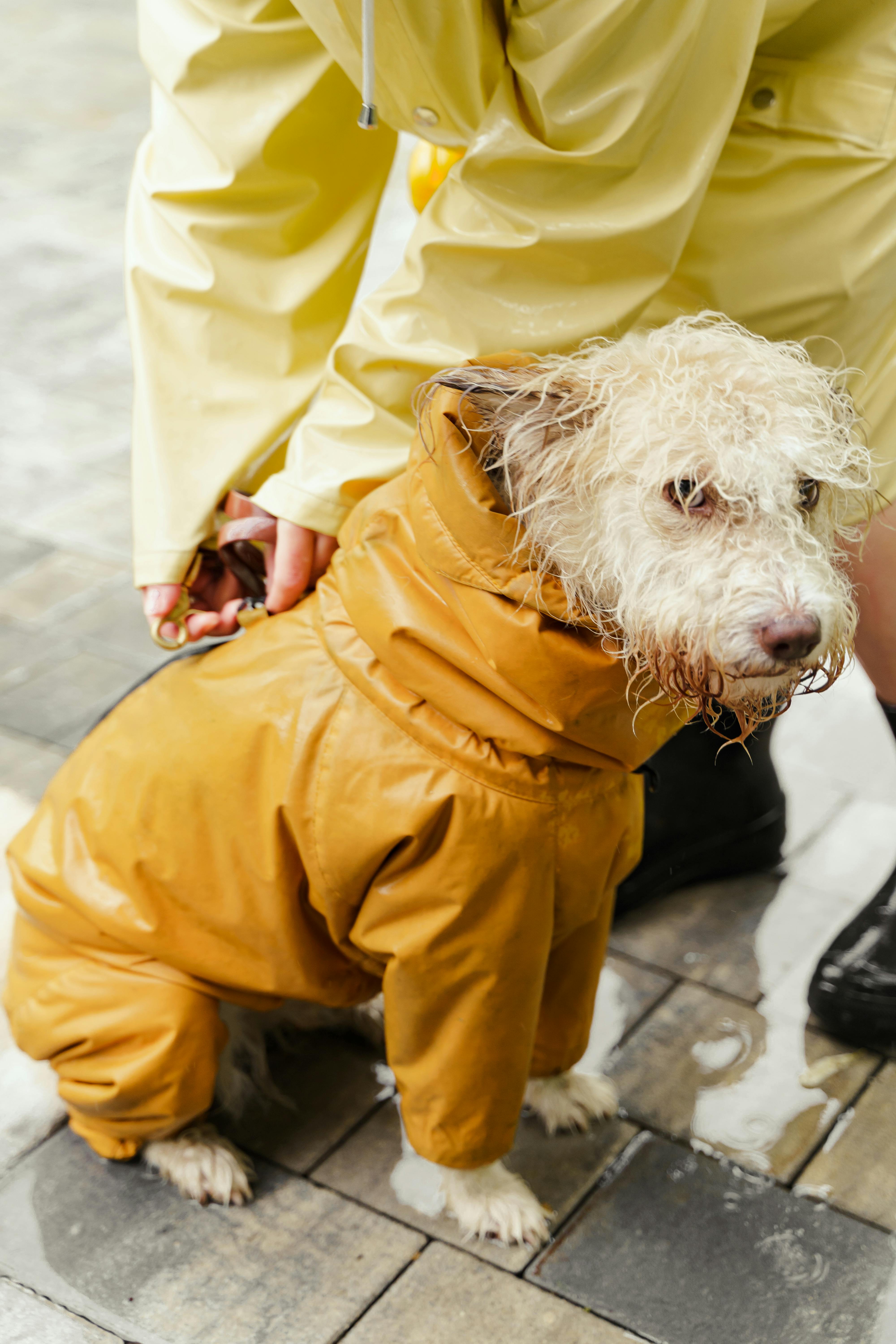 \n\n
\n\nDogs are often called man's best friend, and anyone who owns a dog know that they can be a source of joy, laughter, and sometimes worry. One common concern among pet owners is whether a dog’s wet nose can indicate illness. Many people wonder, “Why do dogs have wet noses?” and what it means for their furry friends. Understanding the signs of illness and the reasons behind that wet nose can help you keep your dog healthy and happy.
\nWhy Do Dogs Have Wet Noses?
\nA dog’s nose is typically wet for several reasons. First, it's important to understand that the moisture on a dog's nose helps them with their sense of smell. Dogs have an incredible olfactory system, and the wetness helps to trap scent particles in the environment. Here is a quick breakdown of the reasons:
\n- \n
- Enhanced Smell: A wet nose allows dogs to pick up scents more effectively. \n
- Temperature Regulation: Dogs can cool themselves off through their noses, although it’s not their only method. \n
- Health Indicator: A wet nose can be a sign of a healthy dog, while a dry nose might raise some alarms. \n
Can a Dog's Wet Nose Indicate Illness?
\nWhile a wet nose is often a sign of a healthy dog, it may also be a sign of an underlying health issue in some cases. Here are key signs every pet owner should know:
\n- \n
- Dry or Cracked Nose: If your dog’s nose becomes dry or cracked, it could mean dehydration or a possible illness. \n
- Change in Temperature: A hot nose might indicate fever or infection. \n
- Discharge: If you notice any unusual discharge from the nose, it might indicate allergies, infections, or even more serious conditions. \n
- Behavior Changes: If your dog seems lethargic, not eating, or showing signs of pain, it’s important to consult a veterinarian. \n
Remember that just because a dog has a wet nose doesn't mean they are completely healthy. It's always best to be observant and consult a vet if anything feels off.
\nCommon Illnesses Indicated by Nose Changes
\nCertain illnesses can manifest through changes in your dog's nose. Here is a list of common issues:
\n- \n
- Kennel Cough: This highly contagious respiratory disease can cause a runny nose and coughing. \n
- Allergies: Environmental allergens can lead to a runny nose and itchy skin. \n
- Infections: Bacterial or viral infections can cause nasal discharge and fevers. \n
- Autoimmune Diseases: These can lead to changes in your dog's nose, including lesions or severe dryness. \n
How to Monitor Your Dog's Health
\nMonitoring your dog’s health goes beyond just checking their nose. Here are some tips for pet owners:
\n- \n
- Regular Vet Check-ups: Schedule annual check-ups to catch any potential health issues early. \n
- Observe Behavior: Changes in eating habits, energy levels, or bathroom habits can indicate health concerns. \n
- Keep Notes: Maintain a log of any changes in your dog’s behavior or physical condition. This can be helpful for a vet visit. \n
What to Do If You Suspect Illness
\nIf you notice any concerning signs in your dog, here are steps you should take:
\n- \n
- Consult a Veterinarian: Don’t hesitate to reach out to a professional if something seems off. \n
- Keep Your Dog Hydrated: Ensure your dog has access to fresh water at all times. \n
- Monitor Symptoms: Keep an eye on any changes, and make sure to inform the vet about all symptoms. \n
- Follow Treatment Plans: If diagnosed, ensure that you follow through with the vet’s recommendations. \n
Interesting Facts About Dog Noses
\n- \n
- Dogs have about 300 million smell receptors compared to humans’ 5 million. \n
- The texture of a dog’s nose can be different; some are smooth while others are bumpy. \n
- The wetness of a dog’s nose helps them pick up on pheromones, which can be important for communication among dogs. \n
In the fascinating world of canine biology, a dog’s wet nose serves multiple purposes, from aiding their sense of smell to indicating their overall health. While a wet nose can be a sign of a happy dog, pet owners must remain attentive to any changes in their dog’s nose and behavior. Signs of illness may be subtle but can be critical for maintaining your furry friend’s health. Always remember to consult with a veterinarian if you have any concerns, as they can provide the best guidance for your dog's well-being. Keeping a close eye on your pup can lead to a long, happy life together.
\n\nWet Noses and Happy Tails: The Link Between Dog Health and Nose Moisture Explained
\n\n \n\n
\n\nDogs are often called man's best friend, and for good reason. They bring joy, companionship, and a whole lot of love into our lives. But, have you ever wondered why do dogs have wet noses? The moisture on a dog's nose isn't just for show; it serves several important purposes that are fascinating to explore. Let’s dive into the science behind those wet noses and what they mean for your furry friend’s health and well-being.
\nThe Science of a Dog's Nose
\nDogs have a unique anatomical structure that contributes to their wet noses. Their noses are covered in a thin layer of mucus, which helps in various ways. Here’s what you should know:
\n- \n
- \n
Scent Detection: A wet nose enhances a dog’s ability to smell. The moisture captures scent particles, allowing dogs to detect odors more effectively. This is why dogs have such an incredible sense of smell, even compared to humans.
\n \n - \n
Temperature Regulation: Just like humans sweat to cool down, dogs use their noses to regulate their body temperature. The moisture evaporates from the nose, helping to keep them cool, especially during hot days.
\n \n - \n
Health Indicator: A dog's nose can also indicate its health. While a wet nose is usually a sign of a healthy dog, other conditions might affect this. For example, a dry or cracked nose could suggest dehydration or illness.
\n \n
Historical Context of Dogs' Noses
\nHistorically, dogs were bred for specific tasks, from herding to hunting, and their noses played crucial roles in these activities. The evolution of dogs has made their sense of smell one of the most advanced in the animal kingdom.
\n- \n
- \n
Hunting Dogs: Bred to track scents, hunting breeds like Bloodhounds and Beagles have particularly wet noses which help them follow trails much more effectively.
\n \n - \n
Companion Dogs: Breeds like Golden Retrievers and Labradors also possess moist noses, aiding them in their roles as loving companions and service animals.
\n \n
Why Do Dogs Have Wet Noses?
\nNow, let's break down the reasons why dogs have wet noses in a more detailed manner:
\n- \n
- \n
Enhanced Olfactory Function: The dampness of a dog’s nose is crucial for their smell receptors to work well. When the nose is wet, it traps scent particles, making it easier for dogs to interpret smells.
\n \n - \n
Cooling Mechanism: Dogs don’t have sweat glands like humans, so their noses help them cool off. A wet nose can be a sign that your dog is regulating its temperature, especially after exercise.
\n \n - \n
Health Monitoring: Changes in your dog's nose moisture can signal health issues. If your dog’s nose is excessively dry or unusually warm, it could be a good idea to consult a vet.
\n \n
Common Myths About Dog Noses
\nThere are many misconceptions surrounding the wetness of dog noses. Here are some myths and the truths behind them:
\n- \n
- \n
Myth: A cold nose means a dog is sick.
\n- \n
- Truth: While illness can cause changes in a dog's nose, a cold nose is often just normal for many dogs. \n
\n - \n
Myth: All dogs should have wet noses.
\n- \n
- Truth: Just like humans, dogs are individuals. Some may naturally have drier noses without it indicating a health issue. \n
\n
Fun Facts About Dog Noses
\n- \n
- \n
Dogs have up to 300 million smell receptors in their noses compared to about 6 million in humans. This is why they are such great scent trackers.
\n \n - \n
The wetness can vary by breed; some breeds have naturally wetter noses than others.
\n \n - \n
Dogs can actually "see" smells by interpreting the scents in their environment through their moist noses.
\n \n
A Quick Guide to Nose Health
\nTo ensure your dog’s nose stays healthy, consider these tips:
\n- \n
- \n
Hydration: Always provide fresh water to keep your dog hydrated.
\n \n - \n
Regular Vet Visits: Keep up with annual check-ups to monitor your dog's overall health.
\n \n - \n
Watch for Changes: Keep an eye on any sudden changes in nose moisture or texture.
\n \n - \n
Protect from Allergens: If your dog spends time outdoors, be mindful of potential allergens that could dry out their noses.
\n \n
Understanding why do dogs have wet noses not only deepens our appreciation for these wonderful animals but also helps us take better care of them. Remember, a wet nose is often a sign of a happy and healthy dog, so cherish those wet noses and happy tails!
\n\nConclusion
\n\nIn conclusion, the wetness of a dog's nose serves several important functions, including enhancing their sense of smell and regulating body temperature. The moisture on their noses helps to trap scent particles, allowing dogs to pick up on various aromas more effectively, which is crucial for their survival and communication. Additionally, a wet nose acts as a natural cooling mechanism, helping to maintain their body temperature, especially during warmer months. Understanding these fascinating biological traits can deepen our appreciation for our canine companions. So, the next time you notice your dog's wet nose, remember that it's not just an adorable feature, but a vital part of their health and sensory perception. If you want to learn more about your dog’s unique traits or improve their well-being, consider consulting with a veterinarian or a professional dog trainer. Your furry friend’s happiness and health are worth the investment!
\n\n