
Have you ever wonder why do dogs have wet noses? This peculiar trait has sparked curiosity among dog lovers and pet owners alike. Dogs’ wet noses are not just an adorable feature; they play a crucial role in your furry friend’s health and well-being. But what makes these noses so moist? Is it just a quirk of nature or is there a fascinating truth behind it? In this article, we will dive into the world of canine biology to uncover the reasons behind the wetness of a dog’s nose. From enhancing their sense of smell to regulating temperature, the functions of a dog’s nose are more complex than you might think. Plus, we will explore how a dry nose could indicate health issues, making it essential for pet owners to pay attention. So, if you’re curious about why your beloved pet’s nose is always damp, stay tuned! You might just discover some surprising facts that deepen your bond with your dog. Don’t miss out on learning about this intriguing aspect of canine anatomy that could change how you view your furry companion!
The Science Behind Dog Noses: Why Are They Wet and What Does It Mean?
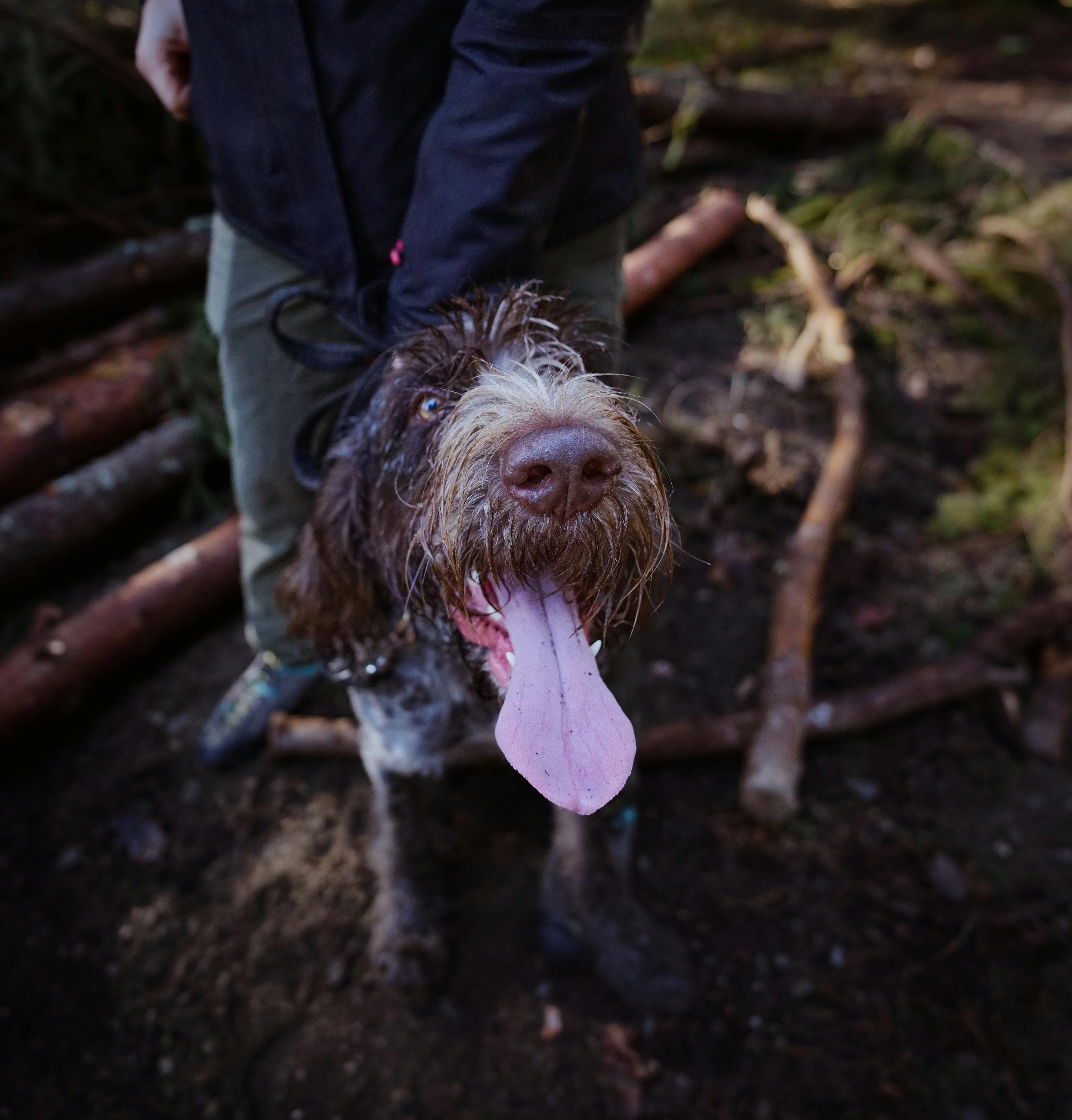
Dogs are some of the most beloved pets in the world, and their wet noses are often a topic of curiosity among their owners. Why do dogs have wet noses? There’s actually a fascinating science behind it, and it dives deep into not only their biology but also their behavior and even their health. Wet noses aren’t just cute; they serve several important functions that help dogs interact with their environment.
The Biology of a Dog’s Nose
A dog’s nose is an incredible organ. It’s not just for smelling, though that’s a big part of it. Did you know that the average dog has up to 300 million smell receptors? In comparison, humans have only about six million. This huge difference means that dogs can pick up on scents that are almost imperceptible to us. But why is their nose wet?
- Moisture Retention: The moisture on a dog’s nose helps to capture scent particles. When the nose is wet, it can absorb more odor molecules, making the dog’s sense of smell even sharper.
- Temperature Regulation: Just like humans sweat to cool off, dogs can use their noses to help regulate their body temperature. A wet nose can help them stay cool, especially during hot days.
- Health Indicator: The condition of a dog’s nose can indicate health issues. A dry or cracked nose could signal dehydration or illness.
Why Are Dog Noses Wet?
So, what’s the deal with that wetness? There are a few reasons that contribute to this phenomenon.
- Saliva: Dogs often lick their noses. This saliva not only keeps the nose moist but also carries scent particles, enhancing their ability to smell.
- Environmental Factors: Dogs are exposed to different climates and environments. When they play outside, moisture from the grass or rain can also add to their wet noses.
- Nasal Glands: Dogs have specialized glands that produce a thin film of mucus. This mucus helps with scent absorption and keeps their noses moist.
The Importance of a Wet Nose
Having a wet nose is significant for dogs for several reasons:
- Enhanced Scent Detection: The wetness increases the contact surface area for scent molecules. This is why dogs are often used in search and rescue missions, as their ability to detect scents is unmatched.
- Social Communication: Dogs use their noses to gather information about other dogs and their environment. A wet nose can signal curiosity and engagement, showing that they are actively exploring the world around them.
- Health Monitoring: Pet owners can monitor their dogs’ health by observing their noses. An overly dry or cracked nose can indicate dehydration or illness, prompting an owner to seek veterinary advice.
Fun Facts About Dog Noses
- Unique Patterns: Just like human fingerprints, every dog has a unique nose print. This uniqueness can be used for identification!
- Temperature Sensitivity: A dog’s nose can also help them detect changes in temperature, making them sensitive to their environment.
- Dog Breeds and Noses: Some breeds, like the Bloodhound, have more pronounced wetness due to their breeding for tracking scents.
Comparing Dog Noses to Human Noses
While both humans and dogs have noses designed for smelling, they operate quite differently. Here’s a quick comparison:
| Feature | Human Nose | Dog Nose |
|---|---|---|
| Number of Receptors | ~6 million | ~300 million |
| Nose Wetness | Generally dry | Typically wet |
| Scent Absorption | Less effective | Highly effective |
| Temperature Regulation | Sweating | Wet nose cools down |
Practical Examples of Nose Uses
Dogs utilize their noses in many practical ways:
- Search and Rescue: Dogs can find missing persons thanks to their acute sense of smell.
- Detection Work: Law enforcement often employs dogs to sniff out drugs or explosives.
- Medical Detection: Some dogs are trained to detect certain diseases like cancer or diabetes through scents.
It’s clear that a dog’s wet nose is much more than just an adorable feature. The science behind it shows how vital this part of their anatomy is for their survival, communication, and overall health. Pet owners should appreciate this fascinating aspect of their furry friends and recognize that a wet nose is often a sign of a happy, healthy dog. So, the next time you see your pup with a wet nose, remember that they are not only cute, but they are also equipped with an incredible tool that enhances their interaction with the world.
Top 5 Fascinating Reasons Your Dog’s Nose Is Always Moist

Ever wondered why your furry friend’s nose is always so wet? It’s one of those things that many dog owners notice but few really think about. After all, it’s not like dogs come with manuals explaining their unique features. So, let’s dive into the top 5 fascinating reasons why do dogs have wet noses and discover the truth behind this common canine characteristic!
1. Natural Cooling System
Dogs, they don’t sweat like humans do. Instead, they rely on their noses to help regulate their body temperature. The moisture on their noses evaporates, which helps cool them down. This is especially important in hot weather. When your dog is panting and they got that wet nose, it’s working hard to keep them cool.
- Dogs have sweat glands only in their paw pads.
- Their noses can help lower body temperature by a few degrees.
- A moist nose can indicate active cooling, especially after exercise.
2. Enhanced Sense of Smell
A dog’s sense of smell is far superior to a human’s. Did you know that dogs have up to 300 million smell receptors in their noses? That’s way more than the roughly 5 million we humans have! The moisture on their noses helps to capture scent particles from the air, making it easier for them to detect scents. When a dog’s nose is wet, it’s actually better at sniffing out interesting smells.
- Wet noses help trap scent particles.
- Dogs can identify scents at incredibly low concentrations.
- It’s a key factor in their hunting and tracking abilities.
3. Communication Tool
Believe it or not, a dog’s wet nose is also a part of their communication system. Dogs greet each other and humans by sniffing, and a wet nose can signify friendliness and openness. It’s like their way of saying, “Hey, I’m here! Let’s be friends!” The moisture can make their noses more sensitive to the scents of other dogs or humans, allowing them to gather more information about who they are interacting with.
- Wet noses can indicate a dog’s mood.
- They use their noses to gather information from their environment.
- Dogs can communicate their feelings through their sense of smell.
4. Health Indicator
A wet nose can sometimes be an indicator of your dog’s health. Generally, a moist nose is a sign of a happy and healthy pup. However, if your dog’s nose becomes excessively dry or cracked, it could be a sign of dehydration or illness. Paying attention to changes in your dog’s nose moisture can help you identify potential health issues early.
- A healthy nose is usually cool and moist.
- Dryness can indicate dehydration, fever, or other health problems.
- Regular checks can help you keep track of your dog’s health.
5. Evolutionary Trait
From an evolutionary perspective, the wet nose has served dogs well throughout their history. Ancestral canines likely relied on their sense of smell for hunting and survival, and a moist nose would have provided an advantage. This trait has been passed down through generations, making it a fundamental characteristic of dogs today.
- Wet noses have been beneficial for hunting and survival.
- Evolution has favored dogs with better olfactory senses.
- The moist nose is a trait that has stood the test of time.
Fun Facts About Dogs’ Noses
- Dogs have unique nose prints, much like human fingerprints.
- The size and shape of a dog’s nose can affect their sense of smell.
- Some breeds have wetter noses than others; for example, hounds often have very moist noses.
Comparison Between Wet and Dry Noses
Wet Nose:
- Generally indicates good health.
- Helps with scent detection.
- Assists in temperature regulation.
Dry Nose:
- May signal dehydration or illness.
- Can affect a dog’s ability to smell.
- Might indicate environmental factors like weather.
So, next time you pet your pup and feel that familiar wet nose, just remember all the fascinating reasons behind it. Whether it’s to cool down, enhance their sense of smell, or even communicate their feelings, a dog’s moist nose is much more than just a cute feature. It’s a marvel of nature that speaks to their well-being and instinctual needs. Keep an eye on that nose, and you’ll be better equipped to understand your furry friend!
Do Wet Noses Indicate Health? Unveiling the Truth About Your Dog’s Snout
Do Wet Noses Indicate Health? Unveiling the Truth About Your Dog’s Snout, Why Do Dogs Have Wet Noses? Discover The Fascinating Truth!
Ever noticed how your dog’s nose always seems a little damp? You probably wonder if it means anything significant about their health. Many dog owners believe that a wet nose indicates a healthy dog, but is that really the case? Let’s dive into the science behind those wet snouts and explore why dogs have wet noses in the first place.
The Anatomy of a Dog’s Nose
Dogs have a unique nose structure that influences its moisture. The surface area of a dog’s nose is large, which helps to regulate temperature and detect scents. Here are some key facts about a dog’s nose:
- Nasal Epithelium: This is the tissue that lines their nasal cavity. It produces mucus, helping to keep the nose moist.
- Scent Receptors: Dogs have up to 300 million scent receptors, compared to humans’ 5 million. A wet nose helps to trap scent particles, making it easier for them to smell.
Why Do Dogs Have Wet Noses?
There are several reasons behind the wetness of a dog’s nose:
Temperature Regulation: Dogs sweat very little through their skin. Their noses help them cool down. When a dog pants, moisture evaporates from the surface of their nose, helping to regulate body temperature.
Enhanced Smell: A wet nose can enhance a dog’s ability to smell. The moisture helps to capture scent particles from the air, giving them a better sense of smell.
Health Indicator: While a wet nose is often associated with good health, it’s not a guaranteed indicator. Dogs can have a wet nose and still be sick, and vice versa.
Common Myths About Wet Noses
There are several myths floating around about wet noses. Let’s take a look at some:
Myth 1: A wet nose always means a healthy dog.
- Fact: While many healthy dogs have wet noses, not all dogs with dry noses are sick.
Myth 2: Dogs get sick when their noses are dry.
- Fact: A dog’s nose can be dry for numerous reasons, including weather, dehydration, or simply after sleeping.
Myth 3: Dogs’ noses should always be cold and wet.
- Fact: The temperature and moisture of a dog’s nose can change based on activity level and environment.
What Can Affect a Dog’s Nose Moisture?
Several factors can influence the wetness of your dog’s nose:
- Weather Conditions: Hot or dry climates can lead to drier noses.
- Health Issues: Infections, allergies, and dehydration can cause changes in nose moisture.
- Age: Older dogs may have drier noses due to decreased moisture production.
Signs of Health Concerns
While a wet nose isn’t a definitive indicator of health, there are other signs to consider:
- Change in Appetite: If your dog suddenly stops eating, it can be a sign of illness.
- Lethargy: A normally active dog becoming lethargic might be sick.
- Vomiting or Diarrhea: These can indicate gastrointestinal issues.
When to Consult a Veterinarian
If you notice any unusual changes in your dog’s nose or behavior, it’s essential to consult a vet. Here are some warning signs:
- Persistent dry nose for an extended period.
- Cracked or bleeding nose.
- Significant changes in behavior or appetite.
Fun Facts About Dogs’ Noses
- Unique Patterns: Just like human fingerprints, every dog’s nose print is unique!
- Sense of Direction: Dogs can tell where a scent is coming from due to the way their nostrils are structured.
- Heat Detection: Dogs can also detect heat through their noses, which helps them sense warm-blooded animals nearby.
While a wet nose can certainly be a sign of a happy, healthy dog, it’s not the whole story. Understanding your dog’s overall behavior and health is crucial for ensuring their well-being. If you’re ever uncertain about your dog’s health, don’t hesitate to reach out to your veterinarian for advice. After all, our furry friends rely on us to keep them happy and healthy!
How a Wet Nose Enhances Your Dog’s Sense of Smell: The Surprising Facts
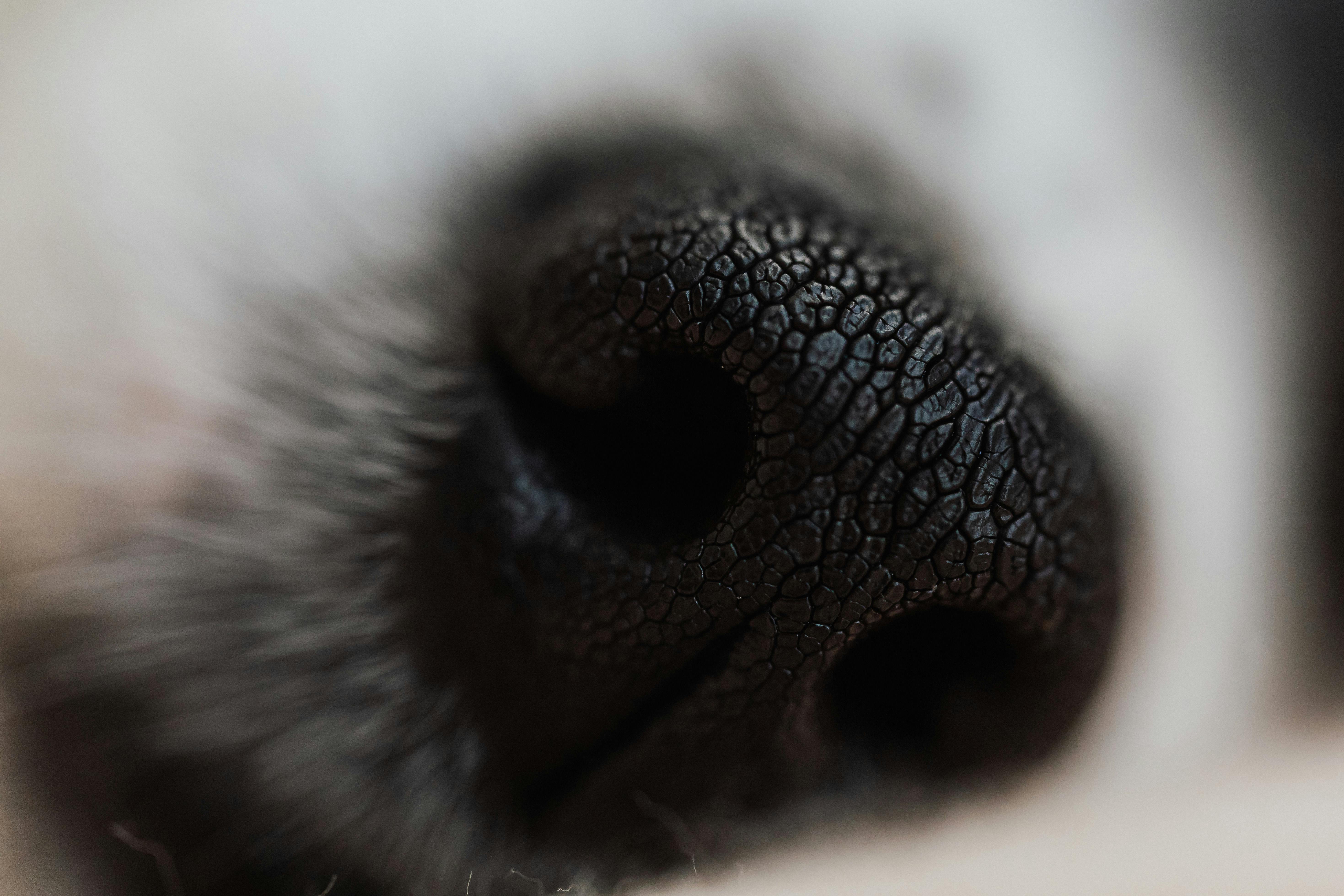
Dogs are often considered man’s best friend, and there’s plenty of reasons for this. One of the most fascinating aspects of dogs is their incredible sense of smell. Ever wonder why do dogs have wet noses? The truth is, a wet nose isn’t just adorable, it plays a crucial role in how dogs perceive the world around them. Let’s dive into how a wet nose enhances your dog’s sense of smell, and explore some surprising facts about our four-legged companions.
The Science Behind a Wet Nose
Dogs have a remarkable ability to detect scents, and their wet noses are a key part of that. The moisture on a dog’s nose helps to capture scent particles in the air. When the nose is wet, it can absorb more scent molecules, which then interact with the receptors in the nasal cavity. This means that a wet nose can actually enhance a dog’s ability to smell by increasing the surface area that can capture scents.
- Scent Receptors: Dogs have up to 300 million scent receptors in their noses, compared to a human’s roughly 5 million. This massive difference means dogs can smell things in a way that we can’t even imagine.
- Olfactory Bulb: The part of a dog’s brain that processes smells is proportionally larger than in humans, making them even more adept at interpreting and responding to different scents.
Why Is the Nose Wet?
Now you might be asking, why do dogs have wet noses in the first place? Several factors contribute to this phenomenon:
Temperature Regulation: Dogs do not sweat like humans do. Instead, they use their noses to help cool down. The moisture evaporating from their noses can help regulate body temperature.
Enhanced Scent Detection: As mentioned earlier, the wetness helps capture more scent particles. A dry nose might not be as effective for scent detection.
Health Indicator: A dog’s nose can also give clues about their health. A wet nose is typically a sign of a healthy dog, while a dry or cracked nose may indicate dehydration or illness.
Communication: Dogs also use their noses to communicate with other dogs. The scent left by another dog can tell them a lot about that dog’s health, mood, and even diet.
The Fascinating Truth About Dog Noses
There are many surprising facts about dog noses that many people don’t know. Here are a few:
- Unique Patterns: Just like human fingerprints, every dog has a unique nose print. This could potentially be used for identification, much like how we use fingerprints.
- Scent Memory: Dogs can remember scents for years. This means if they smell something familiar, they might recognize it from a long time ago.
- Nose Color: The color of a dog’s nose can vary based on breed and genetics. However, this does not affect their sense of smell.
Comparisons: Dog Noses vs. Human Noses
Let’s break down some key differences between dog noses and human noses in a simple table format:
| Feature | Dog Nose | Human Nose |
|---|---|---|
| Scent Receptors | Up to 300 million | About 5 million |
| Surface Area | Larger and moist | Smaller and dry |
| Scent Memory | Years | Days to weeks |
| Temperature Regulation | Yes | No |
| Unique Patterns | Yes | No |
Practical Examples of Dog Smell Abilities
Dogs are often used in various fields because of their remarkable sense of smell. Here are a few examples:
- Search and Rescue: Dogs can locate missing persons by sniffing out their scent, even if they’ve been gone for a long time.
- Drug Detection: Law enforcement uses dogs to sniff out drugs and explosives, thanks to their ability to detect specific scents.
- Medical Detection: Some dogs are trained to detect diseases like cancer or diabetes by smelling changes in a person’s body chemistry.
In summary, a wet nose is much more than just a cute feature of dogs; it’s an essential part of how they interact with the world. Their ability to smell is not only impressive but also vital for their survival and communication. So, next time you see your dog’s wet nose, remember that it’s a gateway to the rich tapestry of scents that they experience every day. And who knows? Maybe it’s also a little reminder of how much we have to learn from our furry friends.
The Role of Temperature Regulation: Why Dogs Need Wet Noses

Dogs are truly fascinating creatures, and one of their most unique features is their wet noses. Ever wonder why do dogs have wet noses? It’s not just for show! Their wet noses play a crucial role in temperature regulation and overall health. In this article, we’ll explore the science behind those adorable snouts, and uncover the reasons why dogs, and even their owners, should appreciate this characteristic.
The Science Behind Wet Noses
A wet nose is more than just a cute feature; it’s a vital part of a dog’s physiology. Dogs have a special gland in their noses that helps keep them moist. This moisture is important for several reasons, including:
Temperature Regulation: Dogs don’t sweat like humans do. Instead, they rely on their noses to help cool down. The moisture evaporating from a dog’s nose can help lower their body temperature when it’s hot outside.
Enhanced Smell: A wet nose can pick up scents better. The moisture helps trap scent particles, making it easier for dogs to smell things. This is why dogs are such great trackers!
Health Indicator: A dog’s nose can tell you a lot about their health. A nose that is excessively dry or warm may indicate illness or dehydration.
Historical Context
The evolution of dogs has shaped their physiology in many ways. It’s believed that the ancestors of modern dogs, wolves, also had wet noses. This feature likely provided them with hunting advantages. Early humans recognized the hunting prowess of dogs, leading to domestication. Over the years, this characteristic has remained intact, highlighting its importance.
Why Do Dogs Have Wet Noses?
Let’s break down some specific reasons:
Cooling Mechanism: Dogs can’t sweat like humans, so they need another way to cool down. When a dog is hot, the moisture on their nose evaporates, helping to reduce their overall body temperature.
Scent Detection: Dogs have an incredible sense of smell – about 10,000 to 100,000 times more sensitive than humans. A wet nose helps capture scent particles from the air, enhancing their ability to detect smells.
Communication Tool: A dog’s nose can also be a social signal, conveying emotions. For instance, a wet nose might be used when a dog is being affectionate or friendly, inviting interaction.
Health Monitoring: Changes in the moisture of a dog’s nose can indicate health issues. For example, if a dog’s nose is dry or cracked, it could be a sign of dehydration or illness.
Fascinating Facts About Dog Noses
- Dogs have more than 300 million smell receptors in their noses, compared to about 5 million in humans.
- The wetness of a dog’s nose can change throughout the day; it may be wetter after a drink of water or during cooler weather.
- Dogs use their noses to gather information about their environment, sniffing to learn who has been there and what they might be feeling.
Caring for Your Dog’s Nose
Maintaining your dog’s nose is important for their health. Here are some tips:
Stay Hydrated: Ensure your dog has constant access to fresh water. Dehydration can lead to a dry nose.
Regular Vet Check-ups: Regular check-ups can help catch any potential health issues early on. Your vet can assess the health of your dog’s nose as part of a general health evaluation.
Watch for Changes: If you notice significant changes in your dog’s nose, such as persistent dryness or cracking, it’s a good idea to consult a veterinarian.
Comparing Wet Noses to Other Animals
Not all animals have wet noses like dogs. Here’s a quick comparison:
- Cats: Cats also have moist noses, but they tend to be less reliant on scent than dogs.
- Humans: Humans have dry noses, and we rely primarily on our sense of sight and hearing rather than smell.
- Horses: Horses have moist noses too, which helps them in scent detection, but they primarily cool down through sweating.
The role of temperature regulation in animals is diverse and varies from species to species. However, the wet nose of a dog remains one of the most interesting adaptations in the animal kingdom.
In summary, those adorable wet noses are not just a cute trait but serve essential functions in a dog’s life. From helping them cool down to enhancing their sense of smell, wet noses are vital for their health and well-being. Next time you see your dog’s wet nose, remember its significance and how it contributes to their unique nature!
7 Myths About Dogs’ Wet Noses Debunked: What Every Pet Owner Should Know
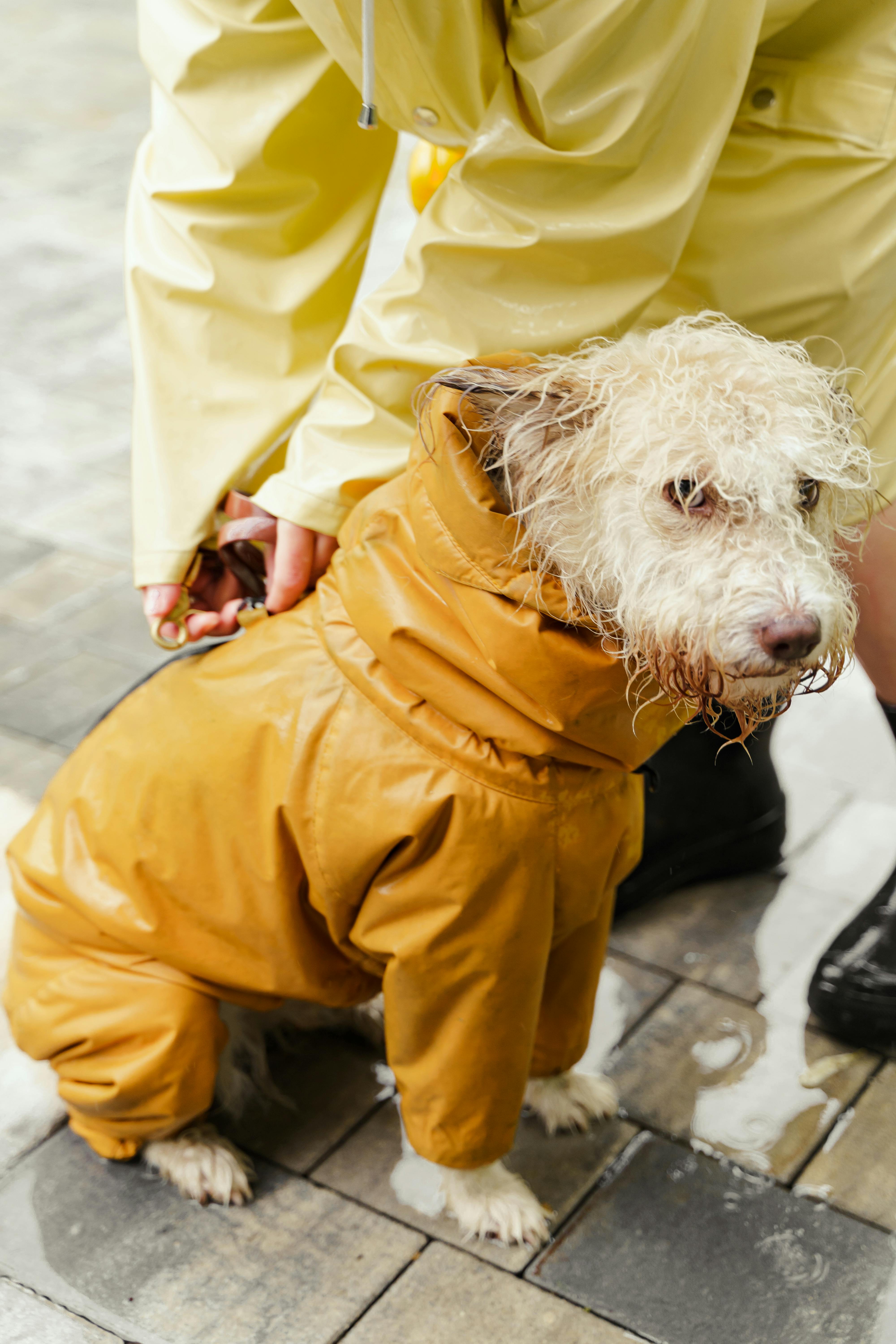
Dogs are not just man’s best friend; they are fascinating creatures with many unique traits. One of the most intriguing characteristics of dogs is their wet noses. Many pet owners often wonder, “Why do dogs have wet noses?” While there are several theories floating around, a host of myths have emerged regarding this subject. Let’s dive into the seven most common myths about dogs’ wet noses and discover the truth behind them.
Myth 1: A Wet Nose Means a Dog is Healthy
It’s a common belief that if a dog’s nose is wet, it is a sign of good health. However, that’s not always true. A dog’s nose can be wet for various reasons, including environmental factors or even just being outside. On the flip side, a dry nose does not necessarily mean your dog is sick. Look for other signs of health, like energy levels and appetite, instead of focusing solely on the nose.
Myth 2: Dogs Have Wet Noses Because They Sweat Through Them
Some people think that dogs sweat through their noses, but that’s a myth! Unlike humans, dogs primarily regulate their body temperature through panting. Their noses might be wet due to moisture from licking or environmental factors. So, when you see your pup with a wet nose, it’s not because they are sweating.
Myth 3: A Dog’s Nose Color Matters
Many pet owners are curious if the color of a dog’s nose can indicate health or breed type. While certain breeds may have distinctive nose colors, the color itself doesn’t determine a dog’s health. Dogs can have black, pink, or even spotted noses, and these variations are perfectly normal. What’s more important is to monitor for any changes, like sores or discoloration, which could indicate health issues.
Myth 4: A Wet Nose Is a Sign of Happiness
Sure, dogs do seem to have wet noses when they are excited or happy, but that doesn’t mean it’s a direct indicator of their emotional state. A wet nose can be a result of various factors, including licking, humidity, or even just having a drink of water. Pay attention to your dog’s body language for a more accurate read of their mood.
Myth 5: Dogs’ Noses Are Always Wet
It’s a common misconception that a dog’s nose should always be wet. In reality, a dog’s nose can change from wet to dry throughout the day. Factors like activity level, the climate, and even the time of day play a role in whether a dog’s nose is wet or dry. If your dog’s nose is dry but they are otherwise healthy, there’s usually no cause for concern.
Myth 6: Dogs Can Detect Illnesses Through Their Noses
While dogs have an incredible sense of smell, it’s not accurate to say that they can detect illnesses solely by sniffing. They can pick up on chemical changes in the body, which may indicate a health issue, but it’s not as simple as just having a wet nose. Many factors contribute to a dog’s ability to sense illness, and their nose is just one of many tools they use.
Myth 7: Wet Noses are a Sign of a Cold Dog
Many people believe that a wet nose indicates that a dog is cold. This is not necessarily true, as dogs can have wet noses in warm weather too. The moisture in their noses can be due to various reasons, like licking or playing outside. Just like humans, dogs can feel comfortable and warm, even if their noses are wet.
Summary of Key Points
- A wet nose does not always indicate health.
- Dogs do not sweat through their noses.
- Nose color does not dictate health.
- Wet noses are not a direct sign of happiness.
- A dog’s nose can be dry at various times.
- Dogs do not exclusively detect illnesses through their noses.
- Wet noses are not a sign of being cold.
Understanding the truth behind these myths can help pet owners better care for their furry friends. It’s vital to observe your dog’s overall well-being rather than focusing solely on their nose. If you notice any significant changes in your pet’s behavior or physical condition, it’s always best to consult a veterinarian for advice.
In the end, the wet noses of dogs are just one of the many charming quirks that make them unique. Embrace the joy and companionship that dogs bring, and remember that their health and happiness depend on much more than just a wet nose.
Understanding Canine Anatomy: What Makes a Dog’s Nose Moist?
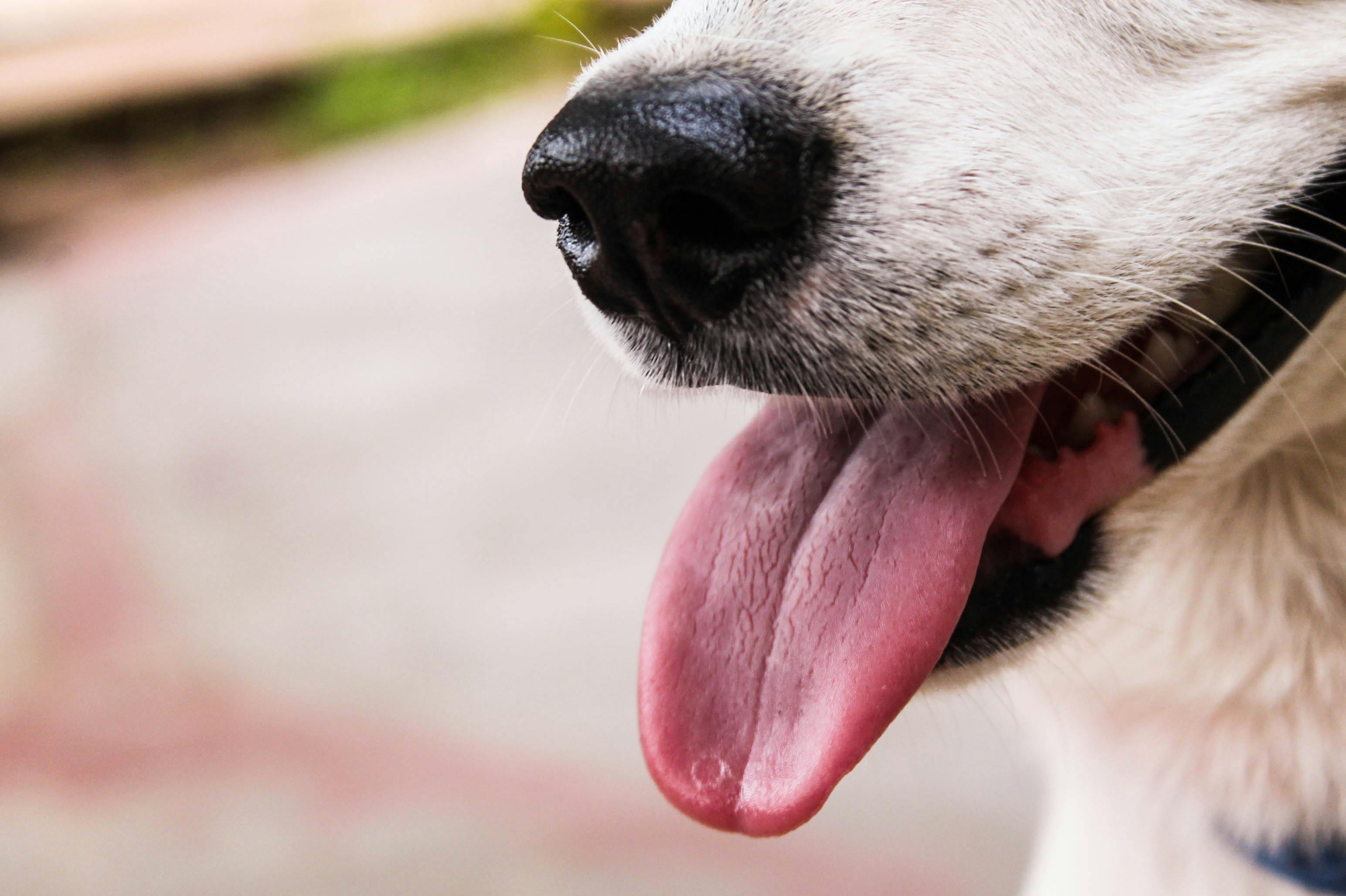
Dogs are often referred to as man’s best friend, and they have many unique characteristics that make them special. One of the most intriguing features of a dog is its nose. If you have ever wondered why do dogs have wet noses, you’re not alone. The moistness of a dog’s nose is not just a quirky trait; it serves several important functions that contribute to their health and behavior. Let’s dive into the fascinating world of canine anatomy and explore why a dog’s nose is often damp.
The Science Behind a Dog’s Wet Nose
A dog’s nose is covered in a thin layer of mucus which helps in several ways. This moistness increases their sense of smell, which is already vastly superior to that of humans. In fact, dogs have up to 300 million olfactory receptors in their noses, compared to a human’s 5 million. The wetness helps to capture scent particles from the air, allowing dogs to detect smells more effectively.
Things like temperature and humidity also influence the moisture level of a dog’s nose. When it’s hot or dry, a dog’s nose may become drier. Conversely, when it’s cool and damp, their noses tend to feel wetter. Here’s a quick list of the major functions of a dog’s wet nose:
- Enhanced Smell: The moisture helps to trap scent particles.
- Temperature Regulation: Dogs do not sweat like humans; their nose helps cool their body.
- Health Indicator: A dry nose can sometimes indicate illness, but it’s not a definitive sign.
Historical Context of Canine Noses
Dogs’ noses have been a subject of interest for many years. Historically, humans have bred dogs for specific traits, including their sense of smell. Bloodhounds, for example, have an extraordinary ability to track scents, and this is largely due to their moist noses.
In ancient times, dogs were used for hunting, and their keen sense of smell was essential. This hunting instinct has been carried through generations, making the moist nose a hallmark of a dog’s ability to navigate their environment effectively.
Why Do Dogs Have Wet Noses? Exploring the Myths
There are many myths surrounding a dog’s nose. Some people believe that a cold, wet nose means a dog is healthy, while a warm, dry nose indicates sickness. However, this isn’t always true. Here’s a breakdown of some common myths:
- Myth 1: A wet nose means a dog is healthy.
- Myth 2: A dry nose always means illness.
- Myth 3: Dogs sweat through their noses.
While a wet nose is generally a good sign, it isn’t a guaranteed indicator of a dog’s health. Dogs can have varying levels of moisture throughout the day, and many factors can influence this, including their activity level and environment.
Practical Tips for Dog Owners
As a dog owner, you might want to keep an eye on your dog’s nose, but don’t obsess over it. Here are some practical tips to help you monitor your dog’s health through their nose:
- Check Regularly: Get in the habit of checking your dog’s nose daily.
- Look for Changes: If you notice a significant change in moisture, it might be worth a vet visit.
- Know the Signs: Signs of illness can include excessive dryness, cracking, or bleeding in addition to changes in behavior.
A Quick Comparison: Dog Noses vs. Human Noses
Understanding the differences between human and dog noses can also shed light on why dogs have wet noses. Here’s a simple comparison:
| Feature | Human Nose | Dog Nose |
|---|---|---|
| Number of Receptors | 5 million | 300 million |
| Moisture Level | Generally dry | Usually moist |
| Functionality | Breathing, Smell | Primarily Smell |
| Temperature Regulation | Minimal | Significant |
As you can see, dogs have evolved to have noses that are not only different but also more efficient for their needs.
The moistness of a dog’s nose is more than just a charming characteristic; it plays a critical role in their health and abilities. Their noses help them smell better, regulate temperature, and can even serve as an indicator of their well-being. So, the next time you give your furry friend a pat on the head and feel that wet nose, remember the fascinating truth behind it. It’s just one of the many marvelous adaptations that make dogs such amazing companions.
Wet Nose vs. Dry Nose: When to Worry About Your Dog’s Health

When you think about dogs, you might notice something interesting about their noses. They’re often wet! Ever wondered why? Or when should you actually be worried about a dog’s health based on their nose condition? In this article, we’ll explore the fascinating truth behind wet noses vs. dry noses and when you should consult a vet.
Why Do Dogs Have Wet Noses?
Dog’s noses are wet for a number of reasons, and it’s a pretty interesting subject. First, it helps them to gather scent particles from the environment. Dogs have a remarkable sense of smell, and a wet nose can capture more scent than a dry one. This enhances their ability to explore the world around them. Here’s a few key points:
- Scent Detection: The moisture on their noses helps to trap scent particles.
- Temperature Regulation: A wet nose can help to cool down a dog’s body temperature.
- Health Indicator: The condition of a dog’s nose can indicate their overall health.
The Function of a Wet Nose
You might ask, how does a wet nose actually help? Well, dogs are often sniffing things, and a wet nose is like a moist sponge for scents. Here’s a quick breakdown:
Enhanced Olfactory Function: Dogs have around 300 million olfactory receptors, compared to humans who have about 5 million. The wetness of their noses helps to enhance this ability.
Cooling Mechanism: Dogs don’t sweat the same way humans do. Instead, they regulate their body temperature through their noses and panting. A cooler nose can mean a cooler dog.
Health Monitoring: A sudden change from wet to dry can be a sign of health issues like dehydration or fever.
Wet Nose vs. Dry Nose: What’s the Difference?
You might be curious about when a wet nose is good and when a dry nose signals trouble. Here’s a comparison:
| Condition | Wet Nose | Dry Nose |
|---|---|---|
| Temperature | Usually cooler | May be warmer, indicating fever |
| Health | Generally healthy | Can indicate dehydration or illness |
| Behavior | Active and playful | Lethargic or less active |
When to Worry About Your Dog’s Health
Not every dry nose means something is wrong, but there are a few signs that might indicate you should take your dog to the vet:
- Persistent Dryness: If your dog’s nose stays dry for an extended period.
- Cracking or Bleeding: Any cracks or visible injuries should be checked by a vet.
- Changes in Behavior: If your dog is lethargic or not eating, it’s important to investigate further.
- Fever Symptoms: If your dog feels warm to the touch, you might want to take their temperature.
- Discharge: Any unusual discharge from the nose could signal an infection.
Fun Facts About Dog Noses
Dogs are truly amazing creatures, and their noses are a big part of what makes them unique. Here’s some fun facts:
- Unique Prints: Just like human fingerprints, each dog has a unique nose print.
- Smell Memory: Dogs can remember scents for years, which is why they can recognize people or places long after they’ve been away.
- Sweat Glands: Dogs do have sweat glands, but they are mostly located in their paw pads.
Understanding Nose Changes with Age
As dogs age, their noses may change too. Older dogs may have drier noses more often, which is normal. However, keeping an eye on any additional symptoms is important. Changes in diet, health, and environment can all impact your dog’s nose.
Practical Steps for Dog Owners
Here’s a few tips for maintaining your dog’s nose health:
- Keep Them Hydrated: Always provide fresh water.
- Regular Vet Check-ups: Annual visits to the vet can help catch any health issues early.
- Monitor Changes: Pay close attention to any changes in your dog’s behavior and nose condition.
It’s fascinating how something as simple as a dog’s nose can tell so much about their health. Understanding the signs can help you take better care of your furry friends. If you ever feel uncertain about your dog’s health, it’s always best to consult a veterinarian. With the right knowledge, you can ensure your dog stays happy and healthy for years to come.
The Connection Between a Wet Nose and Your Dog’s Emotions: What You Should Know

Have you ever noticed your dog with a wet nose and wondered what it means? Many people think it’s just one of those oddities of dog biology, but there is actually a deeper connection between a wet nose and your dog’s emotions. In this article, we’ll explore why dogs have wet noses and what it says about their feelings and health.
Why Do Dogs Have Wet Noses?
Dogs have wet noses due to a few reasons that are both fascinating and practical. The moisture on a dog’s nose is primarily caused by their body’s natural processes. Here are some key factors:
Cooling Mechanism: Dogs don’t sweat like humans do. Instead, they cool off by panting and through the moisture on their nose. A wet nose helps regulate their body temperature, especially on hot days.
Enhanced Smell: A wet surface can better capture scent particles. This means that a wet nose helps dogs smell better, which is crucial since they rely heavily on their sense of smell to understand the world around them.
Health Indicator: The condition of a dog’s nose can sometimes indicate its health. A healthy dog typically has a moist, cool nose. If a dog’s nose is consistently dry or warm, it might signal an underlying health issue.
The Emotional Connection
You might wonder if a wet nose has anything to do with your dog’s feelings. It turns out, yes! Dogs express their emotions in various ways, and their nose plays a role in that as well.
Affectionate Behavior: When a dog nudges you with its wet nose, it’s often a sign of affection. Dogs are social animals, and they use their noses to connect with you. This behavior is akin to a hug in the human world.
Excitement: Think about how your dog behaves when you come home. A wet nose can signify excitement. The more excited a dog is, the more likely it is to have a wet nose because they pant and drool.
Anxiety or Stress: In contrast, if a dog is anxious or stressed, it may lick its nose more frequently, making it wet. This behavior can also be seen when dogs are trying to calm themselves during stressful situations.
Fun Facts About Dogs’ Noses
Here’s some interesting trivia that shows just how unique and amazing dog noses are:
Unique Patterns: Just like human fingerprints, every dog has a unique nose print. This can even be used for identification purposes!
Temperature Sensitivity: Dogs can sense temperature changes better through their noses. This is why they often sniff the ground or your feet; they’re gathering information about their environment.
Health Monitoring: Some veterinary professionals can identify health problems based on the appearance of a dog’s nose. Changes in color, texture, or moisture can indicate issues such as dehydration or illness.
How to Care for Your Dog’s Nose
Maintaining your dog’s nose health is important. Here are some tips:
Regular Check-Ups: Make sure to take your dog to the vet for regular check-ups. They can assess your dog’s overall health, including its nose condition.
Hydration: Ensure your dog is drinking enough water. Proper hydration contributes to a healthy, moist nose.
Avoid Irritants: Protect your dog’s nose from harsh weather. Cold winters and hot summers can dry out their sensitive skin.
Watch for Changes: Keep an eye out for any unusual changes in your dog’s nose. If it becomes excessively dry, cracked, or discolored, consult your veterinarian.
Conclusion
Understanding the connection between a wet nose and your dog’s emotions can enhance your relationship with your pet. The wetness of their nose isn’t just a biological quirk; it’s a vital part of their emotional expression and health. A wet nose often signals that your dog is happy, healthy, and ready to engage with you. So next time you feel your dog’s wet nose against your hand or face, remember — it’s more than just moisture; it’s a sign of their affection, excitement, or even a plea for understanding. Take care of that wet nose, and you’ll help keep your furry friend happy and healthy!
Keeping Your Dog’s Nose Healthy: Tips for Pet Owners on Nose Care and Hygiene

Keeping Your Dog’s Nose Healthy: Tips for Pet Owners on Nose Care and Hygiene, Why Do Dogs Have Wet Noses? Discover The Fascinating Truth!
Every dog owner knows that their furry friends have a charm that’s hard to resist. One of the most notable features of dogs is their noses, which are usually wet and cold. But why is that? And how can we help keep those noses healthy? There’s a lot to uncover here about dog nose care and hygiene, so let’s jump into it!
The Science Behind Wet Noses
Dogs have wet noses for several reasons. First, it helps them to smell better. The moisture on a dog’s nose traps scent particles, which makes it easier for them to detect smells. Isn’t that fascinating? Here are some more interesting facts about why dogs have wet noses:
- Temperature Regulation: A dog’s nose helps to cool down their body, especially after a good run.
- Sense of Smell: Wet noses enhance their ability to smell, which is essential for hunting and tracking.
- Health Indicator: A dog’s nose can tell you a lot about their health — dryness or cracking may indicate dehydration or illness.
Keeping Your Dog’s Nose Healthy
Just like any other part of your dog, their noses needs care too. Here are some practical tips for keeping your dog’s nose in tip-top shape:
- Hydration is Key: Make sure your dog always have fresh water available. Dehydration can lead to a dry nose which is not good.
- Regular Vet Check-ups: It’s important to have regular check-ups with the vet to make sure there’s nothing unusual going on.
- Avoid Irritants: Keep your dog away from harsh chemicals and smoke. These can irritate their noses and cause problems.
- Seasonal Care: In winter, consider using a nose balm to protect against harsh cold winds. In summer, be careful of too much sun exposure.
Common Nose Issues in Dogs
Being a pet owner also means being vigilant about your dog’s health. Here’s a list of common nose issues that might arise:
- Cracked Nose: Can be caused by dry air or excessive sun exposure.
- Nasal Discharge: Might indicate allergies, infections, or other health problems.
- Nose Bleeds: Can happen due to trauma or underlying health issues.
- Tumors or Lesions: It’s crucial to get any unusual growth checked by a vet.
How to Spot a Healthy Dog Nose
A healthy dog nose is usually moist, cool, and free of cracks or sores. Here’s a quick checklist:
- Moisture: The nose should feel wet, not dry.
- Temperature: It should be cool to the touch, not warm.
- Color: A normal dog nose can be black, brown, or pink depending on the breed, but should not show any unusual discolorations.
Fun Facts About Dog Noses
Did you know that dogs have an astonishing sense of smell? Here’s some trivia to impress your friends:
- Dogs have up to 300 million smell receptors in their noses compared to a human’s 5 million.
- The part of a dog’s brain that analyzes smells is about 40 times larger than that of a human.
- Some breeds, like Bloodhounds, are known for their incredible tracking abilities thanks to their superior sense of smell.
Final Thoughts
Keeping your dog’s nose healthy is an important part of overall pet care. Regular attention to your dog’s nose, hydration, and routine vet visits can prevent many issues. Plus, understanding why dogs have wet noses not only satisfies curiosity but also helps you appreciate your furry friend even more. This knowledge can make you a better pet owner, leading to a happier, healthier life for your beloved dog. So stay informed, check that nose regularly, and enjoy the bond you share with your canine companion!
Conclusion
In conclusion, the wet noses of dogs serve several crucial functions that contribute to their overall health and well-being. From enhancing their sense of smell to regulating body temperature, a dog’s moist nose is a remarkable adaptation that aids in their daily activities and interactions. The composition of nasal secretions not only helps in scent detection but also plays a vital role in keeping their noses cool and comfortable. Understanding these biological features can deepen our appreciation for our canine companions and their unique traits. As dog owners, it’s essential to monitor our pets’ noses, as changes in moisture levels can indicate health issues. So, the next time you cuddle with your furry friend, take a moment to appreciate the science behind that wet nose. If you want to learn more about your dog’s health and well-being, consider consulting your veterinarian for personalized advice and care tips.
