Have you ever wondered why do dogs have wet noses? This intriguing characteristic of our furry friends has captivated pet owners and animal lovers alike. A dog's wet nose isn't just a cute trait; it serves several important functions that contribute to their health and behavior. In fact, this fascinating aspect of canine biology could hold the secret to their incredible sense of smell! But why exactly are they damp? Is it simply because they like to sniff around? Or does it have a deeper purpose? In this article, we will explore the truth behind why dogs have wet noses, uncovering the science and reasons that make these moist marvels so essential for our pets. From enhancing their olfactory abilities to regulating body temperature, the wetness of a dog's nose is more than meets the eye. So, if you're curious to discover the reasons behind this unique feature and how it benefits your beloved pup, keep reading! You might just learn something new that could change the way you look at your dog's adorable face.
\n\nThe Science Behind Dog Noses: Why Are They Always Wet?
\n\n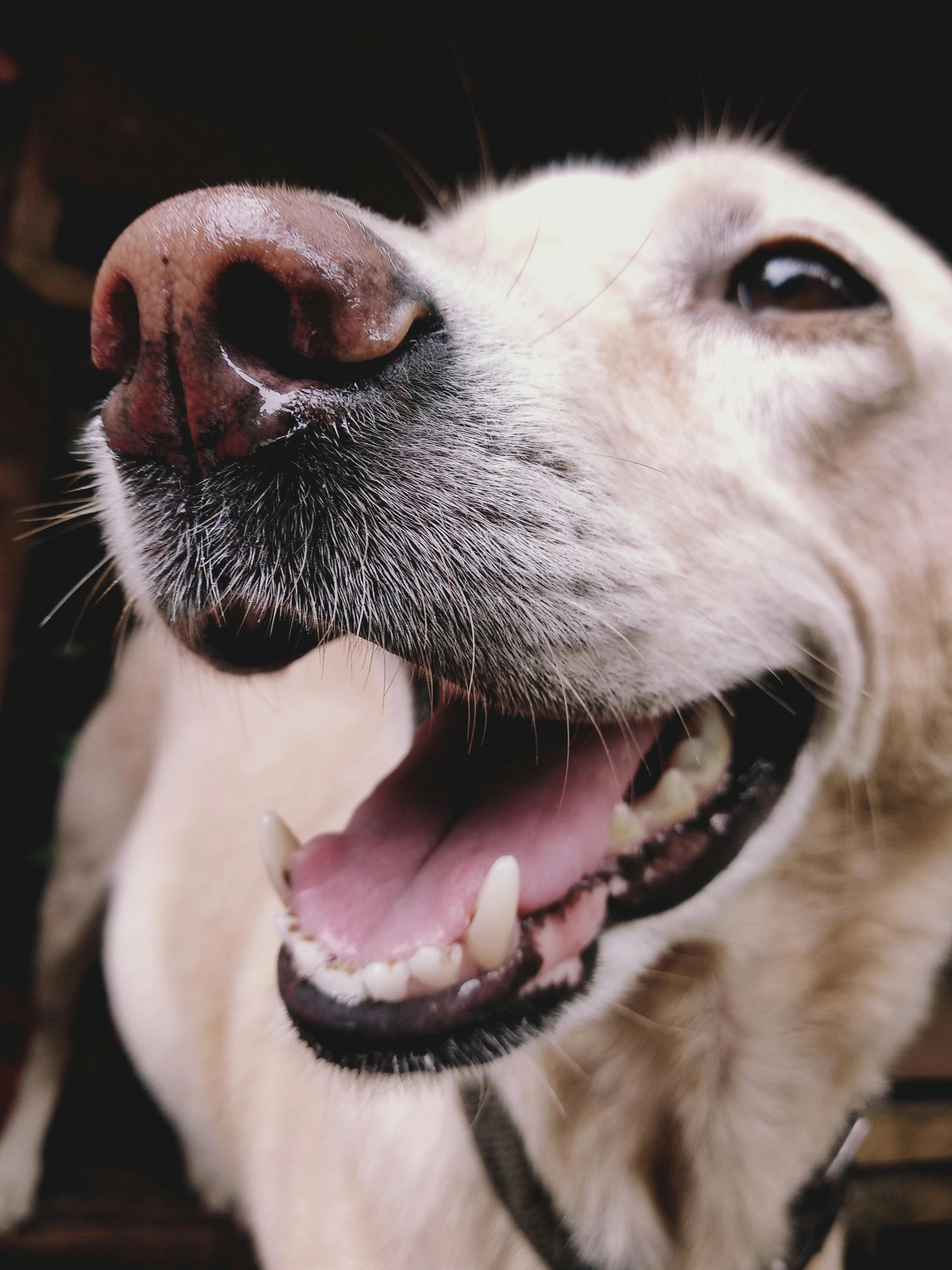 \n\n
\n\nIf you ever wondered why dogs noses are always wet, you’re not alone. This peculiar trait has fascinated dog owners and researchers alike for years. The wetness of a dog's nose is not just a random characteristic; it actually plays a crucial role in their health and sensory perception. Let’s dive into the science behind dog noses and uncover the fascinating truth about why they are always wet.
\nThe Anatomy of a Dog’s Nose
\nDogs have unique noses that are very different from humans'. The surface area of a dog’s nose is lined with millions of olfactory receptors, which help them smell things better than us. Here are some interesting facts about the anatomy of a dog’s nose:
\n- \n
- Olfactory Receptors: Dogs have about 220 million olfactory receptors compared to about 5 million in humans. This means they can smell things that are undetectable to us. \n
- Moisture Production: The nasal glands produce mucus that keeps the nose moist. This moisture helps trap scent particles, allowing dogs to identify different smells effectively. \n
- Skin Texture: The texture of a dog’s nose is also important. It can help with temperature regulation and might also play a role in their sense of smell. \n
Why Are Dogs Noses Wet?
\nSo, why do dogs have wet noses? The answer lies in evolution and biology. A wet nose helps dogs to pick up scents better. When the nose is moist, it can absorb scent particles more efficiently. Here’s a breakdown of the reasons:
\n- \n
- \n
Enhanced Smelling Ability: The wetness helps to dissolve the scent particles, which makes it easier for dogs to identify different smells. This is why you often see dogs sniffing around in the grass or at the park; they’re gathering information about their environment.
\n \n - \n
Temperature Regulation: Just like how humans sweat to cool down, dogs use their noses to help regulate body temperature. The moisture on their noses evaporates, which cools them down.
\n \n - \n
Health Indicator: A wet nose is often a sign of a healthy dog. If a dog’s nose becomes dry, it could indicate dehydration or illness. Observing a dog’s nose can be an important part of pet care.
\n \n - \n
Communication Tool: Dogs also use their noses to communicate. A wet nose can signal to other dogs that they are friendly or approachable.
\n \n
The Evolutionary Aspect
\nDogs have evolved over thousands of years alongside humans. Their noses have developed to not only assist in hunting but also to help them interact with humans and other animals. The wet nose is an evolutionary advantage that has persisted through generations.
\n- \n
- Hunting and Survival: Early dogs needed their sense of smell to track prey and avoid predators. A wet nose was advantageous for hunting, as it allowed them to detect scents across longer distances. \n
- Social Interaction: Dogs are social creatures. Their wet noses also help them bond with other dogs and humans. They use their sense of smell as a primary way to communicate. \n
Common Misconceptions
\nThere are several myths surrounding dog noses that can lead to confusion. Here are some common misconceptions debunked:
\n- \n
- A Dry Nose Means Illness: While a dry nose can indicate health issues, it’s not a definitive sign. Factors like temperature, humidity, and activity level can also affect nose moisture. \n
- All Dogs’ Noses Are the Same: Dogs have different types of noses, and some breeds naturally have drier noses than others. For instance, brachycephalic breeds like Bulldogs may have drier noses compared to sighthounds. \n
Fun Facts About Dog Noses
\n- \n
- Dogs can differentiate between individual scents. They can recognize their owners by scent alone. \n
- The color of a dog’s nose can change with the seasons. Some dogs may have a darker nose in winter than in summer. \n
- Dogs can "see" smells. They can visualize odors in their brains, which helps them understand their environment better. \n
Practical Takeaways for Dog Owners
\nFor dog owners, understanding the science behind wet noses can improve care and health monitoring. Here are a few practical tips:
\n- \n
- Regularly check your dog’s nose for signs of dryness or cracks, which could indicate health issues. \n
- Keep your dog hydrated to ensure their nose stays moist. \n
- Observe how your dog interacts with their environment using their sense of smell. \n
The intriguing world of a dog’s nose reveals much about their biology and instincts. Their wet noses are not just adorable; they serve vital purposes that enhance their lives and their relationships with us. Keeping an eye on your furry friend's nose can lead to better health and a happier pup.
\n\n7 Surprising Benefits of Your Dog's Moist Nose You Didn't Know
\n\n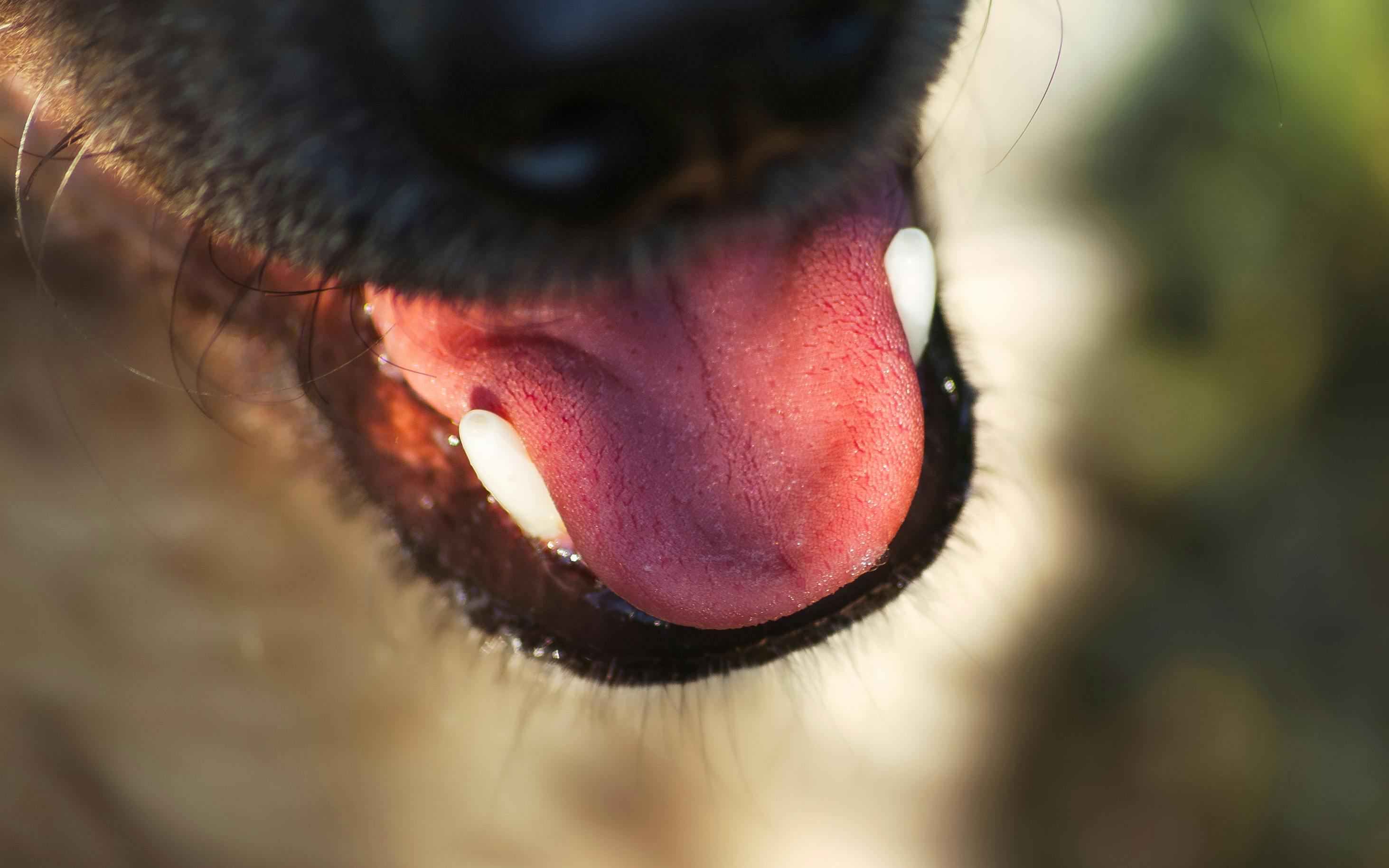 \n\n
\n\nEvery dog owner probably notice their furry friend’s moist nose and wonder why it is like that. Besides being cute, there is actually a lot more to those wet noses than you might think. So, let’s explore the 7 surprising benefits of your dog’s moist nose you didn't know, while addressing the question: why do dogs have wet noses?
\n1. Better Sense of Smell
\nDogs are famous for their incredible sense of smell, which is around 10,000 to 100,000 times more powerful than that of humans. The moisture on their nose helps to capture scent particles from the air. When these particles land on the wet surface of a dog’s nose, it helps them identifying different smells more accurately. This is why you often see dogs sniffing around everything!
\n2. Temperature Regulation
\nJust like humans sweat to cool down, dogs also have mechanisms to regulate their body temperature. Their moist noses play a role in this process. When a dog pants, the moisture evaporates from their nose, helping to cool them off. So, a wet nose can be a sign that your dog is effectively managing their heat.
\n3. Communication Tool
\nDogs communicate in many ways, and their nose is not just for smelling! A moist nose can actually be a way for them to express their feelings. When a dog nudges you with their wet nose, they may be seeking attention or affection. Conversely, if their nose is dry, it might indicate they are feeling unwell or stressed.
\n4. Health Indicator
\nThe condition of your dog’s nose can give you clues about their health. A healthy dog usually has a cool, moist nose. If it’s dry or cracked, it might indicate dehydration or illness. Keeping an eye on your dog’s nose can help you catch potential health issues early. Here is a quick reference:
\n- \n
- Moist and Cool: Healthy \n
- Dry and Cracked: Possible dehydration or health issue \n
- Warm and Dry: Possible fever \n
5. Helps with Tasting
\nBelieve it or not, a dog’s sense of taste is closely related to their sense of smell. The moisture on their nose helps enhance their tasting ability. When dogs lick their noses, they are basically taking in scent molecules which helps them understand the flavors of what they are about to eat. Think of it as a pre-tasting ritual!
\n6. Protective Function
\nThe wetness on a dog’s nose helps them in other ways too. It creates a barrier against dirt and dust, which can be harmful if it gets into their airways. A moist nose can trap these particles, reducing the risk of respiratory issues. This is especially important for dogs who spend a lot of time outdoors.
\n7. Bonding Experience
\nWhen a dog touches their nose to your hand or face, it can be a way of bonding. Dogs use their noses to explore the world around them, and by sharing their wet nose with you, they are showing trust and affection. It’s a simple yet profound way dogs connect with their humans.
\nWhy Do Dogs Have Wet Noses?
\nNow that we have explored the benefits of a dog’s moist nose, let's address the question: why do dogs have wet noses in the first place? Evolutionarily, dogs developed this trait to improve their hunting skills. The moisture on their nose aids in picking up scents, which was essential for their survival as hunters. Over time, this trait has remained, and it continues to benefit both wild and domesticated dogs.
\nFun Facts About Dog Noses
\n- \n
- Dogs have around 300 million scent receptors, compared to humans who only have about 6 million. \n
- The texture of a dog’s nose is unique, much like a human fingerprint. \n
- Different breeds can have different nose shapes which may affect how they smell. \n
- Dogs can even detect certain diseases through their sense of smell, including cancer and diabetes. \n
Recognizing the significance of your dog’s moist nose can deepen your understanding of your furry friend. So, the next time you see your dog’s nose glistening in the sunlight, remember all the incredible benefits it brings. It's more than just a cute feature; it's an essential part of what makes dogs so special. Embrace the surprising truth about your dog’s moist nose and appreciate the fascinating world of canine biology!
\n\nIs a Wet Nose a Sign of Health? Debunking Common Myths About Dogs
\n\n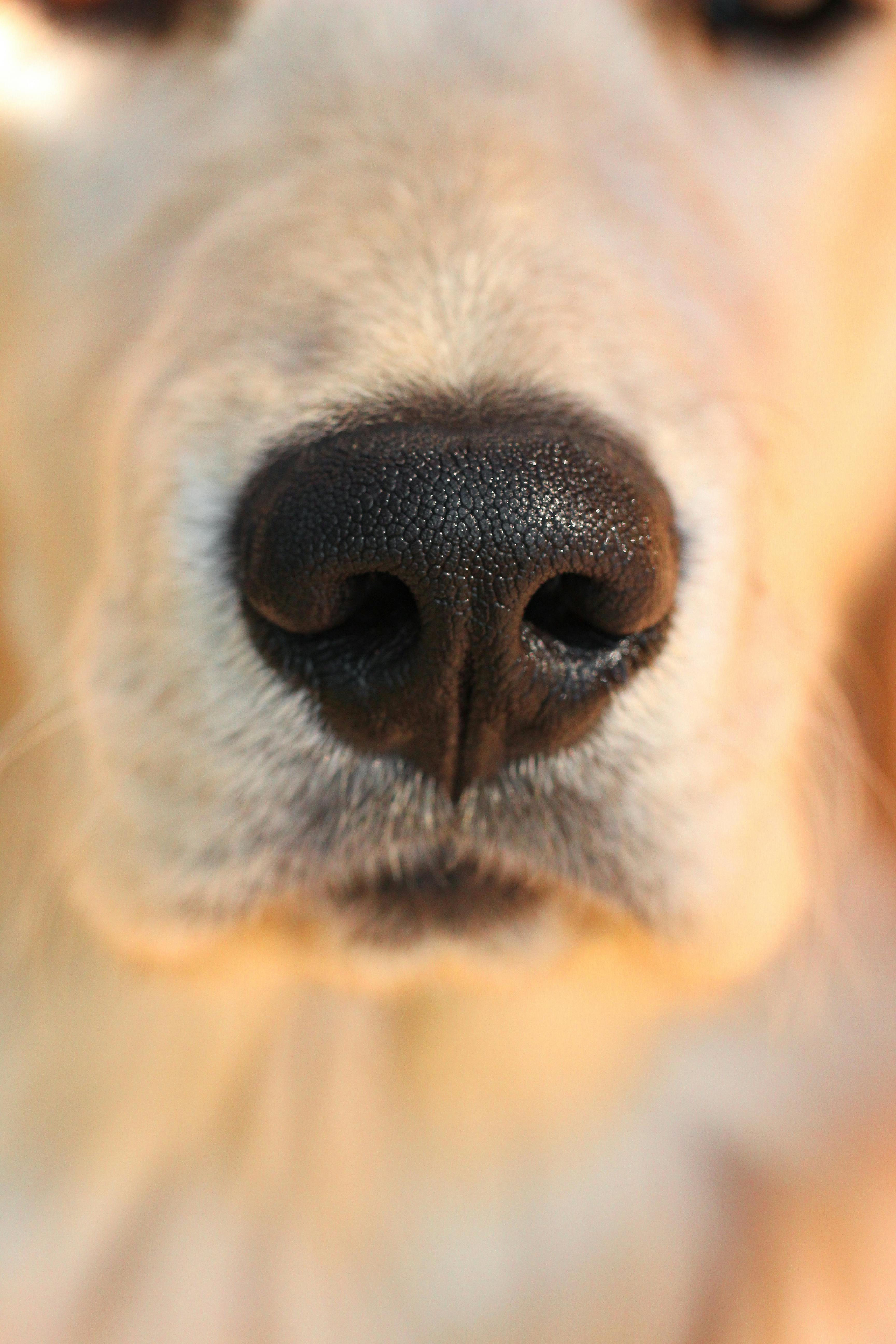 \n\n
\n\nWhen it comes to our furry friends, many pet owners often wonder about the condition of their dog's nose. One common question that pops up is, "Is a wet nose a sign of health?" This question leads to multiple myths and misunderstandings regarding dog health and behavior. It's time to debunk some of these common misconceptions and explore the fascinating truth behind why do dogs have wet noses.
\nThe Science Behind Wet Noses
\nFirst off, it’s important to recognize that dogs noses are not just cute; they serve a purpose. A wet nose helps dogs sense their environment better. The moisture on their noses helps to capture scent particles, making their sense of smell even more acute. This is crucial since dogs rely heavily on smell to understand the world around them.
\nCommon Myths About Wet Noses
\n- \n
- \n
Myth: A Wet Nose Means a Healthy Dog
\n- \n
- Many believe that if a dog has a wet nose, it indicates they are in good health. This isn’t entirely true. While wet noses can be a sign of hydration, other factors contribute to a dog’s health. A dry nose does not automatically mean that a dog is sick. \n
\n - \n
Myth: All Dogs Have Wet Noses
\n- \n
- Not all dogs have wet noses all the time. Different breeds can have different nose conditions. For example, brachycephalic breeds like Bulldogs or Pugs might have less moisture due to their shorter snouts. \n
\n - \n
Myth: A Wet Nose Means the Dog is Happy
\n- \n
- Just because a dog has a wet nose doesn't mean they're happy. Dogs express emotions in various ways, and a wet nose is just one of many signs. \n
\n - \n
Myth: Dogs Lick Their Noses to Keep Them Wet
\n- \n
- While dogs do lick their noses, it’s not the primary reason for the moisture. Their noses stay wet mainly due to the secretion of mucus and the environment they are in. \n
\n
Why Do Dogs Have Wet Noses?
\nDogs have wet noses for several reasons, and understanding these can help pet owners be more informed about their pets' health.
\n- \n
- Scent Detection: As mentioned, moisture helps capture scent particles. \n
- Temperature Regulation: A wet nose can help dogs regulate their body temperature. When they pant, moisture evaporates from their nose, aiding in cooling down. \n
- Health Indicator: While not definitive, changes in the moisture level can sometimes indicate health issues. For example, a suddenly dry nose may indicate dehydration, fever, or illness. \n
Fun Facts About Dog Noses
\n- \n
- Dogs’ noses are unique, just like human fingerprints. Each dog has a specific nose print! \n
- The wetness of a dog’s nose can vary throughout the day depending on activity levels and the environment. \n
- Dogs have up to 300 million scent receptors, compared to humans who have about 5 million. \n
Comparison of Dog Nose Conditions
\n| Condition | \nWet Nose | \nDry Nose | \n
|---|---|---|
| Cause | \nNormal moisture secretion | \nPossible dehydration or illness | \n
| Health Indicator | \nGenerally healthy | \nMay indicate health issues | \n
| Scent Ability | \nEnhanced due to moisture | \nNot significantly affected | \n
| Temperature Reg. | \nHelps in cooling | \nLess effective | \n
Practical Examples of Nose Conditions
\n- \n
- If a dog has a consistently wet nose: This is usually normal, especially after drinking water or playing outside. \n
- If a dog’s nose suddenly becomes dry and cracked: This could be a red flag. It's worth consulting with a veterinarian to rule out health issues. \n
- If a dog has a runny nose: This can be a sign of allergies, infections, or other health concerns. \n
Understanding the condition of your dog’s nose involves more than just looking for wetness. It's about knowing your pet and being aware of changes in their behavior and health.
\nEvery dog is different, and their noses can tell a story about their health. While a wet nose can be a good sign, it is just one piece of the puzzle. Regular vet check-ups and paying attention to your dog’s overall condition is key.
\nSo next time you question whether a wet nose is a sign of health, remember that it’s not the only indicator. The truth lays in the details of your dog's overall behavior and health.
\n\nHow Do Dogs Use Their Wet Noses to Understand the World?
\n\n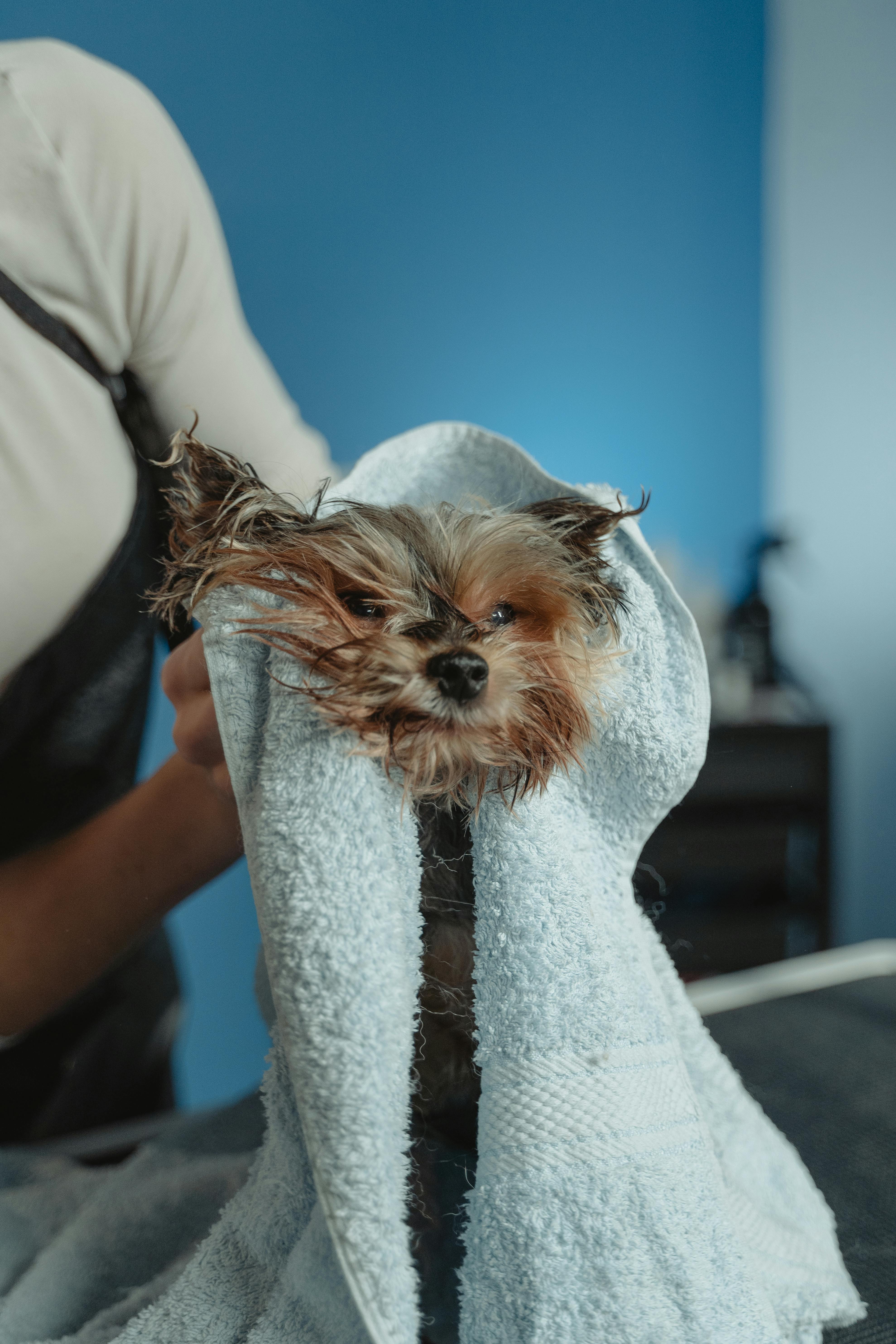 \n\n
\n\nDogs are amazing creatures, and their wet noses are not just cute — they serve a crucial purpose in how dogs perceive their surroundings. But have you ever wondered, why do dogs have wet noses? Or how do dogs use their wet noses to understand the world? Let’s dive into the fascinating truth behind these adorable snouts.
\nThe Biology of a Dog's Nose
\nA dog's nose is a complex organ that is specially designed for smelling. With up to 300 million olfactory receptors, compared to a human's mere 5 million, dogs can detect scents at incredibly low concentrations. But why is their nose wet?
\n- \n
- Moisture Helps with Scent Detection: The wetness of a dog’s nose helps to trap scent particles. When a dog inhales, these particles stick to the moisture, enhancing their ability to identify different smells. \n
- Thermoregulation: A wet nose also assists in cooling down the dog. Dogs don’t sweat like humans do; instead, they rely on their nose and paws to help regulate their body temperature. \n
- Health Indicator: A dog’s nose can indicate their health. A warm, dry nose might suggest that the dog is sick or dehydrated. \n
How Dogs Use Their Noses
\nDogs experience the world largely through their sense of smell. It’s like they are reading a book filled with scents. Here are some ways that dogs utilize their noses:
\n- \n
- Communication: Dogs communicate with each other through scent. They leave their mark by sniffing and marking places, letting others know who has been there. \n
- Tracking: Dogs can follow scent trails. This ability is why they are utilized in search and rescue missions, as well as in various types of law enforcement. \n
- Emotional Detection: Dogs can sense human emotions through smell. They can pick up on pheromones and other scent signals that indicate fear, happiness, or anxiety in people. \n
Why Are Wet Noses Important?
\nWet noses have more significance than one might think. Below are some key points that illustrate their importance:
\n- \n
- Enhanced Smell: The moisture on a dog's nose increases the ability to smell. This is vital for hunting, tracking, and understanding their environment. \n
- Social Interaction: Dogs often greet each other with nose-to-nose contact. A wet nose implies health and vitality, making social interactions more favorable. \n
- Temperature Regulation: On hot days, a dog’s wet nose aids in keeping them cool, since they can’t sweat as we do. \n
Fun Facts About Dog Noses
\n- \n
- The texture of a dog's nose is unique, similar to a human fingerprint. No two dogs have the same nose print! \n
- Dogs can even detect diseases like cancer or diabetes through scent. Their noses can sense the chemical changes in the body that occur with these conditions. \n
- Certain breeds are known for their exceptional sense of smell, like Bloodhounds and German Shepherds. \n
Comparison: Dog Noses vs. Human Noses
\nHere’s a quick comparison between dog noses and human noses, in terms of sensory perception:
\n| Feature | \nDog Nose | \nHuman Nose | \n
|---|---|---|
| Olfactory Receptors | \n~300 million | \n~5 million | \n
| Sense of Smell | \nExtremely acute | \nRelatively weak | \n
| Moisture Importance | \nEssential for scent detection | \nNot necessary | \n
| Unique Prints | \nYes (nose print) | \nNo | \n
Practical Examples of Nose Use
\nDogs use their noses in many practical situations. For instance:
\n- \n
- Search and Rescue: Dogs trained to find missing persons rely on their keen sense of smell to locate individuals. \n
- Detection Work: Police dogs can find drugs, explosives and even money by using their noses. \n
- Emotional Support: Therapy dogs often provide comfort by sensing emotional distress in humans. \n
The wetness of a dog's nose is not just a quirky feature; it plays a vital role in how they interact with the world. From enhancing their ability to smell to helping them stay cool, those wet noses are essential tools for our furry friends. So, the next time you see a dog with a wet nose, remember the fascinating truth behind why they have it and how they use it to understand their world.
\n\nThe Fascinating Role of a Dog's Nose in Communication and Emotion
\n\n \n\n
\n\nDogs, man’s best friend, are more than just loyal companions. Their ability to communicate and express emotions is often underestimated. One of the most fascinating aspects of dogs is their nose. Have you ever wondered why do dogs have wet noses? It’s not just an odd quirk; there’s actually some science behind it. This article explores the fascinating role of a dog's nose in communication and emotion, and reveals why those wet noses might be more important than you think.
\nThe Science Behind a Dog's Nose
\nDogs have an incredible sense of smell, way more powerful than humans. While humans have about 6 million olfactory receptors, dogs have up to 300 million! This makes their noses exceptionally sensitive, allowing them to detect a wide range of scents. The wetness of a dog's nose plays a vital role in enhancing this sense.
\nThe moisture helps to capture scent particles from the air, making it easier for dogs to identify different smells. When a dog licks its nose, it not only keeps it cool but also helps to absorb more scent chemicals.
\nWhy Do Dogs Have Wet Noses?
\nSo why do dogs have wet noses? Here’s a breakdown of the reasons:
\n- \n
- \n
Enhanced Scent Detection: Wet noses can trap scent particles better. The moisture allows for more effective olfactory reception.
\n \n - \n
Temperature Regulation: Dogs don’t sweat like humans. A wet nose helps them cool down on hot days, making it a natural temperature regulator.
\n \n - \n
Health Indicator: A wet nose is often a sign of good health. If a dog’s nose feels dry or hot, it can be a signal of illness or dehydration.
\n \n - \n
Communication Tool: Dogs use their noses to communicate with each other and their humans. A wet nose can signal a friendly approach, while a dry nose might indicate stress or discomfort.
\n \n - \n
Social Interaction: Dogs often greet each other and humans with their noses. Sniffing is a way to gather information about one another, and a wet nose is usually a sign of a happy and healthy pup.
\n \n
Historical Context
\nDogs have been companions to humans for thousands of years. Their ability to smell has been utilized throughout history, from hunting to search and rescue operations. Ancient civilizations recognized the value of a dog’s nose, and it has remained a crucial aspect of their interaction with humans.
\nCommon Misconceptions
\nThere are many myths about why dogs have wet noses. Here are a few:
\n- \n
- \n
Myth: Dogs have wet noses because they sweat through them.
\n
\nFact: Dogs don’t sweat through their noses. They regulate their body temperature primarily through panting. \n - \n
Myth: A wet nose means your dog is healthy.
\n
\nFact: While a wet nose can indicate good health, it’s not the only indicator. Always consult a vet for health concerns. \n - \n
Myth: A dry nose means your dog is sick.
\n
\nFact: A dog’s nose can be dry for many reasons, including weather conditions or after waking up. \n
Fun Facts About Dogs’ Noses
\n- \n
- A dog can distinguish between different scents even when they are mixed together! \n
- Some breeds, like Bloodhounds, have such an exceptional sense of smell that their tracking abilities can be used in legal cases. \n
- Dogs’ noses have unique patterns much like human fingerprints. \n
Practical Examples of Dog Communication
\nHere are some ways dogs use their noses to communicate:
\n- \n
- Greeting: When meeting another dog, they often sniff each other's noses and behinds to gather information about each other. \n
- Exploration: Dogs will often use their noses to investigate new environments or people. It’s their way of exploring the world. \n
- Emotional Expression: A gentle nudge with their wet nose can be a sign of affection or a request for attention from their owners. \n
Key Takeaways
\n- \n
- Dogs’ noses are not just for show; they serve multiple functions related to communication and health. \n
- Wet noses enhance their sense of smell and can indicate their emotional state. \n
- Understanding your dog’s nose can help strengthen the bond between you and your furry friend. \n
In summary, the wet nose of a dog is a window into their health and emotional state. By appreciating this unique feature, we can better understand our canine companions. Next time you see your dog’s wet nose, think about all the fascinating roles it plays in their life and yours.
\n\nWhy Do Some Dogs Have Drier Noses? Exploring Breed Differences and Health Indicators
\n\n \n\n
\n\nWhen you think about dogs, you might picture their wagging tails, playful barks, and yes, their wet noses. But have you ever stopped to wonder why do some dogs have drier noses? Is it just a quirk of their breed, or could it be an indicator of health issues? Understanding the reasons behind the moisture levels in dogs’ noses can reveal interesting insights about their breeds, health, and behavior.
\nWhy Do Dogs Have Wet Noses?
\nDogs typically have wet noses, and there’s a good reason for that. A wet nose helps them to smell better. Here’s how it works:
\n- \n
- Scent Enhancement: The moisture on a dog's nose captures scent particles, making it easier for them to detect smells. \n
- Cooling Mechanism: A wet nose can help cool down a dog, similar to sweating in humans. \n
- Health Indicator: A wet nose is often seen as a sign of a healthy dog, but that's not always the case. \n
It’s fascinating to note that, while many dogs have moist noses, there are breeds that may naturally have drier noses. Let's explore this further.
\nExploring Breed Differences
\nDifferent breeds of dogs have varying characteristics, and their noses are no exception. Here are some breeds known for having drier noses:
\n- \n
- Bulldogs: Their short snouts can lead to less moisture retention. \n
- Pugs: Another breed with a flat face, which can affect the moisture levels. \n
- Boxers: They also tend to have drier noses compared to other breeds. \n
On the flip side, breeds like Retrievers and Spaniels often have very moist noses. These differences might seem trivial, but they can reflect broader traits in each breed’s anatomy and physiology.
\nHealth Indicators of Dry Noses
\nA dry nose sometimes signals health problems, but not always. Some common health issues indicated by a dry nose could include:
\n- \n
- Dehydration: If a dog isn't drinking enough water, their nose can dry out. \n
- Fever: A dry nose can be a sign of fever, but this isn't a hard and fast rule. \n
- Allergies: Environmental factors can lead to a dry nose as well. \n
- Skin Conditions: Certain skin problems could also cause dryness. \n
It's important to remember that a dog's nose can be dry at times without it signaling a serious problem. Many dogs have naturally drier noses, and if they otherwise seem healthy, there might be no cause for concern.
\nReasons for Wet Noses
\nConversely, a wet nose doesn't always mean a dog is healthy. Here are some reasons why a dog might have a particularly wet nose:
\n- \n
- Excitement or Anxiety: Dogs can produce more moisture when they are excited or anxious. \n
- Temperature Regulation: As mentioned, a wet nose helps in cooling down, so during hotter weather, you might notice more moisture. \n
- After Eating or Drinking: A dog may have a wet nose after drinking water or eating wet food. \n
Moisture Levels: A Quick Comparison Table
\nHere’s a quick overview of factors affecting nose moisture levels in various dog breeds:
\n| Breed | \nTypical Nose Moisture | \nPossible Health Issues | \n
|---|---|---|
| Bulldog | \nDry | \nAllergies, Dehydration | \n
| Labrador | \nWet | \nGenerally healthy | \n
| Pug | \nDry | \nSkin problems, Fever | \n
| German Shepherd | \nWet | \nHealthy | \n
| Boxer | \nDry | \nDehydration, Allergies | \n
Practical Tips for Dog Owners
\nIf you are a dog owner, keeping an eye on your dog’s nose can give you clues about their health. Here are some practical tips for monitoring your dog’s nose:
\n- \n
- Regular Checks: Look at your dog's nose daily. Note any changes in moisture levels. \n
- Hydration: Ensure your dog has access to fresh water at all times. \n
- Consult a Vet: If your dog’s nose becomes persistently dry or cracked, a visit to the vet is recommended. \n
Summary of Nose Moisture Insights
\nUnderstanding why do dogs have wet noses, and why some dogs have drier ones can be both enlightening and beneficial for dog owners. While breed differences play a significant role, health indicators should not be ignored. A wet nose typically suggests a healthy dog, but it’s essential to consider the whole picture, including behavior, diet, and other health signs.
\nBy being attentive to these details, you can ensure your furry friend stays happy and healthy. Your dog’s nose can tell you more than you think, and being informed can help you respond to their needs effectively. So next time you give your dog a pat and feel that wet nose, remember: there’s a lot more going on than meets the eye!
\n\n5 Reasons Your Dog's Nose Might Be Wet and What It Means for Their Health
\n\n \n\n
\n\nDogs are often called "man's best friend," and their wet noses are just one of the many characteristics that make them so lovable. But have you ever wondered why do dogs have wet noses? It's not just an adorable quirk; it actually can say a lot about their health. Let's explore 5 reasons your dog's nose might be wet and what it means for their overall well-being.
\n1. Natural Cooling Mechanism
\nOne of the main reasons dogs have wet noses is that it helps with thermoregulation. Dogs don’t sweat like humans do. Instead, they primarily cool off through panting and the moisture on their nose. The wetness allows for evaporative cooling, which is essential for keeping their body temperature down, especially during hot weather.
\n- \n
- Dogs pant to cool down. \n
- Nasal moisture aids in temperature regulation. \n
- Helps prevent overheating. \n
2. Enhancing Sense of Smell
\nDid you know that a dog's sense of smell is significantly better than that of humans? Their noses are wet for a reason! The moisture on a dog’s nose helps to capture scent particles from the air, making it easier for them to smell. This ability is crucial for hunting, tracking, and even social interactions with other dogs.
\n- \n
- Wet noses trap scent molecules. \n
- Improved smell aids in communication. \n
- Essential for hunting and tracking behaviors. \n
3. Sign of Health and Hydration
\nA wet nose is usually a good indicator of your dog’s health. If the nose is moist and cool, it often means that your dog is well-hydrated and healthy. However, if a dog’s nose is dry or cracked, it could indicate dehydration or other health problems.
\n- \n
- Moist nose = healthy dog. \n
- Dry nose can mean dehydration. \n
- Monitor for changes in nose texture. \n
4. Possible Signs of Illness
\nWhile a wet nose is generally a sign of good health, changes can indicate potential health issues. For instance, if your dog’s nose is excessively wet or suddenly becomes dry, it could be something to keep an eye on. Other symptoms like lethargy or lack of appetite may accompany these changes.
\n- \n
- Excessive wetness can indicate fever. \n
- Dryness might signal illness. \n
- Changes in behavior often accompany nose changes. \n
5. Environmental Factors
\nThe environment plays a significant role in the moisture level of your dog's nose. Humidity and weather conditions can affect how wet or dry the nose feels. For example, if it’s raining, your dog’s nose will likely be wetter than during a dry, sunny day.
\n- \n
- High humidity = wetter noses. \n
- Dry weather can lead to dryness. \n
- Temperature extremes can cause changes. \n
Additional Fun Facts About Dog Noses
\n- \n
- Dogs have unique nose prints, much like human fingerprints. Each pattern is different and can be used to identify them. \n
- Nose color changes can occur with age or breed, and some dogs have naturally darker or lighter noses. \n
- Dogs can smell diseases, including cancer and diabetes, due to their acute sense of smell. \n
Comparing Dog Noses with Other Animals
\nDogs aren’t the only animals with wet noses. Here’s how they stack up against some other creatures:
\n| Animal | \nNose Type | \nPurpose | \n
|---|---|---|
| Dogs | \nWet, sensitive | \nSmell, cooling | \n
| Cats | \nDry, less sensitive | \nBasic smell, grooming | \n
| Pigs | \nWet, sensitive | \nSmell, foraging | \n
| Rabbits | \nWet, sensitive | \nSmell, communication | \n
It’s fascinating to see how the structure and moisture of noses differ among animals and how it aids in their survival.
\nUnderstanding why dogs have wet noses can help you monitor their health better. It’s a simple yet effective way to keep tabs on your furry friend’s well-being. Remember, while a wet nose is often a sign of a happy and healthy dog, any significant changes should prompt a visit to the veterinarian. Keeping an eye on your dog's nose is just one of the many ways to ensure they stay healthy and happy for years to come.
\n\nUncovering the Mystery: What Makes a Dog's Nose Wet and Cold?
\n\n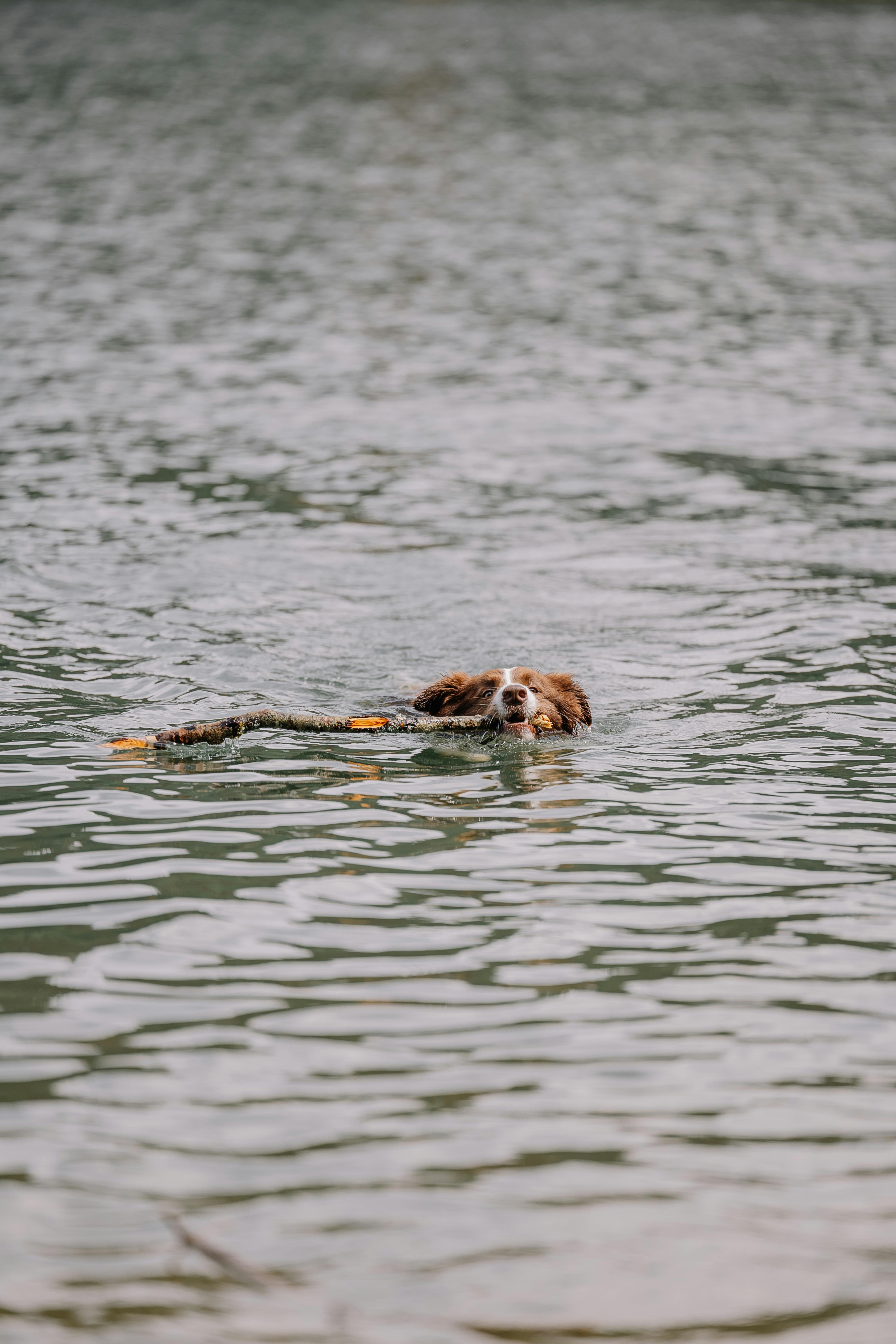 \n\n
\n\nHave you ever wonder why dogs have wet noses? It's one of those little mysteries of the animal kingdom that many people don't think about, but it’s really interesting! We often see our furry friends with their cold and damp noses, but what does it all mean? Let’s dive into this fascinating topic and uncover the truth behind why dogs have wet noses.
\nThe Science Behind a Dog's Nose
\nFirst off, a dog’s nose is not just for show! It actually serves several important purposes. The wetness of a dog's nose helps them to smell better. The moisture on their noses helps to capture scent particles from the air, which enhances their sense of smell. Dogs have an incredible olfactory system; they can smell up to 100,000 times better than humans! This means their noses play a crucial role in their interaction with the world.
\nWhy Are Dog Noses Cold?
\nYou might have notice that dogs' noses are often cold to the touch. This temperature is actually a result of how dogs regulate their body heat. When dogs are panting or when they are active, their noses can become warmer. However, in a relaxed state, the moisture on their noses evaporates, causing the temperature to drop. This cooling effect helps keep their body temperature in check during hot weather.
\nThe Role of a Wet Nose in Health
\nA wet nose is generally a sign of good health in dogs. When a dog is sick or stressed, you might notice that their nose becomes dry. This change can be a crucial indicator for pet owners to keep an eye on their dog's health. Here are some signs to consider:
\n- \n
- Wet and Cold Nose: Typically, a sign of a healthy dog. \n
- Dry and Warm Nose: Could indicate illness or dehydration. \n
- Cracked Nose: Might suggest a need for veterinary attention. \n
Historical Context of Dogs' Noses
\nHistorically, dogs were bred for various purposes, including hunting, herding, and companionship. Over time, the importance of their noses has been recognized in different cultures. For example:
\n- \n
- In ancient Egypt, dogs were revered and often associated with the afterlife, partly due to their keen sense of smell. \n
- In modern times, dogs are used in search and rescue operations, drug detection, and even medical diagnosis due to their remarkable olfactory abilities. \n
Fun Facts About Dog Noses
\nDid you know that every dog has a unique nose print, just like human fingerprints? Here are some more fun facts:
\n- \n
- Dogs have up to 300 million smell receptors in their noses, while humans have about 5 million. \n
- The texture of a dog’s nose can change with age, becoming less wet as they get older. \n
- Certain breeds, such as Bloodhounds, have an exceptional sense of smell that is used in tracking. \n
How to Care for Your Dog's Nose
\nKeeping your dog’s nose healthy is important. Here are some tips for dog owners:
\n- \n
- Hydration: Make sure your dog has plenty of fresh water to drink, as hydration impacts the moisture of their nose. \n
- Avoid Sunburn: Protect your dog’s nose from sunburn by using pet-safe sunscreen, especially for breeds with lighter-colored noses. \n
- Check for Irritation: Regularly check for cracks or dryness, which could indicate skin conditions or allergies. \n
Comparison of Dog Breeds and Nose Characteristics
\nDifferent breeds of dogs can have varying nose characteristics based on their genetics. Here’s a quick look:
\n| Breed | \nNose Characteristics | \n
|---|---|
| Bloodhound | \nLong, droopy, and very wet | \n
| Bulldog | \nShort, broad, and warm | \n
| Siberian Husky | \nCold, often dry in winter | \n
| Chihuahua | \nSmall, often warm and dry | \n
Overall, the wetness and temperature of a dog’s nose can tell you a lot about their health and well-being. Dogs use their noses for a variety of reasons, and understanding this can deepen the bond between you and your furry friend.
\nNext time you pet your dog, take a moment to appreciate their wet, cold nose. It’s more than just a cute feature; it’s a vital part of who they are. So, the next time you ask yourself, "Why do dogs have wet noses?" remember the science and history behind it, and cherish the special connection you share with your pet.
\n\nThe Connection Between a Dog's Wet Nose and Their Sense of Smell
\n\n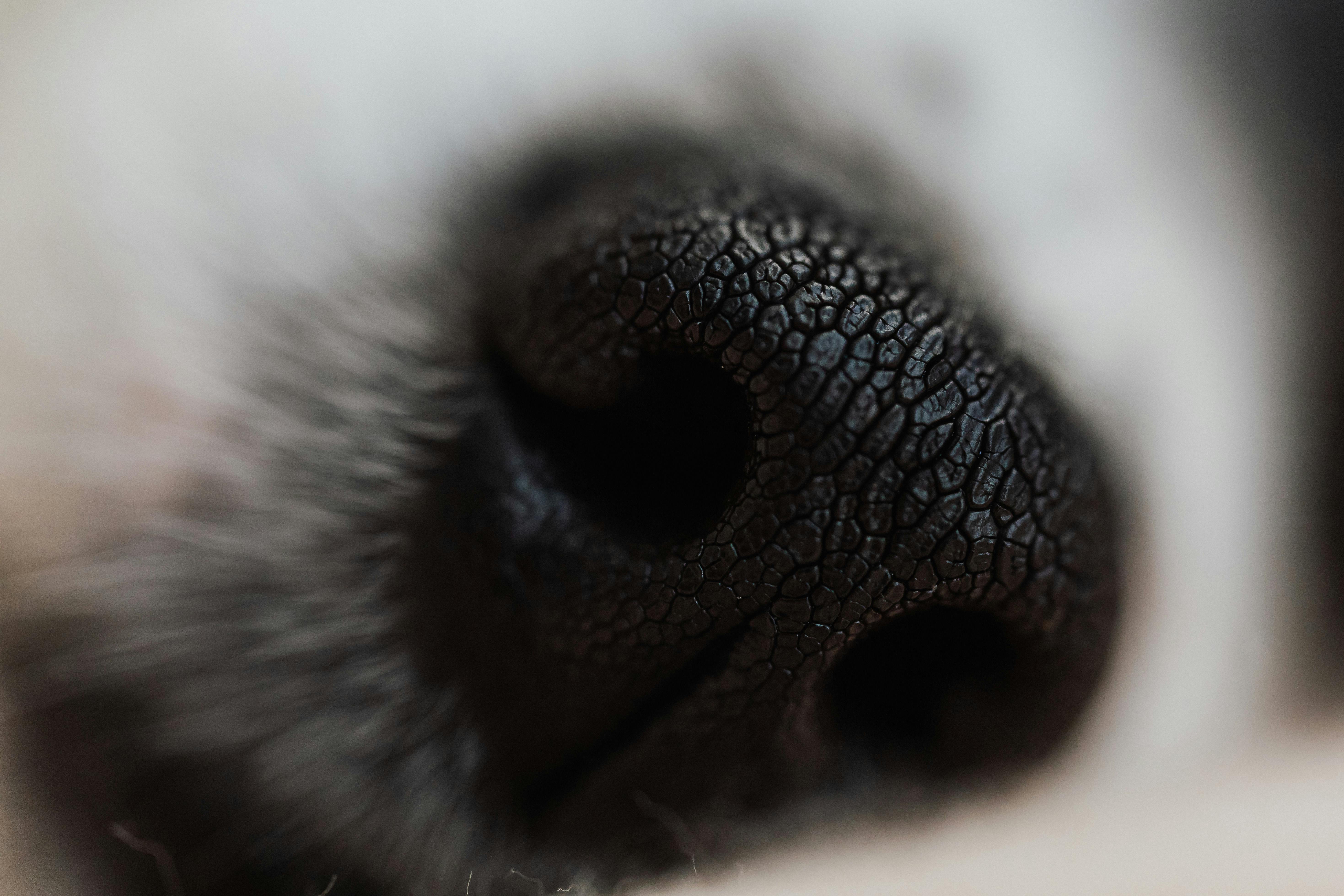 \n\n
\n\nDogs have been our companions for thousands of years, their quirky behaviors and unique traits often leaving us in awe. One such trait that stands out is their wet nose. Many people may ask, "Why do dogs have wet noses?" or "What’s the connection between a dog's wet nose and their sense of smell?" It's a fascinating topic that combines biology, history, and some curious dog behavior.
\nThe Science of a Dog's Nose
\nA dog's nose is not just for show. It's a highly sophisticated organ that plays a crucial role in how dogs understand the world. Their sense of smell is estimated to be between 10,000 to 100,000 times more sensitive than humans. This incredible olfactory prowess is partly due to the structure of their noses.
\n- \n
- Olfactory Receptors: Dogs have about 300 million olfactory receptors in their noses, compared to a human’s 5 million. \n
- Jacobsen's Organ: This specialized organ helps dogs detect pheromones, which are chemicals that carry information about other animals. \n
- Moisture: A wet nose actually helps dogs absorb scent chemicals. The moisture captures scent particles much better than a dry surface does. \n
So, to answer the question "Why do dogs have wet noses?" – it’s primarily for enhancing their sense of smell. When a dog's nose is wet, it can pick up scents more effectively.
\nHow a Wet Nose Connects to Smelling
\nNow, let’s dive deeper into the connection between a wet nose and a dog’s sense of smell. The moisture on a dog's nose is like a sponge. Here’s how it works:
\n- \n
- \n
Absorption of Smells: A wet nose absorbs scent particles from the air. The more moisture there is, the better the nose can capture these particles, which are then processed by the brain.
\n \n - \n
Temperature Regulation: Dogs don't sweat like humans do. Their noses help them cool down, allowing them to maintain their body temperature, especially after vigorous activities like running or playing fetch.
\n \n - \n
Health Indicator: Interestingly, the moisture level of a dog’s nose can indicate their health. A dry or cracked nose could signal dehydration or illness, while a regularly moist nose often indicates a healthy pup.
\n \n
Historical Context
\nHistorically, dogs have been bred for specific tasks, many of which rely on their incredible sense of smell. For instance:
\n- \n
- Hunting: Dogs were used to track game, thanks to their keen noses. Certain breeds, like Bloodhounds, are renowned for their tracking abilities. \n
- Search and Rescue: Nowadays, dogs help in search and rescue operations, finding missing persons using their sense of smell. \n
- Medical Detection: Some dogs are trained to detect diseases such as cancer or diabetes by smelling the chemical changes in a person’s body. \n
Fascinating Facts About Dog Noses
\nDid you know that each dog's nose print is unique, much like a human fingerprint? Here’s a few more interesting facts about dog noses:
\n- \n
- Color Variation: A dog's nose can be black, brown, or even pink, and the color can change with temperature. \n
- Dry vs. Wet: A dry nose doesn't always mean something's wrong. Some dogs naturally have drier noses than others. \n
- Sniffing Techniques: Dogs use different techniques to sniff. They may sniff quickly to gather scent information or take longer, more deliberate sniffs to analyze a specific smell. \n
Comparison with Human Noses
\nWhile humans have a decent sense of smell, it pales in comparison to dogs. Here’s a quick comparison:
\n| Feature | \nHumans | \nDogs | \n
|---|---|---|
| Olfactory Receptors | \n5 million | \n300 million | \n
| Ability to Smell | \nModerate | \nExceptional | \n
| Nose Moisture | \nDry | \nTypically wet | \n
| Scent Discrimination | \nLimited | \nHighly developed | \n
Practical Implications for Dog Owners
\nUnderstanding why dogs have wet noses and the importance of this trait can help dog owners better care for their pets. Here’s a few tips:
\n- \n
- Regular Vet Checkups: If a dog's nose becomes consistently dry or cracked, it’s wise to consult a vet. \n
- Hydration: Ensure your dog is well-hydrated, as this can affect their nose moisture and overall health. \n
- Observe Behavior: Pay attention to how your dog uses their nose. If they suddenly lose interest in sniffing, it might be a sign of health issues. \n
In exploring the relationship between a dog's wet nose and their remarkable sense of smell, we discover a world of fascinating biology and history. Understanding this connection not only deepens our appreciation for our furry friends but also offers practical insights for their care and well-being. So next time you notice your dog’s wet nose, remember the amazing reasons behind
\n\nCan a Dog's Nose Predict Illness? Understanding Its Role in Canine Health
\n\n\n\nCan a dog’s nose really predict illness? This question has intrigued dog owners and researchers alike for years. Dogs have an extraordinary sense of smell, far superior to humans, which leads many to wonder if they can detect health issues just by sniffing. In this article, we will explore the fascinating world of canine olfaction, the reasons behind their wet noses, and the potential they hold for predicting illness.
\nThe Science Behind a Dog’s Nose
\nDogs' noses are incredible. They contains up to 300 million olfactory receptors, compared to a human’s mere 5 million. This means that dogs can smell things at a concentration of one part per trillion! This heightened sense of smell allows them to detect various scents including those associated with certain illnesses.
\n- \n
- \n
Cancer Detection: Some studies suggest that dogs can identify certain types of cancer by smelling breath or urine samples. They can detect volatile organic compounds that are released by cancer cells.
\n \n - \n
Diabetes Alert: Dogs have been trained to sense drops in blood sugar levels in diabetic patients. They can alert their owners before they experience severe symptoms.
\n \n - \n
Infections: Research indicate that dogs can also sniff out infections, like bacterial or fungal types, by identifying the distinct scents that these pathogens emit.
\n \n
Why Do Dogs Have Wet Noses?
\nYou might wonder why dogs have wet noses. It’s not just for show. The moisture plays a crucial role in their sense of smell. When a dog’s nose is wet, it helps to capture and hold scent particles better. This enhances their ability to detect different aromas. Here’s a quick rundown of reasons:
\n- \n
- Enhanced Smell: Wet noses help in trapping odor molecules, making it easier for dogs to pick up scents. \n
- Temperature Regulation: Dogs also use their noses to help cool down. While they primarily cool off by panting, moisture on their noses can assist in thermoregulation. \n
- Health Indicator: A dog’s nose can indicate health status. A cold, wet nose often means a healthy dog, while a dry, warm nose might indicate illness. \n
Historical Context of Dogs and Their Noses
\nThroughout history, dogs have been utilized for their remarkable sense of smell. Ancient civilizations recognized their ability to track scents and used them for hunting and herding. Here are some historical highlights:
\n- \n
- Ancient Egypt: Dogs were often depicted in hieroglyphs, showcasing their roles in hunting and protection. \n
- World Wars: Dogs were used during wars for detecting bombs and finding injured soldiers. Their noses proved invaluable in locating dangers. \n
- Modern Medicine: Today, dogs are being trained in medical settings to assist with diagnostics, showcasing their evolution from hunters to healthcare companions. \n
Practical Applications of Dogs’ Olfactory Skills
\nMany organizations are now using dogs in various fields due to their impressive olfactory capabilities. Here are some examples:
\n- \n
- Search and Rescue: Dogs are trained to locate missing persons in disaster zones. Their noses help them find humans under rubble or in dense forests. \n
- Drug Detection: Law enforcement agencies utilize dogs to sniff out illegal drugs. Their ability to differentiate between different scents makes them vital in drug enforcement. \n
- Therapeutic Roles: Dogs are also used in therapy settings where their calming presence and sensitive noses can help in various health situations. \n
Common Myths About Dogs’ Noses
\nThere are several myths surrounding the wetness of a dog's nose. Here are a few that are often heard:
\n- \n
- \n
Myth 1: A wet nose always means a dog is healthy.
\n- \n
- Truth: While a wet nose often indicates health, other factors must be considered. \n
\n - \n
Myth 2: A dry nose means a dog is sick.
\n- \n
- Truth: Dogs can have dry noses for various reasons, including weather conditions or simply sleeping. \n
\n - \n
Myth 3: Dogs can smell fear.
\n- \n
- Truth: Dogs can pick up on human emotions through scent changes caused by sweat and other factors, but they don't "smell" fear in the same way we think. \n
\n
Conclusion
\nUnderstanding the role of a dog’s nose in predicting illness adds a layer of appreciation for these beloved companions. Their wet noses are not just an endearing feature; they are essential tools that assist in their incredible ability to detect a range of health issues. As we continue to study the intricacies of canine olfaction, it’s clear that dogs are not just pets; they are partners in health, safety, and so much more. Embrace the fascinating truth about your furry friend’s nose and the potential it holds for canine health.
\n\nConclusion
\n\nIn conclusion, the wet noses of dogs serve multiple essential functions that contribute to their overall health and well-being. As we explored, a moist nose helps enhance their sense of smell, aids in temperature regulation, and plays a role in communication with other dogs and humans. The unique composition of a dog's nasal secretions not only keeps their sense of smell sharp but also provides important health indicators. Understanding why dogs have wet noses enriches our appreciation of these beloved companions and their remarkable physiology. Next time you greet your furry friend, take a moment to consider the fascinating science behind their wet nose. It’s a small yet vital feature that illustrates the complexity and beauty of canine biology. Remember to keep your dog healthy and hydrated, as a well-maintained nose is a sign of a happy pup!
\n\n