Have you ever wondered, why do dogs have wet noses? This intriguing characteristic of our furry friends has sparked curiosity for generations. Dogs' noses are not just cute; they serve essential functions that impact their overall health and behavior. In this post, we will explore the fascinating truth behind this common canine trait, uncovering the science that explains why a dog's nose is often moist. But, what makes their noses wet? Are they simply licking them, or is there more to the story? These questions lead us to some interesting discoveries about canine physiology and their unique ways of interacting with the world. Moreover, understanding the reason behind a wet nose can also help you monitor your dog's well-being. Did you know that a dog's wet nose can indicate various health conditions? So, if you've ever asked yourself, "Why do dogs have wet noses?", you’re not alone! Join us as we delve into the world of dogs, revealing how their wet noses contribute to their incredible sense of smell and overall health. Get ready to be amazed by the answers to this paw-some mystery!
\n\nThe Science Behind Canine Noses: Why Are Dogs’ Noses Wet and What It Means for Their Health
\n\n \n\n
\n\nHave you ever noticed how your dog's nose is often cool and wet? It might seem like a simple feature, but there’s actually some fascinating science behind it. Many dog owners often wonder, "Why do dogs have wet noses?" and what this means for their health. Let's dive into the intriguing world of canine noses and discover the truth!
\nThe Biology of a Dog’s Nose
\nDogs have an extraordinary sense of smell, which is way better than humans’. It’s said that a dog's sense of smell is anywhere from 10,000 to 100,000 times more sensitive than ours. This incredible ability is largely due to their wet noses, which helps in several ways:
\n- \n
- Moisture Retention: The moisture on a dog’s nose helps to capture scent particles from the air. When the nose is wet, it can absorb more smells, making it easier for dogs to identify and track scents. \n
- Temperature Regulation: A wet nose also helps to cool down the dog. When they pant, the moisture evaporates, which can help regulate their body temperature, especially on hot days. \n
- Health Indicator: The condition of a dog’s nose can also indicate their health. A consistently dry or cracked nose could be a sign of dehydration, fever, or other health issues. \n
Why Are Dog Noses Wet?
\nSo, why do dogs have wet noses? The answer lies in their evolution and anatomy. When dogs were evolving as hunters and scavengers, they developed moist noses to enhance their sense of smell. This adaptation was crucial for survival, helping them locate food and detect danger.
\nAdditionally, the structure of a dog's nose includes a special type of skin that can secrete mucus. This mucus keeps the nose moist and aids in smell. The wetness is actually a combination of mucus and saliva, which dogs lick onto their noses to enhance their olfactory capabilities.
\nHealth Implications of a Wet Nose
\nA wet nose is typically a sign that your dog is healthy, but there are exceptions. Here’s a quick breakdown:
\n- \n
- Normal Conditions: Wet noses are usually a sign of a healthy dog. If your dog’s nose is moist and cool, they are likely feeling good. \n
- Dry Nose: A dry nose can indicate dehydration or illness. If your dog has a dry, cracked, or consistently warm nose, it’s important to monitor their behavior and health closely. \n
- Nasal Discharge: If there’s excessive discharge or unusual coloration, that could signal an infection or allergy. Consult your vet if you see these symptoms. \n
Fun Facts About Dog Noses
\n- \n
- Unique Patterns: Just like human fingerprints, every dog’s nose print is unique. It can actually be used for identification. \n
- Scent Work: Dogs can be trained to detect drugs, explosives, and even diseases like cancer due to their keen sense of smell. \n
- Temperature Sensitivity: Dogs can sense changes in temperature through their noses, which can help them detect heat sources. \n
- Nose Work: There are competitions for dogs that showcase their scenting abilities, where they can win awards based on their skills. \n
How to Care for Your Dog’s Nose
\nTaking care of your dog's nose is important, especially during extreme weather conditions. Here’s some tips:
\n- \n
- Hydration: Make sure your dog has access to fresh water at all times. Dehydration can lead to a dry nose. \n
- Moisturizing Balms: If your dog has a dry nose, consider using a pet-safe moisturizing balm to keep it supple. \n
- Regular Check-ups: Regular vet visits can help monitor your dog’s overall health, including their nose. \n
Comparison: Dogs vs. Humans
\n| Feature | \nDogs | \nHumans | \n
|---|---|---|
| Sense of Smell | \n10,000 - 100,000 times better | \nLimited to a few thousand | \n
| Nose Structure | \nMoist and mucus-secreting | \nDry with minimal scent receptors | \n
| Identification | \nUnique nose prints | \nUnique fingerprints | \n
Dogs and humans are vastly different when it comes to their noses and sense of smell. While humans primarily rely on sight, dogs navigate the world largely through their sense of smell.
\nUnderstanding the science behind canine noses not only satisfies curiosity but also helps in ensuring your dog’s health and well-being. So, next time you pet your dog, take a moment to appreciate that wet nose and what it signifies! Dogs are amazing companions, and their noses are just one of the many things that make them so special.
\n\nTop 5 Fascinating Reasons Dogs Have Wet Noses That Every Pet Owner Should Know
\n\n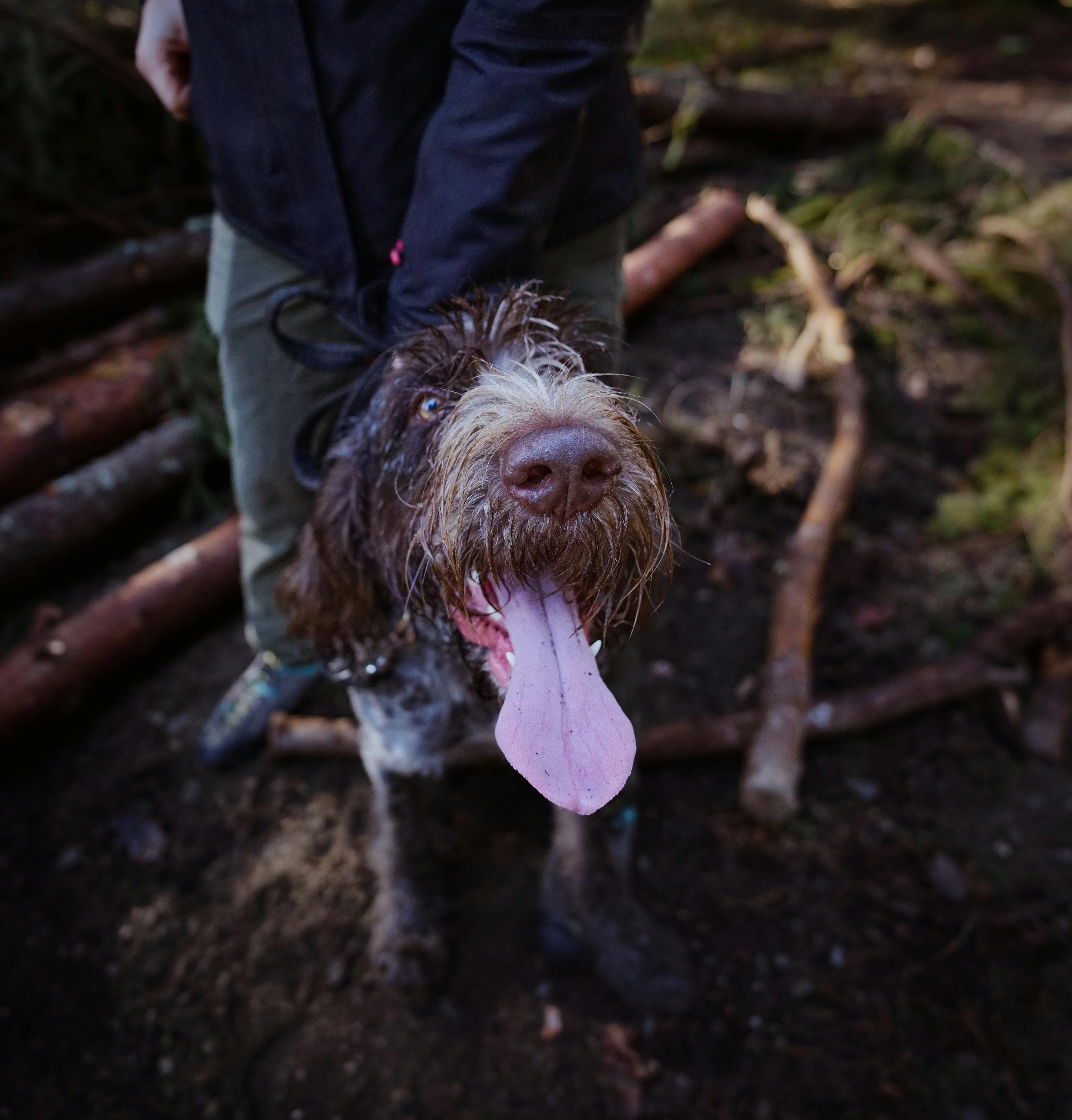 \n\n
\n\nHave you ever wondered why dogs have wet noses? It's a curious question that many pet owners ask. A dog's nose is often cold and damp, and it turns out there are some fascinating reasons behind this phenomenon. In this article, we will explore the top five reasons why dogs have wet noses, giving you a deeper understanding of your furry friend. This knowledge will not only satisfy your curiosity but also help you care for your pet better.
\n1. Better Sense of Smell
\nDogs have an incredible sense of smell, which is far superior to that of humans. Their wet noses play a crucial role in enhancing this ability. When a dog’s nose is moist, it can trap scent particles more effectively. This means that with a wet nose, dogs can pick up on scents that are much fainter than what we can detect.
\n- \n
- Scent Detection: Dogs possess up to 300 million smell receptors, compared to humans who only have around 5 million. This makes their sense of smell 40 times better than ours! \n
- Moisture Function: The moisture in their nose helps dissolve chemicals in the air, making it easier for the olfactory receptors to identify them. \n
2. Temperature Regulation
\nDogs don’t sweat like humans do. Instead, they regulate their body temperature through panting and the moisture in their noses. When a dog is feeling hot, the moisture evaporates from their nose, helping to cool them down. This is especially important during hot weather or after exercise.
\n- \n
- Evaporation Process: Just like how sweating cools us down, the evaporation of moisture from a dog’s nose aids in thermoregulation. \n
- Signs of Overheating: If a dog’s nose becomes excessively dry, it can be a sign of dehydration or overheating. \n
3. Communication with Other Dogs
\nDogs communicate in many ways, and their noses play an important role in this. A wet nose can signal various things to other dogs. When dogs greet each other, they often sniff each other’s noses, and a wet nose can indicate that a dog is friendly and approachable.
\n- \n
- Social Signals: A wet nose might suggest a dog is relaxed, which can ease tensions during introductions. \n
- Scent Marking: Dogs have scent glands in their noses, and a wet nose can help transfer these scents to other dogs, sharing important information about themselves. \n
4. Health Indicators
\nThe moisture level of a dog's nose can actually provide insights into their overall health. A healthy dog typically has a wet, cool nose, while certain conditions can lead to a dry or warm nose.
\n- \n
- Normal Conditions: A wet nose is normal for dogs, and it can reflect their hydration levels. \n
- Health Issues: If a dog’s nose is persistently dry or cracked, it could indicate dehydration, fever, or even certain illnesses. \n
Here’s a quick checklist of things to monitor regarding your dog’s nose:
\n- \n
- Wet and cool: Healthy \n
- Warm and dry: Possible fever or illness \n
- Cracked or bleeding: May require veterinary attention \n
5. Evolutionary Advantage
\nFrom an evolutionary standpoint, having a wet nose offers dogs a survival advantage. In the wild, a wet nose helps dogs detect prey and recognize dangers more effectively. It’s a trait that has been passed down through generations, proving vital for their survival.
\n- \n
- Hunting Skills: A dog’s ability to track scents has made them excellent hunters and companions to humans over history. \n
- Adaptation: The wet nose is a natural adaptation that enhances their ability to thrive in various environments. \n
While these five reasons illustrate the fascinating nature of why dogs have wet noses, it’s essential to remember that every dog is unique. If you notice any sudden changes in your dog's nose or behavior, it's always a good idea to reach out to a veterinarian to ensure everything’s alright. Understanding these aspects of your dog's biology can enrich your experience as a pet owner, making your bond even stronger.
\nSo the next time you pet your dog, take a moment to appreciate that wet nose. It’s not just cute; it’s a remarkable part of what makes dogs, well, dogs!
\n\nIs Your Dog’s Nose Wet? Discover the Surprising Benefits of a Moist Canine Snout
\n\n \n\n
\n\nWhen you pet your dog, have you ever noticed how cool and wet their nose feels? It’s an interesting feature of our furry friends that many of us might take for granted. But is your dog’s nose wet? It turns out, that there are several surprising benefits of a moist canine snout. But why do dogs have wet noses in the first place? Let’s explore the fascinating truth behind this characteristic and what it means for your pup's health.
\nThe Science Behind Wet Noses
\nDogs have moist noses due to a combination of factors. The primary reason is that their nose secretes a thin layer of mucus. This helps in several ways:
\n- \n
- Sense of Smell: A wet nose aids in enhancing a dog’s sense of smell. The moisture traps scent particles, which allow dogs to better interpret their environment. \n
- Temperature Regulation: Just like humans sweat, dogs can regulate their body temperature through their noses. A moist nose can indicate a dog is cool and comfortable. \n
- Health Indicator: A wet nose can also be a sign of good health in dogs. It generally means they are hydrated and not suffering from fever or illness. \n
Why Do Dogs Have Wet Noses? Discover the Fascinating Truth!
\nWhile the science can be intriguing, let’s break down why your dog’s nose might be wet. Here are a few reasons:
\n- \n
- Natural Moisture: Dogs naturally produce moisture in their noses, which is essential for their daily functions. \n
- Licking: Dogs often lick their noses, which adds to the moisture. This behavior is common and can be seen when they are curious or exploring. \n
- Environmental Factors: Weather and humidity can play a role too. On humid days, your dog's nose may feel wetter than usual. \n
Health and Wet Noses: What You Should Know
\nNot all wet noses are created equal. While a moist nose is usually a sign of a healthy dog, there are exceptions. Here are some health indicators connected to your dog’s nose:
\n- \n
- Cold and Wet: This usually indicates a healthy dog, especially if they seem active and happy. \n
- Dry and Warm: If your dog’s nose is dry and warm, it might indicate dehydration or fever. Monitoring other symptoms is important. \n
- Cracked or Peeling: If the nose seems cracked or has unusual peeling, it could be a sign of a skin condition or other health issue. \n
Interesting Facts About Dog Noses
\nDid you know that the shape and structure of a dog’s nose can vary widely? Here are some interesting facts:
\n- \n
- Dogs have an estimated 220 million scent receptors in their noses, compared to just 5 million in humans. \n
- The moisture on a dog’s nose helps enhance their ability to detect scents, making them excellent at tracking. \n
- Different dog breeds can have different nose shapes, which may affect their scenting abilities. For instance, bloodhounds are known for their exceptional sense of smell. \n
Wet Nose vs. Dry Nose: A Quick Comparison
\nHere’s a simple comparison for understanding the implications of your dog’s nose condition:
\n| Condition | \nWet Nose | \nDry Nose | \n
|---|---|---|
| Health Indicator | \nGenerally healthy | \nPossible health issues | \n
| Causes | \nNatural moisture, licking | \nDehydration, illness | \n
| Temperature | \nCool and normal | \nWarm or hot | \n
| Environment | \nHumid weather | \nDry weather | \n
What To Do If Your Dog's Nose Is Dry
\nIf you notice that your dog’s nose is persistently dry, consider these steps:
\n- \n
- Hydration: Ensure your dog is drinking enough water. Hydration is key. \n
- Check Environment: If your home environment is dry, consider using a humidifier. \n
- Veterinarian Visit: If the dryness persists, it’s best to consult with a veterinarian to rule out any underlying health issues. \n
The Role of Nose in Dog Behavior
\nA dog’s nose isn’t just a tool for smelling; it also plays a role in their social interactions. Dogs often greet each other by sniffing noses, which is part of their communication style. This behavior helps them gather information about each other, such as their health, mood, and even diet.
\nIn conclusion, your dog’s wet nose is more than just a cute feature; it’s a vital part of their health and well-being. Understanding why dogs have wet noses can help you better care for your furry friend. So next time you feel that cool, moist snout, remember the fascinating truths behind it and how it reflects your dog's overall health. Make sure to keep an eye on their nose condition as it can be a window into their well-being!
\n\nHow a Dog’s Wet Nose Enhances Their Senses: Uncovering the Secrets of Canine Smell
\n\n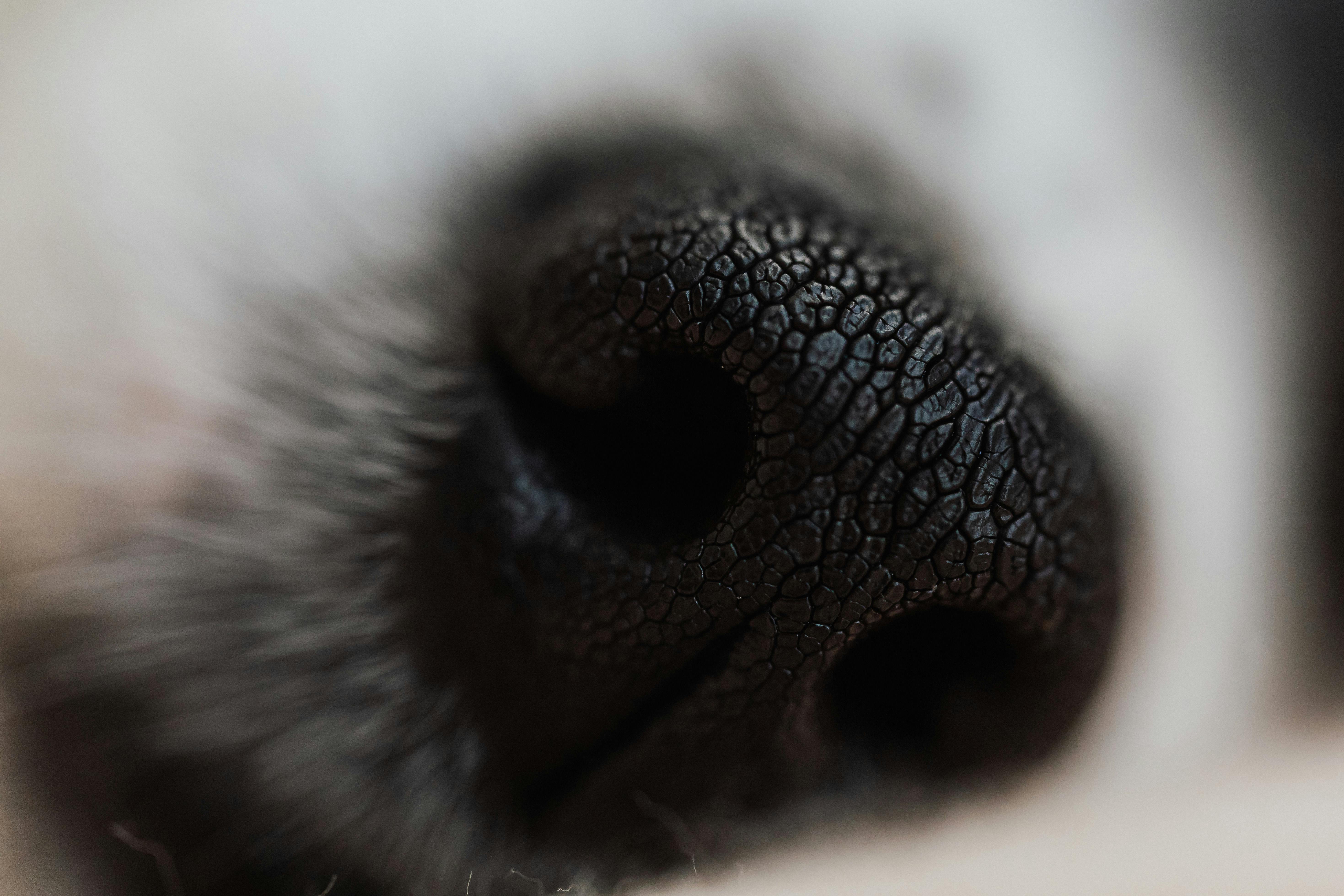 \n\n
\n\nDogs have always been known for their keen sense of smell, but what most people don’t realize is how their wet noses play a vital role in this incredible ability. If you ever wondered why do dogs have wet noses, you’re not alone. This seemingly simple feature actually holds some fascinating secrets about canine biology and behavior.
\nThe Science Behind the Wet Nose
\nDogs have moist noses because of a few reasons, and it’s not just for show. The moisture enhances their ability to smell. When a dog’s nose is wet, it can capture scent particles more effectively. This wetness helps in the process of olfaction, which is the act of smelling.
\nHere are some key points about why a dog's nose is wet:
\n- \n
- Increased Surface Area: The wet surface of a dog’s nose allows for more scent particles to adhere to it. More particles mean more information for the dog's brain to process. \n
- Temperature Regulation: A dog's nose also helps in cooling them down. When they pant, the moisture from their nose evaporates, which aids in regulating their body temperature. \n
- Health Indicator: A wet nose can be a sign of a healthy dog. If a dog’s nose is dry or cracked, it might indicate dehydration or illness. \n
Historical Context of Canine Smell
\nDogs have been companions to humans for thousands of years. Their sense of smell has been utilized in many ways, including hunting, tracking, and even in search-and-rescue operations. In ancient times, dogs were bred for their ability to sniff out prey, and this has evolved to a point where they can detect diseases today.
\n- \n
- Tracking: Dogs were used for tracking game and their ability to smell helped humans in hunting. \n
- Detection Work: Nowadays, dogs are trained to detect drugs, explosives, and even certain medical conditions like cancer. \n
- Companionship: Throughout history, their sense of smell has made them invaluable partners to humans, providing companionship and protection. \n
How Does a Dog’s Nose Work?
\nUnderstanding how a dog’s nose works can shine light on why its wetness is so important. A dog has up to 300 million smell receptors in their nose, compared to a human's mere 5 million. This difference is staggering! The part of a dog’s brain that processes smells is also proportionally much larger than that of humans.
\nHere’s how the process typically works:
\n- \n
- Inhalation: When a dog breathes in, the air passes through the nasal cavity where scent particles get trapped in the moist surface. \n
- Olfactory Bulb: The scent particles are then processed in the olfactory bulb, where the brain interprets what the scent is. \n
- Exhalation: Interestingly, dogs can also exhale through a separate passage, allowing them to continue smelling while breathing out. \n
Fascinating Facts About Dog Noses
\nThere’s so much more to a dog’s nose than meets the eye. Here are some fun and interesting facts:
\n- \n
- Unique Prints: Just like human fingerprints, every dog has a unique nose print that can be used for identification. \n
- Scent Memory: Dogs can remember scents for a long time. They can recognize a specific scent even after years. \n
- Scent Discrimination: Dogs can differentiate between a myriad of scents. They can even detect subtle changes in human emotions through scent. \n
The Role of Nose Moisture in Different Breeds
\nNot all dog breeds have the same level of nose wetness. Some breeds have inherently drier noses due to their genetic makeup. Here’s a comparison of nose characteristics across a few popular breeds:
\n- \n
- Labrador Retriever: Known for their wet noses and strong sense of smell. \n
- Bulldogs: Often have drier noses which may affect their smelling capabilities. \n
- Bloodhounds: Renowned for their incredible sense of smell, they have moist noses that help them track scents over long distances. \n
Practical Examples of Smell in Action
\nThe practical uses of a dog’s sense of smell are astonishing. Here are a few examples of how dogs use their noses in everyday life:
\n- \n
- Service Dogs: Trained to detect medical emergencies like seizures or diabetic lows. \n
- Search and Rescue: Used in disaster situations to locate survivors under rubble. \n
- Law Enforcement: Employed to sniff out drugs or explosives during inspections. \n
Understanding why do dogs have wet noses and how it enhances their senses can deepen our appreciation for these amazing animals. Their incredible ability to smell not only strengthens their bond with humans but also highlights their unique role in our lives. So next time you’re greeted by a wet-nosed friend, remember that it’s not just a cute feature but a testament to their extraordinary capabilities.
\n\nWet Noses and Your Dog’s Emotions: Can a Moist Snout Indicate How Your Pet Feels?
\n\n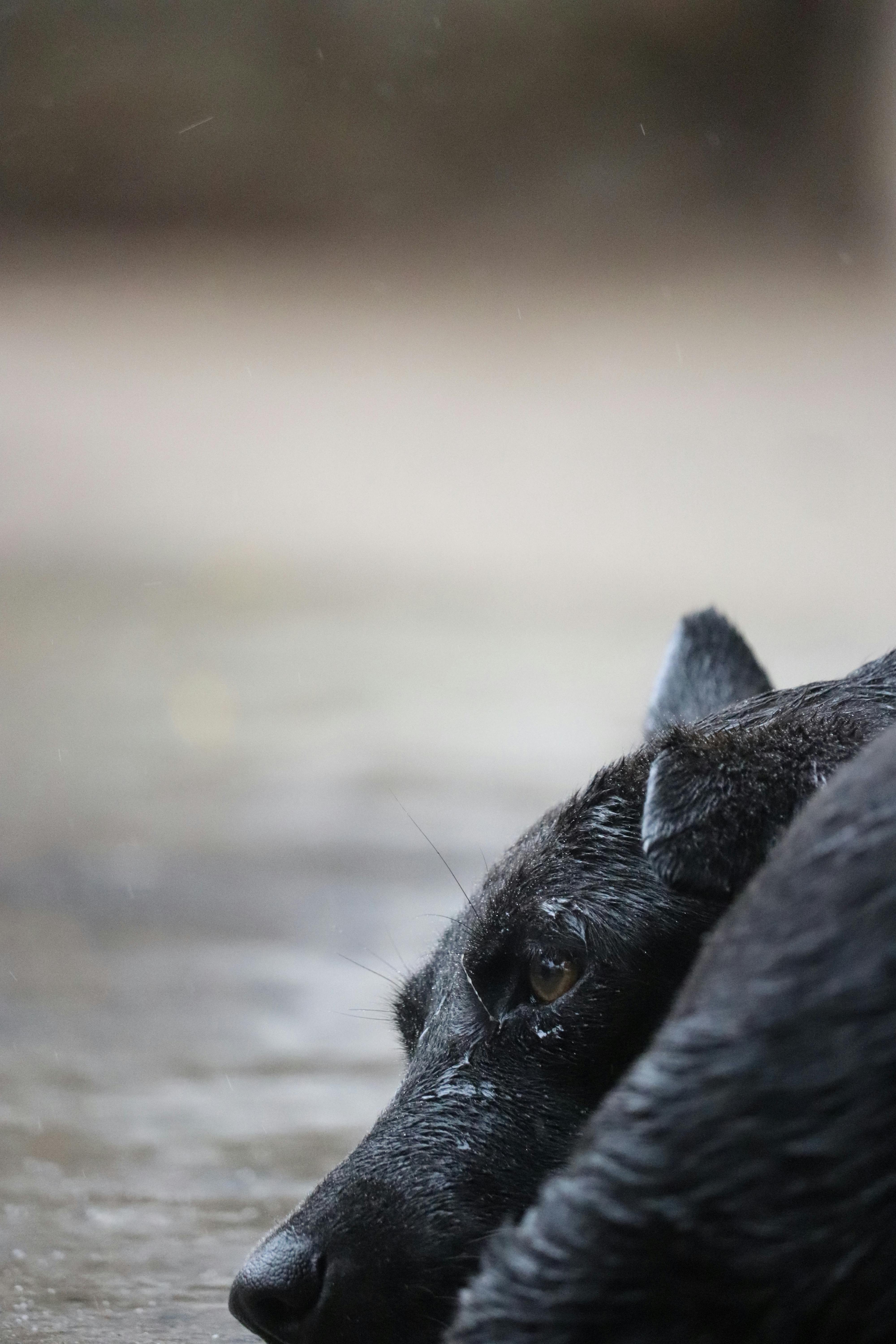 \n\n
\n\nEvery dog owner knows that their furry friends have a way of communicating, often through barking, wagging tails, and yes, their wet noses. But have you ever thought about what that moist snout of your dog actually means? While you might think it's just a sign of health or a way for them to cool off, there might be a little more to it than that. Let's explore why do dogs have wet noses, the emotions they may express, and the fascinating truth behind their snouts.
\nWhy Do Dogs Have Wet Noses?
\nDogs' noses are not just damp for no reason. There are several good reasons why your pup’s snout is often moist. Here’s a list of some key points:
\n- \n
- Cooling Mechanism: Dogs do not sweat like humans do. Instead, they cool themselves through panting and their noses. A wet nose helps regulate their body temperature. \n
- Scent Detection: Dog noses are super sensitive, with up to 300 million smell receptors. The moisture on their noses helps to capture scent particles, enhancing their ability to detect various smells. \n
- Health Indicator: A healthy dog usually has a cool, wet nose. If it’s dry or warm, it might indicate illness or dehydration. \n
The Connection Between Wet Noses and Emotions
\nNow, can a moist snout indicate how your pet feels? Some experts believe there is a strong connection between a dog's emotional state and the state of their nose. Here's a breakdown of what different nose conditions might mean:
\n- \n
- Wet and Cool: Generally means your dog is happy and healthy. They're likely feeling relaxed and content. \n
- Warm and Dry: This could mean your dog is stressed, sick, or overheated. However, it could just be that they’ve been resting in a warm sunny spot. \n
- Excessively Wet: Sometimes, a nose that’s unusually wet could indicate that your dog is anxious or excited, especially if they are meeting new people or other dogs. \n
How to Interpret Your Dog's Emotions
\nUnderstanding your dog’s emotional state can be tricky. Here are some signs to look for, along with their meanings:
\n- \n
- \n
Tail Wagging: A wagging tail usually indicates happiness, but the speed and position of the tail can change the message.
\n- \n
- Fast wagging = excitement \n
- Low wagging = submission or uncertainty \n
\n - \n
Body Language: A relaxed body, ears up, and a calm face usually indicate comfort.
\n \n - \n
Vocalizations: Different barks can mean various things. A high-pitched bark might indicate excitement, while a low growl can mean your dog is feeling threatened.
\n \n
Fun Facts About Dog Noses
\n- \n
- Did you know that the pattern on a dog’s nose is unique, just like a human fingerprint? \n
- Puppies are born with pink noses that darken as they grow older. \n
- The dog’s sense of smell is 10,000 to 100,000 times more sensitive than humans. \n
Taking Care of Your Dog’s Nose
\nKeeping your dog's nose healthy is important. Here are a few tips on how to do that:
\n- \n
- Hydration: Make sure your dog has access to fresh water at all times. Dehydration can lead to a dry snout. \n
- Regular Vet Visits: Regular check-ups can help catch any potential health issues early on. \n
- Avoid Irritants: Keep your dog away from harsh chemicals, smoke, and other irritants that can affect their nose. \n
Final Thoughts
\nSo, can a moist snout indicate how your pet feels? While it might not be a definitive answer, it certainly gives you a clue into their emotional state. Dogs express their feelings in many ways, and their noses play a big role in that communication. Wet noses might be one of the most fascinating aspects of canine anatomy, serving multiple purposes from health indicators to emotional barometers. Next time you snuggle with your dog, take a moment to examine that wet nose and consider what it might be saying about how they feel. After all, understanding your dog’s emotions can deepen the bond you share and enhance your relationship with your furry friend.
\n\nThe Myths and Facts About Dog Noses: Why Wetness Matters More Than You Think
\n\n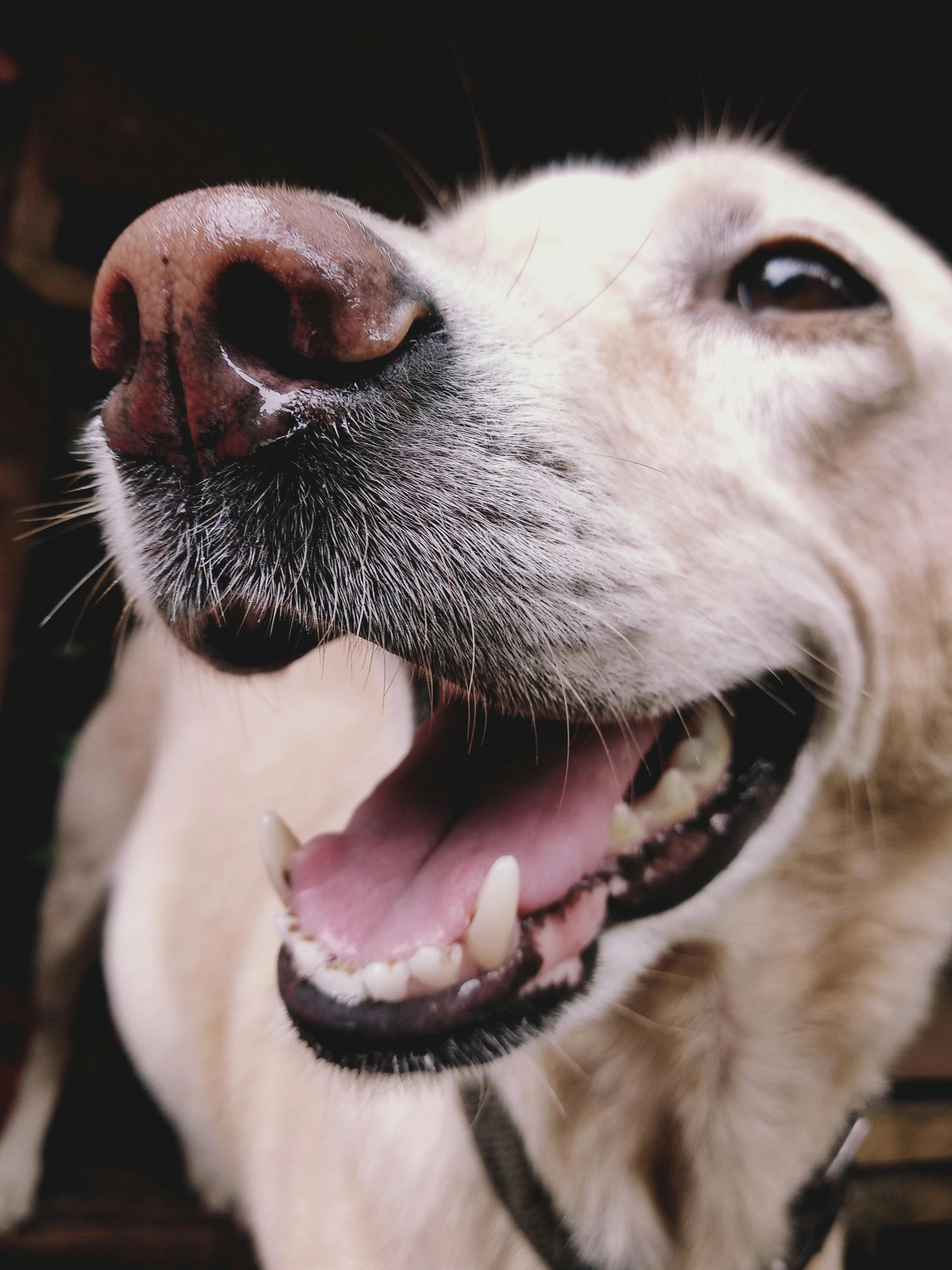 \n\n
\n\nDogs have been our companions for thousands of years, and one of their most interesting features is their noses. Many people often wonder why do dogs have wet noses and what does it mean. There is a lot of myths and misconceptions surrounding this topic, so let’s dive into the fascinating truth about dog noses and why their wetness matters more than you might think!
\nThe Science Behind Wet Noses
\nFirst off, a dog’s nose is not just for looks — it actually serves multiple purposes! A dog's sense of smell is between 10,000 to 100,000 times more sensitive than humans, and their wet noses play an important role in this incredible ability. The moisture on a dog's nose helps them to absorb scent chemicals, which enhances their olfactory perception.
\n- \n
- Smell Absorption: The wetness allows the nose to capture scent particles more effectively. \n
- Temperature Regulation: Dogs also use their noses to cool off, as the moisture evaporates, it helps to regulate their body temperature. \n
- Health Indicator: A dog’s nose can sometimes indicate their health. A dry, cracked nose might suggest dehydration or illness, while a wet nose is generally a sign of a healthy pup. \n
Common Myths About Dog Noses
\nThere are many myths floating around about dog noses that just aren't true. Let’s bust some of those!
\n- \n
- \n
Myth 1: A warm nose means a dog is sick.
\n- \n
- Fact: A dog’s nose temperature can vary based on activity, environment, and time of day. A warm nose does not definitively indicate illness. \n
\n - \n
Myth 2: All dogs have wet noses.
\n- \n
- Fact: Not all dogs have wet noses at all times! Some breeds may naturally have drier noses due to their genetics. \n
\n - \n
Myth 3: A wet nose is always a sign of happiness.
\n- \n
- Fact: While it can indicate a content dog, a wet nose is primarily for scent-related functions. \n
\n
Why Do Dogs Have Wet Noses?
\nNow that we’ve debunked some myths, let's explore the reasons why dogs have wet noses, in a bit more detail:
\n- \n
- Enhanced Scent Tracking: The moisture helps in trapping scent particles, which makes it easier for dogs to track scents. \n
- Scent Discrimination: Wet noses help dogs distinguish between different smells, which is crucial for hunting and tracking. \n
- Cooling Mechanism: The moisture on a dog’s nose serves as a way to cool down their body temperature, similar to how sweating works in humans. \n
The History of Dog Noses
\nHistorically, dogs have evolved alongside humans, and their noses have developed to meet various needs. Early on, dogs were used for hunting, herding, and guarding, so having a superior sense of smell was crucial for survival and utility. Ancient civilizations often relied on dogs for tracking game, and even today, dogs serve as service animals, search and rescue, and even in law enforcement due to their incredible olfactory capabilities.
\nFun Facts About Dog Noses
\n- \n
- \n
Unique Patterns: Just like human fingerprints, no two dogs have the same nose print! Each dog’s nose has a unique pattern of ridges and creases.
\n \n - \n
Nose Color: A dog’s nose color can change depending on their breed or even the season. Some dogs might have darker noses in the summer and lighter in winter.
\n \n - \n
Sense of Smell: Dogs have about 220 million scent receptors in their noses, compared to about 5 million in humans, allowing them to detect scents at incredibly low concentrations.
\n \n
How to Care for Your Dog’s Nose
\nTaking care of your dog’s nose is important for their overall health. Here are some tips:
\n- \n
- Hydration: Ensure your dog is well-hydrated to maintain moisture in their nose. \n
- Protect Against Elements: In extreme weather conditions, consider using nose balms designed for dogs to protect their noses. \n
- Regular Check-ups: Visit the vet regularly to check for any signs of dryness or cracks that may require attention. \n
Dogs are not just pets; they are complex beings with unique traits and characteristics. Understanding why do dogs have wet noses can deepen your appreciation for your furry friend. The wetness of a dog’s nose is not just a quirky feature; it serves important functions that contribute to their health and ability to interact with the world around them.
\nSo, next time you find yourself wondering about your dog’s wet nose, remember the fascinating truths behind it! It’s more than just a cute feature; it’s a vital part of what makes dogs so special.
\n\nWet vs. Dry Noses: What Does Your Dog’s Nose Say About Their Health?
\n\n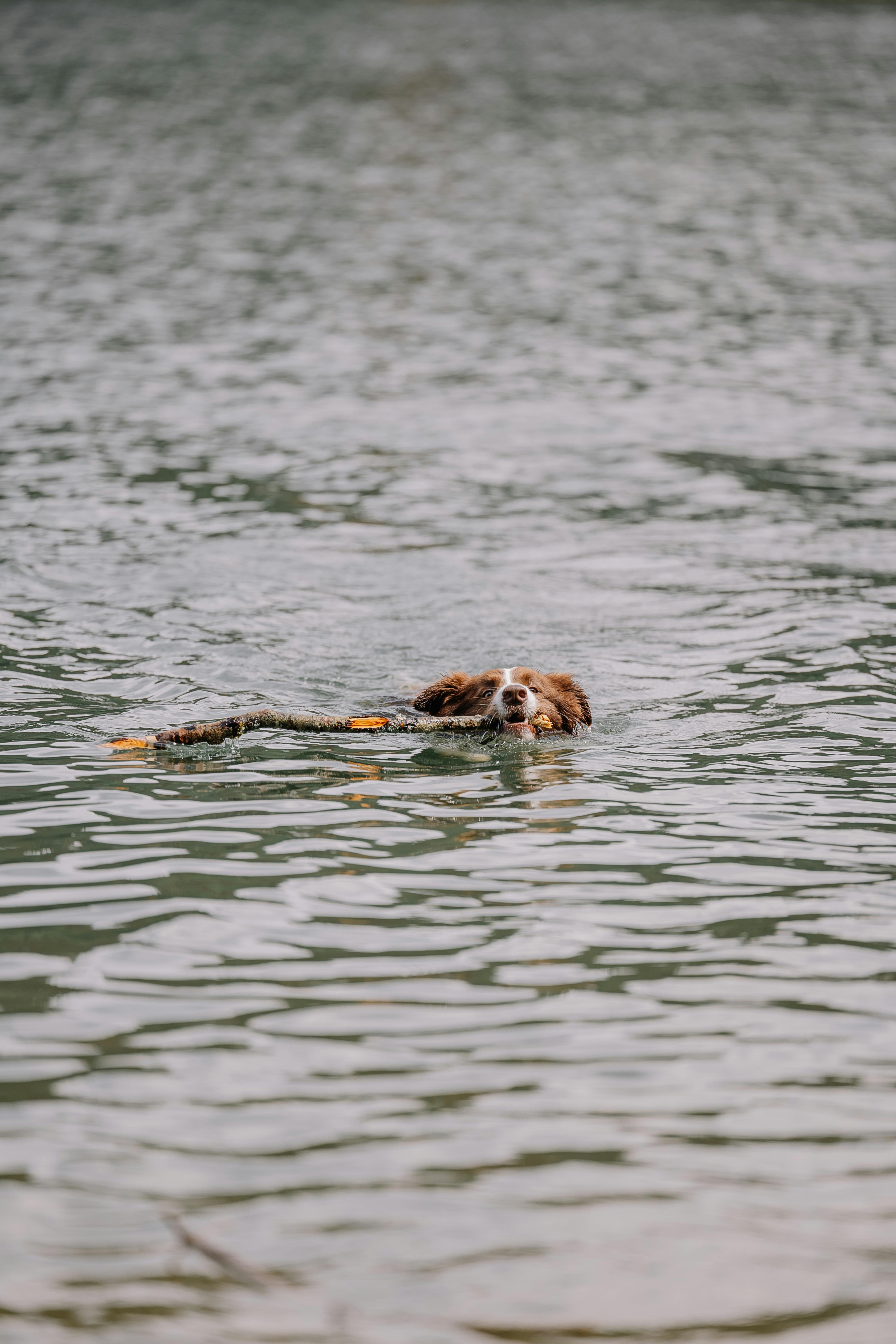 \n\n
\n\nDogs are truly fascinating creatures, and their health is something every pet owner should pay attention to. One of the most common concerns is the condition of a dog’s nose. You might have heard people talking about how wet or dry a dog’s nose can indicate their health. So, what does your dog’s nose say about their well-being? Let's dive into it!
\nWhy Do Dogs Have Wet Noses?
\nFirst off, a dog’s nose is usually wet for a couple of reasons. The primary reason is that dogs have a special type of mucus on their noses that helps them to smell better. Their sense of smell is so strong, about 10,000 to 100,000 times better than humans! When their noses are moist, it helps capture scent particles in the air, making it easier for them to sniff out things.
\nAnother reason is that when dogs lick their noses, it helps keep them cool, just like sweating does for humans. Dogs don’t sweat in the same way we do. Instead, they rely on panting and the moisture on their noses to regulate body temperature.
\nThe Science Behind a Dog's Nose
\nThe anatomy of a dog’s nose is pretty incredible. Here’s some interesting facts:
\n- \n
- Nasal Surface Area: A dog’s nasal cavity is much larger than a human's. This allows for more olfactory receptors. \n
- Olfactory Receptors: Dogs have around 220 million olfactory receptors while humans only have about 5 million. \n
- Temperature Regulation: Wet noses help cool the blood flow to their brain, which can be vital on hot days. \n
Wet Noses vs. Dry Noses: What’s Normal?
\nNow, let’s consider what a dry or wet nose might indicate. Generally, a wet nose is seen as a sign of a healthy dog. But it ain't always that simple.
\nHere’s a quick comparison of wet vs. dry noses:
\n- \n
- Wet Nose:
- \n
- Indicates a healthy dog \n
- Helps with smelling \n
- Often cool to the touch \n
\n - Dry Nose:
- \n
- Can be normal depending on the environment \n
- Might indicate dehydration, fever, or illness \n
- Sometimes can be warm to the touch \n
\n
When To Be Concerned
\nIt’s important to note that a dry nose doesn’t automatically mean that your dog is sick. However, if a dry nose is accompanied by other symptoms, it might be time to head to the vet. Here’s some signs to look for:
\n- \n
- Excessive drooling \n
- Lethargy \n
- Loss of appetite \n
- Vomiting or diarrhea \n
- Nasal discharge \n
Historical Context: The Nose Knows
\nHistorically, a dog’s nose has been a subject of fascination. In ancient times, dogs were revered for their hunting abilities, and their keen sense of smell was vital for survival. Many cultures believed that a dog’s ability to sniff out danger made them special companions.
\nThe idea that a dog’s nose could predict health conditions is not new. In fact, many dog owners have relied on this instinct for centuries. However, modern veterinary science tells us that while a dog’s nose can give clues about their health, it’s not the only indicator to consider.
\nPractical Tips For Dog Owners
\nTo keep your furry friend healthy, there are a few things you can do to help maintain their nose and overall well-being:
\n- \n
- Stay Hydrated: Make sure your dog has access to fresh water at all times. Dehydration can lead to a dry nose. \n
- Regular Vet Check-ups: Routine visits to the vet can catch any health issues early on. \n
- Watch the Environment: Hot weather or dry air can cause a dog’s nose to dry out. Consider using a humidifier in winter. \n
- Observe Behavior: Pay attention to changes in your dog’s behavior, as they can signal health problems. \n
Conclusion
\nUnderstanding your dog’s nose can provide insights into their health. While a wet nose is generally a good sign, keep an eye out for any changes. Regular vet visits and attention to their hydration can help keep your dog feeling their best. Remember, a healthy pup equals a happy pup!
\n\nCurious Canines: Why Do Dogs Have Wet Noses and How It Affects Their Behavior
\n\n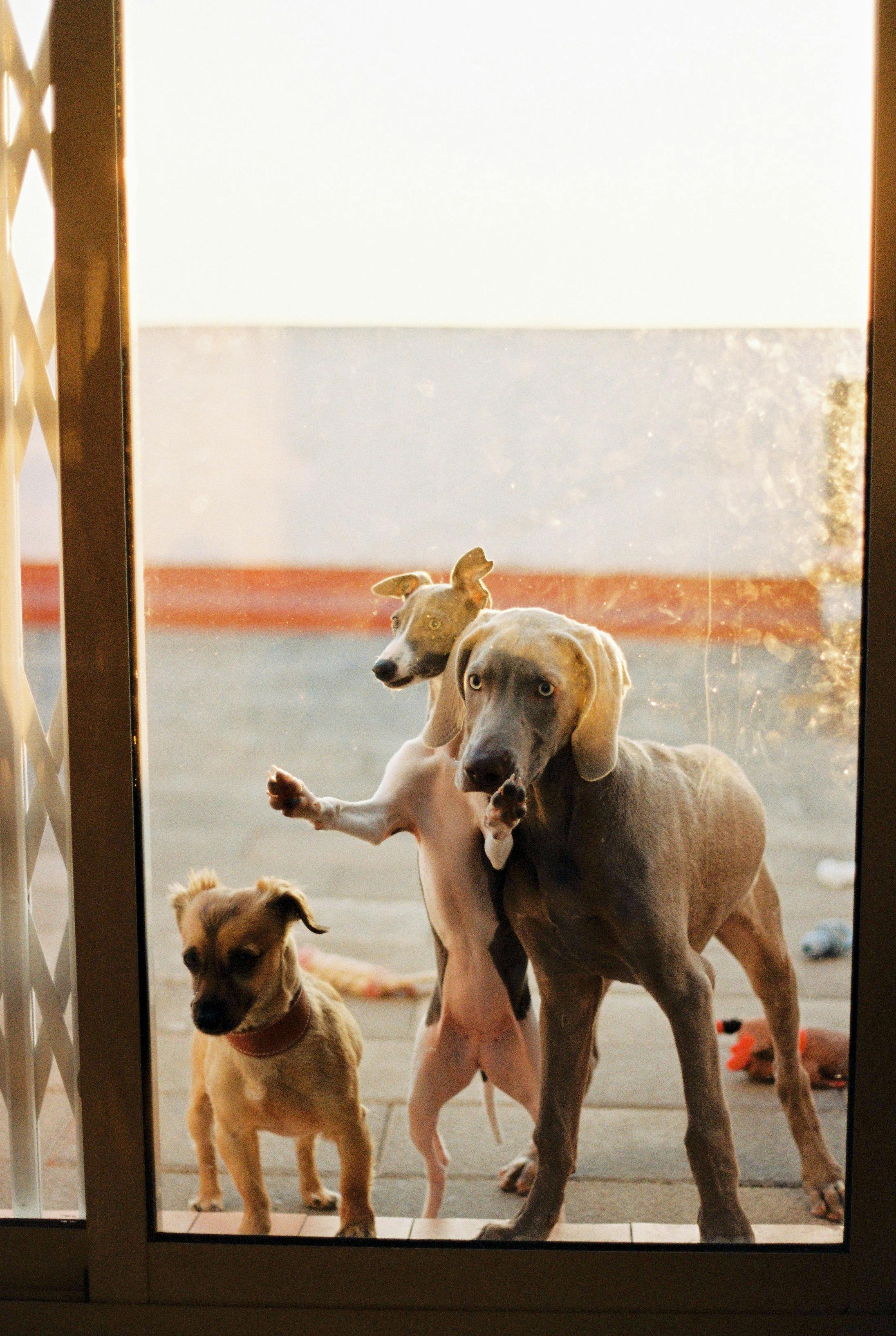 \n\n
\n\nHave you ever wonder why dogs noses are always wet? It’s one of those quirky things about our canine companions that often leave us scratching our heads. Wet noses in dogs is a common sight, but there are more to it than just a cute feature. In fact, this wetness is quite essential for their health and behavior, and tells us a lot about what’s going on with them.
\nThe Science Behind Wet Noses
\nDogs noses are usually wet because of a special mucus that helps them smell better. This mucus traps scent particles from the air, allowing your furry friend to pick up all kinds of smells. Dogs have an incredible sense of smell, estimated to be around 10,000 to 100,000 times more sensitive than humans. When their nose is wet, it’s like having an advanced tool for detecting scents.
\n- \n
- Dogs have around 300 million scent receptors in their noses. \n
- A wet nose allows dogs to absorb scent chemicals more effectively. \n
- The moisture helps cool them down, acting similar to sweat in humans. \n
Historical Context: A Nose for Change
\nHistorically, wet noses might of been an evolutionary trait. Primitive dogs relied on their sense of smell for hunting and foraging. Those with wetter noses likely had an advantage, able to track down food and avoid danger better than those with dry noses. This characteristic might have been passed down through generations, making wet noses a common trait in most dogs today.
\nHow Wet Noses Affect Dog Behavior
\nA wet nose can indicate a lot of different things about your dog’s behavior and health. Here are some key points to consider:
\n- \n
- Healthy and Happy: A wet nose often means that your dog is healthy. If a dog’s nose is dry or cracked, it could be a sign of dehydration or illness. \n
- Scent Sensitivity: Dogs use their noses to gauge their environment. A wet nose can indicate that they are curious or excited about something. \n
- Emotional State: Dogs may lick their noses when they are nervous or anxious. A sudden change in wetness could point to stress or discomfort. \n
Common Misconceptions About Wet Noses
\nMany myths surround the topic of wet noses in dogs. Here are some truths to debunk those myths:
\n- \n
- \n
Myth: A warm nose means a dog is sick.
\n \n - \n
Fact: A dog’s nose temperature can vary for many reasons, and isn’t a reliable indicator of health.
\n \n - \n
Myth: All dogs have wet noses.
\n \n - \n
Fact: Some breeds, like Bulldogs, naturally have drier noses.
\n \n - \n
Myth: The wetter the nose, the healthier the dog.
\n \n - \n
Fact: While a wet nose is generally a good sign, other symptoms should be monitored as well.
\n \n
Practical Examples of Nose Use
\nHere are some examples of how dogs utilize their wet noses in everyday life:
\n- \n
- \n
Tracking and Hunting: Dogs with wet noses can follow scents over great distances. This is why they excel in search and rescue missions.
\n \n - \n
Detecting Emotions: Dogs can smell stress hormones in humans. A wet nose can help them sense when their owner is upset or anxious.
\n \n - \n
Social Interactions: When dogs meet, they often sniff each other’s noses. A wet nose can signal friendliness and openness to social engagement.
\n \n
What You Can Do for Your Dog’s Nose
\nKeeping your dog’s nose healthy is important. Here are some tips:
\n- \n
- Hydration: Ensure your dog drinks enough water to maintain a wet nose. \n
- Regular Vet Checkups: Regular visits can help catch any potential issues early on. \n
- Avoid Irritants: Keep your dog away from harsh chemicals or allergens that could dry out their nose. \n
The Fascinating Truth About Dogs’ Wet Noses
\nIn conclusion, the wetness of a dog's nose is not just a cute feature; it’s a crucial part of their anatomy that enhances their abilities and helps communicate with us and other animals. Their wet noses serve multiple purposes, from enhancing their olfactory senses to signaling their emotional states. Next time you see your dog with a wet nose, remember, it’s a window into their world, full of smells, emotions, and health indicators.
\nSo next time someone asks you, "Why do dogs have wet noses?" you can confidently share the fascinating truth that lies behind this curious canine characteristic!
\n\nThe Evolutionary Purpose of Wet Noses in Dogs: What Science Reveals
\n\n \n\n
\n\nDogs have been companions to humans for thousands of years. Among the many fascinating traits that dogs possess, their wet noses stand out, prompting many to ask, "Why do dogs have wet noses?" This question, while seemingly simple, uncovers a wealth of scientific insight into canine biology and behavior. Let’s explore the evolutionary purpose of wet noses in dogs and what science reveals about this unique feature.
\nThe Science Behind Wet Noses
\nThe wetness of a dog’s nose is not just for show; it serves several important functions. A dog’s nose is covered in a thin layer of moisture, which helps them to detect scents more effectively. This moisture enhances their olfactory senses, allowing them to pick up on a wider variety of smells and pheromones. Here are some key points:
\n- \n
- Moisture enhances scent detection: Dogs have an extraordinary sense of smell, and wet noses help to capture scent particles from the air. \n
- Temperature regulation: Dogs can regulate their body temperature through their noses. When they pant, moisture evaporates from their noses, helping to cool them down. \n
- Health indicator: A dog's nose can indicate their health. A cold, wet nose often suggests that a dog is healthy and well-hydrated, while a dry, warm nose may signal illness or dehydration. \n
Historical Context of Dog Noses
\nThroughout history, dogs have evolved alongside humans, adapting to fulfill various roles from hunting companions to loyal pets. The wet nose is believed to be a trait that has been honed through natural selection. Here’s how:
\n- \n
- Survival of the fittest: Dogs with better scent detection abilities were more successful in hunting and foraging, which meant they were more likely to survive and reproduce. \n
- Domestication: As humans began domesticating dogs, those with enhanced olfactory skills became more valuable, leading to the prevalence of wet noses in modern breeds. \n
Comparison: Dogs vs. Other Animals
\nWhen comparing dogs to other animals, it’s clear that wet noses serve unique purposes. Here’s a quick comparison:
\n| Feature | \nDogs | \nCats | \nHumans | \n
|---|---|---|---|
| Nose Moisture | \nYes | \nNo | \nNo | \n
| Scent Detection | \nHighly developed | \nModerate | \nLimited | \n
| Role in Behavior | \nSocial bonding | \nTerritorial | \nCommunication | \n
Dogs have evolved to rely on their noses much more than cats or humans. This evolutionary advantage has made wet noses an essential part of their biology.
\nPractical Examples of Wet Nose Benefits
\nWet noses play a crucial role in various scenarios. Here’s how they benefit dogs in practical situations:
\n- \n
- Tracking: Dogs used in search and rescue missions rely on their wet noses to pick up scents from missing persons. \n
- Herding: Livestock herding dogs utilize their sense of smell to keep track of animals, guiding them effectively. \n
- Therapeutic roles: Dogs trained as therapy animals often use their wet noses to comfort and connect with people, enhancing emotional well-being. \n
Fun Facts About Dog Noses
\n- \n
- Unique patterns: Just like humans have unique fingerprints, each dog has a unique nose print. \n
- Scent receptors: Dogs have approximately 220 million scent receptors, compared to humans who only have about 5 million. \n
- Temperature detection: Dogs can detect certain diseases, like cancer, through changes in body temperature and scent that can be identified by their wet noses. \n
The wet nose of a dog is more than just a cute feature; it is a vital part of their biology that demonstrates their evolutionary adaptations. The moisture on their noses assists them in understanding the world around them in ways that are both fascinating and critical for their survival.
\nAs we continue to bond with our canine companions, it's essential to appreciate the science behind their wet noses. This unique trait not only helps in scent detection but also serves as a health indicator and plays a role in their overall well-being. Understanding why dogs have wet noses can deepen our connection with them and enhance our appreciation for their remarkable abilities. Whether you’re a dog owner or simply an admirer, there’s no denying that these furry friends are truly special, wet noses and all!
\n\nCommon Questions About Dog Noses Answered: Why Is My Dog’s Nose Wet or Dry?
\n\n\n\nEvery dog owner has probably wondered about their furry friend's nose at some point. Why is it wet? Why does it change from wet to dry? These questions about dog noses are common, and they reveal some fascinating truths about our canine companions. So, let’s dive into these questions and uncover what makes dog noses so interesting.
\nWhy Is My Dog’s Nose Wet or Dry?
\nA dog’s nose can often change from wet to dry and this can be normal. The wetness of a dog’s nose is actually a result of moisture. When a dog licks its nose or when the environment is humid, the nose stays wet. But if your dog is feeling hot or stressed, the nose might dry out. It's also important to note that age and health can have an impact on this too.
\nSome key factors influencing a dog’s nose moisture include:
\n- \n
- Temperature: Heat can lead to a dryer nose. \n
- Health Conditions: Fever or dehydration can cause a dry nose. \n
- Hydration Levels: Not drinking enough water can affect nose moisture. \n
- Environmental Factors: Dry air can lead to a dryer nose too. \n
If you notice a persistent dry nose along with other symptoms like lethargy or loss of appetite, it could be a sign that something is wrong. It’s always best to consult with a veterinarian if you are worried.
\nWhy Do Dogs Have Wet Noses?
\nDogs have wet noses for several reasons, and it's more than just a quirky trait. The moisture on a dog’s nose plays a crucial role in their sense of smell. Dogs have an incredible olfactory system, and the wetness helps to capture scent particles from the air. This moist surface is better at absorbing scents, allowing dogs to detect odors more effectively.
\nMoreover, a wet nose can also help regulate a dog’s body temperature. Dogs don’t sweat like humans; instead, they rely on their noses and panting to cool down.
\nHere are some reasons why dogs have wet noses:
\n- \n
- Enhanced Smell: The moisture helps absorb scent particles, improving their sense of smell. \n
- Temperature Regulation: It aids in cooling down their bodies. \n
- Health Indicator: A wet nose can be a sign of a healthy, active dog. \n
Fun Facts About Dog Noses
\nWhile we’re on the topic, did you know that dog noses are unique? Just like human fingerprints, each dog has a distinct nose print! Here’s a list of other fun facts about dog noses:
\n- \n
- Nose Color: The color of a dog’s nose can vary based on breed. \n
- Scent Receptors: Dogs have around 300 million scent receptors, while humans only have about 5 million. \n
- Nose Temperature: A dog’s nose can be cooler than their body temperature, which is normal. \n
- Health Checks: Vets often check a dog’s nose as part of health assessments. \n
What Do Different Nose Conditions Mean?
\nSometimes, dog noses can show signs of various conditions. It’s important for owners to recognize these signs. Here are some common nose conditions and what they might indicate:
\n- \n
- Cracked Nose: This can indicate dehydration or a skin condition. \n
- Nasal Discharge: Clear discharge is often normal, but thick or colored discharge might suggest an infection. \n
- Nose Bleeding: This could be due to injury or underlying health issues. \n
If you observe any unusual changes in your dog’s nose, it’s best to consult with a veterinarian.
\nTaking Care of Your Dog’s Nose
\nMaintaining your dog’s nose is fairly easy, and it can help keep them healthy. Here are some tips:
\n- \n
- Hydration: Make sure your dog has plenty of water to drink. \n
- Regular Checks: Look for signs of dryness or cracks regularly. \n
- Protect from Elements: If it’s very cold or hot, consider using a nose balm made for dogs. \n
- Vet Visits: Regular check-ups can help catch any potential issues early. \n
Understanding your dog’s nose and the reasons behind its moisture can enhance the bond between you and your pet. It reflects their health and well-being, and being observant can give you insights into their overall condition. Next time you notice your dog’s wet or dry nose, remember the fascinating science behind it. It’s just one of the many ways dogs communicate and express themselves. Keep an eye on those noses; they tell a story!
\n\nConclusion
\n\nIn conclusion, the wet noses of dogs serve several important functions that contribute to their health and well-being. The moisture helps to enhance their sense of smell, as a wet surface can capture scent particles more effectively. Additionally, a dog's nose plays a crucial role in thermoregulation, helping them cool down through evaporation, much like how humans sweat. The presence of moisture also indicates hydration and overall health, making it a useful indicator for pet owners. Understanding these aspects not only deepens our appreciation for our canine companions but also encourages responsible pet care. Regularly checking your dog's nose condition can be a simple yet effective way to monitor their health. So, the next time you greet your furry friend, take a moment to appreciate that wet nose—it's a fascinating feature that showcases the incredible adaptability of dogs.
\n\n