Have you ever wondered, why do dogs have wet noses? This intriguing question not only sparks curiosity but also reveals fascinating truths about our furry companions. A dog's wet nose is more than just an adorable feature; it plays a crucial role in their health and sensory perception. Many pet owners often ask, "Is a wet nose a sign of a healthy dog?" or "What does a dry nose mean for my pup?" These questions can lead to deeper understanding of canine behavior and well-being. The science behind a dog's nose moisture can truly amaze you! It helps in regulating body temperature and enhances their sense of smell, making it vital for their survival. Moreover, the texture and temperature of a dog’s nose can signal various health conditions, adding another layer of significance to this simple feature. So, if you're curious about the fascinating truth behind wet noses, stay tuned! In this blog post, we will delve into the reasons behind this characteristic and explore what it means for your beloved pet. Discover the secrets that make your dog’s nose not just cute, but essential to their overall health and happiness!
The Science Behind Wet Noses: Why Are Your Dog's Nostrils Always Moist?
Dogs, those lovable companions, have a lot of quirks that make them unique. One of the most interesting features about them is their wet noses. You may have often wondered, why do dogs have wet noses? Is it just a cute trait, or does it serve a purpose? Let’s dive into the science behind those moist nostrils and uncover the fascinating truth about why your dog’s nose is always a little damp.
The Science of Dog Noses
Dogs have a special anatomy that contributes to their wet noses. The surface of a dog's nose is covered with a thin layer of mucous, which helps them smell better. You see, dogs have a sense of smell that is far superior than humans. Their noses contain up to 300 million olfactory receptors compared to a human's mere 5 million. This means a dog can detect scents at incredibly low concentrations.
Here's a quick breakdown of the significance of a wet nose:
- Enhanced Smell: The moisture on a dog's nose helps to capture scent particles, making it easier for them to pick up smells.
- Temperature Regulation: Dogs do not sweat like humans. Their noses help them cool down by evaporating moisture.
- Health Indicator: A wet nose can sometimes indicate a healthy dog, while a dry nose may suggest dehydration or illness.
Evolutionary Perspective
From an evolutionary standpoint, wet noses may have developed as a way for dogs to survive in the wild. This moisture not only enhances their olfactory capabilities but also helps them find food and avoid danger. Ancient dogs likely relied on their sense of smell to track prey and navigate their environment.
In a way, a dog’s wet nose is like a built-in tool for survival. Here’s how it evolved:
- Tracking and Hunting: Early canines needed to track scents for hunting. The wetness aids in scent absorption.
- Social Interaction: Wet noses might also help in social interactions, as dogs use scent to gather information about other animals and humans.
- Adaptive Trait: Over thousands of years, this trait became essential for their lifestyle, thus becoming a standard characteristic of canines.
The Moisture Mystery
Have you ever wondered how often a dog’s nose gets wet? It varies! Factors such as breed, environment, and activity level can all affect the moisture level. For instance, a dog that spends more time outdoors may have a wetter nose compared to a couch potato pooch.
Here’s a quick list of factors affecting your dog's nose moisture:
- Weather Conditions: Humidity and temperature can play a big role. In colder, drier air, noses may dry out more quickly.
- Health Status: Illness or dehydration can lead to a dry nose. If you notice your dog’s nose is consistently dry or cracked, it might be time for a vet visit.
- Hydration Levels: A well-hydrated dog often has a moist nose, while dehydration can result in dryness.
Common Myths About Wet Noses
There are plenty of myths surrounding the wet nose of dogs. Let’s clear up some common misconceptions:
- Myth 1: A wet nose means a dog is healthy. While a moist nose can be a sign of good health, it’s not a definitive indicator. Always consult with a vet if you're concerned.
- Myth 2: Dogs only have wet noses when they are sick. This is false; dogs can have varying levels of moisture depending on several factors, not just illness.
- Myth 3: Dogs lick their noses to keep them wet. Dogs often lick their noses, but it’s not solely to keep them moist. They do it to clean their noses and gather scent information.
Fun Facts About Dog Noses
- Dogs can smell up to 100,000 times better than humans!
- The color of a dog’s nose can vary widely, from black to pink to liver-colored, and changes in color can indicate health issues.
- Dogs have unique nose prints, similar to human fingerprints. Each pattern is different!
The next time you pet your furry friend and feel that wet nose against your hand, remember the science and evolutionary history behind it. Those moist nostrils are not just adorable; they serve essential functions that enhance your dog’s life and interactions with the world. Understanding this can deepen the bond you have with your canine companion. Dogs are truly remarkable creatures, and their wet noses are just one of the many wonders that make them so special.
Top 5 Reasons Dogs Have Wet Noses: Uncovering the Mysteries of Canine Anatomy
Have you ever wondered why dogs have wet noses? It's a common question among pet owners, and the answer is both fascinating and complex. Wet noses aren't just a cute characteristic; they actually serve multiple important functions in the life of a canine. In this article, we will dive into the top 5 reasons dogs have wet noses and uncover the mysteries of canine anatomy.
1. Temperature Regulation
One of the primary reasons for a dog's wet nose is related to temperature regulation. Dogs don’t have sweat glands like humans do, so they rely on their noses to help cool down. When a dog licks its nose, the moisture evaporates. This evaporation process helps to cool their body, especially on hot days. It's like their natural air conditioning system!
- Dogs can pant to cool down, but wet noses play a big role too.
- The evaporation from a dog’s nose can lower its body temperature.
- Wet noses are more common in breeds that are more active or live in warmer climates.
2. Enhanced Sense of Smell
Dogs have an extraordinary sense of smell, estimated to be between 10,000 to 100,000 times more sensitive than humans. A wet nose helps to enhance this sense. When a dog’s nose is moist, it can trap scent particles more effectively.
- The moisture on their nose helps scent molecules adhere.
- Dogs use their noses to gather information about their environment.
- A wet nose can make them better hunters, even for breeds that are not traditionally hunting dogs.
3. Communication and Social Interaction
Dogs communicate a lot through their sense of smell, and their wet noses play a role in this too. When dogs meet each other, they often sniff each other’s noses. The moisture allows them to gather more information about their fellow canines, such as their health, mood, and even diet.
- Sniffing is a social greeting among dogs.
- A dog’s nose can tell them about the other dog’s reproductive status.
- Wet noses can convey excitement or nervousness during interactions.
4. Health Indicator
A dog’s nose can also serve as a health indicator. Many owners notice changes in their dog's nose when they are feeling unwell. A dry or cracked nose can be a sign of dehydration, fever, or other health issues. However, it’s important to remember that not all changes are serious.
- A wet nose is generally a sign of good health.
- If a dog’s nose becomes persistently dry, it might be worth consulting a vet.
- Regularly checking your dog’s nose can help you spot health issues early.
5. Evolutionary Advantage
From an evolutionary standpoint, wet noses make sense. An ancestor of modern dogs would have needed to track prey and navigate their environment through scent. Over time, the evolution of a moist nose would have provided an advantage for survival, allowing these animals to become more effective hunters.
- Wet noses are a trait that has been passed down through generations.
- Dogs have adapted their noses for various environments.
- Different breeds may have wet noses for different evolutionary reasons.
Summary of Key Points
- Temperature Regulation: Helps dogs cool down in warm weather.
- Enhanced Sense of Smell: Moisture increases the effectiveness of scent detection.
- Communication: Wet noses facilitate social interactions with other dogs.
- Health Indicator: Changes in nose moisture can signal health issues.
- Evolutionary Advantage: A trait that has developed over time for survival.
While the wetness of a dog’s nose is fascinating, it is just one of the many unique features that make dogs special companions. Understanding why dogs have wet noses can deepen our appreciation for these creatures and their remarkable biology. It also highlights the importance of regular health checks and being observant of any changes in our furry friends.
So the next time you pet your dog and notice that adorably wet nose, remember that it plays a crucial role in their health, communication, and overall well-being. This little detail can encourage us to care for our pets even more, ensuring they stay happy and healthy.
Wet Nose Wonders: How Your Dog's Moisture Affects Their Sense of Smell
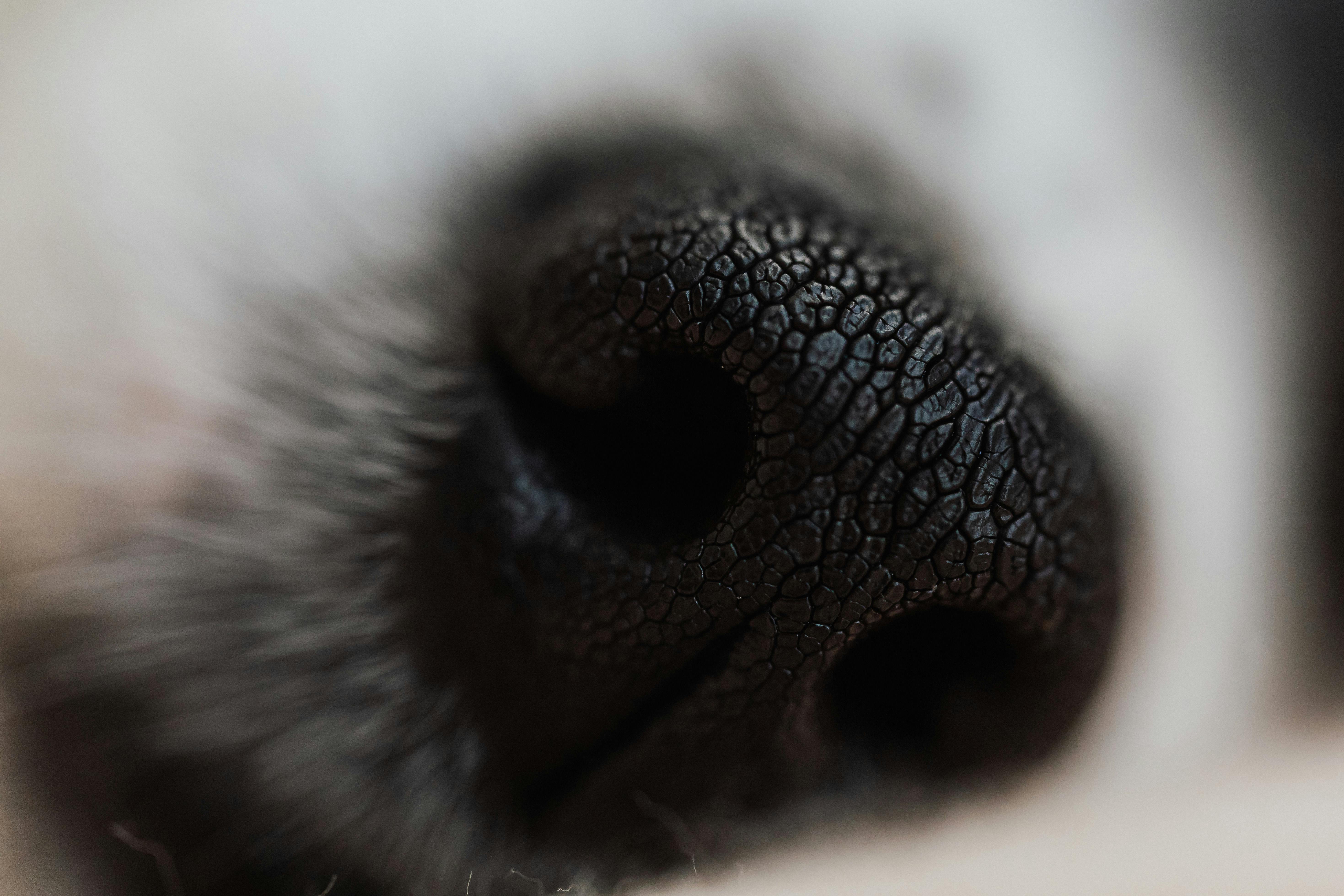
Ever wonder why dogs have wet noses? It's one of those quirky traits that many dog owners notice but few really think about. When you see your furry friend with that moist, cool snout, it might seem just like a cute characteristic, but it actually plays a crucial role in their overall health and senses. Let's dive into the fascinating world of canine noses and discover why they’re wet and what that means for your dog’s sense of smell.
The Science Behind Wet Noses
Dog noses are wet for several reasons. One of the main reasons is that moisture helps to enhance their sense of smell. The wetness captures scent particles in the air, which allow dogs to smell better. Here’s a quick breakdown of how it works:
- Enhanced Olfactory Reception: The moisture on a dog's nose helps to absorb scent molecules, making them more effective at detecting odors.
- Temperature Regulation: A wet nose can help keep a dog cool. When they pant, moisture evaporates from the nose, which can aid in cooling their body temperature.
- Health Indicator: A moist nose is often a sign of a healthy dog. However, if it becomes excessively dry or cracked, it might indicate health issues.
Dogs have about 220 million scent receptors in their noses, compared to humans’ measly 5 million. This incredible olfactory ability is why dogs can smell certain things, like drugs, explosives, or even diseases like cancer. So, the wetness of their noses is a simple but essential adaptation.
Why Do Dogs Have Wet Noses? The Evolutionary Perspective
The evolution of dogs from their wolf ancestors explains a lot about why they have wet noses. Wolves, like dogs, rely heavily on their sense of smell for hunting and navigation. Over time, those with wetter noses likely had better survival rates because they could track scents more effectively. Here's a quick list of evolutionary advantages:
- Better tracking of prey: Helps in hunting.
- Social communication: Dogs use their noses to gather information about other dogs, marking territory, and finding mates.
- Environmental awareness: A wet nose allows dogs to better understand their surroundings.
Common Misconceptions About Dog Noses
There are plenty of myths surrounding dog noses. Here’s a few of them debunked:
- A wet nose means a dog is healthy: While a wet nose is often an indicator of health, it doesn’t always mean a dog is sick if it’s dry. Dogs can have dry noses for many benign reasons.
- Dogs can’t smell if their noses are dry: Dogs can still detect scents even with a dry nose. Their olfactory system is incredibly complex and not solely dependent on moisture.
- All dogs have the same nose temperature: Different breeds can have varied temperatures. What matters more is the overall health of the dog.
How to Care for Your Dog’s Nose
Keeping your dog's nose healthy is important! Here’s some tips:
- Regular Check-ups: Make sure to take your dog to the vet regularly. Any changes in their nose could indicate a health issue.
- Hydration: Ensure your dog stays hydrated. Dehydration can lead to a dry nose.
- Protection from Elements: In extreme weather, protect your dog’s nose from the sun or cold. Use a pet-safe sunscreen or a nose balm if needed.
Fun Facts About Dog Noses
Did you know that dog noses are as unique as human fingerprints? Here are some fun facts:
- Nose Prints: Each dog has a unique nose print, which can be used for identification.
- Color Change: Some dogs experience color changes in their noses based on the seasons or even their age.
- Sense of Smell: Dogs can detect certain smells at concentrations as low as one part per trillion!
Dogs and Their Sense of Smell
Dogs have been utilized in various fields due to their exceptional sense of smell. Here’s a quick overview of their roles:
- Search and Rescue: Dogs can locate missing persons or natural disaster victims.
- Medical Detection: Some dogs are trained to detect diseases, such as diabetes or cancer.
- Detection Services: Dogs help law enforcement in detecting drugs or explosives.
In conclusion, the wet noses of dogs are not just a cute feature; they serve important functions that enhance their amazing sense of smell. Understanding why dogs have wet noses not only helps us appreciate them more but also gives us insight into their health and well-being. Keep an eye on your furry friend’s nose, and make sure it stays moist and healthy!
Is Your Dog's Wet Nose a Sign of Health? Understanding Canine Wellness Indicators

Dogs are some of the most beloved companions for humans, and their health is a top priority for pet owners. One common question that arises among dog lovers is, "Is your dog's wet nose a sign of health?" The answer to this question is not as straightforward as it may seem. Wet noses are often associated with a healthy dog, but there’s more to the story. It’s important to understand what a wet nose means and why dogs have them in the first place.
Why Do Dogs Have Wet Noses?
Dogs have wet noses for several reasons, and it’s not just about looking cute or being a social media star. Here are some key points to consider:
Cooling Mechanism: Dogs sweat very little. Their primary way to cool themselves down is through panting. The moisture on their noses can help with thermoregulation, keeping them cool when they get hot.
Scent Enhancement: A wet nose improves a dog's sense of smell. The moisture helps to capture scent particles in the air, making it easier for dogs to identify different scents. This is crucial for hunting, tracking, or even just sniffing out their favorite treats.
Health Indicator: A wet nose can be a sign of good health. Dogs tend to have wetter noses when they are active, healthy, and hydrated. However, a dry nose can also be normal, depending on the dog and the environment.
Common Misconceptions About Dog Noses
Not everyone knows the facts about dog noses, and there are plenty of myths floating around. Here are a few misconceptions debunked:
Myth: A cold, wet nose means your dog is sick.
Fact: Dogs can have varying nose temperatures. A warm or dry nose doesn’t automatically indicate illness.Myth: All dogs have wet noses all the time.
Fact: Just like humans, dogs can have dry noses at times, especially if they are sleeping or in a dry environment.Myth: You can tell a dog's health by their nose alone.
Fact: While a wet nose can be a good sign, it should not be the only indicator of health. Look for other signs like energy levels, behavior, and eating habits.
The Fascinating Truth About Canine Nose Health
Understanding your dog's nose can be essential for monitoring their overall health. Here’s a quick overview of what to look for:
- Normal Nose: Slightly moist, cool to the touch, and not cracked or peeling.
- Dry Nose: Can be normal, especially after a long sleep or in dry weather; however, if it persists, it could be a sign of dehydration or illness.
- Cracked or Bleeding Nose: This could indicate allergies, infections, or other health issues that should be examined by a veterinarian.
- Excessively Wet Nose: If your dog’s nose is dripping or producing mucus, it might be a sign of an allergy or a respiratory issue.
Practical Tips for Dog Owners
To maintain your dog's nose health and overall well-being, consider these suggestions:
Stay Hydrated: Always provide fresh water. Hydration plays a crucial role in keeping your dog’s nose moist.
Regular Vet Check-Ups: Regular health check-ups can help catch any potential issues before they become serious.
Monitor Environment: If your dog’s nose dries out frequently, consider using humidifiers in dry seasons or when indoors for extended periods.
Observe Behavior: Changes in energy levels, eating habits, or behavior can be more telling indicators of health than just the condition of the nose.
Common Health Issues Related to Nose Conditions
Sometimes, a dog’s nose can signal underlying health problems. Here are a few health issues to be aware of:
- Allergies: Dogs can suffer from environmental allergies, which may lead to a runny or itchy nose.
- Infections: Bacterial or fungal infections can cause changes in the texture and moisture level of the nose.
- Autoimmune Disorders: Rarely, some dogs may develop conditions that affect their skin and nose, leading to lesions or unusual dryness.
Understanding your dog's health goes beyond just observing their nose. While a wet nose can be a good sign, always keep an eye on their overall behavior and consult a veterinarian if you notice any concerning changes. Your furry friend deserves the best care possible, and being informed is the first step in ensuring their health and happiness.
The Role of a Wet Nose in Dog Communication: What Your Pup Is Trying to Tell You
Dogs are often called “man’s best friend,” but have you ever thought about how they communicate with us? One of the most unique aspects of dogs is their wet noses. Many people wonder, why do dogs have wet noses? Is it just for show, or does it actually have a purpose? Let’s dive into the fascinating world of canine communication and explore what your pup is trying to tell you with that wet nose.
The Science Behind a Wet Nose
Dogs have wet noses because of a few reasons. First off, their noses are covered in a special mucus that helps them to smell better. A wet nose can enhance the sense of smell by trapping scent particles. This is really important because dogs rely on their sense of smell for most of their communication and understanding of the world around them.
- Dogs have around 220 million scent receptors in their noses, compared to humans who only have about 5 million.
- The moisture on a dog’s nose comes from a combination of sweat and mucus.
- A wet nose can help regulate the dog’s body temperature, acting almost like a radiator.
Understanding Dog Communication
Dogs can’t speak our language, but they sure have their own ways of telling us what they feel. A wet nose is just one of the many tools in a dog’s communication toolkit. Here’s how they use it:
- Greeting: When your dog nudges you with their wet nose, it’s often a friendly gesture, much like a handshake or hug. They are saying hello and expressing affection.
- Exploration: A dog’s nose is their primary tool for exploring their environment. When they sniff around, especially with a wet nose, they are gathering information about other animals, people, and even the food you’ve dropped on the floor.
- Comfort: If your pup nudges you with their cold, wet nose, it can also be a way of seeking comfort or attention. They might want to play or just be close to you.
The Importance of a Wet Nose
So, why do dogs have wet noses? It’s not just for fun! A wet nose plays a crucial role in their health and communication. Here are some important points:
- Temperature Regulation: Dogs sweat through their paws, but their noses help cool them down too. A wet nose can indicate a well-regulated temperature.
- Health Indicator: A change in the moisture of a dog’s nose can indicate health issues. For example, a dry, cracked nose can sometimes mean dehydration or illness, while a consistently wet nose is generally a sign of good health.
- Social Interaction: Dogs often greet each other with their noses. This means that a wet nose can be a critical part of their social behaviors and interactions.
Fun Facts About Dog Noses
Here are some interesting tidbits about dog noses that you might not know:
- The shape and size of a dog’s nose can vary widely between breeds, from the short snouts of Bulldogs to the long, sleek noses of Greyhounds.
- Dogs can detect certain diseases in humans through their sense of smell. Some are trained to identify conditions like diabetes, cancer, or even COVID-19.
- The color of a dog’s nose can change with age, often darkening as they mature.
Practical Implications for Dog Owners
As a dog owner, understanding the significance of your dog’s wet nose can help you provide better care for your furry friend. Here’s what to keep in mind:
- Regular Check-Ups: Pay attention to your dog’s nose condition. If you notice any drastic changes, it may be worth visiting a veterinarian.
- Hydration: Make sure your dog always has access to clean water. A well-hydrated dog will typically have a moist nose.
- Socialization: Encourage positive interactions with other dogs. Observing how they communicate can give you insights into your own dog’s behavior.
Comparing Wet and Dry Noses
| Wet Nose | Dry Nose |
|---|---|
| Indicates good health | May indicate health issues |
| Helps with scent detection | Can be a sign of dehydration |
| Often cool to the touch | Usually warm or hot |
| Common in healthy dogs | Needs attention if persistent |
Understanding why dogs have wet noses and what they mean in terms of communication can enhance your bond with your pet. It’s amazing how such a simple feature can carry so much significance. Next time your pup nudges you with that cold, wet nose, remember that they’re not just being cute; they’re communicating their feelings and needs. Embrace those moments, and enjoy the special connection you share.
From Temperature Regulation to Scent Detection: The Fascinating Functions of Wet Noses

Have you ever wonder why dogs have wet noses? It’s one of those curious traits that many of us notice, yet we rarely stop to think about it. Dogs’ noses are not just cute or a little damp; they serve a range of fascinating functions that’s vital for their well-being. In this article, we’ll uncover the reasons behind this unique feature, exploring everything from temperature regulation to their incredible scent detection abilities.
The Science Behind Wet Noses
The wetness of a dog’s nose actually come from a combination of factors. For starters, dogs have special glands in their noses that produce mucus. This mucus helps to trap scent particles, making it easier for them to sniff out interesting smells. Additionally, the moisture on their noses also helps them cool down through evaporation, similar to how humans sweat. Here’s a quick breakdown of the science:
- Mucous Glands: These glands produce a thin layer of mucus, which enhances scent detection.
- Evaporation: Just like us, dogs cool themselves off. When the moisture evaporate, it helps regulate their body temperature.
- Scent Absorption: A wet surface can absorb more scent particles, increasing their olfactory senses.
Temperature Regulation
Dogs can’t sweat like humans do. Instead, they rely on their noses to help cool down. When a dog gets too hot, the moisture on their noses evaporates, which can help to lower their body temperature. This is especially important during hot weather. It’s like having a built-in air conditioning system!
- Heat Exchange: The wet nose allows for a small amount of heat exchange, helping to keep them cool.
- Behavioral Signs: You may notice dogs panting or seeking shade when they’re overheated, and a wet nose is a sign they’re managing their temperature effectively.
Scent Detection: A Dog’s Superpower
One of the most fascinating aspects of a dog’s wet nose is its role in scent detection. Dogs have an extraordinary sense of smell, estimated to be between 10,000 to 100,000 times more acute than that of humans. Their wet noses play a key part in this superpower.
- Scent Reception: When a dog sniffs something, the moisture on their nose helps to capture scent molecules, sending them to their olfactory receptors.
- Enhanced Sensitivity: The moisture can make scent particles stick better, allowing dogs to detect even the faintest odors.
Historical Context: From Hunters to Companions
Historically, dogs were bred for specific tasks, including hunting and herding. Their wet noses have been essential for their roles. For instance, hunting dogs relied on their sense of smell to track prey. Over time, this trait has been passed down through generations. Today, dogs still utilize their noses for various tasks, from search and rescue to detection work in law enforcement.
The Role of Wet Noses in Dog Health
A dog’s wet nose is often considered a sign of health. However, it’s not the only indicator. Here’s a quick list of what to keep in mind:
- Normal Moisture Levels: Typically, a healthy dog’s nose will be moist and cool.
- Changes in Texture: If their nose becomes dry, cracked, or excessively warm, it might indicate health issues.
- Behavioral Changes: If your dog is lethargic or shows unusual behavior along with changes in nose texture, it’s best to consult a vet.
Fun Facts About Dog Noses
Did you know that a dog’s nose print is unique, similar to a human fingerprint? Here’s some more fun facts:
- Unique Prints: Just like fingerprints, every dog has a distinct nose print.
- Nose Colors: The color of a dog’s nose can vary based on breed, age, and other factors.
- Scent Identification: Dogs can be trained to detect diseases like cancer and diabetes merely through scent.
Conclusion
In summary, the wet noses of dogs serve multiple essential functions, from regulating temperature to enhancing their already impressive sense of smell. These fascinating features not only demonstrate the adaptability of dogs but also underline their importance as companions and working animals throughout history. So, the next time you notice your furry friend’s wet nose, remember it’s more than just a cute feature; it’s a powerhouse of functionality that contributes to their health and capabilities.
Do All Dogs Have Wet Noses? Exploring Breeds and Their Unique Traits
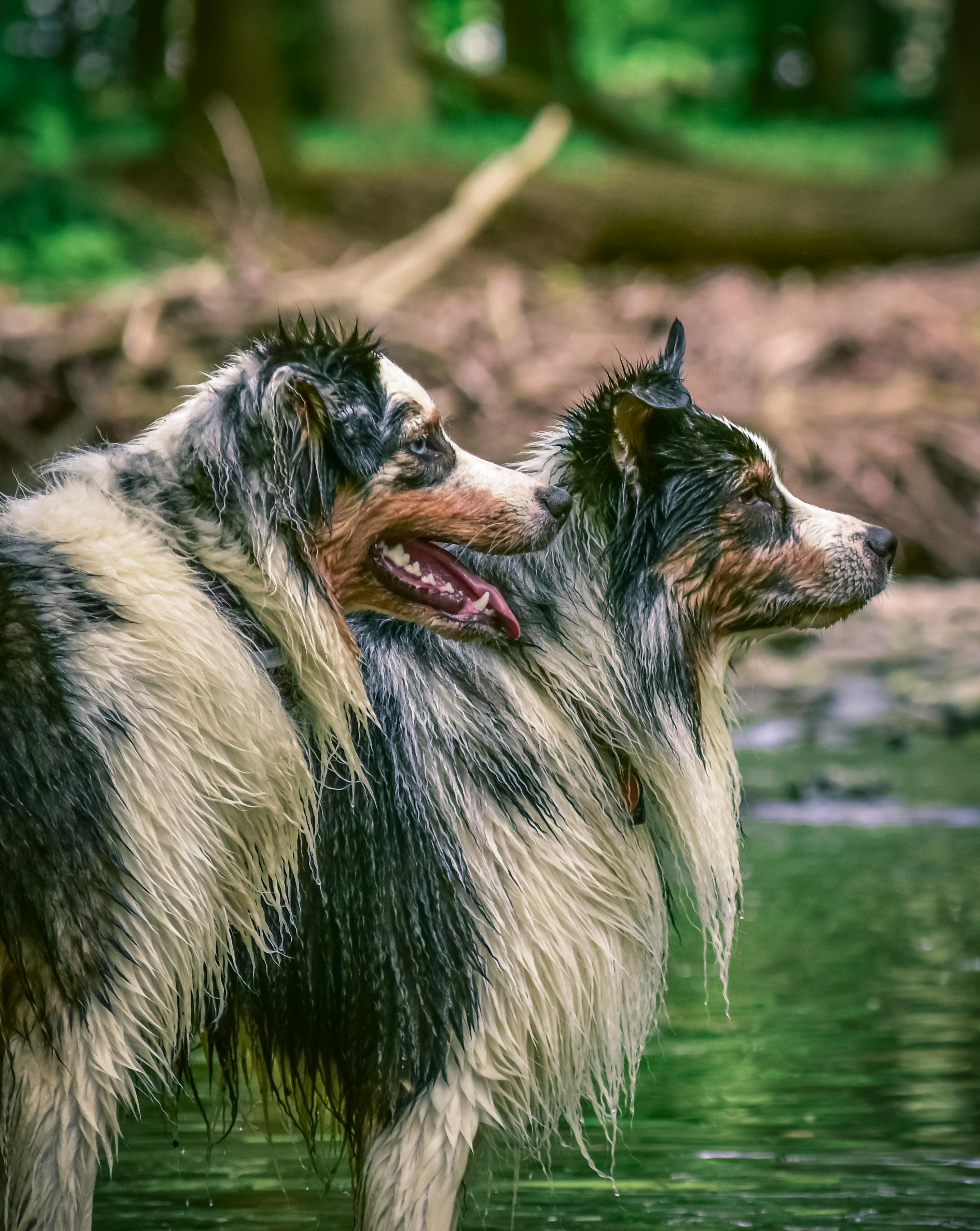
Dogs are often considered man's best friend, and one of the most charming traits they have is their wet noses. But do all dogs have wet noses? This question might seem simple, but the answer is not as straightforward as you might think. In this article, we gonna explore the reasons behind this fascinating characteristic, the different breeds of dogs, and why their noses are wet.
Do All Dogs Have Wet Noses?
Most dogs do have moist noses, but not every single one. Several factors can influence a dog's nose moisture, including breed, health, and environment. For instance, certain breeds like Bulldogs and Pugs may have drier noses due to their unique facial structures. A wet nose can be a sign of a healthy dog, but it isn't always the case. Here's a brief look at some of the breeds that may have varying nose types:
Breeds with Generally Wet Noses:
- Labrador Retrievers
- Golden Retrievers
- Beagles
- German Shepherds
Breeds with Drier Noses:
- Bulldogs
- Pugs
- Shih Tzus
- Boston Terriers
The anatomy of a dog's nose plays a big role in why some are always wet while others are not. Dogs have a special nasal structure that helps them to absorb moisture from the air, and this is why you often see a moist nose.
Why Do Dogs Have Wet Noses?
The moisture on a dog's nose serves several purposes. Let's break it down:
Sense of Smell: Dogs have an incredible sense of smell, and a wet nose helps to enhance this ability. Moisture on the surface of the nose traps scent particles, making it easier for dogs to detect odors.
Thermoregulation: A wet nose can help regulate a dog's body temperature. The moisture evaporates, which can cool the dog down. This is particularly helpful in hot weather when dogs can’t sweat like humans.
Health Indicator: A wet nose is often viewed as a sign of good health. However, a dry nose doesn’t automatically mean something is wrong. Factors such as a dog's activity level, hydration, and even the weather can impact nose moisture.
Emotional State: Dogs may have a wetter nose when they are excited or anxious. This is part of their natural response to stimuli and can vary depending on the situation.
Fascinating Facts About Dogs' Noses
Unique Patterns: Just like human fingerprints, every dog has a unique nose print. This means that no two dogs have exactly the same nose pattern.
Temperature Sensitivity: A dog's nose is more sensitive than human skin. It can feel temperature changes and even detect subtle scents in the environment.
Health Monitoring: Vets often check a dog's nose when assessing their health. While a cold, wet nose is a common sign of a healthy dog, other symptoms should also be taken into account.
Age Matters: Older dogs may experience dryness in their noses due to various factors, including health issues or medications.
Comparing Wet and Dry Noses
Here’s a quick comparison of wet vs. dry noses in dogs:
| Feature | Wet Nose | Dry Nose |
|---|---|---|
| Scent Detection | Enhanced ability | Less effective |
| Temperature Regulation | Effective cooling | Less effective |
| Health Indicator | Generally healthy | Can indicate health issues |
| Breed Variation | Common in many breeds | Seen in certain breeds |
What Affects a Dog's Nose Moisture?
Several factors can influence whether a dog's nose is wet or dry:
- Hydration Levels: Just like humans, dogs need plenty of water. A dehydrated dog may have a dry nose.
- Weather Conditions: Hot or dry environments can lead to drier noses.
- Illness or Allergies: Certain health conditions can cause changes in nose moisture.
- Age: Older dogs may naturally have drier noses.
In summary, while the wetness of a dog's nose is often considered a sign of good health, it isn't a definitive indicator. Different breeds exhibit different traits, and environmental factors play a significant role in a dog's nose condition. Understanding these aspects can help dog owners provide better care and recognize signs of potential health issues. Whether you have a wet-nosed Labrador or a dry-nosed Bulldog, knowing the facts can make you more informed and a better pet parent.
The Myth of Warm Noses: Why Wet Noses Are Actually a Good Sign for Dogs
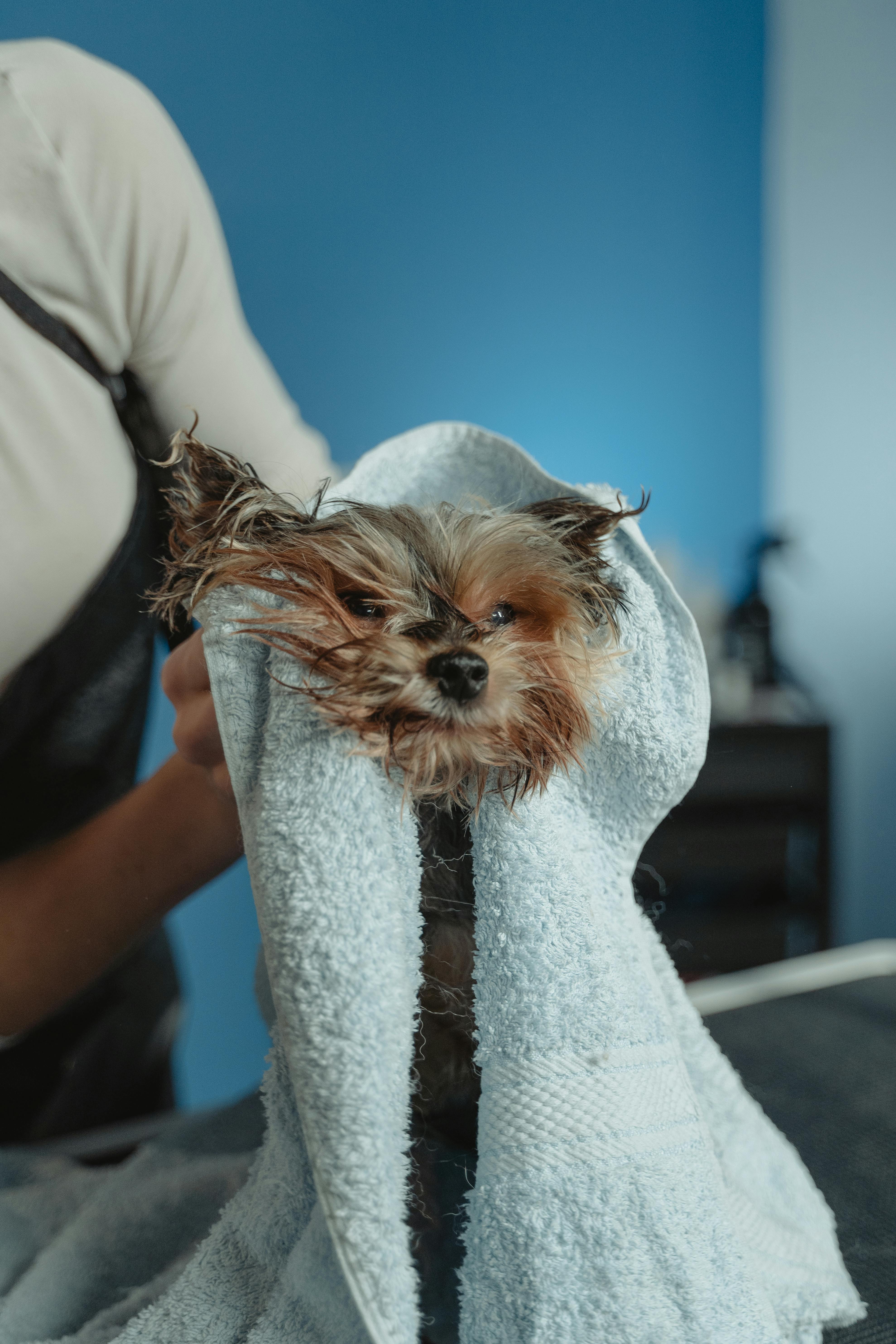
The notion that warm noses indicate a sick dog is a widespread belief, but this myth is far from the truth. Instead, wet noses on dogs are typically a good sign, showing that your furry friend is healthy and happy. So why do dogs have wet noses? Let’s dive into the fascinating reasons behind this characteristic and uncover the science behind it.
The Science Behind Wet Noses
Dog noses are wet for several reasons, most of which are related to their health and behavior. The moisture found on a dog's nose comes from a few sources:
- Mucus Production: Dogs naturally produce mucus to keep their nasal passages moist. This moisture helps enhance their sense of smell, which is significantly more acute than humans.
- Temperature Regulation: A wet nose helps dogs regulate their body temperature. Since dogs primarily sweat through their paws, a cool, moist nose can assist in keeping them comfortable.
- Scent Detection: Wet surfaces are better at capturing scent particles. The moisture on a dog’s nose helps them pick up on a wide range of smells more effectively, which is essential for their survival instincts.
Historical Context of Dog Noses
Throughout history, the perception of dogs and their noses have evolved. In ancient times, people relied on dogs for hunting and companionship. The keen sense of smell—enhanced by that wet nose—made them invaluable. As humans began to breed dogs for specific tasks, the importance of a healthy nose became even more apparent, influencing breeding practices.
Common Myths About Dog Noses
There are many myths surrounding the health of dogs based solely on the temperature of their noses. Here’s a quick rundown of some common misconceptions:
- Warm Nose = Sick Dog: Many people think that a warm nose means a dog is sick. However, a dog’s nose temperature can fluctuate based on activity levels and environment.
- Dry Nose = Dehydration: While a dry nose can sometimes indicate dehydration, it’s not always a reliable sign. Many dogs can have dry noses due to environmental factors, like weather changes.
- Color of the Nose Matters: Some believe that the color of a dog's nose indicates health. In reality, nose color can be genetic and doesn’t reflect health status.
Why Do Dogs Have Wet Noses?
Health Indicator: A wet nose generally suggests that a dog is healthy. It shows that their body is functioning properly, and they are well-hydrated.
Enhanced Scenting Ability: Dogs have about 300 million smell receptors in their noses, compared to humans who have around 6 million. The wetness on their noses helps them absorb smells more effectively, leading to better scent detection.
Cooling Mechanism: Dogs do not sweat like humans do. They rely on their noses to help cool down their bodies. A wet nose can help maintain a lower body temperature.
Behavioral Trait: Dogs often lick their noses to keep them wet. This behavior is instinctual and serves multiple purposes, including maintaining their ability to smell and taste better.
Dog Nose Care Tips
Keeping your dog’s nose healthy is essential. Here are some practical tips:
- Hydration: Ensure your dog is drinking enough water. Dehydration can lead to a dry nose and other health issues.
- Environmental Awareness: Be cautious of extreme weather. Cold, dry air can lead to chapped noses.
- Regular Vet Check-ups: Regular visits to the vet can help identify any underlying issues that could affect your dog’s health, including their nose.
Fun Facts About Dog Noses
- Dogs’ noses can be as unique as human fingerprints, with each dog having a distinct nose print.
- The wetness of a dog's nose can change throughout the day based on activities, temperature, and humidity levels.
- Some dogs may have a naturally drier nose than others, which is perfectly normal.
Understanding why dogs have wet noses can help you distinguish between myths and facts, ensuring you take the best care of your furry friend. Next time you see your dog with a wet nose, remember that it’s usually a sign of good health and happiness. Embrace the unique traits of your canine companion, and you’ll be rewarded with a stronger bond and a happy pet.
How to Keep Your Dog's Nose Healthy and Moist: Tips for Pet Owners

Dogs are beloved members of our families, and as pet owners, we want to ensure they are happy and healthy. One important aspect of a dog’s health is their nose. You might notice that your furry friend’s nose is often wet and cold, but have you ever wondered why? Or how to keep that precious nose in tip-top shape? Let’s explore the reasons behind this fascinating feature and share some tips on how to maintain your dog’s nose.
Why Do Dogs Have Wet Noses?
It's a common question among dog owners: why do dogs have wet noses? There are several reasons for this unique trait. Here’s a quick rundown:
Scent Detection: Dogs have an incredible sense of smell, estimated to be 10,000 to 100,000 times more sensitive than humans. A moist nose helps capture scent particles in the air, making it easier for them to identify smells. This is why your dog might sniff around excitedly when you come home!
Temperature Regulation: Just like humans sweat to cool down, dogs use their noses to help regulate body temperature. The moisture on their nose evaporates, which can help cool them down.
Health Indicator: A wet nose is often associated with a healthy dog. Changes in moisture levels can indicate health issues. For instance, a dry or cracked nose could signal dehydration or illness.
So, the next time you see your dog's wet nose, remember it’s not just a cute feature, it’s an important part of their health!
Tips for Keeping Your Dog’s Nose Healthy and Moist
Now that we know why dogs have wet noses, let’s talk about how to keep that nose healthy and moist. Here are some practical tips:
Stay Hydrated: Ensure your dog has access to fresh water at all times. Dehydration can lead to a dry nose, so keep your furry friend hydrated, especially on hot days or after exercise.
Moisturize: Just like humans, dogs can benefit from a little moisturizer. If your dog’s nose appears dry or cracked, consider using a pet-safe nose balm. This can help keep their nose moisturized and comfortable.
Regular Vet Check-ups: Routine vet visits are essential. Your veterinarian can evaluate your dog’s overall health, including their nose. If there are changes in moisture or appearance, it’s important to get professional advice.
Avoid Irritants: Be mindful of products you use around your dog. Some cleaning supplies, air fresheners, or even certain foods can irritate their nose. Try to use natural products when possible.
Watch for Weather Changes: Just like people, dogs can be affected by the weather. Cold, dry air in winter can lead to a dry nose. Consider using a humidifier in your home during dry months to help maintain moisture in the air.
Diet Matters: A well-balanced diet can contribute to healthy skin and a moist nose. Make sure your dog is eating high-quality dog food that provides essential nutrients for their skin and coat.
Limit Sun Exposure: Dogs can get sunburned too! If your dog spends a lot of time outdoors, especially in sunny weather, consider applying a pet-safe sunscreen to their nose to protect it from harmful UV rays.
Signs of a Problematic Nose
It’s important to keep an eye on your dog’s nose for any signs that might indicate a health issue. Here are a few things to watch out for:
- Crustiness or Flaking: This could indicate a skin issue that needs attention.
- Excessive Dryness: A consistently dry nose might be a sign of dehydration or illness.
- Bleeding: This is a serious concern and requires immediate veterinary attention.
- Discoloration: If your dog’s nose changes color, it could signal an underlying health problem.
Keeping track of these signs can help you catch potential issues early, ensuring your dog stays healthy and happy.
Understanding why dogs have wet noses and how to keep them healthy is essential for every pet owner. A moist nose is not just an adorable feature; it plays a vital role in your dog’s health. By following these tips and being attentive to changes, you can help ensure your furry friend's nose remains in great shape. Happy pet parenting!
Curious About Canine Noses? Discover Fun Facts About Dogs and Their Wet Noses!
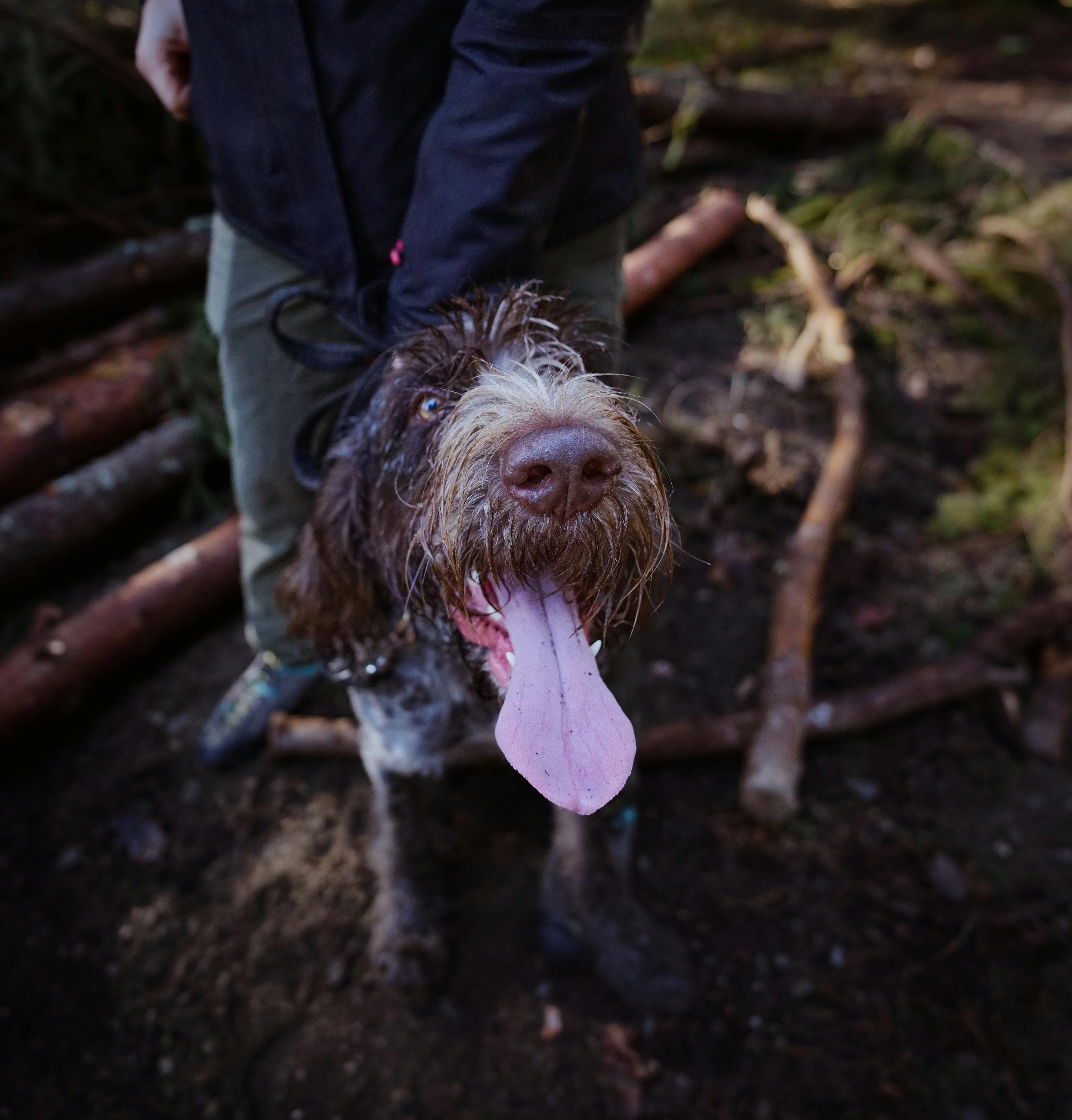
Have you ever wonder why dogs have wet noses? It's like one of those things you think about and then just forget until you see that adorable pup sniffing around. Dogs noses are wet for a reason, and it’s kinda fascinating. Let’s dive into some fun facts about canine noses, and maybe you’ll learn something you didn’t know.
The Science Behind Wet Noses
Dogs noses are moist for a couple of important reasons. First off, it helps them smell better. A wet nose can capture scent particles in the air more effectively. That’s right! When a dog’s nose is wet, it can absorb scents and helps them identify what’s around them. In fact, dogs have about 300 million smell receptors in their noses compared to humans who only have around 5 million. So, imagine how much more they can sniff out!
How Wet Noses Help with Thermoregulation
Another reason why dogs have wet noses relates to temperature regulation. Just like humans sweat to cool down, dogs also rely on their noses for this purpose. When a dog’s nose is wet, it can help cool down their body temperature. This is especially helpful on hot days when they need to stay cool and comfortable. It’s amazing to think about how something as simple as a wet nose plays such a big role in their health!
Fun Facts About Dog Noses
- Unique Patterns: Did you know that just like human fingerprints, every dog has a unique nose print? It's true! You could actually identify a dog by just its nose!
- Scent Detection: Dogs can smell certain diseases like cancer or diabetes. They can even detect some medical conditions in their humans!
- Heat Sensors: Dogs can also use their noses to detect heat. This helps them find warm spots, which is why they might snuggle up to you or sit in a sunny patch on the floor.
- Wet vs. Dry: A dog’s nose can change from wet to dry depending on their health. A dry nose can sometimes indicate dehydration or illness, but not always.
The Importance of Nose Health
Keeping your dog’s nose in good shape is important. If you notice that your dog’s nose is unusually dry or cracked, it could be time to see a vet. Here’s a quick checklist to ensure your dog's nose stays healthy:
- Hydration: Make sure your pup drinks enough water. Dehydration can affect their nose.
- Allergies: Seasonal allergies can cause noses to become dry or irritated. Observe if your dog is sneezing or scratching.
- Infections: Look out for any unusual discharge or changes in color. This could mean an infection.
- Temperature Check: A warm nose may indicate a fever. If it’s warm and dry, it might be time for a vet visit.
Dogs and Their Noses Throughout History
Historically, dogs have been used for hunting and tracking due to their incredible sense of smell. Ancient cultures recognized the power of a dog’s nose. For instance, in ancient Egypt, dogs were used to track down game.
- Tracking: Many breeds like Bloodhounds and German Shepherds are trained specifically for tracking purposes. Their noses are their best tools!
- Search and Rescue: Nowadays, dogs are used for search and rescue missions. They can sniff out survivors trapped under debris after disasters.
Different Nose Colors and What They Mean
Did you ever notice that some dogs have darker noses and some have lighter ones? Here’s a simple breakdown:
- Black Noses: Usually seen in breeds like Labrador Retrievers or Rottweilers. This can be a sign of a healthy dog.
- Pink Noses: Often found in breeds like Dalmatians or Bull Terriers. A pink nose can be prone to sunburn, so it needs protection.
- Spots and Patterns: Some dogs might have spotted noses. This is common in mixed breeds and can be a sign of genetic diversity.
Understanding why dogs have wet noses and their significance can enrich your relationship with your furry friend. Next time you see your dog’s adorable wet nose, remember all the incredible things it does! Their noses are more than just cute; they’re crucial to their well-being and understanding of the world. Plus, who wouldn’t want to learn more about their pup’s unique features? Every little detail contributes to what makes dogs so special in our lives.
Conclusion
In conclusion, the wet noses of dogs serve multiple important functions that contribute to their overall health and well-being. From enhancing their sense of smell to regulating body temperature, the moisture found on a dog's nose plays a critical role in their sensory perception and thermoregulation. Additionally, a wet nose can signify a healthy dog, as it often indicates proper hydration and a good immune response. Understanding these fascinating aspects of canine biology not only helps us appreciate our furry companions more but also allows us to monitor their health more effectively. Next time you give your dog a pat on the head and feel that familiar wet nose against your hand, remember the science behind it. If you notice any changes in your dog’s nose or behavior, don’t hesitate to consult your veterinarian. Staying informed and attentive to your pet's needs is the best way to ensure their happiness and health.