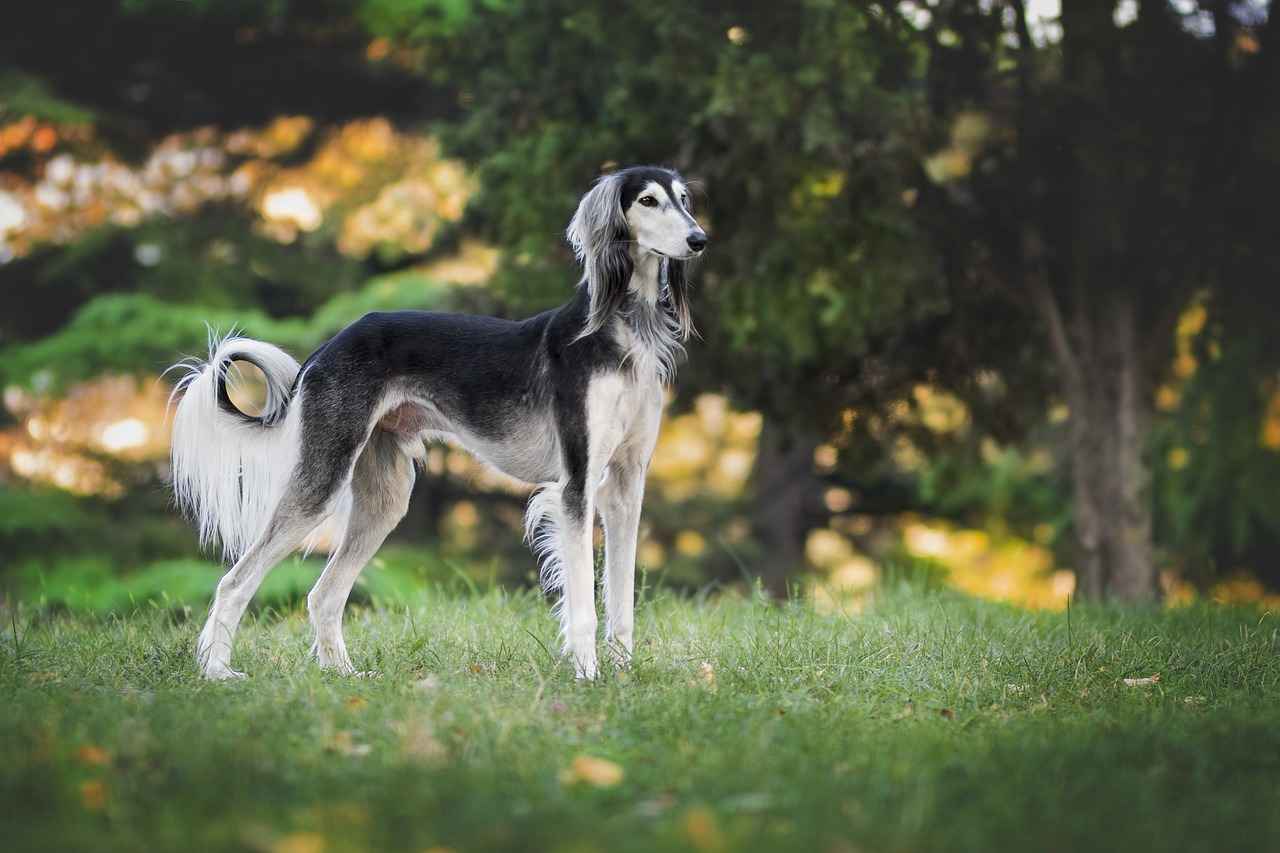
Have you ever wondered why do dogs have wet noses? This intriguing question not only sparks curiosity but also reveals the fascinating truth about our canine companions. A dog’s wet nose is more than just an adorable feature; it serves several important purposes that contribute to their health and behavior. Did you know that a wet nose helps dogs to smell better? That's right! It’s a scientific fact that a moist nose enhances their sense of smell, making them more effective at sniffing out everything from treats to potential dangers. But what causes this moisture? Could it be just saliva, or is there more to the story? In this blog post, we will explore the reasons behind why dogs have wet noses, diving deep into the biology and benefits of this unique trait. Additionally, we will discuss how a dog’s nose can indicate their well-being and what changes in moisture levels might mean. So, if you're curious about the science behind your furry friend’s nose, keep reading to uncover the fascinating secrets that lie beneath that wet, cold surface!
\n\nThe Science Behind Wet Noses: Why Dogs’ Snouts Are Always Moist
\n\n \n\n
\n\nDogs, those lovable companions, are a part of many people’s lives. If you ever noticed, their noses are usually wet, and you might of wondered why. Why do dogs have wet noses? What’s the science behind it? It turns out, there’s a fascinating truth about those moist snouts of our canine friends, and it relates to their health, sense of smell, and even temperature regulation.
\nThe Purpose of a Wet Nose
\nA wet nose in dogs isn’t just for show or a quirky trait. It serves multiple important functions. First of all, it helps dogs smell better. When the nose is moist, it traps scent particles more effectively. This is crucial because dogs have an exceptional sense of smell—up to 100,000 times more sensitive than humans! So, when they go sniffing around in the park, the moisture on their noses helps them pick up scents in the air more easily.
\n- \n
- Enhanced Olfactory Function: The wetness allows scent molecules to dissolve, which makes them easier to detect. \n
- Temperature Regulation: Dogs can’t sweat like humans do, so they rely on their noses and panting to cool down. A moist nose helps with this process. \n
The Science Behind It
\nYou may ask, how does this all work? The science behind why dogs have wet noses is quite interesting. The nasal cavity of a dog is lined with mucous membranes. These membranes produce mucus that keeps the nose moist. This moisture helps to absorb scent particles, allowing dogs to gather more information about their environments.
\n- \n
- Nasal Anatomy: The complex structure of a dog’s nose contains turbinates that increase surface area, enhancing their sense of smell. \n
- Mucus Production: The mucus not only keeps the nose moist but also protects it from dust and allergens. \n
Historical Context
\nDogs have been humans’ companions for thousands of years. Historically, wet noses have been a key aspect of their evolution. In the wild, dogs relied on their sense of smell to find food and detect danger. A wet nose was advantageous, helping them to survive and thrive. Those with better olfactory abilities likely had a higher chance of survival, leading to the evolution of dogs with more moist noses.
\nCommon Misconceptions
\nThere are also some common myths around wet noses. Many believe that a warm, dry nose indicates that a dog is sick, while a wet nose means they are healthy. This isn't always true. The temperature and moisture of a dog's nose can vary based on many factors, including activity level, environment, and even time of day.
\nHere are some misconceptions:
\n- \n
- \n
Myth: A wet nose means a dog is healthy.
\n \n - \n
Fact: It’s not a definitive health indicator.
\n \n - \n
Myth: A dry nose indicates illness.
\n \n - \n
Fact: Dogs can have dry noses for many reasons, including weather and hydration.
\n \n
Practical Tips for Dog Owners
\nUnderstanding your dog's nose can help you take better care of them. Here are a few practical tips for dog owners:
\n- \n
- Regular Vet Check-Ups: Keep an eye on your dog’s overall health; a change in nose moisture can sometimes mean something is amiss. \n
- Hydration is Key: Ensure your dog has access to fresh water. Hydration can affect the moisture of their nose. \n
- Watch for Changes: If your dog’s nose becomes excessively dry or cracked, it might be time to consult a vet. \n
Fun Facts About Dog Noses
\n- \n
- Unique Patterns: Just like human fingerprints, every dog has a unique nose print. \n
- Scent Discrimination: Dogs can differentiate between different scents, even if they are in the same location. \n
- Nose Color: Not all dogs have black noses; some may have pink or brown noses based on their breed and genetics. \n
Having a wet nose is just one of the many unique features of dogs that make them exceptional companions. Their noses are not just cute but also a vital part of how they interact with the world around them. From enhancing their sense of smell to helping regulate their body temperature, a dog’s wet nose is essential to their health and well-being. So the next time you give your furry friend a gentle pat on their snout, remember the fascinating science behind that moist nose!
\n\n5 Fascinating Reasons Your Dog’s Nose Is Wet – What You Need to Know
\n\n \n\n
\n\nDogs are fascinating creatures, and their wet noses are one of the most intriguing features. Ever wonder why do dogs have wet noses? It’s not just for show, there’s actually some science behind it. Here are 5 fascinating reasons your dog’s nose is wet, plus some insights into what this means for their health and behavior.
\n1. Enhanced Sense of Smell
\nOne of the main reasons dogs have wet noses is that it helps them smell better. A wet surface can capture scent particles more effectively. Dogs have an extraordinary sense of smell, estimated to be between 10,000 to 100,000 times more sensitive than that of humans. The moisture on their noses allows them to absorb more scents, making them better at detecting food, threats or other animals.
\n- \n
- Wet noses trap scent particles \n
- Dogs can detect a range of odors \n
- Helps in tracking, hunting, and even detecting diseases in humans \n
2. Temperature Regulation
\nJust like humans sweat to cool off, dogs use their noses to help regulate body temperature. When a dog’s nose is wet, it acts like a radiator, helping to keep their body cool. This is important since dogs don’t sweat like we do. Instead, they rely on panting and the moisture on their noses to manage heat.
\n- \n
- Dogs have limited sweat glands \n
- Nose humidity can indicate temperature \n
- A warm, dry nose may signal overheating \n
3. Hydration Indicator
\nA wet nose can also be a good indicator of a dog's hydration levels. Generally, if a dog's nose is moist, it’s a sign they are well-hydrated. Conversely, a dry nose could mean they need more water or might be experiencing some health issues. Keeping an eye on your dog's nose can be a simple way to monitor their health.
\n- \n
- Moist nose = well-hydrated \n
- Dry nose can indicate dehydration \n
- Changes in nose texture can signal health problems \n
4. Communication Tool
\nDogs communicate in a variety of ways, and their noses play a role in that too. When dogs greet each other, they often sniff each other's noses and faces. A wet nose can be more inviting and less threatening. It's like their way of saying, “Hey, I’m friendly!” This behavior is deeply rooted in their social interactions and pack mentality.
\n- \n
- Sniffing is a social behavior among dogs \n
- Wet noses can signal friendliness \n
- Helps dogs learn about each other \n
5. Health Gauge
\nLastly, a wet nose can serve as a health gauge. While a wet nose is typically a sign of a healthy dog, changes in the moisture level can indicate health issues. For instance, if your dog’s nose suddenly becomes dry or cracked, it could be a sign of dehydration, fever, or illness. Regularly checking your dog's nose can help catch potential problems early.
\n- \n
- Healthy dogs usually have moist noses \n
- Dry or cracked noses can signal health issues \n
- Regular monitoring is key for good health \n
Quick Facts About Dog Noses
\n- \n
- Dogs’ noses are unique, just like human fingerprints. \n
- The coloration of a dog’s nose can vary among breeds. \n
- Dogs can smell diseases like cancer and diabetes. \n
- The average dog has about 220 million scent receptors in their noses. \n
Comparison Table: Dog Nose Characteristics
\n| Characteristic | \nDescription | \n
|---|---|
| Scent Detection | \n10,000 to 100,000 times more sensitive than humans | \n
| Temperature Regulation | \nAids in body cooling | \n
| Hydration Indicator | \nMoist = hydrated; dry = potential health issues | \n
| Communication | \nSniffing as a friendly greeting | \n
| Health Gauge | \nChanges in moisture may indicate illness | \n
Understanding why do dogs have wet noses can help pet owners appreciate their canine companions even more. It’s a mix of biology, chemistry, and social behavior that makes dogs such unique pets. So, next time you see that wet nose, remember it’s not just for show—it’s a vital part of your dog’s health and happiness.
\nPay attention to these fascinating facts, and you might just learn more about your furry friend than you ever thought possible. Wet noses are more than just an adorable feature; they’re a window into your dog’s world and well-being.
\n\nIs a Wet Nose a Sign of a Healthy Dog? Debunking Common Myths
\n\n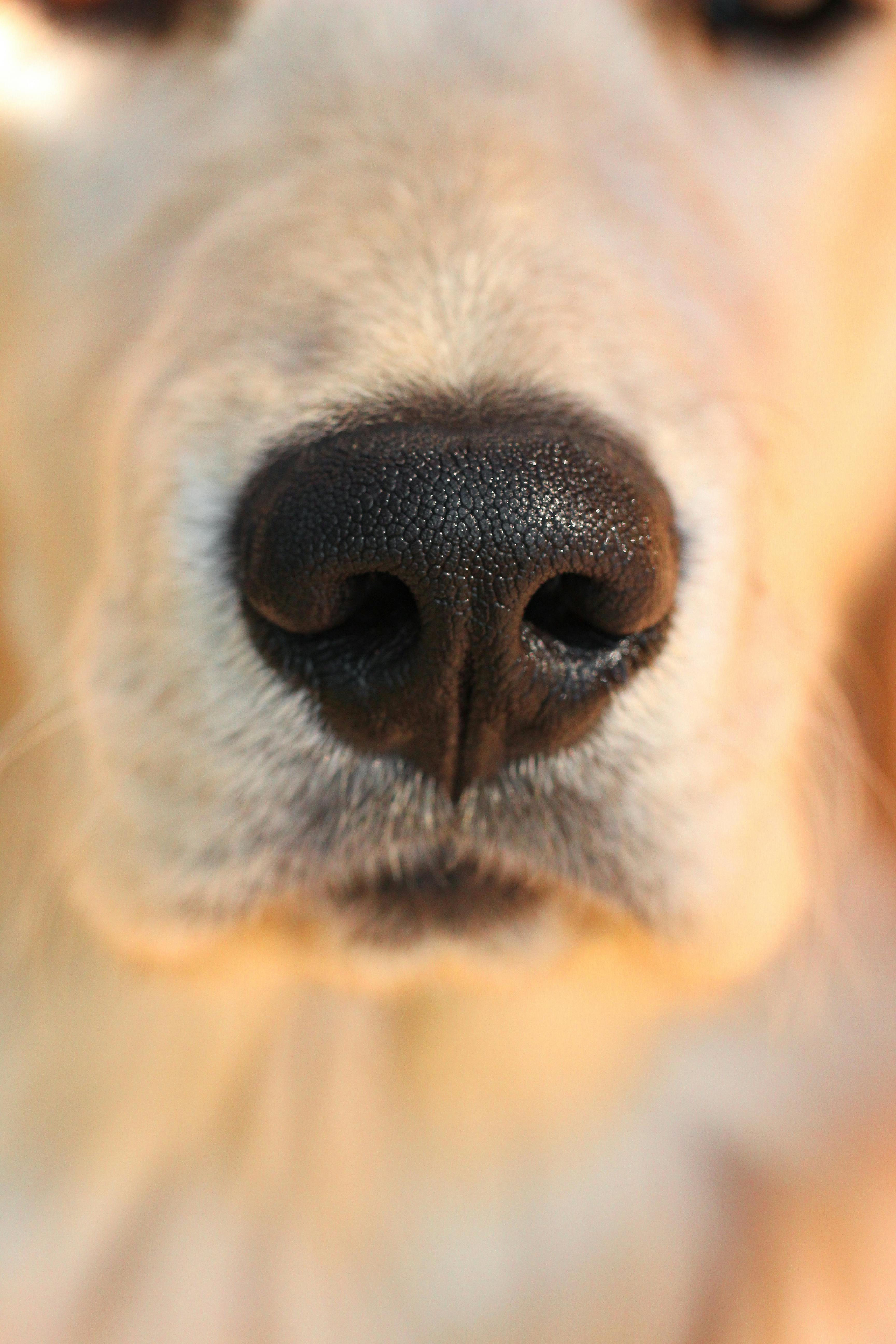 \n\n
\n\nIs a Wet Nose a Sign of a Healthy Dog? Debunking Common Myths, Why Do Dogs Have Wet Noses? Discover The Fascinating Truth
\nWhen you see a dog, one of the first things you might notice is its wet nose. It's cute, it's squishy, and many people often think a wet nose means the dog is healthy. But is that really true? Let's dive into this common belief and explore the truth behind why do dogs have wet noses and what it means for their health.
\nThe Myth of the Wet Nose
\nMany people believe that a wet nose is an indicator of good health in dogs. This myth has been passed down through generations, but it’s important to know that a dog’s nose moisture can vary for many reasons. While a wet nose can be a sign of a healthy dog, it is not definitive proof of wellness. Here are some points to consider:
\n- \n
- Environmental Factors: Dogs can get wet noses from their environment. Playing in the rain, drinking water, or even just being outside on a humid day can increase moisture levels on their noses. \n
- Behavioral Aspects: Dogs often lick their noses, which can also add moisture. This behavior could be due to curiosity or simply because they're cleaning themselves. \n
- Health Conditions: Some health issues can cause a dry nose or changes in moisture levels. If a dog has a consistently dry nose, it might be worth consulting a vet to rule out any health problems. \n
Why Do Dogs Have Wet Noses?
\nTo understand why dogs have wet noses, we need to look at their anatomy and biology. A dog’s nose is not just for smelling; it serves multiple functions. Here’s a list of reasons why dog noses are typically wet:
\n- \n
- Enhanced Smell: Wet noses help dogs smell better. The moisture captures scent particles, which makes it easier for them to detect smells. This is why dogs have such an acute sense of smell. \n
- Temperature Regulation: Dogs don’t sweat like humans do. They primarily rely on panting and their noses to help regulate body temperature. A wet nose can help cool them down. \n
- Communication: Dogs use their noses to communicate with other dogs. A moist nose may signal to other dogs that they are friendly and not a threat. \n
The Science Behind Nose Moisture
\nThe moisture on a dog's nose comes from several sources. Here’s a breakdown:
\n- \n
- Mucous Membranes: The nose contains mucous glands that produce moisture. This is a normal function and contributes to the wetness. \n
- Licking: Dogs often lick their noses, which can keep them moist. They may do this more when they are anxious or excited. \n
- Climate and Weather: Humidity and temperature can also affect nose moisture levels. For example, a dog’s nose may be drier in winter than in summer. \n
Common Misconceptions
\nThere are many misconceptions about dog health that revolve around the state of their noses. Here’s a quick comparison of what people think versus the reality:
\n| Belief | \nReality | \n
|---|---|
| A wet nose means a healthy dog | \nWetness can be due to several factors, not just health. | \n
| A dry nose means illness | \nA dry nose can be normal; it depends on various factors. | \n
| All dogs' noses are equally wet | \nNose moisture varies greatly between breeds and individuals. | \n
What To Watch For
\nWhile a wet nose can sometimes indicate a healthy dog, it’s important to look for other signs of health. Here are some things to observe:
\n- \n
- Energy Levels: Is your dog active and playful? \n
- Appetite: Is your dog eating well? \n
- Behavior Changes: Any sudden changes in behavior might indicate health issues. \n
If you notice any unusual changes in your dog’s health, it’s always a good idea to consult with a veterinarian.
\nFinal Thoughts
\nIn summary, while a wet nose can be a sign of a healthy dog, it is certainly not the only indicator. The moisture level can be influenced by many factors including the environment and the dog's behavior. Understanding the reasons behind why dogs have wet noses can help dispel myths and encourage responsible pet ownership. Remember, just like humans, dogs have unique characteristics, and their health should be monitored through a variety of signs, not just the state of their noses. So the next time you see a pup with a wet nose, appreciate it for what it is, but don't jump to conclusions about their health!
\n\nHow Dogs Use Their Wet Noses for Communication and Bonding
\n\n \n\n
\n\nWhen you think about dogs, their wagging tails and playful energy often come to mind. But there’s another fascinating aspect of canine behavior that often goes unnoticed: their wet noses. Have you ever wondered why do dogs have wet noses? It’s not just for show! Dogs utilize their moist noses for communication and bonding, which makes them even more interesting companions. Let's dive into the captivating world of dog noses and discover what makes these furry friends so special.
\nWhy Do Dogs Have Wet Noses?
\nDogs have wet noses thanks to a combination of factors. Primarily, their noses are covered in a thin layer of mucous which helps enhance their sense of smell. A wet nose can pick up scents much more efficiently, allowing dogs to gather information about their environment. Here’s some reasons why dog noses are so wet:
\n- \n
- Enhanced Olfactory Functions: The moisture allows scent molecules to adhere better to the surface of the nose, which helps dogs detect pheromones and other scents. \n
- Thermoregulation: Wet noses also help dogs cool down. Since dogs primarily sweat through their paw pads, having a wet nose helps with regulating their body temperature. \n
- Health Indicator: A dog’s nose can signal their health. A cold, wet nose usually indicates a healthy pup, while a dry or warm nose could suggest illness or dehydration. \n
How Dogs Use Their Wet Noses for Communication
\nDogs are social animals, and they communicate in a variety of ways, including through body language, vocalizations, and of course, their noses. Here’s how they use their wet noses to convey messages:
\n- \n
- Scent Communication: Dogs use their noses to sniff other dogs and people. This is their way of gathering information about others. The smells they detect can tell them if another dog is friendly, scared, or even sick. \n
- Affection and Bonding: A gentle nudge or a soft touch with their nose can be a dog’s way of showing affection. They often nuzzle their owners or other pets as a form of bonding. \n
- Alerting Behavior: If a dog senses something unusual, they may use their nose to nudge their owners to bring attention to it. This behavior can be important for alerting humans to dangers, such as an intruder or a potential hazard. \n
The Science Behind a Dog’s Nose
\nDogs have an extraordinary sense of smell, estimated to be anywhere from 10,000 to 100,000 times more acute than humans. This incredible ability is largely due to the structure of their noses. Here’s a breakdown:
\n- \n
- Olfactory Receptors: Dogs have approximately 220 million olfactory receptors in their noses, compared to a human's 5 million. This makes them unparalleled in their ability to detect scents. \n
- Jacobsen's Organ: Also known as the vomeronasal organ, this structure allows dogs to detect pheromones, which are chemical signals that convey information about other animals. \n
- Nasal Turbinates: These are structures that help to filter and humidify air as it enters their nose, enhancing their sense of smell even further. \n
Fun Facts About Dog Noses
\n- \n
- Unique Patterns: Just like human fingerprints, every dog has a unique nose print. This means that you could theoretically identify a dog based solely on its nose. \n
- Wetness Levels: The wetness of a dog’s nose can fluctuate throughout the day. It might be drier in the morning and wetter after they’ve been drinking water or sniffing around. \n
- Temperature Sensitivity: Dogs can detect changes in temperature through their noses, which is useful for finding food or avoiding dangerous situations. \n
Practical Tips for Dog Owners
\nUnderstanding the importance of a dog’s nose can help you bond better with your furry friends. Here’s some practical advice:
\n- \n
- Encourage Sniffing: Let your dog sniff around during walks. This is their way of exploring the world, and it can make walks more enjoyable for them. \n
- Health Checks: Regularly check your dog’s nose. If you notice it becoming persistently dry or cracked, consult a veterinarian to rule out health issues. \n
- Interactive Toys: Use toys that encourage sniffing and searching. These can be great for mental stimulation and help keep your dog engaged. \n
Dogs have such an amazing ability to communicate and connect with us, and their wet noses play a vital role in that. By understanding why do dogs have wet noses and how they use them, you can strengthen your bond with your pet. Embracing every unique feature of your dog not only enhances your relationship but also contributes to their overall well-being. So the next time your dog nudges you with their wet nose, remember it’s not just a cute gesture — it’s their way of saying, “I love you!”
\n\nThe Role of Dog Noses in Scent Detection: Why Moisture Matters
\n\n \n\n
\n\nThe world of dogs is full of curious traits and behaviors that leave us wondering. One of the most fascinating aspects is their noses. Yes, you heard it right! The role of dog noses in scent detection is not just a random fact, it’s a remarkable feature that has evolved over thousands of years. You might ask yourself, why do dogs have wet noses? Well, moisture plays a crucial part in how dogs perceive the world around them. Let’s dive into this interesting topic.
\nWhy Moisture Matters in Scent Detection
\nDogs are known for their exceptional sense of smell, which is about 10,000 to 100,000 times more sensitive than humans. This ability is largely due to the structure of their noses, but moisture plays a key role in this process. When a dog’s nose is moist, it helps capture scent particles more effectively.
\nSome reasons why moisture is important include:
\n- \n
- \n
Enhanced Scent Reception: Wet noses can trap more scent particles. The moisture on a dog's nose absorbs these particles, allowing them to detect smells more accurately.
\n \n - \n
Cooling Mechanism: Dogs don’t sweat like humans do. A wet nose helps regulate their body temperature, which is essential for maintaining their scent detection abilities.
\n \n - \n
Chemical Detection: A moist surface on the nose helps dissolve airborne chemicals, enhancing their ability to identify different scents.
\n \n
The Anatomy of a Dog's Nose
\nUnderstanding the anatomy of a dog's nose can help us appreciate why it’s so effective in scent detection. The dog nose contains several key parts:
\n- \n
- Nasal Cavity: This large space is lined with olfactory receptors that detect smells. \n
- Jacobsen's Organ: Also known as the vomeronasal organ, this structure helps dogs detect pheromones and other chemical signals. \n
- Moisture Glands: These glands produce the mucus that keeps the nose moist. \n
The Fascinating Truth About Wet Noses
\nSo why do dogs have wet noses? The truth is, it’s not just for show. The moisture on a dog’s nose serves several important purposes:
\n- \n
- \n
Temperature Regulation: Dogs can’t sweat like we do. Their wet noses help cool them down, which is crucial during hot weather.
\n \n - \n
Scent Enhancement: As mentioned earlier, a wet nose is better at picking up and holding onto scent particles, making dogs excellent at tracking scents.
\n \n - \n
Health Indicator: A wet nose is often seen as a sign of health in dogs. However, it’s important to note that some dogs may have dry noses and still be perfectly healthy.
\n \n
Historical Context of Dog Scent Detection
\nHistorically, dogs have been used for scent detection for centuries. From hunting to rescue operations, their noses have played a vital role. In fact, dogs have been employed in various fields, including:
\n- \n
- \n
Search and Rescue: Dogs are trained to locate missing persons or disaster victims using their sense of smell.
\n \n - \n
Law Enforcement: K-9 units use dogs to sniff out drugs, explosives, and even cash.
\n \n - \n
Medical Detection: Some dogs are trained to detect diseases like cancer or diabetes in humans.
\n \n
Interesting Comparisons
\nWhen comparing a dog's sense of smell to humans, the differences are staggering:
\n- \n
- \n
Olfactory Receptors: Dogs have about 300 million olfactory receptors, while humans have around 5 million.
\n \n - \n
Brain Area for Smell: The part of a dog’s brain that processes smells is proportionally larger than that of humans.
\n \n - \n
Detection Abilities: Dogs can detect certain substances at concentrations as low as one part per trillion.
\n \n
Practical Examples of Dog Nose Uses
\nHere’s a quick list of how dogs use their incredible noses in real life:
\n- \n
- Tracking: Dogs can follow a scent trail to find lost individuals. \n
- Detection Work: Dogs are trained to detect drugs or explosives in airports or other security areas. \n
- Conservation Efforts: Some dogs help track endangered species or detect invasive plants. \n
In conclusion, the role of dog noses in scent detection is a fascinating topic that showcases the incredible capabilities of our canine companions. Their wet noses not only enhance their ability to detect scents but are also vital for their health and well-being. So, next time you see your furry friend with that familiar wet nose, remember all the amazing things it can do!
\n\nCurious Canines: What Makes a Dog’s Nose Wet? Unveiling the Truth
\n\n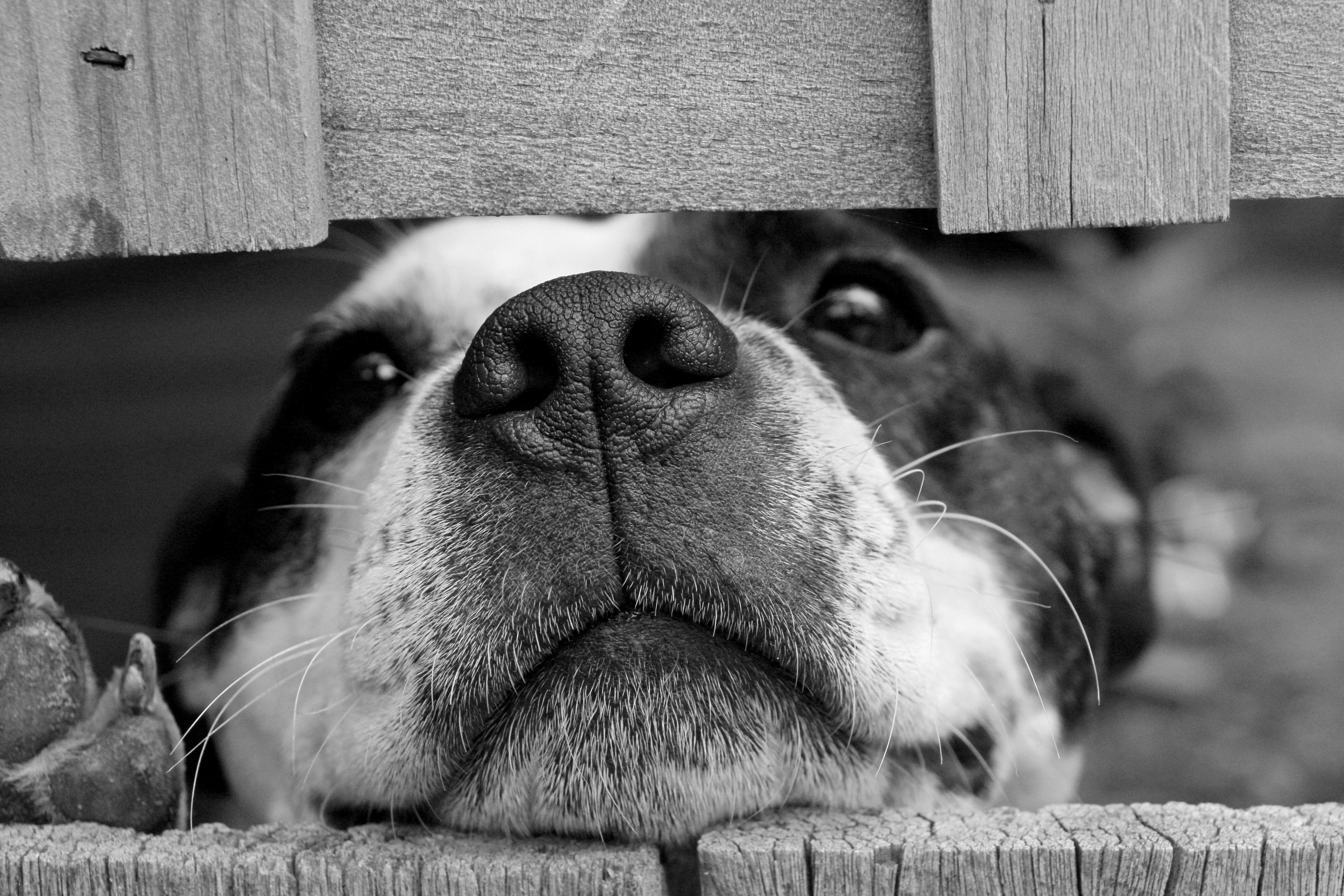 \n\n
\n\nCurious Canines: What Makes a Dog’s Nose Wet? Unveiling the Truth, Why Do Dogs Have Wet Noses?
\nEver wonder why your furry friend has that perpetually wet nose? It’s kinda like a signature feature of dogs, isn’t it? But what’s the deal with it? Many people think a wet nose is a sign of a healthy pup, while others might just find it a little odd. Let’s explore the fascinating truth behind why dogs have wet noses and what it all means!
\nThe Science Behind a Wet Nose
\nA dog’s nose is not just for show. It plays a crucial role in their health and well-being. Here’s a breakdown of some reasons why dog noses are moist:
\n- \n
- \n
Temperature Regulation: Dogs can’t sweat as humans do. Instead, they rely on their noses to help regulate body temperature. The moisture on their nose helps cool them down.
\n \n - \n
Enhanced Sense of Smell: A wet nose can actually improve a dog’s sense of smell. When their nose is damp, it captures scent particles better, allowing them to detect smells much more effectively. This is one reason why dogs are such excellent trackers.
\n \n - \n
Lubrication: Just like we need to keep our eyes moist, a damp nose helps to keep the sensitive tissues inside a dog’s nose lubricated. This is important for their overall health.
\n \n - \n
Health Indicator: Many pet owners believe that a wet nose is a sign of good health. While this isn’t always true, it can indicate that a dog is feeling well and is hydrated.
\n \n
Historical Context
\nDog noses have been a topic of interest for centuries. In ancient times, people noticed the unique characteristics of dogs and began to associate a wet nose with vitality and good health. Dogs were bred not just for their companionship but also for their working abilities. Wet noses became a sign of a capable hunter or protector. Historical texts often mention the attributes of a dog’s senses, highlighting the importance of their olfactory capabilities.
\nWhat Affects a Dog’s Nose Moisture?
\nIt’s not just a simple thing, the moisture on a dog's nose can be affected by several factors. Here are some of them:
\n- \n
- \n
Weather Conditions: On hot days, your dog’s nose might get drier. Conversely, during a humid day, it might be more moist.
\n \n - \n
Health Status: Illness can sometimes change the moisture level of a dog’s nose. If it’s excessively dry or crusty, it could be a sign of health issues.
\n \n - \n
Hydration: Just like us, dogs need plenty of water. If they’re dehydrated, their noses can dry out.
\n \n - \n
Age: As dogs get older, their noses may change in texture and moisture.
\n \n
Interesting Facts About Dog Noses
\n- \n
- \n
Dogs have approximately 220 million scent receptors in their noses compared to humans, who have about 5 million.
\n \n - \n
The shape of a dog’s nose can influence their sense of smell. Breeds like Bloodhounds have long noses that help capture more scent particles.
\n \n - \n
A dog’s nose print is as unique as a human fingerprint. Each dog has a distinct pattern of ridges and creases on their nose.
\n \n - \n
Dogs can sniff out certain diseases, such as cancer, by detecting specific odors in human bodies.
\n \n
Comparing Wet and Dry Noses
\nHere’s a quick comparison of wet and dry noses in dogs:
\nWet Nose:
\n- \n
- Indicative of hydration \n
- Associated with good health \n
- Better at picking up scents \n
- Often cool to the touch \n
Dry Nose:
\n- \n
- Can indicate dehydration \n
- Might be linked to illness or allergies \n
- Less effective in scent detection \n
- Often warm to the touch \n
Practical Tips for Dog Owners
\nKeep an eye on your pup’s nose! Here are some tips to maintain a healthy nose:
\n- \n
- \n
Hydration: Make sure your dog drinks enough water. Fresh water should always be available.
\n \n - \n
Regular Check-ups: Routine vet visits can help catch potential health issues early.
\n \n - \n
Observe Changes: If you notice a sudden change in your dog's nose texture or moisture levels, consult a veterinarian.
\n \n - \n
Protect from Extreme Weather: Use dog-safe balms to protect their noses during harsh climates.
\n \n
Understanding why dogs have wet noses can help you care better for your canine companion. It’s a fascinating aspect of their biology that serves several important functions. So, the next time your pup nudges you with that wet nose, you’ll know a bit more about what’s going on! Dogs are truly remarkable creatures, and their noses are just one of the many things that make them so special.
\n\n7 Surprising Benefits of a Dog’s Wet Nose You Never Knew About
\n\n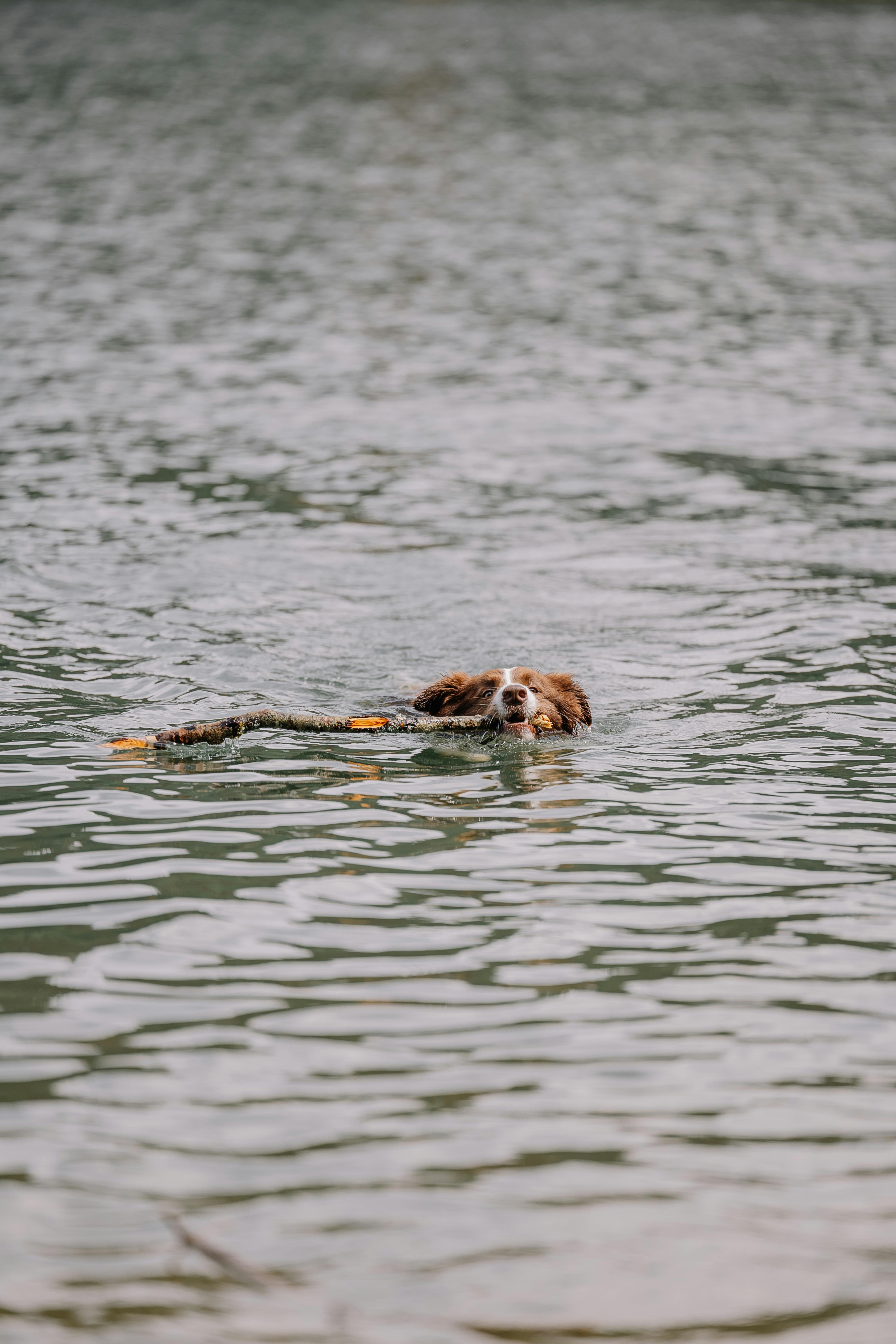 \n\n
\n\nDogs are often called man's best friend, and part of their charm is that adorable, wet nose. But have you ever wondered why dogs have wet noses? The answer is not just about cuteness; there are some surprising benefits to those moist snouts you might not know about. So let’s explore the fascinating truth behind why dogs have wet noses and the advantages that come with them.
\nThe Science Behind Wet Noses
\nA dog’s nose is covered in a thin layer of mucus, which helps with scent detection. The moisture on their noses traps scent particles, enhancing their ability to smell. Dogs have an incredible sense of smell—estimated to be between 10,000 to 100,000 times more sensitive than humans. This wetness helps them identify different aromas in the environment.
\n7 Surprising Benefits of a Dog’s Wet Nose
\n- \n
- \n
Enhanced Smell: As mentioned, wet noses trap scent particles. This moisture allows dogs to gather more information about their surroundings, making them excellent trackers and companions for hunters.
\n \n - \n
Temperature Regulation: Dogs don’t sweat like humans do. Instead, they can cool off through their noses. A wet nose helps regulate their body temperature, especially on hot days. It’s like nature’s air conditioning!
\n \n - \n
Health Indicator: The moisture levels of a dog’s nose can actually indicate their health status. A dry nose might suggest fever or dehydration, while a cool, wet nose often means they’re feeling fine.
\n \n - \n
Social Interaction: Dogs use their noses to communicate with each other. A wet nose can be a sign of friendliness and approachability. When a dog nudges you with their nose, it’s a way of saying they want attention or to play!
\n \n - \n
Sensory Exploration: Just like how humans use their fingers to explore the world, dogs use their noses. Their wet noses can detect changes in their environment, from new scents left by other animals to different food smells. This sensory exploration is crucial for their survival instincts.
\n \n - \n
Pheromone Detection: Dogs have a special organ called the Jacobsen's organ, located in the nasal cavity. This organ helps them detect pheromones, which are chemical signals that can indicate territory, mating readiness, or danger. Wet noses help enhance this function.
\n \n - \n
Bonding with Humans: When a dog nudges you with their wet nose, it often creates a bond. It’s their way of showing affection and trust. This interaction can strengthen the emotional connection between dogs and their owners, improving overall well-being for both parties.
\n \n
Why Do Dogs Have Wet Noses? The Fascinating Truth
\nHistorically, dogs evolved from wolves, who also have wet noses. This trait likely developed as a survival mechanism. Over thousands of years, domestication has honed this characteristic, making it a fundamental part of what dogs are today.
\nFun Facts About Dog Noses
\n- \n
- The unique patterns on a dog’s nose are just like human fingerprints. No two dogs have the same nose print! \n
- Dogs can smell diseases, including cancer, thanks to their sensitive noses. Some trained dogs can detect specific diseases just by sniffing a person’s breath. \n
- A dog's nose can detect scents even when they’re mixed with other smells. This ability is why dogs are used in search and rescue operations, as well as in detecting drugs or explosives. \n
Quick Comparison: Dogs vs. Other Animals
\n| Animal | \nNose Type | \nScent Detection Ability | \n
|---|---|---|
| Dogs | \nWet | \nExceptional | \n
| Cats | \nDry | \nGood | \n
| Elephants | \nTrunk (Moist) | \nExcellent | \n
| Humans | \nDry | \nLimited | \n
Dogs stand out in the animal kingdom with their unique wet noses and remarkable scent abilities, making them not only beloved pets but also invaluable partners in various fields.
\nHaving a dog with a wet nose is not just about the cuteness. It’s about understanding the benefits that come with it. From enhancing their sense of smell to helping with temperature regulation, a dog’s wet nose serves many purposes that contribute to their overall health and behavior.
\nNext time you pet your furry friend and feel that cool, moist nose, remember how much it does for them – and how it can strengthen the bond you share. Embrace the quirks of these amazing creatures; their wet noses are just one of the many reasons we love them so much.
\n\nUnderstanding Canine Physiology: The Importance of a Wet Nose
\n\n\n\nUnderstanding Canine Physiology: The Importance of a Wet Nose, Why Do Dogs Have Wet Noses? Discover The Fascinating Truth
\nDogs are often referred as "man's best friend," and they have many unique features that make them special. One of the most curious aspects of a dog is its wet nose. Have you ever wondered why do dogs have wet noses? This question has been asked by many pet owners and animal lovers alike. Let's dive into the fascinating truth behind this characteristic and uncover what it means for our furry companions.
\nThe Science Behind a Dog's Wet Nose
\nA wet nose is not just for show. It serves several important purposes in a dog's life. The moisture on a dog's nose comes from a combination of secretions and environmental factors. One major function of this wetness is to help dogs smell better.
\n- \n
- Dogs have an extraordinary sense of smell, estimated to be between 10,000 to 100,000 times more acute than humans. \n
- The wet surface of a dog's nose helps trap scent particles from the air, enhancing their ability to pick up smells. \n
- This is especially useful when they are tracking scents or trying to identify other animals or humans. \n
Additionally, the wetness helps cool down their body temperature. Dogs don’t sweat like humans do, so their noses play a role in thermoregulation. A wet nose can be a sign of a healthy dog, as it indicates that they are well hydrated and functioning properly.
\nWhy Is a Wet Nose Important?
\nThere are multiple reasons why a dog’s wet nose is important. Here’s a breakdown of some key points:
\n- \n
- Enhanced Olfactory Function: A wet nose improves the ability to detect scents. \n
- Temperature Regulation: Helps maintain a comfortable body temperature. \n
- Health Indicator: A change in the moisture of a dog’s nose can signal health issues. \n
- Communication Tool: Dogs often use their noses to gather information about other animals and people. \n
Historical Context of Dog Noses
\nDogs have been companions to humans for thousands of years. Historically, their noses have played a critical role in hunting and herding. The wet nose isn't just an evolutionary quirk; it has a practical purpose that has been honed through time. Early breeds were often selected for their hunting abilities, and those with better olfactory senses were favored, leading to the wet-nosed dogs we see today.
\nWhat Affects a Dog's Nose Moisture?
\nVarious factors can affect how wet or dry a dog's nose is. Here are some common influences:
\n- \n
- Environment: Hot weather can dry out a dog's nose, while humidity can keep it moist. \n
- Health Conditions: Certain illnesses can lead to a dry or cracked nose. \n
- Age: Older dogs may experience changes in moisture levels due to aging. \n
- Hydration: Dehydration can result in a dryer nose. \n
Comparing Wet and Dry Noses: What’s Normal?
\nIt’s important to know what to expect. Here’s a quick comparison:
\n| Condition | \nWet Nose | \nDry Nose | \n
|---|---|---|
| Health Indicator | \nGenerally healthy | \nMay indicate dehydration or illness | \n
| Temperature | \nCooler than body temperature | \nWarmer, but not always a problem | \n
| Behavior | \nActive and alert | \nCan be lethargic or less active | \n
Practical Examples of Nose Moisture
\nFor dog owners, observing the moisture level of a dog's nose can provide insight into their health. For instance, if a dog’s nose is suddenly dry and cracked, it might be wise to consult a veterinarian. Conversely, a consistently wet nose typically means the dog is healthy and hydrated.
\nSigns of Concern in Nose Moisture
\nIf you notice any of the following signs, it might be time to seek veterinary advice:
\n- \n
- Cracked or peeling skin on the nose \n
- Excessive dryness \n
- Change in color (darkening or lightening) \n
- Other symptoms like lethargy or loss of appetite \n
It’s essential to maintain regular vet check-ups to ensure your dog’s overall health, including the condition of their nose.
\nIn summary, the wet nose of a dog is much more than a cute feature. It serves vital functions that contribute to their health and behavior. Understanding why do dogs have wet noses can help pet owners appreciate the complexities of canine physiology. Remember to observe your dog's nose and overall health regularly; it might just be the key to ensuring they stay happy and healthy for years to come.
\n\nDo All Dogs Have Wet Noses? Exploring Variations Across Breeds
\n\n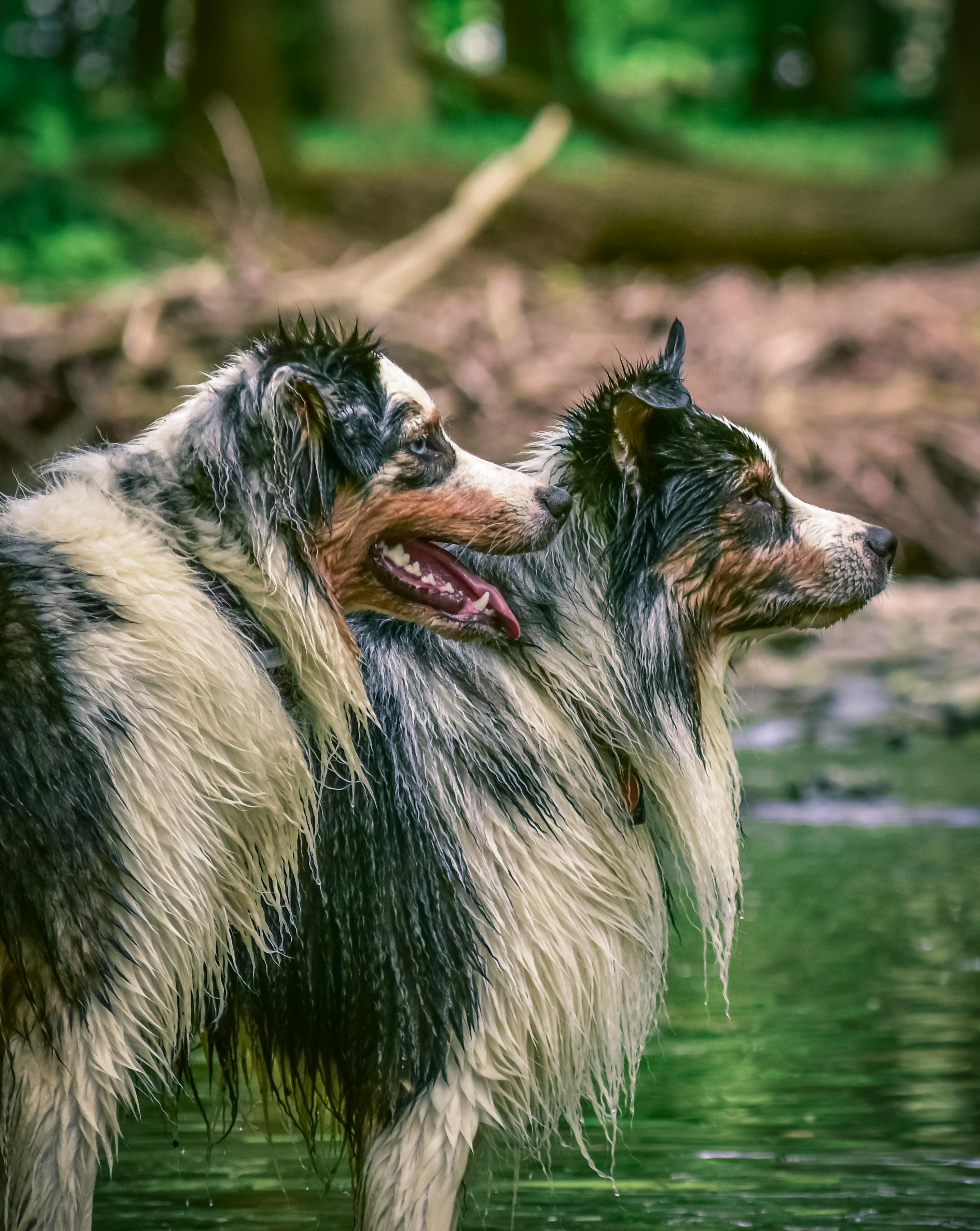 \n\n
\n\nDo all dogs have wet noses? This question often pops up among dog lovers and curious minds alike. The truth is, not all dogs have the same nose moisture level; it can vary significantly from one breed to another. So, let's dive into why dogs have wet noses, explore the fascinating truth, and examine the variations across different breeds.
\nUnderstanding the Wet Nose Phenomenon
\nMost people think a wet nose is a sign of a healthy dog, but why is that? Dogs' noses are wet due to a layer of mucus that helps them smell better. This mucus captures scent particles, making their sense of smell super strong. In fact, dogs have around 300 million scent receptors compared to humans' 5 million! This means that, to your furry friend, the world smells much more vibrant and detailed than it does to you.
\nWhy Do Dogs Have Wet Noses?
\nHere are some reasons why dogs noses are typically moist:
\n- \n
- Enhanced Smell: The moisture helps to absorb scent particles, enhancing their olfactory abilities. \n
- Cooling Mechanism: Dogs don’t sweat like humans do. Instead, their wet noses help to cool them down, especially on hot days. \n
- Health Indicator: A wet nose can be an indicator of a healthy dog. However, it's not the only metric. Other factors count too, like energy levels and appetite. \n
Variations Across Breeds
\nNot all dogs have the same level of nose moisture. Some breeds are known for having wetter noses than others. Here’s a quick comparison of some popular dog breeds and their nose characteristics:
\n- \n
- Labrador Retrievers: Usually have very wet noses, which is part of their friendly demeanor. \n
- Bulldogs: Their noses tend to be less moist due to their unique facial structure. \n
- Siberian Huskies: Often have dry noses, especially in colder weather. \n
- Poodles: These dogs can have a moist nose, but it can vary greatly among individuals. \n
Factors Affecting Nose Wetness
\nSeveral factors could affect how wet a dog’s nose is. Here are some of them:
\n- \n
- Weather Conditions: Humidity plays a big role. On a dry day, a dog's nose might feel drier than on a humid day. \n
- Health Issues: If a dog is sick or dehydrated, their nose might become dry. \n
- Age: Older dogs may experience changes in their nose moisture, similar to humans as they age. \n
Common Misconceptions
\nThere are several myths surrounding dog noses that are worth mentioning:
\n- \n
- "A dry nose means a sick dog": This isn't always true. Dogs can have dry noses for many reasons, including environmental factors. \n
- "All dogs should have wet noses": Each breed is different. Some naturally have drier noses, and that’s perfectly okay. \n
- "Wet noses are always healthy": While generally a wet nose indicates good health, other symptoms should be considered for a complete picture. \n
Fun Facts About Dogs' Noses
\n- \n
- Dogs can smell about 100,000 times better than humans. \n
- The pattern of a dog’s nose is unique, much like a human fingerprint. \n
- Certain dog breeds, like Bloodhounds, can track scents that are days old! \n
Practical Tips for Dog Owners
\nTo maintain your dog's nose health, consider these tips:
\n- \n
- Stay Hydrated: Make sure your dog always has access to fresh water. \n
- Regular Vet Check-ups: Keep up with annual vet visits to catch any potential health issues. \n
- Watch for Changes: If your dog's nose changes from wet to dry suddenly, observe other behaviors to see if a vet visit is needed. \n
Wrapping It All Up
\nSo, do all dogs have wet noses? The answer is no, not all dogs have wet noses, and that's okay. The level of moisture can vary widely depending on breed, health, and environmental factors. Wet noses serve vital purposes, mainly enhancing their incredible sense of smell and helping them cool down. Understanding these aspects allows dog owners to appreciate their furry friends even more and ensure they are healthy and happy. After all, every dog is unique, and their noses tell a story of their own!
\n\nThe Connection Between Your Dog’s Nose and Their Emotions: What Experts Say
\n\n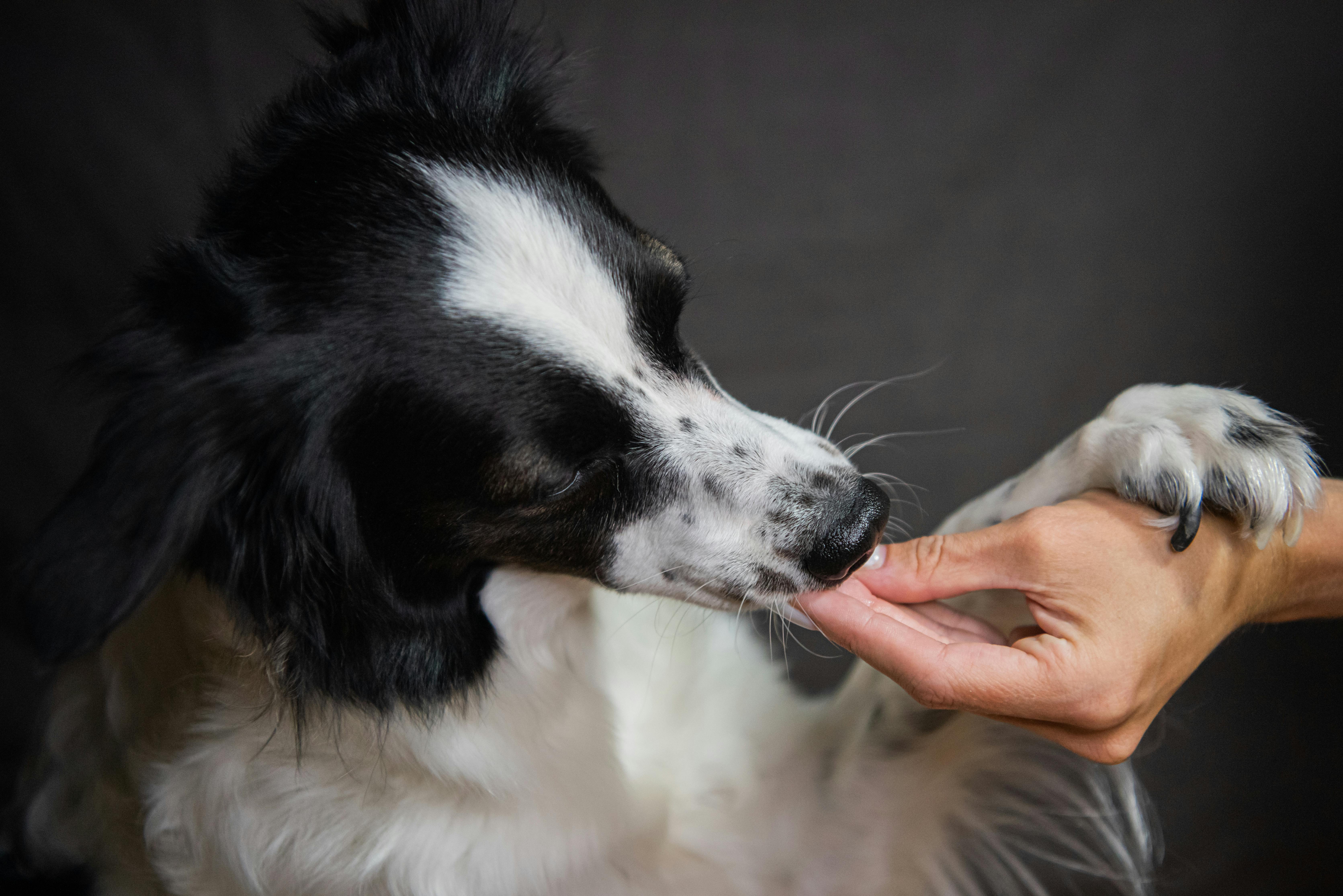 \n\n
\n\nHave you ever wondered why your dog’s nose is always wet? Or have you noticed how their nose seems to change with their moods? It’s not just a coincidence; there is a fascinating connection between your dog’s nose and their emotions. Experts in animal behavior and veterinary science alike have explored this topic, revealing insights that can help us better understand our furry friends. So let’s dive into the science behind those cold, damp noses and what they might be telling us about our pets’ feelings.
\nThe Science Behind Wet Noses
\nFirst, let’s tackle the obvious question: why do dogs have wet noses? There are several reasons for this characteristic, which plays a crucial role in their overall health and well-being.
\n- \n
- Temperature Regulation: Dogs don’t sweat like humans do. Instead, they use their noses to help regulate body temperature. When a dog’s nose is wet, it helps cool them down through evaporation. \n
- Enhanced Smell: A dog’s sense of smell is far superior to ours. The moisture on their noses helps to capture scent particles from the air, making it easier for them to detect different smells. A wet nose is a highly effective smelling tool. \n
- Emotional Indicator: Believe it or not, a dog’s nose can also reflect their emotions. When a dog is relaxed or happy, their nose tends to be cooler and wetter. Conversely, stress or illness can lead to a dry nose. \n
How Emotions Affect Your Dog’s Nose
\nNow, let's explore how a dog's emotional state can influence the condition of their nose.
\n- \n
- Happy Dogs: When dogs are content and relaxed, their noses are typically moist. This is due to their body being in a calm state, allowing for normal nasal secretions. \n
- Stressed Out Pups: If a dog is anxious or stressed, their nose may become dry. This can be a sign that they are not feeling well emotionally. \n
- Illness Indicators: If a dog’s nose suddenly becomes dry and warm, it might indicate illness, especially when combined with other symptoms like lethargy or loss of appetite. \n
The Emotional Spectrum of Dogs
\nUnderstanding dog emotions can be complex. Here’s a quick overview of how various emotions can manifest in our canine companions:
\n- \n
- Joy: Wagging tails, bouncy movements, and wet noses. \n
- Fear: Cowering, hiding, and a dry, warm nose. \n
- Aggression: Stiff body posture, growling, and sometimes a dry nose. \n
- Contentment: Relaxed posture, gentle tail wagging, and a moist nose. \n
The Role of Social Interaction
\nDogs are incredibly social animals. Their interactions with humans and other dogs can also influence the moisture of their noses. Regular playtime, training, and positive reinforcement can keep your dog feeling happy. Here’s how social interaction impacts their emotions:
\n- \n
- Increased Happiness: Dogs that get regular social interaction tend to be happier and have healthier noses. \n
- Reduced Anxiety: Spending time with their favorite humans can help alleviate stress and keep their noses nice and wet. \n
- Playfulness: Engaging in play can stimulate a dog’s senses and keep their nose moist and functional. \n
Tips for Keeping Your Dog Happy and Healthy
\nTo ensure your dog maintains a healthy emotional state and, consequently, a wet nose, consider these practical tips:
\n- \n
- Regular Exercise: Take your dog for daily walks or play fetch in the yard. It helps to release pent-up energy and keeps them happy. \n
- Socialization: Allow your dog to interact with other dogs and people. This can help reduce anxiety and improve their overall mood. \n
- Routine Vet Checkups: Regular health checkups can catch any potential illness early, ensuring that your dog stays healthy and happy. \n
- Positive Reinforcement: Reward good behavior with treats and affection, which can help strengthen your bond and keep their spirits high. \n
Fun Facts About Dogs' Noses
\n- \n
- A dog’s sense of smell is estimated to be 10,000 to 100,000 times more sensitive than that of humans. \n
- Dogs have around 220 million scent receptors in their noses, compared to only about 5 million in humans. \n
- The wetness of a dog’s nose can vary throughout the day, depending on their activity level and environment. \n
Knowing the connection between your dog’s nose and their emotions can help you become a more attentive and caring pet owner. By observing their nose and understanding its significance, you can better respond to their needs and emotions. So, the next time you see your dog’s wet nose, remember it’s more than just a cute feature; it’s a window into their feelings and well-being.
\n\nConclusion
\n\nIn conclusion, the wet noses of dogs serve multiple important functions that contribute to their overall health and well-being. The moisture on a dog's nose helps enhance their sense of smell, allowing them to better detect scents in their environment. Additionally, a wet nose plays a crucial role in thermoregulation, helping dogs maintain a comfortable body temperature. We also explored the significance of hydration and how a dog's nose reflects their health status. Understanding these aspects can deepen our appreciation for our furry companions and their unique biology. Next time you greet your dog, take a moment to observe their wet nose and consider the remarkable functions it serves. If you found this information enlightening, share it with fellow dog lovers or leave a comment below about your experiences with your pet's nose—let's celebrate the quirks that make our canine friends so special!
\n\n