Have you ever wondered why do dogs have wet noses? This intriguing question takes us into the fascinating world of our furry companions. A dog's wet nose isn’t just an adorable trait; it's full of surprising functions that can leave you amazed! Many pet owners ask, "Is a dog’s nose wet because they are healthy?" or "What does a wet nose mean for my dog's wellbeing?" The truth is, a wet nose serves several important purposes, from enhancing their sense of smell to regulating body temperature. But, why exactly do dogs have this unique feature? The answer is more complex than you might think, and it can even change how you care for your beloved pet. Curious about how a wet nose can indicate your dog's mood or health? In this article, we will dive deep into the science behind dog nose moisture, unraveling the secrets of why dogs have wet noses and what it means for their overall health. So, if you’re ready to uncover the fascinating truth behind this common canine characteristic, keep reading! You won't want to miss the valuable insights ahead!
The Science Behind Canine Noses: Why Are Dogs’ Noses Wet and Cold?
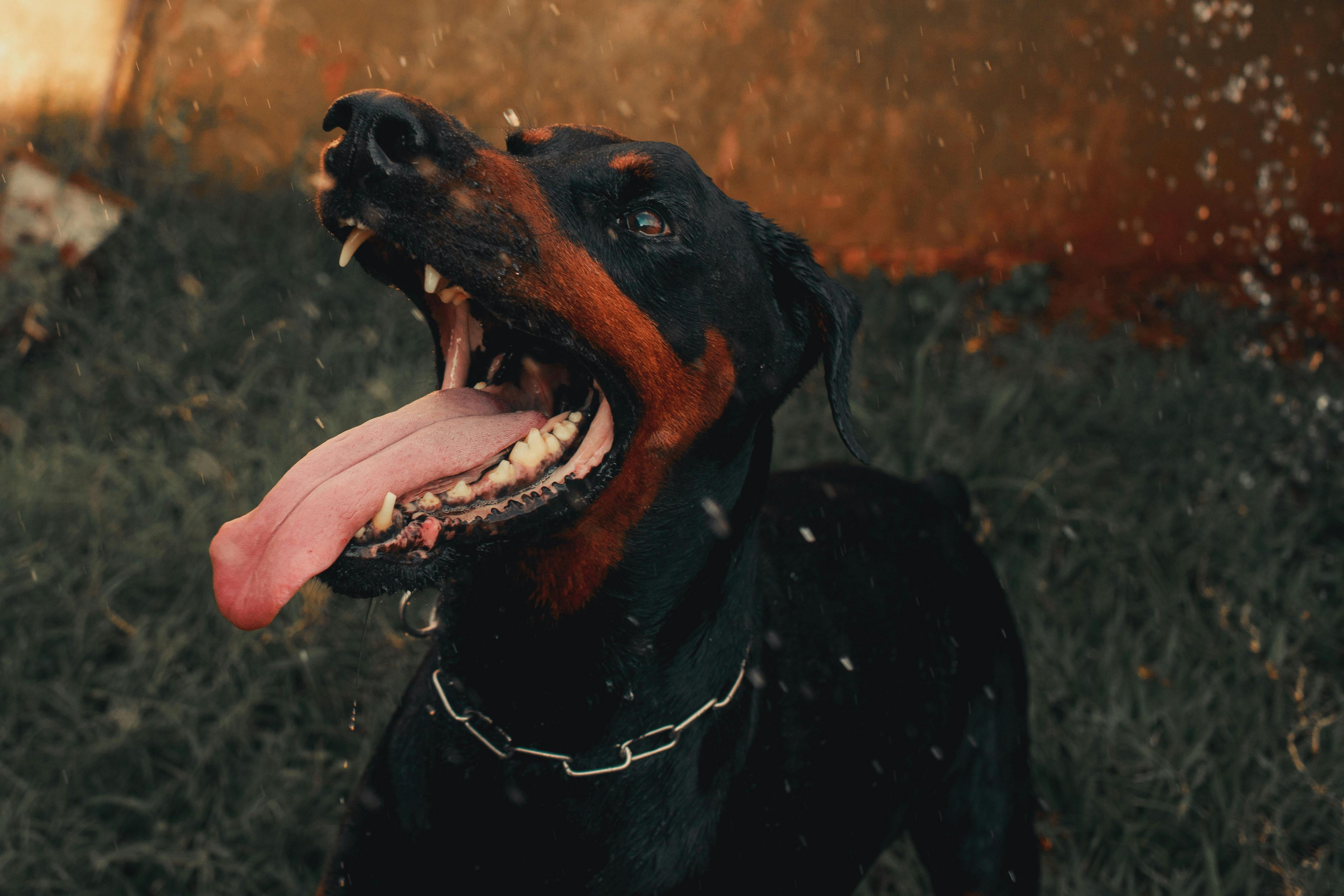
Dogs are often consider our best friends, but have you ever wonder why their noses are always wet and cold? This unique feature of canines is not just an endearing trait but also serves several important functions. In this article, we will explore the science behind canine noses and reveal the fascinating truth about why dogs’ noses are wet and cold.
The Anatomy of a Dog's Nose
First, let’s look at the anatomy of a dog's nose. Dogs have a much more complex structure than humans. Their noses are filled with a high concentration of olfactory receptors, which are responsible for their incredible sense of smell. In fact, dogs have around 220 million olfactory receptors, compared to only about 5 million in humans. This means that dogs can sniff out scents that are undetectable to us.
Moreover, the moistness of a dog's nose plays a critical role in their ability to smell. When the nose is wet, it helps to capture scent particles from the air. The moisture evaporates and allows the particles to stick to the receptors. So, it’s not just a random wetness but has a functional purpose.
Why Are Dogs' Noses Wet?
So why do dogs have wet noses? There are several reasons, and here’s the breakdown:
Enhanced Smelling: A wet nose increases the ability to detect scents. The moisture helps in picking up scent particles, allowing dogs to be better at tracking and locating things like food or even lost humans.
Temperature Regulation: Just like humans sweat to cool down, dogs use their noses to help regulate their body temperature. When a dog’s nose is wet, it can help dissipate heat more effectively.
Health Indicator: A dog’s nose can often indicate its health. A wet nose usually signify a healthy dog, whereas a dry or cracked nose can sometimes indicate illness or dehydration.
Behavioral Aspect: Some dogs may lick their noses frequently, which keeps it moist and enhances their scent detection ability. This behavior is instinctual.
Historical Context and Evolution
Dogs have been domesticated for thousands of years, and their noses have evolved alongside them. Ancient hunting dogs relied heavily on their sense of smell for tracking prey. Over time, breeds were developed for specific tasks, such as hunting, herding, or guarding, and their noses adapted to suit these needs.
Interestingly, the wet nose trait is a result of a natural selection process. Dogs that had wet noses were more successful in hunting and tracking because they could smell better, leading to a greater chance of survival and reproduction.
Comparing Dog Noses with Other Animals
When we compare dog noses with other animals, the differences are striking:
Cats: Cats have about 50-80 million olfactory receptors. They also have a moist nose, but not as wet as dogs.
Humans: As mentioned earlier, humans have only about 5 million olfactory receptors, making our sense of smell significantly weaker.
Rats: Some of the best sniffers in the animal kingdom, rats have around 200 million olfactory receptors, similar to dogs, but their noses are not wet as dogs.
Fun Facts About Dog Noses
Here are some interesting facts about dog noses:
Unique Prints: Just like human fingerprints, every dog’s nose print is unique. It can be used to identify them.
Color Variation: The color of a dog’s nose can vary widely. Some dogs have black noses, while others may have brown or even pink noses.
Temperature Sensitivity: The wetness of a dog’s nose can also indicate temperature; a cooler nose can suggest a healthy dog, while a warm, dry nose could mean they are sick.
Sniff Test: Dogs can sniff out diseases like cancer and diabetes in humans because of their incredible sense of smell.
The fascinating truth behind why dogs have wet noses is deeply tied to their biology and history. These moist, cold noses serve practical purposes that enhance their survival and ability to interact with the world around them. Understanding this can help dog owners provide better care for their furry friends. So next time you touch your dog's nose, remember it's not just cute; it's a powerful tool that has been perfected through evolution.
7 Fascinating Reasons Why Dogs Have Wet Noses You Never Knew
Have you ever looked at your furry friend and wondered, "Why do dogs have wet noses?" It’s one of those curious things that make dogs so unique, but there’s actually a lot more behind that wet snout than you might think. Today, we will explore 7 fascinating reasons why dogs have wet noses that you probably never knew about. Get ready to dive into the science, history, and some interesting facts about our canine companions!
1. Enhances Sense of Smell
Did you know that a dog’s nose is a powerful tool for smelling? A wet nose helps dogs to pick up scents more effectively. The moisture on their noses captures scent particles from the air, which then gets absorbed by special scent receptors. This is why dogs are often used in search and rescue missions or to detect drugs. Their noses are like supercharged antennas for smell!
2. Temperature Regulation
Dogs don't sweat like humans do. Instead, they rely on their noses to help regulate body temperature. When a dog’s nose is wet, it can cool down more efficiently. This is particularly important during hot summer days when they might feel overheated. The evaporation of moisture from the nose helps to cool the blood vessels and, in turn, the entire body. It's like having a built-in air conditioner!
3. Communication Tool
Dogs also use their noses for communication. A wet nose can mean many things in dog language, such as greeting or showing affection. When a dog nudges you with their wet nose, they might be saying, “Hey, I love you!” or “Let’s play!” This behavior is often accompanied by wagging tails and excited barks, making it an essential part of their social interactions.
4. Health Indicator
A dog's nose can actually be a good indicator of their health. While a wet nose is usually a sign of good health, a dog with a dry and cracked nose might be experiencing dehydration or illness. Monitoring changes in the moisture level of your dog’s nose can help you identify potential health issues. If you notice any significant changes, it’s always good to consult with a vet.
5. Evolutionary Advantage
Historically, dogs evolved from wolves, and they inherited the wet nose trait from their ancestors. A wet nose helped early canines track prey and navigate their environments. This evolutionary advantage allowed them to survive in the wild, hunt effectively, and establish their roles as companions to humans. The wet nose is a remnant of that wild ancestry, adapted for modern life.
6. Sensory Detection
The wetness of a dog's nose isn't just for smell; it also enhances their ability to detect various stimuli. The moisture can help them pick up on pheromones and other chemical signals in their environment. This ability to detect subtle changes in their surroundings can be crucial for their safety and well-being. For instance, a dog might sense danger or the presence of another animal through their wet nose.
7. It’s Just Cute!
Let’s be honest; part of the reason we love dogs is their adorable features, and that wet nose is certainly one of them! It’s hard to resist the charm of a dog with a big wet snout, and it adds to their playful personality. This characteristic makes them endearing companions and brings joy to our lives. Plus, who can resist a good nose boop?
Fun Facts About Dog Noses
- Dogs have about 1,500 olfactory receptors per square centimeter, while humans only have about 5 to 10.
- The unique patterns on a dog’s nose are like fingerprints in humans; no two dog noses are alike.
- Puppies are born with pink noses that darken as they age, usually becoming darker around 8 to 10 weeks.
Comparison Table: Dogs vs. Humans Nose Functionality
| Feature | Dogs | Humans |
|---|---|---|
| Number of Receptors | 300 million | 5 million |
| Moisture Use | Enhances smell | N/A |
| Temperature Regulation | Yes | No |
| Communication | Yes | Limited |
| Evolutionary Significance | Key for hunting | Less critical |
Understanding why dogs have wet noses is just part of what makes them so fascinating. These furry friends have evolved unique traits that allow them to thrive alongside humans, and their wet noses are one of many characteristics that endear them to us. Whether you’re a dog owner or simply an admirer, appreciating the fascinating reasons behind their wet noses can deepen your love for these incredible animals. So, next time you see that wet snout, remember the amazing science and history behind it!
Do Wet Noses Mean a Healthy Dog? Unveiling the Truth About Canine Health
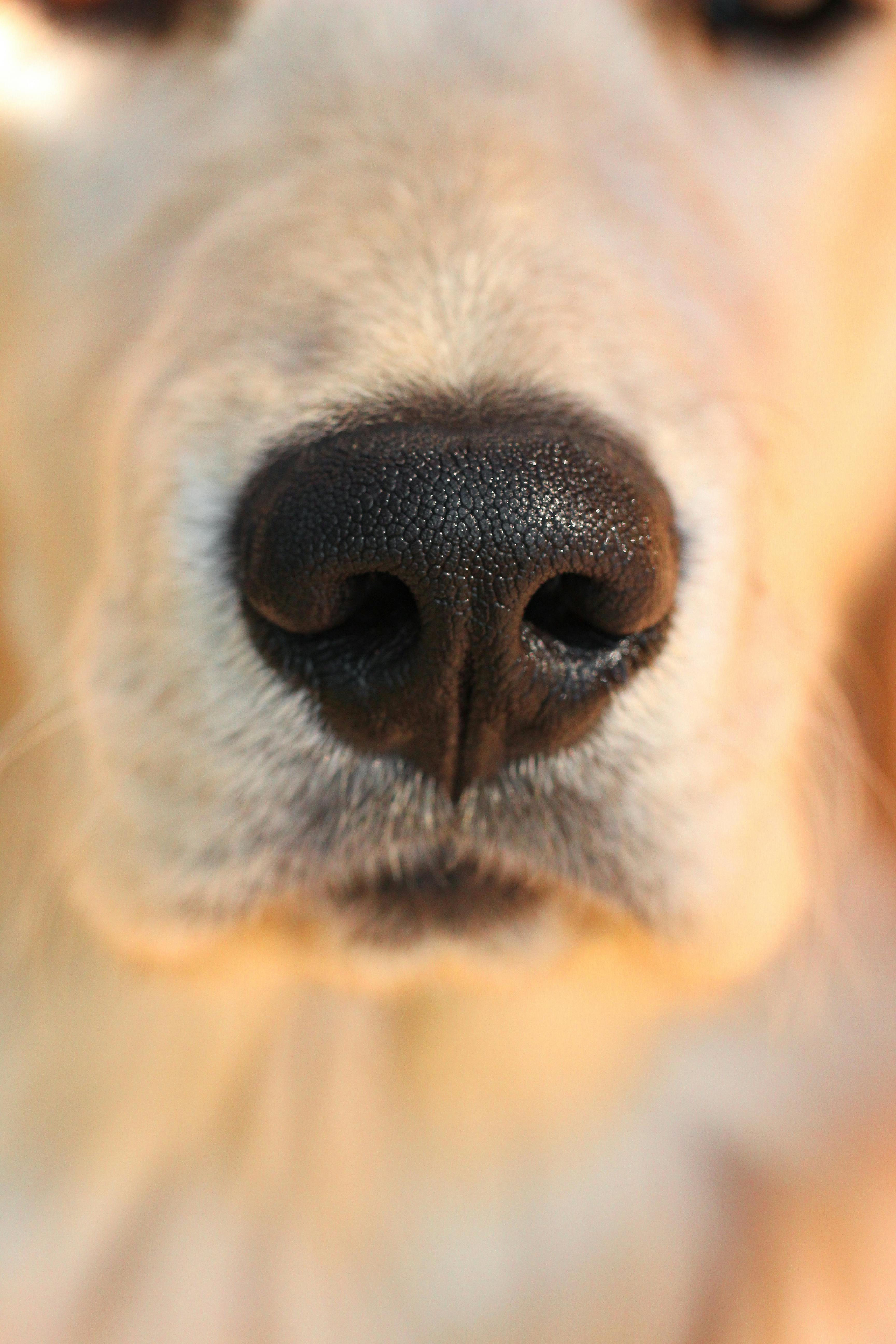
When people think about a dog’s health, one of the first things that come to mind is often the condition of their nose. “Do wet noses mean a healthy dog?” is a common question among dog owners. Let’s delve into the fascinating world of canine health to understand what those moist noses really indicate and why dogs have wet noses in the first place.
The Science Behind Wet Noses
First off, a dog's nose is wet for a reason. The moisture helps enhance their sense of smell. Dogs have up to 300 million smell receptors in their noses, compared to about 5 million in humans. This heightened olfactory ability is crucial for their survival and helps them interact with their environment. Here's how it works:
- Moisture on the nose helps to capture scent particles.
- The wet surface allows dogs to better detect odors.
- A cold, wet nose can indicate a dog is alert and healthy.
Do Wet Noses Mean a Healthy Dog?
While many people believe that a wet nose is a sign of good health, it’s more complicated than that. A dog’s nose can be wet for several reasons, and it doesn’t always mean they’re feeling great. Here are some factors to consider:
- Temperature Regulation: Dogs do not sweat like humans; instead, they regulate their body temperature through panting and the moisture on their noses.
- Environment: Dogs can get wet noses from being outside, especially in humid or rainy weather.
- Health Issues: Sometimes, a dry nose can indicate health problems, like dehydration or fever. However, a wet nose isn't a foolproof health indicator either.
Why Do Dogs Have Wet Noses?
So, why do dogs have wet noses? The answer is multi-faceted! Here’s a breakdown of several reasons:
- Scent Detection: As mentioned, wet noses help dogs smell better, which is vital for hunting, tracking, and even social interactions.
- Cooling Mechanism: It also plays a role in thermoregulation, helping to cool down their body when panting isn’t enough.
- Sensory Organ: The nose has special sensory cells that are more effective when they’re moist.
Historical Context of Dog Noses
Historically, dogs have been seen as companions and working animals. Their wet noses were often associated with their abilities to track scents and hunt. In ancient times, wet noses were a sign of a dog’s worthiness and capability. Different cultures have revered dogs for their sense of smell, leading to a variety of roles, from hunting partners to search and rescue animals.
Common Misconceptions About Dog Noses
There are several myths surrounding wet noses and dog health. Here are some misconceptions:
- A wet nose always means a dog is healthy: Not true! A dog can have a wet nose and still be sick.
- A dry nose means the dog is sick: This isn't always the case. Dogs can experience dry noses for various reasons that are not health-related.
- All dogs have wet noses: Some breeds, like bulldogs, can have drier noses due to their anatomy.
What to Look For in Your Dog’s Nose
Instead of just focusing on whether the nose is wet or dry, dog owners should monitor a few other indicators of health. Here’s a quick list:
- Nose Color: A healthy nose is typically a consistent color. Sudden changes might need a vet's attention.
- Nasal Discharge: Clear discharge is usually normal, while colored or bloody discharge could be a sign of illness.
- Temperature: A nose that feels warm may indicate a fever, but again, it’s not definitive.
When to Consult a Vet
If you notice any of the following, it might be time to consult your vet:
- Unusual changes in nose texture (cracking or scaling)
- Persistent dry or wet nose changes
- Any signs of illness like lethargy, loss of appetite, or vomiting
Understanding your dog’s health is crucial for their wellbeing. While wet noses can be a good sign, they are just one piece of the puzzle. Observing your dog’s overall behavior, appetite, and energy levels is just as important. Always keep an eye out for changes and consult with a veterinary professional when in doubt.
So, while the saying goes, “A wet nose means a happy dog,” it’s essential to dig deeper into the signs of canine health rather than relying solely on this common belief. Being a responsible dog owner means knowing the facts and being proactive in your pet’s care. Always remember, a little knowledge can go a long way in keeping your furry friend healthy and happy!
How Do Dogs Use Their Wet Noses? Explore the Sensory Superpowers!
Every dog owner has seen it. Those wet noses, often cold and sometimes just a bit slimy, they press against your hand or face. But have you ever stopped to wonder why do dogs have wet noses? It’s not just an adorable quirk; it’s actually a key aspect of how dogs experience the world around them. In this post, we explore how dogs use their wet noses, diving into the fascinating truth about their sensory superpowers.
The Science Behind Wet Noses
Dogs have wet noses mainly because of a combination of physiology and behavior. The moisture helps them sense the world in ways humans can’t. Here’s some science for you:
- Olfactory Receptors: Dogs have up to 300 million olfactory receptors in their noses, compared to a human's 5 million. This means they can smell things we can't even imagine.
- Scent Detection: Their wet noses help to capture scent particles in the air, enhancing their ability to smell. This is like having a sponge that absorbs more water!
- Temperature Regulation: A wet nose also helps to cool down a dog. Just like sweating for humans, dogs can lose heat through their noses.
Why Are Dog Noses Wet?
Now you might be wondering, why do dogs have wet noses in the first place? Here’s a breakdown of the reasons:
- Scent Enhancement: As mentioned, a wet nose absorbs scent particles better. It’s like having a built-in tool for tracking and identifying smells.
- Health Indicator: A wet nose is often a sign of a healthy dog. When a dog is sick, their nose may become dry, which can indicate dehydration or illness.
- Social Interactions: Dogs use their noses to communicate too. When dogs greet each other, they often sniff noses, which is their way of saying "hello" and gathering information about each other.
How Do Dogs Use Their Noses?
Dogs don’t just sniff around randomly. They have specific ways of using their noses that are quite fascinating. Here are some common ways:
- Tracking: Dogs can follow scents over long distances. This is why they are used in search and rescue missions.
- Hunting: Many breeds were developed for hunting, relying heavily on their sense of smell to track game.
- Detecting Emotions: Dogs can even pick up on the scents of human emotions, such as fear or anxiety, which can guide their behavior.
Interesting Facts About Dog Noses
Here’s a little list of fun facts you probably didn’t know about dog noses:
- Unique Patterns: Just like human fingerprints, every dog’s nose has a unique pattern.
- Nasal Turbinates: Dogs have complex structures in their noses called turbinates that help to warm and humidify the air they breathe, making their sense of smell even sharper.
- Wetness Levels: Not all dogs have the same level of wetness. Some breeds, like bulldogs, tend to have drier noses, while others, like retrievers, often have very wet noses.
Dogs’ Nose and Health
A dog’s nose can also tell you a lot about its health. Here’s what to look for:
- Normal: A healthy dog’s nose is usually cool and moist.
- Dry Nose: This might indicate dehydration or illness, but not always. Some dogs have naturally drier noses.
- Cracked or Bleeding: This is often a sign of an underlying issue and should be evaluated by a vet.
Comparing Dog Noses to Other Animals
Dogs aren't the only animals with wet noses. But how do they stack up against other species? Let’s see:
| Animal | Number of Olfactory Receptors | Nose Wetness |
|---|---|---|
| Dogs | 300 million | Typically wet |
| Cats | 50-80 million | Usually dry |
| Elephants | 2,000 million | Moist, like dogs |
| Humans | 5 million | Dry, except when sick or sweaty |
Practical Examples of Nose Use
Here’s how you might see dogs using their noses in everyday life:
- Search and Rescue: Dogs trained for rescue missions can find lost hikers or survivors in disaster zones.
- Service Dogs: Many service dogs are trained to detect medical conditions like seizures or low blood sugar.
- Companionship: Simply using their noses to explore the environment makes dogs happier and stimulates their minds.
Dogs’ wet noses play a crucial role in their lives, helping them navigate the world, express emotions, and maintain their health. Understanding this simple yet fascinating feature not only deepens our appreciation for our furry companions, but also highlights the importance of taking care of them. So the next time
The Connection Between Wet Noses and Dog Behavior: What Pet Owners Should Know

Every dog owner noticed their furry friend’s cold, wet nose at some point. But have you ever wondered why do dogs have wet noses? It's not just a quirky trait; there's a fascinating science behind it! Understanding this can give you insights into your dog's behavior and health. Let’s dig deeper into the connection between wet noses and dog behavior.
The Science Behind Wet Noses
Dogs have moist noses for several reasons. First, the wetness helps them smell better! Dogs have an incredible sense of smell, and a wet nose enhances their olfactory abilities. The moisture captures scent particles from the air, which helps dogs sniff out things much better than humans can.
Moreover, wet noses help regulate body temperature. Dogs don’t sweat like humans; instead, they cool down through panting and the moisture on their noses. If your dog’s nose is dry, it might indicate dehydration or overheating, so always keep an eye on that!
How Wet Noses Affect Dog Behavior
Your dog’s nose could be a window into their feelings and health. Here are some behaviors linked to their wet noses:
- Excitement: When dogs are excited or engaged, their noses tend to be more moist. If your pup's nose feels extra wet when you come home, it’s a sign of their happiness.
- Stress or Illness: A persistently dry nose could indicate stress or even illness. If you notice significant changes in your dog’s nose moisture, it’s best to consult a vet.
- Social Interaction: Dogs often use their noses to greet each other. A wet nose is more inviting and can be a sign of a friendly approach.
Historical Context of Dog Noses
The evolution of a dog’s nose is quite interesting. Dogs are descendants of wolves, which also have moist noses. This trait likely developed to assist them in hunting and navigating their environments. Over thousands of years, domesticated dogs maintained this feature, adapting it to their new roles as companions.
In ancient cultures, people recognized the importance of dogs’ noses. For example, in ancient Egypt, dogs were often kept for their scenting abilities, aiding in hunting and protection. The Romans also valued dogs for their keen sense of smell, utilizing them for various tasks.
Fun Facts About Dog Noses
- Unique Patterns: Just like human fingerprints, every dog’s nose print is unique! This could even be used for identification.
- Temperature Sensitivity: Dogs can detect temperature changes through their noses, helping them sense environmental shifts.
- Nose Size Doesn’t Matter: Small dogs may have just as wet noses as large breeds. It’s all about the individual dog!
What Pet Owners Should Keep in Mind
As a pet owner, it’s important to monitor your dog’s nose and overall health. Here are some practical tips:
- Regular Check-ups: Visit the vet regularly to ensure your dog is healthy. Changes in nose moisture can be a sign of health issues.
- Hydration: Make sure your dog has access to fresh water. Dehydration can lead to a dry nose.
- Observe Behavior: Take note of any sudden changes in behavior, such as increased thirst or lethargy. These can accompany changes in nose moisture.
Common Misconceptions About Dog Noses
There are many myths floating around about why dogs have wet noses. Here are a few:
- “A Wet Nose Means a Healthy Dog”: While a moist nose can indicate good health, it’s not a definitive sign. Always consider other health indicators.
- “Dry Noses Are Always Bad”: A dry nose isn’t always a cause for concern. Factors like weather and activity level can affect moisture.
- “Dogs Only Use Their Noses for Smelling”: While smelling is a primary function, dogs also use their noses to communicate with other dogs and even humans.
Understanding your dog’s wet nose can enhance your bond with them. It can also give you insight into their overall health and behavior. Being aware of these factors is essential for responsible pet ownership.
Next time you give your pup a pat and feel that cool, wet nose, remember that it’s more than just an adorable feature; it’s a vital part of their biology and behavior! By paying attention to their nose and its moisture level, you can help ensure that your furry friend stays happy and healthy.
Curious Canines: Why Your Dog’s Nose Is a Key to Understanding Their Emotions
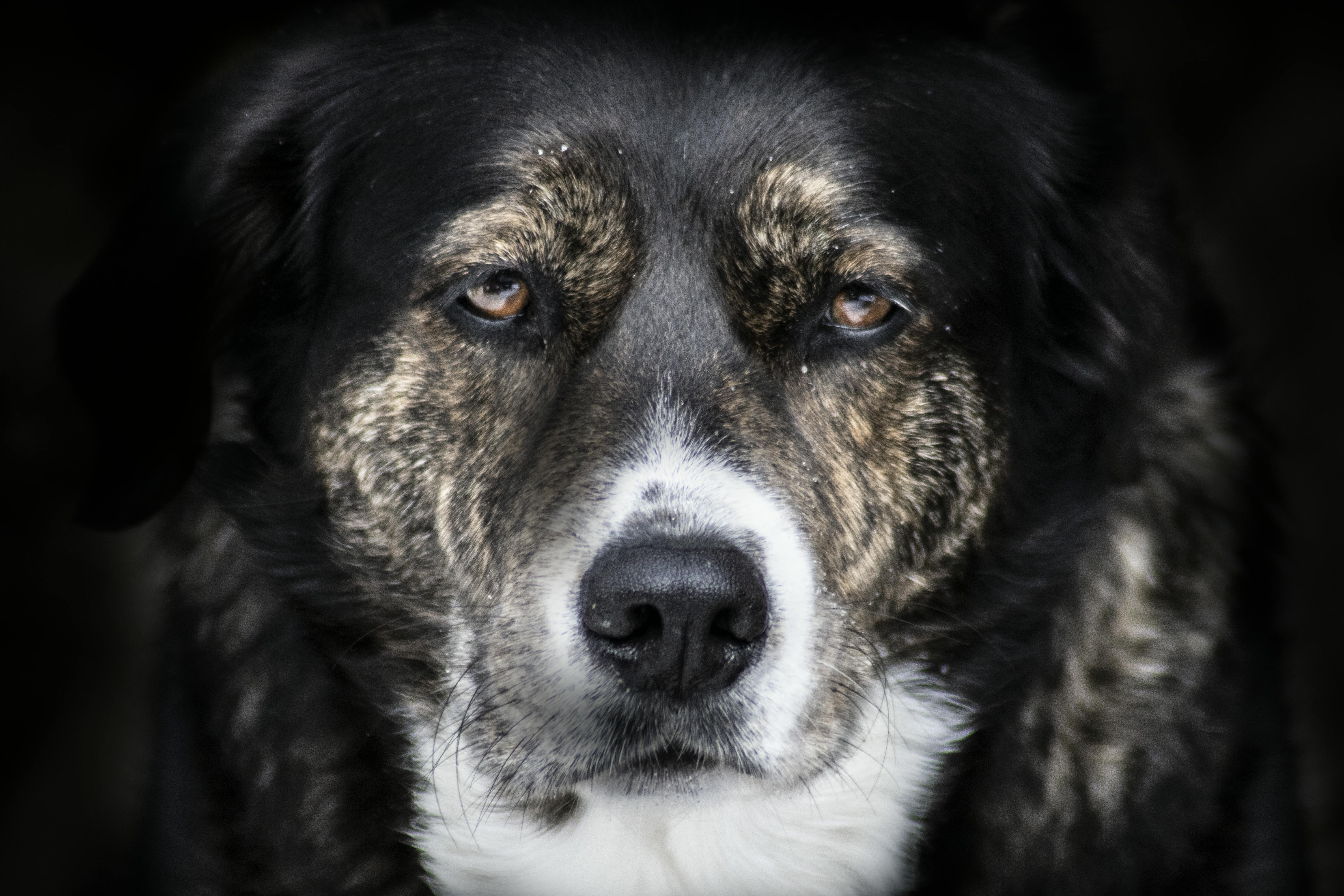
Dogs, those furry companions we all adore, have long been a source of fascination. One particular aspect captivates many dog owners: their noses. Have you ever wondered why do dogs have wet noses? Or how their noses can be a window into their emotions? In this post, we’ll explore the science behind those curious canines and uncover the fascinating truth about their wet noses and what they may mean about a dog’s feelings.
The Science Behind Wet Noses
Dogs noses are often cold and wet, which some might think is a sign of illness. But, in fact, it’s quite the opposite! A wet nose plays several important roles in a dog’s life.
- Sensation: Dogs have an incredible sense of smell, and a wet nose helps to enhance this ability. The moisture allows scent particles to stick better, making it easier for them to interpret smells.
- Cooling Mechanism: Just like humans sweat to cool down, dogs use their noses to regulate their body temperature. A wet nose can help keep them cool, especially on warm days.
- Health Indicator: A wet nose is often a sign of a healthy dog. However, it’s not the only indicator. It’s important to consider other factors like energy levels and appetite.
How Nose Wetness Relates to Emotions
Dogs communicate a lot through their body language, and their noses are no exception. A wet nose can indicate different emotional states. For instance:
- Excitement: When a dog is happy or excited, their noses often become wetter. This can happen during playtime or when they see their favorite person.
- Calmness: A relaxed dog might also have a wet nose, signifying they feel safe in their environment.
- Stress or Anxiety: Interestingly, if a dog is stressed, their nose may dry out. Observing this can help pet owners identify when their furry friend needs a little extra comfort.
Historical Context of Dogs and Their Noses
The relationship between humans and dogs dates back thousands of years. Early hunters and gatherers recognized the value of dogs as companions and helpers. Over time, dogs evolved alongside humans, developing remarkable traits, including their keen sense of smell.
- Ancient Roles: Historically, dogs were used for hunting and herding. Their noses were essential for tracking scents and finding prey.
- Modern Day: Today, dogs assist in search and rescue missions, detect drugs, and even help in therapy settings. Their noses are still crucial to their roles, highlighting the importance of understanding their emotional states.
Fascinating Facts About Dog Noses
Here are some interesting facts about dog noses that might surprise you:
- Unique Patterns: Just like human fingerprints, each dog nose has a unique pattern of ridges and creases.
- Scent Detection: Dogs can detect certain scents at incredibly low concentrations, sometimes as low as one part per trillion!
- Nasal Anatomy: A dog’s nose has up to 300 million smell receptors, compared to about 5 million in humans.
Understanding Your Dog’s Emotions
Being attuned to your dog’s emotional state can strengthen your bond. Here are some tips to help you understand your furry friend better:
- Observe Their Nose: Pay attention to whether it’s wet or dry and how it changes with their mood.
- Monitor Body Language: A wagging tail or relaxed body posture often indicates a happy dog, while a stiff body or tucked tail might suggest fear or anxiety.
- Communicate: Spend time with your dog, talk to them, and engage in play. This builds trust and helps you read their emotions better.
Practical Examples of Nose Behavior
- When you come home after being away, your dog’s nose may become especially wet as they show excitement.
- If your dog is introduced to a new environment, you might notice them sniffing around, and their nose might be wetter as they gather information about their surroundings.
Understanding why do dogs have wet noses is more than just a fun fact; it’s a glimpse into their thoughts and feelings. By recognizing the significance of their noses, dog owners can better connect with their pets. So next time you notice your dog's wet nose, remember it’s not just adorable, it’s an essential part of who they are!
The Role of Moisture in Dogs’ Noses: What It Means for Their Sense of Smell
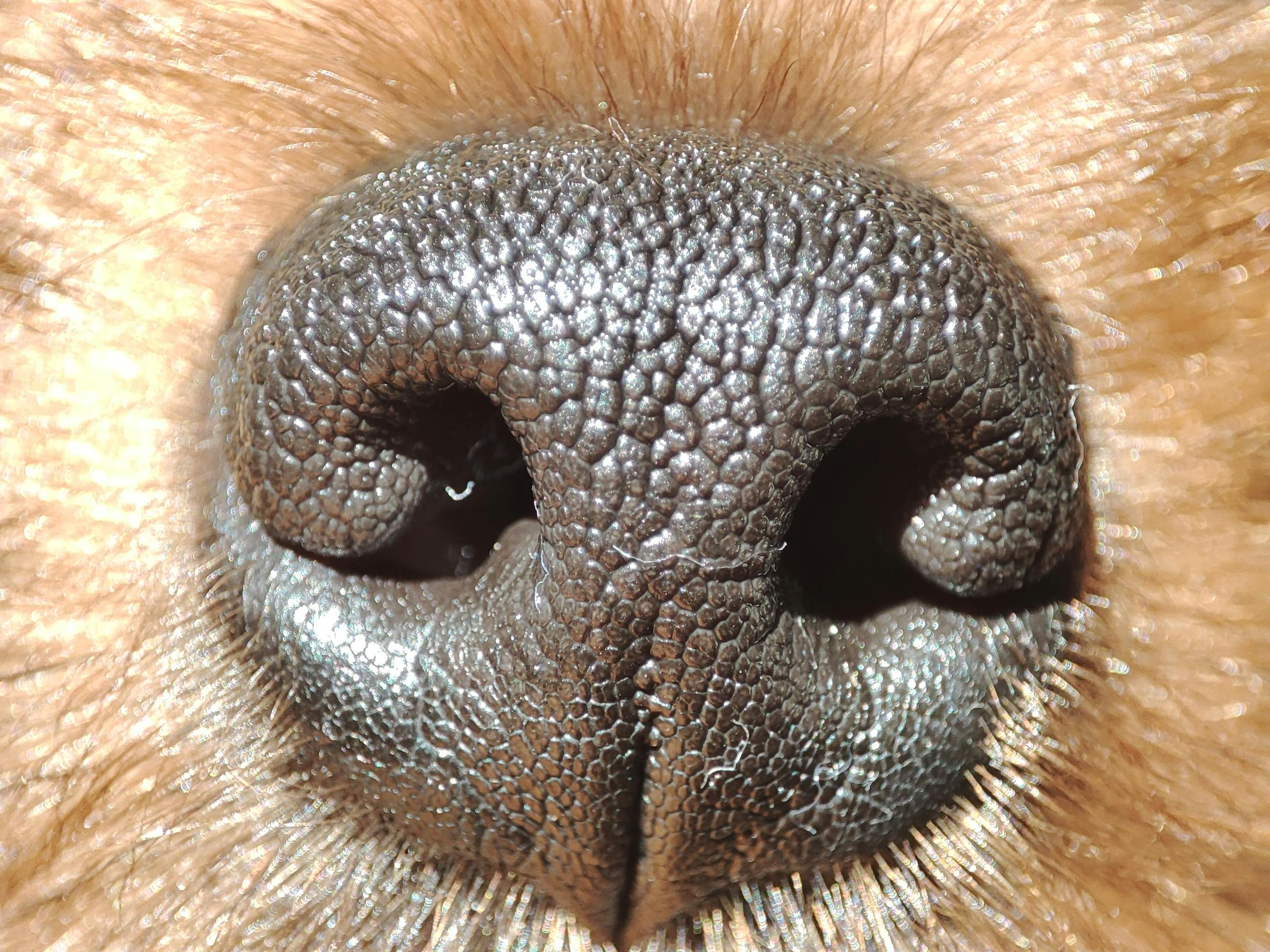
Have you ever noticed how your dog’s nose is always wet? It seems like a simple thing, but the moisture on a dog’s nose is actually really important for their sense of smell and overall health. There is a lot to unpack about why do dogs have wet noses? Let’s take a dive into the fascinating world of canine noses and discover the truth about their moisture.
The Importance of Moisture in Dogs' Noses
Dogs have an incredible sense of smell, which is far superior to that of humans. The moisture on their noses plays a big role in this. When a dog's nose is wet, it helps to capture scent particles from the air. This is because the moisture creates a thin layer that traps these particles, allowing dogs to better detect smells. Here’s some interesting points:
- Scent Detection: Wet noses help in trapping odor molecules, which enhances their ability to smell.
- Cooling Mechanism: Moisture also helps in cooling down the dog’s body. Dogs don’t sweat the same way humans do, so they rely on their noses to help regulate temperature.
- Health Indicator: A dog’s nose can indicate their health status. A healthy dog usually has a cool, moist nose. If it’s dry or warm, it could signal dehydration or illness.
Why Do Dogs Have Wet Noses?
So, why exactly do dogs have such wet noses? Well, it comes down to biology and evolution. Dogs are descended from wolves, and those wolves needed a keen sense of smell to hunt for food. The wetness of the nose evolved as an adaptation that aids in their survival. Here are some reasons in detail:
- Enhanced Smell: As mentioned, the moisture keeps scent particles active and allows dogs to pick them up more effectively.
- Communication: Dogs use their noses to communicate with each other. A wet nose can signal friendliness or playfulness.
- Environmental Interaction: Dogs explore the world through their noses, and a wet nose helps them interact with their environment in a more effective way.
The Science Behind Dog Nose Moisture
Understanding the science of dog nose moisture can be quite fascinating. The surface of a dog’s nose is covered with a layer of moist epithelial cells. When the nose dries out, it can lead to complications, such as decreased sense of smell or even health issues. Here’s how it works:
- Nasal Glands: Dogs have specialized glands in their noses that produce mucus. This mucus stays moist and captures scent particles.
- Temperature Regulation: Moisture evaporates from the nose’s surface, which can help cool down the dog’s body.
- Natural Behavior: Dogs often lick their noses; this not only keeps it moist but also helps them taste the scents they pick up.
Comparisons with Human Noses
To really understand how unique a dog’s nose is, let’s compare it with human noses.
| Feature | Dog's Nose | Human Nose |
|---|---|---|
| Moisture Level | Always moist, helps in smell | Varies; generally not moist |
| Scent Discrimination | Can detect up to 1 trillion scents | Can detect about 5,000 scents |
| Temperature Regulation | Effective cooling mechanism | Limited cooling, mainly through sweat |
Practical Examples of Nose Functionality
Dogs use their noses for various practical purposes in everyday life. Here are some examples of how their wet noses come into play:
- Search and Rescue: Dogs are trained to find missing persons or detect drugs. Their wet noses help them follow scent trails effectively.
- Medical Detection: Some dogs can even detect diseases like cancer through smell. Their moisture-laden noses are crucial for this skill.
- Hunting: For hunting breeds, a wet nose is essential for tracking game. It helps them sniff out animals from far away.
What You Should Know as a Dog Owner
As a responsible dog owner, it’s important to pay attention to your dog’s nose. Here’s a quick checklist to keep in mind:
- Monitor Moisture: Make sure your dog’s nose stays moist. If it’s excessively dry, consult a veterinarian.
- Check for Changes: Look for changes in color or texture. A persistent dry or cracked nose can indicate health issues.
- Hydration: Keeping your dog well-hydrated is crucial for maintaining nose moisture.
In summary, the moisture in dogs’ noses is more than just a quirky aspect of their anatomy. It plays a vital role in their sense of smell, communication, and overall health. Understanding these aspects can enhance your bond with your canine companion and ensure their well-being.
Wet Noses and Temperature Regulation: How Dogs Keep Cool with Their Unique Anatomy

Dogs are often known for their wet noses, and this isn't just a cute trait. It's actually important for their health and wellbeing. When we talk about why do dogs have wet noses, we dive into a fascinating blend of anatomy and biology, revealing how these delightful companions regulate their body temperature.
The Anatomy of a Dog's Nose
Dog noses are not only adorable but also incredibly complex. The wetness of a dog's nose is primarily due to a thin layer of mucus that helps to trap scent particles, enhancing their sense of smell. Here’s some interesting facts about their noses:
- Moisture: A dog's nose can be wet for a variety of reasons, including weather and environment.
- Scent Detection: Dogs have up to 300 million olfactory receptors, making their sense of smell around 40 times better than humans.
- Temperature Regulation: The wetness helps keep them cool, especially on hot days.
Why Do Dogs Have Wet Noses?
So, why do dogs have wet noses? The answer is multi-faceted. The moisture not only enhances their ability to smell but also plays a crucial role in thermoregulation. When dogs pant, the evaporation of moisture from their tongue and nose helps cool them down. Here’s how:
- Evaporation: The water on their nose evaporates, which cools the surface of the nose and aids in overall temperature regulation.
- Heat Exchange: Dogs don’t sweat like humans do. Their primary means of cooling off is through panting and the evaporation from their noses.
How Dogs Keep Cool
Dogs have unique ways of keeping cool, which is vital for their health, especially in hot weather. Their anatomy supports several cooling mechanisms:
Panting: This is the most common way dogs cool down. As they breathe quickly, moisture evaporates from their tongue and respiratory tract.
Wet Noses: The moisture on their noses helps in cooling too, as mentioned before. A wet nose could indicate a healthy dog, while a dry nose might suggest dehydration or illness.
Body Positioning: Dogs often lie down and spread out on cool surfaces to help lower their body temperature.
Reduced Activity: In extreme heat, dogs tend to be less active, conserving energy and reducing heat production.
Historical Context of Dog Noses
Dogs have been companions to humans for thousands of years. Throughout history, their incredible sense of smell has been utilized for hunting, herding, and even search and rescue operations. Ancient civilizations recognized the advantages of dogs due to their keen olfactory senses.
- Ancient Egypt: Dogs were revered for their hunting abilities.
- Medieval Times: They were used to track game and even in warfare.
- Modern Day: Dogs are trained for various tasks, from detecting drugs to search and rescue missions.
The Fascinating Truth About Dog Noses
It's also interesting to note that not all dog noses are the same. Different breeds have different nose shapes and moisture levels. Some common observations include:
- Short-nosed breeds: Like Bulldogs may have a harder time cooling off due to less area for moisture evaporation.
- Long-nosed breeds: Such as Greyhounds generally have a better thermoregulation system.
Fun Facts About Dog Noses
Here are some fun facts about dog noses that might surprise you:
- Unique Patterns: Just like human fingerprints, no two dog noses are alike.
- Nose Color: The color of a dog's nose can change with the seasons and age.
- Health Indicator: A dry nose can often indicate illness or dehydration, while a wet nose usually signifies good health.
Keeping Your Dog Cool
As a pet owner, it’s important to ensure your furry friend stays cool, especially during summer months. Here are some practical tips:
- Provide shade: Make sure they have a cool, shaded area to relax in.
- Hydration: Always have fresh water available.
- Avoid peak heat: Walk your dog in the early morning or late evening to avoid heat.
Understanding the science behind why dogs have wet noses and how they keep cool can help pet owners better care for their beloved companions. Dogs are remarkable creatures, and their unique anatomy is just one of the many reasons why they hold a special place in our hearts. Knowing how to support their health and comfort ensures that they remain happy and healthy members of our families.
Can You Trust a Dog's Wet Nose? Debunking Myths About Canine Health Indicators
Dogs are often considered man's best friend, and their behavior can sometimes leave us scratching our heads. One of the most common characteristics of dogs is their wet noses. You might of heard the saying that a dog with a wet nose is healthy, but is that really true? In this article, we gonna explore the reasons behind a dog's wet nose, debunk some myths about canine health indicators, and uncover the fascinating truth.
Why Do Dogs Have Wet Noses?
The wetness of a dog's nose is primarily due to a few reasons. First, it helps them to smell better. Dogs have an incredible sense of smell, and a wet nose can enhance their ability to pick up scents. The moisture on their nose captures scent particles from the air, making it easier for them to detect different smells. Think of it like a sponge that absorbs the fragrances around them.
Other factors that contribute to a dog's wet nose includes:
Cooling Mechanism: Dogs do not sweat like humans. Instead, they regulate their body temperature through their noses. The moisture evaporates, helping to cool them down.
Health Indicator: While a wet nose can sometimes indicate good health, it’s not a foolproof measure. Dogs can have wet noses even when they are sick, and a dry nose doesn’t always mean they are unwell.
Myths About Dog's Wet Noses
There’s plenty of myths circulating about a dog’s wet nose. Let’s bust some of them, shall we?
Wet Nose = Healthy Dog: While it is a common belief, a wet nose alone is not a reliable health indicator. Many factors can cause variations in nose moisture.
Dry Nose = Sick Dog: This is another misunderstanding. A dog can have a dry nose for many reasons, including heat, dehydration, or even just waking up from a nap.
Dogs Lick Their Noses for Hydration: Dogs lick their noses to keep them moist, but not primarily for hydration. It’s more about improving their sense of smell.
All Dogs Have Wet Noses: Not all breeds have the same nose moisture. Some breeds naturally have drier noses, and that doesn't mean they are unhealthy.
The Science Behind Dog Noses
The canine nose is a marvelous organ. It contains a vast array of olfactory receptors, estimated to be around 300 million compared to humans' 5 million. This incredible sense of smell is why dogs are often used in various search and rescue operations, as well as in medical detection.
Structure: A dog’s nose has a complex structure that allows it to differentiate between various scents. The different scent receptors can detect specific compounds, and the wetness helps in trapping these compounds.
Temperature Regulation: In addition to cooling, having a moist nose helps dogs regulate their body temperature. Just like humans sweat, dogs use their noses to assist in thermoregulation.
Breeds and Nose Types: Different breeds have different types of noses. Some breeds, like the Bloodhound, have more moisture and more scent receptors than others.
Practical Examples of Nose Moisture
Understanding your dog’s nose can be useful in monitoring their health. Here are some practical tips:
Observe Changes: If your dog's nose suddenly becomes excessively dry or cracked, it may be a sign to consult a vet.
Hydration: Ensure your dog has access to fresh water. If they seem dehydrated, it can reflect in their nose.
Check for Other Symptoms: Look for other indicators of health, such as energy levels, appetite, and behavior.
Quick Comparison Table of Dog Nose Conditions
| Condition | Wet Nose | Dry Nose |
|---|---|---|
| Health Indicator | Often considered healthy | Not necessarily unhealthy |
| Causes | Normal body function, humidity | Dehydration, sleep, heat |
| When to Worry | Excessive moisture or discharge | Cracked, discolored, or persistent dryness |
So, can you trust a dog's wet nose? It certainly is an interesting aspect of canine biology, but it shouldn’t be the only gauge of your dog's health. Keep an eye on your furry friend’s overall behavior, and if you notice anything unusual, it’s always wise to consult with a veterinarian.
The next time you give your dog a pat and feel that wet nose, remember the science and myths behind it. Understanding the true nature of a dog's wet nose can not only enhance your relationship with your pet but also ensure their well-being in the long run. The fascinating world of canine health indicators is much more than just wetness; it’s a complex blend of biology, environment, and care.
Expert Insights: Why Vets Say a Wet Nose Is Not Always a Sign of a Healthy Dog

Dogs are known for their friendly demeanor and wet noses, but it turns out a wet nose ain't always a guarantee of good health. Many vet experts have shared insights about this common misconception, and it’s fascinating to dig into the reasons behind why dogs have wet noses in the first place. Let’s explore the science and history behind this canine characteristic and uncover what it really means when your furry friend’s nose feels like a little sponge.
Why Do Dogs Have Wet Noses?
Most folks think a wet nose is a sign of a happy and healthy dog. But here’s the kicker – while a moist nose can mean your dog is well-hydrated, it doesn’t automatically indicate that they're in perfect health. So, what’s the deal with dog noses?
Body Temperature Regulation:
- Dogs primarily cool themselves through panting, but their wet noses also help in cooling off. The moisture evaporates, which helps to lower their body temperature.
- A wet nose can also helps them to absorb scent particles better, improving their sense of smell.
Scent Detection:
- Dogs have an incredible sense of smell, and their wet noses play a crucial role in that. The moisture on their noses helps to capture scent particles from the environment.
- In fact, a dog’s nose is estimated to have up to 300 million scent receptors, compared to the mere 5 million in humans!
Health Indicators:
- While a wet nose can indicate hydration, vets warns that it’s not a definitive sign of health. For instance, some illnesses can cause a dog's nose to be dry and warm.
- Common conditions like fever, allergies, or infections might not always show up with a wet nose.
The Science Behind Wet Noses
The science of why dogs have wet noses goes beyond just cooling and scent. Over the years, dogs evolved to have moist noses for practical reasons:
Evolutionary Adaptation:
- Dogs descended from wolves, who needed to navigate diverse environments. A wet nose improves their ability to find food and avoid dangers.
- It's believed that a wet nose helped wolves track scents over long distances, thus aiding in their survival.
Physiology:
- The skin on a dog’s nose contains specialized cells that secrete mucus. This mucus keeps the nose moist and helps in detecting scents.
- The surface area of a dog’s nose is also larger than many other animals, which enhances their olfactory abilities.
Common Myths About Dog Noses
There are plenty of myths floating around about dog noses. Some of these myths can confuse dog owners. Let's break down some common misconceptions:
Myth 1: A warm, dry nose means a dog is sick.
- Truth: A dog’s nose temperature can fluctuate throughout the day. It’s not a reliable indicator of health.
Myth 2: All dogs have wet noses.
- Truth: Some breeds, like bulldogs or pugs, might have drier noses due to their unique anatomy.
Myth 3: A wet nose means your dog is happy.
- Truth: While some dogs may have a wet nose when they’re excited, it doesn't always correlate to their emotional state.
What Should Dog Owners Look For?
Instead of relying solely on the wetness of a dog’s nose, owners should pay attention to other signs of health. Here’s what to consider:
Behavior Changes:
- Is your dog less active than usual? Are they eating and drinking normally? Any change in behavior could be a red flag.
Physical Symptoms:
- Look for other symptoms like coughing, sneezing, or unusual discharge from the nose or eyes.
Regular Vet Check-ups:
- Regular vet visits can help catch potential health issues early on. Vets can evaluate overall health beyond just the nose.
Hydration:
- Ensure your dog has constant access to fresh water. Hydration is key to keeping a dog healthy and ensuring their nose stays moist.
Understanding why dogs have wet noses and what it truly signifies can help you become a more informed and attentive dog owner. While a wet nose can sometimes be a sign of health, it’s far from the only indicator. By focusing on overall health and behavior, you’ll be in a better position to ensure your furry friend stays happy and healthy. Remember, a wet nose might just be one small piece of the puzzle!
Conclusion
In conclusion, the wet nose of a dog serves multiple vital functions that contribute to their overall health and behavior. As we've explored, a dog's moist nose helps enhance their sense of smell by trapping scent particles, plays a role in thermoregulation by cooling the body, and even reflects hydration levels. Furthermore, a wet nose is often associated with a dog's emotional state, signaling excitement or affection. Understanding the significance of this unique trait not only deepens our appreciation for our canine companions but also highlights the importance of regular veterinary check-ups to ensure their overall well-being. So next time you greet your furry friend and feel that familiar cool touch, remember the fascinating biology behind it. Embrace the joy of owning a dog and stay informed about their health; after all, a happy dog leads to a happy home!