Have you ever wondered why do dogs have wet noses? This intriguing question sparks curiosity among dog lovers and pet owners alike. A dog's wet nose isn't just an adorable feature; it serves several important functions that impact their health and behavior. But what exactly is the fascinating truth behind this phenomenon? It’s not just a quirky trait; a wet nose helps dogs to smell better, as moisture amplifies their sense of smell. This natural ability is essential for their survival, allowing them to interact with the world around them. You might ask, "Is it normal for dogs to have wet noses?" The answer is yes! A wet nose can indicate a healthy, happy pup. However, understanding the science behind a dog's nose can deepen our bond with our furry friends. In this article, we will delve into the reasons for this unique feature, explore the health implications, and uncover tips for maintaining your dog's nose. So, get ready to discover the secrets that make your dog's nose so special!
\n\nThe Science Behind a Dog's Wet Nose: What Makes It Moist and Cool?
\n\n \n\n
\n\nIf you ever owned a dog, you probably noticed how their noses always seem to be wet and cool. It’s like they have this built-in air conditioning system! But why do dogs have wet noses? The answer is actually pretty fascinating and tied into some biology and behavior aspects of our furry friends. Let's dive into the science behind a dog's wet nose and uncover the truth behind this intriguing feature.
\nThe Biological Purpose of a Wet Nose
\nDog noses are moist for several significant reasons. Firstly, the moisture helps enhance a dog's sense of smell. Dogs have an exceptional olfactory system that is estimated to be between 10,000 to 100,000 times more sensitive than humans. The wetness on their noses helps trap scent particles, which allows them to detect and interpret smells more effectively.
\nAlso, a wet nose helps with thermoregulation. Dogs don't sweat like humans do; their primary cooling mechanism is through panting. The moisture on their noses evaporates, which can aid in cooling them down. This is why you might notice your dog’s nose feeling cooler after they've been outside on a hot day.
\nWhy Are Dog Noses Often Wet?
\nSeveral factors contribute to why dogs have wet noses. Here’s a breakdown:
\n- \n
- Humidity in the Environment: When the weather is humid, dog noses tend to get more moist. This is because moisture in the air can easily be absorbed by the nose. \n
- Grooming Behavior: Dogs often lick their noses, which adds moisture. It’s a part of their grooming routine. \n
- Health Indicators: A dog's nose can be a health indicator. A very dry or extremely crusty nose can signal dehydration or illness. Conversely, a wet nose is often a sign of good health. \n
The Temperature of a Dog’s Nose
\nInteresting fact: the temperature of a dog's nose can fluctuate. Here are some insights:
\n- \n
- Normal Temperature: A typical dog’s nose is around 101°F to 102.5°F. This means it can feel cool to the touch even when the dog is warm. \n
- Temperature Changes: If a dog's nose suddenly becomes hot and dry, it might be a sign of fever or illness, and a vet should be consulted. \n
- Behavioral Influence: Dogs may also have warmer noses after playing or exercising, due to increased blood flow and activity. \n
Historical Perspective on Dog Noses
\nHumans have lived alongside dogs for thousands of years, and our understanding of them evolved. Ancient civilizations noticed that dogs with moist noses seemed healthier and more alert. This observation led to many myths and beliefs around dog health and behavior, some of which still persist today.
\nFun Facts About Dog Noses
\n- \n
- Unique Patterns: Just like human fingerprints, no two dog noses are alike. Each dog has a unique nose print. \n
- Nose Breeds: Some breeds have different nose characteristics. For example, pugs and bulldogs tend to have shorter, flatter noses compared to hounds, which have longer noses designed for tracking scents. \n
- Scent Discrimination: Dogs can distinguish between different smells even if they are mixed together, thanks to the humidity on their noses. \n
The Importance of Nose Care
\nKeeping your dog's nose healthy is important. Here’s how you can help:
\n- \n
- Hydration: Ensure your dog has plenty of fresh water to drink. Dehydration can lead to a dry nose. \n
- Avoiding Irritants: Be careful with household cleaning products and chemicals that might irritate your dog’s nose. \n
- Regular Vet Check-ups: Routine vet visits can help catch any nose issues or infections early on. \n
Comparing Dog Noses with Other Animals
\nDog noses can be compared to those of other animals. For instance:
\n- \n
- Cats: Cats have moist noses too, but their olfactory senses are not as developed as dogs. \n
- Humans: Human noses are dry and less effective at smelling. We have about 5 million olfactory receptors, whereas dogs can have up to 300 million! \n
- Bears: Bears have an exceptional sense of smell, even better than dogs, but their noses are less moist, relying on their dense fur to aid in scent detection. \n
Understanding why dogs have wet noses is not just a trivia topic; it reflects their biology and health. The next time you pet your furry friend and feel that cool, wet nose, remember all the fascinating science behind it. It’s more than just a cute trait; it’s an essential feature that helps them interact with the world around them. So, enjoy those nose boops, knowing that there’s a lot more than meets the eye!
\n\n5 Surprising Benefits of a Wet Nose: How It Enhances Your Dog's Senses
\n\n \n\n
\n\nEver wonder why dogs have wet noses? It's a question many people ask, yet the answer is more fascinating than you might think. A dog's wet nose serves multiple purposes that goes beyond just being cute. In fact, there's surprising health benefits and sensory enhancements linked to it. So, let’s take a closer look at the five surprising benefits of a wet nose and uncover the truth behind this unique canine feature.
\n1. Enhancing Sense of Smell
\nDogs have an incredible sense of smell that is up to 100,000 times more acute than that of humans. A wet nose helps to enhance this sense, allowing dogs to pick up scents more effectively. But how exactly does it work?
\n- \n
- The moisture on a dog's nose helps to dissolve odor molecules, which makes it easier for the olfactory receptors in their nose to identify and analyze different scents. \n
- This is vital for hunting and tracking, as dogs often rely on their sense of smell to gather information about their environment. \n
You might have noticed your pup sniffing around more when their nose is damp. This is because they can actually “taste” the scent particles better with a wet nose, making it easier to identify food, other animals, or even their humans!
\n2. Regulating Body Temperature
\nDid you know dogs don’t sweat like us? Instead, they rely on panting and the moisture on their noses to help regulate their body temperature. When a dog has a wet nose, it can help cool them down. Here’s how:
\n- \n
- The moisture evaporates off their nose, which can help to lower their body temperature. \n
- It acts like a natural air conditioner, especially during hot summer months. \n
This is one reason why you might find your dog seeking out shade or cooler surfaces when it’s hot outside. Their wet nose plays a crucial role in helping them stay comfortable.
\n3. Detecting Illness
\nA wet nose can also be an indicator of a dog’s health. While it's not a foolproof method, changes in a dog’s nose moisture can signal underlying health issues. Here’s what to keep an eye on:
\n- \n
- Dry Nose: A dog with a dry nose might be dehydrated or may be suffering from a fever. \n
- Excessively Wet Nose: This could be a sign of allergies or other health problems. \n
Regularly checking your dog’s nose can help you notice changes that might require veterinary attention. It's just one more reason to keep an eye on your furry friend.
\n4. Social Interaction and Communication
\nDogs are social creatures, and their wet noses actually play a role in their communication with other dogs and humans. They use their noses to gather information about their surroundings and other animals. Here’s how:
\n- \n
- Greeting Behavior: When dogs meet each other, they often sniff one another’s noses and behinds. This is a way of exchanging information about each other’s identity, health, and mood. \n
- Bonding with Humans: Dogs also use their noses to “read” human emotions. A wet nose can be a sign of affection, as they may nuzzle to show love and trust. \n
The wetness of their noses can enhance these interactions, making it easier for dogs to express themselves and connect with others.
\n5. Sensitivity to Changes in Environment
\nDogs are incredibly sensitive to their environments, and their wet noses enable them to detect changes more effectively. They are able to sense:
\n- \n
- Weather Changes: Dogs can often predict rain or storms before they arrive, possibly because of their ability to sense changes in humidity and atmospheric pressure with their noses. \n
- Presence of Other Animals: A wet nose allows dogs to sense the presence of other animals, even when they are far away. This is particularly useful for hunting breeds. \n
This heightened sensitivity means that a dog’s wet nose is not just a cute feature; it’s a tool for survival and communication in the wild.
\nIn summary, the wet nose of a dog isn’t just a charming characteristic; it’s a multifunctional asset that enhances their ability to smell, helps regulate their body temperature, offers health insights, facilitates social interactions, and increases their environmental awareness. Next time you pet your dog and feel their wet nose, remember all the surprising benefits it brings to their lives. It’s a small detail that holds a lot of importance in the world of our furry friends.
\n\nWhy Do Dogs Have Wet Noses? Unraveling the Mystery of Canine Physiology
\n\n \n\n
\n\nDogs are one of the most beloved pets around the world. Their unique characteristics and behaviors are why they’re such great companions. One of the most interesting features about dogs is their wet noses. Have you ever wonder why do dogs have wet noses? Well, this question has fascinated many people. Let’s unravel the mystery of canine physiology!
\nThe Purpose of a Dog's Wet Nose
\nFirst off, a dog’s nose is not just for show. It serves several important functions. The moisture on a dog’s nose helps to enhance their sense of smell. Dogs have an incredible olfactory system, and the wetness helps to capture scent particles in the air. This moisture increases the contact between the scent particles and the olfactory receptors inside the dog’s nasal passages. Amazing, right?
\nHistorical Context of Canine Noses
\nHistorically, dogs have been bred for various purposes, from hunting to herding, and their noses have always played a crucial role in their training and functionality. For example:
\n- \n
- Hunting Dogs: Bred to track game through scent. \n
- Herding Dogs: Use their noses to guide livestock. \n
- Service Dogs: Rely on their noses to assist people with disabilities. \n
Each of these categories of dogs have developed and refined their sense of smell over generations.
\nHow Wet Is A Dog's Nose?
\nThe wetness of a dog's nose can vary widely. Some dogs have very wet noses, while others might have a drier appearance. However, dogs typically have a wet nose due to the following reasons:
\n- \n
- Mucous Secretion: Dogs produce mucus that keeps their noses moist. This also assists in the process of olfaction (the sense of smell). \n
- Panting: Dogs often pant to cool down, and this can also cause their noses to be wet due to the moisture from their breath. \n
- Environmental Factors: Weather can affect how wet a dog's nose is. Humidity and temperature can change the moisture levels. \n
Why Do Dogs Have Wet Noses? The Science Behind It
\nThere are several scientific reasons why dogs have wet noses. Here are some key points:
\n- \n
- Temperature Regulation: Dogs can lose heat through their noses. This helps in cooling down their body temperature, much like how humans sweat. \n
- Scent Detection: The moisture on a dog’s nose aids in trapping scent molecules, which is why dogs can smell things we can’t. \n
- Health Indicators: A dog’s nose can also reflect their health. A wet, cool nose is generally a sign of a healthy dog, while a dry or warm nose might indicate illness, but this is not always the case. \n
The Myths About Dog Noses
\nThere are many myths surrounding dog noses. Some popular ones include:
\n- \n
- A Warm Nose Means a Dog is Sick: Not always true! Dogs can have warm noses for several reasons that are not related to their health. \n
- Dogs Can’t Smell When Their Nose is Dry: Dogs can still smell even if their nose is dry, but they may not be as efficient. \n
- All Dogs Have Wet Noses: Some breeds, like Bulldogs, can have drier noses due to their unique physiology. \n
Fun Facts About Dog Noses
\nHere are a few fun facts that you probably don’t know:
\n- \n
- Dogs have around 300 million smell receptors in their noses, compared to a human's 5 million. \n
- Each dog’s nose print is unique, much like a human fingerprint. \n
- Dogs can detect certain diseases in humans, including cancer, through their sense of smell. \n
Practical Examples of Canine Nose Use
\n- \n
- Search and Rescue: Dogs are often used in search and rescue operations because of their incredible ability to sniff out people in disasters. \n
- Detection Work: Many law enforcement agencies utilize dogs for drug detection due to their strong sense of smell. \n
- Therapy and Support: Dogs provide emotional support and therapy, partly due to their ability to pick up on human emotions through scent. \n
In summary, the reason why dogs have wet noses is deeply rooted in their biology and history. It plays a vital role in their sense of smell, temperature regulation, and even their communication. So the next time you pet your furry friend and feel that wet nose, remember all the fascinating science behind it! Dogs are truly remarkable creatures, and their wet noses are just one of the many features that make them special.
\n\nThe Connection Between a Wet Nose and Your Dog's Health: What Every Owner Should Know
\n\n \n\n
\n\nAs a dog owner, you might have wondered why your furry friend has that wet nose. Seems like a simple question, right? But there's actually a lot more to it than you might think. The connection between a wet nose and your dog’s health is not just a quirky trait; it’s a fascinating aspect of canine biology that can reveal much about their well-being. Let’s dive into the reasons behind those moist noses and what they mean for your dog's health.
\nWhy Do Dogs Have Wet Noses?
\nThe wetness of a dog’s nose plays important roles that are often overlooked. Here are some key reasons:
\n- \n
- \n
Temperature Regulation: Dogs can't sweat like humans do. Instead, they primarily use their noses to help regulate body temperature. When a dog pants, moisture evaporates from their nose, cooling them down.
\n \n - \n
Sense of Smell: A wet nose helps to enhance a dog’s sense of smell. The moisture captures scent particles from the air, allowing dogs to detect odors more effectively. This is why dogs are often used in search and rescue missions, or even in police work.
\n \n - \n
Health Indicator: A dog’s nose can be a good indicator of their health. A healthy nose is typically moist, cool, and free from cracks. Changes in moisture or temperature can signal potential health issues.
\n \n
The Science Behind a Dog's Nose
\nNow, let’s break it down a bit further. A dog's nose is made up of specialized skin that contains a high number of scent receptors. In fact, dogs have around 220 million scent receptors, compared to humans who only have about 5 million! This incredible sense of smell is why dogs are so good at tracking scents and detecting changes in their environment.
\nFun Facts about Dog Noses
\n- \n
- Dogs' noses come in different shapes and sizes, but all are adapted for smelling. \n
- The color of a dog's nose can vary, with some being black, brown, or even pink. \n
- Each dog's nose has a unique pattern, much like human fingerprints. \n
Health Issues Indicated by Nose Changes
\nIt’s important for dog owners to monitor their dogs' noses. Here are some health issues that can be indicated by changes in the nose:
\n- \n
- Dry Nose: If your dog has a dry nose that is warm to the touch, it could indicate dehydration or a fever. \n
- Cracked or Peeling Skin: This can be a sign of allergies or skin infections. \n
- Discoloration: A sudden change in the color of the nose can point toward autoimmune diseases or other serious conditions. \n
How to Care for Your Dog’s Nose
\nMaintaining your dog's nose health is essential. Here are some tips to keep in mind:
\n- \n
- Hydration: Ensure your dog has access to fresh water at all times. Dehydration can lead to a dry nose. \n
- Regular Check-Ups: Regular vet visits can help catch any potential issues early. Your vet can provide guidance on what is normal for your specific breed. \n
- Avoid Irritants: Keep your dog away from harsh chemicals or substances that might irritate their nose. \n
The Historical Context of Dog Noses
\nHistorically, dogs have been valued for their keen sense of smell. In ancient times, they were used for hunting and tracking, which only highlights the importance of their wet noses. The domestication of dogs around 15,000 years ago started a long relationship between humans and these incredible animals, emphasizing their contributions beyond just companionship.
\nConclusion
\nUnderstanding the connection between a wet nose and your dog’s health is a fundamental part of being a responsible pet owner. By observing changes in your dog’s nose, you can gain valuable insights into their overall health. So next time you feel that wet nose against your skin, remember that it’s more than just a cute feature; it’s a vital aspect of your dog's well-being. Keeping an eye on their nose health can help ensure they live a long, happy life by your side.
\n\n7 Fascinating Facts About Dog Noses: From Wetness to Smell Sensitivity
\n\n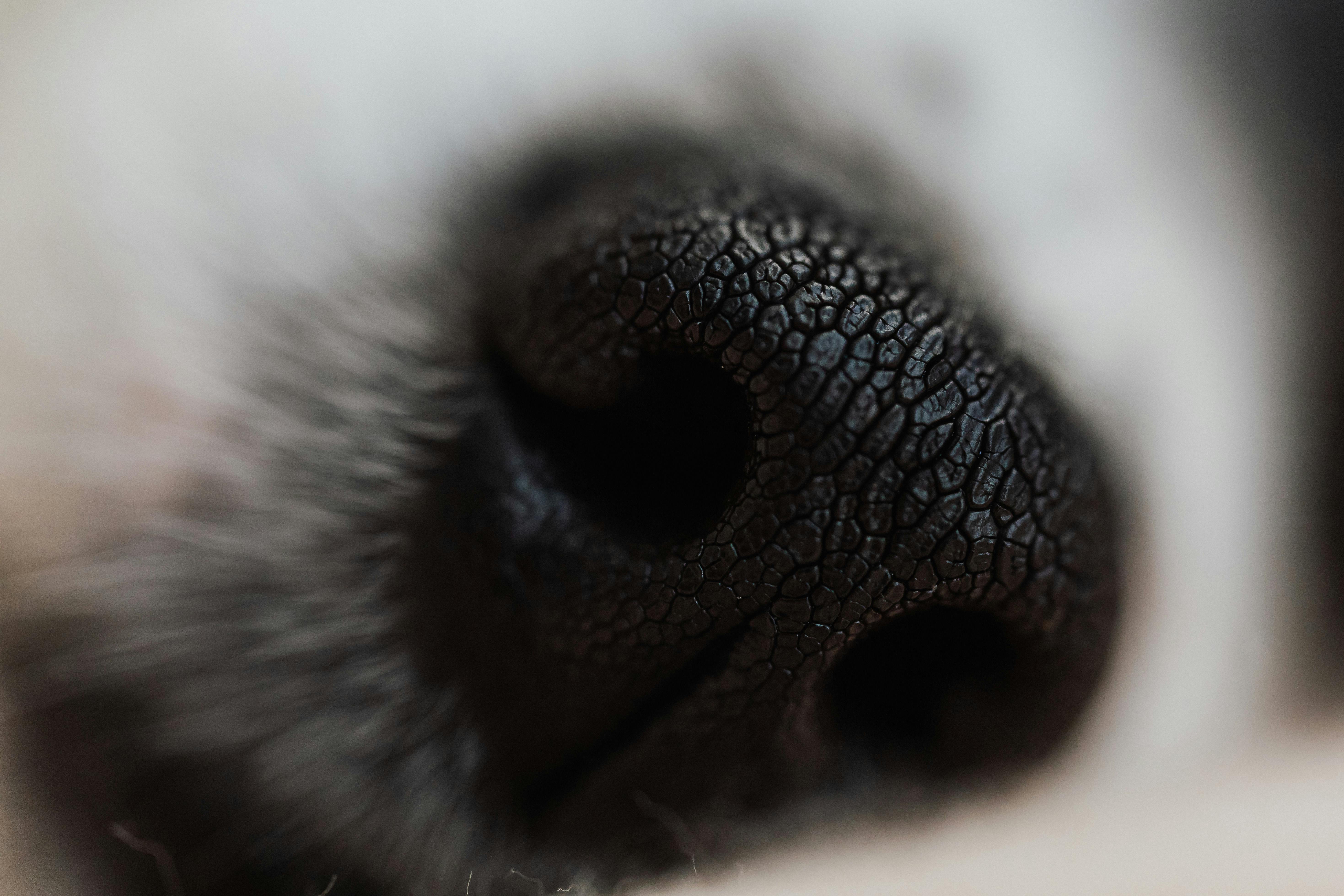 \n\n
\n\nHave you ever noticed how dogs noses are always wet? It’s one of those things that just makes you go, "Why?" Well, there’s actually a lot more to a dog’s nose than meets the eye. Get ready to dive into some fascinating facts about dog noses. From their incredible smell sensitivity to the reasons behind their wetness, you’ll discover what makes these furry friends so unique.
\n1. The Wet Nose Mystery
\nOne of the most often asked questions is, why do dogs have wet noses? The moisture on a dog’s nose serves several purposes. For one, it helps to enhance their sense of smell. Dogs have about 220 million scent receptors in their noses, compared to a human’s 5 million. When their noses are wet, it helps to trap scent particles, making it easier for them to smell.
\n2. Temperature Regulation
\nBelieve it or not, a dog’s nose plays a role in regulating their body temperature. Dogs don’t sweat like humans do. Instead, they cool off through their noses. The moisture evaporating from their noses can help lower their body temperature, especially on hot days. So, if you see your dog panting with a wet nose, it’s not just for show!
\n3. Unique Nose Prints
\nJust like human fingerprints, no two dog noses are alike. Each dog has a unique pattern of ridges and creases on their nose. Some folks even use these unique nose prints for identification, much like a fingerprint for humans. It’s a rather fascinating aspect of dog biology that often goes unnoticed.
\n4. Sensitivity to Smells
\nDogs noses are incredibly sensitive. Some studies suggest that dogs can detect certain smells at concentrations nearly 100 million times lower than humans can. For example, they can sniff out drugs, explosives, and even certain medical conditions, like cancer. This remarkable ability makes them invaluable in search and rescue operations, as well as in medical diagnostics.
\n5. The Role of the Jacobsen's Organ
\nDogs have a special organ called the Jacobsen's organ, or vomeronasal organ, located in the roof of their mouth. This organ helps them process pheromones, which are chemical signals that affect communication between animals. So, when a dog sniffs something and then licks their nose, they’re not just being cute; they’re actually gathering more information about what they just sniffed.
\n6. Nose Colors and Health
\nThe color of a dog’s nose can vary from black to brown, and even pink. But did you know that the color can sometimes indicate health issues? A sudden change in a dog’s nose color, especially if it becomes dry or cracked, could signal an underlying health problem. Always keep an eye on your dog’s nose, as changes could be an indication that a trip to the vet is needed.
\n7. Wetness Factors
\nThe wetness of a dog’s nose can be influenced by several factors. Here’s a quick breakdown:
\n- \n
- Humidity: Higher humidity levels can cause a dog’s nose to be wetter. \n
- Health: A healthy dog often has a moist nose. If it’s dry or warm, it can mean they’re sick or dehydrated. \n
- Activity Level: After playtime or a walk, a dog’s nose may be wetter due to increased panting and moisture production. \n
Additional Fun Dog Nose Facts
\n- \n
- Dogs are thought to have a “third eyelid,” which helps to keep their noses moist. \n
- The breed can affect nose moisture; some breeds naturally have drier noses. \n
- Dogs can distinguish between different types of smells; they can even sense your mood through your scent! \n
List of Dog Breeds with Notable Nose Characteristics
\n- \n
- Bloodhounds: Known for their incredible sense of smell; they have a very loose, wrinkly skin around their noses. \n
- Beagles: Small but mighty noses; they're often used in detection work due to their keen sense. \n
- German Shepherds: Used in police and military work; they have sharp noses that help them in tracking. \n
Understanding the science behind why dogs have wet noses not only enhances our appreciation for these furry companions but also helps us care for them better. So the next time you see your dog with that adorable, wet nose, you’ll know there’s a lot more going on than you might have thought! Dogs are amazing creatures, and their noses are just one of the many ways they keep surprising us every day.
\n\nIs Your Dog's Nose Too Dry? Understanding the Signs of Health Issues
\n\n \n\n
\n\nIs your dog’s nose feeling a little too dry lately? You might be wondering if that’s a sign of a health issue. Dogs have a lot of unique traits, and their noses are one of the most interesting characteristics. But why do dogs have wet noses in the first place? Let’s dive into this fascinating subject and explore the signs of potential health problems, while also understanding the science behind those moist noses.
\nWhy Do Dogs Have Wet Noses?
\nDogs noses are typically moist, and this is not just for decoration. A wet nose helps dogs to gather scent molecules from the air, enhancing their sense of smell which is already incredibly acute.
\n- \n
- Temperature Regulation: A wet nose can also help with temperature control. Just like humans sweat to cool down, dogs release moisture through their noses. \n
- Scent Absorption: The moisture from a dog’s nose can absorb scent particles, making it easier for them to identify and track smells. \n
- Health Indicator: A wet nose can be a sign of a healthy dog, but that doesn’t mean a dry nose is always a cause for concern. \n
Understanding Dry Noses: When to Worry
\nNoticed that your dog’s nose is dryer than usual? Here’s a quick list of reasons why this might happen:
\n- \n
- Dehydration: If your dog hasn’t been drinking enough water, their nose might dry out. Make sure they have access to fresh water at all times. \n
- Environmental Factors: Hot weather or dry air can cause a dog’s nose to lose moisture. \n
- Illness: Certain illnesses, like fever or infections, can lead to a dry nose. Keep an eye out for other signs like lethargy or loss of appetite. \n
- Allergic Reactions: Allergies can cause a dog’s nose to become irritated and dry. \n
- Skin Conditions: Conditions like lupus or other autoimmune diseases can affect the nose as well. \n
Signs of Potential Health Issues
\nIt’s important to pay attention to changes in your dog’s nose. Here’s a list of signs that could indicate a health problem:
\n- \n
- Cracking or Bleeding: If the nose is not only dry but also cracks or bleeds, it could signal a more serious issue. \n
- Color Changes: If the color of the nose changes from its usual dark hue to a lighter shade, it might be worth consulting your vet. \n
- Discharge: Any unusual discharge from the nose can be a sign of infection or allergies. \n
- Behavior Changes: If your dog seems more lethargic, isn’t eating well, or shows signs of discomfort, it could be linked to the condition of their nose. \n
How to Care for Your Dog’s Nose
\nIf you’re noticing that your dog’s nose is dry, here are some practical steps you can take:
\n- \n
- Hydration: Ensure your dog drinks enough water. Adding wet food to their diet can help with hydration. \n
- Humidifiers: If you live in a dry climate, using a humidifier can help keep your home’s air moist. \n
- Consult Your Vet: If you’re worried about changes in your dog’s nose, it’s always good to check in with a veterinarian. They can do a thorough examination and provide advice specific to your dog’s needs. \n
Fascinating Facts About Dog Noses
\n- \n
- Unique Patterns: Just like human fingerprints, each dog has a unique nose print. \n
- Temperature Sensing: Dogs can sense changes in temperature through their noses, which might help them find food or detect danger. \n
- Nose Size Vs. Smell Power: Contrary to popular belief, the size of a dog’s nose doesn’t determine how well they can smell. Breed and genetics play a bigger role. \n
Final Thoughts
\nSo, when you’re asking yourself, "Is my dog's nose too dry?" remember that while a moist nose is generally a good sign, there are many factors to consider. A dry nose doesn’t always mean there’s a problem, but it can be an indicator of health issues that shouldn’t be ignored. Keep an eye on your furry friend and don’t hesitate to reach out to your vet if you notice any concerning signs. After all, our dogs rely on us for their health and happiness, and understanding their needs is key to providing them the best care possible.
\n\nThe Role of Temperature Regulation: How a Wet Nose Keeps Your Dog Cool
\n\n \n\n
\n\nEver wonder why dogs have wet noses? It’s not just an adorable quirk of their physiology. In fact, the wetness of a dog’s nose plays a critical role in their overall health and temperature regulation. Dogs, like humans, can suffer from overheating, especially during hot summer days, and their wet noses help keep them cool. Let’s dive into the fascinating world of canine biology to understand the science behind those moist snouts.
\nThe Importance of Temperature Regulation
\nDogs are furry creatures, and their fur can make it difficult for them to cool down in hot weather. Unlike humans, who sweat to regulate body temperature, dogs have to rely on different strategies. Their primary method is through panting, but their noses also play a big part. A wet nose helps in several ways:
\n- \n
- Evaporation: Moisture on the nose evaporates, which cools the blood vessels right underneath the skin. \n
- Enhanced Scent Detection: Wet noses can capture scent particles more effectively, helping dogs to detect odors better. \n
- Humidity Regulation: A wet nose can help maintain humidity levels in the nasal passages, which is important for olfactory functions. \n
Why Are Dog Noses Wet?
\nSo, why do dogs have wet noses in the first place? There are several reasons for this intriguing feature:
\n- \n
- Glandular Secretion: Dogs have sebaceous glands that produce oils and mucus, which keeps their noses moist. \n
- Cooling Mechanism: The moisture evaporates, helping to cool down the dog’s body, as mentioned earlier. \n
- Health Indicator: A wet nose is often seen as a sign of good health; however, a dry nose can indicate illness or dehydration. \n
Fun Facts About Dog Noses
\n- \n
- Temperature Sensitivity: A dog's nose is more sensitive than human fingertips, which helps them detect even the faintest scents. \n
- Unique Patterns: Just like human fingerprints, each dog’s nose print is unique! This can be used for identification purposes. \n
- Color Variation: The color of a dog’s nose can vary widely from black to pink, and this can affect how they absorb heat from the sun. \n
How Dogs Cool Themselves Down
\nDogs have several mechanisms for cooling down aside from their wet noses. Here’s a quick rundown of how they manage to beat the heat:
\n- \n
- Panting: This is the most common way dogs cool off. It allows moisture to evaporate from their tongues and the lining of their lungs. \n
- Seeking Shade: Dogs instinctively look for cooler areas to rest when temperatures rise. \n
- Drinking Water: Staying hydrated is crucial for dogs, especially in hot weather, as it helps to regulate their body temperature. \n
- Swimming: Many dogs love water and will take a dip to cool down. \n
Comparisons: Dogs vs. Humans
\nUnderstanding how dogs cool themselves can be highlighted through a comparison with humans:
\n| Feature | \nDogs | \nHumans | \n
|---|---|---|
| Cooling Method | \nPanting, wet nose | \nSweating | \n
| Nose Temperature | \nSensitive to environment | \nLess sensitive | \n
| Fur | \nProvides insulation | \nLess fur, more skin | \n
| Hydration Needs | \nHigh, especially in heat | \nHigh, especially in heat | \n
The Impact of Environment
\nThe environment plays a big role in how effectively a dog can regulate its temperature. Factors include:
\n- \n
- Humidity Levels: High humidity can make it harder for dogs to cool off through evaporation. \n
- Temperature Extremes: Extremely hot or cold temperatures can impact a dog's ability to maintain a comfortable body temperature. \n
- Activity Level: More active dogs will need more hydration and cooling methods compared to those that are more sedentary. \n
In conclusion, the wet noses of dogs are not just cute; they are crucial for their health and well-being. By helping regulate temperature and enhancing their sense of smell, wet noses play a vital role in a dog's life. Next time you see your furry friend with a moist nose, remember all the fascinating science behind it!
\n\nCan You Tell How Happy Your Dog Is by Their Nose Moisture? Discover the Clues!
\n\n \n\n
\n\nDogs are often considered as man's best friend, and understanding their behavior can strengthen that bond. One question many pet owners ask is, "Can you tell how happy your dog is by their nose moisture?" This might sound strange, but it have some truth to it. The moisture level of a dog's nose can provide clues to their overall health and mood. So, let’s dig into the fascinating world of dog noses and see what we can discover about this often overlooked aspect of our furry companions.
\nWhy Do Dogs Have Wet Noses?
\nFirst, it’s important to understand why do dogs have wet noses in the first place. A dog's nose is not just an adorable feature; it serves crucial purposes. Here are a few reasons why those cute noses are wet:
\n- \n
- Cooling Mechanism: Dogs don't sweat like humans. Instead, they pant to cool down, but their noses also play a role in regulating body temperature. \n
- Enhanced Smell: The moisture on a dog’s nose helps to capture scent particles, improving their ability to smell. That’s why dogs have such an excellent sense of smell—it’s all about that wet nose! \n
- Health Indicator: A wet nose can be a sign of good health in dogs. If you notice it’s dry or cracked, it might indicate dehydration or illness. \n
The Connection Between Nose Moisture and Happiness
\nNow, as we dive deeper into the question of whether a wet nose means a happy dog, let's break it down. While a moist nose is usually a sign of a healthy pup, it’s not the only factor to consider when gauging their happiness. Dogs express their emotions in various ways, and their noses are just one piece of the puzzle.
\nSigns of a Happy Dog
\nBesides nose moisture, here are other signs that your dog is feeling happy:
\n- \n
- Wagging Tail: A wagging tail is often a clear indicator of joy. The faster and looser the wag, the happier the dog usually is. \n
- Playful Behavior: If your dog is ready to play, such as bringing you their favorite toy, they are likely in a good mood. \n
- Relaxed Body Language: A relaxed stance, with no stiffness or aggression, generally shows that your dog is content. \n
- Licking and Nuzzling: Dogs often lick or nuzzle their owners when they feel affectionate or happy. \n
What Can Affect Nose Moisture?
\nSeveral factors can impact the moisture of your dog's nose, and it’s good to be aware of them:
\n- \n
- Weather Conditions: Hot and dry weather could lead to a dry nose. Conversely, a humid environment may keep it moist. \n
- Health Issues: Illnesses such as fever or dehydration can cause a dog’s nose to dry out. If you notice sudden changes, it’s a good idea to consult a veterinarian. \n
- Age and Breed: Some breeds naturally have drier noses. Older dogs may also experience changes in moisture levels. \n
How to Ensure Your Dog Stays Happy
\nKeeping your dog happy goes beyond just checking their nose. Here are some practical tips to ensure your furry friend stays content:
\n- \n
- Regular Exercise: Daily walks and playtime are essential for a dog’s physical and mental health. \n
- Balanced Diet: Feeding your dog a nutritious diet contributes to their overall well-being. \n
- Routine Vet Visits: Regular check-ups can help catch any potential health issues early. \n
- Social Interaction: Dogs are social animals; they need interaction with both humans and other dogs to thrive. \n
Fun Facts About Dog Noses
\n- \n
- Did you know that a dog’s sense of smell is 10,000 to 100,000 times more powerful than humans? \n
- Each dog’s nose has a unique pattern, similar to a human fingerprint. \n
- Dogs sweat only through their paw pads, so their noses play a big role in temperature regulation. \n
So, can you tell how happy your dog is by their nose moisture? While a wet nose can be a good sign, it’s just one aspect of your dog’s overall health and happiness. Pay attention to their behavior, body language, and health. That way, you can better understand their emotions and ensure they live a joyful, fulfilling life. Remember, a happy dog equals a happy owner!
\n\nWet Noses and Social Bonds: How Dogs Use Their Senses to Communicate
\n\n \n\n
\n\nDogs are more than just pets; they are companions, friends, and even family. One of the most interesting things about them is their wet noses. Have you ever wondered, why do dogs have wet noses? This question is not only intriguing but also reveals a lot about how dogs communicate with humans and other animals. Wet noses aren't just a quirky feature; they play a crucial role in a dog's ability to sense the world around them.
\nThe Science Behind Wet Noses
\nDogs have wet noses for several reasons. First, the moisture helps enhance their sense of smell. A dog's nose has a large number of olfactory receptors—up to 300 million—compared to a human's mere 5 million. When a dog’s nose is damp, it can capture scent particles more effectively. The wetness allows these particles to stick better, which is essential for their hunting instincts and social interactions.
\n- \n
- Olfactory receptors: 300 million in dogs vs. 5 million in humans \n
- Moisture benefits: Helps in trapping scent particles \n
- Communication tool: Wet noses also play a role in signaling emotions \n
How Dogs Use Their Senses to Communicate
\nDogs are social creatures and they use their senses, particularly smell, to communicate with each other and with humans. Their nose serves as a communication tool. When dogs greet one another, they often sniff each other’s noses and behinds. This is their version of a handshake, allowing them to gather information about each other.
\n- \n
- Sniffing behavior: Dogs gather social information \n
- Scent communication: Helps identify other dogs, their health, and even their emotional state \n
Why Wet Noses Matter for Health
\nA wet nose is often seen as a sign of a healthy dog. However, it’s not the only indicator. Here are some points to consider:
\n- \n
- Temperature control: Dogs sweat through their noses, which helps regulate body temperature. \n
- Health indicator: A dry or hot nose can sometimes indicate illness, though it's not a definitive sign. \n
- Behavioral cues: Dogs may keep their noses wet when they are relaxed and happy. \n
The History of Dogs and Their Noses
\nDogs have been domesticated for thousands of years, with history dating back to prehistoric times. They evolved from wolves and adapted to human environments. Their wet noses are a trait that has been passed down through generations. Early humans likely noticed the benefits of a dog's keen sense of smell and wet nose, which helped in hunting and protection.
\n- \n
- Domestication timeline: Roughly 20,000 to 40,000 years ago \n
- Evolutionary benefits: Enhanced hunting capabilities \n
- Cultural significance: Dogs have been depicted in ancient art, highlighting their importance in human society \n
Interesting Facts About Dog Noses
\n- \n
- Dogs can detect certain diseases, such as cancer and diabetes, due to their exceptional sense of smell. \n
- Their noses are unique, much like human fingerprints. Each dog’s nose print can be used for identification. \n
- Dogs can smell emotions in humans. They can detect stress or fear through scent changes in a person's sweat. \n
The Bond Between Dogs and Humans
\nThe relationship between dogs and humans is one of mutual understanding and trust. Dogs communicate not just through their noses, but through other senses too. They read human body language and vocal tones. A wet nose can also be an affectionate gesture. When a dog nudges you with their wet nose, it often means they are seeking attention or affection.
\n- \n
- Trust indicators: Dogs will often lean against you \n
- Affection signs: Nudging with their nose is a common behavior \n
- Reading emotions: Dogs can sense when their owners are happy or sad \n
Practical Tips for Dog Owners
\nAs a responsible dog owner, understanding why dogs have wet noses can help you better care for your pet. Here are some practical tips:
\n- \n
- Regular vet check-ups: Monitor the health of your dog’s nose and overall health. \n
- Hydration: Ensure your dog stays hydrated, which helps maintain a healthy wet nose. \n
- Socialization: Allow your dog to interact with other dogs to encourage natural communication behaviors. \n
Dogs' wet noses are fascinating and serve many purposes, from communication to health indicators. By understanding these aspects, you can strengthen the bond with your furry friend. Whether it's through a gentle nudge or a playful bark, dogs express their love and loyalty in countless ways. So, the next time you see your dog with a wet nose, remember, it’s not just a cute feature; it’s a vital part of their being that connects them to you and the world around them.
\n\nThe Evolutionary Advantage of Wet Noses: Why Nature Designed Dogs This Way
\n\n \n\n
\n\nDogs have been human’s best friends for thousands of years. But have you ever wondered why do dogs have wet noses? This unique characteristic isn’t just for show. In fact, there's a fascinating evolutionary aspect behind it that has helped dogs adapt and thrive alongside humans. Let’s dive into the science and history surrounding those adorable wet noses, and uncover the truth of why nature designed dogs this way.
\nThe Science of Wet Noses
\nWet noses are more than just a cute feature; they play significant roles in a dog’s health and behavior. The moisture on a dog's nose comes from various glands that produce mucous, which has several important functions. Here are some key benefits of wet noses:
\n- \n
- Enhanced Smell: Dogs have an exceptional sense of smell, and a wet nose helps to trap scent molecules. When a dog’s nose is moist, it can more effectively absorb odors, which is crucial for hunting, tracking, or even just sniffing around the park. \n
- Temperature Regulation: Dogs don’t sweat like humans do. Instead, they primarily cool off through their noses and paw pads. The moisture on their noses evaporates, helping to regulate their body temperature, especially on warm days. \n
- Health Indicator: A dog’s nose can often indicate its health. A dry or cracked nose may suggest dehydration or illness, while a healthy, wet nose usually indicates that the dog is well-hydrated and feeling good. \n
Historical Context of Dogs and Their Noses
\nDogs have been domesticated for over 15,000 years. Throughout this time, various breeds have developed, each with distinct physical characteristics, including nose shapes and moisture levels. The evolution of a wet nose in dogs is thought to provide advantages that have helped them survive and assist humans.
\n- \n
- Hunting Companions: Early humans relied on dogs for hunting. Dogs with better scenting abilities, aided by their wet noses, were more valuable to their human companions. This natural selection would favor dogs with these traits, leading to their prevalence in the species. \n
- Working Dogs: Even today, many working dog breeds, such as Bloodhounds and Beagles, exhibit wet noses. These breeds have been bred specifically for their superior sense of smell, which aids in tracking, search and rescue, and even detection work. \n
Fascinating Facts About Dog Noses
\n- \n
- Unique Patterns: Just like human fingerprints, every dog has a unique nose print. This can be used for identification purposes, although it's not commonly practiced. \n
- Color Variations: A dog’s nose can be black, brown, or even pink, and this can depend on the breed and genetics. The color of the nose does not affect its function. \n
- Nose Temperature: The temperature of a dog's nose can vary depending on the environment. A cooler nose usually indicates good health, while a warm nose might suggest something is off, but this isn’t always a reliable indicator. \n
The Role of Wet Noses in Dog Behavior
\nWet noses also play a role in dog communication. Dogs often greet each other by sniffing noses, which is a way of gathering information about each other. This behavior can be seen in various social contexts, such as:
\n- \n
- Meeting New Dogs: When dogs encounter each other, they sniff noses to gather information about the other dog’s health, diet, and emotional state. \n
- Interacting with Humans: Dogs may nuzzle their noses against humans as a sign of affection or to seek attention. A wet nose can be a reminder for owners to engage with their furry friends. \n
Conclusion
\nUnderstanding why do dogs have wet noses reveals a lot about their biology, behavior, and history. It’s a unique feature that not only enhances their ability to smell but also helps them communicate and regulate their body temperature. Whether you’re a dog owner or simply a dog lover, appreciating these little intricacies can deepen your bond with these remarkable animals. So next time you feel that familiar wet nose nudge against your hand, remember that it’s not just a sign of affection; it’s a testament to the evolutionary advantages that help dogs connect with the world around them.
\n\nConclusion
\n\nIn conclusion, the wet noses of dogs serve several important functions that contribute to their overall health and sensory abilities. As we've discussed, a dog's moist nose helps enhance their sense of smell by capturing scent particles more effectively, while also playing a vital role in thermoregulation. The moisture on their noses can indicate hydration and overall well-being, making it an important aspect of canine health to monitor. Additionally, the unique texture and temperature of a dog's nose can provide insights into their health status. Understanding these functions not only highlights the fascinating biology of our furry companions but also encourages pet owners to pay closer attention to their pets’ noses as indicators of health. So, the next time you greet your dog, take a moment to appreciate that wet nose and consider how it contributes to their extraordinary abilities!
\n\n