Do you ever wonder why do dogs have wet noses? This intriguing question is more than just a quirky observation about our furry friends. A dog's nose is not just a cute feature; it plays a crucial role in their health and behavior. But what makes a dog’s nose wet, and is it really a sign of anything significant? In this article, we will explore the fascinating truth behind those damp snouts and uncover the science that explains this peculiar trait. Wet noses in dogs are often associated with their ability to smell better, but there’s more to it! Are you curious about how a dog’s sense of smell is connected to their wet noses? Or perhaps you’ve noticed that sometimes a dog’s nose can be dry? Understanding these differences can help you ensure your pup stays healthy and happy. So, join us as we dive deep into the world of canine anatomy and behavior. You’ll discover why a dog's wet nose is not just a random fact but a window into their overall well-being!
The Science Behind Dog Noses: Why Are They Wet and What It Means for Their Health

Dogs are such interesting creatures, right? One of the most curious things about them is their noses. You ever wonder why do dogs have wet noses? It’s not just for show; there’s a fascinating science behind it! A wet nose can tell us many important things about a dog's health and behavior.
The Science of Dog Noses
First off, let’s explore how a dog’s nose works. A dog's sense of smell is estimated to be 10,000 to 100,000 times more sensitive than humans. This is due to the number of olfactory receptors in their noses. To be exact, dogs have about 300 million olfactory receptors compared to a mere 5 million in humans.
The wetness of a dog's nose plays a vital role in how they smell. The moisture helps to capture scent particles, making it easier for them to identify different smells. It’s like putting a little bit of water on your finger to pick up more dust! When a dog sniffs, the moisture on their nose absorbs scent particles, which then stimulate the olfactory receptors and send signals to the brain. Isn’t that amazing?
Why Are Dog Noses Wet?
So, why do dogs have wet noses? Here are some reasons that explain this phenomenon:
- Cooling Mechanism: Just like humans sweat to cool off, dogs also use their noses to regulate their body temperature. The moisture evaporates, helping to cool them down.
- Enhanced Scent Detection: Wet noses help trap scent particles. A dry nose might not pick up as many smells, which is crucial for a dog in their daily activities.
- Health Indicator: A dog’s nose can sometimes tell us about their health. A wet, cool nose is generally a good sign. In contrast, a dry nose could indicate dehydration or illness.
Historical Context of Dog Noses
Dogs have been companions to humans for thousands of years. They’ve been used for hunting, herding, and even as therapy animals. The evolution of their noses has been shaped by these roles. In ancient times, dogs with keen senses were favored for their ability to track scents.
- Ancient Egypt: Dogs were often depicted in art, showcasing their roles as hunters.
- Middle Ages: Dogs were trained for hunting and tracking, leading to the selective breeding for superior smell.
- Modern Era: Today, dogs are used in search-and-rescue operations and even in police work thanks to their extraordinary smelling abilities.
What a Wet Nose Means for Your Dog's Health
A dog's nose is often a reflection of their overall health. Here’s a quick breakdown:
- Healthy Nose: Moist and cool, indicating hydration and overall well-being.
- Dry Nose: Could indicate dehydration, especially if it’s warm to touch.
- Cracked or Flaky Nose: May signal a skin condition or other underlying health issue.
It's important to regularly check your dog's nose along with other health indicators like their coat condition and energy levels.
Fun Facts About Dog Noses
- Unique Patterns: Just like human fingerprints, every dog has a unique nose print that can be used for identification.
- Nose Color: A dog’s nose can be black, brown, or even pink depending on their breed and genetics.
- Temperature Sensitivity: A dog’s nose is incredibly sensitive to temperature changes, allowing them to detect heat from a distance.
Practical Tips for Nose Care
Taking care of your dog’s nose is essential. Here are some tips:
- Hydration: Ensure your dog drinks plenty of water, especially in hot weather.
- Moisturize: If your dog has a dry nose, consider using a dog-safe moisturizer.
- Regular Vet Check-ups: Routine visits can help detect potential issues early on.
Comparisons: Dog Noses vs. Human Noses
When comparing dog noses to human noses, it’s clear that dogs are far superior in many ways:
| Feature | Dog Nose | Human Nose |
|---|---|---|
| Sensitivity | 10,000-100,000 times more sensitive | Limited sensitivity |
| Number of Receptors | About 300 million | About 5 million |
| Purpose | Scent detection, cooling | Breathing, smell |
| Nose Print | Unique to each dog | Not unique |
Understanding why do dogs have wet noses and what it means for their health can help dog owners care for their furry friends better. It’s one of those little things that make a big difference in keeping your dog happy and healthy. Next time you pet your dog and feel that wet nose, remember the science behind it! It’s not just moisture; it’s a whole world of sensory wonder and a sign of their well-being.
Top 5 Reasons Dogs Have Wet Noses: Uncovering the Fascinating Facts
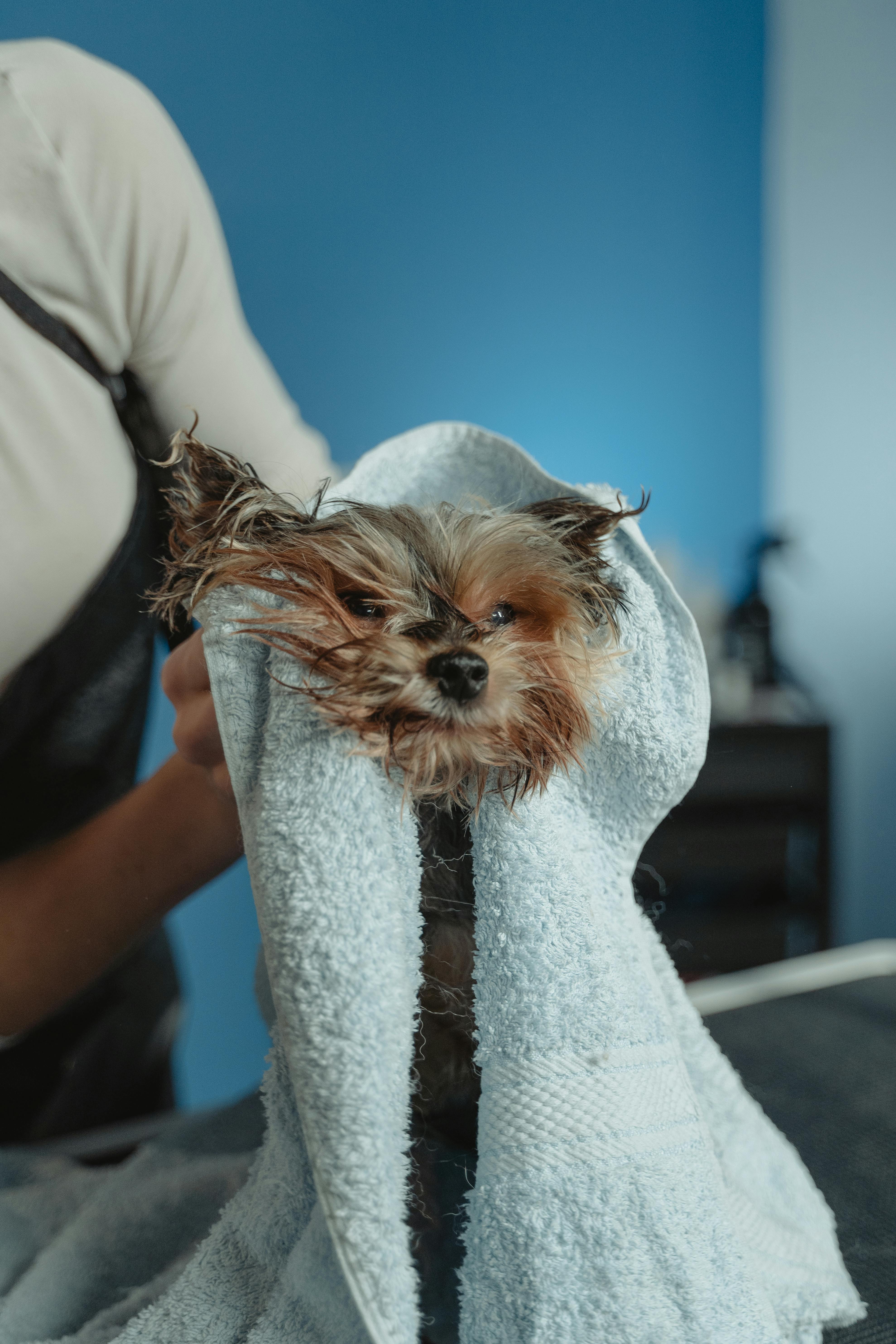
Dogs are often seen with their wet noses, and many people wonder why. It's a common question among dog lovers and those curious about our furry friends. So, let's explore the top 5 reasons dogs have wet noses and uncover the fascinating truth behind this unique feature.
1. Sensory Superpowers
One of the biggest reasons why dogs have wet noses is their incredible sense of smell. A dog’s nose is packed with olfactory receptors, which are specialized cells that help them detect smells. The moisture on a dog’s nose helps to enhance its ability to pick up scents in the air. This wetness allows scent particles to stick better, making it easier for dogs to interpret the world around them.
- Dog noses contain between 220 and 300 million scent receptors.
- Humans, by comparison, only have about 5 million.
- A wet nose can absorb more scent particles due to its moisture.
2. Temperature Regulation
Dogs don’t sweat like humans do. Instead, they regulate their body temperature primarily through panting and their noses. The wetness on a dog's nose helps cool them down. When a dog is overheated, the moisture evaporates, helping to lower their body temperature.
Here’s how it works:
- Evaporation: As moisture evaporates, it carries heat away.
- Cooling Mechanism: This helps a dog cool down without needing to drink lots of water or take a dip in a pool.
- Less Heat Stress: Keeping their noses wet is one way they combat heat stress, especially in warm weather.
3. Health Indicator
A dog’s nose can also be a good indicator of their overall health. Typically, a wet, cool nose is a sign of a healthy dog. However, if a dog’s nose becomes dry and cracked, it might signal potential health issues.
Signs to watch for include:
- A persistently dry nose could indicate dehydration, fever, or illness.
- Nasal discharge that’s colored or has a bad smell might suggest an infection.
- If a dog’s nose changes significantly, it's best to consult a veterinarian.
4. Communication Tool
Dogs also use their noses to communicate with other dogs and even humans! The wetness helps them pick up scents left by other dogs, allowing them to gather information about their environment and the animals in it. This is especially important for social interactions among dogs.
- Dogs "sniff" each other to gather information about age, health, and mood.
- The moisture helps them pick up pheromones, which are chemical signals that convey social information.
- A dog may also use its nose to show affection, often nudging their owners with their wet noses.
5. Evolutionary Advantage
Historically, dogs evolved from wolves, and their wet noses have played a crucial role in their survival. Dogs that could smell better were able to hunt more effectively and find food. This evolutionary trait has persisted and remains significant today.
- Wet noses enhance hunting abilities.
- A keen sense of smell helps in detecting danger, such as predators or hazards.
- The trait has been passed down through generations, making it a fundamental characteristic of dogs.
Quick Facts About Dog Noses
- Dogs’ noses come in various shapes, colors, and sizes, which can affect their sense of smell.
- The texture of a dog’s nose can vary; some are smooth while others are rough.
- Certain breeds, like Bloodhounds, have especially wet noses and exceptional scent abilities.
In summary, the wet noses of dogs serve multiple purposes, from enhancing their sense of smell to helping them regulate body temperature and communicate effectively. Understanding why do dogs have wet noses can deepen our appreciation for these beloved pets. The next time you see a dog with a wet nose, remember the fascinating facts behind this common trait. It's not just an adorable feature; it’s a vital part of what makes dogs unique companions and remarkable animals.
Is Your Dog’s Wet Nose Normal? Understanding the Importance of Canine Nasal Health
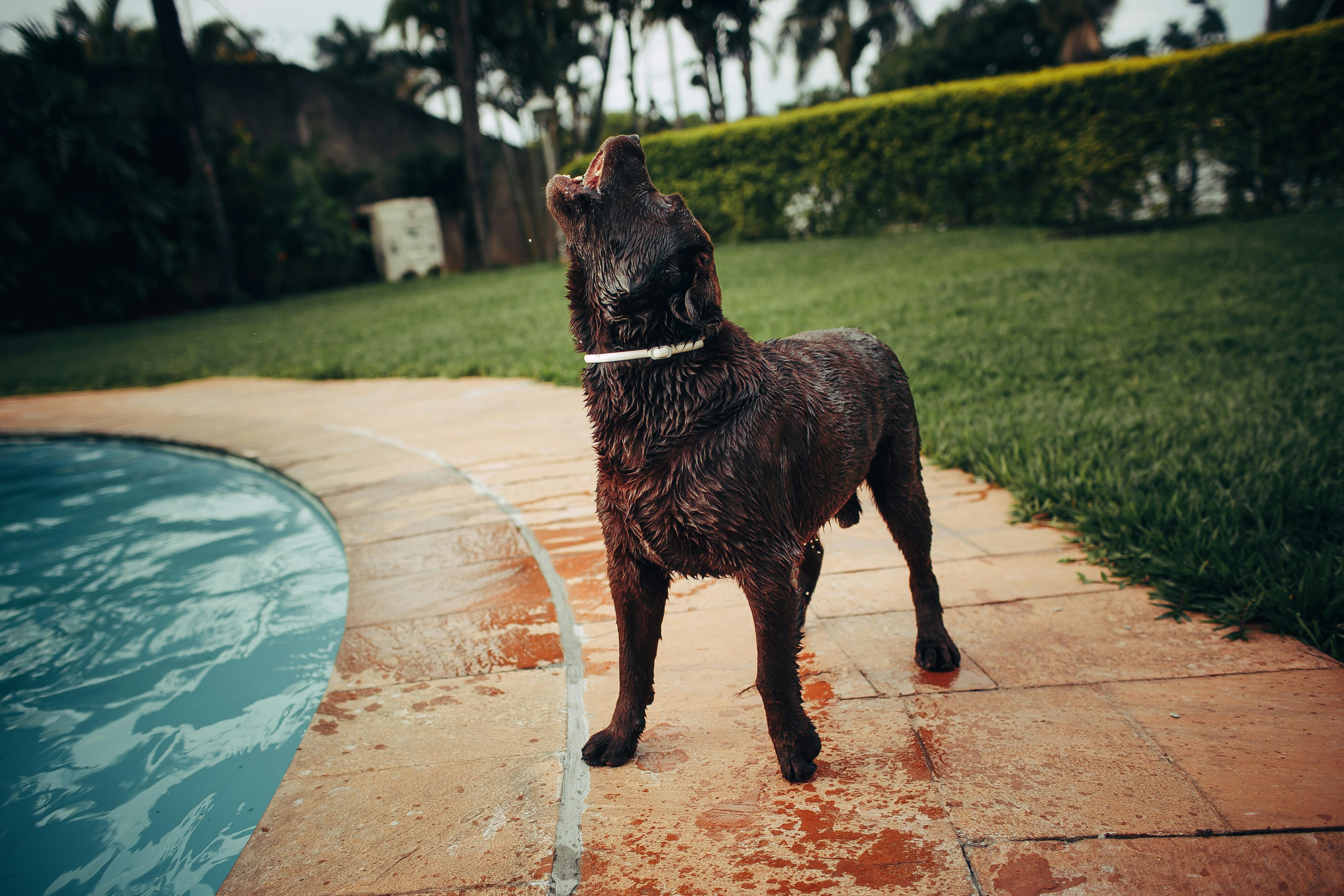
Is your dog’s wet nose normal? You might wonder about this common canine trait. Understanding dog noses can really help owners take better care of their pets. This article explore the reasons why dogs have wet noses, and what it means for their health, and how it can affect their behavior too.
Why Do Dogs Have Wet Noses?
Dogs noses are pretty fascinating, they’re not just cute! A wet nose can be a sign of health and well-being. Here’s a quick breakdown of why dog noses are wet:
- Temperature Regulation: Dogs don’t sweat like humans do. Instead, they rely on their noses to help regulate their body temperature. A wet nose can help with cooling down.
- Enhanced Smell: A moist surface on the nose helps trap scent particles better, allowing dogs to smell more effectively. This is why they are so good at tracking scents!
- Health Indicator: A wet nose can indicate good health, while a dry nose could be a sign of dehydration, fever, or other health issues.
The Anatomy of a Dog's Nose
Dog's noses are actually quite complex. Here is a simple outline of its anatomy:
- Nasal Passages: These are lined with mucous membranes which help warm and humidify the air they inhale.
- Olfactory Receptors: Dogs have up to 300 million olfactory receptors compared to humans’ 5 million. This means they can smell things we can’t even imagine!
- Nasal Glands: These glands produce moisture which keeps the nose wet.
Historical Context
Dogs has been companions to humans for thousands of years. Historically, they were bred for various purposes, including hunting and herding. Their noses adapted over time to assist in these roles. A wet nose was beneficial for tracking scents and locating prey. So, if you ever wonder why your dog constantly sniffs around, it’s in their DNA!
Common Misconceptions About Dog Noses
Many myths exist around dog noses. Here are a few that might surprise you:
- A Wet Nose Means They’re Healthy: While a wet nose can be a sign of health, it’s not the only indicator. Other factors like behavior, appetite, and energy levels should also be considered.
- A Dry Nose Means They Are Sick: This is not always true. Dogs can have dry noses for many reasons, including weather conditions or simply sleeping.
- All Dogs Have Wet Noses: Not all dogs have wet noses all the time. Some breeds may naturally have drier noses due to their genetic makeup.
Signs of Nasal Issues
It’s important to keep an eye on your dog’s nose. Here are some signs that could signal a problem:
- Persistent Dryness: If a nose is dry for a long time without any signs of improvement.
- Cracking or Bleeding: This can indicate a serious issue that needs checking by a vet.
- Color Changes: If the color of the nose changes drastically, it might be a sign of illness.
The Importance of Hydration
Keeping your dog hydrated is crucial for maintaining a healthy wet nose. Here are some tips for ensuring your pet stays hydrated:
- Fresh Water: Always provide clean, fresh water daily.
- Wet Food: Incorporating wet food can also help with hydration.
- Monitor Intake: Keep an eye on how much water your dog drinks, and encourage them if they seem reluctant.
Fun Facts About Dog Noses
Did you know these interesting facts about dog noses?
- Dogs have a "third eyelid" that helps keep their nose moist.
- A dog’s sense of smell is so powerful they can even detect certain medical conditions, like diabetes or cancer.
- Dogs can differentiate between identical twins by smell alone!
Dog Nose Comparison Table
Here’s a simple comparison table of common dog breeds and their typical nose characteristics:
| Breed | Wet Nose Normality | Scenting Ability |
|---|---|---|
| Labrador Retriever | Very wet, healthy | Excellent |
| Bulldog | Often slightly dry | Good |
| Beagle | Always wet | Exceptional |
| Shih Tzu | Can be dry | Moderate |
Understanding your dog's wet nose can be crucial for monitoring their health. As a responsible pet owner, knowledge about canine nasal health is valuable in ensuring your furry friend remains happy and well. Always consult with a veterinarian if you're ever in doubt about your dog's health, including their nose condition. By being aware and proactive, you can really make a difference in your dog's life!
How Wet Noses Enhance Your Dog's Sense of Smell: The Incredible Biology Explained
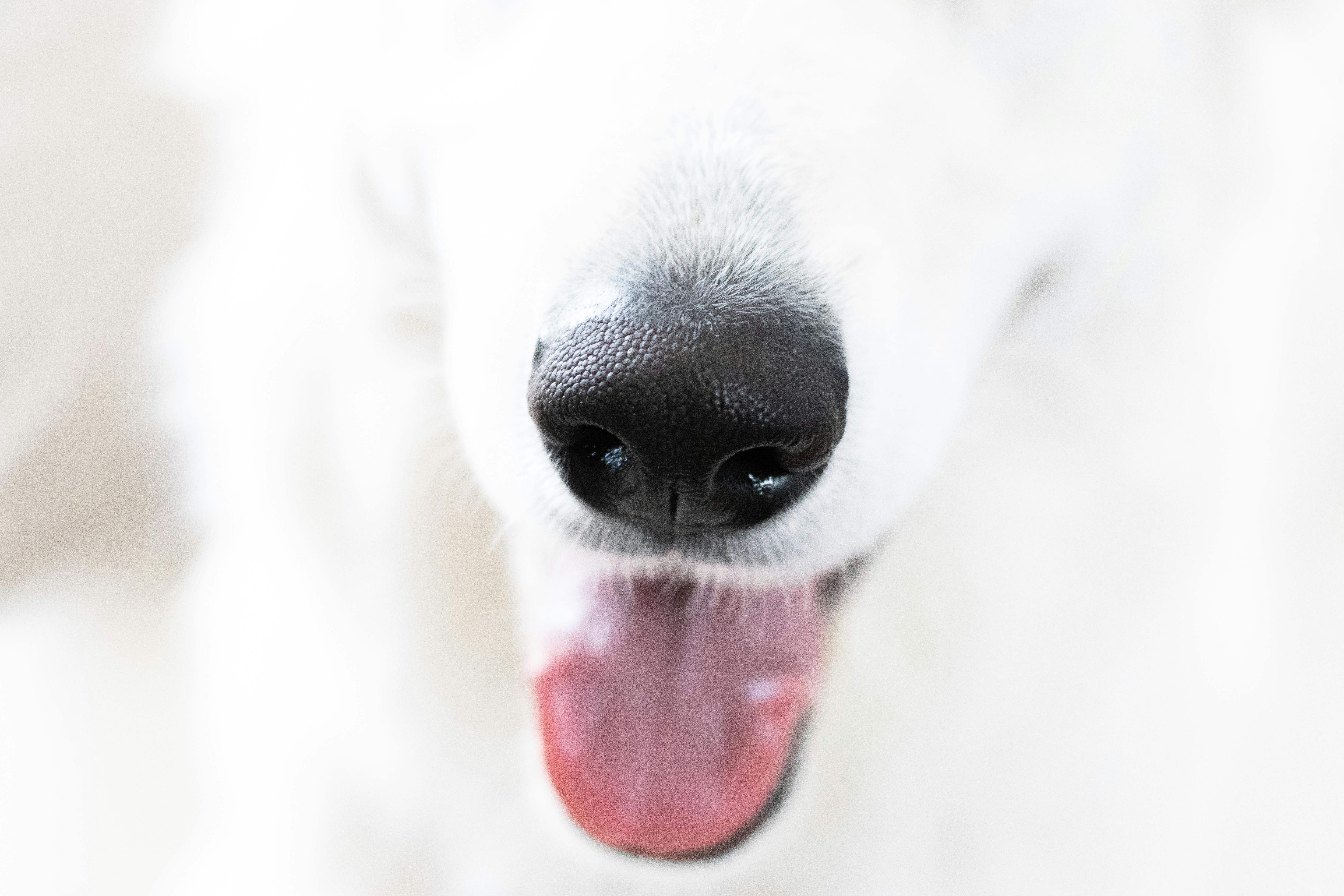
Dogs are often called man's best friend, and one of the most fascinating things about them is their incredible sense of smell. This ability is contributed by various factors, but wet noses play a significant role. You may wonder, why do dogs have wet noses? Well, let's take a deeper look at how these wet noses enhance their sense of smell and the biology behind it.
The Biology of a Dog's Nose
The anatomy of a dog's nose is quite complex. It contains a large number of olfactory receptors — up to 300 million, compared to a human's mere 5 million. This superior olfactory capability allows dogs to detect scents at incredibly low concentrations. But the wetness of a dog's nose isn't just a quirky feature; it serves several important purposes.
- Moisture Absorption: A wet nose helps absorb scent particles from the air. When the nose is moist, it can trap more scents, which are then detected by the olfactory receptors.
- Temperature Regulation: Dogs also use their noses to regulate body temperature. A cool, wet nose can help them stay comfortable, especially in hot weather.
- Enhanced Sensory Function: The moisture on a dog's nose helps the scent particles dissolve, making it easier for their olfactory system to process them.
Why Are Dog Noses Wet?
Now let's dive into the question of why do dogs have wet noses in the first place. There are a few reasons:
- Evolutionary Advantage: Historically, dogs evolved from wolves, who relied on their sense of smell to hunt and survive. A wet nose gave them an edge in tracking prey.
- Health Indicator: A wet nose is often seen as a sign of a healthy dog. However, it's not always the case; dry noses can occur for various reasons, including dehydration or certain illnesses.
- Behavioral Signaling: Dogs also use their noses to communicate with each other. The moisture can carry pheromones and other chemical signals, which can convey important information.
The Role of Scent in a Dog's Life
Dogs experience the world through their sense of smell in a way that humans cannot. Here are some interesting comparisons to illustrate this:
Smell Sensitivity:
- Dogs: 300 million olfactory receptors
- Humans: 5 million olfactory receptors
Scent Detection:
- Dogs can detect a scent in concentrations as low as 1 part per trillion.
- Humans may struggle to identify scents at concentrations lower than 1 part per million.
Scent Memory:
- Dogs have a remarkable memory for smells, which can last for years.
- Humans, on the other hand, often forget scents after a few days.
Fun Facts About Dog Noses
- Unique Prints: Just like human fingerprints, every dog's nose print is unique.
- Color Variation: A dog's nose can vary in color from black to pink and can even change color with temperature and health.
- Breeds and Noses: Some breeds, like Bloodhounds, have an even greater number of olfactory receptors, which makes them exceptional trackers.
Practical Implications of Nose Wetness
Understanding the importance of a dog's wet nose can have practical implications for dog owners. Here are some tips:
- Health Monitoring: Keep an eye on your dog's nose. A sudden change from wet to dry can indicate a health issue that might need a vet's attention.
- Hydration: Ensure your dog stays hydrated, as a dry nose can be a sign of dehydration.
- Scent Work: If you're interested in engaging your dog mentally, consider scent work activities that can utilize their fantastic sense of smell.
Final Thoughts
The incredible biology behind why do dogs have wet noses is a reflection of their evolutionary history and physiological needs. From enhancing their sense of smell to regulating body temperature, wet noses are essential to a dog’s well-being. Understanding these mechanisms not only gives us insight into our furry friends but also helps us care for them better. Remember, the next time you see your dog’s wet nose, appreciate the remarkable biology at work!
Wet Noses and Dog Behavior: What Your Pup’s Nose Can Tell You About Their Mood
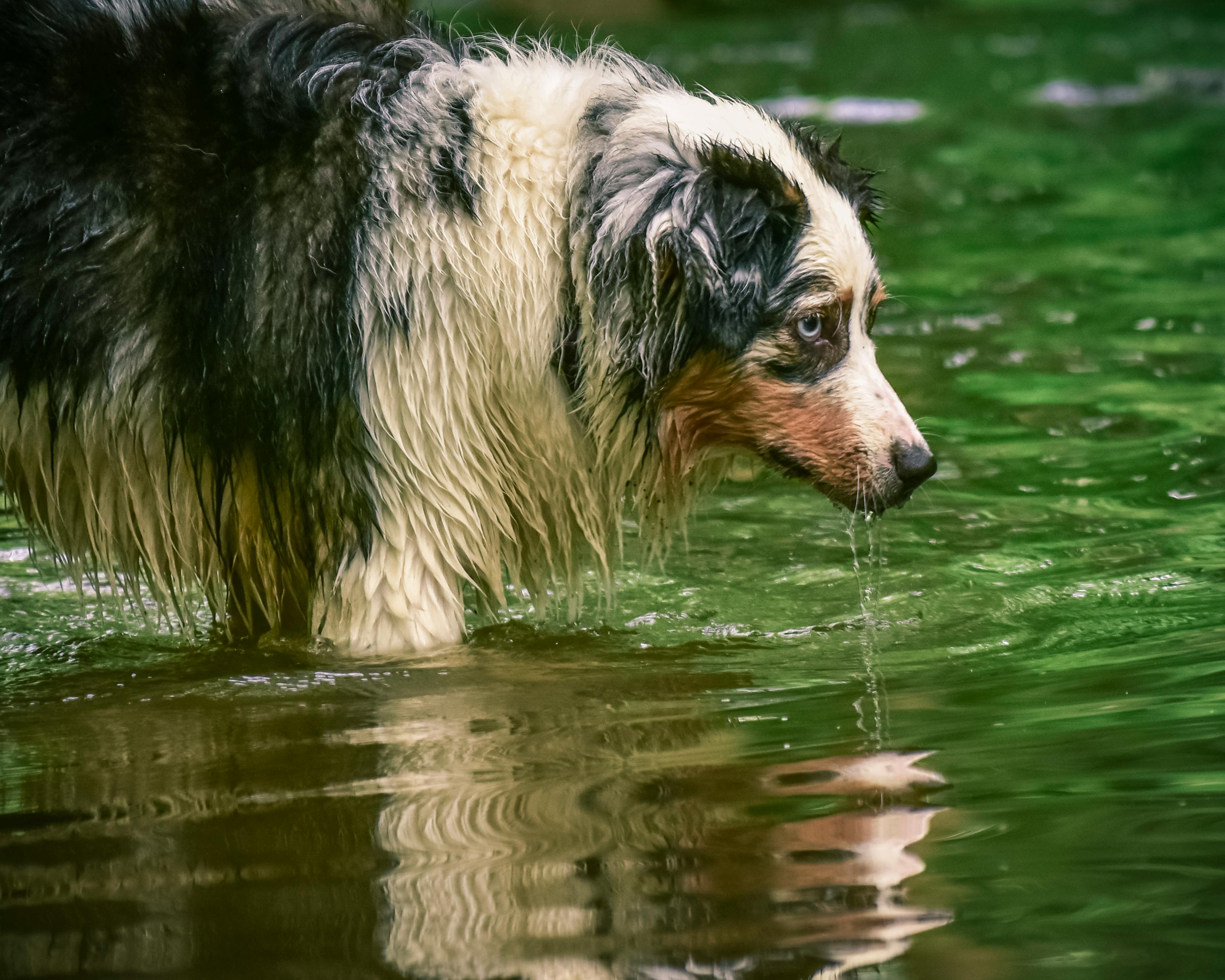
Have you ever noticed your dog's wet nose and wonder why is it so? Many pet owners often overlook this fascinating aspect of canine biology. Wet noses in dogs serve a purpose that goes beyond just being adorable. They can actually give you clues about how your pup feel and what they might be experiencing. So, let's dive into the world of dog behavior and understand why do dogs have wet noses and what it means for their mood.
The Science Behind Wet Noses
Dogs have wet noses primarily because they are covered in a thin layer of moisture. This moisture helps enhance their sense of smell, which is already far superior to that of humans. When a dog’s nose is moist, it can absorb scent particles more effectively. This is crucial for their communication and environmental awareness. Here’s some key points about dog noses:
- Scent Absorption: Wet noses can absorb scents better, helping dogs sniff out food, other animals, or even their owners.
- Temperature Regulation: Just like humans sweat, dogs use their noses for cooling off. The moisture evaporates, which helps to lower their body temperature.
- Health Indicator: A wet nose can sometimes indicate that a dog is healthy. If a dog’s nose is dry or cracked, it could suggest dehydration or illness.
Why Do Dogs Have Wet Noses?
Now, let’s break down the reasons why dogs have those wet noses in the first place.
Evolutionary Advantage: In the wild, dogs (and their ancestors) relied heavily on their sense of smell for hunting and survival. A moist nose helps them detect prey and avoid danger, making it a crucial evolutionary trait.
Grooming Habit: Dogs often lick their noses, which keeps them moist. This behavior also helps them taste the scents they pick up, allowing them to gather more information about their surroundings.
Communication Tool: A dog’s nose can tell you a lot about their mood. For instance, if your dog approaches you with a wet nose, they might be seeking attention or affection. On the other hand, if the nose is dry and warm, it may be a sign that they aren't feeling well.
Understanding Dog Behavior Through Their Noses
Dogs express their feelings and needs through various behaviors, and their nose is a big part of that. Here’s a quick guide on what a wet nose might indicate about your dog's mood:
- Happy and Excited: If your dog’s nose is wet and they are wagging their tail, it’s likely they are happy and excited.
- Curious: A wet nose while sniffing around suggests curiosity. When they are exploring their environment, they are gathering information.
- Nervous or Anxious: Sometimes, a wet nose can also indicate anxiety, especially if accompanied by other signs like panting or pacing.
- Illness: If your dog’s nose is consistently dry or warm, it may be time to consult a veterinarian.
Fun Facts About Dog Noses
- Dogs have about 300 million smell receptors in their noses, compared to about 6 million in humans.
- The structure of a dog’s nose is unique to each individual, similar to human fingerprints.
- Some breeds, like Bloodhounds, have an exceptional sense of smell and can track scents over great distances.
Conclusion
In the end, your dog’s wet nose is more than just a cute feature—it’s an essential part of their biology and behavior that allows them to navigate the world around them. Understanding what this wet nose means can help you bond with your pup and respond to their needs more effectively. So, the next time you see that delightful wet nose, remember it’s saying much more than just “I’m here!”
Exploring the Evolutionary Advantage of Wet Noses in Dogs: Nature’s Design Revealed

Dogs are often seen with their noses wet, and it raises many questions. Why do dogs have wet noses? This unique feature is not just for show or a strange quirk of nature; it serves several important purposes in the life of a dog. Let's delve into the evolutionary advantage of wet noses in dogs and discover the fascinating truth about this remarkable aspect of canine biology.
The Biology of a Dog’s Nose
A dog's nose is more than just an adorable feature. Its structure is specifically designed to enhance a dog’s sense of smell, which is far superior to that of humans. The wetness of a dog's nose plays a crucial role in this process. Here's why:
- Moisture Traps Scent Molecules: When a dog’s nose is wet, it can better capture scent molecules in the air. This enhances their ability to detect smells, which is vital for their survival and hunting instincts.
- Temperature Regulation: The wet surface of a dog's nose helps in regulating their body temperature. Dogs don't sweat like humans do, so having a cool, wet nose aids in keeping them comfortable, especially in warm conditions.
- Health Indicator: A wet nose can also indicate a dog’s health. Generally, a moist nose is a sign of a healthy dog, while a dry nose may suggest potential health issues, like dehydration or illness.
Historical Context of Wet Noses
The evolutionary journey of dogs has shaped many of their characteristics, including their wet noses. Dogs descended from wolves, who relied heavily on their keen sense of smell for hunting and survival. Over thousands of years, domestication has fine-tuned these traits. The wet nose, therefore, is not just a random feature; it’s a result of natural selection favoring those dogs who could smell better and thus thrive better.
The Science Behind Wet Noses
There are several scientific explanations for why dogs have wet noses. Let’s take a closer look:
- Mucus Production: Dogs have mucus glands in their noses that keep the surface moist. This mucus not only traps scents but also helps with thermoregulation.
- Nasal Structure: A dog's nose contains a complex structure of turbinates and olfactory receptors, which work together with the moisture to enhance smell detection.
- Behavioral Aspects: Dogs often lick their noses, which adds to the moisture. This behavior is instinctive and helps them gather more scent information about their environment.
Fun Facts About Dogs’ Noses
Here are some interesting facts about dog noses that you might not know:
- Dogs have up to 300 million olfactory receptors, compared to a human's 5 million.
- The wetness of a dog's nose can differ based on their breed, age, and environment.
- A dog’s sense of smell is so powerful it can detect certain medical conditions, like cancers or diabetes.
Comparisons with Other Animals
To better understand the uniqueness of a dog's wet nose, let’s compare it with other animals:
| Animal | Nose Type | Scent Detection Abilities |
|---|---|---|
| Dogs | Wet and flexible | Excellent |
| Cats | Dry and less sensitive | Good |
| Elephants | Very moist | Exceptional |
| Humans | Dry | Limited |
Practical Examples of Nose Use
Dogs use their noses in various practical ways. Here’s how:
- Search and Rescue: Dogs are trained to find missing persons by following scent trails.
- Detection Work: Many police and military dogs are trained to detect drugs, explosives, and even currency.
- Medical Alerts: Some dogs can alert their owners to medical emergencies, like low blood sugar or seizures, by sensing changes in scent.
Keeping Your Dog’s Nose Healthy
A dog’s wet nose is generally a good sign, but it’s important to monitor their health regularly. Here are some tips:
- Hydration: Ensure your dog is drinking enough water, especially in hot weather.
- Regular Vet Visits: Routine check-ups can help catch any potential health issues early.
- Observe Changes: Keep an eye on the condition of your dog’s nose. If it becomes consistently dry or cracked, consult a veterinarian.
Understanding why dogs have wet noses reveals a lot about their biology and evolutionary history. This feature is essential for their survival and well-being. By appreciating these little details, we can better care for our furry companions. So, the next time you see your dog with that adorable wet nose, remember: it’s a remarkable design by nature, finely tuned over time to help them navigate the world around them.
Common Myths About Wet Dog Noses: Debunking Misconceptions for Pet Owners
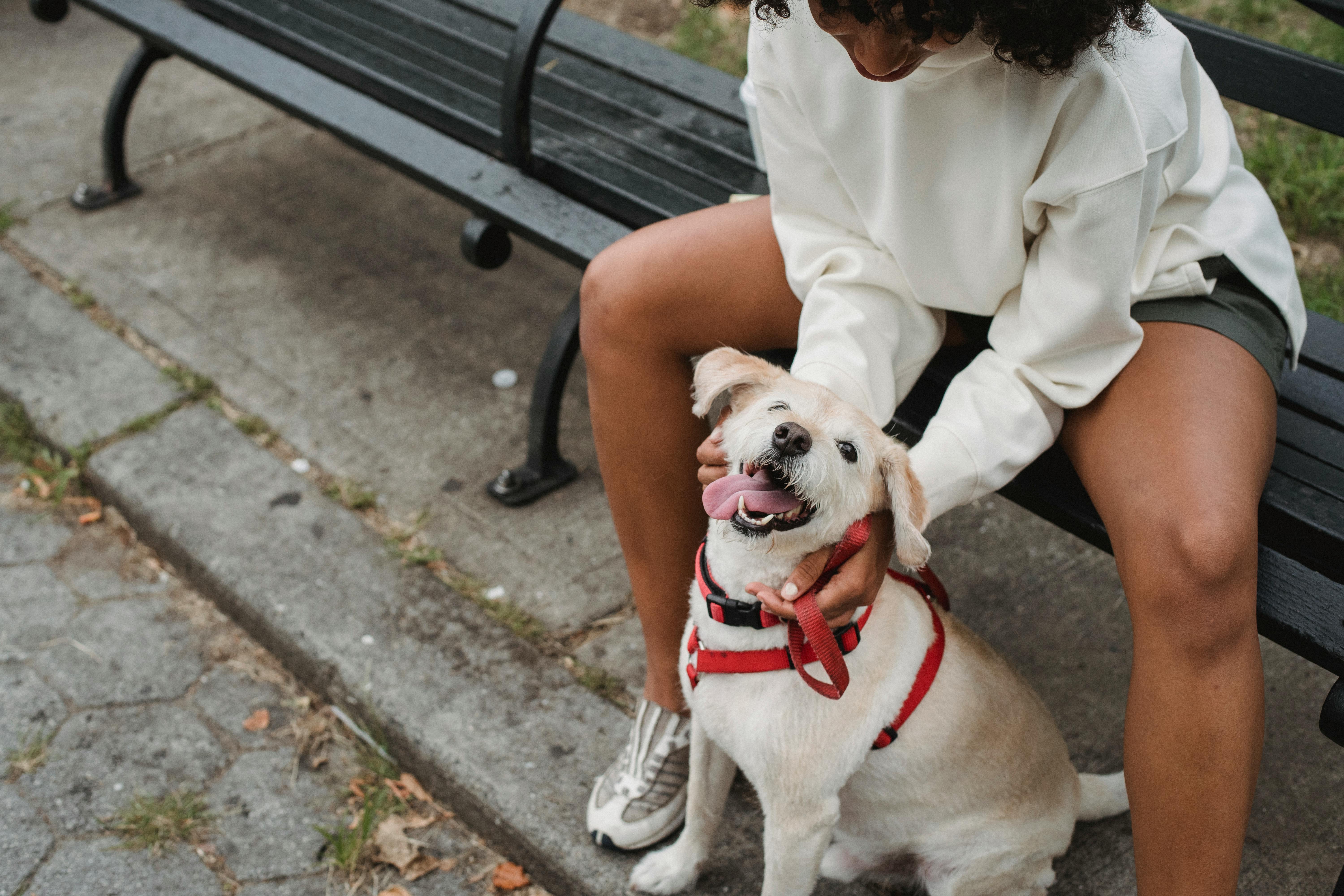
The idea of a dog’s wet nose is often seen as a sign of health and happiness. Many pet owners believe that if their dog’s nose is dry, it means they are sick or dehydrated. However, there’s a lot more to the story of why dogs have wet noses. In fact, misconceptions abound about this seemingly simple feature of our furry friends. Let’s dive into some common myths and uncover the fascinating truth about wet dog noses.
Wet Noses = Healthy Dogs?
One of the most popular myths out there is that a wet nose is a sure sign that a dog is healthy. While it’s true that many dogs have moist noses, it’s not always an indicator of their overall health. A dog’s nose can change moisture levels due to many factors. For instance:
- Environmental conditions: Heat, humidity, and even wind can affect the moisture on a dog’s nose.
- Activity level: Dogs that are playing or running around might have drier noses, while those who are resting may have wetter ones.
- Health status: Some illnesses can cause a dog’s nose to dry out, but many healthy dogs can have dry noses too.
It's important to not solely rely on the wetness of a dog's nose to gauge their health.
Why Do Dogs Have Wet Noses?
So, why do dogs have wet noses anyway? The primary reason is that the moisture helps with their sense of smell. Here’s how it works:
- Enhanced olfactory abilities: A wet nose helps to trap scent particles in the air. This moisture enhances the dog's ability to pick up on various smells.
- Cooling mechanism: Dogs do not sweat like humans. Instead, they rely on their noses to help cool down their bodies. A wet nose can help evaporate moisture, which aids in cooling.
- Body temperature regulation: The moisture on a dog’s nose can help regulate their body temperature, especially during hot days.
Debunking More Myths About Wet Dog Noses
The myths don’t stop at health indicators. Here are some other common misconceptions:
- All dogs have wet noses: Not every dog has a wet nose all the time. Some breeds have drier noses due to their unique physiology.
- A warm nose means a dog is sick: This isn’t always true. Dogs can have varying temperatures on their noses for many reasons, and a warm nose doesn’t necessarily indicate illness.
- Dogs lick their noses to keep them moist: While licking can add moisture, dogs naturally have wet noses due to the mucous membrane. Licking helps with scent absorption but isn’t the primary reason for wetness.
The Science Behind Dog Noses
Understanding the anatomy of a dog’s nose can shed light on why it’s wet. Here’s a quick breakdown:
- Nasal passages: Dogs have complex nasal passages lined with mucous membranes. These membranes produce moisture, which keeps the nose wet.
- Scent receptors: Dogs have up to 300 million scent receptors compared to about 6 million in humans. The wetness helps dissolve scent particles, making it easier for them to detect smells.
- Variation among breeds: Some breeds, like the Bloodhound, have especially moist noses because of their hunting background, while others might not.
Practical Tips for Dog Owners
Understanding your dog’s nose can help you take better care of them. Here are some tips to consider:
- Regular checks: Keep an eye on your dog’s nose. If it changes suddenly or looks cracked, consult with a vet.
- Hydration: Make sure your dog has plenty of fresh water. Dehydration can affect their overall health, including their nose.
- Watch for other symptoms: Don’t just look at the nose. Monitor your dog for other signs of illness, like appetite changes or lethargy.
Fun Facts About Dog Noses
- Dogs can smell up to 100,000 times better than humans.
- The wetness of the nose can be a great indicator of how much a dog is sniffing around.
- Each dog’s nose print is unique, just like human fingerprints.
In the end, knowing the truth about wet dog noses can help pet owners make informed decisions regarding their furry companions. It’s a fascinating aspect of canine biology that goes beyond simple myths. Remember, it’s always best to consult with a veterinarian if you have concerns about your dog’s health, rather than relying on common misconceptions. Understanding these truths can lead to a happier, healthier life for your beloved pet.
The Connection Between Wet Noses and Dog Temperature Regulation: What You Need to Know

Dogs are one of the most beloved pets in the world, and their wet noses have sparked curiosity for years. People always wonder, "Why do dogs have wet noses?" This article dives into the intriguing connection between wet noses and dog temperature regulation, providing insights that every dog owner or enthusiast should know. It’s fascinating how something so simple can actually play a significant role in a dog’s health and behavior.
The Role of a Dog’s Nose
A dog’s nose is not just for sniffing out treats. Dogs have an exceptional sense of smell, estimated to be between 10,000 to 100,000 times more sensitive than humans. This incredible ability helps dogs detect scents, find missing persons, and even sniff out diseases. The wetness of a dog’s nose actually enhances its olfactory capabilities.
Here’s how it works:
- Increased Surface Area: The moisture on the nose helps to trap scent particles, making it easier for dogs to process smells.
- Cooling Mechanism: A wet nose helps regulate a dog’s body temperature, similar to how sweating cools humans down.
- Health Indicator: A dog’s nose can provide hints about its health. A consistently dry or warm nose might indicate illness.
Why Are Dog Noses Wet?
You might think, "So, why do dogs have wet noses?" The answer lies in both biology and behavior. Dogs' noses are moist due to mucus production which serves several vital functions:
- Scent Detection: As mentioned earlier, moisture helps capture scent particles, making it easier for dogs to process smells.
- Temperature Regulation: The wetness cools the blood vessels in the nose, helping to regulate body temperature when dogs pant or get warm.
- Hydration: A wet nose can also help keep dogs hydrated, as they can absorb moisture through their noses.
The Science Behind Temperature Regulation
Dogs have a different way of cooling off compared to humans. While humans sweat, dogs primarily rely on panting and having a wet nose to stay cool. Here's a breakdown of how it works:
- Panting: When dogs pant, it evaporates moisture from their tongues and respiratory system, which cools them down.
- Nasal Cooling: The moisture on a dog’s nose evaporates, which helps cool the blood vessels right underneath the surface. This is crucial when they are active or in hot weather.
Historical Context of Dog Noses
Throughout history, dogs have been utilized for various purposes, from hunting and herding to companionship. Their noses played a key role in these functions. Ancient cultures recognized the importance of a dog’s sense of smell. For example, the Egyptians used dogs for hunting and protection, valuing their ability to track scents.
In modern times, dogs are trained for specialized tasks, like:
- Search and Rescue: Dogs locate missing persons in disaster scenarios.
- Medical Detection: Certain breeds can detect diseases like cancer or diabetes through scent cues.
- Service Animals: Many service dogs help individuals with disabilities, utilizing their keen sense of smell in various ways.
Fun Facts About Dog Noses
- Unique Prints: Just like human fingerprints, each dog has a unique nose print.
- Color Variation: A dog’s nose color can range from black to brown, and some even have spots!
- Temperature Differences: A healthy dog's nose can change temperature throughout the day based on activity and environment.
Signs of Nose Health
Monitoring your dog’s nose can be beneficial for their health. Here are some signs to watch out for:
- Dry and Cracked: This can indicate dehydration or health issues.
- Warm to the Touch: Could signal a fever, especially if accompanied by other symptoms.
- Discharge: Unusual discharge could indicate infection or allergies.
Practical Tips for Dog Owners
To ensure your dog stays healthy and happy, consider the following tips:
- Hydration: Always provide fresh water, especially in hot weather to keep their nose wet and body cool.
- Temperature Check: Regularly check their nose for any unusual changes, and consult a vet if something seems off.
- Regular Vet Visits: Keep up with routine check-ups to monitor your dog’s overall health.
Understanding the connection between a dog’s wet nose and its temperature regulation is essential for any dog owner. It’s not just a quirky trait; it’s a vital part of their biology that helps them thrive in various environments. With this knowledge, you can better care for your furry friend and appreciate the unique characteristics that make dogs such special companions. Remember, a wet nose is often a happy nose!
Why Does My Dog Have a Dry Nose? Understanding the Signs of Potential Health Issues

If you ever noticed that your dog's nose is dry and wonder why it is, your not alone! Many dog owners have this question, and it’s important to understand the signs. A dog's nose can tell you a lot about their health. So, let’s dive into the fascinating world of dog noses and figure out what a dry nose might indicate.
Why Do Dogs Have Wet Noses?
First, let’s look at the wet nose part. Dogs have wet noses mainly because of a special gland that produces mucus. This mucus helps to keep their noses cool and helps them smell better by trapping scent particles. Isn’t that interesting? Here’s why wet noses are actually beneficial:
- Enhanced Smell: The moisture allows scent particles to stick, making it easier for dogs to smell.
- Thermoregulation: A wet nose helps dogs cool down, similar to how sweating works for humans.
- Health Indicator: A consistently wet nose is often a sign of good health.
Why Does My Dog Have a Dry Nose?
Now, let’s get to the dry noses. A dry nose isn’t always a sign of trouble, but it can be. Here’s a list of common reasons why your dog’s nose might be dry:
- Dehydration: If your dog isn’t drinking enough water, their nose may dry out.
- Weather Conditions: Hot, dry weather can lead to a dry nose.
- Allergies: Just like humans, dogs can have allergies that affect their noses.
- Illness: Sometimes, a dry nose can signal health problems like fever or infections.
- Aging: Older dogs may naturally have drier noses as they age.
Signs to Watch Out For
If your dog's nose is dry, keep an eye on other signs that might indicate a health issue. Here’s a useful checklist:
- Lethargy: Is your dog less active than normal?
- Loss of Appetite: Are they not eating as much?
- Coughing or Sneezing: Any signs of respiratory issues?
- Vomiting or Diarrhea: This could indicate a more serious problem.
- Behavior Changes: Are they more anxious or irritable?
When to See a Vet
If you notice that your dog's nose is consistently dry and you see any warning signs listed above, it’s best to consult a veterinarian. They can give you a proper diagnosis. Some conditions that might require veterinary attention include:
- Infections: Bacterial or viral infections can cause a dry nose.
- Autoimmune Disorders: These can also affect the nose.
- Skin Conditions: Dermatitis or other skin issues may manifest on the nose.
The Importance of Regular Check-Ups
Regular vet visits are essential for keeping your dog healthy. During these check-ups, the vet can check your dog’s nose along with other parts of their health. It’s recommended to have your dog seen at least once a year, but more often if they’re older or have existing health issues.
Fun Facts about Dog Noses
Did you know that dog noses are unique, just like human fingerprints? Here’s some cool trivia:
- Nose Prints: Each dog’s nose has a unique pattern of ridges and creases.
- Scent Detection: Dogs can smell up to 100,000 times better than humans!
- Nose Temperature: A warm nose can be a sign of fever, while a cool one is usually normal.
Conclusion
In summary, a dry nose on your dog can be an indicator of various health issues but it isn't always a cause for alarm. Understanding the significance of a dog’s nose—whether wet or dry—is crucial for any pet owner. By keeping an eye on your furry friend and knowing when to seek help, you can ensure they stay healthy and happy. Always remember, when in doubt, consult your veterinarian for the best care advice for your beloved pet. Keeping your dog hydrated and comfortable can go a long way in maintaining that ideal wet nose!
Fun Facts About Dog Noses: What Makes Them Unique and Why They Matter to Your Pet’s Well-being
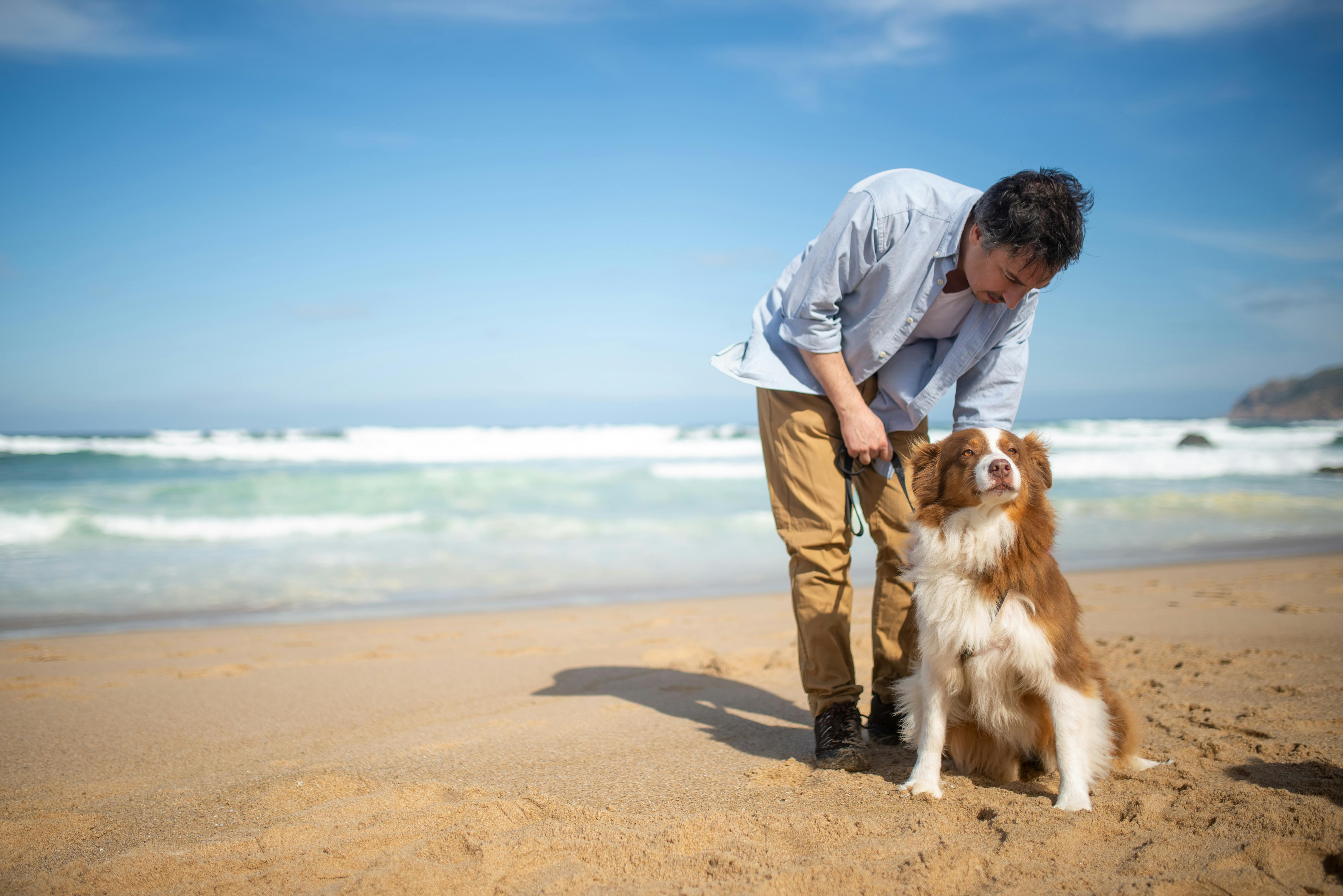
When we think about our furry friends, the first things that comes to mind may be their wagging tails or playful barks. But have you ever thought about their noses? Dog noses are not just cute; they're fascinating for many reasons. There’s lots of fun facts about dog noses that shows how they contributes to your pet’s well-being. So, why do dogs have wet noses? Let’s dive into this intriguing topic and discover the truth behind those unique snouts!
The Science of a Dog’s Nose
Dogs noses are remarkable. In fact, they have an incredible sense of smell that is estimated to be between 10,000 to 100,000 times more sensitive than humans. This heightened sense allows dogs to detect scents at minute levels, which is why they’re often used in search and rescue missions, drug detection, and even medical diagnoses.
- Scent Reception: Dogs have about 220 million scent receptors, compared to a human's 5 million. This means they can pick up on smells that are undetectable to us.
- Jacobsen's Organ: This is a special organ in a dog's nose that helps them analyze smells. It allows dogs to “taste” smells, making their olfactory experience even richer.
Why Are Dog Noses Wet?
Now, you might wonder, why do dogs have wet noses? The moisture on a dog’s nose plays an important role in their sense of smell. The wetness helps to capture scent particles in the air, enhancing their olfactory abilities. Here’s a quick list of reasons why dog noses are wet:
- Improved Smell: Wet noses help in trapping more scent particles, making it easier for dogs to identify different smells.
- Cooling Mechanism: Dogs can't sweat like humans. Their noses help to regulate their body temperature. When a dog pants, the moisture evaporates from their nose, helping them cool down.
- Health Indicator: A wet nose is generally a sign of good health. If a dog’s nose becomes dry or cracked, it could indicate dehydration or illness.
Fun Facts About Dog Noses
Did you know that every dog has a unique nose print, much like human fingerprints? This uniqueness serves as a way to identify them. Here’s a list of more fun facts about dog noses:
- Nose Prints: Just like fingerprints, a dog’s nose print can be used to identify them. Each nose has a distinct pattern of ridges and creases.
- Color Variation: A dog's nose color can vary widely from pink to black, and this can change with age or health.
- Temperature Regulation: Dogs can also sense temperature changes through their noses, which helps them navigate their environment better.
Why Dog Noses Matter for Your Pet’s Well-being
Understanding the importance of dog noses can greatly impact your pet's overall well-being. Since their noses are vital for communication and exploration, here are some ways to keep your dog's nose healthy:
- Regular Check-ups: Make sure to include nose health in your vet visits. Look for cracks, dryness, or unusual discharge.
- Hydration: Keep your dog hydrated to maintain moisture in their nose. Dry noses can signal dehydration.
- Avoid Irritants: Limit exposure to chemicals or strong scents that could irritate their sensitive noses.
Comparison: Dog Noses vs. Human Noses
Here’s a quick comparison to understand how dog noses differ from ours:
| Feature | Dog Nose | Human Nose |
|---|---|---|
| Scent Receptors | 220 million | 5 million |
| Nose Print Uniqueness | Yes | No |
| Ability to Detect | 10,000 to 100,000 times better | Limited |
| Temperature Control | Yes | No |
Practical Examples of Dog Nose Functions
Dogs use their noses in various ways that contribute to their daily activities and health. Here are some practical examples:
- Tracking: When a dog is following a scent, they might start sniffing at the ground. This behavior helps them gather information about where other animals have been.
- Social Interaction: Dogs greet each other by sniffing noses. This is their way of gathering information about another dog’s health and mood.
- Detecting Emotions: Dogs can even pick up on human emotions through scent. For example, they can sense stress or fear based on hormonal changes that emit particular scents.
In the end, dog noses are not just for show; they’re vital tools that enhance a dog's life. Understanding the importance of their noses can lead to better care and improved well-being for our canine companions. So, next time you look at your dog's adorable face, remember the incredible science behind those wet noses!
Conclusion
In conclusion, the wet noses of dogs serve several important functions that contribute to their overall health and well-being. The moisture on a dog's nose plays a crucial role in enhancing their sense of smell, as it helps capture scent particles in the air. Additionally, a wet nose can indicate a dog's hydration levels and general health, as changes in moisture can signal potential medical issues. The cooling effect of moisture also aids in thermoregulation, allowing dogs to maintain their body temperature. Understanding these fascinating aspects of canine anatomy not only deepens our appreciation for our furry companions but also equips us to better care for them. Next time you feel your dog’s wet nose, remember its significance and consider scheduling a veterinary check-up if you notice any unusual changes. Embrace the unique traits of your pet and ensure they lead a happy, healthy life!