Have you ever wondered why do dogs have wet noses? This intriguing question not only sparks curiosity among dog lovers but also unveils a fascinating scientific explanation. A dog’s nose is not just cute; it plays a crucial role in their health and behavior. The moisture on a dog’s nose is believed to enhance their sense of smell, which is already incredibly powerful. But what exactly causes this wetness? Are there health implications behind it? In this article, we’ll dive deep into the science behind wet noses and uncover the reasons that keep them moist. From the role of nasal mucus to the importance of temperature regulation, you'll discover how these factors intertwine with your furry friend's well-being. Furthermore, we’ll explore whether a dry nose could signal health issues, prompting you to ask: should I be concerned? Join us as we unravel the mysteries of canine anatomy, and learn why understanding your dog’s nose is essential for every pet owner. By the end, you'll not only answer the question, why do dogs have wet noses, but also gain insights into how to keep your pet healthy and happy. Don't miss out on these fascinating facts!
\n\nUnraveling the Mystery: Why Do Dogs Have Wet Noses? The Science Explained
\n\n \n\n
\n\nDogs are often considered man's best friend, but have you ever wondered why they have wet noses? It's one of those little quirks that make dogs unique, but there's science behind it. So, let's unravel the mystery of why do dogs have wet noses and discover the reasons behind this fascinating trait!
\nThe Anatomy of a Dog's Nose
\nFirst off, a dog's nose is not just for sniffing. It's actually a complex organ that plays a crucial role in their sense of smell. The wetness of a dog's nose comes from a thin layer of mucus that helps enhance their olfactory capabilities. This mucus aids in trapping scent particles, which allows dogs to detect smells much better than humans.
\n- \n
- Dogs have up to 300 million scent receptors, compared to about 5 million in humans. \n
- The wetness can also help regulate their body temperature, as evaporating moisture cools them down. \n
- A dog’s nose can detect certain scents at incredibly low concentrations, as little as one part per trillion! \n
Why Is It Wet?
\nNow, you might ask, why do dogs have wet noses in the first place? It's not just for show. The moisture on their noses serves several important purposes:
\n- \n
- Enhanced Smell: As mentioned earlier, the wetness helps capture scent molecules. A dry nose might not pick up as many scents. \n
- Temperature Regulation: Dogs don't sweat like humans do. Instead, they rely on their noses and panting to cool down. A moist nose helps in this process. \n
- Health Indicator: A wet nose is often seen as a sign of a healthy dog. Conversely, excessive dryness can indicate illness or dehydration. \n
Historical Context
\nInterestingly, dogs have evolved alongside humans for thousands of years. Originally, their wet noses provided a survival advantage. Canines that could detect scents better were more adept at hunting and foraging. Over time, this trait became a defining characteristic of the species.
\n- \n
- Domestication: Through domestication, dogs have maintained their keen sense of smell, which is essential for various tasks, from hunting to search-and-rescue operations. \n
- Cultural Significance: Many cultures view dogs with wet noses as symbols of vitality and health. A dog with a dry nose may lead to concerns among owners, prompting them to seek veterinary advice. \n
Fun Facts About Dog Noses
\nDid you know that every dog's nose print is unique, much like human fingerprints? Here are some more fun facts that you might find interesting:
\n- \n
- Breed Differences: Certain breeds have wetter noses than others. For instance, hounds typically have moist noses, which help them track scents over long distances. \n
- Temperature Sensitivity: A dog’s nose can sense changes in temperature, which can be helpful in detecting food or potential dangers. \n
- Social Signaling: Dogs often use their noses to greet each other. A wet nose is a friendly gesture and a way for them to gather information about other dogs. \n
What If a Dog's Nose Is Dry?
\nA dry nose doesn’t always mean something is wrong, but it can be a signal for dog owners to pay attention. Here are some situations where a dry nose might be concerning:
\n- \n
- Dehydration: If your dog is not drinking enough water, their nose may dry out. \n
- Illness: Certain health conditions, like fevers or infections, can lead to a dry nose. \n
- Allergies: Environmental factors can also cause dryness. Pollen, dust, or chemicals might irritate their skin. \n
Caring for Your Dog's Nose
\nMaintaining your dog's nose is pretty straightforward. Here are some tips:
\n- \n
- Hydration: Make sure your dog has constant access to fresh water. \n
- Veterinary Check-Ups: Regular visits to the vet can help monitor your dog's overall health, including their nose condition. \n
- Moisturizing: If your dog’s nose appears excessively dry, consult with your vet. They may recommend a safe moisturizer. \n
Conclusion
\nThe science behind why do dogs have wet noses is fascinating and multifaceted. From enhancing their sense of smell to helping regulate body temperature, those wet noses are vital for a dog’s health and well-being. So, next time you get a wet-nosed greeting from your furry friend, you'll know there's a lot more going on than just a friendly gesture!
\n\nThe Fascinating Reasons Behind Your Dog's Moist Nose: What You Need to Know
\n\n \n\n
\n\nHave you ever wondered why your dog’s nose is always wet? It’s one of those quirky things about our furry friends that makes us scratch our heads. You might think it’s just a random trait, but there’s actually a lot of science behind it. Let’s dive into the fascinating reasons why dogs have moist noses and uncover the secrets that lie beneath.
\nThe Science of Dog Noses
\nDogs have moist noses for a few important reasons, and it’s more than just a cute characteristic. The moisture on a dog’s nose plays a critical role in their overall health and ability to interact with their environment.
\n- \n
- \n
Enhanced Sense of Smell: Dogs' sense of smell is incredibly powerful, estimated to be between 10,000 to 100,000 times more sensitive than humans. A wet nose helps to capture scent particles better, allowing dogs to detect smells more effectively. When the nose is moist, it can absorb these particles and send signals to the brain more efficiently.
\n \n - \n
Temperature Regulation: Dogs don’t sweat like humans do. Instead, they rely on their noses to help cool down. A wet nose can help regulate body temperature, especially in hot weather. If your dog is panting, you might notice their nose getting wetter as they try to cool themselves down.
\n \n - \n
Health Indicator: The moisture level of a dog’s nose can be an indicator of their health. A healthy dog usually has a cool, wet nose, while a dry nose could signal dehydration or illness. However, it’s worth noting that a dry nose doesn’t always mean something is wrong. It can also depend on the environment, time of day, or activity level.
\n \n
History and Evolution of Dog Noses
\nDogs have evolved alongside humans for thousands of years, and their noses have adapted to serve their needs. Historically, dogs were bred for specific tasks like hunting, herding, and guarding. Those with the best sense of smell were often favored, leading to the development of breeds with particularly moist noses.
\n- \n
- Hunting Breeds: Breeds like Bloodhounds and Beagles have been specifically bred for their incredible olfactory abilities. Their wet noses are a key component of their hunting skills. \n
- Working Dogs: Many working dogs, such as service or therapy dogs, benefit from their keen sense of smell, which is enhanced by a moist nose. \n
Fun Facts About Dog Noses
\n- \n
- Unique Patterns: Just like human fingerprints, every dog has a unique nose print. This can actually be used for identification purposes! \n
- Temperature Sensitivity: A dog’s nose can also help them detect temperature changes. They can sense warmer objects and can even detect certain chemicals through their noses. \n
- Nasal Structures: Dogs have complex nasal structures. Their nasal cavity has more surface area than humans, which contributes to their superior smelling abilities. \n
Reasons Your Dog’s Nose Might Be Dry
\nSometimes, you may notice your dog’s nose is drier than usual. Here’s some possible reasons for that:
\n- \n
- Dehydration: If your dog isn’t drinking enough water, their nose may dry out. \n
- Weather Conditions: Hot, dry weather or air conditioning can cause a dog’s nose to become dry. \n
- Health Issues: Certain health conditions can lead to a dry nose. Always consult your vet if you’re concerned about your dog’s health. \n
Keeping Your Dog’s Nose Healthy
\nHere are a few tips to ensure your dog’s nose stays moist and healthy:
\n- \n
- Hydration: Make sure your dog has access to fresh, clean water at all times. \n
- Humidity: If you live in a dry climate, consider using a humidifier in your home. \n
- Regular Vet Checks: Regular vet visits can help catch any potential health issues early. \n
Practical Comparison: Dog Nose vs. Human Nose
\n| Feature | \nDog Nose | \nHuman Nose | \n
|---|---|---|
| Sense of Smell | \n10,000 - 100,000 times more sensitive | \nLimited sensitivity | \n
| Moisture Function | \nEnhances smell and regulates temperature | \nNo significant function | \n
| Temperature Regulation | \nYes | \nNo | \n
| Unique Prints | \nYes, unique nose prints | \nNo unique prints | \n
Understanding why dogs have wet noses not only helps us appreciate our canine companions more, but it can also aid in recognizing their health needs. So the next time you give your dog a pat on the head and feel that familiar wet nose, you’ll know there’s a lot more than meets the eye—or the nose, in this case!
\n\nHow a Dog's Wet Nose Enhances Their Sense of Smell: Discover the Connection
\n\n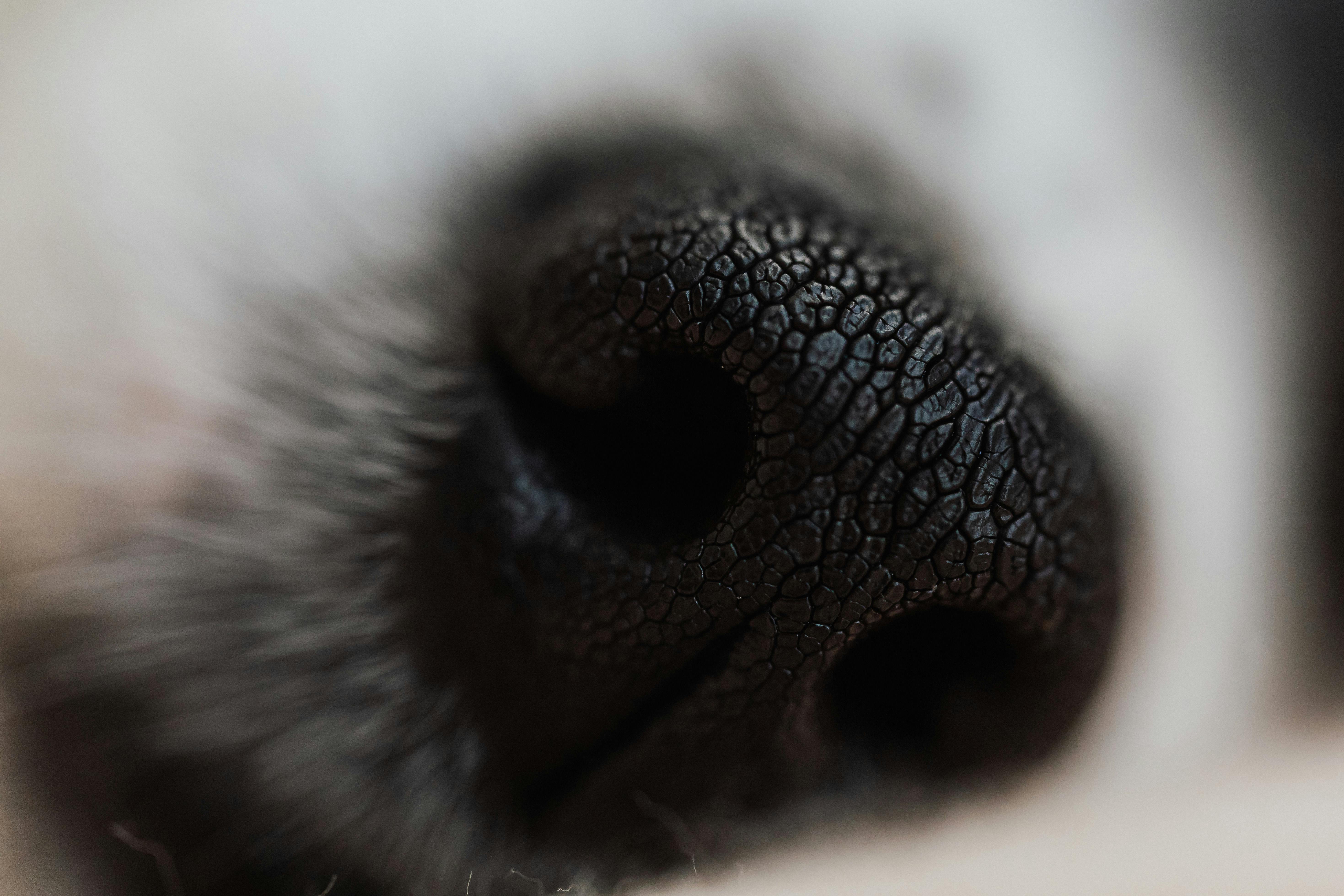 \n\n
\n\nHave you ever wondered why dogs have wet noses? This question might seems simple, but the answer dives deep into the fascinating world of canine biology. A dog’s wet nose isn’t just for show, it actually plays a crucial role in enhancing their sense of smell. This article will explore how a dog’s wet nose works, why it’s wet, and the science behind it.
\nThe Anatomy of a Dog’s Nose
\nFirst, let’s take a look at the anatomy of a dog’s nose. A dog's nose contains a complex structure of cells that are specially designed for detecting scents. Here are some key components:
\n- \n
- Olfactory Receptors: Dogs have about 220 million olfactory receptors in their noses, compared to humans, who only have about 5 million. \n
- Jacobsen's Organ: This is a special organ that helps dogs analyze smells even further. It’s located on the roof of a dog's mouth. \n
- Moisture: The wetness of a dog’s nose is crucial to its ability to smell. \n
Why Do Dogs Have Wet Noses?
\nNow, let’s dig into the reasons why dogs have wet noses. A wet nose is essential for several reasons:
\n- \n
- Enhanced Smell: The moisture on a dog's nose helps capture scent particles. When a dog sniffs, the moisture binds to these particles, making it easier for their olfactory receptors to recognize different smells. \n
- Temperature Regulation: A wet nose helps to cool down a dog’s body temperature. Dogs don’t sweat like humans do; instead, they rely on their noses to help regulate heat. \n
- Health Indicator: The condition of a dog’s nose can be an indicator of its overall health. A dry, cracked nose might signal dehydration or illness, while a wet nose typically means the dog is healthy. \n
The Science Behind a Dog’s Sense of Smell
\nSo, how does a wet nose actually function to improve a dog’s sense of smell? The science is pretty incredible. Here’s a breakdown of the process:
\n- \n
- Scent Detection: When a dog inhales, the moisture in their nose helps to capture scent particles. The more moisture, the better they can bind to those particles. \n
- Signal to the Brain: Once scent particles are captured, they are sent to the brain where they are analyzed. Dogs can identify different smells and even remember them. \n
- Scent Memory: Dogs have an astonishing ability to remember smells. A scent can trigger memories, emotions, and even behaviors. \n
Fun Facts About Dogs’ Noses
\nHere are some interesting facts you might not know about dogs and their noses:
\n- \n
- Unique Prints: Just like human fingerprints, every dog has a unique nose print. \n
- Scent Discrimination: Dogs can detect certain scents at unbelievably low concentrations, even as low as parts per trillion. \n
- Scenting Sports: Many dogs participate in scent detection sports, showcasing their incredible abilities. \n
Comparisons: Dogs vs. Humans
\nTo really appreciate a dog’s sense of smell, let’s compare it to humans. Here’s a quick breakdown:
\n| Feature | \nDogs | \nHumans | \n
|---|---|---|
| Olfactory Receptors | \n220 million | \n5 million | \n
| Ability to Detect Scents | \nParts per trillion | \nParts per million | \n
| Scent Memory | \nCan remember scents for years | \nShorter memory span | \n
Practical Examples of Dogs Using Their Noses
\nDogs use their noses in a multitude of ways. Here are some practical examples:
\n- \n
- Search and Rescue: Dogs help find missing persons by picking up their scent. \n
- Detection Work: Some dogs are trained to detect drugs, explosives, or even diseases like cancer. \n
- Therapeutic Roles: Dogs can sense changes in their owners' emotions, providing comfort when needed. \n
The Role of Environment
\nIt’s also important to note how a dog’s environment affects their sense of smell. For example, certain weather conditions, like rain or humidity, can enhance scent dispersion, allowing dogs to sniff out things more easily. On the other hand, strong winds can disperse scents, making them harder to detect.
\nUnderstanding why dogs have wet noses and how it connects to their incredible sense of smell not only highlights the unique biology of dogs but also enriches our relationship with these amazing creatures. Their noses, wet and sensitive, are one of their most remarkable features, making them some of the best sniffers in the animal kingdom. So the next time you notice your dog's wet nose, remember, it's not just a cute characteristic, but a vital tool that helps them navigate the world around them.
\n\nIs a Wet Nose a Sign of a Healthy Dog? Exploring the Health Aspects
\n\n \n\n
\n\nEvery dog owner know that a wet nose on their furry companion is often seen as a sign of good health. But is a wet nose really a good indicator of a healthy dog? What does it mean when your dog’s nose is wet, and why do dogs have wet noses in the first place? Let’s dive deep into the science behind this common belief and explore the health aspects that might be related to it.
\nWhat Causes a Dog’s Nose to be Wet?
\nA dog’s nose is naturally moist due to the presence of mucus and the way their body regulates temperature. It helps in several important ways:
\n- \n
- Temperature Regulation: Dogs don’t sweat like humans. Instead, they cool off through their nose, which absorbs heat and expels it when it’s wet. \n
- Enhanced Smelling: The moisture on a dog’s nose helps to trap scent particles, which enhance their sense of smell. This is why dogs can pick up scents so well! \n
- Health Indicator: Many people associate a wet nose with a healthy dog. While it’s not the only sign, it can indicate that the dog is properly hydrated and feeling well. \n
Are There Different Types of Dog Noses?
\nYes, actually! Dogs noses can vary greatly, and here are some common types:
\n- \n
- Wet Noses: Usually indicate hydration and good health. \n
- Dry Noses: Can be normal for some breeds but may also indicate dehydration or illness. \n
- Cracked Noses: Might be a sign of an underlying condition like allergies or infections. \n
What Do Different Nose Conditions Mean?
\nIf your dog’s nose is dry or cracked, it can be a cause for concern. Here are some conditions to watch out for:
\n- \n
- Dehydration: A dry nose can indicate that your dog needs more water. Always keep fresh water available! \n
- Allergies: Environmental factors, like pollen or dust, can lead to dryness or irritation. \n
- Infections: Bacterial or fungal infections can cause a change in the texture of a dog’s nose. \n
The Science Behind a Wet Nose
\nResearch suggests that having a wet nose might offer some health advantages. Here are some scientific insights:
\n- \n
- Moisture and Olfactory Receptors: Wetness helps to activate olfactory receptors, enhancing a dog’s sense of smell. \n
- Cooling Mechanism: As mentioned earlier, a wet nose can help dogs cool down, especially after exercise or on a hot day. \n
- Health Monitoring: Changes in the moisture level of a dog’s nose can be a signal for owners to check their pet’s overall health. \n
When Should You be Concerned?
\nWhile a wet nose is often a good sign, there are times when you should consult with a veterinarian. Here’s a quick checklist:
\n- \n
- If your dog’s nose is excessively dry for an extended period. \n
- If you notice cracks or sores on the nose. \n
- If there are other symptoms present, like lethargy, vomiting, or loss of appetite. \n
Practical Tips for Dog Owners
\nHere are some handy tips to keep your dog’s nose healthy:
\n- \n
- Stay Hydrated: Always provide fresh water to keep your dog hydrated. \n
- Check for Allergens: Monitor your dog’s environment for potential allergens that could irritate their nose. \n
- Routine Vet Visits: Regular check-ups can help in identifying health issues before they become serious. \n
Fun Facts About Dog Noses
\n- \n
- Dogs have a sense of smell that is 10,000 to 100,000 times more acute than humans. \n
- The wetness of a dog's nose can change throughout the day depending on activity levels. \n
- Some breeds are known for their particularly wet noses, like the Labrador Retriever and Bloodhound. \n
To sum up, while a wet nose can be a sign of a healthy dog, it’s not the only factor to consider. It’s important to pay attention to other signs and behaviors of your pet. Understanding why dogs have wet noses and how it relates to their health is essential for every dog owner. If you ever have concerns about your furry friend’s health, don’t hesitate to reach out to a veterinarian. They can provide the best advice and care for your beloved pet.
\n\nThe Role of Dog Nose Moisture in Communication: What Your Pup is Telling You
\n\n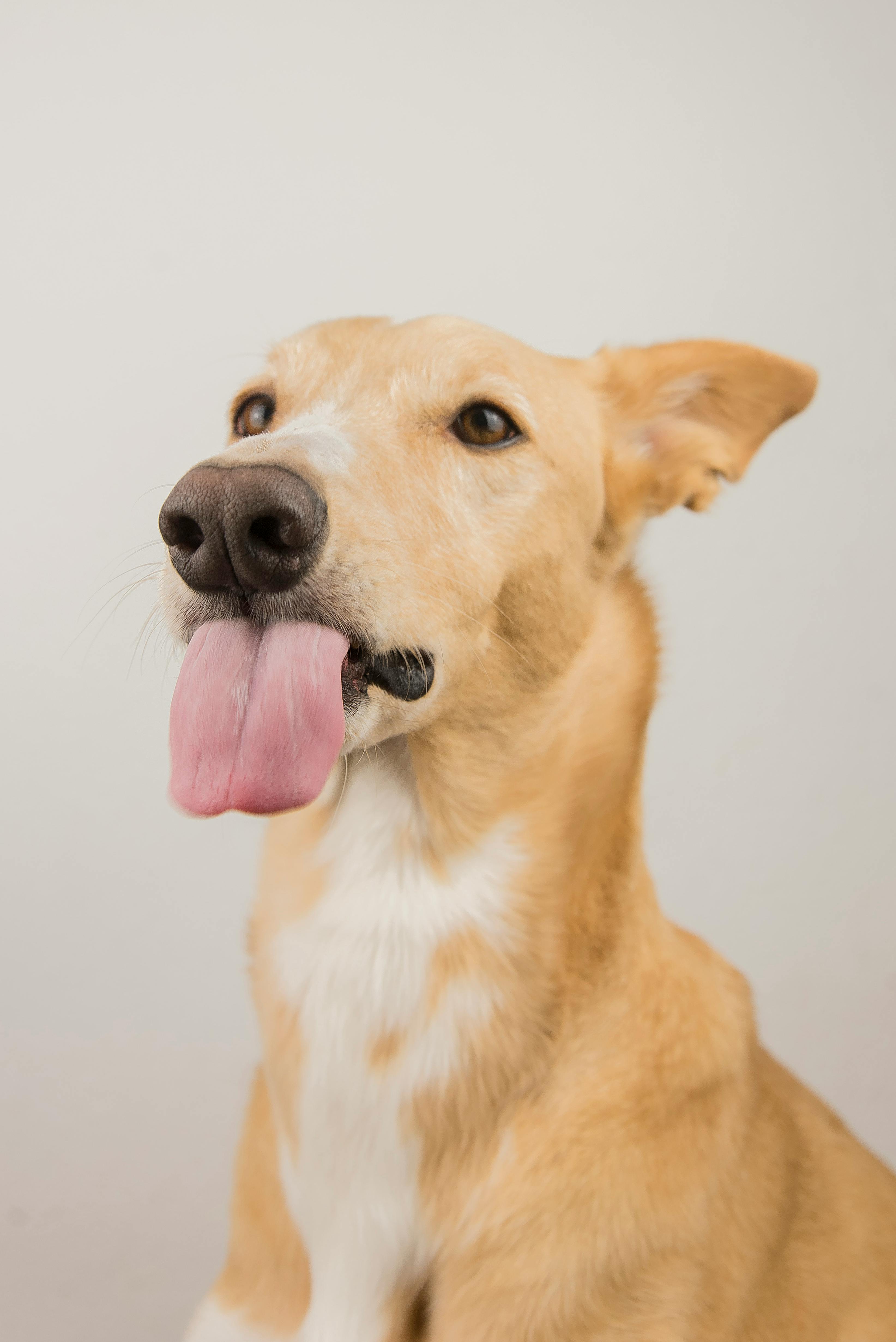 \n\n
\n\nDogs are more than just pets; they are companions and members of our families. One of the most intriguing aspects of our furry friends is their noses. You might have wonder, why do dogs have wet noses? What does it means when their noses are damp? Well, it turns out that the moisture of a dog’s nose plays a crucial role in their communication and senses. Let’s dive into the science behind it and explore why your pup's wet nose is important.
\nThe Science of Dog Nose Moisture
\nDog noses are not just cute; they are highly sensitive organs. A wet nose helps in several ways:
\n- \n
- Enhanced Scent Detection: A moist nose can capture scent particles better than a dry one. The moisture in the nose helps to dissolve these particles, making it easier for dogs to detect and identify different smells. \n
- Temperature Regulation: Dogs don’t sweat the same way humans do. Their noses help regulate body temperature, especially when they are feeling hot. The moisture evaporates, cooling them down. \n
- Communication Tool: Dogs use their noses to communicate with other dogs and humans. A wet nose often indicates a happy, healthy dog. Conversely, a dry nose might be a sign of an issue. \n
Why is a Dog’s Nose Wet?
\nNow, you might be asking, why do dogs have wet noses in the first place? Here are some reasons:
\n- \n
- Behavioral Signals: A wet nose can indicate that a dog is relaxed and content. Dogs often lick their noses when they are happy or excited. \n
- Health Indicator: A healthy dog usually has a wet nose. If the nose becomes excessively dry or cracked, it could be a sign of dehydration or illness. \n
- Environmental Factors: Dogs may have wetter noses after being outside in the rain or after drinking water. \n
Understanding Your Dog’s Communication
\nDogs communicate a lot through their body language and their noses. Here’s what you should look for:
\n- \n
- Wet Nose: Happy and content. \n
- Dry Nose: Could indicate dehydration or stress. \n
- Cold Nose: Often indicates a relaxed state. \n
- Warm Nose: May signal a fever or illness. \n
Facts About Dog Noses
\n- \n
- Dogs have more than 220 million scent receptors in their noses, compared to about 5 million in humans. This means they can smell things we can’t even imagine! \n
- Nose prints are unique to each dog, much like human fingerprints. They can actually be used to identify dogs. \n
- Dogs can detect diseases like cancer or diabetes through their sense of smell. This is due to their ability to pick up on specific scent compounds. \n
Practical Tips for Dog Owners
\nTaking care of your dog's nose is part of maintaining their overall health. Here are some tips:
\n- \n
- Keep them hydrated: Make sure your dog has constant access to fresh water. Dehydration can lead to a dry nose. \n
- Regularly check for abnormalities: Look for cracks, sores, or excessive dryness. If you notice anything unusual, consult your vet. \n
- Watch for changes: If your dog’s nose suddenly becomes dry or warm, it might be time for a check-up. \n
Comparisons with Other Animals
\nDogs aren’t the only animals with moist noses; other mammals also have similar traits, though the reasons might differ:
\n- \n
- Cats: Like dogs, cats also have wet noses, helping them with scent detection, but they rely more on their whiskers. \n
- Pigs: Pigs have moist noses that help them root around in the ground for food. Their noses are also very sensitive. \n
- Cows: Cows have wet noses too, which help them in their grazing activities. \n
Fun Facts About Dog Noses
\n- \n
- Dogs can recognize human emotions through scent, which is partly why they can sense when you’re sad or happy. \n
- The wetness can vary based on breed; some breeds are more prone to having wetter noses than others. \n
- Nose licking is a natural behavior, and it can be a way for dogs to clean their noses and enhance their sense of smell. \n
The moisture on your dog's nose is not just a quirky characteristic; it plays a vital role in their life and communication. Understanding the science behind it can help you connect better with your furry friend and ensure they are healthy and happy. Keeping an eye on your dog's nose health is just as crucial as monitoring their overall well-being. So next time you notice your pup's wet snout, remember the important role it plays in their communication and health.
\n\nDebunking Myths: Do Wet Noses Really Mean Dogs are Sick? Find Out Here
\n\n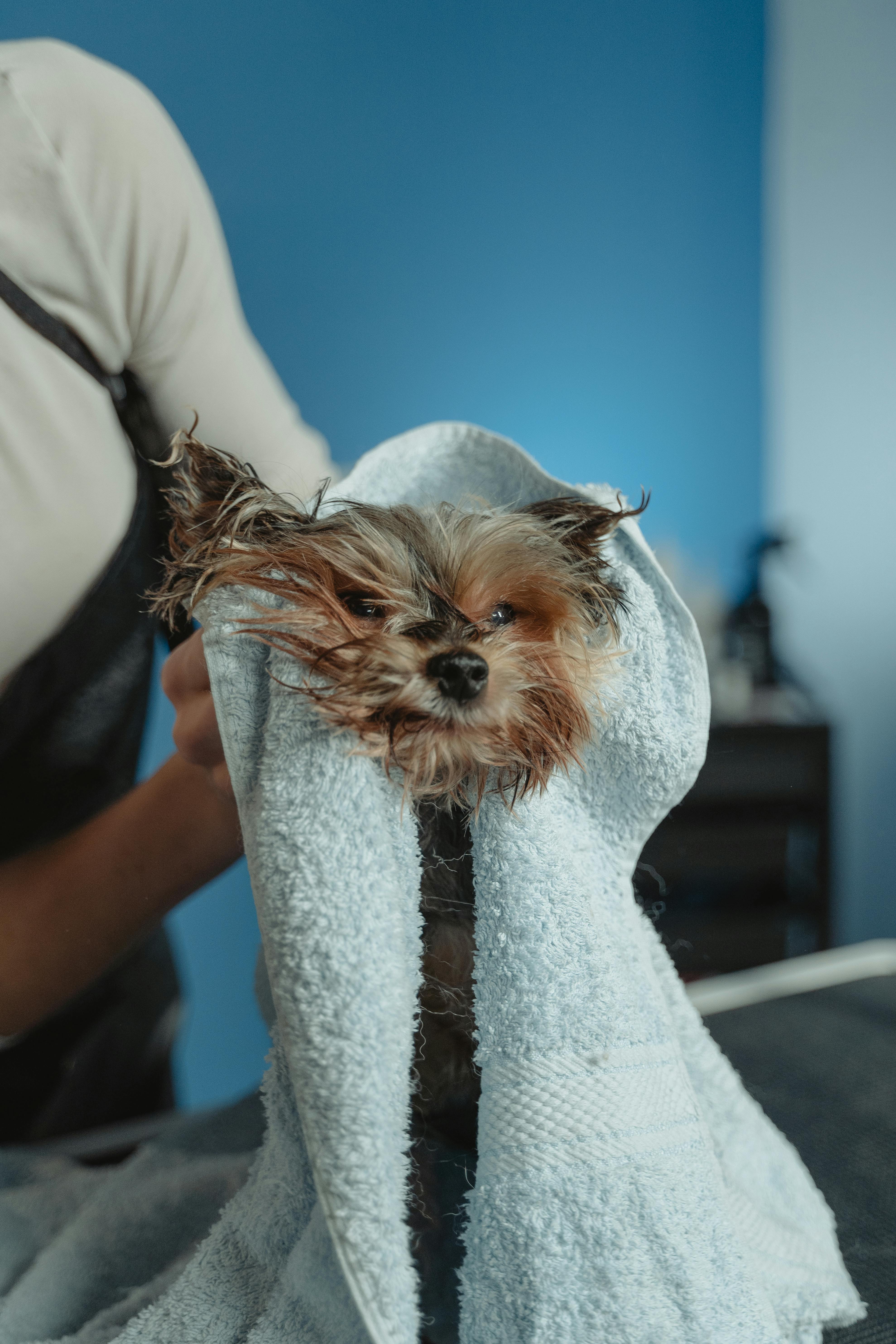 \n\n
\n\nDogs are often considered man's best friend, and they sure come with a lot of quirks and interesting characteristics. One common trait that many dog owners notice is their dog’s wet nose. But what does it really mean? There’s a lot of myths floating around, and a lot of people think that if a dog’s nose is wet, it means they're sick. Is that true? Let’s clear this up, and explore some facts about why do dogs have wet noses.
\nThe Science Behind Wet Noses
\nFirst, it’s important to understand that a dog’s nose is not just wet for no reason. Dogs have wet noses because they help them sense the world around them. The moisture on a dog's nose helps to enhance their sense of smell. Here’s how it works:
\n- \n
- Scent Absorption: A wet surface can capture scent particles more effectively than a dry one. When a dog sniffs around, moisture on their nose traps the smells in the air. \n
- Temperature Regulation: Dogs don't sweat like humans do. Instead, they have sweat glands primarily in their paw pads. A wet nose helps them cool off. \n
- Health Indicator: While a wet nose is generally a sign of a healthy dog, it is not the only indicator. A variety of factors can influence the moisture level on a dog's nose. \n
Debunking the Myths
\nNow, let’s dive into some common myths regarding wet noses and health:
\n- \n
- \n
Myth #1: Wet Noses Always Mean Dogs Are Sick\nThis is a false assumption. A wet nose doesn’t automatically indicate illness. Many healthy dogs have wet noses, and many sick dogs may have dry noses. It's more complex than just one feature.
\n \n - \n
Myth #2: Dogs Have Wet Noses Because They Lick Them\nSure, dogs do lick their noses, but that’s not the main reason for the wetness. Their noses are moist due to other factors, including environmental conditions and body functions. Licking is just a small part of it.
\n \n - \n
Myth #3: Only Certain Breeds Have Wet Noses\nAll dogs, regardless of breed, have wet noses. Some breeds may naturally have more moisture, but it's not exclusive.
\n \n
Why Do Dogs Have Wet Noses?
\nLet’s break down some reasons that contribute to why dogs noses are often wet:
\n- \n
- \n
Environmental Factors: Humidity and weather can affect a dog’s nose. After playing outside, a dog’s nose might get wetter due to dew, rain, or even just sniffing around in the grass.
\n \n - \n
Excitement and Activity: When dogs are excited, their body produces more moisture. This can result in a wetter nose after a fun play session or a walk.
\n \n - \n
Health Conditions: While wet noses are usually a sign of health, certain conditions can lead to a dry nose. If a dog has allergies or is dehydrated, their nose may become dry.
\n \n
Quick Facts About Dog Noses
\n- \n
- Dogs have up to 300 million smell receptors in their noses, compared to about 6 million in humans. \n
- The texture of a dog's nose can vary greatly; some are smooth, while others are rough. \n
- Dogs can actually “sweat” through their noses, but it's not their primary way to regulate body temperature. \n
Interesting Comparisons
\nLet’s take a look at how dog noses compare to human noses:
\n| Feature | \nDog Nose | \nHuman Nose | \n
|---|---|---|
| Number of Receptors | \n300 million | \n6 million | \n
| Moisture Purpose | \nEnhances smell | \nAids in temperature control | \n
| Shape | \nTypically wet and cold | \nUsually warm and dry | \n
| Functionality | \nScent detection | \nScent and airflow | \n
Practical Examples
\nIf you’re ever in doubt about your dog’s health, consider these scenarios:
\n- \n
- After a day at the park, your dog’s nose is wet and cold. This is normal; they’ve been active. \n
- If your dog’s nose is dry and cracked for several days, it might be worth a vet visit. \n
- During a hot summer day, your dog’s nose may be dry, but if they’re drinking water and acting normally, it might not be a concern. \n
It's important to observe your dog's overall behavior and health rather than focusing solely on the condition of their nose.
\nUnderstanding why dogs have wet noses can help dispel myths and provide clarity to pet owners. A wet nose is often a sign of a happy, healthy dog, but it’s not the sole indicator of their well-being. So, the next time you see your dog's moist nose, remember it’s not just about health; it's a fascinating part of what makes dogs so special.
\n\nWhy Do Dogs Have Wet Noses? Exploring the Evolutionary Advantages
\n\n \n\n
\n\nHave you ever noticed how your dog's nose is always wet? It's kinda fascinating, right? Many owners wonder, "Why do dogs have wet noses?" This question leads us into a deeper exploration of canine biology and their evolutionary traits. Wet noses are not just a quirk; they serve important functions that can be traced back to their ancestors. Let's dive into the science behind it and discover some interesting facts!
\nThe Science of Canine Noses
\nA dog's nose is much more than just a cute feature. The wetness of a dog's nose plays a vital role in their sense of smell. Dogs have about 220 million scent receptors in their noses, compared to a human's 5 million. The moisture on their noses helps to absorb scent particles from the air, which increases their ability to smell. A wet nose can enhance their olfactory sensitivity significantly.
\nAlso, the surface of a dog's nose is covered in a thin layer of mucus which helps in trapping these scent particles. When they lick their noses, they are not just grooming; they are actively enhancing their ability to gather more information about their environment.
\nEvolutionary Background
\nDogs are descendants of wolves, and their noses have evolved over thousands of years. Here’s a quick look at how their noses evolved:
\n- \n
- Ancestral Traits: Early canines relied on their sense of smell for hunting and survival. A wet nose was beneficial in tracking down prey. \n
- Social Behavior: Dogs use their noses to communicate with each other. The moisture can carry pheromones, which convey vital social cues. \n
- Thermoregulation: Dogs also sweat through their noses. The wetness can help in cooling them down, although it’s not their primary method of temperature regulation. \n
Why Wet Noses Matter
\nSo, why do dogs have wet noses? It serves several important functions:
\n- \n
- Enhanced Smell: As mentioned, the wetness helps in better detection of odors. \n
- Communication: Dogs can gather information about other animals and their environment through scent. \n
- Health Indicator: A healthy dog usually has a moist nose. If it becomes dry, it can sometimes indicate illness or dehydration. \n
- Cooling Mechanism: While not as effective as panting, a wet nose can help cool a dog down, especially in warm weather. \n
Fun Facts About Dog Noses
\n- \n
- Unique Patterns: Just like human fingerprints, no two dog noses are alike. Each dog has a unique nose print! \n
- Scent Memory: Dogs can remember scents for years. They can recognize a familiar scent long after it is gone. \n
- Wide Range of Smells: Dogs can detect certain odors in parts per trillion. This makes them excellent at search and rescue missions. \n
Dry Nose vs. Wet Nose: What’s the Difference?
\nIt’s important to know when a dog's nose being dry may be a cause for concern. Here’s a simple comparison:
\n| Condition | \nWet Nose | \nDry Nose | \n
|---|---|---|
| Health Indicator | \nUsually indicates good health | \nCan indicate illness or dehydration | \n
| Temperature Regulation | \nHelps in cooling down | \nLess effective for cooling | \n
| Scent Detection | \nEnhances smell | \nLess effective | \n
A wet nose is usually a sign of a happy and healthy canine. However, if you notice a persistent dryness or cracking, it may be a good idea to consult a veterinarian.
\nCommon Misconceptions
\nMany people think that a dog’s nose should always be wet. Here are a few misconceptions:
\n- \n
- All Dogs Have Wet Noses: Some breeds can have drier noses, and that's perfectly normal. \n
- Wet Nose Equals Sick: A wet nose doesn’t always mean a dog is healthy. It’s just one of many indicators. \n
- Dogs Don’t Sweat: Dogs do sweat, but mainly through their paw pads. The wet nose is more about scent absorption. \n
Understanding why do dogs have wet noses shows us how these creatures have adapted over time. Their noses are a window into their world, helping them navigate their environment and communicate with others.
\nSo next time you give your furry friend a pat and marvel at their wet nose, remember the amazing science and evolutionary history behind this simple yet crucial feature!
\n\nThe Importance of a Wet Nose: How It Affects Your Dog’s Temperature Regulation
\n\n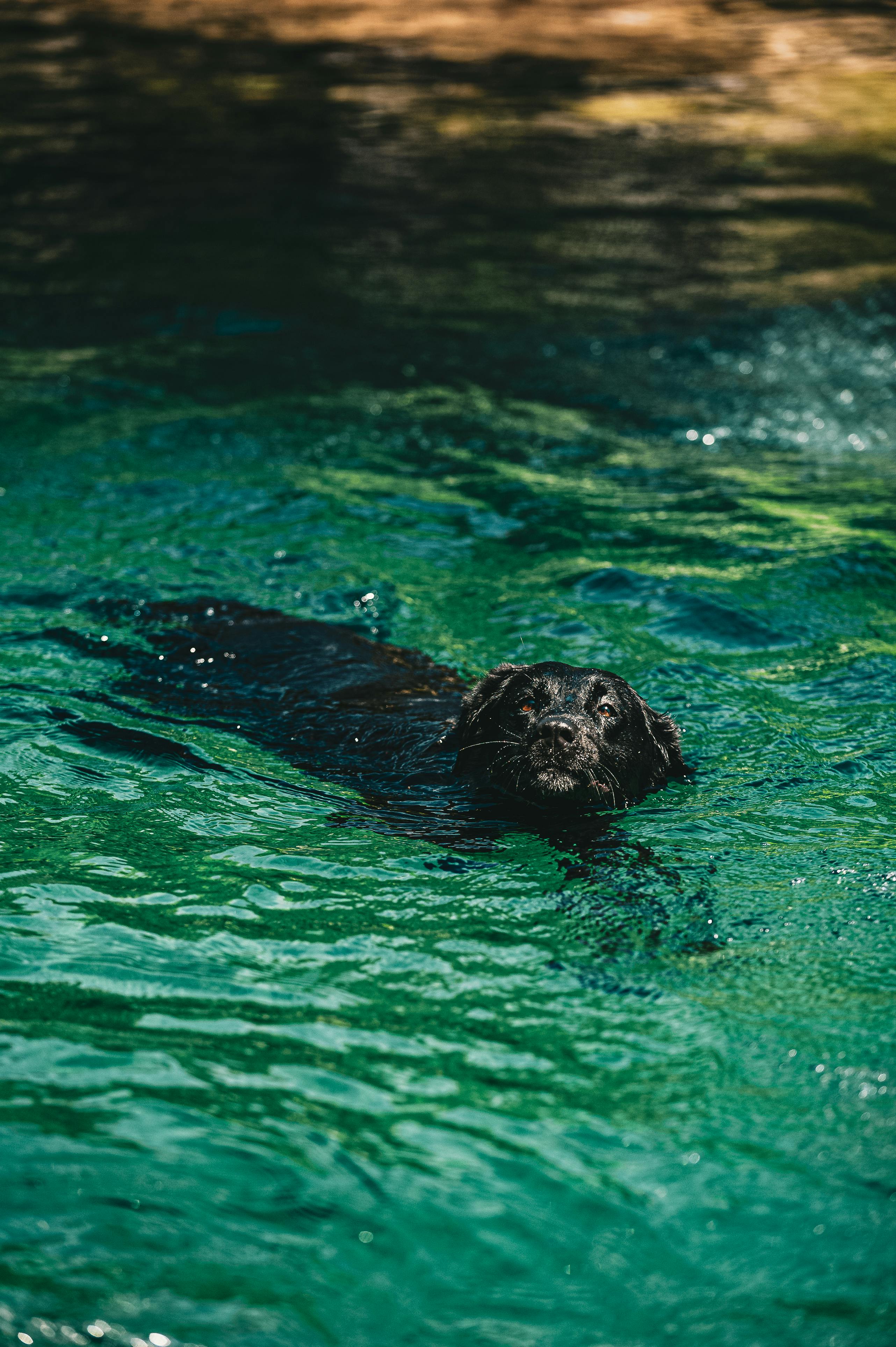 \n\n
\n\nDogs are often regarded as “man’s best friend,” but did you ever stop to think about those wet noses? You know, the ones that greet you when you walk through the door or nudge your hand when they want attention? The truth is, there’s a lot more to a dog’s nose than just cuteness. Understanding why do dogs have wet noses not only satisfies your curiosity but also sheds light on how this unique feature is crucial for their temperature regulation and overall health.
\nThe Science Behind Wet Noses
\nFirst off, let’s dive into what makes a dog’s nose wet. Dog’s noses are moist due to a combination of factors. The primary reason is that their noses are covered with a thin layer of mucous, which helps them stay cool and enhances their sense of smell. When dogs pant or breathe, moisture evaporates from their noses, which cools them down. This is especially important because dogs don’t sweat like humans do. Here’s a quick breakdown:
\n- \n
- Mucous Layer: Keeps the nose moist. \n
- Evaporation: Cools the dog down when they breathe. \n
- Enhanced Smell: The wet surface helps capture scent particles. \n
Why Do Dogs Have Wet Noses?
\nNow, let’s get to the big question: why do dogs have wet noses? Beyond temperature regulation, there are several key reasons for this unique characteristic.
\n- \n
- Scent Detection: Dogs have an incredible sense of smell, estimated to be 10,000 to 100,000 times more sensitive than that of humans. A wet nose can pick up scents more effectively. \n
- Body Temperature Regulation: As mentioned, wet noses help dogs keep cool. Unlike humans, who sweat, dogs depend on panting and the moisture on their noses to regulate their body temperature. \n
- Health Indicator: A dog’s nose can tell you a lot about their health. A healthy dog usually has a cool, wet nose. If it’s dry or warm, it might indicate illness, dehydration, or fever. \n
Historical Context
\nHistorically, dogs have been companions to humans for thousands of years. Ancient civilizations recognized the unique attributes of dogs, including their keen sense of smell. Over the centuries, breeding has enhanced these traits, making them even more pronounced. In some cultures, dogs with wet noses were seen as healthier, leading to a preference for dogs with this characteristic.
\nThe Importance of a Wet Nose: A Quick Summary
\n- \n
- Cooling Mechanism: Helps dogs cool down when it’s hot. \n
- Enhanced Scenting Ability: Aids in hunting, tracking, and social interactions. \n
- Health Monitoring: A dry or warm nose can indicate potential health issues. \n
Comparisons with Other Animals
\nWhen you think about wet noses, it’s interesting to compare dogs to other animals. For instance, cats also have moist noses, but they don’t rely on their noses for temperature regulation as much as dogs do. Here’s a simple comparison:
\n| Feature | \nDogs | \nCats | \n
|---|---|---|
| Nose Moisture | \nYes | \nYes | \n
| Temperature Reg. | \nYes (Primary Method) | \nNo (Less Dependent) | \n
| Sense of Smell | \nHighly Developed | \nModerately Developed | \n
Practical Examples and Observations
\nNext time you pet your dog, take note of how their nose feels. If it’s warm and dry, it may be a good idea to monitor their behavior for signs of illness. Conversely, if they have a wet and cool nose, you can usually feel assured they’re in good health.
\nMoreover, when dogs are excited or after playing, you might notice their noses tend to be wetter. This is due to the increased panting and moisture that comes from activity. Additionally, age can affect nose moisture. Older dogs might have drier noses, so keep an eye on that as well.
\nWrapping It Up
\nSo, the next time you wonder why do dogs have wet noses, remember it’s not just a cute feature. Their wet noses play a vital role in their health, temperature regulation, and ability to smell the world around them. Understanding these aspects can help you be a better pet owner and ensure your furry friend stays healthy and happy. So, embrace those wet nose kisses, knowing there’s science behind the slobber!
\n\nCan Dogs Rely on Their Wet Noses for Survival? The Science Behind Their Senses
\n\n\n\nDogs, those lovable companions, have been around us for thousands of years, and one of their most distinctive features is their wet noses. You might wonder, can dogs rely on their wet noses for survival? Well, the answer is yes, but there’s more to it than just moisture. Let’s dive into the science behind their wet noses and explore why dogs have them in the first place.
\nThe Science Behind a Dog's Wet Nose
\nA dog's nose is not just there for show; it plays a crucial role in how they interact with the world. The moisture on their noses serves several purposes. For example, it helps enhance their sense of smell. When a dog's nose is wet, it can better capture scent particles in the air. This is because moisture allows these particles to stick to the surface of the nose, making it easier for the dog to detect and identify different scents.
\nSome facts about dog noses:
\n- \n
- Dogs have up to 300 million smell receptors, compared to about 5 million in humans. \n
- A dog's sense of smell is estimated to be between 10,000 to 100,000 times more sensitive than that of humans. \n
- The wetness of a dog's nose can change based on various factors, like health, temperature, and hydration levels. \n
Why Do Dogs Have Wet Noses?
\nThere are several reasons why dogs have wet noses. First, it helps them regulate their body temperature. Dogs don’t sweat like humans do; they primarily cool down through panting. The moisture on their noses also contributes to this cooling process. When the moisture evaporates, it can help lower their body temperature, which is vital during hot weather.
\nAnother reason is related to their health. A wet nose can be a good indicator of a dog’s well-being. Generally, a healthy dog has a moist, cool nose. If a dog’s nose is excessively dry or warm, it might indicate dehydration or illness. So, monitoring a dog’s nose can be a simple way to check on their health.
\nHistorical Context of Dogs' Noses
\nHistorically, dogs were bred for various purposes, and their noses played a significant role in many of these functions. For instance, hunting dogs were bred to have an exceptional sense of smell to track game. This trait has been passed down through generations, making the wet nose a hallmark of canine evolution.
\nIn ancient times, dogs were used to help humans track scents for hunting and locating lost items or individuals. This deep-rooted connection between dogs and their sense of smell has allowed them to become invaluable companions and helpers throughout history.
\nHow a Dog's Nose Works
\nUnderstanding how a dog's nose works can help explain its importance. Here’s a simplified breakdown:
\n- \n
- \n
Scent Detection: When a dog breathes in, scent molecules enter their nasal passages, where they are filtered through complex structures called turbinates.
\n \n - \n
Scent Processing: Once the scent molecules reach the olfactory receptors, they are sent to the brain, where the smells are analyzed. This allows dogs to differentiate between various scents, even in a crowded environment.
\n \n - \n
Wet Surface: The moisture on a dog’s nose aids this process by trapping scent particles, making it easier for them to “taste” the scents in the air.
\n \n
Practical Examples of Nose Use
\nHere are a few practical situations where dogs and their wet noses shine:
\n- \n
- \n
Search and Rescue: Dogs are often deployed in search and rescue missions due to their ability to detect human scent over long distances, even when buried under rubble.
\n \n - \n
Medical Detection: Some dogs are trained to detect medical conditions, like certain cancers or diabetes, by smelling changes in a person’s body chemistry.
\n \n - \n
Tracking: Dogs are used in tracking criminals or missing persons, leveraging their keen sense of smell to follow scents left behind.
\n \n
Why Moisture Matters
\nThe moisture on a dog’s nose isn’t just for show; it’s functional. Here’s a quick list of why it matters:
\n- \n
- Enhanced Smell: A wet nose captures more scent particles. \n
- Temperature Regulation: Helps in cooling down the body. \n
- Health Indicator: Changes in moisture can signal health issues. \n
So, the next time you pet your furry friend and feel that cool, wet nose, remember that it’s not just an adorable feature; it’s a vital tool that contributes to their survival and well-being. Dogs have evolved with this unique characteristic for a reason, and understanding it can deepen our appreciation for these amazing animals. Embrace the quirks and science behind a dog's nose and continue to cherish the bond you share.
\n\nTop 5 Reasons Your Dog’s Nose is Wet: Understanding Canine Physiology and Behavior
\n\n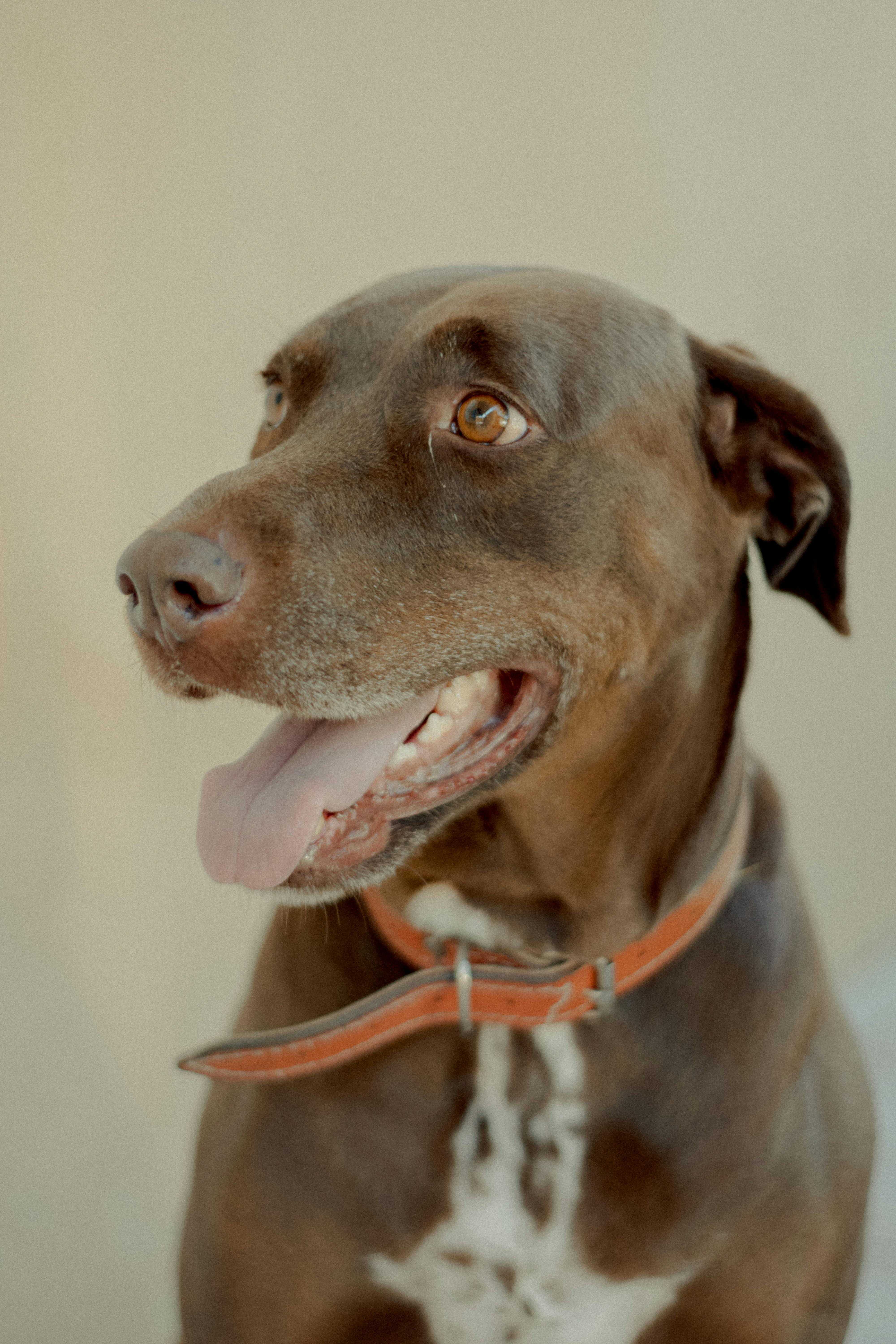 \n\n
\n\nHave you ever noticed your dog's nose is always wet? You ain’t alone in wondering why that is. Many dog owners ponder about their furry friends' wet noses. Understanding the reasons behind it ain't just a fun fact—it's an insight into your dog's health and behavior. Let’s dive into the top 5 reasons your dog’s nose is wet, shedding light on how canine physiology works and what it means for their well-being.
\n1. Natural Cooling Mechanism
\nDogs can’t sweat like humans do. Instead, they cool down through panting and their noses play a role too. When a dog’s nose is wet, it helps regulate their body temperature. The moisture evaporates, creating a cooling effect.
\n- \n
- How it Works:
- \n
- When the nose is wet, it has a bigger surface area. \n
- The wetness evaporates, cooling the blood vessels near the surface. \n
\n
This is important during hot weather or after exercise. If your dog’s nose starts drying up, it could be a sign they need some water or a break from the heat.
\n2. Enhanced Sense of Smell
\nA wet nose is also vital for a dog’s incredible sense of smell. The moisture on the nose helps to dissolve scent particles. This makes it easier for dogs to identify different smells. Imagine trying to smell something dry—it just doesn’t work as good, right?
\n- \n
- Scent Detection Process:
- \n
- The wetness captures and holds scent particles. \n
- The olfactory receptors in the nose then pick up those scents. \n
\n
It's like having a superpower! Dogs can smell things 10,000 to 100,000 times better than humans. That’s why they’re often used in search and rescue, or even in therapy work.
\n3. Communication Tool
\nDogs communicate in many ways, and their wet noses are part of that. When dogs greet each other, they often sniff each other’s noses. A wet nose can signal friendliness and openness.
\n- \n
- How Dogs Use Their Noses:
- \n
- Greeting: A wet nose can be less aggressive. \n
- Comfort: Dogs often nuzzle their noses against their humans, showing affection. \n
\n
This behavior is instinctive and can tell you a lot about your dog's mood. If they come to you with a wet nose, they might be seeking attention or wanting to play.
\n4. Health Indicator
\nSometimes, a dog’s wet nose can be an indicator of their health. A healthy dog usually has a cool, moist nose. However, changes in the moisture level can suggest something’s off.
\n- \n
- Signs to Watch For:
- \n
- Dry and warm nose: Could indicate a fever or dehydration. \n
- Excessively wet nose: Might signal allergies or other health issues. \n
\n
Regularly checking your dog's nose can help you catch potential health problems early. If you notice any drastic changes, it might be worth visiting your vet.
\n5. Environmental Factors
\nThe environment can also affect the moisture of your dog’s nose. Weather plays a big role in whether it’s wet or dry. For example, during rainy days, your dog’s nose may be more damp, while in winter it could be dry and cracked.
\n- \n
- Environmental Influences:
- \n
- Humidity: Higher humidity makes for wetter noses. \n
- Temperature: Cold air can dry out the nose. \n
\n
If you live in a place with extreme weather conditions, you might notice fluctuations in your dog's nose moisture. It’s important to keep an eye on this, especially during seasonal changes.
\nSummary of Wet Nose Facts
\n- \n
- Cooling Mechanism: Dogs cool off through a wet nose. \n
- Sense of Smell: A wet nose helps capture scents. \n
- Communication: Dogs use their noses to communicate. \n
- Health Indicator: Changes in moisture can indicate health issues. \n
- Environmental Factors: Weather impacts nose moisture. \n
Understanding why dogs have wet noses not only helps you appreciate your furry friend better but also aids in monitoring their health. So next time you see your dog with a wet nose, you can feel a little more informed about what it means. A wet nose isn't just cute; it’s an essential part of a dog's physiology and behavior!
\n\nConclusion
\n\nIn conclusion, the wet noses of dogs serve multiple important functions that contribute to their overall health and sensory abilities. The moisture on a dog’s nose aids in enhancing their sense of smell, as it helps to capture scent particles more effectively. Additionally, the cooling mechanism provided by a wet nose plays a crucial role in regulating their body temperature, especially during warmer months. The presence of mucus on their noses also helps to keep their olfactory receptors functioning optimally, allowing them to explore the world through their potent sense of smell. Understanding the significance of a dog's wet nose not only deepens our appreciation for these beloved pets but also highlights the fascinating biology that underpins their behavior. As responsible pet owners, let’s ensure our furry companions stay healthy and hydrated, as a wet nose is not just a charming characteristic, but a sign of a well-cared-for dog.
\n\n