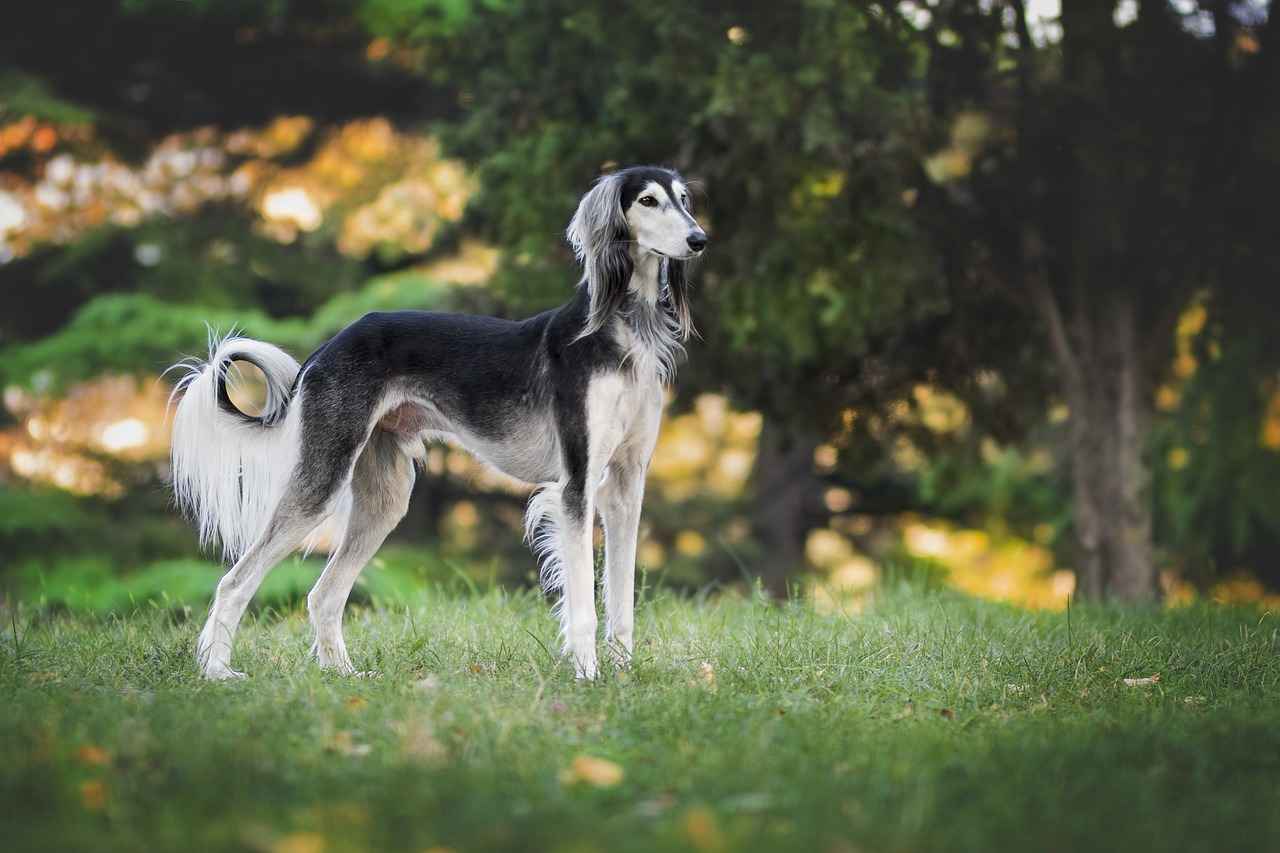
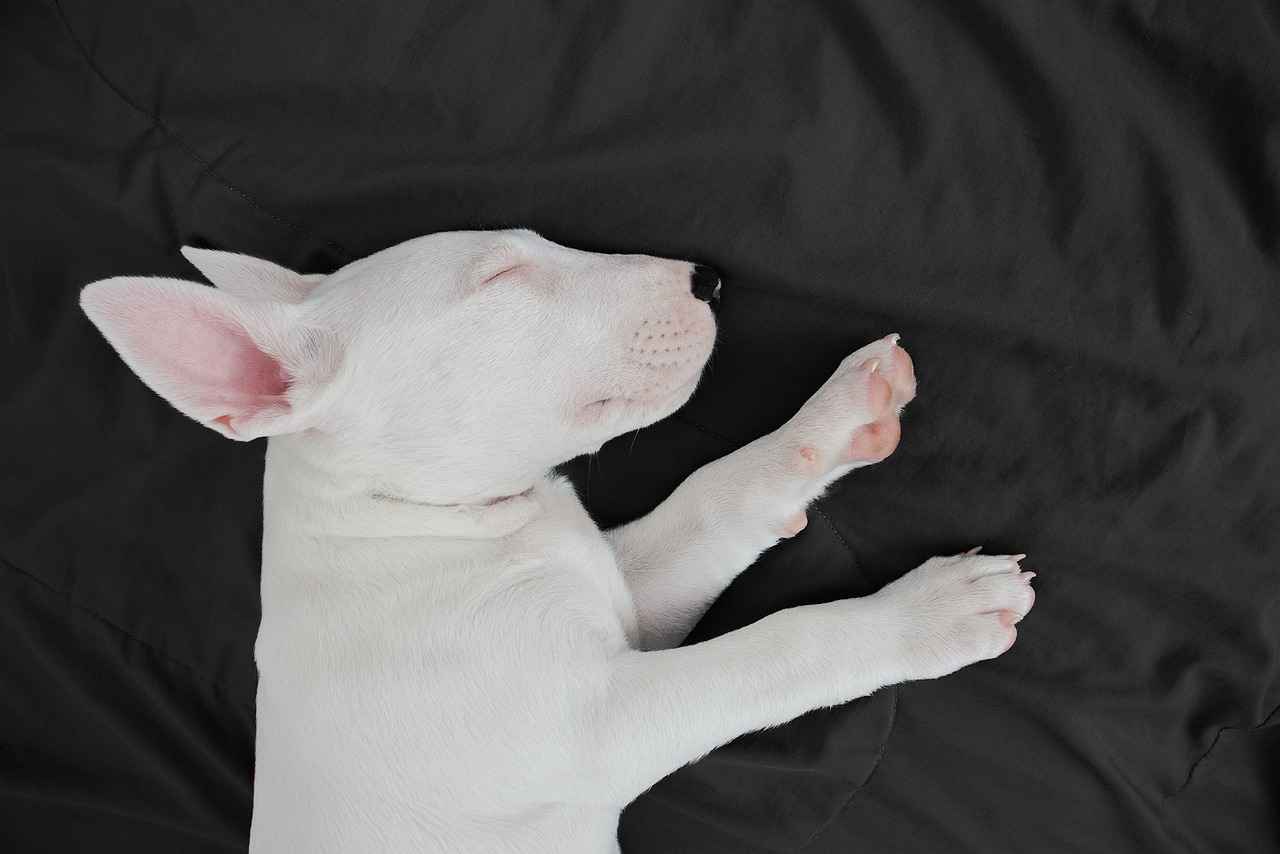
Have you ever wondered, why do dogs have wet noses? This intriguing question often sparks curiosity among pet lovers and animal enthusiasts alike. A dog's nose is not just an adorable feature; it serves several fascinating purposes that are worth exploring. In fact, the moisture on a dog's snout plays a critical role in their overall health and sense of smell. But what makes their noses so wet? Is it just a natural characteristic, or does it serve a deeper purpose? Dog's noses are known to be more than just cute; they are vital tools for communication and sensory perception. The wetness helps to enhance their sense of smell, making them excellent companions for many tasks, from hunting to search and rescue. Plus, did you know that a wet nose can indicate a dog's emotional state? Understanding why dogs have wet noses can deepen your bond with your furry friend. So, if you’re curious about this unique trait, keep reading to discover the amazing truths behind those adorable, wet noses!
\n\nThe Science Behind Wet Noses: What Makes Your Dog's Nose So Moist?
\n\n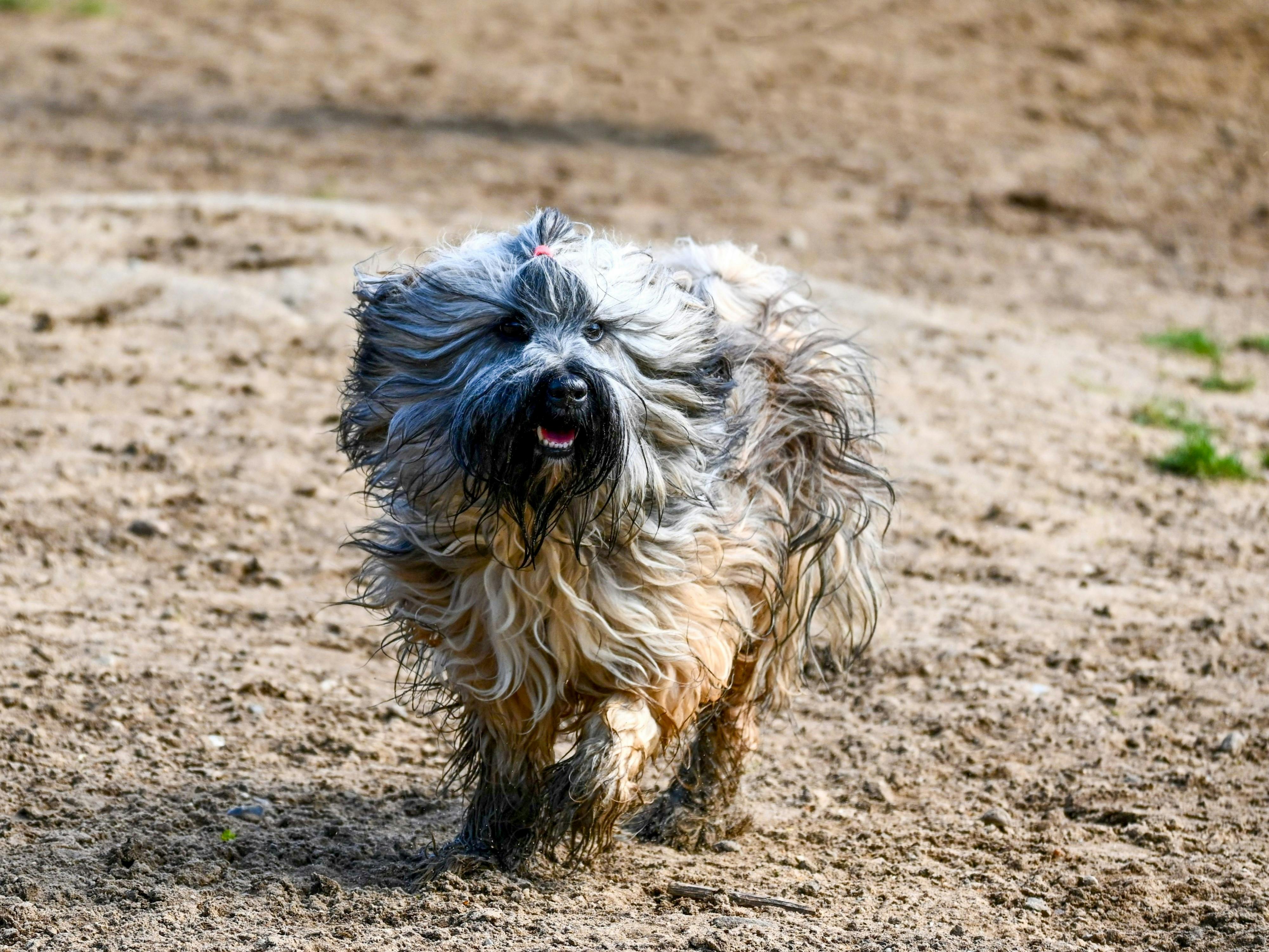 \n\n
\n\nHave you ever noticed how your dog's nose is always damp? It’s not just a quirky trait; there’s actual science behind it! Understanding why do dogs have wet noses can offer us insight into their health and behavior. Let’s dive into the fascinating facts about our furry friends’ noses.
\nThe Science of Wet Noses
\nDogs have wet noses mainly because of a combination of physiology and behavior. One key factor is that a moist nose helps dogs to smell better. When their noses are wet, it helps to trap scent particles in the air, allowing them to detect odors more effectively. This is essential for dogs, who rely heavily on their sense of smell for communication and interpreting their environment.
\nWhy Is a Dog’s Nose Wet?
\nSo, why do dogs have wet noses, anyway? Here’s a breakdown of the reasons:
\n- \n
- \n
Cooling Mechanism: Dogs don’t sweat like humans do. Instead, they use their noses to regulate body temperature. The moisture on the nose evaporates, which helps cool them down.
\n \n - \n
Enhanced Sense of Smell: Moisture on the surface of the nose aids in scent detection. When scent molecules stick to moisture, it becomes easier for dogs to identify different smells.
\n \n - \n
Health Indicator: A wet nose is often associated with good health. If a dog has a dry or cracked nose, it might indicate dehydration or illness, although it isn’t always a cause for concern.
\n \n - \n
Behavioral Aspect: Dogs often lick their noses. This behavior not only keeps their noses moist but also helps them gather more information about their surroundings through taste and smell.
\n \n
Historical Context
\nHistorically, dogs have been companions to humans for thousands of years. Their noses have evolved to be highly sensitive, making them excellent hunters and protectors. Ancient civilizations even used dogs with keen noses for tracking and hunting. This capability helped humans in various tasks, from hunting game to detecting dangerous substances.
\nInteresting Facts About Dog Noses
\n- \n
- \n
Unique Patterns: Just like human fingerprints, each dog has a unique nose print. This can be used for identification purposes.
\n \n - \n
Temperature Regulation: Dogs’ noses can change temperature based on their environment. A cooler nose usually indicates a healthy dog, while a warm nose might suggest they are overheating.
\n \n - \n
Licking to Communicate: Dogs often lick their noses after smelling something interesting. This is part of their way of processing scents and communicating with other dogs.
\n \n - \n
Nose Size and Breed: Different breeds have varying nose sizes and shapes, which can affect their sense of smell. For example, Bloodhounds have a more developed olfactory system compared to a Chihuahua.
\n \n
Comparisons: Dog Noses vs. Human Noses
\nHere’s a quick comparison between dog noses and human noses:
\n| Feature | \nDog Noses | \nHuman Noses | \n
|---|---|---|
| Number of Scent Receptors | \nApproximately 300 million | \nAbout 5 million | \n
| Sensitivity | \n10,000 to 100,000 times more | \nLess sensitive | \n
| Functionality | \nEssential for communication and survival | \nPrimarily for breathing and tasting | \n
| Temperature Regulation | \nEvaporates moisture to cool down | \nSweats to regulate body temperature | \n
Practical Examples of Nose Health
\nKeeping an eye on your dog’s nose can be important for their overall health. Here are some signs to watch for:
\n- \n
- \n
Dryness: If your dog’s nose is dry and cracked, it could be due to dehydration, sunburn, or allergies.
\n \n - \n
Discoloration: Changes in color, like turning pale or developing spots, should be evaluated by a vet.
\n \n - \n
Foul Odor: A smelly nose may indicate an infection or foreign object lodged in the nasal passage.
\n \n - \n
Excessive Licking: If your dog is frequently licking their nose, it might signal stress, anxiety, or an underlying health issue.
\n \n
Fun Activities with Your Dog’s Nose
\nNow that you know why do dogs have wet noses, why not engage in some fun activities that utilize their incredible sense of smell? Here are some ideas:
\n- \n
- \n
Scent Trails: Create a scent trail using treats and let your dog sniff them out along the path.
\n \n - \n
Hide-and-Seek: Hide treats around the house and encourage your dog to find them using their nose.
\n \n - \n
Nose Work Classes: Some dog training centers offer nose work classes where dogs can learn how to find specific scents.
\n \n
Understanding the science behind wet noses not only helps us appreciate our furry companions better, but also enhances our bond with them. So the next time you give your dog a scratch behind the ears and notice their moist nose, remember it’s not just cute — it’s a vital part of who they are!
\n\n5 Surprising Reasons Why Dogs Have Wet Noses: More Than Just a Quirk!
\n\n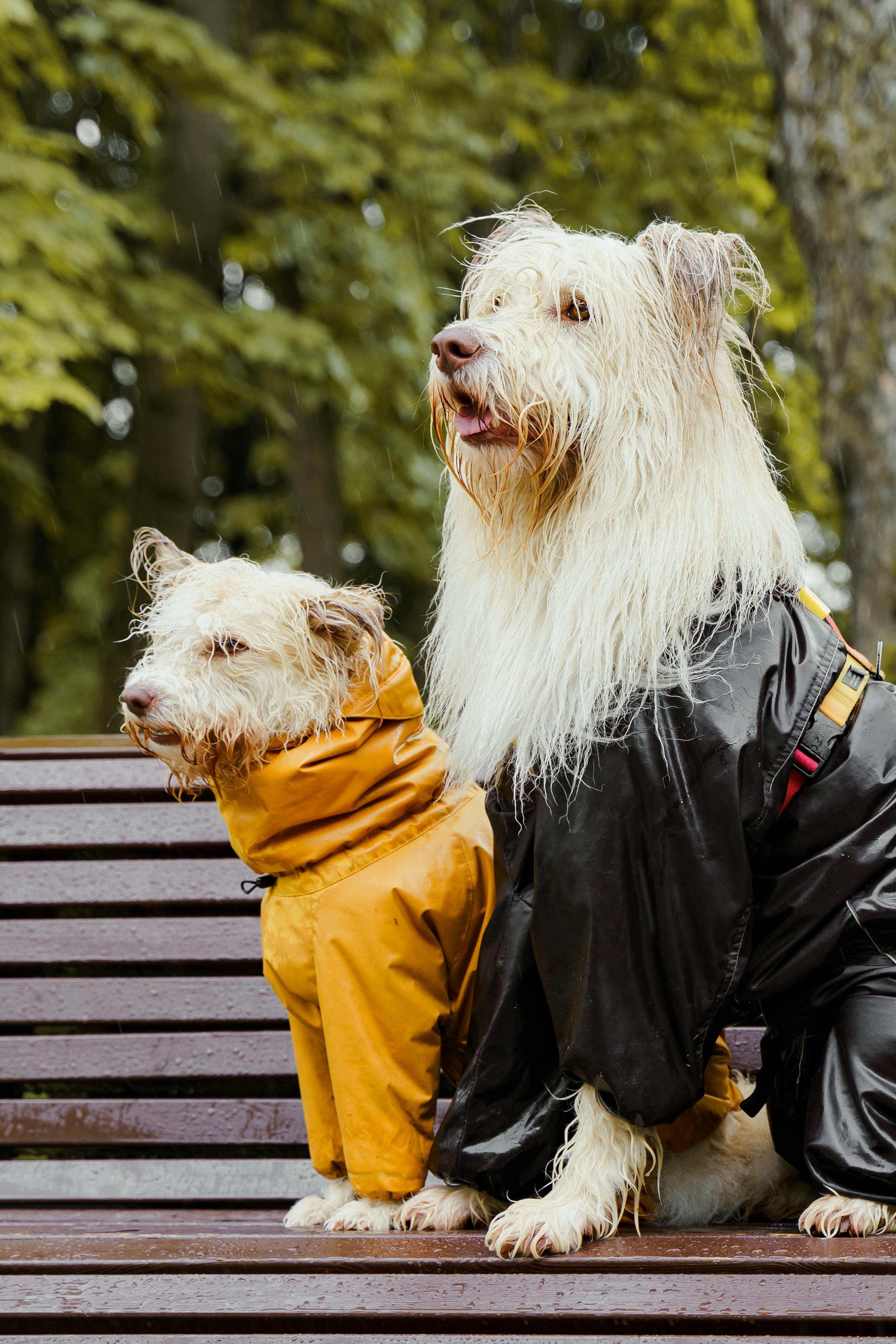 \n\n
\n\nWhen you think about dogs, their wagging tails or playful barks usually come to mind. But have you ever wondered why do dogs have wet noses? It’s not just a quirky characteristic; there are some surprising reasons behind it that might make you look at your furry friend in a whole new way. Here’s a look at five fascinating facts about those moist noses that can change your understanding of canines.
\n1. Enhanced Sense of Smell
\nOne of the main reasons why dogs have wet noses is related to their incredible sense of smell. Dogs have up to 300 million olfactory receptors in their noses, compared to a human’s mere 5 million. The moisture on their noses helps to capture scent particles better. It’s like a sponge that absorbs scents, making it easier for dogs to detect smells. This is why when a dog sniffs something, its nose is moist and cool; they’re working hard to gather as much information as possible about their environment.
\n2. Temperature Regulation
\nDid you know that dogs sweat through their noses? Well, not exactly like humans do, but their wet noses do play a role in thermoregulation. When a dog gets hot, the moisture on its nose evaporates, helping to cool them down. This is akin to how humans use sweat to lower their body temperature. It’s a natural mechanism that assists in keeping dogs comfortable, especially during warm weather.
\n3. Health Indicator
\nA dog’s nose can actually be a window into its health. A wet nose is generally viewed as a sign of a healthy and happy dog. When a dog is sick or dehydrated, its nose may become dry and warm. Dog owners often monitor their pet’s nose as a quick check on their well-being. While it’s not the only indicator of health, it’s a simple way to gauge if something might be off.
\nSome common health issues that can be detected through changes in a dog’s nose include:
\n- \n
- Dehydration: A dry nose could indicate lack of water. \n
- Fever: A warmer nose might signal an underlying infection. \n
- Allergies: Changes in moisture and texture may point to allergies. \n
4. Social Interaction
\nDogs also use their noses as a way to communicate and socialize. A wet nose can be a sign of affection and curiosity. When dogs nuzzle you with their noses, they’re not just being cute; they’re engaging in a form of social interaction. The moisture is part of their natural behavior to connect and bond with other animals and humans. So, the next time a dog nudges you with its wet nose, remember, it’s their way of saying “hello” or “I love you.”
\n5. Evolutionary Advantage
\nFrom an evolutionary perspective, dogs' wet noses may have provided advantages in the wild. An animal’s ability to track scents and detect prey can be crucial for survival. The wet nose helps in increasing their ability to smell, making them effective hunters. This characteristic likely developed over thousands of years, as dogs evolved from their wolf ancestors. Their survival depended on their ability to hunt and find food, making their wet noses a vital feature.
\nFun Facts About Dog Noses
\n- \n
- Unique Patterns: Just like human fingerprints, each dog has a unique nose print. \n
- Sensitive Skin: The skin on a dog’s nose is sensitive and may change color based on exposure to sunlight. \n
- Dogs and Colds: A dog can catch a cold, and a change in nose moisture can be one of the first signs. \n
Comparison: Dog Noses vs. Human Noses
\nTo better understand the uniqueness of dog noses, here’s a simple comparison:
\n| Feature | \nDog Nose | \nHuman Nose | \n
|---|---|---|
| Number of Receptors | \nUp to 300 million | \nAbout 5 million | \n
| Moisture Function | \nEnhances smell and regulates temperature | \nMainly for smell, not temperature regulation | \n
| Health Indicators | \nMoistness can indicate health | \nColor and clarity can indicate health | \n
| Unique Patterns | \nUnique to each dog | \nNot unique, but can vary | \n
As you can see, dog noses are not just wet for fun. They serve multiple purposes that are crucial for a dog’s survival and well-being. The next time you ponder why do dogs have wet noses, remember these surprising facts. It’s a remarkable feature that enriches the bond between you and your pup. It’s just another way our dogs show us how special they really are.
\n\nHow a Dog’s Wet Nose Enhances Their Sense of Smell: The Secret Connection
\n\n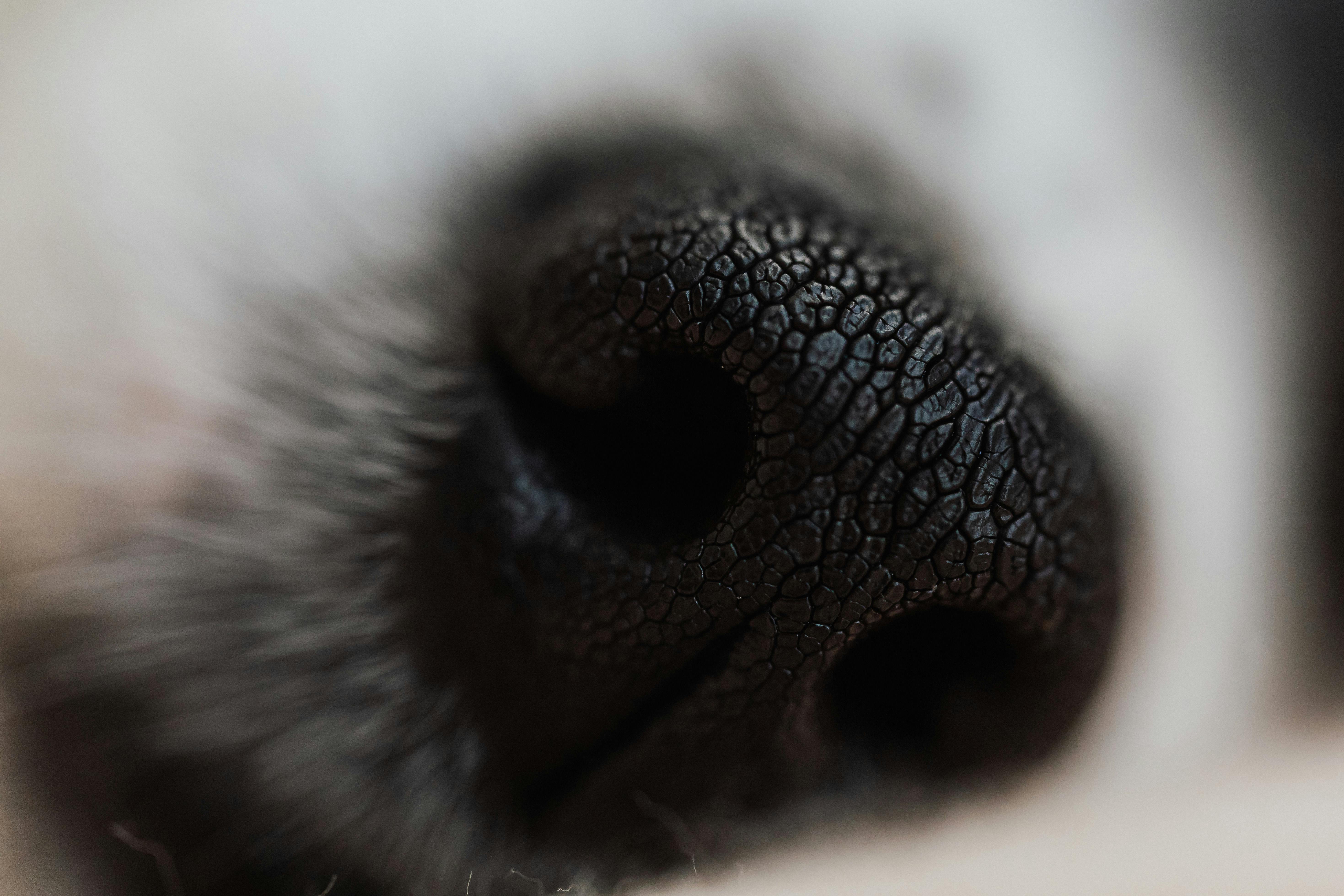 \n\n
\n\nDogs are known for many things, their loyalty, playfulness, and cuddly nature, but did you ever stop to wonder why do dogs have wet noses? This fascinating fact actually plays a crucial role in how dogs experience the world around them. Their wet nose is not just an adorable trait; it’s a key player in their incredible sense of smell. So, let’s dive into the secret connection between a dog’s wet nose and its sense of smell.
\nThe Science Behind a Dog's Wet Nose
\nFirst, it’s important to understand why a dog’s nose is wet. The moisture on their nose helps to enhance their ability to smell. When a dog sniffs, the molecules from whatever they are smelling sticks to the wet surface of their nose. This allows them to gather more scent particles, which are then absorbed into the olfactory receptors located in the nasal cavity.
\nHere’s some cool facts about a dog’s sense of smell:
\n- \n
- Dogs have about 300 million olfactory receptors in their noses. \n
- Humans, in comparison, only have about 5 million. \n
- A dog’s sense of smell is roughly 40 times better than that of a human. \n
- The part of a dog’s brain that is responsible for analyzing smells is 40 times larger than that of humans. \n
Why Do Dogs Have Wet Noses?
\nThe moisture from a dog’s nose not only helps them in smelling better but also serves other purposes. For example, it helps regulate their body temperature. Dogs don’t sweat like humans do, so they rely on their nose and panting to cool off.
\nHere are some reasons why a dog’s wet nose is beneficial:
\n- \n
- Enhanced Smelling: The wetness allows for better absorption of scent particles. \n
- Temperature Regulation: It helps in keeping their body cool. \n
- Health Indicator: A dog’s nose can indicate their health; a dry nose might suggest dehydration or illness. \n
Historical Context
\nHistorically, dogs have been companions to humans for thousands of years. Early on, humans recognized their keen sense of smell, which led to their use in hunting and tracking. Ancient civilizations often trained dogs to sniff out prey, and even today, dogs are used in various fields like search and rescue, police work, and even medical detection.
\nComparison of Senses: Dogs vs. Humans
\nTo truly appreciate how a dog’s wet nose enhances their sense of smell, let’s compare it to human capabilities.
\n| Feature | \nDogs | \nHumans | \n
|---|---|---|
| Olfactory Receptors | \nAbout 300 million | \nAbout 5 million | \n
| Smell Sensitivity | \n40 times better than humans | \nLimited sensitivity | \n
| Ability to Detect Scents | \nCan detect specific smells from miles away | \nLimited to close range | \n
Practical Examples
\nThink about how dogs use their noses in everyday life. Here are a few examples:
\n- \n
- \n
Finding Lost Items: Dogs can track down lost keys or wallets by picking up on the scent left behind by the owner.
\n \n - \n
Medical Detection: Some dogs are specially trained to sniff out diseases like cancer or diabetes by detecting changes in the scent of their owner’s breath or skin.
\n \n - \n
Search and Rescue: In emergency situations, dogs are often utilized to locate people trapped under rubble or lost in the wilderness.
\n \n
Fun Facts About Dog Noses
\n- \n
- Unique Patterns: Just like human fingerprints, every dog has a unique nose print that can be used for identification. \n
- Temperature Regulation: A dog’s nose can cool down when they are panting, helping them deal with heat. \n
- Communication Tool: Dogs often use their noses to communicate with other dogs, sniffing to gather information about other animals. \n
Understanding why do dogs have wet noses gives us insight into their unique biology and how they interact with the world. Their wet noses are more than just cute; they are essential tools that enhance their sense of smell, regulate their body temperature, and even serve as indicators of their health.
\nSo, the next time you get a wet nose nuzzle from your furry friend, remember that it’s not just a sign of affection; it’s a powerful tool that allows them to navigate their world in ways we can only imagine. It’s truly fascinating how something so simple can hold such importance in a dog’s life.
\n\nThe Role of a Wet Nose in Dog Health: What Every Pet Owner Should Know
\n\n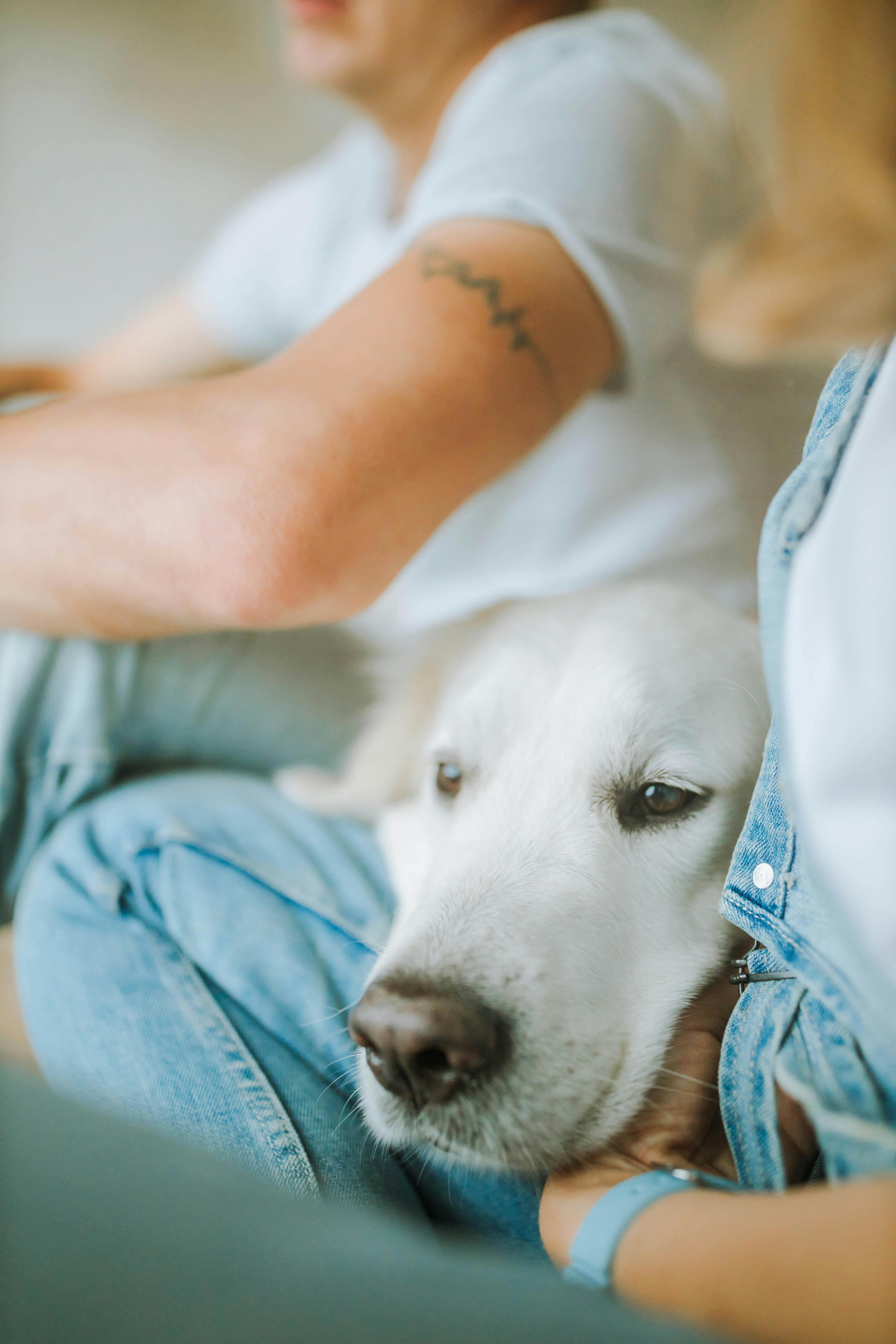 \n\n
\n\nEvery pet owner knows that dogs are friendly creatures, always wagging their tails and looking for affection. But have you ever wondered why do dogs have wet noses? This fascinating fact is not just a quirky aspect of dog anatomy, but it plays an important role in their health. Understanding the significance of a wet nose can help you ensure your furry friend stays happy and healthy.
\nThe Anatomy of a Dog’s Nose
\nA dog’s nose is more than just an adorable feature. It is a highly sensitive organ, lined with millions of scent receptors. In fact, dogs have up to 300 million olfactory receptors compared to a human’s 5 million. This makes their sense of smell extremely powerful. A wet nose helps enhance that sense by trapping scent particles in the moisture, making it easier for dogs to detect various odors.
\nWhy Are Dog Noses Wet?
\nThe wetness of a dog's nose comes from a few sources. Here are the main reasons:
\n- \n
- Mucus Production: Dogs’ noses secrete a thin layer of mucus. This helps to capture scent particles, increasing their ability to smell. \n
- Temperature Regulation: Dogs don't sweat like humans do. Instead, they regulate body temperature partly through their noses. A wet nose can help cool them down when they pant. \n
- Environmental Interaction: Dogs often lick their noses, which keeps them moist. This is a natural behavior that also helps them gather scents from their surroundings. \n
The Health Implications of a Wet Nose
\nA wet nose is often seen as a sign of a healthy dog, but that’s not always the case. Here’s what you should consider:
\n- \n
- Normal Wetness: A healthy dog’s nose should be moist but not dripping wet. If your dog’s nose is consistently dry or warm, it may indicate an underlying health issue. \n
- Temperature Changes: A dog’s nose can change temperature throughout the day. A warm, dry nose may suggest fever or dehydration, while a cold, wet nose might indicate that they are feeling fine. \n
- Infection Signs: If your dog’s nose is excessively runny or has a colored discharge, it might signal an infection or an allergy. Consult your vet if you notice these signs. \n
Fun Facts About Dog Noses
\n- \n
- Dogs have unique nose prints, just like human fingerprints. Each dog’s nose has a distinct pattern of ridges and creases. \n
- A dog’s sense of smell is so acute that they can detect certain diseases, like cancer, in humans. \n
- There are different breeds with varying nose characteristics, from the long snouts of Greyhounds to the flat faces of Bulldogs. \n
How to Care for Your Dog's Nose
\nTaking care of your dog’s nose can ensure their overall health. Here’s a simple checklist:
\n- \n
- Regular Grooming: Keep the fur around their nose trimmed to avoid irritation. \n
- Hydration: Ensure your dog has access to fresh water to prevent dehydration. \n
- Environment Check: Protect your dog's nose from extreme weather. In cold weather, consider using nose balms, and in hot weather, keep them shaded. \n
Signs You Should Visit the Vet
\nIf you observe any of the following conditions with your dog's nose, it's time to consult a veterinarian:
\n- \n
- Persistent dryness or cracking \n
- Bleeding from the nose \n
- Unusual color changes (like a pale or very dark nose) \n
- Excessive discharge that is not clear \n
- Swelling or lumps around the nose area \n
Conclusion
\nThe role of a wet nose in dog health is significant, impacting everything from their ability to smell to their overall well-being. Pet owners should monitor the condition of their dog's nose closely. A wet nose can be a good indicator of health, but it is always best to be aware of the signs that could indicate a problem. By understanding why do dogs have wet noses, pet owners can take proactive steps to ensure their companions lead healthy lives. So keep an eye on your furry friend's nose, and don't hesitate to reach out to your veterinarian if something seems off. Your dog’s health is worth every effort!
\n\nDo Wet Noses Mean a Dog is Healthy? Debunking Common Myths
\n\n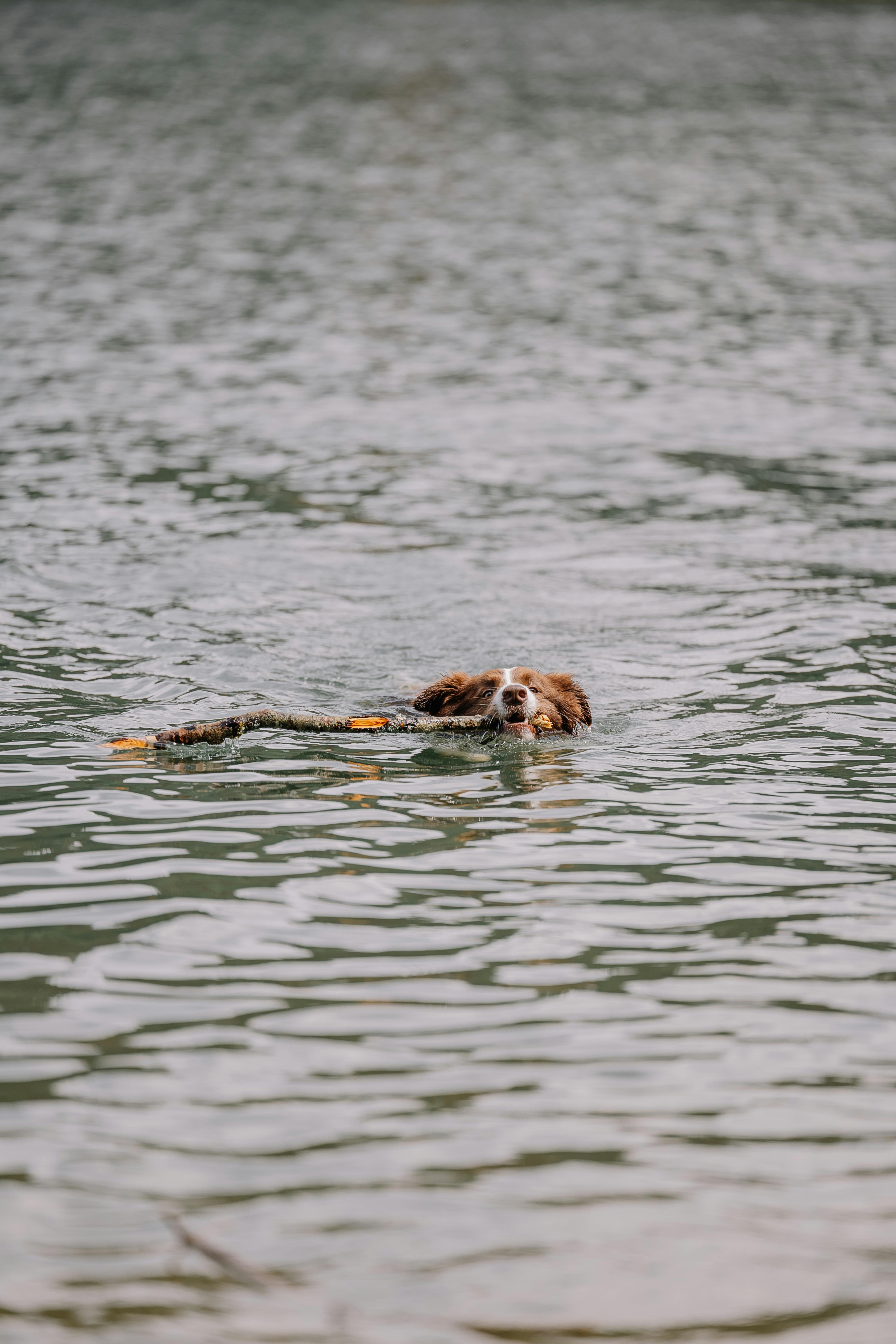 \n\n
\n\nWhen you think about dogs, one of the first things that comes to mind is their adorable wet noses. You may have heard the saying that a wet nose means a healthy dog, but is that really true? Let's dive into the fascinating world of canine noses and debunk some common myths surrounding their moisture, as well as explore why dogs have these unique features in the first place.
\nThe Myth of the Wet Nose
\nMany people believes that a wet nose indicates a dog is healthy. While it’s often true that dogs with wet noses are generally in good health, it’s not a definitive indicator. Here's a list of some reasons why a dog's nose might be wet:
\n- \n
- Temperature Regulation: Dogs sweat through their noses, and a wet nose helps to cool them down. \n
- Scent Detection: The moisture on a dog’s nose can help capture scent particles, enhancing their sense of smell. \n
- Environmental Factors: A dog's nose might be wet from drinking water, playing outside, or even from rain. \n
Why Do Dogs Have Wet Noses?
\nThe reasons behind why dogs have wet noses are both fascinating and practical. Dogs noses are moist for several reasons, and understanding these can help in appreciating our furry friends better.
\n- \n
- \n
Scent Enhancement: A wet nose allows dogs to pick up scents better. The moisture helps to absorb scent particles, which is why dogs have such an incredible sense of smell compared to humans.
\n \n - \n
Cooling Mechanism: As mentioned earlier, a dog's nose plays a role in thermoregulation. While dogs primarily cool themselves through panting, their noses also help in the process.
\n \n - \n
Health Indicator: While not a foolproof way to assess health, a dog's nose can give you some clues. A healthy dog will typically have a moist, cool nose, whereas a dry or warm nose could indicate dehydration or illness, but it’s not always the case.
\n \n
Common Misconceptions About Dog Noses
\nThere are many myths out there about dog noses. Let’s look at some of the most common ones:
\n- \n
- \n
Myth 1: A Wet Nose Equals Health: As we discussed, it’s not always true. Some dogs may have dry noses due to allergies, weather changes, or even just being sleepy.
\n \n - \n
Myth 2: Dogs Can’t Get Sinus Infections: This is false. Dogs can suffer from sinus infections, and symptoms may include nasal discharge and changes in their nose’s moisture level.
\n \n - \n
Myth 3: All Dogs Have Wet Noses: Some breeds, particularly those with shorter snouts, may have less moisture on their noses.
\n \n
Fascinating Facts About Dog Noses
\nNow that we've debunked some myths, let’s explore some interesting facts about dog noses:
\n- \n
- \n
Unique Patterns: Just like human fingerprints, every dog has a unique nose print that can be used to identify them.
\n \n - \n
Nose Temperature: The temperature of a dog's nose can vary throughout the day. It’s normal for the temperature to change based on activity levels.
\n \n - \n
Health Monitoring: A sudden change in your dog's nose moisture can be a sign of health issues, so it’s always a good idea to keep an eye on it.
\n \n
Practical Tips for Dog Owners
\nAs a responsible dog owner, it’s important to know how to care for your dog's nose and overall health. Here are some quick tips:
\n- \n
- \n
Hydration: Always ensure your dog has access to fresh water. Dehydration can affect their nose and overall health.
\n \n - \n
Check for Changes: Regularly check your dog’s nose for changes in texture or moisture, which can signal health issues.
\n \n - \n
Watch the Weather: In hot weather, make sure your dog has shade and water, as their noses can dry out more quickly.
\n \n - \n
Vet Visits: Routine vet check-ups can help identify any underlying health issues before they become serious.
\n \n
Understanding your dog's nose can provide you with valuable insights into their health and well-being. While it's easy to see a wet nose and assume all is well, remember that it’s just one piece of the puzzle when it comes to your furry friend's health. So keep an eye on their nose, stay informed, and you can help ensure they live a happy and healthy life.
\n\n7 Fascinating Facts About Dog Noses That Will Blow Your Mind
\n\n \n\n
\n\nDogs have this amazing ability to sniff out things we can't even imagine. Their noses, wet and cold, are not just cute features but play a crucial role in how they experience the world. Ever wonder why do dogs have wet noses? Or maybe you’re curious about the science behind these incredible snouts? Well, here’s some fascinating facts that will blow your mind about dog noses!
\nThe Science Behind Wet Noses
\nSo, why are dog noses wet? It's actually kinda simple. Dogs’ noses are moist because it helps them smell better. The moisture traps scent particles, which makes it easier for their brains to process those smells. This wetness also cools off their bodies, acting like a natural air conditioning system. Isn’t that neat?
\nDogs Have More Olfactory Receptors Than Humans
\nDid ya know that dogs have around 220 million olfactory receptors in their noses? In comparison, humans only have about 5 million. This huge difference means dogs can smell about 40 times better than we do. They also have this special organ called the Jacobson's organ that helps them detect pheromones.
\n- \n
- Olfactory Receptors:
- \n
- Dogs: 220 million \n
- Humans: 5 million \n
\n
Dogs’ Noses Are Unique, Like Fingerprints
\nEvery dog’s nose is unique, just like human fingerprints. The ridge patterns and spots on a dog's nose can be used to identify them. This uniqueness can be useful for pet recovery services. If a dog gets lost, their nose print can help reunite them with their owners.
\nA Dog’s Sense of Smell Can Save Lives
\nDogs are not just great companions; they’re also lifesavers! They are trained to detect diseases like cancer and diabetes. Some dogs can even alert their owners before they have a seizure. This amazing ability is due largely to their powerful sense of smell.
\nWet Noses and Health Indicators
\nA dog’s wet nose can sometimes tell you about its health. Generally, a wet nose indicates a healthy dog, while a dry nose might mean something's off, but it’s not always the case. Sometimes environmental factors or just waking up can make a dog’s nose feel dry.
\nHere’s a quick list of health indicators related to a dog’s nose:
\n- \n
- Wet Nose: Usually healthy \n
- Dry Nose: Could be dehydration, fever, or just sleeping \n
- Cracked Nose: May indicate allergies or skin issues \n
- Warm Nose: It could signal a fever or illness \n
Dogs Can Smell Emotions
\nBelieve it or not, dogs can smell human emotions. They can detect changes in our body odor that occurs when we’re stressed or anxious. This ability allows them to respond to our feelings, which is why they are such great therapy animals.
\nThe Amazing Range of Scent Detection
\nWhen it comes to scent detection, dogs can differentiate between various smells even in complicated environments. For instance, they can pick up on the scent of a single apple in a room full of other fruits. This ability has led to their use in search and rescue operations, narcotics detection, and even in finding missing persons.
\nDogs’ Noses Are Always Changing
\nA dog's nose can change throughout the day. It can be wet in the morning and dry by night. Factors like temperature, humidity, and activities play a role in this. So, if your dog’s nose isn't wet all the time, don’t panic!
\nFun Dog Nose Facts
\nHere’s a list of some more fun facts about dog noses:
\n- \n
- A dog's sense of smell is so powerful they can sniff out a teaspoon of sugar in a million gallons of water. \n
- Dogs have been used in various roles throughout history, including hunting, herding, and even as service animals. \n
- There are more than 340 different dog breeds worldwide, and each has different nose shapes and sizes, which can slightly affect their smelling capabilities. \n
Dog noses are not just cute features; they are vital tools that enhance their lives and our own. Understanding why do dogs have wet noses and the fascinating functions of these sensory organs can deepen our appreciation for our furry friends. So next time you give your dog a scratch on the nose, think about all the amazing things that little wet surface can do!
\n\nWhy Does My Dog's Nose Change from Wet to Dry? Understanding the Variability
\n\n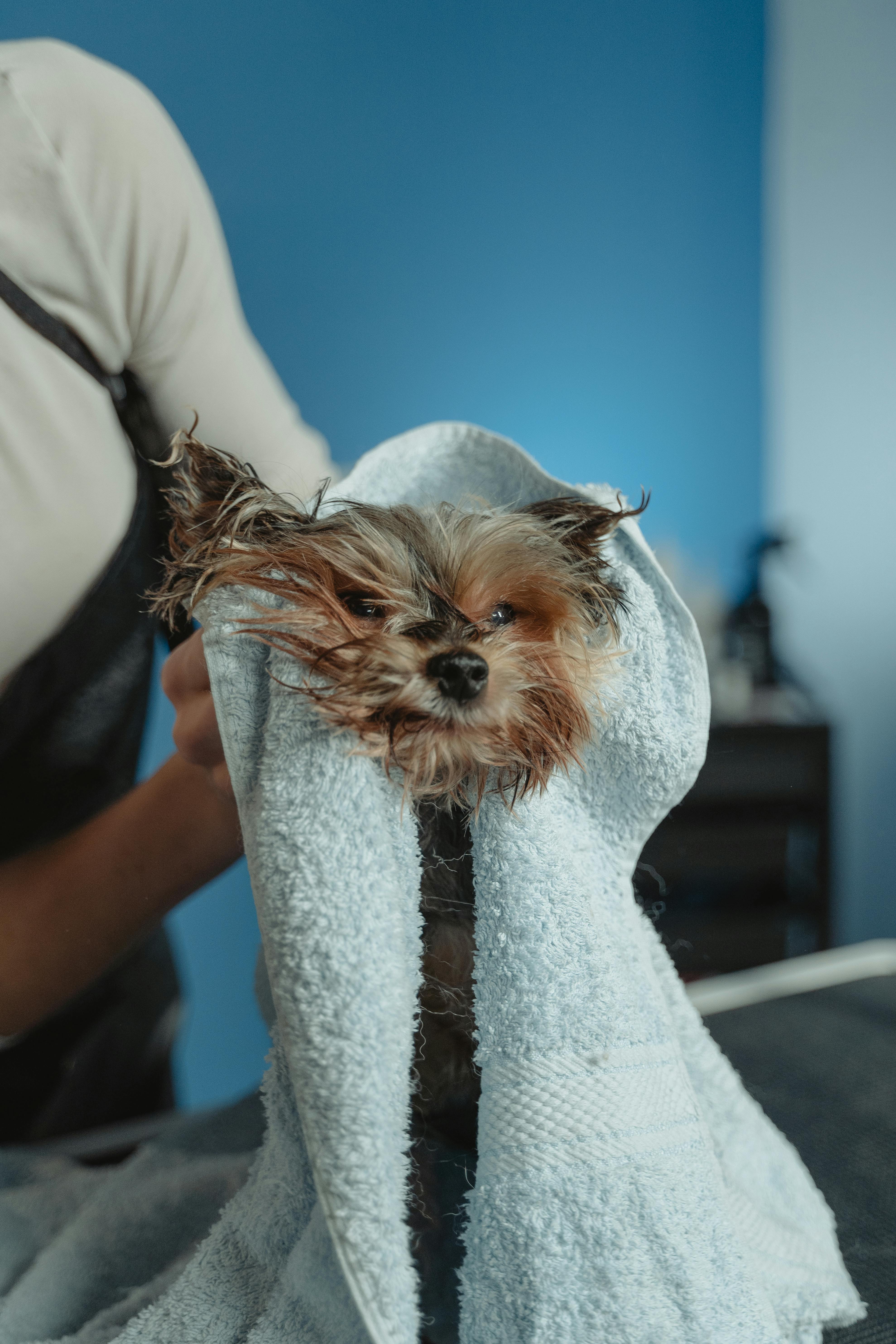 \n\n
\n\nEvery dog owner has probably noticed that their furry friend's nose can switch from wet to dry, sometimes in the blink of an eye. It’s a curious thing, and many people wonder, "Why does my dog's nose change from wet to dry?" To understand this phenomenon better, we gotta dive into the biology and behavior of our canine companions. But first, let's explore why do dogs have wet noses in the first place.
\nThe Science Behind Wet Noses
\nDogs have wet noses primarily for a few reasons, and it’s not just because they like to stick their snouts into things. Here’s a breakdown of the science involved:
\n- \n
- Cooling Mechanism: Dogs don’t sweat like humans do. Instead, they rely on their noses to regulate their body temperature. A wet nose helps to cool them down as the moisture evaporates. \n
- Enhanced Sense of Smell: The wetness on a dog's nose helps to capture scent particles from the air. This enhances their ability to smell, which is significantly stronger than that of humans. \n
- Health Indicator: A dog's nose can also be an indicator of their health; a consistently dry nose may suggest dehydration or illness. \n
Why Does My Dog's Nose Change from Wet to Dry?
\nSo, why does this wet-to-dry transformation happen? Several factors can influence this change, and they can be quite normal.
\n- \n
- Environmental Factors: Weather plays a role. On sunny days, a dog's nose might dry out faster. Similarly, if you live in a dry climate, you might notice this happening more frequently. \n
- Activity Level: After a good romp in the park, your dog's nose might start off wet from sniffing around and then dry as they play. \n
- Health Issues: While a dry nose isn’t always a sign of trouble, if it’s consistently dry or cracked, it might be worth checking with a vet. \n
Common Reasons for Nose Variability
\nHere’s a list of some common reasons why a dog’s nose might change:
\n- \n
- Weather Conditions: Hot or dry weather can dry out a dog's nose. \n
- Post-Activity: After eating, playing, or sleeping, a dog's nose can wind up dry. \n
- Illness: Some health conditions can cause a change in nose moisture. \n
- Age: Older dogs may naturally have drier noses. \n
Fun Facts About Dogs' Noses
\nEveryone loves fun facts! Here are some interesting points about why do dogs have wet noses:
\n- \n
- Unique Patterns: Just like humans have unique fingerprints, dogs have unique nose prints! \n
- Scent and Taste: Dogs have over 220 million scent receptors, compared to a human’s 5 million. \n
- Body Language: A dog’s nose can also show its mood; a wet nose might indicate excitement, while a dry nose could mean they’re relaxed. \n
Comparing Dogs' Noses to Other Animals
\nDogs aren’t the only animals with fascinating noses. Here’s a quick comparison with a few other creatures:
\n| Animal | \nNose Type | \nFunctionality | \n
|---|---|---|
| Dogs | \nWet | \nEnhances smell, regulates temperature | \n
| Cats | \nDry | \nLess moisture, but also good sense of smell | \n
| Elephants | \nTrunk | \nMultifunctional - smelling, touching, and grabbing | \n
| Cows | \nFlat and wet | \nGood for grazing and smelling grass | \n
Practical Examples of Nose Changes
\nLet’s say you have a Labrador. You might notice their nose is wet after a swim but dry by the time they’re back home. Or perhaps your Beagle’s nose is damp after they’ve been sniffing out treats hidden in the garden but dry after a long nap.
\nWhen to Worry About a Dry Nose
\nIf you notice a persistent change in your dog's nose texture, it could be a sign to seek veterinary advice. Pay attention to additional symptoms like:
\n- \n
- Excessive thirst \n
- Lethargy \n
- Loss of appetite \n
- Coughing or sneezing \n
Being observant about your dog's nose and overall health can help you catch issues early.
\nIn summary, the variability in your dog's nose from wet to dry can be influenced by many factors, from environmental conditions to health issues. Understanding these changes can help you be a more attentive and informed dog owner. Remember, a wet nose is often a sign of a happy, healthy dog!
\n\nCan Dogs Control Their Nose Moisture? Exploring Their Unique Biology
\n\n \n\n
\n\nHave you ever wondered why dogs have wet noses? It's not just a cute feature or a sign of a happy pup. Dogs, with their unique biology, have developed this trait for several fascinating reasons. Let's dive deeper into the question: Can dogs control their nose moisture? This exploration reveals the intricate workings of a dog's biology and why that wet nose is more than meets the eye.
\nThe Purpose of a Wet Nose
\nDogs’ noses are moist for a variety of important reasons. One major reason is that the moisture helps to enhance their sense of smell. Dogs have an extraordinary olfactory system, and the wetness on their noses helps to capture scent particles in the air. Here’s how it works:
\n- \n
- Enhanced Smell: Moisture on their noses helps to dissolve scent molecules, making it easier for dogs to detect and identify different odors. \n
- Cooling Mechanism: A wet nose can also assist in regulating a dog’s body temperature. Dogs don’t sweat like humans; instead, they rely on panting and the moisture of their noses to help cool down. \n
- Health Indicator: A dog’s nose can be an indicator of their health. Generally, a moist and cool nose is a sign of a healthy dog, while a dry or hot nose might suggest illness. \n
The Science Behind Nose Moisture
\nNow, let's take a closer look at the biology of a dog’s nose. Dogs have specialized glands that produce moisture. These glands, known as nasal mucosa, secrete mucus which keeps their noses wet. Here's a breakdown of how this process works:
\n- \n
- Nasal Mucosa: This is a layer of tissue inside the dog’s nose that produces a slippery fluid. \n
- Temperature Regulation: The moisture evaporates, helping to cool the blood vessels in the nose and contributing to the dog's overall temperature management. \n
- Scent Detection: The wet tissue can absorb and hold scent molecules, which are then transferred to the olfactory receptors in the nasal cavity. \n
Can Dogs Control Their Nose Moisture?
\nUnlike humans, dogs cannot consciously control the moisture levels in their noses. However, their bodies naturally adjust the moisture based on environmental factors. For example, when it's hot or during physical activity, a dog's nose may become wetter to help with cooling and scent detection. Here are some factors that affect nose moisture:
\n- \n
- Humidity Levels: In humid weather, dogs may have wetter noses. \n
- Activity Level: A dog that is active may have a moist nose due to increased blood flow and temperature regulation. \n
- Health Status: Illness can impact how moist a dog’s nose is. Conditions like fever can lead to a drier nose. \n
The Role of a Dog’s Nose in Communication
\nA dog’s nose also plays a role in social interactions. Dogs often greet each other by sniffing noses. This behavior allows them to gather information about other dogs, such as their health, diet, and emotional state. Consider this list of what dogs can learn from sniffing:
\n- \n
- Age: Different age groups have distinct scents. \n
- Health: Scent can reveal illnesses or changes in health. \n
- Mood: A dog’s emotional state can be detected through their scent. \n
Why Do Some Dogs Have Drier Noses?
\nIt’s normal for dogs to have variations in nose moisture. Some breeds naturally have drier noses, and environmental factors can influence this as well. Here are some common reasons for a dry nose:
\n- \n
- Dehydration: If a dog isn’t drinking enough water, they might have a dry nose. \n
- Weather Conditions: Cold or dry air can cause noses to become dry. \n
- Health Issues: Skin conditions or allergies can lead to dryness. \n
Wet Nose vs. Dry Nose: What’s Normal?
\nHere’s a quick comparison of wet and dry noses:
\n| Feature | \nWet Nose | \nDry Nose | \n
|---|---|---|
| Temperature | \nUsually cool | \nOften warm | \n
| Health Indicator | \nTypically a sign of health | \nMay indicate illness | \n
| Scent Detection | \nEnhanced ability to smell | \nCan be less effective | \n
In essence, a wet nose is a hallmark of a healthy dog, while a dry nose could warrant a closer look at the dog's overall health status.
\nDogs are such fascinating creatures, and their wet noses are just one of the many unique features that make them special. Understanding why dogs have wet noses offers insights into their biology and health. Observing your dog's nose can give you clues about their well-being, so next time you greet your furry friend, remember the science behind that moist nose. It’s not just adorable; it’s a testament to their incredible biology and their connection to the world around them.
\n\nThe Importance of a Wet Nose in Dog Communication: How Dogs Read Each Other
\n\n\n\nEvery dog owner knows that a dog’s nose is often cold and wet, but have you ever thought about why? The importance of a wet nose in dog communication is more than just a quirky physical trait. It’s a vital part of how dogs read each other and their environment. Understanding the significance of a wet nose can deepen your appreciation for your furry friends and improve the bond you share with them. So, why do dogs have wet noses? Let's dive into this fascinating topic.
\nThe Science Behind Wet Noses
\nDogs’ noses are moist because they are covered with a thin layer of mucus. This mucus helps to enhance their sense of smell. A wet nose can capture scent particles from the air more effectively than a dry one. It’s been estimated that dogs have about 220 million scent receptors in their noses, compared to a human's roughly 5 million. This incredible difference means dogs can detect smells at incredibly low concentrations.
\nHere are a few key facts about dog noses:
\n- \n
- Scent Detection: Wet noses helps dogs identify various smells, including those that are days or even weeks old. \n
- Temperature Regulation: Dogs also use their noses to help regulate body temperature. When a dog is panting, the moisture on their nose evaporates, which can cool them down. \n
- Health Indicator: A dog's nose can reflect their health. A warm, dry nose might indicate illness, while a cool, wet one usually signals good health. \n
Communication Through Smell
\nDogs communicate a lot through their sense of smell, and a wet nose plays a big role in that. When dogs meet each other, they often sniff each other’s noses to gather information. This behavior can tell them about the other dog’s mood, health, and even what it has been eating.
\nThe act of sniffing is part of their social behavior, and it’s essential for establishing relationships. Here’s how it works:
\n- \n
- Identify Other Dogs: Dogs can recognize other dogs by their unique scent. \n
- Understanding Emotions: A wet nose might signal a friendly approach, while a dry nose could indicate stress or discomfort. \n
- Gathering Information: Through sniffing, dogs collect essential information, which is crucial for their social interactions. \n
Historical Context of Dog Noses
\nHistorically, dogs have been bred for specific tasks, and their noses have played a significant part in this. For instance:
\n- \n
- Hunting: Breeds like Bloodhounds were developed for tracking due to their extraordinary sense of smell. \n
- Herding: Dogs used in herding often rely on their noses to guide livestock. \n
- Companionship: Even in companion dogs, the wet nose has been a charming trait that endears them to humans. \n
Why Do Dogs Have Wet Noses?
\nNow, let's focus on the question: why do dogs have wet noses? Here’s a breakdown of the reasons:
\n- \n
- Scent Enhancement: The moisture captures scent particles, improving their ability to smell. \n
- Cooling Mechanism: Wet noses help regulate body temperature, which is especially important in warmer climates. \n
- Health Indicator: Changes in nose wetness can signal health issues, making it a subtle way dogs communicate their well-being. \n
Practical Examples of Dog Nose Behavior
\nIn daily life, observing how dogs use their noses can be quite fascinating. Here are some common behaviors:
\n- \n
- Greeting New Dogs: When dogs meet, they often engage in a thorough sniff session, which is their way of saying hello. \n
- Exploring New Environments: Dogs will sniff everything in a new place to gather as much information as possible. \n
- Detecting Illness: Some dogs are trained to detect diseases like cancer or diabetes through scent, utilizing their remarkable olfactory system. \n
The Importance of Nose Care
\nA wet nose is generally a sign of health, but it’s also important to keep your dog’s nose clean and healthy. Here are some tips:
\n- \n
- Regular Check-ups: Ensure that your vet checks your dog’s nose during regular check-ups. \n
- Watch for Changes: If your dog’s nose becomes excessively dry or cracked, it can be a sign of dehydration or health issues. \n
- Hydration: Always ensure your dog has access to fresh water to keep their nose moist. \n
Understanding the importance of a wet nose in dog communication and why do dogs have wet noses can enrich your relationship with your furry companion. Dogs are truly remarkable creatures, and their noses are just one of the many ways they interact with the world around them. By paying attention to these subtle signals, you can foster a deeper bond and ensure your pup stays happy and healthy. Remember, the next time your dog nudges you with its wet nose, it’s not just seeking attention—it’s communicating, just like they do with their fellow canines.
\n\nHow to Care for Your Dog’s Nose: Tips for Maintaining Optimal Moisture Levels
\n\n \n\n
\n\nTaking care of your dog’s nose is something every pet owner should think about, yet it often gets overlooked. A dog’s nose is more than just a cute feature; it plays a vital role in their health and well-being. So, how do you maintain optimal moisture levels in your dog's nose? And why do dogs have wet noses anyway? Let’s dive in to discover these fascinating facts and useful tips.
\nWhy Do Dogs Have Wet Noses?
\nHave you ever wondered why your furry friend’s nose is always damp? It’s not just for show. Dogs have wet noses for several reasons, including:
\n- \n
- \n
Enhanced Smell: A wet nose helps trap scent particles from the air, making their sense of smell even stronger. This is crucial for hunting and tracking.
\n \n - \n
Temperature Regulation: Dogs don’t sweat like humans do. Instead, moisture on their nose helps cool them down when they’re hot.
\n \n - \n
Health Indicator: A healthy nose is typically moist. Changes in moisture levels can signal health issues, so keeping an eye on it is important for your dog’s well-being.
\n \n
Caring for Your Dog's Nose
\nMaintaining your dog’s nose moisture isn’t that hard, but it does require some attention. Here are some tips that can help:
\n- \n
- \n
Regular Hydration: Ensure your dog has access to fresh, clean water at all times. Dehydration can lead to a dry nose, which can cause discomfort or even cracking.
\n \n - \n
Humid Environment: If you live in a dry climate, consider using a humidifier in your home. This can help keep the air moist, which is better for your dog’s skin and nose.
\n \n - \n
Healthy Diet: Feed your dog a balanced diet rich in essential fatty acids. Foods like fish oils and flaxseeds can promote skin health, including the nose.
\n \n - \n
Nose Balm: If your dog’s nose is extremely dry, you can apply a pet-safe nose balm. These balms can provide immediate relief and help restore moisture.
\n \n - \n
Regular Vet Checkups: Regular vet visits are crucial for monitoring your dog’s overall health, including their nose. If you notice persistent dryness or cracking, consult your veterinarian.
\n \n
Signs of Nose Problems
\nIt’s important to be vigilant about changes in your dog’s nose. Here’s a list of signs that might indicate an issue:
\n- \n
- Dryness or cracking \n
- Excessive moisture or discharge \n
- Change in color \n
- Swelling or lesions \n
If you observe any of these signs, it’s best to seek veterinary advice. Ignoring these symptoms can lead to complications.
\nFun Facts About Dog Noses
\nDid you know that dogs have an incredible sense of smell? Here are some fun facts that might blow your mind:
\n- \n
- \n
Dogs have up to 300 million olfactory receptors in their noses, compared to about 6 million in humans.
\n \n - \n
Some breeds, like Bloodhounds, have an even better sense of smell, which can be up to 40 times more accurate than that of a human.
\n \n - \n
The shape and size of a dog’s nose can affect their smelling ability. Longer noses generally mean better scent detection.
\n \n - \n
Dogs can even differentiate between different scents, allowing them to recognize familiar people or animals.
\n \n
Caring for Different Dog Breeds
\nDifferent breeds may require different types of care for their noses. Here’s a quick comparison:
\n| Breed Type | \nNose Care Tips | \n
|---|---|
| Short-Nosed Breeds | \nBe cautious of overheating, and monitor for dryness often. | \n
| Long-Nosed Breeds | \nKeep hydrated, but they usually have better moisture retention. | \n
| Older Dogs | \nMay need more frequent checks for dryness and cracking. | \n
When to Seek Help
\nIf your dog’s nose shows significant changes, like becoming persistently dry or cracked, it might be time to head to the vet. A vet can help diagnose underlying issues, such as autoimmune diseases or infections, that might be affecting your dog’s nose.
\nIn summary, taking care of your dog’s nose is an essential part of being a responsible pet owner. By understanding the reasons behind a wet nose and following some simple care tips, you can help keep your furry friend healthy and comfortable. A little effort goes a long way in ensuring that your dog's nose stays moist and functional, so keep these tips in mind and enjoy your time with your beloved pet!
\n\nConclusion
\n\nIn conclusion, the wet noses of dogs serve multiple important functions that contribute to their health and communication. The moisture on a dog's nose enhances their sense of smell, allowing them to detect scents more effectively, which is crucial for their survival and interaction with the environment. Additionally, a wet nose helps regulate their body temperature and keeps their skin hydrated. This unique feature also plays a role in their social interactions, as dogs often use their noses to greet and explore. Understanding why dogs have wet noses not only deepens our appreciation for these remarkable animals but also emphasizes the importance of regular nose care. So next time you give your furry friend a scratch behind the ears, take a moment to admire their wet nose and remember the vital functions it serves. Consider sharing this knowledge with fellow dog lovers to spread awareness about these lovable companions!
\n\n