Have you ever wonder why do dogs have wet noses? This intriguing feature is more than just a cute characteristic; it’s a fascinating secret that reveals much about your furry friend’s health and well-being. Dogs' noses are not just wet for no reason, there are several reasons behind it. One of the key benefits of a wet nose is its ability to help dogs detect scents better, making their sense of smell incredibly powerful. But what else does it mean when your pup's nose is damp? Could it be linked to their emotions or even the weather? As pet owners, understanding the science behind wet noses can deepen our bond with our dogs and enhance their care. Have you ever noticed how your dog’s nose changes with different activities? This can be a window into their health! In this article, we will uncover the truth about wet noses in dogs and explore the reasons behind this unique trait. Prepare to be amazed as we delve into the world of canine noses and discover why this little detail matters so much. Curious to learn more? Let’s fetch the answers together!
\n\nThe Science Behind Canine Hydration: Why Are Dog Noses Always Wet?
\n\n \n\n
\n\nEver wondered why dogs have wet noses? It’s a question that many pet owners ask, and there’s actually some fascinating science behind it. Dog noses are not just adorable; they serve several important purposes in a dog's life, from enhancing their sense of smell to regulating their body temperature. Let’s dive into the reason why dog noses are always wet and uncover the secrets of canine hydration.
\nThe Biology of a Dog’s Nose
\nDogs have some of the most complex olfactory systems in the animal kingdom. The wetness of their noses plays a critical role in this. When a dog’s nose is moist, it helps to trap scent particles. The moisture on their nose allows the scent to dissolve, which makes it easier for the olfactory receptors to detect and analyze smells. This is why dogs are incredible sniffers!
\n- \n
- Olfactory Receptors: Dogs have around 300 million olfactory receptors, compared to humans with only about 5 million. \n
- Moisture Function: The wet surface of the nose aids in scent absorption, which enhances their ability to detect odors. \n
- Temperature Regulation: Wet noses also help dogs cool down, as evaporation of the moisture helps to reduce body temperature. \n
Why Are Dog Noses Wet?
\nThe wetness of a dog's nose comes from a few different sources. First, dogs have a special gland that produces a thin layer of mucus, which keeps their nose moist. Second, dogs often lick their noses, which adds to the moisture. This behavior is instinctual and serves multiple functions.
\n- \n
- Glandular Secretion: Dogs have mucous glands in their noses that secrete a wet substance. \n
- Licking: Dogs frequently lick their noses, which not only keeps it moist but also helps to spread their natural scent. \n
- Environmental Factors: A dog’s nose can become wetter in humid conditions and dryer in arid environments. \n
The Role of Hydration
\nJust like humans, dogs need to stay hydrated for their overall health. The moisture on a dog’s nose is just one aspect of their hydration needs. A dehydrated dog may have a dry, cracked nose, indicating that they need more water.
\nHere’s a simple list of signs to look for to ensure your dog is properly hydrated:
\n- \n
- Check the Gums: Healthy gums should be moist and pink, while dry or tacky gums can indicate dehydration. \n
- Skin Elasticity Test: Gently pinch the skin on the back of the neck; it should return to normal quickly. If it doesn’t, your dog might be dehydrated. \n
- Nose Condition: A dry or cracked nose can signal that your pup isn’t getting enough water. \n
Hydration Tips for Dogs
\nKeeping your canine friend hydrated is essential, especially during hot weather or after exercise. Here are some easy tips:
\n- \n
- Fresh Water Availability: Always make sure your dog has access to clean, fresh water. \n
- Hydration Stations: If you’re out and about, bring a portable water bowl and water for your dog. \n
- Hydrating Foods: Incorporate wet dog food or fresh fruits like watermelon or cucumbers that contain high water content. \n
Fun Facts About Dog Noses
\n- \n
- Unique Patterns: Just like human fingerprints, every dog’s nose print is unique. \n
- Temperature Sensing: Dogs can sense temperature changes through their noses, helping them detect heat or cold spots. \n
- Scent Memory: Dogs can remember scents for a long time, which is why they can find their way back home or recognize familiar people. \n
Why Do Dogs Have Wet Noses? Discover This Fascinating Secret!
\nSo, the next time you give your furry friend a pat on the head and notice that wet nose, remember that it’s not just a cute feature. It’s a vital part of their biology and helps them interact with the world around them. The science of canine hydration and the purpose of wet noses is a remarkable aspect of what makes dogs so unique.
\nIn summary, a dog’s wet nose is an essential component of their health and well-being, serving multiple functions from improving their sense of smell to aiding in temperature regulation. Keeping your dog hydrated is crucial for maintaining that lovely moist nose and overall health. Remember, just like humans, dogs thrive when they are well-hydrated!
\n\nUncovering the Mystery: What Does a Wet Nose Mean for Your Dog's Health?
\n\n \n\n
\n\nDogs are often called man's best friend, and with that title comes a lot of curiosity about their health and behavior. One of the most interesting traits of dogs is their wet noses. Many dog owners wonder, "Why do dogs have wet noses?" and "What does a wet nose mean for your dog's health?" These questions might seem trivial, but they actually hold fascinating secrets about your furry companion.
\nThe Science Behind Wet Noses
\nA dog's nose is not just for sniffing around, it's also a vital part of their health and communication. Dogs have a special gland in their nose called the nasal mucosa, which produces moisture. This moisture helps to enhance their sense of smell, which is much more sensitive than humans.
\n- \n
- Dogs have around 220 million smell receptors in their noses. \n
- Humans only have about 5 million. \n
- A wet nose can help trap scent particles, making it easier for dogs to detect different scents. \n
When a dog's nose is wet, it’s often because they are either panting or the environment is humid. They may also lick their noses, which is a behavior seen in dogs, allowing them to gather more information about their surroundings.
\nWhy Do Dogs Have Wet Noses?
\nSo, let’s break it down. The main reasons why dogs have wet noses include:
\n- \n
- Enhanced Smell: As mentioned earlier, moisture on the nose helps capture scent particles. \n
- Temperature Regulation: Dogs don’t sweat like humans do. Instead, they cool off primarily through panting and having a wet nose. \n
- Health Indicator: A wet nose can be a sign of good health. However, if it becomes dry or cracked, it might indicate dehydration or illness. \n
Common Misconceptions About Wet Noses
\nThere are several myths surrounding the wetness of a dog's nose. Here’s a list of some common misconceptions:
\n- \n
- Myth 1: A wet nose means a dog is sick. \n
- Myth 2: Only healthy dogs have wet noses. \n
- Myth 3: Dogs only lick their noses when they’re thirsty. \n
Health Indicators
\nA wet nose is generally a good sign, but not always. Here’s a simple breakdown of what different nose conditions might indicate:
\n| Nose Condition | \nPossible Meaning | \n
|---|---|
| Wet and Cool | \nHealthy, hydrated dog | \n
| Dry and Warm | \nPossible fever or dehydration | \n
| Cracked or Flaky | \nAllergies, skin issues, or other health concerns | \n
| Excessively Wet | \nPossible infection, excitement, or even stress | \n
Historical Context of Dogs’ Noses
\nThe history of dogs and their noses is as old as their relationship with humans. In ancient times, dogs were domesticated primarily for hunting and herding. The ability to track scents became crucial for these functions. As dogs evolved, those with moist noses were favored because they could detect scents better, thus leading to the commonality of wet noses in modern breeds.
\nPractical Tips for Dog Owners
\nTaking care of your dog's nose is important! Here are some tips to keep it healthy:
\n- \n
- Hydration: Ensure your dog drinks enough water to keep their nose moist. \n
- Check Regularly: Look out for any changes in the texture or temperature of their noses. \n
- Grooming: Regularly check for dirt or debris that may cause irritation. \n
- Veterinarian Visits: Always consult your vet if you notice persistent dryness or cracking. \n
Final Thoughts
\nUnderstanding the significance of your dog's wet nose can lead to better health management and a deeper bond between you and your furry friend. While a wet nose is a sign of health in many cases, it’s important not to overlook other symptoms that may indicate underlying issues. Regular check-ups with your veterinarian are essential, and being attentive to changes in your dog's behavior can help ensure they live a long, happy life.
\nSo next time you feel your dog's wet nose, remember that it’s more than just an adorable trait; it’s a window into their well-being!
\n\n5 Fascinating Reasons Dogs Have Moist Noses That You Didn’t Know
\n\n \n\n
\n\nDogs are often considered our best friends, and if you’re a dog owner, you probably noticed how your furry companion’s nose feel cool and wet. But have you ever wondered why that is? There’s actually more to those moist noses than meets the eye. Here are 5 fascinating reasons why dogs have wet noses that you probably didn’t know about. So, let’s dive right into the world of doggy anatomy!
\n1. Temperature Regulation
\nOne of the main reasons dogs have wet noses is to help regulate their body temperature. Just like humans sweat to cool down, dogs use their noses to achieve a similar effect. The moisture on a dog’s nose aids in evaporative cooling. When the water evaporates, it helps to lower their body temperature. This is especially important since dogs don’t sweat through their skin like we do.
\n- \n
- Dogs have sweat glands only in their paw pads. \n
- They rely heavily on panting and cool, wet noses for temperature control. \n
- A wet nose can indicate a healthy temperature regulation system. \n
2. Enhanced Sense of Smell
\nAnother interesting fact is that a dog’s wet nose plays a role in enhancing their sense of smell. The moisture helps to capture scent particles from the air. When those particles stick to the nose, it allows dogs to better detect and analyze smells. This is why dogs are often used in search and rescue missions, as well as in detecting drugs or explosives.
\n- \n
- Dogs have around 220 million scent receptors, compared to humans’ 5 million. \n
- A wet nose can improve their olfactory abilities even further. \n
- The surface area of a dog’s nose is also crucial for this function. \n
3. Communication Tool
\nDid you know that dogs use their noses as a communication tool? When dogs greet each other, they often sniff each other’s noses to gather information. A moist nose can indicate excitement or health, while a dry nose might signal something is off. It’s a part of how they interact with each other and with humans too.
\n- \n
- Dogs can determine emotional states through smell. \n
- A wet nose can show they’re healthy and engaged. \n
- Understanding this can help owners gauge their dog’s mood and wellbeing. \n
4. Protection Against Infection
\nHaving a wet nose not only helps with scent and temperature but also plays a part in protecting against infections. The moisture on a dog’s nose contains antibacterial properties which help to kill off certain germs and bacteria. This keeps their nasal passages healthier and can protect them from respiratory infections.
\n- \n
- A clean, moist nose can be a sign of good health. \n
- Dogs with dry noses might be more susceptible to infections. \n
- Keeping an eye on your dog’s nose can alert you to health issues. \n
5. Evolutionary Adaptation
\nLastly, the moistness of dogs’ noses can be traced back to their evolutionary history. Dogs are descendants of wolves, which had moist noses likely for similar reasons as mentioned above—temperature regulation, enhanced smell, and communication. Over time, this trait has been passed down through generations, solidifying its importance in canine biology.
\n- \n
- Evolution has honed their sense of smell and temperature control. \n
- The wet nose trait has been beneficial for survival in the wild. \n
- Understanding this history can deepen our appreciation for our pets. \n
Quick Summary of the Fascinating Reasons
\n- \n
- Temperature Regulation: Helps cool down through evaporation. \n
- Enhanced Sense of Smell: Improves scent detection. \n
- Communication Tool: Aids in social interactions. \n
- Protection Against Infection: Moisture has antibacterial properties. \n
- Evolutionary Adaptation: Passed down from ancestors for survival. \n
Each of these reasons adds to the complexity of why dogs have wet noses and how it benefits their health and behavior. So, the next time you lean down to give your dog a pat and feel that cool, moist nose, you can appreciate it a little more. It’s not just a cute feature; it’s a critical aspect of their biology that serves multiple purposes.
\nIn understanding our furry friends better, we strengthen our bond with them. Dogs rely on their noses for a lot more than just sniffing out treats – it’s a vital part of who they are. So let’s cherish those wet noses and the secrets they hold!
\n\nHow Your Dog's Wet Nose Enhances Their Sense of Smell: A Deep Dive
\n\n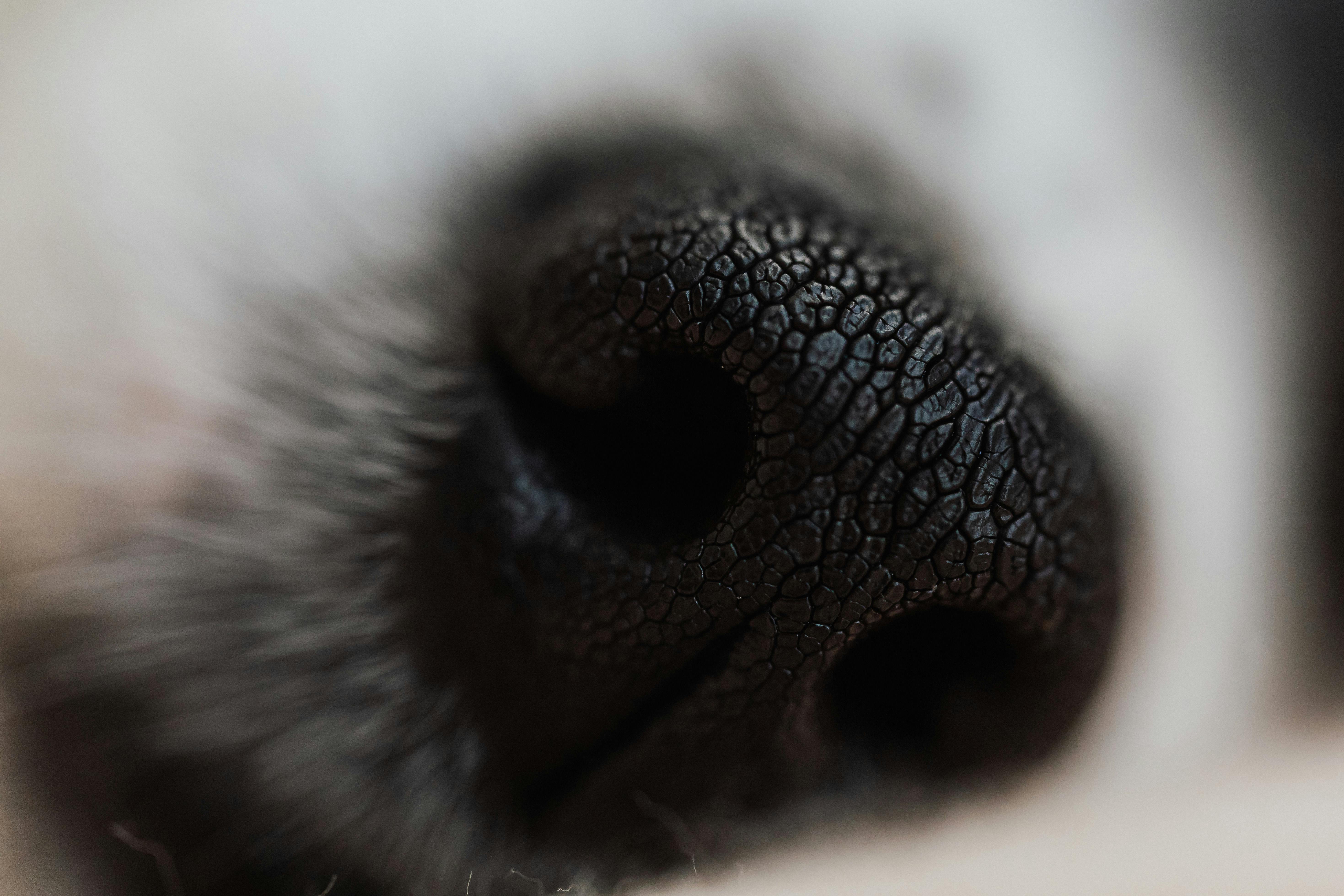 \n\n
\n\nHave you ever wondered why your dog’s nose is always wet? It’s one of those little mysteries of life that many of us don’t think too much about, but it’s actually pretty fascinating. Dogs have wet noses for a bunch of reasons, and understanding this can help us appreciate our furry friends even more. So, let’s dive into the world of canine noses and explore how this unique feature enhances their sense of smell.
\nThe Science Behind a Dog’s Wet Nose
\nA dog’s nose is not just cute; it plays a crucial role in their ability to smell. Unlike humans, who have about 5 million scent receptors, dogs have around 300 million. This immense number of receptors makes them some of the best sniffers in the animal kingdom, and their wet noses are a vital part of this process. But why is it wet?
\n- \n
- \n
Moisture Helps Capture Scents: The moisture on a dog's nose helps trap scent particles. When a dog sniffs, the moist surface allows for better adhesion of these particles, helping them identify different scents more effectively.
\n \n - \n
Cooling Mechanism: A dog’s nose also serves as a natural cooling system. Dogs don’t sweat like humans do; instead, they cool off by panting and through their noses. The wetness helps them regulate their body temperature.
\n \n - \n
Enhanced Sensitivity: The wetness on their nose increases sensitivity to smells. This is similar to how we might get a better taste of food when we take a sip of water before tasting it. It amplifies their ability to detect various odors.
\n \n
Why Do Dogs Have Wet Noses?
\nThe question of why dogs have wet noses is tied to both biology and behavior. Here’s a closer look at some factors:
\n- \n
- \n
Evolutionary Advantage: Over centuries, dogs have evolved to have wet noses as a way to enhance their hunting and survival skills. A dog’s ability to track scents can mean the difference between life and death in the wild.
\n \n - \n
Social Interaction: Dogs use their noses to communicate with each other. A wet nose can be a sign of excitement or a friendly greeting. You might notice your dog’s nose getting wetter when they’re excited to see you or another dog.
\n \n - \n
Health Indicator: A wet nose is often seen as a sign of health in dogs. While it’s not a definitive health indicator, many dog owners believe that a moist nose indicates their furry friend is feeling well.
\n \n
Fun Facts About Dog Noses
\n- \n
- \n
Unique Patterns: Just like human fingerprints, every dog’s nose has a unique pattern of ridges and bumps. This means that no two dog noses are alike!
\n \n - \n
Color Matters: The color of a dog’s nose can vary widely, from black to pink. However, the color doesn’t affect their sense of smell.
\n \n - \n
Dogs Can Smell Diseases: Some studies have shown that dogs can detect certain diseases, like cancer and diabetes, through smell alone. Their noses are so sensitive that they can identify chemical changes in a person’s body.
\n \n
Comparison of Dog Smell to Human Smell
\nLet’s break down how a dog’s sense of smell stacks up against ours:
\n| Feature | \nHumans | \nDogs | \n
|---|---|---|
| Scent Receptors | \n5 million | \n300 million | \n
| Ability to Detect | \nBasic odors | \nComplex scents | \n
| Smell Sensitivity | \nModerate | \nExtremely high | \n
| Nose Moisture | \nRare | \nAlways wet | \n
Practical Examples of Dog Nose Usage
\n- \n
- \n
Search and Rescue: Dogs are often used in search and rescue operations because of their incredible sense of smell. They can locate missing persons in various environments, from forests to disaster zones.
\n \n - \n
Detection Work: Many law enforcement agencies utilize dogs for drug detection. Their ability to sniff out illegal substances is unparalleled.
\n \n - \n
Therapy Dogs: In therapy settings, dogs can sense when someone is in distress. Their wet noses and gentle demeanor provide comfort and emotional support to people in need.
\n \n
Understanding why dogs have wet noses and how it enhances their sense of smell gives us insight into just how remarkable these animals are. From evolutionary advantages to their unique social behaviors, their noses are a critical aspect of their identity. Next time you give your furry friend a pat on the head, take a moment to appreciate that wet nose—it’s not just adorable; it’s a testament to the incredible abilities of your canine companion.
\n\nIs a Wet Nose a Sign of a Happy Pup? Understanding Dog Emotions Through Nose Moisture
\n\n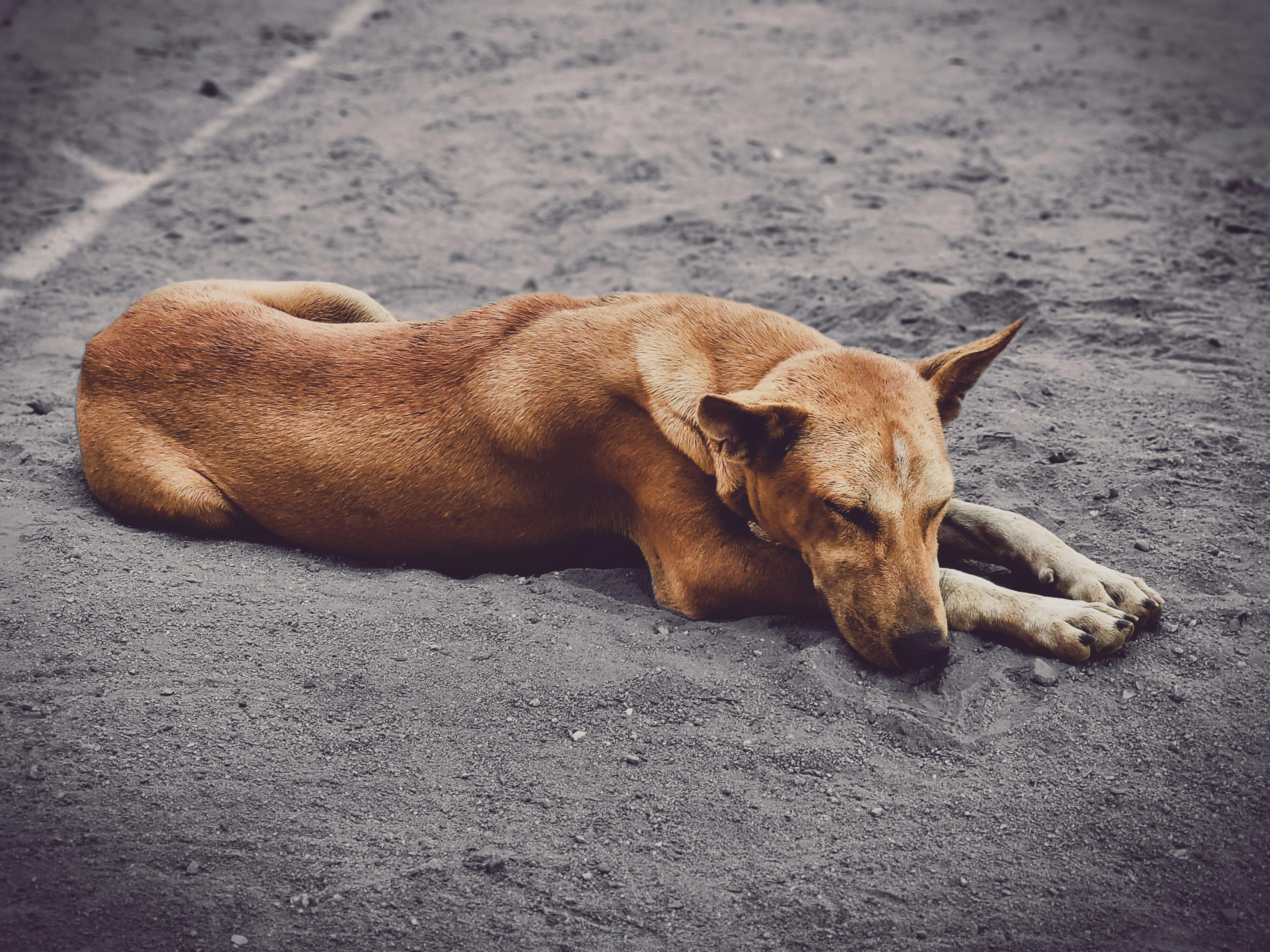 \n\n
\n\nIs a wet nose a sign of a happy pup? This question have puzzled many dog owners for ages. While we often associate a dog’s wet nose with their emotional state, the truth is a bit more complex. Understanding dog emotions through nose moisture can shed light on their behavior and health. So, let’s dive into this fascinating secret of why do dogs have wet noses!
\nWhy Do Dogs Have Wet Noses?
\nDogs, like many animals, have evolved with specific traits that aid in their survival. One of these traits is their moist noses. But why exactly are they wet? Here’s some reasons:
\n- \n
- \n
Enhanced Smell: Dogs have an extraordinary sense of smell. Their wet noses help to capture scent molecules from the air, which in turn helps them to identify and analyze their surroundings better. This is why you may notice your pup sniffing around a lot!
\n \n - \n
Temperature Regulation: A wet nose can also help dogs to cool down. Just like humans sweat, dogs can regulate their body temperature through moisture on their noses. This is particularly important during hot days when they might be more prone to overheating.
\n \n - \n
Health Indicator: A wet nose can sometimes indicate a healthy dog, while a dry nose might suggest dehydration or illness. However, this is not a hard and fast rule. Every dog is different!
\n \n - \n
Social Interactions: Dogs use their noses to gather information about other dogs and humans. A wet nose may also be used during social interactions, such as greeting or showing affection.
\n \n
Is a Wet Nose a Sign of a Happy Pup?
\nNow, onto the main question: does a wet nose mean a happy dog? While it might be tempting to think so, a wet nose doesn't always mean your pup is in a good mood. Here's a few things to consider:
\n- \n
- \n
Behavioral Context: A dog might have a wet nose while being anxious or scared. If your dog is feeling threatened, they may have a wet nose due to increased breathing and stress.
\n \n - \n
Excitement Levels: When dogs are excited or playful, their noses often get wetter because of increased panting and drooling. So, while wetness can be associated with happiness, it’s not a guarantee.
\n \n - \n
Health Check: If your dog’s nose is consistently dry or cracked, it could be a sign of an underlying health issue. It's important to monitor other signs, like energy levels and appetite, to determine their overall happiness.
\n \n
How to Tell If Your Dog Is Happy
\nInstead of relying solely on nose moisture, observe these other signs of happiness in dogs:
\n- \n
- \n
Wagging Tail: A wagging tail, especially when it's high and loose, is usually a clear indicator of a happy dog.
\n \n - \n
Playfulness: If your dog is engaging in play and seeking interactions, they are likely feeling joyful.
\n \n - \n
Relaxed Body Language: A happy dog will have a relaxed posture; stiff or tense body language could indicate discomfort or anxiety.
\n \n - \n
Vocalization: Some dogs express happiness through barking or whining, but be mindful of the sounds; excited barks are usually different from distressed ones.
\n \n - \n
Affectionate Behavior: If your dog leans into you or nudges you for pets, that’s a good sign they’re content.
\n \n
Fun Facts About Dog Noses
\n- \n
- \n
Unique Nose Prints: Just like human fingerprints, every dog has a unique nose print. This could be a fun fact to share with friends!
\n \n - \n
Cold vs. Warm Noses: It’s a common belief that a cold nose means a healthy pup, but this isn't universally true. Warm noses can be normal too, depending on the environment.
\n \n - \n
Dogs Sweat through Their Paws: Unlike humans, dogs don’t have sweat glands all over their bodies. They mainly sweat through their paw pads!
\n \n
Final Thoughts
\nUnderstanding dog emotions through nose moisture can be very enlightening, but it’s just one piece of the puzzle. A wet nose can signify many things including health, excitement, and social interaction. Always consider combining various behavioral cues to get a fuller picture of your dog's happiness. Regular check-ups with the vet and paying attention to your pup’s overall well-being will ensure they stay happy and healthy. So next time you check your dog's nose, remember: it’s just one of many indicators of their emotional state!
\n\nThe Evolutionary Advantage of Wet Noses in Dogs: What You Need to Know
\n\n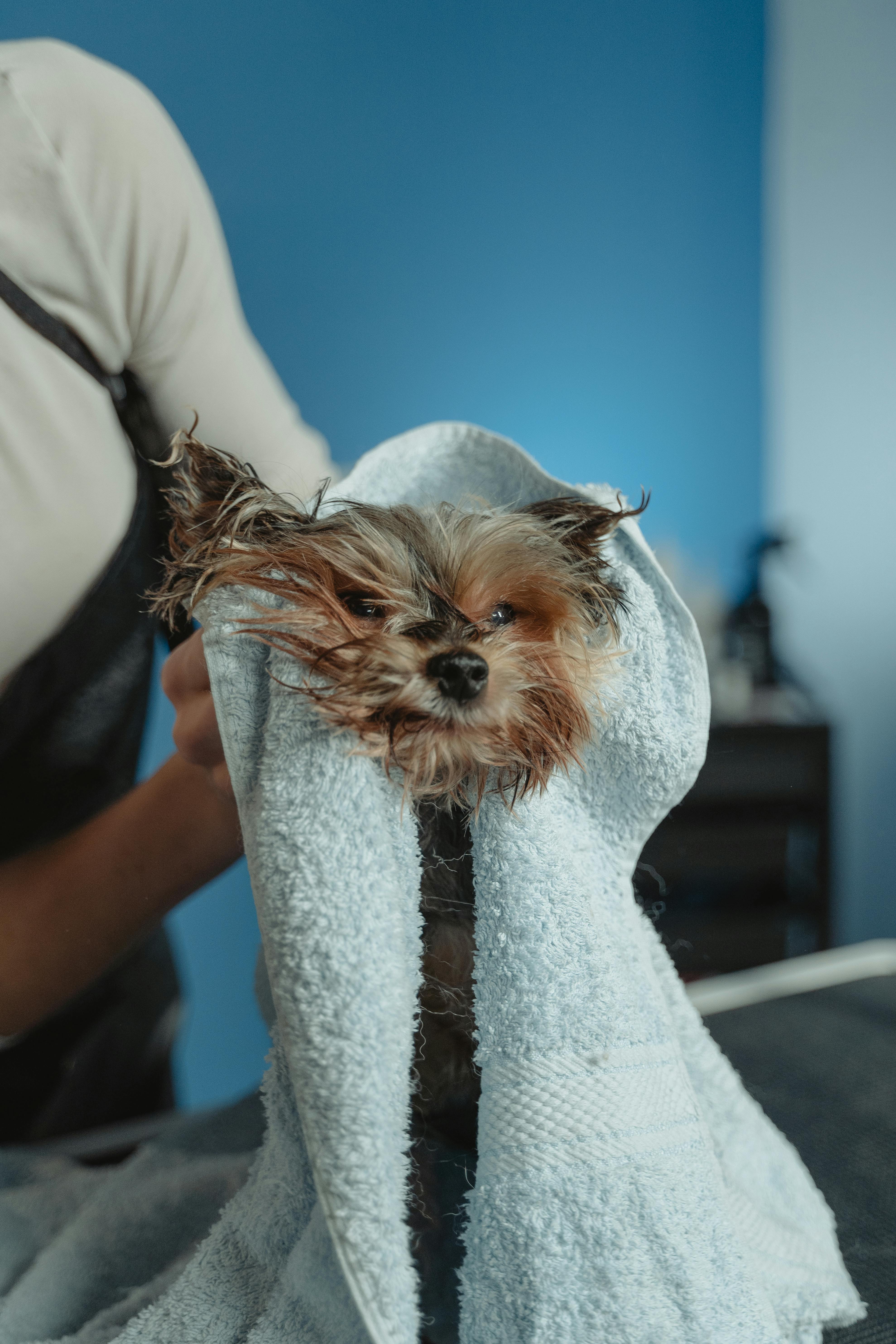 \n\n
\n\nDogs are one of the most beloved pets in the world. Their loyalty and companionship is unmatched, but have you ever wondered why do dogs have wet noses? This unique feature of our canine friends is not just for show; it has evolutionary advantages that play a vital role in their health and behavior. Let’s dive into the fascinating world of wet noses and discover what you need to know!
\nThe Science Behind Wet Noses
\nDogs’ noses are wet for several reasons, primarily related to their biology and senses. The moisture on their noses helps them to detect smells more efficiently. A wet nose can capture more scent particles than a dry one, which is vital for a dog’s keen sense of smell. Did you know that a dog’s sense of smell is estimated to be between 10,000 to 100,000 times more sensitive than humans? This is why having a moist nose is so important.
\nHere are some key points about wet dog noses:
\n- \n
- Enhanced Smell: Wetness helps trap scent molecules, making it easier for dogs to sniff out food, other animals, or even their owners. \n
- Thermoregulation: A wet nose can help with temperature regulation. Just like sweating in humans, dogs can cool down through their noses. \n
- Health Indicator: The condition of a dog’s nose can indicate its health. A wet, cool nose is generally a sign of a healthy dog, while a dry or cracked nose may suggest dehydration or illness. \n
Evolutionary Benefits
\nThe evolutionary advantages of wet noses in dogs goes back to their ancestors. Wolves, which are the ancestors of domestic dogs, have moist noses that helped them hunt and survive in the wild. Here’s how wet noses provided an edge:
\n- \n
- Tracking Prey: Wet noses allowed wolves to follow scent trails of prey, improving their hunting success. \n
- Communication: Dogs use their noses to communicate with each other as well. A wet nose can transfer pheromones, which dogs use to convey messages to one another. \n
- Survival Skills: The ability to detect danger was crucial for survival. A wet nose enhances the sense of smell, helping dogs to identify threats quickly. \n
How Wet Noses Affect Behavior
\nDogs’ wet noses also influence their behavior and interactions with humans and other animals. For instance, when a dog nudges you with its nose, it’s not just being affectionate; it’s using its sense of smell to understand you better. This behavior can be explained by:
\n- \n
- Curiosity: Dogs explore their environment through their noses. A wet nose helps them gather information about their surroundings. \n
- Social Interaction: Dogs often greet each other with nose-to-nose contact, which is a form of social bonding. A wet nose can signal a friendly approach. \n
- Stress Responses: If a dog is anxious or stressed, their nose may become drier. Observing these changes can help pet owners better understand their furry friends. \n
Practical Tips for Dog Owners
\nAs a dog owner, understanding the significance of your pet's wet nose can help you take better care of it. Here are some tips:
\n- \n
- Regular Vet Check-ups: Keep an eye on your dog’s nose condition. If it becomes excessively dry or cracked, consult a veterinarian. \n
- Hydration is Key: Ensure your dog has access to fresh water at all times. This helps maintain a healthy nose. \n
- Monitor Behavior: Changes in nose wetness can indicate stress or health issues, so pay attention to your dog’s behavior and nose condition. \n
Fun Facts About Dog Noses
\n- \n
- Dogs have more than 220 million scent receptors in their noses compared to about 5 million in humans. \n
- The unique patterns on a dog’s nose are like human fingerprints — no two are alike! \n
- Dogs can even detect certain diseases, like cancer, through their sense of smell. \n
In the world of pets, a wet nose may just seem like a cute characteristic, but it serves many important functions. From enhancing their sense of smell to providing insights into their health, the evolutionary advantage of wet noses in dogs is a remarkable feature of these wonderful companions. Understanding why dogs have wet noses allows us to appreciate our furry friends even more. So, the next time you give your dog a pat, remember just how special that wet little nose really is!
\n\n10 Common Myths About Dog Noses Debunked: Wet Noses Explained!
\n\n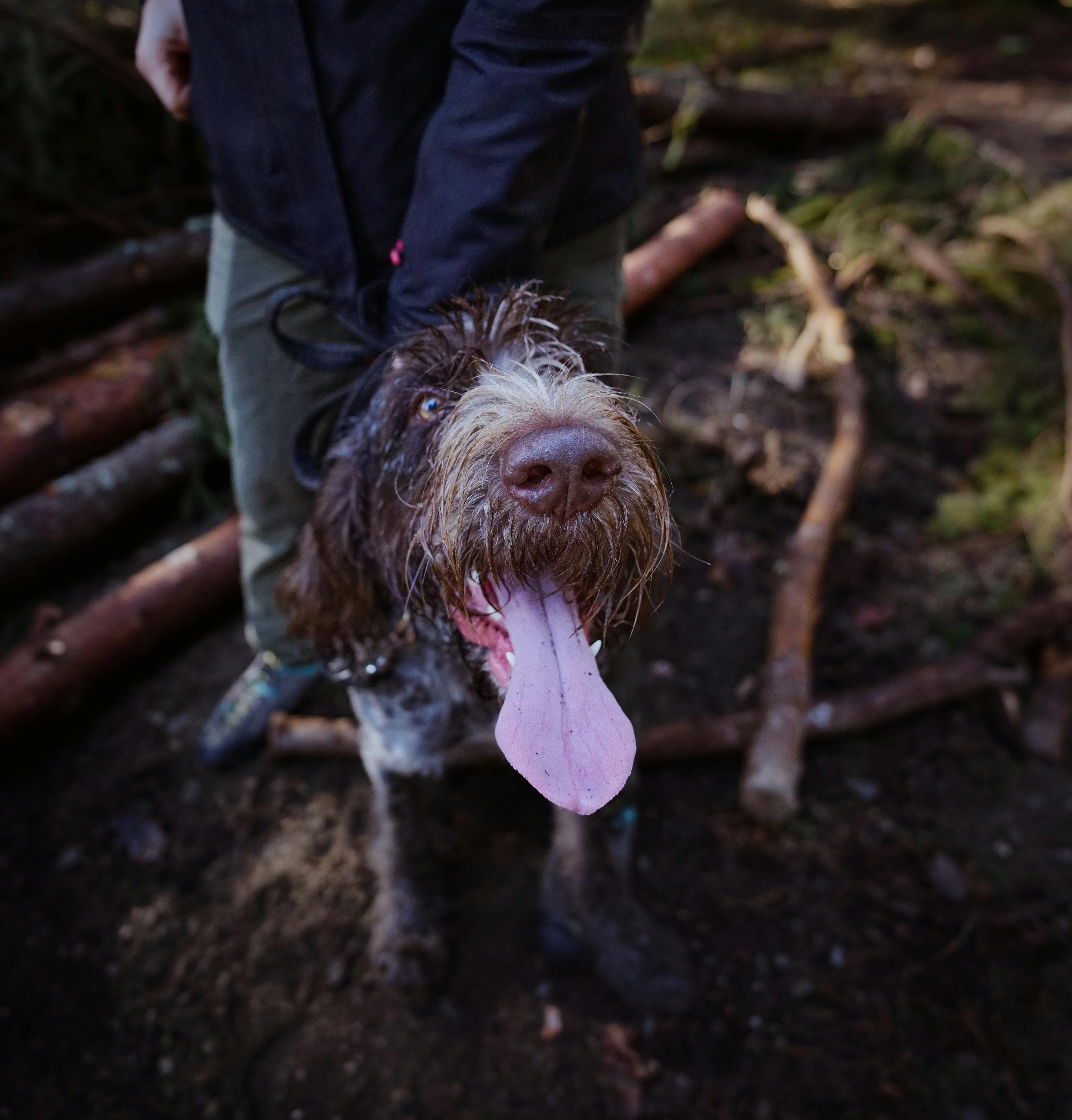 \n\n
\n\nWhen it comes to our furry friends, there are many fascinating things that we might not understand fully. One of the most intriguing aspects of dogs is their noses, especially why they are often wet. If you've ever wondered, "Why do dogs have wet noses?", you're not alone. There are several myths surrounding this topic, and we're here to debunk 10 common ones while exploring the fascinating science behind those moist canine snouts.
\n1. Myth: Wet Noses Mean Dogs Are Healthy
\nMany people think that a wet nose is a sign of good health in dogs. While a wet nose can indicate hydration, it doesn't always mean the dog is healthy. Dogs can have wet noses and still be sick. A dog’s nose temperature and moisture level can change based on environment, temperature, and activity level.
\n2. Myth: A Wet Nose Is Always a Good Sign
\nA wet nose doesn't guarantee a happy pup. Sometimes, a dog may have a wet nose due to allergies or infections. It's essential to look at other signs of health, like their energy levels and appetite, rather than just focusing on the nose.
\n3. Myth: Dogs' Noses Are Wet Because They Sweat
\nThis is a common misconception. Dogs do not sweat through their noses! They primarily regulate their body temperature through panting. Their noses stay moist due to the secretion of mucus and saliva. This moisture helps to enhance their sense of smell.
\n4. Myth: Dogs' Noses Are Always Wet
\nWhile many dogs have wet noses, it's not universal. Some dogs can have dry noses, and this can be normal for them. Factors like breed, climate, and health can all affect a dog's nose moisture. For instance, bulldogs or pugs may have drier noses compared to other breeds.
\n5. Myth: A Wet Nose Means the Dog Is Anxious
\nSome believe that a wet nose indicates that a dog is anxious or stressed. However, a dog’s nose can be wet for many reasons, including recent drinking or being outside. Observing their body language and behavior is a better way to gauge their emotional state.
\n6. Myth: All Dogs Have the Same Nose Temperature
\nNot all dog noses are created equal! The temperature of a dog's nose can vary greatly based on various factors. For example, a dog that just woke up may have a cooler nose than one who has been playing outside.
\n7. Myth: Wet Noses Are a Sign of Love
\nMany dog owners think that their dog’s wet nose is a way of expressing affection. While dogs do use their noses to explore their environment and connect with their humans, the wetness is not a direct sign of love. It’s merely a physiological trait.
\n8. Myth: Dogs With Wet Noses Are More Affectionate
\nThis myth suggests that dogs with wetter noses are more loving than those with drier noses. This is not true; a dog’s personality is determined by its upbringing, breed, and socialization rather than the wetness of its nose.
\n9. Myth: Wet Noses Are More Susceptible to Sunburn
\nWhile it is true that a dog’s nose can sunburn, this isn't necessarily linked to the moisture of the nose. Dogs with light-colored noses are more prone to sunburn, regardless of wetness. It's important to protect your dog from excessive sun exposure, especially during peak hours.
\n10. Myth: Dogs Can't Smell Well If Their Noses Are Dry
\nMany people believe that a dry nose can indicate a lack of smell. This isn’t always accurate! Dogs can have a dry nose and still have an excellent sense of smell. Their olfactory abilities are more about the structure of the nose than its moisture level.
\nWhy Do Dogs Have Wet Noses?
\nNow that we've debunked these myths, let’s explore why dogs have wet noses in the first place. A wet nose serves several purposes:
\n- \n
- Enhanced Smell: The moisture helps capture scent particles, improving their ability to smell. \n
- Cooling Mechanism: It helps with thermoregulation, keeping dogs cool when they are active. \n
- Communication Tool: Dogs use their noses to communicate and gather information about their environment. \n
Understanding these facts can help pet owners better care for their dogs. It's essential to monitor their overall health and behavior rather than just focusing on their noses.
\nDogs are fascinating creatures with unique traits that make them special companions. Embracing their quirks, like their wet noses, adds to the joy of having a pet. Whether your dog’s nose is wet or dry, what truly matters is the love and bond you share. Remember, each dog is unique, and their health should be assessed holistically!
\n\nCan Weather Affect Your Dog’s Nose Moisture? Discover the Surprising Truth!
\n\n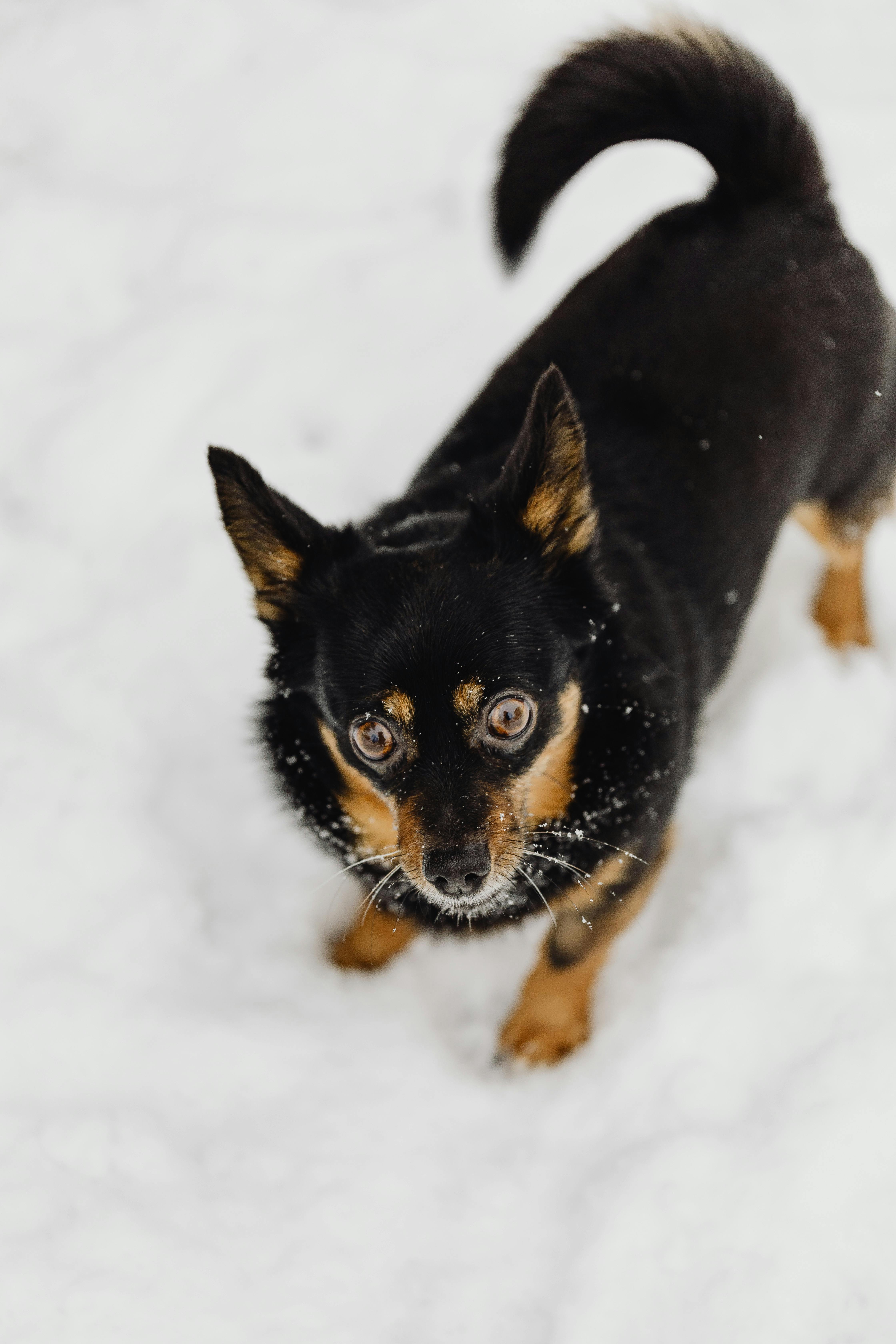 \n\n
\n\nMany dog owners often wonder about their pets’ wet noses. It seems like a small detail, but it’s actually quite fascinating! Have you ever noticed how your dog’s nose can change from wet to dry depending on the weather? This leads us to an interesting question: Can weather affect your dog’s nose moisture? Let’s dive into this topic and uncover some surprising truths about why dogs have wet noses!
\nWhy Do Dogs Have Wet Noses?
\nDogs have wet noses for several reasons, and they all play important parts in a dog’s health and well-being. Here are some main points to consider:
\n- \n
- \n
Temperature Regulation: A dog’s nose helps regulate their body temperature. When they are panting or feeling hot, the moisture on their nose can help cool them down. It’s like their own personal air conditioning system!
\n \n - \n
Enhanced Sense of Smell: Dogs have an incredible sense of smell, and a moist nose can actually heighten this ability. The wetness helps to capture scent particles, making it easier for dogs to detect and identify different smells.
\n \n - \n
Health Indicator: A dog’s nose moisture can also be an indicator of their health. Generally, a wet and cool nose is seen as a sign of good health, while a dry and warm nose could suggest illness. However, this is not always the case, as many factors influence nose moisture.
\n \n
Can Weather Affect Your Dog’s Nose Moisture?
\nYes, indeed! Weather plays a significant role in your dog’s nose moisture levels. Here’s how different weather conditions can impact that:
\n- \n
- \n
Hot Weather: On hot days, you might notice your dog’s nose getting drier. This is because, in the heat, dogs tend to lose moisture faster. They might be panting more, which can lead to a dry nose.
\n \n - \n
Cold Weather: In colder temperatures, you might see your dog’s nose staying wet. Some dogs’ noses tend to be more moist during winter, as they may not be as active, and their body temperature remains stable. But in extreme cold, noses can also become chapped or dry.
\n \n - \n
Humidity Levels: High humidity can keep a dog’s nose moist for longer periods. Conversely, in dry climates, your dog’s nose may become drier.
\n \n - \n
Rainy Days: Rain can also keep a dog’s nose wet, as they may get moisture from the environment. Plus, dogs tend to enjoy splashing in puddles, which adds to the wetness.
\n \n
Fascinating Facts About Dog Noses
\nLet’s explore some cool facts about dog noses that you might not know:
\n- \n
- \n
Unique Patterns: Just like human fingerprints, every dog’s nose print is unique. This means that each dog has a distinct nose pattern!
\n \n - \n
Sense of Smell: Dogs have around 300 million scent receptors in their noses, compared to about 6 million in humans. This is why dogs are often used in search-and-rescue missions.
\n \n - \n
Nose Temperature: The temperature of a dog’s nose can vary. A cool nose is often a sign of a healthy dog, but some dogs naturally have warmer noses.
\n \n - \n
Licking Their Noses: Dogs lick their noses often to keep them moist. This behavior also helps them taste the scents they pick up.
\n \n
Practical Tips for Dog Owners
\nHere are some practical tips for keeping your dog’s nose healthy:
\n- \n
- \n
Hydration: Always ensure your dog has access to fresh water. Hydration helps keep their nose moist.
\n \n - \n
Check for Cracks: Inspect your dog’s nose regularly for any cracks or dryness. If you see anything unusual, consult your vet.
\n \n - \n
Protect in Extreme Weather: In harsh weather conditions, consider using a nose balm to protect against dryness or cracking.
\n \n - \n
Avoid Overheating: On hot days, make sure to keep your dog cool and avoid prolonged exposure to heat.
\n \n - \n
Regular Vet Visits: Regular check-ups with your vet can help monitor your dog’s overall health and nose condition.
\n \n
In summary, while your dog's wet nose may seem like a simple characteristic, it's actually a complex subject influenced by various factors, including weather. Understanding how these elements interact helps ensure your furry friend stays healthy and comfortable. So the next time you notice your dog's nose changing, you'll know there's more to it than just a wet or dry surface!
\n\nWet Noses and Dog Behavior: How Your Pup's Nose Can Reflect Their Mood
\n\n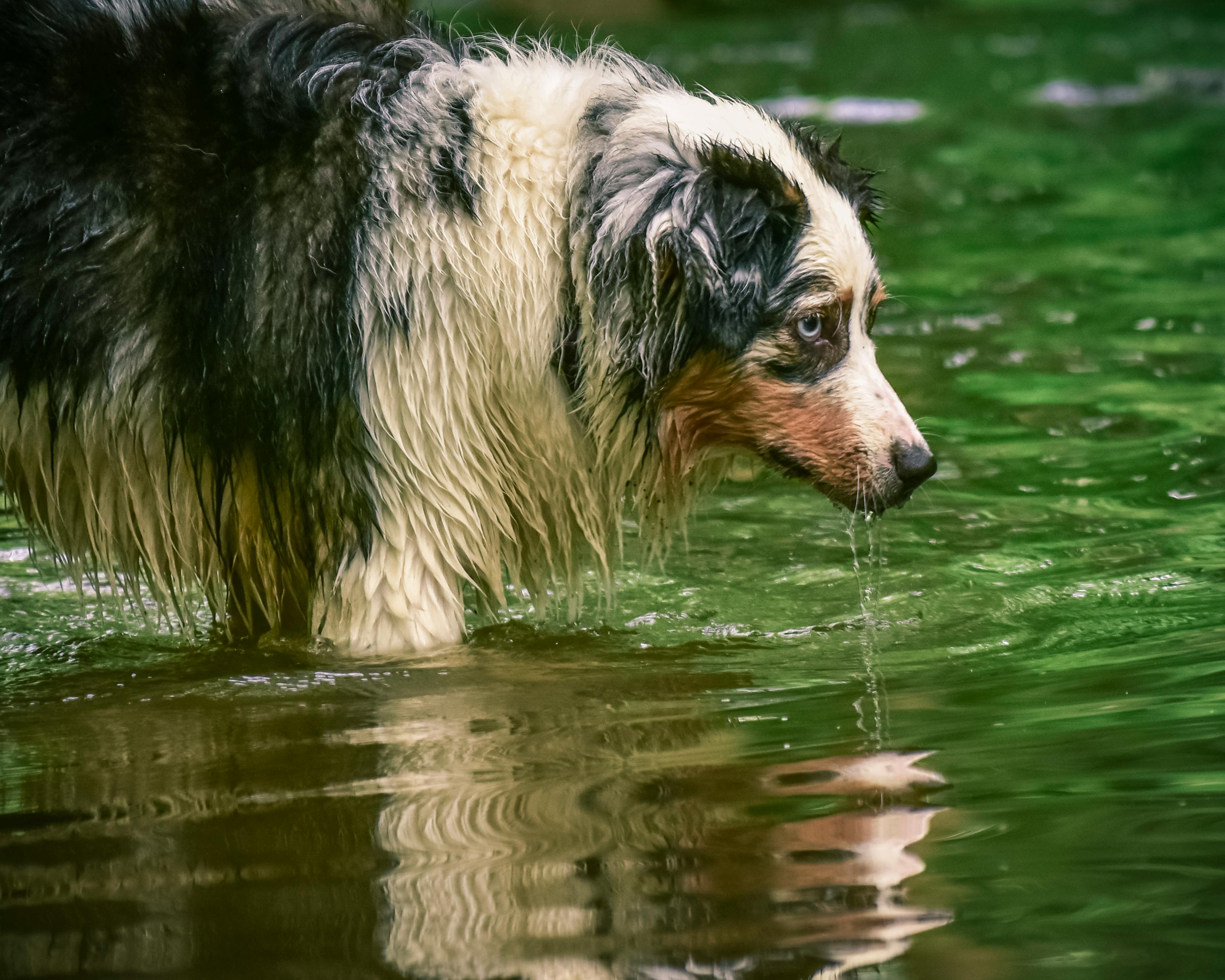 \n\n
\n\nWhen you look at your beloved dog, you might notice their nose is often wet, and this isn’t just a random thing. The moisture on your pup’s nose can tell you a lot about how they feel, what they’re doing, and even their health. So, why do dogs have wet noses? There’s actually fascinating science behind it, and understanding this can deepen your bond with your furry friend.
\nThe Anatomy of a Dog's Nose
\nDogs have wet noses mainly because of their anatomy. The surface of a dog’s nose is covered with a thin layer of mucus. This mucus helps to enhance their sense of smell, which is already incredibly powerful. Did you know that a dog's sense of smell is about 40 times better than a human's? This wetness helps to capture scent particles in the air, making it easier for them to detect odors.
\n- \n
- Moisture Production: Dogs have specialized glands in their noses that produce this moisture. \n
- Temperature Regulation: A wet nose helps to cool a dog down, acting like a natural air conditioner. \n
- Scent Detection: The dampness on their noses collects scent particles, allowing better olfactory function. \n
How Your Dog's Nose Reflects Their Mood
\nYour dog’s nose can be a window into their emotions and health. Different states of their nose can indicate various feelings or conditions.
\n- \n
- Wet and Cool: This usually means your pup is relaxed and healthy. \n
- Dry or Warm: A dry nose might indicate stress, anxiety, or even illness. \n
- Cracked or Chapped: This can suggest dehydration or allergies, and might need a vet’s attention. \n
Historical Context of Dogs' Noses
\nThroughout history, dogs have been known for their remarkable sense of smell. In ancient times, dogs were used for hunting and tracking due to their incredible olfactory skills. Their wet noses were likely one of the factors that helped them excel in these roles.
\n- \n
- Hunting Companions: Early humans relied on dogs to track game. \n
- Service Animals: Today, dogs are trained to detect drugs, explosives, and even certain diseases in humans thanks to their amazing sense of smell. \n
Comparing Dog Noses to Human Noses
\nLet’s take a look at how dog noses compare to human noses, shall we?
\n| Feature | \nDog Noses | \nHuman Noses | \n
|---|---|---|
| Sense of Smell | \n10,000 to 100,000 times better | \nLimited compared to dogs | \n
| Moisture | \nAlways moist for scent capture | \nGenerally dry | \n
| Purpose | \nScent detection | \nBreathing and filtering air | \n
| Temperature Regulation | \nNaturally cool | \nLess effective | \n
Practical Examples of Nose Behavior
\nYou might wonder how to interpret your dog’s nose behavior in everyday situations. Here’s a quick list of scenarios:
\n- \n
- Greeting You: When you come home, if your dog’s nose is wet and cool, they are likely excited and happy to see you. \n
- During Playtime: If they are running around with a wet nose, they’re probably having a blast! \n
- When They’re Sick: A warm, dry nose might be a sign that it’s time to visit the vet. \n
Final Thoughts
\nUnderstanding why do dogs have wet noses and the significance of their nose's condition can help you better understand and care for your furry friend. Their noses are not just charming features; they are essential tools for communication, emotion, and health. Keep an eye on your dog’s nose and what it can tell you. It can be a fascinating insight into their world and how they’re feeling, creating a deeper connection between you and your pup. So, the next time you see your dog, give their wet nose a little nuzzle; it might just be the beginning of a deeper understanding of their needs and emotions.
\n\nCaring for Your Dog's Nose: Tips for Maintaining Optimal Moisture Levels
\n\n\n\nCaring for Your Dog's Nose: Tips for Maintaining Optimal Moisture Levels, Why Do Dogs Have Wet Noses? Discover This Fascinating Secret!
\nHave you ever wondered why dogs have wet noses? It’s one of those quirky things that make our furry friends so special. But more than just a cute feature, a dog’s nose play important roles in their health and well-being. Understanding how to maintain optimal moisture levels in your pup's snout is crucial. So let’s dive in and explore the fascinating world of dog noses!
\nWhy Do Dogs Have Wet Noses?
\nDogs noses are typically wet for several reasons. The moisture helps enhance their sense of smell. Yes, dogs have extraordinary olfactory abilities, and a wet nose improves their ability to pick up scents. Here’s some facts on why this happens:
\n- \n
- Scent Detection: The wetness on a dog's nose helps trap scent particles, making it easier for them to smell. A dry nose can mean they might not smell as effectively. \n
- Temperature Regulation: Dogs don’t sweat like humans do. Instead, they rely on their noses to help regulate body temperature. The moisture evaporates, cooling them down. \n
- Health Indicator: A dog’s nose can also indicate their health status. If your dog's nose is suddenly dry or cracked, it may be a sign of dehydration or illness. \n
Keeping Your Dog’s Nose Moist
\nMaintaining optimal moisture levels in your dog’s nose is important, but it’s not always easy. Here are some practical tips to help you keep your pup's snout in top shape:
\n- \n
- \n
Hydration is Key: Always provide fresh water. Dehydration can lead to dryness in your dog’s nose. Make sure your dog drinks enough water, especially during hot weather or after exercise.
\n \n - \n
Use Nose Balm: There are many products available specifically designed for dog noses. These balms can help to keep their noses moist and healthy. Look for natural ingredients like coconut oil or shea butter.
\n \n - \n
Humidify the Air: During winter months, indoor air can get really dry. A humidifier can help maintain moisture in the air, which benefits your dog's nose too.
\n \n - \n
Regular Vet Check-ups: Routine visits to the vet can help ensure your dog’s overall health. If you notice persistent dryness or cracks, it might be time for a check-up.
\n \n - \n
Keep it Clean: Gently clean your dog’s nose with a damp cloth. This can help remove dirt and debris that might irritate their skin.
\n \n - \n
Avoid Sunburn: If your dog has a light-colored or thin coat, their nose can get sunburned. Consider using dog-safe sunscreen when they’re outside for extended periods.
\n \n
What Does a Dog’s Dry Nose Mean?
\nA dry nose isn’t always a cause for alarm. However, it’s important to know when to be concerned. Here are some possible reasons for a dry nose:
\n- \n
- Dehydration: Make sure your dog is drinking enough water. \n
- Allergies: Pollen and other allergens can cause dry noses. \n
- Infection: If there are other symptoms like swelling or discharge, consult your vet. \n
- Environmental Factors: Dry air, especially in winter, can lead to dry noses. \n
Comparing Dog Nose Types
\nDifferent breeds can have different types of noses, and understanding this can help you care for your dog better. Here’s a quick comparison:
\n| Breed Type | \nNose Type | \nMoisture Level | \n
|---|---|---|
| Short-snouted | \nBrachycephalic noses | \nMore prone to dryness due to shape | \n
| Long-snouted | \nDolichocephalic noses | \nGenerally retain moisture better | \n
| Flat-faced | \nMesocephalic noses | \nCan have issues with regulating moisture | \n
Fun Facts About Dog Noses
\n- \n
- Dogs have about 300 million smell receptors in their noses, compared to about 5 million in humans! \n
- The texture of a dog’s nose is unique, much like a human fingerprint. \n
- Dogs can even detect certain diseases, including cancer, just by smelling! \n
Understanding your dog’s nose and how to care for it can greatly improve their quality of life. If you notice any changes in your dog’s nose, such as persistent dryness or irritation, don’t hesitate to contact your veterinarian. Your pup depends on you for their health and happiness, including their adorable, wet nose! So, keep those noses moist and enjoy the special bond you share with your furry friend.
\n\nConclusion
\n\nIn conclusion, the wet noses of dogs serve several important functions, including enhancing their sense of smell, regulating body temperature, and facilitating communication with other animals. The moisture on a dog’s nose helps to capture scent particles, making their already impressive olfactory abilities even more effective. Additionally, the cooling effect of a damp nose plays a crucial role in thermoregulation, especially for breeds susceptible to overheating. Finally, a wet nose can be an indicator of a dog's health, signaling hydration levels or potential illness. Understanding these aspects not only highlights the fascinating biology of our canine companions but also deepens our appreciation for them. So, the next time you greet your furry friend, take a moment to marvel at their wet nose and remember the vital roles it plays. Consider sharing this knowledge with fellow dog lovers or even your veterinarian to foster discussions about dog health and well-being.
\n\n