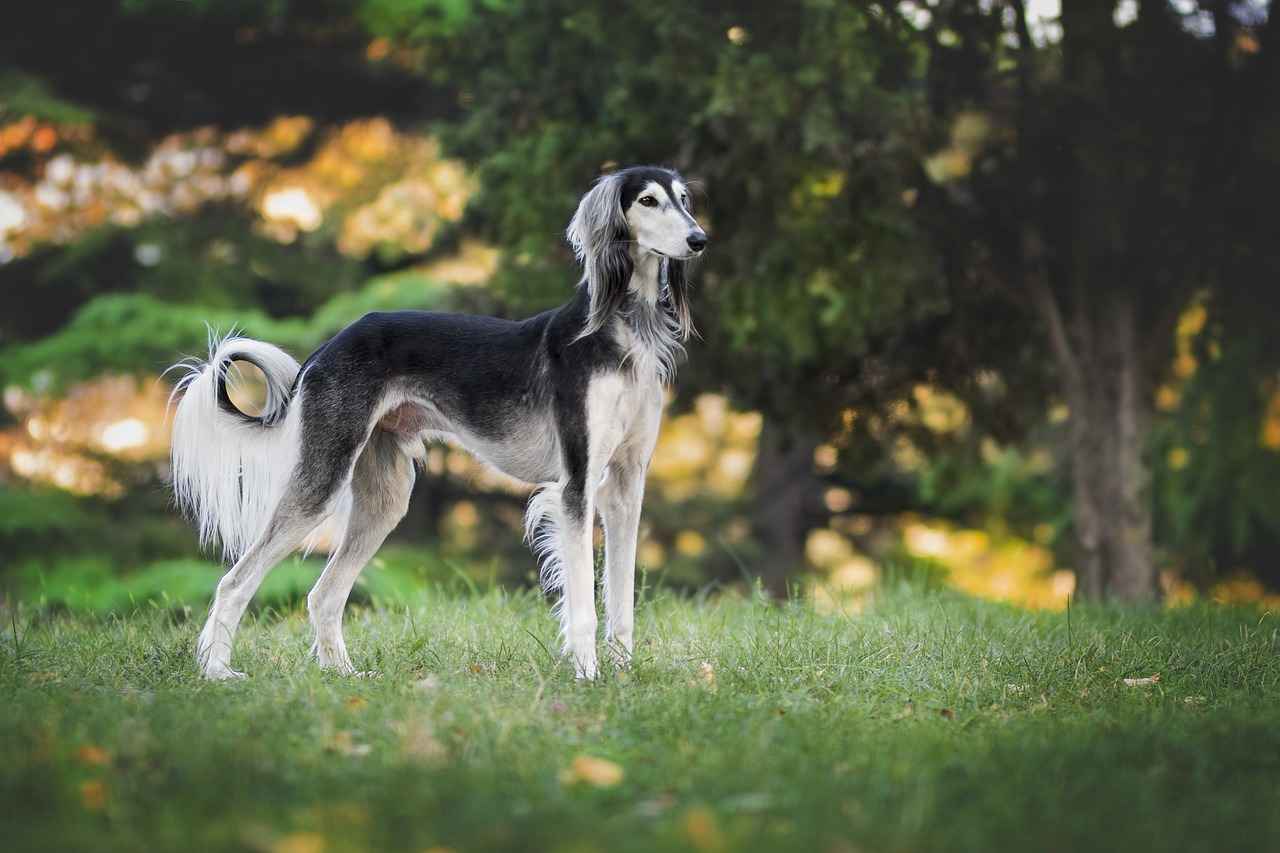
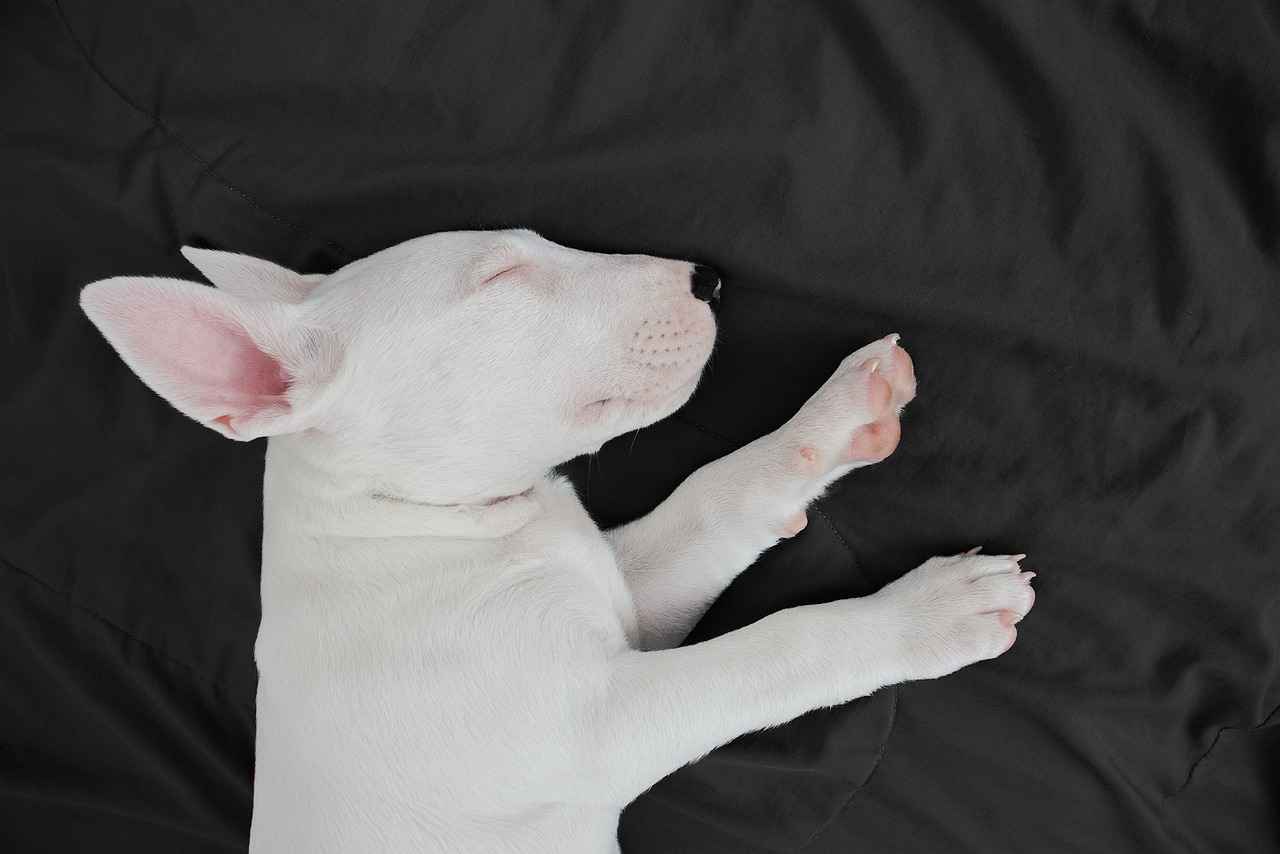
Have you ever wonderd why do dogs have wet noses? This fascinating secret can reveal much about your furry friend’s health and behavior. A dog’s wet nose is not just an endearing feature; it plays a crucial role in their sense of smell and overall well-being. But what makes their noses so moist? Is it just a quirky trait or something more significant? In this article, we will explore the science behind why do dogs have wet noses, uncovering the reasons that contribute to this unique characteristic. Did you know that a dog's sense of smell is about 10,000 to 100,000 times better than ours? This extraordinary ability is partly thanks to the moisture on their noses, which enhances their olfactory receptors. Furthermore, a wet nose can also indicate your pet's health status. So, next time you pet your dog and feel that cool, damp nose, you might just be touching the key to their health and happiness. Curious to learn more about this intriguing topic? Stay tuned as we delve into the secrets of our canine companions' wet noses and what they mean for you and your beloved pet!
\n\nThe Science Behind Wet Noses: Why Are Dogs Always Moist?
\n\n \n\n
\n\nDogs have been known for their unique characteristics, but one of the most interesting features is their wet noses. If you've ever wondered, "Why do dogs have wet noses?" you're not alone. This peculiar trait has intrigued pet owners and scientists alike for ages. In this article, we will explore the science behind wet noses, and explain why dogs always seem to be moist.
\nThe Function of a Dog's Nose
\nA dog's nose serves several important functions. The moisture on a dog's nose plays a crucial role in their sense of smell. When their noses are wet, it helps to capture scent particles from the air. This moisture allows the olfactory receptors in their noses to work more effectively. Dogs actually have a sense of smell that is up to 100,000 times more sensitive than humans, and the wetness enhances this ability.
\n- \n
- Helps capture scent particles \n
- Improves olfactory function \n
- Aids in temperature regulation \n
How Dogs Keep Their Noses Moist
\nDogs have a few ways to keep their noses moist. One of the primary reasons for their wet noses is the secretion of mucus. This mucus comes from specialized glands located in the nasal passages. Additionally, dogs often lick their noses, which spreads saliva and keeps them damp.
\n- \n
- Mucus glands: These glands continuously produce moisture. \n
- Licking: Dogs frequently lick their noses, adding saliva. \n
- Environmental factors: Humidity and temperature can also affect nose moisture. \n
The Benefits of a Wet Nose
\nA wet nose is not just a quirky characteristic; it also provides several benefits. Here’s a quick overview:
\n- \n
- Enhanced Smell: As mentioned earlier, moisture helps capture scent particles. The more moist the nose, the better the dog's ability to smell. \n
- Temperature Regulation: Just like humans sweat to cool down, dogs can regulate their body temperature through their noses. \n
- Health Indicator: A wet, cold nose usually indicates a healthy dog. Conversely, a dry or warm nose may signal illness or dehydration. \n
Common Myths About Wet Noses
\nThere are many myths surrounding the wet noses of dogs. Some of these include:
\n- \n
- Myth 1: A warm nose means a dog is sick. \n
- Myth 2: Dogs only have wet noses when they’re happy. \n
- Myth 3: Only certain breeds have wet noses. \n
In reality, while a warm nose can sometimes indicate illness, it’s not a definitive sign. Dogs can have varied nose temperatures based on the environment, activity level, and even time of day.
\nHistorical Context
\nHistorically, the wet nose phenomenon has been noted for centuries. Ancient civilizations, including the Egyptians and Greeks, recognized the importance of a dog’s sense of smell. They often used dogs for hunting and tracking because of their impressive olfactory capabilities. Over time, as dogs became more domesticated, their noses remained an important part of their biology.
\nFun Facts About Dog Noses
\n- \n
- Each dog’s noseprint is unique, much like a human fingerprint. \n
- Dogs have more olfactory receptors than humans; about 300 million compared to our 5 million. \n
- The wetness of a dog’s nose can change throughout the day based on various factors like activity, temperature, and humidity. \n
What to Do If Your Dog’s Nose is Dry
\nIf you notice your dog's nose is dry or cracked, it might not always be a cause for concern. However, it can indicate dehydration, sunburn, or even allergies. Here are a few tips to help if you find yourself in this situation:
\n- \n
- Ensure Hydration: Make sure your dog has access to fresh water at all times. \n
- Limit Sun Exposure: Just like humans, dogs can get sunburned. Use pet-safe sunscreen if your dog spends a lot of time in the sun. \n
- Consult a Vet: If the dryness persists, it might be best to consult with a veterinarian. \n
The Importance of Regular Vet Check-ups
\nRegular check-ups with a veterinarian can help ensure that your dog stays healthy. During these visits, you can discuss any concerns you have, including the condition of your dog’s nose. A moist nose is usually a good sign, but keeping an eye on other health indicators is just as important.
\nThe science behind wet noses is fascinating, revealing just how remarkable dogs really are. Their moist noses not only enhance their sense of smell but also serve as a health indicator and a means of temperature regulation. Understanding why dogs have wet noses can deepen your appreciation for these loyal companions and their unique biology. So, next time you pet your furry friend, take a moment to admire that wet nose and all the functions it serves!
\n\n5 Fascinating Reasons Your Dog’s Nose Is Wet: Nature’s Design Revealed
\n\n \n\n
\n\nHave you ever wonder why your dog’s nose is always wet? It’s one of those curious things that many dog owners maybe never really think about. But, there’s actually some fascinating reasons behind this unique trait. In this article, we gonna explore five intriguing reasons why do dogs have wet noses, shedding light on how nature designed them this way. So, let’s dive right in!
\n1. Enhances Smell Sensation
\nOne of the most important reasons why dogs have wet noses is that it helps them smell better. Dogs have an incredible sense of smell, which is about 10,000 to 100,000 times more sensitive than humans. The moisture on their noses capture scent particles from the air, making it easier for them to detect and identify different smells. When the nose is wet, it can absorb more scent molecules, thus allowing dogs to experience their world in a way we can’t even imagine.
\n2. Thermoregulation
\nDid you know that dogs sweat very little? Unlike humans, who cool off primarily through sweating, dogs rely on other methods to regulate their body temperature. One of these ways is through their noses. The moisture on their noses evaporates, helping to cool down their bodies. When you see your dog’s nose is wet, it means they might be working to maintain a comfortable temperature. In hot weather, this can be crucial for their health.
\n3. Protection and Health Indicator
\nA wet nose can also serve as a protective barrier. The moisture on a dog’s nose can help defend against harmful bacteria and viruses. It creates a barrier that traps dirt and debris, keeping the nasal passages clean. Furthermore, a wet nose is often a sign of a healthy dog. If your dog’s nose becomes dry or cracked, it could indicate dehydration or illness. Regularly checking the moisture of your dog’s nose can be a good way to monitor their overall health.
\n4. Social Interaction
\nBelieve it or not, a wet nose can play a role in social interaction among dogs. Dogs often greet each other by sniffing each other’s noses and bodies. The wetness can make this process more effective, as it allows them to pick up on pheromones and other scents that provide information about each other. This is how dogs communicate and learn about their environment. It’s kinda like a handshake among humans, but much more informative!
\n5. Evolutionary Advantage
\nFrom an evolutionary perspective, having a wet nose may have provided dogs with significant advantages. An ancestor of modern-day dogs needed to hunt and survive in various environments. A wet nose helped enhance their hunting skills, allowing them to track scents more accurately. This ability to smell better not only helped them hunt for food but also kept them safe from predators, ensuring better chances of survival.
\nQuick Summary
\nHere’s a quick summary of the reasons why dogs have wet noses:
\n- \n
- Enhances Smell Sensation: Better scent absorption for superior smell capabilities. \n
- Thermoregulation: Evaporation of moisture helps cool their bodies. \n
- Protection and Health Indicator: Traps dirt and indicates health status. \n
- Social Interaction: Facilitates communication and bonding with other dogs. \n
- Evolutionary Advantage: Aids in hunting and survival. \n
Now that we’ve explored these interesting facts about your dog’s nose, let’s look at some common questions that dog owners often have.
\nCommon Questions
\n- \n
- \n
How can I tell if my dog is dehydrated?\nLook for a dry nose, lethargy, or a decrease in appetite. If you suspect dehydration, consult your vet.
\n \n - \n
Is it normal for my dog’s nose to be dry sometimes?\nYes, it can be normal, especially after sleeping. However, persistent dryness may require a vet’s attention.
\n \n - \n
What should I do if my dog’s nose is excessively dry or cracked?\nMonitor for other symptoms and consult a veterinarian if the problem persists.
\n \n
Understanding your dog’s biology can strengthen your bond and help you take better care of your furry friend. The wet nose is just one of those fascinating features that remind us of how uniquely designed our pets are. So next time you see your dog’s wet nose, you can appreciate the evolutionary marvel it represents!
\n\nIs a Wet Nose a Sign of a Healthy Dog? Understanding Canine Health Indicators
\n\n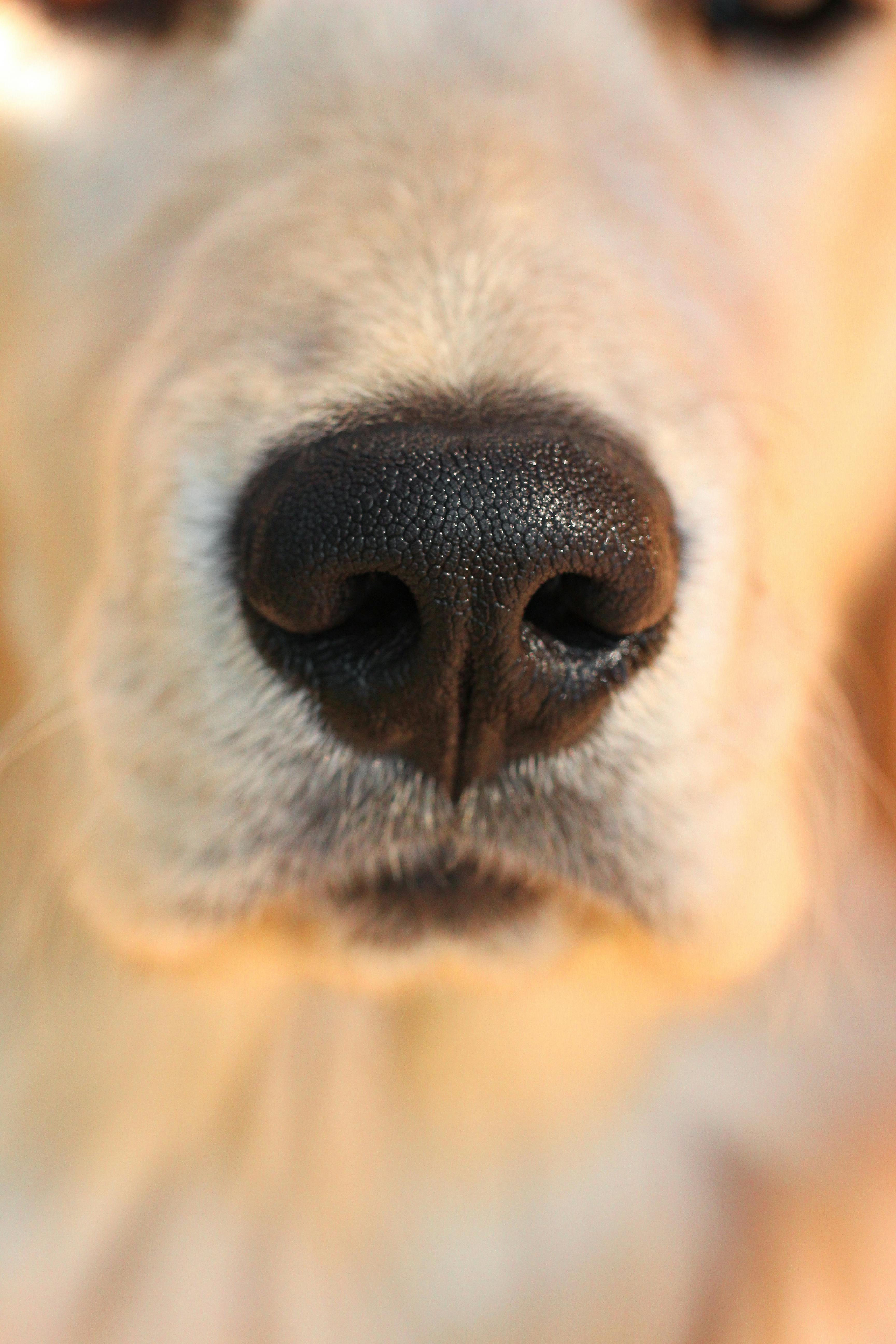 \n\n
\n\nWhen we think about our furry friends, one of the first things that come to mind is their cute, wet noses. But, is a wet nose a sign of a healthy dog? Many dog owners often wonder about this and what it really means for canine health. Understanding canine health indicators is crucial for any dog lover. So, let’s dive into the fascinating secret behind why do dogs have wet noses and what it indicates about their health.
\nThe Science Behind Wet Noses
\nDogs have wet noses for a few reasons. First of all, the moisture helps them to sense their environment better. Dogs have an incredible sense of smell, and a damp nose can enhance their ability to pick up scents. The moisture on their nose also helps cool them down. Unlike humans, dogs don’t sweat through their skin. Instead, they rely on panting and the evaporation of moisture from their noses to regulate their body temperature.
\nIn addition to that, a dog's nose secretes mucus, which helps to trap scent particles. The wetness on their nose keeps these particles close to the skin, making it easier for dogs to analyze smells. So, when you see your dog sniffing around, remember that their wet nose plays a role in this sensory experience.
\nIs a Wet Nose Always a Good Sign?
\nWhile a wet nose is often associated with a healthy dog, it’s not the only indicator of health. Here are some points to consider:
\n- \n
- Temperature: A dog’s nose can be warm or dry when they are sick. However, this isn't always the case. Some dogs naturally have warmer noses. \n
- Behavior: If a dog is lethargic, not eating, or showing changes in behavior, a wet nose may not be enough to indicate good health. \n
- Other Symptoms: Look for other signs like coughing, vomiting, or diarrhea. A wet nose alone can't tell you the whole story. \n
Common Canine Health Indicators
\nIt’s important to know that a dog’s health can be evaluated through several indicators beyond just their nose. Here’s a quick list of health signs to look for:
\n- \n
- Eyes: Clear, bright eyes usually indicate good health. Red or cloudy eyes may suggest problems. \n
- Ears: Healthy ears should be clean and free from odor. Any discharge or excessive scratching could mean an infection. \n
- Coat: A shiny, clean coat often means that a dog is healthy. Dull or patchy fur might indicate nutritional deficiencies or health issues. \n
- Breathing: Steady, calm breathing is a good sign. Labored or wheezy breathing may require veterinary attention. \n
- Appetite: A healthy dog usually has a good appetite. A sudden loss of interest in food can be concerning. \n
Why Do Dogs Have Wet Noses? The Evolutionary Perspective
\nHistorically, dogs evolved from wolves, and their wet noses are thought to be a trait passed down from their ancestors. Wolves also have wet noses, which help them hunt and survive in the wild. The evolutionary advantage of a moist nose is significant in tracking prey and navigating their environment. This trait has been preserved through domestication and remains a characteristic of our beloved pets today.
\nThe Role of Breed in Nose Moisture
\nNot all dogs have the same type of noses. Some breeds are known for having drier or wetter noses. For example:
\n- \n
- Bulldogs: Often have warmer and sometimes drier noses due to their unique facial structure. \n
- Labrador Retrievers: Typically have moist noses, which is common in many sporting breeds. \n
- Chihuahuas: May have varying moisture levels, but generally, they can have dry noses. \n
It’s important to note that individual differences can vary widely, and what’s normal for one dog may not be for another.
\nTips for Monitoring Your Dog’s Health
\n- \n
- Regular Vet Check-ups: Schedule annual visits to the vet to ensure your dog is healthy. \n
- Keep an Eye on Behavior: Watch for changes in energy levels or habits. \n
- Hydration: Make sure your dog has access to fresh water; hydration can affect nose moisture. \n
- Diet: Feed a balanced diet suitable for your dog’s breed and age. \n
In summary, while a wet nose can often indicate a healthy dog, it’s not the only factor to consider when assessing your pet's health. Keeping an eye on other signs and behaviors is essential. So, next time you see your dog with that cute, wet nose, remember it’s just one piece of the puzzle in understanding their overall wellbeing.
\n\nHow Do Dogs’ Wet Noses Enhance Their Sense of Smell? The Incredible Biology Explained
\n\n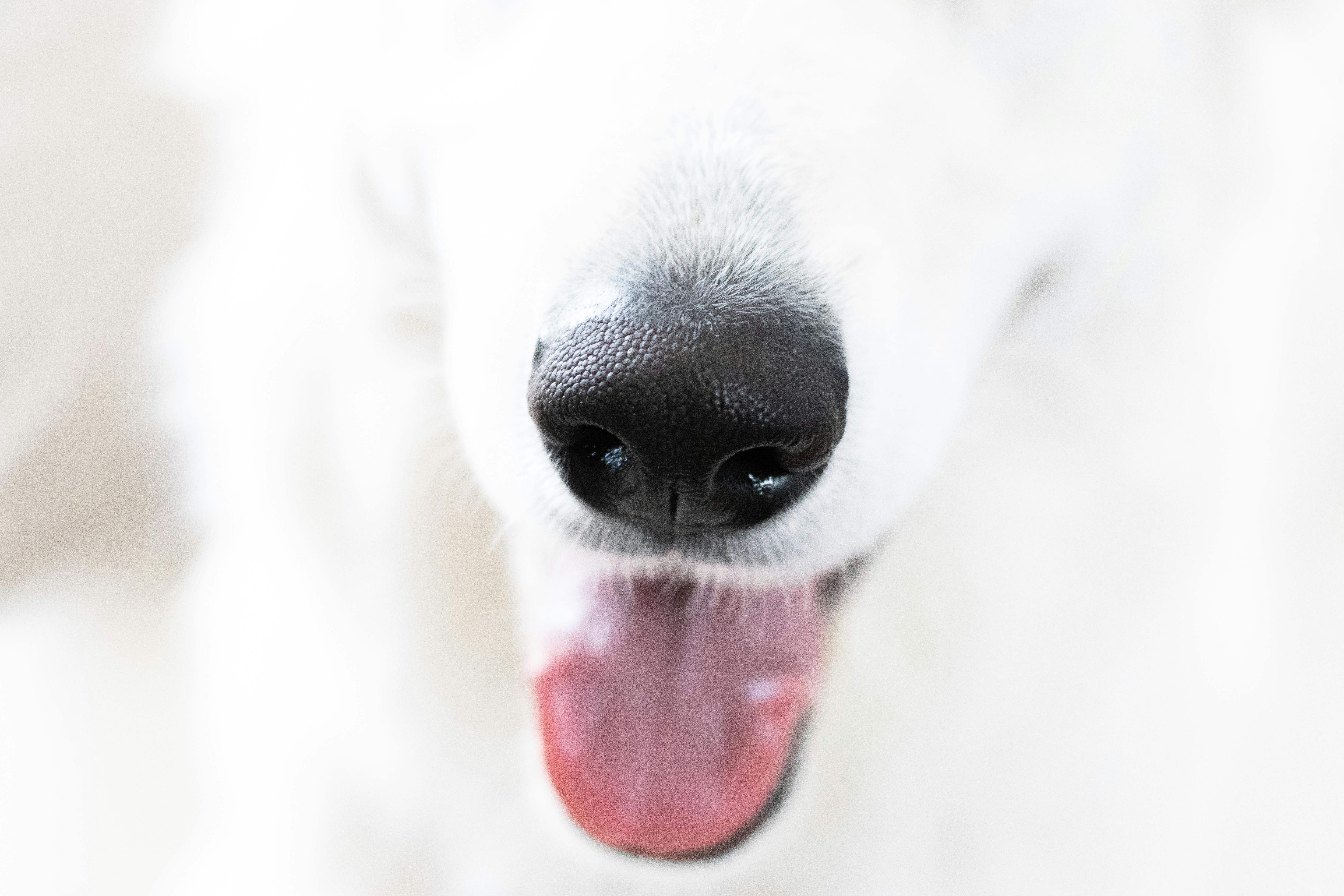 \n\n
\n\nDogs are truly amazing creatures, and one of the most fascinating things about them is their sense of smell. Have you ever wondered how do dogs’ wet noses enhance their sense of smell? Or why do dogs have wet noses in the first place? This article is gonna dive into the incredible biology behind this and uncover some secrets that many pet owners might not know.
\nThe Biology Behind Wet Noses
\nFirst off, let's talk about why dog noses are wet. The moisture on a dog’s nose plays a critical role in their ability to smell. When a dog's nose is wet, it helps to capture scent particles from the air. This is because moisture allows the scent molecules to dissolve better, which makes it easier for the olfactory receptors in their noses to pick them up. Dogs have a much larger number of these receptors compared to humans. While humans have about 5 million, dogs can have anywhere from 200 million to 300 million!
\nHow Moisture Enhances Smell
\nHere’s how the wetness works:
\n- \n
- Scent Capture: The wet surface of a dog’s nose captures more scent particles. This is similar to how a sponge absorbs water. \n
- Chemical Detection: Moisture helps in dissolving different kinds of chemical compounds, making it easier for dogs to detect smells. \n
- Temperature Regulation: A wet nose helps to cool down a dog’s body. This is important because dogs don't sweat like humans; they primarily rely on their noses for thermoregulation. \n
Historical Context and Evolution
\nHistorically, dogs’ sense of smell has been crucial for their survival. Ancestors of modern dogs used their noses for hunting and finding food. Over time, selective breeding has led to an enhancement in the olfactory abilities of different breeds. For instance, bloodhounds are known for their incredible tracking abilities, largely attributed to their highly developed sense of smell.
\n- \n
- Hunting and Tracking: Dogs were bred to help humans hunt. Their ability to smell prey from miles away was invaluable. \n
- Guarding and Protection: Dogs can smell intruders long before they arrive, alerting their owners to potential threats. \n
- Search and Rescue: In modern times, dogs are used in search and rescue missions thanks to their powerful noses. \n
Dogs vs. Humans: A Smell Comparison
\nLet’s break down how dogs and humans differ in their olfactory capabilities:
\n| Feature | \nHumans | \nDogs | \n
|---|---|---|
| Olfactory Receptors | \n~5 million | \n200-300 million | \n
| Ability to Detect Scents | \n1 in 1 trillion | \n1 in 100 trillion | \n
| Scent Detection Range | \nLimited | \nUp to several miles | \n
| Specialized Breeds | \nNone | \nMany (e.g., Bloodhounds, Beagles) | \n
As you can see, the differences are staggering. Dogs can detect scents that are nearly undetectable to us, making them invaluable partners in various fields, from law enforcement to medical detection.
\nPractical Examples of Dogs' Smelling Abilities
\nDogs' incredible sense of smell has led to some remarkable applications. Here are a few examples:
\n- \n
- Detection Dogs: Used in airports to sniff out drugs or explosives. They can identify specific scents amidst a sea of smells. \n
- Medical Detection: Some dogs can detect certain cancers or diseases through scent. This is because certain diseases produce unique compounds that dogs can smell. \n
- Therapy and Support: Dogs are also trained to help people with disabilities by using their sense of smell to detect changes in their owners' behavior or health. \n
Fascinating Facts About Dogs' Noses
\n- \n
- Dogs have a special organ called the Jacobsen's organ, which helps them process smells even better. \n
- The texture of a dog’s nose is unique, much like a human fingerprint. \n
- A dog's sense of smell can even be influenced by what they eat. Certain diets can enhance or dull their olfactory senses. \n
Understanding how do dogs’ wet noses enhance their sense of smell gives us a deeper appreciation for these loyal companions. The next time you see your dog sniffing around, remember that their wet nose is not just for show; it’s a powerful tool that connects them to the world in ways we can only begin to understand. The biology behind their noses is truly a marvel of nature, showcasing the incredible adaptations that have helped dogs thrive alongside humans for thousands of years.
\n\nWet Noses and Canine Communication: What Your Dog Is Trying to Tell You
\n\n \n\n
\n\nDogs are one of the most beloved pets around the world, and they communicate with us in ways that might not be obvious at first glance. For instance, have you ever wondered why do dogs have wet noses? It’s a question that many dog owners ask, and it turns out there’s more to this peculiar feature than meets the eye. Wet noses are not just a characteristic of dogs; it's a vital aspect of how they interact with the world and us.
\nThe Science Behind Wet Noses
\nA dog's nose is a fascinating organ. It's covered in a special kind of skin that helps them to smell. When a dog’s nose is wet, it helps to absorb scent molecules better. This means they can detect smells more effectively. Here are some interesting facts about why dog noses are wet:
\n- \n
- Scent Absorption: The moisture on a dog's nose helps to trap scent particles, making them easier to identify. \n
- Temperature Regulation: Wet noses can help dogs to cool down, as they don’t sweat like humans do. Instead, they regulate their body temperature through their nose and panting. \n
- Health Indicator: A wet nose is often seen as a sign of good health in dogs. If a dog's nose is dry, it can be an indicator of illness or dehydration. \n
What Your Dog Is Trying to Tell You
\nDogs communicate in various ways, and their noses are just one part of it. They may not speak, but their body language and behavior say a lot. Here’s how you can interpret what your furry friend is trying to convey:
\n- \n
- Sniffing Everything: When dogs sniff around, it's their way of gathering information about their environment. They learn who has been there, what other animals are nearby, and even their mood. \n
- Nose Nudging: If your dog nudges you with their nose, they might be asking for attention or to be let outside. It's a polite way to get your attention. \n
- Wet Noses and Affection: A cold, wet nose often means your dog is happy to see you. It’s their way of greeting you and showing affection. \n
The History of Canine Communication
\nDogs have been around us for thousands of years, and their communication with humans has evolved. Historically, dogs were bred for specific tasks like hunting or herding, which required them to develop unique communication styles. Here’s a brief timeline of how dogs and humans have interacted:
\n- \n
- Prehistoric Times: Dogs began to accompany humans, helping them in hunting. Early humans likely learned to interpret their gestures and sounds. \n
- Middle Ages: Dogs were trained for specific jobs. Communication became more refined as they worked closely with humans. \n
- Modern Era: Today, dogs are family members. They’ve adapted their communication to suit our lifestyles, using both vocalizations and body language. \n
Fun Facts About Dog Noses
\n- \n
- Each dog’s nose print is unique, much like human fingerprints. \n
- Dogs have about 220 million scent receptors in their noses, compared to about 5 million in humans. \n
- Some breeds, like Bloodhounds, have an exceptional sense of smell and can track scents over great distances, thanks to their wet noses. \n
How to Keep Your Dog’s Nose Healthy
\nA healthy nose is important for your dog's overall well-being. Here are some tips to ensure your dog’s nose remains in great condition:
\n- \n
- Hydration: Always provide fresh water. Dehydration can dry out your dog's nose. \n
- Regular Vet Check-ups: Regular visits to the vet can help identify any potential health issues. \n
- Avoid Irritants: Keep your dog away from strong chemicals or allergens that could affect their nose. \n
Comparing Dog Breeds and Their Noses
\nDifferent breeds can have varying nose types and sizes, which can affect their sense of smell and health. Here’s a simple comparison:
\n| Breed | \nNose Type | \nSmell Ability | \n
|---|---|---|
| Bloodhound | \nLong and moist | \nExceptional | \n
| Poodle | \nMedium and wet | \nGood | \n
| Bulldog | \nShort and wrinkled | \nFair | \n
| Dachshund | \nLong and wet | \nVery good | \n
Dogs are more than just pets; they are friends, companions, and often our family. Their wet noses are a mysterious yet fascinating part of their biology and communication. When you see that familiar wet nose, remember, it’s more than just a cute feature. It’s a window into what your dog is feeling and trying to express. Understanding these signals can strengthen the bond you share with your furry friend and enhance your overall relationship. So next time you see that wet nose, think of all the secrets it might be revealing!
\n\nThe Role of Temperature Regulation: Why Dogs’ Noses Are Wet and Cool
\n\n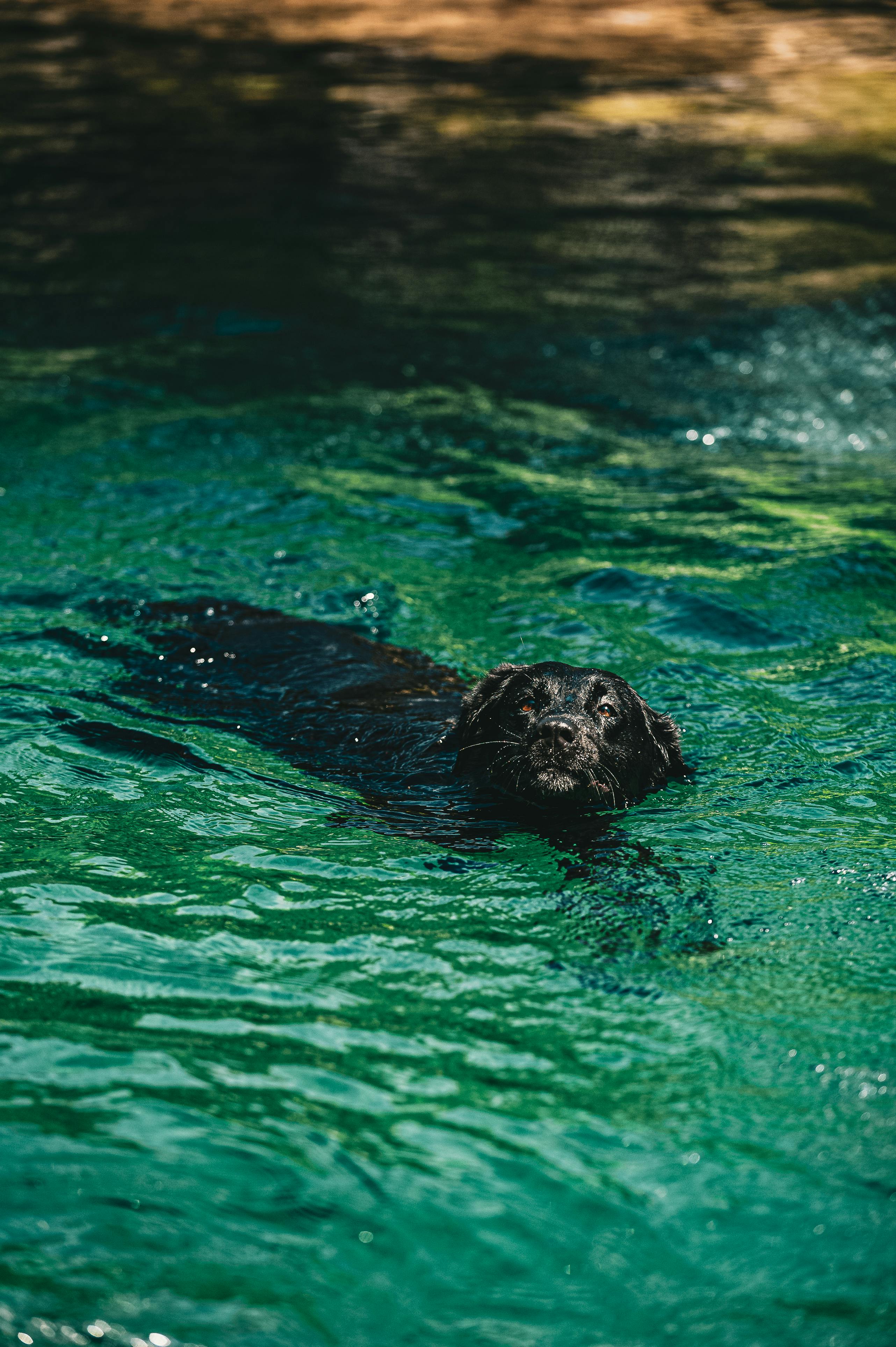 \n\n
\n\nDogs are amazing creatures with a bunch of unique traits that make them special companions. One of the most interesting characteristics of dogs is their noses. You might have notice that dogs have wet, cool noses, and you might be wondering, why do dogs have wet noses? The answer lies in their biology and how they regulate their body temperature. In this article, we will explore the fascinating secret behind why dogs' noses are wet and how that affects their health and behavior.
\nThe Science Behind Wet Noses
\nSo, first things first, why do dogs have wet noses? Well, it's primarily for temperature regulation. Dogs doesn’t sweat like humans do. Instead, they have a few methods to keep cool, and one of those methods involves their noses. A wet nose helps to dissipate heat. When a dog breathes, the moisture on the nose evaporates, which cools down their body temperature. This is super important, especially during hot weather.
\nNose Functions: More than Just Temperature Control
\nDogs' noses do lots of things, and it ain't just about keeping them cool. Here’s a list of functions that highlight the importance of that wet nose:
\n- \n
- Scent Detection: Dogs have an incredible sense of smell, and a wet nose helps to absorb scent chemicals better. The moisture can trap scent particles, making it easier for dogs to identify different smells. \n
- Health Indicator: The condition of a dog’s nose can signal their health. A dry or cracked nose might indicate dehydration or illness, while a wet nose is often a sign of a healthy dog. \n
- Social Interaction: Dogs often greet each other by sniffing noses. A wet nose can be more inviting and friendly, promoting social interaction among dogs. \n
Historical Context of Dogs’ Noses
\nDogs have been man's best friend for thousands of years, and their noses have evolved to be highly sensitive. Historically, dogs were bred for different tasks, like hunting, herding, and guarding. Their noses played a crucial role in their ability to perform these tasks. For instance, hunting dogs relied on their sense of smell to track and locate game. This has led to the evolution of breeds with even more sensitive noses, such as Bloodhounds and Beagles.
\nTemperature Regulation: How It Works
\nDogs' bodies operate at a different temperature than humans. The normal body temperature for a dog ranges between 100 to 102.5 degrees Fahrenheit. When they become overheated, their bodies must find a way to cool down. Here’s how the wet nose comes into play:
\n- \n
- Evaporative Cooling: Just like sweating in humans, evaporation of moisture from a dog’s nose helps cool their blood flow and body temperature. \n
- Respiratory Rate: Dogs also pant to cool down. Panting increases airflow and helps evaporate moisture from the tongue and nose. \n
- Heat Exchange: The surface area of a dog’s nose is quite large in relation to their body size, allowing for efficient heat exchange. \n
Fun Facts About Dogs’ Noses
\nThere’s more to discover about dogs’ noses! Here are some fun facts that you might not know:
\n- \n
- Unique Patterns: Just like human fingerprints, each dog’s nose print is unique. This can be used for identification. \n
- Temperature Sensitivity: A dog’s nose can detect temperature changes, which helps them sense their environment better. \n
- Breeds and Noses: Some breeds, like Bulldogs, have flatter noses which can affect their ability to cool down. \n
Tips for Dog Owners
\nTo ensure your dog stays healthy and their nose remains in good condition, consider the following:
\n- \n
- Hydration: Always provide fresh water for your dog, especially on hot days. \n
- Temperature Awareness: Keep an eye on your dog’s behavior during extreme weather. If they seem lethargic or are panting excessively, it might be time to cool them down. \n
- Regular Check-Ups: Regular vet visits can help catch any health issues related to your dog’s nose or overall wellness. \n
In summary, the wet and cool noses of dogs are not just cute quirks but serve important functions in their lives. From temperature regulation to enhancing their sense of smell, these features are vital for their health and interactions. So, next time you get a wet nose nuzzle from your furry friend, remember the incredible biology at work!
\n\nDiscover the Truth: Do Wet Noses Mean Your Dog Is Happy?
\n\n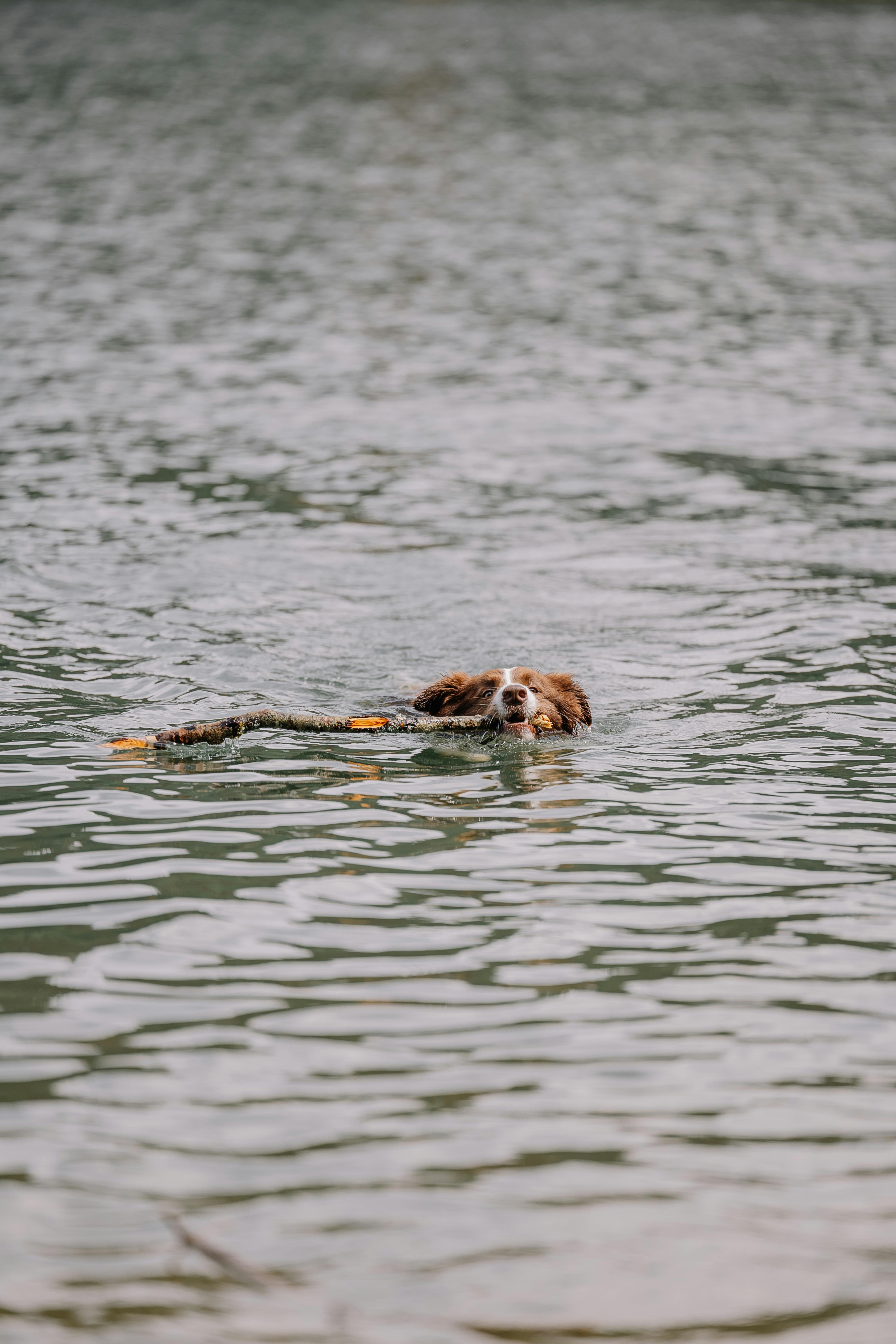 \n\n
\n\nHave you ever noticed your dog's nose and wondered what it means? Many dog owners often ask, "Do wet noses mean your dog is happy?" or "Why do dogs have wet noses?" These questions lead us to explore a fascinating aspect of canine physiology. Wet noses are more than just a cute feature; they serve important functions in a dog's life. Let’s dive into the science and history behind these moist noses.
\nThe Science of a Dog’s Nose
\nDogs possess a remarkable sense of smell, which is about 10,000 to 100,000 times more sensitive than humans. Their wet noses play a crucial role in how they perceive the world around them. But why are they wet?
\n- \n
- Moisture for Scent Detection: The wetness helps trap scent particles, allowing dogs to detect smells more effectively. A wet nose can pick up more scents than a dry one. \n
- Cooling Mechanism: Dogs don’t sweat like humans do. Instead, their noses help regulate their body temperature. When a dog pants, moisture evaporates from their nose, helping keep them cool. \n
- Health Indicator: A dog’s nose can indicate health conditions. A healthy dog usually has a cool, moist nose, while a dry or cracked nose may hint at dehydration or illness. \n
Historical Context of Dog Noses
\nThroughout history, dogs have been valued not just for companionship but also for their incredible abilities. Ancient civilizations recognized the importance of a dog’s sense of smell in hunting and tracking. The wet nose, a signature of many breeds, evolved to enhance these capabilities.
\n- \n
- Tracking and Hunting: Early humans domesticated dogs for their hunting skills. A dog with a wet nose could track scents longer distances, which proved beneficial for survival. \n
- Companionship and Loyalty: As humans and dogs evolved together, the bond strengthened. Dog owners often interpret a wet nose as a sign of affection, but it’s really more complex than that. \n
Why Do Dogs Have Wet Noses?
\nNow, let's break down the reasons dogs have wet noses in more detail:
\n- \n
- Scent Enhancement: The moisture on a dog’s nose helps absorb scent chemicals. This means the wetter the nose, the better the sense of smell. \n
- Health Monitoring: When a dog's nose is dry, it can signal a problem. \n
- Temperature Regulation: A wet nose can help cool a dog down, especially in hot weather. \n
- Social Interactions: Dogs often use their noses to greet one another. A wet nose can be a signal of friendliness. \n
Fun Facts About Dog Noses
\n- \n
- Dogs have about 300 million smell receptors in their noses, compared to about 5 million in humans. \n
- Each dog has a unique nose print, similar to a human fingerprint. \n
- Dogs can detect certain diseases, like cancer or diabetes, through their sense of smell. \n
Comparison of Dog Nose Types
\nDifferent breeds have different types of noses, and these variations can affect their sniffing abilities. Here’s a simple table comparing some common breeds and their nose types:
\n| Breed | \nNose Type | \nSmell Sensitivity | \n
|---|---|---|
| Bloodhound | \nLong and droopy | \nExtremely high | \n
| Beagle | \nShort and broad | \nVery high | \n
| German Shepherd | \nMedium and straight | \nHigh | \n
| Pug | \nFlat and short | \nModerate | \n
Practical Examples of Nose Use
\nDogs use their noses in various ways. Here are a few practical examples of how dogs utilize their noses daily:
\n- \n
- Finding Lost Items: Dogs can help locate missing keys or other objects through scent recognition. \n
- Detecting Changes in Environment: Many dogs are trained to alert owners about changes in the environment, such as smoke or even intruders. \n
- Medical Alerts: Some dogs are trained to detect medical conditions, alerting their owners to impending health issues. \n
It’s common to see dog owners interpreting a wet nose as a sign their furry friend is happy. While a wet nose does often indicate a dog is healthy and engaged, it’s not a definitive measure of their emotional state.
\nAs we continue to learn more about our canine companions, understanding the role of their wet noses offers insight into their behaviors and needs. Whether it’s a friendly nudge from a moist snout or an inquisitive sniff, our dogs communicate a lot through their noses. So next time you feel that wet nose, remember it’s not just a sign of affection, but a tool that helps your dog navigate the world!
\n\nWhy Does My Dog’s Nose Change in Wetness? Unpacking the Mystery of Nose Variations
\n\n \n\n
\n\nEver wondered why your dog’s nose changes in wetness? It’s a common question that many pet owners ask, and it reflects a fascinating aspect of canine biology. Dogs are our loyal companions, and their noses are often a topic of curiosity. In this article, we’ll unpack the mystery of why do dogs have wet noses and explore the various reasons behind those fluctuations in moisture.
\nThe Basics of a Dog's Nose
\nDogs have unique noses that are different from ours. Their noses not only help them to sniff out the world but also play a crucial role in their overall health. Here are some interesting facts about dog noses:
\n- \n
- Scent Detection: A dog’s sense of smell is 10,000 to 100,000 times more sensitive than humans. Their wet noses help to capture scent particles more effectively. \n
- Temperature Regulation: Dogs also use their noses to regulate body temperature, as they do not sweat like humans. The moisture on their nose helps to cool them down. \n
- Health Indicator: A change in nose wetness can indicate health issues. If a dog’s nose suddenly becomes excessively dry or crusty, it could be a sign of dehydration or illness. \n
Why Do Dogs Have Wet Noses?
\nThe wetness of a dog’s nose is essential for several reasons. It's not just a quirk of nature; it serves practical purposes:
\n- \n
- \n
Enhanced Smell: A wet nose captures scent molecules better. When the nose is moist, it can absorb smells more efficiently, allowing dogs to identify scents with great precision.
\n \n - \n
Cooling Mechanism: Dogs don’t sweat in the way humans do. Instead, they rely on their noses to help cool down. When the nose is wet, it evaporates moisture, creating a cooling effect.
\n \n - \n
Communication Tool: Dogs often communicate through scent. A wet nose can signal friendliness or curiosity to other dogs and animals, helping them to bond with each other.
\n \n - \n
Health Monitoring: A wet nose can be a sign of a healthy dog. If a dog’s nose is dry, it might be worth paying attention to other signs of health, like energy levels or appetite.
\n \n
Factors Affecting Nose Wetness
\nThe wetness of a dog’s nose can change due to various factors. Here’s a list of common reasons:
\n- \n
- Weather Changes: Hot and dry weather can make a dog’s nose dry, while humidity can keep it moist. \n
- Activity Level: After a good run or play session, a dog’s nose may become wetter due to excitement and panting. \n
- Health Conditions: Allergies, infections, or other health issues can lead to dryness or excessive moisture. \n
- Age: Older dogs may have drier noses as they undergo changes in skin and hydration levels. \n
Comparing Nose Conditions
\nIt’s helpful to understand how a wet nose differs from a dry one. Here’s a simple comparison:
\n| Wet Nose | \nDry Nose | \n
|---|---|
| Cool to the touch | \nWarm or hot | \n
| Often shiny | \nDull appearance | \n
| Healthy sign | \nCould indicate health issues | \n
| Helps in scent detection | \nMay affect smell | \n
What to Do If Your Dog’s Nose Changes
\nIf you notice a significant change in your dog’s nose wetness, consider the following steps:
\n- \n
- Observe Other Symptoms: Look for signs like lethargy, loss of appetite, or changes in behavior. \n
- Keep Hydrated: Ensure your dog has access to fresh water to stay hydrated. \n
- Visit the Vet: If the dryness persists or worsens, consult your veterinarian for a thorough check-up. \n
Fun Fact About Dog Noses
\nDid you know that the patterns on a dog’s nose are as unique as human fingerprints? Each dog has a distinct nose print, and it can be used for identification!
\nIn conclusion, the mystery of why your dog’s nose changes in wetness is multi-faceted and deeply tied to their biology and health. Understanding the reasons behind this phenomenon can help you better care for your furry friend. Always pay attention to those little signs, and your pup will thank you for it!
\n\n7 Surprising Facts About Dogs’ Wet Noses That Every Pet Owner Should Know
\n\n \n\n
\n\nDogs, those lovable furry companions, have so many quirks and features that make them unique. One of the most interesting things about dogs is their wet noses. Many pet owners often wonder, why do dogs have wet noses? There's actually a lot more to this curious trait than meets the eye. Here are 7 surprising facts about dogs’ wet noses that every pet owner should know.
\n1. The Science Behind Wet Noses
\nDogs’ noses are wet because they have mucous membranes that help to keep them hydrated. This moisture helps them to detect scents better. When they sniff something, the scent molecules stick to the moisture, making it easier for their brains to process those smells. Isn’t that fascinating? This is why dogs have such incredible olfactory senses, which is way better than humans.
\n2. Temperature Regulation
\nDid you know that a dog’s wet nose helps to regulate their body temperature? When dogs are hot, they often pant, but their noses also play a role in cooling them off. The moisture on their noses evaporates, which can help to lower their overall body temperature. This is one of the reasons why dogs often have a wet nose after a long walk or playtime. It’s like their natural air conditioning system!
\n3. Health Indicators
\nA dog's nose can actually tell you quite a bit about their health. Generally, a healthy dog has a moist, cool nose. If you notice that your dog's nose becomes dry and warm, it could be a sign of a fever or dehydration. While not all nose changes mean something serious, pet owners should keep an eye on these changes and consult with a vet if something seems off.
\n4. Breed Differences
\nNot all dogs have the same kind of wet noses. Some breeds are more prone to having drier noses than others. For example, Bulldogs and Boxers may have drier noses due to their unique skin folds, while breeds like Retrievers usually sport moist noses. If you have a specific breed, it might be interesting to research how nose moisture varies among them.
\n5. The Role of Licking
\nDogs often lick their noses, which keeps them wet and helps them to absorb more scent particles. This behavior can also be a sign of anxiety or stress, as dogs sometimes lick their noses when they feel nervous. It's important to observe your dog's behavior to understand the context of their licking. If it seems excessive, it might be worth consulting a professional trainer or veterinarian.
\n6. Noses and Scent Communication
\nDogs use their noses not just for smelling but also for communication. A dog’s nose contains scent glands that can produce specific smells. This scent can convey different emotions or information to other dogs. For instance, when dogs meet, they often sniff each other's noses and behinds to gather info about one another. It’s kind of like a doggy handshake!
\n7. Historical Context
\nInterestingly, the wet nose is believed to have evolved over thousands of years. Early domesticated dogs relied on their sense of smell for hunting and tracking. A wet nose was advantageous because it enhanced their ability to sniff out prey. Over time, this characteristic has persisted in many dog breeds, making it a trait that’s well-loved by pet owners today.
\nQuick Facts About Dogs’ Noses
\nHere’s a quick reference table that summarizes the key points:
\n| Fact | \nExplanation | \n
|---|---|
| Wet Nose Function | \nEnhances scent detection | \n
| Temperature Regulation | \nEvaporation cools the dog | \n
| Health Indicator | \nMoist nose = healthy; dry nose = potential issues | \n
| Breed Variability | \nDifferent breeds have varying nose moisture levels | \n
| Nose Licking | \nHelps keep the nose wet and can indicate stress | \n
| Scent Communication | \nDogs communicate through unique scents from their noses | \n
| Historical Evolution | \nWet noses helped early dogs in hunting | \n
In summary, understanding why do dogs have wet noses not only reveals a fascinating aspect of canine biology, but also helps every pet owner care better for their furry friends. The more you learn about these lovable creatures, the better equipped you are to ensure their health and happiness. Whether you’re a seasoned dog owner or just beginning your journey, these surprising facts about dogs' wet noses offer insights that can deepen your bond with your four-legged companion.
\n\nCan Dogs Have Dry Noses? What It Means for Your Pup’s Health and Well-being
\n\n \n\n
\n\nMany dog owners often wonders about the health of their furry friends, especially when it comes to their noses. One common question that pops up is, "Can dogs have dry noses?" and "Why do dogs have wet noses?" Understanding these phenomena can be crucial for your pup's health and well-being. So, let’s dive deep into these fascinating secrets.
\nThe Basics of Dog Nose Health
\nA dog's nose serves multiple purposes, and it plays a key role in their overall health. A wet nose is generally seen as a sign of health, but what does it really mean? A wet nose helps dogs to detect scents more effectively, and it can also help regulate their body temperature. When a dog is feeling hot, they might lick their nose to cool down. On the other hand, a dry nose could indicate a variety of issues, ranging from dehydration to possible illness.
\nWhat Does a Dry Nose Mean?
\n- \n
- Normal Variation: Just because a dog's nose is dry doesn’t mean they are sick. Some dogs naturally have drier noses than others. \n
- Dehydration: If your pup hasn’t had enough water, their nose may become dry. Ensuring they have access to fresh water is vital. \n
- Allergies: Allergies can cause nasal dryness and irritation. \n
- Weather Conditions: Hot or cold weather can affect the moisture level in a dog's nose. For instance, during winter, dry indoor air might cause nose dryness. \n
- Illness: If a dog has a persistently dry nose, especially if accompanied by other symptoms like lethargy or a loss of appetite, it might signal an underlying health issue. \n
Why Do Dogs Have Wet Noses?
\nThe wetness of a dog's nose is not just for show; it serves a purpose. Here’s why:
\n- \n
- Enhanced Smell: A wet nose helps to absorb scent chemicals from the air, making it easier for dogs to pick up smells. This is why dogs are such great trackers! \n
- Cooling Mechanism: Licking their noses can help dogs cool down when they are hot. Wet noses can act like a natural air conditioner. \n
- Health Indicator: Generally, a wet nose indicates that a dog is well-hydrated and healthy. \n
The Fascinating Biology Behind It
\nDogs have a special type of mucus that covers their noses. This mucus is important for several reasons:
\n- \n
- Scent Detection: The moisture in the mucus captures scent particles, which helps dogs to smell better. \n
- Temperature Regulation: The moisture evaporates, assisting in body temperature control. \n
- Natural Cleaning: The mucus can trap dirt and dust, helping to keep the nose clean. \n
What You Should Monitor
\nIt’s important to keep an eye on your dog's nose. Here are some things to watch out for:
\n- \n
- Change in Temperature: Is it excessively hot or cold? \n
- Color Changes: A healthy nose is usually dark and moist. If you notice any discoloration, it might be worth consulting a vet. \n
- Persistent Dryness: If the nose stays dry for an extended period, or if it cracks, it could be a sign of dehydration or other health problems. \n
When to Call the Vet
\nIf your dog’s nose exhibits the following conditions, it might be time to get professional advice:
\n- \n
- Dry for Several Days: If it stays dry despite providing plenty of water. \n
- Crusty or Cracked: This can be painful for your dog. \n
- Other Symptoms: If you notice lethargy, vomiting, or changes in appetite along with a dry nose. \n
Fun Facts About Dog Noses
\n- \n
- Dogs have up to 300 million smell receptors in their noses, compared to humans with about 5 million. \n
- The wetness of a dog’s nose can vary throughout the day; it’s normal for it to change. \n
- Some breeds are more prone to nose issues than others, so knowing your breed can help. \n
Understanding your dog's nose can provide valuable insights into their health. A wet nose is often a good sign, while a dry one might require a little more attention depending on the situation. The key is to observe and maintain a healthy lifestyle for your furry friend. Make sure they have plenty of water, regular vet check-ups, and a good balance of exercise and rest. After all, a happy pup means a happy owner!
\n\nConclusion
\n\nIn conclusion, the wet noses of dogs serve several important functions that contribute to their overall health and well-being. From enhancing their sense of smell by trapping scent particles to regulating body temperature, a moist nose is a sign of a healthy canine. Additionally, the moisture on a dog’s nose comes from its natural bodily functions, which help keep the nose cool and facilitate essential sensory activities. Understanding these aspects not only deepens our appreciation for our furry companions but also encourages us to monitor their health closely. If you notice any changes in your dog’s nose—such as excessive dryness or unusual discharge—consider consulting your veterinarian. By staying informed and proactive about your dog's health, you can help ensure they lead a happy, healthy life. So, keep an eye on that wet nose; it’s a window into your pup’s well-being!
\n\n