Have you ever wondered, why do dogs have wet noses? This fascinating secret about our furry friends has intrigued pet owners and animal lovers alike. A dog’s nose is not only cute but also serves important purposes. Did you know that a wet nose can indicate your dog’s health and happiness? Many people ask, is there a reason behind this unique trait? In this blog post, we will uncover the science behind a dog’s moist snout and why it plays a crucial role in their sense of smell. It’s a well-known fact that dogs have an extraordinary sense of smell, but do you know how a wet nose helps enhance it? With their noses being constantly moist, dogs are able to trap scent particles more effectively, making them incredible hunters and companions. But wait, is there more to it? Join us as we dive deeper into the mysteries of dog noses and discover surprising facts that will leave you amazed. So, if you’re curious about your canine’s wet nose and the secrets it holds, keep reading to find out more!
The Science Behind a Dog's Wet Nose: What Makes It So Unique?

Anyone who has ever owned a dog knows that their noses always feel cool and damp. But have you ever wondered, why do dogs have wet noses? It’s a fascinating question, and there's a lot of science behind it that makes it worth exploring. The unique properties of a dog's nose is not just for show; it serves several important functions that contribute to a dog's overall health and behavior.
The Science of a Dog’s Nose
A dog’s nose is a complex organ with an impressive structure. It contains more than 220 million scent receptors, compared to a human's 5 million. This high number of receptors means dogs can detect smells at a concentration of parts per trillion. But what about the wetness? Well, the moisture on their noses has several roles.
- Enhanced Smell: The wet surface helps to trap scent particles. When a dog inhales, the moisture captures these particles, making it easier for their olfactory receptors to identify different scents.
- Temperature Regulation: Just like sweat for humans, a wet nose helps dogs to regulate body temperature. When they pant, the moisture evaporates off their nose, helping to cool them down.
Why Is A Wet Nose Important?
The wetness of a dog's nose is not just a quirky feature; it plays a significant role in their daily lives. Here are some reasons why having a wet nose is important:
Scent Detection: As mentioned earlier, the wet nose helps dogs identify smells better. This is why dogs are often used in search and rescue missions, as their noses can track scents over long distances.
Health Indicator: A dog’s nose can be an indicator of their health. While it’s a myth that a dry nose always means a sick dog, changes in the moisture can suggest a health issue. If a dog’s nose is suddenly dry and cracked, it can be worth a trip to the vet.
Communication: Dogs use their noses to communicate with other animals. When a dog sniffs another dog, they gather important information about the other animal's identity, mood, and even health status.
Historical Context of Dog's Noses
Dogs have been companions to humans for thousands of years. Historically, their incredible sense of smell has been utilized in various tasks. From hunting to herding to detection work, dogs’ noses have played crucial roles in human life. Ancient cultures recognized the talents of dogs and selectively bred them for their superior olfactory abilities.
Fun Facts About Dog Noses
- Different Patterns: Just like human fingerprints, every dog's nose has its own unique pattern. This means you can identify a dog by its nose print, which could be useful in lost and found situations.
- Color Variations: A dog's nose can change color based on breed and health. For example, some breeds have black noses while others may have brown or spotted noses.
- Nose Temperature: A dog's nose can also vary in temperature throughout the day. It can feel cooler in the morning and warmer in the evening, depending on their activities.
Comparing Dog Noses to Other Animals
Dogs aren’t the only animals with wet noses. Cats and some wild animals also have moist noses. However, the effectiveness of their sense of smell varies greatly. Here’s a quick comparison:
| Animal | Number of Scent Receptors | Nose Moisture Importance |
|---|---|---|
| Dog | 220 million | High |
| Cat | 50-80 million | Moderate |
| Human | 5 million | Low |
| Bear | 300 million | Very High |
Practical Examples of Dogs Using Their Noses
- Search and Rescue: Dogs are trained to find missing persons in disaster situations. Their ability to sniff out human scents can save lives.
- Medical Detection: Some dogs are trained to detect diseases like cancer or diabetes by smelling changes in a person's scent.
- Tracking: Hunting dogs follow trails of animals using their extraordinary sense of smell.
In summary, the science behind a dog’s wet nose is intriguing and multi-faceted. It serves essential functions that aid in their survival, communication, and overall health. Whether you're a dog owner or just a fan of our furry friends, understanding why dogs have wet noses can deepen your appreciation for these amazing animals. Their noses are not just adorable; they are vital tools that connect them to the world around them.
5 Surprising Benefits of Your Dog's Moist Nasal Tip You Never Knew

If you ever wondered why dogs have wet noses, you’re not alone. Most people just think it’s cute or maybe a little slimy. But the truth is, there’s much more to it. The moisture on a dog’s nose is not just for show; it serves many important purposes. You might be surprised to learn some of the benefits that come with that moist nasal tip. Here are five fascinating benefits of your dog's wet nose that you probably didn't know about.
1. Enhanced Sense of Smell
Dogs are known for their extraordinary sense of smell, and their wet noses play a big role in this. The moisture helps capture scent particles from the air, making it easier for dogs to detect odors. When a dog sniffs, the moisture on their nose traps these particles, which are then absorbed into special scent receptors.
- Interesting Fact: A dog's sense of smell can be up to 100,000 times more sensitive than that of humans.
- How It Works: Wet noses help to create a better environment for scent detection by keeping the olfactory receptors hydrated.
2. Temperature Regulation
Did you know that your furry friend’s wet nose helps them regulate their body temperature? Dogs don’t sweat like humans do; they mainly cool off through panting and by having a moist nose. When the air evaporates off their wet nose, it helps to cool them down.
- Key Points:
- A moist nose helps to cool the dog's body.
- Helps prevent overheating, especially in hot weather.
3. Health Indicator
The condition of your dog's nose can often be an indicator of their overall health. A wet, cool nose usually means your dog is healthy. Conversely, if a dog’s nose becomes dry, hot, or cracked, it could be a sign of illness or dehydration.
- What to Look For:
- A dry nose could indicate a fever.
- Changes in texture or color might signal allergies or infections.
4. Social Communication
Believe it or not, a wet nose is also a tool for social communication among dogs. Dogs often greet each other with nose-to-nose contact, and the moisture can help them gather information about each other.
- How It Helps:
- Dogs can identify each other by scent, which is crucial for social interactions.
- A wet nose can provide information about the other dog’s health and mood.
5. Aids in Taste Sensation
While dogs primarily rely on their sense of smell, their wet noses also enhance their tasting experience. When dogs lick their noses, the moisture helps to carry flavors to their taste buds, making food more enjoyable.
- Taste vs. Smell:
- Dogs have a limited number of taste buds compared to humans.
- The nose helps make up for this by enhancing the flavor through scent.
Final Thoughts
The next time you see your dog’s nose glistening, remember that it’s not just an adorable feature; it’s a multifunctional part of their biology. From improving their sense of smell to helping regulate body temperature, a wet nose serves several essential functions.
So, why do dogs have wet noses? The answer is deeper than you might have thought. It’s a fascinating aspect of canine physiology that deserves appreciation. Understanding these benefits can help dog owners take better care of their furry friends. After all, a wet nose isn’t just a cute trait; it’s a vital part of your dog's health and well-being.
Why Do Dogs Have Wet Noses? Unveiling the Secrets of Canine Anatomy
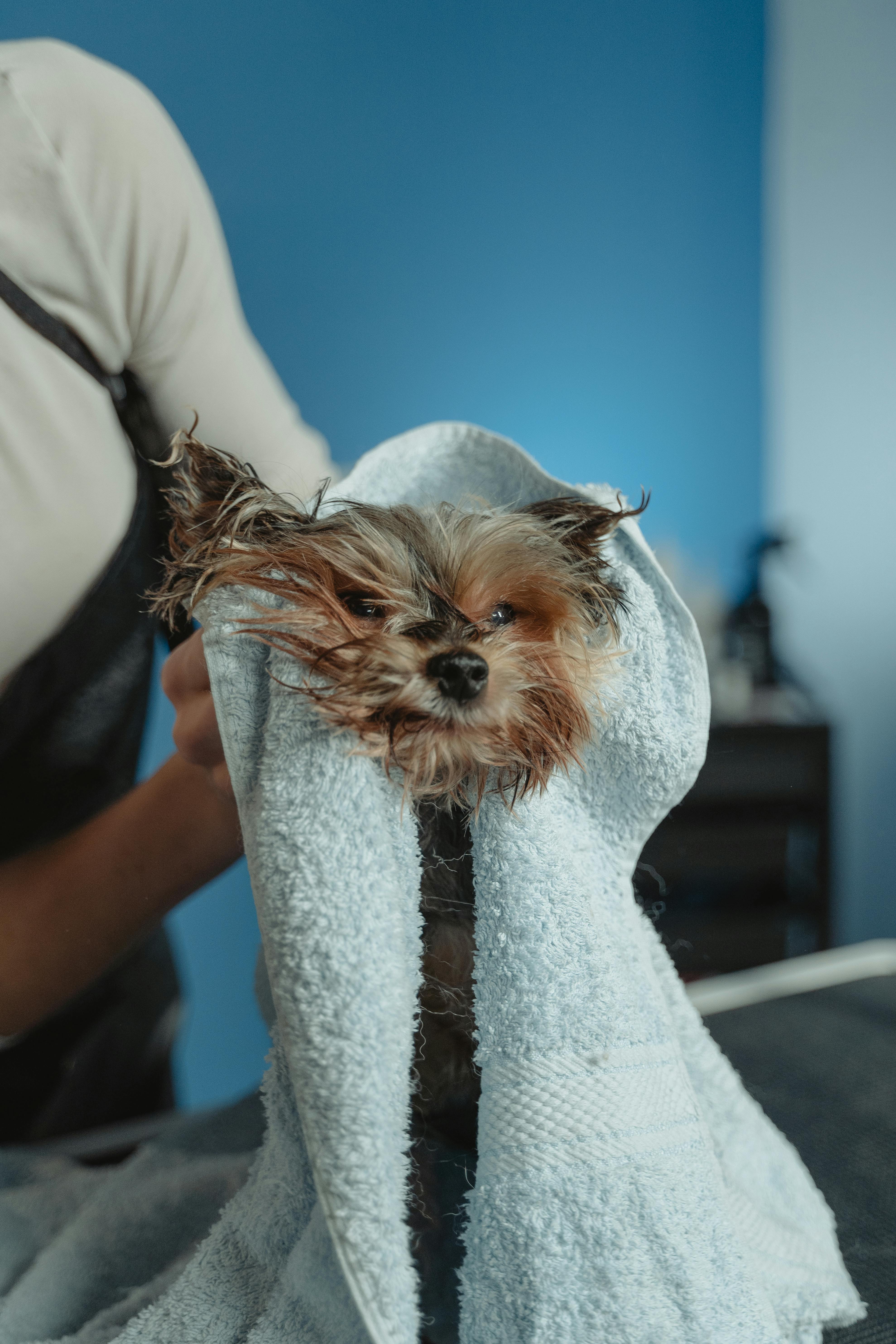
Dogs are some of the most beloved pets in the world, but have you ever wondered why do dogs have wet noses? It’s a question many dog owners ask, and the answer is more fascinating than you might think. A dog’s nose, especially when it’s moist, plays a critical role in their health and behavior. So, let’s dive into the anatomy of canine noses and uncover the secrets behind that charming, wet snout.
The Basics of a Dog's Nose
First of all, a dog's nose is not just for show. It’s an incredible tool that helps them interact with the world. Here are some key points about a dog’s nose:
- Olfactory Receptors: Dogs have around 220 million olfactory receptors, compared to humans' mere 5 million. This allows them to smell things that are beyond our comprehension.
- Moisture and Scent: The wetness of a dog's nose helps to capture scent particles in the air. A moist nose can absorb scent chemicals more effectively, which is why dogs often sniff around.
- Temperature Regulation: Dogs also use their noses to regulate body temperature. When they pant, moisture evaporates from their noses, helping cool them down.
Why Is It Wet?
You might still be wondering, why do dogs have wet noses? Well, the moisture on a dog’s nose comes from a few sources. Here’s a quick list:
- Mucous Membranes: The membranes inside a dog’s nose secrete mucus, which keeps the nose wet.
- Licking: Dogs frequently lick their noses, which adds more moisture.
- Environmental Factors: Humidity and temperature can affect how wet a dog’s nose gets.
The Benefits of a Wet Nose
A wet nose is not just a cute feature; it has several benefits. Here’s a breakdown:
- Enhanced Smelling Ability: The moisture helps in trapping scent particles, which makes dogs excellent at tracking scents. This is why they are used in search and rescue or police work.
- Health Indicator: A wet nose often indicates that a dog is healthy. Conversely, a dry nose can sometimes signal dehydration or illness, although it’s not a definitive sign.
- Social Interaction: Dogs use their noses to communicate with other dogs and humans. A wet nose can signal playfulness or curiosity.
Historical Context of Dog Noses
Did you know that the wet nose of dogs has a long history? In ancient times, dogs were primarily used for hunting and guarding. Their keen sense of smell made them valuable companions for early humans. Over time, selective breeding has enhanced their ability to smell, resulting in a range of breeds with varying nose shapes and sizes.
Fun Facts About Dog Noses
Here are some interesting tidbits about dog noses that you might not know:
- Nasal Prints: Just like human fingerprints, every dog's nose print is unique. This means it could theoretically be used for identification.
- Temperature Detection: Dogs can detect changes in temperature and moisture levels through their noses, which can be useful for locating prey.
- Dogs Can Sweat: While dogs primarily sweat through their paws, they can also lose heat through their noses.
Comparing Dog Noses to Other Animals
Dogs are not the only animals with wet noses, but their noses are particularly specialized. Let’s compare them to a few other creatures:
- Cats: Like dogs, cats also have wet noses, but they have fewer olfactory receptors. Their sense of smell is not as developed.
- Humans: Humans have dry noses, but we rely more on our other senses, like sight, for interaction.
- Bears: Bears possess an incredible sense of smell, even better than dogs. Their noses are also moist, aiding in scent detection.
Practical Examples of Dog Nose Usage
- Search and Rescue: Dogs trained for search and rescue missions use their noses to find trapped individuals under rubble or in wilderness areas.
- Medical Detection: Some dogs can detect diseases like cancer or diabetes through scents that humans can't perceive.
- Therapy Dogs: Dogs in therapy work often use their noses to comfort and connect with people, providing emotional support.
Understanding why do dogs have wet noses is not just an interesting fact; it reflects the deep connection between canines and humans. Their ability to smell, communicate, and even regulate their body temperature through their noses makes them exceptional companions. So, the next time you give your furry friend a pat on the head, take a moment to appreciate that wet nose and all the wonders it represents.
The Connection Between Wet Noses and Your Dog's Sense of Smell

Have you ever noticed how your dog’s nose is always wet? It’s like they just came from a swim or something, but they didn’t. This wetness is more than just a quirk of nature; it plays a crucial role in how dogs experience the world. The connection between wet noses and your dog’s sense of smell is fascinating, and understanding it can help strengthen the bond between you and your furry friend. So, why do dogs have wet noses? Let’s dive into this intriguing topic.
The Science Behind Wet Noses
A dog’s nose is a remarkable organ. It’s not just for sniffing; it’s a highly sophisticated tool that helps dogs interact with their environment. Wet noses are essential for a few reasons:
Enhanced Sense of Smell: A wet nose helps to capture scent particles from the air. The moisture on the surface of the nose makes it easier for these particles to stick, allowing dogs to process smells more effectively. This is why dogs are able to detect scents many times better than humans.
Temperature Regulation: Dogs don’t sweat like humans do. Instead, they regulate their body temperature through their noses. A wet nose can help cool them down. So, when you see your dog with a wet nose, it might be working hard to maintain its body temperature.
Health Indicator: The condition of a dog’s nose can be an indicator of their health. A healthy dog often has a moist, cool nose. However, if the nose is dry or cracked, it might be worth checking in with a vet.
Historical Context
The fascination with dogs and their noses isn't new. Historically, dogs have been utilized for hunting, herding, and even in search-and-rescue missions, all thanks to their incredible olfactory abilities. Ancient cultures recognized the importance of a dog’s nose, often breeding certain types of dogs specifically for their scenting skills.
For example, Bloodhounds are renowned for their tracking abilities and can follow a scent trail that is several days old. These breeds have wet noses that aid in their impressive scent detection.
Fun Facts About Dogs' Noses
Unique Patterns: Just like human fingerprints, every dog’s nose has a unique pattern of ridges and creases. This uniqueness can even be used for identification purposes.
Scent Receptors: Dogs have about 300 million scent receptors in their noses, while humans only have around 5 million. This is why dogs can smell things we can't even imagine.
Temperature Sensitivity: Dogs can detect a change in temperature as small as 0.01 degrees Celsius, which helps them track living creatures.
Comparing Dog Noses to Human Noses
Here’s a quick comparison that illustrates the differences between dog and human noses:
| Feature | Dog Nose | Human Nose |
|---|---|---|
| Number of Scent Receptors | ~300 million | ~5 million |
| Temperature Sensitivity | Highly sensitive | Less sensitive |
| Moisture Level | Typically wet | Typically dry |
| Identification | Unique patterns for each dog | Unique patterns for humans |
Practical Examples
If you’re a dog owner, you might have noticed that your dog’s nose changes throughout the day. After a good play session, your dog’s nose might be drier than usual, but after a nice nap, it’s back to being wet. These changes can be normal, but here are some practical tips to keep your dog’s nose healthy:
Hydration: Make sure your dog always has access to fresh water. Hydration is key for keeping their nose moist.
Avoid Irritants: Be mindful of the products you use around the house. Some cleaning supplies can irritate a dog’s nose, causing it to dry out.
Regular Vet Check-ups: Keeping up with regular veterinary visits can help catch any potential health issues that may affect your dog’s nose and overall health.
Dogs communicate with the world around them through their noses, and understanding this can enhance your relationship with your pet. When you see that wet nose, remember it signifies more than just a quirky characteristic; it’s an essential part of what makes your dog a skilled and loving companion. Next time your dog nudges you with their wet nose, just know they're probably trying to tell you something important—like they love you, or it’s time for a walk!
How a Wet Nose Can Indicate Your Dog's Health: Signs to Watch For

When it comes to our furry friends, we often wonder about their health and well-being. One fascinating aspect of canine health is their noses. Have you ever noticed how a wet nose can be a telltale sign of your dog’s health? It’s not just a cute trait; there’s a lot going on behind that wetness. Dogs noses are not just for sniffing; they can tell us plenty about how they feel and what might be going on inside their bodies.
Why Do Dogs Have Wet Noses?
The first question that probably comes to mind is, why do dogs have wet noses? Well, there are a few reasons. Dogs have moist noses that help enhance their sense of smell, which is crucial for their survival and communication. A wet nose can also cool them down, as dogs don’t sweat like humans do. Instead, they rely on panting and their nose to regulate their body temperature.
Here’s a list of reasons why dogs' noses are wet:
- Enhanced Smell: The moisture helps to trap scent particles, making it easier for dogs to detect scents.
- Thermoregulation: A wet nose can help dogs cool down, especially during warm weather.
- Health Indicator: A dog’s nose can indicate their health status, signaling when something might be off.
Signs to Watch For
So, what exactly can a wet nose tell you about your dog's health? It’s not just about the moisture level; other factors come into play too. Here are some signs to keep an eye on:
- Temperature: A normal dog nose is usually cool and moist. If it’s hot or dry, it might be a sign of fever or dehydration.
- Discharge: If your dog’s nose has unusual discharge, like mucus or blood, that could be an indication of a respiratory issue or allergies.
- Cracks or Dryness: A dry or cracked nose can suggest dehydration or skin conditions, which might need vet attention.
- Behavior Changes: If your dog’s nose appears wet one day and dry the next, along with changes in behavior, it’s worth discussing with a vet.
The Science Behind It
Did you know that dogs have special glands in their noses? These glands help to keep their noses wet and contribute to their incredible sense of smell. According to veterinary research, dogs have up to 300 million scent receptors in their noses, compared to about 6 million in humans. That means dogs can smell things we can't even imagine, and their wet noses play a big role in that.
Historical Context
Throughout history, dogs have been companions, workers, and even service animals. Ancient civilizations recognized the importance of a dog’s sense of smell. For example, the Egyptians bred dogs for specific tasks, knowing that a keen nose was essential for hunting and guarding. Today, we still rely on dogs for search and rescue, detection of diseases, and more, all thanks to their wet noses and the science behind them.
Practical Examples
Want to keep an eye on your dog’s nose health? Here’s a simple checklist:
- Daily Checks: Make it a habit to check your dog’s nose daily. Look for moisture levels, discharge, and cracks.
- Hydration: Ensure your dog has access to fresh water at all times to prevent dehydration.
- Vet Visits: Regular vet check-ups can help catch any potential health issues early.
Comparison to Other Animals
Interestingly, not all animals have wet noses. Cats, for example, can have moist noses too, but they don’t rely on that as much for their sense of smell. Other animals, like cows or pigs, have different adaptations for their olfactory senses. Dogs stand out because of their unique combination of wetness and sensory capability, which is vital for their interactions in the world.
Fun Facts
- Dogs can actually “see” with their noses! They can detect specific scents, which helps them navigate their environment.
- The color of a dog’s nose can change with temperature and health. A darker nose might appear lighter when they’re sick.
- Some breeds are known for their distinctive nose characteristics, like the wrinkly faces of Bulldogs or the long snouts of Greyhounds.
In summary, a dog’s wet nose is not just an adorable feature; it’s a window into their health. By understanding the signs and what to look for, you can help ensure that your dog stays happy and healthy. Always consult with a veterinarian if you have concerns about your pet’s health. Your dog relies on you, and being informed is the first step toward a long, happy life together!
Curious Canines: Why Is Your Dog's Nose Wet? Exploring Common Myths
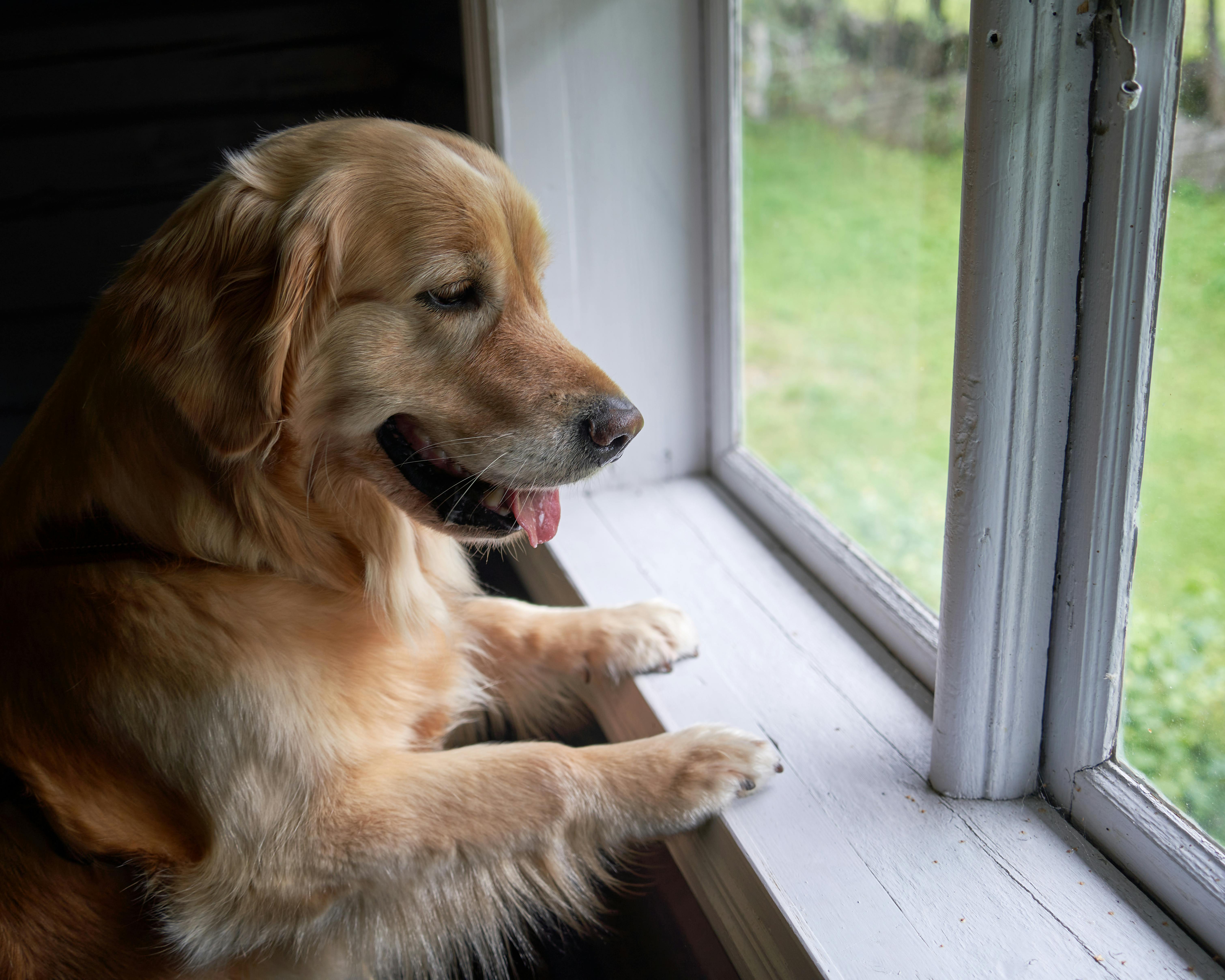
Have you ever wonder why your dog’s nose is always wet? It's a question many pet owners ask, and there's a lot of curiosity surrounding this topic. For some, it might just seem like a quirky trait of their canine friends, but there’s actually some science behind it. Let’s dive into this fascinating secret and bust some myths along the way.
Why Do Dogs Have Wet Noses?
Dogs have moist noses for several reasons. One of the main reasons is that a wet nose helps them to smell better. That's right! A wet surface can pick up scent particles from the air more effectively. Imagine it like this: if you had a sticky hand, you could catch more dust and crumbs than if your hand was dry, right?
- Enhanced Scent Detection: Dogs have an extraordinary sense of smell, and the moisture on their noses helps them to absorb more scent molecules.
- Temperature Regulation: A dog’s nose also plays a role in regulating their body temperature. Dogs don't sweat like humans do; instead, they rely on panting and having a cool nose to help regulate heat.
- Health Indicator: A wet nose is often seen as a sign of good health in dogs. However, it's important to note that a dry nose doesn’t automatically mean that something is wrong.
Common Myths About Wet Noses
There are plenty of myths floating around about why dogs have wet noses. Here are some of the most common ones:
Myth: A Wet Nose Means a Healthy Dog
While many dogs have wet noses when they're healthy, a dry nose doesn’t mean illness. A dog's nose can change with the temperature or humidity.Myth: All Dogs Have Wet Noses
Not every dog has a wet nose. Breeds with less nasal moisture, like Bulldogs or Pugs, can have drier noses.Myth: Dogs Lick Their Noses to Keep Them Wet
Dogs do lick their noses, but this is more about cleaning than moisture. They instinctively do it to remove dirt and enhance their sense of smell, not just keep it wet.
Understanding Dog Nose Moisture
So, why exactly is your dog’s nose wet? Here’s how it works:
- Nasal Glands: Dogs have specialized glands in their noses that produce mucus, keeping the nose moist.
- Environmental Factors: If it’s warmer or more humid outside, a dog’s nose might remain wetter due to environmental conditions.
- Excitement or Play: When dogs get excited or are playing, their noses can become wetter due to increased activity and panting.
What to Watch Out For
While a wet nose is generally a good sign, it’s important to monitor your dog’s overall health. Here are some signs that may indicate a problem:
- Crustiness: If your dog’s nose is dry and cracked, it could indicate dehydration or a health issue.
- Excessive Discharge: If there’s unusual discharge or bleeding, it’s best to consult a vet.
- Change in Temperature: If a wet nose suddenly becomes dry and stays that way, it might warrant a check-up.
Fun Facts About Dogs and Their Noses
Here are some interesting tidbits about dog noses that you might not know:
- Dogs have about 220 million scent receptors in their noses, compared to about 5 million in humans.
- The pattern of a dog’s nose is unique, much like a human fingerprint.
- Dogs use their sense of smell for social communication, picking up on pheromones and other scents from other animals.
Tips for Dog Owners
To keep your furry friend healthy, consider these tips:
- Hydration: Always make sure your dog has access to fresh water.
- Regular Vet Check-ups: Routine visits can help catch any potential health issues early.
- Observe Changes: Keep an eye on your dog’s nose and overall behavior. Any sudden changes could be a sign to check with a veterinarian.
Learning about why dogs have wet noses not only satisfies curiosity but also helps pet owners understand their dogs better. With their amazing sense of smell and unique physiology, dogs are truly remarkable creatures. Keeping an eye on their health, including that all-important nose, ensures they stay happy and healthy for years to come.
10 Fascinating Facts About Dog Noses That Will Blow Your Mind

Dogs are often known as man's best friend, but did you ever stop to think about their noses? That wet, cold nose isn’t just for show, it's a fascinating part of their biology. Let’s dive into the world of dog noses and uncover some mind-blowing facts about why they are the way they are. You gonna be surprised by what you learn!
1. Dogs Have Super Smell Powers
Did you know that a dog’s sense of smell is about 10,000 to 100,000 times more powerful than a human’s? Yes, it’s true! Their noses have up to 300 million olfactory receptors, compared to our mere 6 million. This is why dogs are trained for search and rescue missions, sniffing out drugs, or even detecting diseases like cancer.
2. Wet Noses Serve a Purpose
So, why do dogs have wet noses? The moisture helps them to smell better! When their noses are damp, it traps scent particles, allowing them to absorb more smells. That’s why you often see dogs sniffing things with their noses – they’re gathering all the information they can!
3. Each Nose is Unique
Just like human fingerprints, every dog has a unique nose print. The patterns and ridges on a dog's nose are as distinctive as a human fingerprint. This uniqueness can actually be used for identification purposes, which is fascinating when you think about it.
4. Noses Help Regulate Temperature
Dogs can’t sweat like humans do, so they rely on their noses to help regulate body temperature. When a dog pants, moisture from their nose and tongue evaporates, which cools their body down. This is one of the reasons why keeping your dog hydrated is very important, especially in hot weather.
5. The Science of Dog Breathing
When dogs breathe, they do it a bit differently than we do. They have a special type of breathing called "nasal turbinates," which allows them to warm and humidify the air before it reaches their lungs. This is crucial for their respiratory health, especially during colder months.
6. Dogs Can Detect Emotions
Research has shown that dogs can actually pick up on human emotions through scent. They can smell the chemical changes in our bodies when we are happy, sad, or stressed out. This is why dogs often seem to sense when their owners are feeling down and come to comfort them.
7. Nose Work is a Real Sport
Believe it or not, there are sports for dogs that focus on their exceptional sense of smell! Nose work is an activity where dogs are trained to locate specific scents. It’s not only a fun exercise for them, but also mentally stimulating, which is great for their overall health.
8. Dogs Have Different Noses for Different Breeds
Not all dog noses are created equal! Some breeds, like Bloodhounds, have longer noses which enhance their smelling abilities. Others, like Bulldogs, have shorter noses which can limit their olfactory capabilities. This diversity in nose shapes plays a role in how effectively different breeds can use their sense of smell.
9. Noses Can Indicate Health Issues
Did you know that the condition of a dog's nose can sometimes reflect its health? A dry, cracked nose can indicate dehydration or illness. Conversely, a healthy nose is usually moist and cool. Regularly checking your dog’s nose can be a good habit to spot potential health issues early.
10. Dogs Have a Special Sense for Food
Dogs are also known for their incredible ability to detect food. They can smell food from miles away. This is why kitchen scraps can quickly disappear when you have a dog around. Their noses are hardwired to lead them to food sources, which is a remnant of their wild ancestors who relied on their sense of smell for hunting.
Quick Facts Summary
- Dogs have up to 300 million olfactory receptors.
- Wet noses help trap scent particles.
- Each dog has a unique nose print.
- Noses regulate body temperature.
- Dogs can detect human emotions through scent.
- Nose work is an official dog sport.
- Different breeds have different nose shapes and abilities.
- The condition of a dog’s nose can indicate health issues.
- Dogs can smell food from miles away.
So, the next time you see a dog with a wet nose, remember that it’s not just cute; it’s a remarkable tool for survival and communication. Dogs have evolved to use their noses in ways we can hardly imagine. Next time you’re in New York, and you see a dog, take a moment to appreciate the incredible world that lies behind that wet little nose. It's truly a fascinating secret that connects us to our furry friends in more ways than one!
Is Your Dog's Nose Wet or Dry? Understanding the Implications for Their Well-Being
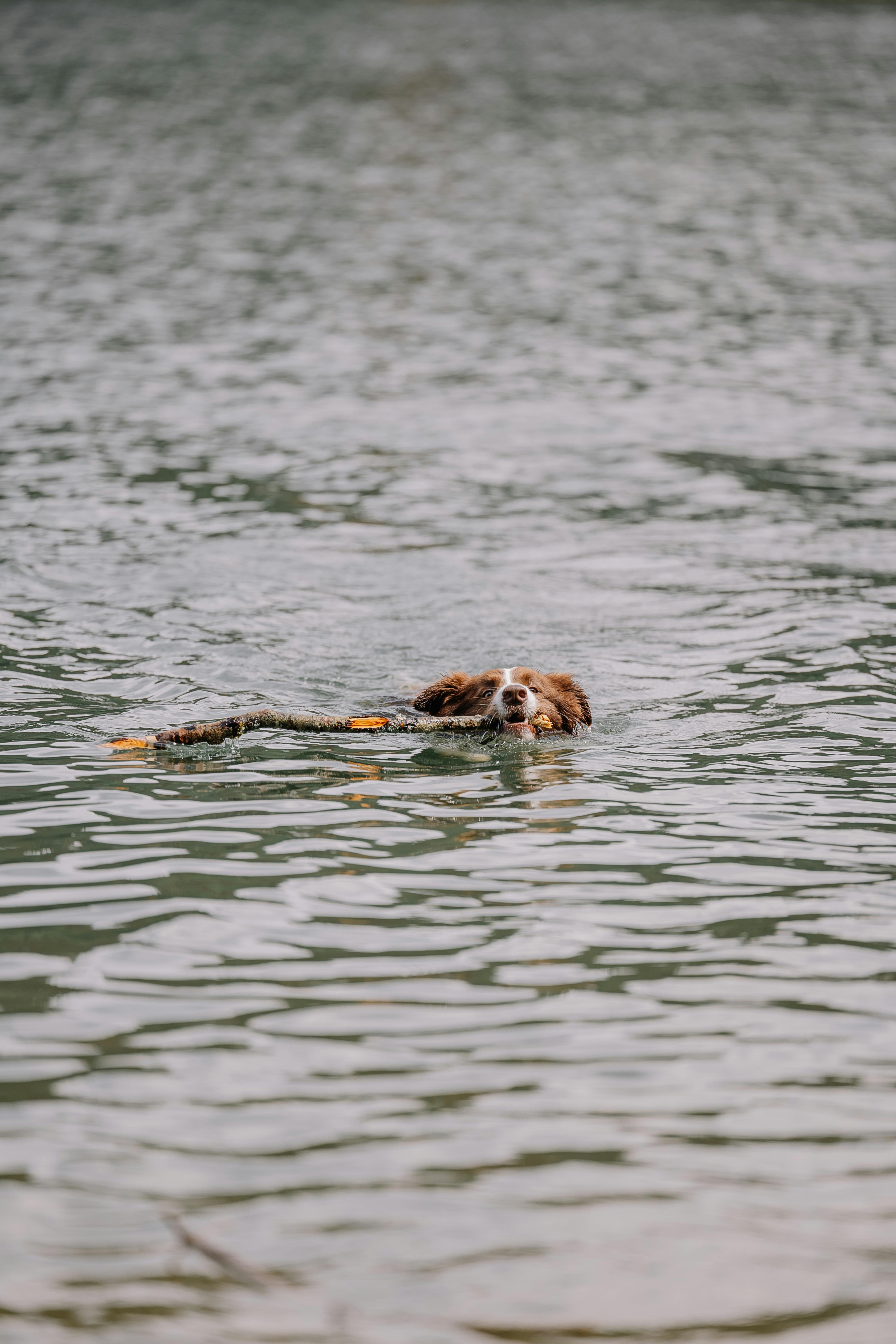
Is Your Dog's Nose Wet or Dry? Understanding the Implications for Their Well-Being, Why Do Dogs Have Wet Noses? Discover This Fascinating Secret!
Ever wondered why your dog’s nose feels wet or dry? This simple question might seem trivial but it can tell you a lot about your canine friend's health and well-being. A dog's nose is not just a cute feature; it serves important functions. In this post, we’ll explore why dogs have wet noses, what the wetness or dryness means, and how you can interpret these signs for your furry companion.
Why Do Dogs Have Wet Noses?
There’s several reasons why dogs have wet noses, and it’s not just for show. A wet nose can be a sign of health and happiness. Here’s a breakdown:
Cooling Mechanism: Dogs don’t sweat like humans do. Instead, they use their noses to help cool down. The moisture evaporates from their noses, which helps regulate their body temperature, especially during hot weather.
Enhanced Sense of Smell: A wet surface on the nose helps to absorb scent particles from the air, making it easier for dogs to detect smells. This is why dogs are often used in search and rescue missions; their noses are incredibly powerful!
Health Indicator: A wet nose is often associated with a healthy dog. It shows that your dog is likely hydrated and in good condition. Generally, having a moist nose means that your dog is feeling well.
What Does a Dry Nose Mean?
A dry nose can mean different things, and not all of them are bad. Here’s a quick list of possible reasons for your dog's dry nose:
Dehydration: If your dog’s nose is dry, it might be a sign that they need more water. Always ensure your dog has access to fresh water.
Heat Exposure: Dogs that have been out in the sun or exercising may have a dry nose. This can happen if they overheat, and you should monitor them closely.
Illness: Sometimes, a dry nose can indicate an underlying health issue. Conditions like fever, allergies, or other illnesses can cause a dog's nose to dry out.
Age: Older dogs may naturally have drier noses compared to younger ones. This can be a normal part of aging.
How to Check Your Dog's Nose
Checking your dog’s nose should be part of your regular health routine. Here’s how you can do it:
Feel the Nose: Gently touch your dog’s nose with your fingers. It should feel cool and moist.
Observe Changes: Pay attention to whether your dog's nose has changed from wet to dry or vice versa. Sudden changes could be a sign to consult a vet.
Look for Other Symptoms: Check if your dog is displaying other symptoms like lethargy, loss of appetite, or changes in behavior.
Monitor Hydration: Always ensure your dog is drinking enough water, especially on hot days or after exercise.
When to Consult a Veterinarian
It’s important to know when to seek professional help. Here’s a list of signs that should prompt a call to your veterinarian:
- Persistent dry nose or wet nose that doesn’t return to normal.
- Accompanying symptoms like coughing, vomiting, or diarrhea.
- Swelling or discoloration of the nose.
- Changes in eating or drinking habits.
Fun Facts About Dog Noses
- Did you know that a dog’s sense of smell is between 10,000 to 100,000 times more sensitive than humans?
- Each dog’s nose print is unique, much like a human fingerprint. This means that each dog can be identified by the patterns on their noses!
- Dogs can even detect certain diseases, like cancer and diabetes, through their sense of smell.
By understanding your dog’s nose, you can gain valuable insights into their health. Whether it’s wet or dry, monitoring your dog’s nose can be a simple but effective way to keep an eye on their well-being. Remember, a dog's nose is just one aspect of their overall health picture, so always consider the bigger picture when assessing their condition. If you’re ever in doubt, it’s best to consult a veterinarian who will provide guidance tailored to your pet’s needs. Your furry friend deserves the best care, and being observant of their nose can be a great start!
When to Worry: What a Wet Nose Can Tell You About Your Dog's Health

When you have a dog, you probably notice its wet nose and you might wonder, why do dogs have wet noses? This little feature of our furry friends isn’t just adorable, it actually holds some secrets about their health. Understanding when to worry about your dog’s nose can be crucial for catching potential health problems early. So, let’s dive into the fascinating world of dog noses and what a wet nose can tell you about your pup’s health!
The Science Behind Wet Noses
Dogs have wet noses for a few reasons. First off, the moisture helps to enhance their sense of smell. Dogs have an extraordinary sense of smell, and their noses are specially designed to collect scent particles. A wet nose can trap more scent molecules, making it easier for them to detect smells. Isn’t that amazing?
Here’s a few reasons why dog noses are wet:
- Increased Sensitivity: The moisture allows for better olfactory reception.
- Temperature Regulation: Dogs sweat through their noses; this helps to cool them down.
- Health Indicator: A wet nose can be a sign of a healthy dog.
When to Worry: Signs to Look For
While a wet nose is often a sign of a healthy dog, there’s times when you should pay more attention. If your dog’s nose is suddenly dry or cracked, it might be time to investigate. Here are some signs that may indicate a health issue:
- Dry, Cracked Nose: This can indicate dehydration or illness.
- Change in Color: If your dog’s nose changes color, it could signal allergic reactions or other health issues.
- Excessive Discharge: Mucus or discharge may indicate an infection or allergies.
- Foul Odor: A smelly nose can be a sign of dental issues or infections.
Common Health Issues Related to Nose Condition
Understanding the state of your dog’s nose can help you identify potential health problems. Here’s a list of common health issues that could be indicated by a change in your dog’s nose:
- Allergies: Seasonal allergies can cause a dry or irritated nose.
- Infections: Bacterial or fungal infections may lead to discharge and odor.
- Autoimmune Disorders: Conditions like lupus can affect the nose.
- Nutritional Deficiencies: Lack of certain vitamins may result in a dry nose.
Historical Context: Why Do Dogs Have Wet Noses?
The evolution of dogs from wolves has shaped their unique features, including their wet noses. Wolves, similar to dogs, have wet noses that help them hunt and track prey. This trait has been passed down through generations, making wet noses a fundamental aspect of a dog’s biology.
In ancient times, dogs were relied upon for their keen sense of smell in hunting and tracking. The wetness of their noses was essential for maximizing their olfactory abilities. Nowadays, while dogs can still track scents, they have also become beloved companions, and their noses remain an important part of their health.
Practical Examples of Nose Care
Taking care of your dog’s nose is essential. Here’s what you can do to ensure it stays healthy:
- Hydration: Make sure your dog always has access to fresh water.
- Healthy Diet: Feed your dog high-quality food that meets their nutritional needs.
- Regular Vet Checkups: Routine vet visits can catch issues early.
Comparing Dog Nose Types
Not all dog noses are created equal. Here’s a simple comparison of various dog nose types and their characteristics:
| Dog Breed | Nose Type | Common Issues |
|---|---|---|
| Labrador Retriever | Wet, Black | Allergies, Infections |
| Bulldog | Moist, Broad | Dryness, Cracks |
| Dachshund | Wet, Long | Fungal Infections |
| Beagle | Damp, Short | Odor, Discharge |
When considering your dog's health, being observant about their nose can provide valuable insights.
Understanding when to worry about your dog's wet nose is crucial for their well-being. By knowing why dogs have wet noses and what changes to watch for, you can help ensure your pup stays happy and healthy. So next time you give your dog a scratch behind the ears, take a moment to check that lovely nose — it might just hold the key to their health!
The Fascinating Role of a Dog's Nose in Communication and Behavior

Dogs have long been known as man's best friend, but did you ever wonder about the unique features that make them such fascinating companions? One of the most intriguing aspects of a dog is, without a doubt, their nose. It’s not just for sniffing out treats or tracking down a squirrel; a dog's wet nose plays a significant role in their communication and behavior. So, why do dogs have wet noses? Let’s explore this captivating secret!
The Science Behind a Dog's Nose
A dog's nose is a marvel of nature. It contains up to 300 million scent receptors, compared to a human’s mere 5 million. This incredible olfactory system allows dogs to detect scents at incredibly low concentrations. But that’s just the beginning. The wetness of a dog's nose is crucial for their ability to smell.
Here are some facts about the anatomy of a dog's nose:
- Moisture: The wetness helps to capture scent particles. When these particles dissolve in the moisture, it allows the receptors to detect them better.
- Temperature Regulation: Dogs also sweat through their noses, which helps to regulate their body temperature.
- Communication: A dog’s nose can tell a lot about their emotional state. A wet nose usually indicates a healthy, alert dog, while a dry nose might suggest illness or dehydration.
Why Do Dogs Have Wet Noses?
Dogs have wet noses for several reasons, and understanding these can give insight into their behavior:
- Enhanced Sense of Smell: As mentioned, moisture increases the effectiveness of their olfactory receptors.
- Cooling Mechanism: Just like humans sweat, dogs’ noses help them regulate temperature, especially after physical activities.
- Social Interactions: Dogs often greet each other by sniffing noses. This behavior can communicate a variety of things, from friendship to anxiety.
- Health Indicator: The state of a dog’s nose can indicate health. A dry nose may not always mean something is wrong, but consistent dryness could be a sign of dehydration or illness.
Historical Context of Dog Noses
Historically, dogs were bred for specific tasks, many of which relied on their extraordinary sense of smell. For instance, bloodhounds are used in search and rescue operations, while other breeds are trained for hunting and tracking.
- Early Breeds: Dogs like the Greyhound were bred for speed, while Terriers were bred for their keen sense of smell.
- Modern Usage: Nowadays, dogs play crucial roles in law enforcement, search and rescue, and even detecting certain medical conditions like diabetes or cancer.
Differences in Dog Noses
Not all dog noses are the same! Here is a comparison of different types of dog noses and what they might indicate:
| Type of Dog Nose | Characteristics | Possible Implications |
|---|---|---|
| Wet Nose | Cold and moist | Healthy and alert |
| Dry Nose | Warm and dry | Potential illness, dehydration |
| Crusty Nose | Flaky or rough | Allergies, infections |
| Cold Nose | Typically wet | Normal, but check for other symptoms if persistent |
Practical Examples of Nose Behavior
Understanding a dog's nose can help owners interpret their behavior. Here are some common behaviors related to nose use:
- Sniffing the Ground: When a dog is sniffing the ground, it’s often exploring its environment. They are picking up scents left by other animals or humans.
- Nose Licking: If a dog frequently licks its nose, it could be trying to keep it moist or may be feeling anxious.
- Nose Touching: When a dog nudges you with its nose, it often means they want attention, food, or a walk.
Fun Facts About Dog Noses
- Dogs can detect certain diseases like cancer and diabetes with their sense of smell.
- A dog's nose print is unique, much like a human fingerprint.
- Some breeds, like the Bloodhound, can follow a scent trail that is several days old!
The wet nose of a dog is not just a cute feature; it serves multiple purposes that are vital for their communication and behavior. It’s a tool for survival, a means of interaction, and a key indicator of their health. So, next time you pet your furry friend, remember that their wet nose is a fascinating window into their world!
Conclusion
In conclusion, the wet noses of dogs serve multiple important purposes, primarily related to their health and sensory perceptions. The moisture on a dog’s nose helps enhance their sense of smell, allowing them to better detect scents in their environment, which is vital for their survival and communication. Additionally, a dog's nose plays a crucial role in regulating their body temperature, acting as a natural cooling system. While a wet nose is often seen as a sign of a healthy dog, it’s essential to monitor any changes in moisture levels, as they can indicate health issues. Understanding the significance of your dog's wet nose can strengthen your bond and improve your care for them. So, the next time you greet your furry friend, take a moment to appreciate the unique features that make them special. Share your thoughts or experiences in the comments below and let’s celebrate our canine companions together!