Have you ever wondered why do dogs have wet noses? It’s a question that many pet owners ponder, yet the answer is more fascinating than you might think! Dogs' noses are not just cute; they serve important functions in their health and behavior. A wet nose helps to regulate their body temperature and enhances their sense of smell, making them incredible companions and hunters. But did you know that a dog’s wet nose is also a sign of their overall well-being? That's right! If you've ever noticed your furry friend’s nose is dry, it could be a cause for concern. In this article, we will explore the science behind dogs’ wet noses and why it’s an essential part of their anatomy. You will learn about the benefits of a wet nose and what it means for your dog's health. So, are you ready to uncover the mysteries of canine noses and gain insight into your beloved pet’s world? Join us as we delve into this captivating topic and discover the truth behind why your dog’s nose is always damp!
\n\nThe Science Behind Dogs' Wet Noses: What Every Pet Owner Should Know
\n\n \n\n
\n\nWhen you think about your furry friend, one of the first things that likely comes to mind is their adorable, wet nose. But why do dogs have wet noses? It’s a question many pet owners ponder, and the answer is more fascinating than you might think. The science behind this natural phenomenon reveals interesting truths about canine physiology, behavior, and health.
\nThe Basic Biology of a Dog's Nose
\nDogs have a unique anatomy that makes their noses wet. The moisture on a dog's nose comes from various sources. Primarily, it is a combination of mucus and saliva. This moisture plays a crucial role in how dogs interact with their environment.
\n- \n
- Mucus Production: Dogs produce mucus which helps in keeping their noses moist. This mucus enhances their sense of smell, as scent molecules stick better to wet surfaces. \n
- Saliva: Dogs also lick their noses frequently. This is another way they keep their noses wet, which can happen several times a day. \n
Why Moisture Matters
\nSo, why do dogs need to have wet noses? The moisture serves several important functions:
\n- \n
- Enhanced Smell: Wet noses are essential for a dog's sense of smell. The moisture traps scent particles in the air, allowing dogs to identify smells more accurately. \n
- Temperature Regulation: Dogs can’t sweat like humans do. Their wet noses help them cool down, as moisture evaporating from their noses helps regulate body temperature. \n
- Health Indicator: A dog’s nose can also be an indicator of its health. A healthy dog typically has a moist and cool nose, while a dry or cracked nose may signal dehydration or illness. \n
The Evolutionary Aspect
\nDogs have evolved over thousands of years from wolves. Their wet noses are a remnant of their ancestors, who relied heavily on their sense of smell for hunting and survival. Wet noses help in tracking prey and avoiding predators, which was crucial for their survival in the wild.
\nFun Facts About Dog Noses
\n- \n
- Unique Patterns: Just like human fingerprints, each dog has a unique nose print that can be used for identification. \n
- Scent Receptors: Dogs have approximately 220 million scent receptors in their noses, compared to about 5 million in humans. This is why they can smell things we can't even imagine. \n
- Breed Differences: Some breeds have wetter noses than others. For instance, breeds like Labrador Retrievers often have noticeably moist noses, while certain brachycephalic breeds (like Bulldogs) may have drier noses due to their facial structure. \n
Practical Tips for Dog Owners
\nUnderstanding the science behind your dog's wet nose can help you take better care of them. Here are some tips to keep in mind:
\n- \n
- Hydration: Always make sure your dog has access to fresh water. Dehydration can lead to a dry nose, and that may mean it's time for a vet visit. \n
- Regular Check-ups: Keep an eye on your dog’s nose. Changes in moisture level, color, or texture can indicate health problems and should be checked by a veterinarian. \n
- Avoid Irritants: Environmental factors like dust, pollen, and chemicals can dry out your dog’s nose. Keep your home clean and minimize exposure to irritants. \n
Comparison of Dog's Nose with Other Animals
\nDogs aren’t the only animals with wet noses. Here’s a quick comparison of how different animals use their noses:
\n| Animal | \nNose Type | \nFunction | \n
|---|---|---|
| Dogs | \nWet | \nEnhanced smell and temperature regulation | \n
| Cats | \nDry | \nGood sense of smell but less reliant on it | \n
| Horses | \nMoist | \nHelps with smell and cooling | \n
| Rabbits | \nWet | \nEnhances smell for foraging | \n
What To Do When Your Dog's Nose is Dry
\nIf you notice your dog’s nose is dry, here are some steps to consider:
\n- \n
- Check for Symptoms: Look for signs of illness like lethargy, loss of appetite, or unusual behavior. \n
- Hydrate: Increase water intake and monitor their drinking habits. \n
- Consult a Vet: If the dryness persists or is accompanied by other symptoms, it's time for a vet consultation. \n
Understanding why dogs have wet noses isn't just a quirky fact. It’s a glimpse into how our furry friends navigate the world. Their noses are not only vital for their health but also a testament to their evolutionary history. So next time you see your dog’s adorable wet nose, remember the science behind it and appreciate the wonders of canine biology.
\n\n7 Surprising Benefits of a Dog’s Wet Nose: More Than Just a Quirk!
\n\n \n\n
\n\nDogs have been our companions for thousands of years, and their wet noses are often one of the quirkiest traits they have. But have you ever wondered why do dogs have wet noses? And what makes them so special? Beyond just a cute feature, there’s more to a dog’s nose than you might think. Let’s explore seven surprising benefits of a dog’s wet nose and unveil the fascinating truth behind this canine characteristic.
\n1. Enhanced Sense of Smell
\nOne of the primary reasons dogs have wet noses is to improve their sense of smell. Dogs have an incredible olfactory system, and moisture plays a big role in this. The wetness helps to absorb scent particles in the air, allowing dogs to detect odors more efficiently. This is why you might see your dog sniffing around — they are using their wet noses to gather information about their environment!
\n2. Temperature Regulation
\nDid you know that a dog’s wet nose helps regulate their body temperature? Dogs don’t sweat like humans do; instead, they rely on panting and the moisture on their noses. When a dog’s nose is wet, it can help to cool them down. This is especially important during hot weather or after exercise when their body temperature rises.
\n3. Health Indicator
\nA dog’s nose can actually be a good indicator of their health. A wet and cool nose usually means that your dog is healthy and happy. Conversely, a dry or warm nose can sometimes signify illness or dehydration. Though it’s not a definitive way to check for health issues, it can give you a clue that something might be off. Regularly observing your dog’s nose can help you catch potential health problems early.
\n4. Communication Tool
\nDogs are social creatures, and their noses play a role in communication. When dogs meet, they often sniff each other's noses. This behavior is a part of how they gather information about one another, like their age, health status, and even mood. A wet nose can convey a friendly greeting, making it an important tool in canine social interactions.
\n5. Comfort and Security
\nDogs often nuzzle against their owners or other pets, using their wet noses to express affection and seek comfort. This behavior is not just about physical closeness; it can create a sense of security for both the dog and their human. The moist touch can be soothing, reinforcing bonds between pets and their owners.
\n6. Natural Cleaning Mechanism
\nInterestingly, a dog’s wet nose also has a cleaning function. The moisture helps to trap dirt and debris, which can then be licked away. This natural cleaning mechanism keeps their noses healthy and reduces the risk of infections. So, if you see your dog licking their nose frequently, they might just be maintaining hygiene!
\n7. Instinctual Behavior
\nFinally, wet noses are simply a part of a dog’s natural instincts. Many animals have wet noses, and it’s believed to have evolved as a survival trait. For example, a wet nose can help in detecting prey while hunting or sensing danger. This instinctual behavior is deeply ingrained in dogs, serving various purposes throughout their lives.
\nFun Facts About Dog Noses
\n- \n
- Dog noses have individual patterns, similar to human fingerprints. \n
- A dog’s sense of smell is between 10,000 to 100,000 times more sensitive than humans. \n
- Dogs can even detect certain diseases, like cancer, through their sense of smell. \n
Quick Comparison: Wet Nose vs. Dry Nose
\n| Feature | \nWet Nose | \nDry Nose | \n
|---|---|---|
| Typical Condition | \nHealthy | \nPotential Illness | \n
| Temperature | \nCool | \nWarm | \n
| Function | \nSmell Absorption | \nLess Efficient | \n
| Communication Role | \nFriendly Greeting | \nLess Engaging | \n
Understanding why do dogs have wet noses opens up a fascinating world about our furry friends. The next time you see your dog with their moist, cool nose, remember that it’s not just a quirky trait — it serves multiple essential functions. From enhancing their sense of smell to helping them communicate and even indicating their health, wet noses are truly remarkable. Embrace the science behind this endearing feature and appreciate the complex nature of the bond you share with your beloved pet.
\n\nDo Wet Noses Mean a Healthy Dog? Unraveling the Myths and Facts
\n\n \n\n
\n\nWhen it comes to our furry friends, one of the most common questions that dog owners ask is, "Do wet noses mean a healthy dog?" It’s a question that sparks curiosity and concern alike, so let’s unravel some of the myths and facts surrounding this topic. You may be surprised to discover what’s behind that wet nose and why it matters.
\nWhy Do Dogs Have Wet Noses?
\nDogs have wet noses for a number of reasons, and it ain’t just for show. A dog’s nose is covered in a special skin that produces moisture. This moisture is important for various reasons:
\n- \n
- Cooling Mechanism: Dogs don’t sweat like humans do. Instead, they pant to cool down. The moisture on their noses helps in regulating body temperature. \n
- Sense of Smell: The wetness increases the olfactory senses, meaning a dog can smell better. A wet nose can absorb scent chemicals from the air, enhancing a dog’s ability to detect smells. \n
- Health Indicator: While it’s not a definitive sign of health, a wet nose can indicate hydration. Dehydration might lead to a dry nose, which can be a sign of illness. \n
Myths About Wet Noses
\nThere are many myths floating around about wet noses. Let’s bust some of them:
\n- \n
- Myth 1: A Wet Nose Equals Good Health: Not every dog with a dry nose is sick. Various factors can cause a dog’s nose to dry up, like weather changes or simply waking up from a nap. \n
- Myth 2: Temperature Is Related to Nose Wetness: Some folks believe that a warm nose means a dog has a fever. While a dog's nose can be warm when they are sick, it’s not the only indicator of health. \n
- Myth 3: Certain Breeds Have Wetter Noses: While some breeds might have naturally wetter noses than others, it’s not a universal rule. \n
The Science Behind a Dog's Nose
\nDogs’ noses are truly remarkable. The surface area of a dog’s nose is about 40 times larger than that of a human. This large area contains a high number of olfactory receptors — up to 300 million compared to human’s 5 million. This incredible sense makes dogs capable of detecting scents at incredibly low concentrations, which is why they are often used in search and rescue operations.
\nHere's a quick comparison of the olfactory abilities of dogs versus humans:
\n| Feature | \nDogs | \nHumans | \n
|---|---|---|
| Olfactory Receptors | \n~300 million | \n~5 million | \n
| Sense of Smell | \n40 times better | \nN/A | \n
| Ability to detect scents | \nLow concentrations | \nHigher concentrations | \n
Factors Affecting Nose Wetness
\nA dog’s nose can change from wet to dry throughout the day. Various factors can influence this:
\n- \n
- Environmental Conditions: Weather, humidity, and temperature can affect nose moisture. Hot, dry weather can lead to a dry nose. \n
- Health Issues: Certain medical conditions can also cause a change in the wetness of a dog’s nose. Allergies, infections, or even some types of cancer might lead to noticeable changes. \n
- Age: As dogs age, their noses may change in moisture and texture. Older dogs might have drier noses due to natural aging processes. \n
When to Be Concerned
\nIf you notice your dog’s nose is consistently dry, here’s when you should consider seeking veterinary advice:
\n- \n
- Accompanying Symptoms: If your dog’s nose is dry along with symptoms like lethargy, loss of appetite, or vomiting, it might be time to visit the vet. \n
- Persistent Changes: A sudden and long-lasting change in nose texture or moisture after a period of normalcy could indicate health issues. \n
- Cracking or Bleeding: If the nose appears cracked or is bleeding, immediate veterinary attention is necessary. \n
Practical Tips for Dog Owners
\nHere are some practical tips for dog owners to keep their furry friends healthy:
\n- \n
- Hydration: Always ensure your dog has access to fresh water. \n
- Regular Vet Checkups: Keep up with routine vet visits to catch any potential issues early. \n
- Monitor Changes: Keep an eye on changes in your dog’s nose and overall health. \n
Understanding why dogs have wet noses and what that means for their health can help you take better care of your furry friend. So, while a wet nose may contribute to a healthy appearance, it’s just one piece of the puzzle when it comes to your dog's well-being. Always consult with a veterinarian if you have any concerns, and remember to cherish those wet-nosed cuddles!
\n\nWhy Are Dogs’ Noses Wet? Discover the Secrets of Canine Physiology
\n\n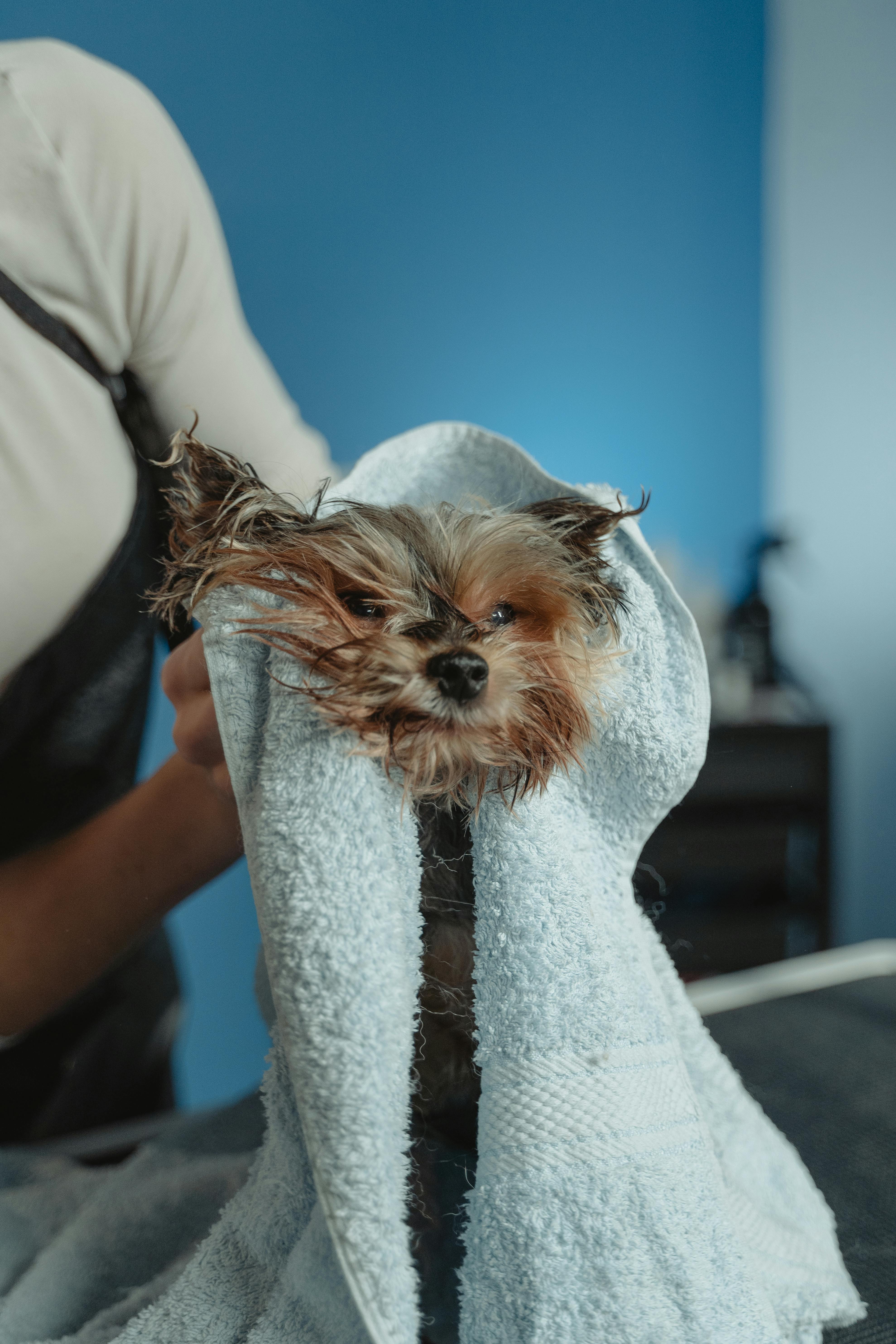 \n\n
\n\nHave you ever noticed your dog’s nose? It’s not just adorable, but it’s often wet too. This wetness is more than a cute trait; it's a fascinating aspect of canine physiology that serves several purposes. Let’s dive deep into the question: Why do dogs have wet noses? Understanding this can give you insight into your furry friend’s health and behavior.
\nThe Science Behind Wet Noses
\nDogs have wet noses primarily because of a few reasons related to their health and senses. The moisture that you see is not just random; it comes from various sources:
\n- \n
- Mucus Production: Dogs produce mucus in their nasal passages, which helps to keep the nose moist. \n
- Sweat Glands: Unlike humans, dogs don’t sweat through their skin. They have sweat glands primarily in their paw pads. However, their noses can absorb moisture from the environment too. \n
- Temperature Regulation: A wet nose helps dogs cool down. When the moisture evaporates, it cools the blood vessels in the nose, helping maintain a lower body temperature. \n
Wet noses are therefore a sign of a healthy dog. If your pet's nose is dry or cracked, it could indicate dehydration or illness.
\nHistorical Perspectives on Canine Noses
\nHistorically, dogs have been companions to humans for thousands of years, and their wet noses have always been a point of curiosity. Ancient cultures often believed that a wet nose was a sign of a dog’s vitality and health.
\n- \n
- Cultural Beliefs: In some cultures, people thought wet noses could ward off evil spirits. \n
- Working Dogs: For hunting and working dogs, a wet nose was crucial. It aids in scent detection, a vital skill for tracking. \n
Why Wet Noses Matter
\nThe wetness of a dog’s nose serves practical purposes beyond just health. Here are some reasons why it matters:
\n- \n
- Enhanced Smell: Dogs have an extraordinary sense of smell, and a wet nose helps with it. The moisture captures scent particles better, improving their ability to detect scents. \n
- Communication: Dogs use their noses to communicate with each other. A wet nose can indicate excitement or readiness to play. \n
- Health Indicators: A change in the wetness of a dog's nose can be an early sign of health issues. A consistently dry nose might require a vet check-up. \n
Common Myths About Dog Noses
\nThere are many myths floating around regarding dog noses. Here are a few common ones debunked:
\n- \n
- \n
Myth: A warm nose means a dog is sick.
\n- \n
- Reality: Temperature of the nose can vary, and a warm nose does not automatically indicate illness. \n
\n - \n
Myth: All dogs have wet noses.
\n- \n
- Reality: Not all dogs will have the same level of moisture on their noses; it can vary by breed, health, and environment. \n
\n
Interesting Comparisons
\nLet’s compare dog noses to human noses to understand the differences:
\n| Aspect | \nDog Nose | \nHuman Nose | \n
|---|---|---|
| Moisture Level | \nGenerally wet and cool | \nTypically warm and dry | \n
| Scent Detection | \nHighly sensitive, for tracking | \nLess sensitive than dogs | \n
| Functionality | \nThermoregulation, scent capture | \nBreathing, smell | \n
Practical Tips for Dog Owners
\nAs a dog owner, you might be wondering how to maintain your pet's nose health. Here are a few tips:
\n- \n
- Keep Hydrated: Always provide fresh water to ensure your dog stays hydrated. \n
- Check for Changes: Monitor any changes in the wetness or appearance of your dog's nose. \n
- Protect from Elements: In extreme weather, consider protecting your dog’s nose from sunburn or frostbite. \n
Fun Facts You Might Not Know
\n- \n
- Dogs have more than 220 million scent receptors in their noses compared to humans, who only have about 5 million. \n
- Some breeds, like the Bloodhound, can track scents days old because of their incredible olfactory abilities. \n
Understanding why dogs have wet noses is not just a matter of curiosity; it plays a vital role in their health and communication. The next time you give your dog a scratch behind the ears, take a moment to appreciate that wet nose—it’s a sign of a happy and healthy canine companion!
\n\nHow Do Dogs’ Noses Help Them Experience the World? The Fascinating Truth
\n\n \n\n
\n\nDogs are known as man's best friend, but have you ever wondered how their noses help them experience the world around them? It's pretty fascinating stuff! Dogs have an incredible sense of smell that allows them to pick up scents far better than humans can. In fact, studies show that dogs have up to 300 million smell receptors in their noses compared to a human's mere 5 million. That’s like having a super-powered nose!
\nHow Do Dogs’ Noses Work?
\nDogs’ noses work by detecting odor molecules in the air. When a dog inhales, air travels through a complex structure inside their noses called the turbinates. These turbinates slow down the air and allow more time for scent molecules to adhere to the receptors. When a dog breathes out, there's a special mechanism that allows them to keep the scent receptors moist, which helps in trapping more scents. Isn’t that amazing?
\n- \n
- \n
Odor Detection: Dogs can detect certain scents at incredibly low concentrations, making them excellent at locating missing persons, drugs, or even detecting illnesses such as cancer.
\n \n - \n
Scent Discrimination: They can distinguish between various smells, allowing them to identify different species, people, or even specific items like food or toys.
\n \n - \n
Emotional Reactions: Dogs can even smell human emotions. For example, they can sense fear or anxiety based on the chemical changes in our sweat.
\n \n
Why Do Dogs Have Wet Noses?
\nHave you noticed how dogs have wet noses? There's a reason for that! A wet nose helps dogs smell better. When a dog's nose is moist, it can trap scent particles more effectively. Here’s a breakdown of why their noses are wet:
\n- \n
- \n
Temperature Regulation: A wet nose helps cool a dog down. When they pant, moisture evaporates from their noses, helping regulate body temperature.
\n \n - \n
Enhanced Smell: Moisture on the nose helps absorb scent particles more effectively. That’s why you often see dogs licking their noses.
\n \n - \n
Hygiene: Keeping the nose wet helps prevent dirt and debris from sticking. It’s like nature’s way of keeping things clean!
\n \n
The Anatomy of a Dog's Nose
\nUnderstanding how a dog’s nose is structured can provide insight into their incredible sense of smell:
\n- \n
- \n
Nasal Cavity: This area is lined with olfactory epithelium, which contains smell receptors.
\n \n - \n
Jacobsen's Organ: Also known as the vomeronasal organ, this part helps dogs detect pheromones, which are chemical signals from other animals.
\n \n - \n
Nasal Turbinates: These are bony structures that increase the surface area inside the nose, enhancing their olfactory capabilities.
\n \n
Fun Facts About Dogs’ Noses
\n- \n
- \n
Unique Patterns: Just like human fingerprints, no two dogs have the same nose print. It’s unique to each individual!
\n \n - \n
Sense of Time: Dogs can even use their sense of smell to determine how long someone has been gone based on the scent concentration in the air.
\n \n - \n
Health Indicators: A dog's nose can also indicate health. If a nose is excessively dry or hot, it may signify illness.
\n \n
Practical Examples of Dogs’ Noses in Action
\nDogs are often used in various fields thanks to their incredible noses. Some practical examples include:
\n- \n
- \n
Search and Rescue: Many rescue organizations use dogs to locate missing persons in disasters. Their noses can pick up scents buried under rubble.
\n \n - \n
Medical Detection: Dogs are trained to detect diseases like diabetes or cancer by smelling chemical changes in breath or sweat.
\n \n - \n
Security: Police and military units utilize dogs to sniff out drugs and explosives, making them invaluable members of the team.
\n \n
Comparing Dogs’ Noses to Human Noses
\nIt’s quite interesting to compare the olfactory capabilities of dogs and humans:
\n| Feature | \nDogs | \nHumans | \n
|---|---|---|
| Smell Receptors | \n300 million | \n5 million | \n
| Scent Discrimination | \nExceptional | \nLimited | \n
| Nose Moisture | \nAlways moist | \nRarely moist | \n
| Nose Print Uniqueness | \nUnique patterns | \nNo uniqueness | \n
The stark difference between dogs and humans in terms of olfactory ability showcases the extraordinary nature of dogs’ noses.
\nDogs' noses are not just cute; they are complex organs that help them navigate and understand the world in ways we can only imagine. The next time you see a dog sniffing around, remember that they are experiencing a rich tapestry of scents that we simply cannot perceive. Truly, the world through a dog's nose is a fascinating place!
\n\nThe Role of Moisture: Why Dogs’ Noses Are Key to Their Sense of Smell
\n\n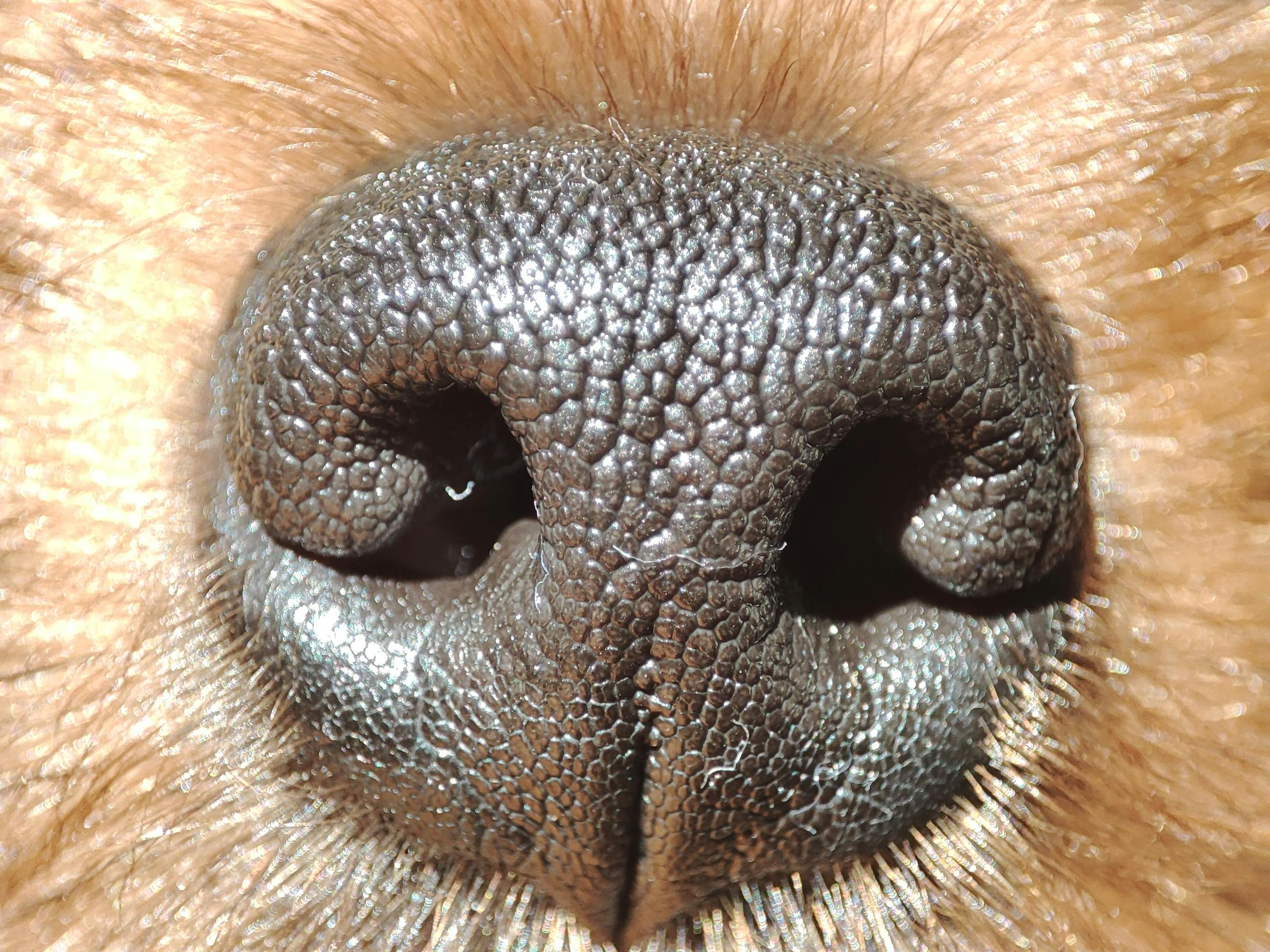 \n\n
\n\nDogs are often known as man's best friend, but did you ever stop to think about why their noses are so wet? It’s not just a quirky trait; it’s actually plays a huge role in how dogs experience the world. The wetness of a dog's nose isn't just for show; it serves several key functions that are crucial for their sense of smell. So, let’s dive into this fascinating world of canine physiology and explore why do dogs have wet noses.
\nThe Science Behind a Dog's Nose
\nA dog's nose is a remarkable organ. It contains millions of scent receptors, much more than humans have. While humans have about 5 million olfactory receptors, dogs can have anywhere from 220 million to 300 million. This is why dogs can sniff out things we humans can't even imagine. But what does moisture have to do with it?
\n- \n
- Moisture Enhances Smell: The wetness on their nose helps to capture scent particles in the air. When the nose is moist, it can better absorb these particles, which enhances a dog’s sense of smell. \n
- Temperature Regulation: The moisture also helps regulate the temperature of the nose. A cooler nose is better at detecting scents, especially in warmer environments. \n
- Cleaning Agents: The nose's moisture acts as a natural cleaner. It helps to wash away dirt and debris, ensuring the scent receptors remain clear and functional. \n
Why Do Dogs Have Wet Noses?
\nIt's curious, right? Why do dogs have wet noses? Here’s some key points to consider:
\n- \n
- Evolutionary Advantage: Dogs evolved from wolves, who relied heavily on their sense of smell for hunting and survival. A wet nose gives them a better chance of detecting prey. \n
- Health Indicator: A wet nose is often considered a sign of health in dogs. If a dog's nose becomes dry, it might indicate some issues, such as dehydration or illness. \n
- Social Signals: Dogs also use their noses to communicate with each other. The scent left on their noses can tell other dogs about their health, mood, and even diet. \n
Fun Facts About Dogs’ Noses
\n- \n
- Unique Patterns: Just like human fingerprints, every dog has a unique nose print. \n
- Scent Memory: Dogs can remember smells for years. This is why they can often find their way back home even after being gone for a long time. \n
- Scent Discrimination: Dogs can distinguish between different scents and even detect certain diseases in humans, like cancer or diabetes, just through smell. \n
Practical Implications for Pet Owners
\nUnderstanding why do dogs have wet noses can be beneficial for dog owners. Here are some practical tips:
\n- \n
- Regular Checks: Regularly check your dog's nose for signs of dryness or cracking. If it stays dry for an extended period, consult your veterinarian. \n
- Hydration Matters: Ensure your dog has plenty of water, especially in hot weather, to keep their nose moist and healthy. \n
- Watch for Changes: Any sudden changes in the moisture level of your dog’s nose can be a sign of health issues. Keep an eye out for unusual behavior or symptoms. \n
Comparison: Dogs vs. Other Animals
\nDogs aren't the only animals with wet noses. Here’s how they compare:
\n| Animal | \nMoist Nose | \nScent Receptors | \n
|---|---|---|
| Dogs | \nYes | \n220-300 million | \n
| Cats | \nSomewhat | \n50-80 million | \n
| Rats | \nYes | \n1,200-1,800 million | \n
| Humans | \nNo | \n5 million | \n
As you can see, dogs have a unique advantage in the animal kingdom when it comes to their sense of smell, largely due to their wet noses.
\nHistorical Context
\nHistorically, dogs have been bred for specific purposes, including hunting and herding. The role of moisture in their noses has played a crucial part in this evolution. Early humans quickly realized that dogs could detect scents far better than they could, leading to a partnership that changed the course of history.
\nDogs' noses are not just a fascinating feature; they are essential tools that help dogs navigate their world. The moisture found on their noses plays a crucial role in how they smell, interact, and communicate. So, the next time you're petting your furry friend, take a moment to appreciate that wet nose and all the wonders it brings to their life and yours.
\n\nCurious Canines: What Your Dog’s Wet Nose Is Trying to Tell You
\n\n\n\nHave you ever wondered why your dog’s nose is always wet? It’s a question that many dog owners ask and it turns out, the answer is more fascinating than you might think. Curious Canines: What Your Dog’s Wet Nose Is Trying to Tell You, Why Do Dogs Have Wet Noses? Discover This Fascinating Truth! Dogs have wet noses for several reasons, all of which are tied to their biology and behavior. Let’s dive into the science and see what your furry friend’s wet nose might reveal.
\nThe Science Behind the Wet Nose
\nDogs have wet noses mainly due to the presence of mucous membranes. These membranes help to keep their nasal passages moist, which is crucial for their sense of smell. In fact, dogs have an incredible sense of smell, estimated to be anywhere from 10,000 to 100,000 times more sensitive than humans. A wet nose helps trap scent particles, allowing them to detect smells more effectively.
\n- \n
- Dogs have about 220 million scent receptors in their noses. \n
- Humans only have around 5 million scent receptors. \n
- Wet noses help enhance the olfactory capabilities of dogs. \n
Why Is Moisture Important?
\nMoisture on a dog’s nose serves several purposes. It’s not just about smelling better; it also plays a role in temperature regulation and overall health. When dogs pant, for instance, moisture evaporates from their nose, helping them to cool down. This is particularly important during warm weather or when they are active.
\nCommon Myths About Wet Noses
\nThere are tons of myths surrounding the wetness of a dog's nose. Here are a few common ones:
\n- \n
- \n
Myth 1: A wet nose means the dog is healthy.
\n
\nReality: While a wet nose can be a sign of good hydration, not all healthy dogs have wet noses. Some dogs may have dry noses but are perfectly fine. \n - \n
Myth 2: A dry nose indicates illness.
\n
\nReality: Dogs can have dry noses for many reasons, including weather conditions or simply being asleep. It’s not a definitive sign of sickness. \n - \n
Myth 3: Dogs lick their noses to keep them wet.
\n
\nReality: While they do lick their noses, the moisture is primarily from their body’s natural processes. Licking can also help them gather scents. \n
What Affects Your Dog's Nose Moisture?
\nSeveral factors can impact the moisture level of your dog’s nose:
\n- \n
- Weather: Hot or dry weather can lead to a drier nose. \n
- Hydration: If your dog isn’t drinking enough water, it may affect their nose’s moisture. \n
- Health Issues: Certain health problems can lead to changes in nose moisture, so it's essential to monitor any sudden changes. \n
- Age: Older dogs might have drier noses due to changes in their body’s natural processes. \n
Observing Nose Changes
\nAs a dog owner, it’s important to observe your pet’s nose for any significant changes. Here’s a simple list to help you know when to be concerned:
\n- \n
- Sudden dryness: If your dog’s nose suddenly becomes very dry and cracked. \n
- Discoloration: If the color changes to a strange shade, like deep red or brown. \n
- Excessive wetness: If your dog’s nose is constantly dripping. \n
- Other symptoms: If you notice any other signs of illness, like lethargy or loss of appetite. \n
How to Care for Your Dog’s Nose
\nTaking care of your dog’s nose is as important as taking care of any other part of their body. Here are a few tips:
\n- \n
- Hydration: Always make sure your dog has access to clean water. \n
- Moisturizers: If your dog has a dry nose, consider using a vet-approved moisturizer. \n
- Regular check-ups: Regular visits to the vet can help catch any potential issues early. \n
Fun Facts About Dog Noses
\n- \n
- Dogs can smell fear! Their noses can pick up on pheromones that humans release when they are scared. \n
- Each dog’s nose print is unique, much like a human fingerprint. \n
- Dogs have a special organ called the Jacobsen’s organ that helps them process smells more effectively. \n
Understanding why dogs have wet noses provides us with insight into their health and well-being. It’s a small feature but plays a big role in how they interact with their environment. So, next time you see your pup with that wet nose, remember it’s not just a cute quirk; it’s part of what makes your furry friend such a remarkable companion. Always pay attention to changes, and consult your veterinarian if you have concerns. After all, keeping your canine buddy happy and healthy is the ultimate goal.
\n\nDogs and Their Wet Noses: A Deep Dive into Canine Health Indicators
\n\n \n\n
\n\nDogs and their wet noses are something that many pet owners notice, but few really understand. Ever wondered why do dogs have wet noses? It’s not just a random quirk; it’s actually tied to their health and well-being. In this article, we will take a deep dive into the fascinating truth behind canine health indicators, particularly focusing on the role of a dog's nose.
\nThe Science Behind Wet Noses
\nFirst off, dogs have wet noses for a reason. Their noses are moist because of a thin layer of mucous that helps them smell better. You see, dogs have an incredible sense of smell, estimated to be anywhere from 10,000 to 100,000 times more powerful than humans. The moisture on their noses helps to capture scent particles from the air, making it easier for them to analyze different smells.
\nSome key points about the science of wet noses include:
\n- \n
- Moisture and Smell: The wetness helps to absorb scent particles. \n
- Temperature Regulation: Dogs can lose heat through their noses, helping them stay cool. \n
- Health Indicator: A dog's nose can signal changes in health, like dehydration or illness. \n
Historical Context of Canine Noses
\nHistorically, dogs were bred for various purposes, including hunting, herding, and companionship. Each breed has developed distinct traits, including nose shape and moisture levels. For example, Bloodhounds are known for their droopy, wet noses, which are ideal for tracking scents over long distances. On the other hand, breeds like the Greyhound have thinner noses, which are less moist. This diversity shows how noses evolved based on function.
\nWhy Do Dogs Have Wet Noses?
\nSo, why do dogs have wet noses? Here are some of the main reasons:
\n- \n
- Enhanced Smell: As mentioned, the moisture helps capture scents. \n
- Cooling Mechanism: Dogs can regulate their body temperature through their noses. \n
- Health Assessment: Changes in the moisture level can indicate health issues. \n
A dry nose might not always mean a sick dog, but consistent dryness could be a sign of dehydration or other health concerns. Likewise, excessive wetness could indicate allergies or infections.
\nCommon Misconceptions
\nIt's easy to fall for myths regarding dog noses. Here are some misconceptions debunked:
\n- \n
- \n
Myth: A wet nose means a dog is healthy.
\n- \n
- Truth: While a wet nose can indicate good health, it’s not the only factor to consider. \n
\n - \n
Myth: Dogs only sweat through their noses.
\n- \n
- Truth: Dogs primarily sweat through their paw pads, not their noses. \n
\n - \n
Myth: All dogs have the same nose moisture level.
\n- \n
- Truth: Nose moisture varies significantly among breeds, and even among individual dogs. \n
\n
Practical Examples of Nose Health
\nHere’s a quick list of what different nose conditions might indicate:
\n- \n
- Wet and Cool: Typically a sign of a healthy dog. \n
- Dry and Cracked: Could suggest dehydration or environmental factors. \n
- Excessively Wet: May indicate allergies or a potential infection. \n
- Cold and Wet: Sometimes seen in sick dogs, but can also be normal depending on the environment. \n
Caring for Your Dog’s Nose
\nTaking care of your dog's nose is more important than it might seem. Here are some tips:
\n- \n
- Hydration: Make sure your dog has constant access to fresh water. This can help maintain a healthy moisture level. \n
- Environment: Protect their nose from extreme weather conditions. Cold winds can dry out their noses. \n
- Regular Vet Visits: Keep up with vet check-ups to monitor overall health. This also includes nose checks. \n
In Conclusion
\nDogs and their wet noses may seem like a simple topic, but it opens a window into understanding our furry friends better. From the science behind why they have moist noses to the health indicators they represent, there’s much to learn. By paying attention to your dog's nose health, you can help ensure they stay happy and healthy. Remember, your dog’s nose is more than just an adorable feature; it’s a key part of their overall well-being. So, next time you give your pup a pat on the head, take a moment to appreciate that wet nose and all it signifies.
\n\nWhat Makes Dogs’ Noses Wet? Exploring Environmental and Biological Factors
\n\n \n\n
\n\nDogs are some of the most beloved pets around the world, and one of the most endearing features of our canine companions is their wet noses. Have you ever wondered why do dogs have wet noses? It's a question that tickles the curiosity of many dog lovers and pet owners. Let's dive into the fascinating truth behind this unique trait, exploring both environmental and biological factors that keep our dogs’ noses moist.
\nThe Science Behind a Wet Nose
\nThe wetness of a dog's nose serves several important purposes, all of which are linked to their biology and environmental interactions.
\n- \n
- \n
Enhanced Sense of Smell: The moisture on a dog's nose helps absorb scent particles, making it easier for them to detect different smells. Dogs have an incredible sense of smell—estimated to be anywhere from 10,000 to 100,000 times more acute than humans. This ability is fundamental for their survival and communication.
\n \n - \n
Thermoregulation: Dogs do not sweat like humans. Instead, they regulate their body temperature through panting and the moisture in their noses. A wet nose can help cool a dog, especially on hot days.
\n \n - \n
Health Indicator: A dog's nose can also be an indicator of their health. A consistently dry or cracked nose may signal dehydration or illness, while a moist nose usually indicates that a dog is healthy.
\n \n
Why Are Some Noses Wetter than Others?
\nNot all dogs have the same level of wetness in their noses, and that can depend on several factors:
\n- \n
- \n
Breed Differences: Some breeds, like Bloodhounds and Beagles, have wetter noses due to their genetics and environmental adaptations. Others, such as Bulldogs, might have less moisture because of their unique facial structures.
\n \n - \n
Environmental Conditions: Weather plays a huge role. Humidity can keep a dog's nose wetter, while dry conditions can lead to more dryness.
\n \n - \n
Activity Level: After a vigorous play session, a dog’s nose might be wetter due to increased panting and natural saliva.
\n \n
Factors Affecting Nose Moisture
\nHere’s a quick look at some factors that can influence a dog’s nose moisture:
\n- \n
- Humidity Levels: High humidity can keep noses moist, while dry air can lead to dryness. \n
- Temperature: Hot weather may cause noses to dry out more quickly. \n
- Health Issues: Conditions like allergies, infections, or dehydration can impact nose moisture levels. \n
Myths About Wet Noses
\nThere are many myths surrounding the wet noses of dogs. Here’s a list of some common misconceptions:
\n- \n
- \n
Myth 1: A wet nose means a dog has a fever.
\n
\nTruth: A dog can have a wet nose and still be sick. Temperature is better measured with a thermometer. \n - \n
Myth 2: All dogs have wet noses.
\n
\nTruth: Some breeds may naturally have drier noses due to their anatomy. \n - \n
Myth 3: A dog’s nose should always be wet.
\n
\nTruth: It’s normal for noses to fluctuate in moisture throughout the day. \n
Practical Tips for Nose Care
\nMaintaining a dog’s nose moisture is essential for their overall health. Here are some practical tips:
\n- \n
- Hydration: Always ensure your dog has access to fresh water. \n
- Moisturize: In dry climates, consider using a dog-safe moisturizer to prevent cracking. \n
- Regular Vet Visits: Keep up with regular check-ups to catch any health issues early. \n
The Fascinating Role of Dogs’ Noses in History
\nThroughout history, dogs have been celebrated for their incredible sense of smell. From hunting and tracking to search and rescue operations, a dog’s nose has played crucial roles in human lives.
\n- \n
- Tracking Dogs in War: During wars, dogs were trained to track soldiers or locate explosives. \n
- Search and Rescue: Today, specially trained dogs can find missing persons, thanks to their keen sense of smell. \n
- Detection Work: Dogs are often used in law enforcement to detect drugs, bombs, and even diseases. \n
Dogs' noses aren’t just cute with their wetness; it’s a fascinating blend of biology and function. They serve as a testament to how nature equips animals for survival and interaction with the world around them. Understanding the reasons behind their wet noses helps us appreciate our furry companions even more. So, next time you give your pup a pat on the nose, remember the science behind that delightful wetness!
\n\nThe Fascinating Connection Between Wet Noses and Dog Behavior: What You Need to Know
\n\n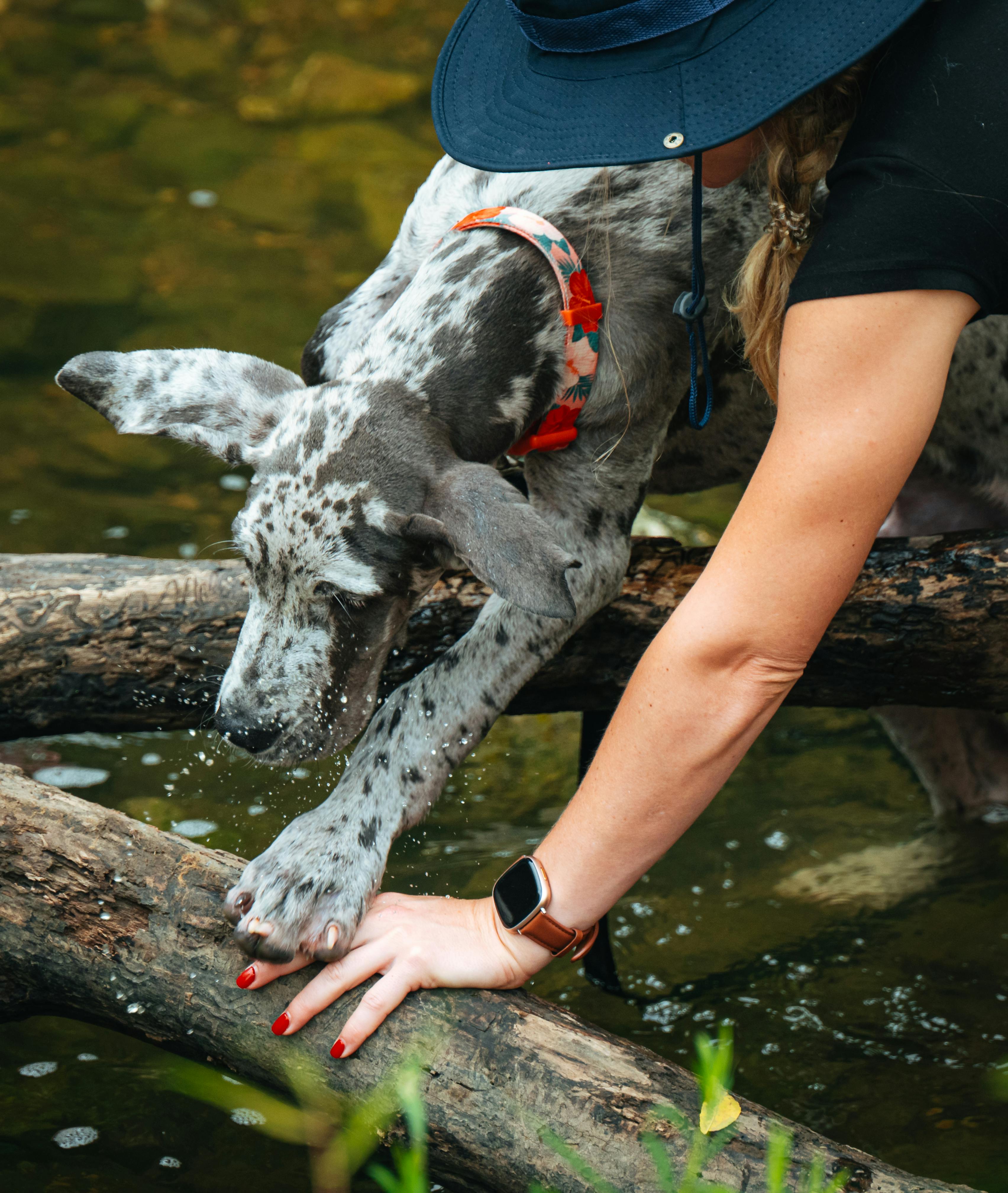 \n\n
\n\nWhen you think about dogs, one of the first things that often comes to mind is their wet noses. Have you ever wondered, why do dogs have wet noses? Its a question that many pet owners ponder, but the answer is not just for cute factor. The fascinating connection between wet noses and dog behavior is deeper than you might think. Let’s delve into the science and reasons behind those adorable, moist snouts.
\nThe Science Behind Wet Noses
\nDogs’ noses are not just wet for fun. Their moist noses actually serves multiple purposes. Firstly, a wet nose helps to enhance a dog’s sense of smell. Dogs have an extraordinary olfactory system, and the moisture on their noses helps to capture scent particles from the air. This moisture acts like a filter, allowing dogs to gather more information about their environment.
\n- \n
- Increased Sensitivity: The wetness increases the ability to detect scents. \n
- Cooling Mechanism: Wet noses also assist in regulating body temperature. When dogs pant, the moisture evaporating from their noses helps cool them down. \n
It’s fascinating to learn that dogs have about 220 million scent receptors in their noses, compared to humans who only have about 5 million. This is why dogs are often used in search and rescue operations or in detecting substances like drugs and explosives.
\nHistorical Context of Dog Noses
\nHistorically, dogs have been companions to humans for thousands of years. They were bred for various purposes including hunting, herding, and protection. Their keen sense of smell was valued for tracking and hunting prey. The trait of having a wet nose has been passed down through generations and has been crucial for their survival and utility.
\n- \n
- Ancient Breeds: Some of the oldest dog breeds, like the Basenji or the Afghan Hound, have maintained this characteristic. \n
- Evolutionary Advantage: A wet nose likely provided an evolutionary advantage in the wild, helping dogs to locate food and avoid danger. \n
Understanding Dog Behavior Through Their Noses
\nDog behavior is often closely tied to their sense of smell. A wet nose can indicate a few different things about your furry friend. For example:
\n- \n
- Curiosity: When a dog is sniffing around, their nose is often moist. This is a signal of interest in their surroundings. \n
- Health Indicator: A dry nose can sometimes indicate illness, though this is not always the case. It’s important to observe other behaviors as well. \n
- Emotional State: Dogs may use their noses to communicate. A wet nose may indicate excitement or affection when they greet you. \n
Fun Facts About Dog Noses
\nDid you know that dog noses are unique, just like human fingerprints? Each dog has a distinct nose print that could be used for identification. Here are some other fun facts:
\n- \n
- Temperature Regulation: Dogs sweat through their noses, which helps them cool off. \n
- Scent Memory: Dogs can remember scents for a long time, which can be helpful in finding lost items or people. \n
- Nose Color: The color of a dog’s nose can vary based on breed, and some breeds have distinct markings. \n
Caring for Your Dog’s Nose
\nTo keep your dog’s nose healthy, there are few things to consider:
\n- \n
- Hydration: Make sure they drink plenty of water. A well-hydrated dog will have a moist nose. \n
- Regular Check-ups: Keep up with vet visits to monitor overall health. \n
- Protect from Elements: In extreme weather, protect your dog’s nose from sunburn or frostbite. \n
Comparison of Dog Breeds and Their Noses
\nDifferent breeds have varying nose types, which can affect their behavior and functionality. Here’s a quick comparison of some popular breeds:
\n| Breed | \nNose Type | \nBehavior Traits | \n
|---|---|---|
| Labrador | \nBroad and wet | \nFriendly, outgoing | \n
| German Shepherd | \nLong and dry | \nAlert, protective | \n
| Bulldog | \nShort and moist | \nGentle, affectionate | \n
| Beagle | \nMedium and wet | \nCurious, playful | \n
In understanding the connection between wet noses and dog behavior, it becomes clear that these seemingly simple features play a significant role in a dog’s life. While a wet nose might just seem like an endearing trait, it actually reflects a complex interplay of biology, behavior, and even history.
\nSo, next time you pet your dog and feel that wet nose, remember, it’s not just cute—it's a remarkable part of who they are!
\n\nConclusion
\n\nIn conclusion, the wet noses of dogs serve several important functions that contribute to their health and well-being. The moisture helps enhance their sense of smell, allowing them to gather more scent particles and interpret their environment more effectively. Additionally, wet noses play a role in thermoregulation, helping to cool down their bodies, and they can also indicate hydration levels. While a warm, dry nose can sometimes suggest illness, a wet nose is generally a sign of a healthy dog. As dog owners, it’s essential to pay attention to these subtle signs, as they can offer insight into your pet’s health. Regular veterinary check-ups and a keen observation of your dog's behavior will ensure they remain happy and healthy. So, the next time you notice your dog's wet nose, remember the vital roles it plays and cherish those moments of connection with your furry friend.
\n\n