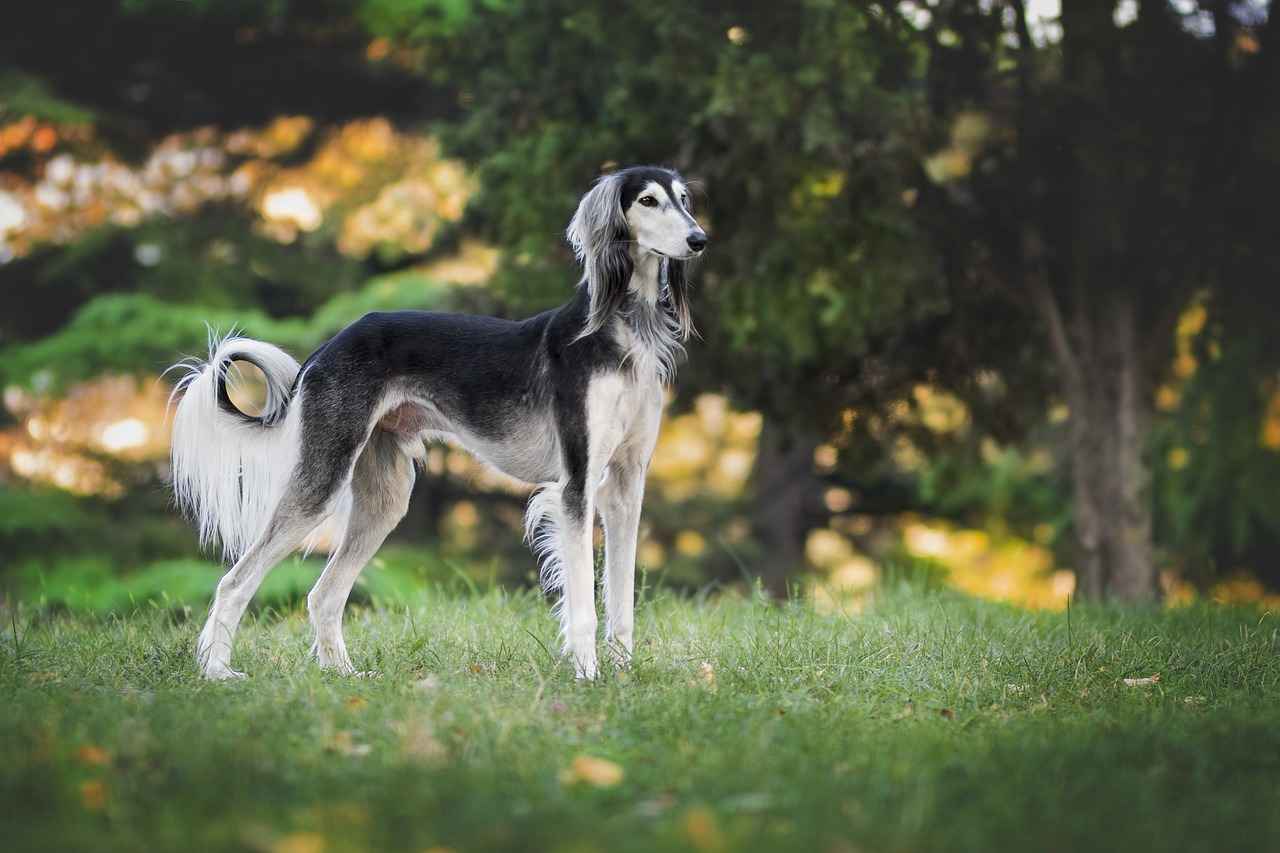
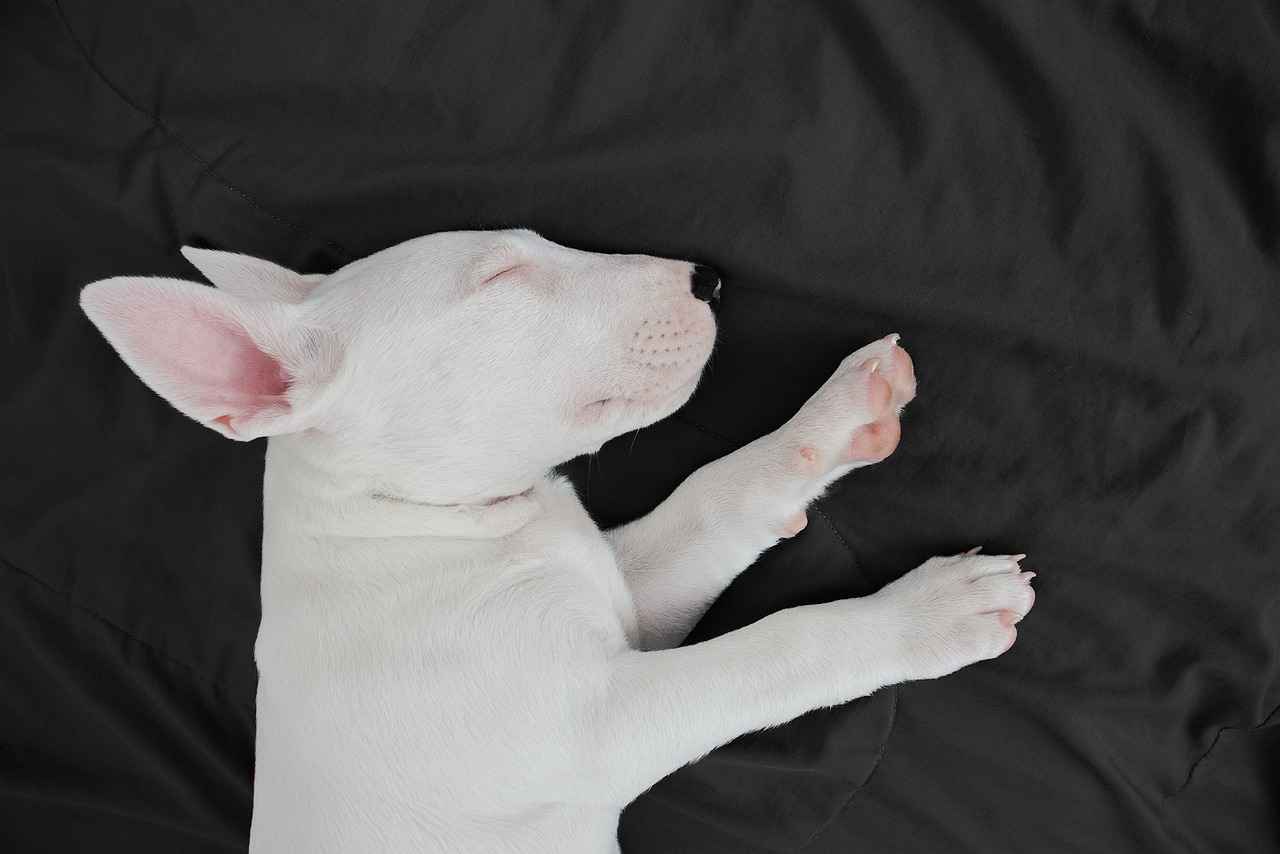
Have you ever wondered, "Why do dogs have wet noses?" This intriguing question not only sparks curiosity but also reveals the fascinating science behind our furry friends. A dog's wet nose is more than just an adorable quirk; it serves important functions for their health and communication. Ever notice your pup's nose getting damp after a good romp outside? This phenomenon is linked to thermoregulation and scent detection, making it a vital aspect of canine biology. But what causes this moisture? Is it merely saliva, or does it serve a deeper purpose? In this article, we will delve into the captivating world of dog anatomy and uncover the reasons behind this wet wonder. From improving their sense of smell to keeping them cool, the science of a dog's wet nose is a topic that every pet owner should understand. Could a wet nose be a sign of your dog’s emotions or well-being? Join us as we explore the compelling reasons for this unique feature, and learn how it plays a crucial role in your dog's life. Your understanding of canine health and behavior will deepen, making you an even better dog owner!
\n\nThe Science Behind Canine Noses: Why Are Dogs’ Noses Wet?
\n\n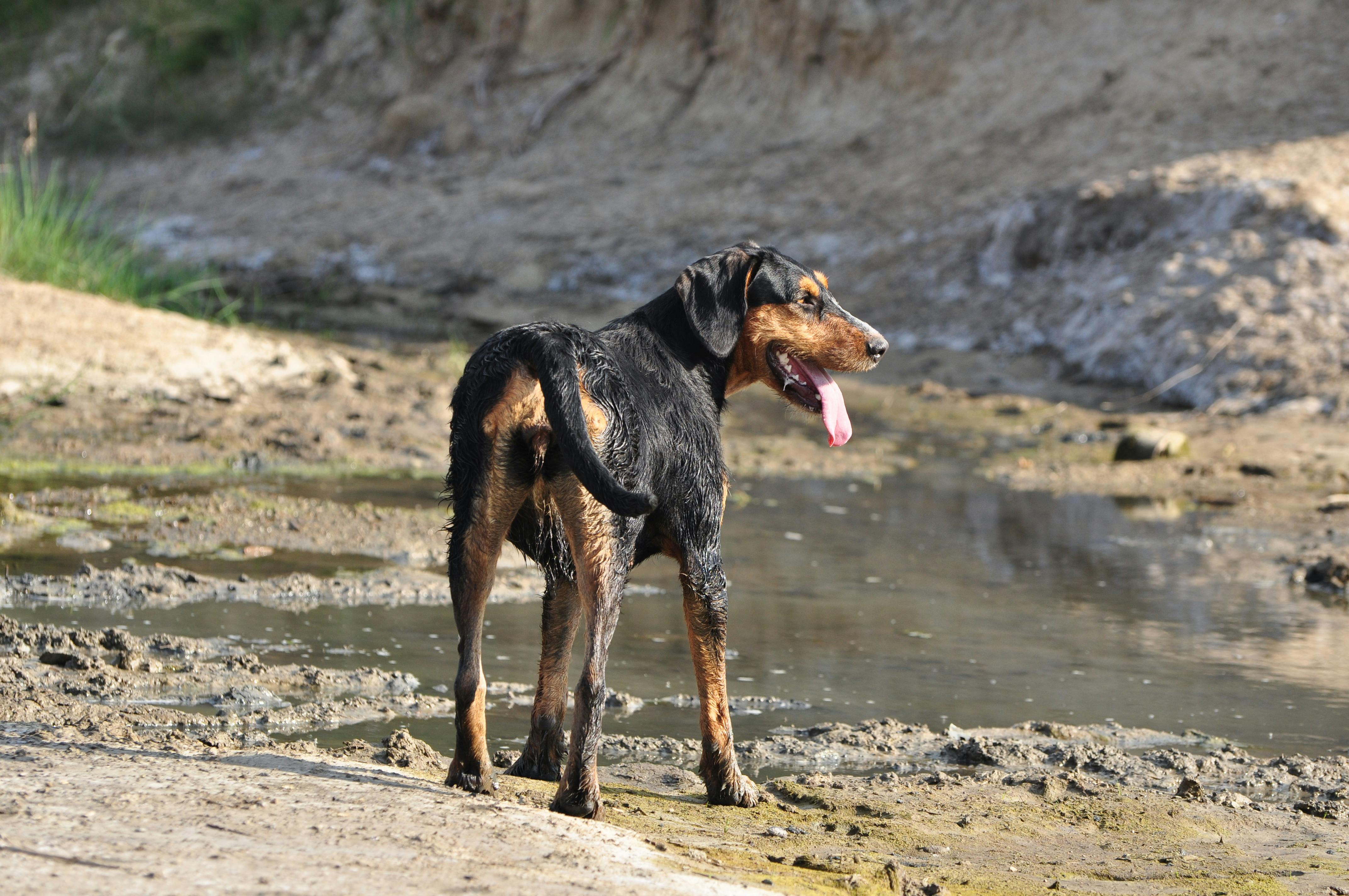 \n\n
\n\nDogs are often seen with their noses glistening and wet, but have you ever wondered why this is? The science behind canine noses is not just fascinating, it’s also a little bit complicated. To understand why dogs have wet noses, we have to look into their biology and how they interact with the world.
\nThe Anatomy of a Dog's Nose
\nA dog's nose is one of the most sensitive parts of its body. In fact, dogs have up to 300 million scent receptors in their noses, compared to a human's meager 5 million. This incredible olfactory system allows dogs to smell things that we can’t even imagine. Here are some key points about a dog's nose:
\n- \n
- Moisture: The moisture on a dog's nose is essential for enhancing their sense of smell. It helps in trapping scent particles in the air so they can be analyzed better. \n
- Cooling Mechanism: A wet nose can also help dogs regulate their body temperature. Just like how humans sweat, dogs can cool off through their noses. \n
- Health Indicator: The condition of a dog’s nose can often indicate its health. A dry or cracked nose might suggest dehydration or illness. \n
Why Are Dogs’ Noses Wet?
\nSo, why do dogs have wet noses? The answer lies in their evolutionary biology. The moisture on their noses comes from a combination of saliva and the secretion of mucus. When dogs lick their noses, it keeps the surface moist, which is crucial for their sense of smell.
\n- \n
- Scent Detection: The wetness allows scent particles to adhere to the surface, making it easier for dogs to detect smells. \n
- Temperature Regulation: Dogs don’t sweat the same way humans do. Their noses help in regulating temperature, especially during hot weather. \n
- Social Interactions: Dogs often use their noses to communicate with other dogs and humans. A wet nose can signal excitement or friendliness. \n
The Role of Environment
\nThe environment plays a significant role in how wet a dog’s nose can get. Humidity, temperature, and even the dog's activity level can affect nose moisture. For instance:
\n- \n
- In humid weather: Dogs usually have wetter noses because moisture is more readily available in the air. \n
- In dry climates: Their noses might become drier, which can be a normal occurrence but can also indicate dehydration. \n
- During play or exercise: Dogs often lick their noses more, keeping them moist. \n
Fun Facts About Dog Noses
\nHere are some interesting tidbits that you might not know about dog noses:
\n- \n
- Unique Patterns: Just like human fingerprints, every dog has a unique nose print. This can actually be used for identification. \n
- Nasal Turbinates: Dogs have complex structures in their noses called nasal turbinates, which help in filtering and warming air. \n
- Scent Discrimination: Dogs can distinguish between different scents; they can smell a single cookie in a batch of hundreds. \n
Comparing Dog Noses to Human Noses
\nLet’s take a look at a quick comparison between canine noses and human noses:
\n| Feature | \nDog Nose | \nHuman Nose | \n
|---|---|---|
| Scent Receptors | \n~300 million | \n~5 million | \n
| Moisture Function | \nEnhances smell detection | \nNot a primary function | \n
| Temperature Regulation | \nHelps cool down | \nMainly through sweating | \n
| Unique Patterns | \nUnique nose prints | \nUnique fingerprints | \n
Practical Tips for Nose Care
\nTaking care of your dog’s nose is important. Here are some practical tips:
\n- \n
- Hydration: Ensure your dog drinks plenty of water, especially in hot weather. \n
- Moisturizing: If your dog's nose seems dry or cracked, you can apply a small amount of coconut oil to help moisturize it. \n
- Regular Checks: Keep an eye on your dog's nose. If you notice significant changes in texture or color, consult your veterinarian. \n
Health Signs Indicated by Nose Condition
\nA dog’s nose can also reflect their health status. Here are some signs to watch for:
\n- \n
- Dry and Cracked: Could indicate dehydration or a potential health issue. \n
- Persistent Nasal Discharge: Might suggest allergies or infections. \n
- Changes in Color: Sudden changes may require a vet's attention. \n
As a dog owner, understanding the science behind your canine companion's wet nose can provide valuable insights into their health and behavior. By observing and caring for your dog’s nose, you can ensure that they stay healthy and happy. Whether it’s noticing the moisture or the unique patterns, there’s much more to a dog’s nose than meets the eye!
\n\nTop 5 Reasons Your Dog's Wet Nose Is More Than Just Cute
\n\n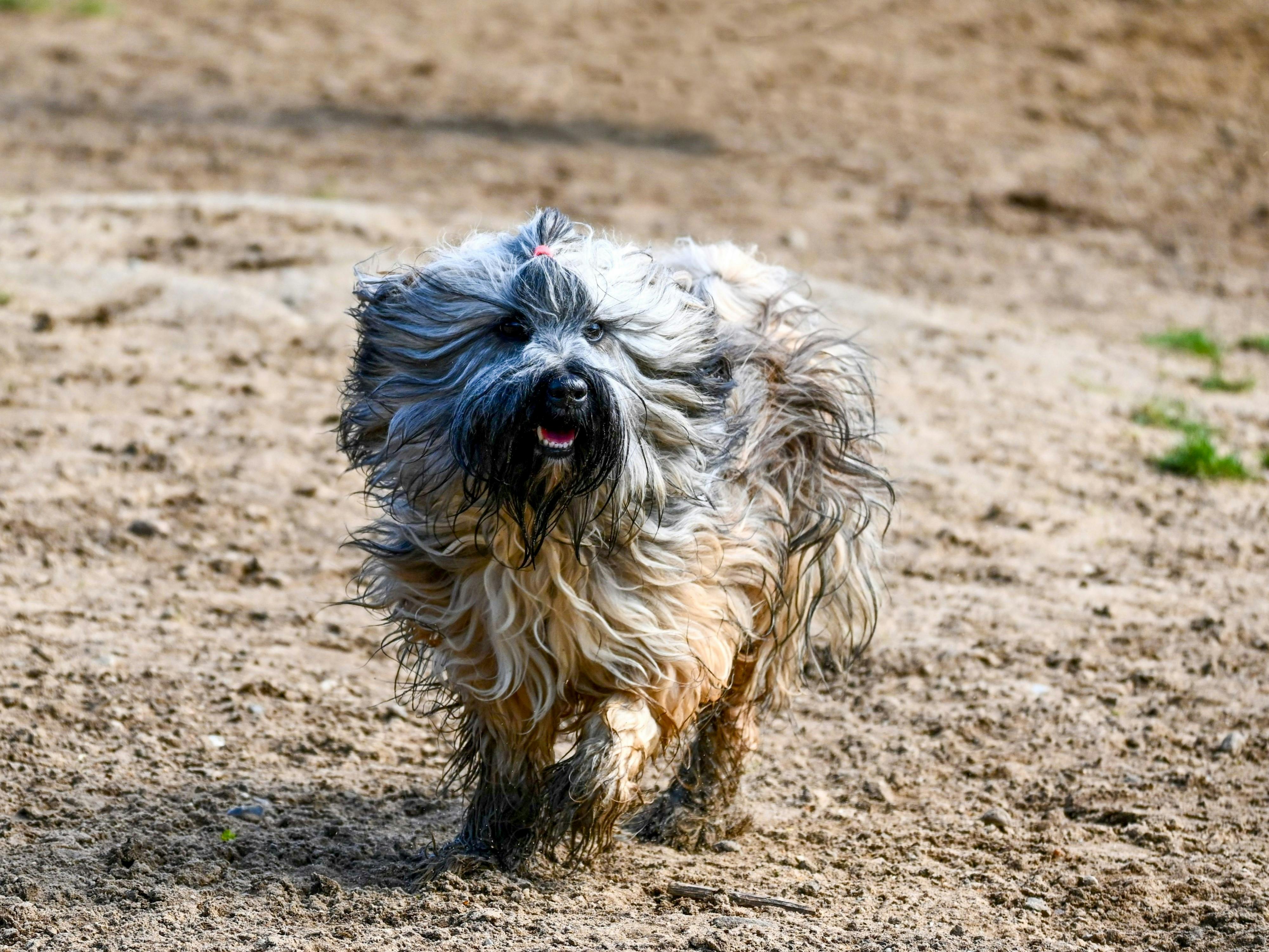 \n\n
\n\nHave you ever noticed your dog giving you that adorable look with its wet nose? It's not just a cute quirk; there’s actually a lot more to it than meets the eye. You might wonder, "Why do dogs have wet noses?" Well, the science behind it is fascinating and can reveal important insights about your furry friend's health and behavior. Here are the top 5 reasons why your dog's wet nose is more than just cute.
\n1. Temperature Regulation
\nDogs don't sweat like humans do. Instead, they rely on their noses to help cool down. A wet nose can help to evaporate moisture, which cools the blood vessels close to the surface. The more moisture on the nose, the better the cooling effect. This is particularly important in hot weather, when dogs can struggle to maintain a comfortable body temperature.
\n- \n
- Dogs pant, but a wet nose helps too. \n
- Breeds with longer snouts may have more efficient cooling. \n
- A dry nose can indicate overheating or dehydration. \n
2. Enhanced Sense of Smell
\nAnother reason dogs have wet noses is that it enhances their sense of smell. The moisture helps to trap scent particles from the air, making it easier for them to detect various odors. This is why dogs are used in search and rescue missions, as well as in police work.
\n- \n
- Dogs have about 220 million smell receptors, compared to humans’ 5 million. \n
- A wet nose can pick up scents more effectively. \n
- This is critical for finding food, mates, and even detecting medical conditions in humans. \n
3. Communication Tool
\nDogs use their noses to communicate with other dogs and humans. A wet nose can signal friendliness and curiosity. When your dog nudges you with its wet nose, it’s not just being affectionate; it’s also trying to engage with you. This is part of their social behavior.
\n- \n
- Wet noses can indicate excitement or anxiety. \n
- Dogs may sniff each other’s noses as a greeting. \n
- The moisture can also convey trust and warmth. \n
4. Health Indicator
\nA dog’s nose can provide clues about its overall health. Generally speaking, a healthy dog will have a moist nose, while a dry or cracked nose could indicate something’s off. However, this isn't a hard and fast rule. Various factors can contribute to changes in your dog's nose moisture.
\n- \n
- A dry nose can suggest dehydration or illness. \n
- Allergies, infections, or environmental factors can also play a role. \n
- Regularly checking your dog’s nose can help catch potential health issues early. \n
5. Evolutionary Advantage
\nFrom an evolutionary standpoint, having a wet nose may have provided dogs with survival advantages. An enhanced sense of smell was crucial for hunting and foraging. As dogs evolved from wolves, those with more efficient noses likely had better survival rates, passing on this trait to their descendants.
\n- \n
- Wet noses helped early canines track prey. \n
- This trait has been retained through breeding and domestication. \n
- It showcases the adaptability of dogs throughout history. \n
Fun Facts About Dog Noses
\n- \n
- Dogs’ noses come in all shapes and sizes, reflecting their breed and genetics. \n
- Each dog has a unique nose print, similar to human fingerprints. \n
- The wetness of a dog’s nose can fluctuate based on activity level, temperature, and humidity. \n
In terms of dog care, it's essential to monitor your pet’s nose along with other health indicators. If you notice any drastic changes, it might be time to visit your veterinarian.
\nIn Summary
\nYour dog's wet nose is a fascinating blend of biology, evolution, and communication. It serves multiple purposes, from regulating body temperature to enhancing their incredible sense of smell. Next time your dog gives you that adorable nudge with its wet nose, remember it's not just being cute; it’s a vital part of its health and well-being. Understanding these aspects can deepen the bond you share with your furry friend and ensure that you provide the best care possible. So, take a moment to appreciate the science behind that little wet nose; it's a marvel of nature!
\n\nHow Wet Noses Help Dogs Detect Scents: The Amazing Biology Explained
\n\n \n\n
\n\nDogs has been our loyal companions for thousands of years, and one of the most fascinating aspects of them is their incredible sense of smell. Have you ever wondered how wet noses help dogs detect scents? Or why do dogs have wet noses in the first place? Let's explore the amazing biology behind these often-overlooked features.
\nThe Biology of a Dog's Nose
\nUnlike humans, dogs have a much more complex olfactory system. Their noses have up to 300 million olfactory receptors compared to our mere 5 million! This sharp sense of smell allows dogs to detect odors at incredibly low concentrations. But what role does a wet nose play in this?
\n- \n
- Mucus Production: Dog noses are naturally moist because of a thin layer of mucus. This mucus helps to trap scent particles, improving the dog’s ability to smell them. \n
- Cooling Mechanism: Wet noses also help dogs regulate their body temperature. When they breathe, moisture from their nose evaporates, helping to cool them down. \n
- Sensory Enhancement: A wet surface can absorb scent particles better than a dry one. This means that the moisture on a dog’s nose enhances their ability to pick up on different smells. \n
Why Do Dogs Have Wet Noses?
\nThe question about why do dogs have wet noses might seem simple, but the answer is quite complex and fascinating. A dog's nose is designed for efficiency. Here are a few reasons for their dampness:
\n- \n
- Increased Surface Area: The shape and texture of a dog’s nose, combined with its moisture, create a larger surface area for odors to adhere. \n
- Sensory Feedback: The wetness can provide sensory feedback that helps dogs interpret smells more accurately. \n
- Health Indicator: Interestingly, a wet nose can also be an indicator of a dog's health. Generally, a wet, cool nose indicates a healthy dog, while a dry, warm nose could suggest illness or dehydration. \n
How Wet Noses Help in Scent Detection
\nSo how does a wet nose help dogs detect scents better? Here’s a breakdown of the process:
\n- \n
- Scent Absorption: As dogs sniff, the moist surface of their noses absorbs scent particles. This increases the chances of these particles binding with the olfactory receptors. \n
- Temperature Regulation: When dogs are tracking scents, they can become overheated. A wet nose helps keep their body temperature in check, allowing them to focus on the scent without overheating. \n
- Behavioral Aspects: Dogs often lick their noses when they are sniffing. This action not only keeps their noses moist but also helps them to reanalyze scents that they have already encountered. \n
Historical Context of Dogs' Senses
\nDogs have been bred for specific tasks, and their sense of smell has been enhanced through selective breeding over centuries. For instance, bloodhounds are known for their tracking abilities, while terriers can detect small pests. The history of dogs working alongside humans is closely tied to their scenting abilities.
\n- \n
- Tracking: Historically, dogs were used for tracking game. Their wet noses were essential for following scents. \n
- Search and Rescue: Today, dogs are trained to locate missing persons, and their wet noses are critical in this process. \n
- Detection Work: Whether it's drugs, explosives, or even diseases, dogs are invaluable in various fields due to their remarkable noses. \n
Fun Facts About Dogs' Noses
\n- \n
- Dogs have a unique nose print, similar to human fingerprints. Each dog's nose is different and can be used for identification. \n
- The wetness of a dog's nose can change throughout the day. Factors like temperature and humidity affects how moist it is. \n
- Some breeds, like Bulldogs, are known to have drier noses due to their genetics. \n
Practical Examples of Scent Detection
\nHere are a few real-world examples of how dogs utilize their noses:
\n- \n
- Service Dogs: Many service dogs are trained to detect medical conditions like seizures or low blood sugar. \n
- Search and Rescue: In disaster scenarios, dogs can find survivors under debris by following their scent. \n
- Police Work: K9 units use dogs to sniff out drugs or explosives, showcasing their unparalleled scent detection capabilities. \n
The biology of a dog's nose, particularly its wetness, plays a crucial role in its ability to detect scents. This fascinating feature has evolved over time, making dogs not only loving companions but also incredible helpers in various fields. Understanding why do dogs have wet noses and how they help in scent detection can deepen our appreciation for these amazing animals. So the next time you see your furry friend with that wet nose, remember, it's more than just cute—it's a powerful tool that aids them in ways we are still discovering!
\n\nIs a Wet Nose a Sign of a Healthy Dog? Unraveling the Myths
\n\n \n\n
\n\nDogs have long been our furry companions, and one of the characteristics that often stands out is their wet noses. Many dog owners, and even some veterinarians, are inclined to believe that a wet nose is a definite sign of a healthy dog. But is that really the case? In this article, we are going to dive deep into the fascinating world of canine noses, unravel some myths, and explore the science behind why do dogs have wet noses.
\nThe Common Belief About Wet Noses
\nFirst off, let’s talk about the common belief that wet noses equals good health. This idea has been passed down through generations, and while there might be some truth to it, it’s not the whole story. A wet nose does often indicate that a dog is well-hydrated and potentially healthy, but it's not a foolproof measure of overall canine health. There are many factors that can contribute to a dog's nose moisture.
\nWhy Do Dogs Have Wet Noses?
\nSo, why do dogs have wet noses? The answer lies in several scientific reasons. Here’s some of the key points:
\n- \n
- \n
Cooling Mechanism: Just like sweating in humans, a dog’s wet nose helps them to cool off. Dogs do not sweat in the same way we do; instead, they regulate body temperature through panting and having a moist nose.
\n \n - \n
Enhanced Sense of Smell: A wet surface can help to trap scent particles in the air, enhancing a dog's sense of smell. This is critical for hunting and tracking, as dogs rely heavily on their olfactory senses to understand their environment.
\n \n - \n
Health Indicator: While a wet nose can be an indicator of health, it’s not the only one. Other signs, like energy levels, appetite, and behavior, are also important to consider.
\n \n
The Science Behind Nose Moisture
\nDogs have special glands in their noses that produce moisture. This moisture is essential for many reasons, and here’s how it works:
\n- \n
- \n
Mucus Production: The glands secrete mucus which keeps the nose moist. This mucus can absorb scent particles, making it easier for dogs to detect smells.
\n \n - \n
Environmental Factors: The humidity and temperature of the environment also play a role. A dog’s nose can feel wetter on a humid day compared to a dry and hot day.
\n \n - \n
Health Conditions: Sometimes, a dog may have a dry nose due to health issues or dehydration. It’s important for pet owners to monitor their dog’s overall condition and not just focus on the nose.
\n \n
Myths About Dog Noses
\nThere are several myths surrounding the wetness of a dog’s nose. Here are some common misconceptions:
\n- \n
- \n
Myth 1: A Wet Nose Means No Illness
\n
\nThis is false. Dogs can have a wet nose and still be sick. It’s essential to look for other signs of illness. \n - \n
Myth 2: Dry Nose Equals Sick Dog
\n
\nWhile a dry nose can be a sign of dehydration or illness, it’s not a definitive indicator. Dogs can have dry noses for several reasons, including sleeping or being in a warm environment. \n - \n
Myth 3: All Dogs Have Wet Noses
\n
\nSome dog breeds have different nose types, and their noses may not always be wet. For example, Bulldogs often have drier noses compared to other breeds. \n
Practical Tips for Dog Owners
\nTo ensure your dog stays healthy, here are some practical tips that every pet owner should consider:
\n- \n
- \n
Hydration: Always provide fresh water for your dog. Hydration is key for maintaining a moist nose and overall health.
\n \n - \n
Regular Check-ups: Regular visits to the veterinarian can help catch potential health issues early on. Don't rely solely on the condition of the nose.
\n \n - \n
Monitor Behavior: Pay attention to changes in behavior or appetite, as these can be more telling than a wet or dry nose.
\n \n - \n
Observe the Environment: Be aware of how weather affects your dog’s nose. Keep them cool in hot temperatures and warm in cold weather.
\n \n - \n
Know Your Breed: Research your dog’s breed to understand their unique characteristics, including nose moisture.
\n \n
In summary, while a wet nose can be a sign of a healthy dog, it’s not the only indicator. Understanding the science behind why do dogs have wet noses is crucial for every dog owner. By being informed and observant, pet owners can ensure their furry friends remain happy and healthy, regardless of the moisture level of their noses. Keeping an eye on overall health and behavior will always be more effective than relying solely on the wetness of a dog's nose.
\n\nThe Role of Moisture: Why Dogs' Wet Noses Are Crucial for Their Sense of Smell
\n\n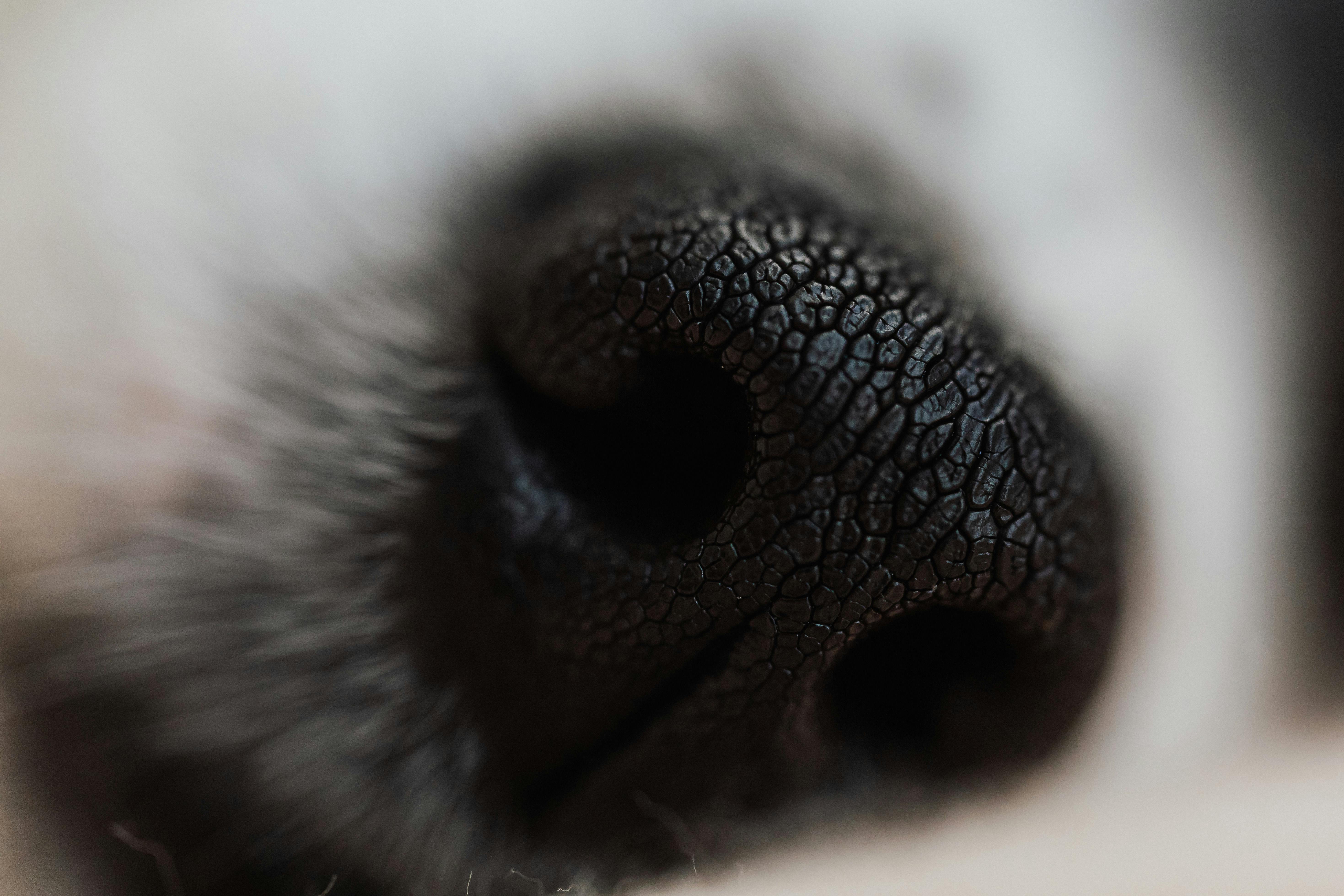 \n\n
\n\nDogs have a unique charm that captivates many of us. One of their most distinctive features is their wet noses. Ever wonder why do dogs have wet noses? This question leads us into a fascinating exploration of canine biology and behavior, particularly focusing on the role moisture plays in their keen sense of smell.
\nThe Importance of Moisture for Dogs’ Noses
\nDogs’ noses are not just cute, they are super important tools for them. The moisture on a dog’s nose serves several purposes. First, it helps to enhance their sense of smell. When the nose is damp, it can trap scent particles in the air more effectively. This is because moisture creates a sticky surface, allowing more smells to adhere to it.
\n- \n
- Enhanced Scent Detection: Wet noses help capture scent particles, allowing dogs to smell better. \n
- Temperature Regulation: A moist nose can help cool down a dog’s body temperature. \n
- Health Indicator: The condition of a dog’s nose can sometimes indicate its health. A dry nose might suggest dehydration or illness. \n
The Science Behind Wet Noses
\nThe science behind why do dogs have wet noses is quite intriguing. Dogs have a specialized structure in their noses called the Jacobsen's organ, or vomeronasal organ, which allows them to detect pheromones and other chemical signals. When a dog sniffs, the moisture on their nose works with this organ to process scents more efficiently.
\n- \n
- Nasal Structure: A dog’s nose contains up to 300 million smell receptors, compared to a human’s 5 million. \n
- Chemical Detection: Dogs can detect certain scents at incredibly low concentrations. For example, they can smell a drop of blood in several Olympic-sized swimming pools. \n
Historical Context
\nThe history of dogs and their relationship with humans dates back thousands of years. Dogs were domesticated from wolves and have evolved to become highly skilled hunters and companions. Their sense of smell played a crucial role in their survival and work alongside humans.
\n- \n
- Hunting Companions: Early humans relied on dogs for hunting. Their ability to track scents made them invaluable. \n
- Roles in Society: Over time, dogs have transitioned from hunters to helpers, assisting in search-and-rescue missions, guiding the blind, and even detecting diseases. \n
Common Misconceptions
\nThere are many myths surrounding dogs’ noses. Some people think that a warm nose means a dog is sick, which isn’t always true. A dog’s nose temperature can fluctuate based on several factors, including their environment and level of activity. Here are a few misconceptions:
\n- \n
- Wet Nose Equals Healthy Dog: While a wet nose can indicate hydration, it doesn’t always mean the dog is healthy. \n
- Dry Nose Means Illness: Not all dry noses mean something is wrong. It can be caused by heat, exercise, or just being awake. \n
Practical Examples of Nose Use
\nDogs use their noses in various ways every day. Here’s a list of activities where their noses play a crucial role:
\n- \n
- Detecting Drugs and Explosives: Many police and military dogs are trained to sniff out illegal substances or explosives. \n
- Search-and-Rescue: Canines are often employed in search-and-rescue missions, using their noses to locate missing persons. \n
- Medical Detection: Some dogs are trained to detect diseases like cancer and diabetes by smelling changes in human body chemistry. \n
Nose Care Tips for Dog Owners
\nSince a dog’s nose is important for its health and sense of smell, here are some tips for owners to keep their furry friends’ noses in good shape:
\n- \n
- Hydration: Ensure your dog has access to fresh water, as dehydration can affect nose moisture. \n
- Protect from Harsh Weather: In winter, consider using a nose balm to protect against cracking. \n
- Regular Vet Check-ups: Keep an eye on any changes in the nose condition and consult a vet if needed. \n
Dogs' wet noses are not just an adorable characteristic; they are essential for their incredible sense of smell. Understanding the science behind it reveals the complexity of canine biology and their adaptations over thousands of years. Next time you pet your dog and feel that cool, damp nose, remember the fascinating role it plays in their world. It’s more than just a cute feature; it’s a vital part of their sensory experience.
\n\nCurious Canines: What Your Dog’s Wet Nose Tells You About Their Health
\n\n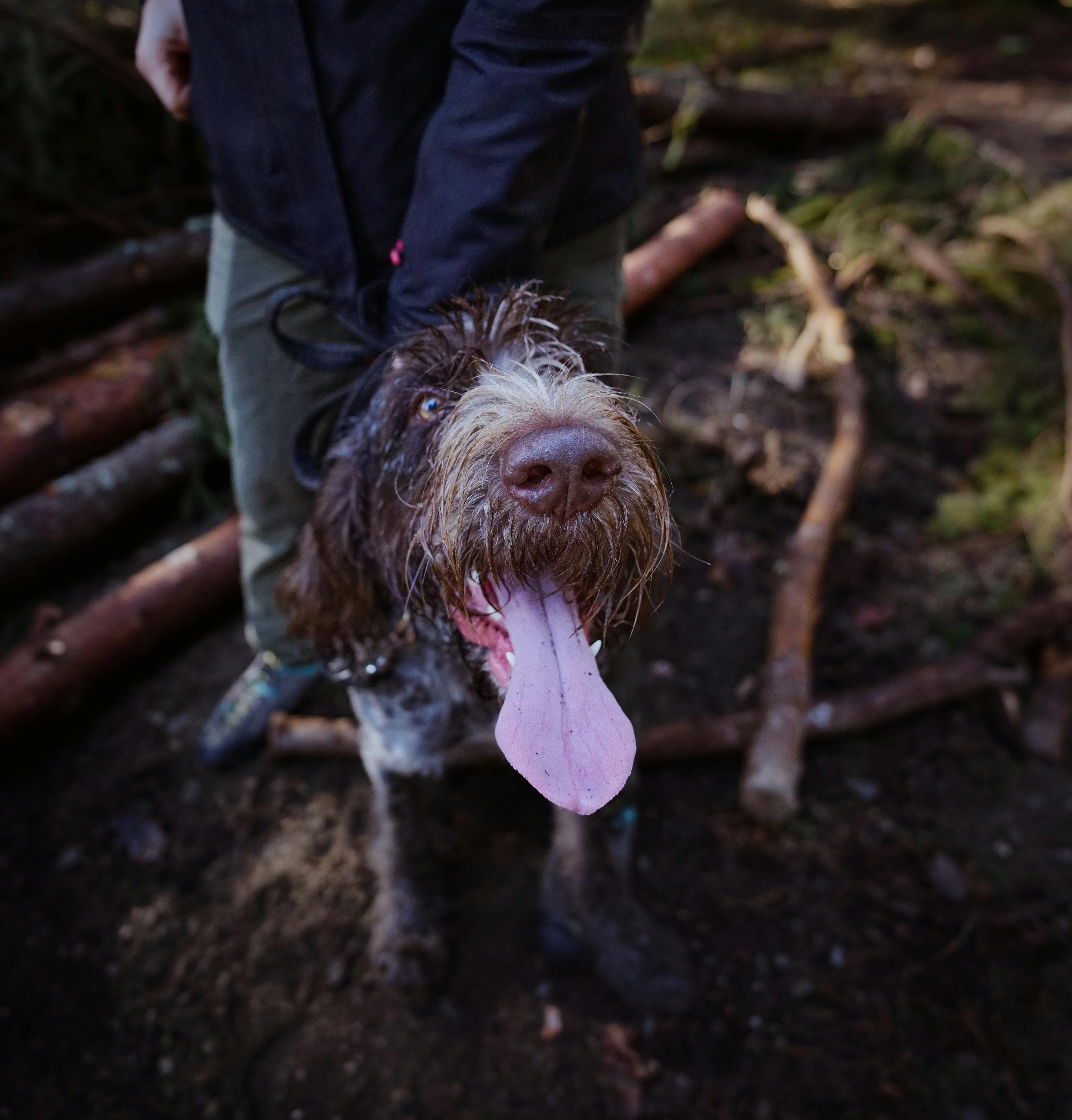 \n\n
\n\nCurious Canines: What Your Dog’s Wet Nose Tells You About Their Health
\nIf you ever been curious about why your dog's nose is always wet, you're not alone. Many dog owners wonder what this characteristic means for their furry friends. Wet noses are more than just a quirky feature of our canine companions; they provide valuable insights into their health and well-being. So, let’s dive into the fascinating science behind why do dogs have wet noses and what it might indicate about their overall health.
\nThe Science Behind a Wet Nose
\nDogs have wet noses for several reasons, primarily related to their biology and behavior. Here's a breakdown of the fascinating science:
\n- \n
- \n
Cooling Mechanism: Dogs cannot sweat like humans do. Instead, they rely on their nose to help regulate body temperature. The moisture on their nose evaporates, which cools them down.
\n \n - \n
Enhanced Smell: A wet nose helps to capture scent molecules from the environment. This moisture increases their olfactory capabilities, making them better at detecting different smells. It's like having a super-powered sniffing tool!
\n \n - \n
Health Indicator: A dog’s nose can also provide clues about their health. For instance, if a dog’s nose is dry and warm, it may be a sign of fever or dehydration. Conversely, a consistently wet nose is usually a sign of a healthy dog.
\n \n
Historical Context of Dogs' Wet Noses
\nHistorically, dogs have been known for their keen sense of smell and wet noses. Ancient civilizations recognized the importance of a dog's ability to sniff out scents, which led to their domestication. From hunting partners to loyal companions, dogs' wet noses have always been a part of their charm.
\nCommon Myths About Dog Noses
\nThere are several myths surrounding dogs' noses that persist even today. Here are a few:
\n- \n
- \n
Myth 1: A wet nose means a healthy dog.
\n- \n
- Truth: While often true, a wet nose isn't the only indicator of health. Other signs, like energy levels and appetite, matter too. \n
\n - \n
Myth 2: Dogs' noses are always wet.
\n- \n
- Truth: Some dogs have drier noses than others, and this can be completely normal based on their breed or environment. \n
\n - \n
Myth 3: You can diagnose health issues just by checking the nose.
\n- \n
- Truth: While a nose can provide clues, it should never replace a vet's assessment. \n
\n
Signs to Watch For
\nAs a dog owner, it’s important to pay attention to any changes in your dog's nose. Here are some signs to watch for:
\n- \n
- \n
Dryness: If the nose becomes excessively dry, it may indicate dehydration or illness.
\n \n - \n
Cracking: Cracked skin can be a sign of allergies or skin diseases.
\n \n - \n
Discharge: A clear discharge is usually normal, but if it's colored or excessive, it might indicate an infection.
\n \n - \n
Temperature: A warm nose can sometimes signal a fever.
\n \n
How to Care for Your Dog’s Nose
\nCaring for your dog's nose is essential. Here are a few tips:
\n- \n
- \n
Hydration: Ensure your dog always has access to fresh water. Proper hydration keeps their nose moist.
\n \n - \n
Moisturize: If your dog has a dry nose, consider using a dog-safe moisturizer to prevent cracking.
\n \n - \n
Regular Vet Check-ups: Regular health check-ups can help catch any issues early.
\n \n
Interesting Facts About Dog Noses
\n- \n
- \n
Dogs have about 300 million smell receptors in their noses, compared to humans who have about 6 million. That’s a big difference!
\n \n - \n
The texture of a dog’s nose is unique, much like a human fingerprint. No two dog noses are alike.
\n \n - \n
Some breeds, like Bloodhounds, have an extraordinarily strong sense of smell and can even track scents that are days old.
\n \n - \n
A dog's sense of smell is so powerful, it can detect certain diseases in humans, including cancer and diabetes.
\n \n
Understanding why do dogs have wet noses can help you provide better care for your furry friend. Their noses are not just adorable; they serve important functions that contribute to their health and communication. Observing changes in your dog's nose can help you stay on top of their health. So, the next time you notice your dog's wet nose, remember it tells a fascinating story about their well-being.
\n\nThe Evolution of Wet Noses: How Nature Designed Dogs for Success
\n\n \n\n
\n\nDogs have always been companions to humans, and their wet noses are one of the most iconic features they have. But why do dogs have wet noses? The answer is more than just a quirky trait; it’s a fascinating journey through nature’s design that shows how evolution shaped these beloved pets for success. Let's dive into the science and history behind this unique characteristic.
\nThe Purpose of a Wet Nose
\nDogs’ noses are not just for sniffing; they serve several important functions. A wet nose plays a critical role in a dog’s sense of smell. Here’s how:
\n- \n
- \n
Enhanced Olfactory Function: The moisture from their noses helps capture scent particles in the air. A wet surface increases the ability to detect odors, making dogs some of the best sniffers in the animal kingdom.
\n \n - \n
Temperature Regulation: Dogs don’t sweat like humans do. Their wet noses help to cool them down. When dogs breathe out, the moisture evaporates, cooling them off.
\n \n - \n
Communication: Dogs use their noses to gather information about their environment and other animals. A wet nose can indicate a dog’s emotional state or health.
\n \n
Evolutionary Advantages
\nSo, how did dogs evolve to have these wet noses? It all comes down to survival. The ancestors of modern dogs, wolves, relied heavily on their sense of smell to hunt and survive. Over time, those with better olfactory abilities were more successful in finding food and avoiding danger. This is how:
\n- \n
- \n
Hunting Success: Wolves that could smell better were able to locate prey more efficiently. This meant they could provide more food for their packs.
\n \n - \n
Territorial Awareness: A keen sense of smell helped wolves to establish boundaries and avoid conflicts with rival packs, fostering safer living conditions.
\n \n - \n
Social Interactions: The ability to detect pheromones and other scents allowed wolves to communicate better, which is crucial for pack dynamics.
\n \n
The Science Behind Dog Noses
\nThe anatomy of a dog’s nose is quite complex. Did you know that dogs have around 300 million smell receptors? In comparison, humans only have about 5 million! This difference is what gives dogs their incredible sense of smell. Here are some additional facts about dog noses:
\n- \n
- \n
Nasal Turbinates: Dogs have intricate structures in their noses called turbinates. These help to warm and humidify the air, while also trapping scent particles.
\n \n - \n
Jacobsen’s Organ: Also known as the vomeronasal organ, this special structure allows dogs to detect pheromones, which are essential for social and reproductive behaviors.
\n \n - \n
Wet vs. Dry Nose: A wet nose can indicate good health, while a dry nose can be a sign of dehydration or illness. However, it’s not always a rule, as some breeds have naturally drier noses.
\n \n
Fun Facts About Dog Noses
\n- \n
- \n
Unique Patterns: Just like human fingerprints, each dog’s nose print is unique. This could potentially be used for identification.
\n \n - \n
Color Changes: A dog's nose can change color due to health or environmental factors. Seasonal changes can also affect the moisture level in their noses.
\n \n - \n
Taste Sensation: Dogs have a heightened sense of taste, which is also influenced by their sense of smell. A wet nose helps them to taste food better.
\n \n
Practical Examples of Dog Nose Uses
\nDogs are often trained to utilize their noses in various professional fields. Here’s a brief list of roles that rely on their unique olfactory abilities:
\n- \n
- \n
Search and Rescue: Dogs can locate missing persons in disaster situations by scent tracking.
\n \n - \n
Detection Work: Dogs are used to detect drugs, explosives, and even certain medical conditions such as cancer.
\n \n - \n
Service Animals: Many service dogs use their noses to assist individuals with disabilities, alerting them to important sounds or changes in their environment.
\n \n
Historical Context
\nThroughout history, dogs were bred for specific tasks, and their noses played a major role in their development. In ancient times:
\n- \n
- \n
Hunting Dogs: Breeds like Bloodhounds and Beagles were developed for their exceptional tracking abilities.
\n \n - \n
Herding Dogs: Breeds such as Border Collies evolved to manage livestock, where scent played a key role in their communication with animals.
\n \n - \n
Companionship: As dogs transitioned from working animals to companions, their noses remained a crucial part of their identity.
\n \n
In understanding why do dogs have wet noses, we can appreciate not only their biology but also their evolution. They are designed to thrive, adapt, and bond with us, all thanks to the remarkable features that have developed over thousands of years. The next time you pet a dog and feel that wet nose, remember the science and history behind it — it’s a testament to how nature equipped dogs for success in a complex world.
\n\nDo All Dogs Have Wet Noses? Discover the Surprising Truth
\n\n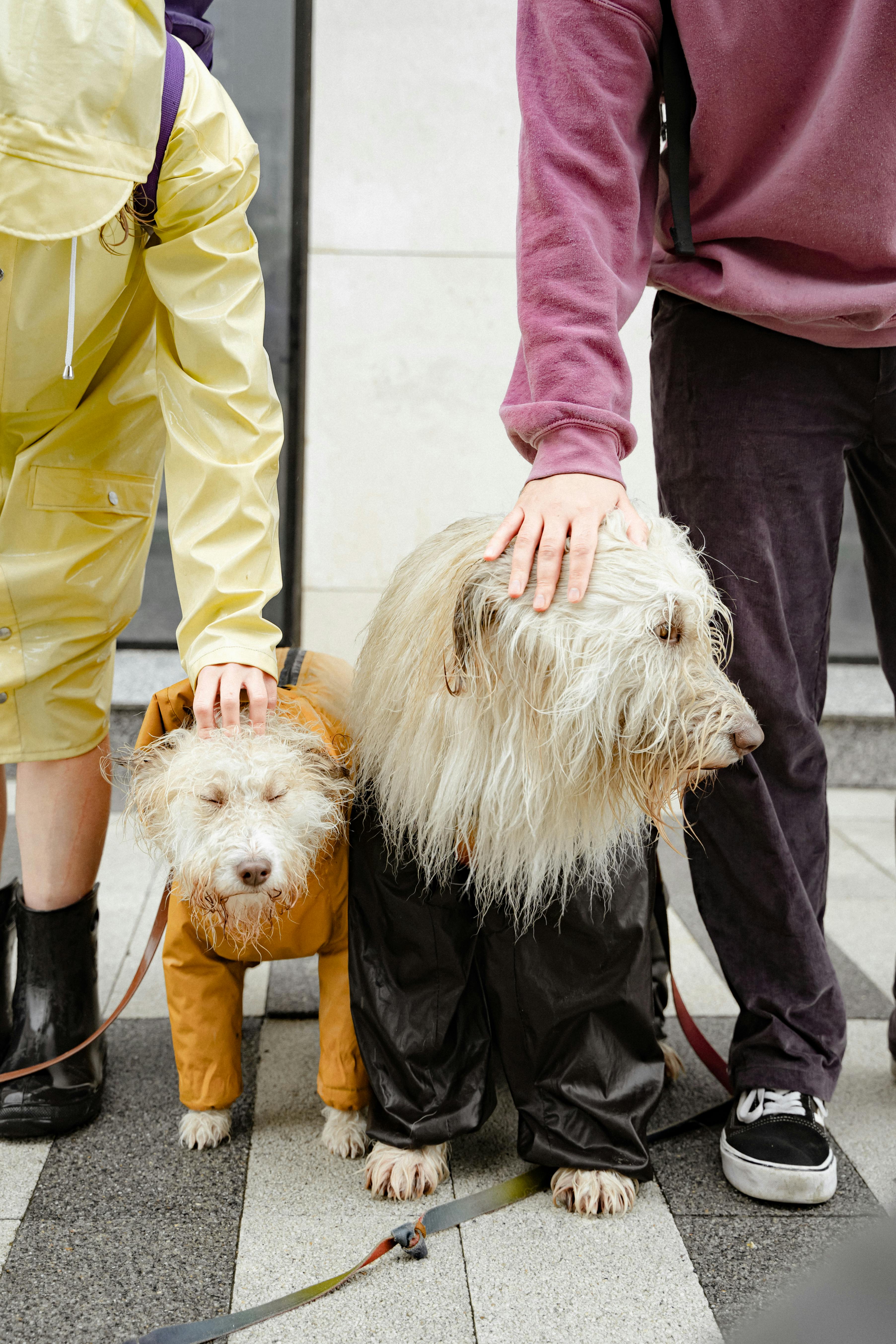 \n\n
\n\nDogs are often known for their wet noses, but do all dogs have wet noses? It's a question that sparks curiosity among dog lovers and pet owners alike. The answer isn't as straightforward as one might think. While most dogs do have moist noses, there are several factors that can influence this condition. So, let’s dive into the science behind why dogs have wet noses and uncover some surprising truths.
\nThe Science Behind Wet Noses
\nDogs' noses are not just adorable features; they serve important functions. The moisture on a dog’s nose plays a crucial role in their sense of smell. Here’s how it works:
\n- \n
- Enhanced Smell: A wet nose helps to capture scent particles from the air. When moisture is present, it helps to dissolve these particles, making it easier for dogs to detect smells. \n
- Temperature Regulation: Dogs don’t sweat like humans. Instead, they use their noses to help regulate their body temperature. The moisture evaporates, cooling them down. \n
- Health Indicator: A dog's nose can also be an indicator of its health. A dry nose might suggest dehydration or illness, while a wet nose is often seen as a sign of a healthy dog. \n
Why Do Dogs Have Wet Noses? The Fascinating Science Explained
\nSo, why do dogs have wet noses? The answer lies in evolutionary biology and the unique physiology of canines. Here are some key points that explain why this is the case:
\n- \n
- Evolved Traits: Dogs are descendants of wolves, who have wet noses. This trait has been passed down through generations because it aids in survival. \n
- Sensory Function: Dogs have up to 300 million smell receptors in their noses. The moisture from their noses enhances their ability to pick up scents, which is vital for hunting and other survival skills. \n
- Behavioral Aspects: Dogs often lick their noses, which keeps them moist. This behavior is instinctual and helps them maintain their scent detection abilities. \n
Do All Dogs Have Wet Noses?
\nNot all dogs have wet noses all the time, and that's perfectly normal! Several factors can affect the moisture levels of a dog's nose:
\n- \n
- Weather Conditions: In hot or dry climates, a dog's nose may dry out more quickly. Conversely, cold and humid weather can keep it wetter. \n
- Health Issues: Sometimes, a dog’s nose may be dry due to health problems. Conditions like allergies, infections, or even dehydration can lead to a dry nose. \n
- Age Factors: Older dogs may experience changes in their nose moisture. It’s common for their noses to become drier as they age. \n
Common Misconceptions About Dog Noses
\nThere are many myths surrounding dog noses. Let’s debunk a few:
\n- \n
- \n
Myth: A cold, wet nose means a dog is healthy.
\n
\nFact: While a wet nose can be a sign of good health, it’s not a definitive indicator. Always observe other health signs. \n - \n
Myth: All dogs have wet noses.
\n
\nFact: Some breeds may naturally have drier noses, and environmental factors can play a role too. \n - \n
Myth: Licking their noses means dogs are sick.
\n
\nFact: Dogs lick their noses for various reasons, including to keep it moist or as a sign of curiosity. \n
The Different Types of Dog Noses
\nNot all dog noses are created equal! Here’s a fun comparison of different types of dog noses:
\n| Type of Nose | \nDescription | \nExamples | \n
|---|---|---|
| Wet Nose | \nMoist and often cool to the touch. | \nLabrador Retriever, Beagle | \n
| Dry Nose | \nLacks moisture but can still be normal. | \nBulldog, Shih Tzu | \n
| Pink Nose | \nLighter pigmentation, can be drier. | \nDalmatian, French Bulldog | \n
| Black Nose | \nDark pigmentation, often wet. | \nRottweiler, Doberman | \n
Practical Tips for Dog Owners
\nIf you're a dog owner, here are some tips to keep your dog's nose healthy:
\n- \n
- Hydration: Make sure your dog has access to fresh water at all times. \n
- Regular Vet Check-ups: Keep an eye on changes in your dog's nose and consult your vet if you notice anything unusual. \n
- Environmental Adjustments: In extreme weather, consider using a pet-safe nose balm to prevent dryness. \n
Understanding why dogs have wet noses not only satisfies curiosity but also helps us care for our furry friends better. By appreciating the science and biology behind this unique trait, we can ensure our pets are happy and healthy. So, the next time you pet your dog and feel that familiar wet nose, remember all the fascinating reasons behind it!
\n\nThe Temperature Connection: Why a Wet Nose Keeps Your Dog Cool
\n\n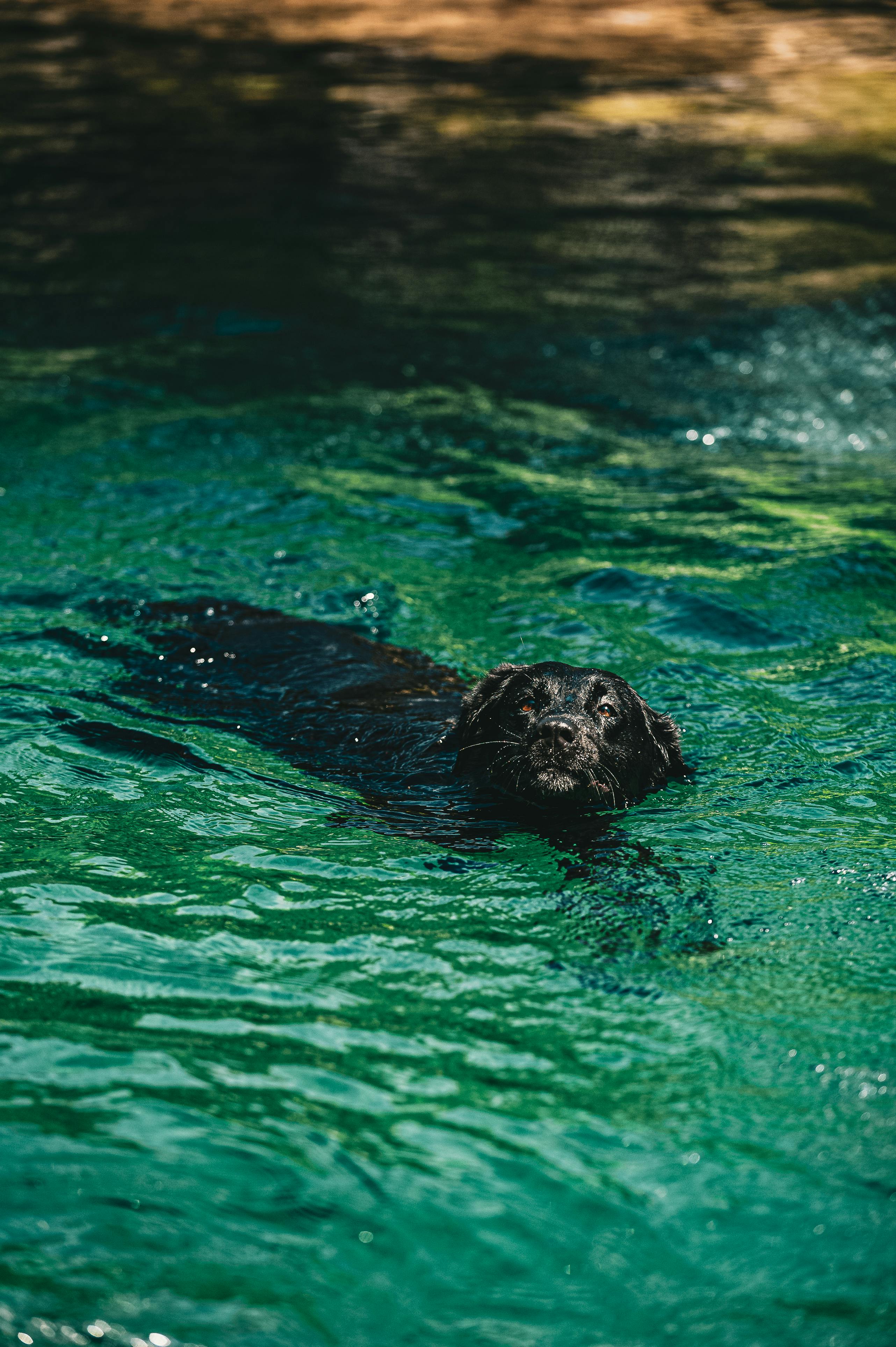 \n\n
\n\nHave you ever wondered why your dog’s nose is always wet? It’s a common observation, but the science behind it is both intriguing and essential to understanding canine health. The temperature connection between a wet nose and your dog’s cooling mechanism is fascinating. Let's dive into why do dogs have wet noses and what this means for their overall wellbeing.
\nThe Science Behind a Wet Nose
\nDogs noses are not only cute but serve multiple purposes. The wetness of a dog’s nose is primarily due to moisture which helps them stay cool. Unlike humans, who sweat through their skin, dogs have a different way of regulating their temperature. Here’s how it works:
\n- \n
- Evaporation: The moisture on a dog’s nose evaporates, which cools the blood vessels nearby. This cooling effect helps lower their body temperature. \n
- Scent Detection: The wetness enhances their ability to detect scents. A wet nose can trap more scent particles, which enhances your dog's sense of smell. \n
- Health Indicator: It can indicate health. A dog with a dry nose may be dehydrated or unwell, although this is not always the case. \n
Historical Context of Dog Noses
\nDogs have been companions to humans for thousands of years. Their noses serve not only practical functions but have also been a part of cultural lore. From ancient civilizations, where dogs were viewed as protectors and hunters, to modern times, the health of a dog’s nose has often been seen as a direct correlation to their overall health.
\n- \n
- In ancient Egypt, dogs were revered and often depicted in art with moist noses. \n
- In various cultures, a dog’s ability to sniff out disease has been noted, highlighting the importance of a healthy nose. \n
Why Do Dogs Have Wet Noses?
\nSo why do dogs have wet noses? Here’s a breakdown of the reasons:
\n- \n
- Thermoregulation: Helps maintain an optimal body temperature. \n
- Enhanced Smelling: Wetness increases their ability to detect scents. \n
- Health Monitoring: Changes in moisture levels can signify health issues. \n
The Temperature Connection Explained
\nThe temperature connection between a dog's wet nose and its cooling process is remarkable. During hot weather, dogs often pant to regulate their body temperature, but their noses play a critical role too.
\n- \n
- Behavioral Changes: Dogs tend to seek shade or water when they feel too warm. Noticing these changes can help you take better care of your pet. \n
- Signs of Heat Stress: If a dog’s nose is excessively dry or hot, it could be a sign of overheating or stress. \n
Practical Examples
\nHere are some practical examples of how to ensure your dog’s nose stays healthy and wet:
\n- \n
- Hydration: Always provide fresh water to keep your dog hydrated. \n
- Temperature Control: Make sure your dog has a cool place to relax, especially during hot summer days. \n
- Regular Vet Check-ups: Routine veterinary visits are essential to monitor your dog’s health. \n
Key Benefits of a Wet Nose
\n- \n
- Cooling Mechanism: Keeps dogs cool by evaporative cooling. \n
- Better Scent Detection: Enhances their ability to smell. \n
- Health Monitoring: Indicates hydration levels and general health. \n
Quick Comparison: Dog Noses vs. Human Noses
\nHere’s a quick look at how dog noses differ from human noses:
\n| Feature | \nDog Nose | \nHuman Nose | \n
|---|---|---|
| Moisture Level | \nGenerally wet | \nGenerally dry | \n
| Temperature Regulation | \nEvaporation helps cool body | \nSweating helps cool body | \n
| Scent Detection | \nExtremely sensitive | \nLess sensitive | \n
Dogs rely heavily on their sense of smell, which is why a wet nose is crucial for their survival and wellbeing. The fascinating connection between a dog’s wet nose and temperature regulation is more than just an oddity; it reflects the complex ways in which dogs interact with their environment.
\nUnderstanding the significance of a dog’s wet nose can help pet owners monitor their health better. Whether it’s a hot day or a chilly night, keeping an eye on your canine companion’s nose can provide valuable insights into their needs and wellbeing. So, the next time you give your furry friend a pat, take a moment to appreciate that wet nose—it’s a small but mighty part of their biology!
\n\nFrom Playful Pups to Senior Dogs: The Importance of Wet Noses Across All Ages
\n\n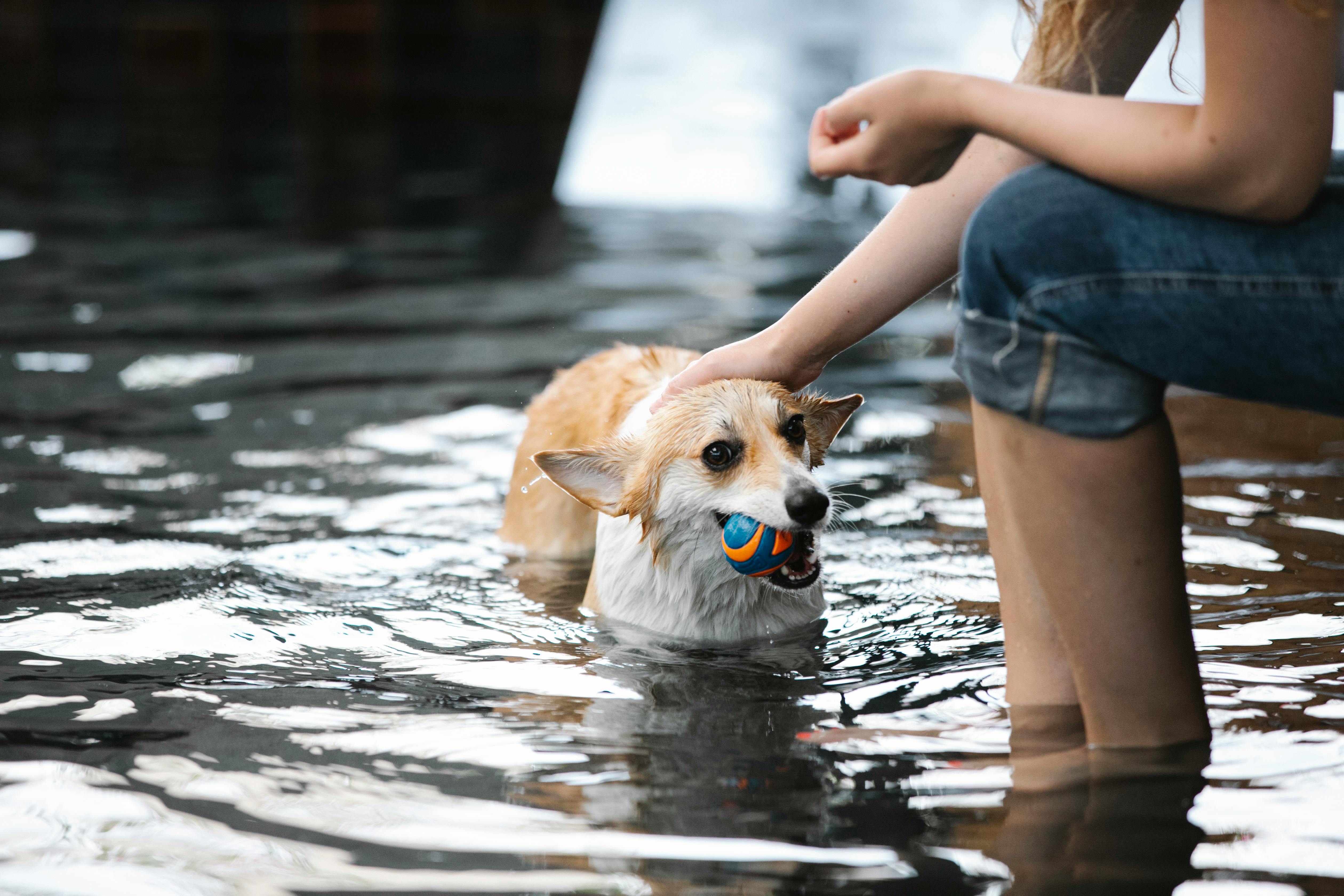 \n\n
\n\nDogs have been companions for humans for thousands of years, and one of the most curious features about these furry friends is their wet noses. Whether you are playing with a puppy or comforting a senior dog, understanding why dogs have wet noses is a fascinating topic that combines biology, behavior, and a little bit of history. So, let’s explore the importance of wet noses across all ages of dogs!
\nWhy Do Dogs Have Wet Noses?
\nThe wet nose of a dog serves several important purposes. First, it helps them in the sense of smell. Dog noses are equipped with a lot of olfactory receptors—about 300 million, compared to a human's mere 5 million. This means dogs have a sense of smell that is 40 times better than ours! When their noses are wet, it enhances their ability to pick up scents. Here's how:
\n- \n
- Increased Sensitivity: A moist nose can trap scent particles better. \n
- Temperature Regulation: Dogs don’t sweat like humans. Their noses help to regulate their body temperature. \n
- Health Indicator: A wet nose can often be a sign of a healthy dog. Conversely, a dry or warm nose can indicate illness. \n
The Science Behind Wet Noses
\nThe science of why dogs have wet noses is pretty fascinating. The moisture on a dog's nose comes from a combination of saliva and mucus. This moist layer helps to absorb scent particles from the environment. Here’s a breakdown:
\n- \n
- Salivary Glands: When dogs lick their noses, they’re adding moisture which helps them smell better. \n
- Environmental Factors: The humidity and temperature can affect how wet a dog’s nose is. For example, a dog’s nose might be dryer in colder weather. \n
- Health Factors: If a dog is sick, their nose may become dry. Thus, monitoring their nose can sometimes give you clues about their health. \n
The Role of Wet Noses in Dog Behavior
\nWet noses also play a significant role in dog behavior. Dogs are social animals, and their noses help them communicate with each other and with humans. Here’s how:
\n- \n
- Greeting Behavior: When dogs meet each other, they often sniff each other’s noses as a form of introduction. \n
- Comforting Gesture: A dog may nuzzle you with its wet nose to seek attention or comfort. \n
- Playfulness: Puppies often have wet noses and use them during play to engage with you or other animals. \n
Differences Across Age Groups
\nWhether you have a playful pup or a wise senior dog, the importance of their wet nose remains constant, but the reasons can vary.
\n- \n
- Puppies: Young dogs are often more playful and curious. Their wet noses help them explore the world around them, picking up new scents and learning about their environment. \n
- Adult Dogs: For adult dogs, a wet nose is essential for proper communication and interaction with other pets and people. They use their sense of smell to identify familiar scents and navigate their surroundings. \n
- Senior Dogs: Older dogs may have slower metabolism and decreased activity levels, which can result in less wetness on their noses. It’s crucial to monitor changes in their nose, as a sudden dryness could indicate health issues. \n
Fun Facts About Dog Noses
\n- \n
- Dogs’ noses can come in many different colors, from black to pink, which may indicate breed and genetics. \n
- The pattern of a dog's nose print is as unique as a human fingerprint. \n
- Dogs have a special part of their brain that is devoted to analyzing smells, which is much larger than the corresponding part in humans. \n
Practical Tips for Nose Health
\nMaintaining the health of your dog’s nose is important. Here are some tips:
\n- \n
- Regular Vet Check-ups: Keep up with routine health visits to monitor any changes. \n
- Hydration: Ensure your dog is drinking enough water, especially in hot weather. \n
- Environment: Protect your dog from extreme temperatures, which can dry out their nose. \n
Wet noses are not just a cute feature of dogs; they hold vital importance in their health, behavior, and communication. From playful puppies to wise senior dogs, understanding the role of their moist noses can deepen the bond you share with your furry friends. Dogs are remarkable creatures, and their wet noses are just one of the many things that make them so special.
\n\nConclusion
\n\nIn conclusion, the wet noses of dogs serve several important functions that contribute to their overall health and well-being. The moisture on a dog's nose helps enhance their sense of smell, allowing them to better detect scents in their environment. Additionally, the wetness aids in temperature regulation, helping dogs cool down through evaporation. The hydration also plays a role in keeping their noses healthy and free from cracks or infections. Understanding why dogs have wet noses not only deepens our appreciation for these beloved pets but also emphasizes the importance of regular veterinary check-ups to ensure their noses—and overall health—remain in top condition. So, the next time you greet your furry friend, take a moment to appreciate the science behind their wet noses and ensure they receive the care they deserve. Consider scheduling a check-up with your vet to keep your canine companion happy and healthy!
\n\n