
Have you ever wondered why do dogs have wet noses? This intriguing question has puzzled pet owners and animal lovers alike! A dog’s nose is not just a cute feature; it’s a fascinating aspect of their biology that serves multiple purposes. But do you know the truth behind this wetness? It’s not just about being adorable! A wet nose helps dogs to detect scents more effectively, enhancing their sense of smell. This curious trait raises many questions — what other secrets does your furry friend hold?
In this article, we will explore the science behind wet dog noses, uncovering the reasons why they are often moist and how it relates to their health. Did you know that a dog’s nose can also indicate their well-being? If you’re a dog owner, you might be surprised to learn that a change in your dog’s nose moisture can signal health issues. So, stick around as we dive into the fascinating truth about those delightful, wet noses and discover why they are not only cute but also essential for your pet’s health! Are you ready to unravel this mystery? Let’s get started!
The Science Behind Wet Noses: Why Are Dogs’ Noses Moist and Cool?
Have you ever noticed that your dog’s nose is always wet and cool? It’s one of those little quirks that make dogs so fascinating, but have you ever stopped to think about why it is? The science behind why dogs have wet noses is not just interesting; it also reveals a lot about their health and behavior. Let’s dive into the fascinating truth about the moist noses of our furry friends!
Why Do Dogs Have Wet Noses?
So, why do dogs have wet noses? The answer lies in their biology and the way they interact with the world around them. Dogs, like many animals, rely on their sense of smell to navigate their environment, and a moist nose plays a crucial role in this process.
Enhanced Smell: A wet nose helps dogs pick up scents better. When a dog’s nose is moist, it traps scent particles more effectively. This is super important, because a dog’s sense of smell is estimated to be between 10,000 to 100,000 times more sensitive than that of humans. It’s like having a superpower!
Temperature Regulation: Dogs don’t sweat like humans do. They have sweat glands only in their paw pads. So, their wet nose assists in cooling them down. When a dog is hot, moisture evaporates from their nose, helping them regulate their body temperature.
Health Indicators: A dog’s nose can also be an indicator of their health. A wet, cool nose is often seen as a sign of a healthy dog. In contrast, if a dog has a dry or cracked nose, it might indicate dehydration, illness, or other health issues.
Historical Context of Dog Noses
Throughout history, dogs have been companions to humans, and their noses have been a topic of fascination. Ancient civilizations recognized the importance of a dog’s sense of smell for hunting and protection. For instance, the Egyptians revered dogs, often depicting them in art, showcasing their roles as hunters and guardians.
Here’s a quick look at how dogs noses were perceived through time:
- Ancient Egypt: Dogs were regarded as sacred and often buried with their owners, showcasing their companionship.
- Middle Ages: Dogs’ noses were used in hunting, and their ability to track scents was documented in various texts.
- Modern Era: Today, dogs are trained for various tasks, utilizing their exceptional sense of smell for search and rescue operations, detection of drugs, and even during the pandemic for detecting COVID-19.
What Factors Influence a Dog’s Nose Moisture?
Several factors can affect the moisture level of a dog’s nose, including:
- Weather Conditions: Hot or dry weather can lead to a drier nose. Conversely, cooler and wetter conditions might lead to a moister nose.
- Health Status: As mentioned before, a dog’s health can impact nose moisture. Illness, fever, or dehydration can lead to dryness.
- Age: Older dogs may experience changes in their nose moisture due to age-related health issues.
Fun Facts About Dogs’ Noses
- Dogs have about 220 million scent receptors in their noses, compared to humans’ 5 million.
- The surface area of a dog’s nose is about 40 times greater than a human’s.
- Dogs can smell certain diseases in humans, such as cancer or diabetes, due to their heightened sense of smell.
Comparison of Dog Noses to Other Animals
Dogs aren’t the only animals with wet noses. Here’s a quick comparison:
| Animal | Nose Type | Purpose of Moisture |
|---|---|---|
| Dogs | Wet | Enhanced smell, temperature regulation |
| Cats | Slightly wet | Similar benefits, but less sensitive |
| Pigs | Wet | Ground foraging, tracking scents |
| Elephants | Moist | Foraging, social communication |
Practical Examples of Nose Moisture in Dogs
When you observe your dog, notice the condition of their nose. Here are some practical examples:
- Healthy Dog: Wet, cool nose, playful behavior, energetic.
- Sick Dog: Dry, warm nose, lethargic, loss of appetite.
- Dehydrated Dog: Dry, cracked nose, excessive panting, low energy.
So, the next time you pet your dog and feel that cool, wet nose, remember that it’s not just a quirky trait. It serves multiple purposes, from helping them smell better to regulating their body temperature. Understanding why dogs have wet noses allows us to appreciate our furry friends even more. Their noses aren’t just adorable; they are vital tools that aid in their survival and interactions with the world around them. So, cherish those wet noses; they are a window into your dog’s health and happiness!
5 Surprising Benefits of a Dog’s Wet Nose: More Than Just a Cute Feature
Have you ever wondered why dogs have wet noses? It’s one of those things we often take for granted, like their wagging tails or floppy ears. But there’s more to a dog’s wet nose than just a cute feature. In fact, it has several surprising benefits that can affect your dog’s health and behavior. So, let’s dive into the fascinating truth about why do dogs have wet noses and explore five unexpected advantages!
1. Temperature Regulation
Dogs can’t sweat like humans do. Instead, they rely on their noses to help regulate their body temperature. A wet nose helps to cool down their body as the moisture evaporates. The cooling process is similar to how we feel cooler when we sweat. This is especially important during hot summer months or after vigorous exercise. A dog’s wet nose is a sign that they are healthy and able to maintain their body temperature effectively.
2. Enhanced Sense of Smell
Did you know that a dog’s sense of smell is around 40 times better than that of humans? Their wet noses play a vital role in this incredible olfactory ability. The moisture on their noses helps to capture scent particles in the air, making it easier for them to identify different smells. When you see your furry friend sniffing around, it’s not just curiosity; they are using their nose to gather important information about their environment.
3. Communication Tool
Dogs are social creatures, and their wet noses also serve as a form of communication. When they greet other dogs, they often sniff each other’s noses as a way to gather information and establish social bonds. This behavior is rooted in their instinct. A wet nose can convey a sense of friendliness and openness, making it an essential tool for social interactions among dogs.
4. Health Indicator
The condition of a dog’s nose can reveal a lot about their health. A wet, cool nose is often a sign of a well-hydrated and healthy dog. Conversely, a dry or cracked nose may indicate dehydration, illness, or even allergies. Pet owners should regularly check their dog’s nose as it can serve as a simple health barometer. Here are some things to look for:
- Wet and Cool: Generally healthy and hydrated.
- Dry and Cracked: Possible dehydration or health issues.
- Excessively Runny: Could indicate allergies or a respiratory issue.
5. Emotional Connection
Moreover, a dog’s wet nose is also known to enhance emotional connections with their human companions. When dogs nuzzle their owners with their wet noses, it can evoke feelings of love and affection. This physical contact releases oxytocin, often referred to as the “love hormone,” in both dogs and humans. This interaction can strengthen the bond between you and your pet, making those wet-nosed moments even more special.
Fun Facts About Dog Noses
- Dogs have unique nose prints, similar to human fingerprints, that can be used to identify them.
- A dog’s nose contains more than 300 million scent receptors, compared to about 6 million in humans.
- The color of a dog’s nose can vary greatly, from black to pink, and can change with age or health issues.
Comparison of Dog Nose Types
| Type of Dog | Typical Nose Texture | Scent Ability |
|---|---|---|
| Beagle | Wet and smooth | Excellent |
| Bulldog | Slightly dry | Good |
| German Shepherd | Wet and cold | Exceptional |
Takeaway
So, the next time you see your dog’s wet nose, remember that it’s not just an adorable quirk; it’s a feature packed with benefits! From helping regulate their body temperature to enhancing their sense of smell, a wet nose is an essential part of what makes dogs amazing companions. Plus, it can even serve as a health indicator and a tool for emotional connection. So, don’t just admire your pup’s cute wet nose; understand that it plays a significant role in their well-being and your relationship with them. Dogs truly are remarkable creatures, and their wet noses are just one of the many reasons why we love them.
How a Wet Nose Affects Your Dog’s Sense of Smell: Unveiling the Secrets
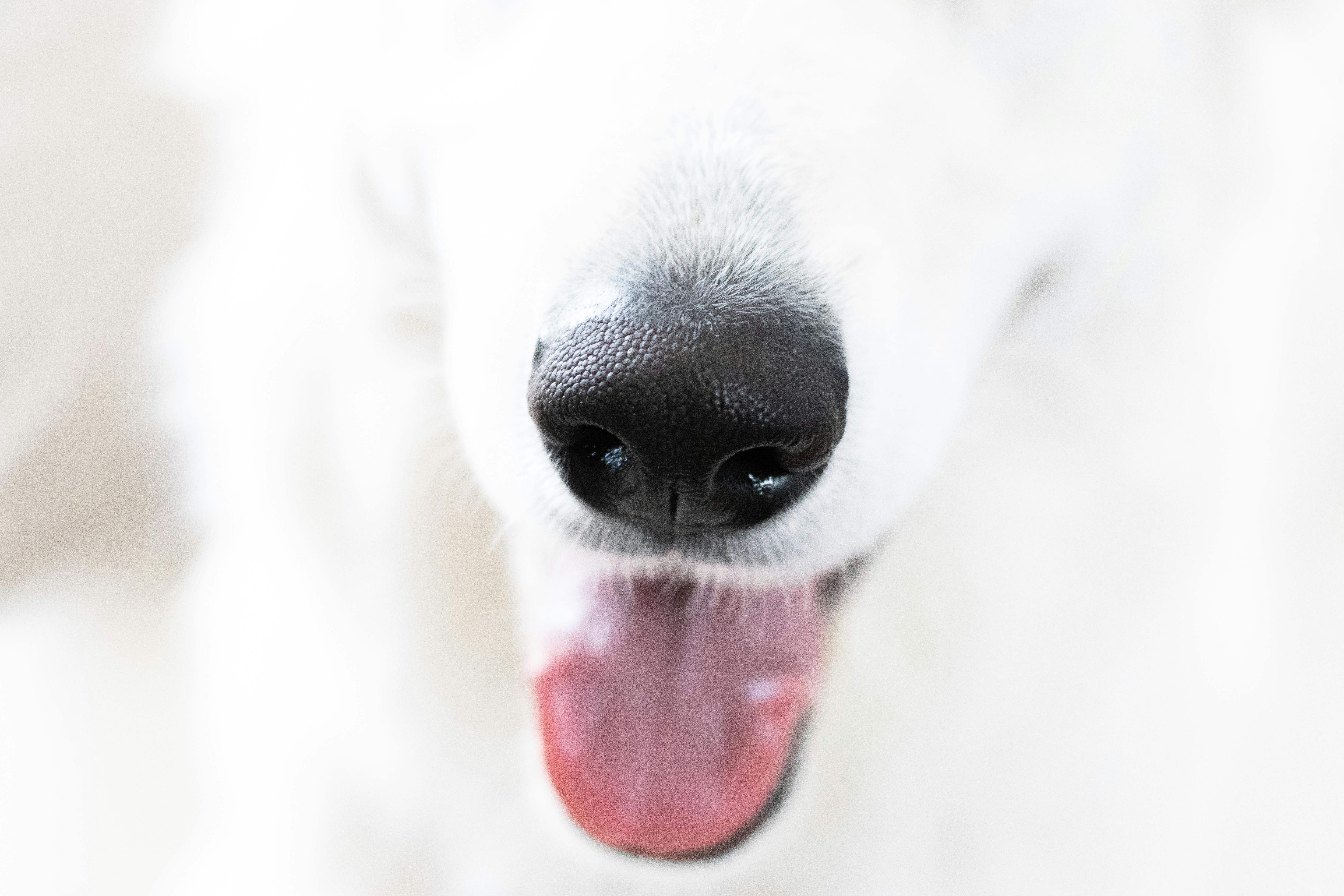
Dogs are often known for their incredible sense of smell, which is significantly influenced by their wet noses. Have you ever wondered why do dogs have wet noses? Or how does that moisture contribute to their remarkable olfactory abilities? This article will unveil the secrets behind the wet nose phenomenon and explore its crucial role in a dog’s ability to sniff out scents.
The Science Behind a Dog’s Nose
A dog’s sense of smell is estimated to be 10,000 to 100,000 times more sensitive than that of humans. This extraordinary ability is due in part to the structure of their noses and also the wetness of their noses. The wetness plays a few important roles:
- Enhancing scent detection: The moisture on a dog’s nose helps capture scent particles from the air. When the nose is wet, it can absorb more scent molecules, making it easier for dogs to detect even faint odors.
- Temperature regulation: A wet nose also helps in regulating the dog’s body temperature. The evaporation of moisture cools the nose down, which can help maintain an optimal temperature for scent detection.
- Communication: Dogs use their noses to communicate with other dogs. By sniffing each other’s noses, they exchange information about their health, reproductive status, and even their mood.
Why Are Dog Noses Wet?
Now, let’s explore the reasons behind that characteristic wetness. It’s not just for show; several factors contribute to a dog’s moist nose:
- Nasal glands: Dogs have special glands in their noses that produce mucus. This mucus keeps the nose moist and helps trap scent particles.
- Environmental factors: The humidity and temperature can also affect how wet a dog’s nose is. For instance, a dog may have a drier nose during hot, dry weather.
- Health indicators: A change in a dog’s nose moisture can indicate health issues. If a normally wet nose becomes dry or cracked, it might be a sign of dehydration or illness.
Historical Context and Fascination
Historically, the wet nose of dogs has fascinated humans for centuries. Ancient cultures recognized the importance of a dog’s sense of smell. For example, in ancient Egypt, dogs were revered for their hunting skills and their ability to track scents. The Romans also trained dogs for tracking and searching, showcasing the significance of their olfactory prowess.
The Role of a Wet Nose in Dog Behavior
The wetness of a dog’s nose is not just a physical trait; it plays a role in their behavior too. Here are some fascinating aspects of how a wet nose affects a dog’s interactions and lifestyle:
- Exploration: Dogs use their noses to explore the world around them. A wet nose encourages them to sniff and investigate their environment, leading to mental stimulation.
- Social interactions: When dogs greet each other, they often sniff each other’s noses. This behavior is crucial for social bonding and recognition.
- Tracking and hunting: Historically bred for hunting, many breeds, like Bloodhounds, rely heavily on their wet noses to track scents over long distances.
Practical Insights on Dog Nose Care
While a wet nose is generally a sign of a healthy dog, there are some care tips that dog owners should keep in mind:
- Regular checks: Inspect your dog’s nose regularly for any signs of dryness or cracking, which could indicate health issues.
- Hydration: Ensure your dog drinks enough water, especially in hot weather, to maintain a healthy moist nose.
- Veterinary visits: If you notice any significant changes in your dog’s nose moisture or overall health, consult your veterinarian.
Interesting Nose Facts to Know
Here are some interesting facts about dog noses that you might not know:
- Unique patterns: Just like human fingerprints, each dog’s nose has a unique pattern of ridges and bumps.
- Temperature sensing: Dogs can also detect temperature changes through their noses, which can help them locate food or other animals.
- Scent discrimination: Dogs can distinguish between different scents, allowing them to identify familiar smells even in crowded environments.
The wet nose of a dog is more than just an adorable trait; it plays a crucial role in their ability to smell and interact with the world. Understanding why do dogs have wet noses and how it affects their sense of smell can deepen our appreciation for these incredible animals. So next time you give your furry friend a pat, take a moment to marvel at their wet nose and the fascinating biology behind it.
The Role of Wet Noses in Dog Health: What Every Pet Owner Should Know
Dogs are known as man’s best friend, but have you ever wondered about the role of their wet noses in their overall health? Many pet owners don’t realize how important this seemingly simple feature is. So, why do dogs have wet noses? Let’s explore the fascinating truth behind this common canine characteristic and what it can mean for your furry friend’s well-being.
The Science Behind Wet Noses
A dog’s nose is not just for sniffing. It’s a complex sensory organ that plays a vital role in their health and communication. Here are some key points about wet noses:
- Temperature Regulation: Dogs sweat through their paw pads, but their noses also help in cooling their bodies. A wet nose can help maintain a lower body temperature.
- Olfactory Function: The moisture on a dog’s nose enhances their sense of smell. Wet surfaces can trap scent particles, making it easier for dogs to detect odors.
- Health Indicators: A dog’s nose can indicate its health status. A warm, dry nose might suggest illness, while a cool, wet nose is often a sign of a healthy dog.
Why Do Dogs Have Wet Noses?
The wetness of a dog’s nose is due to a combination of natural oils, moisture from the environment, and saliva. When dogs lick their noses, they are not just keeping it clean. They are also enhancing their ability to smell.
- Enhanced Smell: Dogs have around 220 million scent receptors in their noses, and moisture helps capture and hold scent particles.
- Communication Tool: Dogs also use their noses to communicate with other dogs. A wet nose can indicate friendliness and approachability.
Historical Context
Historically, dogs have been bred for various purposes, from hunting to companionship. Breeds like Bloodhounds and Beagles, known for their exceptional sense of smell, have wet noses that serve critical functions related to their roles. In ancient times, a dog’s ability to smell out game or detect changes in their environment was essential for survival. Today, even though the roles of dogs have changed, their wet noses still serve important health and communicative purposes.
Health Benefits of Wet Noses
It’s not just about smelling; a wet nose can have several health benefits for dogs. Consider these facts:
- Hydration Indicator: A dog’s nose can be a good indicator of hydration levels. If your dog’s nose is dry for extended periods, it may be time to ensure they’re drinking enough water.
- Temperature Check: A warm nose can sometimes indicate a fever. If you notice that your dog’s nose has become unusually warm or dry, it might be worth a trip to the vet.
- Natural Licking Behavior: Dogs often lick their noses to keep them moist. This behavior can help in cleaning their noses and removing dirt or debris.
Practical Examples
Here are some practical examples of how to monitor your dog’s nose for health:
- Daily Check: Make it a habit to check your dog’s nose daily. Is it cool and wet? If so, that’s a good sign!
- Hydration Monitoring: If their nose seems persistently dry, increase their water intake and watch for other signs of dehydration, such as lethargy.
- Observe Temperature: If you think your dog might be sick, feeling their nose is a quick, non-invasive way to gauge their temperature.
Comparison to Other Pets
Dogs aren’t the only pets with wet noses. Cats, rabbits, and many other animals also have moist noses. However, the reasons for this moisture can vary:
- Cats: A cat’s nose may also indicate health, but they don’t rely on smell as heavily as dogs do. Their noses are less wet than dogs.
- Rabbits: Wetness in rabbits’ noses can indicate respiratory issues or other health concerns, but they typically have drier noses compared to dogs.
Quick Tips for Pet Owners
- Regular Vet Visits: Regular check-ups can help you keep track of your dog’s overall health, including nose condition.
- Hydration: Always provide fresh water to keep your pet hydrated, which is essential for maintaining that wet nose.
- Watch for Changes: Any sudden change in your dog’s nose condition should be discussed with a vet.
Understanding the role of wet noses in dog health is crucial for every pet owner. By keeping an eye on your dog’s nose, you can gain insight into their health and well-being. It’s just one more way to ensure that your best friend remains happy and healthy!
Do Dogs Have Wet Noses for a Reason? Exploring Their Unique Physiology

Have you ever wondered why do dogs have wet noses? This simple yet fascinating question leads to a deeper exploration of canine physiology and behavior. Wet noses are not just an adorable characteristic; they serve important functions that benefit dogs in many ways. Let’s dive into the science behind those moist noses and discover the reasons they are a crucial part of a dog’s anatomy.
The Biology of a Dog’s Nose
A dog’s nose is a complex organ that serves multiple purposes. The structure of a dog’s nose is designed to enhance their sense of smell, which is far superior to that of humans. Here are some key points about a dog’s nose:
- Olfactory Receptors: Dogs have around 300 million olfactory receptors, compared to about 6 million in humans. This allows them to detect scents at incredibly low concentrations.
- Moisture: The moisture on a dog’s nose helps capture scent particles from the air. When the nose is wet, it can absorb more scent molecules, making it easier for dogs to detect various smells.
- Thermoregulation: A wet nose can also help regulate a dog’s body temperature. Dogs don’t sweat like humans; instead, they rely on panting and the moisture from their noses to cool down.
Why Do Dogs Have Wet Noses? The Benefits Explained
Now that we’ve touched on the biology, let’s explore why having a wet nose is beneficial for dogs.
- Enhanced Scent Detection: Wet noses increase the ability to smell. The moisture on their noses helps to trap scent molecules, allowing dogs to gather more information about their environment.
- Communication Tool: Dogs often use their noses to communicate. A wet nose can indicate that a dog is healthy and well-hydrated. Conversely, a dry nose might not always mean something is wrong, but it can sometimes be a sign of dehydration or illness.
- Cooling Mechanism: Dogs do not sweat through their skin like humans. The moisture on their noses evaporates and helps to cool them down, especially during hot weather.
Historical Context of Dogs and Their Noses
Throughout history, dogs have been valued companions and helpers for humans, and their unique physiology has played a crucial role in their development. The relationship between dogs and humans can be traced back thousands of years. Here are some historical highlights:
- Hunting Companions: Early humans relied on dogs for hunting. Dogs’ incredible sense of smell helped in tracking game, making them invaluable partners in the wild.
- Service Animals: In more recent times, dogs have been trained for various roles, including search and rescue, therapy, and law enforcement. Their wet noses are just part of what makes them so effective in these roles.
Fun Facts About Dogs’ Noses
Dogs’ noses are not only functional but also fascinating. Here are some interesting tidbits about them:
- Unique Patterns: Just like human fingerprints, each dog’s nose print is unique. This can be used for identification purposes.
- Temperature Changes: A dog’s nose can change temperature. A warm, dry nose might indicate illness, while a cool, wet nose is typically a sign of good health.
- Wetness Variation: The moisture level of a dog’s nose can vary throughout the day, depending on their activity and environment.
Comparison: Dogs vs. Other Animals
It’s interesting to compare dogs’ noses with those of other animals. Here’s a quick look:
| Animal | Number of Olfactory Receptors | Unique Nose Features |
|---|---|---|
| Dogs | ~300 million | Wet nose enhances scent detection |
| Cats | ~50-80 million | More sensitive to certain chemicals |
| Elephants | ~2,000 different scent receptors | Trunk acts as a highly sensitive nose |
| Sharks | N/A (but have electroreceptors) | Detects blood in water from miles away |
Practical Examples of Nose Functions
Dogs use their noses in various practical ways. For example:
- Tracking: Bloodhounds can track scents over long distances, thanks to their wet noses and acute sense of smell.
- Detection: Dogs are often used in police work to detect drugs or explosives, relying on their wet noses to sniff out substances.
- Health Monitoring: Some studies suggest that dogs can detect certain diseases, including cancer, by smelling changes in a person’s body odor, which may be influenced by the moisture in their noses.
Understanding why do dogs have wet noses is not just about their physical traits; it’s also about how these traits benefit them and their interactions with humans. The next time you pet a dog and feel that cool, wet nose against your hand, you’ll know it’s more than just a cute feature—it’s a vital part of their biology that enhances their life and our companionship.
Can a Dog’s Wet Nose Indicate Illness? Signs to Look Out For

Dogs are often called man’s best friend, and they bring joy and companionship to millions of people worldwide. One of the most noticeable features of a dog is their wet nose. But have you ever wondered, can a dog’s wet nose indicate illness? Or, why do dogs have wet noses in the first place? Let’s explore these questions, unveil the fascinating truth about our furry friends, and identify signs of potential health issues.
Why Do Dogs Have Wet Noses?
Dogs noses are wet for several reasons, and it’s not just for show. A dog’s nose can be damp due to:
- Sweat Glands: Dogs do not sweat like humans do. Instead, they have sweat glands in their paw pads. The moisture comes from the nose itself as dogs lick it, which helps in temperature regulation.
- Enhanced Smell: A wet nose helps to absorb scent molecules better. The moisture on the nose captures scents from the air, making it easier for dogs to detect odors. This is one reason why dogs are used in search and rescue operations.
- Nasal Mucus: Dogs also have mucus in their noses that keep their noses moist, enhancing their sense of smell even more.
In fact, scientists says that a dog’s sense of smell is up to 100,000 times better than that of humans. Crazy, right?
Can a Dog’s Wet Nose Indicate Illness?
While a wet nose is generally a sign of a healthy dog, changes in the moisture level can sometimes indicate health issues. Here’s what to look out for:
- Dry Nose: If your dog’s nose is unusually dry, it could be a sign of dehydration or illness.
- Cracked Nose: Cracked or peeling skin on the nose might indicate allergies or infections.
- Excessive Moisture: A constantly dripping nose may suggest an upper respiratory infection or sinusitis.
- Discolored Nose: If the color of your dog’s nose changes or if you see any unusual discharge, it’s time to consult a veterinarian.
Signs of Illness Linked to Nose Changes
When monitoring your dog’s health, keep an eye on these additional symptoms that could indicate health problems:
- Lethargy: If your dog is less active than usual.
- Loss of Appetite: Not eating or drinking as they normally would.
- Coughing or Sneezing: These could be signs of respiratory issues.
- Fever: If they feel warm to the touch, it could indicate an infection.
Common Health Issues Associated with Nose Changes
Here are some common health issues that could be linked to changes in your dog’s nose:
| Condition | Description |
|---|---|
| Allergies | Dogs can be allergic to various foods or environmental factors. |
| Infections | Bacterial or viral infections can lead to nasal discharge. |
| Autoimmune Diseases | Conditions like lupus can affect the skin and nose. |
| Tumors | Rarely, growths can form on the nose, causing changes. |
How to Care for Your Dog’s Nose
Keeping your dog’s nose healthy is important. Here are some tips:
- Hydration: Ensure your dog has access to fresh water at all times.
- Regular Vet Check-ups: Routine visits can help catch issues early.
- Monitor Environment: Watch for allergens in your home or yard.
- Clean Nose: Gently wipe your dog’s nose with a damp cloth to remove any irritants.
Fun Facts About Dog Noses
- Dogs have about 300 million smell receptors, compared to a human’s 5 million.
- The unique pattern on a dog’s nose is like a human fingerprint; no two are alike.
- Dogs can smell fear; they can detect changes in human body chemistry when a person is afraid.
Being attentive to your dog’s nose can help you catch potential health issues before they become serious. It’s fascinating how something as simple as a dog’s wet nose has so much significance, both in terms of health and their incredible ability to smell. Dogs communicate so much through their body language and physical state, including their nose.
So next time you pet your pooch, pay attention to that wet nose. It’s not just a cute feature; it’s a window into their health. If you notice anything unusual, don’t hesitate to reach out to a veterinarian. After all, a healthy nose often means a happy dog!
The Connection Between Wet Noses and Dog Emotions: What Your Pup is Trying to Tell You

The bond between humans and dogs is something really special. One of the most intriguing aspects of that bond is something as simple as a dog’s wet nose. But have you ever wondered why do dogs have wet noses? And what does it really mean in terms of their emotions? Let’s dive into the fascinating truth behind those damp snouts and what your pup might be trying to tell you!
The Science Behind Wet Noses
Dog noses are generally wet for a few reasons. First off, moisture helps them to smell better! Dogs have an incredible sense of smell, which is way more developed than ours, and a wet nose helps to trap scent particles. This is how they can sniff out things we can’t even imagine. In fact, a dog’s sense of smell is about 40 times better than that of humans.
Also, the wetness on a dog’s nose comes from glandular secretions. These secretions help to cool them down. Unlike humans who sweat, dogs mainly cool their bodies by panting and to a lesser extent, through their noses. So, when you see your pup’s nose glistening, it may be a sign that they are regulating their body temperature as well.
The Connection to Emotions
Now, let’s get to the emotional side of things. Dogs use their noses not only to smell but also to communicate their feelings. Here are some ways you can interpret their damp noses:
Excitement: If your dog has a particularly wet nose when you come home, it might be a sign of happiness. Dogs often get more moisture when they are excited or agitated.
Curiosity: When your dog is exploring something new, their nose will get wet as they investigate. It’s a natural part of how they interact with the world.
Nervousness: Sometimes, a wet nose can indicate anxiety. If your pup has been in a stressful situation, you might notice extra moisture as a physiological response.
Health Indicators: An unusually dry nose can sometimes indicate health issues, while a very wet nose might suggest they are feeling under the weather. So, if you notice any drastic changes, it could be worth a visit to the vet.
The Historical Context of Dog Noses
Dogs have been companions to humans for thousands of years. The relationship between dogs and humans goes back at least 15,000 years. During this time, humans have domesticated dogs for various purposes such as hunting, herding, and companionship. The evolution of a dog’s nose has played a significant role in their ability to bond with humans.
In ancient times, dogs were valued for their ability to track scents, which is why they had to have wet noses. The moisture on their noses allowed them to hunt more effectively. That bond continues today, as we rely on dogs in search and rescue missions, therapy work, and much more.
Fun Facts About Dog Noses
Here’s a little list of fun facts that might surprise you about dog noses:
Dogs’ noses have unique patterns, much like human fingerprints.
The wetness of a dog’s nose can change depending on the weather. In dry conditions, they might be less wet.
Many dogs can detect certain diseases, like cancer, by smelling bodily fluids.
Dogs have about 300 million smell receptors, compared to about 6 million in humans.
What You Should Know About Dog Care
Understanding your dog’s emotions and health is crucial. Here are some tips to keep in mind regarding their noses and overall health:
Keep Their Nose Clean: Dirt and debris can accumulate on their noses. A gentle wipe with a damp cloth can help.
Hydration is Key: Make sure your dog has access to fresh water at all times. Proper hydration impacts the moisture of their nose.
Watch for Changes: If you notice that your dog’s nose is unusually dry or cracked, consult your veterinarian.
Know Their Habits: Each dog is different. Pay attention to your pup’s normal behaviors and signs of emotional state.
The connection between wet noses and dog emotions is a fascinating topic that reveals just how much our furry friends communicate with us. Their wet noses are not just a quirky feature; they play a vital role in their health, emotions, and ability to connect with the world. So, next time you give your pup a scratch and feel that moist nose against your hand, remember the incredible relationship you share and the emotions they might be expressing.
7 Fascinating Facts About Dogs’ Wet Noses That Will Blow Your Mind

Dogs are often called man’s best friend, and there’s no denying their charm. One of the most fascinating things about dogs is their wet noses. Many people wonder, why do dogs have wet noses? The answer is not only interesting but also reveals some unique aspects of dog physiology. Here are 7 fascinating facts about dogs’ wet noses that will blow your mind!
1. A Nose for Scent
Dogs have an incredible sense of smell, and their wet noses play a crucial role in enhancing this ability. The moisture on a dog’s nose helps capture scent particles from the air. This is why dogs are able to sniff out things much better than humans. Their noses are more than just cute; they’re like high-powered scent detectors.
2. Temperature Regulation
Did you know that a dog’s wet nose also helps in regulating their body temperature? Unlike humans who sweat, dogs primarily cool down through panting and the evaporation of moisture from their noses. When a dog’s nose is wet, it’s often a sign that it’s functioning to keep the dog cool. Keeping that nose moist could be critical on those hot summer days!
3. Health Indicator
The condition of a dog’s nose can actually indicate its health. A healthy dog typically has a cool, moist nose. However, if a dog’s nose becomes dry or cracked, it might signal dehydration or illness. Not every change in nose moisture means something serious, but it’s worth monitoring. Pet owners should pay attention to their dog’s behavior and other health signs alongside changes in nose condition.
4. Unique Patterns
Just like human fingerprints, every dog’s nose has a unique pattern. These nose prints can actually be used to identify dogs, similar to how humans use fingerprints. In some cases, shelters have used nose prints as a way to reunite lost dogs with their owners. It’s a reminder of how unique each dog is!
5. The Science Behind the Wetness
The wetness of a dog’s nose comes from several sources, including nasal mucus and saliva. The moisture helps with the absorption of scents and it also prevents the nose from drying out. Interestingly, some dogs may have wetter noses than others due to genetic factors or breed characteristics. For example, Bulldogs may have drier noses compared to Greyhounds.
6. Behavioral Insights
Dogs often use their noses to communicate with each other. A wet nose can signal curiosity or excitement. When a dog nudges you with its nose, it’s often a way of saying, “Hey, pay attention to me!” This behavior is rooted in their social and instinctual behaviors. Nose nudges can vary from gentle taps to more forceful pushes depending on the dog’s mood and personality.
7. Evolutionary Advantage
From an evolutionary perspective, a wet nose gives dogs an advantage in hunting and survival. The moisture helps to capture scents more efficiently, giving them better chances of locating prey or avoiding predators. This evolutionary trait has been essential to dogs’ survival for thousands of years, making them exceptional hunters and companions.
Quick Facts About Dogs’ Noses
- Moisture Source: Combination of nasal mucus and saliva.
- Health Indicator: A moist nose generally means a healthy dog.
- Unique Patterns: Every dog has its own distinct nose print.
- Cooling Mechanism: Helps regulate body temperature.
- Communication Tool: Dogs use their noses to express emotions.
Dogs’ Nose Comparison
| Dog Breed | Nose Moisture Level | Scent Detection Ability |
|---|---|---|
| Greyhound | High | Extremely High |
| Bulldog | Moderate | Moderate |
| Beagle | High | Very High |
| Poodle | Variable | High |
Understanding why dogs have wet noses can deepen the bond between you and your furry friend. Next time you see your dog with a wet nose, remember all these fascinating facts. It’s not just a cute feature; it’s a vital part of their biology and behavior! Dogs’ noses are amazing tools for understanding the world around them, and they certainly add to the charm of these wonderful animals.
Why is Your Dog’s Nose Sometimes Dry? Understanding the Variability

Have you ever noticed your dog’s nose changing from wet to dry? It can be quite perplexing for pet owners. Many people often wonder, “Why is your dog’s nose sometimes dry?” Understanding this variability is important, because it can perhaps be a sign of health issues or just normal behavior. To dive deeper into this subject, let’s explore why do dogs have wet noses and what the fascinating truth behind it is!
The Science of a Dog’s Nose
A dog’s nose is an incredible organ, covered with sensitive skin, packed with scent receptors. It’s estimated that dogs have up to 300 million smell receptors, compared to a human’s mere 5 million. This anatomical feature is one of the reasons why dogs have wet noses. The moisture on their noses helps to enhance their sense of smell by trapping scent particles, making it easier for them to sniff out whatever they are tracking.
However, the moisture level can vary. Here are some reasons why your dog’s nose may be wet or dry at different times:
Temperature: Dogs regulate their body heat through their noses and panting. In hot weather, their noses may dry out as they lose moisture.
Hydration Level: If your dog is dehydrated, their nose may become dry. Always ensure that your furry friend has access to fresh water.
Illness: Sometimes a dry nose can be a sign of health issues like fever or dehydration. If your dog’s nose is persistently dry and they show signs of lethargy, it’s best to consult a veterinarian.
Seasonal Changes: The weather can affect your dog’s nose. Cold, dry air in winter can lead to a dry nose, while humid conditions can keep it wet.
Age: Older dogs may have different moisture levels in their noses due to changes in their skin and overall health.
Why Do Dogs Have Wet Noses?
You might be asking yourself, “Why do dogs have wet noses?” Here’s a simple breakdown:
Scent Enhancement: A wet nose helps to capture scent molecules, enhancing a dog’s ability to smell. This is crucial for their survival in the wild.
Cooling Mechanism: Dogs don’t sweat like humans do. Their wet noses help cool them down, acting as a natural air conditioner.
Communication: A dog may use their nose to communicate with others. A wet nose can be a sign of happiness or excitement when greeting someone.
Health Indicator: A healthy dog typically has a moist nose. Changes in the wetness can signal underlying health concerns.
Common Misconceptions
There are several misconceptions about a dog’s nose that deserve clarification:
A cold nose means your dog is sick: Not necessarily true! Many healthy dogs can have cold, wet noses. It’s important to look for other signs of illness if you’re concerned.
A dry nose is always a problem: While a persistently dry nose can indicate health issues, it can also simply mean your dog is dehydrated or just waking up from a nap.
Dogs sweat through their noses: Dogs primarily sweat through their paw pads. Their wet noses help them cool down, but it’s not a primary method of sweating.
What to Monitor
If you’re concerned about your dog’s nose, here’s a quick checklist to monitor:
Moisture Level: Is it consistently dry or does it fluctuate?
Behavior Changes: Is your dog more lethargic or showing unusual behavior?
Physical Signs: Are there any cracks, sores, or discoloration on the nose?
Temperature: Does your dog feel warm to the touch, indicating a possible fever?
When to Seek Help
If you notice any of the following, you should consider consulting your vet:
- A dry nose that lasts for more than a day or two.
- Other symptoms like vomiting, diarrhea, or loss of appetite.
- Swelling or sores on the nose.
- A sudden change in behavior or energy level.
Understanding the reasons behind a dog’s wet or dry nose can help you make informed decisions about their health. Dogs are incredible creatures, and their noses are just one of the many things that make them so special. So, the next time you notice a change in your dog’s nose, remember it might not be a cause for alarm but an interesting aspect of their biology. Always keep an eye on any significant changes, and don’t hesitate to reach out to your veterinarian for advice.
The Myth of the Dry Nose: What It Really Means for Your Dog’s Health and Well-Being

If you’re a dog owner, you probably heard that a wet nose equals a healthy dog. But wait—what if it’s not that simple? There’s this common belief that dry noses mean illness, but that is not the whole truth. So, let’s dive into the myth of the dry nose and what it really mean for your furry friend’s health and well-being. Ever wonder why do dogs have wet noses in the first place? Let’s explore that fascinating truth and learn what it means.
The Basics of Dog Noses
Dog noses are like their fingerprints; no two are alike. But why are they wet? Here’s a simple breakdown:
- Cooling Mechanism: Dogs sweat through their paws, but their noses also help in regulating body temperature. A wet nose helps to cool them down.
- Sense of Smell: A moist nose helps capture scent particles in the air. This is why dogs are so great at sniffing out things.
- Health Indicator: While it’s a myth that a dry nose always means a sick dog, changes in your dog’s nose can reflect their health status.
The Myth of the Dry Nose
Many pet owners think that if a dog has a dry nose, it’s a sign of illness. This is not entirely true. A dog’s nose can be dry for many reasons, including:
- Weather Conditions: Hot, dry weather can cause a dog’s nose to lose moisture.
- Age: Older dogs may have drier noses just like people do.
- Sleeping: A dog’s nose may dry out after a long nap. It’s no big deal!
Just because a dog has a dry nose doesn’t mean they are sick. The nose is just one part of a bigger picture when it comes to health. You should always look for other signs of illness, such as changes in appetite, behavior, or energy levels.
Why Do Dogs Have Wet Noses?
So, why do dogs have wet noses anyway? Here are some interesting facts:
- Nature’s Design: Dogs evolved to have wet noses for hunting and survival. A moist surface picks up scents better and helps them track prey.
- Scent Communication: Dogs often use their noses to communicate with other dogs. A wet nose can signify a friendly or interested demeanor.
- Health Monitoring: Dogs can sense changes in their environment through their noses. The moisture actually helps them absorb scents better.
Not Just About Wetness
Not every dog’s nose is going to be wet all the time. Here’s what you should consider:
- Different Breeds: Some breeds naturally have drier noses due to their physical characteristics.
- Health Conditions: Skin allergies, infections, or other health issues can impact nose moisture levels.
- Diet and Hydration: A dog’s diet and how much water they drink can affect the moisture of their nose.
Here’s a quick reference table for dog nose conditions:
| Condition | Possible Cause | Health Implications |
|---|---|---|
| Dry Nose | Weather, Age, Sleep | Usually not concerning |
| Crusty Nose | Allergies, Infection | May require vet check |
| Wet Nose | Healthy, Hydrated | Normal and good |
Signs of Potential Health Issues
While a dry nose isn’t a clear sign of illness, pay attention to these symptoms which might indicate a problem:
- Excessive Licking: If your dog is licking their nose excessively, it could be due to allergies or anxiety.
- Cracks or Sores: These can be signs of skin conditions or infections that need veterinary attention.
- Changes in Behavior: If your dog becomes lethargic, stops eating, or shows other signs of distress, consult a vet.
Keeping Your Dog Healthy
To promote overall well-being for your dog, consider these tips:
- Hydration: Always provide fresh water and keep your dog hydrated.
- Regular Vet Check-ups: Regular check-ups help catch potential health issues early.
- Balanced Diet: Ensure your dog is eating a nutritious diet suited to their needs.
In essence, while the myth of the dry nose can create concern among dog owners, it’s essential to understand the bigger picture of canine health. A wet nose is indeed a sign of a healthy dog, but a dry nose doesn’t automatically mean something is wrong. Always consider other health indicators and consult with your veterinarian if you have concerns about your furry friend. Remember, being informed is the first step in being a responsible dog owner!
Conclusion
In conclusion, the wetness of a dog’s nose plays a crucial role in their overall health and sensory perception. The moisture helps to enhance their sense of smell, allowing them to detect scents more effectively, which is vital for their communication and understanding of their environment. Additionally, a wet nose can assist in regulating their body temperature and keeping them cool. While a dry nose may sometimes indicate health issues, it is essential to consider other symptoms and consult a veterinarian if concerned. Understanding the significance of a dog’s wet nose not only deepens our appreciation for these remarkable creatures but also helps us care for them better. So, the next time you notice your dog’s moist snout, remember the important functions it serves. Embrace the unique qualities of your furry friend and ensure their health by staying informed about their needs and behaviors.
