Have you ever wondered why do dogs have wet noses? It's a question that many dog owners ask, and the answer is more fascinating than you might think! Dogs' noses are not just adorable; their wet noses play a crucial role in their overall health and communication. But what makes a dog's nose wet? Is it just a normal part of being a dog, or does it serve a greater purpose? In this article, we will uncover the mysteries behind dog noses and explore the scientific reasons for their moisture. You might be surprised to learn that a wet nose can help dogs detect scents better and regulate their body temperature. If you've ever noticed your furry friend’s nose getting dry, you may be left wondering if something is wrong. Don't fret! We'll also discuss how a dog’s nose condition can reflect their health. Join us on this exciting journey to discover the amazing reasons behind those cute, wet noses that make dogs so unique. So, are you ready to dive into the world of canine noses? Let’s get started!
The Science Behind Canine Noses: Why Are Dogs' Noses Always Wet?
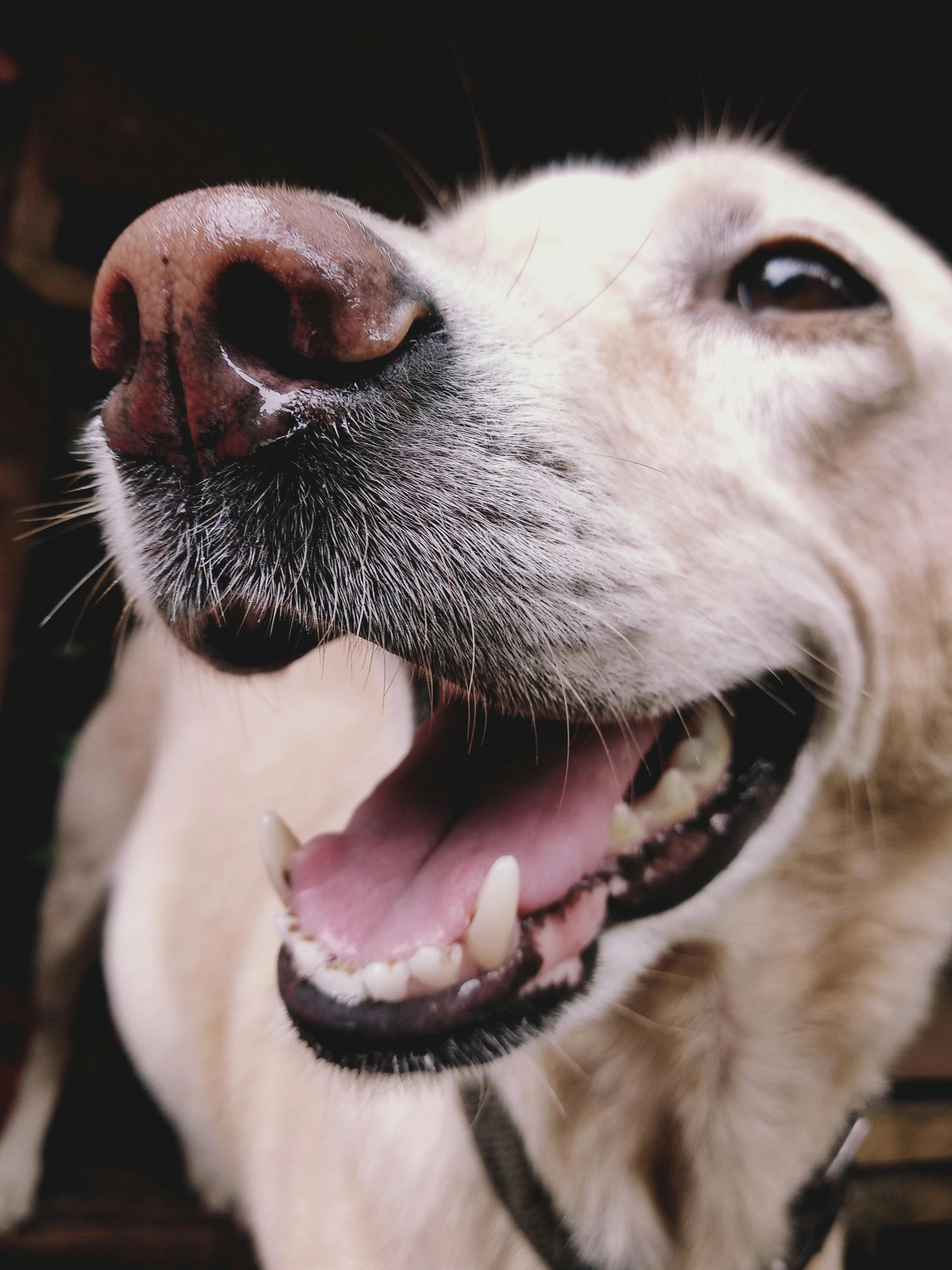
Dogs are incredible creatures, and their noses are one of the most fascinating aspects of their biology. If you ever wondered why do dogs have wet noses, you’re not alone. Many people notice that their furry friends' noses are often damp, and it’s not just a random quirk. There’s a whole science behind it, which is pretty interesting!
The Anatomy of a Dog’s Nose
First things first, let’s talk about the anatomy. Dogs have an extremely sensitive sense of smell—way better than humans, by a lot. In fact, it’s estimated that dogs have up to 300 million olfactory receptors in their noses, compared to a mere 5 million in humans. This incredible sense of smell is why dogs are able to detect certain diseases, find missing persons, and even sniff out drugs.
- Olfactory receptors: Hundreds of millions in dogs.
- Nasal turbinates: These are structures inside the dog’s nose that help warm and humidify the air they breathe, also increasing the surface area for scent detection.
- Jacobsen’s organ: This is a special organ that helps dogs analyze scents more deeply. It’s located on the roof of their mouth.
Why Are Dogs' Noses Wet?
Now, let’s get to the big question: why do dogs have wet noses? There are several reasons for this wetness, and they all serve important functions.
Cooling Mechanism: Dogs don’t sweat like humans do. Instead, they regulate their body temperature through panting and the moisture on their noses. The wetness helps to cool the blood vessels close to the surface of the nose, which keeps their body temperature in check.
Enhanced Scent Detection: A wet nose traps scent particles better than a dry one. When a dog sniffs something, the moisture helps to absorb the scent molecules, allowing the olfactory receptors to detect them more effectively. It’s like having a built-in sponge for smells!
Health Indicator: A dog’s nose can be a good indicator of its health. While a wet nose is generally a sign of a healthy dog, a dry or warm nose can sometimes suggest illness or dehydration. However, this isn’t a hard and fast rule—many healthy dogs can have dry noses, too, especially if they’ve been sleeping.
Behavioral Signals: Dogs communicate through various means, and their noses play a role in that. A wet nose can signal excitement or curiosity when they’re exploring their environment.
Common Myths About Dog Noses
There are lots of myths floating around about dog noses. Let’s debunk a few of the most popular ones.
Myth: A warm, dry nose means a dog is sick.
- Reality: While it can be an indicator, many healthy dogs can have warm or dry noses.
Myth: Dog noses should always be wet.
- Reality: It’s normal for a dog’s nose to be dry sometimes, especially after sleeping.
Myth: Dogs can only smell with their noses.
- Reality: Dogs also use their mouths and air passages to analyze scents, which is why they often lick their noses.
Fun Facts About Dog Noses
Dogs’ noses are not just wet; they’re fascinating! Here are some fun facts that you might not know:
- Unique Prints: Just like human fingerprints, each dog has a unique nose print that can be used to identify them.
- Heat Sensors: Dogs can detect heat through their noses, which helps them find animals hiding in the underbrush.
- Self-Cleaning: Dogs often lick their noses, which helps to keep them clean and moist, ensuring optimal scent detection.
How to Take Care of Your Dog’s Nose
While dog noses are pretty robust, they can still get dry or cracked. Here’s a simple list of things you can do to keep your dog’s nose healthy:
- Hydration: Make sure your dog drinks enough water.
- Humidity: Use a humidifier in dry environments.
- Protective Balms: Consider using nose balms during winter months to protect against cracking.
In summary, understanding why dogs have wet noses gives us insight into their behavior and health. It’s a blend of biology and instinct that showcases just how amazing these animals are. By paying attention to their noses, you can learn a lot about your furry friend’s well-being. So the next time you notice your dog’s wet nose, you’ll know there’s more to it than meets the eye!
5 Surprising Reasons Your Dog’s Nose Is Wet: What It Means for Their Health
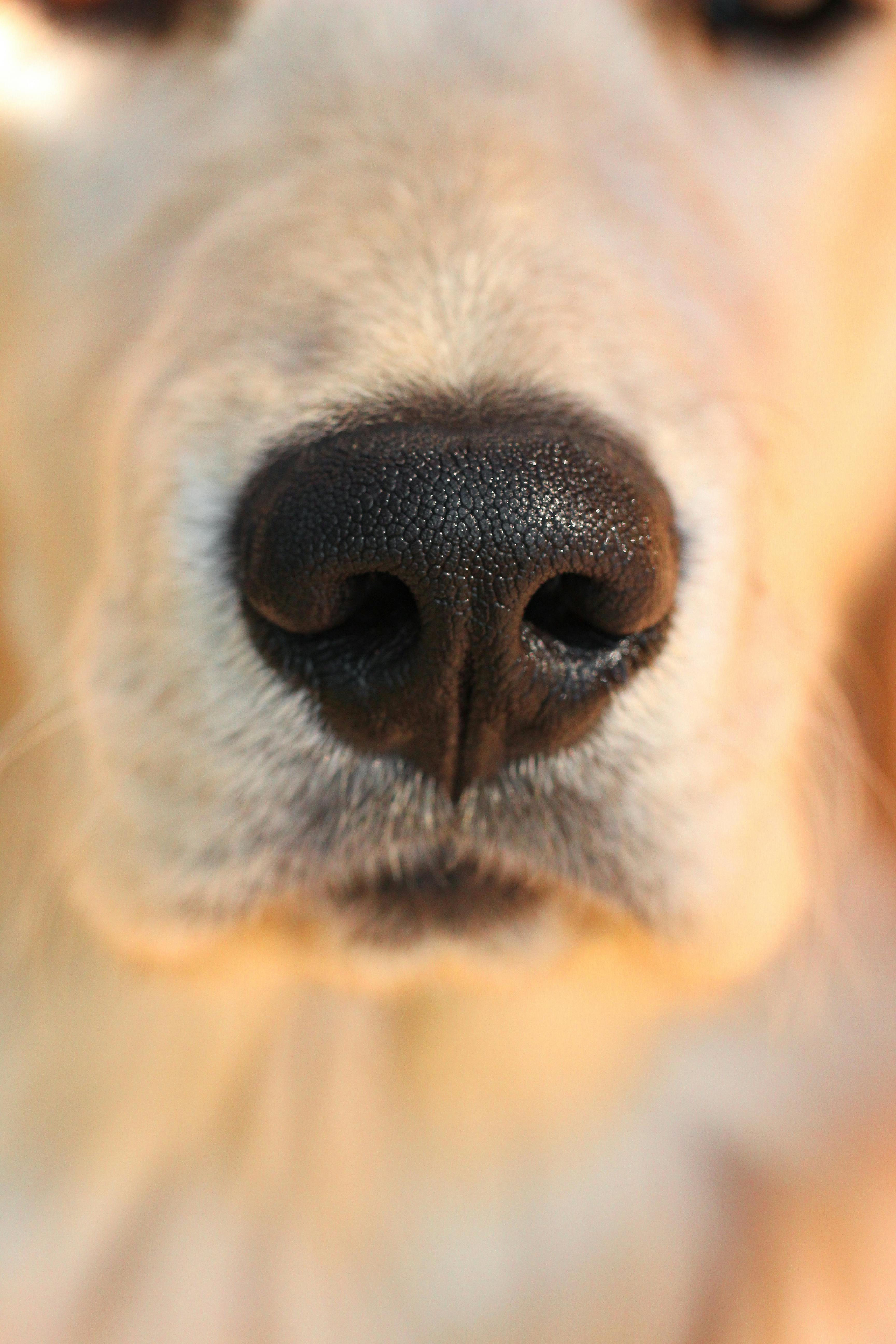
When you think about dogs, you probably think about their wagging tails, playful barks, and those big, soulful eyes. But have you ever noticed how your dog’s nose is often wet? It’s one of those quirks that makes you wonder why, right? Well, there’s more to that wet nose than you might think. Let’s uncover five surprising reasons why your furry friend’s nose is wet, and what it really means for their health. You might be asking, why do dogs have wet noses anyway? Let’s dive in!
1. Temperature Regulation
Dogs can’t sweat like humans do. Instead, they rely on their wet noses to help regulate their body temperature. The moisture on a dog’s nose evaporates, which cools them down. This is especially important during hot summer days. So, if you see your dog’s nose glistening, it might be their way of keeping cool!
- Dogs have sweat glands only in their paw pads.
- Wet noses can be an indicator of how well they’re managing heat.
- If a dog’s nose feels dry on a hot day, they may be overheating.
2. Sense of Smell Enhancement
Another fascinating reason for that wet nose is it helps them smell better! Dogs have an incredible sense of smell, and their noses are built for it. The moisture helps capture scent particles, making it easier for them to detect odors. It’s like having a built-in scent enhancer!
- A dog’s sense of smell is about 10,000 to 100,000 times more sensitive than humans.
- Wet noses help trap scents, making them easier to identify.
- This is why dogs are often used in search-and-rescue missions or sniffing out drugs.
3. Communication Tool
Believe it or not, a dog’s wet nose can also serve as a form of communication! When dogs greet each other, they often sniff each other’s noses. The wetness can signify excitement or friendliness. It’s their way of saying, “Hey, I’m here and I’m friendly!”
- Dogs use their noses to gather information about their environment.
- A wet nose might indicate that a dog is feeling social and welcoming.
- In contrast, a dry nose could suggest they’re less engaged or maybe even stressed.
4. Health Indicator
The state of a dog’s nose can also tell you something about their health. A warm, dry nose could indicate that a dog is feeling unwell or dehydrated. If you notice a sudden change in the moisture level of your dog’s nose, it might be worth keeping an eye on their overall condition.
- Healthy noses are typically cool and moist.
- If a nose is dry for an extended period, it could mean illness.
- Other signs to look for include lethargy, lack of appetite, or abnormal behavior.
5. Natural Moisture Production
Did you know that dogs’ noses are naturally moist due to the mucous membranes? These membranes produce mucus, which keeps the nose hydrated. This is a normal physiological function that helps maintain their ability to smell and regulate temperature.
- The mucus layers act like a protective barrier.
- A dog’s nose can also dry out due to environmental factors like heat or low humidity.
- Regular hydration and proper care can help maintain nose moisture.
Quick Reference: Dog Nose Facts
Here’s a quick list of things to remember about your dog’s nose:
- Moisture: Helps with temperature regulation and scent detection.
- Social Signaling: Wet noses can indicate friendliness and excitement.
- Health Watch: Changes in moisture can be a sign of health issues.
- Natural Function: Mucous membranes keep the nose moist for optimal function.
Final Thoughts
In summary, the wetness of your dog’s nose is not just a quirky trait but serves several important functions. From regulating body temperature to enhancing their remarkable sense of smell, there’s a lot happening on that adorable snout. Plus, it can also signal their health and mood. So, next time you give your furry friend a scratch behind the ears, don’t forget to check that wet nose! It’s more than just a cute feature; it’s a glimpse into their health and well-being.
Exploring the Benefits of a Wet Nose: How It Helps Dogs Interact with Their World
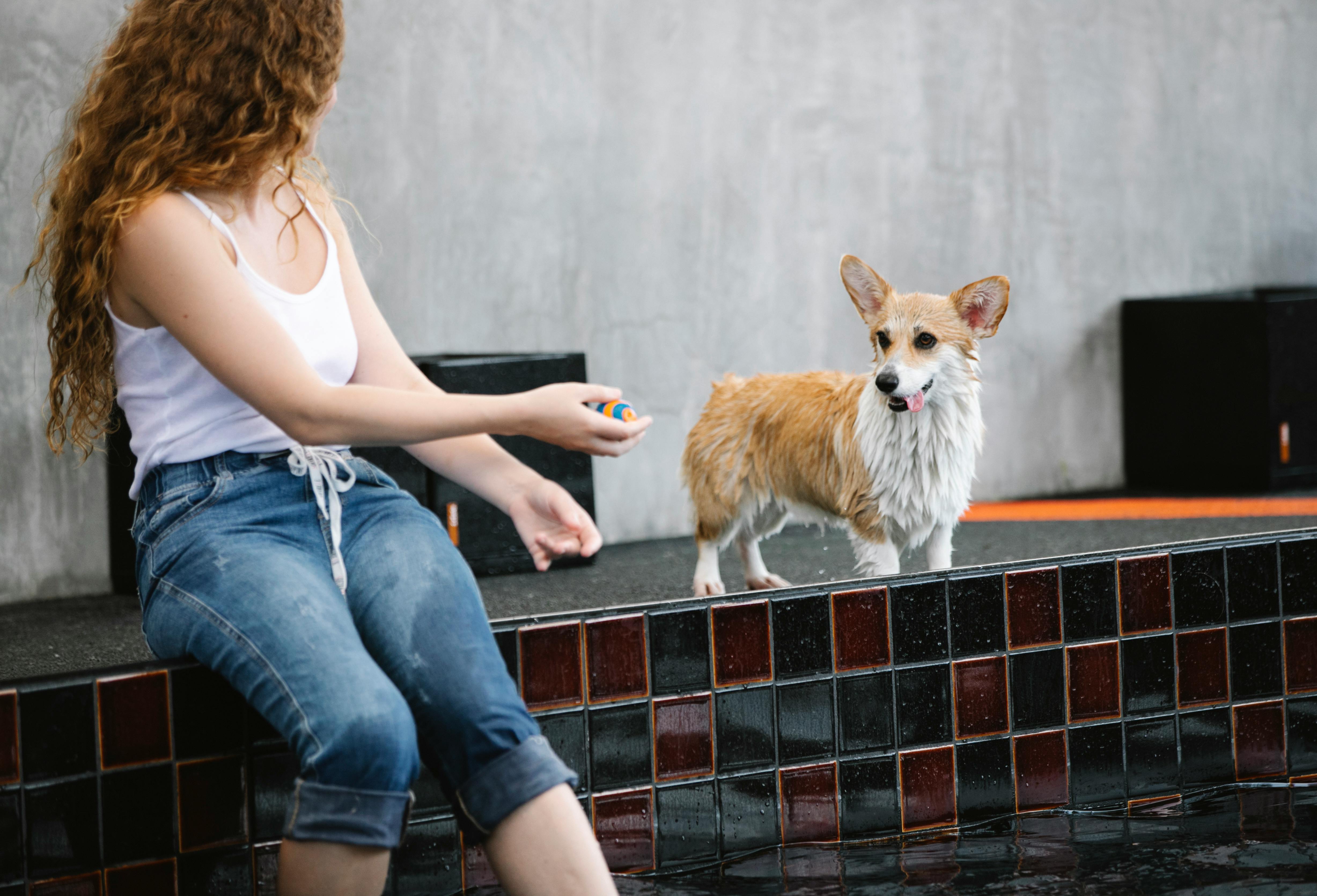
Dogs, they are often called man's best friend, but have you ever thought about why they have wet noses? This is not just a quirky trait, it actually serves multiple purposes that help dogs interact with their environment. Understanding the reasons behind this unique feature can deepen our appreciation for our furry companions. So, let's dive into the fascinating world of dog noses!
The Science Behind Wet Noses
A dog's nose is covered with a thin layer of moisture that plays a crucial role in their sensory perception. This moisture helps to absorb scent molecules, making their sense of smell significantly more effective. In fact, dogs have around 220 million scent receptors in their noses, compared to about 5 million in humans! This incredible olfactory capability makes them experts at detecting scents, which is vital for their survival.
Benefits of Wet Noses
Enhanced Sense of Smell:
- The wetness helps in trapping scent particles.
- Dogs can identify different smells better and more accurately.
Temperature Regulation:
- A wet nose can help dogs regulate their body temperature.
- Dogs don’t sweat like humans do, so they rely on their noses to dissipate heat.
Communication Tool:
- Dogs use their noses to gather information about other animals and humans.
- A wet nose can be a sign of excitement or friendliness.
Health Indicator:
- A dog’s nose can indicate its health status.
- A dry nose may signal dehydration or illness, while a wet nose is often a sign of good health.
Historical Context
The wet nose trait has evolved over thousands of years. Ancestors of modern dogs likely developed moist noses to enhance their hunting and foraging abilities. This trait was likely passed down through generations, as dogs became more domesticated and adapted to living alongside humans. Historically, wet noses were a sign of vitality and health in working dogs, which was essential for their roles in hunting and herding.
How Dogs Use Their Noses
Dogs interact with their world primarily through their noses. They use it to explore, communicate, and even to understand emotional cues from humans. When you see your dog sniffing around, they are gathering information about their surroundings. Here’s a look at how they do this:
- Sniffing: Dogs often sniff to identify other animals or humans, determining their identity, health, and even mood.
- Tracking: In hunting, a wet nose aids in tracking scents, which is why many dogs are trained for roles in search-and-rescue operations.
- Social Interactions: Dogs greet each other with nose touches as a form of communication. A wet nose can convey friendliness, curiosity, or even submission.
Fun Facts About Dog Noses
- The unique pattern of a dog’s nose print is similar to a human fingerprint. No two dogs have the same nose print!
- Dogs can detect certain diseases, including cancer and diabetes, through their incredible sense of smell.
- The wetness of a dog’s nose can change based on their environment, health, and even the time of year.
Comparison: Wet vs. Dry Noses
Wet Nose:
- Pros: Better sense of smell, cooler body temperature, strong health indicator.
- Cons: May need more hydration; can be affected by environmental factors.
Dry Nose:
- Pros: Can be normal for some breeds; may indicate a dog is resting.
- Cons: Often signals dehydration or illness; less effective for scent detection.
What to Do if Your Dog Has a Dry Nose
If you notice that your dog's nose is unusually dry, it may be time to check their health. Here are some steps you can take:
- Hydration Check: Ensure your dog is drinking enough water.
- Temperature Monitoring: If the nose is dry and hot, check for other signs of illness.
- Vet Visit: Consult a veterinarian if dry nose persists or is accompanied by other symptoms.
Dogs are truly remarkable creatures, and their wet noses play a significant role in their lives. The moisture not only enhances their sense of smell but also helps them connect with the world around them, regulate their body temperature, and communicate with us and each other. Next time you give your dog a scratch behind the ears, take a moment to appreciate that wet nose and all that it signifies!
Is It Normal for Dogs to Have Wet Noses? Debunking Common Myths
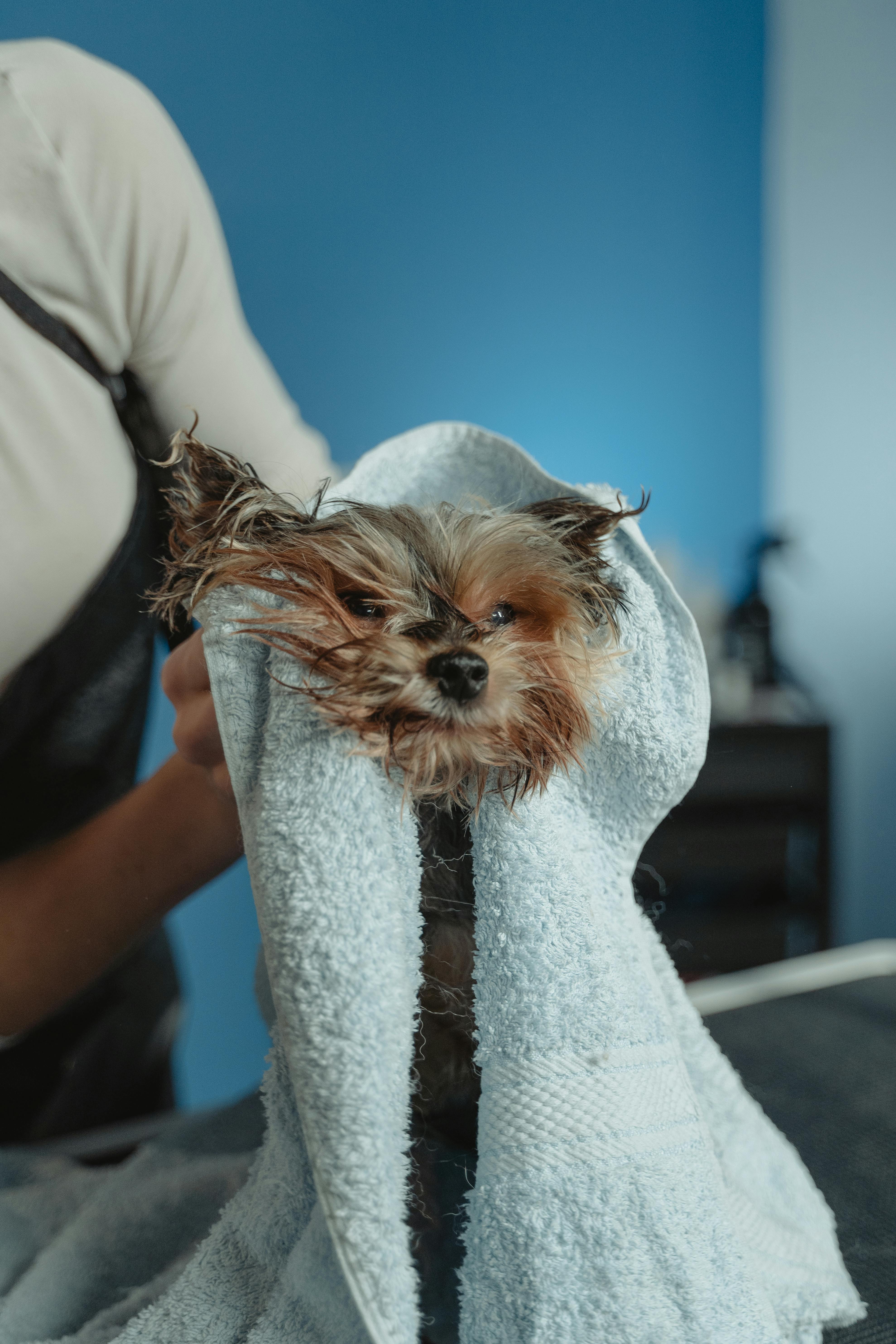
Many dog owners often wonder, “Is it normal for dogs to have wet noses?” and it’s a common question that comes with lots of myths. Some people think a wet nose means a dog is healthy, while others might believe that it’s just a quirky trait. Regardless of what you may have heard, understanding why dogs have wet noses is essential for any pet lover. Let’s dive into some interesting facts and debunk a few common myths surrounding this topic!
The Science Behind Wet Noses
So, why do dogs have wet noses anyway? It turns out there are several reasons that dogs’ noses are moist. Here are some of the main reasons:
Cooling Mechanism: Dogs don’t sweat like humans. Instead, they pant and use their noses to help cool down their body temperature. A wet nose can help in regulating their body heat more effectively.
Enhanced Smell: Dogs have an incredible sense of smell, up to 100,000 times more sensitive than humans. Wetness in their noses helps capture scent particles, making it easier for them to detect smells in their environment.
Moisture Retention: A wet nose can help keep the mucous membranes moist, which is important for a dog’s overall health. It assists in trapping odors and enhances their ability to smell.
Debunking Common Myths
Now, let’s tackle some of the widespread myths about dogs and their wet noses.
Myth 1: Wet Nose = Healthy Dog: Many people believe that a wet nose is an indicator of a dog’s health. While it can be a sign of a well-hydrated and happy dog, it's not a definitive measure. A dog can have a wet nose and still be sick.
Myth 2: Dry Nose Means Illness: A dry nose isn’t always a sign that something is wrong. Factors like environment, weather, or even sleeping can cause a dog's nose to dry out temporarily.
Myth 3: Only Certain Breeds Have Wet Noses: Many think that only specific breeds are prone to having wet noses. In reality, all dogs, regardless of their breed, can have wet noses.
Fun Facts About Dog Noses
Did you know that dog noses are as unique as human fingerprints? Each dog has a distinct nose print! Here are more fun facts about dog noses:
Nose Color: The color of a dog’s nose can range from black, brown, or pink, and it might change throughout their life.
Temperature Checks: While a wet nose can feel cool to the touch, it can vary in temperature and does not always indicate a dog’s health condition.
Nose Prints: Some organizations use nose prints for identification, similar to fingerprints for humans.
Practical Tips for Dog Owners
Keeping your dog’s nose healthy is important. Here are some practical tips:
Hydration: Make sure your dog drinks plenty of water. Staying hydrated can help maintain that wet nose!
Check for Changes: If you notice a sudden change in your dog’s nose (like it becoming excessively dry or cracked), it might be worth consulting a veterinarian.
Weather Protection: In cold weather, you might want to apply a pet-safe balm to protect their nose from cracking.
Comparing Dogs' Noses to Other Animals
Dogs aren’t the only animals with wet noses; let’s compare them to a few other animals.
| Animal | Wet Nose? | Purpose of Wet Nose |
|---|---|---|
| Dogs | Yes | Enhances smell and regulates temperature |
| Cats | Sometimes | Helps with scent detection |
| Horses | Rarely | Not primarily for smell |
| Pigs | Yes | Important for rooting and foraging |
Conclusion
Understanding the reasons behind a dog’s wet nose can help pet owners appreciate their furry friends even more. So the next time someone asks, “Is it normal for dogs to have wet noses?” you can confidently say yes and share these fascinating insights! Whether it’s for cooling down or enhancing their amazing sense of smell, that wet nose is just another reason to love our canine companions. Always remember to keep an eye on your dog's health and check in with your vet if you notice any unusual changes in their nose.
How a Dog’s Wet Nose Enhances Their Sense of Smell: The Fascinating Biology
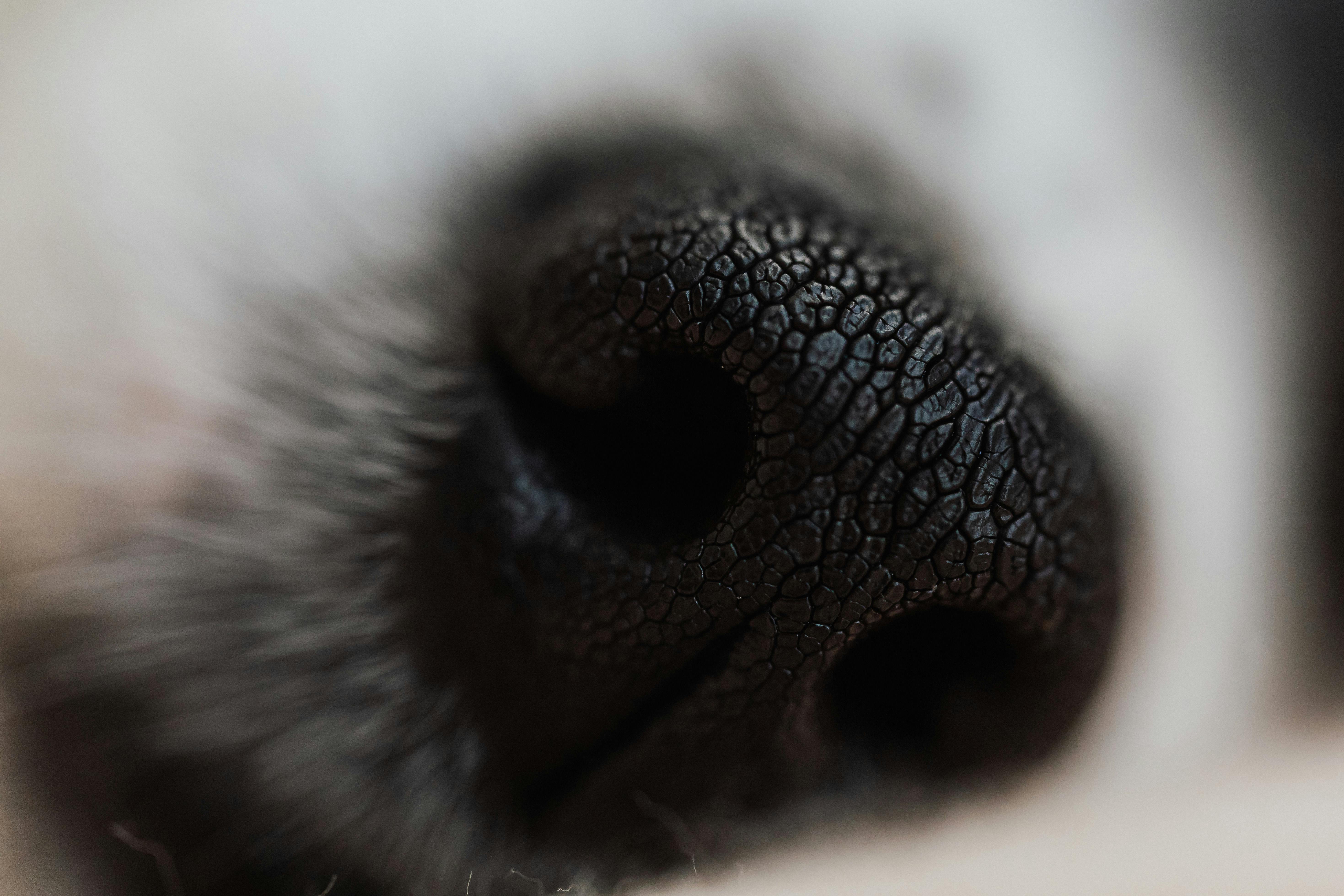
When you think about dogs, their wagging tails and playful barks usually come to mind. But have you ever wondered why do dogs have wet noses? This is not just a cute feature; it plays a crucial role in their incredible sense of smell. Let's delve into the fascinating biology behind this characteristic and uncover the reasons dogs have those distinctive damp noses.
The Science Behind Wet Noses
Dogs noses are often wet, and this moisture is essential for helping them detect scents. The wetness comes from a combination of mucus and moisture from the dog's breath. This thin layer of liquid on their noses helps to dissolve scent particles, allowing the olfactory receptors to pick them up more efficiently. In fact, dogs have up to 300 million olfactory receptors in their noses, compared to a human's modest 5 million. This is why dogs can sniff out things an average person can't even smell.
Why is Wetness Important?
Having a wet nose enhances a dog's ability to smell in several ways:
- Absorbing Scent Molecules: A wet surface helps to trap scent particles. When these particles dissolve in the moisture, dogs can detect them better.
- Temperature Regulation: Dogs do not sweat like humans. Instead, they rely on their noses to help regulate body temperature. The moisture on their noses evaporates, cooling them down.
- Health Indicator: A wet nose is often a sign of a healthy dog. If a dog’s nose becomes dry or cracked, it could indicate dehydration or illness.
Historical Context of Dog Noses
Dogs have been companions to humans for thousands of years. Historical records show that humans started domesticating wolves around 15,000 years ago. Over time, selective breeding led to the many dog breeds we have today, each with unique traits. The evolution of a dog's sense of smell has been crucial for their survival and partnership with humans, aiding in hunting, tracking, and even service roles.
Dogs vs. Humans: A Smell Comparison
It’s pretty fascinating how dogs and humans perceive the world differently through their sense of smell. Here’s a quick comparison:
| Feature | Dogs | Humans |
|---|---|---|
| Olfactory Receptors | About 300 million | About 5 million |
| Smell Sensitivity | Can detect parts per trillion | Detects at much higher concentrations |
| Scent Discrimination | Can differentiate between thousands of scents | Less than 100 scents |
Practical Examples of Dogs’ Sense of Smell
Dogs are often used in various roles that capitalize on their extraordinary sense of smell. Here are some practical examples:
- Search and Rescue: Dogs can locate missing persons through scent trails.
- Detection Dogs: Used by law enforcement to sniff out drugs, explosives, or even diseases like cancer.
- Hunting Companions: Many hunters rely on dogs to track and retrieve game.
Fun Facts About Dog Noses
- Unique Prints: Just like human fingerprints, every dog has a unique nose print that can be used for identification.
- Nasal Anatomy: Dogs' noses are built with complex structures that allow them to separate odors and evaluate them more thoroughly.
- Nasal Turbinates: These are structures in the nose that increase the surface area for scent detection, making the nose even more efficient.
The Role of Environment in Nose Wetness
Environmental factors can affect how wet a dog's nose is. For example, humidity levels, temperature, and even the dog's activity level can influence the moisture on their noses. A dog may have a drier nose after spending time in a hot, dry climate or after being inactive for a long time.
Health Considerations for Dog Owners
As a dog owner, it’s important to monitor your dog's nose. A change in the nose's wetness can signal health issues:
- Dry Nose: Could indicate dehydration or fever.
- Crusty or Cracked Nose: Possible signs of allergies or infections.
- Excessive Moisture: Might be related to a cold or other illness.
Being aware of these signs helps ensure your furry friend stays healthy.
Understanding why do dogs have wet noses not only highlights their unique biology but also their importance as companions. Their remarkable sense of smell is one of the many reasons dogs hold a special place in our hearts. By appreciating these fascinating features, we can better care for and bond with our canine companions.
Wet Noses and Dog Behavior: What Your Pup's Snout Says About Their Mood
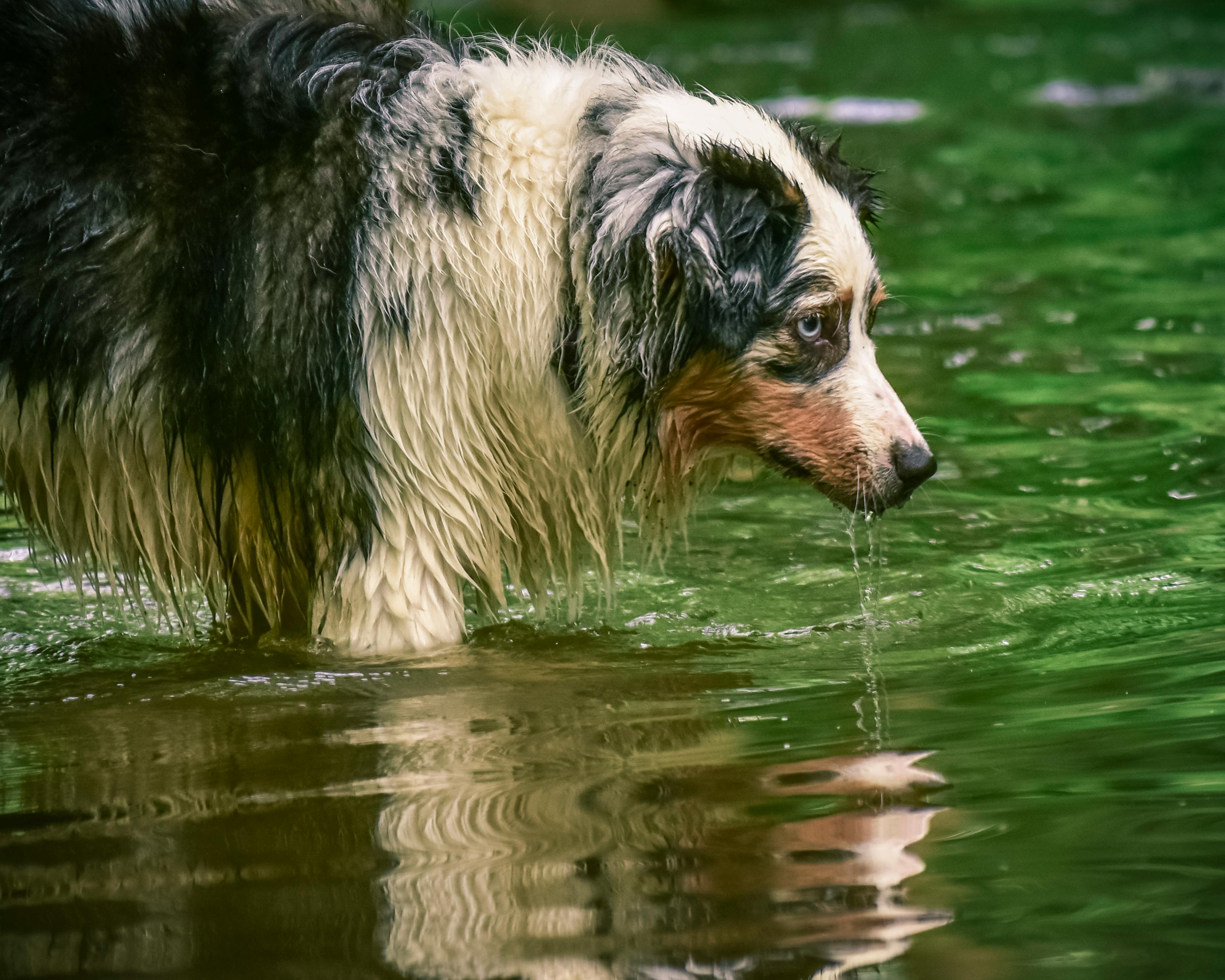
Dogs are known for their expressive behavior, and their wet noses play a significant role in understanding their mood. You might’ve noticed your pup's snout feels cool and damp, but ever wonder why? Wet noses and dog behavior are closely linked, revealing insights into your furry friend's feelings and health. So let’s dive into the fascinating reasons behind those wet noses and what they mean for your dog's mood.
Why Do Dogs Have Wet Noses?
First off, it’s important to know that a dog's nose is wet for a few reasons. Here’s some key facts:
Scent Detection: Dogs have an incredible sense of smell, and their wet noses help them absorb scent particles more effectively. The moisture on their noses allows for better airflow, which enhances their olfactory capabilities.
Temperature Regulation: Just like how humans sweat to cool off, dogs use their noses to help regulate their body temperature. The moisture evaporates, cooling them down. This is especially important in warmer weather.
Health Indicators: A wet nose can sometimes indicate good health, while a dry or cracked nose might signal that something’s off. However, this isn’t a foolproof method, and other signs should be considered.
The Mood Connection: What Your Dog's Nose Says
Understanding wet noses can offer clues about your dog's mood. Here’s how you can interpret your pup’s snout state:
Happy and Excited: When a dog is feeling joyful, their nose tends to be moist. If you see your dog wagging its tail, with a wet nose, it’s likely a sign they are happy to see you.
Curious: A curious dog might have a wet nose as they sniff around. They gather information about their surroundings, and that moisture helps them pick up scents.
Anxious or Stressed: If your dog’s nose is dry, it may indicate anxiety or stress. Dogs can also lick their noses when nervous, so keep an eye on their body language too.
Sick or Dehydrated: A persistently dry nose could mean your dog is not feeling well, or it might be dehydrated. If you notice any changes in behavior, it’s best to consult a vet.
Historical Context of Dog Noses
Historically, the wet nose trait has been noted and studied for years. Ancient civilizations recognized dogs for their hunting abilities, and the moistness of their noses was seen as a sign of a healthy animal. As dogs evolved alongside humans, those with better scent detection—thanks to their wet noses—were favored for various tasks like herding, hunting, and even companionship.
Fun Facts About Dog Noses
Here are some intriguing tidbits about dog noses that you might not know:
Unique Patterns: Just like human fingerprints, every dog's nose print is unique. This means you could identify your dog by its nose alone!
Temperature Variability: Dogs have cold noses, but the temperature can vary depending on the environment. A hot day might warm up their noses more than usual.
Breed Differences: Different breeds may have varying degrees of moisture on their noses. Brachycephalic breeds (like Bulldogs) often have flatter noses that may not be as wet compared to breeds with longer snouts.
Quick Tips for Dog Owners
Here’s a quick list of things to keep in mind regarding your dog's nose and behavior:
Regular Check-ups: Monitor your dog’s nose condition regularly. If it’s consistently dry or cracked, consult your veterinarian.
Stay Hydrated: Ensure your dog has access to fresh water at all times to prevent dehydration.
Observe Behavior: Pay attention to other signs of mood or health, like appetite, energy levels, and overall behavior, alongside nose wetness.
Grooming: Regular grooming can help maintain your dog’s overall health, including their nose. Be gentle while cleaning around their nose area.
The Importance of Nose Moisture
Moisture in a dog's nose isn't just a quirky trait; it’s crucial for their well-being and communication with the environment. Understanding the role of a wet nose can help you become more attuned to your dog’s needs and feelings. It’s a small detail that can tell you a lot about what’s going on with your furry friend.
So next time you pet your pup and feel that cool, damp nose, remember it’s not just a cute feature. It’s a window into their emotional world, health, and more! Keep observing, and you might just find yourself better understanding your furry companion.
Can Your Dog’s Wet Nose Indicate Illness? Signs Every Owner Should Know
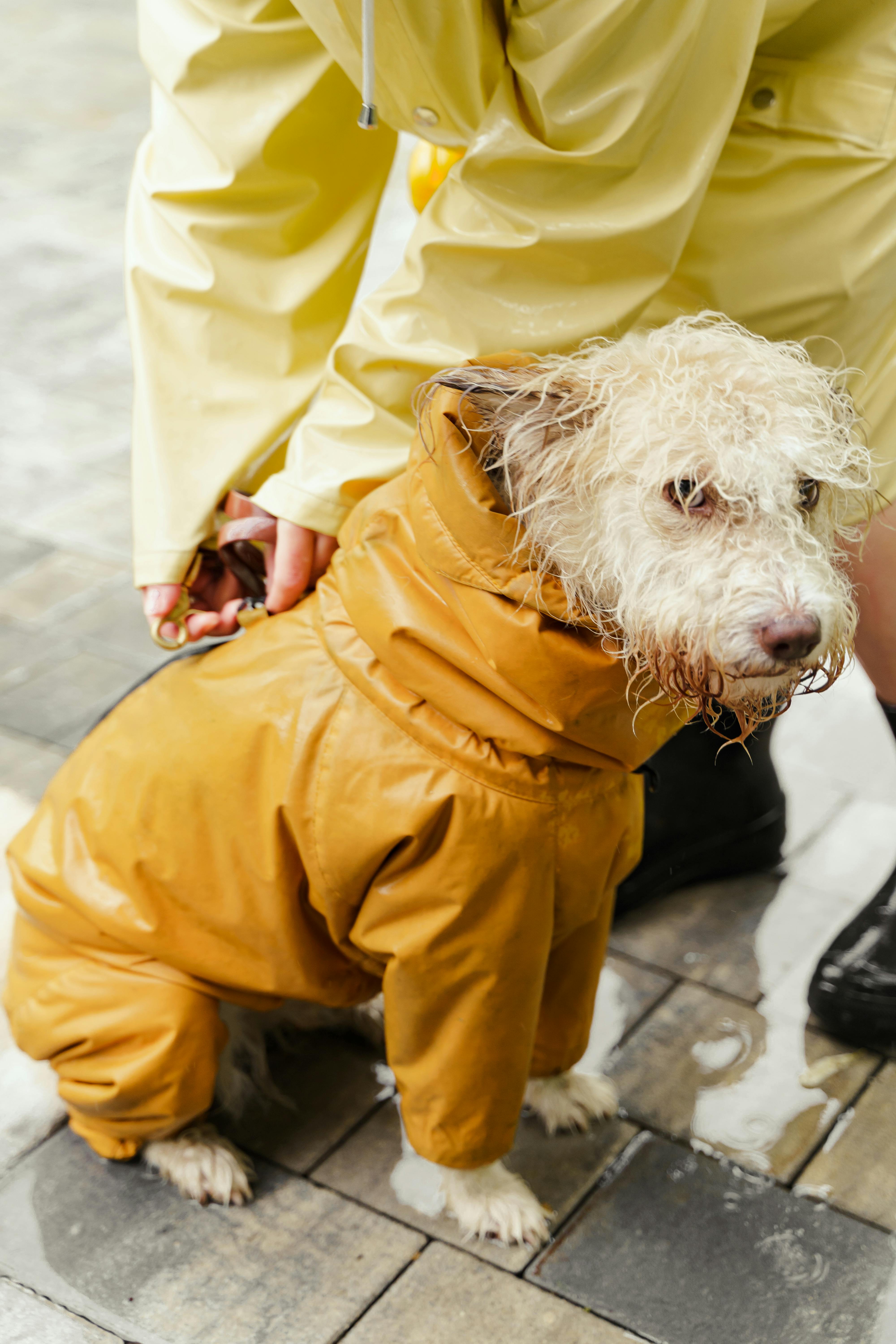
Dogs have been our companions for thousands of years, bringing joy and loyalty into our lives. One thing that often strikes dog owners is the feel of their pet's nose. But have you ever wondered, can your dog’s wet nose indicate illness? It’s a question many pet parents ask, so let’s dig deeper into this canine characteristic.
Why Do Dogs Have Wet Noses?
First off, there’s a reason why dogs noses are wet, and it's not just to annoy us with their slobber. Dogs have moist noses for several fascinating reasons:
- Sense of Smell Enhancement: A wet nose helps to trap scent particles. This makes their sense of smell even more sensitive. A dog's nose is packed with olfactory receptors, and moisture aids in capturing those scents in the air.
- Temperature Regulation: Dogs don’t sweat like humans do. They regulate their body temperature through panting and the moisture on their noses. A wet nose can help cool them down.
- Health Indicator: A dog’s nose can be an indicator of their health. Changes in moisture levels or temperature can signal potential health issues.
It is important for every dog owner to understand these points, because knowing the normal state of your dog's nose can help you catch illnesses early.
Can Your Dog’s Wet Nose Indicate Illness?
Now, let’s consider the other side of the coin. While a wet nose usually means your pooch is healthy, it can also indicate potential problems. Here are some signs every owner should know:
- Dry Nose: A dry nose doesn't always mean something is wrong, but it can indicate dehydration or fever.
- Crusty or Cracked Nose: If you notice sores, cracks, or crusts, this could signify allergies, infections, or autoimmune diseases.
- Change in Temperature: If your dog’s nose is warmer than usual, it might mean they’re running a fever.
- Excessive Moisture: If the nose is unusually wet and dripping, it might be due to a respiratory infection or other underlying health issues.
- Discharge: Any unusual discharge from the nose, whether clear, green, or bloody, is a cause for concern and should prompt a visit to the vet.
Historical Context of Dog Noses
Historically, dogs have been bred for specific traits, including their noses. The sense of smell has played vital roles in hunting and herding. For instance, Bloodhounds are known for their incredible olfactory abilities, making them vital in search and rescue operations. This historical context shows the importance of a dog's nose, not just for health but also for their roles in human society.
Practical Tips for Dog Owners
As a responsible dog owner, it’s crucial to observe your dog’s health regularly. Here’s a quick checklist:
- Regular Nose Checks: Feel your dog’s nose daily. Is it moist, dry, or warm?
- Monitor Behavior: Changes in behavior, like lethargy or loss of appetite, can signal health issues.
- Hydration: Ensure your dog always has access to fresh water, as hydration affects nose moisture.
- Vet Visits: Schedule regular veterinary check-ups to catch any health issues early.
Here’s a simple comparison of normal vs. abnormal nose conditions:
| Condition | Normal Nose | Abnormal Nose |
|---|---|---|
| Moisture Level | Slightly wet | Dry or excessively wet |
| Temperature | Cool to the touch | Warm or hot |
| Discharge | None | Clear, colored, or bloody |
| Texture | Smooth | Crusty, cracked, or sore |
Understanding Your Dog's Health
While a wet nose is typically a good sign, it’s essential to be vigilant. Changes in your dog’s nose can be an early warning system for illness. Learning about your dog's health can save you from worrying too much and help you to take action when necessary.
In summary, knowing why dogs have wet noses and understanding the signs that indicate potential illness can make a significant difference in your dog's overall wellbeing. Always pay attention to their nose and behavior, and don’t hesitate to consult with a veterinarian if something seems off. Your furry friend depends on you to keep them healthy and happy.
The Role of Hydration: How a Wet Nose Affects Your Dog’s Overall Health
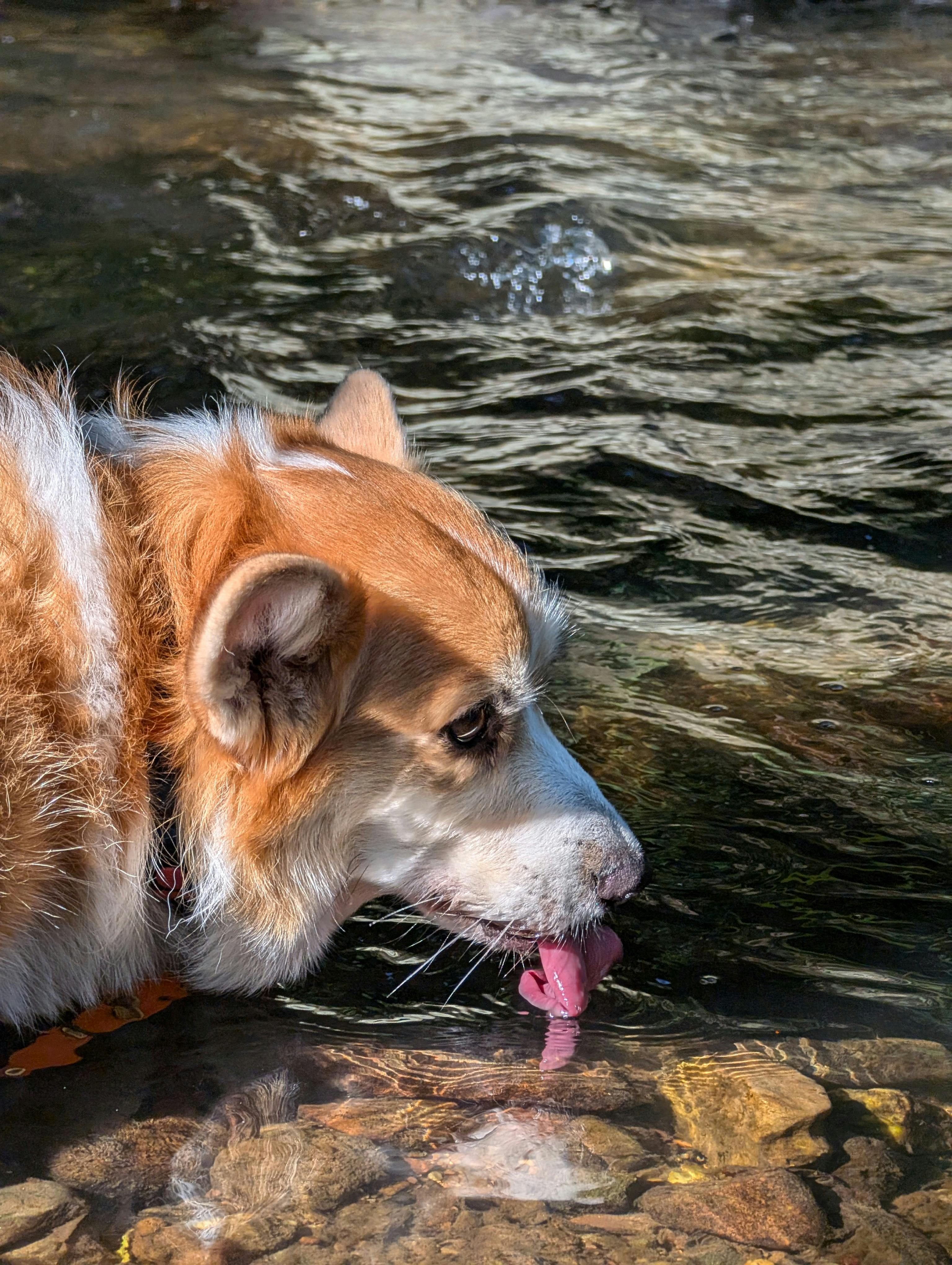
Ever wonder why your dog’s nose is always wet? It’s a common sight, but many don’t fully understand the significance of a moist nose. Hydration plays a crucial role in your dog’s overall health, and their wet noses have fascinating functions that go beyond just being adorable. Let’s dive into the science behind those wet noses and uncover the reasons why they matter for your furry friend.
Why Do Dogs Have Wet Noses?
Dogs noses are moist for several reasons, and it’s not just because they love to sniff out everything! Here’s a breakdown of why your canine companion has that wet nose:
Temperature Regulation: Dogs don’t sweat like humans do. Instead, they rely on their noses to help regulate their body temperature. A wet nose can cool them down, especially on hot days.
Enhanced Sense of Smell: A wet nose helps to trap scent particles from the air. This increases their olfactory sensitivity, allowing them to detect smells more effectively. It’s like having a built-in air filter for their noses!
Health Indicator: The moisture level of a dog’s nose can be a sign of their health. A wet nose generally indicates good hydration and health, while a dry nose may suggest dehydration or illness.
Behavioral Communication: Dogs often use their noses to communicate with each other. A wet nose can be a sign of friendliness and curiosity, encouraging interaction with other dogs or humans.
Historical Context of Dog Noses
Historically, dogs have been bred for specific traits, including their sense of smell. For instance, hunting breeds like Bloodhounds have highly developed olfactory senses that were essential for tracking prey. The wetness of their noses is not just a cute feature; it’s an evolutionary advantage that has helped dogs survive and thrive alongside humans for centuries.
The Science Behind Hydration
Hydration is vital for all living beings, including our dogs. Water plays a role in numerous bodily functions, from digestion to temperature regulation. Here’s how a wet nose directly relates to hydration:
Moisture Absorption: Dogs may absorb moisture through their noses, which can contribute to their overall hydration levels.
Mucus Production: The mucus on a dog’s nose helps to keep it moist. This mucus not only aids in scent detection but also helps in keeping their noses cool.
Dehydration Signs: A wet nose is a sign that your dog is hydrated. If you notice it becoming dry or cracked, it may be time to increase their water intake.
Practical Tips for Keeping Your Dog Hydrated
Just like humans, dogs need a consistent supply of water. Here are some practical tips to ensure your dog stays hydrated:
Fresh Water Daily: Always provide fresh, clean water for your dog. Change it regularly to keep it appealing.
Monitor Water Intake: Keep an eye on how much water your dog is drinking. If they seem to be drinking less than usual, consult your vet.
Wet Dog Food: Consider incorporating wet dog food into their diet. This can provide extra moisture and nutrition.
Hydration During Exercise: Make sure your dog has access to water during and after playtime or walks.
Ice Cubes as Treats: Some dogs enjoy chewing on ice cubes! It’s a fun way to help them hydrate.
Signs of Dehydration in Dogs
Recognizing the signs of dehydration in dogs is crucial. Here are some common indicators:
- Dry Nose: A dry or cracked nose can often signal dehydration.
- Lethargy: If your dog seems unusually tired or sluggish, it could be a sign they need more water.
- Loss of Skin Elasticity: Gently pinch the skin on their back; if it doesn’t spring back quickly, your dog may be dehydrated.
- Sunken Eyes: Watch for any changes in their eyes, as sunken eyes can indicate dehydration.
Conclusion
In summary, the wet nose of a dog is not just a quirky feature; it has important health implications. Understanding the role of hydration and the reasons behind a dog’s wet nose can help you take better care of your furry friend. Dogs rely on their noses for so much, from temperature regulation to communication. Keeping them hydrated is essential for their overall well-being. So next time you give your pup a scratch behind the ears, don’t forget to check that wet nose!
Why Do Dogs Lick Their Noses? The Connection to Their Wet Snouts

Dogs are one of the most beloved pets in many households, and their quirky behaviors often leave us scratching our heads. One such behavior that many dog owners notice is licking their noses. But why do dogs lick their noses, and what is the connection to their famously wet snouts? Let's delve into the fascinating reasons behind this behavior and uncover the mystery of why dogs have wet noses.
Why Do Dogs Lick Their Noses?
Dogs lick their noses for several reasons, and it’s not just because they think it’s fun. Here are some common explanations:
Taste and Smell: Dogs have an incredible sense of smell, far more sensitive than humans. When they lick their noses, they are actually tasting and sampling the scents around them. By moistening their noses, they can better absorb scent molecules. This is why you might see your dog licking their nose frequently after sniffing something interesting.
Self-Grooming: Just like cats, dogs also groom themselves. Licking their nose is a way for them to clean it, removing dirt or debris that might have collected there during their explorations.
Nervous Behavior: Sometimes, dogs lick their noses when they feel anxious or uncertain. It’s a way for them to self-soothe in stressful situations. If you notice your dog licking their nose excessively, it might be worth looking into their environment to see if something is bothering them.
Displaying Submission: In certain contexts, a dog might lick its nose as a sign of submission. This can happen when they are interacting with other dogs or even humans, showcasing that they are not a threat.
The Connection to Their Wet Snouts
So, why do dogs have wet noses in the first place? Wet noses serve several important functions in a dog's life:
Enhanced Sense of Smell: The moisture on a dog's nose helps to capture scent particles in the air. This allows dogs to smell better, which is crucial for their survival. A wet nose increases their olfactory capabilities, making every sniff more informative.
Temperature Regulation: Dogs don’t sweat like humans. Instead, they rely on panting and the moisture on their noses to help regulate their body temperature. A wet nose can help cool them down, which is especially important during hot weather.
Health Indicator: A healthy dog's nose often feels cool and moist. If a dog has a dry or excessively warm nose, it might indicate a health issue. However, this is not a foolproof method of diagnosing a dog’s health, as various factors can affect nose moisture.
Fascinating Facts About Dog Noses
Here are some interesting facts about dog noses that you might not know:
Unique Patterns: Just like human fingerprints, every dog has a unique nose print. This can be used to identify them.
Scent Receptors: Dogs have up to 300 million scent receptors in their noses compared to about 5 million in humans. This is why dogs are trained for search and rescue, detection, and tracking.
Wet vs. Dry: A dog’s nose can change from wet to dry depending on their activity level or environmental conditions. It’s normal for a dog’s nose to be drier after a nap or during colder weather.
Health Changes: Sudden changes in the moisture of a dog's nose, like going from wet to dry, can sometimes indicate illness, but it’s important to look for other signs as well.
Practical Examples
To put all this information into context, consider the following scenarios:
Scenario 1: Your dog just came back from a walk and is licking their nose. They might have just sniffed something interesting and are trying to get a better sense of what it is.
Scenario 2: You notice your dog licking their nose repeatedly while meeting a new dog. This could indicate nervousness or a display of submission, showing they mean no harm.
Scenario 3: If your dog has a dry nose for a few days, keep an eye on their behavior. If they seem lethargic or unwell, it might be time to consult your veterinarian.
Understanding why dogs lick their noses and the significance of their wet snouts can deepen our relationship with these wonderful creatures. Their unique biology and behaviors are truly fascinating and can help us care for them in better ways. Next time you see your furry friend licking their nose, you’ll have a better idea of what’s going on in that cute little head of theirs!
From Cool to Warm: Understanding the Temperature of Your Dog's Nose and What It Means

When you notice your dog's nose, you might wonder why it’s wet or how its temperature can change. The truth is, understanding the temperature of your dog’s nose can tell you much about their health and wellbeing. Dog noses can feel cool or warm, and this can indicate various things. Many pet owners may ask, "Why do dogs have wet noses?" It’s quite fascinating when you dig deeper into the reasons behind this phenomenon.
The Basics of Dog Nose Temperature
A dog’s nose temperature isn’t a definitive health indicator, but it can give you some clues. Generally, a healthy dog might have a nose that feels cool to the touch, while a warm or dry nose might raise some eyebrows. However, this is not always the case. Here’s a simple breakdown:
- Cool Noses: Often associated with healthy dogs. This is because a cool nose can mean the dog is hydrated and feeling good.
- Warm Noses: A warm dog nose can signal a fever or illness, but it could also just mean the dog has been sleeping in a warm spot.
- Dry Noses: While a dry nose can sometimes indicate dehydration or illness, many dogs can have dry noses and still be perfectly healthy.
Why Do Dogs Have Wet Noses?
Now let’s get to the intriguing question: Why do dogs have wet noses? There’s more to it than you might think! Here are some fascinating facts about wet noses:
- Cooling Mechanism: Dogs don’t sweat like humans. Instead, they rely on their noses to help regulate body temperature. The moisture from the nose evaporates, cooling them down.
- Sense of Smell: A wet nose enhances a dog’s sense of smell. The moisture helps capture scent particles, making it easier for them to detect various odors.
- Communication Tool: Dogs often use their noses to communicate. A wet nose can be a sign of excitement or a greeting.
- Health Indicator: While not always a clear sign, a change in the moisture of a dog’s nose can sometimes indicate stress or health issues.
Historical Context of Dog Noses
Dogs have evolved over thousands of years, and their noses have become a unique feature of their anatomy. The wetness of a dog’s nose is not just a quirky trait; it has roots in their survival. Historically, dogs with better olfactory senses were more successful hunters, which contributed to their evolutionary success.
Key Factors That Affect Your Dog’s Nose
Several factors can impact the temperature and moisture of your dog’s nose:
Weather Conditions: Hot or cold weather can affect your dog’s nose temperature. In summer, noses might be drier, while in winter they might be cooler and moister.
Activity Level: After running or playing, a dog’s nose might feel warmer due to increased blood flow and activity.
Hydration: A well-hydrated dog is more likely to have a moist nose. If your dog isn’t drinking enough water, their nose may become dry.
Health Status: Illness or fever can lead to a change in nose temperature. If your dog’s nose feels warm and they show other signs of sickness, it might be time for a vet visit.
Monitoring Your Dog’s Nose
Here are some practical tips you can use to monitor your dog’s nose:
- Check the nose regularly, especially after activities or in different weather conditions.
- Note any changes in temperature or moisture over time.
- Observe your dog’s behavior alongside nose temperature. If your dog seems lethargic or off, this could be a sign to consult a veterinarian.
- Keep a journal of your dog’s nose temperature and moisture, so you can identify patterns.
What to Do When You Notice Changes
If you find that your dog’s nose is consistently dry or warm, consider these steps:
- Hydration: Make sure your dog has access to fresh water at all times.
- Vet Consultation: If the changes persist, it’s wise to seek professional advice.
- Environment: Ensure your dog is comfortable in their living environment, avoiding extreme temperatures.
Understanding your dog’s nose temperature and the reasons behind a wet nose can enhance your bond with your pet. It’s a small but significant aspect of their health. By keeping an eye on these changes, you can ensure your furry friend stays healthy and happy. So, the next time you pet your dog, take a moment to feel that nose and appreciate the science behind it!
Conclusion
In conclusion, the fascinating phenomenon of dogs having wet noses can be attributed to several key factors, including their evolutionary adaptations, the role of moisture in enhancing their sense of smell, and the physiological benefits of temperature regulation. A wet nose not only aids in detecting scents more effectively but also serves as a natural cooling mechanism for these beloved pets. Understanding this unique trait can deepen our appreciation for dogs and their extraordinary sensory capabilities. As dog owners, it’s essential to recognize that a wet nose is generally a sign of good health, but any significant changes should prompt a visit to the veterinarian. Next time you greet your furry friend, take a moment to consider the science behind their wet nose and how it contributes to their well-being. Let’s celebrate our canine companions and continue to learn about the incredible ways they interact with the world around them!