Have you ever wondered, why do dogs have wet noses? This fascinating query is more than just a quirky dog trait; it holds the key to understanding our furry friends better! A dog’s nose is not only wet but also incredibly sensitive, serving multiple important purposes in their daily lives. In this blog post, we will uncover the truth behind this intriguing phenomenon, exploring the science and reasons that make dog noses so unique. Is it for cooling down? Or perhaps to enhance their sense of smell? As we delve deeper, you’ll discover why a wet nose is not just a sign of a healthy pup, but also a crucial aspect of their behavior and communication. Curiosity piqued? Join us as we explore the science behind this cute canine characteristic! Whether you're a dog owner or simply an animal lover, understanding why dogs have wet noses will not only satisfy your curiosity, but also deepen your bond with your four-legged companion. So, let’s dive into this captivating topic and reveal the secrets of those adorable, moist noses!
\n\nThe Science Behind Why Dogs Have Wet Noses: What Every Pet Owner Should Know
\n\n \n\n
\n\nEvery pet owner has probably wondered at some point, why do dogs have wet noses? This common trait can seem a bit odd, but there is actually some fascinating science behind it. Wet noses are more than just a quirky characteristic; they serve important functions for dogs. So, let's uncover the truth behind those moist snouts that our furry friends sport.
\nThe Science of Dog Noses
\nDogs have a unique anatomy that makes their noses special. Unlike humans, who rely heavily on sight, dogs depend on their sense of smell. It's said that dogs have up to 300 million smell receptors in their noses, compared to a mere 6 million in humans. This incredible olfactory capability is supported by a moist surface.
\nWhy the Wetness?
\n- \n
- \n
Enhanced Smell: The moisture on a dog's nose helps capture scent particles from the air. When the nose is wet, it can absorb these particles more effectively, allowing dogs to gather more information about their surroundings. It's like having a built-in scent detector.
\n \n - \n
Temperature Regulation: Dogs don't sweat the way humans do; they primarily regulate their body temperature through panting. A wet nose can help cool them down. When the moisture evaporates, it provides a cooling effect, much like how sweating works for us.
\n \n - \n
Health Indicator: A dog’s nose can indicate their health status. A normal, moist nose often signals that a dog is healthy, whereas a dry or cracked nose may suggest dehydration or illness. However, this isn't a hard and fast rule, and pet owners should consider other signs of health too.
\n \n
Historical Context
\nThe relationship between humans and dogs goes back thousands of years. Ancient civilizations recognized dogs not just as companions but also as working animals. The traits that made them good hunters, protectors, and companions were often linked to their physical characteristics, including their noses.
\nIn fact, dogs were bred for specific tasks, which often emphasized their olfactory abilities. For instance, bloodhounds were developed for tracking scents over long distances, while terriers were bred for hunting small animals. The wet nose was just one feature that enhanced their skills.
\nFun Facts About Dog Noses
\n- \n
- Unique Prints: Just like human fingerprints, every dog has a unique nose print. This can actually be used to identify them. \n
- Sensitivity: A dog's nose is so sensitive that they can detect certain diseases in humans, like cancer or diabetes, simply through scent. \n
- Color Variation: The color of a dog's nose can vary widely and is often influenced by breed and genetics. Some dogs have pink noses, while others have black or liver-colored ones. \n
Practical Tips for Pet Owners
\nAs a pet owner, maintaining your dog's nose health is important. Here are a few tips:
\n- \n
- Hydration: Always ensure your dog has access to fresh water. This keeps their nose moist and healthy. \n
- Regular Checks: Take a look at your dog's nose regularly. Look for cracks, excessive dryness, or any unusual changes in color. \n
- Veterinary Visits: If you notice anything concerning, it’s best to consult with a vet. Regular check-ups can help catch any issues early. \n
Comparison of Dog Noses to Human Noses
\n| Aspect | \nDog Nose | \nHuman Nose | \n
|---|---|---|
| Smell Receptors | \nUp to 300 million | \nAbout 6 million | \n
| Sensitivity to Scent | \nExtremely sensitive | \nLess sensitive | \n
| Moisture Function | \nEnhances scent detection | \nAids in humidifying air | \n
| Temperature Regulation | \nHelps cool the body | \nSweating is primary cooling method | \n
Common Misconceptions
\n- \n
- \n
Myth: A warm nose means a dog is sick.
\n- \n
- Truth: A dog's nose temperature can vary throughout the day. A warm nose isn’t a definitive sign of illness. \n
\n - \n
Myth: Only certain breeds have wet noses.
\n- \n
- Truth: Most dogs have wet noses, but some may appear drier based on breed or environmental factors. \n
\n
In conclusion, understanding why dogs have wet noses not only enhances our appreciation for our canine companions but also helps us care for their health better. Next time you pet your dog and feel that cool, moist nose, remember the science behind it! It's just one of the amazing ways dogs connect with the world around them.
\n\nTop 5 Fascinating Reasons Dogs Have Wet Noses and What It Means for Their Health
\n\n \n\n
\n\nDogs are often considered man’s best friends, and one of the most endearing traits they have is their wet noses. Ever noticed how your furry companion's nose feels cool and moist? It’s not just for show; there’s actually fascinating reasons why do dogs have wet noses. Understanding these traits can give you insights into your dog's health and behavior. So let’s dive into the top five reasons why dogs have wet noses and what it means for their overall well-being.
\n1. Sensory Enhancement
\nDogs has a highly developed sense of smell, which is around 40 times better than humans. A wet nose helps to capture scent particles in the air more effectively. When a dog’s nose is damp, it’s believed that it absorbs these particles better. Think of it like a sponge soaking up water. The moisture on their noses acts like a magnet for smells, making it easier for them to identify food, other animals, and even potential dangers. Isn’t that cool?
\n2. Temperature Regulation
\nHave you ever wondered why your dog’s nose is wet? Well, it also helps regulate their body temperature. Dogs don’t sweat like humans do. Instead, they rely on panting and their moist noses to cool down. The moisture on the nose evaporates, which can help lower their body temperature. If you notice your dog’s nose becoming excessively dry, it could be a sign that they’re overheating or not feeling well.
\n3. Communication Tool
\nDogs communicate in various ways, and their body language is a big part of it. A wet nose can indicate a dog’s emotional state. For instance, when a dog is feeling friendly or curious, they may approach you with a wet nose. This is their way of saying, "Hey, I’m friendly! Let’s hang out." Conversely, if a dog’s nose is dry and warm, it might indicate stress or illness. So, observing your dog’s nose can give you clues about how they are feeling.
\n4. Health Indicator
\nA dog’s nose can be a health barometer. Generally, a healthy dog has a wet and cool nose. However, if your dog’s nose is excessively dry or cracked, it may signal dehydration, fever, or other health issues. Regularly checking your dog’s nose can help you catch potential health problems early. If you notice any concerning changes, it’s always best to consult with your vet.
\n5. The Role of Mucus
\nThe mucus on a dog’s nose isn’t just there for decoration. It plays an essential role in their health. The moisture is a combination of saliva and mucus, which helps trap dirt and bacteria. This means that when dogs sniff around, their noses are working to filter out harmful substances. It’s like a natural defense system! Keeping their noses moist can help maintain this function, protecting them from infections.
\nFun Facts About Dog Noses
\n- \n
- Dogs have approximately 300 million scent receptors in their noses! \n
- The wetness of a dog’s nose can help them cool off, but it can also change based on their activity level. \n
- Just like fingerprints in humans, every dog nose has a unique pattern. \n
Quick Comparison: Dog Noses vs. Human Noses
\n| Feature | \nDog Nose | \nHuman Nose | \n
|---|---|---|
| Number of Receptors | \n~300 million | \n~5 million | \n
| Sensitivity | \nExtremely sensitive | \nLess sensitive | \n
| Moisture Function | \nEnhances smell perception | \nPrimarily for breathing | \n
| Temperature Regulation | \nYes, through evaporation | \nNo, relies on sweating | \n
Understanding why do dogs have wet noses can help you better care for your canine companion. It’s not just an endearing trait; it plays a vital role in their health and well-being. So next time you give your dog a pat and feel that moist nose, remember all the fascinating reasons behind it. A dog’s wet nose is not just a cute feature; it’s an essential part of what makes them so unique and wonderful. Watching for changes can also be a great way to monitor their health. So, keep an eye on that nose, and enjoy the joys of pet ownership!
\n\nDo Wet Noses in Dogs Indicate Health? Discover the Surprising Truth!
\n\n \n\n
\n\nWhen it comes to our furry friends, one of the most charming features of dogs are their wet noses. A lot of people wonder, do wet noses in dogs indicate health? Discovering the truth behind this common belief can be both surprising and fascinating.
\nWhy Do Dogs Have Wet Noses?
\nThe wetness of a dog’s nose is more than just a cute characteristic. Several factors contribute to why dogs have moist noses, some of which are tied to their health.
\n- \n
- \n
Anatomy: The surface of a dog’s nose is lined with mucous membranes. This helps in regulating their body temperature and enhances their sense of smell. Dogs have a much greater sense of smell than humans, and a wet nose can help to trap scents, which is why they’re always sniffing around.
\n \n - \n
Regulation of Temperature: Dogs cannot sweat like humans do. Instead, they rely on panting and their noses to cool down. A wet nose can indicate that the dog is well-hydrated and has a good temperature regulation.
\n \n - \n
Health Indicator: A wet nose is often seen as a sign of good health. However, it’s not the only indicator. Dogs can have dry noses for a variety of reasons, including environmental factors, dehydration, and even illnesses.
\n \n
Misconceptions About Wet Noses
\nMany people often assume that a wet nose is synonymous with a healthy dog. While this may be true in many cases, it’s not a blanket rule. Here are some misconceptions:
\n- \n
- \n
Wet Nose Equals Healthy Dog: While a moist nose can indicate health, a dog can be perfectly healthy with a dry nose too. Factors like weather, humidity, and even the dog's activity level can influence the moisture level of a dog's nose.
\n \n - \n
Illness Equals Dry Nose: Not all dogs with dry noses are sick. Some breeds naturally have drier noses, and environmental conditions can lead to temporary dryness.
\n \n - \n
Constantly Wet Nose: Some dogs have noses that seem to be perpetually wet. This isn’t a cause for concern unless accompanied by other symptoms like lethargy or lack of appetite.
\n \n
Signs of Health Issues
\nEven though a wet nose can be a good sign, it’s important to be aware of other symptoms that might indicate health issues. Here are some signs to watch for:
\n- \n
- \n
Loss of Appetite: If your dog suddenly stops eating, it could indicate a health problem.
\n \n - \n
Lethargy: If your dog is not as energetic as usual, it might be time for a vet visit.
\n \n - \n
Excessive Salivation: If your dog is drooling more than usual, this could be a sign of dental issues or other problems.
\n \n - \n
Changes in Behavior: Sudden changes in behavior, like aggression or withdrawal, might indicate something is wrong.
\n \n
Comparing Wet and Dry Noses
\nIt’s helpful to understand the difference between wet and dry noses in dogs. Here’s a quick comparison:
\n| Feature | \nWet Nose | \nDry Nose | \n
|---|---|---|
| Health Indicator | \nOften indicates hydration | \nNot always a sign of illness | \n
| Regulation | \nHelps in temperature control | \nCan also regulate temperature | \n
| Smell Sensitivity | \nTypically better at scent tracking | \nMay affect scent perception | \n
| Common Causes | \nNormal physiology | \nWeather, dehydration, illness | \n
Practical Tips for Dog Owners
\nCaring for your dog’s nose can be important for their overall health. Here are some practical tips:
\n- \n
- \n
Hydration: Always ensure your dog has access to fresh water. Hydration helps maintain a moist nose.
\n \n - \n
Check for Changes: Monitor your dog’s nose regularly. If you notice significant changes, consult with a veterinarian.
\n \n - \n
Environmental Awareness: Be mindful of the weather. Cold or dry environments can lead to a dry nose. Consider applying a dog-safe moisturizer if needed.
\n \n - \n
Regular Vet Visits: Regular check-ups can help catch any potential health issues early on.
\n \n
In conclusion, while wet noses in dogs can often indicate good health, it’s not the only factor to consider. Understanding the role of a dog’s nose and being aware of other health indicators can help owners take better care of their furry companions. Always consult with a veterinarian if you have concerns about your dog's health.
\n\nWhy Are Dog Noses Wet? Unveiling the Secrets of Canine Physiology
\n\n \n\n
\n\nHave you ever wondered why dogs noses are often wet? This common feature of our furry friends is not just a quirky characteristic, it actually reveal fascinating aspects of canine physiology and behavior. The reasons for a dog's wet nose can be both simple and intricate, intertwining biology with instinct. In this article, we will explore the science behind why our canine companions have wet noses, and how it plays a vital role in their lives.
\nThe Anatomy of a Dog's Nose
\nDogs have unique anatomy that makes their noses not only wet but also incredibly sensitive. The surface of a dog’s nose is made up of a special type of skin containing a high concentration of olfactory receptors. These receptors are responsible for their incredible sense of smell, estimated to be between 10,000 to 100,000 times more sensitive than humans.
\nHere are some key facts about a dog’s nose anatomy:
\n- \n
- Olfactory Receptors: Dogs have around 220 million olfactory receptors compared to a human's 5 million. \n
- Moisture: The moisture on a dog’s nose helps capture scent particles from the air, enhancing their ability to smell. \n
- Temperature Regulation: A wet nose can also help cool a dog’s body, helping them regulate their temperature. \n
Why Do Dogs Have Wet Noses?
\nSo, why do dogs have wet noses? Several reasons can be attributed to this fascinating phenomenon, some of which are:
\n- \n
- \n
Enhanced Sense of Smell: The wetness of a dog's nose assists in smelling. When the nose is moist, it can better absorb scent particles. This is essential for hunting, tracking, and simply exploring their environment.
\n \n - \n
Cooling Mechanism: Just like sweating in humans, dogs can lose heat through their noses. A wet nose can help in maintaining a comfortable body temperature, especially during hot weather.
\n \n - \n
Health Indicator: A wet nose is often seen as a sign of health and well-being. While it can vary, a dry or excessively warm nose may indicate illness or dehydration, although this is not a definitive rule.
\n \n - \n
Behavioral Reasons: Dogs tend to lick their noses, which keeps them moist and also helps them process scents better. This behavior is instinctual and part of their natural curiosity.
\n \n
The Science Behind Moisture
\nThe moisture found on a dog's nose comes from a combination of mucus and saliva. When dogs lick their noses, they spread saliva over the surface, which is not only hydrating but also enhances their olfactory capabilities. This moisture traps the scent particles in the air, making it easier for the dog to detect different smells.
\nFun Facts About Dog Noses
\n- \n
- Variability: The wetness of a dog's nose can vary throughout the day. Factors like temperature, humidity, and even the dog's activity level can affect this. \n
- Color and Texture: Not all dogs have the same nose texture or color. Some breeds have more prominent wet noses due to genetics. \n
- Nose Prints: Just like human fingerprints, dog noses have unique patterns. They can be used to identify individual dogs! \n
Comparative Insight: Dog Noses vs. Human Noses
\nWhen comparing dog noses to human noses, several differences become apparent:
\n| Feature | \nDog Noses | \nHuman Noses | \n
|---|---|---|
| Number of Receptors | \n~220 million | \n~5 million | \n
| Moisture Function | \nEnhances smell and cools body | \nPrimarily for smell, some moisture | \n
| Temperature Sensitivity | \nHighly sensitive to temperature | \nLess sensitive | \n
| Size Relation | \nProportional to body size | \nGenerally smaller than dogs’ noses | \n
Practical Implications for Dog Owners
\nAs a dog owner, understanding the significance of a wet nose can help you care for your pet better. Here’s what you can do:
\n- \n
- Regular Checks: Keep an eye on your dog’s nose. If it becomes excessively dry or cracked, it might be worth consulting with a veterinarian. \n
- Hydration: Ensure your dog stays hydrated, especially in hot weather, since a wet nose often indicates proper hydration. \n
- Observe Behavior: If your dog is licking their nose more frequently, it could indicate they are trying to enhance their sense of smell or may be feeling stressed. \n
In summary, the wetness of a dog’s nose is a multifaceted aspect of their physiology that serves multiple purposes, from improving their remarkable sense of smell to regulating body temperature. Understanding why dogs have wet noses not only enhances our appreciation for these loyal companions but also can guide us in providing the best care possible for them. So next time you pet your dog, take a moment to marvel at that wet nose and all the wonders it represents!
\n\nWet Noses and Smell: How Your Dog’s Wet Nose Enhances Their Senses
\n\n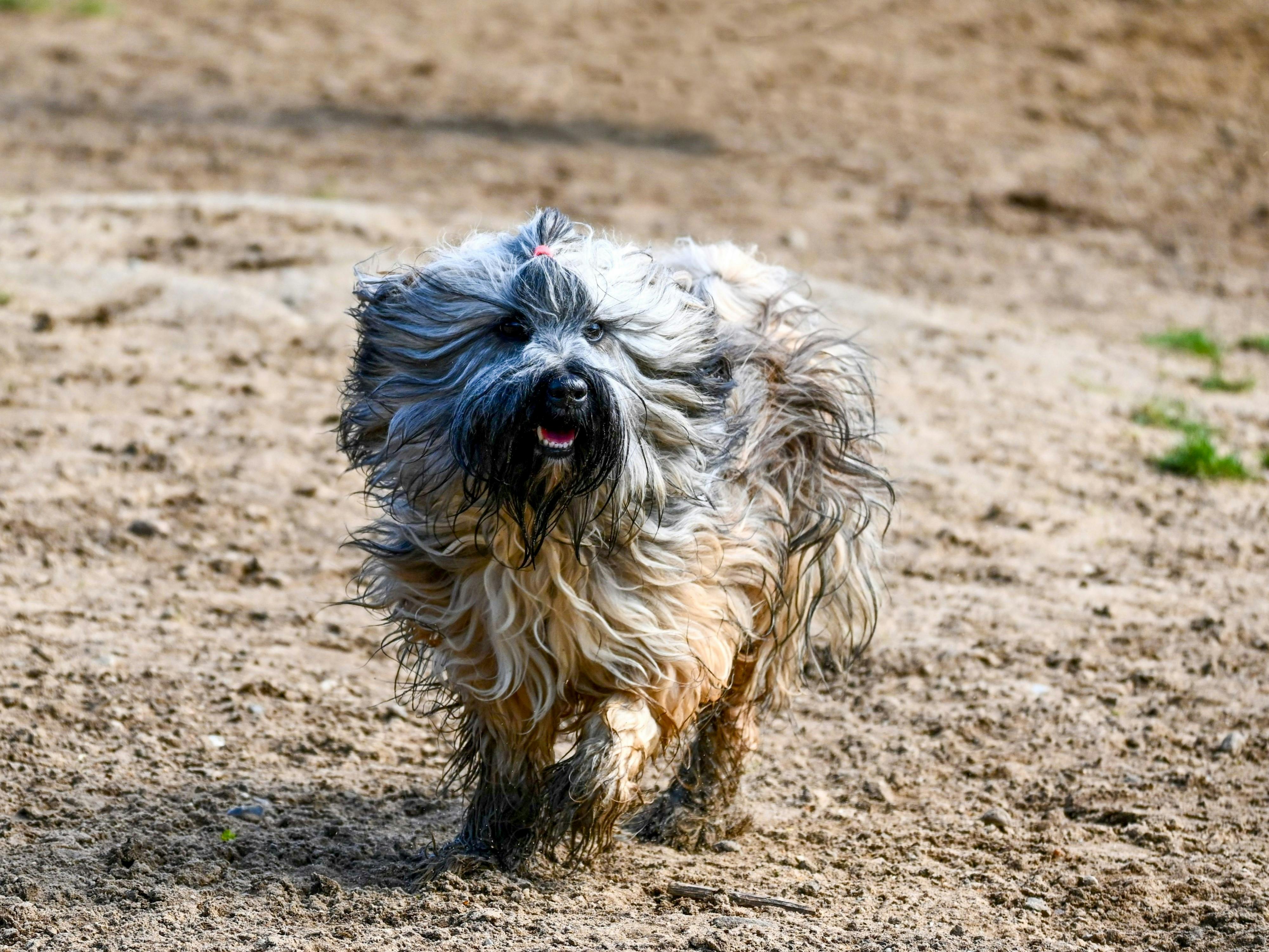 \n\n
\n\nDogs have always been our loyal companions, but their wet noses holds more than just cuteness. Ever wondered why do dogs have wet noses? It’s a topic many pet lovers curious about, and the answer is fascinating! Let’s dive into the science behind it.
\nThe Science of a Wet Nose
\nA dog’s nose is wet for several reasons, and each plays a significant role in how they perceive the world around them. The moisture on their noses helps enhance their sense of smell, which is already far superior to that of humans. Here are some reasons why their nose is wet:
\n- \n
- \n
Olfactory Enhancement: The wetness helps capture scent particles in the air, making it easier for them to process smells. Dogs have up to 300 million olfactory receptors in their noses, compared to about 6 million in humans. This means they can detect scents at incredibly low concentrations.
\n \n - \n
Temperature Regulation: Dogs do not sweat the same way humans do. Their noses help them cool down. The moisture on the nose evaporates, which has a cooling effect, helping to regulate their body temperature.
\n \n - \n
Health Indicator: A dog’s nose can also indicate their health. A wet, cool nose is often a sign of a healthy dog, while a dry or cracked nose might suggest dehydration or illness.
\n \n
Why Do Dogs Have Wet Noses? The Evolutionary Perspective
\nLooking back through history, dogs evolved from wolves, who relied heavily on their sense of smell for survival. Their wet noses became an important evolutionary trait. Here is how it helps in the wild:
\n- \n
- Hunting: A moist nose picks up scents more effectively, which aids in tracking prey. \n
- Communication: Dogs also use scent to communicate with each other. The wetness helps them gather and interpret these scents from their environment. \n
- Navigation: In the wild, a dog’s sense of smell is crucial for navigation. Wet noses help in detecting pheromones and other scent markers left by other animals. \n
Fun Facts About Dog Noses
\n- \n
- \n
Unique Patterns: Just like human fingerprints, every dog’s nose print is unique. This can be used for identification.
\n \n - \n
Sniffing Technique: Dogs often sniff in short bursts, which is more effective for gathering scents, rather than taking long inhales like humans do.
\n \n - \n
Scent Memory: Dogs have an incredible scent memory that can last for years. They can remember a scent and associate it with experiences.
\n \n
The Role of Environment in Nose Wetness
\nThe environment plays a big role in how wet a dog’s nose is. Factors that can influence this include:
\n- \n
- \n
Humidity: Higher humidity levels can keep a dog’s nose wetter for longer, while dry air can lead to a drier nose.
\n \n - \n
Activity Level: After playing or exercising, a dog’s nose may become drier due to increased evaporation.
\n \n - \n
Health Conditions: Certain health issues can affect nose moisture. For example, a dog with a fever may have a warmer, drier nose.
\n \n
Practical Tips for Dog Owners
\nMaintaining your dog’s health includes paying attention to their nose. Here are some tips:
\n- \n
- \n
Regular Vet Check-ups: Ensure that you take your dog for regular veterinary visits to monitor their overall health, including their nose.
\n \n - \n
Hydration: Always provide fresh water to keep your dog hydrated. This can help keep their nose moist.
\n \n - \n
Observe Changes: If you notice your dog’s nose becomes persistently dry or cracked, it’s important to consult your vet. This could be a sign of an underlying health issue.
\n \n - \n
Avoid Allergens: Environmental allergens can cause irritation. Be mindful of any changes in your dog's environment that may affect their nose.
\n \n - \n
Nose Balm: If your dog’s nose is frequently dry, consider using a dog-safe nose balm to keep it moisturized.
\n \n
Final Thoughts
\nUnderstanding why do dogs have wet noses can deepen your appreciation for these amazing creatures. Their moist noses not only enhance their incredible sense of smell but also play a vital role in their health and well-being. Next time you give your furry friend a pat, take a moment to admire that wet nose! It’s a unique feature that connects them to the world in ways we can only imagine. Remember, a healthy dog is a happy dog, and that wet nose is just one of the many signs of a well-cared-for pet!
\n\nCurious Canine Cues: What a Wet Nose Reveals About Your Dog’s Emotions
\n\n\n\nDogs are often referred to as man's best friend, and there are many reasons for that. One of the most intriguing aspects of our canine companions is their wet noses. Have you ever wondered why do dogs have wet noses? Or what does a wet nose reveal about your dog's emotions? In this article, we're gonna uncover the fascinating truth behind those curious canine cues.
\nWhy Do Dogs Have Wet Noses?
\nDogs' noses are not just moist; they are also highly sensitive. The wetness helps them to absorb scents more effectively. But there is more to this than just sniffing around. Here are a few key points to consider:
\n- \n
- Temperature Regulation: A dog's nose helps to regulate their body temperature. When they pant, moisture evaporates from their noses, which cools them down. \n
- Scent Detection: The moisture on a dog’s nose can help trap scent molecules, making it easier for them to detect smells. This is why dogs are used in various roles, like search-and-rescue or detecting drugs. \n
- Communication: Dogs use body language to communicate, and their noses play a significant role. A wet nose can signal excitement or affection. \n
Emotional Indicators of a Wet Nose
\nHave you noticed that your dog's nose feels differently at various times? A wet nose can mean different things based on the dog's behavior and the situation. Let’s break it down:
\n- \n
- Excitement: When dogs are happy or excited, their noses often get wetter. So, if you come home from work and your dog greets you with a particularly moist nose, it likely means they are thrilled to see you! \n
- Anxiety or Stress: A dog that is feeling anxious may have a dry nose. This is a sign that they are not feeling well or are stressed out. \n
- Health Issues: If your dog's nose suddenly becomes dry and crusty and it stays that way, it could indicate a health issue. It’s always best to consult a vet if you notice significant changes. \n
Historical Context of Dogs' Noses
\nDogs have been companions to humans for thousands of years. Historically, different breeds were developed for various purposes, including hunting, herding, and companionship. The evolution of their noses has been crucial in those roles. For instance:
\n- \n
- Hunting Dogs: Breeds like Bloodhounds have an exceptional sense of smell, thanks to their wet noses that trap more scent. \n
- Companionship: Small breeds, often kept as companions, still retain the wet nose trait, which helps them bond with humans better. \n
Fun Facts About Dogs’ Noses
\nDid you know that a dog's nose print is unique? Just like human fingerprints, no two dogs have the same nose print. Here are some other fun facts:
\n- \n
- Nose Color: The color of a dog's nose can change with their age. Puppies often have pink noses that darken as they mature. \n
- Nose Temperature: A dog's nose can change temperature based on their environment. If they’ve been in the sun, their noses might feel warmer. \n
- Scent Memory: Dogs have a remarkable scent memory. They can remember smells for years, which is why they can find their way back home even after a long time. \n
Understanding Your Dog Better
\nIf you want to understand your furry friend better, paying attention to their nose can be quite helpful. Here are some signs to observe:
\n- \n
- Wet and Cool: Typically indicates a happy and healthy dog. \n
- Warm and Dry: Could suggest that your dog is sick or stressed. \n
- Consistently Dry: If it stays dry for long periods, it might be time to check with your vet. \n
Practical Tips for Dog Owners
\nTaking care of your dog's nose is part of overall health. Here are some tips to keep in mind:
\n- \n
- Regular Check-Ups: Make sure to take your dog for regular veterinary check-ups to ensure their nose and overall health is in good condition. \n
- Hydration: Ensure your dog stays hydrated, especially in hot weather. Dehydration can lead to a dry nose. \n
- Environment Awareness: Be mindful of your dog's environment. If they are exposed to harsh conditions, their noses may suffer. \n
Understanding why do dogs have wet noses and what they mean can help you bond better with your canine companion. Whether it's excitement, love, or even health concerns, your dog's nose is a gateway to their emotions and well-being. So, the next time you feel that cool, moist nose against your hand, know that it’s more than just a physical trait—it's a reflection of your dog's feelings and health.
\n\nKeeping Your Dog’s Nose Healthy: Tips for Maintaining That Signature Wetness
\n\n \n\n
\n\nKeeping your dog’s nose healthy is super important for their overall well-being. You may have noticed that your pup's nose is often wet, and you might ask yourself, "Why do dogs have wet noses?" Well, there’s actually a fascinating truth behind it! Dogs’ noses are not just cute; they serve several important functions that contributes to their health and happiness. Let’s dive into the reasons why your furry friend has that signature wetness, and tips to keep their nose in tip-top shape.
\nUnderstanding Why Dogs Have Wet Noses
\nDogs have wet noses for several reasons, and each one is pretty interesting. To start, a wet nose helps them to smell better. The moisture on a dog's nose acts like a scent receptor, capturing scent particles in the air and making it easier for them to detect different smells. This is why dogs are such great sniffers!
\nHere are some key points about the wetness of a dog’s nose:
\n- \n
- Scent Detection: The moisture helps with the absorption of scents. \n
- Temperature Regulation: Dogs cool down through their noses, helping them regulate body temperature. \n
- Health Indicator: A healthy dog nose is typically moist. If it becomes dry, it may indicate health issues. \n
The Science Behind Dog Nose Wetness
\nThe anatomy of a dog’s nose is designed to keep it moist. The surface of the nose is covered in mucus and sweat glands which helps maintain that wetness. This is crucial for their sense of smell. When they sniff, the moisture helps to dissolve the scent particles, allowing the olfactory receptors to pick them up better.
\nFun fact: Have you ever noticed that some dogs have dry noses sometimes? This can be normal, especially after sleeping or during certain weather conditions. But if your dog’s nose is persistently dry or cracked, it might be time to consult a vet.
\nKeeping Your Dog’s Nose Healthy
\nJust like you take care of your own skin, it’s important to keep your dog's nose healthy. Here are some practical tips to maintain that signature wetness:
\n- \n
- Hydration: Always provide fresh water. Dehydration can lead to a dry nose. \n
- Humidity Levels: Keep your home’s humidity at a comfortable level, especially during winter when heating systems can dry out the air. \n
- Regular Vet Check-ups: Regular check-ups can help spot any underlying health issues that could be affecting your dog’s nose. \n
- Avoid Allergens: Dust, smoke, and other allergens can irritate your dog's nose. Try to keep their environment clean and allergen-free. \n
- Protect from Sunburn: Dogs can get sunburned just like humans. If your dog has a light-colored or thin-coated nose, consider applying dog-safe sunscreen before heading out in the sun. \n
Signs of Nose Health Issues
\nBeing observant of your dog's nose can help you catch health issues early. Here’s a list of signs that may indicate your dog’s nose isn’t healthy:
\n- \n
- Persistent Dryness: A consistently dry nose could be a sign of dehydration or illness. \n
- Cracking or Peeling: This can be painful and may indicate a need for veterinary care. \n
- Discharge: Any unusual discharge can signal infections or allergies. \n
- Swelling or Redness: This can indicate an allergic reaction or other health issues. \n
How to Keep Your Dog’s Nose Moist
\nIf you’re worried about your dog's nose becoming dry, here are some additional tips:
\n- \n
- Use Nose Balms: There are products designed specifically for dogs to keep their noses moisturized. Look for natural ingredients and consult your vet for recommendations. \n
- Frequent Playtime: Engaging your dog in regular physical activity can help with overall hydration levels. \n
- Avoid Hot Surfaces: During summer, avoid pavement or sand that can get too hot and affect your dog’s nose. \n
In Summary
\nKeeping your dog’s nose healthy contributes significantly to their quality of life, and understanding why do dogs have wet noses can help you appreciate your furry friend even more. This moisture not only enhances their sense of smell but also plays a role in their overall health. By following the tips mentioned above, you can ensure your pup’s nose stays in prime condition.
\nAlways remember to keep an eye on those little details, because a healthy dog is a happy dog! If you notice any concerning symptoms, don’t hesitate to seek professional advice. Your dog’s well-being is worth it!
\n\nIs a Wet Nose Always a Good Sign? Understanding Dog Health Indicators
\n\n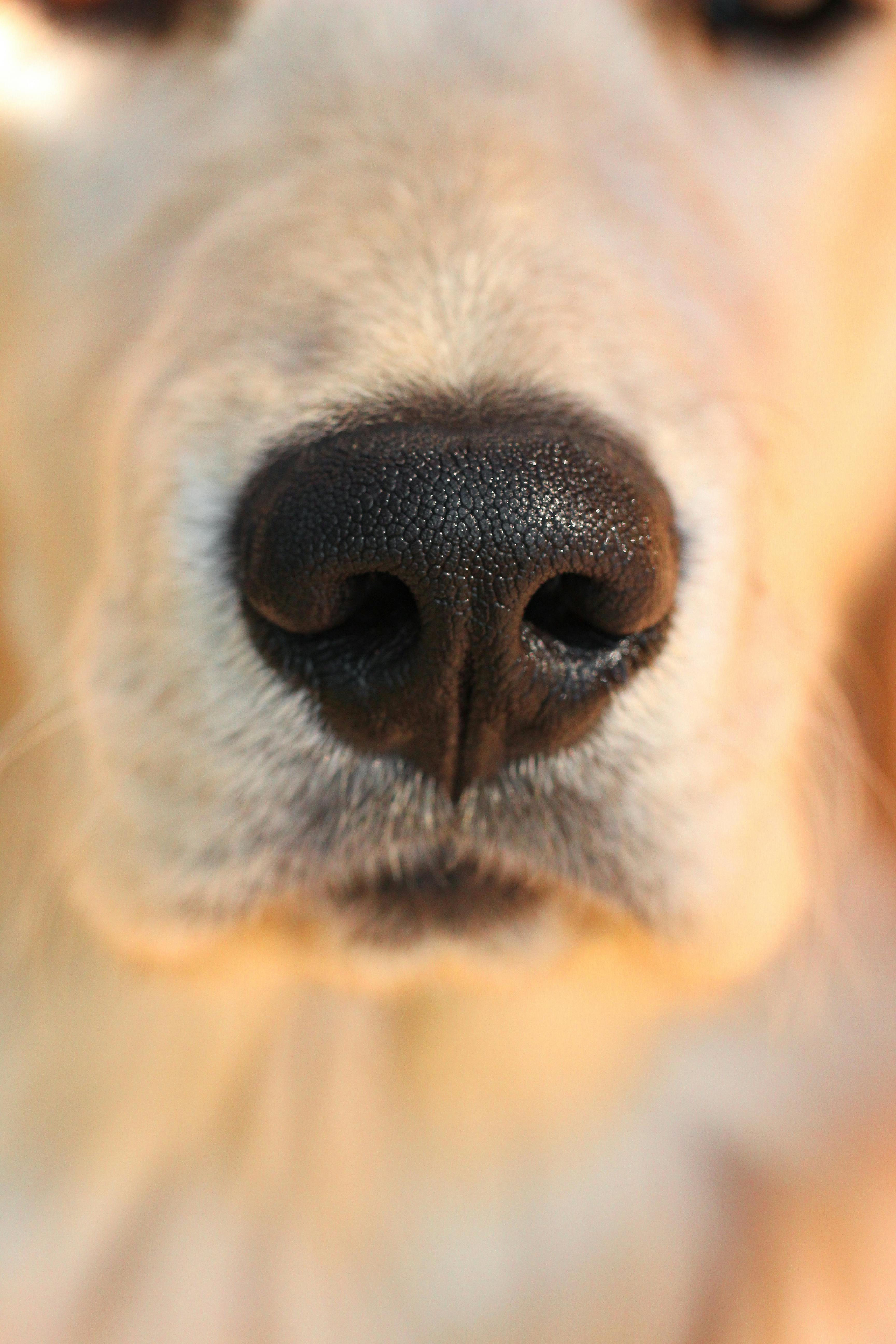 \n\n
\n\nWhen it comes to our furry friends, dog owners often wonder about the signs of their health. One common belief is that a wet nose is always a good indicator of a dog's health. But is this really true? Let's dive into the science and the myths behind why dogs have wet noses, and what it means for their overall well-being.
\nWhy Do Dogs Have Wet Noses?
\nDogs’ noses are not just cute; they serve important functions. A wet nose can be a result of several factors, and understanding these can help you gauge your dog's health. Here are some facts about why dogs’ noses are often wet:
\n- \n
- Cooling Mechanism: Dogs don’t sweat like humans do. Instead, they cool down through panting and the moisture on their noses helps to regulate their body temperature. \n
- Sense of Smell: A wet nose helps enhance a dog’s sense of smell. The moisture captures scent particles, which helps dogs detect scents more effectively. This is why they often use their noses when exploring their environment. \n
- Health Indicator: In many cases, a wet nose can indicate that a dog is feeling well. However, this isn't always a hard and fast rule. \n
Is a Wet Nose Always a Good Sign?
\nWhile a wet nose is often associated with good health, it’s not a definitive measure. There are times when a wet nose might not indicate a happy pup. Here are some things to consider:
\n- \n
- Temperature Fluctuations: Weather can affect the moisture on a dog’s nose. On a hot day, a dog might have a wet nose due to the heat, but this doesn’t necessarily indicate health. \n
- Illness Signs: A dog with a dry or excessively wet nose might be experiencing health issues. For example, if accompanied by other symptoms like lethargy or lack of appetite, it could signal a problem. \n
- Age Factor: Older dogs may not have as moist a nose as younger dogs. This could be due to changes in hydration or health, not always a sign of sickness. \n
Common Myths About Dog Noses
\nThere are several myths surrounding dogs’ noses that can mislead pet owners. Here’s a quick look at some of them:
\n- \n
- Myth: A wet nose means a dog is healthy: Not always true. \n
- Myth: A dry nose means a dog is sick: Not necessarily, could just be normal. \n
- Myth: Dogs’ noses are always wet: Factors like breed, age, and environment can affect moisture levels. \n
Practical Examples
\nTo understand this better, consider a few scenarios:
\n- \n
- Scenario 1: Your dog comes in from playing outside, and its nose is wet. This is likely normal, showing they're active and well-hydrated. \n
- Scenario 2: You notice your dog’s nose is dry and cracked, and it’s also acting lethargic. This could be a sign to consult a vet. \n
- Scenario 3: During a cold winter, a dog’s nose might be dryer than usual, but if the dog is active and eating well, it may not be a concern. \n
Other Health Indicators to Watch For
\nWhile a wet nose can be one indicator, it’s important to consider other signs of health in your dog. Here’s a list of other indicators to monitor:
\n- \n
- Energy Levels: Is your dog active, or does it seem tired? \n
- Appetite Changes: Is there a sudden drop or increase in food consumption? \n
- Behavior: Any changes in behavior, like increased aggression or withdrawal, could signal a problem. \n
- Physical Symptoms: Look for signs such as vomiting, diarrhea, or unusual itching. \n
What Should You Do?
\nIf you’re ever in doubt about your dog’s health, it’s always best to consult with a veterinarian. They can provide comprehensive evaluations and help you understand what’s normal for your specific breed and age of dog.
\n- \n
- Keep a record of your dog’s nose conditions over time. \n
- Note any accompanying symptoms. \n
- Schedule regular check-ups for preventive care. \n
In summary, while a wet nose can indeed be a good sign, it’s not the sole indicator of your dog’s health. Understanding the various factors that contribute to a dog’s well-being can help you take better care of your furry companion. Always stay attentive to their overall behavior and physical symptoms for a complete picture of their health. Being informed helps you make the best decisions for your beloved pet.
\n\nThe Role of a Wet Nose in Dog Communication: What Your Pup Is Trying to Tell You
\n\n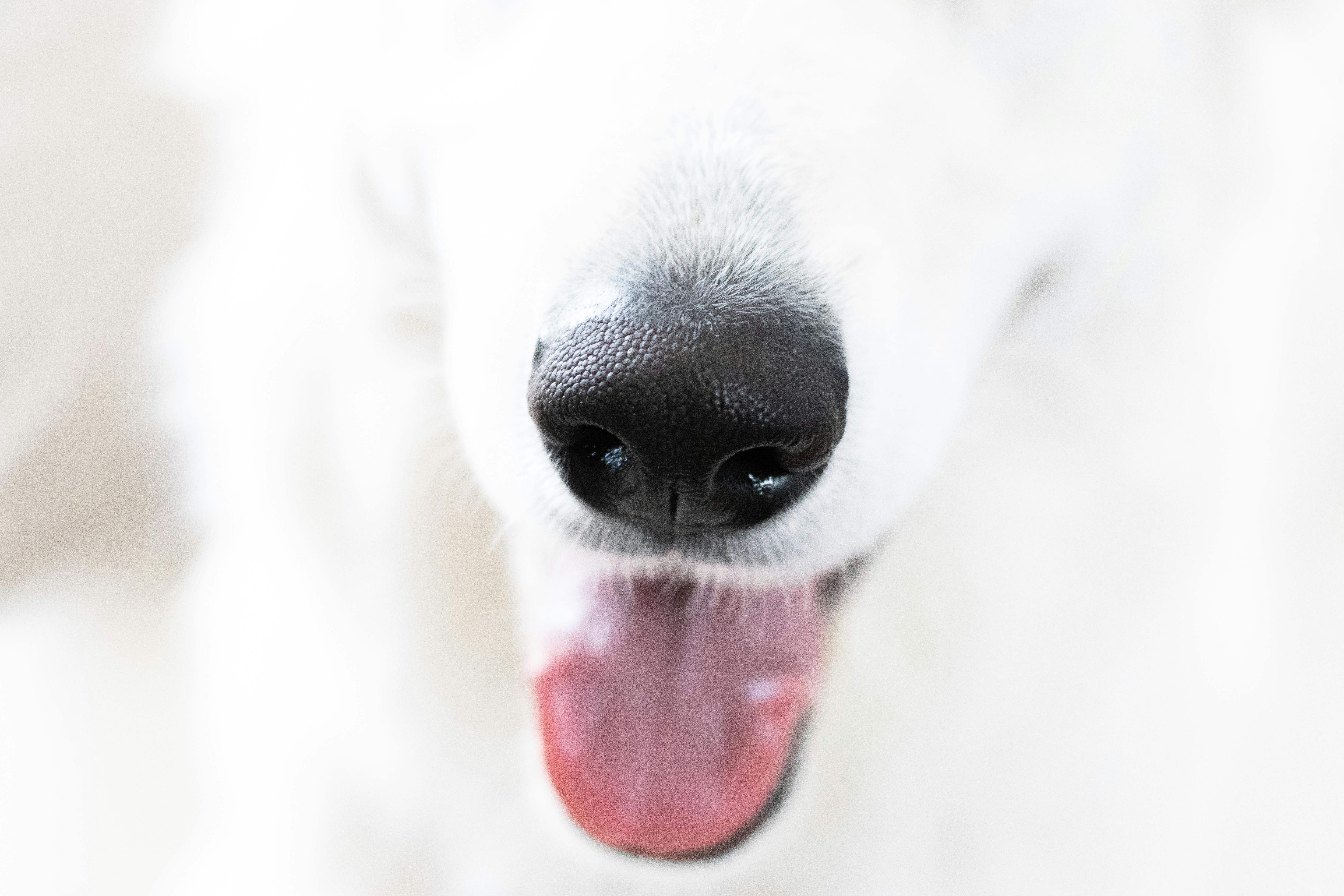 \n\n
\n\nDogs have always been more than just pets; they are companions, guardians, and sometimes even family. But one question that many dog owners often wonder about is: why do dogs have wet noses? It’s something most people notice, but few think about deeply. The truth is, a dog’s wet nose plays a significant role in their communication and overall health.
\nThe Importance of a Wet Nose
\nA dog’s nose is not just for smelling; it's a vital part of their sensory system. The moisture on a dog’s nose is not just a random quirk. It serves several important functions, including:
\n- \n
- \n
Enhanced Smell: A wet nose helps absorb scent chemicals from the environment, making it easier for dogs to pick up different smells. This is one of the reasons why dogs are such excellent trackers and can sniff out things humans can’t.
\n \n - \n
Temperature Regulation: Dogs do not sweat like humans do. Instead, they rely on their noses to help regulate their body temperature. A wet nose can help cool down a dog’s body when it’s hot.
\n \n - \n
Health Indicator: The state of a dog’s nose can be a good indicator of their health. A dry, cracked nose might signal dehydration or illness, while a wet, cool nose is typically a sign of a happy, healthy pup.
\n \n
What Your Pup Is Trying to Tell You
\nDogs communicate in various ways, and their noses are a huge part of that. When your dog approaches you with a wet nose, they might be trying to say several things:
\n- \n
- \n
Affection: Dogs often nuzzle their owners with their noses, which is a sign of love and affection. This is their way of showing they care about you.
\n \n - \n
Curiosity: If your dog’s nose is wet and they’re sniffing around, they are probably just being curious. Dogs explore the world through their sense of smell, so if they find something interesting, they’ll let you know with that wet nose.
\n \n - \n
Seeking Attention: Your pup may nudge you with their wet nose to get your attention. This behavior is common when they want to play or need something.
\n \n
Fascinating Facts About Dog Noses
\nHere are some fun and fascinating facts about why dogs have wet noses and what they mean:
\n- \n
- \n
Nose Prints Are Unique: Just like human fingerprints, every dog has a unique nose print. It can even be used for identification purposes!
\n \n - \n
Breed Variations: Different dog breeds have different nasal wetness. Breeds like Bloodhounds have exceptionally moist noses, which assist their incredible sense of smell.
\n \n - \n
Nasal Glands: The moisture on a dog’s nose comes from glands that secrete a thin layer of mucus. This mucus helps trap scent particles and enhances their olfactory abilities.
\n \n - \n
Temperature Sensitivity: Dogs can sense changes in temperature around them, and a wet nose can help them detect warmth or cold in their environment more effectively.
\n \n
How to Care for Your Dog's Nose
\nKeeping your dog's nose healthy is essential. Here’s a list of ways you can ensure their nose stays in tip-top shape:
\n- \n
- \n
Hydration: Always provide fresh water for your dog. Dehydration can lead to a dry nose.
\n \n - \n
Moisturize: If your dog’s nose looks dry or cracked, consider applying a pet-safe moisturizer. Consult your vet for recommendations.
\n \n - \n
Regular Vet Check-ups: Regular visits to the vet can help catch any health issues early, including those that might affect your dog's nose.
\n \n
Comparing Wet vs. Dry Noses: What’s the Difference?
\nHere’s a simple comparison chart to help understand the differences between wet and dry dog noses:
\n| Wet Nose | \nDry Nose | \n
|---|---|
| Usually indicates good health | \nCan indicate dehydration or illness | \n
| Helps with scent detection | \nMay not be as effective in scent detection | \n
| Cool to the touch | \nWarm or hot to the touch | \n
| Common in active and happy dogs | \nMay signal stress or discomfort | \n
Knowing why dogs have wet noses and what it represents can deepen your bond with your furry friend. Dogs have their ways of communicating, and understanding these signals can help you respond appropriately to their needs.
\nSo, the next time you feel that cool, wet nose nudging against your hand, remember: it's not just a cute gesture. It’s a complex part of how dogs express love, curiosity, and their overall health. Dogs are truly remarkable creatures, and their wet noses are just one of the many fascinating features that make them so special.
\n\nFrom Cool to Comfort: Why Dogs Need Wet Noses for Temperature Regulation
\n\n \n\n
\n\nDogs are often seen with their tongues hanging out and their noses glistening, but have you ever wondered why do dogs have wet noses? It’s more than just an adorable quirk. In fact, their wet noses play a crucial role in temperature regulation and overall health. Let’s dive into the fascinating truth about why dogs need wet noses and how it relates to their well-being.
\nThe Basics of a Dog's Nose
\nA dog's nose serves several important functions. One of the most vital is its role in their sense of smell, which is significantly more developed than that of humans. A wet nose helps enhance this sense, allowing dogs to pick up scents more effectively. This moisture creates a better environment for scent particles to adhere to, thus amplifying their olfactory abilities.
\nHere are some key facts about a dog's nose:
\n- \n
- Olfactory Receptors: Dogs have about 220 million olfactory receptors compared to humans, who only have around 5 million. \n
- Temperature Regulation: Wet noses help dogs cool down, similar to how sweating works in humans. \n
- Health Indicator: The moisture content of a dog’s nose can indicate its health. A dry nose may signal dehydration or illness. \n
Why Do Dogs Have Wet Noses?
\nSo, why do dogs have wet noses? The answer lies in both biology and behavior. Here are several factors that explain this phenomenon:
\n- \n
- Scent Detection: As mentioned, moisture on the nose helps capture scent particles in the air, enhancing a dog's ability to smell. \n
- Cooling Mechanism: Dogs can’t sweat like humans do. Instead, they rely on panting and the moisture of their noses to regulate body temperature. When the environment is warm, a wet nose aids in evaporative cooling, helping them maintain a comfortable temperature. \n
- Social Interaction: Dogs often use their noses to communicate with each other. A moist nose may indicate a healthy, active dog, making them more approachable to other dogs. \n
- Nasal Glands: Dogs have special glands in their noses that secrete moisture. This secretion is part of their body’s natural functioning, keeping the nose wet and aiding in scent detection. \n
The Science Behind Temperature Regulation
\nDogs’ bodies are different than humans in many ways, especially when it comes to temperature regulation. They have fewer sweat glands, which means they can’t cool their bodies as efficiently. Here’s how they manage:
\n- \n
- Panting: Dogs primarily cool themselves by panting. This process helps evaporate moisture from the tongue and lungs. \n
- Wet Nose Advantage: A wet nose provides an additional cooling effect. It’s like having a built-in air conditioner, helping them stay cool. \n
Historical Perspective on Dog Noses
\nThe evolution of dogs has shaped many of their characteristics, including their noses. Historically, dogs descended from wolves, who relied heavily on their sense of smell for hunting and survival. Over time, selective breeding has enhanced this trait.
\n- \n
- Ancient History: Early domesticated dogs were bred for specific tasks, like hunting or herding. Their noses played a significant role in these activities. \n
- Modern Breeds: Today, different breeds exhibit varying nose shapes and sizes, but the moisture factor remains crucial across the board. \n
Fun Facts About Dog Noses
\n- \n
- Dogs’ noses can come in various colors, including black, brown, and even pink. The color does not affect their ability to smell. \n
- The texture of a dog’s nose is unique, much like a human fingerprint. \n
- Some dogs can even detect medical conditions, like cancer or diabetes, through their sense of smell. \n
What a Dry Nose Might Mean
\nWhile a wet nose is typically a sign of a healthy dog, a dry nose can indicate other issues. Here are some possibilities:
\n- \n
- Dehydration: If a dog isn’t drinking enough water, their nose may dry out. \n
- Fever: A warm, dry nose could be a sign of illness. \n
- Environmental Factors: Hot weather or dry air can also lead to a dry nose. \n
Caring for Your Dog's Nose
\nTo ensure your dog’s nose stays healthy, consider these tips:
\n- \n
- Hydration: Always provide fresh water and ensure your dog stays hydrated, especially in the summer. \n
- Humidifier: In dry environments, using a humidifier can help keep your dog’s nose moist. \n
- Regular Vet Visits: Monitor any changes in your dog’s nose and consult a vet for any concerns. \n
Understanding why do dogs have wet noses gives us insight into not just their health but also their fascinating biology. So, next time you pet your furry friend and feel that cool, wet nose, remember the essential role it plays in their life! Embracing these quirks helps strengthen the bond we share with our canine companions.
\n\nConclusion
\n\nIn conclusion, the wet noses of dogs serve several vital functions that contribute to their overall health and well-being. The moisture helps enhance their sense of smell, allowing them to detect scents more effectively, which is crucial for communication and understanding their environment. Additionally, a wet nose plays a role in thermoregulation, helping dogs cool down and maintain their body temperature. These unique physiological traits highlight the incredible adaptations dogs have developed over time. Understanding why dogs have wet noses not only deepens our appreciation for these loyal companions but also reminds us of the importance of regular veterinary check-ups to ensure their health is monitored. So, the next time you encounter a wet nose, remember the fascinating science behind it, and take a moment to cherish the bond you share with your furry friend. Consider sharing this knowledge with fellow dog lovers to spread awareness about the wonders of canine biology.
\n\n