Have you ever wondered why do dogs have wet noses? This simple yet intriguing question has captivated dog lovers and pet owners alike. A wet nose is not just a cute feature; it holds significant clues about your furry friend’s health and behavior. Many people ask themselves, does the moisture on a dog’s nose serve a purpose? Discover the fascinating truth behind this unique characteristic! A wet nose can be a sign of a dog’s health and well-being, and it plays a crucial role in their sense of smell. Interestingly, did you know that a dog’s nose can actually help them cool down? If you’ve been curious about the science behind dog noses and why they are typically moist, you’re not alone. This topic is trending among pet enthusiasts, as understanding our canine companions better is always a priority. So, what exactly does a wet nose indicate? Is it merely an adorable trait, or does it reveal something more profound about our beloved pets? Join us on this exciting journey to uncover the secrets of those wet noses and learn why they are essential to your dog’s health and happiness!
\n\nThe Science Behind Dog Noses: Why Are They Always Wet?
\n\n \n\n
\n\nDogs are often known for their wet noses, but have you ever wondered why? It’s a quirky characteristic that many dog owners find endearing, but there’s a lot more going on beneath the surface. The science behind dog noses reveals fascinating insights into their biology and behavior. So, let’s explore the reasons why dogs have wet noses and what this means for our furry friends.
\nThe Purpose of a Wet Nose
\nA dog's nose is not just a cute feature; it serves several important functions. One of the main reasons a dog's nose is wet is to enhance their sense of smell. Dogs have an incredible olfactory system, which is way more sensitive than humans. Here's how a wet nose plays a role:
\n- \n
- Olfactory Enhancement: Moisture on the nose helps trap scent particles in the air, making it easier for dogs to pick up smells. \n
- Temperature Regulation: Dogs don’t sweat like humans do. Instead, they rely on their noses to help cool down their bodies. \n
- Health Indicator: A wet nose can indicate good health, while a dry or cracked nose might suggest dehydration or illness. \n
The Science of Smell
\nDogs have an astonishing ability to smell, thanks in part to their wet noses. The average dog has around 220 million scent receptors compared to a human's 5 million. This remarkable difference allows dogs to detect scents at incredibly low concentrations. Here are some fun facts about their noses:
\n- \n
- Scent Memory: Dogs can remember scents for years, which aids in tracking and training. \n
- Scent Discrimination: They can distinguish between different smells even in a mixture, which is why they’re often used in search and rescue missions. \n
- Nasal Anatomy: A dog’s nose is divided into two separate airways—one for breathing and the other for smelling. \n
Historical Context of Dog Noses
\nDogs have been companions to humans for thousands of years. Historical evidence shows that they were domesticated at least 15,000 years ago. Over time, selective breeding has enhanced their sense of smell, making them invaluable in various roles, including hunting and detection work.
\n- \n
- Early Roles: Originally, dogs were bred for hunting, where a keen sense of smell was essential. \n
- Modern Uses: Today, dogs are used in police work, search and rescue, and even medical detection, like sniffing out diseases. \n
Why Do Dogs Have Wet Noses?
\nIt’s a question that many dog lovers ask, and the answer is rooted in biology. The wetness of a dog's nose is primarily due to a thin layer of mucus and the moisture evaporated from the surface. Here’s a deeper dive into some contributing factors:
\n- \n
- Mucus Production: Dogs have glands in their noses that produce mucus, which keeps the nose moist and aids in scent detection. \n
- Evaporation: When the moisture evaporates, it cools the nasal passages, helping the dog to regulate body temperature. \n
- Behavioral Aspect: Dogs often wet their noses with their tongues to enhance their sense of smell, especially when they are curious or excited. \n
Common Misconceptions About Dog Noses
\nDespite the many facts surrounding dog noses, there are still some myths that persist. Here are some common misconceptions:
\n- \n
- A Dry Nose Means Illness: While a dry nose can indicate health issues, it’s not a definitive sign. Factors like weather and activity level can also affect nose moisture. \n
- All Dogs Have Wet Noses: Not every dog has a wet nose all the time. Age, breed, and health can impact the moisture levels. \n
- Nose Color and Health: The color of a dog’s nose doesn’t necessarily indicate their health. Some breeds naturally have darker or lighter noses. \n
Practical Examples and Care Tips for Dog Owners
\nUnderstanding why dogs have wet noses can help owners take better care of their pets. Here are some practical tips:
\n- \n
- Hydration: Always ensure your dog has access to fresh water; dehydration can lead to a dry nose. \n
- Regular Check-ups: Regular vet visits can help catch any potential health issues related to your dog's nose. \n
- Observe Changes: If you notice a significant change in your dog's nose moisture or color, consult a veterinarian. \n
Dogs’ noses are not just a cute feature; they are essential tools for their survival and interaction with the world. The wetness is a fascinating aspect of their biology that serves multiple purposes, from enhancing their sense of smell to helping regulate their body temperature. Understanding the science behind dog noses not only deepens the bond between you and your furry friend but also encourages better care practices. So, next time you give your dog a pat, take a moment to appreciate that delightful wet nose!
\n\n7 Surprising Reasons Your Dog's Nose Is Moist: What You Need to Know
\n\n \n\n
\n\nDogs are often considered man's best friend, and one thing that many dog owners notice is their pup's wet nose. But why do dogs have wet noses? There’s actually a lot more to it than just being cute! Here, we’ll uncover seven surprising reasons why your dog’s nose is moist and what that means for their health. Let’s dive into the fascinating truth behind those wet noses!
\n1. Thermoregulation: Keeping Cool
\nOne of the main reasons dogs have moist noses is because it helps them regulate their body temperature. Dogs don’t sweat like humans do. Instead, they rely on panting and their noses to cool down. When a dog’s nose is wet, it can evaporate moisture, which helps them stay cool. So, if you see your dog’s nose getting moist, it’s likely trying to beat the heat!
\n2. Sense of Smell: Enhancing Scent Detection
\nDogs have an incredible sense of smell, which is about 10,000 to 100,000 times more sensitive than humans. Their wet noses play a crucial role in this! The moisture on a dog’s nose helps to capture scent particles better. When those particles stick to the moisture, it allows the dog to smell them more easily. So, a wet nose is a sign that your furry friend is ready to sniff out some new adventures!
\n3. Health Indicator: A Window to Wellness
\nDid you know that a dog’s nose can also serve as a health indicator? A moist nose is often associated with good health. If your dog’s nose is excessively dry or cracked, that could be a sign of dehydration or illness. Regularly checking your dog’s nose can help you catch potential health issues early. Pay attention, because a dog’s nose can be a useful barometer of their well-being.
\n4. Natural Lubrication: Keeping it Smoother
\nJust like how humans need to keep their skin hydrated, dogs need moisture on their noses too. The moisture acts as a natural lubricant, preventing cracks and keeping their noses comfortable. Plus, it helps protect them from environmental factors like dust and pollen. A healthy, moist nose means your dog is better equipped to face the world!
\n5. Grooming Behavior: A Habitual Lick
\nDogs are known for their quirky habits, and licking their noses is one of them! Many dogs will lick their noses throughout the day, keeping them moist and clean. This behavior is instinctual, as it helps remove dirt and debris from their noses. Plus, it’s just something they do! So, if you notice your dog giving their nose a good lick, it’s all part of their grooming routine.
\n6. Emotional Response: Showing Excitement or Anxiety
\nBelieve it or not, a dog’s nose can also be an emotional gauge. When dogs are excited or anxious, their noses may become wetter. This is due to the increased blood flow and moisture production during these emotional states. If your pup’s nose suddenly becomes more moist during playtime or when meeting new people, it could be a sign of their emotions at play.
\n7. Environmental Factors: Weather and Humidity
\nThe environment plays a big role in how wet a dog’s nose can be. Humidity and weather conditions can affect moisture levels. On a hot, humid day, for example, your dog’s nose may be extra moist. On the flip side, during dry winter months, you might notice it being drier. Keeping an eye on the weather can help you understand the changes in your pup’s nose moisture.
\nQuick Facts About Dog Nose Moisture
\n- \n
- Normal Moisture Levels: A healthy dog’s nose is typically moist and cool. \n
- Signs of Illness: Look for excessive dryness, cracks, or changes in color. \n
- Regular Checks: Make a habit of checking your dog’s nose for health monitoring. \n
- Impact of Diet: Nutrition can influence your dog’s overall health, including nose moisture. \n
It’s clear that a dog’s wet nose is not just a charming feature; it serves multiple purposes! From regulating temperature to enhancing their sense of smell, a moist nose is a sign of health and well-being. As a dog owner, it’s important to understand these fascinating facts about your furry friend. So, next time you pet your pup, take a moment to appreciate that moist nose and what it says about their overall health. Understanding these aspects can help you provide the best care for your beloved companion!
\n\nIs a Wet Nose a Sign of a Healthy Dog? Discover the Truth!
\n\n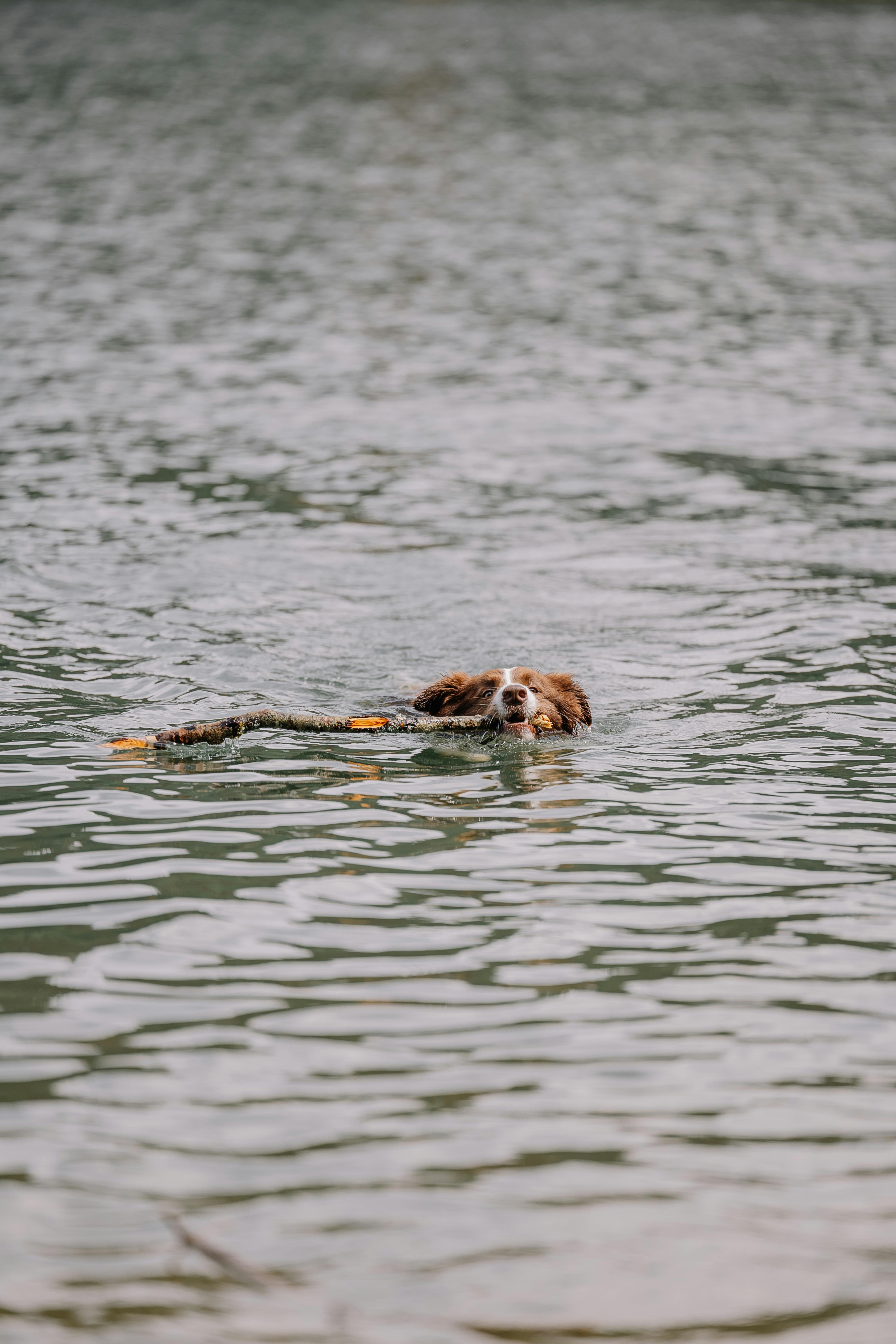 \n\n
\n\nThe question of whether a wet nose is a sign of a healthy dog has been debated among pet owners and veterinarians alike. Many people believe that a wet nose indicates good health, but is that really true? To uncover the fascinating truth behind why do dogs have wet noses, we need to look at the biology of our canine companions, along with some historical context and interesting facts.
\nWhy Do Dogs Have Wet Noses?
\nDogs' noses are wet for several reasons, not just for health indicators. One major reason is to help them smell better. The moisture on a dog’s nose actually helps to dissolve scent particles in the air, making it easier for them to pick up smells. In fact, dogs have an incredible sense of smell, being able to detect odors at incredibly low concentrations.
\n- \n
- Dogs have around 220 million scent receptors in their noses, compared to humans only having about 5 million. \n
- The wetness of a dog’s nose can also help cool them down, especially during hot weather. \n
Another reason dogs have wet noses is related to their grooming habits. Dogs often lick their noses to keep them clean and moist. This behavior not only removes dirt but also keeps their sense of smell sharp.
\nIs a Wet Nose Always a Sign of Health?
\nWhile a wet nose can be associated with a healthy dog, it is not a definitive measure of health. Dogs can have dry noses and still be perfectly fine. There are multiple factors that contribute to the state of a dog’s nose:
\n- \n
- Hydration: A well-hydrated dog may have a wetter nose. \n
- Temperature: Dogs tend to have wetter noses when they are cool or relaxed. If a dog is hot or stressed, their nose might be drier. \n
- Breed Differences: Some breeds naturally have drier noses than others. For instance, Bulldogs and Pugs may not have the same level of nose moisture as a Greyhound. \n
Common Misconceptions
\nMany pet owners fall prey to myths about dog health indicators. Here are a few common misconceptions:
\n- \n
- A wet nose means a dog is healthy: Not necessarily. Dogs can be sick and still have a wet nose. \n
- A dry nose means a dog is sick: This is also misleading. Factors like weather or activity level can lead to temporary dryness. \n
- All dogs should have wet noses: Different breeds can have varying moisture levels in their noses, and that's normal. \n
Signs of a Healthy Dog
\nInstead of relying solely on nose moisture, here are some other signs that indicate a dog’s health:
\n- \n
- Energy Level: Is your dog active and playful? \n
- Appetite: A consistent appetite can indicate good health. \n
- Coat Condition: A shiny, well-groomed coat is often a sign of health. \n
- Behavioral Changes: Sudden changes in behavior can suggest health issues. \n
When to Consult a Veterinarian
\nIf you notice significant changes in your dog’s nose condition, it might be time to consult a veterinarian. Here are some signs to watch for:
\n- \n
- Excessive dryness or cracking \n
- Changes in color or texture \n
- Nasal discharge that is abnormal (thick, colored, or foul-smelling) \n
- Other symptoms like coughing, lethargy, or lack of appetite \n
Fun Facts About Dogs' Noses
\n- \n
- Dogs' noses are unique like human fingerprints. Each dog has a distinct nose print. \n
- The moisture on a dog's nose can help them detect pheromones, which can convey information about other animals. \n
- Some dogs are trained to detect diseases like cancer through their sense of smell. \n
Conclusion
\nSo, is a wet nose a sign of a healthy dog? The answer is more complicated than a simple yes or no. While a wet nose can indicate certain aspects of a dog's health, it's not the only factor to consider. Understanding why do dogs have wet noses can give pet owners a deeper appreciation for their furry friends. Instead of focusing solely on the moisture of their noses, taking a holistic approach to dog health is important. By monitoring their behavior, energy levels, and overall well-being, you can ensure your dog stays happy and healthy.
\n\nThe Role of Canine Noses in Temperature Regulation: How Wetness Helps
\n\n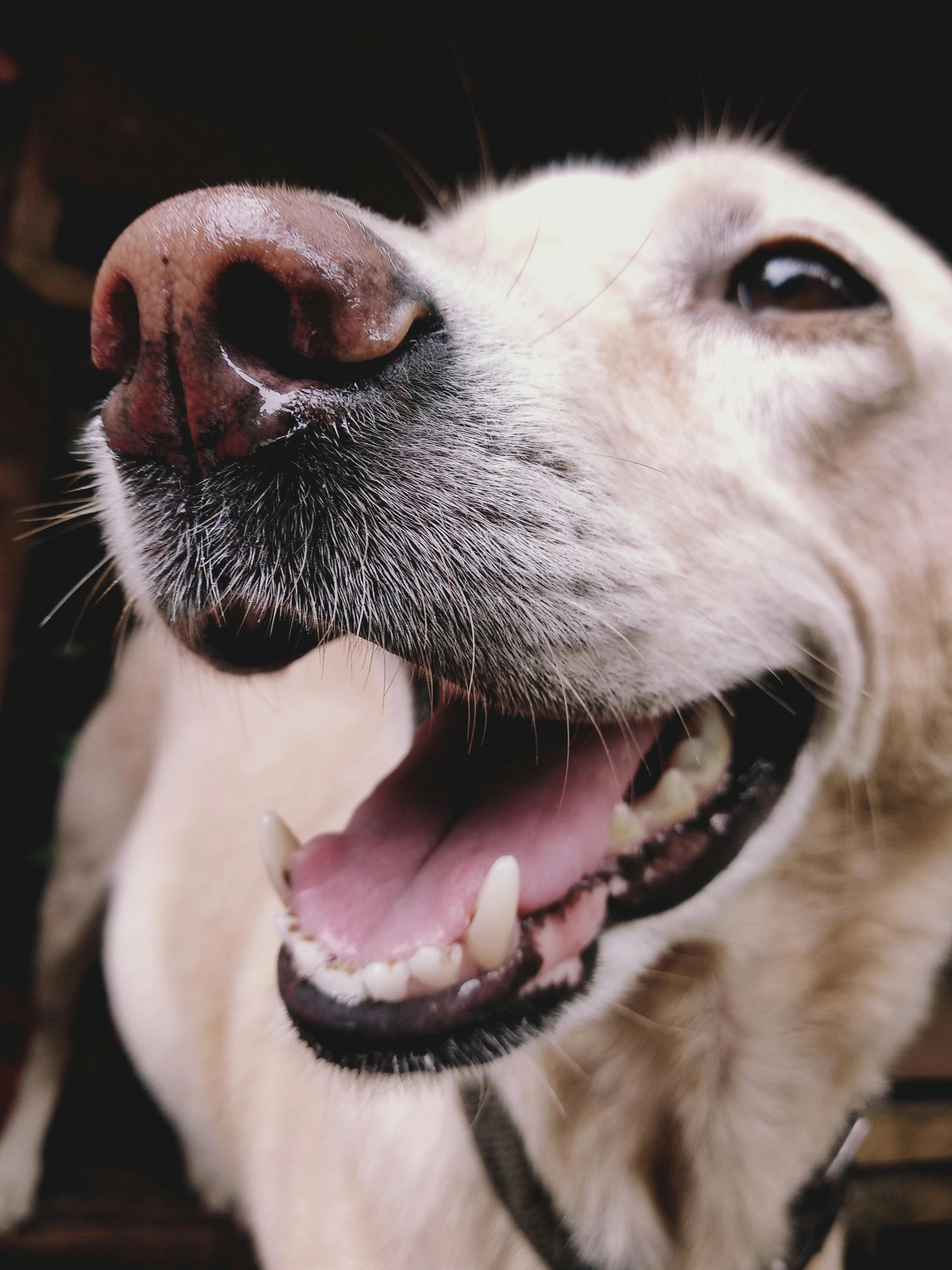 \n\n
\n\nDogs are often said to be man's best friend, but have you ever wondered about their unique wet noses? Why do dogs have wet noses? This question leads us into an intriguing exploration of how canine noses play a role in temperature regulation and overall health. Let’s delve into the fascinating truth behind those moist, cool noses!
\nUnderstanding the Anatomy of a Dog’s Nose
\nDog noses are quite complex. They consist of a specialized structure called the rhinarium, which is the outer part of the nose. This area is filled with sweat glands and is covered with a thin layer of skin. The wetness of a dog's nose not only feels cool but also has several important functions.
\nKey Functions of a Dog's Nose
\n- \n
- \n
Temperature Regulation: Dogs don’t sweat like humans do. Instead, they have to rely on their noses to help cool themselves down. The moisture on the surface of their nose evaporates, which helps to lower their body temperature.
\n \n - \n
Enhanced Smell: A wet nose helps trap scent particles from the air, making it easier for dogs to detect and identify smells. This is particularly important for hunting breeds, who rely heavily on their sense of smell.
\n \n - \n
Health Indicators: The condition of a dog’s nose can indicate its health. A consistently dry or cracked nose could indicate dehydration or illness, while a wet nose is typically a sign of a healthy dog.
\n \n - \n
Communication Tool: Dogs also use their noses to gather information about their environment and other animals. The wetness helps them pick up pheromones and other scents that can convey messages.
\n \n
The Science Behind Wet Noses
\nSo, why do dogs have wet noses? The answer lies in evolutionary adaptation. Historically, dogs descended from wolves, which needed keen senses for survival. A wet nose has evolved as a tool for better smell and temperature control. Here’s how:
\n- \n
- Moisture Production: Dogs have mucous membranes in their noses which produce a thin layer of moisture. This moisture helps in cooling and scent detection. \n
- Evaporation: When the moisture evaporates, it helps regulate their body temperature. This is especially important during hot weather or when they've been active. \n
- Scent Detection: The wetness on the nose catches and holds scent particles from the environment. This is crucial for a dog’s ability to track and hunt. \n
Historical Context
\nHistorically, the study of canine noses has revealed much about how dogs have evolved alongside humans. Ancient civilizations valued dogs not just for companionship but for their hunting abilities. The sharp sense of smell provided by their wet noses turned them into essential partners in hunting and protection.
\nFun Facts About Dog Noses
\n- \n
- Dogs have up to 300 million scent receptors, compared to humans who only have about 5 million. \n
- The temperature of a dog's nose can fluctuate based on their activity level and health. \n
- Some breeds, like Bloodhounds, have an extraordinary sense of smell, thanks in part to their wet noses. \n
Comparing Canine and Human Noses
\n| Feature | \nCanine Nose | \nHuman Nose | \n
|---|---|---|
| Scent Receptors | \nUp to 300 million | \nAbout 5 million | \n
| Moisture Production | \nHigh | \nLow | \n
| Temperature Regulation | \nPrimarily through nose | \nPrimarily through sweat | \n
| Sensitivity | \nExtremely sensitive | \nLess sensitive | \n
Tips for Dog Owners
\nKeeping your dog’s nose healthy is important. Here are some tips:
\n- \n
- Hydration: Ensure your dog has access to fresh water all day. Dehydration can lead to a dry nose. \n
- Humidity: In dry climates, consider using a humidifier to keep the air moist, which can help maintain your dog’s nose health. \n
- Regular Check-ups: During vet visits, pay attention to the condition of your dog’s nose. Changes in moisture or color might indicate health issues. \n
Understanding the role of a dog's wet nose is fascinating. It’s not just a quirky feature but a vital part of their biology that aids in temperature regulation and enhances their remarkable sense of smell. The next time you pet your furry friend and feel that cool, moist nose, remember it's doing much more than you might think!
\n\nWet Noses and Dog Behavior: What Your Pup's Nose Can Reveal
\n\n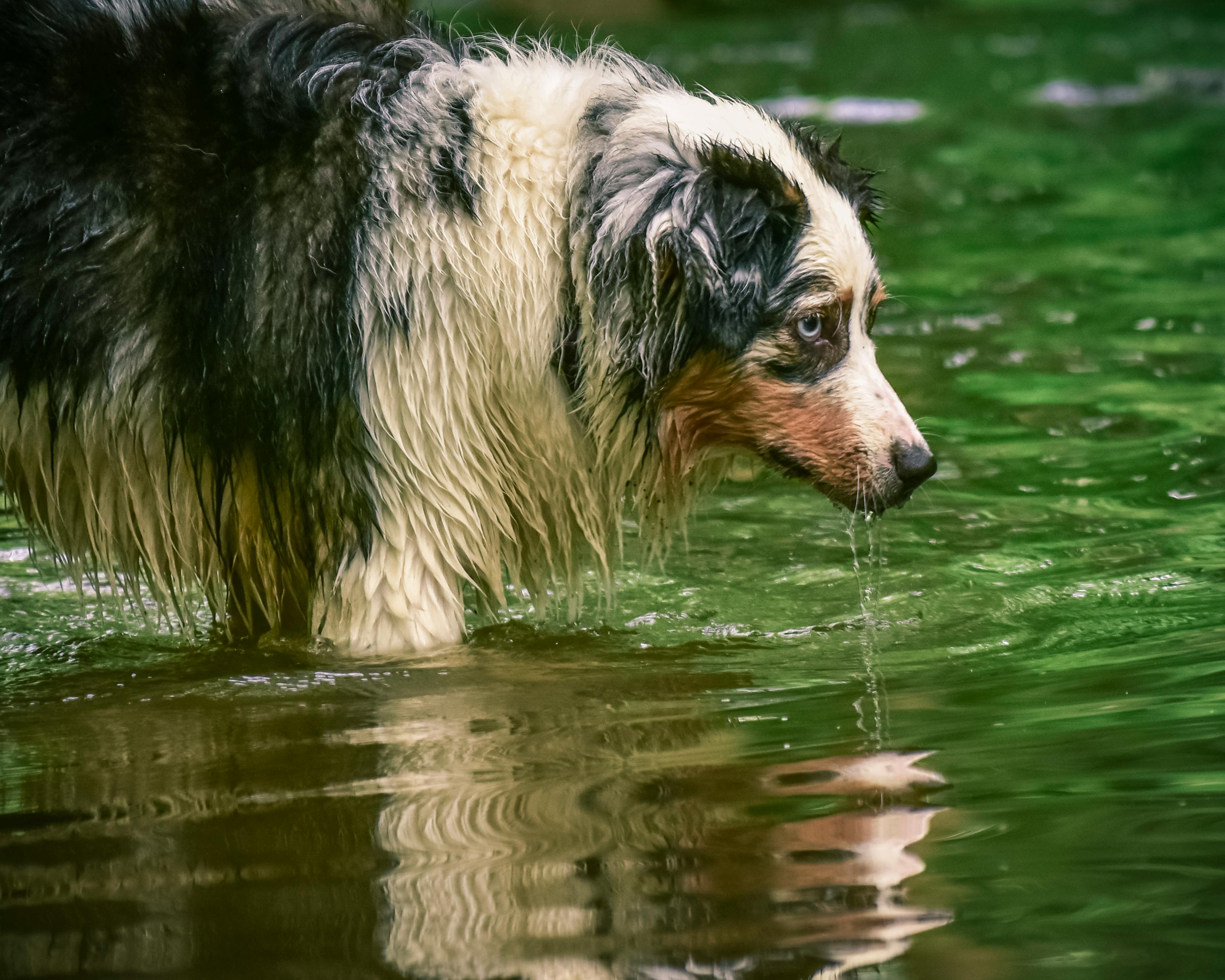 \n\n
\n\nHave you ever wondered why your dog’s nose always feels like a little sponge? Wet noses are a common feature in dogs, but they serve more than just a cute factor! If you’re a dog owner or thinking about getting a furry friend, understanding why do dogs have wet noses is important. Let’s dive deep into the fascinating world of wet noses and what they can reveal about your pup's health and behavior.
\nThe Science Behind a Dog's Wet Nose
\nA dog’s nose is not just for looks. It's a complex sensory organ. The wetness of a dog's nose comes from a combination of moisture secretion and environmental factors. Here are some facts:
\n- \n
- \n
Moisture Secretion: Dogs have specialized glands in their noses that secrete a thin layer of mucus. This helps them detect scents better because scent molecules bind to the moisture.
\n \n - \n
Temperature Regulation: Dogs don’t sweat like humans, so their nose helps in cooling down their body. When they breathe out, the moisture evaporates, helping to regulate their temperature.
\n \n - \n
Enhanced Smell: Dogs have an incredible sense of smell, which is about 10,000 to 100,000 times more sensitive than ours. A wet nose amplifies this ability, allowing them to pick up on scents in their environment effectively.
\n \n
Why Do Dogs Have Wet Noses?
\nSo, why do dogs have wet noses, really? Here are some key reasons:
\n- \n
- \n
Sense of Smell: As mentioned, a wet nose enhances their smelling capabilities. The moisture helps to trap scent particles, which is essential for their survival instincts.
\n \n - \n
Health Indicator: A wet nose is often a sign of a healthy dog. If your pup’s nose is dry or cracked, it may indicate dehydration or illness. However, not always! A dry nose can also be normal for some dogs based on their breed or environment.
\n \n - \n
Communication Tool: Dogs communicate a lot through their body language. A wet nose can show that they are relaxed and happy. When they nuzzle you, it's also a sign of affection and trust.
\n \n
Common Myths About Dog Noses
\nThere are many myths surrounding dog noses. Here’s a list of some common ones:
\n- \n
- \n
Myth: A wet nose means a dog is healthy. While it can be a good sign, a dry nose doesn't automatically mean something is wrong.
\n \n - \n
Myth: Dogs can only smell if their nose is wet. They can still smell even if their nose is dry, but wetness does enhance their ability.
\n \n - \n
Myth: Nose color indicates health. The color of a dog's nose varies by breed and doesn't necessarily indicate health.
\n \n
Understanding Nose Variations by Breed
\nDifferent dog breeds have different nose types. Here’s a quick comparison:
\n- \n
- \n
Short-Nosed Breeds: Breeds like Bulldogs and Pugs have shorter snouts, which can sometimes lead to less moisture retention. This doesn’t mean they’re unhealthy; it’s just how they are built.
\n \n - \n
Long-Nosed Breeds: Breeds like Greyhounds and Bloodhounds have longer noses, which can help them retain moisture more effectively.
\n \n
When to Be Concerned About Your Dog's Nose
\nThere are situations where you should pay attention to your dog's nose. Here’s a checklist to consider:
\n- \n
- \n
Dry and Cracked Nose: Could be a sign of dehydration or illness.
\n \n - \n
Excessively Wet Nose: If it’s dripping or has discharge, it could indicate an infection or allergies.
\n \n - \n
Change in Color: If your dog’s nose changes color suddenly, it’s best to consult with a vet.
\n \n - \n
Behavioral Changes: If your pup is acting differently, like being lethargic or refusing to eat, it’s a red flag.
\n \n
Conclusion
\nUnderstanding your dog’s nose is more than just a fun fact; it’s crucial for their well-being! Wet noses can tell you a lot about your pup’s health and emotional state. Remember, while there are generalizations, every dog is unique and it’s important to observe their individual behavior. Taking care of your dog's health involves knowing the signs, being attentive, and when in doubt, consulting a veterinarian is always wise. So next time you give your pup a pat, take a moment to appreciate that wet nose – it’s not just adorable, it’s essential!
\n\nDo All Dogs Have Wet Noses? Exploring Breeds and Their Unique Traits
\n\n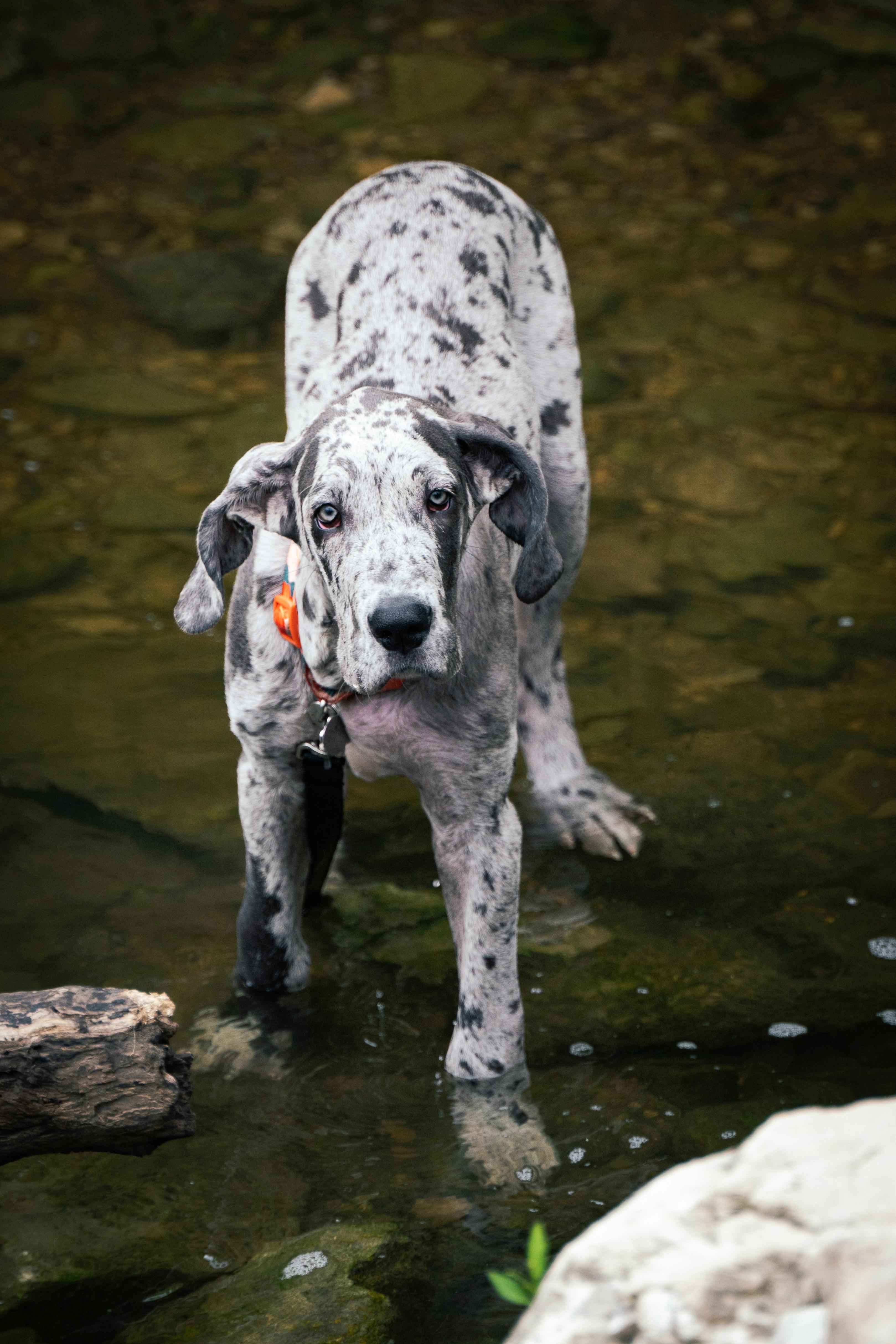 \n\n
\n\nDogs are often known for their many unique traits, and one of the most recognizable is their wet noses. But do all dogs have wet noses? This question leads us to explore not only the reasons behind a dog's wet nose but also the fascinating characteristics of different breeds. Wet noses are more than just a cute feature; they serve significant purposes in a dog's life. Let's dive into the science, history, and some interesting facts about why dogs have wet noses.
\nWhy Do Dogs Have Wet Noses?
\nThe moisture on a dog’s nose isn’t just there for looks. It actually plays a vital role in their overall health and sense of smell. Here are several reasons why dog noses are wet:
\n- \n
- \n
Enhanced Sense of Smell: A wet nose helps to absorb scent chemicals. When a dog inhales, the moisture helps to trap these scents, allowing them to detect smells more accurately.
\n \n - \n
Temperature Regulation: Dogs don’t sweat like humans do. Instead, they rely on their noses to help cool down. The moisture evaporates, helping to regulate their body temperature.
\n \n - \n
Health Indicator: A wet nose can be an indicator of a dog’s health. A healthy dog typically has a moist nose, while a dry nose can sometimes indicate dehydration or illness. However, it's not always a definitive measure, as many factors can affect nose moisture.
\n \n - \n
Communication: Dogs use their noses to explore and communicate with their environment. A wet nose can signal curiosity or excitement when meeting other dogs or humans.
\n \n
Do All Dogs Have Wet Noses?
\nWhile most dogs do have wet noses, not all dogs share this trait equally. Several factors influence the moisture level of a dog’s nose, including:
\n- \n
- \n
Breed Characteristics: Different dog breeds have different nose structures and moisture retention abilities. For example, brachycephalic breeds like Bulldogs may have drier noses compared to breeds like Labrador Retrievers.
\n \n - \n
Weather and Environment: A dog’s environment plays a big role. Hot, dry weather can dry out a dog’s nose, whereas humidity can keep it moist.
\n \n - \n
Health Conditions: Certain health issues can lead to a dry nose. Allergies, skin conditions, or even infections can affect nose moisture.
\n \n
Here's a quick comparison of some popular breeds and their typical nose moisture levels:
\n| Breed | \nTypical Nose Moisture | \nNotes | \n
|---|---|---|
| Labrador Retriever | \nWet | \nKnown for their friendly and playful nature | \n
| Bulldog | \nDry to slightly moist | \nBrachycephalic breed, may have health issues | \n
| German Shepherd | \nWet | \nHighly active, known for strong sense of smell | \n
| Poodle | \nWet | \nOften hypoallergenic and very intelligent | \n
| Chihuahua | \nVariable | \nSmall size can affect moisture retention | \n
Unique Nose Traits Among Breeds
\nDifferent dog breeds not only have varying moisture levels but also unique nose shapes and features that contribute to their scenting abilities. Here are some examples:
\n- \n
- \n
Bloodhounds: Known for their incredible sense of smell, they have long ears that help to waft scents towards their nose.
\n \n - \n
Dachshunds: Their elongated snouts allow them to sniff out scents buried deep in the ground, making them excellent hunters.
\n \n - \n
Scent Hounds: Breeds like Beagles have wet and floppy noses, which helps maximize their scent-trapping ability.
\n \n
Fun Facts About Dog Noses
\n- \n
- \n
A dog’s sense of smell is 10,000 to 100,000 times more sensitive than that of humans. This is why they can detect drugs, explosives, and even diseases!
\n \n - \n
Dogs have a unique pattern on their noses, similar to human fingerprints. Each dog’s nose print is one-of-a-kind.
\n \n - \n
The moisture on a dog’s nose can change throughout the day. A dog may have a wet nose in the morning and a drier one by the evening, depending on activity and hydration.
\n \n - \n
Certain conditions, like kennel cough or allergies, can result in a temporarily dry nose, but this doesn’t always mean something is wrong.
\n \n
Understanding Your Dog’s Nose
\nAs a dog owner, it's important to pay attention to your pet's nose. A healthy, wet nose is usually a good sign, but changes in moisture level can indicate health issues. Here are some tips for monitoring your dog’s nose:
\n- \n
- \n
Regular Check-ups: Take your dog to the vet for regular health check-ups. This can help catch any potential issues early on.
\n \n - \n
Hydration: Make sure your dog is drinking enough water. Dehydration can lead to a dry nose.
\n \n - \n
Observe Behavior: Changes in behavior, such as lethargy or loss of appetite, along with a dry nose, could warrant a vet visit.
\n \n
Understanding why dogs have wet noses and the unique traits of different breeds can enhance your appreciation for
\n\nHow Climate Affects Your Dog’s Nose Moisture: Tips for Every Season
\n\n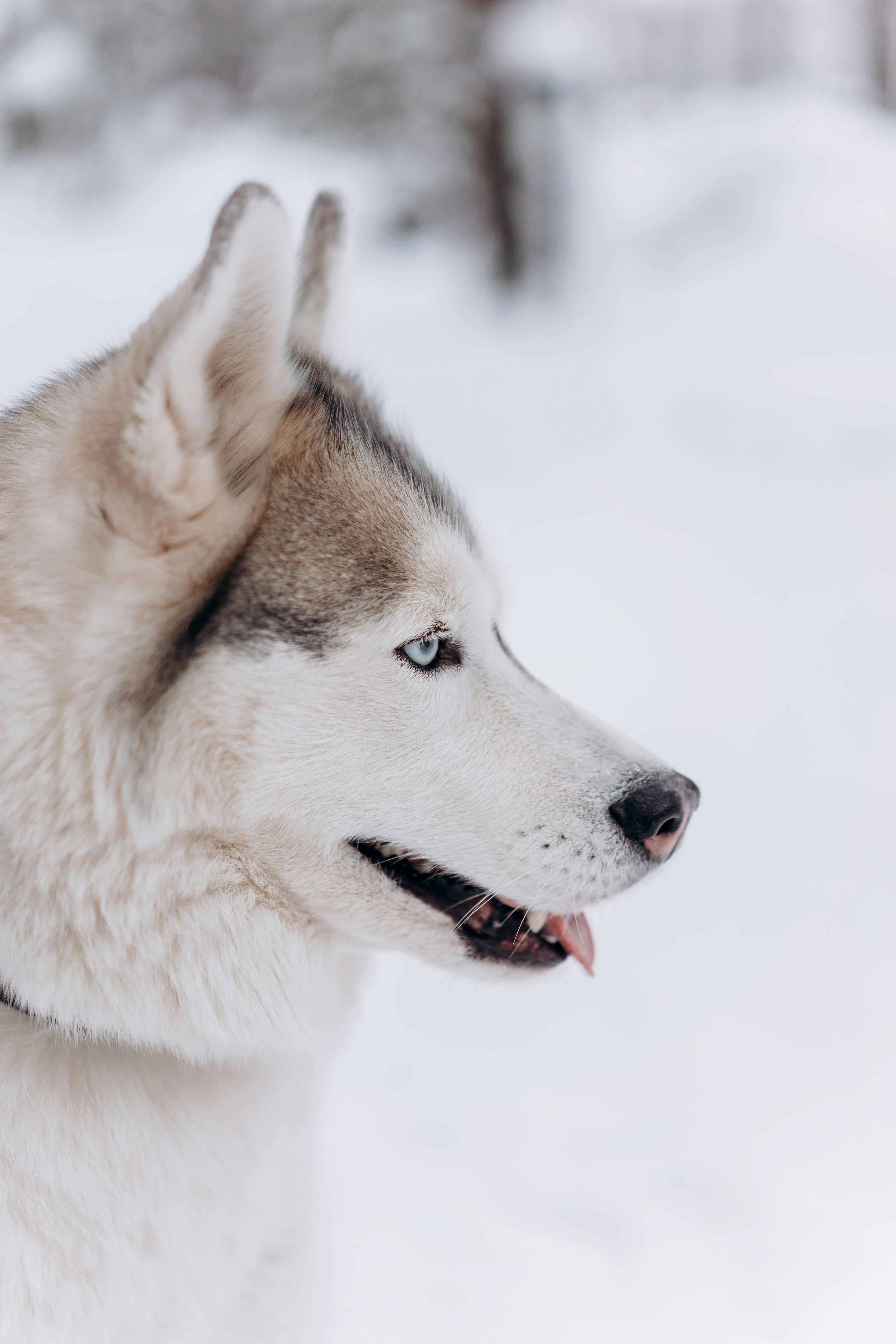 \n\n
\n\nHave you ever noticed how your dog's nose feels wet and cool? It's a common thing and most people don’t really think about it, but the moisture on a dog's nose actually serves important purposes. In this article, we will explore how climate affects your dog’s nose moisture throughout the seasons, the reasons behind their wet noses, and provide some practical tips to keep your furry friends healthy and comfortable.
\nWhy Do Dogs Have Wet Noses?
\nDogs have wet noses for several interesting reasons. Firstly, the moisture helps with their sense of smell. A dog's nose has a unique structure filled with olfactory receptors, and wetness helps to capture scent particles. This means that when your dog is sniffing around, they're actually getting a better whiff of their surroundings. Also, a wet nose can regulate temperature, helping them to cool off. Here are some more details about why dogs have wet noses:
\n- \n
- Enhanced Olfaction: Wet noses trap odor molecules better, which makes your dog able to smell more effectively. \n
- Thermoregulation: Dogs can’t sweat like humans do, so a wet nose helps them stay cool. \n
- Health Indicator: A wet nose is often associated with good health, while dryness can indicate illness or dehydration. \n
Seasonal Effects on Nose Moisture
\nThe climate and seasons can have a big impact on your dog's nose moisture. Let's break it down.
\nWinter
\nIn winter, the cold air and indoor heating can dry out your dog's nose. Lack of humidity and exposure to cold winds can lead to chapped or cracked noses. It's important to keep an eye on this during colder months.
\n- \n
- Signs of Dryness: Cracking, flaking, or redness. \n
- Tips for Winter:
- \n
- Use a pet-safe moisturizer. \n
- Keep your dog hydrated by providing fresh water. \n
- Limit exposure to harsh weather. \n
\n
Spring
\nSpring brings a mix of weather. While some days are warm and pleasant, others can be rainy and humid. Dogs may experience fluctuations in nose moisture.
\n- \n
- Changes to Watch For: Allergies may cause nose irritation. \n
- Tips for Spring:
- \n
- Bathe your dog regularly to remove allergens. \n
- Monitor for signs of allergies like sneezing or watery eyes. \n
\n
Summer
\nSummer can be hot, and the heat may cause your dog's nose to dry out. However, some dogs might have a wetter nose during this time due to increased panting and hydration.
\n- \n
- Signs of Overheating: Excessive drooling, heavy panting, dry mouth. \n
- Tips for Summer:
- \n
- Provide plenty of fresh water. \n
- Avoid walking during the hottest parts of the day. \n
- Use cooling mats or provide shade. \n
\n
Fall
\nAs the weather begins to cool down in fall, dogs might enjoy more outdoor activities. However, the transition can also lead to changes in moisture levels.
\n- \n
- Seasonal Changes: Dry air can impact nose moisture. \n
- Tips for Fall:
- \n
- Keep the house humidified if you're using heating. \n
- Regularly check your dog’s nose for signs of dryness. \n
\n
Fun Facts About Dog Noses
\n- \n
- Unique Patterns: Just like human fingerprints, every dog has a unique nose print. \n
- Temperature Detection: Dogs can detect temperature changes with their noses, helping them sense danger. \n
- Healing Power: Some studies suggest that dog saliva has healing properties, which may help keep their noses moist and healthy. \n
Comparison of Dog Nose Conditions
\n| Condition | \nSymptoms | \nCauses | \nTreatment | \n
|---|---|---|---|
| Dry Nose | \nCracking, flaking | \nDehydration, weather | \nMoisturizer, hydration | \n
| Wet Nose | \nMoist and cool | \nHealthy hydration | \nNormal condition | \n
| Warm Nose | \nExcessive warmth | \nFever, illness | \nVeterinary attention needed | \n
Understanding how climate affects your dog's nose moisture can help you ensure your pet remains comfortable and healthy all year round. It’s essential to be aware of the different conditions and how they can affect your furry friend. Always keep an eye on their nose and other health indicators.
\nDogs and their wet noses are fascinating, and knowing why they are like this helps in caring for them better. So whether it's winter or summer, take the necessary steps to keep your dog's nose moist and healthy. Their well-being is up to you, and being proactive can make a world of difference for your four-legged companion!
\n\n5 Common Misconceptions About Dog Noses: Separating Fact from Fiction
\n\n \n\n
\n\nDogs are known for many things, but one of their most fascinating features is their noses. A lot of people have some misconceptions about dog noses, especially the wet ones. So, let’s dive into the five common misconceptions about dog noses, separating fact from fiction, and uncover why do dogs have wet noses. The truth is quite interesting!
\nMisconception 1: Wet Noses Mean a Dog is Healthy
\nMany folks think that if a dog has a wet nose, it means they are healthy. While a wet nose can be a sign of good hydration, it isn't always a clear indicator of overall health. Dogs' noses can be wet for various reasons, including weather and humidity. Some sick dogs may also have a wet nose, so it’s not a foolproof rule.
\nMisconception 2: Dog Noses Are Always Wet
\nSome people believe dog noses are always wet. This ain't true! A dog’s nose can dry out, especially in dry or warm conditions. Furthermore, certain dog breeds are more prone to having drier noses than others. For example, brachycephalic breeds like Bulldogs and Pugs might have drier noses more often than, say, a Labrador Retriever.
\nMisconception 3: Dogs Use Their Noses Only for Smelling
\nIt’s a common thought that dog noses are just for smelling, but this is a bit narrow-minded. Dogs have a highly developed sense of smell, which is true, but their noses also serve other purposes. For instance, they help regulate body temperature. When a dog pants, moisture from their nose and tongue evaporates, cooling them down.
\nFun Facts About Dog Noses:
\n- \n
- Dogs have about 220 million scent receptors, compared to humans who have about 5 million. \n
- The area of the dog’s brain that processes smells is four times larger than that in humans. \n
- Dogs can detect certain diseases like cancer and diabetes through their sense of smell. \n
Misconception 4: All Dog Noses Are the Same
\nSome think all dog noses are the same, but this is far from reality. There are many variations in dog noses based on breed and genetics. For example, some dogs have black noses, while others may have pink or spotted noses. Also, certain conditions can change the appearance of a dog’s nose, like vitiligo which causes loss of pigmentation.
\nCommon Nose Types in Dogs:
\n- \n
- Black Nose: Often found in many breeds, such as Labradors and German Shepherds. \n
- Pink Nose: Common in breeds like the Dalmatian and some Terriers. \n
- Spotted Nose: Seen in mixed breeds or specific breeds, like the American Bulldog. \n
Misconception 5: A Dog’s Nose Can Tell Temperature
\nMany people believe they can tell if a dog has a fever just by touching its nose. This is a myth! A cool or warm nose does not mean anything regarding a dog’s body temperature. The best way to check if a dog has a fever is to use a thermometer. Generally, a dog’s normal body temperature ranges from 101°F to 102.5°F.
\nWhy Do Dogs Have Wet Noses?
\nSo, why do dogs have wet noses? The primary reason is related to their sense of smell. A wet nose helps to capture scent particles better, enhancing their ability to smell. When their noses are moist, it can trap scents more efficiently, allowing dogs to gather more information about their environment.
\nHere are some other reasons why dog noses are wet:
\n- \n
- Cooling Mechanism: As mentioned earlier, moisture evaporates from their noses and tongues, helping cool them down. \n
- Health Indicator: A moist nose can reflect hydration status, but it’s not definitive. \n
- Behavioral Aspect: Dogs often lick their noses, which can keep them moist and can also be a sign of stress or anxiety. \n
In conclusion, understanding the truth behind dog noses can help informed pet owners and enthusiasts alike. Knowing the facts can help dispel myths and promote better care for our furry friends. So next time you see a dog with a wet nose, remember, it might not just mean they are healthy!
\n\nWhy Do Some Dogs Have Dry Noses? Understanding the Variations
\n\n \n\n
\n\nHave you ever wondered why some dogs have dry noses while others seem to have a perpetual sheen of moisture? Many dog owners have noticed these differences and may even worry about their furry friends' health. In this article, we will dive into the fascinating world of canine noses, exploring the reasons behind dry versus wet noses. It’s not just about appearances; there’s a lot to uncover about what these variations mean for our pets.
\nThe Basics of Dog Noses
\nDog noses are actually pretty amazing organs. They help dogs sense their environment, detecting smells that humans can’t even begin to imagine. A dog’s sense of smell is about 10,000 to 100,000 times more sensitive than ours. This extraordinary olfactory ability is partly due to the moistness of their noses. But how does wetness play into this?
\nWhy Do Dogs Have Wet Noses?
\nThe wetness of a dog's nose is not just for show. It's serves several important functions, including:
\n- \n
- Enhanced Scent Detection: A wet nose can trap scent particles, making it easier for dogs to detect odors. \n
- Temperature Regulation: Dogs don’t sweat like humans do. Their noses may help regulate body temperature through evaporation. \n
- Health Indicator: Generally, a wet nose is a sign of a healthy dog. It can indicate that your dog is well-hydrated and in good physical condition. \n
Dogs' noses are wet due to a combination of mucus and saliva. When they lick their noses, they keep them moist, which helps them smell better. So, a wet nose is usually a good sign, right? Yes, but not always.
\nWhy Do Some Dogs Have Dry Noses?
\nNow let's talk about dry noses. There are several reasons why a dog's nose might be dry:
\n- \n
- Dehydration: If your dog isn’t drinking enough water, their nose could dry out. \n
- Weather: Hot or windy conditions can contribute to a dry nose. \n
- Health Issues: Sometimes, a dry nose can indicate health problems, such as fever, allergies, or certain skin conditions. \n
It’s important to pay attention to other signs. If your dog’s dry nose is accompanied by lethargy or other unusual behaviors, it may be time to consult a vet.
\nCommon Misconceptions
\nThere are many myths surrounding the state of a dog's nose. Here are some that are often misunderstood:
\n- \n
- \n
Myth: A cold, dry nose means a dog is sick.
\n
\nFact: A dog’s nose temperature can vary. A warm, dry nose doesn't necessarily indicate illness. \n - \n
Myth: All dogs should have a wet nose.
\n
\nFact: Variations exist. Some dogs may naturally have drier noses without any health issues. \n - \n
Myth: You can diagnose a dog's health by their nose alone.
\n
\nFact: A nose is just one indicator of health. Always consider other signs and consult a vet for a proper assessment. \n
What To Do If Your Dog Has a Dry Nose
\nIf you notice that your dog has a dry nose, here are some steps you could take:
\n- \n
- Hydration Check: Ensure your dog has plenty of fresh water available. \n
- Environmental Assessment: Consider the weather conditions and how they may be affecting your dog. \n
- Observe for Other Symptoms: Monitor your dog for any additional symptoms that could indicate health issues. \n
- Consult Your Vet: If the dry nose persists or if you have concerns, it’s best to seek professional advice. \n
Comparison Table: Wet Nose vs. Dry Nose
\n| Factor | \nWet Nose | \nDry Nose | \n
|---|---|---|
| Scent Detection | \nEnhanced | \nImpaired | \n
| Temperature Regulation | \nEfficient | \nLess effective | \n
| Health Indicator | \nGenerally healthy | \nCould indicate issues | \n
| Environmental Impact | \nLess affected by weather | \nMore susceptible to dryness | \n
Practical Examples
\n- \n
- \n
Example 1: If your dog loves to play outside during the summer, they may have a dry nose after a long day of fun. This is normal, but make sure they have access to water.
\n \n - \n
Example 2: A senior dog may have a naturally dry nose due to aging. Monitor their overall health rather than focusing solely on the nose.
\n \n
Understanding your dog's nose can help you gauge their health and well-being. Regular observation of your dog's nose condition, combined with knowledge of what is normal for them, can aid in early detection of potential issues. So next time you notice your pup's nose, remember there's more to it than meets the eye!
\n\nThe Fascinating Connection Between Dog Noses and Their Sense of Smell
\n\n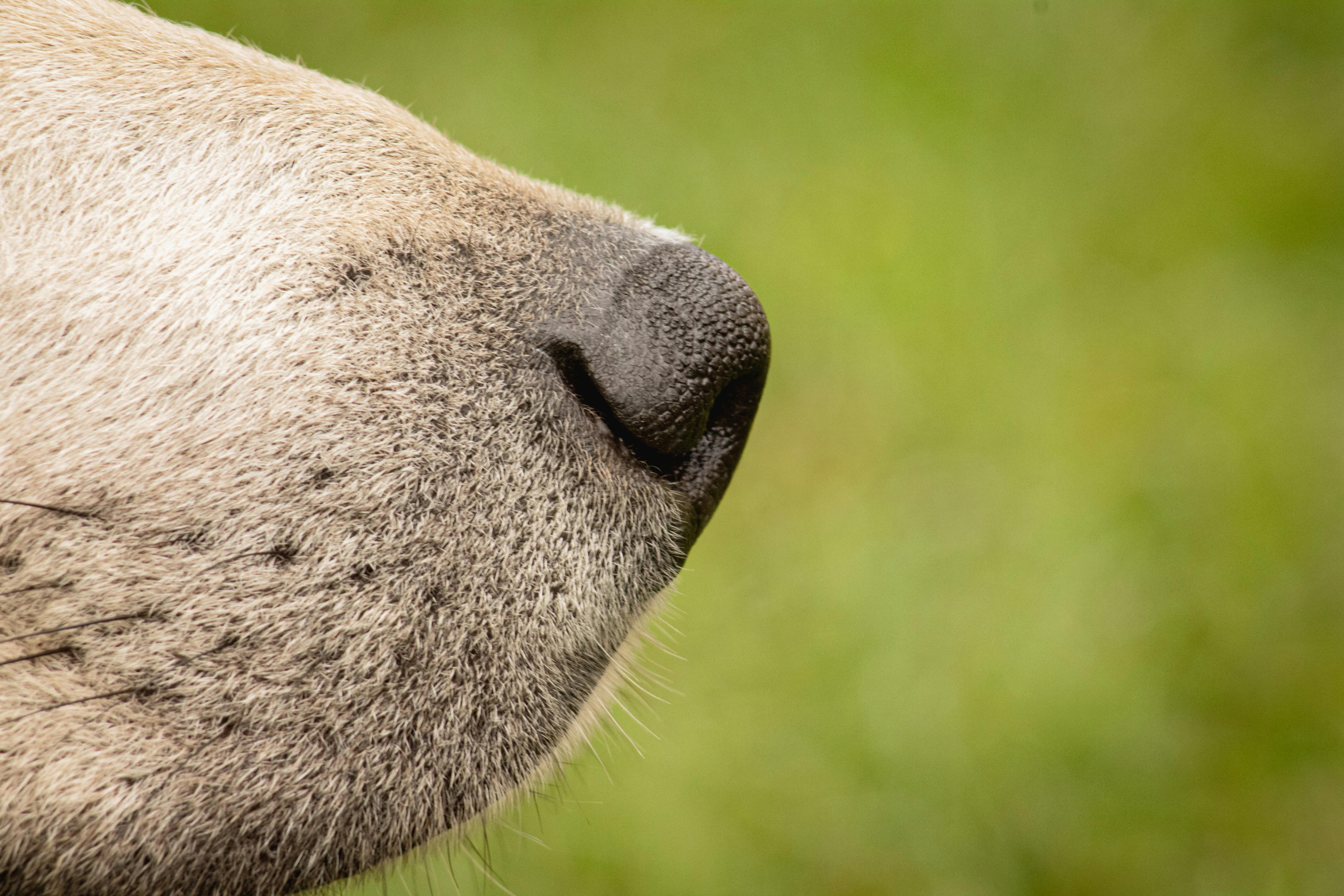 \n\n
\n\nDogs are often called "man's best friend," and they have many fascinating features that make them unique. One of the most interesting aspects of dogs is their sense of smell. A dog’s nose is not just cute, it's surprisingly powerful. But have you ever wondered, why do dogs have wet noses? The answer is more intriguing than you might think! Let's dive into the fascinating connection between dog noses and their impressive olfactory abilities.
\nThe Science Behind Dog Noses
\nDogs noses are wet for several reasons, and it ain't just for show. A dog’s nose contains moisture that helps to enhance their sense of smell. Here are a few reasons why:
\n- \n
- \n
Moisture Enhances Smell: The wetness on a dog’s nose helps to dissolve scent particles, making it easier for dogs to pick up on various smells. This is important because, without moisture, dogs might struggle to detect odors effectively.
\n \n - \n
Cooling Mechanism: Just like humans sweat, dogs use their noses for thermoregulation. When a dog is too hot, the moisture on their nose evaporates, helping to cool them down.
\n \n - \n
Health Indicator: A dog’s nose can also be an indicator of health. A warm, dry nose can sometimes indicate illness, while a cool, moist nose is generally a sign of a healthy dog.
\n \n
The Incredible Sense of Smell
\nDogs have an astonishing sense of smell, estimated to be anywhere from 10,000 to 100,000 times more sensitive than humans. This incredible ability comes from a variety of factors, including the structure of their noses.
\n- \n
- \n
Olfactory Receptors: Dogs have about 220 million olfactory receptors in their noses compared to humans, who have only about 5 million. This difference allows dogs to detect scents much better than we can.
\n \n - \n
Jacobsen's Organ: This is an additional olfactory structure found in dogs that helps them detect pheromones, which are important for communication and social interaction among dogs.
\n \n - \n
Scent Memory: Dogs have a remarkable ability to remember scents. They can recognize and differentiate between various smells, which allows them to track, hunt, and even detect certain medical conditions in humans.
\n \n
Historical Context: Dogs and Their Noses
\nThroughout history, dogs have been utilized for their incredible sense of smell. Here’s a brief look at how dogs have been used in different roles:
\n- \n
- \n
Hunting: Many hunting breeds, like Bloodhounds and Beagles, were bred specifically for their keen sense of smell, allowing hunters to track game effectively.
\n \n - \n
Search and Rescue: Dogs have been employed in search and rescue missions, using their noses to locate missing persons in various environments.
\n \n - \n
Detection Work: Today, dogs are widely used in law enforcement to detect drugs, explosives, and even certain diseases, like diabetes and cancer.
\n \n
Fun Facts About Dog Noses
\nHere are some fun and interesting facts about dog noses that you might not know:
\n- \n
- \n
Unique Nose Prints: Just like human fingerprints, each dog has a unique nose print. This means that they can be identified by their nose!
\n \n - \n
Nose Color: The color of a dog's nose can vary depending on the breed and other factors, but it doesn't affect their sense of smell.
\n \n - \n
Temperature Regulation: The moisture on their nose not only helps with smell but also keeps them cool. This is why you might see a dog with a wet nose on a hot day.
\n \n
Practical Examples of Dog Nose Use
\nTo illustrate the impressive capabilities of dog noses, here are some practical examples of how dogs utilize their sense of smell:
\n- \n
- \n
Tracking: Bloodhounds are famous for their tracking abilities, as they can follow a scent trail that is days old.
\n \n - \n
Medical Alert: Some service dogs are trained to recognize the scent of low blood sugar or oncoming seizures in their human companions.
\n \n - \n
Cadaver Dogs: Certain breeds can help locate deceased individuals by detecting the specific scent of decomposing bodies.
\n \n
In the end, the fascinating connection between dog noses and their sense of smell reveals just how remarkable these creatures are. Their wet noses are not only an adorable feature but also a crucial component of their extraordinary olfactory capabilities. Next time you see a dog with a moist nose, you can appreciate the science and history behind this unique aspect of our furry friends!
\n\nConclusion
\n\nIn conclusion, the wet noses of dogs serve several important purposes, primarily aiding in their exceptional sense of smell and helping to regulate their body temperature. The moisture on a dog's nose enhances their olfactory capabilities, allowing them to pick up scents more effectively. Additionally, the wetness contributes to thermal regulation, ensuring they remain comfortable in various environments. Understanding this unique trait not only deepens our appreciation for our canine companions but also underscores the importance of keeping their noses healthy. Regular check-ups and monitoring for any unusual changes can help ensure your dog's overall well-being. So, the next time you admire your dog's adorable wet nose, remember the essential functions it serves. Embrace the joy of pet ownership by engaging with your furry friend and ensuring they lead a happy, healthy life.
\n\n