Have you ever wondered why do dogs have wet noses? The simple answer might surprise you! Dogs' noses are not just for sniffing; they hold secrets about their health and emotions. A wet nose in dogs is often seen as a sign of being happy and healthy, but what’s the real reason behind this fascinating phenomenon? Could it be related to their incredible sense of smell or perhaps a way to regulate their body temperature? In this article, we’ll uncover the fascinating truth about why your furry friend’s nose is always damp. Is it nature’s way of helping dogs detect scents or a unique trait that sets them apart from other animals? Join us as we dive deep into the science behind a dog’s nose, explore the benefits of having a wet nose, and answer the age-old question: do wet noses mean dogs are sick? Get ready to discover amazing insights that will change how you view your pet's adorable snout forever! Stay tuned and let’s unlock the mystery of those charmingly wet noses!
\n\nThe Science Behind Canine Noses: Why Are Dogs' Noses Always Wet?
\n\n \n\n
\n\nDogs are often known for their adorable wet noses, and people sometimes wonder, why do dogs have wet noses? It’s a question that many pet owners ask, and the answer goes deeper than you might think. Canine noses are fascinating organs that play a crucial role in a dog's life. So, let's uncover the science behind these wet noses and why they are always moist.
\nThe Purpose of a Dog's Nose
\nFirst off, dogs have an incredible sense of smell, which is way more powerful than that of humans. In fact, dogs have up to 300 million smell receptors in their noses compared to a human's 5 million. This remarkable ability helps them detect scents from far away. But why do they need their noses to be wet?
\nA wet nose helps to enhance the sense of smell. When moisture is present, it can absorb scent particles better, allowing the dog to detect odors more efficiently. This is one of the main reasons why dogs are often used in various fields, like search and rescue, therapy, and even in law enforcement. A wet nose is like a supercharger for their sense of smell!
\nWhy Are Dogs' Noses Always Wet?
\nSo, what keeps a dog's nose so moist? There are a few factors at play here.
\n- \n
- Nasal Secretions: Dogs produce a thin layer of mucus that helps in capturing scent particles. This mucus is what keeps the nose wet. \n
- Environmental Factors: Dogs may get their noses wet from environmental elements like rain or snow, or by sniffing around in the grass. \n
- Licking: Dogs often lick their noses, which helps maintain moisture. They do this instinctively, which is a behavior rooted in their ancestry. \n
The Science Behind Canine Noses
\nUnderstanding the anatomy of a dog's nose can also shed light on why they are always wet.
\n- \n
- Nasal Turbinates: These are bony structures inside the nasal cavity that help filter and warm the air. They also help to trap moisture. \n
- Sebaceous Glands: These glands produce oils that keep the skin and the surface of the nose moist. \n
- Vomeronasal Organ: This organ helps in detecting pheromones and other chemical signals, and it works better when the nose is moist. \n
Historical Context
\nHistorically, dogs were bred for specific purposes, and their noses have evolved to suit those roles. For instance, hunting dogs were favored for their keen sense of smell, which is why the wet nose becomes an important adaptation.
\nThe phrase "wet-nosed" also became a term of endearment for dogs, symbolizing their health and vitality. A dry nose is often seen as a sign of illness, although this isn’t always the case.
\nFun Facts About Dogs' Noses
\n- \n
- Dogs can smell about 100,000 times better than humans. \n
- The unique pattern of a dog’s nose is similar to a human fingerprint. No two dogs have the same nose print! \n
- Dogs use their noses to communicate with other dogs, through scent marking and sniffing. \n
Practical Examples
\nIf you’re a dog owner, you might notice your furry friend’s nose changing throughout the day. Here are some common scenarios:
\n- \n
- After a Walk: Your dog’s nose might be wetter after a walk because they've been sniffing and licking around outside. \n
- During Playtime: Engaging in play can also keep their nose moist as they lick and explore their environment. \n
- Health Check: If you notice a sudden change in the moisture level of your dog’s nose, it might be worth checking in with your vet. \n
Comparisons with Other Animals
\nInterestingly, not only dogs have wet noses. Cats also have moist noses, but the reasons are a bit different. Cats rely more on their eyesight and less on smell compared to dogs. This leads to a different kind of nose moisture function.
\nHere's a quick comparison table:
\n| Animal | \nNose Moisture Purpose | \nSmell Receptors Count | \n
|---|---|---|
| Dogs | \nTo enhance scent detection | \n300 million | \n
| Cats | \nMostly for temperature regulation | \n80-100 million | \n
| Humans | \nBasic scent detection; not as reliant | \n5 million | \n
Dogs' noses are not just cute; they serve a vital role in their lives. From helping them navigate the world around them to acting as a vital tool in their communication, the wet nose is an essential part of what makes dogs so special. So next time you give your pooch a scratch on the nose, remember all the fascinating science that goes into keeping it wet and ready for action!
\n\n5 Fascinating Reasons Dogs Have Wet Noses That Will Surprise You!
\n\n \n\n
\n\nDogs are amazing creatures, and one of their most intriguing features is their wet noses. Ever wondered why do dogs have wet noses? Many people think it’s just an odd quirk, but there’s actually some fascinating reasons behind it. Let’s dive into the truth behind those wet noses, and you might be surprised by what you learn!
\n1. Enhanced Sense of Smell
\nOne of the main reasons dogs have wet noses is because it helps enhance their sense of smell. Dogs’ noses are packed with scent receptors—around 220 million compared to humans, who only have about 5 million. The moisture on a dog’s nose helps capture scent particles in the air. This allow them to smell things more acutely. It’s like having a built-in air freshener that not only smells good but also helps them sniff out everything from food to friends.
\n2. Thermoregulation
\nDogs can’t sweat like humans do. Instead, they regulate their body temperature through panting and their noses. A wet nose helps cool them down, just like how sweating cools us off. When a dog’s nose is moist, it can help dissipate heat. If it's too dry, it might indicate a dog is overheating. So, if you notice your furry friend’s nose feeling dry, it might be a good idea to check if they're too hot!
\n3. Health Indicator
\nThe condition of a dog’s nose can often reflect their overall health. A healthy dog typically has a moist, cool nose. On the other hand, a dry or cracked nose could signal health issues, such as dehydration or fever. Here are some common nose conditions to watch for:
\n- \n
- Normal: Moist, cool, and sometimes a little warm. \n
- Dry and Cracked: Possible dehydration or illness. \n
- Excessively Wet: Could indicate allergies or other health problems. \n
If you’re ever unsure about your dog’s health, it’s always best to consult with a veterinarian.
\n4. Social Interaction
\nDogs rely heavily on their sense of smell for communication. Their wet noses play an important role in social interactions with other dogs. When they greet each other, they often sniff noses. This is part of their greeting ritual, allowing them to gather information about each other, such as their mood, diet, and even their health. A wet nose can also be a sign of a friendly dog—so if your dog approaches another with a wet nose, it might be a way of saying, “Let’s be friends!”
\n5. Hydration and Nutrition
\nA dog’s wet nose can also indicate their hydration levels. If your dog’s nose is dry often, it might be a sign that they need more water or better nutrition. Proper hydration is crucial not just for the nose but for the overall health of your pet. Here are some tips to ensure your dog stays hydrated and healthy:
\n- \n
- Always provide fresh, clean water. \n
- Monitor their food for nutritional value. \n
- Consider adding wet food to their diet for extra moisture. \n
Dogs can show us a lot if we pay attention. A wet nose is just one of the many things that make dogs so fascinating and lovable.
\nFun Facts About Dog Noses
\n- \n
- Dogs have a unique nose print, just like human fingerprints. Each dog’s nose has a distinct pattern. \n
- The color of a dog’s nose can change with the seasons, often lightening in winter and darkening in summer. \n
- The average dog’s sense of smell is between 10,000 to 100,000 times more sensitive than ours. \n
Comparing Dog Noses to Human Noses
\n| Feature | \nDog Nose | \nHuman Nose | \n
|---|---|---|
| Sense of Smell | \n220 million scent receptors | \n5 million scent receptors | \n
| Function | \nSmell, thermoregulation | \nSmell, breathing | \n
| Nose Print | \nUnique to each dog | \nUnique to each human | \n
| Temperature Regulation | \nYes | \nNo | \n
Dogs are simply incredible beings, and their wet noses are just one of the many features that make them so special. From enhanced smell to being a sign of health, those moist noses are more than just a cute characteristic. So next time you pet your dog and feel that wet nose, remember the fascinating reasons behind it!
\n\nThe Role of Moisture: How a Wet Nose Enhances Your Dog's Sense of Smell
\n\n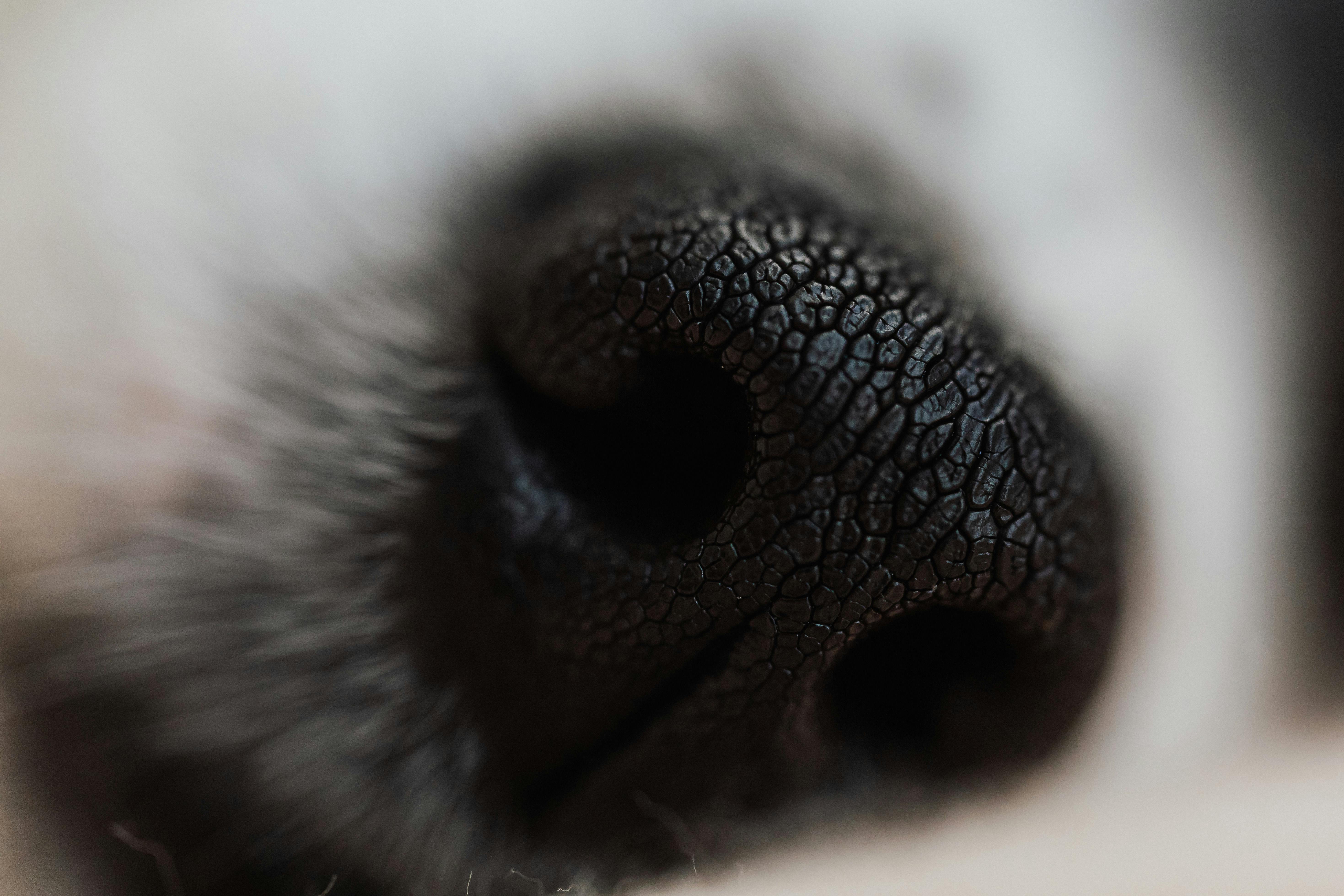 \n\n
\n\nDogs are one of the most beloved pets around the world, and their wet noses often bring a smile to our faces. But have you ever wondered why do dogs have wet noses? The answer is more than just cute, it's about biology and survival. The moisture on a dog's nose plays a crucial role in enhancing their sense of smell. Let's dive deeper into the fascinating truth behind this unique feature.
\nThe Biology of a Dog's Nose
\nFirst, it helps to understand how a dog's nose works. A dog's sense of smell is incredibly advanced. In fact, it's estimated that a dog's sense of smell is between 10,000 to 100,000 times more sensitive than humans. This is due to the large number of olfactory receptors in their noses, which can be as many as 300 million, compared to a human's 5 million.
\nSo, why do dogs have wet noses? The moisture found on a dog's nose is not just for show. It's actually an important part of how they detect scents. When a dog sniffs, the moisture helps to absorb scent particles from the air, which enhances their ability to identify and track scents. This means that a wet nose is essential for a dog's sense of smell to function at its best.
\nHow Does Moisture Enhance Smell?
\nThe role of moisture in a dog's nose can be explained through several mechanisms:
\n- \n
- Absorption of Scents: The moisture helps capture scent particles, making it easier for the olfactory receptors to pick them up. \n
- Temperature Regulation: A wet nose can help cool a dog down, which is especially important during exercise or in warm weather. This can indirectly influence their ability to smell since a comfortable dog is more alert and able to detect scents. \n
- Hydration: Keeping their noses moist helps dogs stay hydrated, which is vital for their overall health and sensory function. \n
The Science Behind a Wet Nose
\nWhen dogs lick their noses, they are not just keeping it clean; they are also enhancing their sense of smell. Here’s how that works:
\n- \n
- Licking: Dogs often lick their noses, which adds moisture. This moisture can evaporate quickly, which is why you may notice your dog frequently licking its nose. \n
- Scent Detection: The wetness allows scent particles to adhere more effectively, allowing dogs to process smells more accurately. \n
- Nasal Glands: Dogs have specialized glands in their noses that produce mucus, which also contributes to maintaining moisture and helping with scent detection. \n
Interesting Facts About Dog Noses
\n- \n
- Unique Patterns: Just like human fingerprints, a dog's nose print is unique to each individual. \n
- Color Variation: A dog's nose can vary in color. Some breeds have black noses, others have pink ones, and some can even have spots. \n
- Temperature Indicator: A wet, cool nose is often seen as a sign of a healthy dog, while a dry nose can sometimes indicate illness, although this is not always the case. \n
Comparing Dog Noses to Human Noses
\nHere’s a quick comparison between dog noses and human noses:
\n| Feature | \nDog Nose | \nHuman Nose | \n
|---|---|---|
| Number of Receptors | \n300 million | \n5 million | \n
| Sensitivity | \n10,000 to 100,000 times more | \nStandard human sensitivity | \n
| Moisture Function | \nEnhances scent absorption | \nLimited scent absorption | \n
| Unique Patterns | \nYes, each is different | \nNo unique prints | \n
Practical Examples of Nose Use
\nDogs use their noses for various practical tasks, including:
\n- \n
- Tracking: Police and search and rescue dogs rely on their noses to track missing persons or criminals. \n
- Medical Detection: Some dogs are trained to detect diseases like cancer or diabetes through scent. \n
- Hunting: Many hunting breeds are developed specifically for their ability to track scents in the wild. \n
The connection between a dog’s wet nose and its superior sense of smell is not just a fun fact; it’s a crucial aspect of their biology. A wet nose enhances the ability to smell, which is essential for communication, hunting, and understanding their environment.
\nSo, next time you see your dog with a wet nose, remember it’s not just adorable; it’s a powerful tool that helps them navigate the world! This unique feature is a testament to how evolution shapes the traits of animals, making them perfectly adapted to their roles in nature and companionship with humans. Understanding why do dogs have wet noses gives us a deeper appreciation for our furry friends and the incredible capabilities they possess.
\n\nAre Wet Noses a Sign of Health? Discover What Your Dog’s Nose Says About Them
\n\n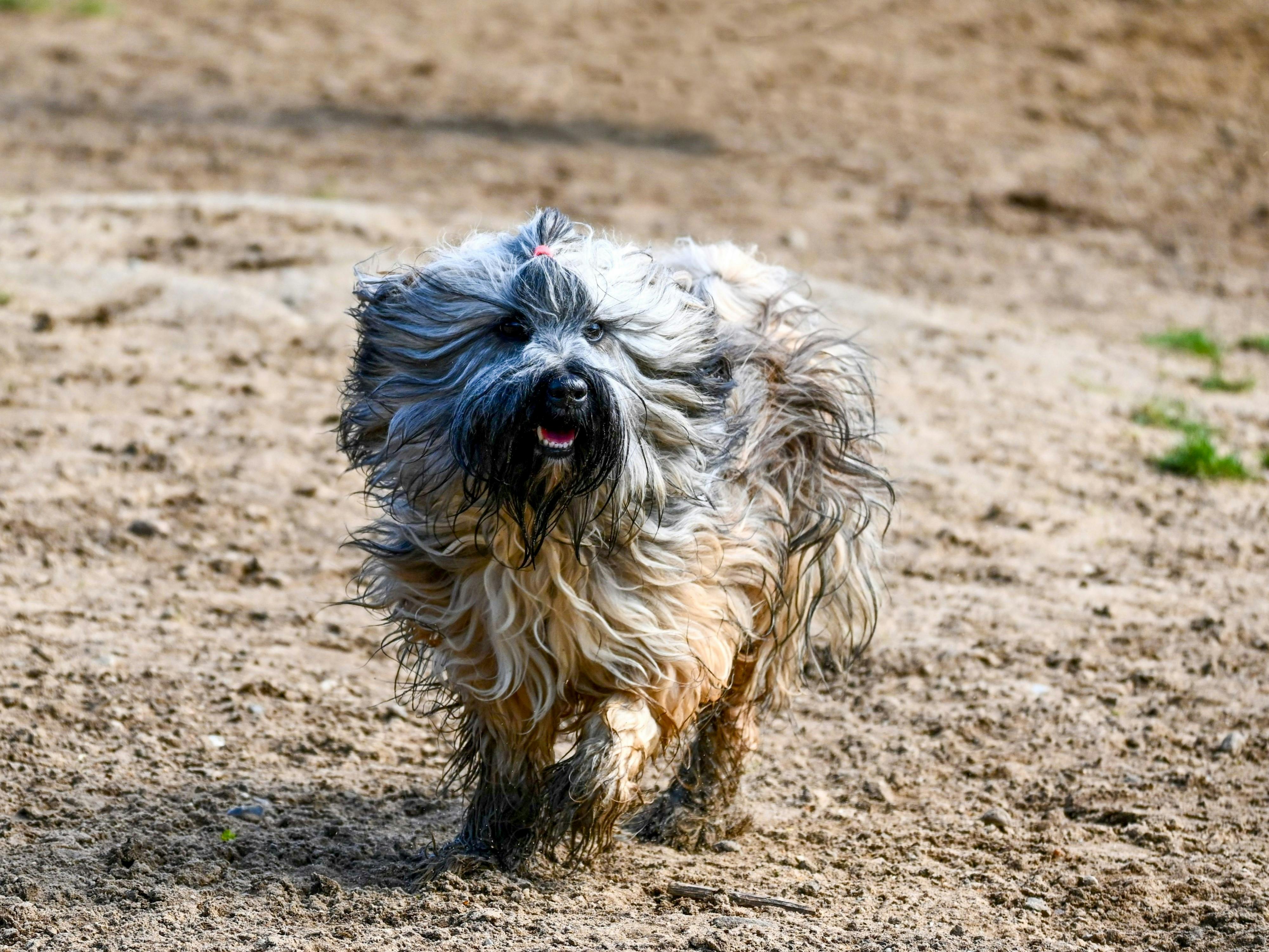 \n\n
\n\nWhen you look at your dog, one of the first things you might notice is their nose. It’s often wet, cold, and maybe even a little slimy. But have you ever asked yourself, "Are wet noses a sign of health?" or "Why do dogs have wet noses?" Well, let’s dig into this fascinating topic. Your dog’s nose can say a lot about them — it’s not just a cute feature, but a window into their well-being.
\nWhat Makes a Dog’s Nose Wet?
\nDogs have wet noses primarily due to a few reasons. One of the main reasons is that their noses are constantly secreting mucus. This moisture helps with their sense of smell, which is incredibly powerful. A dog's sense of smell is estimated to be 10,000 to 100,000 times more acute than that of humans. The wetness helps to trap scent particles, allowing them to analyze smells more effectively.
\n- \n
- Mucus Production: Dogs secrete mucus from their nasal glands, making their noses wet. \n
- Temperature Regulation: A wet nose can also help with cooling down their body temperature. \n
- Scent Detection: The moisture helps capture scent particles, enhancing their olfactory perception. \n
Are Wet Noses Always a Sign of Health?
\nNow, many people believe wet noses are indicatives of a healthy dog. While it’s true that a moist nose is generally a sign of good health, it’s not the only factor to consider. Here’s what you should know:
\n- \n
- Healthy Noses: A wet, cool nose usually indicates proper hydration and good health. \n
- Dry Noses: A dry nose doesn’t automatically mean your dog is sick; it can just be a result of weather conditions or even sleeping. \n
- Temperature: A warm, dry nose can sometimes indicate fever or illness, but it isn't a foolproof method of diagnosis. \n
What Other Signs Should You Look For?
\nIt’s important to look at more than just the nose when assessing your dog’s health. You should consider other factors too:
\n- \n
- Behavior Changes: Is your dog more lethargic or seems to be in pain? \n
- Appetite: Changes in eating habits can signal health issues. \n
- Gums and Teeth: Healthy gums should be pink, not red or white. \n
- Energy Levels: Dogs that seem unusually tired may be experiencing health problems. \n
Historical Context of Dogs’ Noses
\nDogs’ noses have always been fascinating. Historically, many cultures believed that a dog’s nose could predict weather changes or even be a sign of spiritual health. For instance, in ancient times, some thought that if a dog had a wet nose, it was a sign of good fortune. The connection between wet noses and good health has been ingrained in many societies.
\nFun Facts About Dogs’ Noses
\nHere are some interesting tidbits about dogs’ noses you might not know:
\n- \n
- Unique Patterns: Just like human fingerprints, every dog has a unique nose print. \n
- Thermoregulation: Dogs can also regulate their temperature through their noses; when they lick their noses, it increases the surface area for cooling. \n
- Scent Discrimination: Dogs can distinguish between different scents, even if they are very similar. \n
Common Misconceptions About Wet Noses
\nMany myths surround the idea of wet noses in dogs. Here’s a quick list of what’s commonly misunderstood:
\n- \n
- Myth 1: A wet nose means your dog is healthy. As mentioned before, it can be misleading. \n
- Myth 2: All dogs have wet noses. Some breeds might have naturally drier noses. \n
- Myth 3: Only sick dogs have dry noses. This is false; many factors can contribute to a dry nose. \n
Table: Factors Affecting Dog Nose Conditions
\n| Condition | \nPossible Cause | \nHealth Implication | \n
|---|---|---|
| Wet and Cool | \nHealthy state | \nGenerally healthy | \n
| Dry and Warm | \nDehydration or illness | \nPotential health issue | \n
| Wet and Hot | \nFever or overheating | \nPossible health concern | \n
| Constantly Dry | \nEnvironmental factors | \nNot necessarily unhealthy | \n
The next time you notice your dog’s nose, take a moment to appreciate its complexity. It’s not just an adorable feature; it plays significant roles in their health and behavior. Understanding your dog’s nose can lead to better care, ensuring they’re happy and healthy. So, are wet noses a sign of health? Mostly, but remember, it’s just one of many indicators to keep an eye on!
\n\nCurious Canines: What the Wetness of Your Dog’s Nose Reveals About Their Emotions
\n\n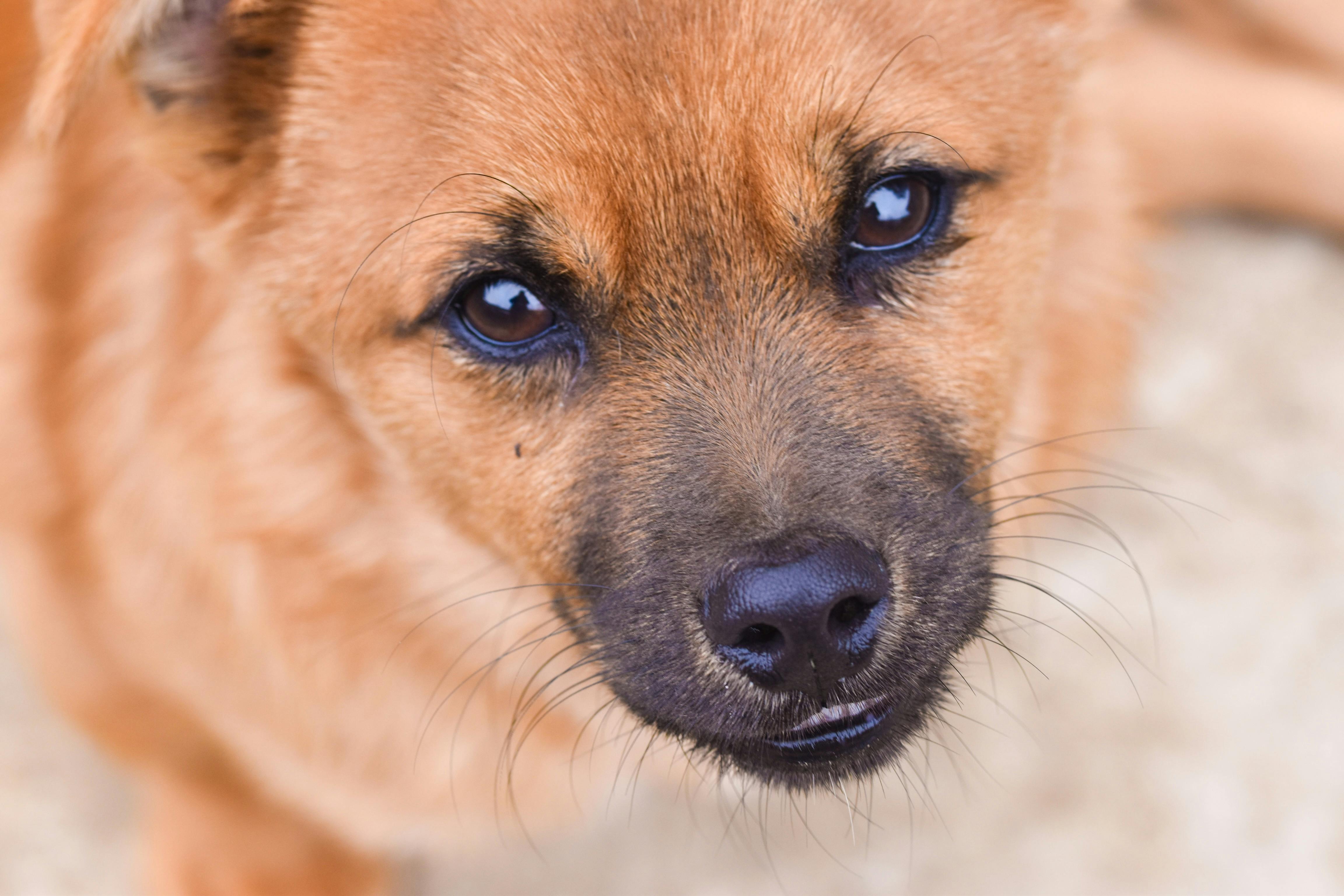 \n\n
\n\nDogs are often referred to as man's best friend, and there are many reasons why. One of the most intriguing aspects of our canine companions is the wetness of their noses. Have you ever wondered, “Why do dogs have wet noses?” or what their wet noses can tell us about their emotions? Let’s dive into the fascinating world of our furry friends and uncover the truth behind their moist snouts.
\nThe Science Behind Dog Noses
\nFirst off, a dog’s nose is not just a cute feature; it serves several important purposes. The anatomy of a dog's nose is complex, containing a high number of olfactory receptors. In fact, dogs have approximately 300 million scent receptors, compared to a human's mere 5 million. This means that dogs can smell things many times better than humans can. But what about the wetness?
\n- \n
- \n
Moisture and Scent: A wet nose helps enhance a dog’s sense of smell. The moisture collects scent particles from the air, allowing them to detect odors more effectively. This is why dogs are often used in search and rescue missions or in detecting drugs and explosives.
\n \n - \n
Cooling Mechanism: Dogs do not sweat like humans do. Instead, they sweat through their paw pads and regulate their body temperature primarily through panting. A wet nose helps keep them cool, especially on hot days.
\n \n - \n
Health Indicator: The wetness of a dog’s nose can also be an indicator of their health. A healthy dog usually has a moist nose, while a dry or cracked nose can signal dehydration or illness.
\n \n
Emotional Insights Through Wet Noses
\nYou might be surprised to know that a dog’s nose can also provide insight into their emotional state. Dogs communicate a lot through their body language, and their noses are no exception.
\n- \n
- \n
Excitement: When a dog is excited, they often have a wetter nose. This can be due to increased panting and their body’s overall heightened state of arousal.
\n \n - \n
Relaxation: Conversely, a relaxed dog might have a slightly drier nose. This doesn’t mean they are sick; it just reflects their calm demeanor at that moment.
\n \n - \n
Stress: A stressed dog may also display dryness in their nose. Observing your dog’s nose in conjunction with their behavior can give you clues about how they’re feeling.
\n \n
Fun Facts About Dog Noses
\nHere’s some trivia that might just blow your mind regarding dog noses:
\n- \n
- \n
Unique Patterns: Just like human fingerprints, each dog has a unique nose print. This means you could identify a dog solely by its nose!
\n \n - \n
Temperature Regulation: Dogs have a special blood vessel system in their noses that helps regulate temperature, keeping their brains cool while they sniff around.
\n \n - \n
Age and Nose Wetness: As dogs age, their noses can become drier. This is not necessarily a health concern, but rather a natural part of aging.
\n \n
How to Keep Your Dog’s Nose Healthy
\nTaking care of your dog’s nose is essential for their overall well-being. Here are a few tips to ensure their snout remains healthy:
\n- \n
- \n
Hydration: Always provide fresh water for your dog. Dehydration can lead to a dry nose.
\n \n - \n
Check for Cracks: Regularly inspect your dog’s nose for any signs of cracking or bleeding. If you notice anything unusual, consult your veterinarian.
\n \n - \n
Limit Sun Exposure: Just like humans, dogs can get sunburned. If your dog has a light-colored or thin-skinned nose, consider using pet-safe sunscreen.
\n \n
The Cultural Significance of Dog Noses
\nHistorically, dogs have been companions to humans for thousands of years. They have held various roles, from hunting partners to therapy animals. In many cultures, dogs symbolize loyalty and love. Their noses, often seen as a reflection of their character, are frequently featured in art and folklore.
\n- \n
- \n
In Literature: Dogs have been celebrated in books and stories, often depicted as loyal friends with keen instincts, which are symbolized by their sensitive noses.
\n \n - \n
In Art: Various artists have portrayed dogs in their works, emphasizing the beauty and uniqueness of their noses.
\n \n - \n
In Pop Culture: From movies to cartoons, dogs with wet noses are frequently showcased as the epitome of companionship.
\n \n
The next time you see your dog with their wet nose, remember it’s more than just an adorable feature. It’s a vital part of their biology, a reflection of their emotions, and a window into their health. Understanding why dogs have wet noses and what that means can deepen the bond you share with your furry friend. Embrace the curiosity and the unique traits that dogs bring into our lives!
\n\nWet vs. Dry: Understanding the Importance of Nose Moisture in Dogs
\n\n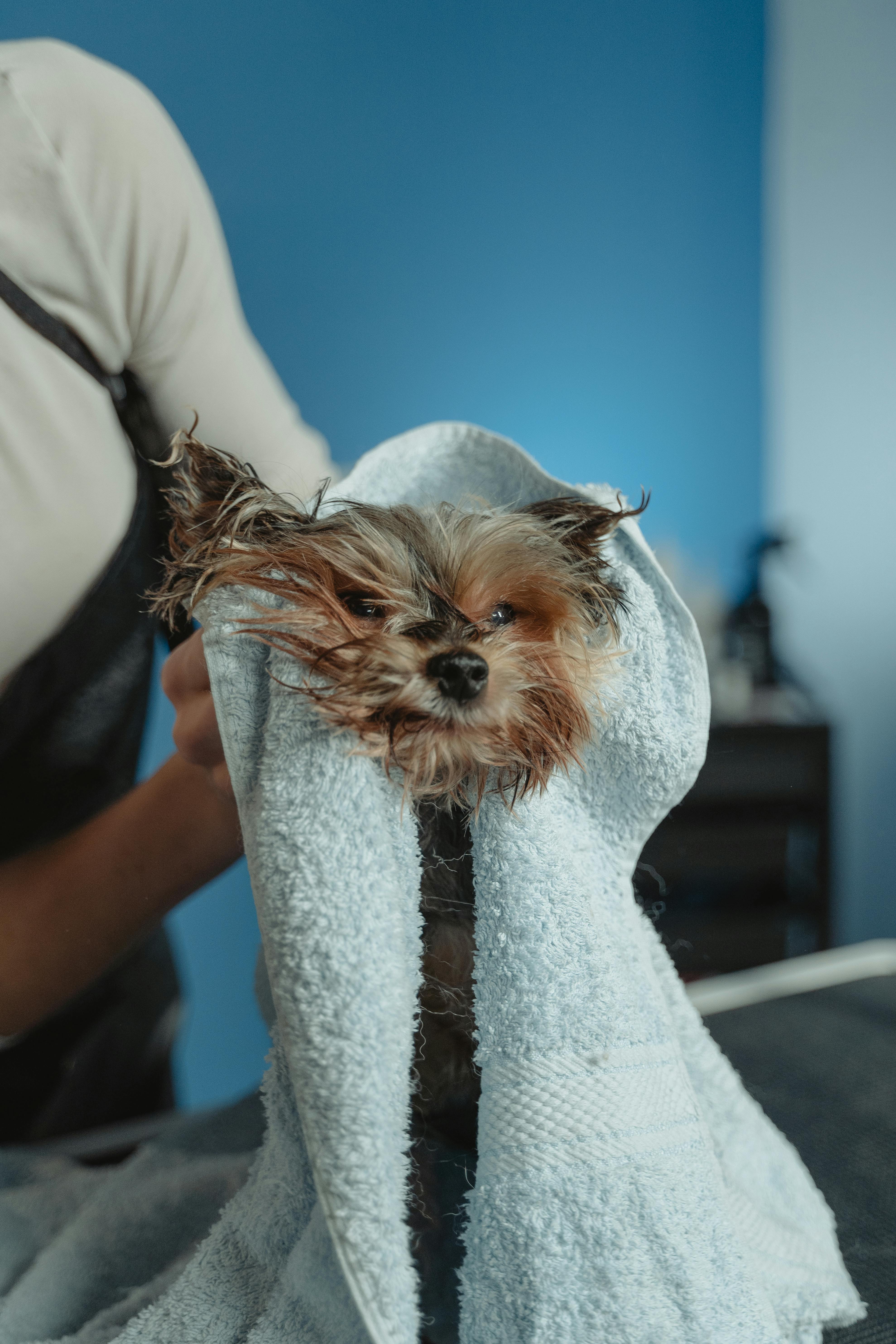 \n\n
\n\nWhen you see a dog, one of the first things you notice is their nose, right? It’s usually wet, shiny, and sometimes, a little cold. But why do dogs have wet noses? This is not just a random feature; it serves several purposes that are fascinating to learn about. Understanding the importance of nose moisture in dogs can reveal a lot about their health and behavior.
\nThe Basic Biology of a Dog’s Nose
\nDogs have a unique anatomy that plays a pivotal role in their sense of smell. The surface of their nose is covered with special cells that help them detect smells. When a dog’s nose is wet, it enhances their ability to smell. You know, like how a wet sponge soaks up more water? A wet nose can trap scent particles better than a dry one.
\nHere’s a quick breakdown of why dog noses are wet:
\n- \n
- Increased scent detection: A wet nose can absorb scent particles more effectively. \n
- Regulation of body temperature: Dogs don’t sweat like humans do. Their noses help with thermoregulation. \n
- Hydration: A moist nose can indicate hydration levels. If a dog’s nose is dry, it might be a sign of dehydration or illness. \n
The Difference Between Wet and Dry Noses
\nIt’s important to know that not all dog noses are the same. Some dogs might always have a wet nose, while others might have a dry one. This can change throughout the day and based on various factors. Let’s look at the differences.
\n| Condition | \nWet Nose | \nDry Nose | \n
|---|---|---|
| Characteristics | \nCool, shiny, and moist | \nWarm, rough, and sometimes flaky | \n
| Health Indicator | \nTypically healthy | \nCould indicate illness or dehydration | \n
| Temperature Regulation | \nHelps cool the dog down | \nLess effective in temperature regulation | \n
| Scent Detection | \nBetter at picking up scents | \nLess effective at scent absorption | \n
Why Do Dogs Have Wet Noses? The Scientific Explanation
\nDogs have wet noses mainly due to a thin layer of mucus that helps to trap smells. This mucus is produced by specialized glands within the nasal passages. And did you know that dogs also lick their noses? This behavior helps keep their noses moist and clean. It’s like a little grooming routine!
\nFurthermore, the moisture in the nose can also help dogs regulate their body temperature. When they breathe out, the moisture evaporates, cooling them down. This is particularly important because dogs can’t sweat like humans; they rely on panting and their noses to manage their body heat.
\nFactors Affecting Nose Moisture
\nSeveral factors can influence whether a dog’s nose is wet or dry. These include:
\n- \n
- Weather Conditions: Hot, dry weather can lead to a drier nose, while humidity can keep it moist. \n
- Health Status: A sudden change in nose moisture can indicate health issues. For instance, a dry nose could be a sign of fever or dehydration. \n
- Age: Older dogs may have drier noses than younger ones, similar to humans. \n
Fun Facts About Dogs and Their Noses
\n- \n
- Dogs have up to 300 million smell receptors in their noses compared to humans who only have about 6 million. \n
- The texture of a dog’s nose is unique, just like fingerprints in humans. \n
- A dog’s sense of smell is so strong that they can detect certain diseases, like cancer, in humans. \n
Keeping Your Dog’s Nose Healthy
\nHere’s some tips for keeping your dog’s nose in tip-top shape:
\n- \n
- Hydration: Make sure your dog has access to fresh water at all times. \n
- Regular Vet Check-ups: This is crucial to catch any health issues early. \n
- Watch for Changes: If your dog’s nose changes from wet to dry suddenly, it’s time to consult a vet. \n
In summary, understanding why dogs have wet noses is not only interesting but also essential for any dog owner. A wet nose can signify a healthy dog, while a dry nose may raise some red flags. Always keep an eye on those little details; they can tell you a lot about your furry friend. Remember, a dog’s nose is one of their most valuable tools, so keeping it healthy is vital for their overall well-being.
\n\nTop 7 Benefits of a Wet Nose: How It Affects Your Dog's Overall Well-being
\n\n \n\n
\n\nDogs are amazing creatures, and one of their most endearing features is that wet nose. You might’ve noticed that your furry friend always seems to have a cold and damp nose, but have you ever wondered why do dogs have wet noses? Well, the truth is that it’s not just for show. There are several fascinating benefits that come with a wet nose, which play a crucial role in your dog's overall well-being. Let's explore the top 7 benefits of a wet nose and uncover the truth behind this intriguing aspect of canine biology.
\n1. Temperature Regulation
\nDogs don’t sweat like humans do. Instead, they regulate their body temperature through panting and their nose. A wet nose helps them cool down, especially in hot weather. When the moisture evaporates from their nose, it cools their body, helping them to stay comfortable. It is like nature's own air conditioning system!
\n2. Enhanced Sense of Smell
\nThe wetness of a dog’s nose helps to absorb scent molecules from the air. This is why dogs have such a powerful sense of smell. The moisture allows the scent particles to stick to the nose, making it easier for dogs to analyze different smells. In fact, dogs have up to 300 million smell receptors, compared to a human’s 5 million. So, when your dog is sniffing around, it’s not just being curious; it’s also gathering vital information about its environment.
\n3. Communication Tool
\nA dog’s nose can also serve as a communication tool. When dogs meet each other, they often sniff each other's noses, which is part of their social interaction. This behavior helps them gather information about other dogs, such as their age, health, and even mood. A wet nose can indicate that a dog is friendly and approachable, while a dry nose might suggest otherwise.
\n4. Sign of Health
\nThe condition of your dog’s nose can be an indicator of its health. Generally, a wet nose is a sign of a healthy dog, while a dry or cracked nose could mean that something is wrong. For example, if a dog has a persistently dry nose, it might be dehydrated or have a health issue that needs attention. Regularly checking your dog's nose can help ensure that it stays healthy.
\n5. Scent Discrimination
\nDogs are known for their ability to discern scents. A wet nose enhances this ability. The moisture keeps the scent molecules active, allowing dogs to detect and differentiate various smells more effectively. This is particularly beneficial for working dogs, such as search and rescue, or those involved in police work. Their wet noses are crucial for hunting down scents, making them invaluable partners.
\n6. Emotional Connection
\nDogs use their noses to connect with their owners emotionally. When you come home, your dog will often greet you with a wet nose, which is a way of showing affection. This is their way of saying "hello!" and expressing their excitement to see you. The more wet and affectionate your dog is, the stronger the bond you two share.
\n7. Natural Moisturizer
\nA wet nose also acts as a natural moisturizer for dogs. The mucus on their nose keeps it hydrated, preventing it from cracking or becoming sore. This is essential for their comfort and overall well-being. Just like humans use lotion to keep their skin moist, a dog’s wet nose serves a similar purpose for them.
\nFascinating Facts About Dog Noses
\n- \n
- Dogs have a special organ called the Jacobsen's organ, which allows them to taste smells. \n
- The color of a dog's nose can vary. It can be black, brown, pink, or even spotted! \n
- Dogs can recognize their owner's scent from over a mile away! \n
Understanding Dog Nose Health
\nTo keep your dog’s nose healthy, here are a few tips:
\n- \n
- Hydration: Ensure your dog has access to fresh water at all times. \n
- Check for Cracks: Look for any signs of cracks or sores. If you notice any, consult your vet. \n
- Avoid Sun Exposure: Just like humans, dogs can get sunburned. Consider using dog-safe sunscreen on their nose during hot days. \n
In summary, the wet nose of your dog is not just a cute feature but serves many important functions. From aiding in temperature regulation to enhancing their sense of smell, a wet nose significantly contributes to your dog’s well-being. Next time you give your dog a pat, take a moment to appreciate the science behind that charming, wet nose! The more we learn about our canine companions, the better we can care for them.
\n\nWet Noses and Temperature: Why Dogs Cool Off Through Their Noses
\n\n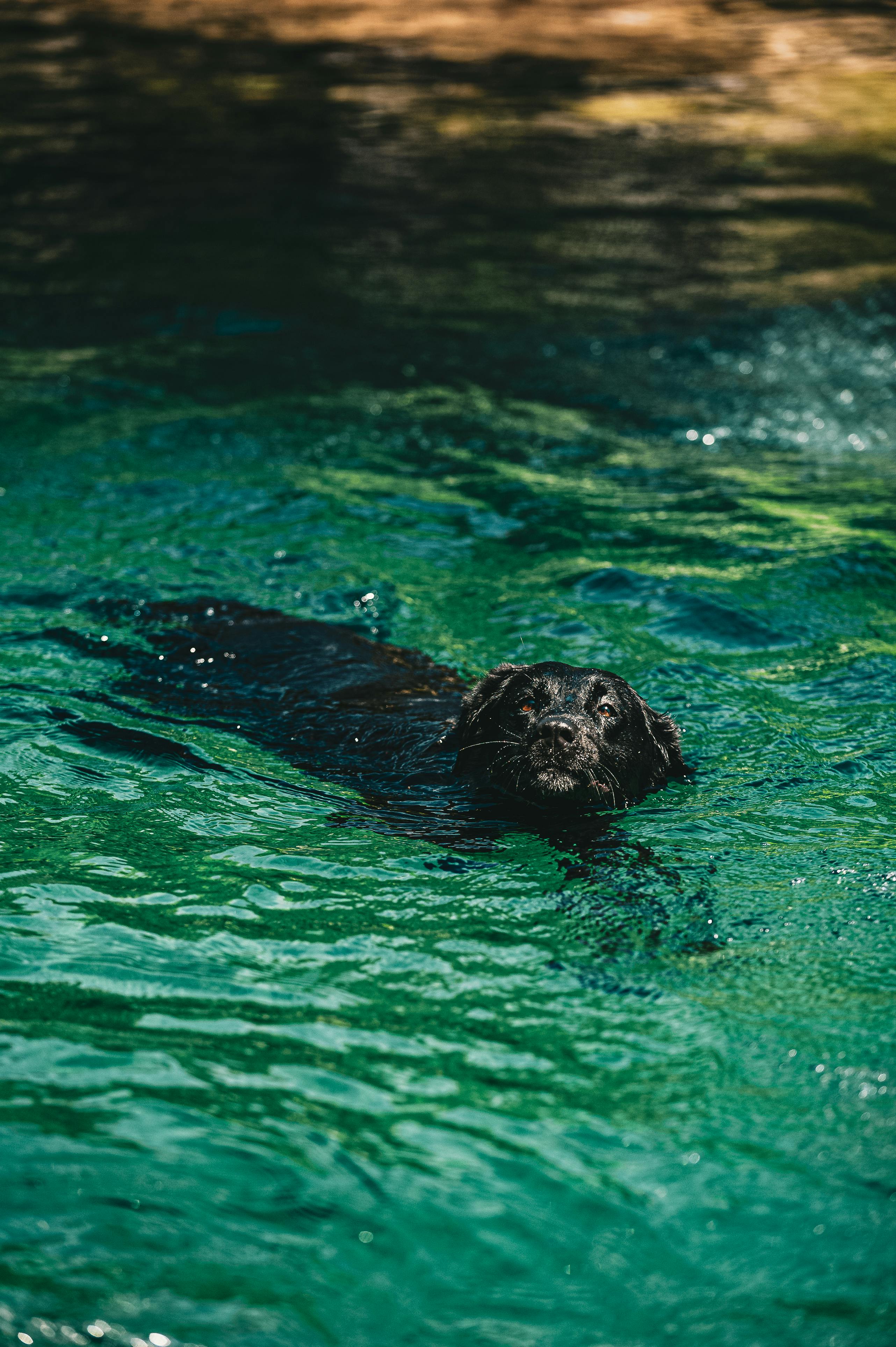 \n\n
\n\nDogs have long been our companions, and their unique characteristics often raise questions among pet owners. One of the most fascinating features of dogs is their wet noses. Why do dogs have wet noses, and what’s the science behind it? This article dives deep into the topic, exploring the reasons behind our furry friends’ moist snouts and their roles in temperature regulation.
\nWhat Makes Dog Noses Wet?
\nThe moisture on a dog's nose isn't just for show. It plays a significant role in how they interact with their environment. Dogs have specialized glands in their noses, which produce mucus. This mucus helps to trap scent particles, enhancing their sense of smell — which is far superior to that of humans. The wetness also aids in cooling off their bodies.
\nThe Science of Cooling Off
\nDogs don’t sweat like humans do. Instead, they have a different method of cooling off. Here’s how it works:
\n- \n
- Panting: Dogs primarily regulate their body temperature through panting. When they exhale, the moisture from their tongues and respiratory tract evaporates, cooling down their body. \n
- Nose Moisture: The wetness of a dog's nose contributes to this cooling process. When the air passes over their wet nose, it helps to cool the blood flow through the nasal tissues. This can be especially important on hot days or after exercise. \n
Why Are Dog Noses Wet?
\nThere are several reasons why dogs have wet noses. Here’s a list of the main factors:
\n- \n
- Enhanced Sense of Smell: The moisture helps capture scent particles, improving a dog's ability to detect and identify smells. \n
- Temperature Regulation: As mentioned before, wet noses aid in thermoregulation, helping dogs stay cool. \n
- Health Indicator: A dog's nose can be a good indicator of its health. A consistently dry nose might signal dehydration or illness, while a moist nose is typically a sign of a healthy dog. \n
Historical Context
\nHistorically, dogs have been domesticated for various purposes, including hunting, herding, and companionship. Their ability to smell and detect scents has been crucial in many of these roles. The evolution of the wet nose is likely tied to these traits, allowing them to better perform their jobs alongside humans.
\nFun Facts About Dog Noses
\nDid you know that dog noses are as unique as human fingerprints? Here are some interesting tidbits:
\n- \n
- Nose Prints: Each dog has a unique nose print, which can be used for identification. \n
- Temperature Sensitivity: Dogs can sense subtle changes in temperature through their noses, allowing them to detect heat sources. \n
- Social Signals: Dogs often use their noses to communicate with each other through scent marking. \n
Comparing Dog Noses to Other Animals
\nDogs aren’t the only animals with wet noses. Here’s a quick comparison:
\n- \n
- Cats: Cats have moist noses too, but they rely more on their whiskers and overall body temperature regulation. \n
- Humans: Humans sweat primarily through their skin, not through their noses, making our cooling system different. \n
- Pigs: Pigs have wet noses as well, which helps them in their foraging activities. \n
Practical Tips for Dog Owners
\nAs a responsible dog owner, it’s important to keep an eye on your dog’s nose. Here are some practical tips:
\n- \n
- Stay Hydrated: Ensure your dog has access to fresh water, especially in hot weather. \n
- Monitor Nose Condition: Check for any unusual changes in moisture levels. A dry nose could indicate dehydration or illness. \n
- Limit Exercise: On hot days, limit your dog’s outdoor activities to prevent overheating. \n
Conclusion
\nUnderstanding why do dogs have wet noses opens a window into their biology and behavior. Their wet noses are not just cute; they play a crucial role in how dogs interact with the world around them. By knowing more about this fascinating aspect of our furry friends, pet owners can better care for their beloved companions. The wet nose is a small but vital part of what makes dogs so special.
\n\nDo All Dogs Have Wet Noses? Debunking Myths About Canine Nose Conditions
\n\n\n\nEvery dog owner has seen their furry friend with a wet nose, but have you ever wondered, do all dogs have wet noses? This question often leads to a bunch of myths and misconceptions about canine nose conditions. Dogs, like humans, have unique traits and behaviors that can spark curiosity. So, let’s dive into the fascinating truth behind why dogs have wet noses and debunk some common myths.
\nThe Science Behind a Dog's Wet Nose
\nFirstly, it’s important to understand that not all dogs will always have a wet nose. A dog’s nose is usually moist due to a combination of mucus and saliva, which helps them to better absorb scent particles, making their sense of smell even more powerful. Here are some reasons why dogs have wet noses:
\n- \n
- Enhanced Smell: Dogs have more scent receptors than humans. A wet nose helps trap more scent particles, allowing the dog to smell better. \n
- Temperature Regulation: Dogs don’t sweat like humans do. Their noses help them cool down and regulate body temperature through evaporation. \n
- Health Indicator: A dog’s nose condition can indicate their health. A normal nose is often moist, while a dry or cracked nose can signal dehydration or other health issues. \n
Myth-Busting: Canine Nose Conditions
\nMany people believe that a dry nose means a dog is sick. This isn’t always true. Here’s a list of common myths about canine nose conditions:
\n- \n
- \n
Myth: A dry nose means a dog is sick.\nTruth: A dog’s nose can be dry for various reasons, including weather changes or recent activity.
\n \n - \n
Myth: All dogs have wet noses.\nTruth: Some breeds naturally have drier noses, and it can change throughout the day.
\n \n - \n
Myth: A dog’s nose temperature indicates health.\nTruth: A dog’s temperature should be taken rectally for accurate health assessments; nose temperature can vary greatly.
\n \n - \n
Myth: Dogs lick their noses to keep them wet.\nTruth: While licking does help, the primary reason for a wet nose is the natural secretion of mucus and saliva.
\n \n
Why Do Dogs Have Wet Noses? The Fascinating Truth
\nThe wetness of a dog’s nose is not just for show; it serves essential functions. Many people find it endearing, but dogs have evolved to have this feature for practical reasons. Here’s a deeper look into the benefits:
\n- \n
- Scent Detection: Studies show that dogs can detect certain odors at incredibly low concentrations. The moisture on their nose increases their ability to pick up scents. \n
- Social Interaction: Dogs often greet each other with sniffs, and a wet nose can be more inviting and soothing. \n
- Health Monitoring: Dog owners can check their pet's nose regularly. Changes can be early indicators of health issues, which could prompt a vet visit. \n
Factors Affecting Nose Moisture
\nSeveral factors can influence a dog’s nose moisture, such as:
\n- \n
- Environment: Hot, dry weather can lead to a dry nose. Conversely, cold or humid weather can keep it moist. \n
- Health Conditions: Allergies, infections, or autoimmune disorders can cause changes in nose moisture. \n
- Age: Older dogs may naturally have drier noses. \n
Practical Tips for Pet Owners
\nIf you notice changes in your dog’s nose, it’s important to observe other behaviors. Here are some practical tips:
\n- \n
- Hydration: Ensure your dog has access to fresh water to prevent dehydration. \n
- Regular Check-Ups: Schedule regular vet visits to monitor overall health. \n
- Observe Behavior: Look for other signs of illness, such as lethargy, loss of appetite, or unusual barking. \n
When to Consult a Veterinarian
\nIf your dog's nose remains persistently dry or shows signs of cracking, it could be time to consult a vet. Some warning signs include:
\n- \n
- Swelling or redness around the nose \n
- Crusty or oozing lesions \n
- Changes in eating or drinking habits \n
A vet can provide a proper diagnosis and recommend treatment if necessary.
\nUnderstanding the reasons behind a dog’s wet nose and debunking the myths can help dog owners care for their pets better. While not all dogs maintain a consistently wet nose, it's a fascinating aspect of canine biology. So next time you’re giving your dog a scratch behind the ears, take a moment to appreciate that wet nose and what it represents. Happy pet parenting!
\n\nFrom Evolution to Emotion: The Surprising History of Dogs' Wet Noses
\n\n \n\n
\n\nIf you've ever wondered why dogs have wet noses, you’re not alone. Many pet owners notice this peculiar trait and often ask, "What’s the deal with those damp noses?" The answer is more complex and intriguing than one might think. From evolution to emotion, dogs' wet noses have a rich history tied to their biology and behavior. Let’s dive into this fascinating topic!
\nThe Evolutionary Perspective
\nIt all starts with evolution. Dogs, being descendants of wolves, inherited traits that helped them survive and thrive in the wild. A wet nose is not just an adorable feature; it serves practical purposes. Here’s how:
\n- \n
- Thermoregulation: Dogs cool themselves through their noses. When they pant, moisture from their noses evaporates, helping to regulate body temperature. \n
- Enhanced Smelling: The wetness of a dog’s nose helps capture scent particles from the air. The more moisture, the better they can identify different smells. Dogs can smell up to 100,000 times better than humans! \n
- Communication: Dogs often use their noses to gather information about their environment. A wet nose can indicate a dog’s emotional state and can signal to other dogs their mood. \n
The Anatomy of a Dog’s Nose
\nThe structure of a dog's nose is also fascinating. It's not just the surface that is moist; the inner workings are quite complex. Here are some key points:
\n- \n
- Nasal Mucosa: The inside of a dog’s nose is lined with mucous membranes, which keep the nose moist and enhance its sense of smell. \n
- Philtrum: This is the vertical groove in the dog’s upper lip. It connects their nose to their mouth and helps them breath in scents more effectively. \n
- Nose Pads: Dogs have special pads on their noses that can detect temperature and texture, making it easier for them to understand their surroundings. \n
Why Are Some Noses Dry?
\nNot every dog has a constantly wet nose. Sometimes, you might notice your furry friend’s nose is dry. This can happen for several reasons, including:
\n- \n
- Health Issues: A dry nose can be a sign of dehydration, fever, or other health problems. If it persists, it may be worth consulting a vet. \n
- Environmental Factors: Dry air, especially in winter, can lead to a dry nose. Similarly, spending time in heated or air-conditioned spaces can contribute. \n
- Age: Older dogs may experience changes in their skin and moisture levels, leading to a dryer nose. \n
Fun Facts About Dogs' Noses
\nTo appreciate dogs even more, here are some fun facts:
\n- \n
- Unique Nose Prints: Just like human fingerprints, every dog has a unique nose print that can be used to identify them. \n
- Color Changes: A dog’s nose can change color due to exposure to sunlight, temperature, or even health conditions. \n
- Wet vs. Dry: There is a common belief that a wet nose indicates a healthy dog, but it’s not always the case. Health can't only be determined by nose moisture. \n
Comparison: Dogs vs. Cats
\nWhile we often focus on dogs, it’s interesting to compare them with another popular pet: cats.
\n| Feature | \nDogs | \nCats | \n
|---|---|---|
| Nose Moisture | \nGenerally wet | \nUsually dry | \n
| Sense of Smell | \nHighly developed | \nLess developed than dogs | \n
| Communication | \nNose nudging for affection | \nMore vocal than dogs | \n
| Thermoregulation | \nPanting and wet nose | \nMostly through paws | \n
Practical Examples of Dog Behavior
\nUnderstanding a dog’s behavior can also shed light on the significance of their wet noses:
\n- \n
- Greeting Other Dogs: When dogs meet, they often sniff each other's noses. A wet nose can indicate friendliness or eagerness to play. \n
- Seeking Attention: If your dog nudges you with their wet nose, they might be looking for affection or signaling that they want to go outside. \n
- Exploring New Environments: Dogs will often wet their noses by licking surfaces to gather information about new places or objects. \n
From the evolutionary advantages of a wet nose to their role in communication and emotion, it’s clear that dogs' wet noses are much more than just a cute feature. They are an essential part of what makes dogs such incredible companions. So next time you cuddle with your pup, remember the fascinating biology behind that wet nose and all it represents in the bond between humans and dogs. That damp touch is not just a sign of affection; it’s a glimpse into a world rich in history, emotion, and survival instincts.
\n\nConclusion
\n\nIn conclusion, the characteristic wet nose of dogs serves several important functions that contribute to their health and communication. The moisture helps enhance their sense of smell, allowing them to detect scents more effectively, while also playing a crucial role in thermoregulation. Additionally, a wet nose can indicate a dog’s overall health, signaling hydration and wellbeing. Understanding these aspects not only deepens our appreciation for our canine companions but also informs us about their needs and behaviors. As dog owners, it’s essential to observe your pet's nose condition regularly, as significant changes might warrant a visit to the veterinarian. By staying attuned to your dog's health and habits, you can ensure a happier and healthier life for your furry friend. Embrace the uniqueness of your dog's wet nose, and let it remind you of the bond you share, fostering a deeper understanding and connection.
\n\n