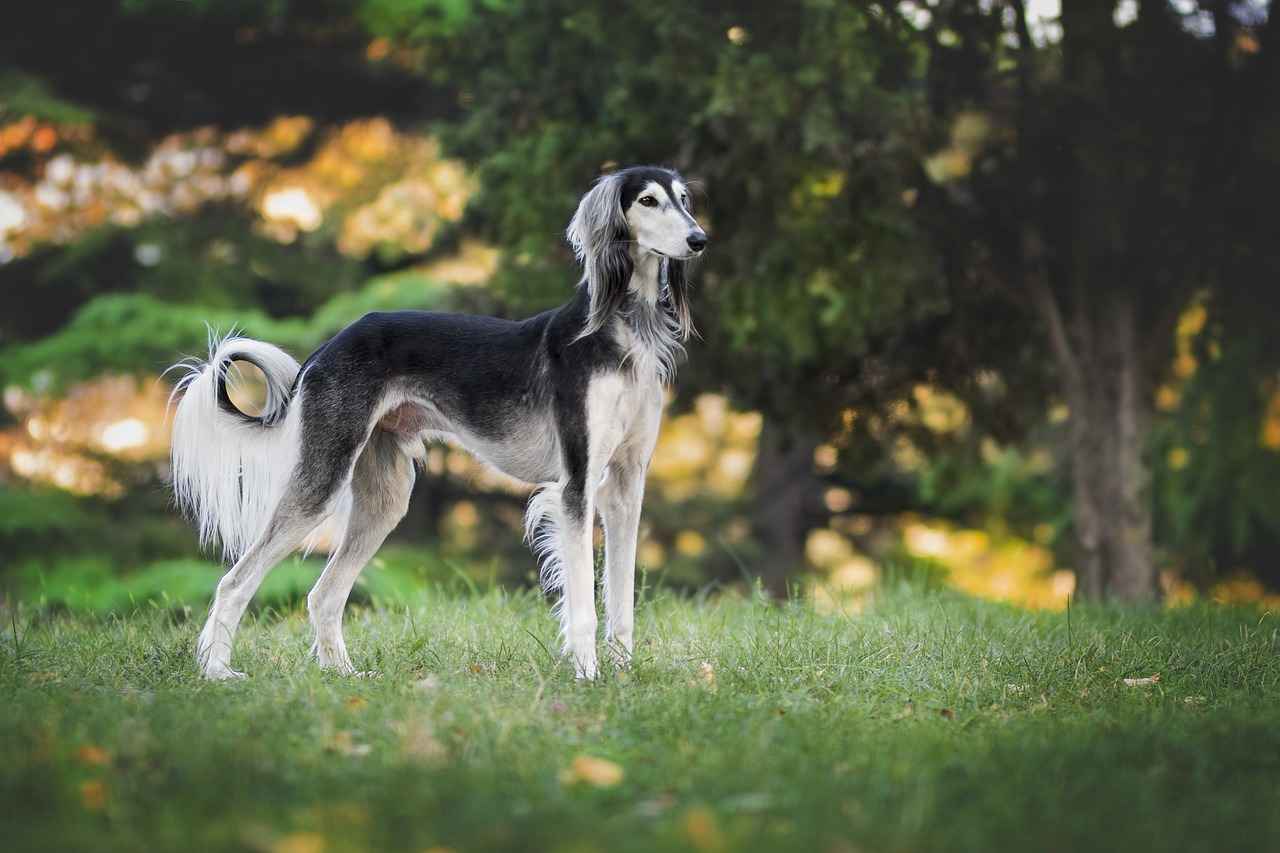
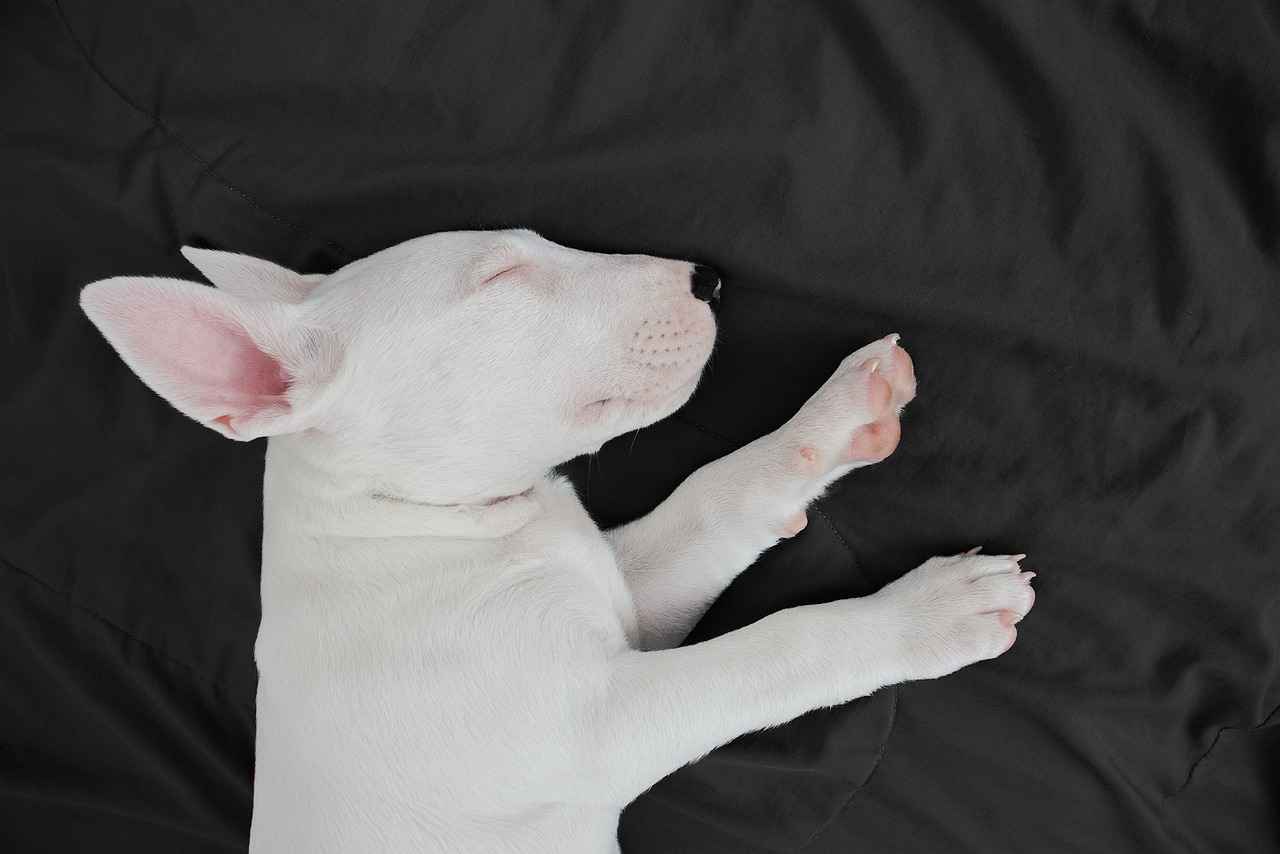
Have you ever wondered, why do dogs have wet noses? This intriguing question not only sparks curiosity but also unveils the fascinating truth behind our furry friends’ most charming features. A dog's nose is not just a cute addition to their adorable face—it plays a crucial role in their health and behavior! Wet noses are often associated to be a sign of a dog’s well-being, but there’s more than meets the eye. You might be asking, “Is it just moisture or is there a scientific reason behind it?” The answer is as captivating as it is informative! Dogs’ noses are equipped with special glands that help them absorb scents, making their sense of smell incredibly powerful. Furthermore, a wet nose can help regulate their body temperature, keeping them cool during those hot summer days. Curious about how this unique trait affects your dog’s health? Dive into this article to uncover the secrets behind those adorable, damp noses and find out how it impacts their overall well-being. Join us as we explore the question, why do dogs have wet noses, and discover the amazing world of canine biology!
\n\nThe Science Behind Wet Noses: Why Are Dogs’ Noses Always Moist?
\n\n \n\n
\n\nDogs, often referred to as man's best friend, have many unique qualities that set them apart from other animals. One of the most curious traits they possess is their wet noses. Have you ever wondered why do dogs have wet noses? This question might seem simple, but the answer is a bit more fascinating than you might think.
\nThe Science Behind Wet Noses
\nWhen you think about it, the moisture of a dog’s nose is not just for show. It serve several purposes that are vital for their health and survival. The primary reason for the dampness is that it helps them to smell better. Here’s how it works:
\n- \n
- Sensory Enhancement: Dogs have an incredible sense of smell, which is about 10,000 to 100,000 times more sensitive than humans. The moisture on their noses helps to capture scent particles from the air, making it easier for them to analyze odors. \n
- Thermoregulation: A wet nose helps in regulating body temperature. Just like how sweating cools down humans, dogs cool themselves down through their noses. \n
- Health Indicator: A change in the moisture level of a dog’s nose can be an indicator of health. For instance, a dry nose may signal dehydration, fever, or illness. \n
Why Are Some Noses Wetter Than Others?
\nNot all dogs have the same level of nose moisture. Factors like breed, environment, and even individual health can play a role. For example, breeds known for their short snouts, like bulldogs, might have less moisture than longer-snouted breeds like greyhounds. Additionally, dogs that are more active or live in humid climates tend to have wetter noses.
\nHistorical Context
\nThe wet nose has been a part of canine anatomy for thousands of years. Dogs evolved from wolves, who also possess moist noses. This trait likely helped them in hunting and survival, allowing them to track scents over great distances. Over time, domestication didn’t change this feature, which remains crucial for their interaction with the world.
\nThe Anatomy of a Dog's Nose
\nUnderstanding why dogs have wet noses requires a look at the anatomy of a dog’s nose. Here’s a simple breakdown:
\n- \n
- Nasal Mucosa: The moist tissue lining the inside of a dog’s nose. It produces mucus, which helps to trap scent particles. \n
- Olfactory Receptors: Dogs have around 220 million olfactory receptors, compared to humans who only have about 5 million. These receptors are crucial for their sense of smell. \n
- Vascular System: The nose has a rich blood supply that helps maintain its moisture. \n
Interesting Facts About Dog Noses
\n- \n
- Unique Patterns: Just like human fingerprints, every dog has a unique nose print. \n
- Temperature Regulation: Dogs also cool themselves through their noses, which can be an effective method during hot days. \n
- Communication Tool: Dogs can communicate with each other through scent, and their wet noses help them to gather and understand these scents better. \n
Practical Implications for Dog Owners
\nAs a dog owner, it’s essential to pay attention to your furry friend’s nose. Here are some tips:
\n- \n
- Monitor Moisture Levels: Regularly check if your dog’s nose is wet or dry. A shift in moisture can indicate health concerns. \n
- Hydration is Key: Ensure your dog has access to fresh water. Dehydration can lead to a dry nose. \n
- Veterinary Check-Ups: If you notice persistent dryness or any other changes in your dog’s nose, consult your veterinarian. \n
Comparison of Dog Breeds and Nose Moisture
\nHere’s a simple comparison of a few dog breeds and their typical nose moisture levels:
\n- \n
- Bulldog: Generally drier noses due to short snouts. \n
- Beagle: Usually has a moist nose, which aids their hunting abilities. \n
- Poodle: Often has a moist nose but might be affected by their coat type and grooming habits. \n
Dogs are incredible creatures with unique physical traits that serve various functions. Their wet noses are not just adorable, but they are essential for their health, communication, and sensory perception. Understanding the science behind why do dogs have wet noses can enhance your bond with them, and help you care for them better. Next time you give your dog a pat on the head, take a moment to appreciate that little wet nose — it’s a fascinating feature with a lot of amazing science behind it!
\n\n5 Fascinating Reasons Your Dog’s Wet Nose Is More Than Just Cute
\n\n \n\n
\n\nDogs are often considered man's best friend, but have you ever paused to wonder why their noses are always wet? Many people just think it's cute, but there’s actually a lot more going on there. Understanding why do dogs have wet noses can reveal some fascinating insights into their health and behavior. Let’s dive into five reasons your dog’s wet nose is more than just an adorable feature.
\n1. Temperature Regulation
\nOne of the most interesting reasons dogs have wet noses is temperature regulation. Just like humans sweat to cool down, dogs use their noses to help regulate their body temperature. The moisture on their noses evaporates, which cools them off. This is especially important when they’re playing outside or on hot days.
\n- \n
- Dogs don't sweat like we do \n
- They rely on their noses and panting to stay cool \n
- A wet nose helps them maintain a lower body temperature \n
So, when you see your dog with a wet nose, it might just mean they’re trying to cool down!
\n2. Sense of Smell
\nAnother fascinating aspect of wet noses is their role in a dog’s sense of smell. Dogs have an extraordinary olfactory system, and the moisture on their noses actually enhances their sense of smell. The wetness captures scent particles from the air, allowing dogs to better identify and process smells. In fact, a dog’s sense of smell is estimated to be between 10,000 to 100,000 times more sensitive than that of humans.
\n- \n
- Wet noses help trap scent particles \n
- Dogs have around 300 million scent receptors \n
- They can detect certain scents at extremely low concentrations \n
So, when your pup is sniffing around, their wet nose is working hard to gather all those fascinating scents!
\n3. Health Indicator
\nA dog’s wet nose can also be an important health indicator. Generally, a healthy dog has a moist nose, while a dry or excessively warm nose can signal underlying health issues. However, this is not a hard and fast rule, as there can be various factors affecting nose moisture, including the weather or a dog’s level of activity.
\n- \n
- Common health indicators related to nose moisture:
- \n
- A dry nose can indicate dehydration \n
- A warm nose might suggest a fever \n
- Excessive discharge may signal allergies or infections \n
\n
It's always good to keep an eye on your dog’s nose, as it can provide clues about their overall health.
\n4. Communication Tool
\nDogs are social animals, and their wet noses play a role in communication, too. They often use their noses to explore their environment and interact with other dogs and humans. When dogs touch their noses to yours or to each other, it’s a form of greeting or acknowledgment.
\n- \n
- Nose nudging can express affection \n
- Dogs use their noses to show curiosity \n
- Their noses can help them read the emotions of other dogs \n
So, next time your dog nudges you with their wet nose, remember that they’re not just being cute; they’re communicating!
\n5. Evolutionary Trait
\nThe wet nose also has evolutionary roots. It’s believed that dogs evolved from wolves, who also had wet noses. This trait was likely advantageous for survival, as it helped them hunt and scavenge effectively in their environments. The moisture on the nose not only improved their sense of smell but also helped them stay cool during physical exertion while hunting or fleeing from predators.
\n- \n
- Wet noses have been around for thousands of years \n
- This trait is common in many canine species \n
- It’s an evolutionary adaptation that still benefits dogs today \n
Understanding these evolutionary traits can help us appreciate the complexities of our furry friends even more.
\nDogs’ wet noses are not just cute; they serve multiple important functions that contribute to their health, communication, and even evolutionary success. The next time you notice your dog’s wet nose, remember that it’s a sign of their amazing biology at work. Whether it’s regulating temperature, enhancing their sense of smell, or expressing their feelings, it’s clear that wet noses are an essential part of what makes dogs the incredible companions they are. So, don’t just think of it as an adorable quirk; consider the fascinating truth behind why do dogs have wet noses!
\n\nIs Your Dog’s Wet Nose a Health Indicator? Discover What It Means!
\n\n \n\n
\n\nIs your dog’s wet nose a health indicator? Many pet owners often wonders about this. You might have seen your furry friend with a moist snout and thought, “Is this normal?” or “Should I be worried?” This article will dive into the science behind why dogs have wet noses, what it means for their health, and some fascinating facts that you probably didn't know.
\nWhy Do Dogs Have Wet Noses?
\nDogs have wet noses for a variety of reasons. The primary reason is that a moist nose helps dogs to smell better. The wetness enhances the olfactory receptors in their nose, allowing them to pick up scents more efficiently. Here are some key points:
\n- \n
- Olfactory Enhancement: The moisture on a dog’s nose helps to capture scent particles, which increases their ability to detect smells. \n
- Cooling Mechanism: Dogs don’t sweat like humans do. Wet noses can help regulate their body temperature by evaporating moisture, much like sweating does for us. \n
- Health Indicator: A wet nose is often considered a sign of good health, although it’s not a definitive measure. \n
The Science Behind the Wet Nose
\nEver wonder how long dogs have had wet noses? This trait goes way back in their evolutionary history. The ancestors of modern dogs likely developed this trait as a survival mechanism. Here’s a brief overview:
\n- \n
- Evolutionary Advantage: Having a wet nose provided a better chance of survival for hunting and foraging. \n
- Health Monitoring: In the wild, a healthy dog would have a wet nose. Dogs with dry noses might be showing signs of illness or dehydration. \n
Common Myths About Dog Noses
\nIt’s not all about the health indicators. There are several myths surrounding dog noses that needs debunking. Here are some of them:
\n- \n
- \n
Myth 1: A dry nose always means your dog is sick.
\n- \n
- Fact: Dogs can have dry noses for various reasons, including weather changes, allergies, or just waking up from a nap. \n
\n - \n
Myth 2: All dogs have wet noses all the time.
\n- \n
- Fact: Some breeds may naturally have drier noses than others. \n
\n - \n
Myth 3: A warm nose means fever.
\n- \n
- Fact: Dogs’ noses fluctuate in temperature based on their environment and activity level. \n
\n
What to Look For
\nYou might be wondering, what exactly should you look for regarding your dog’s nose? Here’s a simple checklist:
\n- \n
- Wetness: Is your dog’s nose moist or dry? \n
- Color: Is it pink, brown, or black? Any sudden changes can be concerning. \n
- Texture: Is it smooth, cracked, or peeling? Cracked noses could indicate dehydration or health issues. \n
- Temperature: Is it cooler or warmer than usual? A significant change might require veterinary attention. \n
Health Indicators Related to Nose Condition
\nWhile a wet nose is usually a good sign, it’s not the whole picture. Here’s a quick list of conditions that might correlate with changes in your dog’s nose:
\n- \n
- Infections: Nasal infections can cause discharge and a change in moisture levels. \n
- Allergies: Allergic reactions might lead to dryness or redness. \n
- Dehydration: A persistently dry nose could indicate that your dog needs more water. \n
- Autoimmune Diseases: Some rare conditions can affect the nose, leading to lesions or dryness. \n
Dog Nose Care Tips
\nKeeping your dog’s nose healthy is pretty important. Here are some tips to maintain it:
\n- \n
- Hydration: Always ensure your dog has access to fresh water. \n
- Humidity: If you live in a dry climate, consider using a humidifier indoors. \n
- Regular Check-ups: Make vet appointments to catch any potential issues early. \n
- Avoid Irritants: Keep your dog away from harsh chemicals and allergens. \n
Fun Facts About Dog Noses
\nDid you know that dogs’ noses are unique, just like human fingerprints? Here are some fun facts:
\n- \n
- Sense of Smell: Dogs can smell up to 100,000 times better than humans. \n
- Nose Print: Just like fingerprints, each dog has a unique nose print that can be used for identification. \n
- Temperature Regulation: A dog’s nose helps to cool them down, especially during hot weather. \n
So next time you see your dog's wet nose, remember, it’s not just a random characteristic. It plays a vital role in their health, sense of smell, and overall well-being. Understanding why dogs have wet noses can provide insights into their health and behaviors, leading to a happier, healthier life for your beloved pet. Always keep an eye on changes, and don’t hesitate to consult your vet if you notice something unusual.
\n\nThe Surprising Benefits of a Wet Nose: How It Helps Your Dog Stay Cool
\n\n \n\n
\n\nHave you ever noticed how your dog’s nose is often wet? It might seem like a strange quirk, but there’s actually a fascinating reason behind it. The wetness of a dog's nose isn't just for show; it plays a crucial role in their health and well-being. In this article, we explore the surprising benefits of a wet nose and answer the burning question: why do dogs have wet noses? Get ready to uncover the fascinating truth!
\nThe Biology Behind Wet Noses
\nDogs have moist noses due to a layer of mucous that covers the surface. This mucous helps to enhance their sense of smell, which is way more powerful than humans. It is estimated that a dog’s sense of smell is somewhere between 10,000 to 100,000 times more sensitive than ours! The wetness assists in trapping scent particles, allowing dogs to pick up on smells more effectively.
\nHere’s a quick look at the biology:
\n- \n
- Scent Detection: The mucous captures scent particles. \n
- Cooling Mechanism: Helps dogs regulate their body temperature. \n
- Health Indicator: A wet nose can signify a healthy dog, while dryness can indicate health issues. \n
How Wet Noses Help Dogs Stay Cool
\nDogs don’t sweat like humans do. Instead, they cool off by panting and through their noses. The moisture on a dog’s nose evaporates, much like sweat on human skin, which helps to cool their body. This is especially important during hot summer months when overheating can be dangerous for dogs.
\nHere’s how it works:
\n- \n
- Evaporation: The wetness evaporates, which cools the surface of the nose and, consequently, the dog’s body. \n
- Temperature Regulation: Helps to maintain a stable body temperature, preventing overheating. \n
- Signs of Overheating: A dry, warm nose can be a sign that your dog is overheating and needs to cool down. \n
Interesting Facts About Dog Noses
\nDid you know that dogs' noses come in many shapes and sizes? Here’s a list of some fun facts:
\n- \n
- Each dog’s nose print is unique, similar to human fingerprints. \n
- The color of a dog’s nose can vary greatly from one breed to another. \n
- Some breeds, like the Bloodhound, have a particularly keen sense of smell, which is partially due to their wet noses. \n
The Connection Between Wet Noses and Health
\nA wet nose is often seen as a sign of good health, but it’s not the only indicator. Here are some things to keep in mind:
\n- \n
- Normal vs. Abnormal: A healthy dog usually has a moist nose. However, if it becomes excessively dry, cracked, or hot, it might be time to consult a veterinarian. \n
- Signs of Illness: A persistent dry nose can indicate issues such as fever, dehydration, or even certain diseases. \n
- Routine Checks: Regularly checking your dog’s nose can help in early detection of health problems. \n
Why Do Dogs Have Wet Noses? The Evolutionary Perspective
\nFrom an evolutionary standpoint, dogs have wet noses for practical reasons. Their ancestors needed to be efficient hunters. A wet nose allowed early dogs to detect prey better in various environments, enhancing their hunting skills. Over time, this characteristic has been retained and adapted across breeds, showcasing its importance in survival.
\nComparison of Wet vs. Dry Noses
\nHere’s a simple comparison to help understand the differences:
\n| Characteristic | \nWet Nose | \nDry Nose | \n
|---|---|---|
| Scent Detection | \nEnhanced | \nReduced | \n
| Health Indicator | \nGenerally healthy | \nMay indicate health issues | \n
| Cooling Ability | \nEffective cooling mechanism | \nLess effective | \n
Practical Tips for Dog Owners
\nAs dog owners, it’s important to pay attention to your furry friend’s nose. Here are some practical tips:
\n- \n
- Regular Checks: Make it a habit to check the moisture level of your dog’s nose daily. \n
- Hydration: Ensure your dog stays hydrated, especially on hot days. \n
- Veterinary Visits: Schedule regular check-ups to catch any potential health issues early. \n
Understanding why dogs have wet noses can deepen your appreciation for your furry companion. Their wet noses are not just a cute feature; they serve essential functions in health, cooling, and survival. So next time you lean down to give your dog a scratch, take a moment to marvel at how their wet nose plays a vital role in their everyday life. It's just one of the many incredible aspects of being a dog owner!
\n\nDo All Dogs Have Wet Noses? Exploring Breed Variations and Their Implications
\n\n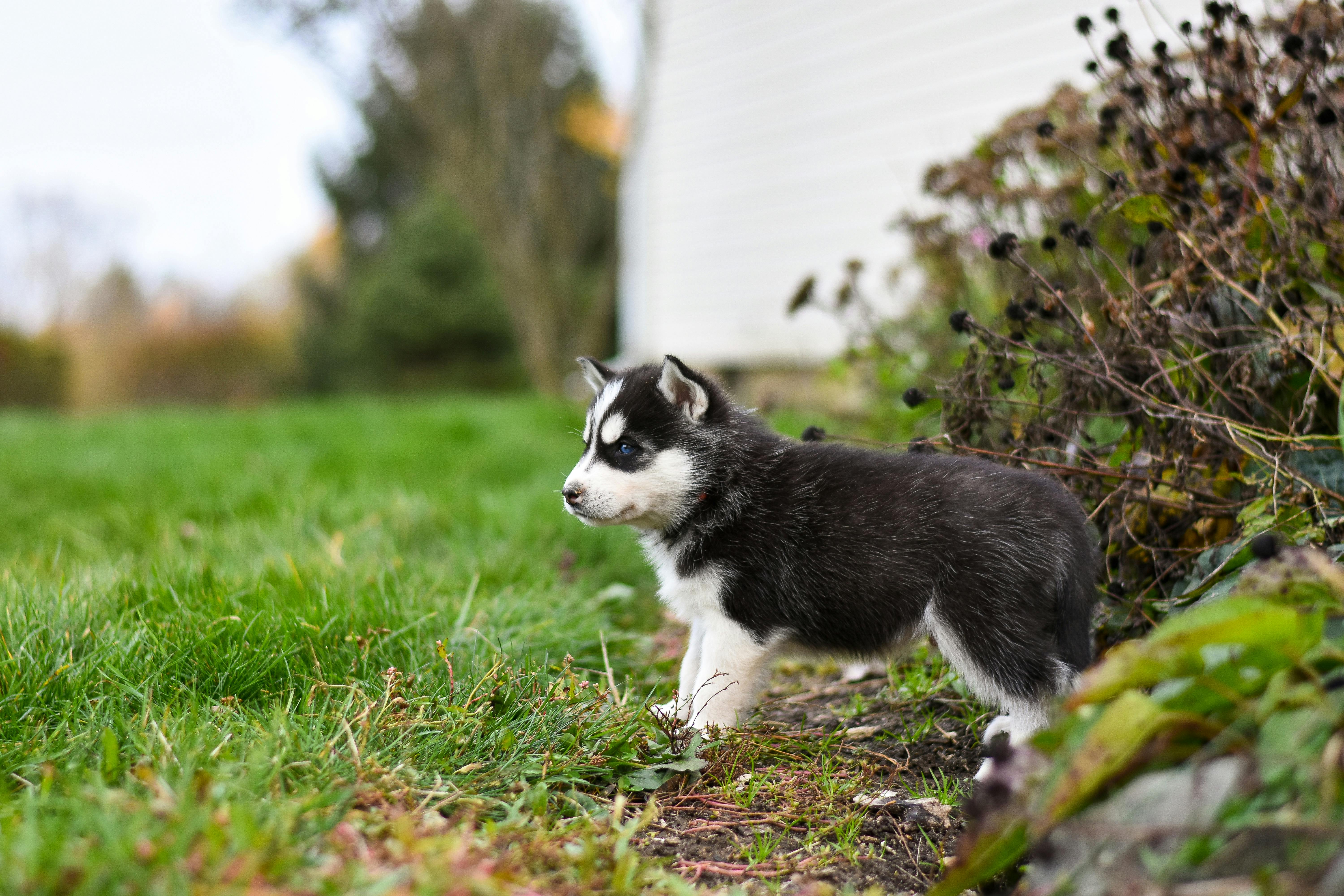 \n\n
\n\nWhen it comes to understanding our furry companions, one of the most intriguing questions often asked is: do all dogs have wet noses? It’s a common belief that a dog’s nose is generally damp, and many people often wonders why this is the case. This article explores the fascinating truth behind wet noses, the variations among different breeds, and the implications of these differences.
\nWhy Do Dogs Have Wet Noses?
\nTo begin with, wet noses are an essential feature for dogs. But why? The moisture on a dog’s nose plays a significant role in their health and behavior. Here are some reasons:
\n- \n
- Enhanced Sense of Smell: Dogs have an incredible sense of smell, and a wet nose helps to capture scent particles in the air, making it easier for them to detect smells. This is due to the fact that moisture helps to dissolve the scent molecules, making them more accessible to a dog’s highly developed olfactory system. \n
- Thermoregulation: A dog’s nose also helps in regulating body temperature. When a dog is panting, the moisture on the nose evaporates, which helps to cool them down. \n
- Health Indicator: The condition of a dog’s nose can be an indicator of its health. A consistently dry nose might signal dehydration, illness, or fever, whereas a wet nose is typically a sign of good health. \n
Do All Breeds Have Wet Noses?
\nWhile it's widely accepted that most dogs have wet noses, not all breeds are created equal. Some breeds naturally have drier noses compared to others. Below are some breed variations and their implications:
\n- \n
- Breeds with Wet Noses:
- \n
- Labrador Retrievers \n
- Golden Retrievers \n
- Beagles \n
- Dachshunds \n
\n
These breeds generally have moist noses, which is attributed to their high energy levels and active lifestyles.
\n- \n
- Breeds with Drier Noses:
- \n
- Bulldogs \n
- Pugs \n
- Boxers \n
- Shih Tzus \n
\n
These breeds often have shorter snouts, which can lead to less moisture on their noses. This does not mean they are unhealthy but simply reflects their anatomical structure.
\nFactors That Influence Nose Moisture
\nSeveral factors can influence the moisture level of a dog’s nose, including:
\n- \n
- \n
Environment:
\n- \n
- Hot, dry weather can lead to a drier nose. \n
- Humid conditions often result in a wetter nose. \n
\n - \n
Health:
\n- \n
- Illness or dehydration can cause a dog’s nose to become dry. \n
- Allergies and infections may also change the moisture level. \n
\n - \n
Age:
\n- \n
- Puppies often have wetter noses compared to older dogs, which may experience more dryness. \n
\n - \n
Activity Level:
\n- \n
- Active dogs tend to have wetter noses after playing or exercising. \n
\n
Common Misconceptions About Dog Noses
\nThere are several myths surrounding the wetness of dog noses. Here are a few:
\n- \n
- \n
Myth: A cold, wet nose means a healthy dog.
\n- \n
- Reality: While wet noses can indicate health, a dog’s overall mood and behavior are better indicators. \n
\n - \n
Myth: All dogs’ noses are always wet.
\n- \n
- Reality: Some breeds, due to their physical characteristics, may naturally have drier noses. \n
\n
Practical Examples
\nImagine a Labrador Retriever joyfully bounding around a park, its nose glistening with moisture. This is typical behavior for such an active breed. On the other hand, a Bulldog lounging at home might have a drier nose but that doesn't mean it's not healthy.
\nQuick Comparison Table
\nHere’s a simple comparison of wet and dry-nosed breeds:
\n| Breed Type | \nNose Condition | \nHealth Indicator | \nActivity Level | \n
|---|---|---|---|
| Labrador Retriever | \nTypically Wet | \nGenerally Healthy | \nHigh | \n
| Bulldog | \nOften Dry | \nNot Always Healthy | \nLow | \n
| Beagle | \nTypically Wet | \nGenerally Healthy | \nModerate | \n
| Shih Tzu | \nOften Dry | \nNot Always Healthy | \nLow | \n
Understanding the differences and implications of wet and dry noses can help dog owners take better care of their pets. It’s important to monitor your dog's nose condition as it can be an indicator of health, but remember that it’s just one piece of the puzzle.
\nAt the end of the day, whether a dog has a wet or dry nose, what really matters is the love and care they receive from their humans. Dogs are unique, and their noses are just another sign of their fascinating nature.
\n\nWet Noses and Dog Behavior: What Your Pup’s Moist Snout Is Telling You
\n\n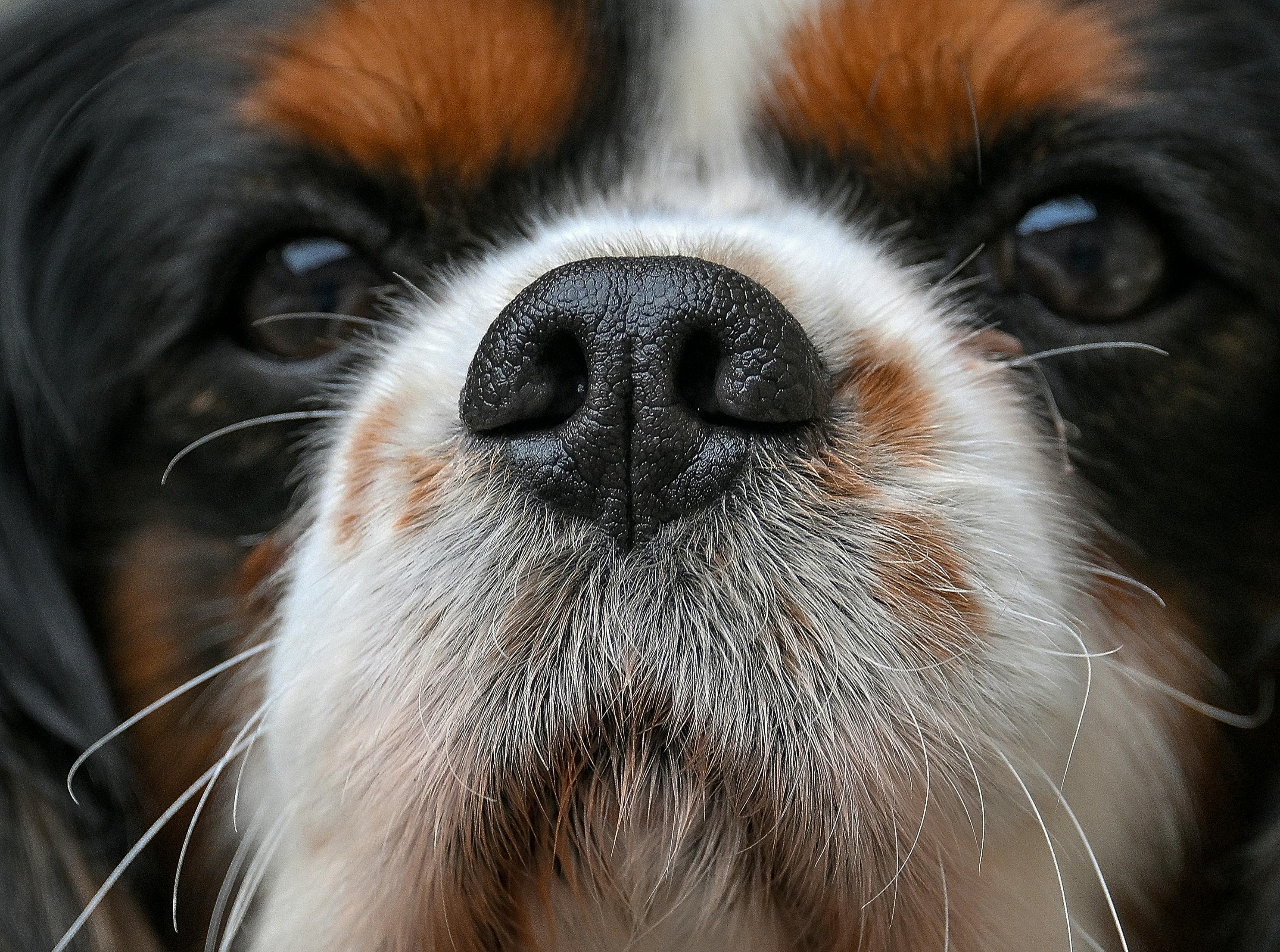 \n\n
\n\nDogs are often called man's best friend, and if you've ever owned one, you probably notice that they come with a lot of quirks, one of which is their wet noses. You might be wonderin’ why are dog noses wet? What does this mean for their health and behavior? Let's dive into the fascinating truth behind those moist snouts that we all love to see!
\nThe Science Behind Wet Noses
\nSo, why do dogs have wet noses in the first place? It turns out, there are several reasons. A dog's nose gets wet due to a combination of factors. Here’s a list of the main reasons:
\n- \n
- Cooling System: Just like humans sweat, dogs use their noses to help regulate their body temperature. A wet nose can help cool them down when they are too hot. \n
- Sense of Smell: A moist nose helps enhance a dog’s sense of smell. The moisture captures scent particles in the air, making it easier for pups to pick up on different smells. \n
- Health Indicator: Generally, a wet nose can indicate that a dog is healthy. However, this isn't always the case. A dry or overly warm nose could be a sign of illness or dehydration. \n
Historical Context of Dog Noses
\nDogs have been domesticated for thousands of years, but they’ve managed to keep some of their wild instincts. Early dogs, just like their wolf ancestors, relied on their noses for hunting and communication. A wet nose was essential for survival, helping them track prey and communicate with other dogs through scent.
\nFun Facts About Dog Noses
\nDid you know that a dog’s sense of smell is anywhere from 10,000 to 100,000 times more sensitive than a human’s? Here’s some more interesting stuff:
\n- \n
- Unique Patterns: Just like human fingerprints, every dog has a unique nose print. \n
- Temperature Regulation: Dogs can lose heat through their noses, which helps them stay cool during hot weather. \n
- Scent Memory: Dogs can remember scents for a long time, which is why they can recognize their owner or other animals after a long time apart. \n
The Connection Between Wet Noses and Behavior
\nWet noses can also indicate certain behaviors. For instance, when a dog is excited or nervous, they tend to lick their noses more, making them even wetter. Here’s a breakdown of what different wet noses might mean:
\n- \n
- Happy Dog: If your dog’s nose is wet and cold, and they are wagging their tail, that's a good sign they are happy. \n
- Anxious Behavior: A dog that’s nervous might have a dry or warm nose. It’s common for them to lick their noses excessively when they are stressed. \n
- Health Concerns: If a dog usually has a wet nose and suddenly it becomes dry and warm, it could be a sign of illness and you should consult a vet. \n
How to Keep Your Dog’s Nose Healthy
\nMaintaining your dog's health includes taking care of that precious snout! Here are a few tips:
\n- \n
- Stay Hydrated: Always provide fresh water, especially during hot days. \n
- Regular Vet Check-ups: Regular visits can help catch any health issues early on. \n
- Avoid Harmful Products: Be cautious with products like human lotions or creams, which can irritate your dog's nose. \n
Common Myths About Dog Noses
\nThere are several myths surrounding dog noses that need debunking:
\n- \n
- Wet Nose Equals Healthy Dog: This isn’t always true, as some healthy dogs can have dry noses. \n
- Nose Color Indicates Health: The color of a dog’s nose doesn’t directly indicate its health. \n
- Dogs Can’t Smell When Their Nose is Dry: Dogs can still smell, but their sense is enhanced with moisture. \n
The Behavior Spectrum of Dogs
\nUnderstanding your dog’s behavior goes beyond just their wet noses. Here’s a simple list of common dog behaviors and what they might mean:
\n| Behavior | \nPossible Meaning | \n
|---|---|
| Wagging Tail | \nHappy or excited | \n
| Barking | \nAlerting, playing, or seeking attention | \n
| Licking | \nComforting themselves, anxiety | \n
| Chewing | \nBoredom or teething | \n
Having a wet nose is just one of the many delightful aspects of dog ownership. It’s a small part of who they are, yet it can tell us so much about their health and emotions. Next time you see your pup with that moist snout, you’ll remember just how much that little feature contributes to their overall well-being and communication. So, keep an eye on those wet noses, because they’re more than just cute – they’re a window into your dog's world!
\n\nHow to Keep Your Dog’s Nose Healthy and Moist: Expert Tips You Need to Know
\n\n \n\n
\n\nDogs, those delightful companions, often have wet noses that can make us smile. But why is that? And how can we keep those noses healthy and moist? It’s a question that many pet owners ask and it’s not just for a cute look. There are some fascinating reasons behind this phenomenon, and understanding it can help you care for your furry friend better.
\nWhy Do Dogs Have Wet Noses?
\nThe moisture on a dog’s nose serves several important purposes. First off, it helps with their sense of smell. Dogs have an incredible olfactory system and the wetness on their noses aids in capturing scent particles. The moisture helps to trap these particles, making it easier for dogs to detect scents. Plus, a wet nose can help cool down a dog’s body temperature, which is important especially during hot days.
\nHere’s a quick rundown of the reasons why dog noses are wet:
\n- \n
- Scent Detection: A moist surface captures scent particles better. \n
- Temperature Regulation: Helps dogs cool off. \n
- Health Indicator: Changes in moisture can indicate health issues. \n
Keeping Your Dog’s Nose Healthy
\nSo, how do you maintain that all-important moisture on your dog's nose? Here are some expert tips that you need to know.
\n- \n
- \n
Hydration is Key: Make sure your dog has access to fresh water all the time. Dehydration can lead to dryness in their noses.
\n \n - \n
Humidity Matters: If you live in a dry climate, consider using a humidifier at home. This can add moisture to the air and help your dog's nose stay moist.
\n \n - \n
Regular Check-ups: Bring your dog for regular vet check-ups. Your veterinarian can check for any underlying health issues that might affect your dog’s nose.
\n \n - \n
Apply Natural Oils: If your dog’s nose is dry, you can apply a bit of coconut oil or beeswax. This can help retain moisture but be sure to use them sparingly and check with your vet first.
\n \n - \n
Avoid Allergens: Keep your dog away from potential allergens that can irritate their noses. Dust, pollen, and certain chemicals can cause dryness and discomfort.
\n \n - \n
Watch for Signs: If your dog’s nose becomes excessively dry, cracked, or changes color, it might be a sign of a health problem. Consult with a veterinarian if you notice any of these changes.
\n \n
Common Misconceptions About Dog Noses
\nThere are several myths surrounding dog noses that simply aren’t true. Here’s a short list of misconceptions:
\n- \n
- \n
A Dry Nose Means a Sick Dog: This isn’t always true. Dogs can have a dry nose for many reasons, including just waking up from a nap.
\n \n - \n
Nose Color Equals Health: The color of a dog’s nose doesn’t determine their health. Some breeds naturally have lighter noses.
\n \n - \n
Wet Noses are Always Healthy: A wet nose doesn’t guarantee that a dog is healthy. Other symptoms should be checked too.
\n \n
Fun Facts About Dog Noses
\nWhile we’re on the topic, let’s sprinkle in some fun facts! Did you know that:
\n- \n
- \n
Unique Nose Prints: Just like human fingerprints, every dog’s nose print is unique. This can even be used for identification.
\n \n - \n
Sensitive Noses: Dogs have up to 300 million scent receptors in their noses, while humans only have about 6 million.
\n \n - \n
Nose Temperature: A dog’s nose can change temperature based on their environment and activity level.
\n \n - \n
Sniffing Habits: Dogs tend to sniff more when they are excited or when they are trying to figure out something new in their environment.
\n \n - \n
Nose and Brain Connection: The part of a dog's brain that processes smells is about 40 times larger than that of humans.
\n \n
Keeping your dog's nose healthy and moist is crucial not just for their comfort, but also for their overall health. Nobody wants a dry nose, and understanding the reasons behind your dog's wet nose can help you ensure they stay happy and healthy. Remember, being a responsible pet owner means paying attention to the little details, like your dog’s nose. So, keep these tips in mind, and your furry friend will thank you in their own adorable way!
\n\nCan a Dog’s Wet Nose Predict Weather Changes? The Science Behind This Belief
\n\n \n\n
\n\nCan a dog’s wet nose really predict weather changes? This question has been asked by many dog owners and animal lovers alike, often with a mix of curiosity and skepticism. The idea that dogs can sense shifts in the weather, such as an impending storm, seems to have some roots in truth, but the science behind it is more complex than just a wet nose. Also, many folks wonder, why do dogs have wet noses in the first place? Let’s dive into this fascinating topic and uncover the secrets behind our furry friends’ noses and their supposed weather predictions.
\nThe Science Behind a Dog's Wet Nose
\nDogs have wet noses for several reasons, and it’s not just to look cute or keep them cool. A dog’s nose is covered in a thin layer of mucus, which helps to enhance their sense of smell. The wetness traps scent particles, allowing their sensitive olfactory receptors to pick up on odors more effectively. Isn’t that pretty amazing? This process is called “olfactory reception”, and it’s crucial for a dog's ability to interact with their environment.
\n- \n
- Dogs have approximately 220 million scent receptors, compared to just 5 million in humans. \n
- Their sense of smell is so acute that they can detect certain scents at concentrations as low as one part per trillion. \n
- The wetness of their nose helps to moisten the air they inhale, further aiding in their scent detection capabilities. \n
Can Dogs Really Predict Weather Changes?
\nMany people believe that dogs can sense when the weather is about to change. This belief likely comes from their acute senses and awareness of their surroundings. Dogs are thought to be able to detect shifts in barometric pressure, humidity, and even electrical charges in the air before a storm. Here are some signs that dogs might exhibit:
\n- \n
- Increased anxiety or restlessness before a storm \n
- Excessive barking or whining \n
- Seeking comfort from their owners or hiding in safe spaces \n
- Changes in behavior, such as pacing or wanting to go outside \n
While it’s not a scientific fact that dogs can predict weather changes, there’s anecdotal evidence that supports this idea. Some dog owners notice their pets acting differently just before a storm hits. The exact way dogs might sense these changes is still under research, but it’s clear that dogs have a remarkable ability to tune into their environment.
\nWhy Do Dogs Have Wet Noses? Uncover the Fascinating Truth!
\nThere are several reasons why a dog's nose is wet, and understanding these reasons can give us insight into their health and behavior. Here are some key points:
\n- \n
- \n
Thermoregulation: Dogs do not sweat like humans do. Instead, they cool down through their paws and by panting. A wet nose helps them regulate their body temperature.
\n \n - \n
Health Indicator: A wet nose is often a sign of a healthy dog. If a dog’s nose becomes dry or cracked, it can indicate dehydration or illness.
\n \n - \n
Scent Enhancement: As mentioned, moisture on the nose helps absorb scent particles, which is essential for their hunting and tracking instincts.
\n \n - \n
Social Interaction: Dogs use their noses to communicate with other dogs and humans. A wet nose is a friendly greeting and can signal a dog’s readiness to engage.
\n \n
Interesting Facts About Dogs and Their Noses
\n- \n
- \n
Nose Prints: Just like human fingerprints, every dog has a unique nose print that can be used for identification.
\n \n - \n
Temperature Check: A wet nose is usually cooler than the rest of the dog’s body. This temperature difference can be a sign of health, but it’s not a definitive measure of sickness.
\n \n - \n
Dogs’ Nose Colors: The color of a dog’s nose can vary widely, from black to pink, and it doesn’t necessarily indicate health.
\n \n
Comparing Dogs' Noses to Other Animals
\nWhile dogs have impressive noses, they aren’t the only animals with extraordinary olfactory capabilities. Here’s a quick comparison:
\n- \n
- \n
Cats: Cats have about 50-80 million scent receptors, which is less than dogs but still more than humans.
\n \n - \n
Bears: Bears have an even more powerful sense of smell with around 300 million receptors.
\n \n - \n
Sharks: Sharks can detect a drop of blood in a million drops of water, showcasing a different kind of olfactory prowess.
\n \n
In our exploration of whether a dog’s wet nose can predict weather changes, we see that while there’s no definitive proof, dogs’ acute senses and behavioral changes suggest they may be more in tune with nature than we realize. Their wet noses serve multiple purposes, from enhancing their sense of smell to indicating their health status. Understanding these aspects of a dog’s biology helps us appreciate the remarkable capabilities of our canine companions even more. Whether or not they can predict the weather, they surely bring joy and companionship into our lives.
\n\nFrom Cold to Warm: Understanding the Temperature of Your Dog’s Nose
\n\n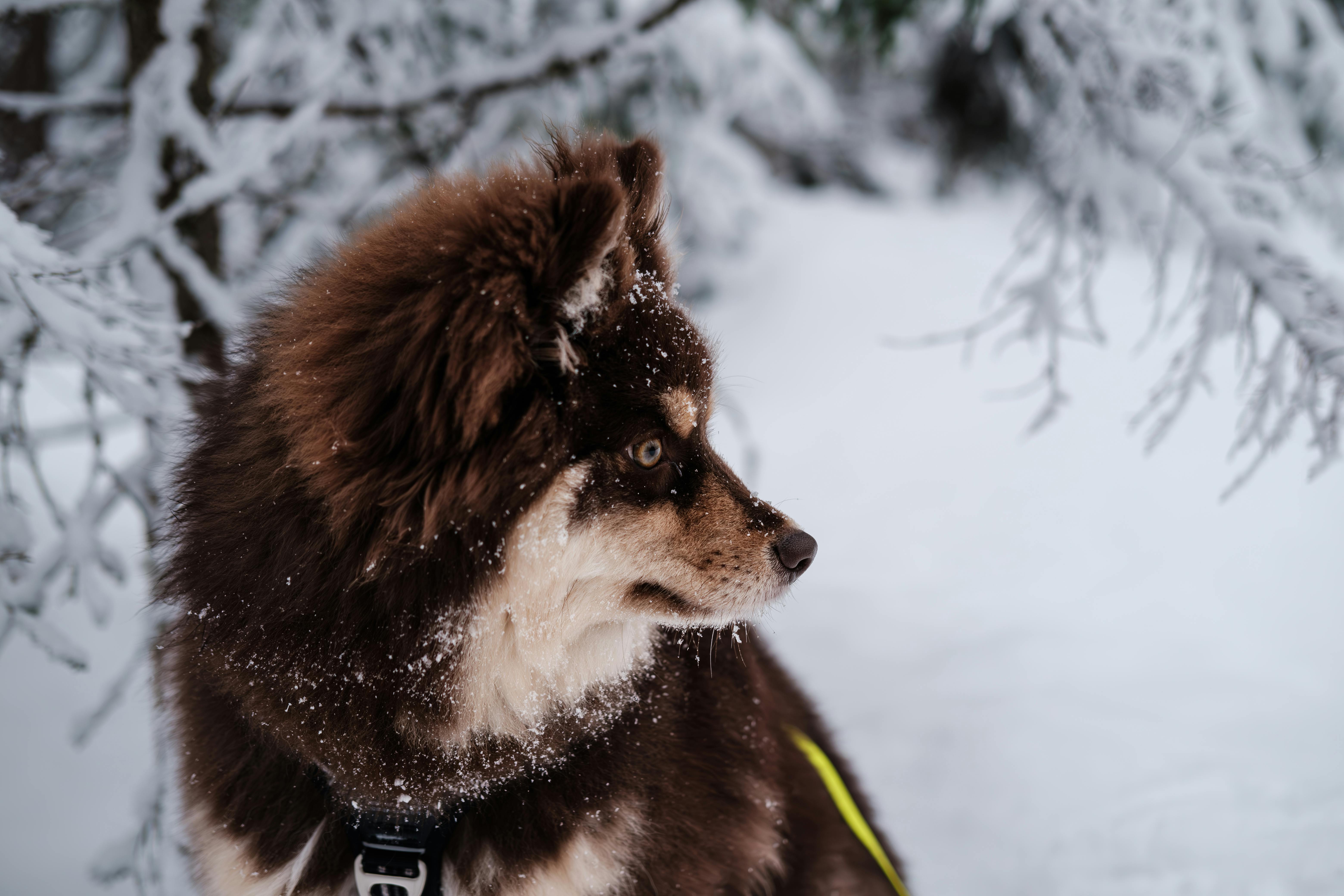 \n\n
\n\nUnderstanding your dog's nose can feel like uncovering a mystery. Ever wonder, why do dogs have wet noses? It’s actually pretty fascinating how much their nose temperature can tell you about their health and well-being. Let's dive into the nuances from cold to warm, and explore what that wet nose really means.
\nThe Science of a Dog's Nose Temperature
\nA dog's nose temperature can vary significantly based on a variety of factors. Here's a breakdown:
\n- \n
- Normal Nose Temperature: Typically, a dog’s nose should feel cool and moist. A temperature range from 88°F to 100°F is what most dog owners can expect. \n
- Cold Nose: A cold, wet nose is often a sign that your pup is healthy. It helps them regulate their body temperature and also has to do with their keen sense of smell. \n
- Warm Nose: If your dog’s nose feels warm and dry, it doesn’t necessarily mean they're sick. However, it's often a sign to keep an eye on them. \n
Why Do Dogs Have Wet Noses?
\nThe moisture on a dog's nose serves multiple purposes. Here’s some interesting facts:
\n- \n
- Enhances Smell: A wet nose can trap and absorb scent particles. This is important since dogs have a much stronger sense of smell than humans do. \n
- Cooling Mechanism: Dogs don’t sweat like humans. Instead, they cool off through their nose and paws. A wet nose helps them maintain a lower body temperature. \n
- Health Indicator: The condition of a dog’s nose can indicate their health status. A sudden change in moisture or temperature might signal an infection or illness. \n
The Fascinating Truth Behind Nose Temperature
\nHistorically, dog owners have looked to the nose as a barometer of health. While it’s not a foolproof method, it can give you some insight. Here are some key points:
\n- \n
- Moisture Levels: Dogs can lose moisture in their nose when they are dehydrated or ill. If your dog's nose feels unusually dry, they might need more water. \n
- Nasal Discharge: If a dog’s nose is runny or has a strange discharge, it could indicate allergies or sinus problems. \n
- Temperature Fluctuations: It’s normal for a dog’s nose to be warm occasionally, especially after they’ve been sleeping. But if the warmth persists, consider consulting a vet. \n
What Can Affect Nose Temperature?
\nSeveral factors can impact your dog's nose temperature, including:
\n- \n
- Environmental Conditions: Hot weather can make a dog’s nose warmer. Conversely, cold weather can cool it down. \n
- Activity Level: After a long walk or play, your dog’s nose might feel warmer. This is a normal response to physical exertion. \n
- Health Issues: Conditions like fever or infections can cause a dog’s nose to feel warm and dry. \n
Comparing Dog Noses to Human Senses
\nIt’s interesting to look at how dog noses compare to human senses. Here’s a quick comparison:
\n| Feature | \nDogs | \nHumans | \n
|---|---|---|
| Smell Sensitivity | \n10,000 to 100,000 times stronger | \nAverage sense of smell | \n
| Nose Temperature | \nTypically cooler and moist | \nBody temperature, varies | \n
| Cooling Mechanism | \nThrough nose and paws | \nSweating through skin | \n
Practical Examples of Nose Care
\nTaking care of your dog’s nose is important! Here are some practical tips:
\n- \n
- Hydrate: Always ensure your dog has access to clean, fresh water. \n
- Avoid Irritants: Stay clear of strong perfumes or chemicals that could irritate their sensitive noses. \n
- Regular Vet Check-ups: Keep up with regular vet visits to monitor your dog's health. \n
Common Myths About Dog Noses
\nThere are so many myths surrounding dog noses! Here’s a few busted:
\n- \n
- Myth: A warm nose means my dog is sick.
\nFact: Warm noses can be normal, especially after activity or sleep. \n - Myth: Dogs can’t smell when their noses are dry.
\nFact: Dogs can still smell, but a moist nose enhances their ability! \n - Myth: You should always trust a wet nose as a sign of health.
\nFact: It’s just one indicator among many. \n
Understanding the temperature of your dog’s nose can be more than just an interesting fact. It can help you detect when your furry friend might need medical attention or when they're in perfect health. So, the next time you lean down to check that wet nose, remember, it’s not just about a simple touch – it’s a window into their well-being!
\n\nThe Connection Between a Wet Nose and a Happy Dog: What Every Pet Owner Should Know
\n\n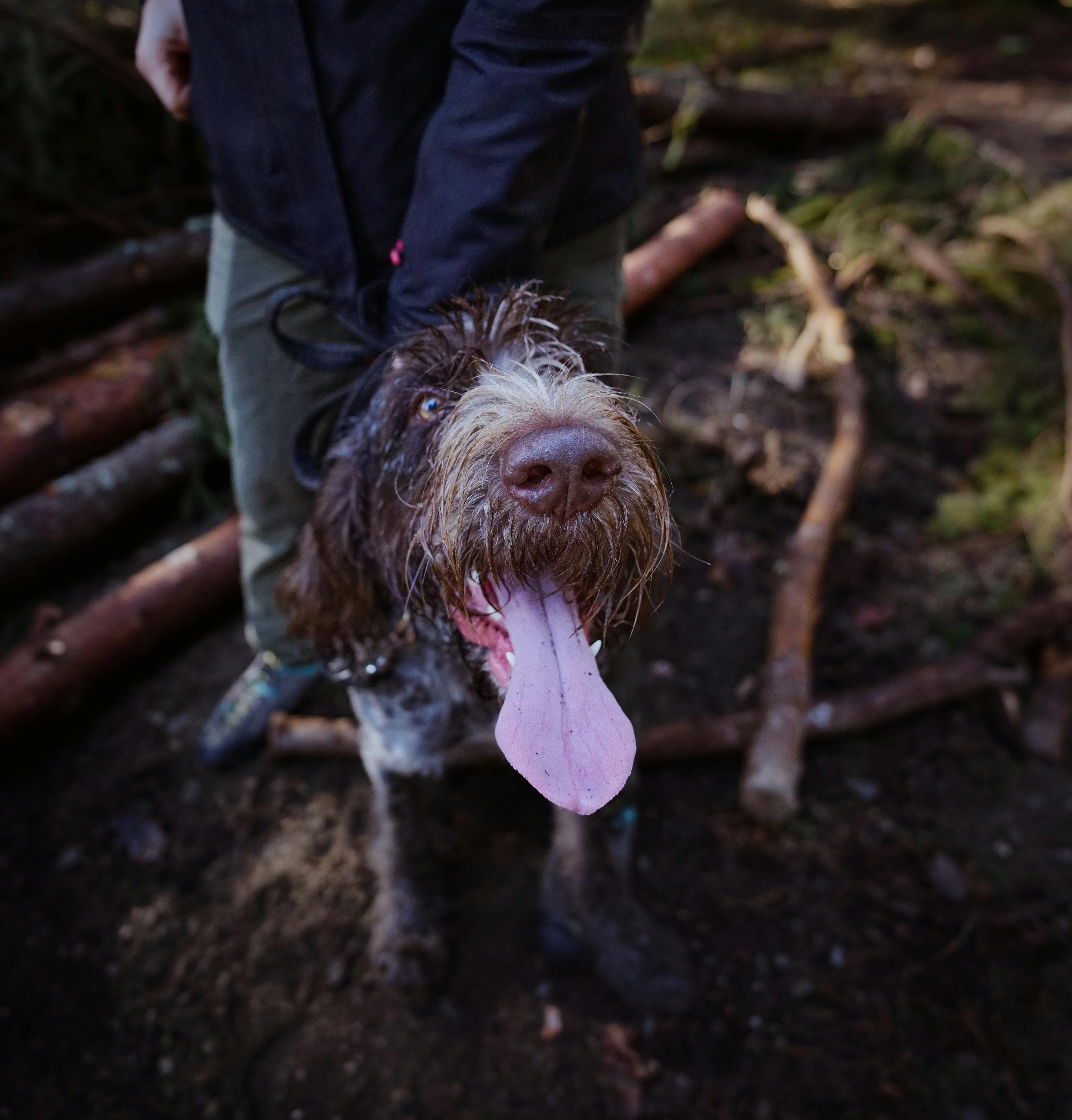 \n\n
\n\nWhen you think about dogs, what comes to mind? Their wagging tails, playful barks, and of course, those adorable, wet noses. But why do dogs have wet noses? This question have puzzled pet owners for ages, and the answer is more fascinating than you might imagine. A wet nose isn’t just a quirky trait; it plays a crucial role in a dog’s health and well-being. Let’s uncover the interesting connection between a wet nose and a happy dog, and why every pet owner should take note.
\nThe Science Behind a Wet Nose
\nDogs’ noses are wet for a variety of reasons, mostly related to their anatomy and physiology. Here’s some key points to consider:
\n- \n
- \n
Cooling Mechanism: Dogs can’t sweat like humans do. Instead, they rely on their noses to help regulate body temperature. The moisture on a dog’s nose evaporates, which cools them down.
\n \n - \n
Enhanced Sense of Smell: A wet nose helps to capture scent particles in the air. The moisture helps to dissolve these particles, making it easier for a dog’s olfactory receptors to detect different smells. This is why dogs can find lost items, or even detect diseases like cancer in people.
\n \n - \n
Natural Moisture: Dogs’ noses produce a mucus-like secretion that keeps their noses moist. This is a normal and healthy function, and it can also help to protect the nose from dirt and debris.
\n \n
Historical Context of Dog Noses
\nHistorically, the wet nose has been associated with good health in dogs. Ancient cultures believed that a warm, dry nose indicated illness. While this isn’t always true, it’s still a common belief among pet owners today. In fact, many people check their dog’s nose temperature as an informal way of gauging their health.
\nThe Importance of a Wet Nose
\nThe connection between a wet nose and a happy dog is deeper than just a physical trait. Here’s why you should care about your dog’s nose:
\n- \n
- \n
Health Indicator: A consistently dry nose may indicate dehydration or illness. It’s important to monitor changes in your dog’s nose condition, as this can be an early warning sign of health issues.
\n \n - \n
Social Interaction: Dogs often use their noses to explore the environment and interact with other dogs and people. A wet nose can signify a dog’s eagerness to engage and play.
\n \n - \n
Emotional Connection: When your dog nudges you with his wet nose, it’s often a sign of affection. This simple act can strengthen the bond between you and your furry friend.
\n \n
Fun Facts About Dog Noses
\n- \n
- \n
Unique Patterns: Just like human fingerprints, every dog has a unique nose print. This means that a dog's nose can actually be used for identification.
\n \n - \n
Nose Color: A dog's nose color can change with the seasons. For instance, some dogs may have a darker nose in summer and a lighter one during winter.
\n \n - \n
Nasal Folds: Dogs have nasal folds which help to trap scent particles. The more folds, the better their sense of smell!
\n \n
Tips for Keeping Your Dog’s Nose Healthy
\nKeeping your dog’s nose in tip-top shape is crucial for their overall well-being. Here are some practical tips:
\n- \n
- \n
Hydration: Ensure your dog has access to fresh, clean water at all times. Keeping them hydrated can help maintain a moist nose.
\n \n - \n
Avoid Irritants: Be aware of harsh chemicals or pollutants in your home or yard that might irritate your dog’s nose.
\n \n - \n
Regular Check-ups: Schedule regular vet visits to monitor your dog’s health, including nose conditions.
\n \n - \n
Temperature Monitoring: If your dog’s nose is unusually dry or warm for extended periods, consult with your veterinarian.
\n \n
The Bottom Line
\nSo there you have it! The connection between a wet nose and a happy dog isn’t just a myth; it’s deeply rooted in biology and behavior. Understanding why dogs have wet noses can help you become a more informed and loving pet owner. Remember, a dog’s nose not only plays a role in their health but also in their happiness and your relationship. Keeping an eye on this small but significant feature can lead to a happier, healthier life for your furry companion. Embrace the wet-nosed joy, because it truly reflects the joy that dogs bring into our lives!
\n\nConclusion
\n\nIn conclusion, the wet noses of dogs serve several important functions that contribute to their overall health and well-being. The moisture helps enhance their sense of smell, allowing them to detect scents more effectively, which is crucial for their communication and interaction with the world around them. Additionally, a wet nose helps regulate their body temperature through evaporation, acting as a natural cooling mechanism. While it's common for dog owners to check their pet's nose for signs of health, it's essential to remember that a wet nose is just one aspect of canine wellness. Regular veterinary check-ups and a balanced diet are equally important for maintaining your furry friend's health. Next time you give your dog a loving pat and feel that cool, wet nose, remember the fascinating biology behind it, and cherish the unique bond you share. Consider sharing this knowledge with fellow dog lovers to enhance their appreciation for these wonderful companions.
\n\n