Have you ever wondered why do dogs have wet noses? This intriguing question not only sparks curiosity but also reveals fascinating facts about our furry companions. A dog's wet nose is more than just an adorable feature; it plays a crucial role in their health and senses. Many people think it’s simply a sign of a happy pup, but the truth is much more complex! Did you know that a dog's nose can help them detect scents up to 100,000 times better than humans? This extraordinary ability is partly due to their moist noses, which enhance their sense of smell. But what makes them wet in the first place? Is it related to their emotions, or does it serve a different purpose? In this article, we will dive deep into the science behind a wet dog nose and uncover the secrets that lie beneath its surface. Join us as we explore the reasons behind this unique characteristic and reveal why it’s essential for your dog's well-being. You might be surprised by what you learn! Don’t miss out on uncovering the fascinating truth behind your dog’s wet nose!
The Science Behind Wet Noses: Why Do Dogs’ Noses Stay Moist?
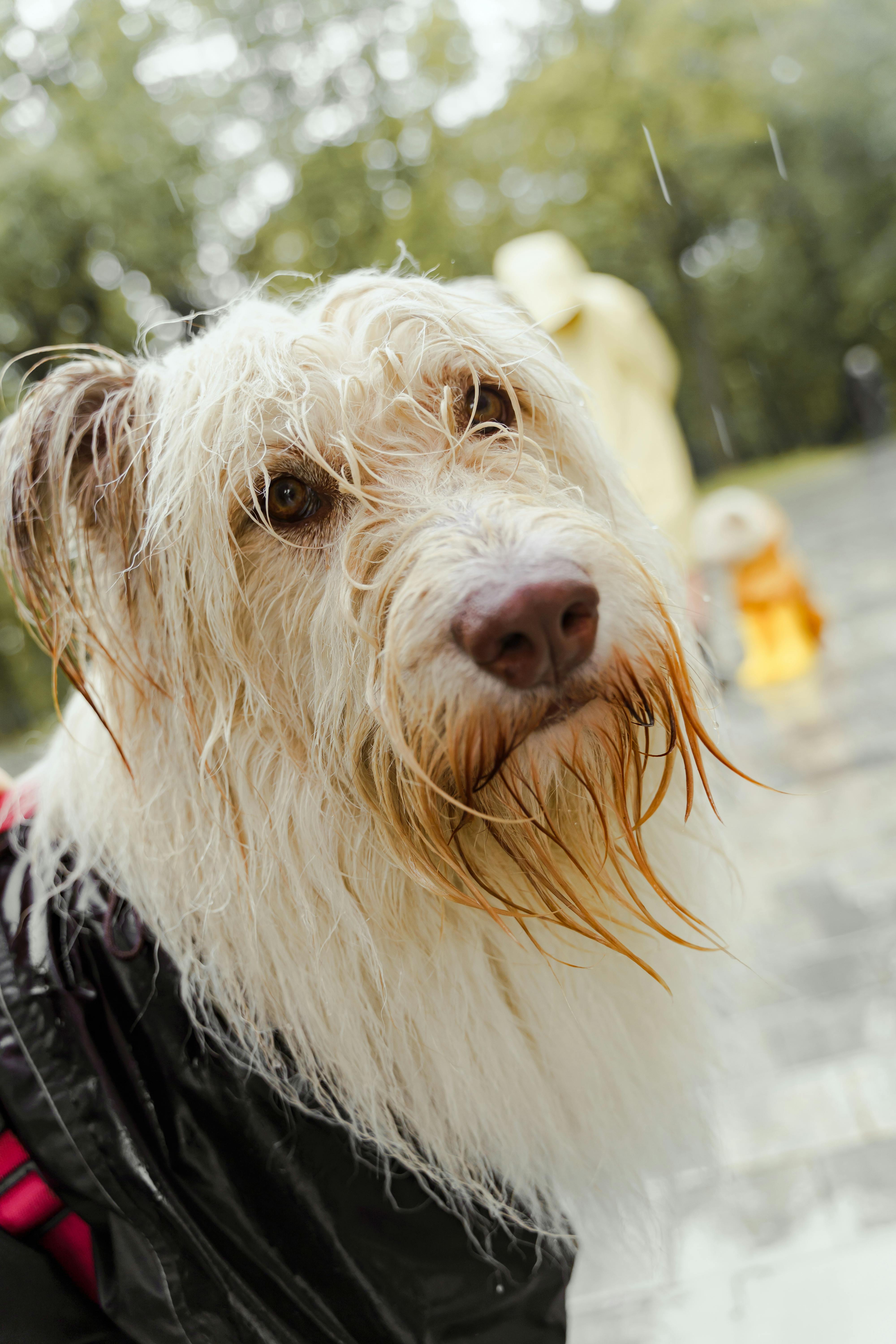
The remarkable world of dogs is filled with unique traits and characteristics, and one of the most puzzling features is their wet noses. You might have wondered, why do dogs have wet noses? This question leads us into the fascinating science behind why canine noses are consistently moist and how this plays a role in their health and behavior.
Understanding the Moisture of Dog Noses
Dogs’ noses are not just adorable; they serve important functions. The moisture on a dog's nose can come from various sources. First, the skin on a dog’s nose contains special glands that secrete a thin layer of mucus. This mucus is what makes the nose feel cool and wet. Also, dogs often lick their noses, which adds to the moisture.
- Glandular secretions: Dogs have sebaceous glands in their noses that help with moisture.
- Licking behavior: Dogs frequently lick their noses to keep them moist.
- Environmental factors: Humidity and temperature can also affect how wet a dog's nose gets.
The Role of a Wet Nose in Canine Health
So, why do dogs have wet noses? Well, a wet nose is beneficial for a few reasons.
Sense of Smell: One of the most crucial roles of a wet nose is to enhance a dog's sense of smell. The moisture helps to capture scent particles, making it easier for dogs to detect odors. Dogs have an extraordinary sense of smell, estimated to be between 10,000 to 100,000 times more sensitive than humans.
Temperature Regulation: Dogs cannot sweat like humans do. Instead, they rely on other methods to cool down. A wet nose can help cool their body temperature through evaporation, similar to how sweating works in humans.
Health Indicators: The moisture level of a dog's nose can also serve as a health indicator. A healthy dog usually has a moist, cool nose. If a dog’s nose becomes excessively dry or warm, it may be a sign of dehydration or illness.
Historical Context of Dogs’ Noses
Throughout history, dogs have been companions to humans, and their noses have been the subject of fascination. In ancient cultures, dogs were revered for their keen sense of smell, which was essential for hunting and protection. The wet nose was often associated with a dog's ability to sniff out danger or track prey. Over time, this characteristic became recognized as a sign of a healthy and alert dog.
What if Your Dog's Nose is Too Dry?
If you notice your dog's nose is dry, it might not always be a cause for alarm, but it can indicate something. Here are some common reasons:
- Dehydration: Dogs need water, and if they’re not drinking enough, it can show in their noses.
- Allergies: Allergies can cause dryness or irritation on a dog's nose.
- Skin conditions: Certain skin disorders might lead to a dry nose.
It's a good idea to consult with a veterinarian if there are concerning changes to your dog’s nose.
Fun Facts About Dogs’ Noses
- Dogs have about 300 million smell receptors in their noses, compared to humans who only have around 5 million.
- The unique patterns on a dog's nose are similar to human fingerprints, making each dog’s nose distinct.
- Dogs sweat a little through their paw pads, but their primary method for cooling off is through their noses.
Comparisons: Dog Noses vs. Human Noses
| Feature | Dog Noses | Human Noses |
|---|---|---|
| Smell receptors | ~300 million | ~5 million |
| Moisture level | Naturally wet | Typically dry |
| Functionality | Enhanced scent detection | Breathing and filtering air |
| Cooling method | Evaporation from a wet nose | Sweating |
Keeping Your Dog's Nose Healthy
To maintain a healthy nose for your dog, it’s important to ensure they are properly hydrated and regularly checked for any signs of irritation or illness. Here are some tips:
- Hydration: Always provide fresh water for your dog.
- Regular Vet Check-ups: Routine visits can help catch any health issues early.
- Nose Balms: If your dog has a persistently dry nose, consider using a vet-approved nose balm to help keep it moisturized.
In summary, the science behind wet noses in dogs is not just about moisture; it encompasses their health, sense of smell, and evolutionary significance. Understanding why dogs have wet noses brings us closer to appreciating these loyal companions and their unique characteristics. So next time you see your furry friend with that delightful wet nose, you can feel a little more informed about what it means!
5 Surprising Benefits of Dogs Having Wet Noses You Didn’t Know About

Have you ever googled why do dogs have wet noses? It’s a question that many dog owners wonder about. But the truth is, there’s more to those wet noses than meets the eye. In fact, dogs having wet noses come with some surprising benefits that many people might not even know about. Let’s dive into this fascinating topic and explore five surprising benefits of dogs having wet noses that might just change the way you look at your furry friend.
1. Enhanced Sense of Smell
One of the most significant benefits of a dog’s wet nose is its role in their incredible sense of smell. Dogs have around 300 million smell receptors in their noses. Wet noses help to absorb scent particles more effectively. When moisture is present, it increases the ability for these particles to stick, allowing dogs to detect smells more accurately. This is why you often see dogs sniffing around, they are simply taking in all the information the world has to offer!
2. Temperature Regulation
Did you know that a dog's nose can also help with temperature regulation? Unlike humans, dogs do not sweat through their skin. Instead, they have a special mechanism involving their noses and panting. A wet nose helps to cool down a dog’s body temperature, especially in hot weather. The moisture evaporates, providing a cooling effect. So, if you ever notice your dog’s nose is particularly wet after a long walk, it’s just their way of coping with the heat!
3. Communication Tool
Dogs are social animals, and their wet noses play a role in communication too! When dogs greet each other, they often touch noses. This act is not just a friendly gesture; it’s a way for them to gather information about one another. The wetness of their noses can indicate health, mood, and even reproductive status. So, next time your dog meets another dog, remember that their wet noses are part of their social toolkit, helping them understand each other better.
4. Indicator of Health
A dog's wet nose is often seen as a sign of good health. Many people believe that if a dog's nose is dry, they might be sick. While this isn’t always the case, a typically moist nose can be an indicator of a well-hydrated and healthy dog. Changes in the moisture level of a dog's nose can signal health issues, such as fever or dehydration. Regularly checking your dog's nose can potentially alert you to health problems that might need veterinary attention.
5. Natural Antibacterial Properties
Interestingly, dogs' noses contain natural antibacterial properties. The moisture on their noses is mixed with various compounds that can help fight off bacteria. This is particularly useful when they are sniffing or investigating potentially dirty or contaminated areas. While it doesn’t mean you should stop practicing good hygiene with your pet, it does reveal how well-adapted dogs are to their environments.
Quick Facts About Dog Noses
- Moisture Level: A normal dog’s nose will fluctuate between wet and dry depending on their activity level and environment.
- Nose Print: Just like human fingerprints, every dog has a unique nose print.
- Scent Detection: Dogs can detect certain scents up to 100,000 times better than humans can.
- Nasal Folds: The folds in a dog’s nose enhance their ability to retain scent particles.
Why Do Dogs Have Wet Noses? The Science Behind It
The science behind why do dogs have wet noses is fascinating! Dogs have evolved to develop these wet noses as a survival mechanism. The moisture helps them in hunting and tracking prey. Furthermore, a dog's sense of smell is crucial for their interaction with the world around them. It's not just a quirky trait; it's a vital part of their biology.
Overall, wet noses are more than just an adorable feature of dogs. They serve several important functions that contribute to a dog's health and communication. The next time you pet your dog and feel that wet nose, remember all the incredible benefits that come with it. Whether it’s enhancing their sense of smell or helping with temperature regulation, those wet noses are truly remarkable. Embrace the wetness, and give your furry friend an extra scratch behind the ears!
Are Wet Noses a Sign of Health? Understanding Your Dog’s Unique Physiology

When you think of dogs, one of the first things that pop into your mind is probably their adorable wet noses. But have you ever wondered why they’re wet? Is it a sign of health or something else entirely? Let’s dive into this fascinating topic and uncover the truth behind those moist noses!
Why Do Dogs Have Wet Noses?
Dogs have wet noses for several reasons, and understanding these can help you appreciate your furry friend even more. Here’s a quick breakdown of some key points:
Physiological Function: A dog’s nose is covered in a layer of mucus, which helps to enhance their sense of smell. The moisture from the nose captures scent particles from the air, making it easier for them to process different smells.
Thermoregulation: Dogs don’t sweat like humans do; instead, they regulate their body temperature through their noses and panting. A wet nose can help cool down their body, especially on hot days.
Health Indicator: While a wet nose is often seen as a sign of a healthy dog, it’s not always that simple. Some dogs may have dry noses due to various factors like dehydration or illness.
Communication Tool: Dogs also use their noses to communicate with other dogs and even humans. A wet nose can indicate excitement or affection.
Historical Context of Dog Noses
Did you know that dogs have been companions to humans for thousands of years? Historical records show that dogs were domesticated around 15,000 years ago. Over this time, their physiology, including their noses, has adapted to help them thrive alongside people.
Domestication: Early humans likely favored dogs with keen senses, including smell, leading to the development of breeds with enhanced olfactory capabilities.
Cultural Significance: Different cultures have given various meanings to the dog’s wet nose. In some traditions, it’s seen as a sign of loyalty, while in others, it might symbolize a connection to the spiritual world.
The Myths Surrounding Wet Noses
There are a lot of myths about dog noses that might confuse pet owners. Here’s a look at some common misconceptions:
Myth 1: A wet nose means my dog is healthy.
- Truth: While it can be an indicator, a dog can still be sick with a wet nose. Always consult a vet for health concerns.
Myth 2: Dogs’ noses should always be wet.
- Truth: Some dogs naturally have drier noses, and that can be perfectly normal.
Myth 3: Dogs’ noses can predict weather changes.
- Truth: There’s no scientific evidence to support this claim, but it’s a fun idea!
A Closer Look at Dog Nose Health
It’s important to monitor your dog’s nose and overall health. Here are some signs to watch for:
Signs of a Healthy Nose:
- Moist and cool to the touch
- No cracks or sores
- Normal color (usually dark or pink)
Signs of Potential Problems:
- Excessively dry or cracked
- Discharge (especially if discolored)
- Persistent licking or rubbing of the nose
Practical Tips for Dog Owners
Knowing how to care for your dog's nose can help keep them healthy. Here’s a simple list to follow:
- Hydration: Ensure your dog drinks plenty of water to keep their nose moist.
- Regular Check-ups: Regular vet visits can help catch any potential issues early.
- Watch for Changes: Be observant of any changes in your dog’s nose or behavior.
Fun Facts About Dog Noses
Did you know that dogs have an extraordinary sense of smell? Here are some fun facts:
- Dogs have up to 300 million smell receptors in their noses, compared to about 6 million in humans.
- Some breeds, like Bloodhounds, can track scents that are days old!
- A dog’s sense of smell is so strong that they can even detect certain diseases in humans, like cancer or diabetes.
The next time you pet your furry friend and feel that wet nose, remember all the incredible functions it serves. From helping them smell the world around them to regulating their body temperature, a dog’s nose is truly a remarkable feature. Whether wet or dry, it’s just one more reason to love our canine companions. So, keep those tails wagging and noses wet!
The Fascinating Connection Between Wet Noses and a Dog’s Sense of Smell
Dogs, they are one of the most beloved pets worldwide, and part of what makes them so unique is their incredible sense of smell. You ever notice how a dog’s nose is always wet? This curious characteristic is not just for show; it's linked to how they perceive the world. So, why do dogs have wet noses? Let’s uncover the fascinating truth behind this doggie feature.
The Science Behind Wet Noses
Wet noses in dogs serve several important functions. The moisture on a dog's nose helps them absorb scents better. The more wet it is, the more scent particles it can pick up. This is because moisture allows scent molecules to attach more easily.
Here’s some interesting facts about dog noses:
- Nasal Structure: A dog's nose is lined with special cells that help them detect smells. These cells are much more sensitive than humans.
- Scent Receptors: Dogs have approximately 220 million scent receptors, compared to a human's 5 million.
- Thermoregulation: Wet noses also help in regulating a dog’s body temperature. When they pant, the moisture evaporates, cooling them down.
Historical Context
Dogs, domesticated for thousands of years, have evolved to rely on their sense of smell for survival. In ancient times, dogs were used for hunting and herding, where their noses guided them. The wet nose became a crucial tool in these roles.
Just think about how wolves, the ancestors of dogs, used their sense of smell to track prey. Humans then bred dogs for specific tasks, enhancing their olfactory abilities and, thus, the importance of the wet nose.
The Role of a Wet Nose in Communication
Dogs communicate a lot through their noses. When they meet other dogs, they often sniff each other’s noses. This interaction can tell them about the other dog’s health, diet, and emotional state. A wet nose can signal excitement or happiness, while a dry nose might indicate stress or illness.
Fun Facts About Dog Noses
- Unique Patterns: Just like human fingerprints, every dog’s nose print is unique.
- Color Matters: The color of a dog’s nose can vary from pink to black and can change over time or depending on breed.
- Dogs and Heat: Dogs sweat through their paw pads, but their noses help them cool off too. When it’s hot, a wet nose is a sign they are managing their temperature.
Comparison: Dog Noses vs. Human Noses
When you compare a dog’s nose with a human’s, the differences are striking. Here’s a quick breakdown:
| Feature | Dog Nose | Human Nose |
|---|---|---|
| Scent Receptors | 220 million | 5 million |
| Function | Smelling & Cooling | Breathing & Smelling |
| Moisture | Always Wet | Usually Dry |
| Unique Patterns | Yes | No |
Practical Examples of How Wet Noses Help Dogs
- Tracking: Dogs use their wet noses to track scents, which is vital for search and rescue missions.
- Hunting: Wet noses allow hunting dogs to detect game more efficiently.
- Therapy Work: Dogs that work in therapy or service roles often use their noses to assess the emotional state of people.
Why Should You Care?
If you are a dog owner, understanding your dog’s wet nose can help you care for them better. A change in the moisture level can indicate health issues. For example, if your dog’s nose becomes dry and cracked, it may be a sign of dehydration or illness.
You should always monitor your pet’s nose, among other health signs, to ensure they remain happy and healthy. Regular vet check-ups and being attentive to changes in behavior or physical appearance can make a big difference.
In summary, the wet nose of a dog is not just a cute feature; it’s a crucial part of how they interact with the world around them. From aiding their incredible sense of smell to helping them cool down, the wet nose is a fascinating and functional aspect of dog physiology. So next time you pet your furry friend, take a moment to appreciate that wet nose—it’s doing a lot more than you might think!
Top 7 Reasons Dogs Have Wet Noses: Myths vs. Facts Uncovered
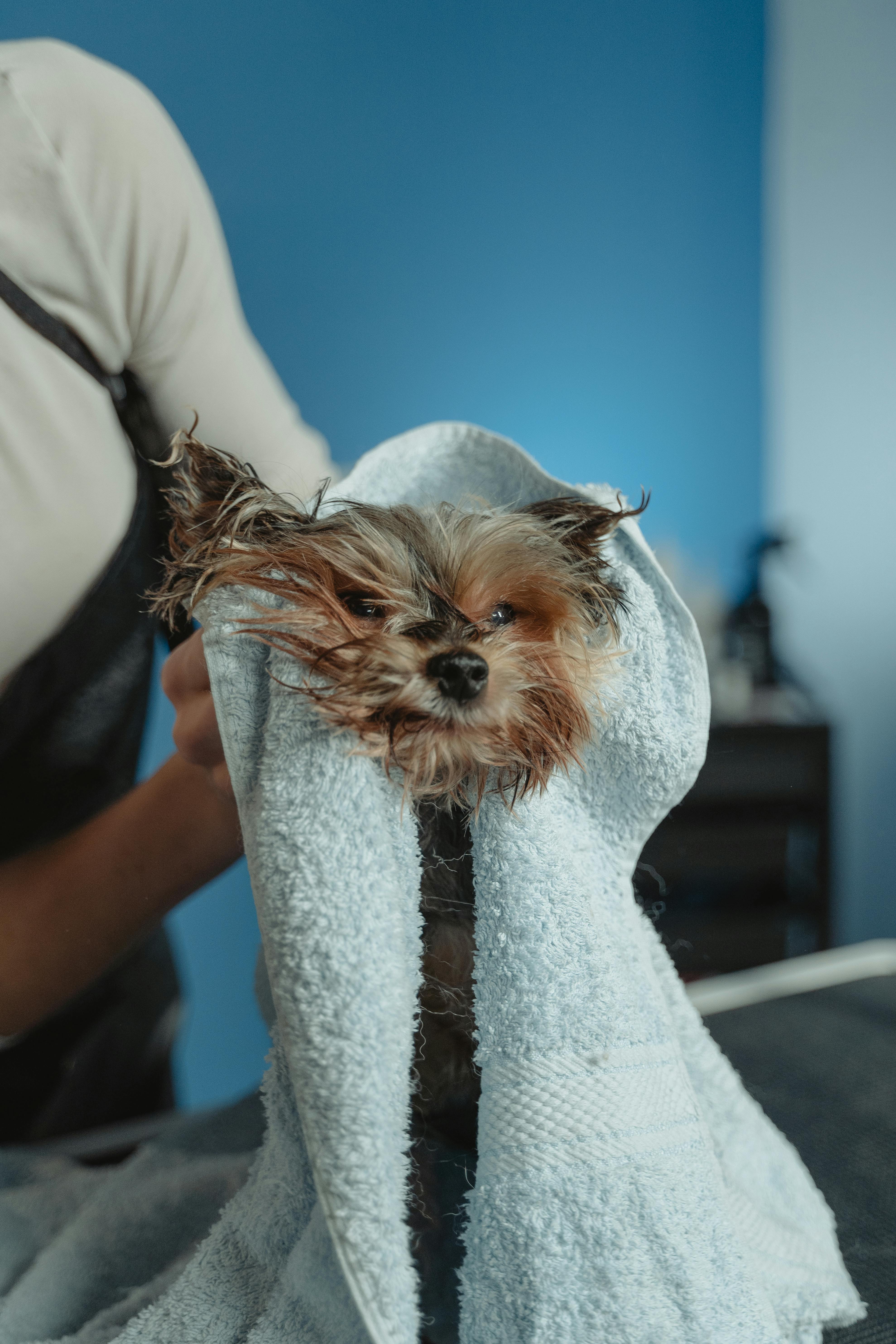
Dogs are often considered man's best friend, and one of their most endearing traits is their wet noses. But have you ever wonder why do dogs have wet noses? Many people have myths and misconceptions about this common canine feature. In this article, we delve into the top 7 reasons dogs have wet noses, separating fact from fiction and uncovering the fascinating truth behind this distinctive characteristic.
1. Cooling Mechanism
One of the most common beliefs is that dogs have wet noses as a way to cool themselves down. This is partly true! Dogs don’t sweat like humans do. Instead, they rely on panting and their noses to regulate body temperature. The moisture on their noses helps to cool their blood vessels, which then cools their body. So, when you see your pup's nose glistening, it might be working hard to keep your dog’s temp down.
2. Enhanced Sense of Smell
Wet noses are also linked to a dog's incredible sense of smell. The moisture on a dog's nose helps to trap scent particles in the air, which makes it easier for them to pick up different smells. A wet nose can actually enhance a dog’s olfactory abilities. Studies show that dogs have around 220 million scent receptors in their noses, compared to a human’s 5 million. This isn't just a cute feature; it’s essential for their survival.
3. Communication Tool
Dogs use their noses not just for smelling but also for communication. When a dog approaches another dog or person, a wet nose can convey friendliness and curiosity. Dogs often sniff each other’s noses as a greeting, and the moisture can indicate their emotional state. So next time your dog nudges you with a cold, wet nose, remember it might be saying hello!
4. Myth Busting: Dogs Don’t Sweat
Many believe that dogs sweat through their noses. This is a myth! Dogs mainly sweat through their paw pads. The wetness on their noses is not sweat but rather saliva or moisture from the environment. This myth might have originated from the fact that a dog’s nose can feel cool and wet, but it’s essential to recognize that the nose's moisture serves different functions.
5. Health Indicator
A wet nose is often seen as a sign of a healthy dog. However, it's not always the case. While many healthy dogs do have moist noses, a dry or cracked nose can sometimes indicate health issues. If a dog’s nose is persistently dry or warm, it might be a sign of dehydration, fever, or illness. Regular check-ups with a veterinarian can help ensure your dog’s nose stays in good shape and that any potential health issues are addressed.
6. Sensitivity to Temperature
Dogs have sensitive noses, and the moisture can help them detect temperature changes in their surroundings. A wet nose allows dogs to sense temperature differences more effectively, which can be vital for hunting or navigating their environment. This sensitivity helps them detect changes that humans might overlook, making them exceptional companions and workers, especially in fields like search and rescue.
7. Individual Variation
Just like humans have different skin types, dogs have different nose types. Some breeds have naturally wetter noses, while others might have drier noses due to their genetic makeup. Breeds like the Labrador Retriever often have moist noses, whereas breeds like the Bulldog may have drier noses. It’s important for dog owners to understand that individual variation plays a significant role in a dog’s nose condition.
Summary of Key Points
- Wet noses help dogs cool down.
- Moisture enhances their sense of smell.
- A wet nose is a communication tool.
- Dogs don’t sweat through their noses; it’s a myth.
- A wet nose can indicate good health, but dryness may signal issues.
- Dogs have a heightened sensitivity to temperature with their noses.
- Individual breeds may show variation in nose moisture.
So, next time you pet your dog and feel that soft, wet nose, remember there's more to it than just a cute feature. Understanding why do dogs have wet noses can deepen your appreciation for these wonderful companions. Their wet noses are not just a charming characteristic; they serve multiple vital functions that enhance their lives and our bond with them. With this knowledge, you'll see your furry friend in a whole new light!
How Does a Dog's Wet Nose Regulate Temperature? The Amazing Biology Explained
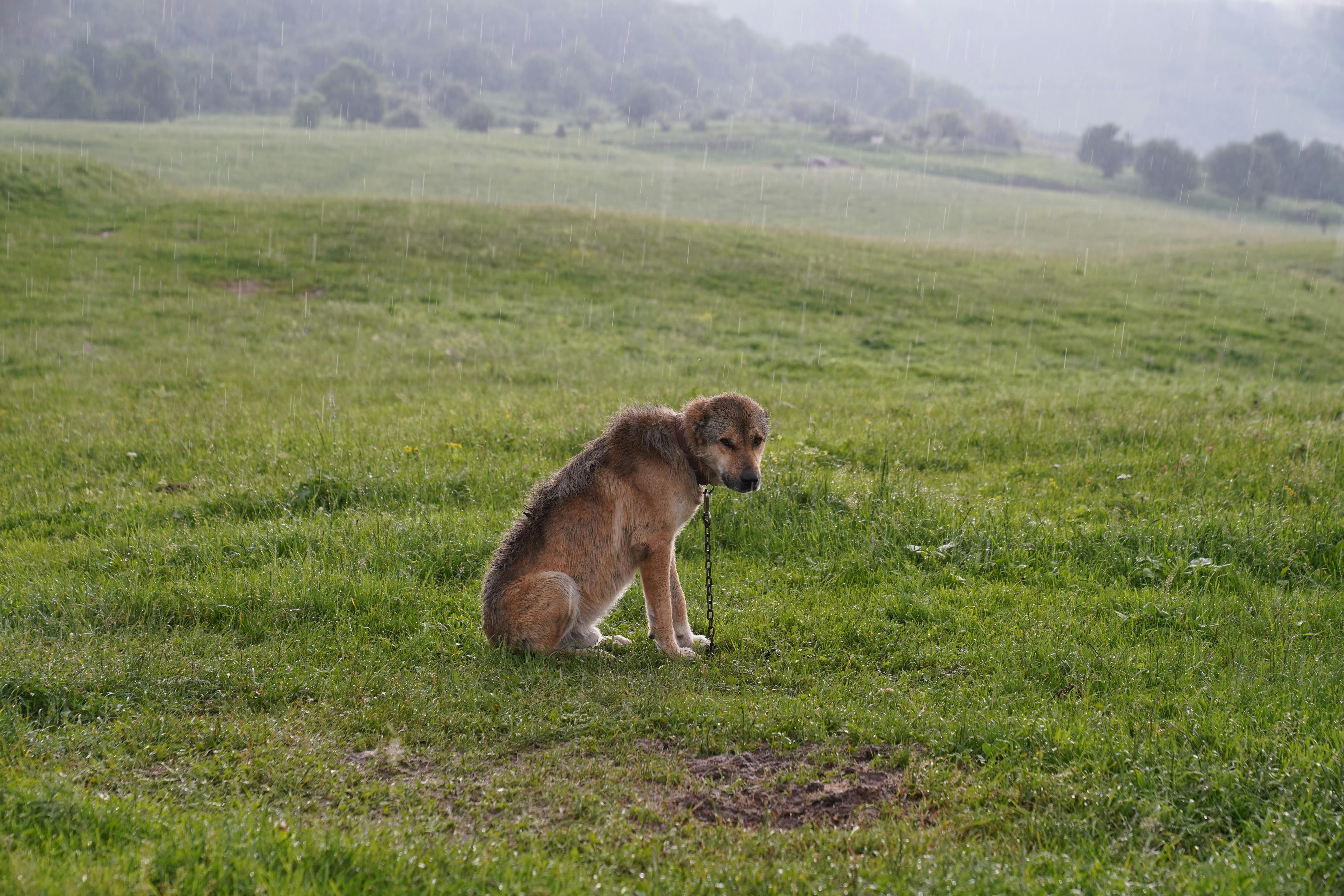
Have you ever wondered why dogs has those famously wet noses? It's not just for show, there's actual biology behind it, and it relates to how they regulate their body temperature. Dog lovers and owners often ask about this curious feature, and the answer is a mix of fascinating science and evolutionary adaptation. Let's dive into the amazing biology of a dog's wet nose and uncover the truth behind why dogs have wet noses.
The Science Behind a Dog's Wet Nose
Dogs noses are not just a cute feature; they serve significant purposes. The wetness of a dog’s nose is primarily due to a thin layer of mucus that keeps it moist. This moisture helps dogs to better absorb scent molecules which is vital for their sense of smell. A dog's sense of smell is around 10,000 to 100,000 times more sensitive than humans, and the wetness aids in this process.
- Absorption of scents: The moisture helps in capturing scent particles.
- Temperature regulation: A wet nose helps to cool down a dog’s body temperature.
- Health indicator: A dog’s nose can indicate its health status; a dry or cracked nose could mean illness.
How Does a Dog's Wet Nose Regulate Temperature?
Dogs don’t sweat like humans do. Instead, they regulate their body temperature through panting and the moisture on their noses. When a dog pants, moisture evaporates from their tongue and the lining of their lungs, cooling their blood. The wetness of the nose also contributes to this cooling process.
- Evaporation: The moisture on a dog's nose evaporates, which cools the blood vessels underneath.
- Cooling effect: This helps to lower the dog’s body temperature, especially in warm weather or after exercise.
Why Do Dogs Have Wet Noses? Uncover the Fascinating Truth!
The evolution of dogs has played a large role in why their noses are wet. Dogs, being descendants of wolves, needed to adapt to various environments. Wet noses could have been an advantage in hunting, as it enhances their ability to track scents.
- Hunting Aid: A moist nose may provide better tracking abilities.
- Survival Mechanism: Helps them to stay cooler in the wild where overheating could be deadly.
Interesting Facts About Dog Noses
- Dogs have around 300 million smell receptors, compared to a human’s 5 million.
- The surface area of a dog’s nose is larger than most humans think; it’s structured to maximize scent absorption.
- The color and texture of a dog’s nose can vary based on breed and individual genetics.
Comparison: Dogs vs. Other Animals
Dogs aren’t the only animals with wet noses. Many mammals have similar adaptations. Here's how they compare:
| Animal | Nose Type | Scent Absorption | Temperature Regulation |
|---|---|---|---|
| Dogs | Wet | High | Yes |
| Cats | Wet/Dry | Moderate | Yes |
| Cows | Dry | Low | No |
| Pigs | Wet | High | Yes |
Practical Examples of Dog Nose Care
While a wet nose is usually a sign of good health, it’s important to keep an eye on it. Here are some practical tips for dog owners:
- Stay Hydrated: Ensure your dog has access to fresh water to maintain nose moisture.
- Check for Cracks: A cracked or overly dry nose might need some attention or vet visit.
- Monitor Temperature: In hot weather, keep an eye on your dog’s temperature and provide plenty of shade.
The Bottom Line
Understanding why dogs have wet noses and how they regulate temperature adds to the appreciation of these amazing creatures. Their noses are not only essential for their incredible sense of smell, but they also play a vital role in keeping them cool and healthy. So the next time you get a wet nose nuzzle from your furry friend, remember that it’s nature’s design working perfectly for their survival and well-being. Embrace the quirks of your dog, because every detail helps in understanding and caring for them better.
Can a Dry Nose Indicate Health Issues in Dogs? What Pet Owners Should Know

If you’re a dog owner, you might’ve noticed your furry friend's nose is often wet, while sometimes it may seem dry. This brings up an important question: Can a dry nose indicate health issues in dogs? Well, there’s more to this than meets the eye. Many pet owners are puzzled by why dog noses change texture and moisture levels. Let’s dive into the details and uncover the fascinating truths about why dogs have wet noses and what a dry nose might mean for your canine companion.
Why Do Dogs Have Wet Noses?
Dogs have wet noses for several reasons, and it’s not just for show. A wet nose can help dogs smell better. The moisture on a dog’s nose helps to capture scent particles, enhancing their sense of smell. Dogs have a powerful sense of smell, estimated to be anywhere from 10,000 to 100,000 times more sensitive than humans. This means that a wet nose is more than just a cute feature—it plays a crucial role in their ability to interact with their environment.
Moreover, the wetness of a dog's nose is partly due to a thin layer of mucus that helps to keep it moist. This moisture not only helps with their smelling but also cools the dog down. Just like humans sweat, dogs can regulate their body temperature through their noses. In fact, a wet nose can be somewhat of an indicator of a dog’s overall well-being.
Can a Dry Nose Indicate Health Issues in Dogs?
While a wet nose is generally a sign of a healthy dog, a dry nose can sometimes point towards potential health issues. However, it’s important to understand that a dry nose doesn’t always mean something is wrong. Various factors can cause a dog's nose to dry out, including:
- Environmental Changes: Hot weather or dry air can lead to dehydration, making a dog's nose dry.
- Age: Older dogs may naturally have drier noses.
- Activity Level: After a long play session or exercise, a dog's nose may temporarily dry out.
- Health Conditions: In some cases, a persistently dry nose could indicate health issues, such as:
- Fever
- Dehydration
- Allergies
- Autoimmune disorders
- Nasal infections
Signs to Watch For
As a pet owner, it’s vital to closely observe your dog’s behavior. Here are some signs that a dry nose could be a cause for concern:
- Excessive Thirst: If your dog is drinking more water than usual, it might be a sign of dehydration.
- Lethargy: Unusual tiredness can indicate underlying health problems.
- Changes in Appetite: If your dog’s eating habits change suddenly, it might be worth consulting a vet.
- Nasal Discharge: If your dog has a dry nose along with any kind of discharge, it could indicate an infection.
What Should You Do if Your Dog Has a Dry Nose?
If you’ve noticed that your dog’s nose is dry, here are some practical steps you can take:
- Hydrate: Ensure your dog has access to fresh water at all times.
- Environment: If your home is dry, consider using a humidifier to add moisture to the air.
- Vet Visit: If the dry nose persists or is accompanied by any other concerning symptoms, it’s best to consult with a veterinarian. They can give you a proper diagnosis and treatment options.
Fun Facts About Dog Noses
- Unique Prints: Just like human fingerprints, each dog has a unique nose print that can be used for identification.
- Temperature Sensor: A dog's nose is also a sensor for temperature changes, helping them to find the perfect spot to lie down or play.
- Nasal Turbinates: Inside a dog’s nose are structures called turbinates that help to warm and humidify the air they breathe.
Understanding the importance of your dog's nose can help you take better care of your furry friend. While a wet nose is generally a sign of health, pet owners should not ignore changes. Always pay attention to your dog's overall behavior and consult a vet if something seems off. Your dog’s nose is just one way to gauge their health, but it’s certainly a fascinating one!
The Role of Wet Noses in Dog Communication: How Your Pup Expresses Feelings
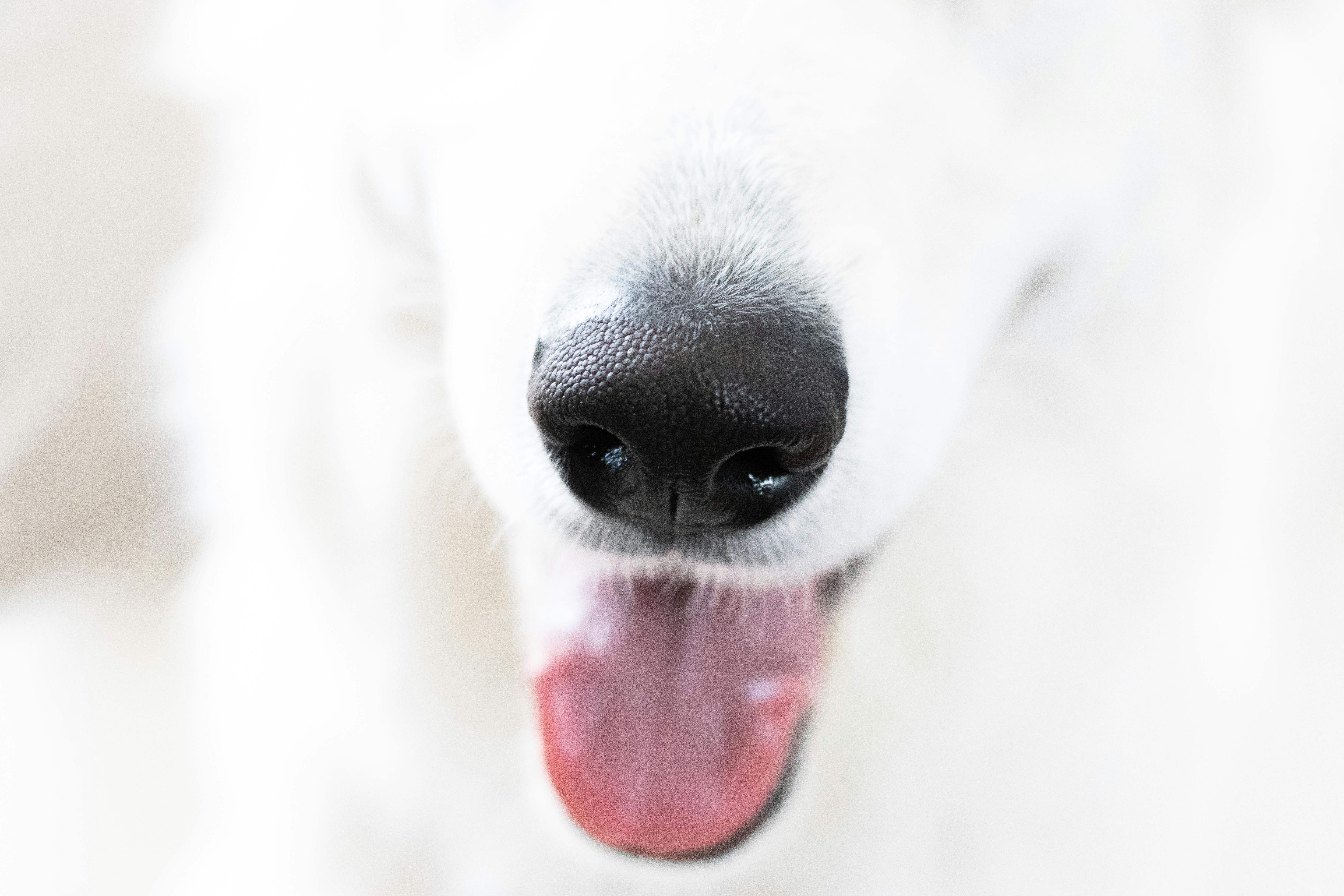
When we think about dogs, we often think about their wagging tails or the way they bark at the mailman. But what about their noses? Wet noses are one of the most distinctive features of our furry friends. Have you ever wondered why do dogs have wet noses? Or how they use this unique trait to communicate their feelings? It’s time to uncover the fascinating truth about the role of wet noses in dog communication.
The Science Behind Wet Noses
Dogs have wet noses for a couple of important reasons. Firstly, a wet nose helps them to smell better. That's right! Dogs have an incredible sense of smell, and their noses are designed to absorb scent molecules. A moist surface on the nose can capture more of these molecules, allowing dogs to gather more information about their surroundings. This is why when your pup sniffs around in the park, they are not just being nosy; they are actually interpreting the world around them.
Some facts about wet noses:
- Dogs’ noses contain more than 200 million scent glands, compared to humans who only have about 5 million.
- The moisture on a dog’s nose comes from a combination of sweat glands and saliva.
- A wet nose can help regulate body temperature, acting like a natural evaporative cooling system.
How Dogs Communicate with Their Noses
Dogs are pretty expressive creatures. They communicate in many ways, but their noses play a crucial role. When your dog greets you with a wet nose, it’s not just a friendly gesture. It’s also a way for them to say “Hello!” or “I missed you!” Here’s how different nose-related behaviors can express feelings:
- Sniffing: When a dog sniffs another dog or a person, they are gathering information. They can learn about the other dog’s age, sex, and even mood.
- Nose Bumping: A gentle nudge from a dog’s nose can be an invitation to play or a request for attention.
- Licking: When a dog licks your face or hands, it can show affection, submission, or even stress. It’s their way of connecting with you.
Historical Context of Dog Noses
The history of dogs and their noses is quite fascinating. Dogs were domesticated from wolves thousands of years ago, and over time, they evolved to develop a keen sense of smell. Ancient civilizations even valued dogs for their ability to track scents. In fact, hunting dogs were bred specifically for their olfactory talents.
In modern times, dogs are still used in various roles where their noses are essential. From search-and-rescue missions to detecting drugs, dogs continue to impress us with their olfactory capabilities.
Fun Facts About Dog Breeds and Their Noses
Not all dog noses are created equal! Different breeds have unique sniffing abilities. Here’s a quick comparison of a few popular breeds:
| Dog Breed | Nose Type | Smell Capability |
|---|---|---|
| Bloodhound | Long and droopy | Exceptional (can track scents days old) |
| Beagle | Short and compact | Very good (popular for hunting) |
| Dachshund | Long and narrow | Good (used for tracking small animals) |
| German Shepherd | Medium and strong | Excellent (used in police work) |
The Importance of Nose Care
Did you know that a dog's nose can indicate their health? A dry or cracked nose might suggest dehydration or illness. Here’s a quick checklist for nose care:
- Hydration: Always provide fresh water. Dehydration can lead to a dry nose.
- Humidity: During dry seasons, consider using a humidifier or nose balm to keep your dog’s nose moist.
- Regular Check-ups: Veterinarians can help identify any underlying health problems related to a dog’s nose.
How to Help Your Dog Communicate Better
Understanding your dog’s nose behavior can improve your bond. Here are some ways to enhance that communication:
- Spend time sniffing together on walks; allow them to explore and gather information.
- Pay attention to their body language when they use their noses. It can tell you a lot about their feelings.
- Engage in play that incorporates their sense of smell, like hide and seek with treats.
Dogs are truly remarkable creatures, and understanding their wet noses helps us connect with them on a deeper level. When you see your pup sniffing away, remember they are not just being curious; they are expressing their feelings and gathering information about the world around them. So next time you ask, “Why do dogs have wet noses?” you can confidently share the fascinating truth about their unique communication method.
Do All Dog Breeds Have Wet Noses? Discover the Variations Among Different Breeds
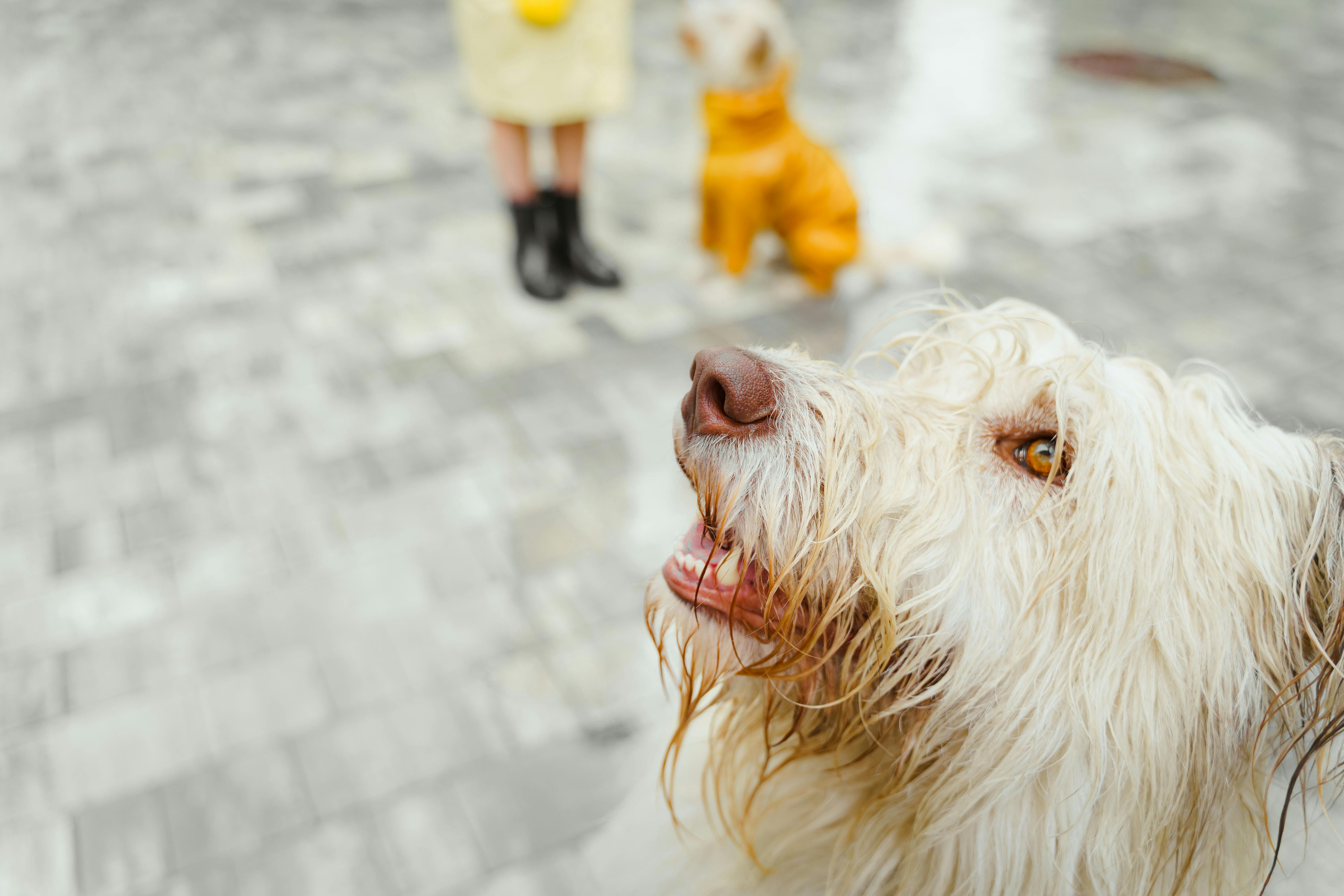
When you think about dogs, one of the first things that come to mind is their wet noses. But have you ever wondered, do all dog breeds have wet noses? It’s a curious question, and it turns out that there are some interesting variations among different breeds. Wet noses are often associated with a dog’s health and their ability to smell, but there’s more to the story. Let’s dive into the fascinating world of dog noses and discover the truth behind why they are wet.
The Science Behind Wet Noses
Dogs’ noses are typically wet for a variety of reasons. First, it helps them in their incredible sense of smell. The moisture on a dog’s nose helps to capture scent particles from the air, making it easier for them to detect different smells. This is especially important for breeds that rely heavily on their olfactory senses, like Bloodhounds and Beagles.
Here are some key points about why dogs have wet noses:
- Sense of Smell: A wet nose absorbs scent particles better.
- Cooling Mechanism: Dogs sweat through their noses, helping to regulate body temperature.
- Health Indicators: A wet nose can indicate a dog is healthy, while a dry nose might suggest dehydration or illness.
Do All Breeds Have Wet Noses?
Not all dog breeds have the same type of noses. While many breeds have the classic wet nose, some breeds may have drier noses or different textures altogether. Here’s a quick look at how some breeds differ:
| Breed | Nose Type | Characteristics |
|---|---|---|
| Labrador Retriever | Wet and cold | Known for their friendly demeanor |
| Bulldog | Often dry | Short snouts can lead to dryness |
| Greyhound | Wet | Sharp sense of smell |
| Chihuahua | Variable | Can be wet or dry, depending on health |
| Shih Tzu | Often moist | Long hair can sometimes hide moisture |
Variations Among Different Breeds
Different breeds exhibit a range of nose conditions. For example, a Labrador Retriever, with its iconic wet nose, is often seen as a symbol of a healthy dog. On the other hand, breeds like Bulldogs may experience dryness due to their unique facial structure.
Factors that can influence a dog’s nose moisture include:
- Genetics: Some breeds are predisposed to having certain nose conditions.
- Age: Older dogs might experience changes in moisture levels.
- Health Conditions: Illness can lead to a dry nose, while hydration often results in a wet one.
Why Do Dogs Have Wet Noses? Uncovering the Fascinating Truth!
Now, let’s explore why it’s so important for dogs to have wet noses. The primary reason is their survival instinct. A wet nose helps dogs to smell better, which is crucial for hunting, tracking, and even communicating with other dogs.
- Communication: Dogs use scents to communicate, and a wet nose helps them pick up on pheromones.
- Environmental Interaction: The moisture helps them interact with their environment more effectively.
Fun Facts About Dog Noses
- Dogs have about 220 million smell receptors in their noses, compared to only 5 million in humans!
- The wetness of a dog’s nose can vary throughout the day and depending on the weather.
- A dog’s sense of smell is so strong they can even detect certain diseases in humans, such as cancer.
Practical Tips for Dog Owners
It’s important for dog owners to monitor their pet’s nose condition. Here’s what you should look for:
- Check for Moisture: A healthy nose should feel cool and moist to the touch.
- Watch for Changes: If your dog’s nose becomes persistently dry or cracked, it may be worth consulting a vet.
- Hydration: Ensure your dog stays hydrated, especially in hot weather.
Some common reasons for a dry nose might include:
- Dehydration
- Allergies
- Sunburn
- Skin infections
Being aware of these factors can help you keep your furry friend healthy and happy.
When it comes to dog noses, the variations are as diverse as the breeds themselves. Understanding the reasons behind why dogs have wet noses can reveal not just their health status but also their fascinating sensory capabilities. So the next time you give your dog a pet and feel that familiar wet nose, you’ll know a bit more about the science and significance behind it!
What Can You Learn from Your Dog’s Nose? The Hidden Messages Behind Wetness

Have you ever wondered what can you learn from your dog’s nose? There so much more to it than just being a cute feature. The wetness of a dog’s nose is actually packed with hidden messages that can reveal a lot about their health and behavior. So, why do dogs have wet noses? Let's dig into the fascinating truth behind this unique aspect of our canine companions.
The Science Behind a Dog's Wet Nose
Dogs' noses are wet for several reasons, which relates to their health and senses. The moisture helps to enhance their sense of smell, which is many times better than ours. A dog's nose is covered in a thin layer of mucus, which helps to trap scent particles. This ability makes them excellent trackers and hunters.
- The wetness increases the surface area of the nose, allowing it to absorb more scent.
- The moisture cools down the dog during hot weather.
- Wet noses can also help dogs detect pheromones, which are chemical signals that can indicate emotions and reproductive status.
Historical Context of Dogs' Noses
Dogs have been domesticated for thousands of years, and their noses have evolved alongside them. Early humans relied on dogs for hunting and companionship, and the dogs' acute sense of smell was crucial for survival. The wetness of their noses is a trait that has been selected over generations.
- Ancient hunters valued dogs that could track scents effectively.
- Different breeds have developed varying nose shapes, influencing their smelling capabilities.
What the Wetness Can Indicate About Your Dog's Health
A dog's nose can tell you a lot about their health. While a cool, wet nose is often viewed as a sign of good health, there are exceptions. Here’s a simple breakdown to understand when you should pay attention to the condition of your dog's nose:
- Normal Wet Nose: Healthy state, well-hydrated.
- Dry Nose: Could be normal, but if it’s persistent, it may indicate dehydration or illness.
- Cracked Nose: Can signal a skin issue or allergies.
- Excessively Wet Nose: Sometimes a sign of excitement or illness.
How to Care for Your Dog's Nose
Keeping your dog's nose healthy is important. Here are some practical tips:
- Hydration: Ensure your dog drinks enough water.
- Regular Check-ups: Visit the vet to monitor any changes.
- Avoid Irritants: Keep your dog away from harsh chemicals or allergens.
- Nasal Moisturizer: Consider using dog-safe moisturizers if the nose appears cracked.
Fun Facts About Dog Noses
Did you know that a dog’s nose print is unique? Just like human fingerprints, no two dogs have the same nose pattern. Here are some other fascinating facts:
- Dogs have about 300 million smell receptors, compared to humans who have about 5 million.
- The shape and size of a dog’s nose can influence their smelling abilities.
- Dogs can even detect certain types of cancer through their sense of smell.
Comparing Dog Noses to Human Noses
It might be interesting to compare dog noses with human noses. Here’s a quick comparison:
| Feature | Dog Nose | Human Nose |
|---|---|---|
| Number of Receptors | 300 million | 5 million |
| Functionality | Smell and temperature | Primarily smell |
| Wetness | Usually wet | Can be dry or wet |
| Unique Patterns | Yes | No |
Why Do Dogs Have Wet Noses?
So, why do dogs have wet noses? The answer lies in their biology and evolution. A wet nose is a practical tool for dogs, enhancing their ability to smell and regulating their body temperature. The moisture on their nose also plays a role in their communication with other dogs.
Understanding the hidden messages behind your dog's wet nose can help you take better care of your furry friend. Keep an eye on the condition of their nose, and you might just notice changes that could indicate their health and emotions.
In summary, your dog’s nose isn’t just a cute feature; it’s a complex organ that can tell you a lot about their well-being. So, the next time you notice that wet nose, remember it’s not just a sign of happiness, it’s an essential part of their health and communication. Embrace these quirks and ensure your pup stays happy and healthy!
Conclusion
In conclusion, the wet noses of dogs serve several important purposes that contribute to their health and well-being. The moisture helps enhance their sense of smell, allows for better temperature regulation, and even aids in communication with other dogs. Dogs have a unique ability to absorb scent molecules through their wet noses, making their olfactory capabilities incredibly sharp. Additionally, the moisture can indicate a dog's overall health, as a dry nose might suggest illness or dehydration. Understanding why dogs have wet noses not only deepens our appreciation for these beloved pets but also encourages us to pay attention to their health. So, the next time you greet your furry friend, take a moment to appreciate that wet nose and what it signifies. Remember, regular veterinary check-ups and proper hydration can help keep your dog healthy and happy.