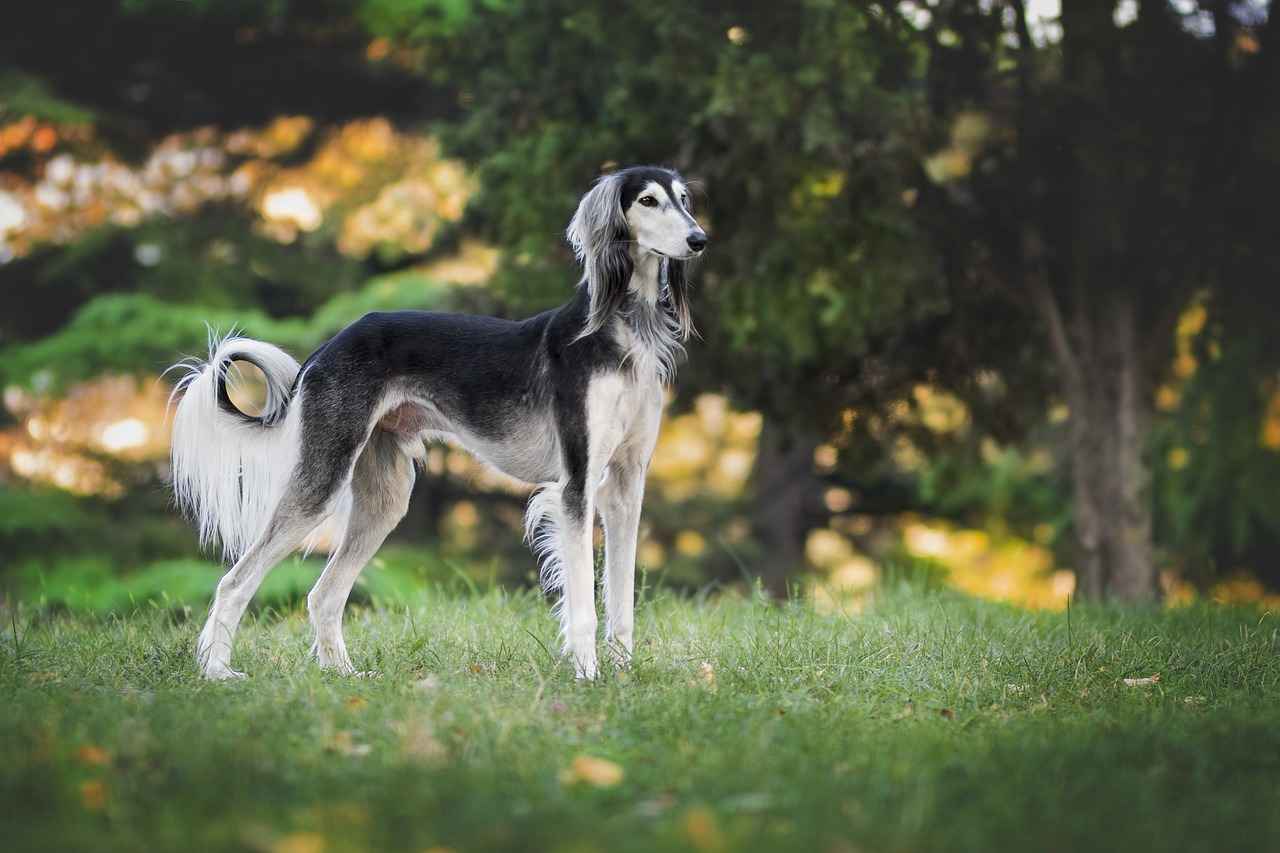
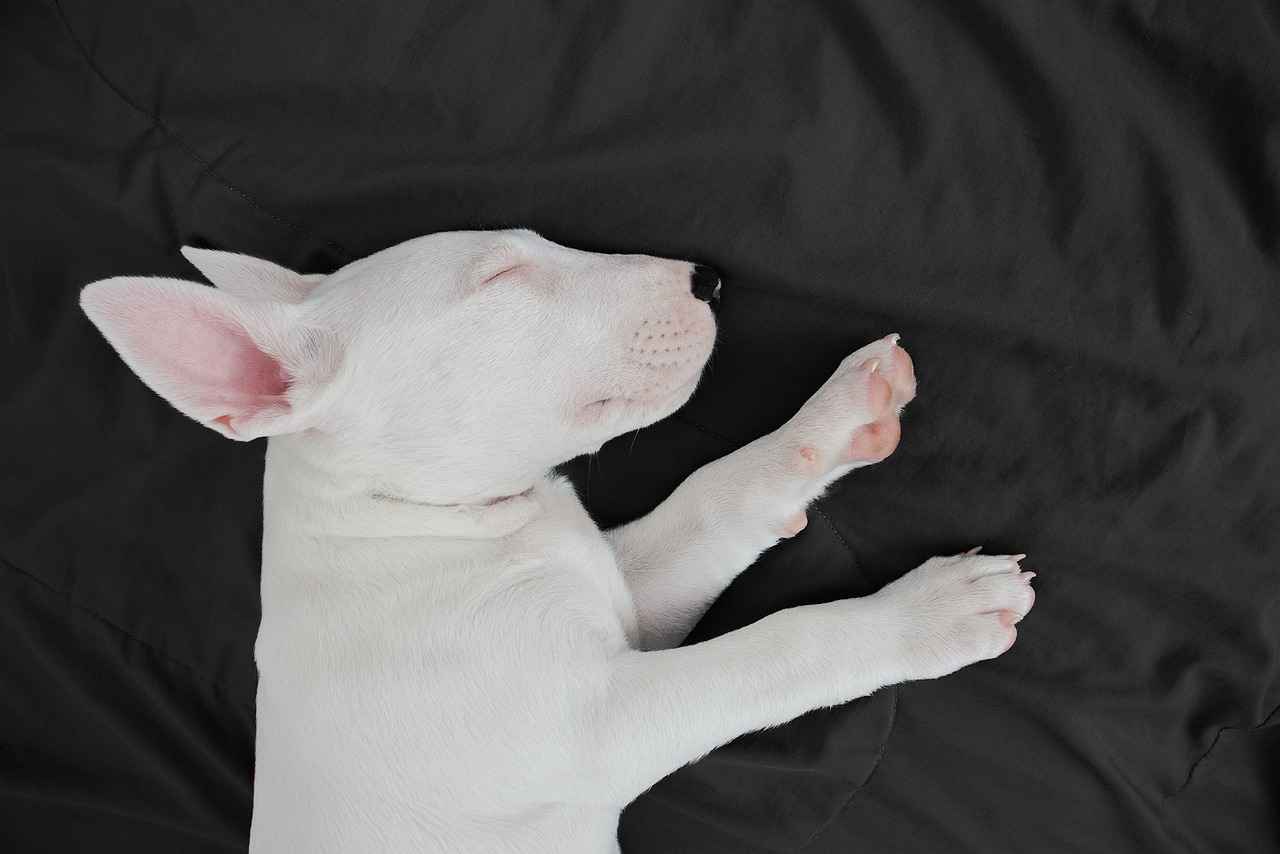
Have you ever wonderd why do dogs have wet noses? It’s a question that many dog owners find themselves asking. This intriguing characteristic of our furry friends is not just a random quirk; it holds several secrets about their health and behavior. Wet noses in dogs are often a sign of their unique physiology and can tell us a lot about how they interact with the world around them. But what exactly causes this moisture? Is it just for temperature regulation, or is there more to the story? In this article, we will explore the fascinating reasons behind the wetness of a dog's nose and why it matters. You’ll discover how a wet nose can indicate a dog’s health status and how it plays a vital role in their sense of smell. Are you ready to unlock the secrets behind this canine mystery? Join us as we delve into the science and significance of a dog's wet nose, and learn why it’s not just an adorable trait, but a vital aspect of your pet’s well-being. Don’t miss out on these captivating insights that could change the way you view your four-legged companion!
\n\nThe Science Behind Wet Noses: Why Are Dogs’ Noses Always So Moist?
\n\n \n\n
\n\nDogs have been our loyal companions for thousands of years. They come in all shapes and sizes, but one thing that most dogs have in common is their wet noses. You might have noticed that your furry friend’s nose is always moist. This leads to a curious question: why do dogs have wet noses? In this article, we explore the fascinating science behind wet noses and what it means for our beloved pets.
\nThe Biological Purpose of a Wet Nose
\nOne of the main reasons dogs have wet noses is for their health and well-being. A dog’s nose secretes a thin layer of mucus, which helps to enhance their sense of smell. Dogs have an incredible olfactory system; in fact, it's estimated that dogs have up to 300 million smell receptors in their noses, compared to about 5 million in humans. The moisture on a dog’s nose captures scent particles from the air, allowing them to analyze their environment more effectively.
\n- \n
- Dogs’ noses are also capable of detecting pheromones, which are chemical signals that communicate various messages, like mating readiness or territory marking. \n
- The wetness helps to keep their noses cool, which is particularly important during hot weather. Dogs don’t sweat like humans do. Instead, they rely on their noses to help regulate body temperature. \n
Historical Context of Dog Noses
\nHistorically, the relationship between dogs and humans has been deeply intertwined. Dogs were domesticated around 15,000 years ago, and their sense of smell played a crucial role in their working abilities. Early humans relied on dogs for hunting and companionship, and the moisture on their noses would have enhanced their tracking abilities.
\n- \n
- The ancient Egyptians revered dogs, associating them with the goddess Bastet, who represented protection. \n
- In ancient Rome, dogs were used for hunting and even in warfare, showcasing their keen senses. \n
The traits that have been favored through selective breeding over centuries have ensured that dogs maintain their impressive olfactory capabilities, including their wet noses.
\nWhy Are Wet Noses So Important?
\nWet noses are more than just a cute feature of dogs; they serve several critical functions:
\n- \n
- Enhanced Smell: As mentioned, moisture helps trap scent particles. This is crucial for hunting, search and rescue, and even therapy dogs who assist in detecting certain conditions. \n
- Cooling Mechanism: The moisture on a dog’s nose helps to cool them down. When dogs pant, moisture evaporates, helping to regulate their body temperature. \n
- Health Indicator: A dog’s nose can be a sign of their health. Generally, a moist and cool nose indicates good health, while a dry or cracked nose may indicate dehydration or illness. \n
What Causes a Dog’s Nose to Be Dry?
\nWhile wet noses are typically a sign of health, there are times when a dog's nose may be dry. This can happen for various reasons:
\n- \n
- Dehydration: If your dog isn’t drinking enough water, their nose might dry out. \n
- Allergies: Just like humans, dogs can suffer from allergies, which can cause their noses to dry. \n
- Illness: Certain illnesses can lead to a dry nose. If your dog’s nose remains dry for an extended period, it might be time to consult a veterinarian. \n
Fun Facts About Dog Noses
\n- \n
- Dogs have unique nose prints, much like human fingerprints. Each dog’s nose print is distinct and can be used for identification. \n
- Some dog breeds are known for having particularly wet noses, while others may have drier noses due to their breed characteristics. \n
- A dog's sense of smell can be so precise that they can detect certain diseases, like cancer, at early stages. \n
Quick Comparison: Dogs vs. Humans
\n| Aspect | \nDogs | \nHumans | \n
|---|---|---|
| Smell Receptors | \nUp to 300 million | \nAbout 5 million | \n
| Nose Moisture | \nYes, helps with smell and cooling | \nRarely moist, mainly dry | \n
| Identification | \nUnique nose prints | \nUnique fingerprints | \n
Understanding why do dogs have wet noses gives us a glimpse into the wonderful world of canine biology. Their wet noses are not just a cute feature but a vital aspect of their health and functionality. So, the next time your dog nudges you with that moist nose, remember that it’s not just a sign of affection; it’s a reminder of the incredible biology that makes dogs such remarkable companions. In the grand scheme of things, the wet nose of a dog is a small yet significant part of why they continue to be man's best friend.
\n\n7 Fascinating Facts About Dogs’ Wet Noses That Will Surprise You
\n\n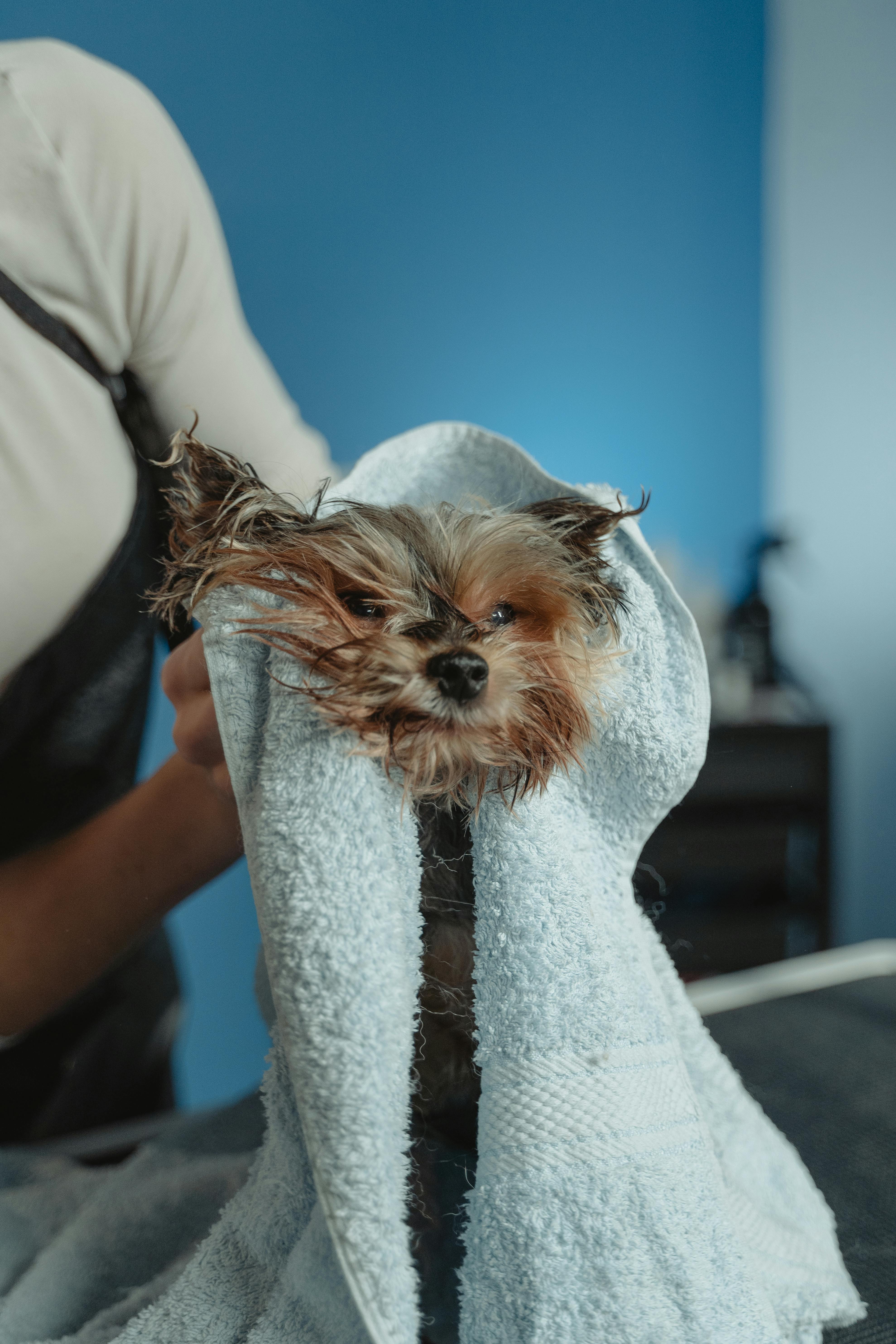 \n\n
\n\nDogs are known for their loyalty, playfulness, and those adorable, wet noses. Ever wondered why do dogs have wet noses? The fact is, this is more than just a cute trait. Let’s dive into 7 fascinating facts about dogs’ wet noses that will surprise you and uncover the science behind this unique feature.
\n1. Natural Thermoregulation Tool
\nDogs don’t sweat like humans do. Instead, they rely on their noses to help regulate their body temperature. A wet nose can cool down a dog’s body. When they breathe in, moisture from their noses evaporates, helping to lower their internal temperature. This is particularly important during hot weather or after exercise.
\n2. Enhanced Sense of Smell
\nA dog's sense of smell is astonishing. Their noses are not only wet, but they also contain a special mucous layer that helps to trap scent particles. This enhances their ability to smell. Think about it: a dog’s sense of smell is 10,000 to 100,000 times more acute than humans. So, when you see your dog sniffing around, it’s no surprise they can pick up scents that we can’t even imagine.
\n3. Social Interaction and Communication
\nDid you know that a dog’s wet nose plays a role in their communication? When dogs greet each other, they often sniff each other’s noses and behinds. This is a way for them to gather information about each other. A wet nose can be seen as a sign of a friendly and healthy dog, making it a key part of their social interactions.
\n4. Diagnostic Tool for Health
\nA dog’s nose can also reveal a lot about their health. While a wet nose is generally associated with a healthy dog, changes in moisture levels can indicate issues. For example, if a dog’s nose is dry and cracked, it might be a sign of dehydration or illness. This is why many dog owners keep an eye on their pet’s nose as part of their overall health check.
\n5. Historical Significance
\nThe wet nose of a dog has historical significance as well. In ancient times, dogs were domesticated for various purposes, such as hunting or herding. Their ability to track scents with their wet noses made them invaluable companions. This trait has been passed down through generations, and today, service dogs use their sense of smell in roles like search and rescue, therapy, and detection.
\n6. The Texture Matters
\nEver noticed that dog noses have different textures? Some are smooth, while others may be more rough or bumpy. The texture can depend on the breed and age of the dog. For instance, certain breeds like Bulldogs have characteristic wrinkled noses. This variation can affect how well the nose functions. However, regardless of texture, a wet nose is typically a sign of good health.
\n7. The Science Behind the Moisture
\nSo, why are dog noses wet? The moisture on a dog’s nose comes from various sources. Saliva, sweat glands, and environmental factors all contribute to keeping their noses moist. The moisture helps to enhance their sense of smell and keeps their noses cool. Moreover, some research suggests that the pH level of a dog’s nose can provide insights into its overall health.
\nQuick Facts Summary
\n- \n
- Dogs use wet noses for thermoregulation. \n
- A wet nose enhances their incredible sense of smell. \n
- Nose moisture plays a role in social interactions. \n
- Changes in nose moisture can indicate health issues. \n
- Dog noses have rich historical significance. \n
- Different breeds have varying nose textures. \n
- Moisture comes from saliva, sweat glands, and environment. \n
Interesting Comparisons
\n| Feature | \nDogs | \nCats | \n
|---|---|---|
| Sense of Smell | \n10,000 to 100,000 times stronger | \nRoughly 5 times stronger than humans | \n
| Nose Moisture | \nAlways wet for scent enhancement | \nGenerally dry, but can vary | \n
| Communication | \nSniffing is key | \nUse body language more | \n
| Thermoregulation | \nUses wet nose | \nPrimarily uses panting | \n
Understanding why do dogs have wet noses opens up a fascinating insight into their biology and behavior. The next time you give your furry friend a pat, take a moment to appreciate the science behind that delightful wet nose. It's not just there for show; it's a crucial part of what makes dogs such incredible companions. Keeping your dog's nose healthy and observing any changes can be a window into their overall well-being. So, cherish those wet-nosed moments, as they come with a whole lot of love and purpose!
\n\nHow a Dog’s Wet Nose Affects Their Sense of Smell: The Incredible Connection
\n\n \n\n
\n\nDogs are amazing creatures with abilities that often leave us stunned, but one of their most impressive features is their sense of smell. Have you ever wondered why do dogs have wet noses? It’s more than just an adorable trait. A dog’s wet nose plays a crucial role in enhancing their sense of smell, which is significantly more powerful than humans. This unique characteristic has many fascinating aspects that reveal the incredible connection between a dog’s nose and its olfactory skills.
\nThe Science Behind a Wet Nose
\nFirst, let’s understand what makes a dog’s nose wet. The moisture on a dog's nose comes from a combination of saliva and mucus. This wetness helps to capture scent particles from the air, which makes it easier for dogs to detect smells. Studies shows that dogs have up to 300 million olfactory receptors in their noses, compared to about 5 million in humans. This means that dogs can smell things we can't even imagine!
\n- \n
- Moisture Capture: A wet nose helps in absorbing scent particles. \n
- Temperature Regulation: Dogs can cool down through their noses, helping them maintain a comfortable body temperature. \n
- Health Indicator: A dry nose can sometimes indicate a health issue, so it’s important to keep an eye on your pup's nose. \n
Why Do Dogs Have Wet Noses?
\nNow, let’s explore the reasons behind why do dogs have wet noses. Here are some key points:
\n- \n
- Enhanced Smelling Ability: The moisture helps trap scents, which is vital for a dog’s ability to identify and differentiate between various odors. \n
- Cooling Mechanism: Dogs don’t sweat like humans; instead, they rely on their noses to help regulate body temperature. A wet nose aids in maintaining a cooler temperature. \n
- Communication Tool: Dogs often use their noses to greet and communicate with other dogs. A wet nose can be a sign of friendliness and curiosity. \n
Historical Context
\nHistorically, dogs have been bred for specific purposes, many of which relied on their incredible sense of smell. For example:
\n- \n
- Hunting Dogs: Bred for tracking prey, their sense of smell is vital for locating animals. \n
- Service Dogs: Trained to assist people with disabilities, they often use their noses to detect medical conditions like seizures or low blood sugar. \n
- Search and Rescue: Dogs are used in rescue missions due to their unparalleled ability to track scents in various environments. \n
The Connection Between Wet Noses and Smelling
\nIt’s interesting to see the connection between a dog’s wet nose and its smelling ability. A wet nose increases the surface area, which allows for more scent particles to be absorbed. This is why you may notice your dog sniffing everything - they are gathering information about their environment.
\n- \n
- Scent Detection: Dogs can detect certain scents at incredibly low concentrations. For example, they can smell one part of a substance in a trillion parts of air! \n
- Comparison with Humans: To put it into perspective, if a dog could smell a teaspoon of sugar in a million gallons of water, it’s like a human detecting a drop of perfume in an entire house! \n
Practical Examples of Nose Use
\nHave you ever wondered how dogs use their noses in daily life? Here are some practical examples:
\n- \n
- Finding Food: Dogs often follow their noses to find treats hidden around the house or yard. \n
- Identifying People: They can recognize their owners and other familiar people by scent alone. \n
- Detecting Emotions: Dogs can smell changes in human body chemistry that occur with emotions, like fear or anxiety. \n
Fun Facts About Dog Noses
\n- \n
- Dogs’ noses are unique, much like human fingerprints, each dog has a distinct nose print. \n
- Some dogs can even detect cancer, diabetes, and other health issues through scent alone. \n
- The wetness of a dog’s nose can change with the weather; for instance, they may have drier noses during winter months. \n
Dogs are truly remarkable animals, and their wet noses are a key part of their incredible abilities. Understanding why do dogs have wet noses not only enhances our appreciation for these furry companions, but it also informs us about their health and behavior. So next time you see your dog’s moist nose, remember the amazing connection it has to their sense of smell!
\n\nDo Wet Noses Mean Your Dog Is Healthy? Understanding Canine Health Indicators
\n\n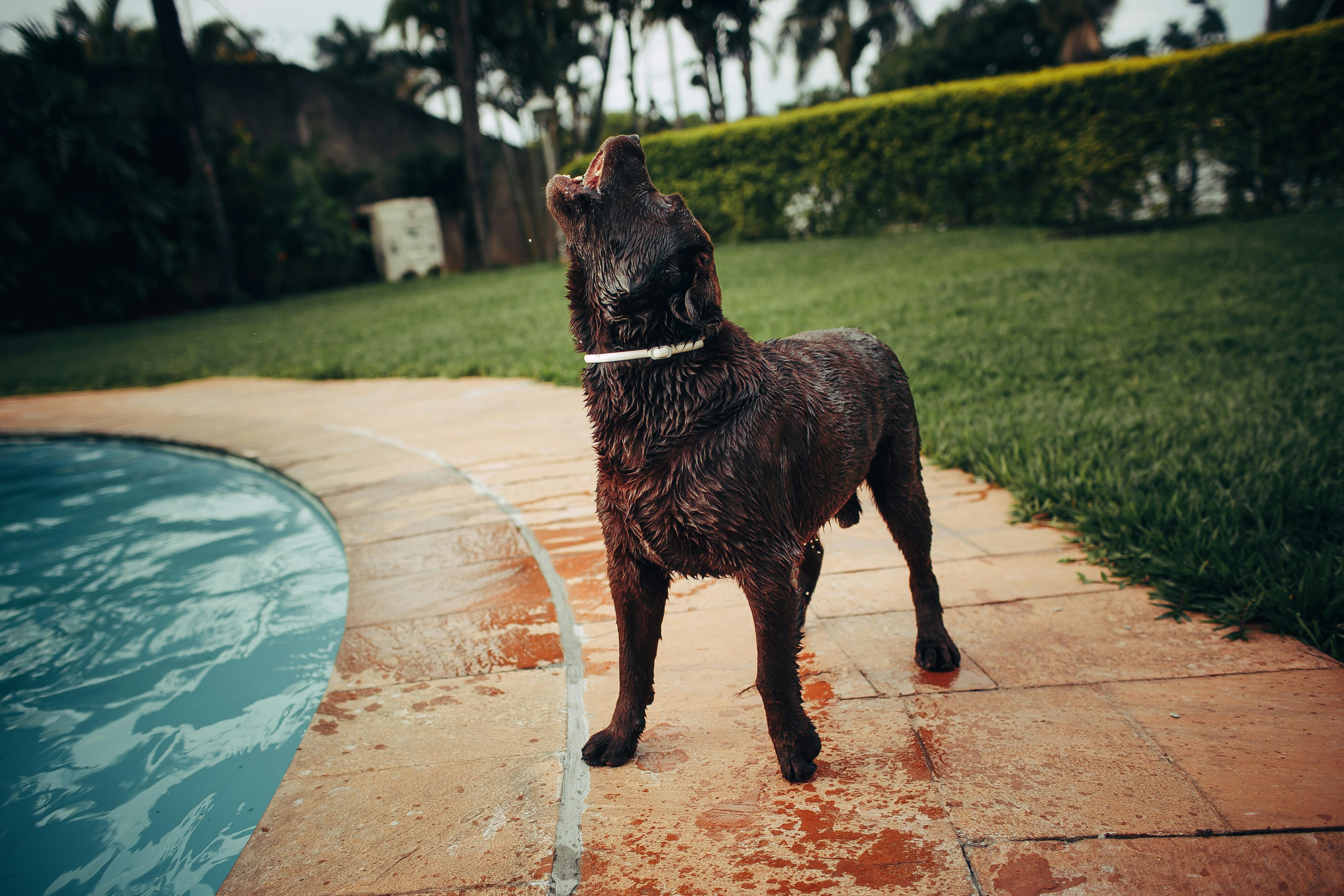 \n\n
\n\nWhen you look at your dog, one of the things you might notice is its nose. Often, it’s cold and wet, but have you ever wondered what that means? You might be asking yourself, do wet noses mean your dog is healthy? Understanding canine health indicators can be pretty tricky, but dogs' noses are often a hot topic among pet owners. So, let’s dive in and unlock the secret behind it!
\nWhy Do Dogs Have Wet Noses?
\nDogs have wet noses for several reasons, and it ain't just for fun. Here’s a quick rundown of some of the main reasons:
\n- \n
- \n
Cooling Mechanism: Dogs don’t sweat like humans do. Instead, they rely on their noses to help regulate their body temperature. A wet nose can help cool them down, especially after they’ve been running around.
\n \n - \n
Sense of Smell: Canine noses are super sensitive. The moisture helps to capture scent particles in the air, making it easier for dogs to smell things around them. A wet nose is often a sign that your dog is actively sniffing out its environment.
\n \n - \n
Hydration Indicator: A wet nose can often indicate that your dog is well-hydrated. If it’s dry or cracked, it could hint at dehydration or health issues.
\n \n - \n
Comfort and Emotion: Sometimes, a dog’s nose can be wet due to excitement or anxiety. When dogs are happy or stimulated, their noses tend to stay moist.
\n \n
Do Wet Noses Mean Your Dog Is Healthy?
\nWhile a wet nose can be a good sign, it doesn’t always mean your dog is healthy. Health indicators in dogs are various and can include:
\n- \n
- \n
Behavior: Is your dog playful and active? A lack of energy can be a sign of illness.
\n \n - \n
Appetite: A sudden change in eating habits, like not eating at all, can signal health issues.
\n \n - \n
Coat Condition: A shiny, thick coat usually indicates a healthy dog, whereas a dull or patchy coat could suggest health problems.
\n \n - \n
Breathing Patterns: Healthy dogs typically have normal breathing patterns. If your dog is panting excessively or has trouble breathing, it’s worth checking with a vet.
\n \n - \n
Nose Temperature: A warm or dry nose can sometimes indicate fever or illness, but it’s not a definitive measure.
\n \n
Common Misconceptions About Dog Noses
\nThere’s a lot of misinformation out there about dog noses and their health. Some common myths include:
\n- \n
- \n
Myth 1: A wet nose always means a healthy dog.
\n- \n
- Reality: While it can be a good sign, it’s not the only indicator. \n
\n - \n
Myth 2: A dry nose means your dog is sick.
\n- \n
- Reality: Dogs can have dry noses for many reasons, including just waking up or being in a dry environment. \n
\n - \n
Myth 3: All dogs have wet noses.
\n- \n
- Reality: Some breeds may have drier noses due to genetics. \n
\n
What Should You Do If Your Dog's Nose Is Dry?
\nIf you notice that your dog's nose is dry, here’s a few things you can do:
\n- \n
- \n
Hydration Check: Make sure your dog has constant access to fresh water. Dehydration can come from many factors like heat, exercise, or health issues.
\n \n - \n
Environmental Factors: Check if the weather is particularly dry or hot. You might need to adjust their living conditions to help maintain moisture.
\n \n - \n
Consult a Vet: If the dryness persists for more than a day or two, it might be a good idea to consult with a veterinarian. They can provide insights and check for underlying health issues.
\n \n
Fun Facts About Dog Noses
\n- \n
- \n
Every dog’s nose print is unique, similar to human fingerprints.
\n \n - \n
Dogs have about 220 million scent receptors, compared to humans’ 5 million!
\n \n - \n
The wetness of a dog’s nose can change based on the time of day, activity level, and even the weather.
\n \n
Understanding the reasons behind your dog's wet nose can help you keep an eye on their health. It ain’t just about the wetness; you also need to pay attention to other signs and behaviors. So, while a wet nose can be a good indicator, it’s important to look at the whole picture when assessing your furry friend's health. If you ever feel uncertain about your dog's condition, never hesitate to reach out to a veterinarian. They'll provide the best advice tailored to your dog's specific needs.
\n\nThe Role of a Dog’s Wet Nose in Temperature Regulation: What Every Owner Should Know
\n\n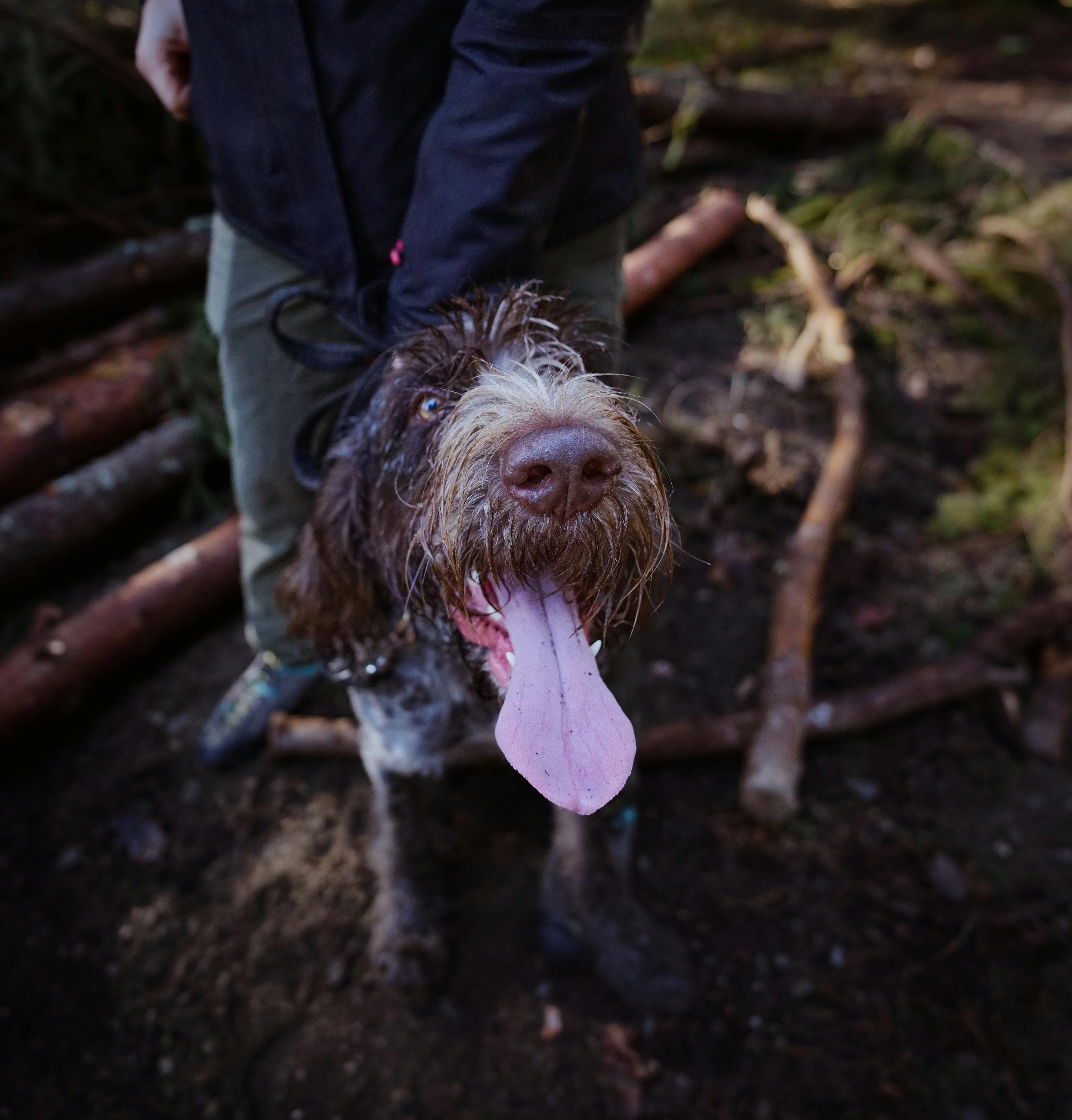 \n\n
\n\nDogs are one of the most beloved pets in the world, and lots of owners often wonder why their furry friends have wet noses. It's a common sight to see a pup with a moist snout, but what does that really mean? In fact, a dog's wet nose plays a crucial role in temperature regulation, which is essential for their overall health. As a dog owner in New York, understanding this simple yet important characteristic can help you provide better care for your pet.
\nWhy Do Dogs Have Wet Noses?
\nSo, why do dogs have wet noses anyway? The answer lies in biology and evolution. A dog's nose is covered in a thin layer of moisture, which is produced by specialized glands. This moisture helps to cool the dog down through evaporation. When a dog pants or breathes rapidly, the moisture evaporates, helping to regulate their body temperature.
\nHere are some key points about dog noses:
\n- \n
- Moisture Production: Dogs have mucous glands in their noses that secrete this moisture. \n
- Temperature Regulation: The wetness helps cool the air they inhale, maintaining a suitable body temperature. \n
- Scent Detection: The moisture also helps to capture scent particles, enhancing their sense of smell. \n
The Science Behind a Dog's Nose
\nIn a sense, a dog's nose is like a built-in thermometer. Researchers found that a dog’s nose can detect temperature changes in their environment. When the air is hot, the moisture evaporates more quickly, which cools down the dog. On the other hand, when it's cold, the nose might not be as wet, which can help retain heat.
\n- \n
- Normal Nose Temperature: A healthy dog's nose should feel cool and moist. \n
- Dehydration Indicator: A dry nose might indicate dehydration or illness, so it’s essential to keep an eye on it. \n
Historical Context of Dog Noses
\nHistorically, dogs have been domesticated for thousands of years. From ancient hunting companions to modern-day pets, their wet noses have always been a part of their anatomy. Early humans noticed that dogs with moist noses were often healthier and more alert.
\n- \n
- Evolutionary Advantage: Dogs with wet noses likely had better hunting success, as they could detect scents more effectively. \n
- Cultural Beliefs: Many cultures have myths surrounding dogs’ noses, often associating wetness with good health and fortune. \n
Fun Facts About Dogs' Noses
\n- \n
- Unique Patterns: Just like human fingerprints, each dog has a unique nose print. \n
- Temperature Sensitivity: Dogs can sense temperature changes far more acutely than humans. \n
- Wet Nose, Happy Dog: A wet nose is often a sign of a happy and healthy dog. \n
Practical Implications for Dog Owners
\nAs a dog owner, it’s important to know how to keep your dog's nose healthy. Here are some tips:
\n- \n
- Hydration is Key: Always provide fresh water. Dehydration can lead to a dry nose. \n
- Regular Vet Check-ups: Ensure your dog is regularly examined by a veterinarian, especially if you notice changes in nose moisture. \n
- Climate Considerations: In New York, winter can be harsh. Protect your dog from extreme cold or heat, as both can affect their health. \n
Comparing Wet and Dry Noses
\nHere’s a quick comparison of wet versus dry noses:
\n| Feature | \nWet Nose | \nDry Nose | \n
|---|---|---|
| Temperature | \nCooler, aids in regulation | \nWarmer, can indicate issues | \n
| Health Indicator | \nGenerally healthy | \nCould suggest dehydration or illness | \n
| Scent Detection | \nBetter at capturing scents | \nLess effective | \n
| Moisture Gland Activity | \nActive | \nLess active | \n
What to Watch For
\nWhile a wet nose is often a sign of good health, sudden changes should not be ignored. Here are some signs to keep an eye on:
\n- \n
- Consistently Dry Nose: If your dog’s nose stays dry for an extended period, it might be time to consult a vet. \n
- Cracking or Bleeding: This could indicate a serious issue and should be addressed immediately. \n
- Changes in Behavior: If your dog seems lethargic or refuses to eat, it could be linked to their overall health status. \n
Understanding the role of a dog's wet nose in temperature regulation is not just an interesting fact; it can be crucial for responsible pet ownership. By knowing why dogs have wet noses, owners can take proactive steps to ensure their pets remain healthy and comfortable, especially in a bustling city like New York. Being observant of your dog’s nose and overall behavior can lead to a happier and healthier life for your furry friend.
\n\nWhy Do Puppies Have Wet Noses? Exploring the Unique Traits of Young Dogs
\n\n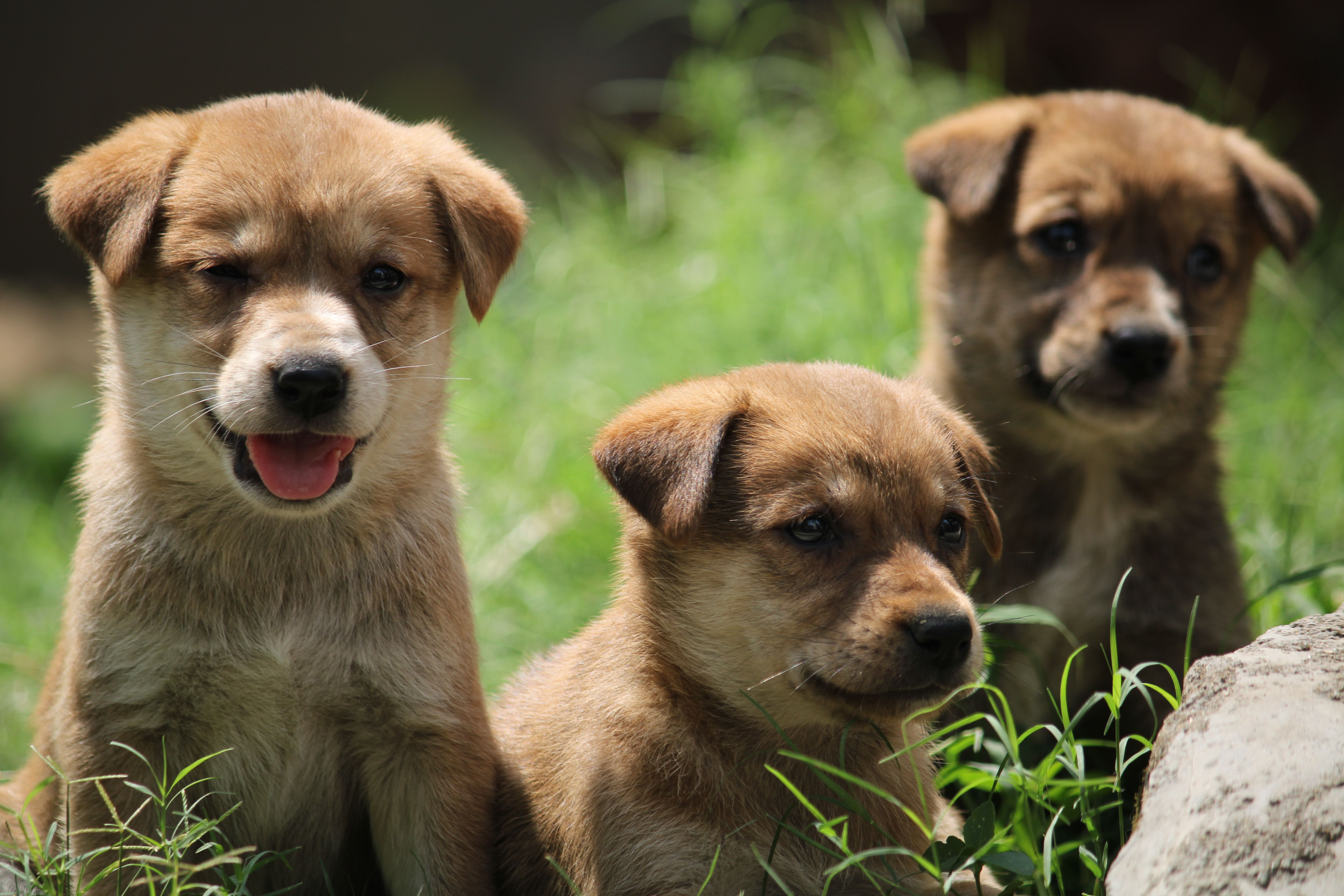 \n\n
\n\nWhen you see a puppy with a wet nose, you might wonder why it is like that. Many people ask, “Why do dogs have wet noses?” This simple question opens up a world of fascinating facts about our canine companions. Young dogs, with their playful antics and boundless energy, often have noses that are not just adorable but also serve important functions. So let’s dive into this topic and explore the unique traits of puppies, focusing on their wet noses and what they mean.
\nThe Science Behind Wet Noses
\nDogs, including puppies, have wet noses thanks to a thin layer of mucus that keeps their noses moist. This moisture is important for several reasons:
\n- \n
- Enhanced Smell: A wet nose helps to trap scent particles from the air, making it easier for dogs to smell things. Dogs have an incredible sense of smell, about 40 times more acute than humans, and a wet nose aids this ability. \n
- Temperature Regulation: Dogs don’t sweat like humans do. Instead, they cool themselves off by panting and their noses help too. A wet nose can help to regulate their body temperature, especially during hot days. \n
- Health Indicator: A dog’s nose can reveal a lot about its health. A dry or cracked nose may indicate dehydration or illness, whereas a moist nose is often a sign of a happy, healthy pup. \n
Historical Context of Dog Noses
\nThe wet nose of a dog isn't just a random trait; it has evolved over thousands of years. The ancestors of modern dogs, wolves, relied on their keen sense of smell for hunting and survival. Breeding and domestication led to the various dog breeds we have today, but that wet nose stayed. It’s a trait that has roots in survival and adaptation, allowing dogs to navigate their environments effectively.
\nWhy Do Puppies Have Wet Noses?
\nPuppies are particularly known for their adorable wet noses, which can be even more pronounced than in adult dogs. Here’s why:
\n- \n
- Growing Sensory Abilities: As puppies grow, their senses are developing rapidly. A wet nose helps them to explore the world and learn about their surroundings. \n
- Interaction with Their Mothers: When puppies are young, they rely on their mothers for nourishment and warmth. A wet nose can help them stay close to their mother, finding her warmth and milk more easily. \n
Fun Facts About Dog Noses
\n- \n
- Dogs have more than 300 million scent receptors in their noses. Humans only have about 5 million. \n
- The texture of a dog’s nose is unique, much like a human fingerprint. No two dogs have identical nose prints. \n
- Puppies are born with their eyes and ears closed, but their noses are already functional, helping them find their mother early on. \n
Comparing Dog Noses to Other Animals
\nYou might be curious how dog noses stack up against other animals. Here’s a quick comparison:
\n| Animal | \nNumber of Scent Receptors | \nWet Nose Functionality | \n
|---|---|---|
| Dogs | \n300 million | \nExcellent for scent detection and temperature regulation | \n
| Cats | \n50-80 million | \nGood for hunting but not as effective as dogs | \n
| Rats | \n1,000,000 | \nVery sensitive, used for navigation and finding food | \n
| Humans | \n5 million | \nLimited compared to dogs, mostly for basic smell | \n
Practical Examples of Nose Use
\nDogs use their noses in various ways that can be fascinating to observe:
\n- \n
- Tracking: Police and rescue dogs often use their noses to track scents. Their wet noses help them to pick up even the faintest smells, which is crucial in search-and-rescue missions. \n
- Detection: Service dogs are trained to detect medical conditions like seizures or drops in blood sugar, relying on their exceptional sense of smell. \n
- Playfulness: Puppies often explore their environment by sniffing everything. A wet nose helps them engage in their natural instinct to investigate. \n
Puppies are more than just cute faces and wagging tails; their wet noses are a testament to their remarkable biology and evolutionary history. So next time you see a puppy with a wet nose, remember that it plays a crucial role in their life, helping them to smell, cool down, and even communicate. Understanding these unique traits not only deepens our appreciation for dogs but also enhances the bond we share with these lovable companions.
\n\nThe Myth of the Cold Wet Nose: What Your Dog’s Nose Temperature Really Means
\n\n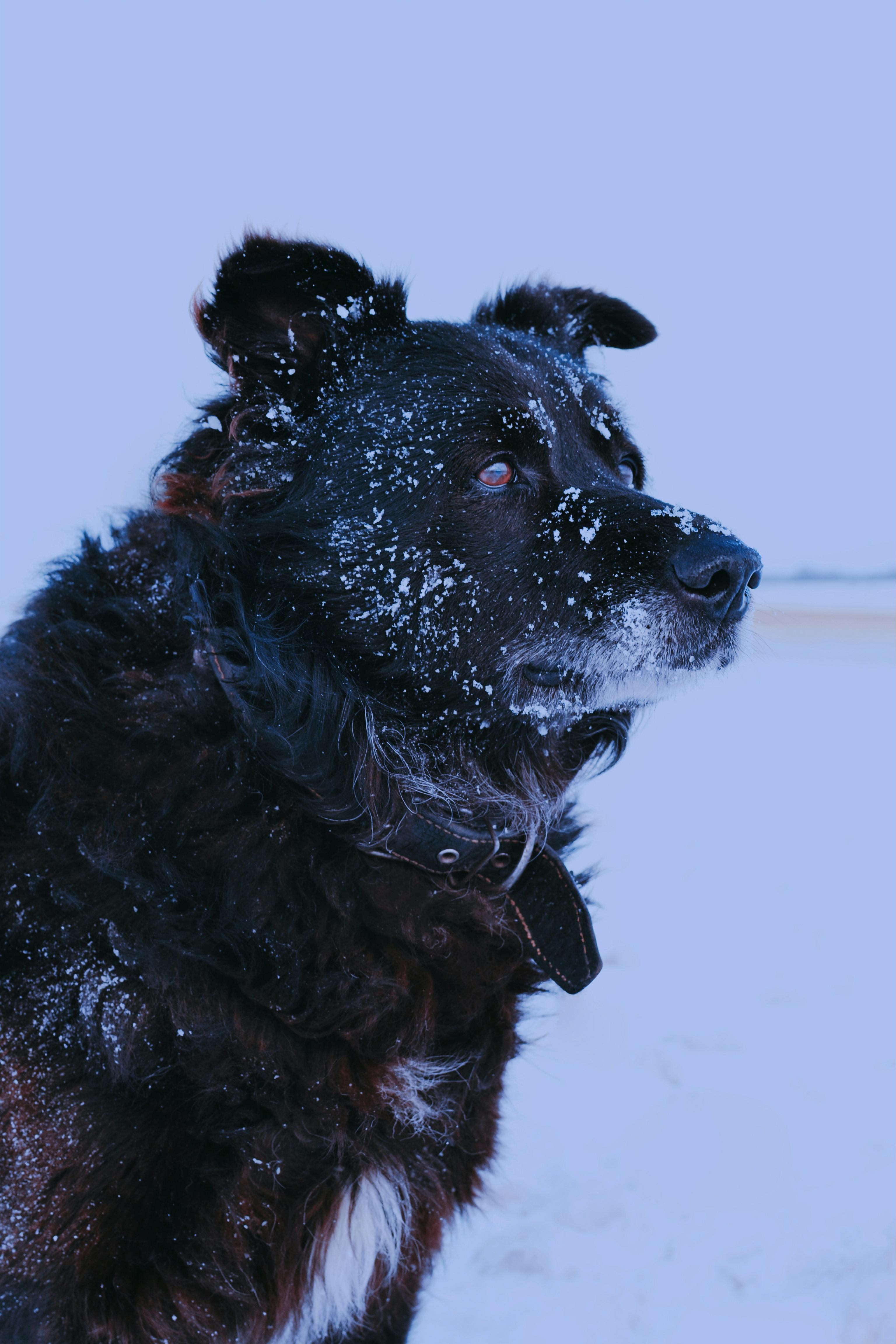 \n\n
\n\nYou ever wonder why dogs have wet noses? Many people think its just a sign of a healthy pup, but there’s actually more to it than that. The myth of the cold wet nose has been around for ages, leadin’ folks to believe that a warm or dry nose indicates illness. But what’s the real story behind it? Let’s dive into the science and history behind those adorable, moisture-laden snouts.
\nThe Science Behind a Dog's Wet Nose
\nDogs have wet noses for a good reason. The moisture serves several important functions. Here’s what you need to know:
\n- \n
- Temperature Regulation: Dogs don’t sweat like humans do. Instead, they primarily regulate their body temperature through panting and the moisture on their noses. The wetness helps to cool them down. \n
- Enhanced Smell: A wet nose helps to absorb scent particles, enhancing a dog’s sense of smell. Their noses are packed with olfactory receptors, and the moisture helps these receptors pick up scents more effectively. \n
- Health Indicator: While a wet nose is often associated with good health, it’s not a foolproof indicator. Factors such as activity level or the environment can influence nose moisture. \n
Historical Context of Dog Noses
\nThe idea that a dog’s nose can tell you about their health has been around for centuries. Ancient cultures believed that dogs could sense illness and could even detect changes in their owner’s health. Some even thought that a wet nose could ward off evil spirits. Isn’t that wild?
\nThe practice of checkin’ a dog’s nose for moisture goes back to when people relied on their pets for work, companionship, and protection. A healthy dog was essential for survival, and their noses were one way to assess their wellbeing.
\nWhy Do Dogs Have Wet Noses?
\nSo, let’s break it down further. Here are some reasons why dogs have that characteristic wet nose:
\n- \n
- Scent Detection: Dogs’ noses are incredibly sensitive due to their anatomy. The moist surface allows scent molecules to bind better. \n
- Cooling Mechanism: Just like mentioned, dogs sweat less. Their noses help cool them down, especially during hot days or after vigorous play. \n
- Communication: Dogs use their noses to gather information about their environment and other animals. A wet nose might send signals to other dogs about their health and mood. \n
The Myth of the Cold Wet Nose
\nNow let’s tackle the myth directly. Many believe that a cold, wet nose means a dog is healthy, while a warm or dry nose indicates sickness. Here’s why this is misleading:
\n- \n
- Variability: Dogs’ noses can vary in temperature and moisture throughout the day, dependin’ on activity and environment. \n
- Illness Signs: Other signs of illness are often more reliable than nose temperature. Look for changes in behavior, appetite, or energy levels. \n
- Individual Differences: Just like people, dogs have their own unique characteristics. Some dogs naturally have drier noses or fluctuating temperatures. \n
Practical Examples of Nose Health
\nIf you’re concerned about your dog’s health based on their nose, consider these points:
\n- \n
- Check for Other Symptoms: If the nose is warm but your dog is eating, playing, and acting normally, there may be no cause for alarm. \n
- Consult a Veterinarian: Always consult a vet if you notice more concerning signs like lethargy, vomiting, or loss of appetite. \n
- Hydration Matters: Make sure your dog stays hydrated, as dehydration can influence nose moisture. \n
Quick Facts About Dog Noses
\n- \n
- Dogs have about 220 million scent receptors. \n
- Their sense of smell is 10,000 to 100,000 times more sensitive than humans. \n
- Puppies are born with a wet nose, but it can change as they grow. \n
Comparison: Dog Noses vs. Human Noses
\nHere’s a quick comparison between dog and human noses:
\n| Feature | \nDogs | \nHumans | \n
|---|---|---|
| Scent Receptors | \n220 million | \n5 million | \n
| Moisture Role | \nAbsorb scent, cool down | \nMinor role, mainly for breathing | \n
| Temperature | \nFluctuates based on activity | \nGenerally stable | \n
So, next time you see your dog with that classic wet nose, remember that it is not just a sign of health, it's a complex feature that plays multiple roles in their lives. The myths surrounding dog noses can be fun, but understanding the science behind them is even better! Whether your dog has a cool, wet nose or a warm, dry one, keep an eye on their overall health and behavior. And don't forget to give them a good scratch behind the ears!
\n\nHow to Keep Your Dog’s Nose Healthy and Moist: Essential Tips for Pet Owners
\n\n \n\n
\n\nDog owners often wonder about their furry friend’s health, especially when it comes to that wet little nose. Have you ever asked yourself, “Why do dogs have wet noses?” Well, there’s actually a good reason for this. A dog’s nose plays a big part in their overall health and well-being. Keeping it healthy and moist is important, and this article will give you some essential tips to ensure your pup's snout stays in tip-top shape.
\nWhy Do Dogs Have Wet Noses?
\nDogs have moist noses for several reasons. First, the wetness helps to enhance their sense of smell. You see, a dog’s sense of smell is around 10,000 to 100,000 times better than humans. So, having a wet nose allows more scent molecules to stick to it, helping them identify different smells more effectively.
\nHere are some interesting facts about why dogs have wet noses:
\n- \n
- Cooling Mechanism: Dogs can’t sweat like humans. Their noses help cool them down. The moisture evaporates and cools their body. \n
- Health Indicator: A healthy dog’s nose is usually moist and cool. If it’s dry or hot, it could indicate an underlying health issue. \n
- Communication: Dogs use their noses to communicate with other dogs. A wet nose can signal excitement or playfulness. \n
Keeping Your Dog’s Nose Healthy
\nMaintaining a dog’s nose is not too difficult, but it does require some attention. Here are some tips that can help:
\n- \n
- Regular Hydration: Ensure your dog drink enough water. Dehydration can lead to a dry nose. Always have fresh water available. \n
- Humidity Matters: In dry climates, consider using a humidifier. This can really help keep your pup’s nose from drying out. \n
- Avoid Irritants: Be cautious of chemicals in cleaning products or yard sprays. They can irritate your dog’s sensitive nose. \n
- Check for Cracks: Look for any cracks or sores on their nose. If you notice any, it might be time to visit the vet. \n
- Nutrition Counts: A balanced diet can help maintain overall skin health, including the nose. \n
Common Nose Issues in Dogs
\nDogs can face various nose problems. Here’s a list of common issues:
\n- \n
- Dry Nose: This can be caused by dehydration, sunburn, or certain illnesses. \n
- Nasal Discharge: Clear discharge is usually normal, but colored discharge could indicate an infection. \n
- Crusting: If your dog’s nose is crusty, it might be due to allergies or infections. \n
- Nosebleeds: Frequent nosebleeds should be examined by a vet to rule out serious conditions. \n
Signs of a Healthy Nose
\nSo, how do you know if your dog’s nose is healthy? It’s often easy to tell. A healthy nose typically appears:
\n- \n
- Moist and Cool: You want to feel a cool and slightly wet surface. \n
- Free from Cracks: No dryness or cracking should be present. \n
- No Excessive Discharge: Clear discharge is normal, but anything else could be a warning sign. \n
When to Contact Your Veterinarian
\nIf you see any of these symptoms, it may be time to call the vet:
\n- \n
- If your dog’s nose becomes persistently dry. \n
- If you notice any unusual discharge, especially if it’s colored. \n
- If there’s swelling or sores that don’t heal. \n
- If your dog is showing signs of distress or discomfort. \n
Fun Facts About Dog Noses
\nHere are some fun and surprising facts you might not know about dog noses:
\n- \n
- Dogs have unique nose prints, just like human fingerprints. \n
- The average dog has about 300 million olfactory receptors in their noses. \n
- Dogs can even detect certain diseases, like cancer, through their sense of smell. \n
Taking care of your dog’s nose is essential for their overall health. Paying attention to its condition and making sure it stays moist will help keep your furry friend happy and healthy. After all, a dog’s nose is not just cute; it plays a vital role in their life. Remember, a little extra care can go a long way in ensuring your dog has a healthy and moist nose. So keep these tips in mind, and enjoy the wonderful bond you have with your pet!
\n\nWet Nose, Happy Dog: The Link Between Nose Moisture and Canine Happiness
\n\n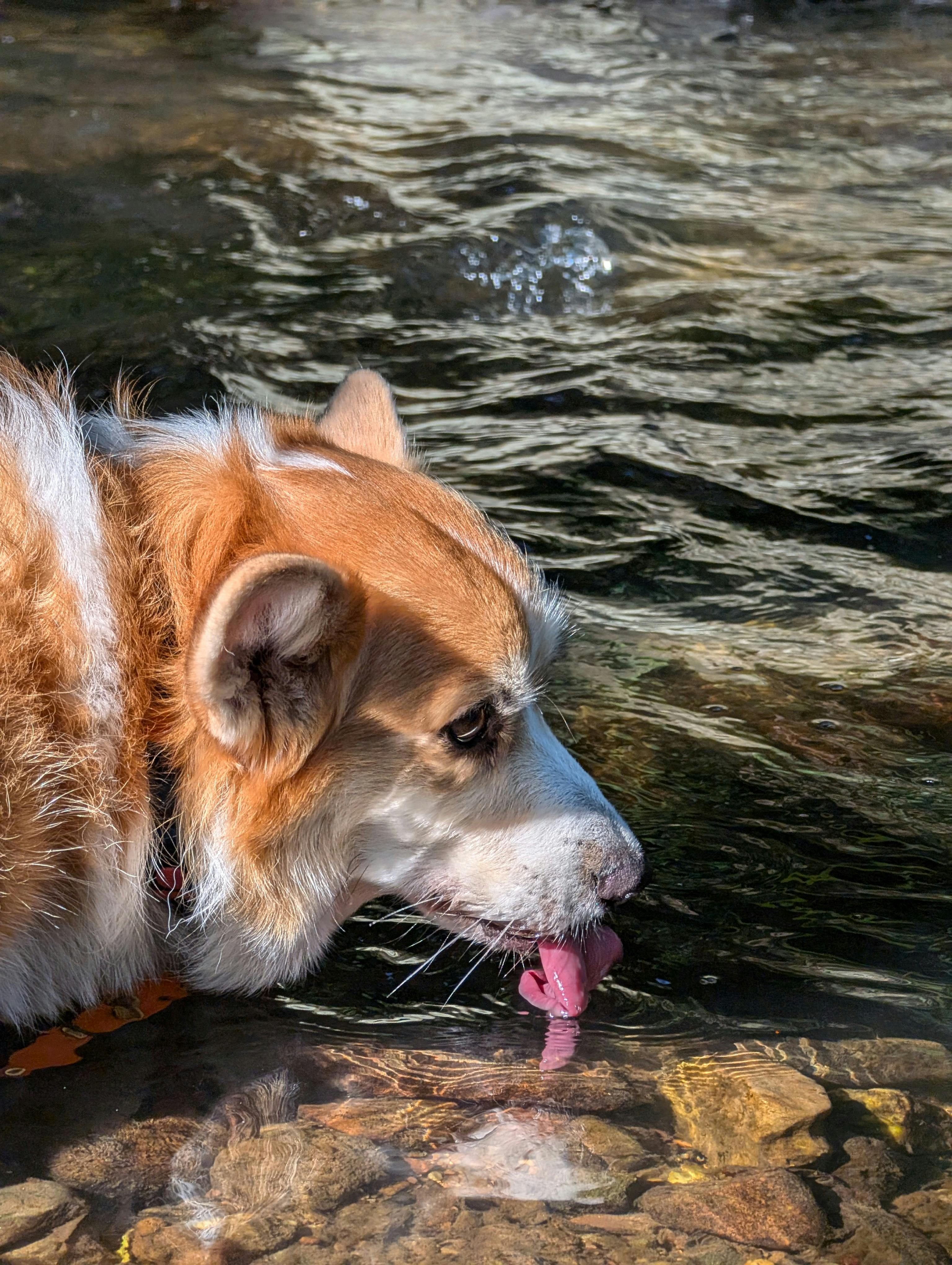 \n\n
\n\nWhen you see a dog with a wet nose, it often brings a smile to your face. But have you ever wondered why do dogs have wet noses? Could there be a link between a pup's nose moisture and their happiness? The answer is yes! Let’s dive into the fascinating world of canine noses and how these little details can reveal a lot about our furry friends.
\nThe Science Behind Wet Noses
\nDogs’ noses are moist for several reasons, and it’s not just for show. The moisture helps to enhance their sense of smell. Dogs have a sense of smell that is 10,000 to 100,000 times better than humans! This is because their noses contain special receptors that detect scents, and wetness helps those receptors function better. Here are some interesting points about why dog noses are wet:
\n- \n
- Increased Olfactory Function: The moisture in the nose helps trap scent particles, making it easier for dogs to inhale and identify different smells. \n
- Temperature Regulation: Dogs don’t sweat like humans. Their wet noses help cool them down. When a dog pants, the moisture on their nose evaporates, which helps to regulate their body temperature. \n
- Health Indicator: A dog’s nose can indicate their health. A wet, cool nose often means they are healthy and happy, while a dry or warm nose could signal illness. \n
Why Do Dogs Have Wet Noses? The Evolutionary Perspective
\nFrom an evolutionary standpoint, having a wet nose is a trait that has developed over thousands of years. Early ancestors of dogs relied heavily on their sense of smell for hunting and survival. A moist nose was advantageous in tracking prey and avoiding danger. Over time, this feature became a standard among canines.
\nThe Emotional Connection: Wet Nose and Happiness
\nSo, how does a wet nose relate to a dog’s happiness? While a wet nose alone doesn’t guarantee a happy dog, it is often a sign of an active, engaged pup. When dogs are playful and engaged in their environment, they tend to have moist noses. Here’s some key points that might help you understand this connection:
\n- \n
- Active Play: Dogs that are playing or exercising are more likely to have wet noses. When they’re excited and running around, their noses tend to get moist. \n
- Social Interaction: Dogs that spend time with their humans or other pets usually have wet noses. Social interaction stimulates their happiness, which can reflect on the moisture of their noses. \n
- Healthy Hydration: A well-hydrated dog is usually a happy dog. If a dog has access to fresh water, they are more likely to have a moist nose. \n
Common Myths About Dog Noses
\nThere are several myths surrounding the moisture of a dog’s nose. It’s important to separate fact from fiction. Here are some common misconceptions:
\n- \n
- Myth 1: A Dry Nose Means a Sick Dog: While a dry nose can indicate illness, it’s not always the case. Some dogs just have naturally drier noses. \n
- Myth 2: Dogs Only Have Wet Noses When They’re Happy: A dog can have a wet nose and still be nervous or scared. Emotional states are complex and can’t be determined solely by nose moisture. \n
- Myth 3: All Dogs Have the Same Nose Moisture: Just like humans, dogs have individual traits. Some breeds naturally have drier noses than others. \n
Factors That Affect Nose Moisture
\nSeveral factors can influence how moist or dry a dog’s nose is. Here are a few to consider:
\n- \n
- Weather Conditions: Hot and dry weather can lead to a drier nose, while cooler, humid conditions can keep it moist. \n
- Health Conditions: Certain conditions, like allergies or skin issues, can cause changes in nose moisture. \n
- Age: Older dogs might have drier noses compared to younger ones due to changes in skin elasticity and moisture retention. \n
Practical Tips for Dog Owners
\nKeeping your dog healthy and happy is the goal of every pet owner. Here are some tips to ensure your dog has a well-functioning nose:
\n- \n
- Hydration: Always provide fresh water to keep your dog hydrated. \n
- Regular Vet Check-ups: Routine veterinary visits can help spot any health issues early. \n
- Monitor Nose Moisture: Pay attention to changes in your dog’s nose moisture as it could signal something amiss. \n
In summary, a wet nose is more than just a cute feature of dogs. It’s a sign of their emotional and physical well-being. Understanding why do dogs have wet noses can help you care for your furry friends better. By keeping an eye on their hydration levels and overall health, you can ensure your pup stays happy and healthy, which is what every dog owner wants. So, when you see that wet, happy nose, know that it’s a good sign your dog is thriving!
\n\nCan You Tell If Your Dog Is Sick by Their Nose? Debunking Common Myths
\n\n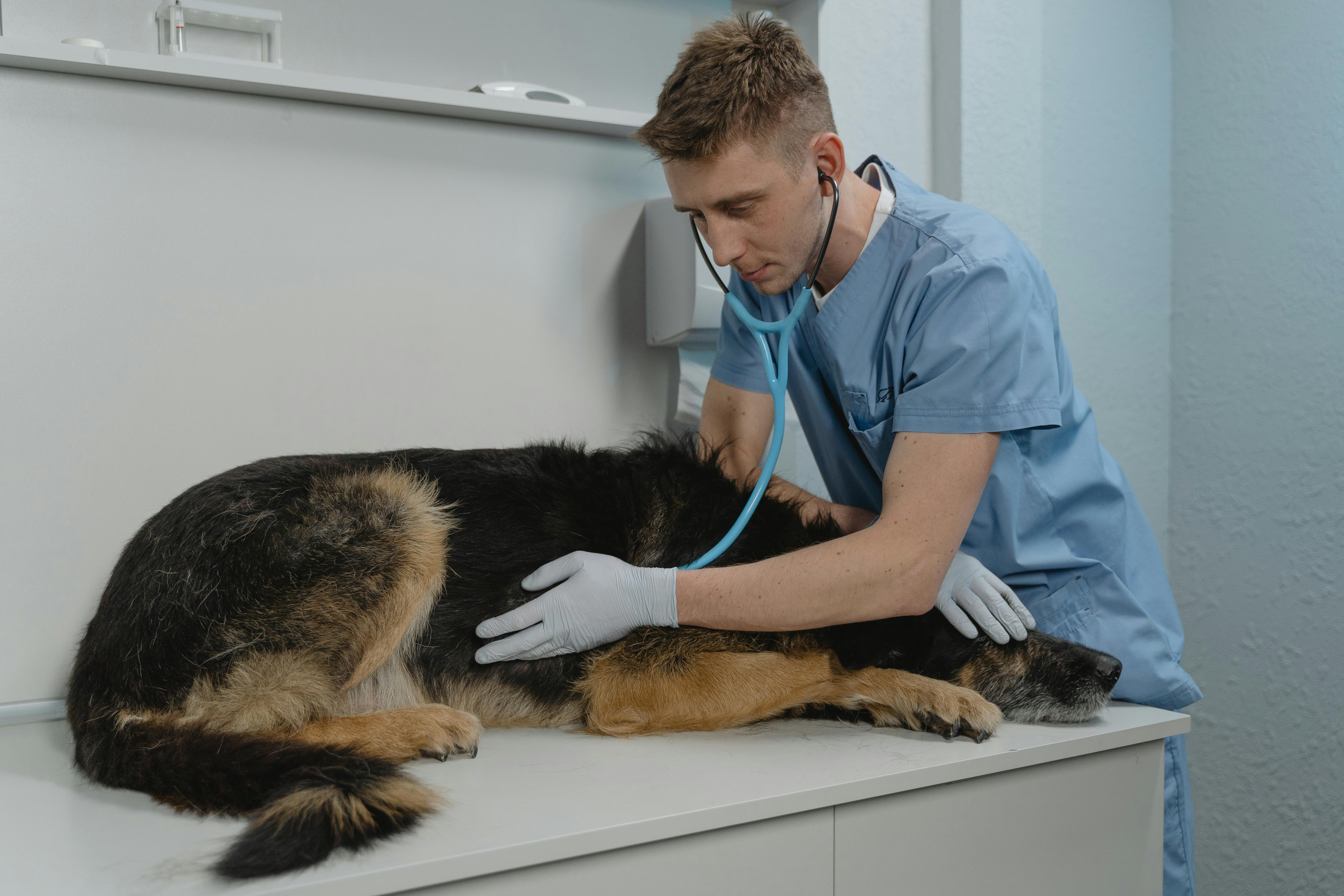 \n\n
\n\nDogs are often considered to be our best friends, and just like any other family member, we want to ensure their health and happiness. One common question pet owners ask is, "Can you tell if your dog is sick by their nose?" It’s a question that has led to many myths and misconceptions over the years. Today, let's dive into the facts behind dog noses, why they’re wet, and what that really means for your furry friend.
\nCan You Tell If Your Dog Is Sick by Their Nose?
\nIt’s a widespread belief that a dog’s nose can indicate whether they’re sick or not. Many people think that if a dog’s nose is dry, it means they might be ill. But that’s not entirely true. While a wet, cool nose is often seen as a sign of health, it’s not the only factor that determines a dog’s well-being.
\nHere are some important points to consider:
\n- \n
- Nasal moisture varies: Just like humans have different body temperatures and skin conditions, dogs can have variation in their nose moisture based on several factors. Weather, activity level, and even the time of day can affect how wet or dry their noses are. \n
- Other symptoms matter: Instead of solely relying on the nose, it’s better to look for other signs of illness. Changes in appetite, energy levels, or behavior can be more telling than the condition of their nose. \n
- Consult a vet: If you’re unsure about your dog’s health, always consult a veterinarian instead of making assumptions based on their nose. \n
Debunking Common Myths About Dog Noses
\nThere are a lot of myths surrounding dog noses, and it’s important to separate fact from fiction. Here are some common myths debunked:
\n- \n
- \n
Myth: A warm nose means a sick dog.
\n- \n
- Fact: Dog noses can be warm for many reasons, including being outdoors in the sun or just waking up from a nap. A warm nose doesn’t automatically mean illness. \n
\n - \n
Myth: A wet nose means a happy dog.
\n- \n
- Fact: While many healthy dogs have wet noses, it doesn’t correlate directly with their mood. Dogs can be sad or anxious and still have a wet nose. \n
\n - \n
Myth: A dog’s nose can predict illness.
\n- \n
- Fact: There is no scientific evidence supporting the idea that a dog’s nose can predict illness. It’s better to observe overall health rather than focusing on the nose. \n
\n
Why Do Dogs Have Wet Noses?
\nYou might be wondering, why do dogs have wet noses in the first place? The answer is quite interesting! Dogs’ noses are moist for several reasons, which can be beneficial for their health and senses.
\n- \n
- Enhanced sense of smell: A wet nose helps capture scent molecules, enhancing a dog’s ability to smell. This is crucial for their survival instincts and social interactions. \n
- Temperature regulation: Dogs don’t sweat like humans do. A moist nose helps to cool them down, acting as a form of thermoregulation. \n
- Health indicator: While not always accurate, a wet nose can sometimes indicate good hydration levels. However, remember that it’s not the only sign of health. \n
Fun Facts About Dog Noses
\n- \n
- Unique patterns: Just like human fingerprints, each dog has a unique nose print. This can be used for identification purposes. \n
- Scent receptors: A dog’s nose has about 220 million scent receptors, compared to humans who have about 5 million. This is why dogs are often used for tracking and search-and-rescue missions. \n
- Nasal anatomy: A dog’s nose is made up of several different components, including a moist outer layer and a complex system of air passages that helps them detect different smells. \n
Practical Tips for Dog Owners
\nTo ensure your dog stays healthy, keep these tips in mind:
\n- \n
- Regular vet check-ups: Ensure your dog gets regular health check-ups, which can help catch any issues early. \n
- Watch for behavioral changes: Pay attention to changes in behavior or appetite, as these can signal health problems. \n
- Hydration is key: Make sure your dog has access to fresh water at all times, as dehydration can lead to health concerns. \n
Understanding your dog’s health goes beyond just checking their nose. By being informed and observant, you can better care for your furry friend and ensure they live a long, happy life. Remember, if you notice anything unusual, it’s always best to consult with a veterinarian to get a professional opinion. Taking proactive steps in your dog's care can make all the difference in their health and happiness.
\n\nConclusion
\n\nIn conclusion, the wet noses of dogs serve several important functions that contribute to their overall health and behavior. The moisture helps enhance their sense of smell, allowing them to detect scents more effectively, which is crucial for their survival and communication. Additionally, the wetness plays a role in thermoregulation, helping dogs maintain an optimal body temperature. The unique composition of dog saliva, combined with their natural instincts, also aids in keeping their noses moist. Understanding the significance of a dog’s wet nose can deepen our appreciation for these remarkable animals and their unique physiology. Next time you notice your furry friend’s damp nose, remember that it’s not just an adorable feature—it’s an essential trait that helps them navigate their world. Embrace your dog's natural quirks and consider sharing this knowledge with fellow dog lovers to enhance their understanding of canine health!
\n\n