
Have you ever wondered why do dogs have wet noses? This intriguing question has fascinated pet owners and animal lovers alike for ages! A dog’s nose is not just a cute feature; it’s a vital tool for their survival and communication. But the truth behind those wet noses might surprise you! Is it merely for cooling down? Or does it serve a deeper purpose in their sense of smell? Research shows that a moist nose helps enhance a dog’s olfactory abilities, allowing them to detect scents more effectively. Furthermore, the temperature regulation of a dog’s body can be influenced by their nose moisture, making it a crucial aspect of their health. If you’re curious about the fascinating truth behind those adorable, wet noses and how they affect your furry friend’s behavior, you’re in the right place! Join us as we explore the science and secrets of why our beloved pets have such unique features. You won’t want to miss out on these insights that will not only satisfy your curiosity but also deepen your understanding of your canine companions! So, let’s dive into the world of dogs and uncover the mystery of their wet noses!
The Science Behind Canine Nasal Moisture: Why Do Dogs Have Wet Noses?
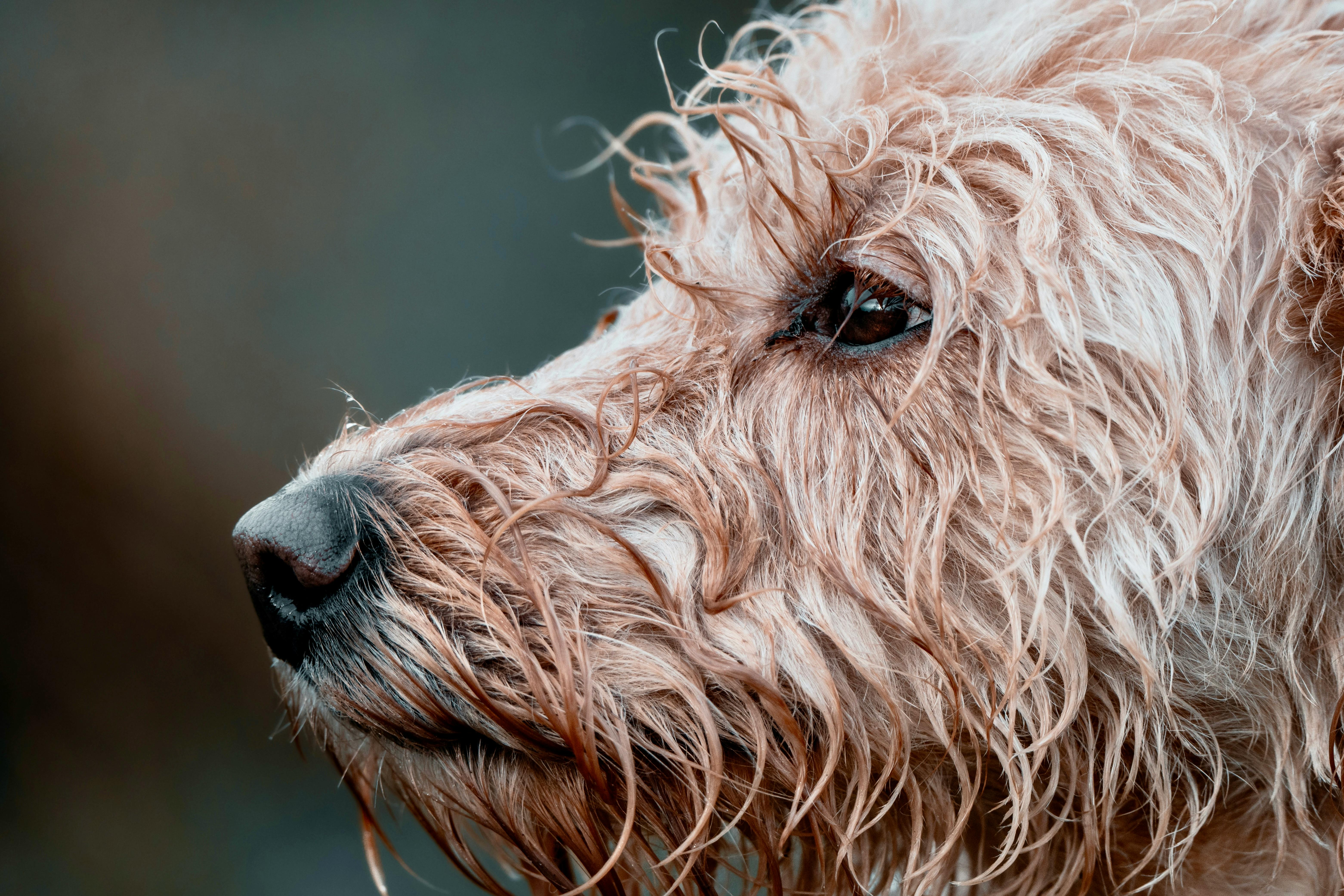
Dogs have a lot of unique traits that make them fascinating companions, and their wet noses are one of the most captivating characteristics. If you’ve ever wondered, “Why do dogs have wet noses?” you’re not alone! This question sparks curiosity among dog owners and science enthusiasts alike. Let’s dive into the science behind canine nasal moisture and explore the reasons why our furry friends have those delightfully damp noses.
The Anatomy of a Dog’s Nose
A dog’s nose is more than just a cute feature; it plays an essential role in their sensory perception. The surface of a dog’s nose is covered in a thin layer of mucous, which helps to trap scent particles. This mucous is secreted by glands found in the nose. The moisture on their noses is vital for detecting scents, which is crucial for a dog’s ability to navigate their world.
- Mucous Glands: These glands produce the moisture that keeps the nose wet.
- Scent Receptors: Dogs have up to 300 million scent receptors, compared to humans’ 5 million. The wetness helps enhance the smell because it allows scent particles to dissolve more easily.
- Temperature Regulation: Wet noses may also help regulate a dog’s body temperature, acting like a cooling mechanism.
Why Do Dogs Have Wet Noses?
There are several reasons why those noses stay moist, and it mainly boils down to biology and behavior. Here’s a quick breakdown:
Enhanced Smelling Ability
- The wet surface on a dog’s nose is essential for capturing scent particles from the air. The moisture helps to dissolve these particles, making it easier for the dog to pick up various smells.
Cooling Mechanism
- Dogs don’t sweat like humans do. Instead, they cool off by panting and through the moisture on their noses. A wet nose can help them regulate their body temperature, which is particularly important during hot weather.
Health Indicator
- A dog’s nose can sometimes indicate their health. Generally, a warm, dry nose could suggest illness, while a cool, wet nose is often seen as a sign of a healthy pup. However, this isn’t a hard and fast rule, as many factors can affect a dog’s nose condition.
Historical Context of Dog Noses
The evolution of a dog’s nose has been shaped by their relationship with humans. Historically, dogs were bred for various purposes, including hunting and herding. A wet nose became advantageous for tracking scents, which helped them in finding prey or leading livestock. This characteristic has been passed down through generations.
Fun Facts About Dog Noses
- Unique Prints: Just like human fingerprints, each dog has a unique nose print.
- Color Variation: The color of a dog’s nose can vary widely, ranging from black to pink, depending on their breed and genetics.
- Breeds with Different Nose Types: Certain breeds, like Bloodhounds, have particularly moist noses due to their enhanced scenting abilities.
Practical Tips for Dog Owners
Maintaining a dog’s nose is relatively straightforward. Here are some tips to keep that nose healthy and moist:
- Hydration: Make sure your dog has plenty of fresh water available at all times. Dehydration can lead to a dry nose.
- Regular Vet Visits: Regular check-ups can help catch issues early that might affect the moisture of your dog’s nose.
- Watch for Changes: Keep an eye on your dog’s nose. If it suddenly becomes dry or cracked, it could be indicative of health problems.
Comparing Dog Noses with Other Animals
Dogs aren’t the only animals with moist noses. Here’s a quick comparison:
| Animal | Nose Type | Purpose |
|---|---|---|
| Dogs | Wet and sensitive | Enhanced smell |
| Cats | Dry and sensitive | Less reliant on smell |
| Pigs | Wet and highly sensitive | Foraging and rooting |
As you can see, the moistness of a dog’s nose plays a pivotal role in their ability to interact with their environment.
Understanding the science behind canine nasal moisture not only enriches our knowledge about dogs but also strengthens the bond we share with them. So, the next time you see your dog with that adorable wet nose, remember it’s not just for show—it’s a complex feature that aids in their survival and enhances their ability to connect with the world around them.
7 Fascinating Facts About Dog Noses You Never Knew Existed
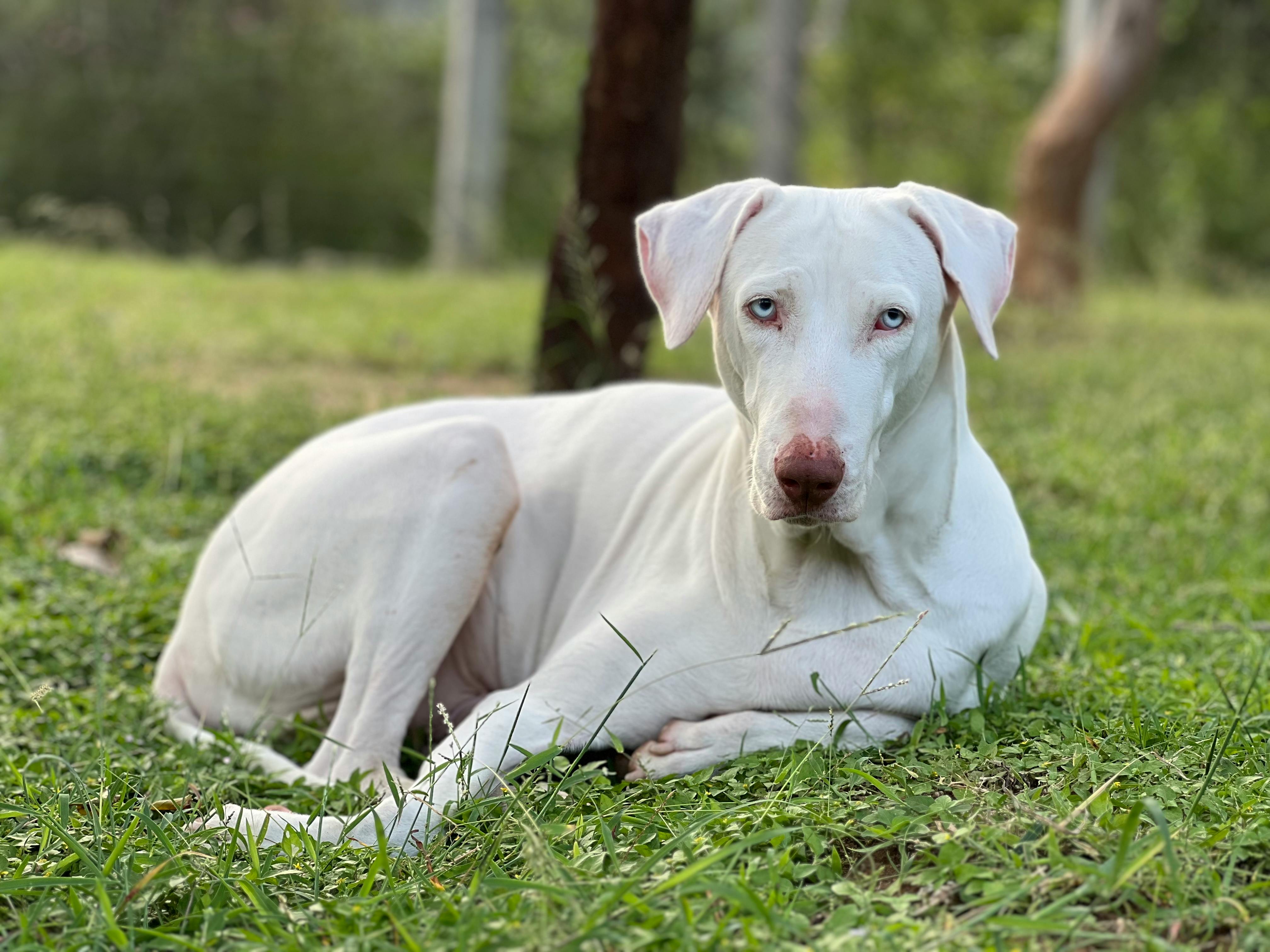
When you think about dogs, many things come to mind: their wagging tails, playful barks, and those adorable wet noses. Have you ever wondered why dog noses are wet? Or what makes them so unique? Turns out, there’s a lot more to canine noses than meets the eye. Here’s a look at 7 fascinating facts about dog noses you probably never knew existed.
1. Dogs Have An Incredible Sense of Smell
Dogs noses are not just for show. They have around 220 million scent receptors, compared to humans only having about 5 million. This means that dogs can detect scents at incredibly low concentrations. In fact, they can smell things up to 40 feet underground! This incredible ability makes them excellent at search and rescue missions, detecting drugs, and even sniffing out diseases like cancer.
2. The Wetness is Key
Many people ask, why do dogs have wet noses? The wetness of a dog’s nose is important for several reasons. Firstly, moisture helps enhance their sense of smell. When the nose is wet, it can capture more scent particles, allowing dogs to detect and identify smells more efficiently. Secondly, a wet nose helps regulate their body temperature, which is crucial on hot days.
3. Unique Nose Prints
Just like human fingerprints, every dog’s nose has a unique pattern of ridges and creases. This means that you could identify a dog simply by their nose print! Some organizations have even started using nose prints as a form of identification, similar to how we use fingerprints in humans.
4. Dogs Can Sweat, But Not Like Us
Did you know that dogs have sweat glands? However, these glands are not located all over their bodies as in humans. Instead, dogs mainly sweat through their paw pads. The wetness of their noses also plays a part in keeping them cool. So, while they can sweat, they primarily rely on panting and wet noses to regulate their body temperature.
5. Temperature and Health Indicator
A dog’s nose can serve as an indicator of their health. For instance, a warm, dry nose might suggest that your dog is sick or dehydrated, while a cool, moist nose is often a sign of good health. However, it’s worth noting that a dog’s nose temperature can fluctuate throughout the day, so it shouldn’t be the only factor you consider when assessing their health.
6. Nose Sensitivity Varies by Breed
Different breeds have varying nose shapes and sizes, which can affect their sensitivity. For example, hounds, with their long noses and large nostrils, are often better at tracking scents than brachycephalic breeds like Bulldogs or Pugs. This is due to their anatomy, which allows for more airflow and scent detection.
7. Dogs Use Their Noses to Communicate
Dogs also use their noses to communicate. When they sniff each other, they are gathering information about other dogs, such as their age, gender, and even emotional state. This is why when you see two dogs meet, they often spend a lot of time sniffing each other’s noses and behinds!
Interesting Comparisons: Dog Noses vs. Human Noses
Here’s a little comparison chart of dog noses and human noses:
| Aspect | Dogs | Humans |
|---|---|---|
| Scent Receptors | ~220 million | ~5 million |
| Nose Print Uniqueness | Unique to each dog | Unique to each human |
| Sweat Glands | Limited to paw pads | Present all over the body |
| Sense of Smell | Highly developed, 40 times better | Less developed |
Practical Examples of Dog Nose Uses
Dogs’ noses are used in various practical applications, including:
- Search and Rescue: Dogs are trained to locate missing persons in disaster situations.
- Detection: Many law enforcement agencies use dogs to sniff out drugs, explosives, and even money.
- Medical Detection: Some dogs are trained to detect diseases like diabetes or certain cancers.
- Therapy Animals: Their ability to sense emotions makes them great companions and therapy animals.
The next time you see a dog with a wet nose, remember the fascinating functionalities behind it. From their incredible sense of smell to their unique communication methods, dog noses are truly remarkable features. They not only help dogs navigate their world but also serve as indicators of their health and well-being. So, why do dogs have wet noses? It’s all part of what makes them the amazing companions we love!
How a Dog’s Wet Nose Enhances Their Sense of Smell: Uncover the Connection
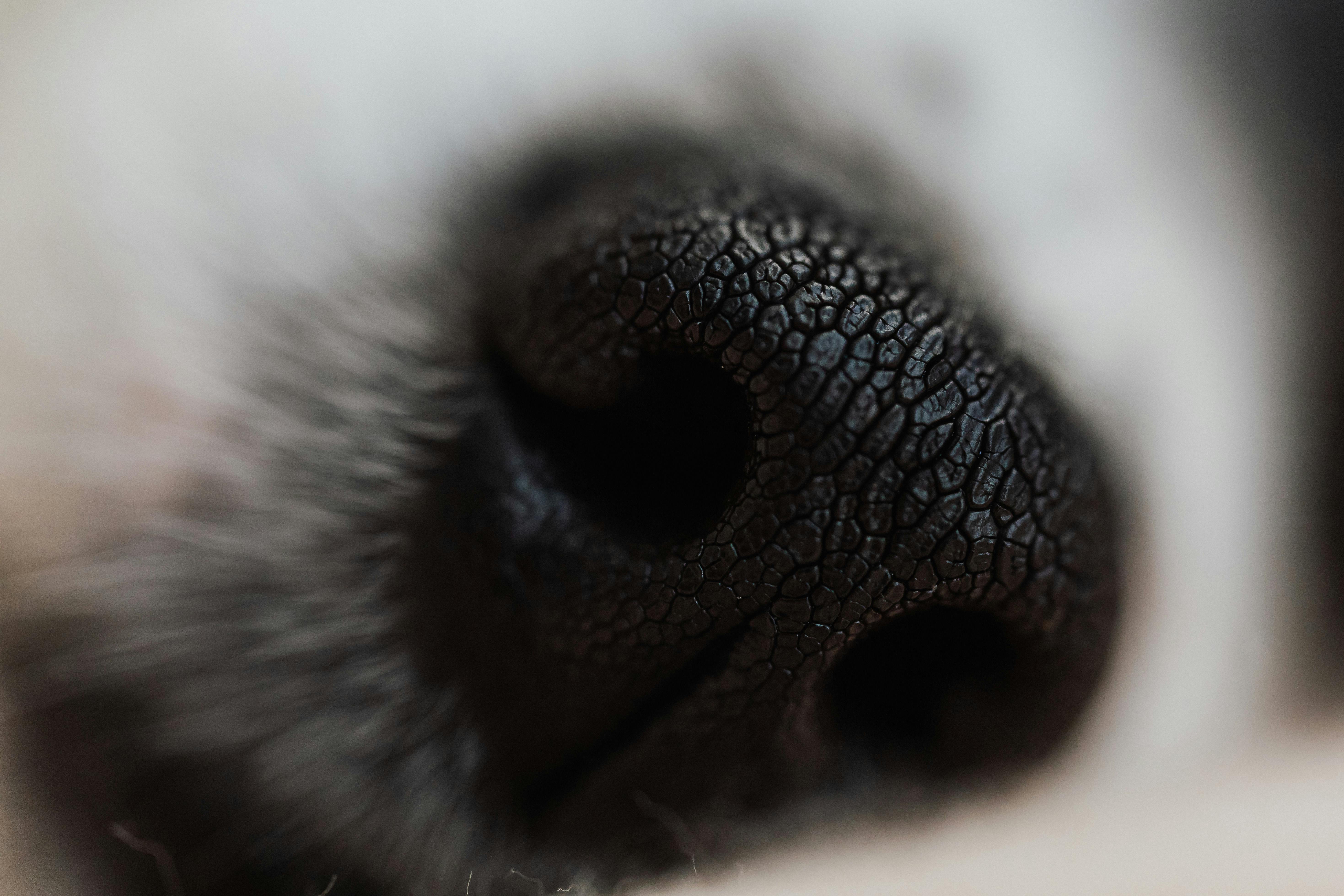
Ever wonder why dogs has that unmistakable wet nose? It’s like they always have a little sheen on their snouts, right? Well, this moistness is more than just a quirky trait; it plays a major role in how dogs experience the world around them. The connection between a dog’s wet nose and their incredible sense of smell is quite fascinating. Let’s uncover the truth behind this unique characteristic and answer the question: why do dogs have wet noses?
The Science Behind the Wet Nose
Dogs noses are not just for show. They are equipped with special cells that help enhance their sense of smell. The moisture on a dog’s nose helps capture scent particles. When the nose is wet, its ability to absorb these particles increases significantly. The wetness creates a larger surface area, allowing dogs to detect scents more efficiently.
Here’s some key points about this phenomenon:
- Moisture Retention: Dogs’ noses have a special gland that secretes mucus, keeping the nose moist.
- Scent Receptors: Dogs has up to 300 million scent receptors, compared to humans’ mere 5 million, making their smelling capabilities vastly superior.
- Heat Regulation: Wet noses also help in regulating temperature, allowing dogs to cool down.
Historical Context of Dog Noses
The history of dogs is long and complex. They have been companions to humans for thousands of years. Throughout this time, their sense of smell has been crucial in hunting and tracking. Breeds like Bloodhounds and German Shepherds were specifically bred for their olfactory abilities.
In ancient times, humans likely recognized the benefit of a dog’s keen sense of smell. They were often used for finding food, tracking animals, and even detecting dangers. This historical reliance on their noses led to the development of various breeds with enhanced scents capabilities.
Why Do Dogs Have Wet Noses?
Now, let’s dive into the reasons why dogs have wet noses and how it contributes to their incredible smelling prowess.
- Scent Detection: As mentioned earlier, moisture traps scent particles, making it easier for dogs to identify smells.
- Cooling Mechanism: Dogs don’t sweat like humans do; instead, they cool off through their noses. A wet nose acts like a natural air conditioner.
- Health Indicator: A dog’s wet nose can indicate their health status. Generally, a cold, wet nose is a sign of a healthy dog. Conversely, a dry nose may suggest dehydration or illness.
Comparison of Dog and Human Smell
Let’s take a quick look at how dogs’ sense of smell compares to that of humans:
| Feature | Dogs | Humans |
|---|---|---|
| Scent Receptors | Up to 300 million | About 5 million |
| Smelling Ability | 10,000 to 100,000 times better | Relatively limited |
| Ability to Track Scents | Excellent; can follow trails for miles | Poor; can struggle to detect smells |
| Types of Smells Detected | Capable of distinguishing complex odors | Basic scent detection |
Practical Examples of Dogs Using Their Noses
Dogs utilize their noses in various ways daily. Here are some practical examples that highlight their amazing olfactory abilities:
- Search and Rescue: Dogs are often used in search and rescue missions to find missing persons. Their keen sense of smell helps them track scents over long distances.
- Detection Work: Many law enforcement agencies use dogs to sniff out drugs, explosives, and even money. Their ability to detect specific scents makes them invaluable in these situations.
- Medical Detection: Some dogs can even detect medical conditions such as cancer or diabetes through scent. They can sense changes in a person’s body chemistry.
The Bottom Line
So, the next time you see your furry friend with that adorable wet nose, remember, it’s more than just a cute feature. It’s a remarkable adaptation that enhances their extraordinary sense of smell. From historical roles in hunting to modern-day uses in law enforcement and medical detection, a dog’s wet nose is an integral part of why they are often called “man’s best friend.” It’s a little marvel of nature that connects dogs to their environment in ways we are still learning about. Dogs noses definitely deserve appreciation, don’t you think?
Is a Wet Nose a Sign of a Healthy Dog? Debunking Common Myths
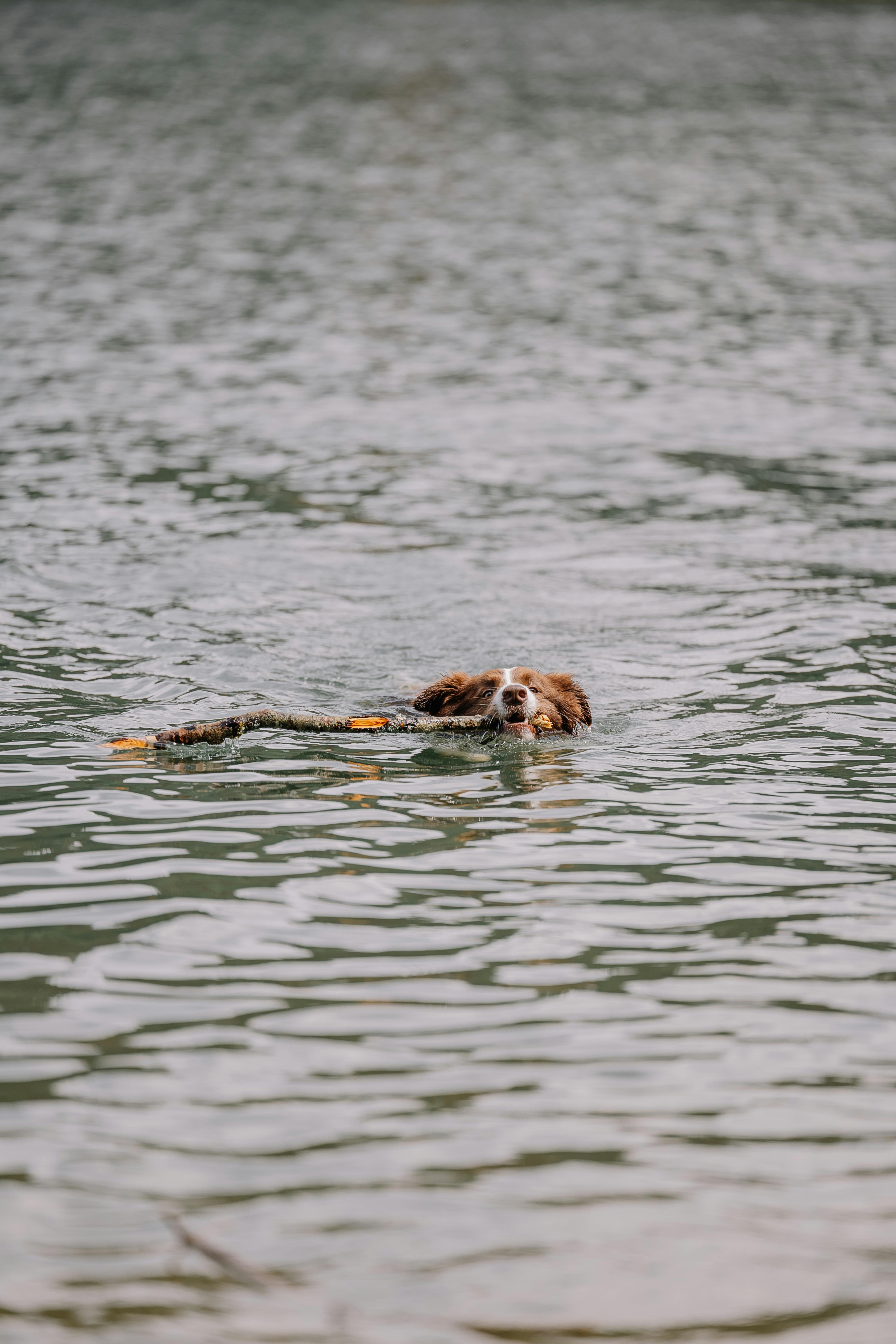
Is a Wet Nose a Sign of a Healthy Dog? Debunking Common Myths, Why Do Dogs Have Wet Noses? Discover The Fascinating Truth!
Have you ever wonder why dogs have wet noses? Many people believe that a wet nose is a sign of a healthy dog, but is that really true? In this article, we’ll take a look at the science behind those damp little noses, and break down some common myths about what they mean for your furry friend. Get ready to discover some fascinating truths about our canine companions!
The Function of a Dog’s Nose
Dogs have some of the most incredible noses in the animal kingdom. Their sense of smell is so powerful that it can be up to 100,000 times more sensitive than humans. But what purpose does that wetness serve?
Temperature Regulation: One reason why dog noses are often wet is to help regulate their body temperature. When a dog licks their nose, it cools them down. This is especially important for breeds that may struggle to cool off, like bulldogs or pugs.
Scent Detection: A wet nose can absorb scent chemicals better than a dry one. This means that dogs can smell things more accurately when their noses are moist.
Health Indicator: While a wet nose is often associated with good health, it doesn’t always mean a dog is sick or healthy. Other factors, like activity levels or the environment, can affect how wet a dog’s nose is.
Debunking Myths About Wet Noses
Now, let’s clear up some misunderstandings. Many folks think that a dog’s wet nose is a definite sign of health, while a dry nose indicates illness. But that’s not always the case. Here are some myths and facts:
Myth 1: A wet nose means your dog is healthy.
- Fact: While a wet nose can be a sign of a healthy dog, it is not a guarantee. Dogs can have dry noses for various reasons, including weather conditions or dehydration.
Myth 2: A dry nose means your dog is sick.
- Fact: A dry nose doesn’t always indicate illness. Dogs can have dry noses when they wake up, or if they’ve been sleeping.
Myth 3: All dogs have wet noses.
- Fact: Some breeds, like the Shar Pei or the Bloodhound, might naturally have drier noses. This doesn’t mean they are unhealthy.
What Affects a Dog’s Nose Moisture?
Several factors can affect how wet or dry a dog’s nose is. Here’s a quick list:
- Weather: Hot or dry weather can lead to a drier nose.
- Health Conditions: Certain health issues, like allergies or autoimmune diseases, can change the moisture level of a nose.
- Hydration: If a dog is not drinking enough water, their nose might be drier.
- Age: Older dogs might show changes in nose moisture.
Dog Nose Care Tips
Keeping your dog’s nose healthy is essential, but it doesn’t require complicated steps. Here are some practical tips:
- Hydration: Make sure your dog drinks enough water daily.
- Humidity: In dry weather, using a humidifier can help keep their nasal passages moist.
- Veterinary Check-ups: Regular check-ups can help catch any potential issues early.
Comparing Dog Noses: Wet vs. Dry
Here’s a simple comparison table to show some differences between wet and dry noses in dogs:
| Wet Nose | Dry Nose |
|---|---|
| Often cool to the touch | Warmer than usual |
| Can indicate hydration | May indicate dehydration |
| Better at smelling scents | Not necessarily unhealthy |
| Common in active dogs | Can be normal in resting dogs |
Fun Facts About Dog Noses
- Did you know that every dog’s nose print is unique? Just like human fingerprints!
- Dogs can actually detect changes in human emotions through scent.
- The moistness of a dog’s nose can help them cool off, but it doesn’t replace the need for shade and water.
So, is a wet nose definitively a sign of a healthy dog? Not exactly. While it can indicate a well-hydrated pup, it’s important not to rely solely on nose moisture as a health indicator. Always pay attention to your dog’s overall behavior and consult with a veterinarian if you notice any significant changes. Remember, each dog is unique, and understanding their specific needs is key to keeping them happy and healthy.
The Role of Dog Noses in Communication: What Their Moisture Levels Mean
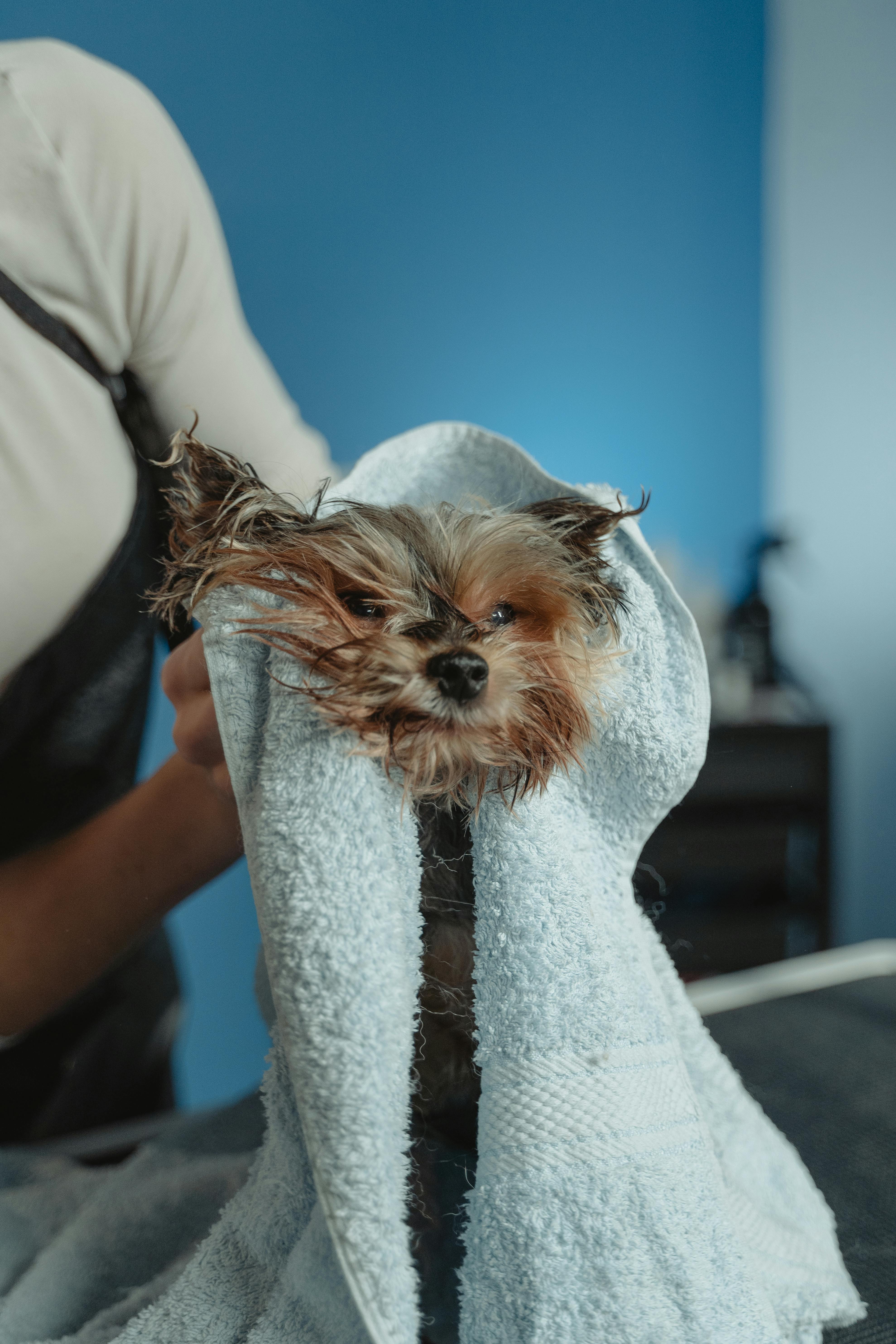
Dogs are known for their loyalty, playfulness, and those adorable faces that make us weak in the knees. But have you ever wondered why do dogs have wet noses? This is a question that many dog owners ponder, especially when they feel the cool, moist touch of their pup’s snout against their skin. The role of dog noses in communication is actually quite fascinating, and moisture levels play a big part in that.
The Science Behind Dog Noses
A dog’s nose is not just for sniffing out treats; it’s a sophisticated organ that plays a big role in how they interact with the world. Did you know that a dog’s sense of smell is about 10,000 to 100,000 times better than that of humans? This remarkable ability comes from the structure of their noses, which are filled with olfactory receptors. The moisture on a dog’s nose is essential for enhancing this sense of smell. When a dog’s nose is wet, it helps to capture scent particles more efficiently.
- Dogs have approximately 300 million olfactory receptors in their noses.
- Humans only have about 6 million.
- The part of a dog’s brain that processes smells is roughly 40 times larger than that of humans.
Why Wet Noses Matter
You might be asking yourself, why do dogs have wet noses, anyway? The moisture serves multiple purposes:
- Enhanced Smelling: A wet nose can trap more scent particles, allowing dogs to gather more information about their environment.
- Cooling Mechanism: Dogs don’t sweat like humans do. Instead, they rely on their moist noses to help regulate their body temperature.
- Health Indicators: A wet and cool nose is often seen as a sign of good health. Conversely, a dry nose could indicate illness, though it’s not always the case.
Communication Through Scent
Dogs communicate much more through scents than through sounds or gestures. They can tell if another dog is in the area or even if someone in the family is feeling unwell just by sniffing. It’s like a secret language that only they understand.
- Dogs use their noses to gather information about other animals.
- They can detect emotional states, such as fear or happiness, through pheromones.
- Dogs can even sense changes in human health, like an impending seizure in some cases.
The History of Dog Noses
Historically, dogs were bred for specific tasks that often relied heavily on their sense of smell. Bloodhounds, for instance, are famous for their tracking abilities, partly due to the unique properties of their noses. Other breeds, like retrievers, were bred to find and retrieve game, making a keen sense of smell essential for their survival.
What Your Dog’s Nose Says About Their Health
It’s important to pay attention to your dog’s nose, as changes can indicate health issues. Here’s a quick guide:
- Normal: Slightly moist and cool.
- Dry: Could indicate dehydration or illness; however, not always a cause for concern.
- Cracked or Flaky: Might be a sign of a skin condition or allergies.
- Very Wet: Could mean your dog is excited or has been licking their nose a lot.
Fun Facts About Dog Noses
- The pattern on a dog’s nose is unique, much like a human fingerprint.
- Dogs can smell certain diseases, including cancer and diabetes.
- A dog’s nose can detect a single drop of liquid in an Olympic-sized swimming pool.
Practical Tips for Dog Owners
Here are some tips to keep your dog’s nose healthy:
- Regularly check their nose for any changes in texture or color.
- Ensure your dog stays hydrated, especially in hot weather.
- If you notice excessive dryness or cracks, consult with a veterinarian.
Dogs are more than just pets; they are companions that communicate in their own unique ways. Understanding why do dogs have wet noses and what those moisture levels mean can enhance your bond with your furry friend. So next time your dog nudges you with that cool, wet nose, remember the fascinating truth behind it!
Wet Nose vs. Dry Nose: When Should You Be Concerned About Your Dog’s Health?
When it comes to our furry friends, we often find ourselves worrying over their health. One of the most common concerns for dog owners is the temperature and moisture of their dog’s nose. You may have heard the saying that a dog’s nose should be wet, but what does that really mean for their health? Is a dry nose something to worry about? Let’s dive into the wet nose vs. dry nose debate and discover the fascinating truth behind why dogs have wet noses in the first place.
Why Do Dogs Have Wet Noses?
First, let’s take a look at why dogs noses are usually wet. The wetness of a dog’s nose is not just for show; it serves several important purposes. Here are some key reasons:
Cooling Mechanism: Dogs can’t sweat like humans. Instead, they cool themselves through their noses and panting. The moisture on a dog’s nose helps to evaporate and cools down their body temperature.
Enhanced Smell: The wet surface of a dog’s nose helps to absorb scent particles, which enhances their sense of smell. A dog’s sense of smell is much more powerful than ours, and a wet nose plays a critical role in that.
Health Indicator: A moist nose is often a sign of a healthy dog. It can indicate that your dog is hydrated and feeling well. However, it’s important to note that the moisture can vary throughout the day due to environmental factors.
Wet Nose vs. Dry Nose: What Does It Mean?
Now, let’s get into the core of the issue: wet nose vs. dry nose. A wet nose is generally a good sign, but what happens when it’s dry? Here’s a comparison to help you understand the implications of each:
Wet Nose:
- Generally indicates hydration and good health.
- Can be influenced by temperature and humidity levels.
- Often found in dogs that are relaxed or resting.
Dry Nose:
- May indicate dehydration or illness.
- Can also be caused by environmental factors like heat or dry air.
- If a dog’s nose is persistently dry and cracking, it could be a sign of a health issue.
When Should You Be Concerned?
While a dry nose can sometimes be normal, there are situations where it could indicate a health problem. Here are some signs to look for:
Persistent Dryness: If your dog’s nose is dry for an extended period, it could be a cause for concern.
Cracking or Bleeding: If the nose is not only dry but also cracked or bleeding, it’s best to consult a vet.
Other Symptoms: If your dog shows signs of lethargy, loss of appetite, or any other unusual behavior in conjunction with a dry nose, it’s time to seek professional help.
Common Misconceptions
Many people think that a cold, wet nose is a sign of a healthy dog, and while it can be true, it’s not the only indicator. Here’s a few common misconceptions:
All Dogs Have Wet Noses: Some breeds naturally have drier noses than others, and that can be completely normal.
Nose Temperature Equals Health: A dog’s nose temperature is not always a reliable indicator of their health. Dogs can have varying nose temperatures throughout the day.
Tips for Dog Owners
To ensure your dog stays healthy and happy, consider these tips:
Hydration: Make sure your dog has access to fresh water at all times to keep their nose moist.
Environmental Control: If you live in a dry climate, consider using a humidifier in your home to help keep your dog’s nose from drying out.
Regular Vet Visits: Routine check-ups can help to catch any potential health issues before they become serious.
Quick Facts About Dog Noses
- Dogs have an estimated 220 million scent receptors in their noses, making them highly adept at detecting smells.
- The texture of a dog’s nose can vary; some are smooth while others may have a rough texture.
- A dog’s sense of smell could be up to 10,000 to 100,000 times better than that of humans.
In the end, while a wet nose is generally a good sign, it’s important to keep an eye on your dog’s overall health. If you notice any significant changes or have concerns about your dog’s nose, don’t hesitate to reach out to a veterinarian. Your furry friend depends on you for their well-being, so staying informed can help you keep them healthy and happy.
Discover the Evolutionary Benefits of Wet Noses in Dogs
Dogs are some of the most fascinating creatures, and their wet noses are one of the quirkiest features. Have you ever wondered, why do dogs have wet noses? The truth behind this common canine characteristic is both evolutionary and practical, revealing a lot about our furry friends. Let’s dive into the evolutionary benefits of wet noses in dogs and discover the fascinating truth!
The Science of Wet Noses
Dogs, like many animals, have adapted over time to survive in their environments. Their wet noses are not just a cute feature; they serve several important purposes. The moisture on a dog’s nose helps to enhance its sense of smell, which is already highly developed. Here are some fun facts about the science behind wet noses:
Increased Olfactory Function: The wet surface of a dog’s nose helps to capture scent particles from the air. When these particles dissolve in the moisture, it allows the olfactory receptors to detect them better.
Temperature Regulation: Dogs don’t sweat like humans do. Instead, their wet noses help to cool them down. When a dog pants, the moisture from their nose evaporates, providing a cooling effect.
Health Indicator: A wet nose can indicate good health. However, a dry nose doesn’t always mean a dog is sick. It’s important to consider other symptoms.
Historical Context of Wet Noses
The evolutionary journey of dogs is fascinating. They are believed to have descended from wolves, and over thousands of years, domestication led to numerous changes in their physiology. Wet noses have been a part of this evolution. Here’s a brief overview:
From Wolves to Companions: Early domesticated dogs had wet noses, which helped them navigate their environment effectively.
Adaptation to Roles: As dogs took on various roles, such as hunters, herders, and companions, their noses remained wet to aid in tracking scents.
Cultural Significance: In many cultures, a wet nose is associated with playfulness and friendliness. This perception has contributed to the dog’s reputation as a loyal companion.
Why Do Dogs Have Wet Noses? The Benefits Unpacked
Understanding why dogs have wet noses can enlighten pet owners about their dog’s behavior and health. Here’s a list of evolutionary benefits and practical uses of wet noses:
Enhanced Scent Detection: Wet noses can detect scents more effectively, which is crucial for hunting dogs and search and rescue dogs.
Communication Tool: Dogs often greet each other with nose-to-nose contact. A wet nose can convey playfulness and friendliness among dogs.
Temperature Regulation: As mentioned before, wet noses help with cooling, especially for breeds prone to overheating.
Health Monitoring: A sudden change in the moisture of a dog’s nose can sometimes indicate health issues. Keeping an eye on this can alert owners to potential problems.
Fun Facts About Dog Noses
Dogs have about 300 million olfactory receptors in their noses, compared to about 6 million in humans. That’s a huge difference!
The shape of a dog’s nose can actually affect its sense of smell. Breeds like Bloodhounds, which have long, droopy noses, have an even better sense of smell than others.
Each dog has a unique nose print, much like a human fingerprint. This means you can identify your dog just by their nose!
The Role of Breed Variation
Interestingly, not all dogs have the same wet noses. Some breeds may have drier noses, and that can be completely normal. Here’s a quick comparison:
| Breed | Typical Nose Condition |
|---|---|
| Labrador Retriever | Generally wet |
| Bulldog | Often drier |
| Beagle | Usually wet |
| Poodle | Can be dry sometimes |
Different breeds adapt to their environments and needs, leading to variations in nose moisture.
Practical Tips for Dog Owners
Regular Check-ups: Keep an eye on your dog’s nose. If it suddenly becomes excessively dry or cracked, consult a veterinarian.
Hydration: Ensure your dog stays hydrated, as this can affect the moisture of their nose.
Environmental Factors: Be mindful of your dog’s environment. Hot and dry weather can lead to a drier nose.
Understanding the evolutionary benefits of wet noses in dogs not only enriches our appreciation for these loyal companions but also helps us care for them better. So next time you pet your dog, remember that their wet nose is a powerful tool that has served them well through the ages!
Can Weather Affect Your Dog’s Nose Moisture? Find Out Here!
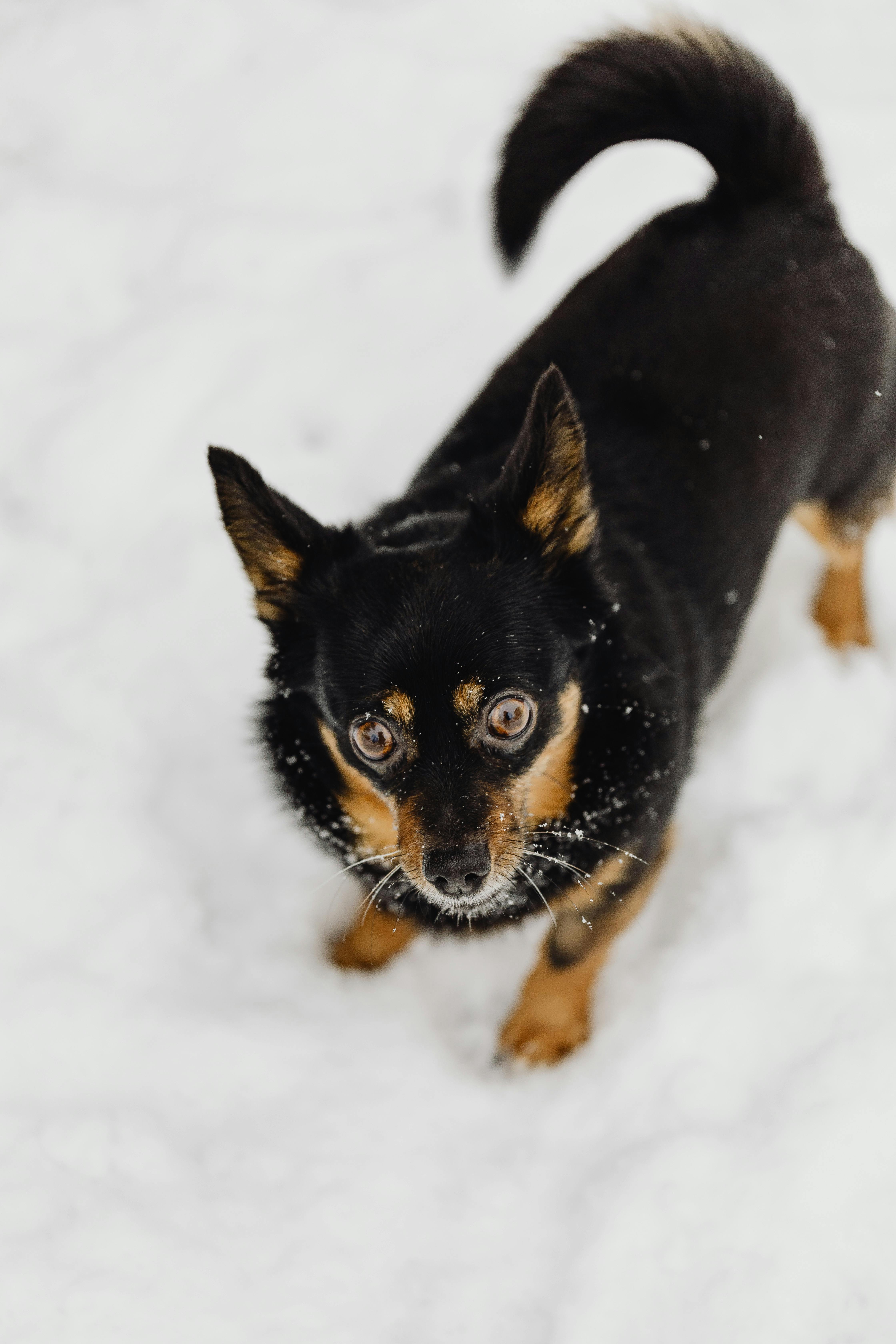
Can weather really affect your dog’s nose moisture? It’s a question that many pet owners ask. Dogs have this unique feature of having wet noses, and there’s more to it than you might think. This article explores the fascinating truth about why dogs have wet noses and how weather conditions can impact them.
Why Do Dogs Have Wet Noses?
Dog’s noses are not just cute; they serve important functions. A wet nose can help dogs to smell better. The moisture on their noses helps to capture scent particles from the air, making it easier for them to identify different smells. Here’s some reasons why dogs have wet noses:
- Enhanced Smell: A wet nose helps to trap scent particles, making it easier for dogs to detect odors.
- Cooling Mechanism: Dogs don’t sweat like humans do. Their noses help regulate body temperature by allowing moisture to evaporate.
- Health Indicator: A dog’s nose can indicate their health. A very dry nose might signal dehydration or illness, while a moist nose is generally a sign of good health.
The Science Behind Nose Moisture
The moisture on your dog’s nose comes from mucus glands. These glands produce a thin layer of mucus which keeps the nose moist. This mucus can also help to protect the nose from dirt and bacteria. So, when you see your dog sniffing around, remember that their wet nose is a tool for exploration!
Can Weather Affect Your Dog’s Nose Moisture?
Yes, weather can have an impact on your dog’s nose moisture. Different climatic conditions can create changes in how wet your dog’s nose is. Here’s how:
- Humidity Levels: In high humidity, a dog’s nose can remain moist longer since the air is saturated with water. This helps dogs in smell detection.
- Cold Weather: Winter months can dry out your dog’s nose. Cold air can cause the mucous membranes to dry up, leading to a drier nose. You might notice your dog’s nose feels less moist during these months.
- Hot Weather: Heat can also cause dehydration, affecting your dog’s nose moisture. If your dog isn’t drinking enough water, you might see a drier nose.
How to Keep Your Dog’s Nose Healthy
Maintaining your dog’s nose moisture is essential. Here are some tips for pet owners:
- Stay Hydrated: Make sure your dog has access to fresh water every day. Dehydration can lead to a dry nose.
- Use Nose Balm: If it’s winter, consider using a specially formulated dog nose balm to keep it moisturized.
- Avoid Harsh Chemicals: Be cautious with cleaning products or any chemicals around your home that may irritate your dog’s nose.
Fun Facts About Dog Noses
Dogs have unique noses that come with some surprising facts:
- Unique Patterns: Just like human fingerprints, no two dog noses are alike.
- Temperature Checker: A dog’s nose can sometimes indicate fever. A significantly warmer nose might mean something’s off.
- Scent Superiority: Dogs have up to 300 million smell receptors, compared to only about 6 million in humans!
Comparing Dog Nose Moisture Across Breeds
Different dog breeds can have varying nose moisture levels. Here’s a quick comparison of how some breeds may differ:
- Bulldogs: Often have a more moist nose due to their short snouts.
- Hounds: These breeds usually have very wet noses, which assist in their tracking abilities.
- Terriers: May have drier noses, especially in colder climates.
What to Watch For
While a wet nose is generally a sign of good health, sometimes you should pay attention to changes. Here’s a quick list of signs that might indicate a problem:
- Nose is excessively dry or cracked.
- Noticeable changes in temperature of the nose.
- Other symptoms like lethargy or loss of appetite.
If you ever notice these signs, it’s a good idea to consult a veterinarian.
Understanding why dogs have wet noses and how weather impacts their moisture can help you take better care of your furry friend. Keeping an eye on your dog’s nose and overall health is essential for your pet’s well-being. Remember that weather does play a role in their nose’s moisture, so adjust your care accordingly!
Why Do Puppies Have Wet Noses? The Cutest Facts About Canine Infants
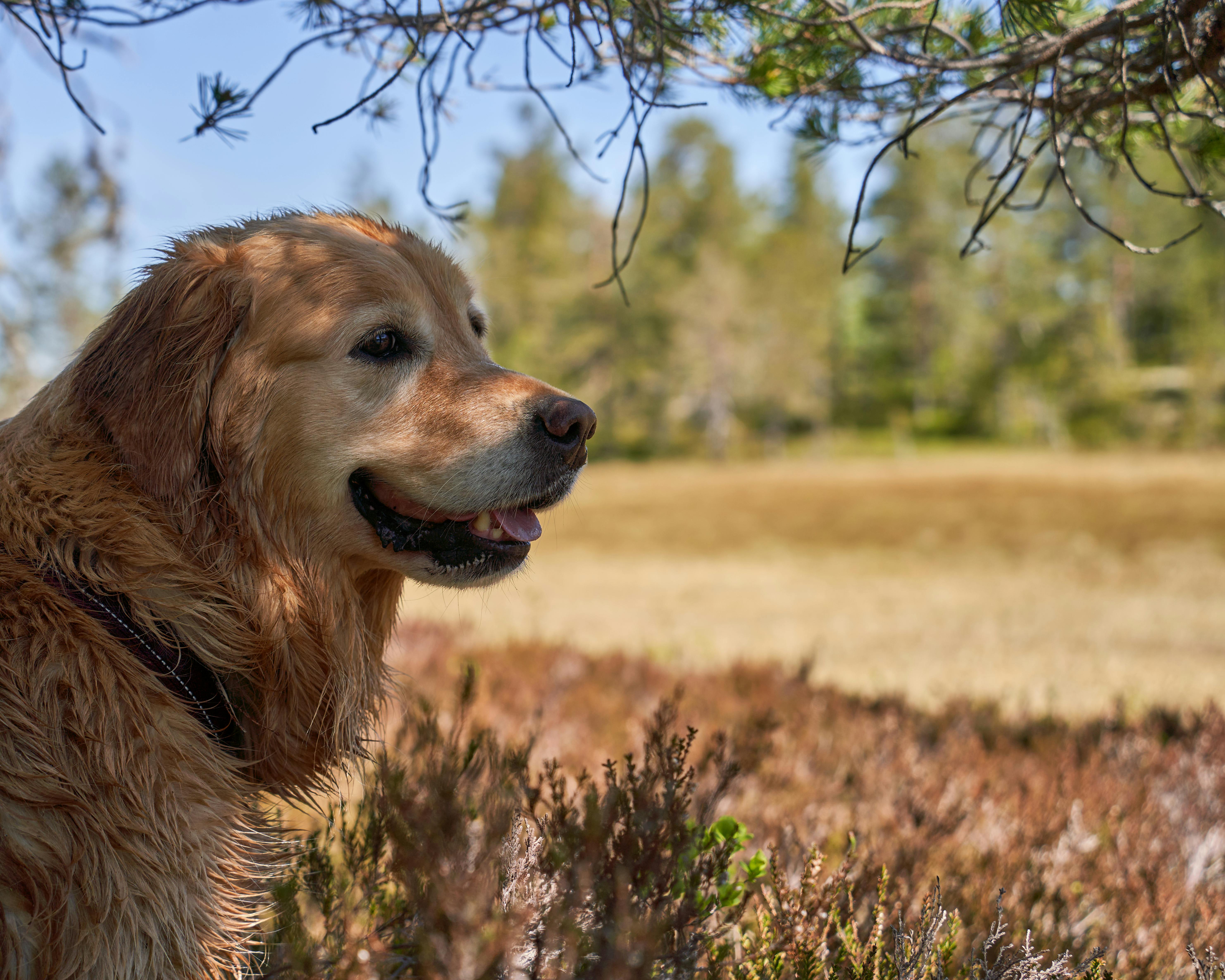
When you think about puppies, their wet noses are one of the first things that comes to mind. But have you ever wonder why do dogs have wet noses? It’s not just an endearing feature, it actually serves several important purposes. In this article, we will explore the cutest facts about canine infants and uncover the fascinating truth behind those adorable, damp noses.
Why Are Dog Noses Wet?
Dogs noses are often wet because of a combination of their physiology and behavior. The moisture on a dog’s nose comes from a couple of places:
- Mucous glands: Dogs have special glands that produce moisture. This helps them to absorb scent particles better.
- Saliva: Dogs also lick their noses, which adds to the wetness. They often lick their noses as a way to taste the scents around them.
This wetness plays a crucial role in how dogs interact with the world. Dogs have an incredible sense of smell, and the moisture on their noses helps enhance this ability.
The Functions of a Wet Nose
Wet noses aren’t just for show. They serve several functions that are important for dogs’ survival and communication. Here are some of the main functions:
Enhanced Smell: The moisture helps trap scent particles. This means dogs can smell better and identify things more accurately.
Temperature Regulation: Just like humans sweat to cool down, dogs can use their noses to help regulate their body temperature. This is particularly important for breeds that are not as efficient at panting.
Health Indicator: A dog’s nose can be a good indicator of their health. A dry, cracked nose could mean they are dehydrated or unwell, while a moist nose generally means they are in good health.
Communication Tool: Dogs use their noses to gather information about other animals and people. A wet nose can often be a friendly greeting, showing they are curious and open to interaction.
Fun Facts About Puppy Noses
- Puppies are born with closed eyes and ears, but their noses are already functioning. They can smell their mother and find her for nursing within the first few days of life.
- The texture of a dog’s nose is unique, much like a human fingerprint. No two dogs have the same nose print!
- Dogs can smell up to 100,000 times better than humans, thanks largely to their wet noses.
- Most puppies will have a wet nose throughout their lives, but some breeds like bulldogs may have drier noses due to their unique facial structures.
Comparison of Wet and Dry Noses
| Wet Nose | Dry Nose | |
|---|---|---|
| Smell | Enhanced ability to detect scents | Reduced ability to detect scents |
| Temperature | Helps cool the body | May indicate overheating or illness |
| Health | Generally healthy | Can suggest dehydration or illness |
| Behavior | Friendly and curious interaction | Could be a sign of discomfort or stress |
The Science Behind Dog Noses
The anatomy of a dog’s nose is fascinating. The nose consists of several structures:
- Nasal Cavity: This is where the air is filtered and scent particles are captured.
- Olfactory Receptors: Dogs have around 300 million olfactory receptors, compared to about 5 million in humans. This allows them to detect a wider range of smells.
- Vomeronasal Organ: This organ helps dogs detect pheromones, which are chemical signals used for communication.
The combination of all these components makes a dog’s nose an incredible tool for survival and social interaction.
What Affects Nose Wetness?
Several factors can influence how wet or dry a dog’s nose might be:
- Weather: In hot or dry weather, a dog’s nose might dry out more quickly.
- Health Issues: Certain illnesses can lead to dry noses. If a dog’s nose is consistently dry, it’s important to consult a vet.
- Hydration: Just like humans, if dogs are not drinking enough water, their noses can become dry.
Embracing the Puppy Experience
For many dog owners, the experience of having a puppy is filled with joy and curiosity. A wet nose is just one of the many charming traits these little canines bring into our lives. Observing how they interact with their environment, especially through their noses, can provide insight into their behavior and needs.
Understanding why do dogs have wet noses not only deepens your appreciation for your furry friend but also helps you become a better pet owner. So next time you get a friendly nuzzle from your pup, remember that their wet nose is doing a lot more than just being cute.
Curious Canine Behavior: What Your Dog’s Wet Nose Reveals About Their Mood
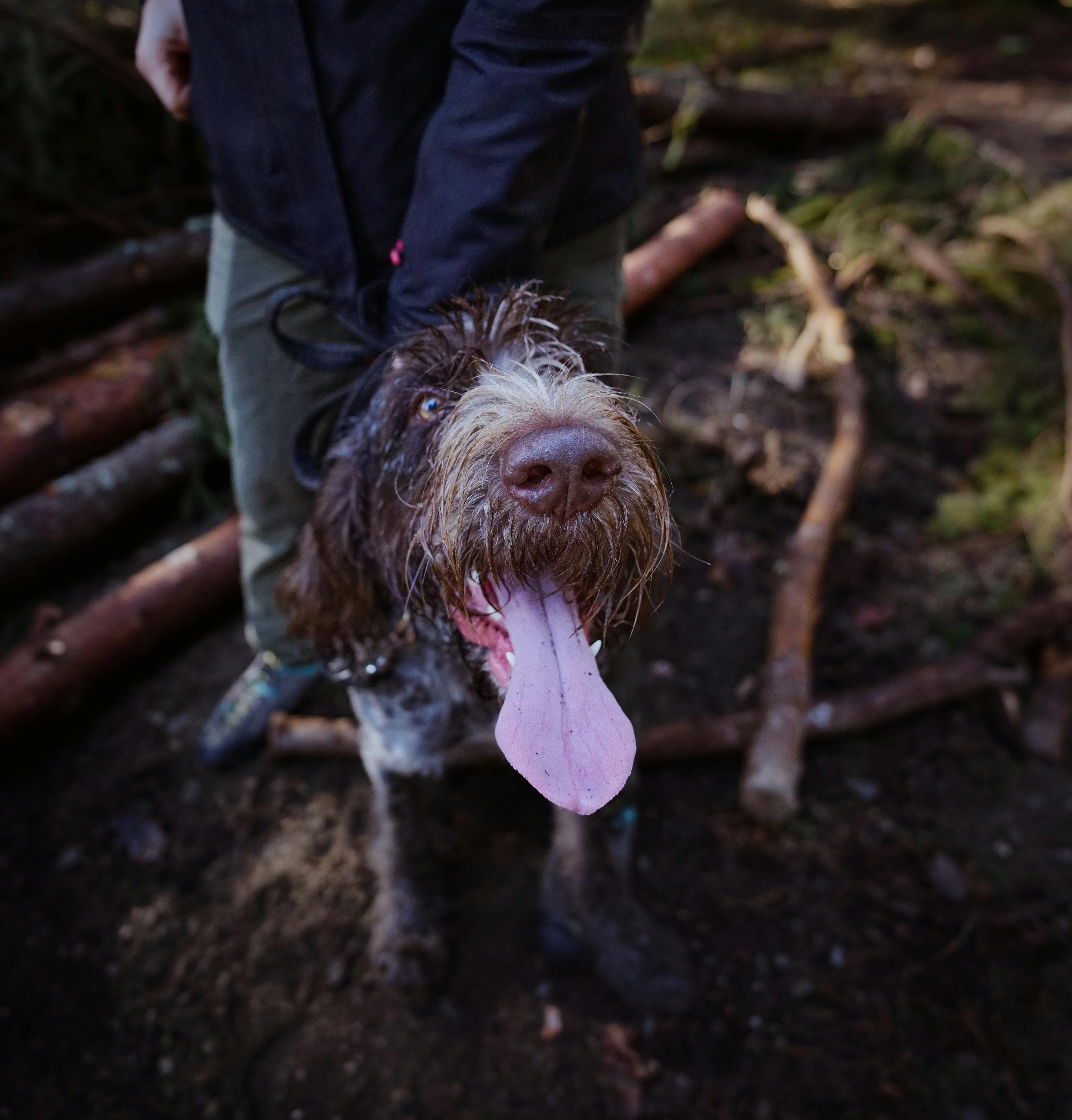
Dogs are more than just pets; they are our loyal companions, and their behavior often reflects their emotional state. One of the most curious aspects of canine behavior is their wet noses. Have you ever wondered why do dogs have wet noses? Or what your dog’s wet nose might reveal about their mood? Let’s dive into the fascinating truth behind this common yet intriguing feature of our furry friends.
Why Do Dogs Have Wet Noses?
Dogs’ noses are wet for several reasons, and it’s not just because they love to sniff everything. Here are some key points to consider:
Cooling Mechanism: Dogs don’t sweat like humans do. They primarily regulate their body temperature through panting and by having a wet nose. The moisture on their noses helps to cool them off when they’re feeling hot.
Enhanced Smell: A wet nose can help dogs pick up scents better. The moisture captures scent particles from the air, which makes it easier for dogs to detect different smells. This is one of the reasons why dogs have about 220 million scent receptors, compared to a human’s mere 5 million.
Health Indicator: The condition of a dog’s nose can sometimes reflect their overall health. A dog with a dry, cracked nose may be dehydrated or unwell, while a moist, cool nose is usually a sign of a healthy pup.
What Your Dog’s Wet Nose Reveals About Their Mood
Just like humans have body language, dogs have their own ways to show how they feel, and their nose plays a role in that too. Here is a look at some moods indicated by a dog’s wet nose:
Excitement: When a dog is excited or happy, their nose may feel especially wet. This could be due to increased panting or licking, which can create moisture on their snout.
Stress or Anxiety: A dog under stress may also have a wet nose, but it can sometimes be paired with other signs like whining or pacing. These dogs might be anxious due to various reasons—loud noises, unfamiliar environments, or even changes in their routine.
Relaxation: When a dog is calm or resting, their nose might remain wet but cool. This can indicate they are feeling safe and comfortable in their environment.
Historical Context of Dogs’ Noses
Dogs have been companions to humans for thousands of years, dating back to ancient civilizations. The wet nose might have evolved as a survival trait—helping them track scents while hunting or protecting their territory. Ancient texts and artifacts show that early humans recognized the impressive sense of smell in dogs, leading to their domestication and partnership in various tasks.
Interesting Facts About Dogs’ Noses
Here are some fun and quirky facts about dog noses:
Nose Prints: Just like human fingerprints, each dog has a unique nose print. This could theoretically be used for identification.
Color Variations: Not all dog noses are black or pink. Some dogs have spotted or marbled noses, which can be influenced by breed genetics.
Sensitivity: Dogs’ noses are very sensitive. They can detect certain scents at incredibly low concentrations. For instance, a dog can smell a drop of blood in an Olympic-sized swimming pool!
Tips for Caring for Your Dog’s Nose
Keeping your dog’s nose healthy is important. Here are some tips:
Hydration: Make sure your dog has access to fresh water at all times. Dehydration can lead to a dry or cracked nose.
Regular Check-ups: During vet visits, ask about your dog’s nose condition. They can spot potential health issues early.
Avoid Irritants: If your dog spends a lot of time outdoors, be cautious of sun exposure. Consider using pet-safe sunscreen on their nose during hot days.
Can You Tell How Your Dog Is Feeling?
Understanding your dog’s mood can enhance your bond. Look for these signs along with the wet nose:
Body Language: Is their tail wagging? Are their ears perked up? These can indicate happiness.
Vocalizations: Barking, whining, or growling can provide clues about what they are feeling.
Behavior: Are they seeking attention or pulling away? These behaviors can help you understand their emotional state.
Knowing why do dogs have wet noses and what it says about their mood can deepen your relationship with your canine companion. By paying attention to these small details, you can better respond to their needs and provide a loving, supportive environment. Understanding your dog’s behavior will not only make you a better pet owner but also enhance the joy of having them in your life.
Conclusion
In conclusion, the wet noses of dogs serve several important purposes that contribute to their overall health and behavior. The moisture on their noses enhances their sense of smell, allowing them to better detect scents in their environment, which is crucial for communication and exploration. Additionally, a wet nose helps regulate their body temperature, acting as a natural cooling mechanism. While variations in moisture can indicate different health conditions, a consistently wet nose is generally a sign of a happy and healthy pup. As dog owners, understanding these aspects can deepen our appreciation for our furry friends. Regular check-ups with a veterinarian can ensure that our dogs maintain optimal health, including monitoring any changes in their nose’s texture or moisture. So, the next time you give your dog a pat on the head, take a moment to appreciate their wet nose and the vital role it plays in their well-being.
