
Have you ever wondered why do dogs have wet noses? It’s a question that sparks curiosity and leads to fascinating discoveries about our furry friends! A dog’s wet nose isn’t just an adorable feature; it serves several important purposes. Did you know that a wet nose helps regulate a dog’s body temperature? This is just one of the many reasons that make our canine companions so unique! Additionally, a moist nose enhances their sense of smell, allowing them to explore the world in ways we can only imagine. But what causes this wetness, and why is it so crucial for their health? If you’ve ever asked yourself, “Why do dogs have wet noses?” you’re not alone! In this blog post, we’ll delve deeper into the science behind those wet snouts and uncover the essential functions they serve. Get ready to discover the surprising truths about your dog’s nose and learn why it’s an integral part of their overall well-being. Join us on this captivating journey into the world of dogs, and let’s explore the reasons why their noses are not only cute but also incredibly functional!
The Science Behind Wet Noses: Why Are Dogs’ Noses Always Moist?

Dogs are often known for their quirky traits, but one of the most intriguing is their wet noses. Ever wondered why do dogs have wet noses? Well, it turns out, there’s a fascinating mix of science and biology at play here. Many pet owners might notice that their furry friends’ noses are frequently moist, and it’s not just for show! This unique characteristic serves several important functions and plays a key role in your dog’s health and behavior.
The Biology of a Dog’s Nose
To understand why dogs have wet noses, we must first look at the anatomy of their noses. Dogs possess a highly developed sense of smell, which is far superior to that of humans. In fact, a dog’s sense of smell is estimated to be anywhere from 10,000 to 100,000 times more powerful than ours! Their noses are packed with olfactory receptors—around 220 million, compared to a human’s 5 million.
The moistness of a dog’s nose is primarily due to a thin layer of mucus that helps to capture scent particles. When a dog inhales, these particles stick to the moist surface, making it easier for the olfactory receptors to detect different scents. This is crucial for dogs as they rely heavily on their sense of smell to interact with the world around them.
Why Are Dogs’ Noses Moist?
There are multiple reasons why dogs have wet noses, many of which are quite fascinating. Here’s a breakdown:
Cooling Mechanism: Dogs can’t sweat like humans do, so they often rely on their noses to help regulate body temperature. The moisture on their noses evaporates, providing a cooling effect.
Enhanced Scent Detection: The wet surface helps to trap more scent particles, which can assist dogs in identifying scents more accurately.
Health Indicator: A dog’s nose can give clues about their health. A dry or cracked nose may indicate dehydration or illness, while a moist nose often signals that they are healthy and hydrated.
Communication Tool: Dogs use their noses to explore their environment and communicate with other dogs. A wet nose can indicate a friendly and approachable demeanor.
Historical Context of Dogs’ Noses
The evolution of dogs from wolves has played a significant role in their nose characteristics. Historically, the ancestors of domestic dogs relied on their sense of smell for hunting and survival. As they evolved alongside humans, their noses became even more adapted to detecting scents that were relevant to their new roles as companions and helpers.
Fun Facts About Dog Noses
Unique Patterns: Just like human fingerprints, no two dogs have the same nose print. Each dog’s nose has a unique pattern of ridges and creases.
Sniffing Technique: Dogs have a specialized way of sniffing where they take short, quick sniffs in succession. This behavior helps them gather more scent information.
Color Variation: A dog’s nose color can vary based on breed, genetics, and even their age. Some breeds have black noses, while others might have pink or spotted noses.
How to Care for Your Dog’s Nose
Keeping your dog’s nose healthy is important. Here are some practical tips:
Hydration: Ensure your dog has access to fresh water at all times to keep their nose moist and healthy.
Avoid Irritants: Stay clear of harsh chemicals and allergens that could irritate your dog’s nose, like certain cleaning products or pollen.
Regular Check-ups: During vet visits, have your veterinarian check your dog’s nose for any signs of unusual dryness, cracking, or discoloration.
Protect in Extreme Weather: In cold weather, consider using a nose balm to protect against cracking. In hot weather, be mindful of keeping your dog cool and hydrated.
Comparing Dog Noses to Human Noses
While human noses do have some similarities, here are key differences:
Number of Olfactory Receptors: Dogs have significantly more receptors than humans, giving them a heightened sense of smell.
Moisture Function: Although human noses can also be moist, the moisture doesn’t play as critical a role in scent detection as it does in dogs.
Sweating Mechanism: Humans sweat to cool down, while dogs rely on panting and their moist noses.
Understanding why do dogs have wet noses not only enriches your knowledge but also enhances your bond with your furry companion. Their moist noses are not just an adorable feature, but they are essential for their health and communication. Next time you give your dog a pat, take a moment to appreciate the science behind that adorable, wet nose!
5 Incredible Reasons Dogs Have Wet Noses: More Than Just a Cute Feature
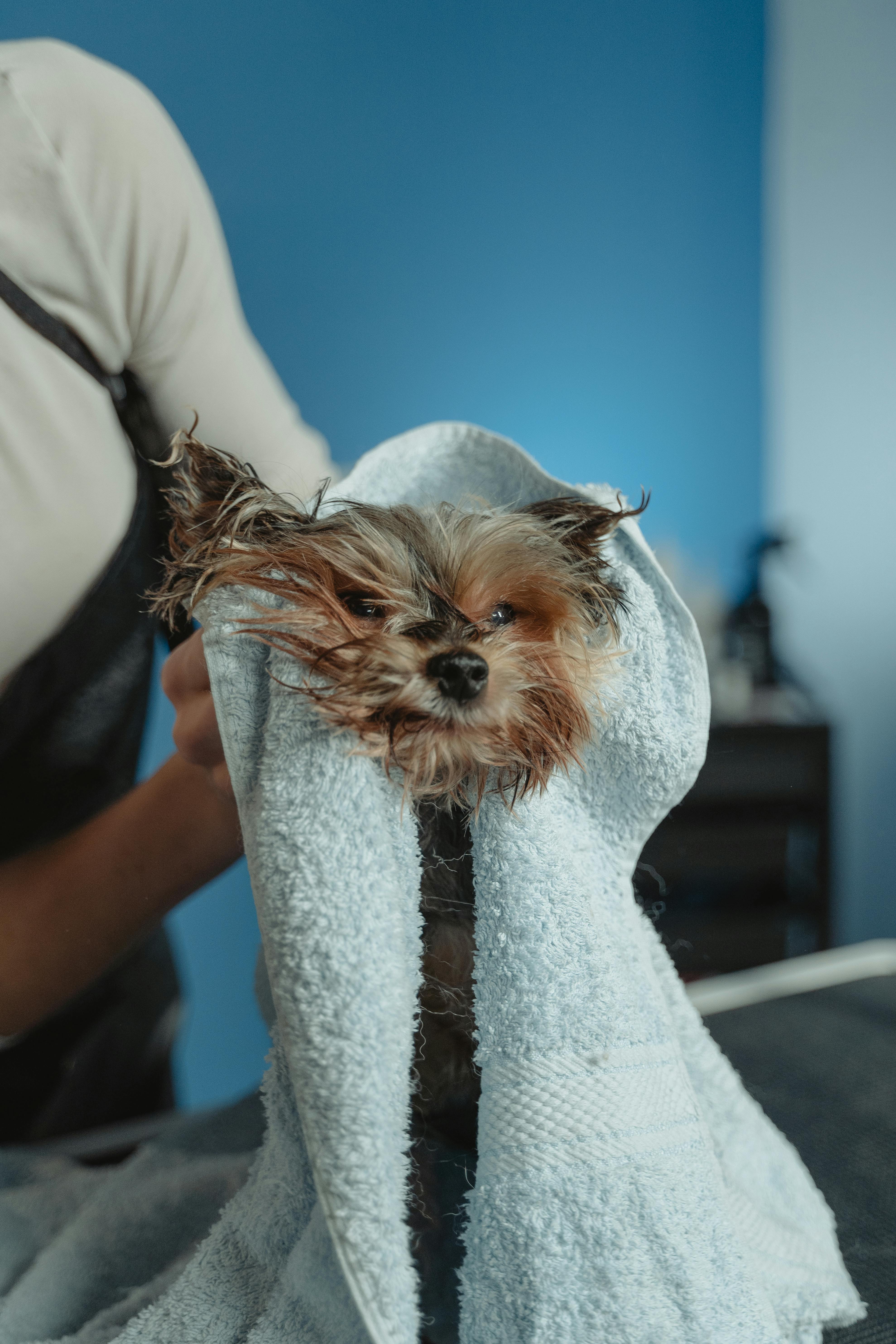
Dogs are often seen with their noses wet and cold, and many people might think it’s just a cute feature. But why do dogs have wet noses? Well, there’s actually some fascinating science behind it, and it goes beyond just being adorable. Here are 5 incredible reasons why a dog’s nose is wet and how it helps them in their daily lives.
1. Enhanced Sense of Smell
One of the most important reasons why dogs have wet noses is to help them smell better. Dogs have an amazing sense of smell, which is estimated to be 10,000 to 100,000 times more powerful than humans. The wetness of their noses helps to capture scent particles from the air.
- The moisture on their noses traps these particles, making it easier for their olfactory receptors to detect different smells.
- A wet nose also helps to cool down their sense of smell, allowing them to process scents more accurately.
2. Temperature Regulation
Did you know that dogs don’t sweat like humans? Instead, they regulate their body temperature through panting and their noses. A wet nose helps cool down a dog’s body.
- When a dog licks their nose, it creates saliva that evaporates and cools the surface of the nose.
- This cooling effect can help dogs maintain a stable body temperature, especially during warmer days.
3. Communication Tool
Dogs are social animals, and their noses play a significant role in how they communicate with each other and with humans. A wet nose can signal various emotions.
- A dog that approaches you with a wet nose is often showing affection or curiosity.
- In contrast, if a dog has a dry nose, it might be feeling stressed or unwell.
4. Health Indicator
A dog’s nose can also serve as an indicator of its health. Observing the condition of a dog’s nose can provide insights into their overall well-being.
- A healthy dog typically has a moist, cool nose.
- Changes in the nose’s texture or temperature can signal potential health issues. For example:
- A dry, cracked nose may indicate dehydration.
- A warm, dry nose could point to a fever.
5. Protective Function
The wetness of a dog’s nose isn’t just for show; it also serves a protective function. The moisture can help to filter out dust and other small particles from the air, which is especially important for dogs that spend a lot of time outdoors.
- The wet surface can trap dirt, preventing it from entering their respiratory system.
- Additionally, the moisture helps to keep the nose healthy, reducing the risk of infections.
Quick Facts About Dogs’ Noses
Shape and Size: A dog’s nose shape can vary significantly depending on the breed. For example:
- Brachycephalic breeds (like Bulldogs) have shorter noses.
- Sighthounds (like Greyhounds) have longer noses.
Color Variations: The color of a dog’s nose can change with age or health conditions.
Nose Prints: Just like human fingerprints, every dog has a unique nose print that can be used for identification.
Practical Tips for Dog Owners
Regular Checks: Keep an eye on your dog’s nose condition. If you notice any changes, consult your vet.
Hydration: Ensure your dog stays hydrated, especially during hot weather, to maintain a healthy wet nose.
Grooming: Regularly clean your dog’s face and nose area, especially after outdoor activities.
As you can see, the reasons why dogs have wet noses extend far beyond their cuteness. Their wet noses serve essential functions that benefit their health, communication, and ability to interact with the world around them. So, the next time you see your furry friend with a cold, wet nose, remember that it’s not just a lovely feature but a vital part of what makes them such incredible companions!
Exploring the Benefits of a Wet Nose: How It Keeps Your Dog Healthy
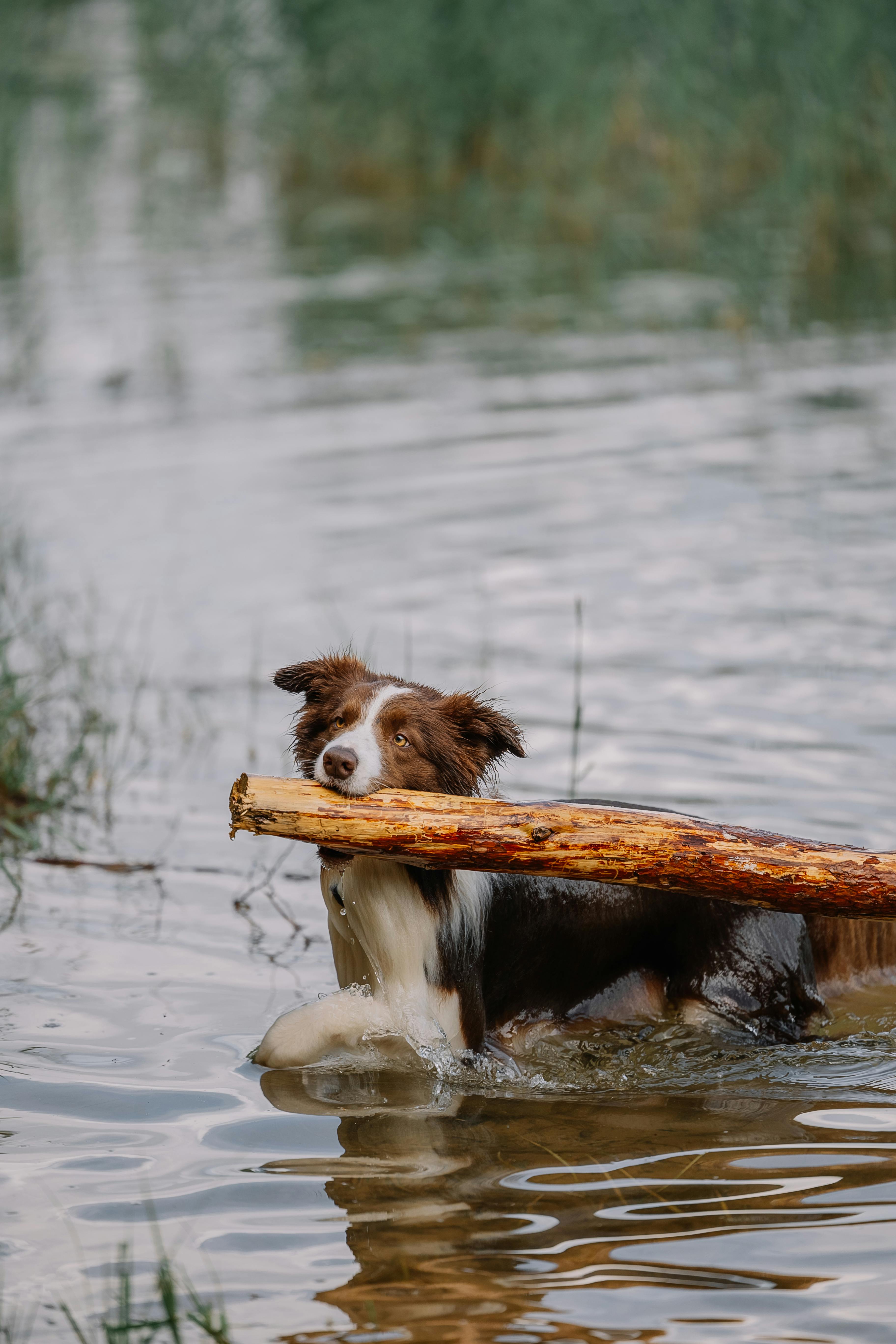
When you think about dogs, one of the first things that comes to mind is those adorable wet noses. But why do dogs have wet noses? This question leads us to explore the benefits of a wet nose and how it contributes to your furry friend’s health. Not only are wet noses a charming feature, but they also serve some essential functions that keep dogs healthy and happy.
The Science Behind a Wet Nose
Dogs’ noses are covered with a thin layer of moisture. It’s not just for show! The wetness helps to enhance their sense of smell, which is already much stronger than that of humans. Dogs have about 300 million smell receptors in their noses, compared to a human’s 5 million. This makes their noses incredibly sensitive to scents.
When a dog’s nose is wet, it allows for better absorption of scent particles in the air. This means your dog can detect a wider range of smells, which is crucial for their communication and navigation in the world.
How Wet Noses Keep Dogs Healthy
Temperature Regulation: A wet nose helps dogs regulate their body temperature. When they pant, moisture evaporates off the nose, helping to cool them down. If your dog’s nose is dry, it could be a sign that they’re overheated or dehydrated.
Hygiene and Sensory Awareness: Dogs’ noses secrete mucus that keeps it moist. This mucus traps dirt and particles, helping to keep their sense of smell sharp. A clean, wet nose is a sign of a healthy dog!
Emotional Indicators: The state of a dog’s nose can be an indicator of their emotional well-being. A wet and cool nose often signals a relaxed and happy dog. Conversely, a dry or warm nose might indicate stress or illness.
Fascinating Facts About Dog Noses
Unique Nose Prints: Just like human fingerprints, each dog has a unique nose print. This can be used for identification!
Nose Color Variability: Some dogs have darker noses, while others have lighter ones. The color can be affected by genetics, and it doesn’t necessarily indicate health.
Dogs and Scent Marking: Dogs use their wet noses to scent mark. By rubbing their nose on objects, they leave their scent behind, essentially marking their territory.
Common Misconceptions
Many people believe that a warm, dry nose means a dog is sick. While this can sometimes be true, it’s not always the case. A dog’s nose temperature can fluctuate throughout the day based on various factors, including activity level and environment.
How to Keep Your Dog’s Nose Healthy
Here are some tips for ensuring that your dog’s nose stays moist and healthy:
Hydration: Make sure your dog has access to fresh water at all time. Dehydration can lead to a dry nose.
Regular Vet Check-Ups: Routine veterinary visits can catch any underlying health issues before they become serious.
Environmental Considerations: During hot weather, limit your dog’s exposure to the sun, and avoid hot pavement which can cause burns.
Signs Your Dog Might Need Attention
If you notice changes in your dog’s nose, these could be signs that something is wrong:
- Cracks or sores: This could indicate a skin condition or infection.
- Excessive dryness: If your dog’s nose is persistently dry, it might be worth consulting your vet.
- Discharge: Any unusual discharge could be a sign of an underlying issue that needs to be addressed.
Comparison of Dog Nose Types
Dogs come in all shapes and sizes, and their noses can vary too. Here’s a quick look at some common types:
| Dog Breed | Nose Type | Characteristics |
|---|---|---|
| Labrador Retriever | Broad and wet | Excellent for scent tracking |
| Greyhound | Long and narrow | Highly sensitive to scents |
| Bulldog | Flat and wide | Unique scent detection capabilities |
Having a wet nose is just one of the many fascinating aspects of canine biology. These adorable features not only contribute to your dog’s health but also enhance their interaction with their environment. Understanding the reasons behind a wet nose helps dog owners take better care of their furry companions. Keep an eye on your dog’s nose, and if you notice anything unusual, don’t hesitate to reach out to your veterinarian. After all, a healthy nose often means a happy dog!
Wet Nose vs. Dry Nose: What Your Dog’s Nose Says About Their Health
When you think about dogs, wet noses might be one of the first things that comes to your mind. But, have you ever wondered what your dog’s nose can tell you about their health? Wet nose vs. dry nose is a topic that many pet owners ponder, and understanding this can help you keep your furry friend healthy. So, why do dogs have wet noses anyway? Let’s dive into the fascinating reasons behind this curious phenomenon.
The Science Behind a Wet Nose
Dogs have wet noses for a variety of reasons. Primarily, it’s a biological trait that serves several important functions. Here are some of the key reasons:
Cooling Mechanism: Dogs don’t sweat like humans do. Instead, they rely on their noses to help regulate their body temperature. A wet nose helps to cool their body down. The moisture evaporates, cooling the blood vessels underneath the skin.
Enhanced Sense of Smell: A wet nose helps to capture scent particles in the air, increasing a dog’s ability to smell. The moisture allows scent molecules to adhere better, making it easier for dogs to pick up on various smells.
Health Indicator: A dog’s nose temperature and moisture can sometimes indicate their health status. A normally wet and cold nose is often a sign of a healthy dog. However, when the nose becomes dry or hot, it might be an indicator of illness or dehydration.
What a Dry Nose Might Mean
A dry nose on your dog can be concerning. While a dry nose doesn’t always mean something is wrong, it can indicate certain health issues. Here’s a list of potential causes for a dry nose:
Dehydration: If your dog isn’t drinking enough water, their nose may become dry. Make sure to provide fresh water daily.
Fever or Illness: A dry nose can be a sign of fever. If you notice other symptoms, like lethargy or lack of appetite, consult your vet.
Allergies: Dogs can suffer from allergies just like humans. A dry, itchy nose may be a sign of an allergic reaction.
Environmental Factors: Hot weather, low humidity, or exposure to strong winds can dry out your dog’s nose.
Comparing Wet and Dry Noses
Understanding the differences between wet and dry noses can help you assess your dog’s health. Here’s a quick comparison:
Wet Nose:
- Usually cool to the touch
- Indicates hydration and good health
- Enhances sense of smell
Dry Nose:
- Often warm to the touch
- May indicate dehydration or illness
- Requires monitoring for other symptoms
Why Do Dogs Have Wet Noses? Discover the Fascinating Reasons!
Now that we know why dogs have wet noses, let’s take a closer look at the fascinating reasons behind this unique characteristic.
Evolutionary Advantage: Dogs have evolved to have wet noses over centuries. Their ancestors likely benefited from having moist nasal passages to hunt and survive in the wild. This characteristic has been passed down through generations.
Natural Lubrication: A dog’s nose has mucous glands that keep it moist. This natural lubrication is essential for their sense of smell, as it helps to detect and identify various scents in their environment.
Behavioral Communication: Dogs also use their noses to communicate. A dog might nuzzle you with their wet nose as a sign of affection or to get your attention. It’s their way of saying, “Hey, look at me!”
What Should You Do If Your Dog Has a Dry Nose?
If you notice that your dog’s nose is dry, here are a few steps you can take:
Hydration: Make sure your dog always has access to fresh water. Offer ice cubes or wet food to encourage hydration.
Check the Environment: If it’s particularly hot or dry, consider limiting outdoor time during peak heat hours.
Monitor Symptoms: Keep an eye on your dog for any other signs of illness or discomfort. If the dry nose persists, consult with a veterinarian.
Use Natural Remedies: Sometimes, applying a small amount of coconut oil can help to moisturize a dry nose. Just make sure your dog doesn’t lick it all off!
Being attentive to your dog’s wet or dry nose can give you insights into their overall health. Always keep an eye out for any changes and reach out to your vet if you have concerns. Understanding why dogs have wet noses and what it means is just one step towards being a responsible pet owner. Your furry friend relies on you for their well-being, and knowing the signs can make all the difference.
The Role of a Dog’s Nose in Sensing the World: Why Moisture Matters

Dogs are remarkable creatures, and their noses are one of their most fascinating features. Have you ever wonder why do dogs have wet noses? It’s not just about looks; it’s about how they interact with the world around them. A dog’s nose plays a crucial role in their ability to sense their environment. The moisture on their noses, believe it or not, actually helps with their sense of smell. This article dives into the science behind canine olfaction and explores why moisture matters so much.
The Science of a Wet Nose
A dog’s nose, which is often cool and damp, has a special function. The moisture on it enhances their sense of smell. Here’s how it works:
- Olfactory Receptors: Dogs have up to 300 million olfactory receptors in their noses, compared to a human’s 5 million. This means dogs can detect scents at incredibly low concentrations.
- Moisture Absorption: When a dog sniffs something, the moisture on its nose helps to capture scent particles. This moisture allows for better adhesion of the scent molecules, making it easier for the dog to identify different smells.
- Airflow and Scent Detection: A wet nose can improve airflow. When a dog breathes in, the moisture helps to trap more scent particles. This makes their sense of smell even more effective.
Why is Moisture So Important?
The presence of moisture on a dog’s nose isn’t just a quirky trait; it serves multiple purposes. Here are some key reasons:
- Enhanced Smelling Ability: As mentioned, moisture helps in capturing scent particles. Without it, dogs would have a harder time identifying scents.
- Temperature Regulation: A wet nose can help regulate a dog’s body temperature. When they pant, the evaporation of moisture through their nose contributes to cooling down their body.
- Health Indicator: The moisture level can also be an indicator of a dog’s health. A nose that is too dry or too wet can signal underlying health issues.
Historical Context of Dogs’ Noses
Dogs have been companions to humans for thousands of years, and their noses have always played a vital role in their relationship with us. Historically, dogs were bred for specific tasks, many of which relied heavily on their sense of smell. For example:
- Hunting: Dogs were used to track and hunt game, relying on their keen sense of smell to locate animals.
- Herding: Shepherd dogs utilize their olfactory senses to manage and guide flocks.
- Search and Rescue: Modern-day dogs are trained to use their sense of smell in search and rescue operations, demonstrating the evolutionary advantage of having a wet nose.
Fun Facts About Dogs’ Noses
- Unique Nose Prints: Just like human fingerprints, each dog’s nose print is unique. This uniqueness can be used for identification.
- Scent Discrimination: Dogs can distinguish between different scents even if they are mixed together. This ability is what makes them effective in various roles, from police work to medical detection.
- Scent Memory: Dogs have an exceptional scent memory. They can remember scents for years, which is why they can recognize their owners even after long periods apart.
Interesting Comparisons
When comparing a dog’s nose to other animals, the differences are striking. Here’s a quick comparison of olfactory abilities:
- Dogs: 300 million olfactory receptors
- Humans: 5 million olfactory receptors
- Cats: 50-80 million olfactory receptors
- Elephants: 2,000,000,000 olfactory receptors (yes, that’s billion!)
Practical Examples of Dogs’ Noses in Action
Dogs use their noses for a variety of tasks, and these examples highlight their impressive abilities:
- Detection Dogs: Dogs are trained to detect drugs, explosives, or even diseases like cancer through scent.
- Service Dogs: Many service dogs help individuals with disabilities by using their noses to assist in daily tasks.
- Therapy Dogs: The calming effect of a dog’s presence, combined with their ability to sense emotions, makes them effective in therapy settings.
Understanding the role of a dog’s nose in sensing the world reveals just how extraordinary these animals are. Their wet noses are not just an endearing trait, but a vital part of how they interact with their environment. So, next time you see your dog with a wet nose, remember it’s not just cute; it’s part of what makes them such incredible companions.
Curious Canines: How a Wet Nose Enhances Your Dog’s Sense of Smell
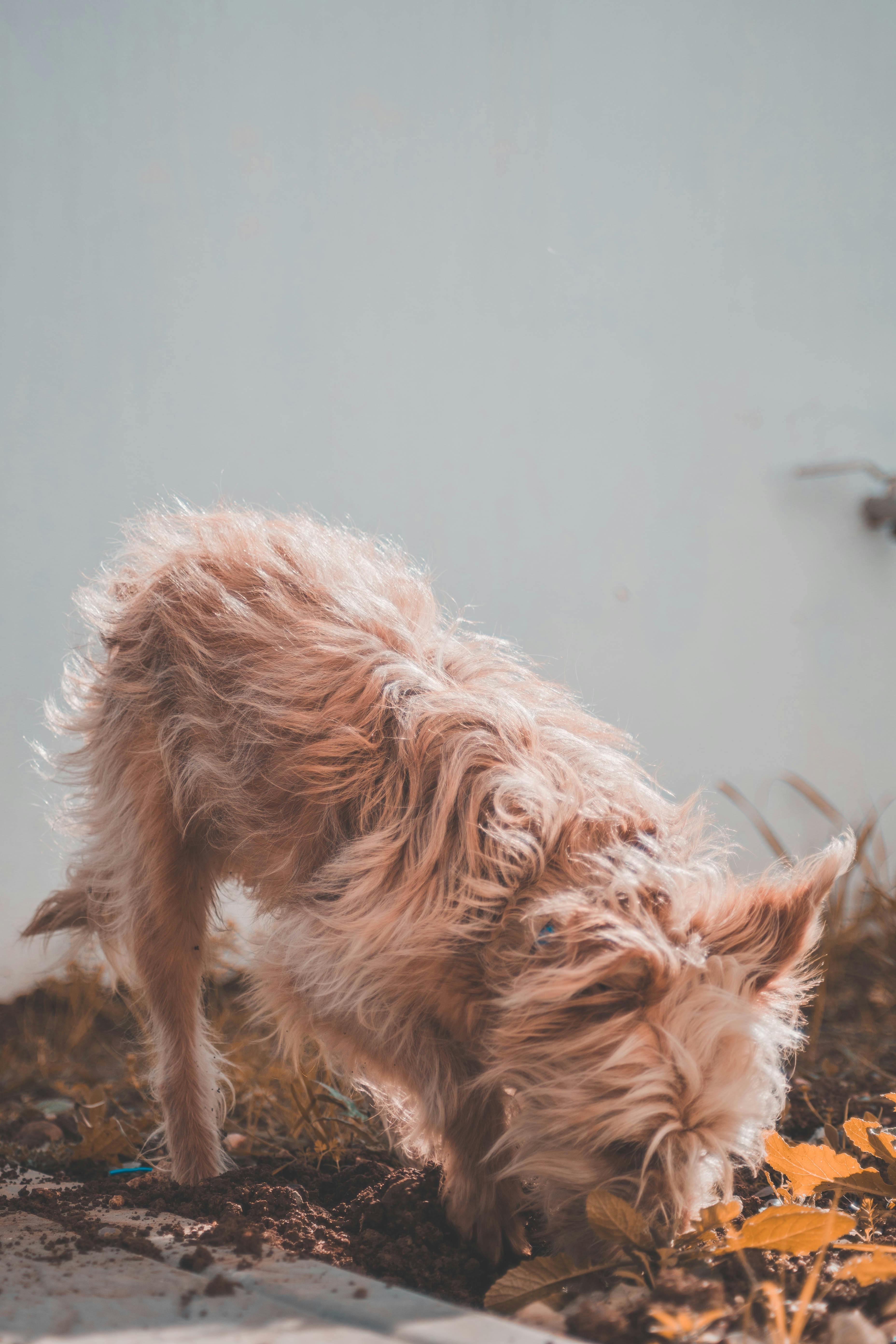
Dogs are often called man’s best friend, and a lot of their charm comes from that adorable wet nose. But have you ever wondered why do dogs have wet noses? This question might seem trivial, but the answer is filled with fascinating facts about canine biology and behavior. Let’s dive in and discover what makes those curious canines so unique!
The Science Behind a Wet Nose
A dog’s nose is not just a cute feature; it serves essential functions. The moisture on their nose helps to absorb scent particles, enhancing their sense of smell. Dogs have an incredible ability to detect scents, believed to be anywhere from 10,000 to 100,000 times more sensitive than humans. Here’s how the wetness helps:
- Scent Absorption: The moisture allows the scent molecules to stick better.
- Temperature Regulation: Wet noses can help regulate the dog’s body temperature.
- Health Indicator: A dog’s nose can indicate their health status; a dry nose may suggest illness or dehydration.
Why Are Dog Noses Wet?
The moisture on a dog’s nose comes from several sources. First, dogs have special glands that produce a thin layer of mucus. This mucus helps to keep the nose damp. Here are some reasons why dog noses are wet:
- Glandular Secretions: Dogs secrete mucus from their nasal glands. This keeps their noses moist and enhances their scent capability.
- Licking: Dogs often lick their noses, adding saliva which also helps to keep the nose wet.
- Environmental Factors: Humidity and temperature can affect how wet a dog’s nose stays. A rainy day might make their noses even wetter!
The Role of a Wet Nose in Dog Behavior
Dogs rely heavily on their sense of smell for communication and understanding their environment. A wet nose plays a crucial role in this. Consider the following behavioral aspects:
- Social Interactions: Dogs use their noses to gather information about other dogs and their surroundings. A wet nose means they can pick up more scents, which is vital for social interactions.
- Tracking and Hunting: For hunting breeds, a wet nose enhances their ability to track scents over distances.
- Finding Food: A wet nose helps them locate food more effectively, a skill that has been honed over thousands of years.
Wet Noses and Health Indicators
As mentioned before, a dog’s nose can be a good indicator of their health. Here’s a simple guide to understanding what different nose conditions might mean:
- Wet and Cold: Usually a sign of a healthy dog.
- Dry and Warm: Could indicate fever or illness; it’s wise to consult a vet.
- Cracked or Chapped: Might suggest dehydration or allergic reactions.
- Excessively Wet: Can be normal, but if accompanied by other symptoms like discharge, it could mean an infection.
Historical Context of Dogs’ Noses
The evolution of dogs has been closely linked with their sense of smell. Ancient breeds of dogs were developed primarily for hunting, herding, and guarding. Over time, the traits that enhanced their olfactory sense were favored. Here’s a brief history of dogs and their noses:
- Hunting Breeds: Breeds like Bloodhounds were bred for their incredible scent tracking abilities. Their wet noses are integral to their function.
- Herding Breeds: Dogs like Border Collies also rely on their sense of smell to manage livestock effectively.
- Companionship: Even as dogs became more companions than workers, their noses remained vital for bonding and communication.
Fun Facts About Dog Noses
Let’s look at some quirky facts about dog noses that you might not know:
- Every dog’s nose print is unique, similar to human fingerprints.
- Dogs can smell certain diseases in humans, including diabetes and some cancers.
- The wetness of their noses can change with their emotions; excited dogs often have wetter noses.
As you can see, the wet nose of a dog is not just a charming feature but a vital part of their anatomy that enhances their life. From improving their sense of smell to signaling their health, the reasons why dogs have wet noses are as fascinating as the dogs themselves. Next time you pet your furry friend, take a moment to appreciate that little wet nose and all it does!
Why Do Dogs Have Wet Noses? Uncovering the Myth and the Facts!
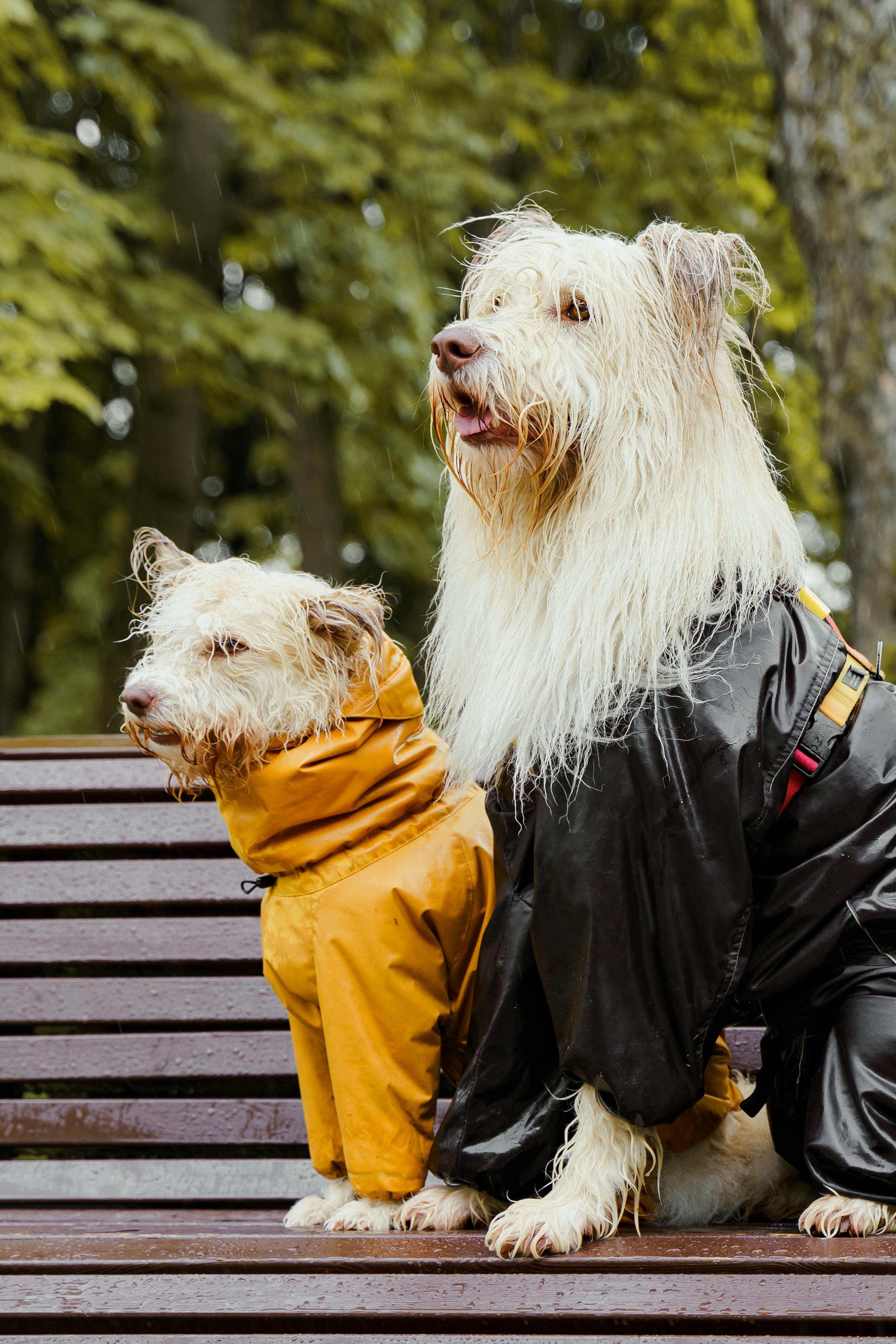
Dogs are often seen with wet noses, and it’s a common question many people asks: Why do dogs have wet noses? This curious trait has stirred up a lot of myths and speculation, but let’s dig into the facts and uncover the real reasons behind those moist snouts.
Understanding the Nose
First, it’s important to know that a dog’s nose is much more than just a cute feature. It serves vital functions. The wetness of a dog’s nose plays a role in their sense of smell, which is far superior to that of humans. The moisture helps to trap scent particles, making it easier for them to detect smells. Dogs can smell up to 100,000 times better than people!
The Science Behind Wet Noses
So, why are dogs’ noses wet? Here are some key facts:
Cooling Mechanism: Dogs don’t sweat like humans do. Instead, they cool themselves through panting and the moisture on their noses. A damp nose helps regulate their body temperature, especially during hot weather.
Scent Enhancement: A wet nose increases the olfactory function. The moisture collects scent particles, and when they lick their noses, it helps them to better analyze scents. This is why dogs are often seen licking their noses after sniffing something.
Health Indicator: A healthy dog typically has a cool, moist nose. Changes in this moisture can sometimes indicate health issues. For instance, a dry or cracked nose might be a sign of dehydration or illness.
Historical Context
The belief surrounding wet noses has evolved over time. Ancient cultures often viewed dogs as sacred animals, and their unique characteristics were surrounded by myth. For instance, some thought that a dog’s wet nose was a symbol of purity. In reality, it’s just nature’s way of equipping these animals for survival.
Fun Facts About Dog Noses
Dogs have a unique nose print, much like human fingerprints. Each dog’s nose has a distinct pattern that can be used for identification.
The color of a dog’s nose can vary based on breed, age, and genetics. Some breeds like the Labrador Retriever have black noses, while others, like the Dalmatian, may have spots.
Dogs have around 220 million scent receptors in their noses, compared to about 5 million in humans. This is why they excel in roles like search and rescue, detecting drugs, or even identifying medical conditions in people.
Common Misconceptions
There are several myths regarding why dogs have wet noses. Here are a few:
Myth: Wet noses mean a dog is sick: A wet nose is usually a sign of good health, but it’s not a definitive indicator. Dogs can have moist noses when they’re healthy and sick.
Myth: All dogs have wet noses: Some breeds might have drier noses than others. For example, bulldogs can have less moisture due to their skin structure.
Myth: Dogs’ noses are always wet: Factors like weather, activity level, and health can affect nose moisture.
Comparing Dog Noses to Human Noses
Here’s a quick comparison between dog noses and human noses:
| Aspect | Dog Nose | Human Nose |
|---|---|---|
| Moisture Level | Typically wet | Usually dry |
| Scent Receptors | About 220 million | About 5 million |
| Functionality | Smell, cooling | Smell, breathing |
| Identification | Unique print | No unique print |
| Temperature Regulation | Yes | No |
Practical Examples of Nose Use
Dogs use their noses in various practical ways:
Search and Rescue: Dogs are trained to locate missing persons using their incredible sense of smell.
Medical Detection: Some dogs can detect diseases like cancer or diabetes through scent.
Tracking: They assist law enforcement in tracking down suspects or finding drugs.
Understanding why dogs have wet noses not only helps us appreciate our furry friends better, but it also reminds us of the incredible capabilities that these animals possess. So, next time you see your pup with a damp nose, you can feel assured it’s all part of what makes them so special.
The Connection Between Dog Emotions and Their Wet Noses: What You Need to Know

Dogs are often seen as man’s best friend, and part of what makes them so endearing is their unique characteristics, like their wet noses. Many people wonders why dogs have wet noses, but the connection between their emotions and these moist noses is less known. Understanding this fascinating link can help dog owners better interpret their furry friend’s feelings and needs.
Why Do Dogs Have Wet Noses?
Dogs’ noses are wet for several reasons, each serving a purpose in their daily lives. Here’s a look at the most common explanations:
Scent Detection: A wet nose helps to capture scent molecules from the air, enhancing a dog’s ability to smell. This is critical for their survival instincts because dogs relies heavily on their sense of smell to understand their environment.
Cooling Mechanism: Dogs don’t sweat like humans do. Instead, they cool off by panting and through their noses. The moisture on their noses evaporates, helping to regulate their body temperature.
Health Indicator: A dog’s nose can indicate health. A warm, dry nose might suggest a fever or illness, while a cool, wet nose usually indicates good health. However, it’s not a definitive measure, and other symptoms should be monitored.
Emotional State: Dogs’ noses can change in moisture based on their emotions, like excitement or anxiety. A dog might have a wetter nose when they are happy and engaged, compared to when they are feeling scared or stressed.
The Emotional Connection
Have you ever notice how your dog seems to know when you’re upset? Dogs are incredibly intuitive creatures, and their wet noses play a part in this emotional connection. Here are some ways that wet noses relate to emotions:
Comforting Presence: A dog may nuzzle up to you with their wet nose when they sense you’re feeling down. This behavior is their way of providing comfort and showing empathy.
Excitement and Playfulness: When dogs are excited, their noses become even wetter. This could be due to increased panting or simply from the excitement of being around their favorite human or toy.
Stress Responses: A dog may have a dry or less wet nose during stressful situations, indicating their discomfort. This can be a sign that they need reassurance or a calming presence.
Fun Facts About Dog Noses
Here are some interesting tidbits about dog noses that you might not know:
Unique Patterns: Just like human fingerprints, every dog has a unique nose print that can be used to identify them.
Nose Temperature: A dog’s nose can actually tell you if they are sick. A warm nose could mean a fever, while a cool, wet nose is generally a sign of good health.
Scent Superiority: Dogs have approximately 220 million scent receptors, compared to humans who have only about 5 million. Their noses are designed to detect smells at incredibly low concentrations.
Why Do Dogs Lick Their Noses?
You may have also wondered why dogs lick their noses. Here’s the scoop:
Taste and Smell: Licking helps dogs taste and smell things better. It’s like a double-check for their senses.
Hydration: Licking keeps their noses moist, which is important for smell and comfort.
Behavioral Response: Sometimes, dogs lick their noses when they are anxious or nervous, which can be a sign of stress.
Caring for Your Dog’s Nose
Maintaining your dog’s nose is important for their overall health. Here are some tips:
Hydration: Ensure your dog drinks plenty of water, as dehydration can lead to a dry nose.
Regular Check-ups: Keep up with vet visits to monitor your dog’s health and nose condition.
Avoid Irritants: Watch out for harsh weather conditions that can dry out your dog’s nose.
Moisturizing: Some pet owners use nose balms to keep their dog’s noses healthy, especially in dry climates.
Understanding the connection between dog emotions and their wet noses can enrich the bond you have with your pet. By noticing changes in their nose and overall behavior, you can respond appropriately to their emotional needs. So the next time you see your dog with that signature wet nose, remember, it’s more than just a cute feature; it’s a window into their feelings and wellbeing.
7 Fascinating Facts About Dog Noses That Will Leave You Amazed

Dog noses are one of the most fascinating features of these beloved pets. If you’ve ever wondered why do dogs have wet noses, you’re not alone. Many dog owners ask this question, and the answer is more than just a quirky fact. In fact, there are several reasons behind it, along with some amazing facts about canine noses that are sure to leave you impressed.
1. Why Are Dog Noses Wet?
A dog’s nose is wet for a variety of reasons. Firstly, the moisture helps to enhance their sense of smell. Dogs has an incredible olfactory sense, and wet noses help to trap scent particles from the air. When a dog sniffs, tiny droplets of moisture pick up these scents like a sponge.
2. Temperature Regulation
Did you know that a dog’s nose also helps to regulate their body temperature? When dogs get too hot, they can’t sweat like humans do. Instead, they rely on their nose to help cool them down. The moisture on their nose evaporates, which can help to lower their temperature. This is one of the reasons you might notice your dog’s nose is particularly wet after a good run or when they’re feeling warm.
3. Sense of Taste
Dogs also use their noses to enhance their sense of taste. The moisture on their nose helps to dissolve odor molecules, allowing them to taste better. So when they sniff their food, they’re not just smelling it; they’re also tasting it! Isn’t that interesting?
4. Unique Nose Prints
Just like human fingerprints, every dog has a unique nose print. The patterns of ridges and creases on their noses are distinctive. In fact, some organizations even use nose prints for identification purposes. This is something many people don’t know!
5. Health Indicators
A dog’s nose can be an indicator of their health. Generally, a wet and cold nose is seen as a sign that a dog is healthy. However, if a dog’s nose becomes dry or cracked, it could be a sign of dehydration or illness. Monitoring your dog’s nose can provide valuable insights into their wellbeing.
6. The Role of Mucus
The mucus on a dog’s nose plays a crucial role too. This mucus has proteins that help to absorb scent particles. The more mucus present, the better the dog’s ability to smell. This mucus can vary in thickness and quantity based on a dog’s environment and health.
7. Breed Differences
Different breeds can have different nose characteristics. For instance, brachycephalic breeds like Bulldogs and Pugs may have flatter noses, which can affect their sense of smell. On the other hand, breeds like Bloodhounds have very long noses and are known for their incredible tracking abilities. This just shows how diverse dog noses can be!
Quick Facts about Dog Noses
- Dogs have up to 300 million smell receptors in their noses, compared to a human’s 5 million.
- The wetness of a dog’s nose helps to capture scent particles, increasing their olfactory capabilities.
- A dog’s sense of smell is 10,000 to 100,000 times more acute than a human’s.
- Dogs can smell fear, and they can also identify certain diseases through scent alone.
Fun Comparisons
- Human noses: 5 million receptors, primarily for smell.
- Dog noses: 300 million receptors, capable of identifying complex odors.
- Dogs can detect specific scents like drugs, explosives, and even certain medical conditions.
Practical Examples of Dog Nose Uses
- Search and Rescue: Dogs are trained to use their noses to find missing persons.
- Medical Detection: Some dogs can detect diseases like cancer or diabetes through scent.
- Therapy: Dogs with trained noses can comfort patients in hospitals or nursing homes.
With all these fascinating facts, it’s easy to see why dog noses are so incredible! So, the next time you look at your furry friend, remember the science behind their wet noses and the amazing abilities they possess. Dogs really are remarkable companions, and their noses are just one of the many reasons why.
How Weather Affects Your Dog’s Nose: Understanding Moisture Levels and Health
Have you ever noticed how your dog’s nose feels different depending on the weather? You might be curious about why do dogs have wet noses and how moisture levels in the environment affects their health. Its a fascinating subject that many dog owners don’t really consider. Let’s dive into the science behind our furry friends’ wet noses and the role weather plays in their moisture levels.
Why Do Dogs Have Wet Noses?
The wetness of a dog’s nose isn’t just for show; it serves important purposes. Dogs have moist noses for several reasons:
- Enhanced Sense of Smell: A wet nose help to capture scent particles better. This wetness allows for more effective olfactory function, making it easier for dogs to detect smells.
- Temperature Regulation: Dogs don’t sweat like humans do. Instead, they rely on their noses to help cool their bodies down. The moisture evaporating from their noses helps to regulate their body temperature.
- Health Indicator: A dog’s nose can also be an indicator of their health. Typically, a healthy dog has a cool, moist nose. If it becomes dry or cracked, it may signal underlying health issues or dehydration.
The Impact of Weather on Your Dog’s Nose
Weather significantly influences the moisture levels in a dog’s nose. Different conditions can lead to varying levels of wetness. Here’s a breakdown:
Hot and Humid Weather
- Increased Moisture: When humidity levels are high, a dog’s nose tends to stay moist longer. This is because the environment is saturated with moisture, which can help in keeping their noses hydrated.
- Potential Risks: However, excessive heat can lead to overheating, which is dangerous for dogs. Always keep your dog hydrated and avoid long walks during peak heat hours.
Cold and Dry Weather
- Reduced Moisture: In contrast, cold and dry weather can cause a dog’s nose to become dry and cracked. The lack of humidity in the air can lead to dehydration, affecting the nose’s moisture levels.
- Health Concerns: A dry nose during winter doesn’t always indicate illness, but it is important to monitor your dog’s overall health. Ensure they have access to plenty of water to help maintain moisture.
The Science Behind Nose Wetness
The moistness of a dog’s nose is largely due to secretions from the nasal glands. These secretions are mostly made up of water, which helps to keep the nose wet. Here’s how it works:
- Nasal Gland Function: The nasal glands produce a thin layer of moisture that covers the surface of the nose. This layer is crucial for scent detection.
- Evaporation: The moisture on the nose evaporates, and this process is what helps cool down a dog’s body. It’s similar to how humans sweat.
Practical Tips for Dog Owners
To ensure your dog maintains a healthy nose, consider the following tips:
- Hydration is Key: Always provide fresh water, especially during hot weather. This ensures your dog stays hydrated, which helps maintain moisture levels in their nose.
- Monitor Health: Regularly check your dog’s nose. If you notice significant changes, like excessive dryness or cracking, consult your veterinarian.
- Protect from Extreme Weather: During harsh winter or summer conditions, protect your dog from extreme temperatures. Consider doggy jackets in the winter or cooling vests in the summer.
Dogs and Their Unique Nose Shapes
Interestingly, the shape of a dog’s nose can also affect moisture levels. Breeds like bulldogs have shorter noses, which can impact their ability to cool down. In contrast, breeds with longer snouts are typically better at moisture retention and scent detection. Here’s a quick comparison:
| Dog Breed | Nose Shape | Moisture Retention | Scent Detection |
|---|---|---|---|
| Bulldog | Short | Lower | Moderate |
| German Shepherd | Medium | Moderate | High |
| Bloodhound | Long | Higher | Very High |
By understanding how weather affects your dog’s nose and the reasons behind their wet noses, you can better care for your furry friend. The key is to stay observant and proactive about their hydration and health needs.
In summary, your dog’s nose is more than just a cute feature; it’s a crucial part of their health and well-being. By keeping an eye on how weather impacts their moisture levels, you can help ensure that your dog stays happy and healthy all year round!
Conclusion
In conclusion, the wet noses of dogs serve several important purposes that contribute to their overall health and well-being. The moisture on a dog’s nose enhances their sense of smell, allowing them to detect scents more effectively, which is vital for their survival and social interactions. Additionally, the cooling effect of a wet nose plays a role in regulating body temperature, while the moisture helps to trap scent particles, further aiding their olfactory capabilities. Understanding these physiological traits not only deepens our appreciation for our canine companions but also highlights the importance of maintaining their health. As pet owners, it’s essential to keep an eye on your dog’s nose; any significant changes could indicate health issues. So, the next time you notice your dog’s wet nose, remember that it’s not just an endearing feature—it’s a key aspect of what makes them extraordinary.
