
Have you ever wondered why do dogs have wet noses? This intriguing question has captivated dog owners and animal lovers alike. The answer is not only fascinating but also reveals much about our furry friends. A dog’s nose is not just cute; it’s a remarkable tool that serves multiple purposes. Wet noses help dogs detect scents much better, enhancing their incredible sense of smell. But that’s not all—these damp noses also play a crucial role in regulating their body temperature. You might be surprised to learn that a wet nose can indicate your dog’s health status. So, what makes a dog’s nose wet? Is it just the saliva? Or is there more to this unique feature? In our exploration, we will dive deep into the science behind this phenomenon, uncovering the secrets of canine biology and behavior. If you’re curious about your pet’s health or simply want to know more about why dogs have wet noses, read on! Discover the fascinating truth and learn how this simple characteristic can tell you so much about your beloved companion. Don’t miss out on the surprising insights that await!
The Science Behind Wet Noses: Why Are Dogs’ Noses Always Moist?

Dogs, those lovable, furry companions, have many unique traits that often leaves us wondering. One of the most intriguing features is their wet noses. If you ever found yourself pondering, “Why do dogs have wet noses?”, you’re not alone. Many pet owners and dog enthusiasts alike are curious about the science behind this phenomenon. So let’s dive into the fascinating truth about why canines have moist noses and what it means for their health and behavior.
The Function of a Wet Nose
Dog noses are not just cute; they serve several important purposes. One of the primary reasons they are moist is to enhance their sense of smell. Dogs have an incredible olfactory system that is vastly superior to that of humans. Here’s how a wet nose helps:
- Enhanced scent detection: Moisture on a dog’s nose captures scent particles better. This allows dogs to sniff out things more effectively and helps them interpret their environment.
- Temperature regulation: Dogs don’t sweat like humans do. Their noses help them cool down, as the moisture evaporates, it cools their body.
- Health indicator: A wet nose can be an indicator of a dog’s health. Generally, a moist nose suggests that a dog is hydrated and healthy, while a dry nose could indicate illness or dehydration.
The Science Behind the Moisture
So, what keeps a dog’s nose wet? The answer lies in the nasal glands. These glands produce a thin layer of mucus that keeps the nose moist. When dogs sniff, they not only draw air in through their nostrils but also pick up scent molecules that stick to this moisture. It’s like having a built-in scent enhancer!
The moisture also helps with thermoregulation. Dogs may not have sweat glands in their skin like humans, but their noses can help evaporate some heat, assisting in cooling down their bodies during hot weather.
Historical Context
Historically, dogs’ noses have been a topic of interest for many cultures. Ancient Egyptians revered dogs, often associating them with gods and the afterlife. Their keen sense of smell was utilized in hunting and tracking, which made them invaluable companions. In fact, the phrase “the dog’s nose knows” has been around for centuries, emphasizing the importance of their olfactory abilities in various human activities.
Interesting Facts About Dog Noses
- Unique Patterns: Just like human fingerprints, no two dog noses are alike. The unique patterns of ridges and bumps on a dog’s nose can be used to identify them.
- Sniffing Power: Dogs have up to 300 million olfactory receptors, compared to humans who have about six million. This gives dogs an extraordinary ability to detect scents, even in very low concentrations.
- Health Monitoring: A dog’s nose can change based on their health. If a dog’s nose suddenly becomes dry or warm, it can be a sign of fever or illness.
Comparing Dog Noses to Human Noses
When you look at the differences between human noses and dog noses, it’s astonishing. Here’s a quick comparison:
| Feature | Human Nose | Dog Nose |
|---|---|---|
| Olfactory Receptors | About 6 million | About 300 million |
| Moisture Production | Limited | Continuous |
| Scent Detection | Basic | Highly advanced |
| Temperature Regulation | No sweat glands | Evaporative cooling through moisture |
Practical Examples of Nose Usage
Dogs employ their noses in various practical scenarios:
- Search and Rescue: Dogs are trained to locate missing persons or lost items using their extraordinary sense of smell.
- Detection Work: Many dogs are used by law enforcement to detect drugs, explosives, or even certain diseases like cancer and diabetes through scent.
- Tracking and Hunting: In hunting situations, dogs rely heavily on their noses to track game, demonstrating their historical role as hunting companions.
All these aspects highlight not just the importance of wet noses but the crucial role they play in a dog’s life and their interaction with the world.
Wet noses are just one of many reasons why dogs are such incredible animals. Next time you see your furry friend with that glistening nose, remember that it’s not just cute; it’s a vital part of who they are. Understanding the science behind a dog’s wet nose can deepen our appreciation for these delightful pets, making the bond between humans and dogs even more special.
5 Surprising Benefits of a Dog’s Wet Nose: What You Need to Know

Dogs are some of the most beloved pets in the world, and one of their most charming features is their wet noses. But have you ever wonder why do dogs have wet noses? It turns out, there’s more to that slimy surface than just a quirky characteristic. Here’s a look at 5 surprising benefits of a dog’s wet nose that you probably didn’t know about. You might find yourself appreciating your furry friend’s nose much more after reading this!
1. Enhances Sense of Smell
One of the primary reasons why dogs have wet noses is it helps them to smell better. A wet nose can absorb scent chemicals more effectively. This is important for dogs, as they have an incredible sense of smell—estimated to be between 10,000 to 100,000 times more sensitive than humans!
- Wetness allows for better olfactory perception.
- The moisture helps trap scents in the air.
- Dogs can detect subtle changes in their environment more easily.
2. Regulates Body Temperature
Dogs do not sweat like humans do. Instead, they regulate their body temperature through their nose. A wet nose can help keep a dog cool, which is especially vital during hot weather.
- Dogs pant to cool down, but the wet nose helps too.
- The moisture evaporates, cooling the dog off.
- A healthy wet nose usually indicates good hydration.
3. Health Indicator
A dog’s nose can be a useful indicator of its overall health. A healthy dog typically has a cool, moist nose. If the nose is dry or warm, it might signal that something is wrong.
- Changes in moisture can indicate fever or dehydration.
- Allergies may also cause changes to the nose’s texture.
- Regular checks can help in early detection of health issues.
4. Social Interaction
Dogs use their noses for social interaction as well. A wet nose is often a sign of a dog’s affectionate behavior. When a dog nudges you with its nose, it’s usually a way of saying “hello” or seeking your attention.
- Dogs often greet each other with nose touches.
- It’s a way for them to gather information about other animals.
- The moistness of the nose can make interactions feel more friendly.
5. Natural Lubrication
Dogs’ noses have a unique structure that allows for natural lubrication. The mucus on a dog’s nose keeps it moist and helps with their sense of smell. This natural lubrication also protects the nose from environmental factors.
- The mucus keeps dirt and debris out.
- It helps the dog’s nose remain flexible.
- A well-lubricated nose can enhance the dog’s overall comfort.
Understanding the Science Behind Wet Noses
So why do dogs have wet noses, and what are the factors that contribute to this fascinating feature?
- Anatomy: The nose of a dog has a special lining that produces mucus.
- Functionality: Wet noses help dogs to detect pheromones and other scent markers.
- Health Benefits: Keeping the nose wet protects it from cracking and drying out.
Fun Facts About Dogs’ Noses
- Dogs have unique nose prints, much like human fingerprints.
- The average dog has around 300 million smell receptors.
- Some breeds, like Bloodhounds, are particularly known for their extraordinary sense of smell!
What to Watch For
As a dog owner, it’s key to pay attention to the condition of your dog’s nose. While a wet nose is generally a sign of good health, here are some things to watch for:
- Dryness or cracking
- Discoloration or unusual texture
- Excessive mucus or bleeding
If you notice any of these symptoms, it might be a good idea to consult with a veterinarian.
Understanding why do dogs have wet noses not only deepens your connection with your pet but also allows you to better care for them. The next time your dog nudges you with that cool, wet nose, remember the benefits it brings. It’s not just an adorable quirk; it’s a sign of their health, comfort, and love for you. So next time you see that wet nose, give it a little rub and appreciate all the fascinating science behind it!
Do All Dogs Have Wet Noses? Unveiling the Truth About Different Breeds

Dogs are often called “man’s best friend” and they come in all shapes, sizes, and breeds. One of the most recognizable characteristics of dogs is their noses. But have you ever wonder, do all dogs have wet noses? This question leads us to explore not only the science behind this phenomenon but also how it relates to different breeds and their unique traits. So, let’s dive into the fascinating world of dog noses and uncover why they are wet.
Why Do Dogs Have Wet Noses?
The wetness of a dog’s nose is more than just a quirky feature. It serves several important functions:
Temperature Regulation: Dogs do not sweat like humans do. Instead, they rely on their noses to help cool their body. The moisture on their nose evaporates, which can lower their body temperature.
Sense of Smell: A wet nose can help enhance a dog’s sense of smell. The moisture helps to trap scent particles, making it easier for dogs to detect smells. This is especially important for breeds that are known for their keen sense of smell, like Bloodhounds.
Health Indicator: A dog’s nose can give clues about their health. A dry or cracked nose may indicate dehydration or illness, while a healthy nose is typically moist and cool.
Do All Breeds Have Wet Noses?
Not all dogs have the same type of noses, and their wetness can vary. Most breeds do have wet noses, but there are exceptions. Here’s a brief look at how different breeds can vary:
Brachycephalic Breeds: Breeds like Bulldogs and Pugs have short noses and may not have the same level of moisture as longer-nosed breeds. Their nose may not be as wet due to their unique facial structure.
Long-Nosed Breeds: Breeds like Greyhounds and Collies usually have very wet noses. Their longer snouts allow for greater moisture retention.
Hairy Noses: Some breeds, such as the Shih Tzu, may have hair covering their noses, which can affect moisture levels. It’s not uncommon for their noses to appear less wet compared to other breeds.
Interesting Facts About Dog Noses
Unique Patterns: Just like human fingerprints, a dog’s nose print is unique to each individual. This can be used to identify dogs, much like how we use fingerprints for humans.
Nose Temperature: A dog’s nose temperature can fluctuate throughout the day. It can be cooler in the morning and warmer in the afternoon, depending on their activity level and environment.
Licking Behavior: Dogs often lick their noses, which helps to keep them moist. This behavior can also be a sign of anxiety or excitement.
The Myths and Misunderstandings
Many myths surround the wetness of dog noses. Here are some common misconceptions:
All Dogs Have Wet Noses: As noted, not all dogs have the same level of moisture. Some breeds naturally have drier noses.
A Warm Nose Means a Sick Dog: While a warm nose can sometimes indicate illness, it’s not a definitive sign. Other factors, such as activity level or ambient temperature, can affect nose temperature.
Nose Color Doesn’t Matter: The color of a dog’s nose can change due to various factors, including weather and health. Black noses are common in many breeds, but some dogs have brown or even pink noses.
Practical Tips for Dog Owners
If you want to keep your dog’s nose healthy, consider these tips:
Hydration: Make sure your dog has access to fresh water at all times. Dehydration can lead to a dry nose.
Humidity Levels: If you live in a dry climate, consider using a humidifier in your home. This can help maintain moisture levels for your dog.
Regular Check-ups: Regular vet check-ups are crucial. A vet can help identify any potential health issues related to your dog’s nose.
Observe Behavior: If you notice changes in your dog’s nose, like excessive dryness or cracking, it is important to consult a vet.
In the world of dogs, their noses serve crucial roles that go beyond just being cute. The wetness of a dog’s nose is a fascinating aspect that reflects their health and breed characteristics. Understanding these elements can help dog owners better care for their furry friends. So, the next time you ask, “Do all dogs have wet noses?”, remember that while most do, there are exceptions, and the reasons behind this trait are just as varied as the breeds themselves!
How a Dog’s Wet Nose Enhances Its Sense of Smell: The Fascinating Connection

Ever wonder why dogs always seem to have a wet nose? It’s not just for show or a quirk of nature, but there’s actually fascinating science behind it! The connection between a dog’s wet nose and its incredible sense of smell is something that many pet owners may overlook. Understanding this aspect of your furry friend can help you appreciate their unique biology and abilities.
Why Do Dogs Have Wet Noses?
When you see your dog’s nose, it often appear shiny and wet. But why is that? Well, there are several reasons:
- Moisture helps with scent detection: A wet nose can absorb scent particles more efficiently. This is because moisture helps to capture odor molecules in the air, allowing dogs to smell better.
- Cooling mechanism: Dogs don’t sweat like humans do. Instead, they regulate their body temperature through their noses and paw pads. The wetness can help in cooling them down.
- Health indicator: A wet and cool nose often indicates that a dog is healthy. Conversely, a dry or warm nose might be a sign that something’s off, though not always.
Dogs have around 220 million olfactory receptors in their noses, compared to a human’s mere 5 million. This is a staggering difference, and the wetness of their noses plays a crucial role in that enhanced sense of smell.
How Does a Wet Nose Work?
The mechanics of a dog’s nose is quite complex. Here’s a breakdown of how a wet nose enhances their sense of smell:
Scent Molecule Capture: The moisture on a dog’s nose helps to trap scent molecules. When a dog sniffs, the moisture absorbs these molecules, which are then processed by their olfactory receptors.
Nasal Structure: Dogs have a unique nasal structure that includes turbinates—small bony structures that prepare the air entering the nasal cavity. This structure is optimal for maximizing scent detection.
Vomeronasal Organ: Apart from their main olfactory receptors, dogs also possess a vomeronasal organ that detects pheromones, which are important for communication and social interactions among dogs.
Historical Context of Dogs’ Sense of Smell
The domestication of dogs can be traced back thousands of years. Humans have relied on dogs’ keen sense of smell for various tasks, such as hunting, tracking, and even search-and-rescue operations.
- Hunting: Early humans utilized dogs to track game, taking advantage of their powerful noses.
- Search and Rescue: In modern times, dogs are trained to find missing persons or detect drugs and explosives due to their olfactory capabilities.
Fun Facts About Dogs’ Noses
- Dogs can smell at a frequency of 40 Hz, while humans can only detect scents at about 1 Hz.
- The wetness of a dog’s nose can change based on their environment; for instance, a dog might have a drier nose on a hot day.
- Different breeds have different smelling capabilities; Bloodhounds, for example, are known for their exceptional sense of smell and can track scents that are days old!
The Connection Between Wet Noses and Health
While a wet nose is generally a sign of a happy and healthy dog, there are a few health issues that can cause changes in nose moisture:
- Dehydration: If a dog is dehydrated, its nose may feel dry and warm.
- Illness: Certain illnesses can cause a change in nose temperature and moisture. If your dog’s nose is unusually dry for an extended period, it might be worth consulting a veterinarian.
Practical Tips for Dog Owners
If you’re a dog owner, here are few tips to maintain your dog’s nose health:
- Regular Vet Check-ups: Ensure your dog is healthy by scheduling regular vet visits.
- Hydration: Always have fresh water available to keep your dog hydrated, which can help maintain a wet nose.
- Watch for Changes: Monitor any changes in your dog’s nose, like color or moisture level, and seek advice if necessary.
The connection between a dog’s wet nose and its sense of smell is more than just an interesting fact; it highlights the incredible adaptations of dogs that make them unique companions. Understanding why dogs have wet noses not only deepens our appreciation for them, but also enhances the bond we share. So next time you give your dog a pat on the head, take a moment to marvel at the fascinating biology that makes your furry friend so special!
Wet Noses and Health: What Your Dog’s Nose Can Reveal About Its Well-Being

Have you ever wondered why dogs have wet noses? It’s a question that many dog owners might have thought about while petting their furry friends. Wet noses aren’t just cute – they can actually tell us a lot about your dog’s health. In this article, we will explore the fascinating truths behind those moist snouts and what they might reveal about your pup’s well-being.
The Purpose of a Wet Nose
Dogs noses are known for being wet for a reason. Unlike humans, dogs rely heavily on their sense of smell to interact with the world around them. A wet nose helps enhance their olfactory abilities. Here are some reasons why dogs have wet noses:
- Cooling Mechanism: A wet nose helps regulate a dog’s body temperature. Dogs don’t sweat like humans do, so the moisture on their noses can help cool them down.
- Scent Enhancement: The moisture on a dog’s nose helps capture scent particles, making it easier for them to detect odors.
- Health Indicator: A wet nose can be a sign that your dog is healthy. A dry nose, on the other hand, could indicate dehydration or illness.
Historical Context of Dogs’ Noses
Historically, dogs have been domesticated for thousands of years, with a variety of breeds developed for specific tasks like hunting, herding, and guarding. Each of these breeds have unique characteristics, including their noses. For instance, Bloodhounds are known for their incredible sense of smell, which is aided by their moist noses.
Interestingly, the practice of using dogs for tracking and hunting can be traced back to ancient civilizations. These early partnerships between humans and dogs highlight the importance of a dog’s sense of smell, and thus why a wet nose plays a crucial role in their abilities.
What a Wet Nose Can Indicate
The condition of a dog’s nose can often reflect their overall health. Here’s a quick look at what different nose conditions may mean:
- Wet and Cool: This usually indicates a healthy dog. It suggests that the dog is well-hydrated and not suffering from any illness.
- Dry and Cracked: This could suggest dehydration or even allergies. If your dog’s nose is persistently dry, a vet visit may be necessary.
- Warm and Dry: This could be a sign of fever. If your dog’s nose is warm and dry, it might be time to check their temperature.
Practical Tips for Monitoring Your Dog’s Health
As a dog owner, it’s important to keep an eye on your pet’s nose as part of their overall health check. Here are some practical things you can do:
- Regular Checks: Make it a habit to check your dog’s nose daily. Is it moist? Any noticeable changes?
- Hydration: Ensure that your dog has constant access to fresh water. Hydration is key to a healthy nose.
- Vet Visits: Regular vet check-ups can help catch any potential health issues early. Discuss any concerns about your dog’s nose with your veterinarian.
Dog Nose Facts That Might Surprise You
Did you know that there are some amazing facts about dog noses? Here’s a list of some fun and interesting tidbits:
- Unique Patterns: Just like human fingerprints, every dog has a unique nose print.
- Sense of Smell: Dogs have up to 300 million scent receptors in their noses, compared to about 6 million in humans.
- Nasal Turbinates: Dogs have complex nasal structures called turbinates that help them process scents more efficiently.
Comparing Dog Noses to Human Noses
While both dogs and humans have noses, they serve very different purposes. Here’s a quick comparison:
| Feature | Dog Nose | Human Nose |
|---|---|---|
| Scent Receptors | 300 million | 6 million |
| Moisture Level | Usually wet and cool | Varies, often dry |
| Primary Function | Smell and temperature regulation | Smell and breathing |
As we delve into the fascinating world of our canine companions, it becomes clear that a wet nose is more than just an adorable characteristic. It plays a significant role in their health and well-being. By understanding what your dog’s nose can indicate, you can be more proactive in caring for your furry friend. So, next time you give your dog a pat, take a moment to notice that wet nose – it might just be telling you something important about their health.
The Role of Hydration: Why a Wet Nose Is Key to Your Dog’s Temperature Regulation
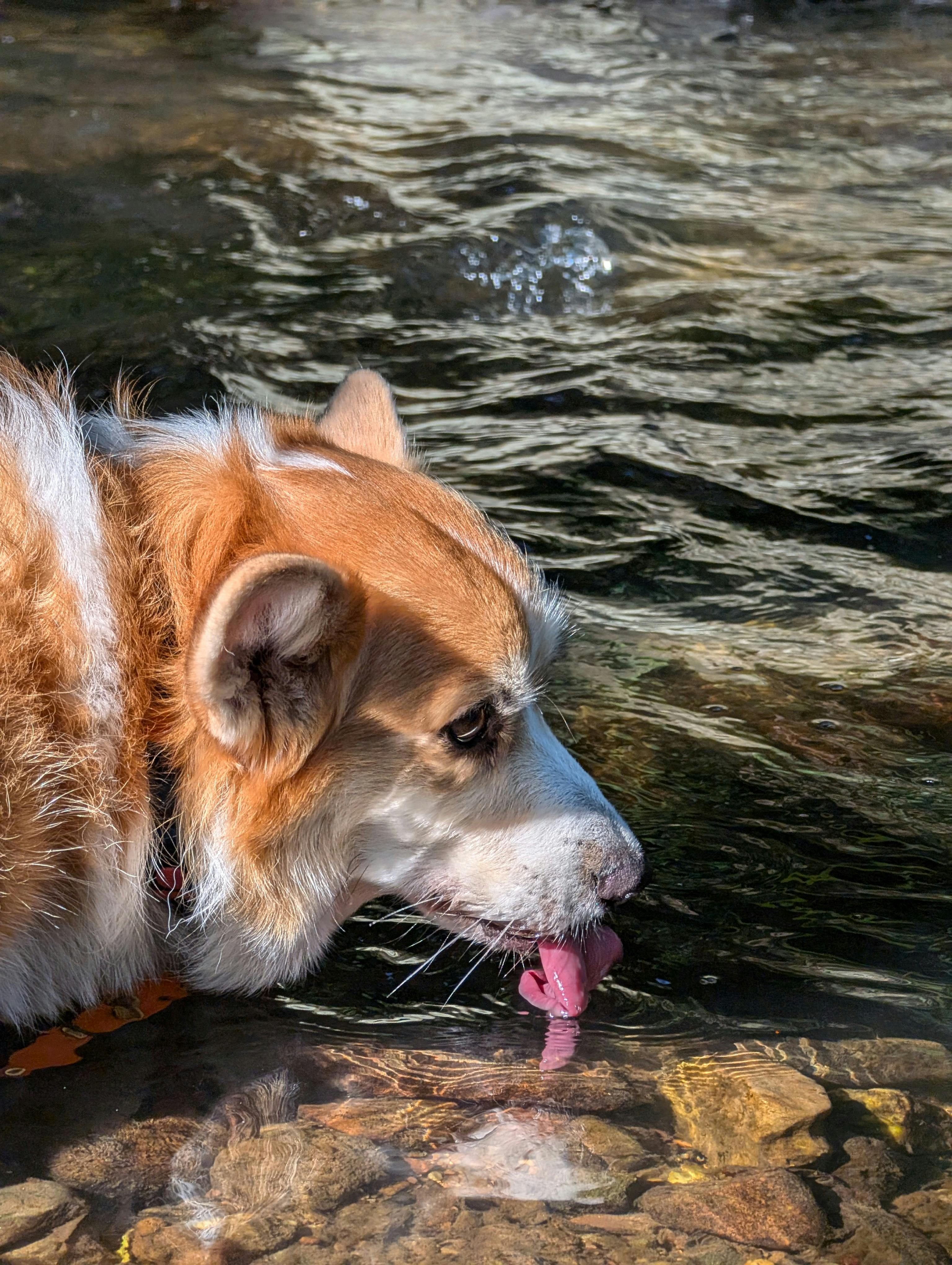
The bond between humans and dogs is deep-rooted, and many of us often wonder about the peculiarities of our furry companions. One of the most interesting features that dogs have is their wet noses. You might’ve asked yourself, why do dogs have wet noses? Or maybe, why does it matter for temperature regulation? Let’s dive into the fascinating world of canine physiology and explore the significance of a moist snout.
Understanding The Wet Nose
Dogs noses are not just for sniffing; they play a significant role in their overall health. A dog’s nose is covered with a layer of mucous, which helps to keep it cool. This moisture is critical for temperature regulation. When a dog pants, the moisture evaporates, which helps to cool them down. The wetness of the nose is an essential part of this process.
Temperature Regulation in Dogs
Dogs are not able to sweat like humans do. They have sweat glands, but they are mainly located in their paw pads. So, how do dogs regulate their body temperature? Here are the primary ways:
- Panting: Dogs breathe rapidly to let the moisture evaporate and cool their bodies.
- Wet Noses: The moisture on their noses aids in thermoregulation.
- Seeking Shade: Dogs instinctively find cooler spots when it’s hot.
Why Do Dogs Have Wet Noses?
This brings us back to the question: why do dogs have wet noses? The answer lies in a combination of anatomical and physiological factors. Here are some key points:
- Enhanced Smell: A wet nose helps to trap scent particles. The moisture collects the scent, allowing dogs to better interpret their olfactory environment.
- Health Indicator: A wet nose is often an indicator of good health. A dry nose can signal dehydration, fever, or illness in some cases.
- Cooling Mechanism: As mentioned, the wetness helps dogs cool down, especially during warm weather.
Historical Context
Dogs have been with humans for thousands of years, and their evolution has led to the development of unique traits. The wet nose is believed to be a trait that has been beneficial for survival. Dogs with wetter noses may have been able to detect food or danger more effectively, leading to better chances of survival and reproduction.
Fun Facts About Dog Noses
- Dogs have about 220 million scent receptors in their noses, compared to humans who only have about 5 million.
- A dog’s sense of smell is so strong that they can detect certain diseases, including cancer.
- The shape and size of a dog’s nose can vary greatly among breeds, influencing their sense of smell.
Comparing Wet vs. Dry Noses
Wet Nose:
- Generally indicates a healthy dog.
- Helps with smell and temperature regulation.
- Can indicate the dog’s mood (excitement or happiness).
Dry Nose:
- May indicate dehydration or illness.
- Could be caused by environmental factors like heat or cold.
- Not always a cause for concern, especially if the dog is otherwise healthy.
Practical Examples of Nose Care
Taking care of your dog’s nose is important. Here are some tips:
- Hydration: Always make sure your dog has access to fresh water. Dehydration can lead to a dry nose.
- Environmental Awareness: Be aware of the temperature and humidity. Hot weather can dry out your dog’s nose.
- Regular Vet Check-Ups: If you notice a persistent change in your dog’s nose moisture, consult your veterinarian.
Conclusion
The wet nose of a dog is more than just an adorable feature; it’s an essential part of their biology that aids in temperature regulation and enhances their sense of smell. Understanding why do dogs have wet noses can help pet owners appreciate the unique adaptations that make dogs such remarkable companions. So the next time you see your dog’s wet nose, remember that it plays a crucial role in keeping them cool and healthy. Your furry friend relies on their moist snout in more ways than one!
From Curiosity to Care: Understanding the Importance of Your Dog’s Moist Nose
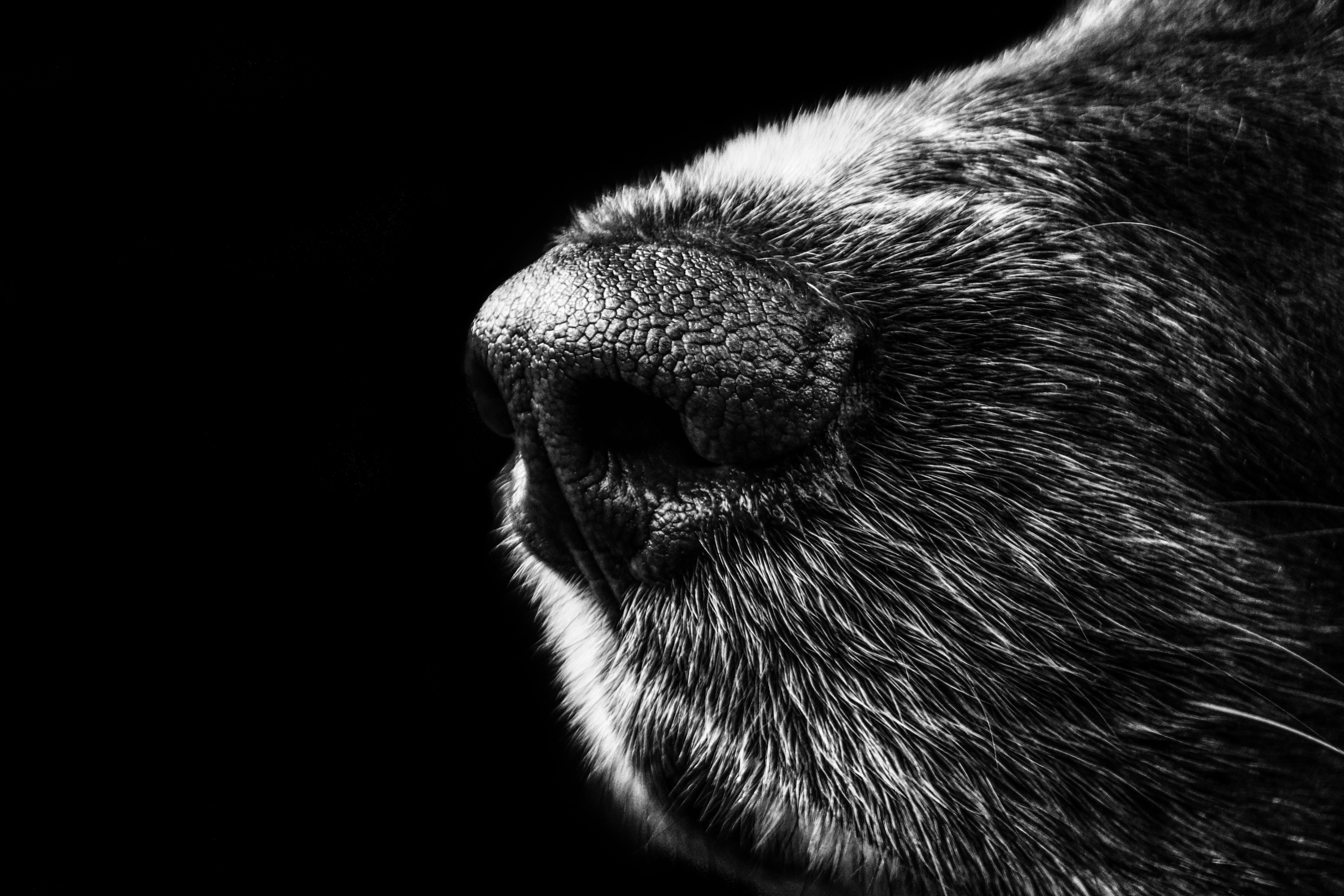
Have you ever wonder why your dog’s nose is often wet? It’s one of those little quirks that make dogs unique and so lovable. But there’s actually a lot more to it than just a cute feature. Dogs noses are not just for show, they serve multiple important purposes, and understanding this can help you better care for your furry friend. Let’s dive into the fascinating truth behind why do dogs have wet noses.
The Science Behind Wet Noses
The moisture on a dog’s nose is not just happenstance. It’s actually a well-designed adaptation that plays a crucial role in their health and sensory perception. Here’s how:
Scent Enhancement: A wet nose helps to capture scent particles from the air. When a dog sniffs, the moisture on their nose absorbs these scents, amplifying their ability to smell. This is why dogs are often seen sniffing around, they are gathering information about their environment.
Temperature Regulation: Dogs don’t sweat like humans do. Instead, they rely on their noses to help regulate their body temperature. The moisture evaporating from their nose can help cool them down, especially during hot days.
Health Indicator: The state of a dog’s nose can serve as an indicator of their health. A healthy dog’s nose is usually wet and cool, while a dry or cracked nose can suggest dehydration or illness. However, not every dry nose indicates a problem, just like a wet nose might not always mean health.
Historical Context of Dogs’ Noses
Dogs have been domesticated for thousands of years, and their wet noses have served as a key component in their interactions with humans. Historically, dogs were bred for various tasks, including hunting, herding, and guarding. Their sense of smell, aided by a moist nose, was crucial for these roles.
Hunting: Early humans relied on dogs to track and retrieve game. The ability of dogs to pick up scents was essential for survival.
Companionship: As humans began to see dogs more as companions than just working animals, the characteristics that made dogs good at scent detection also made them more attuned to human emotions and needs.
Interesting Facts About Dog Noses
Dogs have approximately 220 million smell receptors in their noses, compared to around 5 million in humans.
The shape and size of a dog’s nose can influence its sense of smell. Breeds like Bloodhounds have the best sense of smell due to their large, droopy noses.
Just like human fingerprints, every dog has a unique nose print, which can be used for identification.
Comparing Dog Noses with Human Noses
Dogs and humans have quite different nose structures and functions. Here’s a quick comparison:
| Feature | Dog Nose | Human Nose |
|---|---|---|
| Smell Receptors | 220 million | 5 million |
| Wetness | Usually wet and cool | Generally dry |
| Function | Scent detection, temperature regulation | Primarily for breathing and taste |
| Unique Identifiers | Unique nose prints | No unique identification |
Practical Implications for Dog Owners
Understanding the importance of your dog’s wet nose can help you take better care of them. Here’s a list of things to consider:
Regular Checks: Keep an eye on the moisture of your dog’s nose. If it becomes persistently dry or cracked, it might be time to consult a veterinarian.
Hydration: Ensure your dog has constant access to fresh water. Hydration is key to maintaining a healthy nose.
Environmental Factors: Weather can affect your dog’s nose. In dry or cold conditions, consider using a dog-safe moisturizer if their nose looks too dry.
Diet and Nutrition: A balanced diet can also influence your dog’s overall health, including the condition of their nose.
Veterinary Visits: Regular check-ups can help catch any potential health issues early, including those that might affect your dog’s nose.
So, next time you see your dog’s nose glistening in the sunlight, remember, it’s not just a cute feature—it’s a vital part of their health and well-being. Understanding why do dogs have wet noses can deepen your relationship with your furry companion and provide insight into their needs. Keeping an eye on that adorable, moist nose can be a significant step in ensuring their overall health.
Is a Dry Nose a Cause for Concern? Debunking Myths About Dog Nose Health
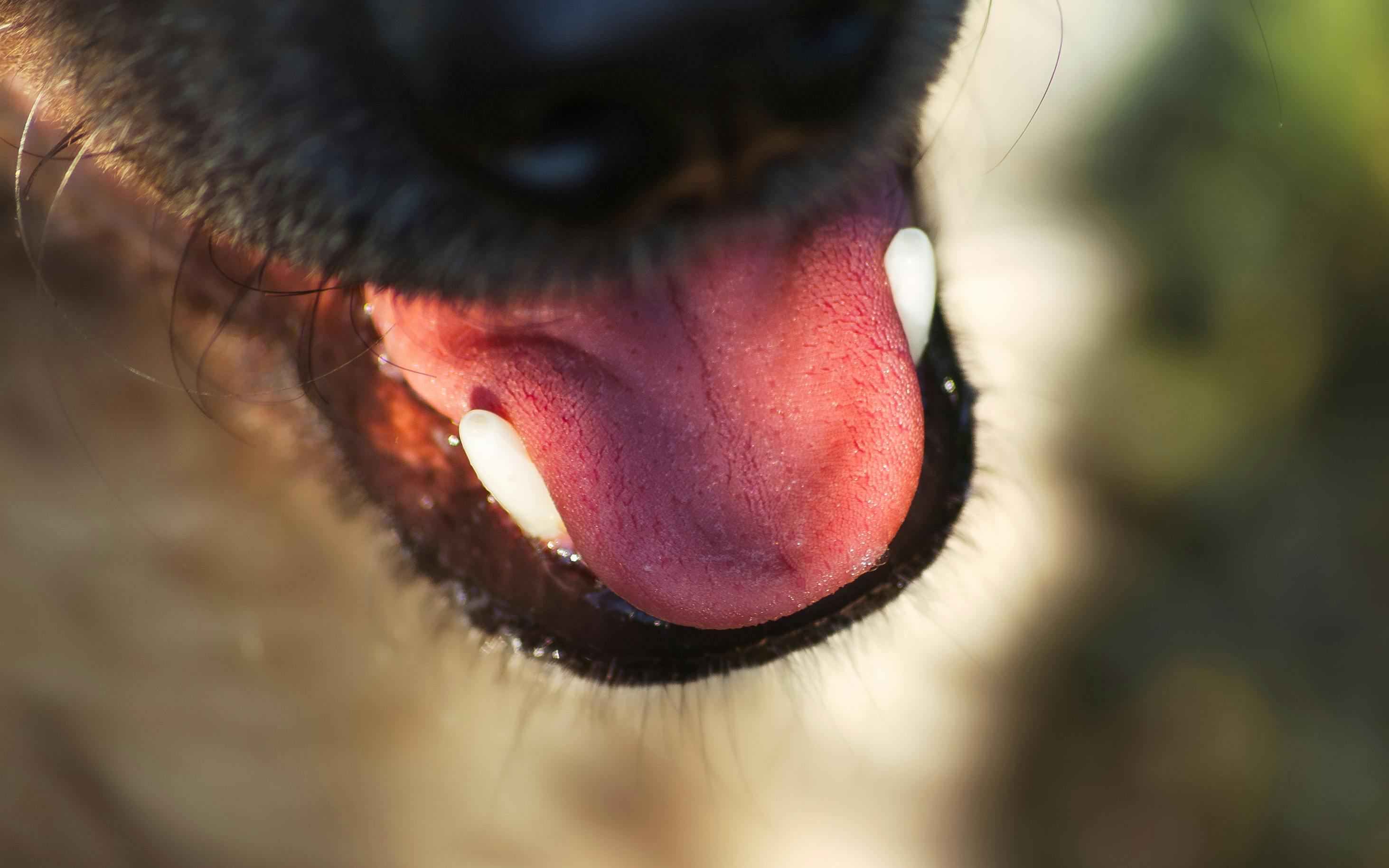
When it comes to our beloved canine companions, there are many myths and beliefs that surround their health. One of the most common questions pet owners ask is, “Is a dry nose a cause for concern?” Many people believe a wet nose is a sign of good health, while a dry nose might signal illness. But is this true? Let’s take a closer look at dog nose health and debunk some myths surrounding it, while also exploring the fascinating reasons why dogs have wet noses.
Understanding Dog Nose Health
Dogs noses are usually wet, but not all the time. A dog’s nose can change moisture levels throughout the day. It can be influenced by environmental factors like temperature and humidity, or even by their activity level. Therefore, a dry nose isn’t always something to worry about. Some factors that can contribute to a change in your dog’s nose moisture include:
- Weather conditions: Hot, dry air can lead to a drier nose.
- Dehydration: If your dog isn’t drinking enough water, its nose might dry out.
- Allergies: Just like humans, dogs can have allergies that affect their skin and nose.
- Age: Older dogs might experience changes in their nose moisture.
- Certain medical conditions: Conditions affecting the skin, like autoimmune diseases, can also cause dryness.
To determine if a dry nose is serious, consider other symptoms. Is your dog lethargic? Is it eating and drinking normally? If you notice any drastic changes or if the dry nose is persistent, consulting a vet would be wise.
Why Do Dogs Have Wet Noses?
Wet noses aren’t just a cute feature; they serve important purposes in a dog’s health and behavior. Here’s why dogs have those damp noses:
Enhanced sense of smell: A wet nose helps to trap scent particles. This is crucial because dogs have an incredible sense of smell—estimated to be 10,000 to 100,000 times more sensitive than humans.
Thermoregulation: Dogs regulate their body temperature through their noses. A wet nose can help cool them down, since dogs don’t sweat like humans do.
Communication: Dogs also use their noses to communicate with each other. A wet nose can indicate excitement or friendliness.
Health Indicator: A wet nose can sometimes indicate a dog’s overall health. However, this isn’t a definitive measure.
Debunking Common Myths About Dog Noses
Many myths exist regarding the health of a dog’s nose. Here are a few of the most common ones:
Myth: A dry nose always means illness.
- Truth: A dry nose can be normal, especially after sleeping or in dry environments.
Myth: A cold, wet nose means a healthy dog.
- Truth: Dogs can have a warm, dry nose and still be perfectly healthy.
Myth: A dog’s nose can predict the weather.
- Truth: While dogs may react to changes in humidity, there’s no scientific proof that their noses can forecast weather.
Signs of a Healthy Dog Nose
To help you assess your dog’s nose health, here’s a quick checklist of signs to look for:
- Moisture: A healthy dog nose is usually moist but can vary.
- Color: Should be consistent with your dog’s skin; no unusual discoloration.
- Temperature: Should feel normal to touch—not too hot or cold.
- Texture: Should be smooth; cracks or sores can indicate health issues.
When to Consult a Veterinarian
If your dog’s nose is persistently dry and exhibits other concerning symptoms, it might be time to see a vet. Here are some signs that require immediate attention:
- Excessive licking or scratching of the nose
- Bleeding or sores
- Changes in eating or drinking habits
- Lethargy or behavioral changes
- Persistent coughing or sneezing
While a dog’s nose can give some clues about its health, it’s just one part of the overall picture. Regular vet check-ups, a balanced diet, and proper hydration are essential to keeping your furry friend happy and healthy.
Understanding your dog’s nose is just a part of being a responsible pet owner. While a dry nose can sometimes be a cause for concern, it’s essential to look at the bigger picture and consider all the factors at play. So, the next time you notice your dog’s nose, remember that it’s just one of many ways to gauge their overall well-being.
7 Fun Facts About Dogs’ Wet Noses That Will Amaze You
Dogs are often called man’s best friend, but have you ever wondered why their noses are so wet? It’s a question that many pet owners ask, and the answer is a lot more fascinating than you might think. Here’s an exploration of 7 fun facts about dogs’ wet noses that will amaze you, along with insights into why dogs have wet noses in the first place.
1. A Nose Like No Other
Dogs have unique nose prints, just like human fingerprints. Each dog’s nose has a distinct pattern of ridges and creases that can be used to identify them. This means if you ever need to identify your pup, you can take a picture of their nose. It’s crazy, right? This uniqueness add a whole new layer to the bond we share with our furry friends!
2. Why Are They Wet?
You might be asking yourself, why do dogs have wet noses? The answer lies in their biology. A dog’s nose is moist because it helps them to smell better. The moisture enhances their ability to absorb scent molecules – it’s like having a superpower! When the nose is wet, it can capture more smells, allowing dogs to detect scents at incredibly low concentrations.
3. Temperature Regulation
Dogs also use their noses to help regulate their body temperature. Unlike humans who sweat, dogs cool themselves down through panting and by having a wet nose. When the moisture on their nose evaporates, it helps to cool them down. This is one of the reasons why you might notice your dog’s nose getting wet after a long walk or a play session – they’re keeping cool!
4. Sense of Smell
Here’s a mind-blowing fact: dogs’ sense of smell is estimated to be between 10,000 to 100,000 times more acute than that of humans. Their wet noses play a vital role in this incredible ability. The more moisture on the nose, the more scents they can pick up. This is why dogs can sniff out drugs, find missing persons, and even detect diseases like cancer. It’s almost like they have a built-in radar system!
5. The Importance of Wetness
The wetness of a dog’s nose can also indicate their health. A healthy dog usually has a moist nose, while a dry nose can sometimes indicate illness or dehydration. However, this is not always the case. For example, some breeds naturally have drier noses. So don’t panic if your dog’s nose is a little dry; just keep an eye on their overall health.
6. Dogs Can Sweat
Did you know? Dogs do sweat, but not like humans do. They have sweat glands in their paw pads, but their primary method of cooling off is through their noses and panting. The wetness of their noses helps with thermoregulation, making it crucial for their comfort, especially in hot weather.
7. A Nose for Everything
Dogs’ noses are not just for smelling food or other animals. They can detect everything from emotional changes in humans to environmental hazards. Research shows that dogs can sense when their owners are stressed or anxious, and they often respond with comfort. This amazing ability makes them not just animals, but also our emotional support companions.
Quick Facts About Dogs’ Wet Noses
- Dogs have unique nose prints, just like humans have fingerprints.
- Moist noses help dogs smell better by capturing scent molecules.
- Dogs cool themselves by evaporating moisture from their noses.
- Their sense of smell is incredibly acute, up to 100,000 times better than humans.
- A moist nose usually indicates a healthy dog, but it can vary by breed.
- Dogs sweat through their paw pads, not through their noses.
- They can sense human emotions, making them great companions.
To sum it up, dogs’ wet noses are a wondrous aspect of their biology that serve multiple purposes, from enhancing their sense of smell to helping them regulate their body temperature. So, the next time you give your furry friend a scratch on the head and feel that familiar wet nose, remember all the amazing things it signifies. The bond between you and your pet is strengthened by these small but significant features. Understanding why dogs have wet noses adds just a bit more magic to the relationship we cherish with them.
How to Keep Your Dog’s Nose Healthy: Tips for Maintaining That Wet Nose Shine
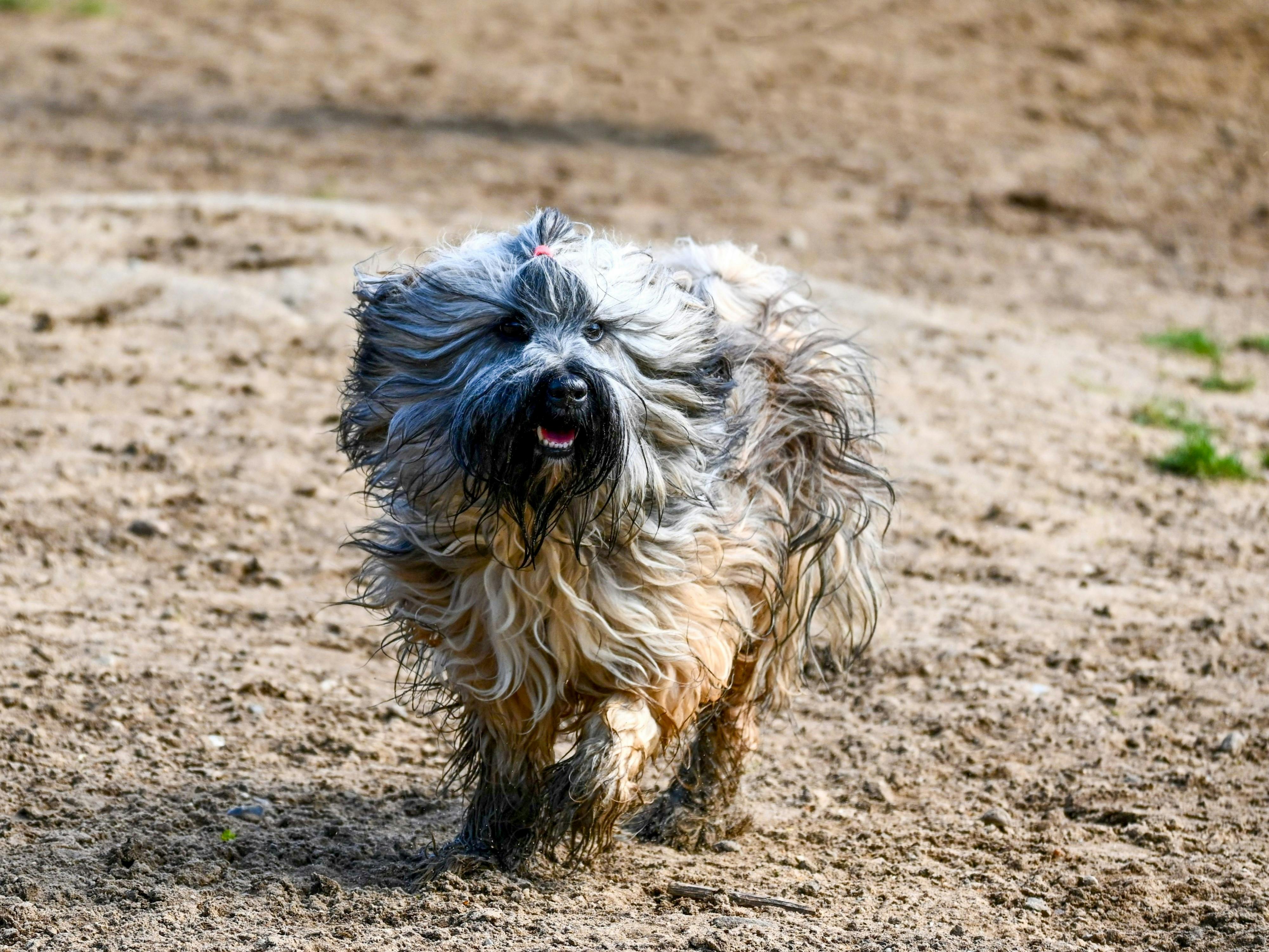
Dogs are known for many things, but one of their most charming features is their wet noses. Ever wonder why do dogs have wet noses? It turns out, there’s more to it than just a cute trait! In fact, a dog’s nose serves important functions that contribute to their overall health and wellbeing. And speaking of health, keeping that nose healthy and shiny is crucial for your furry friend. Let’s dive into the fascinating world of dog noses, their significance, and some tips on how to maintain that coveted wet nose shine.
Why Do Dogs Have Wet Noses?
The reasons behind why do dogs have wet noses is pretty interesting. Here’s a breakdown of some key points:
Cooling Mechanism: Dogs don’t sweat like humans do. Instead, they rely on their noses to help regulate their body temperature. The moisture on their noses evaporates, helping to cool them down.
Enhanced Smell: A wet nose enhances a dog’s sense of smell, which is about 10,000 to 100,000 times more acute than humans. The moisture helps to trap scent particles, allowing your pup to sniff out all sorts of interesting smells.
Health Indicator: A dog’s nose can be a good indicator of their health. A healthy nose is usually moist and cool, while a dry or cracked nose may signal dehydration or illness.
Communication: Dogs also use their noses to communicate. They can pick up scents from other dogs and even humans, giving them vital information about their surroundings and social interactions.
How to Keep Your Dog’s Nose Healthy
Maintaining that wet nose shine is not just about looks; it’s essential for your dog’s health. Here’s some practical tips to help you care for your dog’s nose:
Hydration is Key: Make sure your dog has access to fresh water throughout the day. Dehydration can lead to a dry nose, so keep that bowl full!
Regular Vet Checkups: Routine visits to the vet can help catch any potential issues early. A vet can check for any signs of illness that may affect your dog’s nose.
Limit Sun Exposure: Just like humans, dogs can get sunburned. If your pup spends a lot of time outdoors, consider applying a pet-safe sunscreen on their nose to protect it from harmful UV rays.
Keep the Environment Clean: Allergens and irritants in your home can affect your dog’s nose. Regularly clean their bedding and living areas to reduce exposure to dust and pollen.
Watch for Cracks or Changes: Monitor your dog’s nose for any changes in color, texture, or moisture level. If you notice any cracks, dryness, or unusual bumps, consult your vet.
Healthy Diet: A balanced diet rich in vitamins and minerals can improve your dog’s overall health, including their nose. Omega fatty acids are especially beneficial for skin and coat health.
Use Nose Balm: If your dog’s nose seems dry or cracked, consider using a nose balm designed for pets. These products can help moisturize and protect your dog’s nose.
Signs of a Healthy Nose vs. Unhealthy Nose
It’s important to know the signs of both a healthy and unhealthy nose. Here’s a simple comparison:
Healthy Nose:
- Moist and cool to the touch
- Smooth texture without cracks
- Natural color (usually black or brown)
Unhealthy Nose:
- Dry and warm
- Cracked or peeling skin
- Unusual discoloration (redness or white patches)
Fun Facts About Dogs’ Noses
- Dogs have about 300 million smell receptors in their noses, compared to humans’ 5 million.
- The shape of a dog’s nose can indicate its breed and even its personality traits.
- Dogs’ noses are unique, just like human fingerprints. No two dog noses are alike!
So, keeping your dog’s nose healthy is not just about aesthetics; it’s a matter of their overall health and happiness. Regular care, monitoring, and a good diet can go a long way in ensuring that your dog’s nose remains moist and shiny. Plus, understanding the fascinating reasons behind why do dogs have wet noses can deepen your bond with your furry companion. Remember, a happy dog often has a happy nose!
Conclusion
In conclusion, the wet noses of dogs serve multiple essential purposes, contributing significantly to their overall health and sensory perception. The moisture on their noses plays a crucial role in enhancing their sense of smell, allowing them to detect scents more effectively, which is vital for their communication and interaction with the environment. Additionally, a wet nose helps regulate body temperature and indicates hydration levels. While a wet nose is often seen as a sign of a healthy dog, it’s essential for pet owners to monitor changes in this characteristic, as it can signal health issues. Ultimately, understanding the science behind your dog’s wet nose not only enriches your bond but also empowers you to ensure their well-being. So, the next time you see your furry friend with a damp nose, remember the fascinating reasons behind it and cherish those moments of connection.
