
Have you ever wondered, why do dogs have wet noses? This intriguing question sparks curiosity among dog lovers worldwide! The truth behind this common feature is not just about cuteness; it reveals a lot about your furry friend’s health and behavior. A dog’s nose is moist for several reasons, and understanding these can deepen your bond with your pet. Wet noses help dogs to detect scents more effectively, which is crucial for their survival instincts. But, is it just for sniffing, or is there more to this fascinating phenomenon? Many pet owners often ask, “Do all dogs have wet noses?” or “What does it mean if my dog’s nose is dry?” These questions lead to a deeper exploration of canine biology and environmental factors. By delving into the science of why dogs have wet noses, you can uncover tips on keeping your pup healthy and happy. So, if you’re eager to learn more about your dog’s anatomy and what those wet noses really mean, keep reading! Discover the fascinating truth behind this quirky characteristic that makes your dog unique.
The Science Behind Wet Noses: Why Are Dogs’ Noses Always Damp?
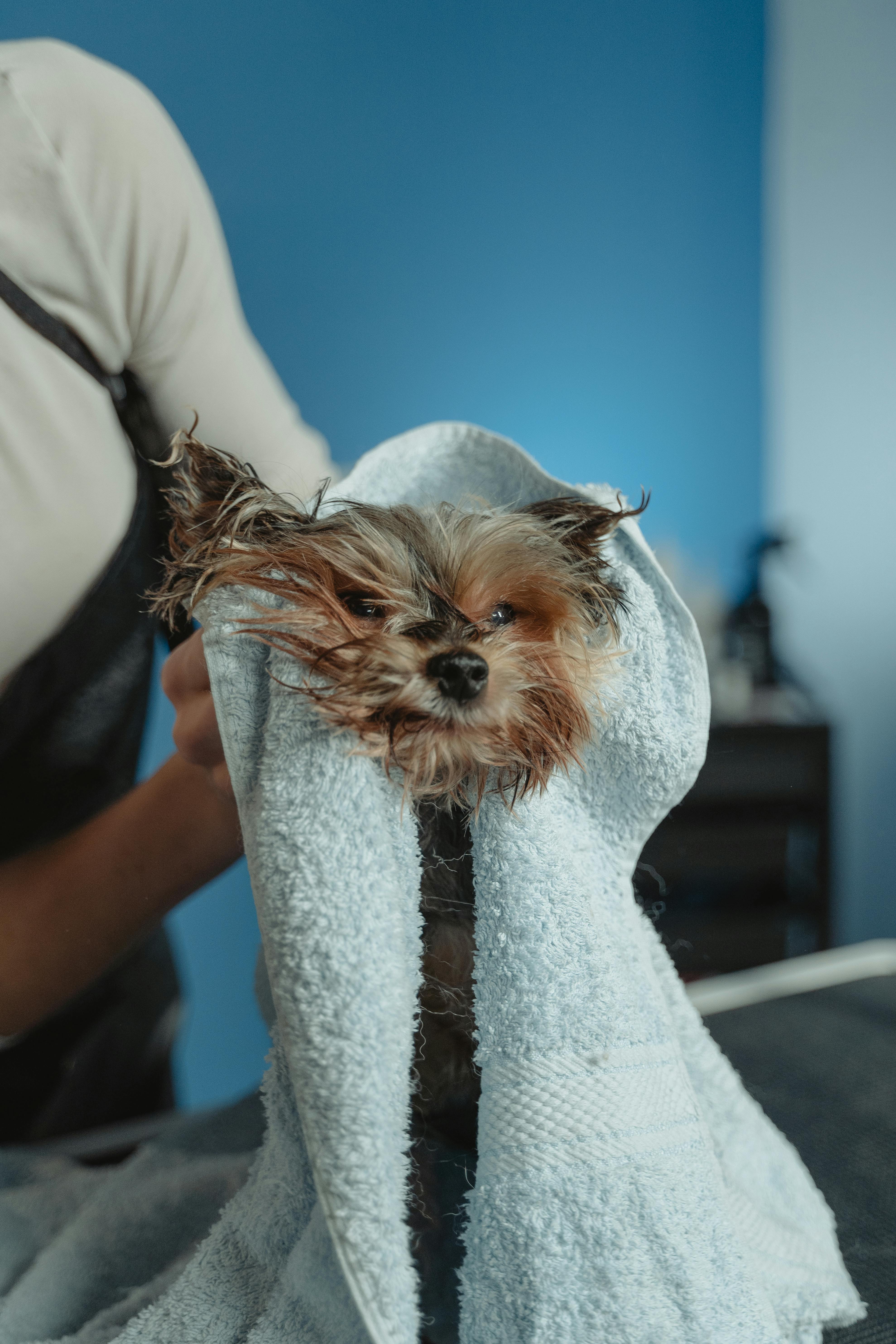
Dogs are often called man’s best friend, but one of the most intriguing features about them is their wet noses. Have you ever noticed how your furry companion’s nose is always damp? This phenomenon isn’t just a quirky aspect of dog anatomy; it actually has scientific explanations behind it. Let’s explore why do dogs have wet noses and uncover the fascinating truth!
The Purpose of a Wet Nose
First off, a wet nose serves important functions. It helps dogs in several ways:
Enhanced Sense of Smell: Dogs have an extraordinary sense of smell that is up to 100,000 times more sensitive than humans. A wet nose helps to absorb scent particles, making it easier for dogs to identify different smells.
Thermoregulation: Dogs don’t sweat like humans do. Instead, they rely on their noses to help regulate their body temperature. When their noses are wet, it helps to cool them down.
Health Indicator: A wet nose can also indicate a dog’s health. Generally, a healthy dog has a moist nose, while a dry nose might suggest dehydration or illness.
The Science Behind It
So, why are dogs’ noses always damp? Scientifically, it can be explained by a few reasons:
Mucus Production: Dogs have specialized glands in their noses that produce mucus. This mucus helps to trap scent particles and keeps the nose moist.
Licking Behavior: Dogs often lick their noses. This behavior not only keeps their noses wet but also spreads their scent, which is a part of their social communication.
Humidity and Environment: The environmental factors play a role too. If the air is humid, a dog’s nose might feel wetter. On the other hand, dry weather can lead to a drier nose.
Historical Context of Dogs’ Noses
It’s interesting to note that dogs have evolved over thousands of years. Their noses have been adapted for hunting and communication. Ancient civilizations recognized the importance of a dog’s sense of smell. For instance, in ancient Egypt, dogs were depicted in art, emphasizing their role in assisting humans in various tasks, from hunting to companionship.
Fun Facts About Dog Noses
- Dogs have about 300 million scent receptors in their noses, compared to humans, who only have about 6 million.
- The shape of a dog’s nose can also impact its sense of smell. Breeds like bloodhounds have longer, more pronounced noses, which enhance their smelling abilities.
- Interestingly, a dog’s nose print is unique, similar to a human’s fingerprint.
How to Care for Your Dog’s Nose
Caring for your dog’s nose is essential. Here are some tips to ensure their noses stay healthy:
Hydration: Ensure your dog has access to fresh water at all times. Dehydration can lead to a drier nose.
Moisturize: In colder months, consider using a dog-safe moisturizer if your dog’s nose appears cracked or dry.
Regular Vet Check-ups: Any sudden changes in the moisture level of your dog’s nose should be discussed with a veterinarian.
Comparison of Dog Breeds and Their Noses
Different breeds of dogs have different nose types. Here’s a simple table comparing a few breeds and their unique nose attributes:
| Breed | Nose Type | Unique Feature |
|---|---|---|
| Labrador Retriever | Short and wide | Great for water and retrieving tasks |
| Bloodhound | Long and droopy | Exceptional scent tracking |
| Bulldog | Short and flat | Less pronounced sense of smell |
| Siberian Husky | Medium and tapered | Adapted for cold environments |
Conclusion
Understanding the science behind why dogs have wet noses reveals more than just a biological quirk; it showcases the incredible adaptations of dogs as they evolved alongside humans. The moisture on a dog’s nose is more than just cute; it’s a key part of their sensory toolkit. So next time you give your furry friend a scratch behind the ears, take a moment to appreciate that damp nose and all the wonders it represents. Dogs are truly remarkable creatures, and their wet noses are just one of the many reasons we adore them.
7 Surprising Benefits of a Dog’s Wet Nose You Didn’t Know About
Dogs are more than just our furry companions; they are also fascinating creatures with unique biological characteristics. One of the most intriguing features of dogs is their wet noses. You may have wondered, “Why do dogs have wet noses?” The answer is not just because they just got out of the water or ran through the rain. In fact, there are a bunch of surprising benefits to having a wet nose that you might not know. Let’s delve into the 7 surprising benefits of a dog’s wet nose you didn’t know about, along with the fascinating truth behind it.
1. Enhanced Sense of Smell
Dogs has an extraordinary sense of smell, which is significantly enhanced by their wet noses. The moisture on their noses help to trap scent particles from the air, making it easier for them to detect odors. This is particularly important for hunting dogs, who rely on their noses to track down game.
- Dogs have up to 300 million smell receptors, compared to humans’ 5 million.
- The wetness helps the receptors work more effectively, making their sense of smell far superior to ours.
2. Temperature Regulation
Just like humans sweat to cool down, dogs use their wet noses for temperature regulation. The moisture on a dog’s nose evaporates, helping to cool their body down. This is especially crucial during hot weather, when overheating can be a serious risk.
- A dog’s normal body temperature ranges from 101 to 102.5°F.
- Keeping their nose wet helps maintain this temperature, which is vital for their health.
3. Communication Tool
Dogs often uses their noses to communicate with each other and with humans. A wet nose can indicate a dog’s excitement or affection. When a dog nudges you with their wet nose, they are usually seeking attention or showing love.
- Dogs can also use their noses to sense the emotional state of their humans.
- The moisture on their noses can amplify their ability to pick up on pheromones, aiding in social interactions.
4. Health Indicator
A wet nose can be a sign of a healthy dog. Generally, a dog’s nose is moist when they are well-hydrated and healthy. However, if the nose becomes dry or excessively warm, it might indicate a health issue.
- Factors that can affect nose moisture include:
- Dehydration
- Illness
- Environmental conditions
5. Natural Cooling Mechanism
Dogs don’t sweat through their skin like humans do. Instead, their wet noses serve as one of their primary cooling mechanisms. When a dog is hot, the moisture evaporates, helping to cool them down.
- This is why you might notice your dog licking their nose more during hot days.
- They instinctively know how to keep themselves cool.
6. Social Bonding
A dog’s wet nose can foster social bonding. When dogs greet each other or interact with humans, they often sniff and lick, which involves their noses. This behavior helps them gather information about the other party and helps establish social connections.
- Nose-to-nose contact is a common greeting method among dogs.
- It’s akin to a handshake or a hug in the canine world.
7. Uniqueness of Wet Noses
Each dog’s nose is unique, much like human fingerprints. The patterns and the moisture levels on a dog’s nose can vary from one dog to another. This uniqueness could even be used for identification purposes in some cases.
- Just like we have different fingerprints, dogs have different nose prints.
- Some organizations have considered using nose prints for pet identification.
Now that we uncover the surprising benefits of a dog’s wet nose, you might still be wondering, “Why do dogs have wet noses?” The answer lies in their evolutionary history. Dogs are descendants of wolves, which have wet noses that help them survive in the wild. Over time, this characteristic has been maintained and adapted to suit the domesticated lifestyle of dogs.
So, next time your dog nudges you with their wet nose, you might think of it as more than just a cute gesture. It’s a complex and fascinating trait that offers numerous benefits, from enhancing their sense of smell to promoting social bonding. Embracing the uniqueness of your dog’s wet nose is not only fun but also a glimpse into the wonderful world of canine biology. The next time someone asks you, “Why do dogs have wet noses?” you’ll have plenty of surprising facts to share!
Is a Wet Nose a Sign of a Healthy Dog? Discover the Truth!
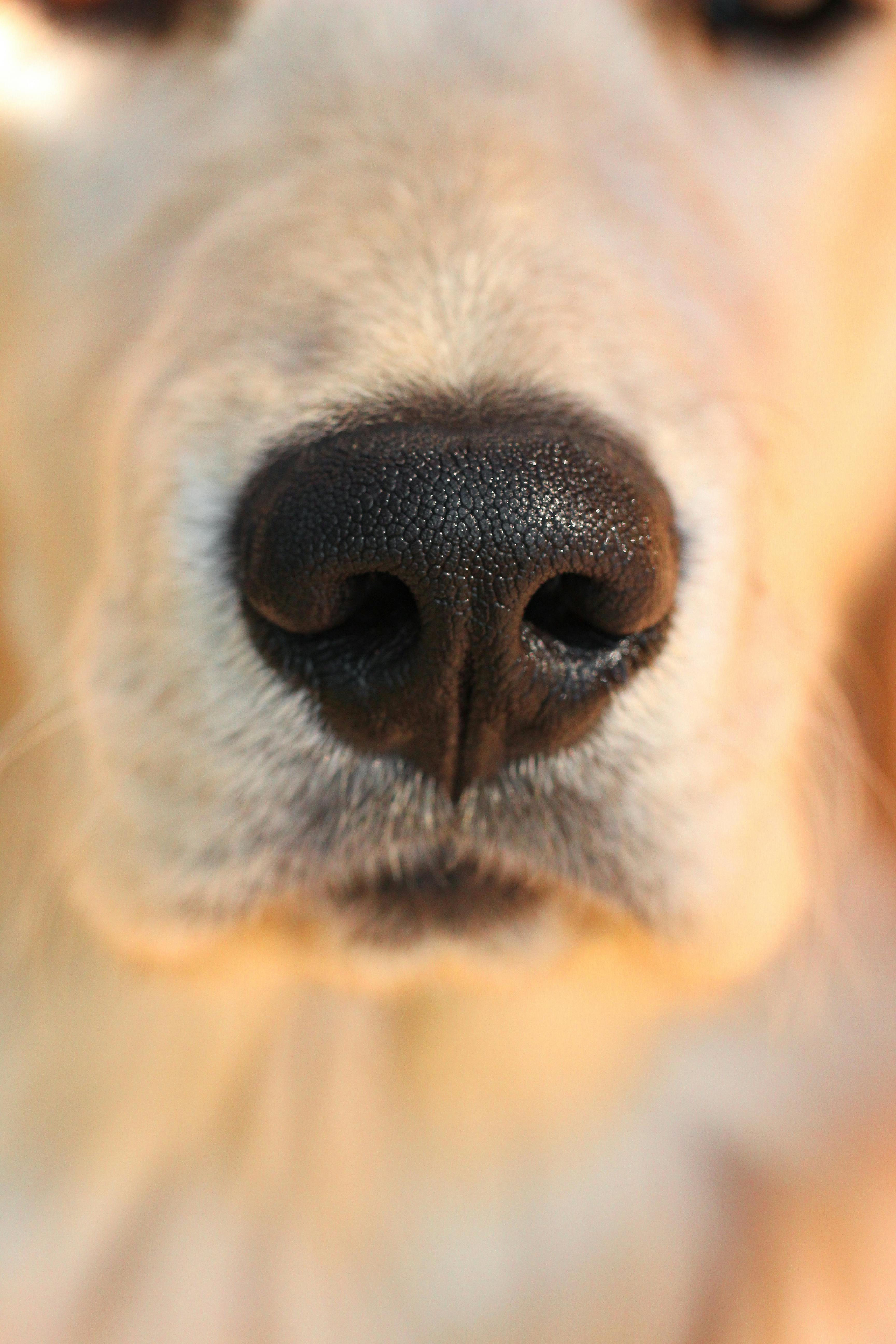
When you see a dog with a wet nose, it often brings a smile to your face. But have you ever wonder what that wet nose means? Is a wet nose really a sign of a healthy dog? Or is it just one of those things we assume without thinking too much? Let’s dive into the fascinating truth about why do dogs have wet noses and what it means for their health.
Why Do Dogs Have Wet Noses?
Dogs have wet noses for several reasons. It’s not just happenstance; there are biological and evolutionary reasons behind it. Here’s a breakdown:
Cooling Mechanism: A wet nose helps dogs regulate their body temperature. Dogs can’t sweat like humans, so they use their noses to cool down, similar to how we might use a fan.
Enhanced Smell: The moisture on a dog’s nose helps to trap scent particles. The wetter the nose, the better the smell, which is essential for a dog’s hunting and tracking instincts.
Health Indicator: A wet nose can sometimes indicate a dog is feeling well. However, it’s important to know that a dry nose doesn’t automatically mean a dog is sick.
Behavioral Signals: Dogs often lick their noses when they’re nervous, excited, or feeling playful. So, a wet nose can also be a sign of their emotional state.
The Myths Behind Wet Noses
Many people have misconceptions about wet noses. Let’s go over some common myths:
Myth 1: A wet nose always means a dog is healthy.
- Reality: While a wet nose can be a good sign, it’s not the only indicator of health. Look for other signs like energy levels, appetite, and behavior.
Myth 2: A dry nose means a dog is sick.
- Reality: A dog’s nose can be dry for several reasons, including weather, hydration, or sleep.
Myth 3: All dogs have wet noses.
- Reality: Some breeds, like Bulldogs or Pugs, may have drier noses due to their facial structure.
Fun Facts About Dog Noses
- Dogs have about 220 million scent receptors in their noses, compared to about 5 million in humans.
- The texture of a dog’s nose can change over time, and this is normal.
- Dogs can even detect certain diseases through their sense of smell, including cancer and diabetes!
How to Care for Your Dog’s Nose
A healthy nose is important for your dog’s overall well-being. Here are some tips for maintaining it:
Hydration: Ensure your dog is drinking enough water. Dehydration can lead to a dry nose.
Moisturizing: If your dog’s nose is consistently dry or cracked, consider using a vet-approved moisturizer.
Regular Check-Ups: Regular visits to the vet can help catch any underlying issues early.
What to Look for in Your Dog’s Nose
When checking your dog’s nose, keep an eye out for these signs:
Color: A healthy nose typically has a consistent color. If it changes suddenly, consult your vet.
Texture: A smooth, moist nose is generally a good sign. Crustiness or excessive dryness may indicate a problem.
Temperature: A dog’s nose may feel cool to the touch. If it feels unusually hot, it might be worth checking with your vet.
Comparing Wet and Dry Noses
Here’s a simple comparison of wet and dry noses in dogs:
| Feature | Wet Nose | Dry Nose |
|---|---|---|
| Common Cause | Healthy hydration | Dehydration, temperature |
| Scent Detection | More effective | Less effective |
| Health Indicator | Usually healthy | Not always unhealthy |
Practical Examples of Nose Care
Winter Care: In colder months, dogs might develop dry noses. You can apply a little coconut oil to prevent cracking.
Allergy Season: Spring can bring pollen and other allergens that may irritate your dog’s nose. Be observant and consult your vet if you notice excessive licking or irritation.
Hot Weather: In hot climates, keep your dog well-hydrated. A cool, wet towel on their nose can help them cool off.
Understanding your dog’s nose is an essential part of pet ownership. While a wet nose can be a sign of a healthy dog, it’s just one aspect of their overall condition. Always pay attention to other behaviors and physical signs for a full picture of your dog’s health. After all, being a responsible pet owner means knowing when to seek veterinary advice!
How a Dog’s Wet Nose Enhances Their Sense of Smell: The Fascinating Facts
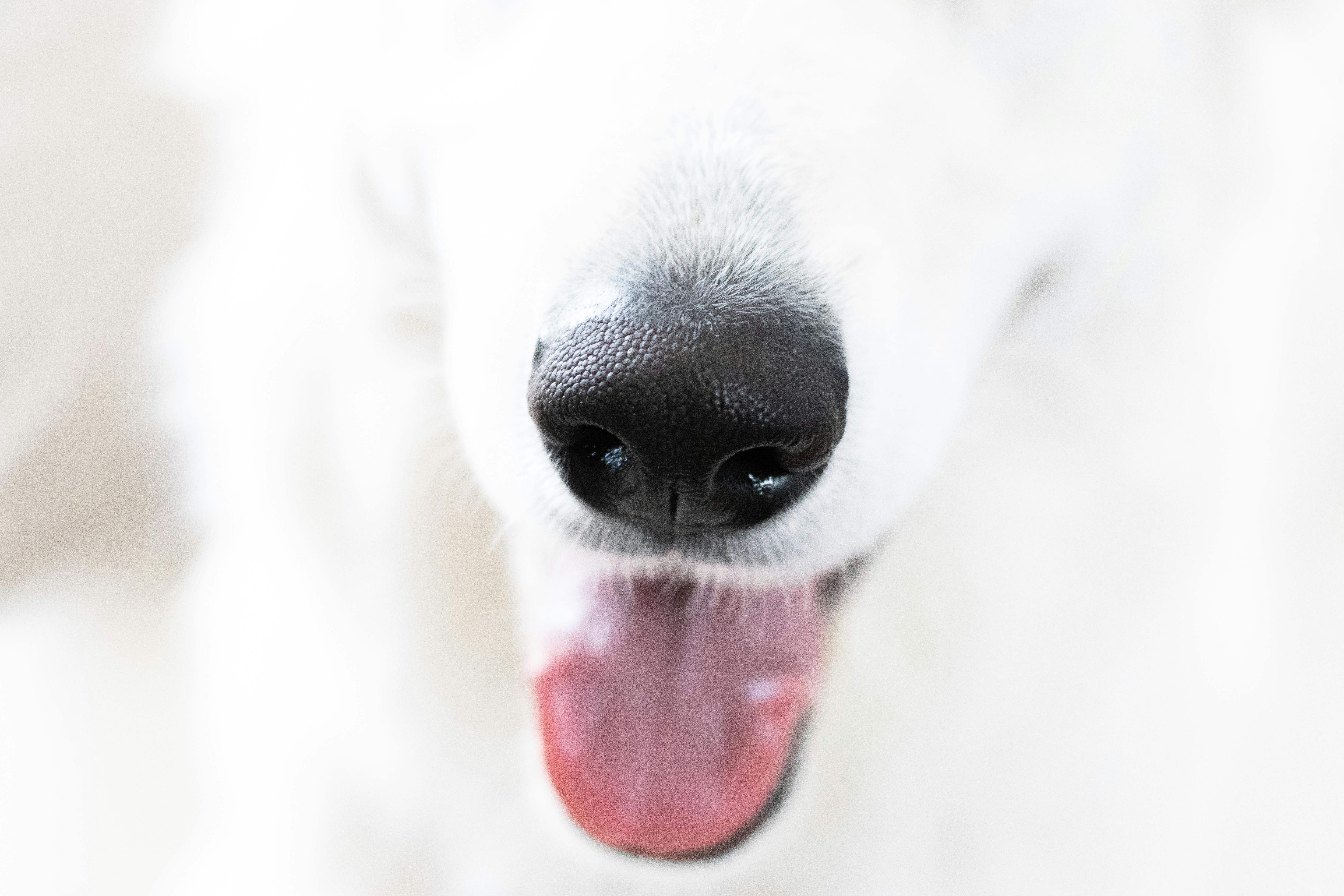
Dogs are often called man’s best friend, but have you ever wonder why they have wet noses? This seemingly simple feature plays a critical role in their impressive sense of smell. Let’s uncover the fascinating truth behind this canine characteristic and explore why dogs have wet noses and how it enhances their ability to sniff things out.
The Science Behind a Dog’s Nose
A dog’s nose is an extraordinary instrument, equipped with up to 300 million olfactory receptors, compared to about 6 million in humans. This phenomenal capability allows dogs to detect scents at incredibly low concentrations. The moisture that covers a dog’s nose is vital for enhancing this sense of smell. When a dog’s nose is wet, it can trap scent particles more effectively. This is because wet surfaces can absorb and hold onto scent molecules, making it easier for dogs to identify different smells.
Why Do Dogs Have Wet Noses?
There are several reasons why dogs have wet noses, and it’s not just for looks. Here are some of the main reasons:
- Enhanced Olfactory Function: As mentioned, moisture helps to capture scent particles, improving their ability to detect them.
- Temperature Regulation: Dogs do not sweat like humans. A wet nose helps to cool down their body temperature through evaporation, which is particularly important during hot weather.
- Health Indicator: The moisture level of a dog’s nose can also be a sign of health. A healthy dog’s nose is generally moist, while a dry nose could indicate dehydration or illness.
Historical Insights
Throughout history, dogs have been used for various tasks that require an acute sense of smell. They were employed in hunting, search and rescue, and even in detecting diseases. Ancient civilizations recognized their olfactory abilities, and selective breeding has enhanced these traits over generations.
- Hunting: Early humans relied on dogs to track and find game due to their superior scenting abilities.
- Search and Rescue: In more recent times, dogs have been trained to locate missing persons, showcasing their incredible olfactory skills.
- Medical Detection: There are even studies that show dogs can detect certain diseases, including cancer and diabetes, by smelling particular scents associated with these conditions.
Fascinating Facts About Dog Noses
- Unique Patterns: Just like human fingerprints, every dog has a unique nose print, which can be used for identification.
- Scent Discrimination: Dogs can differentiate between various scents, meaning they can tell the difference between familiar and unfamiliar scents even in a crowded area.
- Nasal Turbinates: Dogs have complex structures in their noses called turbinates that help to filter and warm the air they breathe in, optimizing their sense of smell.
- Vomeronasal Organ: This organ, also known as Jacobson’s organ, is responsible for detecting pheromones, which are chemical signals used for communication between animals.
Practical Examples of Dogs’ Sense of Smell
Here’s a list of practical examples of how dogs’ incredible sense of smell is utilized:
- Detection Dogs: Many law enforcement agencies use dogs to sniff out drugs, explosives, and other contraband.
- Therapy Dogs: Some therapy dogs are trained to recognize anxiety and stress through scent, providing comfort to individuals in distress.
- Bloodhounds: Known for their tracking abilities, bloodhounds can follow a scent trail that is days or even weeks old, making them invaluable in search and rescue operations.
Comparing Dog and Human Smell Abilities
| Aspect | Dogs | Humans |
|---|---|---|
| Olfactory Receptors | Up to 300 million | About 6 million |
| Scent Detection Ability | Can detect parts per trillion | Can detect parts per million |
| Nose Surface Area | Larger and more complex | Smaller and less complex |
Dogs’ noses are not just wet; they are a testament to the evolutionary adaptations that allow them to excel in various roles alongside humans. The moisture on a dog’s nose is a small but significant part of what makes them extraordinary companions and helpers. Their ability to smell is nothing short of fascinating, and understanding why they have wet noses helps us appreciate their unique biology even more. So the next time you pet your furry friend and feel that cool, damp nose, remember that it’s more than just a cute feature—it’s a vital part of their amazing sensory world.
Wet Nose vs. Dry Nose: What Your Dog’s Nose Says About Their Health

Dogs are known for their wet noses, but have you ever wondered why? The truth behind a dog’s nose can reveal more than just a cute feature; it can be an indicator of their overall health. Wet Nose vs. Dry Nose: What Your Dog’s Nose Says About Their Health is a fascinating topic that pet owners should consider. So, why do dogs have wet noses anyway? Let’s dive into this intriguing subject.
The Purpose of a Dog’s Wet Nose
Dogs’s noses are often wet, and there’s a good reason for it. The moisture is not just a random occurrence. Here are some reasons why dogs have wet noses:
- Scent Detection: Dogs have an incredible sense of smell. A wet nose helps to absorb scent particles more effectively. The moisture allows the scents to stick, which helps dogs identify smells better than a dry nose would.
- Temperature Regulation: Dogs regulate their body temperature with their noses. The moisture evaporates, cooling them down. This is especially important since dogs cannot sweat like humans.
- Health Indicator: A wet nose is often a sign of a healthy dog. If you notice your dog’s nose becoming dry, it might indicate dehydration or illness.
Wet Nose vs. Dry Nose: What Does It Mean?
A dog’s nose can tell you a lot about their health. Here’s a simple comparison between wet and dry noses:
| Nose Type | Possible Implications |
|---|---|
| Wet Nose | Healthy and hydrated |
| Dry Nose | Possible dehydration or illness |
Common Reasons for a Dry Nose
While a wet nose is often a good sign, a dry nose can indicate several things. Here are some common reasons why your dog’s nose might be dry:
- Dehydration: If your dog isn’t drinking enough water, their nose might become dry. It’s crucial to ensure your dog has access to fresh water at all times.
- Illness: Some illnesses can cause a dog’s nose to dry out. If your dog’s behavior changes along with the dry nose, it might be time for a vet visit.
- Allergies: Just like humans, dogs can suffer from allergies that may cause their noses to dry up.
- Weather Conditions: Hot weather can dry out a dog’s nose. Similarly, cold and windy conditions can cause it to crack and become dry.
Signs of Health Issues to Watch For
It’s not just the wet or dry nature of the nose that matters. You should look for other signs that could indicate a health issue. Here’s what to keep an eye on:
- Discharge: If there’s a lot of mucus or unusual discharge from the nose, it could indicate a respiratory issue.
- Cracking or Bleeding: This could mean your dog’s nose is overly dry or injured, which can be serious if it doesn’t heal.
- Behavior Changes: If your normally playful dog becomes lethargic or stops eating, it’s time to consult a vet.
- Fever: A dog’s normal temperature is between 101°F to 102.5°F. If you notice a dry nose along with a fever, it could indicate a serious health problem.
How to Care for Your Dog’s Nose
Keeping your dog’s nose healthy is important. Here are some tips:
- Hydration: Always provide fresh water. Encourage your dog to drink, especially during hot days.
- Moisturize: If you notice your dog’s nose is consistently dry, you can apply a vet-approved moisturizer.
- Regular Vet Check-Ups: Regular visits to the veterinarian can help catch any health issues early.
- Watch Their Diet: Good nutrition can affect your dog’s skin and nose health. Feed them a balanced diet.
Fun Facts About Dog Noses
Did you know that dog noses are unique, much like human fingerprints? Here are some interesting facts:
- Scent Receptors: Dogs have about 220 million scent receptors, while humans only have about 5 million.
- Temperature: A wet nose can be cooler than the rest of the body, aiding in thermoregulation.
- Color Changes: The color of a dog’s nose can change over time, often darkening with age.
Understanding what your dog’s wet or dry nose means can significantly impact their health and well-being. Keep an eye on those little details, and don’t hesitate to contact your vet if something seems off. Your furry friend relies on you for their health, and being informed is the best way to ensure a happy, healthy life together.
Curious Canines: Why Do Dogs Lick Their Wet Noses?
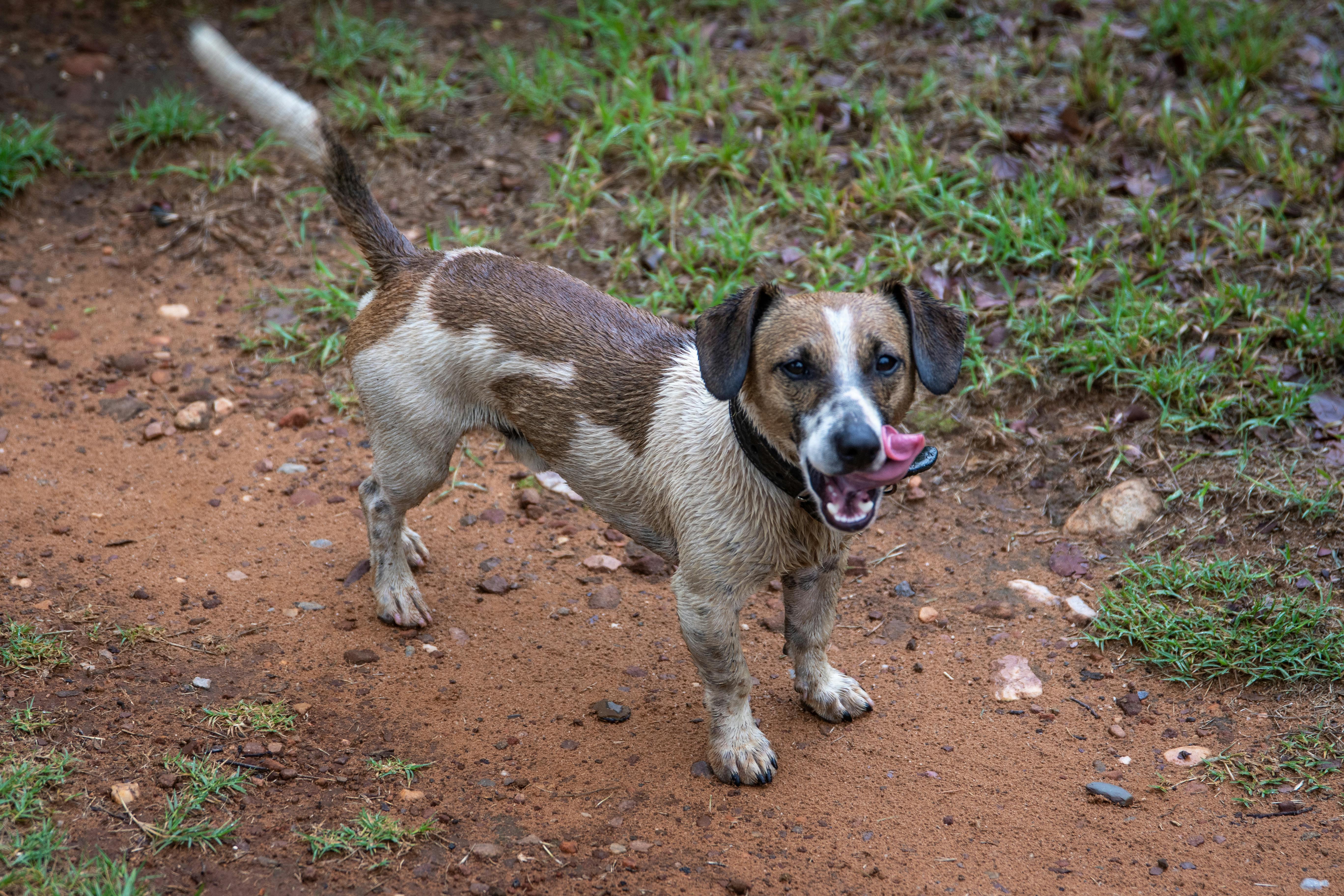
Dogs, they are known as man’s best friend, but have you ever wondered why these furry companions have wet noses? You might think it’s just one of those quirky things about dogs, but the truth is, there’s a lot more to it. The moisture on your dog’s nose plays a vital role in their health and behavior. So, let’s explore this fascinating topic together and uncover the mysteries behind those curious canines.
What Makes Dogs’ Noses Wet?
First off, a dog’s nose is wet due to a combo of factors. Dogs have special glands that produce a thin layer of mucus. This mucus helps in several ways, like trapping scent particles and improving their sense of smell. Here’s a quick look at how a wet nose benefits dogs:
- Enhanced Smell: A wet surface helps dogs absorb scent molecules better, making their sense of smell more acute.
- Temperature Regulation: Licking can also help cool off their body temperature, much like sweating in humans.
- Health Indicator: A wet nose is often a sign of a healthy dog. If a dog’s nose is dry, it could indicate illness, dehydration, or other health issues.
The Science Behind the Licking
You might see your dog licking its nose quite often. This behavior ain’t just for fun! Dogs lick their noses for a few reasons. It can be for grooming, or it might signal they are feeling anxious or excited. Interestingly, when a dog licks its nose, it helps keep that nose moist.
Here are some reasons dogs lick their noses:
- Taste and Smell: Dogs have a heightened sense of taste and smell, so licking their nose allows them to gather more information about their environment.
- Nervous Habits: Just like humans may bite their nails, dogs may lick their noses when they’re anxious or nervous.
- Social Signals: Dogs might lick their noses to communicate with other dogs or even humans, signaling submission or curiosity.
Why Do Dogs Have Wet Noses?
When asking why do dogs have wet noses, it’s important to consider the evolutionary benefits. Historically, dogs descended from wolves, who relied on their sense of smell for hunting and survival. A wet nose enhances this ability, allowing dogs to track scents more effectively.
Moreover, a moist nose can also help dogs regulate their body temperature. Dogs don’t sweat like humans, so they rely on panting and the moisture on their noses to cool down. This adaptation has been crucial for their survival in various environments.
Comparison: Dry Nose vs Wet Nose
Not all noses are created equal! Here’s a quick comparison between a wet nose and a dry nose:
Wet Nose:
- Typically cooler to the touch.
- Often indicates hydration and good health.
- More effective in scent detection.
Dry Nose:
- Might feel warmer than usual.
- Could indicate dehydration or illness.
- Less effective in absorbing scent particles.
Practical Examples of Nose Health
Maintaining your dog’s nose health is important. Here are some practical steps you can take:
- Hydration: Make sure your dog drinks enough water throughout the day.
- Regular Vet Check-ups: Keep up with vet visits to catch any health issues early.
- Watch for Changes: If you notice a sudden change in the moisture of your dog’s nose, it might be time to consult your veterinarian.
Fun Facts About Dog Noses
- Dog noses have unique patterns, much like human fingerprints.
- A dog’s sense of smell is about 10,000 to 100,000 times more acute than humans.
- Dogs have a special organ called the Jacobsen’s organ, which helps them detect pheromones.
So, next time you see your dog with its wet nose, remember, it’s not just a cute feature. It’s a vital part of their biology that helps them interact with the world around them. The moisture plays a role in their health, their ability to smell, and even their communication with you and other dogs.
In the end, understanding why dogs have wet noses not only enhances your appreciation for your furry friend but also helps you ensure your pet remains healthy and happy. Whether you’re a dog owner or just a dog lover, the science behind those curious canines is truly captivating! Keep exploring and learning about your pet, because there’s always more to discover.
The Role of a Dog’s Wet Nose in Temperature Regulation: What You Need to Know
Dogs are often known for their adorable features, but one of the most fascinating aspects of their physiology is their wet noses. Ever wonder why do dogs have wet noses? Well, it plays a vital role in how they regulate temperature, and there are some pretty interesting facts about it. Let’s dive into the science and reasons behind this unique characteristic.
The Science Behind a Dog’s Wet Nose
A dog’s nose is not just a cute feature; it serves several important functions. The moisture on a dog’s nose helps with their ability to smell and helps cool them down. When a dog pants, the evaporation of moisture from their nose and mouth cools their body temperature. This is essential, especially during hot weather.
- Temperature Regulation: Dogs don’t sweat like humans do. They primarily use their noses and panting to regulate body temperature. The evaporation of moisture from the nose is crucial in this process.
- Enhanced Sense of Smell: The wetness helps to trap scent particles, allowing dogs to detect odors more effectively. It’s like nature’s little trick to help them sniff out everything from food to danger.
Why Are Dog Noses Wet?
There are several reasons for the wetness of a dog’s nose:
- Cooling Mechanism: Just like mentioned before, the moisture helps with temperature regulation by cooling down the air they inhale.
- Improved Scent Detection: The wet surface can absorb scent molecules better than a dry surface, making it easier for dogs to pick up smells.
- Health Indicator: A wet nose is often considered a sign of a healthy dog. However, it’s important to note that not all dogs have wet noses all the time. Factors like weather, activity levels, and health can influence this.
Historical Context
Historically, dogs were domesticated from wolves, and the evolution of their anatomy has been crucial for their survival. The wet nose is not just a quirky trait; it’s a survival tool. Wolves and early dogs required keen senses for hunting, and a wet nose was a natural adaptation to enhance their olfactory capabilities.
Interesting Facts About Dog Noses
- Unique Patterns: Just like human fingerprints, every dog has a unique nose print. It can actually be used for identification!
- Nasal Turbinates: Dogs have complex structures in their nasal passages called turbinates that help them detect scents. The wetness aids in this process.
- Breeds and Moisture Levels: Some breeds have drier noses than others. For example, Bulldogs often have drier noses compared to breeds like Retrievers.
Tips for Caring for Your Dog’s Nose
Taking care of your dog’s nose is essential for their overall health. Here are some easy tips:
- Regular Check-ups: Regular visits to the vet can help catch any issues with your dog’s health, including their nose.
- Hydration: Ensure your dog is hydrated, as dehydration can lead to a dry nose.
- Avoiding Irritants: Keep your dog away from strong chemicals or irritants, which can affect their noses.
Comparison: Dog Noses vs. Human Noses
Here’s a quick comparison of how dog noses and human noses function differently:
| Feature | Dog Nose | Human Nose |
|---|---|---|
| Moisture Level | Typically wet | Usually dry |
| Smell Sensitivity | Extremely sensitive | Less sensitive |
| Temperature Regulation | Uses moisture for cooling | Sweating is primary method |
The Fascination Behind Dog Noses
The moisture on a dog’s nose isn’t just there for show; it’s an essential component of their biology. It supports their ability to hunt and adapt to various environments. The way nature has equipped dogs with such unique features is truly amazing.
If you ever notice your furry friend with a dry nose, it may not always be a cause for concern. Factors like heat, sleep, and activity can affect the moisture levels. Keep an eye on any significant changes, but remember that each dog is unique.
So, next time you see that cute, wet nose, just know it’s doing a lot more than you might think. It plays a crucial role in keeping your pet healthy and happy, helping them enjoy life to the fullest. Understanding the significance of dogs’ wet noses can deepen your appreciation for your four-legged companion.
5 Myths About Dogs’ Wet Noses Debunked: Get the Real Facts!
Dogs are known for many things. Their loyalty, playfulness, and of course, their wet noses. But why do dogs have wet noses? Many pet owners, and even those who are just curious, have wondered about this. There’s also a lot of myths floating around about it, which can lead to confusion. In this article, we gonna debunk five of the most common myths about dogs’ wet noses and reveal the fascinating truth behind this canine characteristic.
Myth 1: A Wet Nose Means a Healthy Dog
One popular belief is that if a dog has a wet nose, it must be healthy. While wet noses can indicate hydration and good health, it don’t always mean that a dog is free from illness. Dogs can have various conditions, including infections or allergies, even with a wet nose. Here’s a quick look at what a wet nose can suggest:
- Hydration: A moist nose can indicate that a dog is well-hydrated.
- Temperature Regulation: Dogs use their noses to help regulate body temperature.
- Sickness: Some sick dogs might have a dry nose.
So, while a wet nose is generally a good sign, it shouldn’t be the only indicator of a dog’s health status.
Myth 2: Dogs’ Noses Are Wet Because of Saliva
Another common myth is that dogs’ noses are wet because they lick them all the time. While dogs do lick their noses, it’s not the primary reason for the moisture. The real reason, you see, is that dogs’ noses are covered in a thin layer of mucus, which helps them smell better. This mucus captures scent particles from the environment, allowing dogs to detect a wide range of smells. Here’s how it works:
- Scent Detection: Their noses have special receptors that help them smell.
- Moisture: The wetness helps to trap scent particles.
- Licking: While licking does contribute, it’s not the main reason for wetness.
Myth 3: A Wet Nose Is Always Cold
Many folks think that a dog’s wet nose should always feel cold. This ain’t entirely true. A dog’s nose temperature can vary due to a number of factors, including their environment and activity level. For example, after running around, a dog’s nose might feel warmer, and it can still be perfectly healthy. Here’s some key points to consider:
- Normal Variation: Nose temperature can change throughout the day.
- Activity Level: After exercise, noses might become warmer.
- Environmental Factors: Weather conditions can affect nose temperature.
It’s important to remember that a cold, wet nose isn’t a definitive sign of health.
Myth 4: A Wet Nose Means Your Dog Is Happy
People often think that a wet nose indicates a happy dog. While a moist nose can be a sign of excitement, it doesn’t guarantee happiness. Dogs express their feelings in different ways, and a wet nose is just one of many signals. Here are some ways to identify a happy dog:
- Tail Wagging: A wagging tail often indicates a happy pup.
- Playfulness: Engaging in play is a good sign of happiness.
- Relaxed Body Language: A relaxed stance usually means a dog is comfortable.
So, while a wet nose might accompany happiness, it’s not the sole indicator.
Myth 5: Dogs’ Noses Are Wet Because They Sweat
It’s a common misconception that dogs sweat through their noses. In reality, dogs don’t sweat the same way humans do. They primarily regulate their body temperature through panting. Their noses do play a role in cooling them down, but it’s not sweating that keeps their noses wet. Here’s how dogs regulate their body temperature:
- Panting: Helps to cool their body through evaporation.
- Sweat Glands: Dogs have sweat glands, but they’re mainly found in their paws.
- Nose Moisture: The moisture on their noses aids in scent detection, not temperature regulation.
This myth can lead to misunderstandings about how dogs handle heat.
Understanding why dogs have wet noses can help pet owners care for their furry friends better. While the myths surrounding wet noses can be misleading, knowing the facts can help dispel confusion. So the next time you see a dog with a wet nose, remember that it might be a sign of hydration or good ol’ biology at work, rather than some mystical health indicator. By understanding these truths, you’re better equipped to provide the best care for your loyal companion.
Why Does Your Dog’s Nose Change Color? Understanding Wet Nose Variations
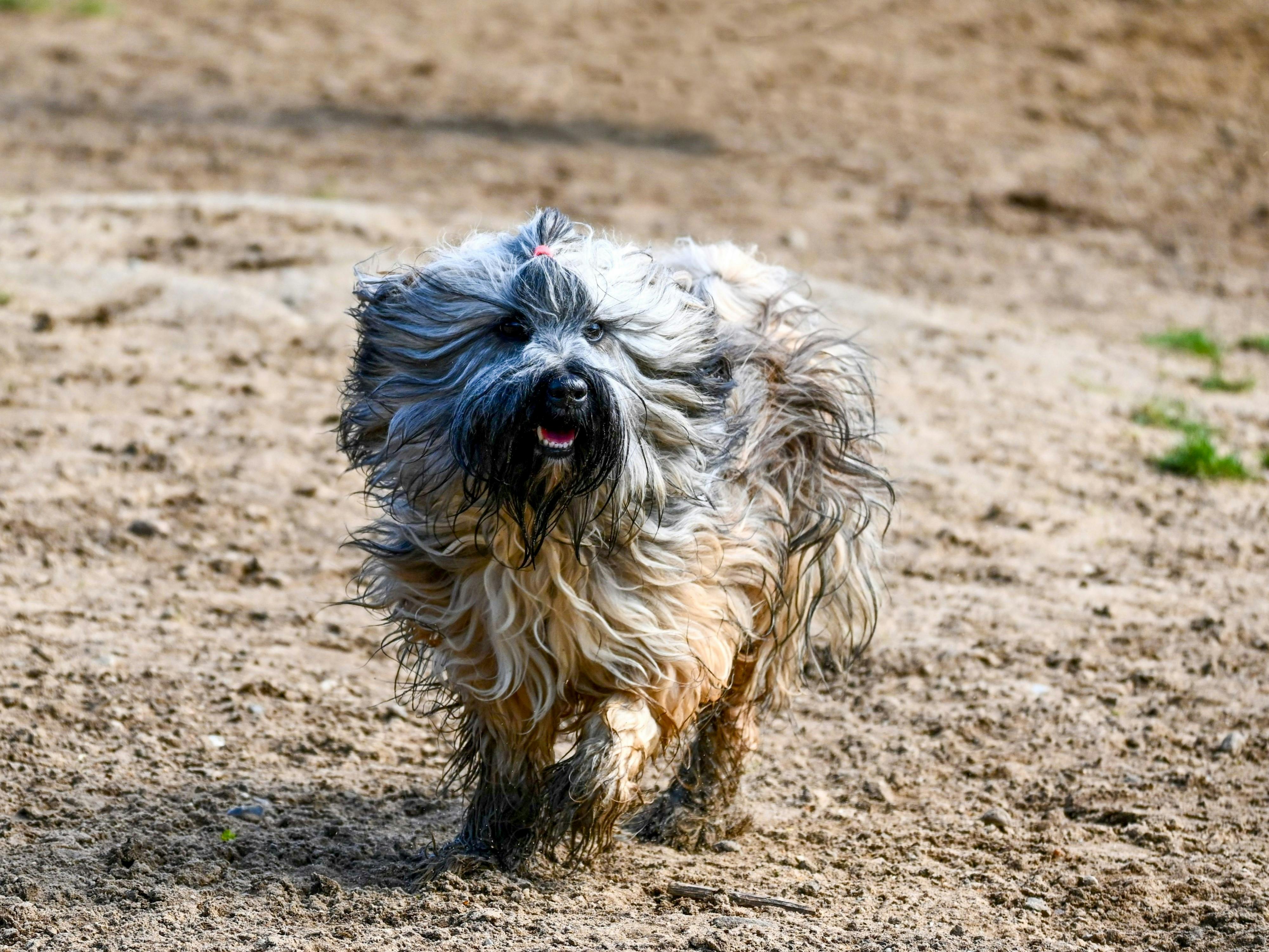
Ever wonder why your furry friend’s nose can look different from time to time? Dogs are famous for their wet noses, and you probably seen them change colors too. This can be a bit puzzling. In this article, we gonna dive deep into the reasons behind why your dog’s nose change color and why they are usually wet.
Why Do Dogs Have Wet Noses?
The wetness of a dog’s nose is not just for show. It actually serves some important functions. First off, a wet nose helps dogs to sense the world around them. Dogs have a highly developed sense of smell, and a damp nose can capture scent particles better. The moisture helps to absorb these particles, making it easier for them to sniff out all those interesting scents.
Another point is that a wet nose also plays a role in regulating a dog’s body temperature. Much like how humans sweat, dogs can cool off through their noses. When a dog’s nose is wet, it can help to evaporate moisture, which in turn cools the blood vessels beneath the skin.
Understanding Nose Color Changes
Now, let’s get to the crux of the matter: why does your dog’s nose change color? It can be quite common for dogs to have a variety of nose colors, ranging from pink to black, and even brown or liver-colored. Here are some reasons why you might see these changes:
Seasonal Changes: Some dogs may experience seasonal changes in their nose color. For example, during the summer months, a dog’s nose may darken due to increased exposure to sunlight. Conversely, in colder months, it may lighten.
Health Indicators: Sometimes, a change in nose color can indicate health issues. For instance, if a dog’s nose suddenly turns very pale or develops spots, it could be a sign of an underlying health condition.
Age Factors: As dogs age, their noses can also change color. Older dogs may have a lighter or even graying nose, which is a natural part of aging.
Breed Variations: Some breeds are known to have specific nose colors. For example, Dalmatians usually have spotted noses, while others might have solid colors. This can also lead to variations over time due to genetics.
Common Nose Color Changes and What They Might Mean
Here’s a quick reference list of common nose color changes and what they might indicate:
- Darkening Color: Often normal, could be due to sun exposure.
- Lightening or Pallor: Might indicate anemia or other health issues.
- Spots or Patches: Could suggest pigmentation changes, which are often benign but can also indicate skin conditions.
- Crusty or Dry Nose: This might point towards allergies, dehydration, or other health concerns.
Fun Facts About Dog Noses
Did you know that a dog’s sense of smell is approximately 40 times better than that of humans? Here are some more fascinating facts about dog noses:
- Unique Nose Prints: Just like human fingerprints, each dog has a unique nose print. This can even be used for identification.
- Nose Temperature: A dog’s nose can be warmer or cooler depending on the time of day or their activity level.
- Scent Discrimination: Dogs can differentiate between various scents, which is why they are often used in search and rescue operations.
Practical Tips for Nose Care
Caring for your dog’s nose is important to keep it healthy. Here are some practical tips:
- Hydration: Make sure your dog stays hydrated. A well-hydrated dog is less likely to have a dry or cracked nose.
- Sunscreen for Dogs: If your dog has a lighter nose, consider using dog-safe sunscreen on their nose during sunny days to protect it.
- Regular Check-ups: Keep an eye on any changes in your dog’s nose color or texture. If you are worried, consult your veterinarian.
It’s often easy to overlook the small things about our pets, but understanding why your dog’s nose change color and why they are generally wet can improve your bond and care for them. So next time you see your dog sniffing around with that adorable wet nose, you will appreciate the fascinating biology behind it!
The Connection Between a Dog’s Wet Nose and Their Mood: Find Out More!

Have you ever wonder why your dog’s nose is always wet? It’s one of those things that most dog owners see but probably don’t think too much about. Dogs wet noses are not just cute; they actually can tell us a lot about how your furry friend is feelin’. The connection between a dog’s wet nose and their mood is fascinating, and there are several reasons why doggos have wet noses. Let’s dig deeper!
Why Do Dogs Have Wet Noses?
First off, a wet nose serves multiple purposes for dogs. It’s kind of like their superpower! But what exactly makes their noses so moist? Here are a few reasons:
Cooling Mechanism: Dogs don’t sweat like humans do. Instead, they cool off mainly through panting, but their wet noses help too. The moisture evaporates, which helps regulate their body temperature.
Enhanced Sense of Smell: The wetness of a dog’s nose helps to capture scent particles in the air. A wet nose can absorb more scents, which is why dogs are such great sniffers. Their sense of smell is thousands of times more sensitive than ours!
Natural Lubrication: Just like how we need to keep our skin hydrated, dogs need to keep their noses moist. A wet nose keeps their nasal passages lubricated, allowing them to breathe easier.
Health Indicator: A healthy dog usually has a wet nose. Dryness can indicate dehydration or illness, so it’s a good thing to keep an eye on.
The Connection Between a Dog’s Wet Nose and Their Mood
You might be surprise to learn that the condition of your dog’s nose can reflect their emotional state. Here’s how:
Happy Dogs: When your dog is excited or happy, their nose tends to be wetter. If they greet you with a cold, moist nose, it’s a good sign of their joy.
Relaxed Dogs: A calm dog might have a slightly drier nose, but still not too dry. This indicates they are comfortable in their environment and feel safe.
Stressed or Anxious Dogs: If a dog is nervous or stressed, their nose can become dry. Noticing this can alert you that your pup might be feeling uneasy, and it’s time for some comfort.
Sick Dogs: If your usually wet-nosed dog has a suddenly dry nose and lethargy, it might be a sign to visit the vet. Illness can often show itself through nose condition.
Fun Facts About Dog Noses
Here are some interesting things you might not know about dog noses:
Dogs have up to 300 million scent receptors in their noses, compared to a human’s 6 million.
The shape and size of a dog’s nose can also affect their smelling ability. Breeds like Bloodhounds have long noses that help them trail scents effectively.
Dogs can even detect certain diseases like cancer or diabetes through their sense of smell alone!
A dog’s nose print is unique, much like a human fingerprint! You can actually identify them by the patterns.
Comparison: Dog Noses vs. Human Noses
It’s interesting to see how dog noses and human noses are different. Check out this comparison:
| Feature | Dog Nose | Human Nose |
|---|---|---|
| Number of Receptors | 300 million | 6 million |
| Cooling Method | Moisture evaporation | Sweat production |
| Identification | Unique nose print | Fingerprint |
| Sensitivity to Scents | Highly sensitive | Less sensitive |
Practical Examples
Consider these scenarios to understand how you can connect your dog’s wet nose to their mood:
After a Walk: If your dog’s nose is wet after a fun walk, it’s likely they’re feeling joyful and playful. Their excitement translates to a moist nose.
During a Storm: If a storm is coming and your dog’s nose seems dry, they might be feeling anxious. Try to comfort them with their favorite toy or cuddle time.
After Playtime: A happy play session might leave your dog with a wet nose, indicating they’re content and enjoying the moment.
In summary, the mysteries behind why dogs have wet noses are both fascinating and telling. Not only do these wet noses serve practical purposes, but they also reveal a lot about your dog’s emotional state. The next time you see your dog’s nose, remember, it’s more than just an adorable feature; it’s a window into their world!
Conclusion
In conclusion, the wet noses of dogs serve several important functions that contribute to their overall health and well-being. The moisture on a dog’s nose enhances their sense of smell, allowing them to detect scents more effectively, which is crucial for their communication and interaction with the environment. Additionally, the wetness helps regulate their body temperature and provides a natural cooling mechanism. While the exact reasons for the wetness can vary from breed to breed, it remains a fascinating aspect of canine biology. Understanding why dogs have wet noses not only deepens our appreciation for these loyal companions but also highlights the intricate ways in which they interact with the world around them. So, the next time you greet your furry friend, take a moment to appreciate that wet nose—it’s a remarkable feature that plays a vital role in their daily life.
