
Have you ever wondered, “Why do dogs have wet noses?” This fascinating secret about our furry friends is more than just a quirky characteristic; it’s a window into their health and behavior! A dog’s wet nose isn’t just cute; it plays a vital role in their sensory perception and temperature regulation. Curious about how this simple feature impacts your pet’s well-being? In this blog post, we will uncover the mysteries behind the dog’s wet nose and why it matters for their overall health. Did you know that a dog’s nose can actually help them smell better? That’s right! The moisture on their noses helps enhance their sense of smell, making them incredible sniffers. But what does it mean if your dog’s nose is dry? Could it be a sign of illness or dehydration? Join us as we delve into the science and secrets of why dogs have wet noses and how it relates to their unique abilities. Get ready to discover the answers you’ve been looking for and learn how to ensure your canine companion stays happy and healthy with a moist, cold nose!
The Science Behind Moisture: Why Are Dogs’ Noses Wet and What It Means for Their Health

Have you ever wondered why your dog’s nose is always wet? This phenomenon is more than just an interesting quirk of canine biology; it has significant implications for their health and wellbeing. Let’s dive into the science behind moisture on dogs’ noses and discover why it’s such a fascinating topic for dog owners everywhere.
The Anatomy of a Dog’s Nose
Dogs’ noses are unique, and their structure plays a key role in how they interact with the world. The wetness is due to a combination of factors that contribute to their sense of smell. The surface of a dog’s nose is covered in a thin layer of mucus, which helps to trap scent particles. This moisture is crucial for enhancing their olfactory capabilities.
- Dogs have about 220 million scent receptors, compared to humans’ 5 million.
- The wetness helps to dissolve scent particles, making it easier for dogs to detect odors.
- A dog’s nose is also cooler than the rest of their body, which helps to enhance their sense of smell.
Why Are Dogs’ Noses Wet?
So, why do dogs have wet noses, anyway? There are a few reasons. First, the moisture on a dog’s nose helps to improve their sense of smell. When a dog sniffs, the wet surface captures and holds scent particles, which are then absorbed through special cells. It’s like having a built-in scent enhancer!
Moreover, a wet nose can regulate a dog’s body temperature. Dogs don’t sweat like humans do; instead, they pant and rely on their noses to help cool them down. A cooler nose can indicate a dog is in good health, while a dry or warm nose might signal a problem.
Health Indicators: What a Dog’s Nose Says
A dog’s nose can be an excellent indicator of their overall health. Here’s a quick rundown of what various conditions might mean:
- Wet and Cool: Usually a sign of a healthy dog.
- Dry or Warm: Might indicate dehydration, fever, or illness.
- Cracked or Chapped: Could suggest allergies or skin issues.
- Excessively Runny: May indicate an infection or other health concerns.
Historical Context: The Evolution of the Dog Nose
Dogs have been companions to humans for thousands of years, and their noses have evolved significantly. Historically, breeds like Bloodhounds, Beagles, and German Shepherds were developed for their keen sense of smell. These breeds, among others, were often used in hunting and search-and-rescue operations due to their remarkable olfactory capabilities.
The wet nose is a trait that has been passed down through generations. It’s essential for tracking scents and has aided in various tasks throughout history, from hunting to service jobs today.
Fun Facts About Dogs’ Noses
Here are some interesting tidbits that might surprise you:
- Dogs’ noses come in various colors, including black, brown, and even pink.
- Each dog’s nose print is unique, much like a human fingerprint.
- Dogs can smell certain diseases, including cancer, by detecting specific odors in a person’s body.
- The moisture on a dog’s nose can evaporate quickly, so it’s normal for it to change throughout the day.
Caring for Your Dog’s Nose
Maintaining a healthy nose is important for dogs. Here’s a list of tips for keeping your pup’s nose in good shape:
- Hydration: Ensure your dog drinks enough water to stay hydrated.
- Moisturization: If your dog has a dry nose, consider using natural oils or balms specifically made for pets.
- Regular Vet Checkups: Schedule annual visits to the veterinarian to catch any potential issues early.
- Watch for Signs: Be vigilant about changes in moisture, color, or texture.
Conclusion
The mystery of why dogs have wet noses may be rooted in biology, but it also reveals so much about their health and evolution. This fascinating secret about your furry friend is just one of the many things that make dogs such incredible companions. Keeping an eye on their nose can give you valuable insights into their overall wellness. Whether it’s the joy of a wagging tail or the comfort of a wet nose against your hand, dogs have a special way of connecting with us, and understanding their biology enhances that bond.
5 Surprising Benefits of a Wet Nose: What This Unique Feature Reveals About Your Dog
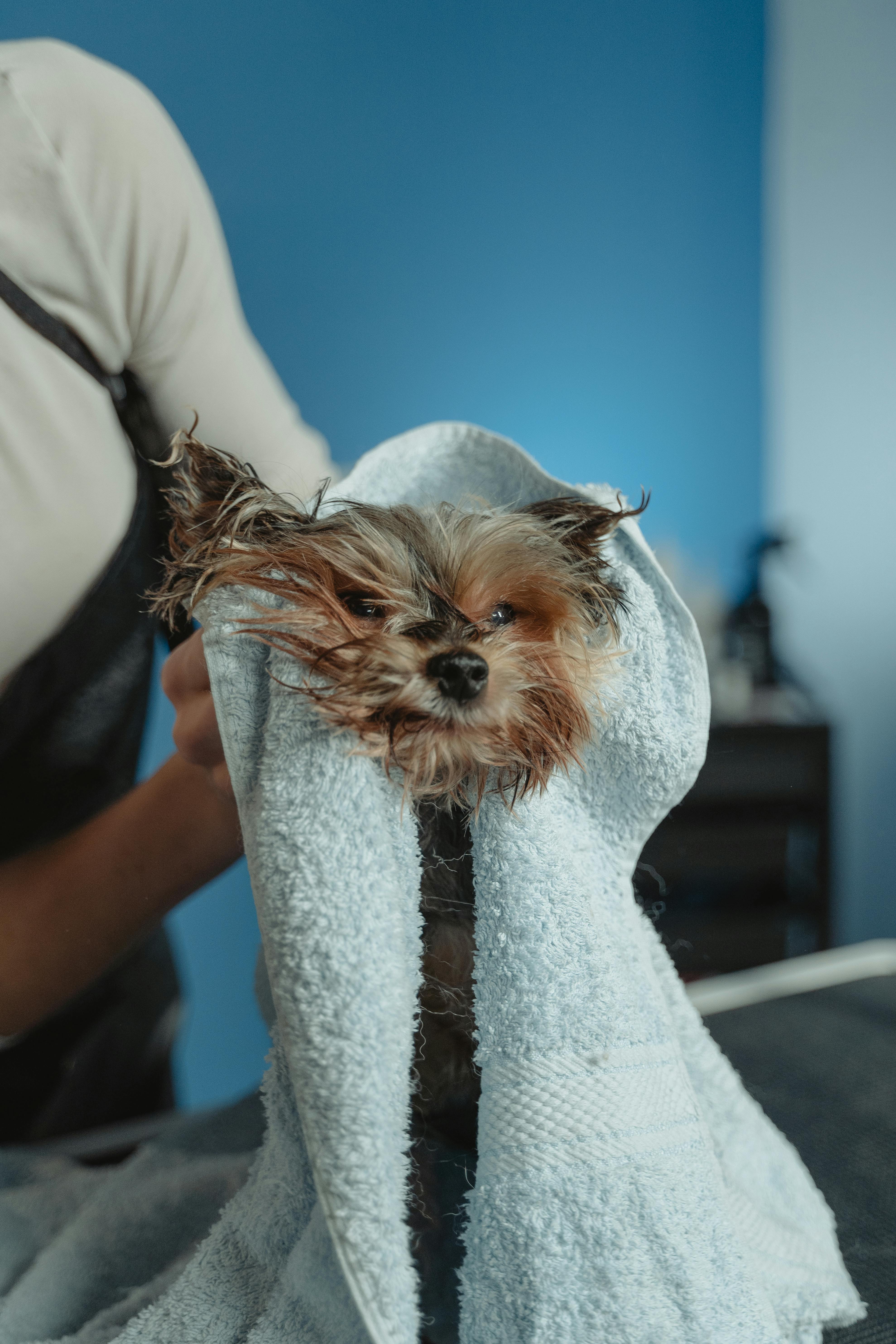
Dogs are known for their loyalty, playfulness, and that adorable wet nose. But have you ever wondered why do dogs have wet noses? This peculiar feature isn’t just for show; it serves several important functions. Here, we explore 5 surprising benefits of a wet nose that reveal a lot about our canine companions.
1. Enhances Sense of Smell
It’s no secret that dogs have an extraordinary sense of smell. In fact, they have up to 300 million olfactory receptors, compared to a human’s mere 5 million. But, what does that have to do with a wet nose? A wet nose helps to capture scent particles more effectively. The moisture on their noses can trap these particles, allowing them to pick up scents in their environment better.
- Scent particles stick to wet surfaces.
- Nasal secretions help dissolve these particles.
- Dogs can interpret smells more accurately with a wet nose.
2. Regulates Body Temperature
Dogs don’t sweat like humans do. Instead, they primarily regulate their body temperature through panting. However, their wet noses also play a role in keeping them cool. When a dog’s nose is damp, it allows for better cooling through evaporation. The moisture evaporates, similar to how sweat works for us, helping to dissipate heat.
- Wet noses can help lower body temperature.
- Evaporation of moisture contributes to cooling.
- Important during hot weather or after vigorous exercise.
3. Communicates Emotional State
A dog’s nose can be a window into its emotional state. Have you noticed how a dog’s nose changes when they are feeling anxious or excited? A wet nose typically indicates that a dog is relaxed and happy. Conversely, a dry nose might mean they are stressed, sick, or overheated. Understanding these signals can help dog owners respond better to their pets’ needs.
- Wet noses often indicate a healthy mood.
- Dry noses can signal stress or health issues.
- Observing your dog’s nose can enhance your bond.
4. Helps With Social Interactions
Dog noses are not just for smelling; they also play a social role. Dogs greet each other by sniffing each other’s noses and behinds. A wet nose can be more inviting, signaling friendliness and approachability. This behavior is instinctual and rooted in their pack mentality.
- Sniffing is a way of gathering information.
- Wet noses make interactions less intimidating.
- Helps establish social hierarchies within dog communities.
5. Indicator of Health
A wet nose can also be a sign of a dog’s overall health. Typically, a healthy dog will have a moist, cool nose. However, drastic changes, like a nose that suddenly becomes dry or excessively wet, can indicate potential health issues. Regularly checking your dog’s nose can be a simple way to monitor their health.
- Normal wetness is a good sign of health.
- Sudden changes can indicate illnesses.
- Regular nose checks can help in early detection.
In summary, a dog’s wet nose is more than just a cute feature; it serves essential functions that contribute to their health and well-being. Understanding why do dogs have wet noses helps us appreciate these furry friends even more.
So, the next time you see your dog with that adorable, shiny, wet nose, remember that it’s not just for show. It’s a powerful tool for communication, health monitoring, and even social interaction. Embracing these unique traits of dogs can deepen the bond between you and your four-legged friend.
Do All Dogs Have Wet Noses? Exploring Variations Across Breeds and Their Implications
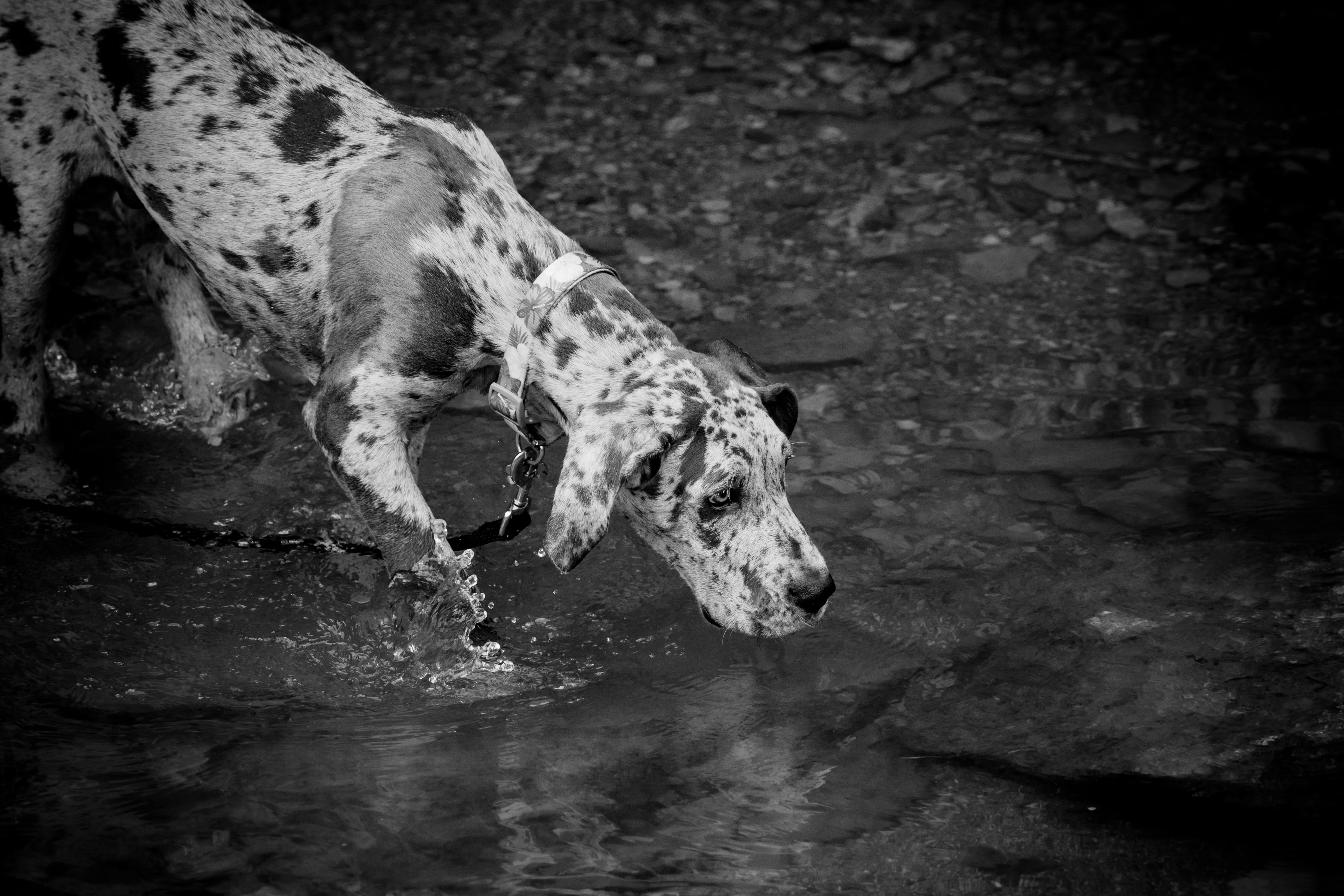
Dogs have always been our loyal companions, and one of the most curious things about them is their noses. A common question among dog lovers is “Do all dogs have wet noses?” The answer, while seemingly simple, is a bit complex. Different breeds possess varying nose characteristics, and understanding these variations can be quite fascinating.
Why Do Dogs Have Wet Noses?
The moisture on a dog’s nose isn’t just for show. Wet noses play a significant role in a dog’s overall health and sensory perception. Here are some reasons why dogs have wet noses:
- Enhanced Smell: Dogs have an incredible sense of smell, estimated to be between 10,000 to 100,000 times more sensitive than humans. The moisture helps to capture scent particles from the air, which aids in their ability to detect smells.
- Regulation of Temperature: Dogs don’t sweat like humans. Instead, they cool themselves by panting. A wet nose helps them to maintain an optimal body temperature by cooling through evaporation.
- Health Indicator: A wet nose can be a sign of a healthy dog. However, if a dog’s nose becomes excessively dry, it might indicate dehydration or illness.
Do All Dogs Have Wet Noses?
Most dogs do have wet noses, but it’s not universal across all breeds. For example, brachycephalic breeds like Bulldogs or Pugs, which have shorter noses, might not always have the same level of moisture. Here’s a breakdown:
- Short-Nosed Breeds:
- Bulldogs
- Pugs
- Boxers
- Shih Tzus
- Long-Nosed Breeds:
- German Shepherds
- Bloodhounds
- Greyhounds
- Beagles
The difference in nose types leads to variations in moisture levels. It’s not uncommon to see a Pug with a drier nose compared to a Beagle.
Factors Influencing Nose Moisture
Several factors can influence how wet or dry a dog’s nose can be. These include:
- Weather Conditions: Hot, dry weather can suck moisture from a dog’s nose.
- Hydration Levels: If a dog is not drinking enough water, their nose may become dry.
- Health Status: Illness can affect nose moisture.
- Age: Older dogs may have drier noses as compared to puppies.
Interesting Facts About Dog Noses
Dog noses are not just wet; they are also fascinating for many reasons. Here are some interesting facts:
- Unique Patterns: Just like human fingerprints, a dog’s nose print is unique to each individual dog.
- Sense of Taste: Dogs have about 1,700 taste buds compared to a human’s 9,000, but their sense of smell greatly enhances their taste perception.
- Nasal Swirls: The patterns on a dog’s nose can be used for identification, similar to how we use fingerprints.
Implications of Nose Variations Across Breeds
Understanding the variations in nose moisture can have implications for dog owners. Here’s a short list of considerations:
- Health Monitoring: Owners should regularly check their dog’s nose. A sudden change in moisture can be an early indicator of health issues.
- Breed-Specific Care: Brachycephalic breeds may require different care routines, especially in hot weather to avoid overheating.
- Behavioral Indicators: A dog’s nose can also reflect their mood. A wet nose might suggest a happy, relaxed dog, while a dry nose could indicate stress or discomfort.
Practical Examples of Nose Care
Here are some practical tips for caring for your dog’s nose:
- Hydration: Ensure your dog has access to fresh water at all times.
- Humidifiers: If you live in a dry climate, consider using a humidifier to help keep your dog’s nose moist.
- Vet Visits: Regular vet check-ups will help to monitor any changes in your dog’s health, including their nose condition.
In conclusion, while most dogs do have wet noses, variations exist across different breeds that can affect moisture levels. Understanding why dogs have wet noses is not just an interesting fact, but it can also help owners take better care of their furry friends. Keeping an eye on your dog’s nose and understanding the implications of its condition can lead to healthier, happier pets.
The Fascinating Connection Between Wet Noses and a Dog’s Sense of Smell

Dogs are known for their many unique traits, but one of the most fascinating features they have is their wet noses. Have you ever wonder why do dogs have wet noses? This little detail holds a secret that connects to their incredible sense of smell, which is far superior to ours. In this article, we dive into the reasons behind this intriguing phenomenon and how it affects a dog’s ability to sniff out the world around them.
The Science Behind Wet Noses
First off, it’s important to understand the anatomy of a dog’s nose. The surface of a dog’s nose is covered in a thin layer of moisture, which plays a crucial role in their olfactory abilities. When you touch a dog’s nose, it’s often cool and damp, and that wetness actually helps to absorb scent particles from the air. The moisture enhances their sense of smell, enabling them to pick up scents far better than humans can.
- Dogs have approximately 220 million scent receptors, compared to about 5 million in humans.
- Their sense of smell is estimated to be anywhere from 10,000 to 100,000 times more sensitive than ours.
- The wetness on a dog’s nose can help to trap these scent particles, making it easier for dogs to detect and identify smells.
Historical Insights on Dogs’ Noses
Historically, dogs has been our companions for thousands of years. From hunting to herding, their sense of smell has been a valuable tool for humans. Ancient civilizations recognized the importance of dogs’ olfactory prowess, using them for tracking and finding game. The wet nose wasn’t just a cute trait; it was a functional one that helped humans in various tasks.
- In ancient Egypt, dogs was often depicted in art as skilled hunters.
- The Romans utilized dogs for tracking and retrieving.
- In modern times, dogs are trained as service animals and in law enforcement for drug detection.
How Wet Noses Benefit Dogs
The wetness of a dog’s nose serves a few important functions beyond just enhancing their sense of smell. Here’s a quick list of some benefits of having a wet nose:
- Temperature Regulation: Dogs don’t sweat like humans do. Their wet noses help to cool them down and regulate body temperature.
- Scent Detection: As mentioned, moisture helps trap scent particles, allowing dogs to detect even the faintest smells.
- Health Indicator: A dog’s nose can indicate health. A dry, cracked nose might suggest dehydration or illness, while a wet nose is generally a sign of good health.
Fun Facts About Dogs and Their Noses
- Dogs have unique nose prints, much like human fingerprints. Each dog’s nose has a distinct pattern that can be used to identify them.
- Certain breeds are known for having particularly wet noses. For example, Labrador Retrievers and Bloodhounds are famous for their exceptional smelling capabilities.
- Puppies are born with wet noses, but as they age, the moisture level can change. Some older dogs may have drier noses due to health conditions or medication.
Comparison: Dogs’ Noses Vs. Human Noses
When comparing dogs’ noses to human noses, it’s clear that dogs are in a league of their own. Here’s a quick side-by-side comparison:
| Feature | Dogs’ Noses | Human Noses |
|---|---|---|
| Number of Scent Receptors | About 220 million | About 5 million |
| Sensitivity | 10,000 to 100,000 times more | Less sensitive |
| Moisture | Naturally wet | Generally dry |
| Function | Smelling, temperature regulation | Smelling, limited function |
Practical Examples of Dogs Using Their Noses
Dogs use their noses in various practical ways. Service dogs, for instance, are trained to detect specific scents like drugs or allergens. Here are some examples:
- Search and Rescue: Dogs are trained to locate missing persons by following their scent trails.
- Medical Detection: Some dogs can sniff out diseases like cancer or diabetes by detecting changes in a person’s scent.
- Tracking: Hunting dogs can follow game by picking up scent trails in the wild.
The connection between a dog’s wet nose and their extraordinary sense of smell is a fascinating topic that combines biology, history, and practical application. So, the next time you pet a dog and feel that cool, damp nose, remember that it’s not just an endearing quality—it’s a vital part of what makes dogs such incredible companions and helpers in our lives. Understanding this unique trait gives us a deeper appreciation for our furry friends and their remarkable abilities.
Is a Wet Nose a Sign of a Healthy Dog? Debunking Common Myths

When you think about dogs, one of the first things that often comes to mind is their adorable, wet noses. Many people assume that a wet nose is a sign of a healthy dog. But is that really true? Let’s dive into the fascinating world of canine noses, explore some common myths, and learn why dogs have wet noses in the first place.
The Myth of the Wet Nose
First off, let’s tackle the common belief that a wet nose means your dog is healthy. While a wet nose can be a good indicator of health, it isn’t the only factor. Dogs can have varying nose moisture levels due to many things.
- Humidity: A dog’s nose could be wetter on a humid day compared to a dry one.
- Activity Level: After running around, a dog’s nose might become drier as they pant and lose moisture.
- Health Conditions: Illness can cause changes in nose moisture, but not always in predictable ways.
So, while a wet nose is typically a sign of a well-hydrated pup, it’s not a definitive health marker.
Why Do Dogs Have Wet Noses?
Now, you might be wondering, why do dogs even have wet noses? Well, the reasons are both interesting and practical! A dog’s nose is specialized for smelling, and the moisture plays a vital role in their olfactory abilities.
- Enhanced Scent Detection: The wetness helps trap scent particles, making it easier for dogs to detect and identify smells.
- Cooling System: Dogs don’t sweat like humans. A wet nose helps them regulate their body temperature as moisture evaporates.
- Communication: Dogs often use their noses to explore and interact with their environment, and a wet nose can convey different meanings to other dogs.
Understanding these reasons can really change how you view your furry friend’s snout.
Common Myths About Dog Noses
Let’s debunk some myths about dog noses that are floating around out there:
Myth: A cold nose means a sick dog.
- Reality: Just because a dog’s nose is cool doesn’t mean they are unwell. Some dogs naturally have cooler noses than others.
Myth: You should always check a dog’s nose to gauge its health.
- Reality: Nose temperature and wetness are just one of many health indicators. Look for other signs like energy level and appetite.
Myth: Dogs with dry noses are unhealthy.
- Reality: A dry nose can be normal for many dogs, especially when they sleep or after long periods of inactivity.
Factors Influencing Nose Moisture
It’s also important to note some factors that can affect the moisture of a dog’s nose. Here’s a list to consider:
- Breed: Some breeds naturally have drier noses, while others tend to be moister.
- Environment: Hot weather can dry out a dog’s nose, while cold weather can cause it to become chapped.
- Age: Older dogs may experience changes in nose moisture levels.
How to Care for Your Dog’s Nose
If you notice that your dog’s nose is consistently dry or cracked, it might be helpful to take some preventive steps. Here are a few suggestions:
- Hydration: Make sure your dog drinks plenty of water.
- Moisturizers: Use pet-safe nose balms to help keep the nose hydrated if it looks chapped.
- Veterinary Check: If you have concerns, always consult a vet for advice tailored to your dog’s specific needs.
Fun Facts About Dogs and Their Noses
Did you know that a dog’s sense of smell is far superior to that of humans? Here are some fun facts:
- Dogs have up to 300 million smell receptors, compared to about 6 million in humans.
- The area of a dog’s brain that processes smells is about 40 times larger than that of a human.
- Some dogs can detect certain diseases, like cancer or diabetes, simply through smell.
With all these fascinating facts, it’s clear that a dog’s nose is much more than just a cute feature!
Understanding your dog’s nose and its functions can be quite enlightening. While wet noses can indicate hydration and health, they’re just one piece of the puzzle. Regular vet check-ups and attention to your dog’s overall well-being are crucial. So, the next time you give your furry friend a scratch and feel that wet nose, remember: it’s a complex world behind that adorable snout!
7 Reasons Why Your Dog’s Nose Might Be Dry: When to Worry and When to Relax
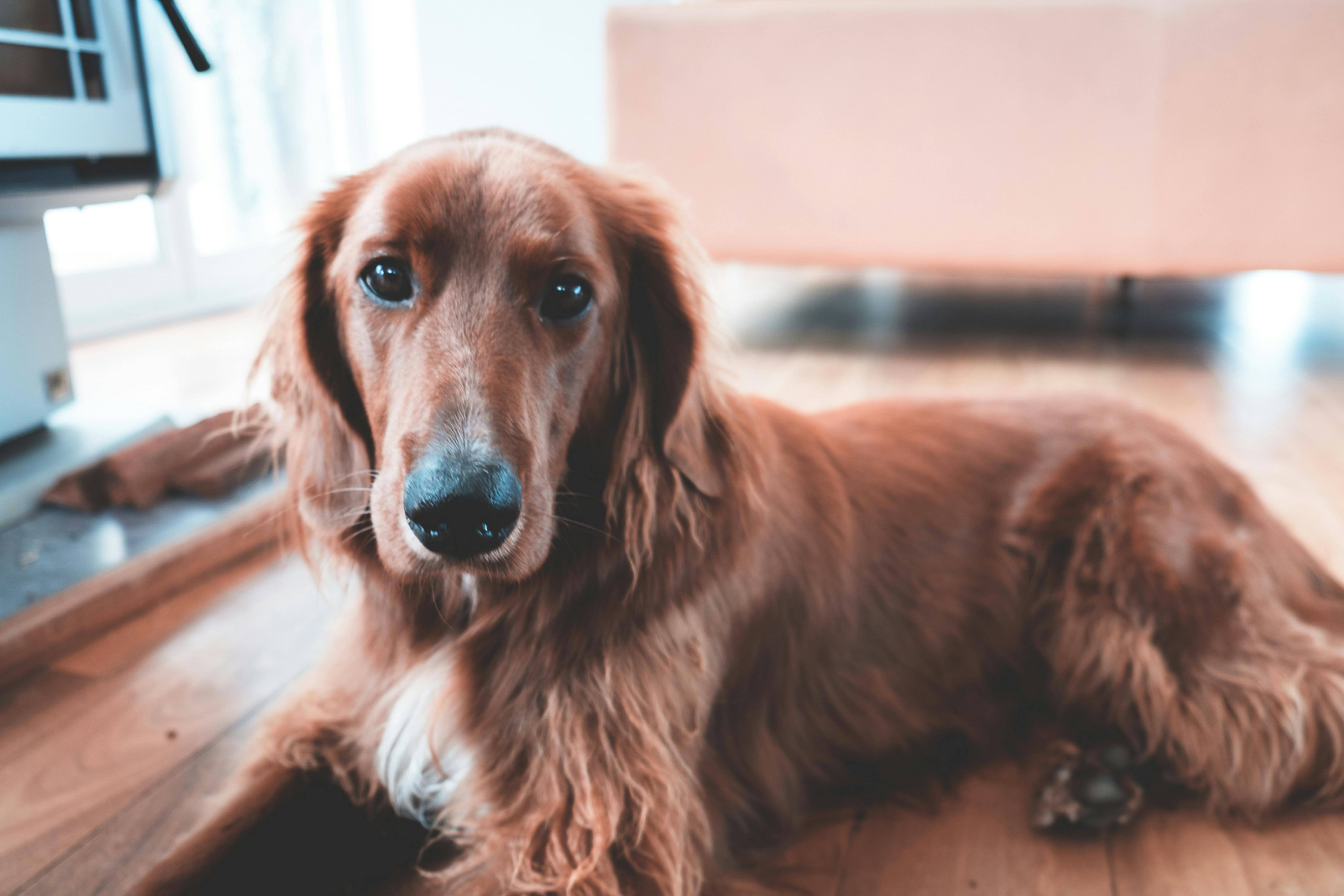
Dog lovers often notice their furry friends have wet noses, and it’s a common belief that this is a sign of good health. But what happens when your dog’s nose feels dry? Is it cause for concern, or should you just relax? Let’s dive into the reasons behind both wet and dry noses, and figure out when you should be worried and when you can chill.
Why Do Dogs Have Wet Noses?
It’s fascinating, really! Dogs’ noses are wet for several reasons. First off, the moisture helps them smell better. Dogs have an incredible sense of smell, and a wet nose enhances their ability to pick up scents from the environment. Here’s a quick breakdown of why dog’s noses stay wet:
- Cooling Mechanism: Just like humans sweat, dogs can’t sweat the same way. Their noses help to cool them down.
- Scent Detection: The moisture on a dog’s nose traps scent particles, allowing them to gather more information about their surroundings.
- Health Indicator: A wet nose is often considered a sign of a healthy dog, but it’s not the only factor to judge health.
7 Reasons Why Your Dog’s Nose Might Be Dry
Dehydration: If your dog isn’t drinking enough water, their nose might dry up. Make sure they have access to fresh water at all times.
Weather Changes: Hot or cold weather can affect your dog’s nose. In winter, the air is dry, and this can lead to a dry nose.
Allergies: Dogs can have allergies just like humans. Pollens, dust, or even food can cause dryness in their nostrils.
Sunburn: Believe it or not, dogs can get sunburned too! If your dog spends a lot of time outdoors, their nose could dry out from too much sun exposure.
Skin Conditions: Certain skin conditions, like dermatitis, can cause dryness. This could be a sign of something more serious, so keep an eye on it.
Infection or Illness: Sometimes, a dry nose can indicate a health problem. If your dog shows other symptoms, it’s time to take them to a vet.
Age: As dogs get older, their skin may lose moisture, leading to a drier nose. It’s just part of the aging process.
When to Worry and When to Relax
Now that you know some reasons for a dry dog nose, it’s important to understand when you need to take action. Here’s a simple guide:
Worry When:
- Your dog’s nose is persistently dry and cracked.
- There are other symptoms like lethargy, loss of appetite, or unusual behavior.
- You notice swelling or discoloration around the nose.
- Your dog seems uncomfortable or in pain.
Relax When:
- The dryness is occasional and doesn’t last long.
- Your dog is otherwise healthy and active.
- You notice dryness only during seasonal changes.
- There are no other concerning symptoms.
Practical Examples: Observing Your Dog
You should observe your dog closely. For instance, if you notice that their nose is dry after a day in the sun, it might just be a temporary condition. On the other hand, if the dryness comes with a cough or vomiting, don’t wait to see if it gets better.
Quick Tips for Maintaining a Healthy Nose
Here are some tips to keep your dog’s nose healthy and hydrated:
- Hydration: Always provide plenty of fresh water.
- Moisturize: If your dog’s nose is dry, consider using natural oils or dog-safe moisturizers.
- Limit Sun Exposure: If your dog loves to sunbathe, provide shade or limit their time outside during peak sun hours.
- Regular Vet Visits: Regular check-ups can catch any underlying issues early.
In short, while a wet nose is often seen as a sign of a happy, healthy pup, dry noses can be a normal part of a dog’s life too. Just keep an eye on your furry friend and consult your vet if you see anything unusual. Your dog relies on you to keep them healthy and happy, so be the vigilant owner they need!
The Role of Wet Noses in Dog Communication: How Dogs Use Their Sense of Smell
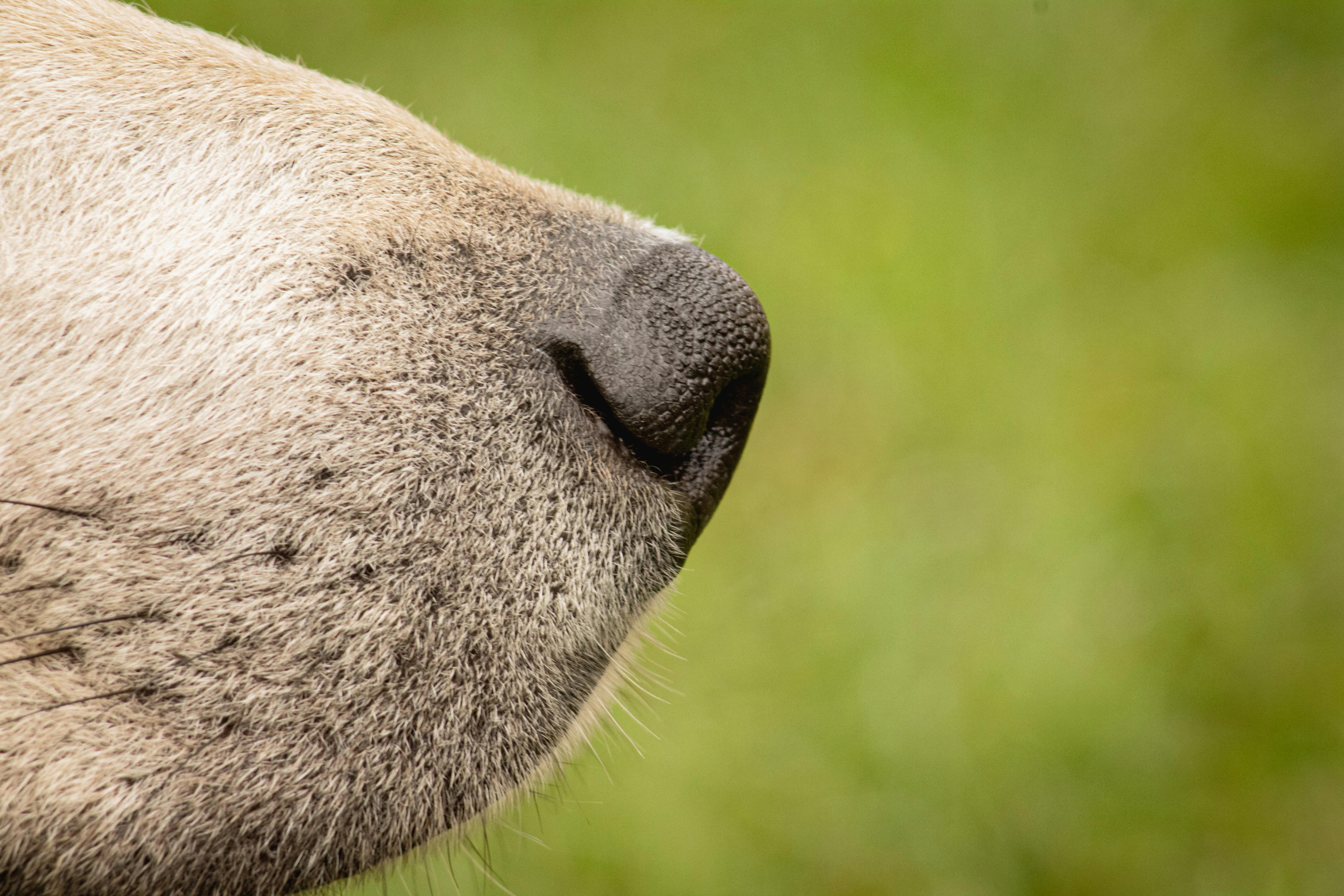
Dogs are known for their loyalty, playfulness, and their unique ways of communicating with humans and other animals. One aspect of this communication that often goes unnoticed by many is the role of their wet noses. You might be wondering, why do dogs have wet noses? This question leads us into the fascinating world of canine communication and their incredible sense of smell.
The Science Behind Wet Noses
Ever notice how a dog’s nose feels cool and moist? It turns out, this wetness is not just for show. A dog’s nose is covered with a thin layer of mucus that serves several important purposes:
Enhanced Smell: The moisture helps capture scent particles from the air. This makes it easier for dogs to detect and identify different smells. In fact, dogs have up to 300 million scent receptors in their noses, compared to a human’s 5 million. This means they can smell things that we can’t even imagine.
Thermoregulation: Dogs actually cool down through their noses. When a dog pants, moisture evaporates from the nose, helping to regulate body temperature. This is especially important for breeds that are prone to overheating.
Health Indicator: A wet nose can indicate a healthy dog. If a dog’s nose becomes dry and cracked, it might signal dehydration or illness. Keeping an eye on a dog’s nose can be a useful way for pet owners to monitor their furry friend’s health.
Dogs Communicate Through Smell
Dogs don’t just use their noses for sniffing out treats or exploring the great outdoors. Their ability to smell plays a crucial role in how they communicate with each other and with humans. Here are some interesting facts about how dogs communicate using their sense of smell:
Pheromones: Dogs release pheromones, which are chemical signals that convey information about their emotions, reproductive status, and territory. A dog who is feeling anxious or scared might emit different pheromones than one who is friendly and excited.
Scent Marking: Dogs often leave their scent on objects by rubbing their noses or marking with urine. This behavior helps them establish territory and communicate with other dogs. A well-marked area can indicate the presence of a dog and its health status.
Social Interactions: When dogs meet, they often engage in a olfactory greeting. They sniff each other’s noses and rear ends to gather information about the other dog. This behavior is normal and crucial for their social interactions.
Why Are Some Noses Wetter Than Others?
You might have noticed that some dogs have wetter noses than others. This can depend on several factors:
Breed Differences: Certain breeds, like Bulldogs and Pugs, tend to have drier noses due to their facial structure. Others, like Retrievers and Spaniels, often have moist noses.
Environmental Factors: Weather can affect a dog’s nose moisture. For example, hot or dry weather can lead to drier noses, while humid conditions can keep them moist.
Health Conditions: As mentioned earlier, a dry nose can indicate health issues. If a dog’s nose suddenly becomes dry and cracked, it’s wise to consult a veterinarian.
Fun Facts About Dog Noses
Unique Patterns: Just like human fingerprints, each dog’s nose print is unique. This means you could identify a dog just by its nose!
Nose Temperature: A dog’s nose temperature can change based on their health. Normal noses are cool and wet, but a warm and dry nose could mean something’s off.
Nasal Folds: The moist surface is not just to capture scents, but also has folds that increase the surface area. This maximizes the amount of scent that can be detected.
Practical Examples of Communication
If you’ve ever watched dogs interact, you may have noticed how they use their noses in various situations. For instance:
Greeting: When two dogs meet, they often sniff each other’s noses, which is like shaking hands in the canine world.
Play Signals: A dog might have a wet nose while playing, signaling excitement and readiness to engage with another dog.
Stress Indicators: If a dog’s nose is dry and they are retreating, it might be a sign of stress or discomfort.
Understanding why dogs have wet noses and how they use their sense of smell can deepen our appreciation for these wonderful animals. Their noses are not just adorable features; they are vital tools for communication and survival. So next time you pet your dog, remember that their wet nose is more than just a cute touch – it’s a window into their world.
Can Weather Affect Your Dog’s Nose Moisture? Understanding Seasonal Changes
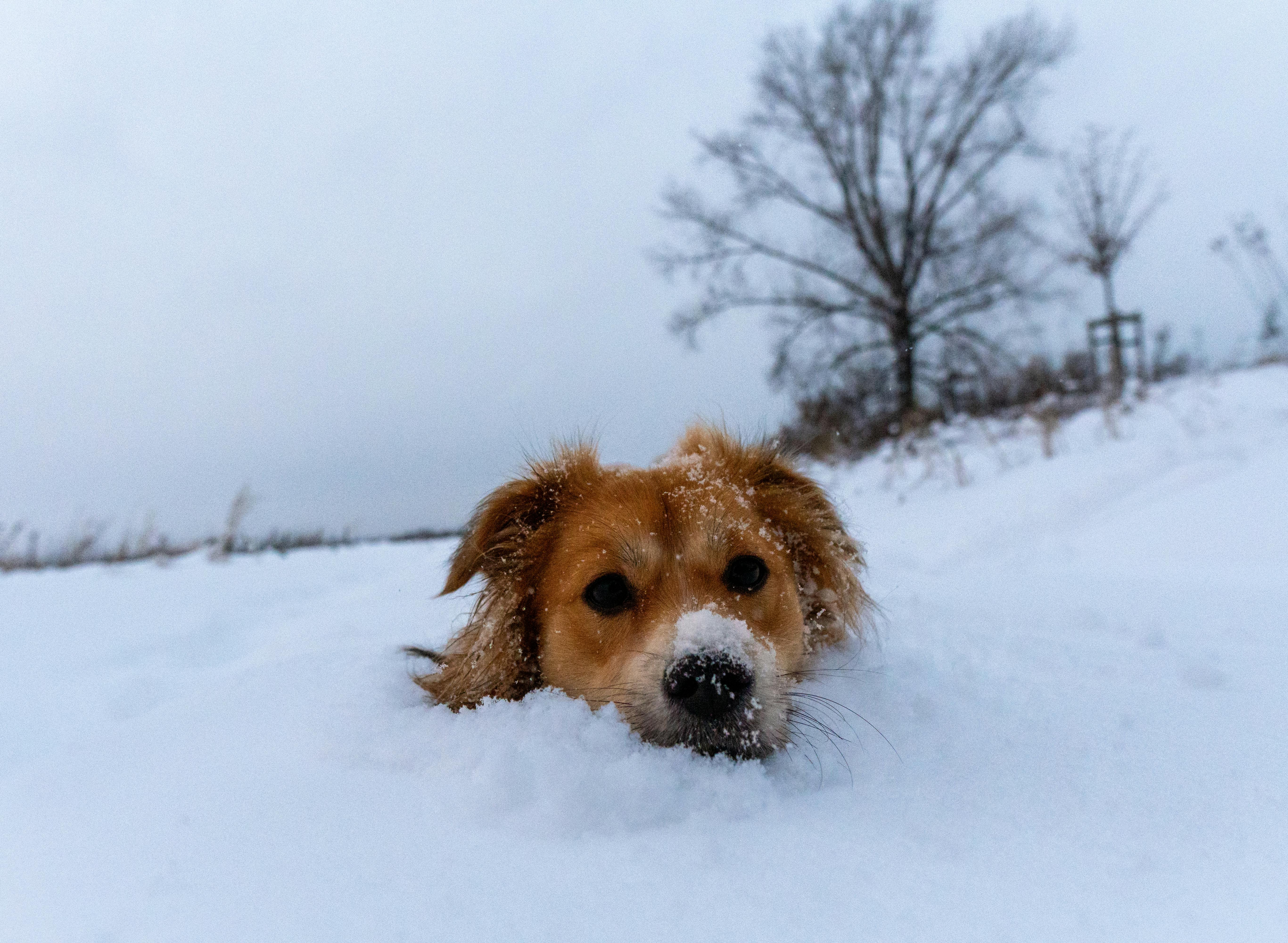
Have you ever notice your dog’s nose and wondered why it’s often wet? Or how different weather conditions might affect that moisture? You might be curious about how seasonal changes impact your furry friend’s snout. In this article, we explore the fascinating reasons behind why do dogs have wet noses, and how the weather can play a role in it.
Why Do Dogs Have Wet Noses?
Dogs’ noses are typically moist for several reasons, and knowing them can help you understand your pet better. Here are some key points to consider:
Temperature Regulation: Dogs don’t sweat like humans do. Instead, they use their noses to help cool off. A wet nose can help maintain a dog’s body temperature by evaporating moisture, which cools the blood vessels in the snout.
Enhanced Sense of Smell: The moisture on a dog’s nose helps to trap scent particles, making it easier for them to sniff out things. Dogs have an incredible sense of smell, and a moist nose assists in this natural ability.
Health Indicator: A healthy dog usually has a moist nose. If a dog’s nose becomes dry and cracked, it may signal dehydration or illness. Regular checks can help you notice any changes.
Behavioral Factors: Dogs lick their noses, which keeps them moist. They also might get their noses wet when they explore, sniff, or drink water.
How Weather Affects Your Dog’s Nose Moisture
Just like humans, dogs can react to weather changes. Here’s how different weather conditions can influence your dog’s nose moisture:
Hot Weather: On hot days, dogs may have a wetter nose due to increased licking. They can be more active, causing them to pant and lick more to cool down.
Cold Weather: In winter, dogs’ noses might become drier. Cold air can lead to less moisture, and if they stay indoors with heating, the dry air can also contribute to dryness.
Humidity Levels: High humidity can cause a dog’s nose to stay moist longer. Conversely, dry climates may lead to more dry noses.
Rainy Days: When it rains, your dog’s nose might get extra moisture from the wet environment, which can be a fascinating observation for pet owners.
Fun Facts About Dog Noses
Dogs have an estimated 220 million smell receptors in their noses, compared to about 5 million in humans. This is why their noses are so crucial for their sense of smell.
A dog’s nose print is unique, similar to a human fingerprint. Each dog has a distinct pattern that can be used for identification.
Dogs can sniff out certain diseases, including cancer and diabetes, due to their powerful olfactory senses.
Tips For Keeping Your Dog’s Nose Healthy
Maintaining your dog’s nose health is important. Here are some tips:
Hydration: Make sure your dog is drinking enough water, especially on hot days.
Moisturize: If you notice your dog’s nose getting dry, you can use dog-safe moisturizers or coconut oil.
Regular Vet Check-ups: Regular vet visits can help identify any underlying health issues affecting your dog’s nose moisture.
When To Worry About Dry Noses
While a wet nose is typically a sign of health, there are times when you should seek veterinary advice:
- If the nose becomes excessively dry, cracked, or bleeding.
- If your dog shows signs of discomfort, such as licking the nose more than usual.
- If there are other symptoms like lethargy, loss of appetite, or vomiting.
Comparing Wet and Dry Noses: What You Should Know
Here’s a quick comparison that might help you understand the significance of your dog’s nose condition better:
Wet Nose:
- Indicates good hydration
- Usually means the dog is healthy
- Helps in scent detection
Dry Nose:
- Can be a sign of dehydration
- Might indicate illness
- Less effective in trapping scents
Understanding your dog’s nose moisture can offer insights into their overall health and well-being. It’s intriguing how something as simple as a dog’s nose can tell you a lot about their condition, especially with changing weather. By keeping an eye on your dog’s nose, you can take proactive steps to ensure they remain healthy and happy, regardless of the season.
How to Keep Your Dog’s Nose Healthy: Tips for Maintaining Optimal Moisture Levels
Keeping your dog’s nose healthy is more important than you might think. Many pet owners often overlook the significance of their furry friend’s snout. A dog’s nose is not just an adorable feature; it plays a vital role in their overall health and well-being. So, how do you keep your dog’s nose moist and healthy? And why do dogs have wet noses in the first place? Let’s dive into these intriguing questions and explore some tips to maintain optimal moisture levels for your canine companion.
Why Do Dogs Have Wet Noses? Discover This Fascinating Secret!
Dogs have wet noses for several reasons, which is quite fascinating. First, a damp nose helps dogs to smell better. They have more olfactory receptors in their noses than humans do, and moisture enhances their sense of smell. When they breathe in, the moisture on their nose captures scent particles, making it easier for them to identify the world around them. Here’s a quick rundown of why your dog’s nose is typically wet:
- Enhanced Smell: Moisture traps scent particles, improving olfactory capabilities.
- Temperature Regulation: Dogs also use their noses to help regulate body temperature.
- Health Indicator: A wet nose can be a sign of a healthy dog, while a dry or cracked nose might indicate dehydration or illness.
Tips for Maintaining Optimal Moisture Levels
Keeping your dog’s nose healthy is crucial, and there are several practical steps you can take. Here’s some tips to ensure your pet’s snout stays in tip-top shape:
- Hydration is Key: Make sure your dog drinks plenty of water. Dehydration can lead to a dry nose. Always have fresh water available.
- Monitor the Environment: Dry air, especially during winter months, can affect nose moisture. Use a humidifier if needed.
- Regular Checks: Regularly check your dog’s nose for signs of dryness or cracking. If it looks unhealthy, consult your vet.
- Limit Sun Exposure: Just like our skin, a dog’s nose can get sunburned. Limit their time in direct sunlight, or consider using a pet-safe sunscreen.
- Healthy Diet: A balanced diet contributes to overall health, including skin and nose health. Talk to your vet about the best food options.
- Grooming: Regular grooming can help. Sometimes dirt and debris can cause irritation, leading to a dry nose.
Common Nose Issues to Watch For
Being aware of potential nose problems is important. Here’s a list of common nose issues that might affect your dog:
- Cracked Nose: This can happen due to dehydration or environmental factors.
- Nosebleeds: Can be caused by trauma, allergies, or infections.
- Dry, Flaky Nose: Often indicates dehydration or an underlying health issue.
- Nasal Discharge: Could signal infections, allergies, or foreign bodies lodged in the nasal passage.
If you notice any of these issues, it’s best to see a veterinarian. They can provide proper diagnosis and treatment.
Historical Context of Dog Noses
Having a wet nose is not just a random characteristic. Historically, dogs have evolved this way for survival. In the wild, scent is crucial for hunting and navigating their environment. Studies show that certain breeds have developed even more distinct nose shapes to enhance their smelling abilities. For instance:
- Bloodhounds: Known for their incredible sense of smell, utilized in search and rescue operations.
- Beagles: Often used in detection work due to their keen olfactory senses.
- German Shepherds: Commonly employed in police work because of their strong sense of smell.
Fun Facts About Dog Noses
Did you know that dog noses can be as unique as human fingerprints? Each dog’s nose has a distinct pattern. Here are some fun facts about dog noses you probably didn’t know:
- Dogs have about 300 million olfactory receptors compared to about 5 million in humans.
- The temperature of a dog’s nose can vary throughout the day and can be an indicator of health.
- Dogs can detect certain diseases in humans, including cancer and diabetes, through their sense of smell.
Taking care of your dog’s nose is not just about looks; it’s about their health and happiness. It can also strengthen the bond between you and your pet. So, pay attention to that wet little snout; it holds secrets to your dog’s well-being. With these simple tips, you can ensure your furry friend stays healthy and happy, nose and all!
Why Do Dogs Lick Their Noses? The Science Behind This Common Canine Behavior
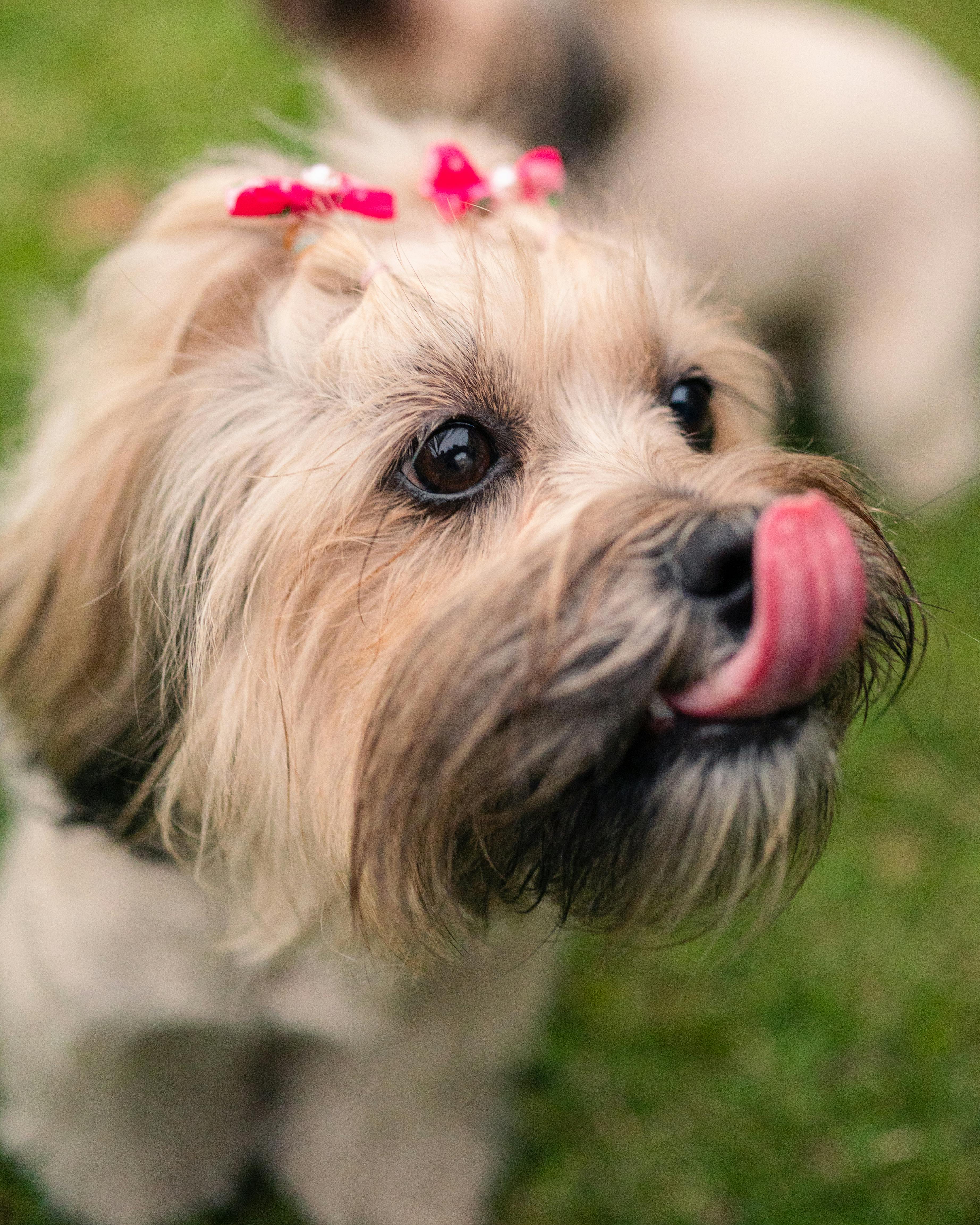
Dogs, those furry companions that light up our lives, have all sorts of quirky behaviors, one of which is licking their noses. You might be wonderin’, why do dogs lick their noses? It’s a common sight, but there’s actually some science behind it that explain this behavior, and also why do dogs have wet noses, which is equally interesting. Let’s dive into the fascinating world of our canine pals!
The Science Behind Nose Licking
When dogs lick their noses, they are doin’ more than just keeping it clean. Here’s a few reasons why they might engage in this behavior:
- Scent Enhancement: Dogs have an incredible sense of smell, which is thousands of times better than humans. When they lick their nose, it helps to spread moisture on their scent receptors. This makes it easier for them to pick up on various smells in their environment.
- Taste Testing: You might not know this, but dogs also taste things with their noses! By licking, they can gather chemical information about their environment, helping them understand what’s around them.
- Comfort and Relaxation: Just like humans might fidget or touch their face when they’re anxious, dogs often lick their noses to self-soothe. It can be a calming mechanism for them, especially in stressful situations.
Why Do Dogs Have Wet Noses?
Now let’s talk about another intriguing aspect: why do dogs have wet noses? Many dog owners notice that their pets’ noses are often moist, and there’s a good reason for that too. Here’s a breakdown of the reasons:
- Temperature Regulation: Dogs do not sweat like humans do. Instead, they rely on their noses to help cool down. A wet nose can help regulate their body temperature, acting as a natural air conditioning system.
- Enhanced Smell: A moist nose can absorb scent particles better. This moisture traps odors, allowing dogs to gather more information about their surroundings.
- Health Indicator: A wet nose is often seen as a sign of health in dogs. It can indicate that a dog is well-hydrated and in good condition. However, a dry or cracked nose can sometimes indicate illness or dehydration.
Fun Facts About Dogs’ Noses
Here are some interesting tidbits about dog noses and licking behavior:
- Unique Nose Prints: Just like human fingerprints, each dog has a unique nose print. This can actually be used for identification!
- Nose Color Changes: A dog’s nose can change color based on temperature or even mood. For example, a dog might have a more vibrant pink nose when they’re excited.
- Temperature Sensitivity: A dog’s nose can be sensitive to temperature changes. If it feels warm, it might be a sign they are fighting off something or feeling unwell.
Comparing Dogs’ Noses with Other Animals
Dogs aren’t the only animals with wet noses. Here’s how they compare:
- Cats: Like dogs, cats also have moist noses, which help them to smell better. However, they tend to lick their noses less frequently.
- Rabbits: Rabbits have wet noses too, and they often twitch them to gather scents from the air, just like dogs do.
- Pigs: Pigs have very moist noses, which they use to dig around and find food, similar to how dogs might explore their environment.
Practical Examples of Nose Behavior
- In Play: When a dog is playing or excited, you may notice them licking their nose more frequently. This behavior can be part of their playful demeanor, helping them take in the scents of their surroundings.
- During Stress: If your dog is in an unfamiliar situation, such as at the vet or around new people, they might lick their nose as a sign of anxiety. Observing this can help you understand your pet’s emotional state better.
So, next time you see your dog licking its nose, remember, it’s not just a quirky habit, it’s a complex behavior rooted in science! From scent enhancement to temperature regulation, the reasons why do dogs lick their noses, and why do dogs have wet noses, reveal how fascinating these creatures truly are. Their noses are not only adorable, but they also serve essential functions that keep them healthy and happy.
Conclusion
In conclusion, the wet noses of dogs serve several essential purposes that contribute to their overall health and well-being. The moisture on a dog’s nose enhances their sense of smell, allowing them to detect scents more effectively, which is vital for communication and environmental awareness. Additionally, the wetness helps regulate their body temperature and keeps their noses cool, especially during warmer months. While a wet nose is often seen as a sign of a healthy dog, it’s essential to monitor any changes, as they can indicate health issues. Understanding the science behind a dog’s wet nose not only deepens our appreciation for these remarkable animals but also encourages us to take better care of them. So, the next time you greet your furry friend, take a moment to appreciate their unique features and ensure they receive the love and attention they deserve for a happy, healthy life.
